
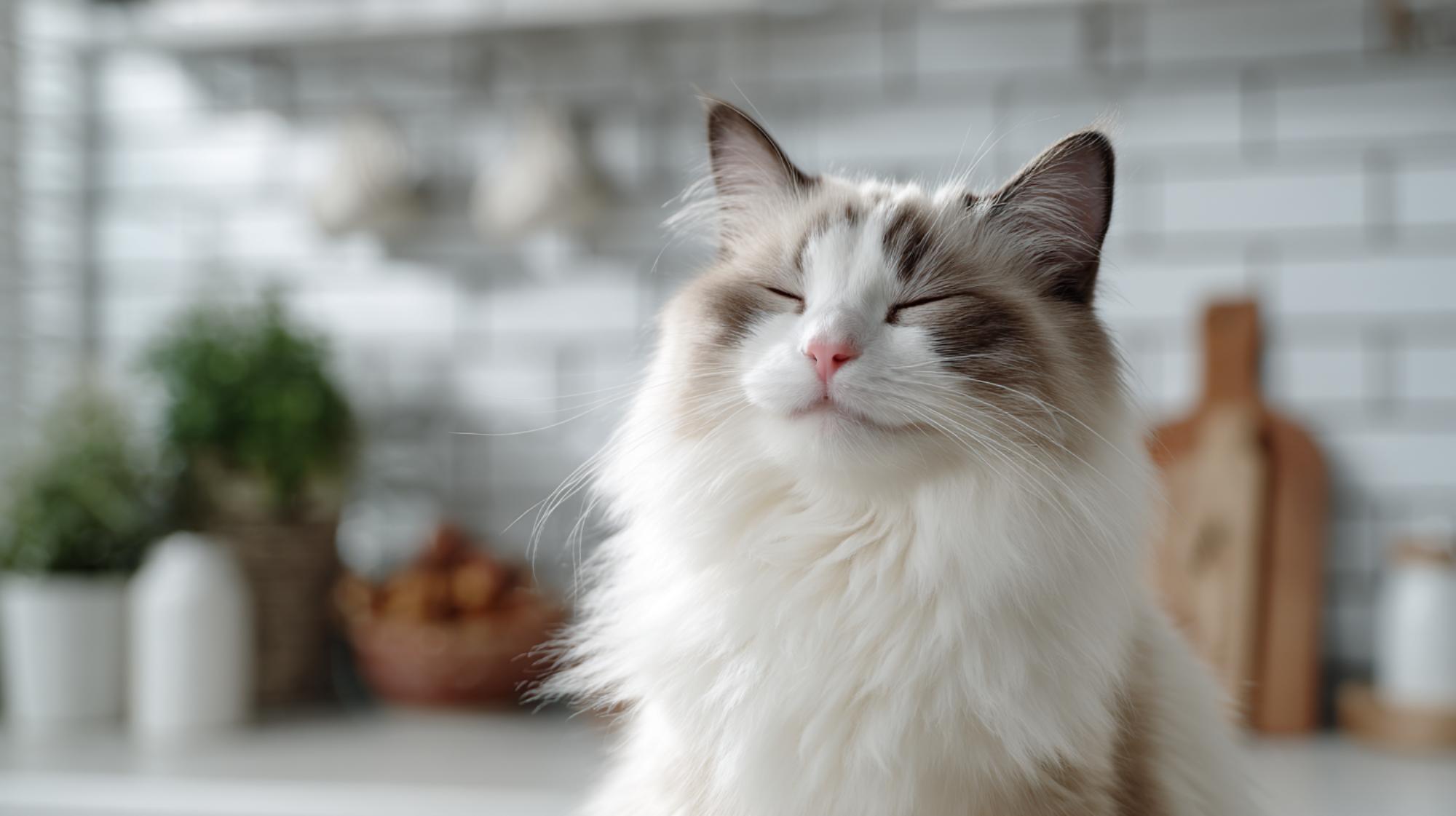
How Ethical Catteries Operate: Waitlists, Contracts, and Payments

Ethical catteries operate with structure, documentation, and clear boundaries because breeding responsibly requires consistency, not convenience. From applications and waitlists to deposits, contracts, insurance expectations, and lifelong responsibility for the cats they produce, reputable breeders follow systems that protect kittens, support families, and reduce long-term risk.
This post explains what ethical cattery operations actually look like, why these processes are standard across responsible programs, and how understanding them helps buyers make calmer, more informed decisions.
How Ethical Catteries Operate: Summary Table
| Area | What Ethical Catteries Do | Why It Matters |
|---|---|---|
| Applications | Use structured applications | Sets expectations early and supports better matches |
| Buyer Screening | Ask about lifestyle, timing, and experience | Prevents impulse placements and long-term regret |
| Waitlists | Plan litters in advance with limited availability | Protects queen health and avoids overpromising |
| Deposits | Require deposits tied to clear terms | Signals commitment and supports responsible planning |
| Contracts | Use written agreements for every placement | Protects kittens, buyers, and breeders |
| Payment Methods | Accept documented, traceable payments | Ensures transparency, compliance, and record keeping |
| Pricing | Reflect real costs of ethical breeding | Supports health testing, care, and long-term support |
| Insurance | Encourage early pet insurance coverage | Prevents delayed care and financial stress |
| Kitten Selection | Place kittens based on fit, not speed | Improves long-term success and stability |
| Shipping & Transport | Use planned, professional transport when needed | Allows access to ethical breeders beyond local areas |
| Communication | Communicate at milestones, not constantly | Keeps information accurate and care-focused |
| After Pickup Support | Provide guidance beyond pickup | Supports smoother transitions and development |
| Lifetime Responsibility | Require return to breeder if rehoming is needed | Ensures lifelong safety for the cat |
| Overall Structure | Operate with systems and boundaries | Protects everyone involved and improves outcomes |
How Almonte Cats Operates as an Ethical Cattery
Almonte Cats operates as a structured, ethical cattery with clear processes designed to protect kitten health, support families, and ensure responsible placement. Our program is built around veterinarian health practices and oversight, planned litters, transparent communication, and long-term accountability for every cat we produce.
We follow consistent policies for applications, deposits, contracts, insurance expectations, and rehoming support, not to create barriers, but to reduce risk and promote stable outcomes.
Our cats are not overbred, and they are each family members living their best life. Some with us, and some with extended family (boys I am looking at you). This approach reflects responsible breeding standards rather than convenience-based selling.
If you are looking for kittens raised like this, you can view our available kittens here.
What Defines a Reputable Cattery
Breeding as a Program, Not a Transaction
Here’s another thing people don’t see: reputable breeders aren’t thinking litter to litter. They’re thinking years ahead.
Breeding is a program. Pairings are planned long before kittens exist. Lines are tracked. Health outcomes are reviewed over time, not just at pickup. Ethical breeders keep records — pedigrees, testing, placements, feedback — because patterns matter more than promises.
Casual sellers focus on the current litter. Professional catteries focus on the next five.
That difference shows up in consistency, communication, and long-term results.
Why Ethical Breeders Use Systems
Systems aren’t about control. They’re about prevention.
Clear applications reduce mismatches. Contracts protect everyone. Health protocols prevent avoidable problems. Communication policies keep expectations realistic.
- Systems reduce mistakes.
- Systems protect animals.
- Systems protect buyers.
- Systems keep breeders from burning out and disappearing from the space.
Good breeders don’t wing it. They standardize what works.
Why “Flexible” Often Means Risky
One of the most common requests breeders get is to “just make an exception.”
Here’s the honest truth: flexibility without structure leads to inconsistency. Inconsistency leads to confusion. Confusion leads to problems — for kittens and for buyers.
Reputable breeders don’t improvise policies per person because fairness and safety depend on consistency. Flexibility still exists, but it happens inside boundaries, not instead of them.
When a breeder holds steady to their process, that’s not a red flag. It’s usually a sign you’re dealing with someone who understands the responsibility they’ve taken on.
Inquiry, Applications, and Buyer Screening
Here’s what people don’t see when they message a cattery for the first time.
That first inquiry isn’t about saying yes or no. It’s about starting a conversation that has real consequences, for a living animal and the household bringing them home.
H3: Why Most Reputable Catteries Use Applications
Applications are there to make sure you match with the best kitten for you, and kittens find the home they thrive best in.
A good application sets expectations early, before emotions and deposits get involved. It helps buyers slow down and actually think through what they’re asking for — not just what they like in photos.
Breeders use applications to understand lifestyle, not to judge it. Different cats thrive in different homes. Temperament matters. Energy level matters. Grooming tolerance matters. An application gives context that a few DMs never will.
This is also where misunderstandings get corrected early. Things like coat maintenance, long-term costs, insurance, timelines, and what a breeder will — and won’t — guarantee. It’s much easier to clarify that up front than after someone has emotionally committed to a specific kitten.
What Applications Typically Cover
Most ethical cattery applications cover the basics, but they’re basics with purpose.
They usually ask about:
- Household environment (kids, pets, space, schedules)
- Past experience with cats or similar breeds
- Timing and readiness — not just wanting a kitten, but being prepared now
- Expectations around grooming, veterinary care, diet, and long-term cost
None of this is random. These questions reveal whether expectations line up with reality. When they don’t, good breeders talk it through instead of pushing a sale.
Why Screening Protects Buyers Too
Buyer screening isn’t just about protecting the breeder. Screening protects the kitten buyer to.
It prevents impulse decisions driven by availability or emotion. It reduces regret by making sure the kitten actually fits your life. And it dramatically lowers the risk of rehoming later — which is stressful for everyone involved, especially the cat.
When a breeder takes the time to screen thoughtfully, they’re investing in the buyers long-term success, not just kitten placement.
Waitlists and Planning: Why Kitten Availability Is Limited
Here’s another thing people don’t see: ethical catteries can’t produce kittens on demand.
Planned Litters vs On-Demand Availability
Litters are planned around the health and recovery of the queens — not buyer timelines. Ethical breeders limit how often a female is bred. They factor in recovery time, age, health results, and long-term well-being.
Most reputable catteries only have a few litters per year. Litter sizes vary. Sometimes you get six kittens. Sometimes you get two. And sometimes plans change entirely.
That variability is normal. It’s also why constant availability is usually a warning sign, not a perk.
How Waitlists Work in Ethical Programs
Waitlists exist because planning comes before promises.
In most ethical programs, a waitlist starts as an expression of interest, not a guaranteed reservation. Timing is given in ranges, not exact dates. Sex, color, and temperament all affect how long someone waits — and no one can control how a litter unfolds.
Good breeders are honest about this. They don’t oversell certainty they can’t deliver.
Common Misunderstandings About Waitlists
Waitlists aren’t exclusivity tools.
They aren’t guarantees.
And a longer wait doesn’t automatically mean a “better” cat.
What a waitlist actually does is create breathing room — for planning, for transparency, and for thoughtful decisions. When breeders explain this clearly, buyers tend to feel calmer, not frustrated.
Because once you understand how ethical programs work, limited availability just makes sense for the welfare of the cats.
Deposits Explained: Why They Exist and How They’re Structured
Here’s what people don’t see when they hear the word deposit.
They often assume it’s just a way to “hold a kitten.” In a professional cattery, deposits do much more than that.
The Purpose of Deposits
Deposits signal commitment — on both sides.
When a buyer places a deposit, they’re saying they’re serious about timing, cost, and responsibility. That matters because breeding programs plan months in advance. Deposits allow breeders to allocate time, resources, and care with confidence instead of guessing who might disappear.
Deposits also prevent last-minute withdrawals. Without them, breeders routinely hold kittens for families who change their minds days or weeks later. That disrupts placement timelines, affects socialization planning, and can leave kittens in limbo through no fault of their own.
A deposit isn’t about pressure. It’s about stability.
Typical Deposit Structures
Most ethical catteries use one of a few common structures.
Some have waitlist deposits, which hold a buyer’s place in line without assigning a specific kitten yet. Others use reservation deposits, which apply once a kitten is identified and tentatively matched.
Balance due timelines are usually tied to age or pickup — not convenience. This allows breeders to manage veterinary scheduling, travel coordination, and handoff planning without financial uncertainty.
Different programs structure this differently, but the presence of a clear system is the key marker — not the exact dollar amount.
Why Deposits Are Often Non-Refundable
This is the part that frustrates people the most, so let’s be clear.
Non-refundable does not mean unethical.
Breeding involves time, labor, and opportunity cost long before a kitten goes home. Once a breeder commits to a buyer, they often turn away other inquiries, plan socialization accordingly, and structure placements around that commitment.
Ethically, holding a kitten indefinitely while a buyer “decides” isn’t fair to the animal. Non-refundable deposits discourage casual holds and encourage thoughtful decisions before money changes hands.
This is standard across the industry for ethical programs — not a red flag.
What Buyers Should Expect in Writing
Everything about deposits should be clearly stated in writing.
That includes:
- Whether the deposit is refundable or transferable
- How it applies (waitlist vs specific kitten)
- Under what conditions it may be forfeited or applied to a future litter
If a breeder can explain their deposit terms clearly and calmly, that’s a good sign. Confusion usually comes from assumptions, not from hidden rules.
Kitten Selection and Placement Timing
Here’s another thing people don’t see: kittens change a lot in their first weeks.
Why Kittens Are Not Selected at Birth
At birth, you can see color and sex. That’s it.
Temperament hasn’t developed. Health is still stabilizing. Social behavior hasn’t emerged. Ethical breeders wait because guessing early leads to mismatches later.
Observing kittens over time allows breeders to see confidence, sensitivity, energy level, sociability, and resilience — traits that matter far more than looks once the kitten grows up.
Typical Selection Windows
Most reputable breeders observe kittens closely from about 6–8 weeks, when personalities begin to show. Confirmation often happens around 8–10 weeks, once behaviors are consistent and health milestones are met.
This isn’t delay for delay’s sake. It’s information gathering.
Placement Based on Fit, Not Order Alone
Order matters — but fit matters more.
Ethical placement considers lifestyle, household dynamics, energy levels, and sociability. A quieter kitten may thrive in one home while a bold, busy kitten fits another.
When breeders place based on fit instead of just order, long-term outcomes improve. That’s not favoritism. It’s responsibility.
Contracts and Written Agreements
Here’s what people don’t see when a breeder sends a contract.
Many assume it signals distrust, control, or unnecessary legal pressure. In reality, contracts exist because everyone involved deserves clarity, including the kitten.
Why Ethical Breeders Use Contracts
Contracts protect kitten welfare first.
They outline standards of care, medical responsibilities, and what happens if circumstances change. Life changes do happen, and having expectations in writing prevents rushed or emotional decisions later.
Contracts also protect buyers. Health guarantees, timelines, and breeder responsibilities are clearly defined so there is no guessing about what support exists and what does not. A clear contract reduces anxiety because expectations are set from the start.
They also protect breeders by documenting what both parties agreed to. Ethical breeding involves long-term accountability, not informal promises.
What Reputable Contracts Usually Cover
Most professional cattery contracts include a few consistent areas.
Health guarantees and limitations explain what testing has been completed, which timeframes apply, and what conditions are excluded. Guarantees reduce risk, but they never eliminate it. Ethical contracts are upfront about that.
Spay and neuter terms are common for pet placements. These protect the breed, prevent accidental litters, and ensure kittens placed as companions remain companions.
Return or rehoming policies are another core section. Ethical breeders typically require the cat to be returned to them if rehoming becomes necessary. This is not about control. It reflects responsibility for the life they produced.
Many contracts also outline breeder responsibilities, including disclosure, documentation, and post-placement support.
Why Contracts Are Not Red Flags
A contract is not about control. It is about responsibility.
Control looks like vague rules, verbal promises, and changing terms later. Responsibility looks like clarity, consistency, and documentation.
Verbal agreements are risky. Memories differ, emotions shift, and expectations change. Written agreements protect relationships by preventing misunderstandings before they happen.
When a breeder provides a clear, reasonable contract and is willing to explain it, that is usually a sign of professionalism, not suspicion.
If anything, the absence of a contract should raise more concern than its presence.
Once you understand what ethical contracts are meant to do, they stop feeling intimidating and start feeling like what they are: a shared understanding, in writing, built to protect everyone involved.
Payments and Accepted Methods
Clear payment systems create transparency. Buyers know what is due, when it is due, and how it applies. Breeders can track commitments accurately and avoid confusion or disputes later.
Payment structure also supports legal compliance. Ethical catteries operate as businesses. They report income, track expenses, and follow state and federal requirements. Informal or undocumented payments make that difficult and risky.
Record keeping matters for everyone. Proper documentation ties payments to contracts, deposits, and specific kittens. When records exist, misunderstandings drop sharply. When they do not, problems increase.
A breeder who can clearly explain their payment process is showing organization, not rigidity.
Common Accepted Payment Methods
Reputable catteries use a range of payment methods. The specific method matters less than how it is documented and applied.
Common options include:
- Cash, typically used for final balances at pickup
- Bank transfer for larger amounts that require clear tracking
- Zelle when paired with written invoices and contracts
- Stripe, Square, or formal invoicing systems that generate receipts and records
Ethical breeders clearly state which methods they accept and when each method applies. They do not change terms mid-process or ask for payments outside their stated system.
Why Platform Alone Does Not Determine Safety
Buyers often focus on the platform and assume some methods are always safe or always risky. That assumption misses the bigger picture.
Context matters more than method. A documented payment tied to a contract, invoice, and written terms is far safer than a payment sent through any platform with no paperwork.
Documentation and contracts provide protection. They show who paid, what the payment covered, and what happens next. The platform is just the tool. The structure around it is what determines safety.
Kitten Pricing Explained: What Buyers Are Actually Paying For
Here’s what people don’t see when they look at a kitten price. They see a number. They do not see what it supports.
Costs Behind Ethical Breeding
Ethical breeding comes with significant ongoing costs.
Health testing requires laboratory fees, veterinary visits, and repeat evaluations. Veterinary care includes prenatal care, emergency planning, vaccinations, and routine exams for both adults and kittens.
Nutrition matters. Quality food, supplements, and proper feeding protocols support development and long-term health.
Time and labor make up a large portion of the cost. Ethical breeders invest daily time in socialization, monitoring, cleaning, record keeping, communication, and post-placement support. That labor does not disappear just because it happens at home.
Why Pricing Varies by Program
Prices vary because programs vary. Different breeds come with different health testing needs and reproductive challenges. Geographic location affects veterinary costs, housing expenses, and regulatory requirements.
Support level also matters. Some breeders provide extensive guidance, documentation, and lifelong return policies. Others do not. That difference shows up in pricing. Comparing prices without comparing programs leads to confusion.
Why “Cheap” and “Expensive” Are Misleading
Cheap and expensive are emotional labels. They do not measure value.
Value reflects what is included, how kittens are raised, and what support exists long after pickup. Cost alone does not predict long-term outcomes.
Lower prices can mean fewer safeguards, less planning, or reduced support. Higher prices can reflect investment, structure, and accountability.
When buyers understand what pricing actually covers, the conversation shifts from cost to outcomes. That shift leads to better decisions for both people and cats.
Insurance Expectations and Why Reputable Breeders Recommend It
Here’s what people don’t see when breeders talk about insurance. They often assume it is optional or unnecessary for young animals. In reality, insurance plays a growing role in responsible ownership, especially during the first years of a cat’s life.
Why Pet Insurance Is Increasingly Important
Veterinary care has changed. Costs continue to rise, even for routine diagnostics. Emergency visits can escalate quickly, and specialty care is no longer rare.
Emergencies do not wait for perfect timing. Accidents, blockages, injuries, and sudden illnesses can happen in otherwise healthy kittens. Insurance provides access to care without forcing immediate financial decisions under stress.
Chronic conditions also develop earlier than many people expect. Gastrointestinal issues, allergies, orthopedic concerns, and cardiac monitoring can all require ongoing management. Insurance helps owners focus on treatment instead of cost avoidance.
Most breeders recommend insurance because it protects the kitten first.
Insurance reduces the risk that care is delayed, declined, or limited due to cost. It also reduces financial strain on owners when unexpected issues arise, which lowers the likelihood of rehoming during difficult moments.
Breeders see the outcomes. When owners have insurance, kittens receive faster diagnostics and more consistent follow-up. That improves long-term health and stability.
Encouraging insurance is not about shifting responsibility. It is about supporting realistic, prepared ownership.
When Insurance Should Start
Insurance should begin before pickup or immediately after.
Early enrollment matters because most policies exclude pre-existing conditions. Once a diagnosis appears in a medical record, coverage options narrow. Starting coverage early preserves future protection.
Waiting until something happens removes the benefit.
What Breeders Typically Expect
Most reputable breeders expect continuous insurance coverage during kittenhood. This period carries the highest risk for unexpected issues and adjustment-related health concerns.
Owners remain responsible for premiums and policy choices. Breeders do not manage coverage, but they expect honesty if coverage lapses.
Transparency matters because it affects guidance, planning, and support. Insurance expectations exist to protect kittens, not to monitor owners.
When insurance is in place early, everyone involved has more room to make calm, informed decisions if care is ever needed.
Shipping, Transport, and Distance
Here’s what people don’t see when they worry about distance. Ethical breeding is rarely local. Most reputable programs are small, planned, and limited. That means the right kitten often lives hours or states away.
Why Distance Is Normal in Ethical Breeding
Good breeders are not evenly distributed by location. Some regions have very few ethical catteries for certain breeds. Others have none at all.
Because of that, buyers often prioritize fit over proximity. Temperament, health practices, and program standards matter far more than driving distance. Distance becomes part of the process, not a problem to avoid.
Looking beyond your immediate area is common when working with structured, ethical programs.
Safe Transport Practices
Shipping and transport require planning.
Some kittens travel by ground transport, which works well for shorter distances or when timing allows. Others travel by air using approved carriers and climate-controlled flights.
Before any travel, kittens receive health checks and must meet age, weight, and vaccination requirements. Ethical breeders do not ship young or unstable kittens. Professional transport services handle logistics, paperwork, and timing. These services exist to reduce stress and ensure safe transitions, not to rush placements.
Why Shipping Is Not a Shortcut
Shipping does not make the process faster or easier.
It requires coordination, preparation, buyer education, and clear consent. Breeders explain risks, timelines, and expectations before confirming travel.
Shipping is simply one way to complete a placement when distance exists. When done correctly, it supports careful planning rather than bypassing it.
Cattery Communication Expectations and Boundaries
It is very difficult to maintain constant communication, care for their cats and still have time for their own life, kids, etc. Kitten buyers that understand this are my favorite.
Ethical Breeders Communicate at Milestones
Ethical breeders communicate at key points to keep information accurate and manageable. Milestones like expected litters, viable litter announcements and then weekly during kitten growth. Most breeders are not able to text you at any time of the night or day. Ask you breeder their preferred method of communication and try to respect that. This protects time needed for hands-on care, observation, and record keeping.
This approach keeps communication clear without overwhelming buyers or disrupting care routines.
What Buyers Can Expect
Most reputable breeders provide updates at consistent stages, including:
- Pregnancy confirmation
- Birth announcements
- Selection windows
- Pickup or transport coordination
These updates deliver meaningful information rather than daily noise.
Why Constant Updates Are Not Realistic
- Caring for kittens is hands-on work. Feeding, cleaning, monitoring, socializing, and health checks take priority over messaging.
- Frequent updates can actually reduce care quality by pulling focus away from the kittens themselves.
- Ethical breeders prioritize quality over quantity. When they communicate, it is intentional, accurate, and useful.
- Once buyers understand this rhythm, communication feels calmer and more predictable instead of distant.
After Pickup: Ongoing Support and Responsibility
Pickup is not the end of the process. In ethical breeding programs, it marks the transition from breeder care to owner care, with continued guidance available as needed.
What Ethical Support Looks Like
Reputable breeders provide transition support during the first days and weeks at home. This includes guidance on feeding routines, litter habits, sleep patterns, and helping kittens adjust to a new environment.
Breeders also answer reasonable health questions. New owners often need reassurance about what is normal during growth and adjustment. Ethical support focuses on clarity, not panic, and helps owners recognize when something truly needs veterinary attention.
Development milestones are another area of support. Changes in energy, behavior, coat, and confidence happen quickly during the first year. Breeders help owners understand these phases so normal development does not get mistaken for problems.
Support means informed guidance when it matters, not constant availability.
Lifetime Responsibility Clauses
Most ethical breeders include lifetime responsibility clauses in their contracts.
These clauses require that the cat is returned to the breeder if rehoming ever becomes necessary. This protects the cat from unstable placements and ensures they do not enter shelters or unsafe situations.
Some breeders also assist with rehoming support if life circumstances change. This ongoing involvement reflects accountability for the lives they produce, not control over owners. Ethical breeders stay involved because long-term outcomes for their cats matter to them.
Common Buyer Misunderstandings About Breeder Operations
Several misunderstandings come up repeatedly in breeder conversations.
Speed does not equal quality. Quick availability often signals limited planning, high volume breeding, or fewer safeguards. Ethical programs move slower because they plan carefully.
Guarantees do not exist with living animals. Health testing reduces risk, but it cannot eliminate it. Ethical breeders promise transparency, documentation, and support, not perfection.
Rules are not personal. Policies exist because they protect kittens and keep programs consistent. They apply to everyone equally. Boundaries protect everyone involved. They prevent confusion, reduce burnout, and keep expectations clear on both sides.
How This Structure Protects Everyone
Structure is not about restriction. It is about responsibility.
- It protects kittens by supporting thoughtful breeding, appropriate care, and stable placements.
- It protects families by setting clear expectations and reducing uncertainty throughout the process.
- It protects breeders by preventing burnout and ensuring they can continue operating responsibly over time.
When structure exists, outcomes improve. Decisions are calmer, communication is clearer, and placements are more successful long term.
Once buyers understand how ethical catteries operate, the process feels less rigid and far more intentional.
FAQ: How Ethical Catteries Operate
Why do breeders require applications instead of just answering messages?
Applications set expectations early and reduce misunderstandings later. They help breeders understand household setup, timing, and experience so placements are thoughtful rather than rushed. This protects both the kitten and the buyer.
Why can’t I reserve a kitten immediately?
Ethical breeders wait until kittens are older before making final matches. Immediate reservations increase the risk of mismatches and last-minute changes. Slower placement leads to better long-term outcomes.
Why are deposits often non-refundable?
Deposits reflect commitment and allow breeders to plan responsibly. Once a breeder commits to a buyer, they often turn away other inquiries and allocate time and resources accordingly. Non-refundable deposits discourage impulse decisions and prevent kittens from being held without certainty.
Is it normal for breeders to have waitlists?
Yes. Most ethical catteries have limited litters each year and variable litter sizes. Waitlists help breeders plan without overpromising availability.
Why can’t breeders guarantee sex, color, or timing?
Biology is unpredictable. Ethical breeders provide ranges rather than guarantees. Promising exact outcomes before kittens are born is not realistic.
Why are contracts required?
Contracts clarify responsibilities, health terms, and rehoming expectations. They protect kittens, buyers, and breeders by preventing confusion later.
Are breeder rules personal or negotiable?
No. Policies exist because they work. Ethical breeders apply the same standards to everyone to remain fair, consistent, and responsible.
Why does pricing vary so much between breeders?
Pricing reflects differences in health testing, veterinary care, location, breed needs, and long-term support. Price comparisons without program comparisons are misleading.
Why do breeders recommend pet insurance?
Insurance helps manage unexpected veterinary costs and prevents delayed care decisions. Early coverage protects kittens during their most vulnerable stage.
Is shipping or transport safe for kittens?
When done correctly, yes. Ethical breeders use health checks, age requirements, and professional transport services. Shipping does not bypass normal placement standards.
Why don’t breeders provide constant updates?
Hands-on care comes first. Ethical breeders communicate at milestones so information remains accurate and meaningful.
What happens if I can no longer keep my cat?
Most ethical breeders require the cat to be returned to them if rehoming becomes necessary. This ensures lifelong safety and accountability.
Wrapping It Up
Ethical catteries operate with structure because responsible breeding depends on consistency, planning, and accountability. Applications, waitlists, deposits, contracts, and clear boundaries are not obstacles. They are tools that protect kittens, support families, and reduce long-term risk for everyone involved.
When buyers understand what normal, ethical operations look like, the process becomes less stressful and more predictable. Clear expectations lead to better decisions, stronger placements, and healthier outcomes over time.
Choosing a breeder is not about speed or convenience. It is about trust, transparency, and long-term responsibility.
You can see current and upcoming kittens raised with these standards here.
Continue Reading from Almonte Cats
- Available Kittens at Almonte Cats
View current and upcoming kittens raised within our structured, ethical breeding program. - How to Find a Maine Coon Breeder You Can Trust
A practical guide to evaluating breeders, understanding red flags, and asking the right questions. - See Our Kitten Policies
Learn how waitlists work, why timing is never guaranteed, and what realistic planning looks like. - Kitten Pricing Explained: What Goes Into Ethical Breeding
A transparent breakdown of health testing, care standards, and long-term breeder responsibility. - Shipping and Transport: How Kittens Travel Safely
What ethical transport looks like, how planning works, and why distance is normal in responsible breeding. - After Pickup: What Support Ethical Breeders Provide
What happens once a kitten goes home, including guidance, health questions, and lifetime responsibility.
Sources and References
- The Cat Fanciers’ Association (CFA)
Responsible Breeding Guidelines and Ethics
https://cfa.org/breeders/ethics/ - The International Cat Association (TICA)
Code of Ethics and Breeder Responsibilities
https://tica.org/phocadownload/breeders/code-of-ethics.pdf - American Veterinary Medical Association (AVMA)
Pet Ownership, Preventive Care, and Veterinary Cost Trends
https://www.avma.org/resources-tools/pet-owners - American Association of Feline Practitioners (AAFP)
Feline Preventive Care and Lifecycle Health Guidelines
https://catvets.com/guidelines - UC Davis Veterinary Genetics Laboratory
Genetic Testing and Inherited Disease Risk in Cats
https://vgl.ucdavis.edu - Orthopedic Foundation for Animals (OFA)
Health Screening and Breeding Program Transparency
https://ofa.org - ASPCA
Responsible Breeding, Rehoming, and Lifetime Commitment
https://www.aspca.org/pet-care - Pet Insurance Industry Insights (North America)
Trends in Veterinary Costs and Insurance Utilization
https://naphia.org/industry-data/ - USDA Animal Welfare Act (AWA)
Transport, Care, and Welfare Standards
https://www.aphis.usda.gov/animal-welfare - International Pet and Animal Transportation Association (IPATA)
Best Practices for Safe Pet Transport
https://www.ipata.org
Sources reflect widely accepted veterinary, registry, and animal welfare standards. Individual breeder practices may vary, but ethical principles remain consistent across responsible programs.








Read the Comments +