
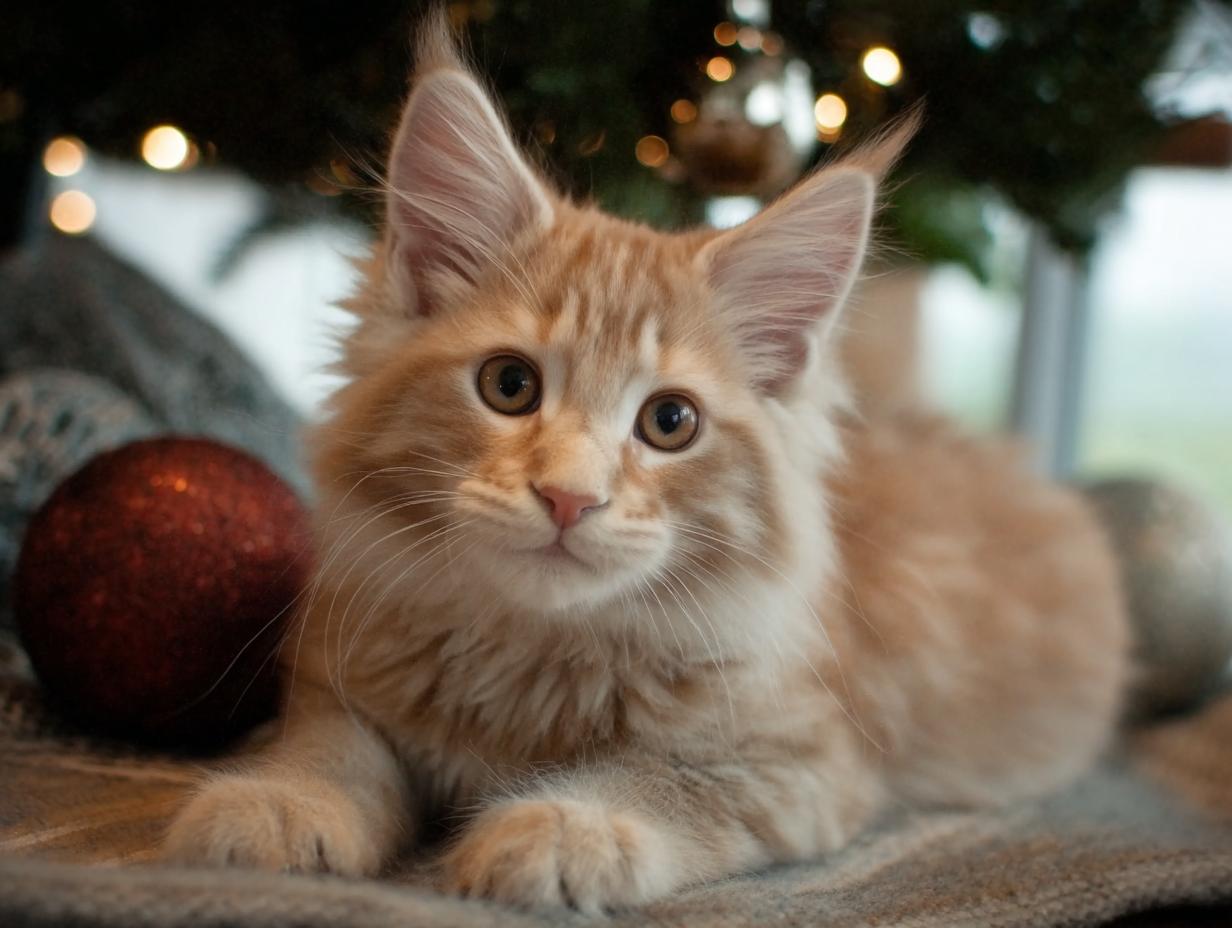
Mini Maine Coon: Size, Weight, Price, Mixes, Photos, and What to Expect
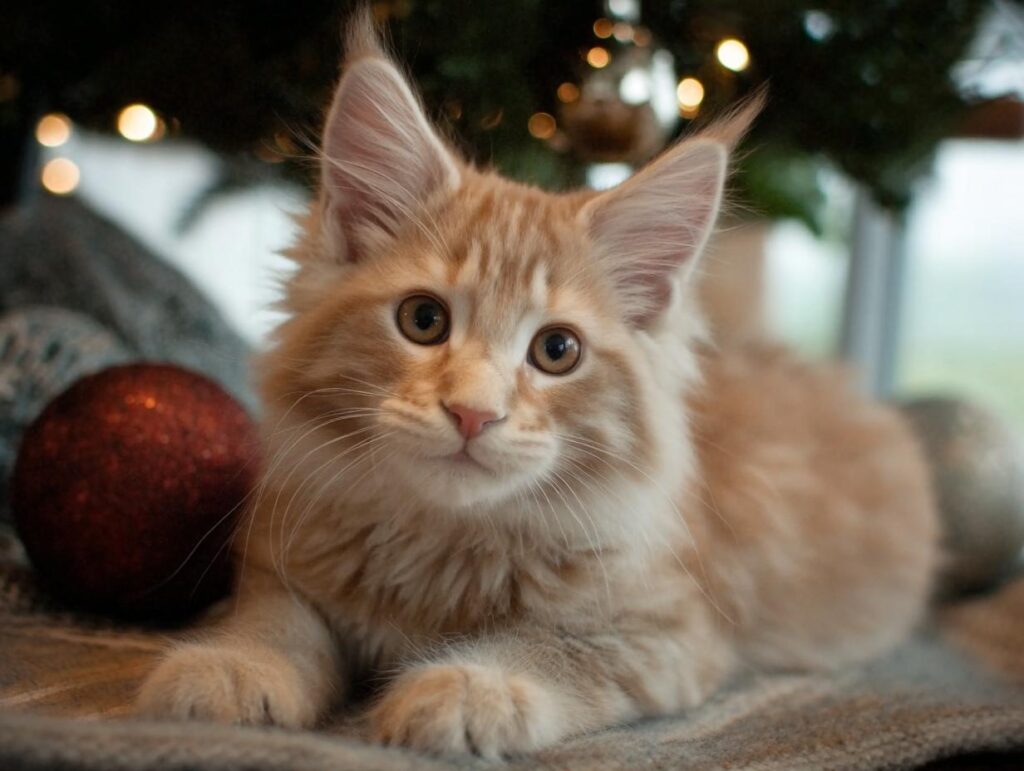
People searching for a mini Maine Coon are usually looking for one of three things:
- A smaller Maine Coon that keeps the breed’s personality without the full adult size
- Maine Coons mixed with smaller breeds, such as Minuets or Munchkins
- The “mini” Maine Coons they’ve seen online and want to understand what they actually are
That’s because “mini Maine Coon” has become a catch-all term. It’s used to describe cats that look or live like Maine Coons but fall on the smaller end of the size spectrum, either naturally or through thoughtful crosses.
To clarify early and simply: “mini Maine Coon” is not a distinct breed. It refers to several different realities, all of which can look similar at first glance but differ in genetics, size expectations, and long-term outcomes.
This guide breaks it all down in practical terms. We’ll cover:
- Size and weight ranges, including how big mini Maine Coon–type cats actually get
- Photos and appearance, and why online images can be misleading
- Common mixes, including Minuet × Maine Coon and Maine Coon Munchkin crosses
- Price expectations and what influences cost
- Who these cats are a good fit for, especially smaller homes and apartments
- What to expect long-term, from growth timelines to care needs
The goal is clarity—so you can understand what “mini Maine Coon” really means and decide which option, if any, fits your home and lifestyle best.
Mini Maine Coon: At-a-Glance Summary
| Topic | What It Really Means |
|---|---|
| Is a mini Maine Coon a breed? | No. “Mini Maine Coon” is a descriptive term, not a recognized breed. |
| What people usually mean | A smaller purebred Maine Coon, a Maine Coon mix, or a young Maine Coon kitten. |
| Typical adult size | Medium to medium-large, depending on genetics and mix. |
| Typical adult weight | Heavier than most domestic cats, lighter than large Maine Coons. |
| Common mixes | Maine Coon × Munchkin, Minuet × Maine Coon. |
| Why they stay smaller | Genetics, frame size, or reduced height from shorter legs in some mixes. |
| Good for apartments? | Often yes, especially compared to full-size Maine Coons. |
| Do they stay small forever? | Some do, some don’t. Maine Coon–type cats mature slowly. |
| Price range | Similar to or higher than standard Maine Coons, depending on demand and breeding program. |
| Biggest misconception | That “mini” guarantees permanent small size. |
| Best way to choose | Match lifestyle needs, not labels; expect variability. |
What People Mean When They Search “Mini Maine Coon”
When someone types “mini Maine Coon” into Google, they are rarely all talking about the same thing. The phrase has become a catch-all shortcut for several different cats that share a similar look or lifestyle fit. Understanding these distinctions is the key to avoiding confusion, mismatched expectations, and disappointment later.
1. Naturally smaller purebred Maine Coon
Some Maine Coons are simply smaller than average. This is especially common in females, in certain family lines, or in cats with lighter bone structure. These cats are still fully purebred Maine Coons, just at the lower end of the normal size range. They grow slowly, mature late, and often look “mini” for the first few years before filling out more subtly than their larger counterparts.
2. A young Maine Coon kitten
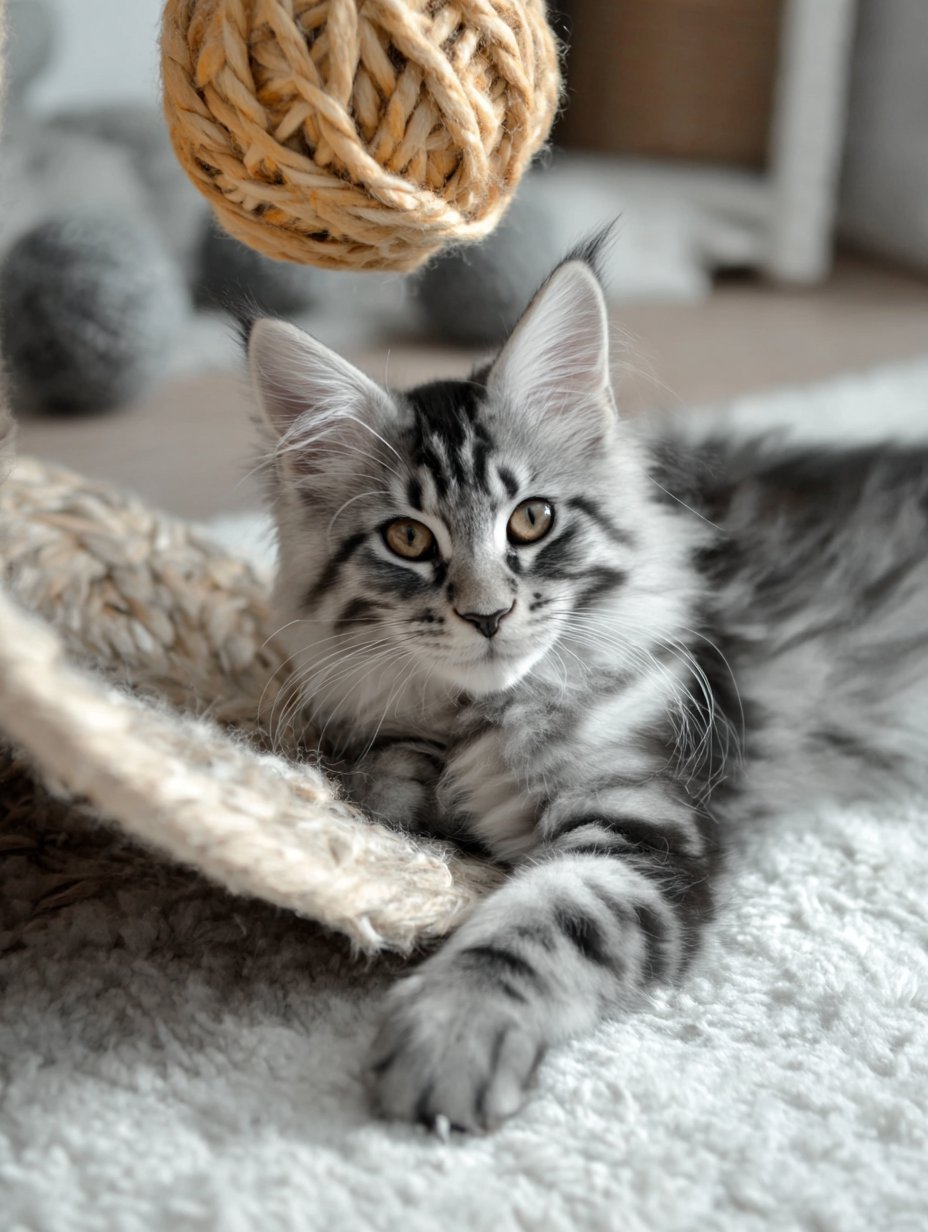
Maine Coons mature much more slowly than most cats. A six-month-old Maine Coon can look compact, leggy, and deceptively small—especially when compared to adult photos online. Many cats labeled as “mini Maine Coons” are simply young Maine Coons photographed before their growth spurts have begun.
3. Maine Coon × Munchkin mix
This is one of the most common realities behind the “mini” label. A Maine Coon crossed with a Munchkin often produces a cat with Maine Coon features—ears, coat texture, personality—but reduced height due to shorter legs. Size, proportions, and mobility vary depending on genetics and generation, but these cats are frequently what people imagine when they picture a true “mini Maine Coon.”
4. Minuet × Maine Coon (often misspelled as “a minuet times Maine Coon”)
Minuets (formerly known as Napoleon cats) are already a smaller, compact breed. When crossed with a Maine Coon, the result is often a medium-sized cat with softer features, a plush coat, and a more manageable overall footprint. This cross appeals to people who want Maine Coon presence and temperament without full Maine Coon scale.
5. Marketing shorthand
Finally, “mini Maine Coon” is often used as marketing language, not a technical description. Sellers may use it to describe kittens, smaller individuals, or mixes without clearly explaining genetics or adult expectations. This doesn’t automatically mean bad intent—but it does mean buyers need clearer information.
Why the Internet Is So Confusing About This
Reddit anecdotes
Reddit is full of personal stories: “My Maine Coon stayed small,” or “Mine never got big.” These posts are rarely accompanied by verified age, lineage, or long-term follow-up. A three-year-old Maine Coon may still be developing, and a mixed cat may be assumed purebred. Anecdotes spread faster than context.
Instagram visuals
Photos skew perception. Forced perspective, kittens photographed next to oversized furniture, or cropped images without scale references make cats appear much smaller than they are. A fluffy coat and big ears can exaggerate the “mini” look, especially in younger cats.
Breeder terminology differences
Not all breeders describe size the same way. One breeder may say “smaller Maine Coon” to mean lighter-boned. Another may be referring to a mix. Without standardized language, the same term gets used for very different cats.
Mini Maine Coon Size — How Big Do They Get?
Size is the most common question tied to the mini Maine Coon search—and also the hardest to answer without breaking it into categories. There is no single size outcome. Instead, adult size depends on what type of “mini” Maine Coon you’re actually talking about.
Expected Adult Size Ranges (By Category)
Small purebred Maine Coons
These cats typically fall at the low end of the Maine Coon spectrum. They still have long bodies, large paws, and expressive tails, but with a lighter frame. They are clearly larger than average domestic cats, just not massive.
Maine Coon mixes
Mixed cats vary widely. Some lean closer to Maine Coon size, others closer to the smaller breed in the pairing. Bone structure, muscle density, and coat volume all affect how large they appear.
Minuet / Munchkin crosses
These cats are usually shorter in height and more compact overall. Length may still be substantial, but vertical height is reduced. They often fit comfortably into spaces that would feel tight for a full-size Maine Coon.
Height, Length, and Frame
Shoulder height
- Small purebred Maine Coons: taller than domestic cats, but slimmer
- Munchkin or Minuet crosses: noticeably shorter due to leg structure
Body length
- Many “mini” Maine Coon–type cats still have long bodies
- Length is often what preserves the Maine Coon look, even in smaller cats
Tail length
- Long, expressive tails are common across all categories
- Tail length often exaggerates perceived size in photos
Frame matters more than weight alone. Two cats may weigh the same but look very different depending on bone structure and muscle.
Size Comparison Table (General Ranges)
| Cat Type | Typical Adult Size | Overall Impression |
|---|---|---|
| Mini / Small Maine Coon | Medium–large | Long, athletic, lighter frame |
| Standard Maine Coon | Large–very large | Heavy bone, broad chest |
| Domestic Cat | Small–medium | Compact, shorter body |
| Mini Maine Coon vs Other Large Breeds | Moderate | Noticeably smaller than giants |
Key takeaway:
When people ask “how big do mini Maine Coons get,” the real answer depends on which type they are referring to. Once you separate purebred size variation from mixes and marketing language, expectations become much easier—and far more realistic—to manage.
Mini Maine Coon Weight (Male vs Female)
Weight is one of the most searched follow-up questions after size, but it’s also one of the most misunderstood. When people ask how much a mini Maine Coon weighs, they’re often trying to predict adult size or determine whether a cat will feel manageable in daily life. The reality is that weight alone doesn’t tell the full story, especially with Maine Coon–type cats.
Average Weight Ranges
Females
Female mini Maine Coon–type cats tend to be lighter and more refined overall. Naturally smaller purebred females and many Maine Coon mixes fall into a range that feels substantial without being overwhelming. These cats often maintain the long body, expressive tail, and strong presence Maine Coons are known for, just without the heavy mass associated with large males.
Males
Male mini Maine Coon–type cats generally weigh more than females, even when they are considered “small” for the type. A smaller-framed male Maine Coon or mix can still outweigh a typical domestic cat while appearing lean and athletic rather than bulky. This is where many owners are surprised—male cats may not look huge, but they carry more muscle and bone than expected.
Mixed-breed variability
This is where weight ranges widen significantly. Maine Coon × Munchkin or Minuet × Maine Coon cats can vary greatly depending on which traits they inherit. Some stay quite compact, while others gain more length and muscle over time. Even within the same litter, adult weight differences can be noticeable.
Why Weight ≠ Size
It’s tempting to equate lower weight with smaller size, but with Maine Coon–type cats, that assumption often breaks down.
Bone density
Maine Coons have dense bones. A cat with lighter overall weight can still feel solid and sturdy when lifted. Conversely, a heavier cat with finer bones may appear larger but feel less substantial.
Muscle
These cats are naturally muscular. Muscle weighs more than fat, so an athletic, well-conditioned cat may weigh more than expected without appearing large or bulky.
Frame structure
Long bodies and tails add visual size without dramatically increasing weight. This is why many mini Maine Coon–type cats look larger in photos than their scale weight suggests.
Bottom line: weight is best viewed as one data point, not a guarantee of how big or small a cat will feel in daily life.
Mini Maine Coon Growth Timeline
One of the biggest sources of confusion around “mini” Maine Coons comes from when people see and photograph them. Maine Coons, whether purebred or mixed, mature far more slowly than most cats.
8 Weeks–6 Months: Why Kittens Look “Mini”
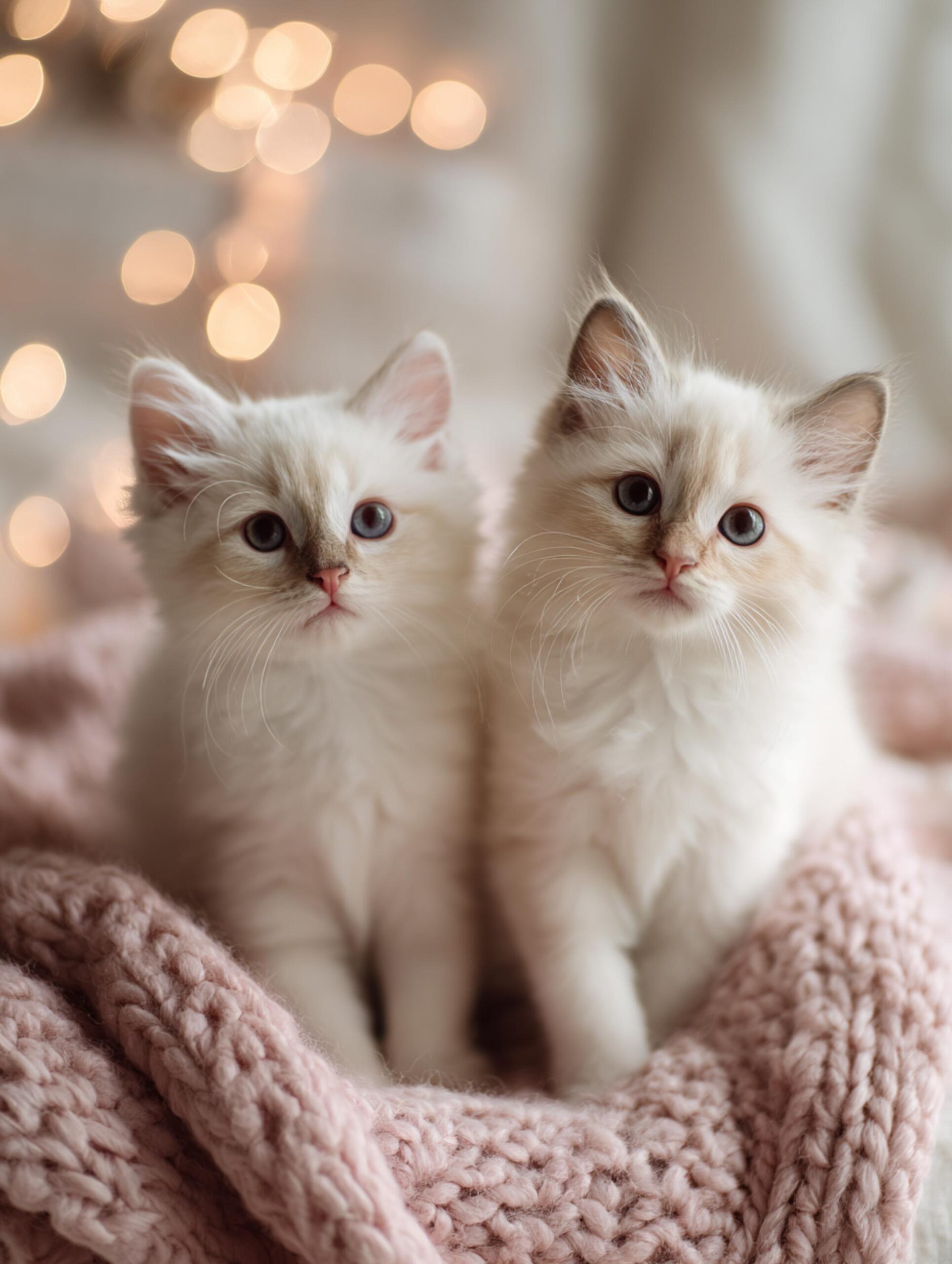
At this stage, almost all Maine Coons look small. Their bodies are still narrow, their legs look long and thin, and their muscle hasn’t developed yet. Fluffy coats and oversized ears exaggerate the illusion of a tiny body.
Many cats labeled online as “mini Maine Coons” are simply very young kittens photographed during this phase. At this age, there is no reliable way to predict final size with precision—especially in mixes.
6–18 Months: Where Most Confusion Happens
This is the period where most misconceptions take hold.
- Growth becomes uneven
- Some cats stretch out before filling in
- Others pause, then surge later
Compared to standard domestic cats, Maine Coons still look adolescent at a year old. Owners often assume growth has finished, especially if the cat has remained relatively compact. In reality, this is just the middle of a long development window.
This is also when many “mini” claims originate—cats are bigger than kittens but not yet close to adult maturity.
2–5 Years: Final Adult Development
Maine Coons are slow to finish growing. Full adult structure, muscle, and frame often aren’t complete until three to five years of age. Even mixes tend to mature more slowly than average cats.
During this time:
- Muscle fills out
- Chests broaden slightly
- Bone density increases
- Weight stabilizes
A cat that appeared small at 12–18 months may look very different at three years old, even if it never reaches standard Maine Coon size.
Why this matters:
Anyone choosing a mini Maine Coon–type cat should expect gradual, ongoing change rather than a fixed size early on. Growth timelines—not just genetics—play a major role in how these cats develop and how “mini” they ultimately remain.
Mini Maine Coon Photos — What You’re Really Seeing Online
Photos are often what spark interest in mini Maine Coons in the first place. A cat looks compact, fluffy, and distinctly Maine Coon–like, and the label “mini” seems to fit instantly. The problem is that photos rarely tell the full story on their own, especially without context around age, scale, or genetics.
Why Photos Can Be Misleading
Age manipulation
Many of the most shared “mini Maine Coon” images are of kittens or young adolescents. Maine Coons mature slowly, so a cat photographed at four, six, or even ten months old can look permanently small when, in reality, they are still early in development. Without knowing the cat’s age at the time the photo was taken, it’s impossible to judge adult size.
Perspective tricks
Camera angles matter. Photos taken from above make cats look smaller. Close-up shots exaggerate facial features while minimizing body size. Cropped images remove scale entirely. A cat photographed alone on a couch or bed has no visual reference point, which allows the viewer to mentally scale the cat smaller than it actually is.
What Legitimate Photos Show
Adults next to people
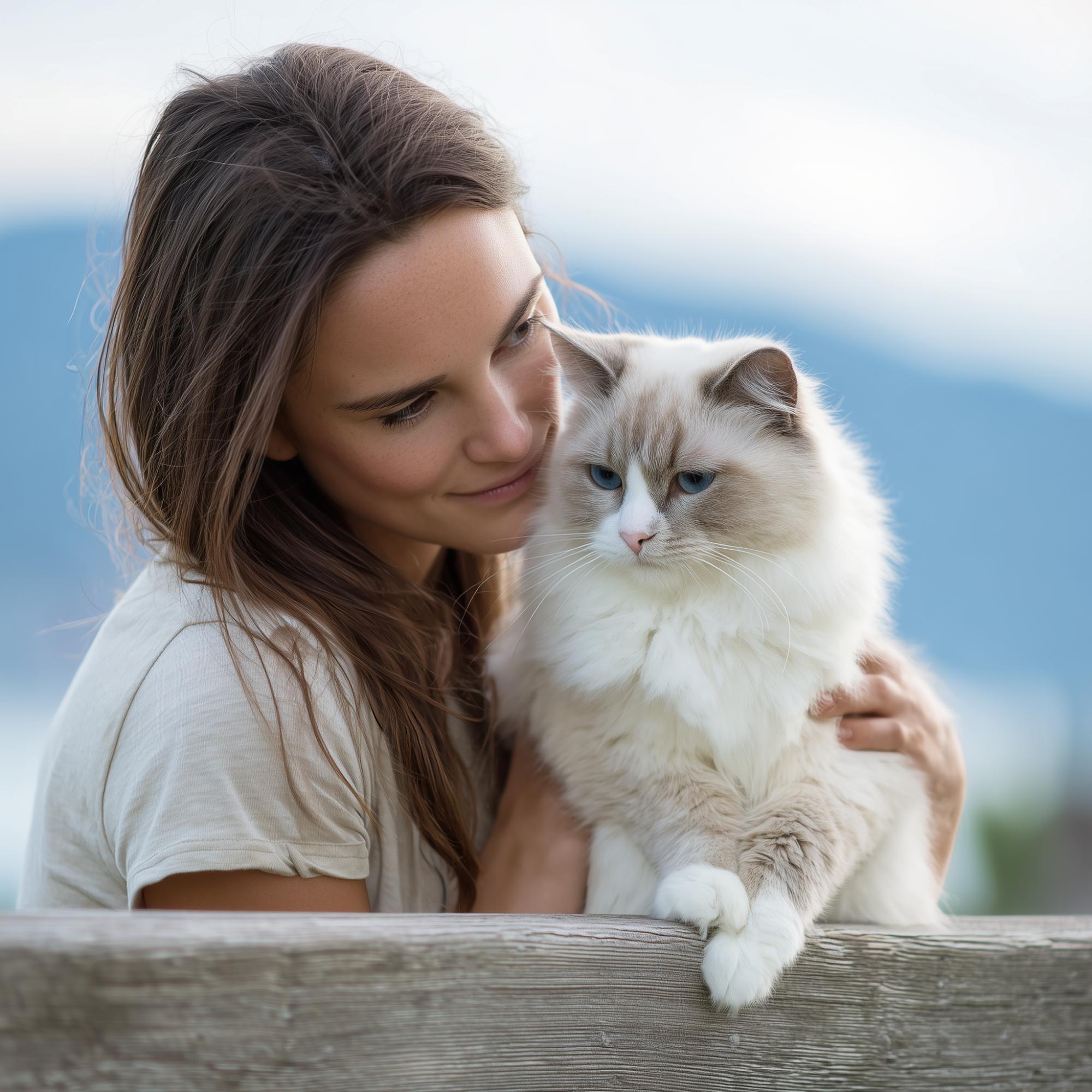
The most informative photos include adult cats pictured next to humans, furniture, or other pets. These give an immediate sense of proportion that isolated photos cannot. Even a naturally smaller Maine Coon–type cat will appear clearly larger than a typical domestic cat when shown with real-world reference points.
Full-body shots
Clear, uncropped images that show the entire cat—from nose to tail—are far more useful than headshots or partial views. Full-body photos reveal leg length, body depth, and overall structure, all of which influence how large or small a cat truly is.
Physical Traits People Associate With “Mini”
Proportions
Mini Maine Coon–type cats often look “mini” because their proportions are balanced and compact. Shorter legs, lighter frames, or narrower chests can create a smaller overall impression even when the cat has significant length.
Ears
Large, upright ears are a classic Maine Coon trait. On a smaller body, these ears can look oversized, which exaggerates the kitten-like appearance and reinforces the idea that the cat is smaller than average.
Tails
Long, expressive tails are common in both purebred Maine Coons and Maine Coon mixes. A long tail paired with a compact body often makes the cat look visually distinctive and “mini,” especially in photos where the tail takes up a large portion of the frame.
In short, photos can be useful, but only when paired with age, scale, and context. Without those details, even experienced cat owners can misjudge what they’re seeing online.
Maine Coon × Munchkin (“Mini Maine Coon” Mix)
One of the most common realities behind the search term “mini Maine Coon” is the Maine Coon × Munchkin mix. These cats combine the look and personality traits people love about Maine Coons with a more compact stature influenced by the Munchkin side.
What This Mix Is
How it’s created
This mix pairs a Maine Coon with a Munchkin cat. The goal is not to create a new breed label, but to produce a cat that carries Maine Coon characteristics—coat texture, ear set, intelligence, sociability—while remaining smaller in overall height.
Why size is reduced
The reduced size comes primarily from leg length, not from shrinking the entire cat. Many of these cats still have long bodies and tails, but shorter legs lower their overall height, giving the impression of a “mini” Maine Coon rather than a scaled-down version of the breed.
Expected Size & Weight
Height
Height is where this mix differs most clearly from a standard Maine Coon. Cats that inherit the shorter-leg gene sit lower to the ground, even if their body length remains substantial.
Leg length variation
Not all kittens in a litter will inherit the same leg structure. Some have standard-length legs, others shorter, and some fall somewhere in between. This variation is why size outcomes are not uniform, even within the same breeding program.
Temperament Expectations
Social
Maine Coon × Munchkin cats are typically people-oriented and enjoy being part of daily household life. They tend to seek interaction rather than remaining aloof.
Playful
These cats often retain a playful, curious nature well into adulthood. Interactive toys, climbing options adapted to their build, and engagement with their humans suit them well.
Adaptable
Many owners choose this mix for its adaptability. These cats often adjust easily to different household setups, including apartments, multi-pet homes, and families with respectful children.
Health & Ethics Considerations
Dwarf gene
The shorter legs come from a naturally occurring genetic variation associated with dwarfism. Responsible breeding focuses on pairing healthy, structurally sound cats and avoiding combinations that could compromise overall wellbeing.
Structural soundness
Well-bred Maine Coon × Munchkin cats should move comfortably, jump confidently within reasonable limits, and show no signs of restricted mobility. Ethical programs pay close attention to structure, movement, and long-term quality of life rather than novelty alone.
When bred thoughtfully, this mix can offer a balanced combination of Maine Coon personality and a more compact physical presence, which is why it continues to be associated with the “mini Maine Coon” search term.
Minuet × Maine Coon (Also Searched as “Aminuet” or “Minuet Times Maine Coon”)
Another common interpretation of the mini Maine Coon search is the Minuet × Maine Coon cross. This pairing appeals to people who want Maine Coon traits in a cat that stays more moderate in size and fits comfortably into smaller living spaces.
What a Minuet Cat Is
Breed background
The Minuet cat, formerly known as the Napoleon, was developed by crossing Persian or Exotic Shorthair cats with Munchkins. The result is a breed known for its sweet expression, rounded features, and people-oriented temperament. Minuets can have either standard-length or shorter legs, depending on genetics.
Size and structure
Minuets are typically smaller and more compact than Maine Coons. They have sturdy bodies, shorter stature, and a balanced, grounded build. Their structure contributes significantly to the reduced size seen in Minuet × Maine Coon crosses.
What This Cross Produces
Body shape
Minuet × Maine Coon cats often inherit a longer body from the Maine Coon side paired with a more compact frame from the Minuet. The result is a cat that looks substantial without being oversized, maintaining a well-proportioned silhouette.
Coat variation
Coat type can vary widely. Some cats develop a plush, dense coat reminiscent of a Minuet, while others lean toward the longer, slightly shaggy texture associated with Maine Coons. Grooming needs depend more on coat inheritance than size.
Size outcomes
These cats generally land in the medium-size range, larger than a typical domestic cat but smaller than a standard Maine Coon. Height, body depth, and overall mass vary from cat to cat, even within the same litter.
Expected Adult Size & Weight
Why outcomes vary
This cross brings together two breeds with very different body types and growth patterns. Genetics don’t combine in a fixed or predictable way, so adult size depends on which traits are expressed most strongly.
No guarantees
While many Minuet × Maine Coon cats stay more compact, exact adult size cannot be guaranteed. Growth rate, frame, and final weight all develop over time, particularly given the Maine Coon’s slow maturation.
Temperament & Lifestyle Fit
Calm vs playful balance
Temperament often reflects a blend of both breeds. Many Minuet × Maine Coon cats are affectionate, relaxed, and people-focused, with enough playfulness to stay engaged without being overwhelming. This balance makes them appealing to households that want interaction without constant high energy.
For many families, this mix offers a middle ground: the personality and presence associated with Maine Coons, paired with a size and demeanor that adapts well to everyday living.
Are Mini Maine Coons Purebred?
The short answer depends on what someone means by “mini.” Some cats described this way are absolutely purebred Maine Coons, while others are mixes. The confusion comes from size variation within the breed versus the idea that there is a separate, smaller version of it.
Naturally Smaller Purebred Maine Coons
Females
Female Maine Coons are consistently smaller than males, sometimes by a noticeable margin. A smaller-framed female can fall well below the size people associate with the breed while still being fully purebred. These cats still have the long body, strong bone structure, ear shape, and temperament typical of Maine Coons—just without the bulk of large males.
Line variation
Not all Maine Coon lines produce the same size outcomes. Some lines trend heavier and broader, while others produce cats with lighter frames and more moderate proportions. These differences are genetic and normal within the breed. A smaller adult from one line may look dramatically different from a larger adult from another, even though both are equally correct Maine Coons.
What Does Not Exist
There is no recognized “mini” subtype of the Maine Coon. No registry defines or tracks a miniature version of the breed, and there is no fixed genetic marker that guarantees a permanently reduced size. When “mini” is used in reference to a purebred Maine Coon, it is descriptive—not categorical—and reflects where that individual falls within the normal range of variation.
Mini Maine Coon Price — What Do They Cost?
Price is often one of the most surprising aspects of the mini Maine Coon search. Many people assume that smaller cats cost less. In practice, the opposite is often true.
Typical Price Ranges
Small purebred Maine Coons
Naturally smaller purebred Maine Coons are usually priced similarly to other well-bred Maine Coons. Size alone does not typically reduce price, especially when cats come from established programs with health testing, registration, and strong pedigrees.
Mixed Maine Coons
Maine Coon mixes, including Munchkin or Minuet crosses, often fall into a wide pricing range. Factors influencing cost include breeder experience, health screening, demand, and how clearly adult expectations are communicated. Some mixes are priced below purebreds, while others meet or exceed purebred pricing.
Why “Mini” Cats Often Cost More
Demand
Smaller Maine Coon–type cats appeal strongly to apartment dwellers, urban households, and people with space or weight limitations. That demand naturally drives prices upward.
Novelty pricing
Because the term “mini Maine Coon” is widely searched and visually appealing, it is sometimes treated as a premium feature. Even when adult size is not guaranteed, the label itself can increase perceived value.
Red Flags
Guaranteed adult size
No ethical breeder can guarantee exact adult size, especially in Maine Coons or mixes that mature slowly. Size promises are one of the clearest warning signs of unrealistic expectations being set.
“Rare mini” claims
There is no rare or exclusive miniature Maine Coon category. Language that frames size as a special subtype rather than a natural range or outcome should be approached cautiously, especially if it’s paired with pressure pricing or urgency.
Price should reflect overall quality, transparency, and long-term care—not just the appeal of the word “mini.”
Why People Want a Mini Maine Coon
Interest in mini Maine Coons isn’t just about appearance. For many buyers, it’s about fit—how a cat lives in their space, integrates into daily routines, and aligns with long-term expectations.
Smaller Living Spaces
Apartments
Large cats can feel overwhelming in tight spaces. A smaller Maine Coon–type cat offers the social, interactive nature people love without dominating limited square footage. Compact size can make everyday movement, play zones, and vertical space easier to manage.
Condos
Condos often come with shared walls, weight limits for carriers or pet policies, and less room for large furniture. A mini Maine Coon–type cat fits more naturally into these environments while still providing the presence and engagement associated with Maine Coons.
Handling & Daily Care
Easier lifting
Smaller size can make routine handling more comfortable, especially for people who need to lift their cat regularly for grooming, medication, or vet visits. This is often a key factor for older owners or anyone with physical limitations.
Transport
Travel, vet visits, and temporary housing situations are simpler with a lighter, more compact cat. Carriers are easier to manage, and transport feels less physically demanding.
Genetic Diversity & COI Interest
Broader gene pools
Some buyers are specifically interested in Maine Coon mixes because of the opportunity for increased genetic diversity. Outcrossing can introduce new traits and reduce concentration of inherited issues that appear in narrow gene pools.
Why advanced buyers care
Buyers who understand genetics often look beyond labels and focus on long-term health trends. For them, size reduction is not the primary goal—diversity and balance are.
Important limitations
Genetic diversity does not eliminate all health concerns, nor does it guarantee outcomes. Responsible selection, health screening, and structure still matter, regardless of whether a cat is purebred or mixed.
Who Mini Maine Coon Types Are Good For
Mini Maine Coon–type cats tend to suit households that want Maine Coon traits without the challenges of a very large cat.
Ideal Homes
Apartment dwellers
Smaller Maine Coon–type cats adapt well to apartment living, especially when provided with enrichment, vertical space, and interactive routines.
Seniors
Manageable size and people-oriented temperaments often make these cats appealing to seniors who want companionship without the physical demands of a heavier animal.
Urban families
In city environments where space is at a premium, these cats offer sociability and personality without overwhelming the household.
First-Time Owners
Manageability
First-time cat owners often find a slightly smaller Maine Coon–type cat less intimidating. Handling, grooming, and daily care can feel more approachable while still offering an engaging, interactive companion.
Multi-Pet Households
Dogs
Many Maine Coon–type cats are confident and adaptable, which helps in homes with dogs. Smaller size does not typically reduce sociability, especially when introductions are handled properly.
Other cats
These cats often integrate well into multi-cat homes. Their social nature and balanced energy levels make them suitable companions for other feline residents, provided introductions are gradual and respectful.
Who Should Not Choose a Mini Maine Coon
Mini Maine Coon–type cats can be an excellent fit for many households, but they are not the right choice for everyone. Understanding where expectations tend to break down helps prevent frustration on both sides.
Buyers Wanting Size Guarantees
Anyone who needs a fixed, guaranteed adult size will likely be disappointed. Whether a cat is a naturally smaller purebred Maine Coon or a Maine Coon mix, adult size develops over time and cannot be predicted with precision. Growth rates vary, frames fill out slowly, and individual genetics play a major role.
Buyers who require certainty—because of housing rules, personal preference, or comparison shopping—often struggle with the reality that “mini” describes a range, not a promise. Maine Coon–type cats mature gradually, and even experienced breeders can only provide estimates based on parents and past outcomes.
Novelty-Driven Buyers
Some people are drawn to mini Maine Coons because the label feels unique or trendy. Choosing a cat primarily for novelty often leads to mismatched expectations once the excitement fades.
These cats still require time, attention, grooming, enrichment, and long-term commitment. They are not accessories, nor are they maintenance-free simply because they are smaller. Buyers who are motivated mainly by the idea of owning something unusual may find the realities of daily care less appealing over time.
Buyers Uncomfortable With Variability
Mini Maine Coon–type cats involve variability by nature—in size, coat, structure, and growth pace. Buyers who prefer rigid predictability often struggle with this.
Even within the same litter, adult outcomes can differ. Coat texture may change, bodies may fill out later than expected, and proportions may shift over several years. If change feels stressful rather than interesting, this type of cat may not be the best match.
What to Expect Long-Term
Understanding what daily life looks like beyond kittenhood helps set realistic expectations and supports better placement decisions.
Size Variability
Size may continue to evolve well past the first year. Some cats remain compact, while others gradually gain muscle, length, or weight over time. This is especially true for Maine Coon–type cats, which mature more slowly than most breeds.
Owners should expect gradual development rather than a fixed endpoint early on.
Grooming Needs
Smaller size does not necessarily mean less grooming. Many mini Maine Coon–type cats inherit dense or semi-long coats that require regular brushing to prevent tangles and shedding buildup.
Grooming frequency depends more on coat type than size. Owners should plan for ongoing coat care, seasonal shedding, and occasional professional grooming if needed.
Cost of Ownership
Ongoing costs are similar to those of standard Maine Coons. Quality food, routine veterinary care, enrichment, grooming supplies, and insurance should all be factored in.
Smaller size does not significantly reduce long-term expenses. Veterinary care, nutrition, and preventive health remain consistent regardless of scale.
Lifespan Expectations
Lifespan expectations for mini Maine Coon–type cats fall within typical domestic cat ranges. Genetics, nutrition, veterinary care, and environment play a larger role than size alone.
Well-cared-for cats—purebred or mixed—can live long, healthy lives when their needs are consistently met.
Mini Maine Coon vs Standard Maine Coon (Lifestyle Comparison)
While these cats share many traits, daily life can feel different depending on size and structure.
Space Needs
Mini Maine Coon–type cats generally fit more comfortably into smaller living spaces. Apartments and condos feel less crowded, and vertical space can be scaled more easily.
Standard Maine Coons often benefit from larger homes with more room to move, climb, and stretch out fully.
Handling
Smaller size can make routine handling simpler—lifting, grooming, transport, and vet visits may feel more manageable. This is often an advantage for seniors or owners with physical limitations.
Standard Maine Coons, especially large males, can be physically demanding to handle due to their weight and strength.
Energy & Engagement
Both mini and standard Maine Coons tend to be social, intelligent, and interactive. Size does not reduce engagement or personality.
The Mini Maine Coon–type cats often offer the same people-oriented temperament and curiosity in a package that feels easier to integrate into everyday life, especially for households with space or mobility considerations.
Mini Maine Coon vs Standard Maine Coon: Lifestyle Comparison
| Category | Mini Maine Coon–Type Cats | Standard Maine Coons |
|---|---|---|
| Overall Size | Medium to medium-large; visually substantial but more compact | Large to very large; heavy bone and broad frame |
| Space Needs | Well-suited to apartments and condos; easier fit in smaller homes | Best in homes with more floor and vertical space |
| Handling | Easier to lift, carry, and manage for daily care | Can be heavy and physically demanding, especially adult males |
| Transport | More manageable for carriers, travel, and vet visits | Requires large carriers and more physical effort |
| Growth Rate | Slow, but often reaches final proportions sooner than full-size Coons | Very slow; continues developing up to 3–5 years |
| Energy Level | Playful and engaged without overwhelming physical presence | Playful, strong, and highly physical |
| Personality | Social, people-oriented, interactive | Social, confident, and highly people-focused |
| Grooming Needs | Coat-dependent; size does not significantly reduce grooming | Coat-dependent; grooming often more labor-intensive due to size |
| Cost of Ownership | Similar long-term costs (food, vet, grooming) | Similar long-term costs; higher food intake possible |
| Best Fit For | Apartment dwellers, seniors, urban households, first-time owners | Owners who enjoy large cats and have space to accommodate them |
Mini Maine Coon FAQ
Are mini Maine Coons real?
“Mini Maine Coon” is not a separate or officially recognized breed. The term is commonly used to describe smaller-than-average Maine Coons, young Maine Coon kittens, or Maine Coon mixes such as Munchkin × Maine Coon or Minuet × Maine Coon. These cats are real; the label simply describes size outcomes rather than a formal classification.
How big do mini Maine Coons get?
Adult size depends on what type of “mini” Maine Coon is being referenced. Naturally smaller purebred Maine Coons are still medium to large cats, while Maine Coon mixes—especially those involving Minuets or Munchkins—often remain more compact. Height, length, and overall presence vary widely, and adult size develops slowly over several years.
How much do mini Maine Coons weigh?
Weight varies by sex and genetics. Females tend to weigh less than males, and mixed-breed cats show the widest range. Many mini Maine Coon–type cats weigh more than typical domestic cats but less than large, heavy-boned Maine Coons. Weight alone does not reliably predict how large or small a cat will feel in daily life.
Do mini Maine Coons stay small forever?
Some do, some don’t. Maine Coon–type cats mature slowly, and many continue filling out well past the first year. Cats that look small at 8–12 months may change significantly by age three. Mixes may remain more compact, but exact outcomes vary.
Are mini Maine Coons just kittens?
In many online photos, yes. Maine Coon kittens and adolescents often look “mini” because they grow differently than most cats. Without age context, it’s easy to mistake a young Maine Coon for a permanently small one.
Are mini Maine Coons purebred?
Some are. A naturally smaller purebred Maine Coon—especially a female or a cat from lighter-framed lines—may be described as “mini.” Others are mixed. The term itself does not indicate pedigree status.
Is there a miniature or teacup Maine Coon breed?
No. There is no recognized miniature, teacup, or dwarf subtype of the Maine Coon breed. When these terms appear, they are descriptive or marketing language rather than formal classifications.
What is a Maine Coon × Munchkin mix?
This mix pairs a Maine Coon with a Munchkin, often resulting in a cat with Maine Coon features and a reduced height due to shorter legs. Body length and personality often remain strongly Maine Coon–influenced, while overall stature is more compact.
Are Maine Coon × Munchkin cats healthy?
Health depends on breeding practices, structural soundness, and long-term selection—not the label alone. Responsible programs focus on mobility, comfort, and overall wellbeing rather than novelty. Cats should move freely and comfortably without restriction.
What is a Minuet × Maine Coon?
A Minuet × Maine Coon cross combines a smaller, compact breed with a Maine Coon. These cats often land in the medium-size range and appeal to people who want Maine Coon traits in a more moderate physical package.
Why do people misspell Minuet as “aminuet”?
Misspellings are common in search queries and online listings. “Aminuet times Maine Coon” typically refers to a Minuet × Maine Coon cross, even though the spelling is incorrect.
Are mini Maine Coons good for apartments?
They can be. Smaller Maine Coon–type cats often adapt well to apartments and condos, especially when provided with enrichment, vertical space, and interaction. Size alone does not determine suitability, but compact build can make daily living easier in smaller homes.
Are mini Maine Coons easier to care for?
They may be easier to handle physically, but care needs are otherwise similar. Grooming, enrichment, nutrition, and veterinary care remain important regardless of size. Coat type matters more than body size when it comes to grooming.
Do mini Maine Coons have the same personality as standard Maine Coons?
Many do. Sociability, intelligence, and people-oriented behavior are often retained, especially in cats with strong Maine Coon influence. Size reduction does not typically reduce engagement or affection.
How much do mini Maine Coons cost?
Prices vary widely. Naturally smaller purebred Maine Coons are usually priced similarly to others from the same program. Maine Coon mixes can range broadly depending on demand, transparency, and breeding practices. Smaller size does not automatically mean lower cost.
Why are mini Maine Coons sometimes more expensive?
Demand plays a large role. Apartment-friendly size, novelty, and search popularity often drive pricing higher. Cost does not guarantee adult size or outcomes.
Can breeders guarantee adult size?
No ethical breeder can guarantee exact adult size. Growth patterns, genetics, and long development timelines make precise predictions unrealistic, especially with mixes.
What are red flags when shopping for a mini Maine Coon?
Claims of guaranteed size, “rare mini” bloodlines, or certainty about adult proportions should be approached cautiously. Clear communication, realistic ranges, and transparency matter more than labels.
Are mini Maine Coons good for first-time cat owners?
They can be. Many first-time owners find slightly smaller Maine Coon–type cats less intimidating while still enjoying an interactive, people-focused companion. Preparation and expectations matter more than experience level.
Do mini Maine Coons get along with dogs?
Many do, especially when introduced properly. Maine Coon–type cats are often confident and adaptable, traits that help in dog-friendly homes.
How long do mini Maine Coons live?
Lifespan depends on genetics, care, and environment rather than size alone. With proper nutrition, veterinary care, and a stable home, mini Maine Coon–type cats can enjoy a normal, healthy lifespan.
Is a mini Maine Coon right for everyone?
No. Buyers who want rigid predictability, guaranteed size, or novelty alone may struggle. These cats suit people who are comfortable with variation and value temperament, health, and lifestyle fit over labels.
Final Summary — Should You Get a Mini Maine Coon?
The term “mini Maine Coon” describes size and appearance, not a distinct or recognized breed. It’s a label people use to talk about cats that share Maine Coon traits while falling on the smaller or more moderate end of the size spectrum.
There are multiple legitimate paths to a smaller Maine Coon–type cat. Some are naturally smaller purebred Maine Coons, often females or cats from lighter-framed lines. Others are thoughtfully bred mixes, such as Maine Coon × Munchkin or Minuet × Maine Coon, that balance Maine Coon temperament with a more compact build. Each option comes with different size expectations, growth patterns, and long-term outcomes.
The best experiences tend to come from three things:
- Honest breeder communication about size ranges, growth timelines, and variability
- Lifestyle matching, especially when space, handling, or daily routines are important factors
- Realistic expectations, recognizing that size develops over time and cannot be precisely guaranteed
For many households, a mini Maine Coon–type cat offers the personality, intelligence, and social nature people love in Maine Coons, packaged in a size that fits more comfortably into everyday life.
Related Articles From Almonte Cats
If you are researching Maine Coons, the following posts may also be helpful. These posts explain our standards, expectations, and long-term approach in more depth.
- Maine Coon Size, Growth, and Weight: What’s Normal and What’s Not
A detailed breakdown of realistic size ranges, growth timelines, and how to tell healthy structure from excess weight. - How to find a Maine Coon Breeder You can Trust
A practical guide explaining common scam patterns, verification steps, and what ethical programs do differently. - Maine Coon Health Overview: What Responsible Owners Should Know
Covers genetic screening, lifespan expectations, preventive care, and early warning signs owners should never ignore. - Why Maine Coons are Not for Everyone
An honest look at temperament, grooming, space needs, and daily life with a Maine Coon. - Maine Coon Kitten Growth Stages: What to Expect From 8 Weeks to Adulthood
Explains normal development, awkward phases, and why slow growth is a feature of the breed.
SOURCES
- TICA – Maine Coon Breed Overview
https://tica.org/breed/maine-coon/ - CFA – Maine Coon Cat Breed Profile
https://cfa.org/breed/maine-coon-cat/ - TICA Breed Group Standard – Maine Coon / Maine Coon Polydactyl (PDF)
https://tica.org/phocadownload/MC-MCP.pdf - TICA – Munchkin Cat Breed Information
https://tica.org/breed/munchkin/ - TICA – Minuet Cat Breed Information (formerly Napoleon)
https://tica.org/breed/minuet/ - Wikipedia – Maine Coon (growth rate, maturity timeline, general breed facts)
https://en.wikipedia.org/wiki/Maine_Coon - The Spruce Pets – Maine Coon Cat Breed Profile (care, lifespan, grooming)
https://www.thesprucepets.com/maine-coon-cat-breed-profile-characteristics-and-care-5221962





Read the Comments +