
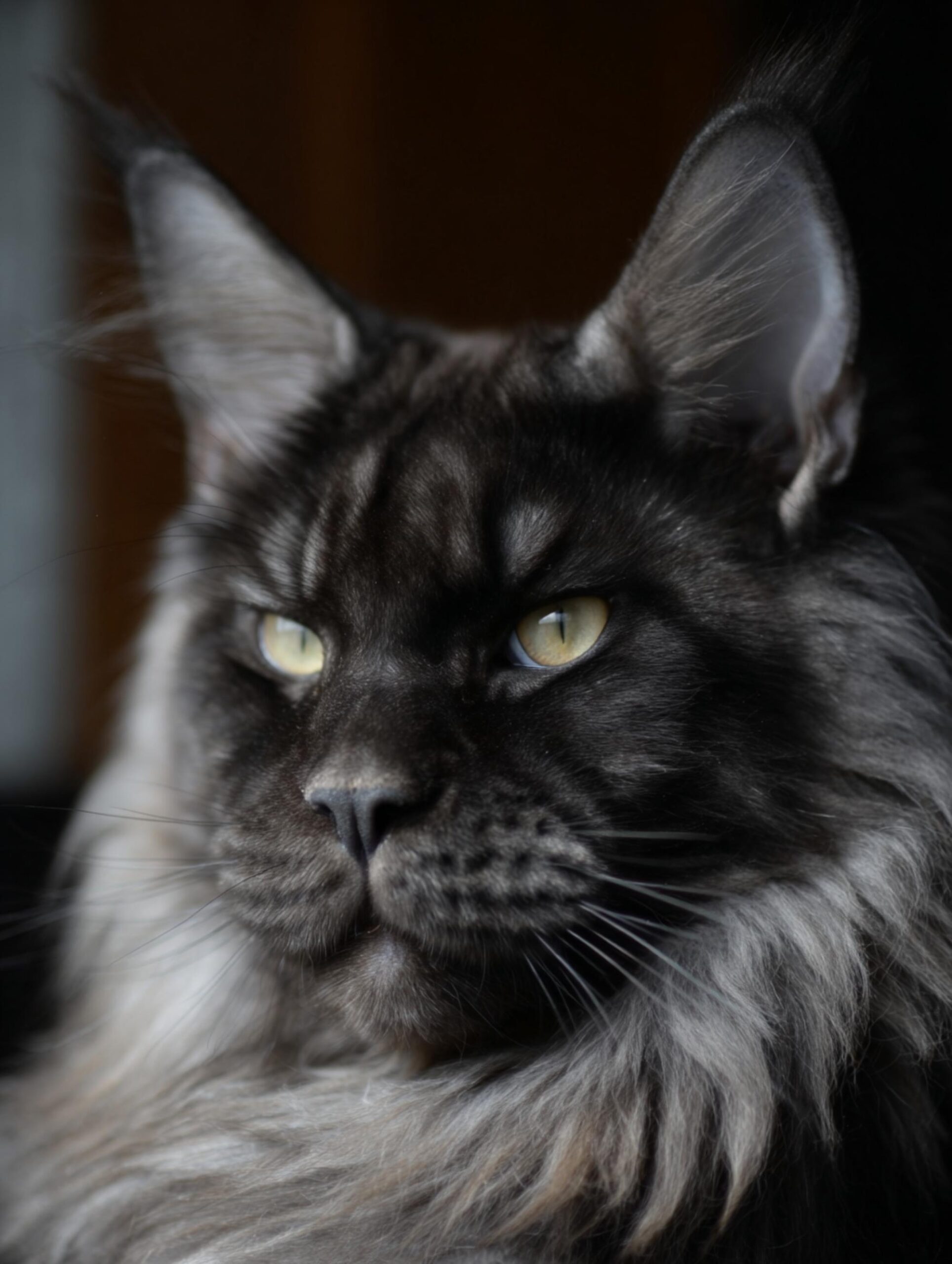
Is a Maine Coon a Good First Cat?
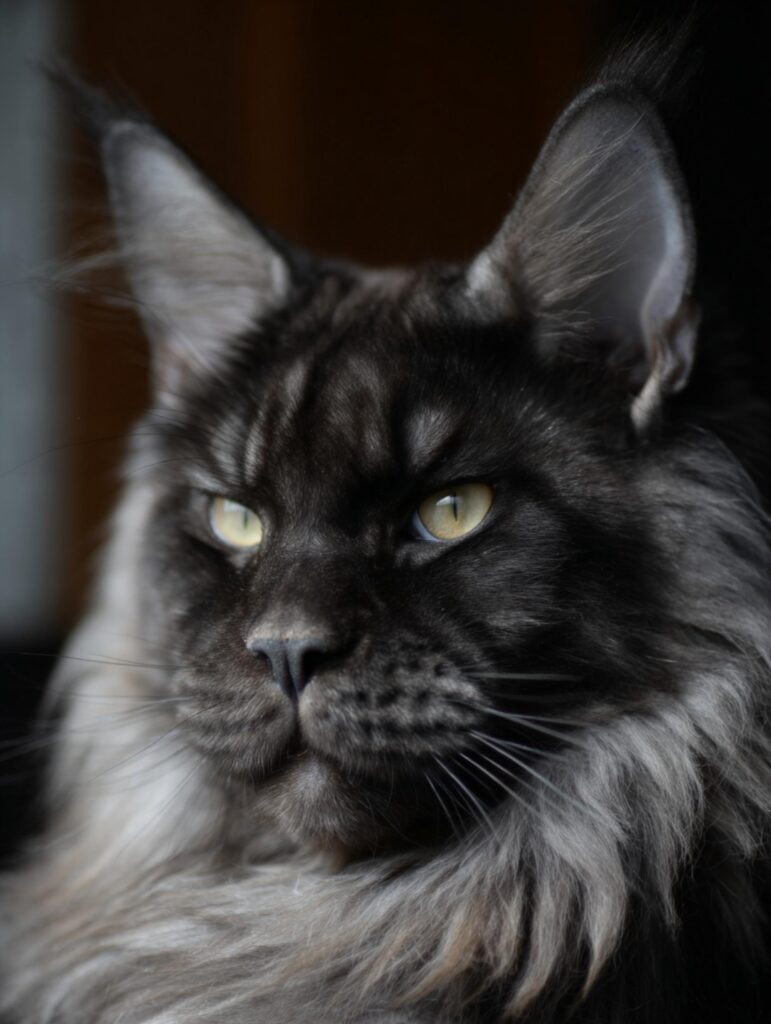
(What New Cat Owners Should Know Before Choosing This Breed)
Is a Maine Coon a good first cat? This question comes up often because Maine Coons look different from most cats people encounter first. Their size, presence, and personality make them feel like a bigger commitment, especially for someone who has never owned a cat before. Many new owners worry that choosing a Maine Coon as a first cat might be too much, or that they need prior experience to do it “right.”
In reality, a “good first cat” is not defined by breed alone. It depends on your daily routine, your expectations of companionship, your willingness to learn, and the environment you can provide. Experience matters far less than preparation and realistic expectations.
This guide walks through what new cat owners should understand before choosing a Maine Coon, including:
- Temperament and how Maine Coons interact with people
- Care needs, including grooming and engagement
- Costs and long-term ownership considerations
- Common challenges first-time owners encounter
- Who Maine Coons suit well, and who may prefer a different type of cat
The goal is not to make your decision for you, but to give you enough context to decide whether a Maine Coon fits your life as a first cat, or whether another option might suit you better.
Is a Maine Coon a Good First Cat? Quick Overview
| Factor | What to Expect With a Maine Coon |
|---|---|
| Good first cat for | Owners who want an interactive companion |
| Not ideal for | People wanting a low-effort or hands-off cat |
| Temperament | Social, confident, steady |
| Affection style | Presence and engagement, not constant cuddling |
| Grooming needs | Regular brushing required |
| Diet considerations | Some individuals have sensitive stomachs and need careful feeding |
| Energy level | Playful and engaged, especially when young |
| Independence | Develops slowly over time |
| Space needs | Adapts well with vertical space and routine |
| Cost level | Higher than average cat ownership |
| Best owner trait | Willingness to prepare and learn |
| Bottom line | Excellent first cat when expectations align |
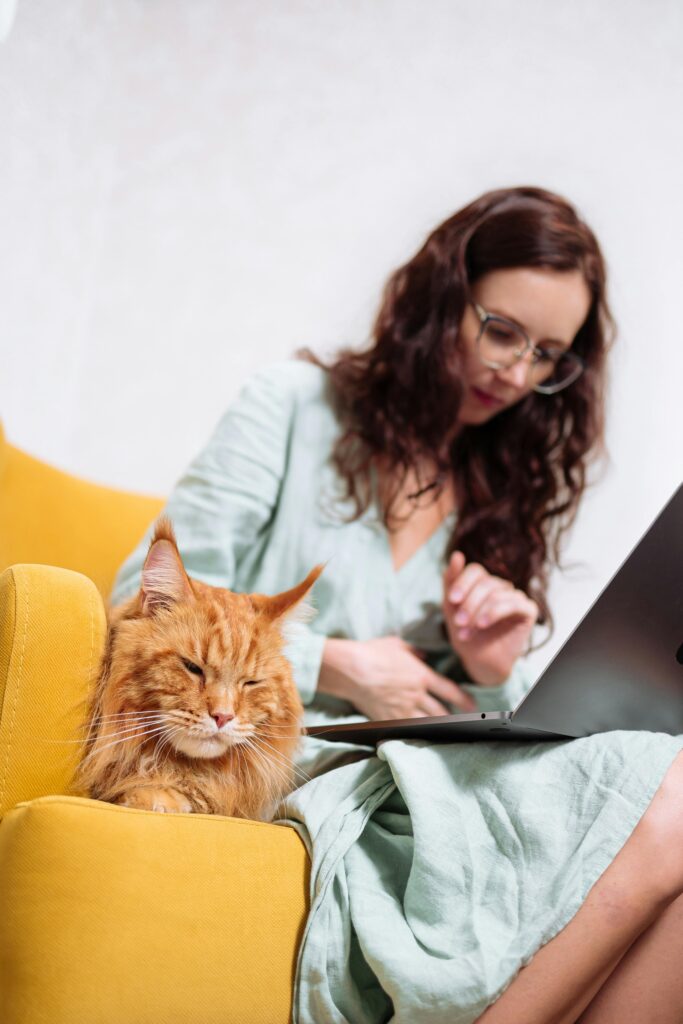
What People Mean by “First Cat”
When people ask whether a Maine Coon is a good first cat, they often mean very different things. Clarifying what “first cat” actually looks like in your situation matters before evaluating any breed.
First pet ever vs first cat specifically
Someone who has never owned any pet may face a steeper learning curve than someone who has owned dogs or other animals before. A first cat after years of other pets comes with different expectations and skills than a first pet of any kind.
Living alone vs a family household
Households with multiple people tend to offer more interaction, stimulation, and flexibility. Single-person households may provide quieter environments but require more intentional engagement. Both can work well for Maine Coons, but they shape daily life differently.
Apartment vs house
Living space influences how a cat moves, plays, and relaxes. Apartments often rely more on vertical space and structured play, while houses may offer more room to roam. Maine Coons adapt to both, but setup matters more than square footage.
Work schedules and time availability
Time at home affects interaction and routine. Full-time work, remote schedules, and irregular hours all shape how much engagement a cat receives. Maine Coons tend to notice and respond to routine, which can work well for owners who value structure.
Why defining “first cat” matters
A breed may suit one first-time owner and overwhelm another. Understanding your own lifestyle, time, and expectations helps you choose a cat that fits your reality rather than a label.

Maine Coon Temperament and First-Time Owners
Temperament plays a larger role in first-time ownership than experience alone. Maine Coons offer a balance that many new owners find approachable.
Social but Not Fragile
Maine Coons generally show more confidence than timid or high-strung breeds. They approach new situations with curiosity rather than fear, which helps inexperienced owners navigate early mistakes. Confidence makes everyday handling, vet visits, and home adjustments less stressful.
Affection Style
Most Maine Coons express affection through presence rather than constant physical contact. They enjoy being nearby, following routines, and sharing space. This style often suits beginners who want companionship without pressure to provide nonstop attention.
Tolerance for Learning Curves
Maine Coons usually tolerate normal household learning curves well. They handle noise, visitors, and routine changes with more flexibility than many breeds. Occasional handling mistakes or environmental changes rarely unsettle them long-term, which gives new owners room to learn and adjust.
Intelligence and Trainability (Beginner-Friendly or Overwhelming?)
Maine Coons are intelligent cats, and intelligence can either support or challenge first-time owners depending on how it’s handled. Understanding what that intelligence looks like in daily life helps set realistic expectations.
What Smart Cats Need
Mental stimulation
Smart cats notice patterns quickly. They benefit from activities that give them something to think about, such as puzzle feeders, interactive toys, or games that change slightly over time. Mental engagement helps prevent frustration.
Interaction
Maine Coons often enjoy interacting with their people as part of their stimulation. This does not require constant attention, but it does benefit from regular play sessions, conversation, and shared routines.
Why Intelligence Can Be an Advantage for First-Time Owners
Faster routine learning
Maine Coons tend to learn household routines quickly. Feeding times, litter box locations, and daily patterns usually click faster than they do with less responsive breeds. This helps new owners feel more confident early on.
Clear feedback from the cat
Intelligent cats communicate preferences clearly. Maine Coons often signal when they are bored, want interaction, or need space. That feedback helps first-time owners adjust without guessing.
Where Intelligence Can Create Challenges
Boredom behaviors
When stimulation drops too low, smart cats find their own entertainment. This can include climbing, knocking items over, or testing boundaries. These behaviors reflect unmet engagement rather than bad temperament.
Need for engagement
Maine Coons do best when owners participate in play and routine. First-time owners who expect complete independence may find this aspect more demanding than anticipated.
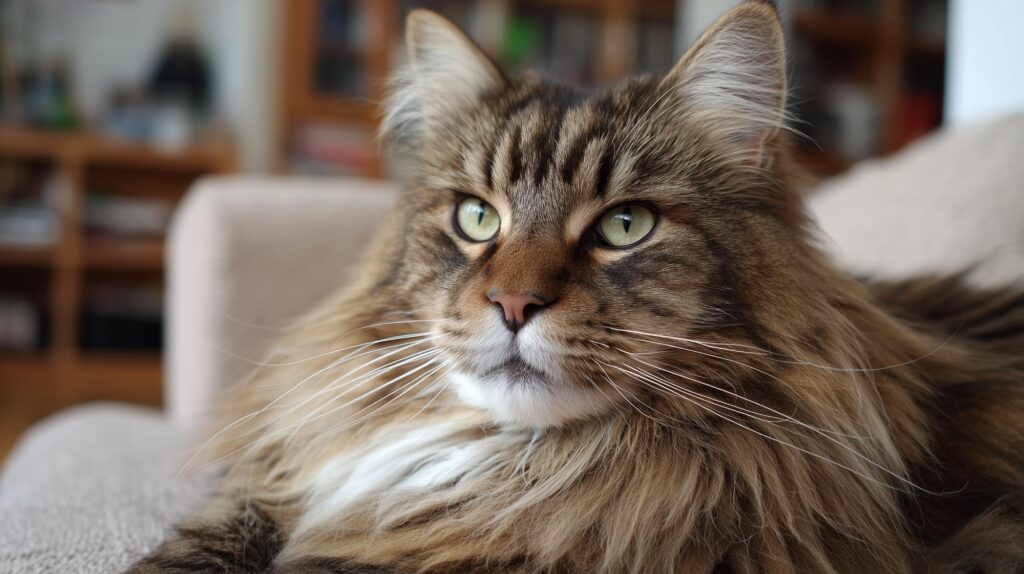
Grooming Needs and Coat Care
Grooming plays a role in daily life with a Maine Coon, and it’s often one of the biggest concerns for new owners.
What Maine Coon Grooming Actually Involves
Brushing frequency
Most Maine Coons need regular brushing to prevent tangles and manage shedding. Frequency varies by coat type and season, but consistency matters more than intensity.
Shedding reality
Maine Coons shed, especially during seasonal coat changes. Shedding does not mean constant mess, but it does require routine maintenance to keep coats comfortable and homes manageable.
Is Grooming Hard for Beginners?
No learning to brush and groom a Maine Coon cat is not hard for beginners.
What matters more than experience
Experience matters less than willingness. New owners who establish gentle grooming habits early usually adjust quickly. Starting small and staying consistent builds comfort for both cat and owner.
Tools vs consistency
Fancy tools do not replace regular care. A basic brush used consistently often works better than multiple tools used irregularly. Grooming success comes from routine, not perfection.
Size, Strength, and Handling
Size often gives first-time owners pause when considering a Maine Coon. Understanding how size affects daily handling helps separate perception from reality.
Why Size Intimidates Some First-Time Owners
Lifting
New owners sometimes worry about lifting a larger cat safely. Maine Coons do require a secure hold and proper support, especially as they grow. This can feel intimidating at first if you are used to smaller animals.
Vet visits
Transporting a large cat to the veterinarian can seem more challenging. Carriers need to be appropriately sized, and handling during exams can feel more involved compared to smaller breeds.
Transport
Travel, whether short trips or longer drives, requires planning. Larger carriers, sturdy harnesses, and thoughtful setup matter more with a Maine Coon than with a compact cat.
Why Size Can Also Make Handling Easier
Maine Coons are a fun size to have around the house. They feel more small dog like then cat some days. And they are great for snuggling on the couch.
Confidence
Maine Coons often approach handling situations with calm curiosity rather than fear. Their confidence reduces sudden reactions and makes routine handling more predictable.
Stability
Larger size usually comes with physical stability. Maine Coons tend to feel solid rather than fragile, which helps new owners handle them without fear of causing harm.
Less skittish behavior
Many Maine Coons react less dramatically to everyday events. This steadiness helps first-time owners feel more in control and reduces stress during routine care.
Cost of Owning a Maine Coon as a First Cat
For first-time cat owners, cost often becomes the deciding factor after the initial excitement fades. Maine Coons are not difficult cats, but they are resource-intensive, and understanding that early prevents frustration later.
Upfront Costs
Purchase price
Maine Coons typically cost more than mixed-breed or shelter cats because responsible breeding involves health screening, controlled pairings, extended kitten care, and proper early socialization. For a first-time owner, this price often reflects more than the cat itself. It includes preparation, education, and reduced early risk compared to poorly sourced kittens.
Supplies sized for large cats
Many first-time owners underestimate how quickly Maine Coons outgrow standard cat supplies. Smaller carriers, lightweight scratching posts, shallow litter boxes, and compact cat trees often become unusable within months. Investing in properly sized items from the start avoids repeated replacements.
Common upgrades include:
- Extra-large litter boxes that allow comfortable movement
- Sturdy carriers designed for heavier cats
- Heavier scratching posts and climbing furniture that won’t tip
- Larger beds that actually accommodate adult size
These costs add up early, but they support comfort, safety, and long-term usability.
Ongoing Costs
Food
Maine Coons eat more than average cats, especially during growth phases that last longer than most breeds. First-time owners often feel surprised by how quickly food consumption increases between kittenhood and young adulthood. Quality nutrition matters, not just quantity, and larger portions raise monthly costs.
Grooming
Long coats require maintenance. Even owners who groom at home often need occasional professional help during heavy shedding seasons or coat changes. Brushes, combs, grooming tools, and the time required to use them all factor into ownership. Skipping grooming often leads to matting, which creates additional expense later.
Veterinary care
Routine veterinary care for a Maine Coon looks similar to other cats on paper, but size influences practical costs. Medication dosing, anesthesia, and certain procedures scale with body weight. Preventive care and regular checkups help manage expenses by catching issues early rather than reacting to emergencies.
Why Cost Matters More for First-Time Owners
Budget planning
Experienced pet owners usually anticipate variable expenses. First-time owners often expect costs to remain steady. Maine Coons challenge that assumption because expenses increase gradually as the cat grows. Planning for higher food consumption, larger supplies, and long-term grooming prevents financial stress.
Avoiding surprises
Unexpected costs strain new owners emotionally and financially. When people understand the true scope of ownership ahead of time, they make calmer decisions and enjoy their cat more fully. A Maine Coon becomes far easier to live with when cost is anticipated rather than discovered later.
Long-term sustainability
Maine Coons live many years. First-time owners benefit from thinking beyond the first year and considering whether ongoing care remains comfortable long term. A well-planned budget supports better care and a more relaxed relationship with the cat over time.
Pet Insurance and Maine Coons: What First-Time Owners Should Know
Pet insurance is one of the most overlooked parts of planning for a first cat, especially with a breed like the Maine Coon. Because these cats grow large, mature slowly, and live long lives, insurance often plays a bigger role than new owners expect.
Why Insurance Matters More With Maine Coons
Maine Coons are generally hardy cats, but their size and lifespan change the financial equation. Larger cats often cost more to treat simply because medication, anesthesia, and procedures scale with body weight. Over a long lifespan, even routine issues can add up.
For first-time owners without a savings cushion specifically set aside for veterinary care, insurance helps smooth out unexpected expenses rather than forcing difficult decisions during stressful moments.
What Pet Insurance Actually Covers
Most pet insurance plans cover:
- Accidents and injuries
- Illnesses and diagnostic testing
- Emergency care
- Some chronic conditions once diagnosed
Insurance does not replace routine care, but it protects against high, unplanned costs that can arise at any point in a cat’s life.
Coverage varies by provider, so reading policy details matters more than choosing the cheapest option.
What Insurance Does Not Cover
First-time owners often misunderstand this part.
Most plans do not cover:
- Routine wellness visits
- Vaccinations
- Spay or neuter surgery
- Pre-existing conditions
Some companies offer wellness add-ons, but these function more like budgeting tools than true insurance.
Why Timing Matters
Insurance works best when started early, ideally while the kitten is young and healthy. Enrolling early:
- Keeps premiums lower
- Prevents exclusions for conditions diagnosed later
- Provides full coverage once waiting periods end
Waiting until a problem appears often means that issue becomes excluded permanently.
Choosing a Policy That Makes Sense
For Maine Coons, policies that work best usually include:
- Higher annual coverage limits
- Reasonable deductibles
- Coverage for diagnostics and imaging
- Chronic condition support
First-time owners benefit from policies that emphasize illness and emergency care, even if monthly premiums run slightly higher.
Insurance vs Savings: A Practical Comparison
Some owners choose to self-insure by setting aside savings. That approach works best when:
- You can reliably fund an emergency reserve
- You are comfortable covering large, unexpected bills
Insurance spreads risk over time. For first-time owners, that predictability often reduces stress and prevents hesitation when care decisions matter most.
Long-Term Peace of Mind
Insurance does not guarantee lower lifetime costs, but it changes the decision-making experience. Instead of asking “Can I afford this right now?”, owners can focus on “What does my cat need?”
For many first-time Maine Coon owners, that peace of mind is worth the monthly cost.
Living Situation Compatibility
Maine Coons adapt well to a wide range of living situations, but first-time owners often misunderstand why they adapt and where problems actually arise. Compatibility depends far more on how the space is used than on the size of the space itself.
Apartments
Many people assume a Maine Coon cannot thrive in an apartment because of their size. In practice, activity and enrichment matter more than square footage. A Maine Coon living in an apartment with consistent interaction, structured play, and environmental enrichment often does better than one living in a large house with little engagement.
Apartments tend to work best when owners:
- Commit to daily interactive play
- Create predictable routines
- Accept that the cat will want to be involved in daily life
Maine Coons notice patterns quickly. In apartments, they often settle into routines easily and become strong companion animals rather than background pets.
Vertical space matters more than floor space
Vertical access is critical in smaller homes. Tall cat trees, shelves, or window perches give Maine Coons places to observe and relax without feeling confined. Vertical movement also helps meet physical needs without requiring open floor plans.
When vertical space exists, many Maine Coons feel confident and secure even in modest apartments.
Houses
Houses naturally offer more room, but space alone does not guarantee an easier experience. Maine Coons use available space intentionally. They still prefer areas where people gather and often ignore unused rooms.
In houses, Maine Coons tend to:
- Follow family members between rooms
- Choose observation points near activity
- Use space for exploration rather than constant running
Multi-level environments
Stairs and multi-level layouts work well for Maine Coons. These environments support natural movement, muscle development, and mental stimulation. Many Maine Coons enjoy moving between levels throughout the day, especially if those spaces include windows or resting spots.
Even in large homes, engagement still matters. Maine Coons do not self-entertain indefinitely.
Work Schedules
Work schedule concerns come up often with first-time owners, especially those who worry a Maine Coon might be “too social” to be left alone.
Full-time work
Maine Coons can adjust well to full-time work schedules when routines remain consistent. They do best when owners:
- Engage before leaving for work
- Provide enrichment during the day
- Reconnect through play or interaction after returning home
Consistency matters more than hours worked.
Remote work
Remote or hybrid schedules often suit Maine Coons exceptionally well. Many enjoy quiet companionship during the day without requiring constant attention. Simply sharing space satisfies much of their social need.
Time alone tolerance
Maine Coons generally tolerate time alone better than anxious or highly vocal breeds. They tend to nap, observe, and wait rather than panic. That said, they still expect engagement when their people are present.
Maine Coons and First-Time Multi-Pet Homes
Multi-pet households add complexity, especially for first-time owners. Maine Coons often adapt well, but success depends on how introductions are handled, not on temperament alone.
With Other Cats
Maine Coons often show strong social adaptability with other cats. Their confidence helps them approach new feline housemates without immediate defensiveness.
However, confidence does not mean instant friendship. First-time owners should expect:
- A gradual adjustment period
- Initial curiosity followed by boundary testing
- Improved tolerance as routines settle
Structured introductions, scent swapping, and controlled access help prevent unnecessary tension. Maine Coons usually respond well when given time to observe before engaging directly.
Over time, many settle into peaceful coexistence or quiet companionship rather than constant interaction.
With Dogs
Maine Coons often handle dogs better than smaller or more timid cats. Their size, body language, and confidence reduce fear responses and help them stand their ground calmly.
That said, supervision matters, especially early on.
Successful dog introductions depend on:
- Calm, controlled first meetings
- Clear boundaries for the dog
- Allowing the cat to retreat when needed
Maine Coons often choose observation over confrontation. With proper supervision, many integrate well into dog households and coexist comfortably.
Maine Coons are Adaptable for First-Time Owners
Maine Coons do not require perfect environments. They require intentional ones.
First-time owners succeed most when they:
- Match the cat’s needs to their lifestyle honestly
- Focus on routine over space
- Accept that engagement matters more than square footage
- Plan introductions carefully in multi-pet homes
This adaptability is one reason Maine Coons often work well as first cats — not because they are effortless, but because they are resilient and socially flexible when supported correctly.
Common First-Time Owner Fears (And the Reality)
Many first-time owners approach Maine Coons with a mix of excitement and anxiety. Most concerns come from reasonable questions, not misinformation. Addressing them calmly helps separate real challenges from exaggerated worries.
“They’re Too Big for a Beginner”
Size is the most visible concern, and it’s understandable. Maine Coons grow larger than average cats, and that can feel intimidating at first. In practice, size alone rarely causes problems. What matters more is temperament. Maine Coons tend to move deliberately, tolerate handling well, and react calmly to routine situations. Their physical presence often makes them feel more stable and less fragile than smaller cats, which can actually help new owners feel more confident.
The learning curve usually involves practical adjustments such as choosing a larger carrier, supporting their body properly when lifting, and planning vet visits. These are manageable changes, not barriers to ownership.
“They’re Too Much Work”
Maine Coons do require engagement, grooming, and attention, but “work” often gets confused with “involvement.” They thrive when owners interact with them regularly, not when owners perform constant tasks.
The most time-intensive aspects tend to be:
- Regular brushing to manage coat health
- Interactive play to meet mental and physical needs
- Consistent routines
For first-time owners willing to build simple habits, these needs become part of daily life rather than burdens.
“They’re Too Expensive”
Cost concerns are valid, especially for a first pet. Maine Coons generally cost more to acquire and maintain than smaller cats. Food, grooming supplies, insurance, and appropriately sized equipment add up over time.
The reality is that Maine Coons are not budget cats. That does not make them inaccessible, but it does mean owners benefit from planning ahead. When costs are anticipated rather than discovered, financial stress decreases significantly.
“They’re Too Social for Someone New to Cats”
Some people worry that Maine Coons require advanced handling or constant interaction. In reality, their social nature often helps first-time owners. Maine Coons tend to communicate clearly, seek proximity rather than attention, and tolerate routine changes well.
They do notice their people and enjoy involvement, but they rarely demand nonstop interaction. Many new owners find this balance easier than managing a highly independent or emotionally fragile cat.
Where Maine Coons Can Be Hard for First-Time Owners
While Maine Coons suit many beginners, they are not the right choice for everyone. Being honest about potential challenges leads to better long-term outcomes.
If You Want a Low-Interaction Cat
Maine Coons prefer involvement. They follow routines, observe activity, and expect engagement. Owners who want a cat that stays distant or requires minimal interaction may feel overwhelmed by their presence.
This breed works best for people who enjoy a companion rather than a background pet.
If You Want Minimal Grooming
Long coats require maintenance. Skipping brushing leads to mats, discomfort, and eventual grooming intervention. First-time owners who dislike grooming or struggle to maintain routines may find this aspect frustrating.
Grooming does not need to be complicated, but it does need to be consistent.
If You Are Unprepared for Sensitive Stomachs or Health Management
This is a real challenge for some first-time owners.
Some Maine Coons have sensitive digestive systems. This does not mean they are unhealthy, but it does mean owners may need to:
- Choose food carefully
- Transition diets slowly
- Monitor stool consistency and appetite
- Avoid frequent brand or protein changes
First-time owners who expect to switch foods casually or feed whatever is convenient often struggle here. Managing a sensitive stomach requires attention, patience, and sometimes higher-quality food. Purebred cats are notoriously more health sensitive then the regular domestic longhair for example.
If Budget Flexibility Is Limited
Maine Coons benefit from quality nutrition, preventive veterinary care, and often insurance. Some individuals also have sensitive stomachs, which can require careful food selection, slower transitions, or higher-quality diets. These needs can increase costs unpredictably.
Owners with very tight budgets may find this stressful, especially during growth phases or unexpected health concerns.
If You Expect Instant Independence
Maine Coons mature slowly. They remain playful, curious, and people-focused longer than many breeds. First-time owners expecting a fully independent cat within the first year may feel surprised by the ongoing need for engagement.
They do gain independence with age, but the process takes time.
A Balanced Perspective
Maine Coons are not difficult cats, but they are intentional cats. They ask for involvement, planning, and patience. For first-time owners who enjoy learning, adapting, and building routines, these traits often become strengths rather than obstacles.
Who Maine Coons Are Excellent First Cats For
Maine Coons are not the easiest cat for every beginner, but for the right type of first-time owner, they can be an exceptionally good fit. The key factor is not prior experience, but what kind of relationship the owner wants with their cat.
People Who Want a Companion, Not a Decoration
Maine Coons participate in daily life. They follow routines, observe activity, and prefer to stay near their people rather than retreating for long periods. Owners who want a cat that feels present and engaged tend to enjoy this breed far more than those looking for a quiet, background pet.
They offer companionship without constant physical demand. Many sit nearby, supervise tasks, or quietly follow from room to room. For first-time owners who value interaction over independence, this balance works well.
Families
Maine Coons often fit smoothly into family households. Their steady temperament helps them tolerate everyday noise, movement, and changing schedules better than more sensitive breeds. Many handle respectful children well and adjust to multiple people without becoming overwhelmed.
Their size and confidence also reduce fragility concerns that families sometimes have with smaller cats. With proper boundaries and supervision, Maine Coons often integrate as calm, reliable family companions.
Singles Wanting an Interactive Pet
For single-person households, Maine Coons often provide meaningful companionship. They notice when routines change, acknowledge their people, and maintain a sense of shared space without becoming clingy.
Many singles appreciate that Maine Coons engage socially without requiring constant attention. The presence feels supportive rather than demanding, especially for owners who work during the day and want interaction in the evenings.
First-Time Owners Willing to Learn
Maine Coons suit first-time owners who approach pet ownership with curiosity and patience. Owners who ask questions, build routines, and adapt as the cat grows tend to thrive with this breed.
They reward consistency and responsiveness. When owners engage thoughtfully, Maine Coons often respond with stable behavior and strong bonds over time.
Maine Coon vs Other “Beginner” Cat Breeds
Comparing Maine Coons to other commonly recommended beginner cats helps clarify fit. No breed ranks universally better. Lifestyle alignment matters more than labels.
Maine Coon vs Domestic Shorthair
Domestic shorthairs often appeal to first-time owners seeking simplicity. They usually require less grooming and may cost less upfront. Temperament varies widely because they are not selectively bred for specific traits.
Maine Coons offer more predictability in temperament and behavior, but require more grooming, engagement, and planning. Owners choosing between the two often decide whether they prefer lower maintenance or more structured companionship.
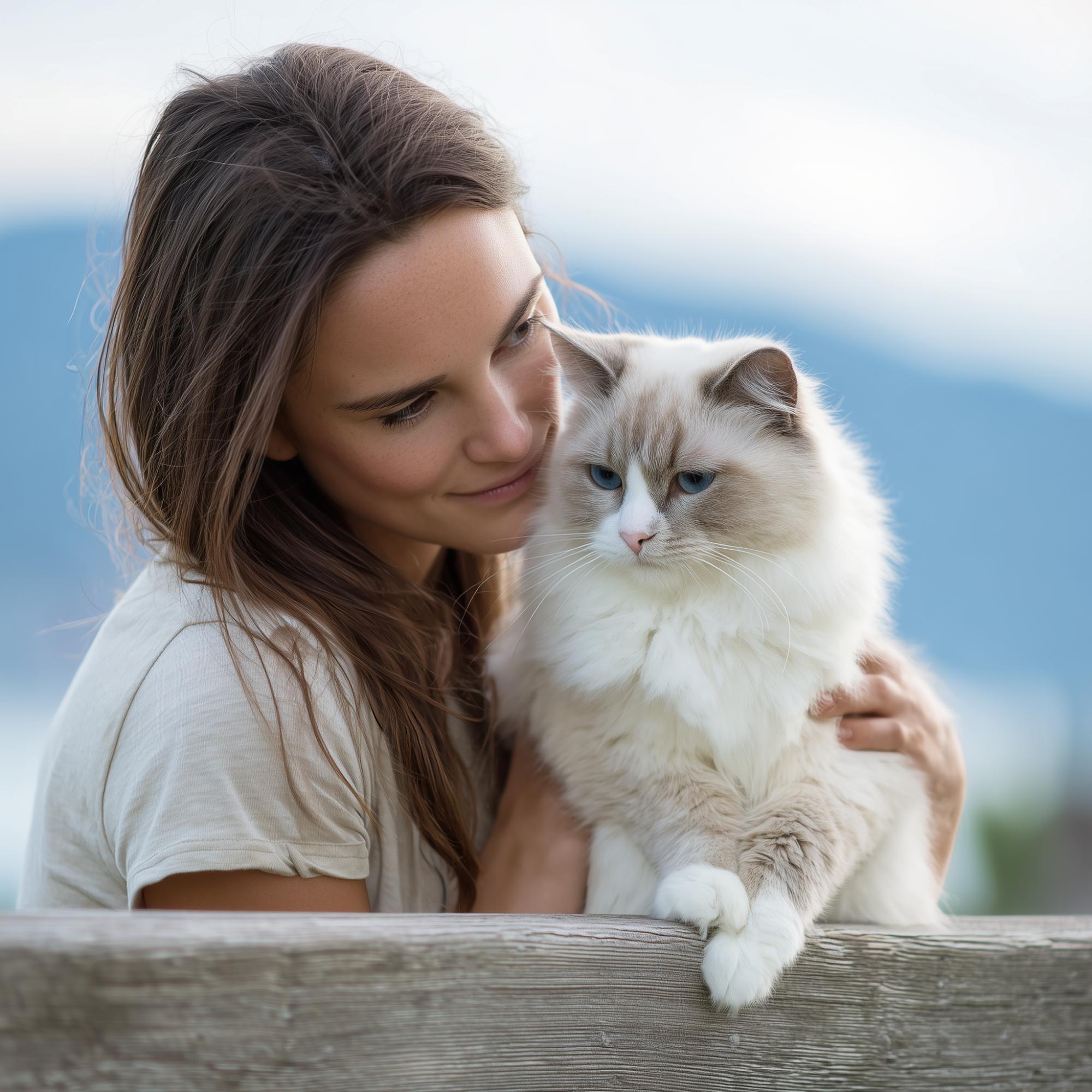
Maine Coon vs Ragdoll
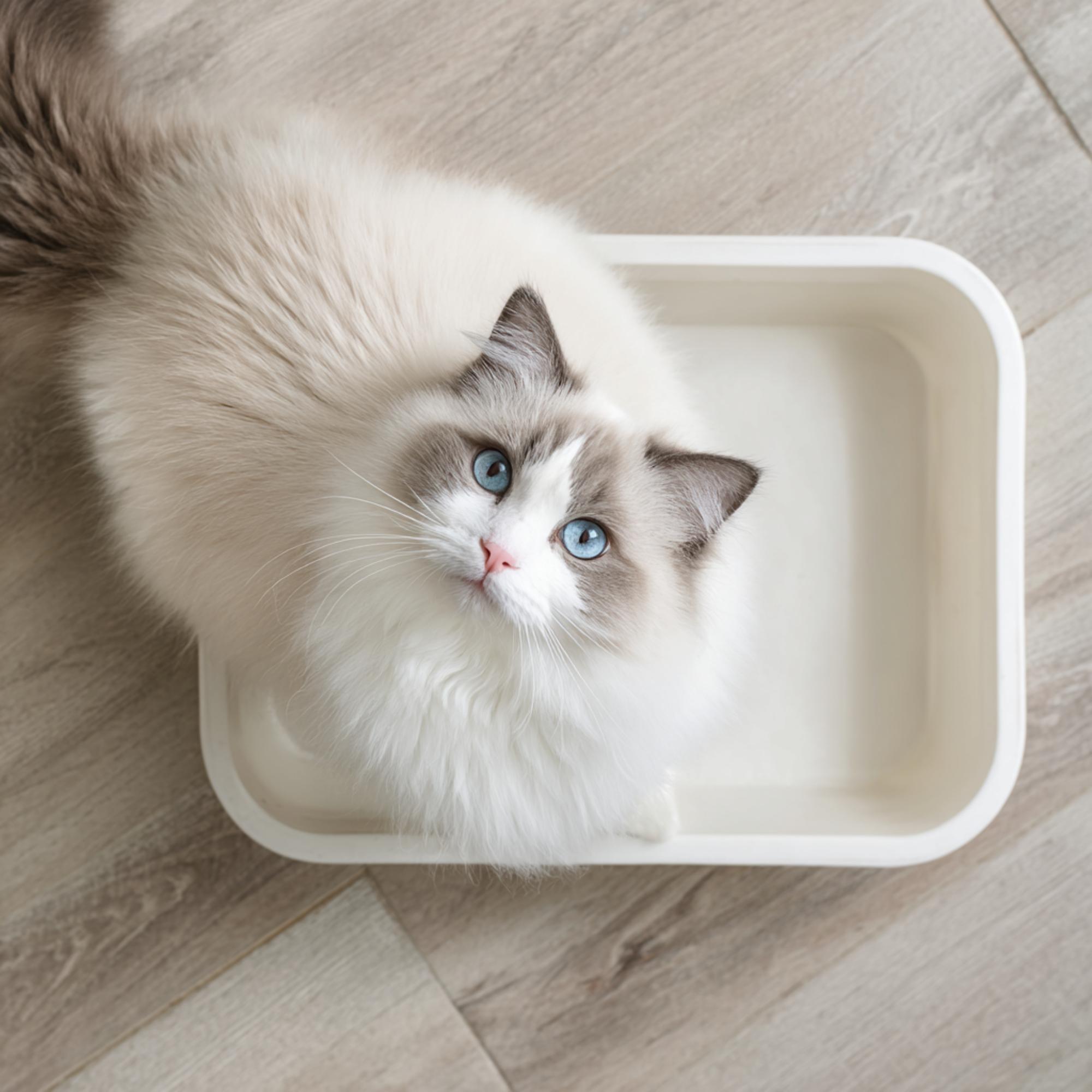
Ragdolls are known for their relaxed, affectionate nature and tolerance for handling. They often enjoy physical closeness more than Maine Coons.
Maine Coons tend to show affection through presence and interaction rather than constant cuddling. They usually remain more playful and engaged with their environment. Owners deciding between the two often choose based on whether they prefer calm physical affection or interactive companionship.
Maine Coon vs British Shorthair
British Shorthairs appeal to first-time owners who want a quieter, more independent cat. They typically require less grooming and prefer predictable, low-key environments.
Maine Coons suit owners who enjoy interaction, movement, and involvement. They bring more energy and engagement into the household, which some beginners find enriching and others find overwhelming.
Beginner Breed Comparison: Lifestyle Fit
| Factor | Maine Coon | Domestic Shorthair | Ragdoll | British Shorthair |
|---|---|---|---|---|
| Overall interaction level | High involvement, companion-oriented | Varies widely by individual | High affection, more relaxed | Lower interaction, more independent |
| Affection style | Presence and engagement | Depends on personality | Physical closeness and cuddling | Quiet, reserved affection |
| Grooming needs | Moderate to high | Low | Moderate | Low |
| Energy level | Playful, interactive | Varies | Calm to moderate | Calm |
| Adaptability | High with routine | Variable | Moderate | High in stable environments |
| Tolerance for noise & activity | High | Variable | Moderate | Lower |
| Best for first-time owners who want | A companion and interaction | Simplicity or flexibility | Gentle affection | Low-maintenance companionship |
| Potential challenges | Grooming, engagement, cost | Unpredictable temperament | Lower energy tolerance | Limited affection, independence |
Choosing Based on Fit
No breed guarantees success as a first cat. Maine Coons work best for owners who want a relationship, not just a pet. When expectations match the breed’s natural tendencies, first-time ownership often feels rewarding rather than difficult.
What Makes a Maine Coon Easier or Harder as a First Cat
Whether a Maine Coon feels manageable or overwhelming for a first-time owner rarely comes down to the breed alone. Outcomes depend on a combination of early experiences, preparation, and the support available once the kitten goes home.
Breeder Practices
Breeder practices shape a kitten long before it meets its new owner. Kittens raised in stable, enriched environments with consistent handling tend to adjust more smoothly to new homes. Thoughtful breeding decisions also influence temperament predictability, digestive resilience, and overall stress tolerance.
Poor early practices often show up later as feeding issues, anxiety, or difficulty adjusting. First-time owners feel these challenges more acutely because they lack experience to distinguish normal adjustment from preventable problems.
Early Socialization
Early socialization plays a major role in how a Maine Coon handles new situations. Exposure to normal household sounds, people, routines, and gentle handling helps kittens develop confidence.
Well-socialized kittens typically:
- Explore new environments with curiosity rather than fear
- Adapt to routine changes more easily
- Accept handling, grooming, and vet visits with less resistance
Lack of socialization does not make a cat “bad,” but it increases the learning curve for new owners.
Owner Preparation
Preparation often matters more than experience. First-time owners who prepare their environment, understand growth timelines, and plan for grooming and feeding tend to feel far more confident.
Preparation includes:
- Setting up appropriate supplies from the start
- Understanding normal developmental phases
- Expecting changes in appetite, energy, and behavior
Owners who expect a static experience often struggle. Those who expect evolution usually adapt well.
Support Resources
Support after placement plays a critical role, especially for first-time owners. Access to guidance during the adjustment period helps prevent small concerns from becoming major issues.
Reliable support may include:
- Breeder guidance
- Veterinary advice
- Educational resources
- Clear communication channels
First-time owners benefit most when they are not left to interpret every behavior alone.
Why These Factors Matter
A Maine Coon can be an excellent first cat when these elements align. When breeder practices are sound, socialization is thoughtful, owners are prepared, and support is available, the breed’s natural resilience and adaptability shine.
When one or more of these elements are missing, first-time ownership can feel far more challenging than necessary.
Frequently Asked Questions: Maine Coons as a First Cat
Are Maine Coons actually good for first-time cat owners?
They can be, but only when expectations match reality. Maine Coons are not “easy” in the low-effort sense, but they are forgiving, resilient, and socially stable, which often matters more for beginners than simplicity. First-time owners who enjoy interaction, routine, and learning tend to do well. Owners looking for a hands-off or decorative pet often struggle.
Are Maine Coons harder than other cats?
They are different, not harder across the board. Maine Coons require more grooming, more engagement, and more planning than many cats. In exchange, they tend to offer clearer communication, greater confidence, and more predictable behavior. For many beginners, that tradeoff feels manageable and even reassuring.
Do Maine Coons require special experience to own?
No prior cat experience is required, but preparation matters. Owners who read, ask questions, and build routines usually adapt quickly. Maine Coons tolerate learning curves well and rarely punish beginners for small mistakes.
Are Maine Coons high maintenance?
They require consistent care, not constant care. Grooming, feeding, and play need to happen regularly. Skipping routines creates problems later. Owners who prefer predictable, repeatable tasks often find Maine Coons easier than expected.
Are Maine Coons too big for a first cat?
Size feels intimidating at first, but it usually becomes an advantage. Maine Coons tend to move deliberately, tolerate handling well, and react less dramatically than smaller, more fragile cats. Owners adjust quickly once they learn proper lifting and handling.
Do Maine Coons have health issues that first-time owners should worry about?
Like all breeds, Maine Coons have known health considerations. Responsible breeding reduces risk but never eliminates it. First-time owners should understand that monitoring health, maintaining routine vet care, and budgeting for the unexpected are part of ownership. Planning matters more than worrying.
Do Maine Coons have sensitive stomachs?
Some do. This is important for first-time owners to understand clearly.
Certain Maine Coons show digestive sensitivity, which may require:
- Careful food selection
- Slow diet transitions
- Avoidance of frequent food changes
- Monitoring stool and appetite
This does not mean the breed is unhealthy, but it does mean casual feeding habits can cause issues. Owners willing to follow structured feeding routines usually manage this well.
Can I switch foods easily with a Maine Coon?
Frequent food changes often cause digestive upset, especially in cats with sensitive stomachs. Maine Coons generally do best with slow, deliberate transitions. First-time owners should avoid rotating foods impulsively or reacting too quickly to short-term appetite changes.
Are Maine Coons expensive compared to other cats?
Yes. They cost more upfront and over time. Expenses include higher food intake, grooming needs, insurance, and larger supplies. For first-time owners, budgeting ahead reduces stress significantly.
Should I get pet insurance for a Maine Coon?
Yes, pet insurance is a good idea for first-time owners. Maine Coons are large, long-lived cats, and veterinary costs scale with size. Insurance helps smooth unexpected expenses and reduces decision stress during emergencies. It works best when started early.
Are Maine Coons good apartment cats?
They can be. Maine Coons adapt well to apartments when owners provide:
- Vertical space
- Daily interaction
- Structured play
Square footage matters less than how the space is used. Many Maine Coons thrive in apartments with engaged owners.
Do Maine Coons need another cat?
They do not require another cat, but many enjoy companionship. Single-cat homes work well when owners provide interaction and enrichment. Multi-cat homes work best with slow introductions and clear routines. See Should I Get One Maine Coon Kitten or Two for more info.
Are Maine Coons good with dogs?
Often, yes. Their size and confidence help them coexist with dogs more easily than smaller cats. Supervised introductions and calm dog behavior matter more than breed.
Are Maine Coons very vocal?
They are communicative rather than loud. Many chirp, trill, or “talk” softly. First-time owners usually find their vocalizations expressive rather than disruptive.
Do Maine Coons calm down as they age?
Yes, but slowly. Maine Coons mature later than many cats. Playfulness and curiosity often last longer. Owners should expect gradual change rather than sudden adulthood.
How much grooming does a Maine Coon need?
Regular grooming is necessary. Brushing several times a week prevents matting and reduces shedding issues. Grooming becomes much easier when introduced early and kept consistent.
Are Maine Coons lap cats?
Some are, many are not. Most prefer to sit beside or near their people rather than on laps. First-time owners who expect constant cuddling may feel disappointed, while those who enjoy presence and proximity usually feel satisfied.
Are Maine Coons good for families with children?
They often are, when children interact respectfully. Their size and steady temperament help them tolerate household activity. Supervision and education matter, especially with younger children.
Do Maine Coons need a lot of exercise?
They need regular play, not constant activity. Interactive play sessions help meet physical and mental needs. Boredom causes mischief more often than excess energy.
Are Maine Coons destructive?
Not typically, but boredom can lead to testing boundaries. Scratching, climbing, and curiosity reflect unmet needs rather than bad behavior. Proper outlets prevent most issues.
What makes a Maine Coon easier as a first cat?
- Thoughtful breeder practices
- Early socialization
- Owner preparation
- Access to support and guidance
When these factors align, first-time ownership often feels smoother than expected.
What makes a Maine Coon harder as a first cat?
- Expecting low interaction
- Avoiding grooming
- Limited budget flexibility
- Unwillingness to manage diet carefully
- Expecting instant independence
These mismatches create frustration more than the breed itself.
Should I choose a Maine Coon or a different beginner breed?
Choose based on lifestyle, not labels. Maine Coons suit owners who want involvement and companionship. Other breeds suit owners who want quiet independence or minimal care.
Final Answer — Is a Maine Coon a Good First Cat?
A Maine Coon can be a very good first cat, but only for the right kind of owner. The answer is not a simple yes or no. It depends on what you want from a cat and how willing you are to prepare for the realities of ownership.
Maine Coons tend to suit first-time owners who want a companion rather than a low-effort pet. They do best with people who enjoy interaction, value routine, and feel comfortable learning as they go. Their steady temperament, tolerance for normal household activity, and clear communication often make the learning curve feel manageable rather than overwhelming.
Where first-time owners struggle most is not with experience, but with expectations. Maine Coons require regular grooming, thoughtful feeding, and ongoing engagement. Some individuals have sensitive stomachs that demand careful diet management. They also mature slowly and remain socially involved longer than many other cats. Owners who plan for these factors usually thrive. Owners who expect simplicity or instant independence often feel frustrated.
Related Articles From Almonte Cats
If you are researching Maine Coons, the following posts may also be helpful. These posts explain our standards, expectations, and long-term approach in more depth.
- Maine Coon Size, Growth, and Weight: What’s Normal and What’s Not
A detailed breakdown of realistic size ranges, growth timelines, and how to tell healthy structure from excess weight. - How to find a Maine Coon Breeder You can Trust
A practical guide explaining common scam patterns, verification steps, and what ethical programs do differently. - Maine Coon Health Overview: What Responsible Owners Should Know
Covers genetic screening, lifespan expectations, preventive care, and early warning signs owners should never ignore. - Why Maine Coons are Not for Everyone
An honest look at temperament, grooming, space needs, and daily life with a Maine Coon. - Maine Coon Kitten Growth Stages: What to Expect From 8 Weeks to Adulthood
Explains normal development, awkward phases, and why slow growth is a feature of the breed. - What to Expect When Bringing a Maine Coon Kitten Home How to setup a space for your Maine coon Kitten
SOURCES
- TICA – Maine Coon Breed Overview
https://tica.org/breed/maine-coon/ - CFA – Maine Coon Cat Breed Profile
https://cfa.org/breed/maine-coon-cat/ - TICA Breed Standard – Maine Coon (temperament, size, development)
https://tica.org/phocadownload/MC-MCP.pdf - International Cat Care (iCatCare) – Choosing the Right Cat
https://icatcare.org/advice/choosing-the-right-cat/ - International Cat Care – Kitten Behaviour and Development
https://icatcare.org/advice/kitten-behaviour/ - International Cat Care – Bringing Home a New Cat or Kitten
https://icatcare.org/advice/bringing-home-a-new-cat/ - VCA Animal Hospitals – New Kitten Care and Adjustment
https://vcahospitals.com/know-your-pet/bringing-home-a-new-kitten - VCA Animal Hospitals – Feeding and Digestive Health in Cats
https://vcahospitals.com/know-your-pet/feeding-your-cat - ASPCA – Cat Care Basics
https://www.aspca.org/pet-care/cat-care - The Spruce Pets – Maine Coon Cat Breed Profile (behavior, grooming, lifestyle)
https://www.thesprucepets.com/maine-coon-cat-breed-profile-characteristics-and-care-5221962





Read the Comments +