
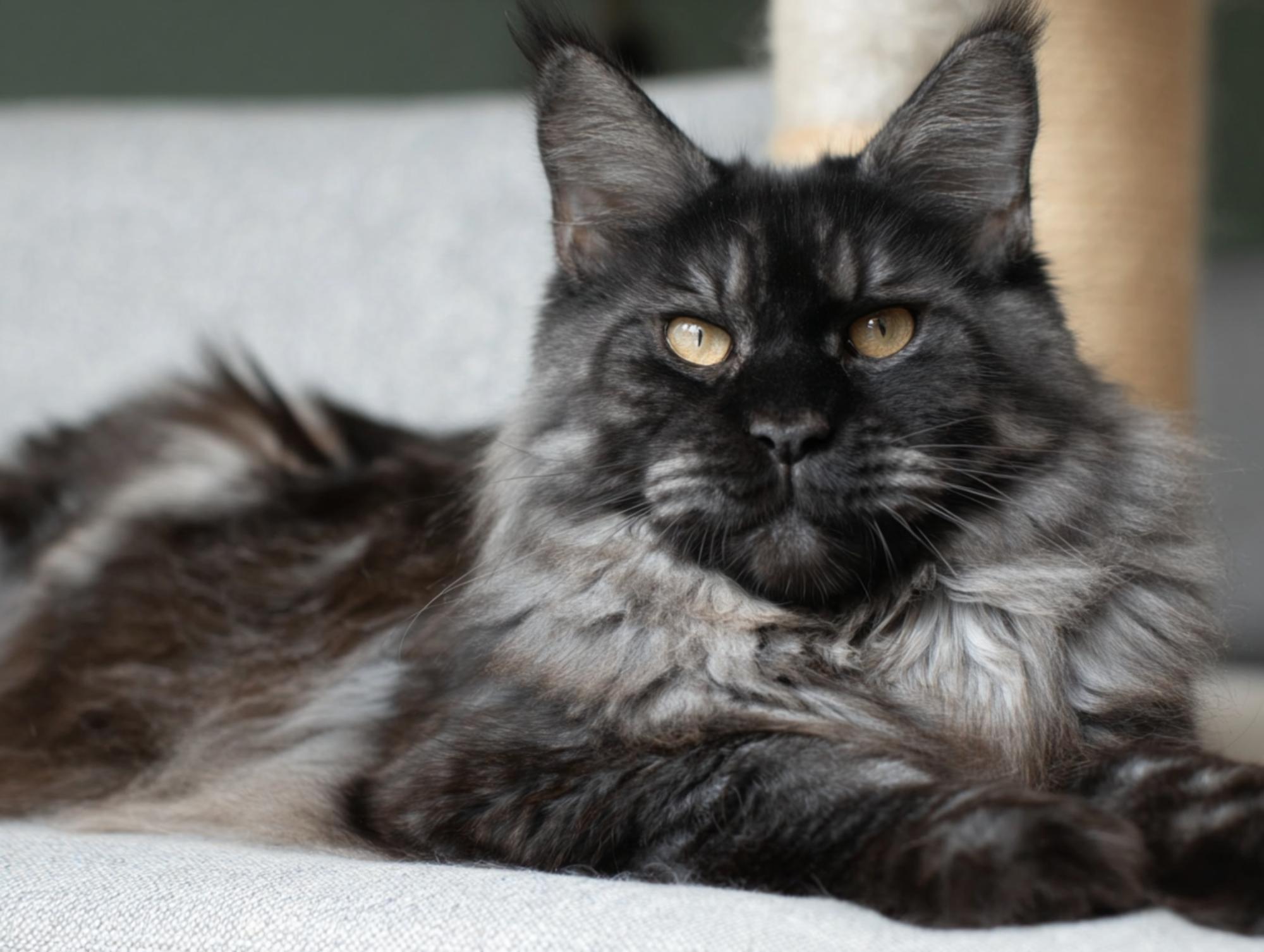
Maine Coon Colors Explained: Genetics, Patterns and Colors
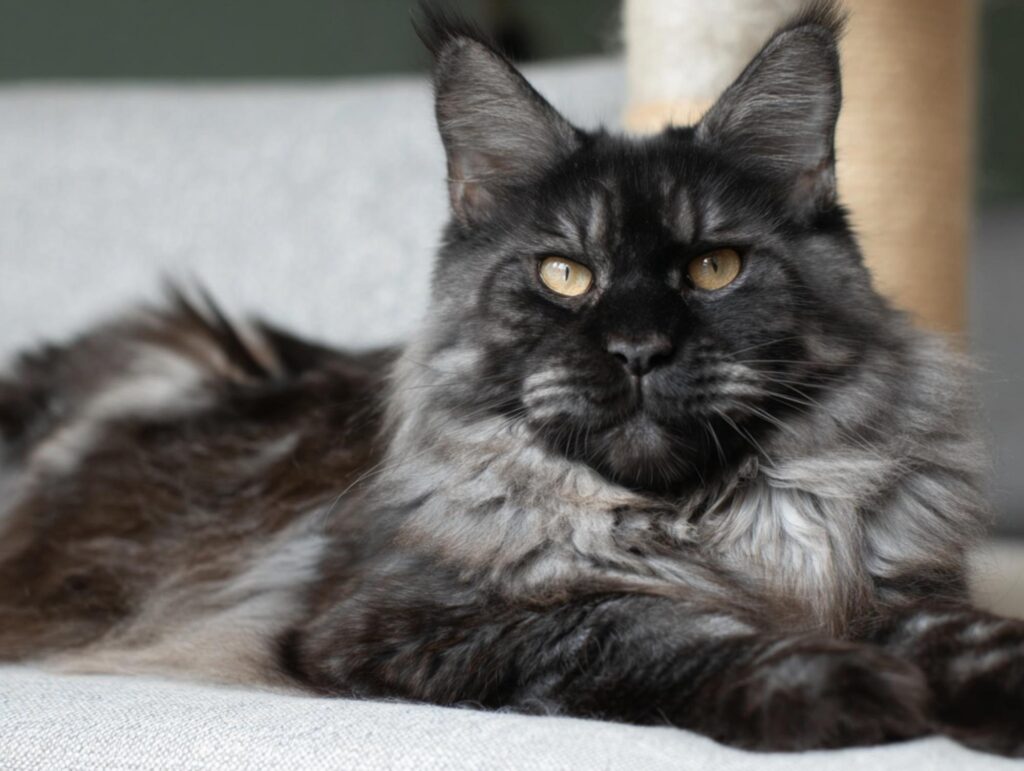
Maine Coon cat colors are often misunderstood due to inconsistent terminology and simplified descriptions used across online sources. Accurate understanding requires separating coat color, pattern, and modifier, as these terms describe different aspects of a Maine Coon’s appearance.
This guide presents a clear, registry-aligned explanation of Maine Coon coat colors and patterns, using standardized terminology rather than marketing language or social media shorthand.
Maine Coon Colors at a Glance
| Category | What It Covers | Key Clarification |
|---|---|---|
| Solid Colors | Black, blue (gray), red, cream, white | Solids may show ghost markings as kittens; adult coats mature over time |
| Tabby Patterns | Classic, mackerel, spotted, ticked | Tabby is a pattern, not a color |
| Silver Variations | Black silver, blue silver, red silver, cream silver | Silver is a modifier that lightens the base coat, not a color itself |
| Smoke Colors | Black smoke, blue smoke, red smoke, cream smoke | Smoke coats look solid at rest and show contrast in motion |
| Shaded Coats | Silver shaded, golden shaded | Shaded coats have pigment only at hair tips; often misidentified |
| Tortoiseshell & Torbie | Tortie, blue tortie, torbie | Nearly all torties are female due to genetics |
| Bicolor & Tricolor | Black & white, blue & white, red & white, calico | White is a masking gene; distribution is unpredictable |
| Eye Color | Gold, green, copper, blue, odd-eyed | Eye color does not indicate temperament or quality |
| Color Changes Over Time | Kitten to adult development, seasonal shifts | Maine Coons can take years to reach final color and coat |
| Rare & Myth Colors | Chocolate, lilac, cinnamon, fawn | These are not accepted Maine Coon colors despite marketing claims |
Color vs Pattern in Maine Coon Cats
In Maine Coons, color refers to the base pigmentation of the coat, while pattern describes how that color appears across the body. These terms are frequently combined or misused, leading to confusion in listings and informal descriptions.
For example:
- Tabby is a pattern, not a color
- Silver and smoke are modifiers, not base colors
Understanding these distinctions is essential for accurately identifying Maine Coon colors.
Terminology Used in Breeder Listings and Online Sources
Online listings and social media often shorten or combine color terms for convenience. While this makes browsing easier, it can lead to incorrect assumptions about what a cat’s color classification actually is.
This article uses terminology consistent with major cat registries and long-established breed standards to ensure clarity and consistency.
Kitten Coat Appearance vs Adult Maine Coon Color
Maine Coon kitten colors frequently change as the cat matures. Coat depth, contrast, and pattern definition often develop over time, particularly in silver, smoke, red, and dilute colors.
Kitten photos provide limited insight into final adult coloration. Coat development, seasonal changes, and maturation all influence how a Maine Coon’s color appears in adulthood.
What This Post Covers
This comprehensive guide to Maine Coon cat colors includes:
- Solid Maine Coon colors
- Tabby patterns and their base colors
- Silver and smoke variations
- Tortoiseshell and torbie Maine Coons
- Bicolor and white patterning
- Rare and commonly misunderstood color terms
- Registry-recognized color classifications
Each section focuses on accurate classification rather than trend-based descriptions.
Intended Audience
This guide is written for:
- Maine Coon buyers researching coat colors
- Breeders seeking consistent terminology
- Cat enthusiasts and researchers looking for a reliable reference
The goal is to provide a complete, neutral resource that explains Maine Coon colors clearly and accurately, without hype or oversimplification.
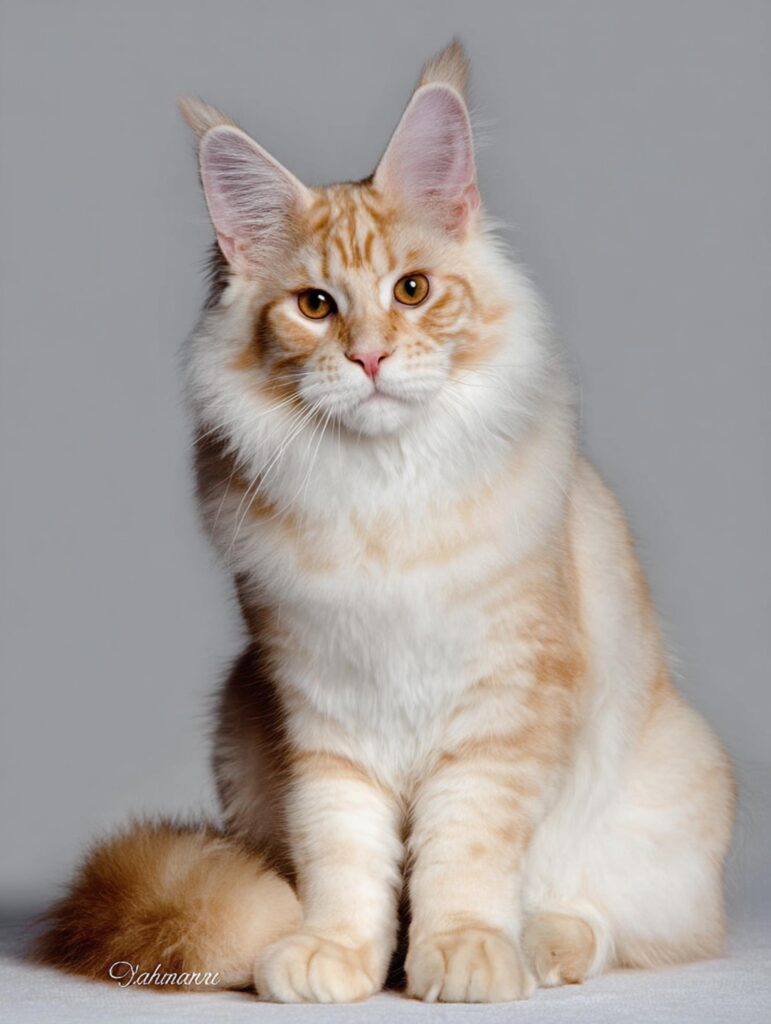
How Maine Coon Colors Are Classified
Before listing individual Maine Coon colors and patterns, it is important to understand the framework used to classify them. Maine Coon coat descriptions are based on three distinct elements: base color, pattern, and modifier. Confusion arises when these elements are combined or mislabeled, particularly in informal listings.
This section establishes the terminology used throughout the guide so that each color category can be understood accurately and consistently.
Color vs Pattern in Maine Coon Cats
What “Color” Means in Maine Coons
In breed classification, color refers to the base pigmentation of the coat. This is the underlying pigment produced by the cat’s genetics, independent of markings, striping, or shading.
In Maine Coons, recognized base colors include:
- Black
- Blue (dilute black)
- Red
- Cream (dilute red)
- White (genetic masking rather than pigment)
These base colors form the foundation on which patterns and modifiers appear. A Maine Coon’s color does not describe markings or striping—it describes the pigment itself.
What “Pattern” Means in Maine Coons
A pattern describes how the base color is distributed across the coat. Patterns do not change the underlying pigment; they determine its visual arrangement.
Common Maine Coon patterns include:
- Tabby (classic, mackerel, spotted, or ticked)
- Solid (self-colored)
- Tortoiseshell
- Bicolor and tricolor combinations
Patterns overlay the base color and are inherited separately from pigment genes.
Tabby as a Pattern, Not a Color
Tabby is frequently used as a color descriptor, but in accurate classification it is strictly a pattern. A Maine Coon cannot be “just tabby” without a base color.
Correct descriptions include:
- Black tabby
- Blue tabby
- Red tabby
- Silver tabby (black base with silver modifier)
Understanding tabby as a pattern prevents mislabeling and clarifies why tabby Maine Coons can look dramatically different from one another despite sharing the same pattern type.
Silver as a Modifier, Not a Color
Silver is another term commonly mistaken for a color. In reality, silver is a pigment modifier that lightens the base color at the root of each hair shaft while leaving the tip darker.
Silver always appears on top of another color, most commonly black or blue. For example:
- Black silver tabby
- Blue silver tabby
Silver does not replace the base color; it alters how that color appears. This distinction is essential when identifying silver versus smoke Maine Coons later in the guide.
Registry-Based Classification of Maine Coon Colors
Formal color classification is guided by cat registries rather than marketing language. While casual descriptions may vary, registries maintain standardized systems to ensure consistency across breeders and judges.
How TICA Classifies Maine Coon Colors
The The International Cat Association (TICA) classifies Maine Coon colors using a combination of:
- Base color
- Pattern
- Modifier (such as silver or smoke)
TICA recognizes a wide range of color and pattern combinations for Maine Coons, provided they fall within established breed standards. Colors are recorded precisely to reflect genetic reality rather than visual shorthand.
TICA’s system allows for detailed classification while maintaining clear distinctions between color, pattern, and modifier.
How CFA Classifies Maine Coon Colors
The Cat Fanciers’ Association (CFA) uses a similarly structured but slightly more conservative classification framework.
CFA emphasizes:
- Clear differentiation between accepted and non-accepted colors
- Consistent terminology across breed standards
- Strict definitions for show eligibility
While CFA and TICA overlap significantly, minor differences in recognition and terminology exist. These differences influence how breeders describe cats depending on their registry affiliation.
Variation in Breeder Terminology
Breeder terminology often differs from registry language due to:
- Marketing preferences
- Platform limitations in listings
- Regional naming conventions
- Efforts to simplify descriptions for buyers
While this variation is common, it can introduce confusion when terms are used imprecisely. Registry-aligned language remains the most reliable reference point for understanding Maine Coon colors accurately.
Registry Language vs Marketing Descriptions
Registry terminology reflects genetic and structural classification. Marketing terms often emphasize appearance, rarity, or trend appeal. These two approaches serve different purposes.
For educational clarity and long-term understanding:
- Registry language provides consistency
- Marketing language changes over time
- Accurate classification protects both buyers and breeders
This guide follows registry-based definitions, using marketing terms only where clarification is necessary.
With this classification framework established, the following sections will examine each Maine Coon color and pattern category in detail, using consistent terminology and adult-coat examples to avoid confusion.
Solid Maine Coon Colors (Self Colors)
Solid, or self-colored, Maine Coons are defined by a coat that appears one uniform color across the body, without visible tabby striping, spots, or patches. While they are often described as “solid,” these coats are genetically nuanced and frequently misunderstood—especially in kittens.
What Is a Solid Maine Coon?
A solid Maine Coon has a single base color expressed evenly throughout the coat. In registry terms, “solid” (or “self”) means the absence of an agouti (tabby) pattern and the absence of white spotting. The visual goal is an even distribution of pigment from root to tip across the body.
Solid colors recognized in Maine Coons include:
- Black
- White
- Blue (dilute black)
- Red
- Cream (dilute red)
These colors are evaluated on uniformity, clarity, and depth, not on perceived rarity.
Why Solid Maine Coons Are Less Common Than They Appear
Solid Maine Coons are often overestimated in frequency because many kittens appear solid at first glance. In reality, the majority of Maine Coons carry tabby genetics, even when those markings are subtle.
Several factors contribute to the illusion of solidity:
- Ghost tabby markings in kittens
- Seasonal coat changes that soften contrast
- Dense coats that obscure faint patterning
- Lighting that masks underlying striping
As a result, truly solid adult Maine Coons—especially those with even coloration—are less common than early kitten photos suggest.
Ghost Tabby Markings Explained
Ghost tabby markings are faint stripes or swirls visible in solid-colored kittens, most often in black, blue, red, and cream coats. These markings:
- Are common in young kittens
- Usually fade as the adult coat develops
- Do not indicate a tabby pattern in adulthood
In red and cream Maine Coons, ghost markings may remain visible for life due to how red pigment expresses genetically. This does not disqualify them from being classified as solid.
Black Maine Coon
The black Maine Coon is one of the most iconic solid colors, known for its dramatic presence and dense, glossy coat.
True Black vs Faded Black
A true black Maine Coon displays:
- Deep, inky pigmentation
- Minimal brown or rust undertones
- Even color from root to tip
Faded black coats may appear:
- Brownish
- Charcoal
- Sun-bleached
These variations are common and influenced by genetics, environment, and grooming practices.
Sun Bleaching and Coat Wear
Black Maine Coons are especially prone to sun bleaching, which causes the coat to take on a reddish or brown cast. Prolonged sun exposure, seasonal shedding, and coat wear can all lighten black pigment over time.
This is cosmetic rather than genetic and does not change the cat’s classification.
Adult Coat Development in Black Maine Coons
Black kittens often show ghost tabby striping that fades as the adult coat grows in. Full color depth typically develops between 2–4 years, aligning with the Maine Coon’s slow maturation.
White Maine Coon
The white Maine Coon is visually striking and genetically distinct from other solid colors.
Genetic White Masking
White Maine Coons are not “white-colored” in the traditional sense. Instead, a dominant white masking gene suppresses all visible pigment, covering the cat’s underlying color completely.
This means:
- A white Maine Coon may genetically be black, blue, red, or another color
- The underlying color remains unknown unless genetically tested
Eye Color in White Maine Coons
White Maine Coons may have:
- Blue eyes
- Gold or copper eyes
- Odd eyes (one blue, one gold)
Eye color does not determine health or quality, but it is closely associated with the genetics of white masking.
Deafness Myths Explained
A common misconception is that white Maine Coons are often deaf. In reality:
- Deafness risk is associated with blue eyes, not coat color alone
- Many white Maine Coons hear normally
- Ethical breeding practices reduce risk further
White coloration itself does not imply health problems.
Visibility and Lifestyle Considerations
White Maine Coons require more frequent grooming due to visible dirt and staining. They are also more visible outdoors, which may influence management choices for safety. Read more in the White Maine coon post here.
Blue (Gray) Maine Coon
Often called “gray,” the blue Maine Coon is a dilute version of black, producing a soft, slate-like appearance.
Blue vs Gray Terminology
“Blue” is the correct genetic and registry term. “Gray” is a casual descriptor used in conversation and listings but does not reflect official classification.
Even Coloration vs Shading
High-quality blue Maine Coons show:
- Even tone across the body
- Minimal shading or banding
- A soft, matte appearance
Uneven shading can occur naturally and does not indicate a pattern.
Kitten Coat Changes in Blue Maine Coons
Blue kittens often appear lighter or silvery at first. As the adult coat comes in, the color deepens and becomes more uniform, especially after the first full seasonal shed.
Red Maine Coon
The red Maine Coon is sometimes described as orange or ginger, though “red” is the correct classification.
Red vs Orange vs Ginger
All three terms describe the same pigment expression. “Red” is the registry term, while “orange” and “ginger” are informal. See Orange Maine Coon pics and info here.
Tabby Inheritance in Red Coats
Genetically, all red Maine Coons carry tabby patterning. Even when classified as solid:
- Faint striping may remain visible
- Pattern contrast often softens with age
- Complete absence of markings is uncommon
This makes true visual “solid red” especially rare.
Why Solid Red Is Rare
Because red pigment inherently expresses patterning, solid red Maine Coons are less visually uniform than black or blue solids. The classification remains solid, even if faint markings persist.
Cream Maine Coon
The cream Maine Coon is the dilute form of red, producing a pale, warm-toned coat.
Dilute Red Genetics
Cream coloration results from dilution genes acting on red pigment. This creates:
- Soft, pastel tones
- Lower contrast
- A lighter overall appearance
Coat Softness and Shading
Cream Maine Coons often have exceptionally soft coats. Subtle shading and ghost markings are common and considered normal.
Aging Changes in Cream Maine Coons
As cream Maine Coons mature:
- Color may deepen slightly
- Contrast may become more noticeable
- Seasonal coat shifts can alter tone
These changes are gradual and part of normal coat development.
Recap of Solid Maine Coon Colors
Solid Maine Coon colors are defined by genetic structure, not by first impressions. Many kittens that appear solid develop clearer characteristics over time, while true solids reveal their full depth only in adulthood. Understanding ghost markings, dilution, and coat maturation prevents misclassification and sets realistic expectations for adult appearance.
Tabby Pattern Maine Coons (Most Common Category)
Tabby-patterned Maine Coons make up the largest and most diverse portion of the breed. While many people think of “tabby” as a color, it is more accurately understood as a pattern system that overlays a base color. The variety within tabbies—ranging from bold swirls to fine striping and subtle ticking—explains why tabby Maine Coons can look dramatically different from one another despite sharing the same underlying genetics. See full Tabby Genetics Post for more tabby info.
What Makes a Maine Coon a Tabby?
A Maine Coon is classified as a tabby when it expresses the agouti gene, which causes each hair to be banded with alternating light and dark pigment. This banding creates visible patterns rather than a single, uniform color.
At a high level:
- The agouti gene controls whether a coat shows pattern
- Non-agouti coats appear solid (self-colored)
- Agouti coats display tabby patterning
Because the agouti gene is common in the Maine Coon gene pool, most Maine Coons are tabbies, even when the pattern is subtle or partially obscured by coat length and density.
Pattern vs Base Color in Tabby Maine Coons
Every tabby Maine Coon has:
- A base color (black, blue, red, cream, etc.)
- A pattern type (classic, mackerel, spotted, or ticked)
For example:
- A black tabby has a black base color with tabby patterning
- A blue tabby has a dilute black base with the same pattern
- A red tabby carries red pigment with tabby banding
The pattern does not replace the base color—it sits on top of it. This distinction becomes important when comparing silver tabbies, red tabbies, and high-contrast versus low-contrast coats.
Classic (Blotched) Tabby Maine Coons
The classic tabby, also known as blotched tabby, is one of the most visually striking tabby patterns seen in Maine Coons.
Swirl and Marble Patterns
Classic tabby Maine Coons display:
- Large, flowing swirl patterns along the sides
- A butterfly-like marking across the shoulders
- A bold outline that resembles marbling
These swirls are broader and more dramatic than other tabby patterns, often giving classic tabbies a bold, ornamental appearance.
High-Contrast vs Low-Contrast Classic Tabbies
Not all classic tabbies look the same. Contrast plays a major role in how visible the pattern appears.
- High-contrast classic tabbies show sharp, dark swirls against a lighter background
- Low-contrast classic tabbies have softer, blended patterns that can appear muted
Contrast is influenced by genetics, coat quality, and modifiers such as silver.
Pattern Changes With Age
Classic tabby patterns often change as the Maine Coon matures:
- Kittens may show softer, less defined swirls
- Pattern sharpness typically increases as the adult coat develops
- Seasonal coats can temporarily blur or sharpen contrast
Full pattern clarity may not stabilize until 2–4 years of age, consistent with the breed’s slow maturation.
Mackerel Tabby Maine Coons
The mackerel tabby is the most common tabby pattern in Maine Coons.
Vertical Striping
Mackerel tabbies are characterized by:
- Narrow, vertical stripes running down the sides
- A central dorsal stripe along the spine
- Even spacing between stripes
The overall effect is a streamlined, athletic appearance that complements the Maine Coon’s long body.
Narrow vs Wide Bars
Mackerel striping can vary in width:
- Narrow bars create a refined, high-definition look
- Wider bars can give a bolder, heavier pattern
Coat length and density influence how clearly these stripes are visible, especially in winter coats.
Prevalence in the Breed
Because the mackerel pattern is genetically common, many Maine Coons labeled simply as “tabby” fall into this category. It is often the default pattern seen in pet and show populations alike.
Spotted Tabby Maine Coons
The spotted tabby pattern is less common and often misunderstood.
Broken Mackerel Pattern Explained
In Maine Coons, spotted tabbies usually result from:
- A mackerel pattern that breaks into spots
- Irregular segmentation of vertical stripes
Rather than forming perfectly round spots, many spotted Maine Coons show:
- Elongated or oval markings
- Broken lines that resemble spots
Why True Spots Are Rare
True, evenly spaced spots—similar to those seen in breeds like Bengals—are uncommon in Maine Coons. This is due to differences in pattern genetics and breed development.
As a result:
- Many “spotted” Maine Coons sit on a spectrum between mackerel and spotted
- Pattern clarity varies widely from cat to cat
Pattern Inconsistency Over Time
Spotted patterns can shift as the coat matures:
- Spots may elongate
- Broken stripes may reconnect
- Seasonal coat density can obscure definition
This variability is normal and does not indicate misclassification.
Ticked Tabby Maine Coons
The ticked tabby is the rarest tabby pattern seen in Maine Coons.
Limited Presence in the Breed
Ticked tabby patterning minimizes visible striping on the body, instead showing:
- Evenly banded hairs
- Concentrated markings on the face, legs, and tail
Because Maine Coons are historically patterned cats, ticked expression is uncommon.
Differences From Abyssinian-Type Ticking
Ticked Maine Coons differ significantly from breeds such as Abyssinians:
- Maine Coons retain tabby markings on extremities
- The body coat is longer and denser
- Ticking is less uniform and more diffuse
This distinction prevents confusion between breeds with superficially similar appearances.
Registry Considerations
Ticked tabby Maine Coons may be recognized differently depending on registry standards and clarity of expression. Because the pattern is rare and subtle, accurate classification relies on experienced evaluation rather than casual visual assessment.
Summary of Tabby Pattern Maine Coons
Tabby Maine Coons represent the widest range of visual variation within the breed. From bold classic swirls to fine mackerel striping and rare ticked coats, tabby patterns overlay base colors in complex and evolving ways. Understanding the distinction between base color and pattern allows for accurate identification and realistic expectations as these coats mature over time.
Silver Maine Coon Colors (High-Confusion Category)
Silver Maine Coon colors are among the most striking—and most frequently misunderstood—variations in the breed. Much of the confusion stems from the fact that silver is not a color itself, but a modifier that dramatically alters how an underlying color and pattern are perceived. When combined with tabby patterning and a long, dense coat, silver can appear dramatically different depending on age, lighting, and coat condition.
What Makes a Maine Coon “Silver”
A Maine Coon is classified as silver when it carries the silver inhibitor gene, which affects pigment distribution along each hair shaft.
At a high level:
- The base of each hair is very light (often white or pale silver)
- The tip of each hair retains the underlying pigment
- The result is a light background with darker patterning
This creates the characteristic “silver” appearance: high contrast, brightness, and depth.
Silver Inhibitor Gene Explained (High Level)
The silver inhibitor gene suppresses pigment at the root of the hair but does not remove the base color. Instead, it pushes color toward the tip of the hair.
This means:
- Every silver Maine Coon still has a base color (black, blue, red, or cream)
- The silver gene modifies how that color appears
- The tabby pattern remains essential for visual definition
Without a visible pattern, silver expression becomes far less obvious.
Silver Is a Modifier, Not a Color
Silver is often listed as if it were a standalone color, but accurate classification always pairs silver with a base color and pattern.
Correct examples include:
- Black silver tabby
- Blue silver tabby
- Red silver tabby
- Cream silver tabby
“Silver Maine Coon” by itself is incomplete terminology. Understanding this distinction prevents confusion when comparing silver to smoke, solid, or shaded coats.
The Importance of Contrast in Silver Coats
Contrast determines whether a silver Maine Coon appears:
- Crisp and high-definition
- Soft and muted
- Or “muddy” and unclear
High-quality silver coats show:
- Bright, pale roots
- Clear, dark pattern edges
- Strong visual separation between background and markings
Contrast is influenced by genetics, coat length, grooming, and maturity.
Black Silver Maine Coons
The black silver Maine Coon is the most common and most recognizable silver variation.
Silver Base With Black Pattern
In black silver tabbies:
- The base color is genetically black
- The silver gene lightens the background dramatically
- Black pigment remains concentrated in the pattern
This produces bold black striping or swirls on a bright silver background.
High-Contrast vs Muddy Silver
Not all black silver Maine Coons look the same.
- High-contrast black silvers show sharp black markings with bright silver ground color
- Low-contrast or muddy silvers appear grayish or dull, with less definition
Muddiness can result from:
- Lower contrast genetics
- Coat wear
- Seasonal coat changes
Aging Effects in Black Silver Maine Coons
As black silver Maine Coons mature:
- Contrast may sharpen with adult coat development
- Some coats soften slightly with age
- Seasonal shedding can temporarily reduce clarity
Full silver expression often stabilizes between 2–4 years of age.
Blue Silver Maine Coons
The blue silver Maine Coon is a dilute version of black silver, producing a softer overall appearance.
Dilute Silver Genetics
Blue silver Maine Coons:
- Have a blue (dilute black) base color
- Carry the silver inhibitor gene
- Display pale silver roots with blue-gray patterning
The result is a cooler, misty look compared to black silver.
Soft Contrast Patterns
Blue silver patterns are naturally lower contrast:
- Pattern edges appear softer
- Overall tone is more muted
- Lighting plays a large role in visibility
This subtlety is normal and does not indicate poor quality.
Coat Clarity Over Time
Blue silver kittens often look very pale or washed out. As the adult coat comes in:
- Pattern definition improves
- Background brightness stabilizes
- Overall balance becomes more apparent
Patience is required to assess final appearance.
Red Silver Maine Coons
The red silver Maine Coon combines warm pigment with the silver modifier, creating a unique and often misunderstood appearance.
Pale Silver Base With Warm Patterning
Red silver Maine Coons show:
- A pale, almost white silver base
- Red or apricot-toned patterning
- Softer contrast than black or blue silver
The warmth of red pigment blends easily with the silver background.
Peach and Apricot Undertones
Many red silver Maine Coons develop:
- Peach or apricot hues
- Creamy transitions between pattern and base
These undertones are normal and often intensify with maturity.
Kitten vs Adult Differences
Red silver kittens frequently appear:
- Extremely light
- Low contrast
- Almost cream-colored
As adults, patterning becomes more visible, though red silvers rarely achieve the dramatic contrast of black silver.
Cream Silver Maine Coons
The cream silver Maine Coon is the dilute form of red silver and is one of the least common silver variations.
Rare Dilute Silver Expression
Cream silver Maine Coons combine:
- Cream (dilute red) base color
- Silver inhibitor gene
- Tabby patterning
The result is an exceptionally subtle coat.
Subtle Patterning and Low Contrast
Cream silver patterns are often:
- Very faint
- Easily lost in long fur
- Visible only in certain lighting
This subtlety leads to frequent misclassification.
Lighting Illusions in Cream Silver Coats
Lighting dramatically affects how cream silver Maine Coons appear:
- Natural light may reveal patterning
- Indoor lighting can wash it out
- Seasonal coats alter reflectivity
This makes cream silver one of the most difficult silver variations to identify accurately from photos alone.
Summary of Silver Maine Coon Colors
Silver Maine Coons are defined by modifier genetics, contrast, and pattern clarity, not by a single “silver color.” From bold black silver tabbies to delicate cream silver coats, these variations demonstrate how dramatically a modifier gene can reshape appearance over time. Accurate identification requires understanding base color, pattern, and maturity—not just first impressions.
Smoke Maine Coon Colors
Smoke Maine Coons are one of the most visually complex coat types in the breed. They are often mistaken for solid-colored cats because their defining feature is hidden, not immediately obvious. Unlike tabbies or silvers, smoke Maine Coons rely on movement, coat parting, and light to reveal their true coloration. This makes them both striking in person and frequently misunderstood in photos and listings.
What Is a Smoke Maine Coon?
A smoke Maine Coon is genetically a solid-colored cat that carries the silver inhibitor gene. This specific combination is what creates the smoke effect.
- The cat is non-agouti, meaning it does not express tabby striping
- The silver inhibitor gene lightens the base (root) of each hair
- The tips of the hairs retain full pigment
The result is a coat that appears solid on the surface, but contains a pale or white underlayer beneath.
This is a critical distinction:
Smoke is not a pattern, and it is not a variation of tabby. It is a solid coat modified by silver.
Why Smoke Looks Solid at Rest
When a smoke Maine Coon is resting, the long guard hairs lie flat against the body. Because the darker tips of the coat cover the pale roots, the silver effect is largely hidden.
At rest:
- The coat appears uniformly black, blue, red, or cream
- The silver modifier is visually concealed
- Many smoke Maine Coons are mislabeled as solids
This is especially common in photos, where movement and depth are lost.
Movement-Based Contrast in Smoke Coats
Smoke coloration is revealed through motion and separation of the coat. When a smoke Maine Coon walks, runs, stretches, or is brushed, the darker outer hairs shift apart, exposing the pale roots underneath.
This creates:
- Flashing silver or white beneath the surface color
- A “rolling” or “smoky” visual effect
- Dramatic contrast in longer coats
The smoke effect is most noticeable:
- In natural daylight
- On cats with full, mature coats
- Immediately after grooming
Because of this, smoke Maine Coons are best evaluated in person rather than judged solely by still images.
Black Smoke Maine Coons
The black smoke Maine Coon is the most recognized and most dramatic smoke variation.
Most Recognized Smoke Variation
Black smoke Maine Coons combine:
- A genetically black base color
- Bright white or silver roots
This produces a high-contrast effect that is especially striking when the cat moves. Among smoke variations, black smoke offers the clearest visual separation between surface color and undercoat.
Coat Layering and Structure
The impact of black smoke depends heavily on coat structure:
- Long, coarse guard hairs retain black pigment at the tips
- A dense, pale undercoat provides contrast
- Layer separation enhances visibility
Well-developed coats amplify the smoke effect, particularly around the ruff, chest, and tail.
Grooming Reveals the Smoke Effect
Grooming plays a major role in how visible black smoke appears:
- Brushing lifts and separates the coat
- Pale roots become immediately visible
- The cat may look temporarily lighter overall
As the coat settles, the surface returns to a solid black appearance, reinforcing the dynamic nature of smoke coloration.
Blue Smoke Maine Coons
The blue smoke Maine Coon is a dilute version of black smoke, offering a softer and more subtle interpretation of the same genetic mechanism.
Subtle Smoke Expression
Blue smoke Maine Coons display:
- A blue-gray outer coat
- Pale silver or off-white roots
- Lower contrast than black smoke
Because blue pigment is already lighter, the transition between root and tip is less dramatic.
Commonly Mistaken for Solid Blue
Blue smoke Maine Coons are frequently mislabeled as solid blue because:
- The smoke effect is muted
- Lighting can flatten contrast
- Long coats hide root color
Accurate identification usually requires:
- Parting the coat to inspect roots
- Observing movement
- Viewing the cat in natural light
Without this, blue smoke is easily overlooked.
Red Smoke Maine Coons
The red smoke Maine Coon combines warm pigment with a pale undercoat, producing a rich but complex appearance.
Warm-Toned Smoke Appearance
Red smoke Maine Coons typically show:
- Red, orange, or ginger outer coats
- Pale cream or white roots
- A glowing, warm undertone
The contrast between root and tip is softer than in black smoke, but still visible during movement.
Rarity and Frequent Mislabeling
Red smoke Maine Coons are less common and frequently misidentified. They are often labeled as:
- Solid red
- Red silver tabby
Red pigment naturally shows ghost tabby markings, which adds another layer of confusion. Correct identification depends on confirming the absence of agouti patterning and the presence of pale roots.
Cream Smoke Maine Coons
The cream smoke Maine Coon is the dilute form of red smoke and the most understated of all smoke variations.
Extremely Subtle Appearance
Cream smoke Maine Coons feature:
- A soft cream outer coat
- Very pale or nearly white roots
- Minimal visible contrast
In many cases, the smoke effect is only noticeable when:
- The coat is parted by hand
- The cat is freshly groomed
- Strong directional lighting is present
High Misclassification Rate
Because contrast is so low, cream smoke Maine Coons are commonly mislabeled as:
- Solid cream
- Cream silver tabby
Seasonal coat changes, lighting conditions, and coat length all influence how visible the smoke effect appears at any given time.
Summary of Smoke Maine Coon Colors
Smoke Maine Coons are defined by hidden structure rather than surface pattern. Their appearance changes depending on movement, grooming, coat maturity, and lighting. From the dramatic black smoke to the nearly imperceptible cream smoke, these coats illustrate how the silver inhibitor gene interacts uniquely with solid colors.
Understanding smoke coloration requires looking beyond static images and recognizing that the defining characteristic of smoke Maine Coons is revealed over time.
Tortoiseshell Maine Coons
Tortoiseshell Maine Coons—often called torties—are defined by a coat that combines two distinct pigment colors in a single cat. These coats are visually complex, genetically specific, and frequently misunderstood, especially when tabby patterning is also present. In Maine Coons, the long, layered coat further amplifies the variation seen within tortoiseshell coloration, making no two individuals look exactly alike.
What Is a Tortoiseshell?
A tortoiseshell coat is a two-color coat composed of:
- Black-based pigment (black or blue)
- Red-based pigment (red or cream)
These colors appear together in patches, mottling, or blended patterns across the body. Unlike bicolors or calicos, tortoiseshell Maine Coons do not have large areas of white as part of the defining pattern (white may exist in tortie-and-white cats, but it is not required for tortoiseshell classification).
Tortoiseshell is not a pattern layered on top of a color—it is a genetic mosaic that results from how color genes are expressed at the cellular level.
Two-Color Coat Genetics (High-Level Explanation)
Tortoiseshell coloration is tied to the X chromosome, which carries genes for black-based and red-based pigment. In female cats (XX), one X chromosome is randomly inactivated in each cell early in development. This creates patches where one color is expressed in some cells and the other color in neighboring cells.
The result:
- Distinct color areas rather than a uniform blend
- Irregular, unpredictable distribution
- No two tortoiseshell cats look the same
This randomness is why tortoiseshell patterns vary so widely, even among littermates.
Why Almost All Tortoiseshell Maine Coons Are Female
Because tortoiseshell expression requires two X chromosomes, nearly all tortoiseshell Maine Coons are female.
Male tortoiseshells are extremely rare and usually occur only when:
- A male has an atypical XXY chromosome arrangement
- The condition is associated with sterility and other considerations
For practical purposes, tortoiseshell Maine Coons should be expected to be female. Listings advertising male torties should be approached carefully and verified thoroughly.
Black Tortoiseshell (Tortie) Maine Coons
The black tortoiseshell Maine Coon, often simply called a “tortie,” combines black and red pigment.
Black + Red Distribution
In black torties:
- Black areas provide depth and contrast
- Red areas range from bright copper to deep orange
- Color placement appears random across the coat
The balance between black and red varies dramatically from cat to cat.
Patch vs Blended Coats
Black tortoiseshell Maine Coons can present in two broad visual styles:
- Patchy torties
- Clearly defined blocks of black and red
- High visual contrast
- Easier to identify at a glance
- Blended torties
- Colors interwoven or marbled
- Softer transitions between pigments
- Pattern emerges more clearly as the coat moves
Long Maine Coon coats often blur edges, making blended torties especially dynamic in appearance.
Coat Development Over Time
Black tortoiseshell kittens often appear darker at first. As they mature:
- Red areas may expand or brighten
- Contrast increases with adult coat development
- Seasonal shedding can temporarily alter visibility
Final distribution and intensity typically stabilize only after full maturity.
Blue Tortie (Dilute Tortie) Maine Coons
The blue tortie Maine Coon is the dilute version of black tortoiseshell.
Blue + Cream Pigment Combination
Instead of black and red, blue torties display:
- Blue (dilute black)
- Cream (dilute red)
This dilution softens the overall appearance and reduces contrast.
Softer Contrast and Pastel Appearance
Blue tortie Maine Coons are known for:
- Muted, pastel tones
- Gentle transitions between colors
- Less dramatic contrast compared to black torties
The result is often described as softer, more understated, and highly elegant.
Coat Changes With Maturity
Blue tortie kittens may initially appear:
- Very pale
- Low contrast
- Almost uniformly cream or gray
As the adult coat develops:
- Blue and cream areas become more distinct
- Overall balance becomes clearer
- Seasonal coats influence brightness and clarity
Patience is essential when evaluating blue torties, as their final appearance takes time to emerge.
Torbie (Tortoiseshell Tabby) Maine Coons
The torbie is a tortoiseshell Maine Coon that also expresses tabby patterning. This adds a third layer of complexity to the coat.
Tortie + Tabby Pattern Combined
Torbie Maine Coons show:
- Black or blue areas with visible tabby striping
- Red or cream areas that also carry tabby markings
- Patterned patches rather than solid color blocks
In torbies, the tabby pattern overlays both pigment colors.
Visual Complexity and Variation
Torbie coats can include:
- Swirls, stripes, or spots within colored patches
- Varying contrast depending on base color and dilution
- Differences in pattern clarity across the body
This makes torbies some of the most visually complex Maine Coons.
Why Torbies Confuse Buyers
Torbie Maine Coons are often misunderstood or mislabeled because:
- They may be called “calico” incorrectly
- Tabby striping distracts from the tortie base
- Listings may simplify the description
Torbie is not a separate color—it is a tortoiseshell with tabby patterning, and accurate terminology helps set correct expectations.
Summary of Tortoiseshell Maine Coons
Tortoiseshell Maine Coons represent one of the most genetically and visually complex color categories in the breed. From bold black-and-red torties to softly blended blue torties and intricately patterned torbies, these coats are defined by randomness, not symmetry.
Understanding tortoiseshell genetics clarifies:
- Why patterns are unpredictable
- Why most torties are female
- Why accurate classification matters
No two tortoiseshell Maine Coons are alike, and their coats continue to evolve with age, coat cycles, and maturity. See the full Tortie Color Post here.
Bicolor, Tricolor, and White Patterning in Maine Coons
Bicolor and tricolor Maine Coons are defined not by a single color, but by how white is distributed across the coat. White patterning adds an additional genetic layer on top of base color and pattern, creating some of the most visually diverse and frequently misunderstood Maine Coon appearances. Unlike solid, tabby, silver, or smoke categories, these coats must be evaluated by proportion, placement, and contrast, not by color alone.
What Makes a Maine Coon Bicolor?
A bicolor Maine Coon is a cat that has:
- One base color (black, blue, red, etc.)
- Plus white spotting that covers a portion of the body
The defining feature of a bicolor is the presence of white, not the specific base color underneath it.
Percentage of White Explained
Bicolor Maine Coons are often informally described by the approximate percentage of white on the body. While exact percentages are not rigidly enforced, common ranges include:
- Low white: small white areas on chest, paws, or face
- Moderate white: white covering the chest, belly, legs, and facial blaze
- High white: white dominating the coat with colored patches remaining
These descriptions help communicate appearance but do not change the underlying classification.
The White Spotting Gene
White patterning in Maine Coons is controlled by the white spotting gene, which affects how pigment-producing cells migrate during development.
Important characteristics of white spotting:
- Distribution is random and unpredictable
- Two kittens from the same parents can have very different white patterns
- White does not “overlay” color evenly—it interrupts it
Because of this randomness, no two bicolor Maine Coons look exactly alike.
Black & White Maine Coons
The black and white Maine Coon is one of the most recognizable bicolor combinations.
Tuxedo vs Bicolor Differences
The term tuxedo is often used casually, but not all black-and-white Maine Coons qualify visually as tuxedos.
- Tuxedo-style black and white Maine Coons typically have:
- White chest
- White paws
- Minimal white elsewhere
- Bicolor black and white Maine Coons may have:
- Large white areas on the chest and belly
- Facial white markings or blazes
- White legs or underside
“Tuxedo” is a descriptive term, not a formal genetic category.
White Distribution Patterns
Black and white Maine Coons can display:
- Symmetrical or asymmetrical white
- Facial blazes of varying width
- White socks, mittens, or full legs
Long coats can blur edges between black and white, making distribution appear softer over time.
Blue & White Maine Coons
The blue and white Maine Coon is the dilute counterpart to black and white.
Dilute Bicolor Appearance
In blue and white Maine Coons:
- Blue replaces black as the base color
- The contrast between color and white is softer
- Overall appearance is cooler and more muted
This makes blue and white Maine Coons appear more subtle and pastel-toned than their black and white counterparts.
Coat Balance and Visual Effect
Because blue pigment is lighter:
- White areas may blend more gradually
- Boundaries between colors can appear less sharp
- Coat density and lighting significantly affect appearance
Despite the softer contrast, blue and white Maine Coons remain true bicolors.
Red & White Maine Coons
The red and white Maine Coon is one of the highest-contrast bicolor combinations.
High-Contrast Coat Appearance
Red and white Maine Coons typically show:
- Bright red or orange areas
- Clean, high-contrast white sections
- Strong visual separation between colors
This contrast remains visible even as the coat lengthens.
Tabby Inheritance Impact
Genetically, all red Maine Coons carry tabby patterning. As a result:
- Red areas often show striping or banding
- White areas interrupt the pattern completely
- Pattern clarity varies with coat length and maturity
These tabby markings do not change the bicolor classification.
Calico Maine Coons (Tricolor)
The calico Maine Coon is a tricolor cat, combining:
- Black (or blue)
- Red (or cream)
- White
White is essential in calico classification and separates calicos from tortoiseshells.
Three-Color Definition
In calico Maine Coons:
- White areas break up black and red pigment into distinct patches
- Colors appear more separated than in tortoiseshells
- Pattern placement is random and highly variable
Calicos often appear bolder and more graphic than torties due to white separation.
Female-Only Genetics
Like tortoiseshells, calico Maine Coons are almost always female due to the genetic requirements for expressing both black-based and red-based pigment.
Male calicos are extremely rare and typically associated with chromosomal anomalies.
Pattern Variability in Calico Maine Coons
Calico patterns vary widely:
- Large, bold color blocks
- Smaller, scattered patches
- Uneven distribution across body regions
Long Maine Coon coats soften edges and allow colors to blend subtly as the cat moves.
Summary of Bicolor, Tricolor, and White Patterning
Bicolor and tricolor Maine Coons demonstrate how dramatically white patterning can change a cat’s appearance without altering its underlying genetics. From sharply contrasted black-and-white coats to softly blended blue-and-white variations and vividly patterned calicos, these cats illustrate the role of randomness and genetics in coat expression.
Understanding white spotting, percentage of white, and color distribution helps prevent mislabeling and allows for accurate identification as these coats mature and evolve.
Shaded Maine Coon Colors (Overview)
Shaded Maine Coon coats sit between classic tabby and smoke in appearance, which is why they are so often misidentified. In a color classification context, shaded is not a separate color, but a specific way pigment is distributed along each hair shaft. The result is a coat that appears softly tinted rather than boldly patterned or uniformly solid.
This section provides a pillar-level explanation of shaded Maine Coons so readers understand where shaded fits within the broader Maine Coon color system. Detailed identification, comparisons, and genetics are covered separately.
What “Shaded” Means in Maine Coons
A shaded Maine Coon has pigment concentrated primarily at the tips of the hairs, while most of the hair shaft remains pale. This creates a light overall appearance with gentle depth rather than strong contrast.
Key characteristics of shaded coats:
- Pale roots with darker tipping
- Minimal body striping
- Softer visual effect than silver tabbies
- More visible facial markings, leg bars, and tail rings
Shaded coats are agouti-based, meaning they are genetically related to tabbies rather than solids.
How Shaded Differs From Similar Coat Types
Shaded Maine Coons are frequently confused with other light-colored coats. The distinctions are structural rather than cosmetic.
- Shaded vs Silver Tabby
Silver tabbies have clearly defined stripes or swirls over a light background. Shaded coats suppress most body striping, leaving only subtle tipping and residual markings on the extremities. - Shaded vs Smoke
Smoke Maine Coons are solid-colored cats with silver roots. Shaded Maine Coons are agouti cats with banded hairs. Smoke shows contrast through movement; shaded shows contrast through tipping.
These differences are not always obvious in photos, especially in kittens.
Common Shaded Variations Seen in Maine Coons
Within the shaded category, appearance varies depending on base color and modifier:
- Black shaded / silver shaded – pale silver background with dark gray or black tipping
- Golden shaded – warm cream-to-apricot base with golden or caramel tipping
In all cases, the shaded effect is created by how much of each hair is pigmented, not by a visible pattern across the coat.
Coat Development and Maturity
Shaded Maine Coons rarely show their final appearance early in life. As the coat matures:
- Tipping becomes more evenly distributed
- Body striping fades further
- Overall balance and clarity improve
Full expression often does not stabilize until adulthood, consistent with the Maine Coon’s slow coat development.
Classification and Expectations
Shaded is a classification term, not a marker of rarity, quality, or value. It does not affect:
- Health
- Temperament
- Size or structure
Accurate identification requires understanding coat structure rather than relying on marketing labels or early kitten photos.
For a detailed breakdown of shaded Maine Coons—including genetics, identification, and how shaded coats differ from silver and smoke—see our full guide on shaded Maine Coon coats.
Color point (Pointed) Maine Coons — Clarifying a Common Question
Colorpoint (also called “pointed”) Maine Coons are occasionally seen in pet populations and online listings, which often creates confusion for buyers researching coat colors.
A colorpoint pattern is characterized by darker coloration on the ears, face, tail, and legs, with a lighter body. This pattern is caused by a temperature-sensitive gene that affects pigment expression. While visually striking, colorpoint is considered a non-standard pattern for Maine Coons in major registries.
Registry Status and Recognition
- Colorpoint Maine Coons may be registrable as Maine Coons depending on lineage and registry rules
- They are not eligible for show in organizations such as CFA and TICA
- “Not showable” does not mean “not a Maine Coon,” but it does place them outside standard color classifications
This distinction is often misunderstood online.
Why Colorpoint Maine Coons Exist
The colorpoint gene is recessive and can persist quietly in a population for generations. When two carriers are bred, pointed kittens may appear—even if the parents are standard-colored Maine Coons. This does not automatically indicate recent outcrossing, nor does it change the cat’s breed identity.
Important Buyer Context
Colorpoint appearance does not affect:
- Temperament
- Health
- Size or structure
However, it does affect:
- Show eligibility
- How the color should be described accurately
- How claims of “rarity” or premium pricing should be evaluated
Because of frequent misinformation, colorpoint Maine Coons deserve a clear explanation rather than hype or dismissal.
For a detailed explanation of colorpoint Maine Coons, including genetics, appearance changes, and common myths, see our dedicated guide on pointed Maine Coons.
Rare, Misunderstood, and Myth Colors in Maine Coons
Certain coat colors are frequently advertised as “rare” in Maine Coons, often creating confusion for buyers trying to understand what is legitimate, what is possible, and what falls outside recognized breed standards. This section clarifies which colors are not accepted, why they still appear in listings, and how marketing language can misrepresent value.
The goal here is not to judge individual cats, but to explain how color classification works within the Maine Coon breed and how to interpret claims accurately.
Are There Chocolate Maine Coons?
Chocolate is not an accepted color in Maine Coons under major registries.
Chocolate refers to a specific genetic form of brown pigmentation that is distinct from black or black-based dilution. In Maine Coons, the accepted dark pigment is black, not chocolate. While black coats can fade or appear brownish due to sun exposure, coat wear, or nutrition, this does not make them genetically chocolate.
Why Chocolate Is Not Accepted
- Chocolate requires a different allele than black
- This allele is not part of the established Maine Coon gene pool
- Introducing it would require outcrossing to non–Maine Coon breeds
Because of this, chocolate is excluded from recognized Maine Coon color standards.
Why Chocolate Listings Still Exist
Chocolate Maine Coon listings usually arise from:
- Misinterpretation of sun-bleached black coats
- Marketing language used to describe warm-toned blacks
- Crosses outside the breed standard
- Incorrect or misleading terminology
A cat described as “chocolate” may be visually brown-toned, but that appearance alone does not indicate chocolate genetics.
Are There Lilac Maine Coons?
Lilac is also not an accepted Maine Coon color.
Lilac is the dilute form of chocolate, producing a pale lavender-gray tone in breeds where chocolate is recognized. Because chocolate itself is not accepted in Maine Coons, lilac cannot occur naturally within standard Maine Coon breeding programs.
Dilute Chocolate Explained
Genetically:
- Chocolate → diluted becomes lilac
- Black → diluted becomes blue
Since Maine Coons carry black, not chocolate, dilution produces blue, not lilac.
Registry Stance on Lilac
Major registries do not recognize lilac Maine Coons. Listings that use the term typically reflect:
- Mislabeling of very pale blue coats
- Incorrect assumptions based on appearance
- Intentional use of exotic-sounding terminology
Lilac should be understood as a non-standard description, not a recognized Maine Coon color.
Are There Cinnamon or Fawn Maine Coons?
Cinnamon and fawn are not standard Maine Coon colors.
Cinnamon is a lighter, warmer brown pigment distinct from black and chocolate. Fawn is the dilute form of cinnamon. Neither pigment is part of the recognized Maine Coon color genetics.
Why These Colors Are Not Standard
- Cinnamon and fawn require specific alleles absent from the Maine Coon gene pool
- Their presence would indicate recent outcrossing
- They are associated with other breeds, not Maine Coons
As with chocolate and lilac, appearance alone is not sufficient to classify a coat as cinnamon or fawn.
Genetic Incompatibility Within the Breed Standard
Within established Maine Coon lines:
- Black-based colors dominate
- Dilution produces blue and cream
- Pattern and modifiers alter expression, not base pigment
Cinnamon and fawn fall outside this framework.
“Rare Color” Marketing Myths
The term “rare color” is one of the most common sources of misinformation in Maine Coon listings.
Rarity Does Not Equal Quality
Color rarity does not correlate with:
- Health
- Temperament
- Size
- Breed quality
- Ethical breeding practices
Some of the most common and well-established Maine Coon colors are also the healthiest and most predictable.
Pricing Misconceptions
Inflated prices are sometimes justified using claims such as:
- “Extremely rare color”
- “Unusual genetics”
- “Exclusive coloration”
In many cases, these claims rely on:
- Non-standard terminology
- Visual ambiguity
- Buyer unfamiliarity with registry language
Price should reflect breeding practices, health testing, and long-term program quality, not invented color rarity.
Buyer Guidance: How to Evaluate Color Claims
When encountering unusual color descriptions:
- Ask for registry-recognized color terminology
- Distinguish appearance from genetic classification
- Be cautious of vague or exotic-sounding labels
- Prioritize health, structure, and temperament over color
Understanding what Maine Coon colors are—and are not—helps buyers make informed decisions without being misled by marketing language.
Coat color alone does not determine the price of a Maine Coon. Ethical pricing reflects health testing, breeding quality, care standards, and long-term program investment—not color rarity. Claims of higher pricing based solely on color should be evaluated carefully. See Maine Coon Pricing Info here.
Summary of Rare and Myth Colors
Maine Coons have a wide and beautiful range of recognized colors, but not every color term used online reflects breed reality. Chocolate, lilac, cinnamon, and fawn are not accepted Maine Coon colors, and their appearance in listings typically reflects mislabeling rather than legitimate genetic variation.
Clear terminology protects buyers, supports ethical breeding, and preserves the integrity of the Maine Coon breed.
Eye Color and Coat Color Relationships in Maine Coons
Eye color in Maine Coons is often discussed alongside coat color, but the relationship between the two is frequently misunderstood. While certain coat types are more commonly associated with specific eye colors, eye color does not determine quality, temperament, or health on its own. Understanding what eye color can and cannot indicate helps prevent incorrect assumptions.
Gold, Green, and Copper Eyes
Most Maine Coons have eye colors that fall within the gold–green spectrum, including:
- Gold
- Yellow-gold
- Green
- Green-gold
- Copper or copper-toned gold
These eye colors appear across nearly all coat colors and patterns. Darker coats do not inherently produce darker eyes, and lighter coats do not inherently produce lighter eyes.
Key points:
- Eye color is influenced by genetics separate from coat color
- Many Maine Coons shift eye color gradually during maturity
- Final eye color may not stabilize until 1–2 years of age
Copper-toned eyes are often described as dramatic or striking, but they are not rarer or more valuable than green or gold eyes within the breed.
Blue Eyes in White Maine Coons
Blue eyes are most commonly seen in white Maine Coons due to the presence of the dominant white masking gene. This gene suppresses visible coat pigment and can also affect eye pigmentation.
White Maine Coons may have:
- Blue eyes
- Gold or copper eyes
- One blue eye and one gold or green eye (odd-eyed)
Blue eyes in white Maine Coons are a result of pigment suppression, not a separate eye-color gene unique to the breed. See more about White Maine Coons here.
Odd-Eyed Maine Coons
Odd-eyed Maine Coons have one blue eye and one gold, green, or copper eye. This occurs almost exclusively in white or high-white cats and is caused by uneven pigment suppression during development.
Important clarifications:
- Odd eyes are cosmetic, not functional
- Vision is typically normal in both eyes
- Odd-eyed status does not indicate rarity or superiority
Odd-eyed Maine Coons are visually distinctive, but eye color variation alone does not reflect breeding quality.
What Eye Color Does Not Mean
Eye color does not indicate:
- Temperament
- Intelligence
- Breed purity
- Coat quality
- Overall health
While certain myths persist online, there is no evidence that eye color alone predicts behavior or value. Eye color should be appreciated as part of the cat’s appearance, not used as a decision-making shortcut.
How Maine Coon Coat Colors Change Over Time
Maine Coon coats are dynamic and evolve significantly from kittenhood through adulthood. Many misconceptions arise when kitten appearance is assumed to represent final adult color or pattern.
Kitten vs Adult Coat Development
Maine Coon kittens often look very different from their adult counterparts. Early coats are softer, shorter, and less defined, which can obscure true color and pattern.
As Maine Coons mature:
- Pigment distribution becomes clearer
- Pattern contrast often increases or softens
- Coat length and density change dramatically
Full adult coat development can take 3–5 years, especially in males.
Why Kittens Darken or Lighten With Age
Color changes during growth are normal and influenced by:
- Pigment maturation
- Coat density increases
- Hormonal changes
- Seasonal coat cycles
Black kittens may appear grayish at first and deepen with age. Red and cream kittens often gain warmth or depth. Blue coats may soften or even out over time.
Silver Clarity Changes
Silver Maine Coons frequently show:
- Low contrast as kittens
- Gradual sharpening of pattern and background separation
- Increased clarity as the adult coat fills in
Many silver kittens appear muted or washed out early, leading to misclassification. True silver expression often becomes clearer only after adolescence.
Smoke Emergence Over Time
Smoke Maine Coons are particularly difficult to identify in kittens. The smoke effect depends on coat length and layering, both of which are underdeveloped early on.
As the coat matures:
- Pale roots become more visible
- Contrast increases during movement
- Smoke becomes easier to identify
This is why smoke coloration is often confirmed later rather than at birth.
Seasonal Coat Changes
Seasonal shedding and regrowth significantly affect how Maine Coon colors appear throughout the year.
Winter vs Summer Coat Color
In winter:
- Coats are longer and denser
- Colors may appear darker or heavier
- Pattern edges may blur
In summer:
- Coats are shorter and lighter
- Background color may appear brighter
- Pattern contrast often increases
These shifts are normal and temporary.
Maine Coon Sun Fading
Sun exposure can alter coat appearance, especially in:
- Black Maine Coons (rusting or brownish tones)
- Blue Maine Coons (lightening)
- Red and cream Maine Coons (brightening)
Sun fading affects surface pigment only and does not change genetic color.
Aging Effects on Maine Coon Coat Color
As Maine Coons age, subtle changes continue to occur.
Color Softening
Older Maine Coons may show:
- Softer overall tone
- Less intense pigmentation
- Reduced contrast in some coats
This is a natural part of aging and does not indicate declining health.
Pattern Clarity Changes
With age:
- Some patterns soften
- Others become more blended
- Coat texture plays a larger role in visual definition
Long coats, in particular, can obscure fine pattern details over time.
Setting Expectations for Color Development
Because Maine Coons mature slowly and experience multiple coat phases, color should be viewed as evolving, not fixed. Early assumptions based on kitten photos often lead to disappointment when adult appearance differs.
For a detailed breakdown focused specifically on kittens, early coat stages, and predicting adult appearance, link readers here:
Eye color and coat color in Maine Coons are independent traits that interact visually but not functionally. Coat color, pattern, and clarity evolve through kittenhood, seasonal cycles, and aging, making patience and understanding essential. Appreciating these changes helps set realistic expectations and prevents misinterpretation of both kittens and adults.
Color Genetics in Maine Coons
Maine Coon color genetics can be explained accurately without turning into a technical lesson. At a practical level, coat color is shaped by a small set of interacting genes that control base pigment, dilution, pattern expression, and modifiers such as silver, smoke, or white spotting. What matters most for buyers is understanding why outcomes vary—and why certainty is not realistic.
Dominant vs Recessive: A Practical Overview
Some color-related genes are dominant, meaning a single copy is enough for the trait to appear. Others are recessive, meaning both parents must carry the gene for it to show.
In simplified terms:
- Dominant genes (such as white spotting) tend to show up readily when present
- Recessive genes (such as dilution or silver modifiers) may remain hidden for generations
This is why two cats with standard appearances can produce kittens with unexpected variations. A gene does not need to be visible to be passed on.
How Multiple Genes Interact
Maine Coon coat appearance is rarely controlled by a single gene. Instead, several layers interact:
- Base color genes (black or red-based)
- Dilution genes (turning black to blue, red to cream)
- Pattern genes (tabby vs solid)
- Modifier genes (silver, smoke, shaded)
- White spotting genes
Each layer affects how the final coat looks. Small changes at any layer can produce noticeable visual differences, especially in a long-coated breed like the Maine Coon.
Why Predicting Color Is Imperfect
Even experienced breeders cannot predict color outcomes with absolute certainty. Several factors contribute to this uncertainty:
- Hidden recessive genes may be carried silently
- Pattern suppression or enhancement varies by individual
- Coat length and density affect how color presents visually
- Maturation timing changes how pigment develops
Additionally, many Maine Coon colors—such as silver, smoke, shaded, and tortoiseshell—do not fully express until adulthood. Early kitten appearance often provides only partial information.
Predicting exact shade, contrast, or clarity from kitten photos is especially unreliable.
Why Ethical Breeders Do Not Promise Color Outcomes
Responsible breeders avoid guaranteeing specific colors, shades, or final appearances because:
- Genetics do not operate on fixed outcomes
- Promises encourage unrealistic expectations
- Coat development continues for years
Ethical programs focus on:
- Accurate color identification at the time of evaluation
- Clear explanation of what may change with age
- Transparency about uncertainty
Guaranteeing exact color outcomes is often a red flag for oversimplification rather than expertise.
Choosing a Maine Coon Color (Expectation Setting)
Choosing a Maine Coon color is a personal preference, but it should be approached with realistic expectations. Color affects appearance and maintenance, not personality or suitability.
Color vs Temperament: Setting the Record Straight
There is no reliable connection between coat color and temperament in Maine Coons. Traits such as sociability, confidence, gentleness, and adaptability are influenced by:
- Genetics unrelated to color
- Early socialization
- Environment and handling
- Individual personality
Common myths—such as certain colors being calmer, friendlier, or more intelligent—have no scientific basis. Two kittens of the same color can have entirely different personalities.
Why Lifestyle Matters More Than Color
Daily life has a much greater impact on satisfaction than coat color alone. Considerations include:
- Time available for grooming
- Indoor vs controlled outdoor living
- Household activity level
- Presence of children or other pets
A well-matched lifestyle supports better outcomes regardless of color choice.
Visibility and Grooming Considerations
Color does influence maintenance and visibility, which can affect day-to-day experience.
For example:
- White and high-white coats show dirt, tear staining, and debris more easily
- Black coats may show shedding and sun fading more visibly
- Silver and smoke coats require regular grooming to maintain clarity
- Longer, denser coats obscure pattern but trap debris more readily
Choosing a color should include honest consideration of grooming tolerance and maintenance expectations.
Setting Healthy Expectations
The most successful placements occur when buyers:
- Treat color as an aesthetic preference, not a priority over health
- Understand that appearance evolves over time
- Focus on compatibility rather than trends
A Maine Coon’s value lies in its health, temperament, and suitability for the home—not in the perceived rarity or predictability of its coat.
Frequently Asked Questions About Maine Coon Colors
What are all the recognized Maine Coon colors?
Maine Coons are recognized in a wide range of colors and patterns, including:
- Solid colors (black, blue, red, cream, white)
- Tabby patterns (classic, mackerel, spotted, ticked)
- Silver and smoke variations
- Tortoiseshell and torbie
- Bicolor and tricolor (including calico)
Exact recognition depends on registry standards, but the majority of naturally occurring black-based and red-based color variations are accepted.
What is the rarest Maine Coon color?
There is no single “rarest” Maine Coon color in a meaningful or standardized way. Perceived rarity often fluctuates based on:
- Current breeding trends
- Regional availability
- Mislabeling or marketing language
Rarity does not correlate with quality, health, or value. Some commonly labeled “rare” colors are simply misunderstood or non-standard.
Do Maine Coons change color as they grow?
Yes. Maine Coons frequently change in appearance from kittenhood to adulthood.
Common changes include:
- Darkening or lightening of base color
- Increased or reduced pattern contrast
- Clearer silver or smoke expression
- Seasonal shifts in tone and density
Full adult color and pattern often do not stabilize until 3–5 years of age.
Can you tell a Maine Coon’s final color from kitten photos?
No. Kitten photos provide limited information.
Factors that develop later include:
- Coat length and density
- Pattern clarity
- Smoke or silver contrast
- Shaded or tipping effects
Early appearance should be viewed as a snapshot, not a guarantee of adult coloration.
Are silver Maine Coons more expensive?
Silver Maine Coons are not inherently more expensive. Ethical pricing is based on:
- Health testing
- Breeding quality
- Care standards
- Program integrity
Higher prices justified solely by color are often tied to marketing rather than substance.
What is the difference between silver and smoke Maine Coons?
- Silver Maine Coons are agouti (tabby-based) cats with light roots and visible patterning.
- Smoke Maine Coons are solid (non-agouti) cats with pale roots and darker tips.
Silver shows contrast through pattern; smoke shows contrast through movement.
Are shaded Maine Coons the same as silver tabbies?
No. Shaded Maine Coons have pigment concentrated at the tips of the hairs with minimal body striping, while silver tabbies show clearly defined patterns. Shaded coats sit between silver tabby and smoke in appearance but are genetically distinct.
Are there chocolate or lilac Maine Coons?
Chocolate and lilac are not accepted Maine Coon colors under major registries. Listings using these terms typically reflect:
- Mislabeling
- Sun-bleached black coats
- Non-standard breeding
Appearance alone does not determine genetic color.
Are cinnamon or fawn Maine Coons real?
Cinnamon and fawn are not standard Maine Coon colors. These pigments require genetic alleles not part of the established Maine Coon gene pool.
Do Maine Coon colors affect temperament?
No. There is no scientific or behavioral evidence linking coat color to temperament in Maine Coons.
Temperament is influenced by:
- Genetics unrelated to color
- Early socialization
- Environment
- Individual personality
Color-based personality claims are myths.
Are certain Maine Coon colors healthier than others?
Health is not determined by coat color. Overall health depends on:
- Breeding practices
- Genetic screening
- Nutrition
- Veterinary care
- Environment
No color is inherently healthier or weaker.
Are white Maine Coons more likely to be deaf?
Deafness risk is associated with blue eyes, not white coat color alone. Many white Maine Coons hear normally, especially when bred responsibly.
Can Maine Coons have blue eyes?
Blue eyes occur primarily in:
- White Maine Coons
- Odd-eyed white Maine Coons
Blue eyes are not typical in non-white adult Maine Coons.
What does “torbie” mean?
Torbie refers to a tortoiseshell Maine Coon with tabby patterning. It is not a separate color, but a combination of:
- Tortie coloration (black/blue + red/cream)
- Tabby pattern overlay
Torbie Maine Coons are almost always female.
Are calico Maine Coons different from tortoiseshells?
Yes.
- Calico Maine Coons have black (or blue), red (or cream), and white.
- Tortoiseshells have black/blue and red/cream without significant white.
White is the defining difference.
Why do breeders avoid promising specific colors?
Ethical breeders do not promise exact colors because:
- Genetics involve probability, not certainty
- Many traits develop over years
- Appearance is influenced by multiple interacting genes
Color guarantees often signal oversimplification rather than expertise.
Is color more important than structure or health?
No. Color is aesthetic only. Health, temperament, and structural soundness are far more important indicators of a well-bred Maine Coon.
Does coat color affect grooming needs?
Yes, in practical terms:
- Light colors show dirt and staining more easily
- Dark colors show shedding and sun fading
- Silver, smoke, and shaded coats require consistent grooming to maintain clarity
- Long coats trap debris regardless of color
Maintenance tolerance should factor into color preference.
How should buyers evaluate unusual color claims?
Buyers should:
- Ask for registry-recognized terminology
- Separate appearance from genetics
- Be cautious of “rare color” marketing
- Focus on breeding quality rather than labels
Clear explanations matter more than exotic descriptions.
Is it better to choose a Maine Coon based on color or temperament?
Temperament should always come first. Successful placements prioritize:
- Lifestyle compatibility
- Grooming capacity
- Long-term commitment
- Temperament alignment
Color should remain a preference, not a deciding factor.
Can two Maine Coons of the same color produce kittens of different colors?
Yes. Maine Coons can carry recessive genes that are not visually expressed. Two cats with the same visible color can produce kittens in different colors or patterns depending on hidden genetics such as dilution, silver, tabby type, or white spotting.
This is normal and does not indicate inconsistency or poor breeding.
Are Maine Coon colors standardized worldwide?
Color standards are broadly similar but not identical across registries. Major registries like CFA and TICA recognize the same general color categories, but exact naming conventions and show eligibility rules may differ slightly.
A color being registrable does not always mean it is showable.
Why do some Maine Coons look different in every photo?
Long coats, lighting, grooming, and movement dramatically affect how Maine Coon colors appear. Silver, smoke, shaded, and tortoiseshell coats are especially sensitive to these variables.
Photos capture a moment, not the full visual behavior of the coat.
Can diet affect a Maine Coon’s coat color?
Diet does not change genetic color, but it can influence coat quality and clarity. Poor nutrition may contribute to dullness, excessive fading, or uneven coat texture, which can alter how color is perceived.
Nutrition supports expression, not genetics.
Why do some black Maine Coons look brown or rusty?
This effect is called sun bleaching or rusting. UV exposure can break down black pigment, especially in long coats. It is cosmetic and temporary, not a color change.
Proper grooming and limiting prolonged sun exposure help reduce it.
Do Maine Coons lose color as they age?
Some Maine Coons experience color softening with age, especially in silver, blue, and shaded coats. Patterns may appear less sharp, and contrast may reduce slightly.
This is a normal aging effect, not a health concern.
Is white considered a color or a pattern in Maine Coons?
White is considered a masking gene, not a true color. It overlays or blocks underlying color and pattern. A white Maine Coon still has a genetic base color that may not be visible.
This is why white cats can produce colored kittens.
Can Maine Coons have colorpoint or pointed coats?
Pointed (colorpoint) Maine Coons do exist in pet populations but are not accepted for showing in major registries. They are typically registrable if lineage qualifies, but the pattern itself is considered non-standard.
Pointed appearance does not affect temperament or health.
Why do some Maine Coons have stronger patterns on the face and tail?
Even when body patterning is reduced (such as in shaded or smoke coats), facial markings, tail rings, and leg bars often remain more visible. These areas tend to retain pattern expression longer due to how pigment develops.
This is especially common in agouti-based coats.
Should color influence breeder selection?
No. Color should never outweigh:
- Health testing
- Breeding ethics
- Temperament
- Structural soundness
- Long-term support
Choosing a breeder based primarily on color increases the risk of prioritizing appearance over welfare.
Final Summary: Understanding Maine Coon Colors Without the Hype
Maine Coon colors are visually appealing, but color is an aesthetic trait—not a measure of quality. Health, temperament, and suitability are shaped by breeding practices and care, not coat pigment. Understanding correct terminology matters, because color, pattern, and modifiers are often confused or oversimplified.
It’s also important to remember that adult coats tell the real story. Maine Coons mature slowly, and many colors and patterns continue to change for years. Education helps buyers set realistic expectations, supports ethical breeding, and protects the breed from hype-driven misconceptions.
Related Maine Coon Posts
If you’re continuing your research, these guides expand on key topics mentioned above:
- Maine Coon Kitten Colors Explained
Learn how Maine Coon coat colors appear in kittens, why early color can be misleading, and how to set realistic expectations as coats mature. - Shaded Maine Coon Coats: Genetics, Identification, and Common Confusion
A detailed breakdown of shaded Maine Coons, including how they differ from silver tabby and smoke, and why they are often misidentified. - Maine Coon Pricing Explained: What Goes Into the Cost of a Well-Bred Kitten
Understand how breeding practices, health testing, and care standards influence pricing—separate from color myths. - The Lifetime Cost of Owning a Maine Coon
A realistic look at long-term expenses, veterinary care, and planning for a 12–15+ year commitment. - Is a Maine Coon A Good First Time Cat
A practical guide to lifestyle fit, grooming needs, and what daily life with a Maine Coon actually looks like. - Black Smoke Maine Coon Coats: Genetics, Identification, and Cost
A detailed breakdown of black smoke Maine Coons, explaining how smoke coats differ from silver tabby and shaded patterns, and why black smoke is so often misidentified. - Dominant Blue Eyed Maine Coon Odd-eyed Maine Coons develop when pigment settles differently in each eye during early development.
- Odd Eyed Maine Coon Dominant blue eyes in Maine Coons are caused by a separate genetic mechanism from colorpoint.
- Shaded vs Smoke Maine Coon Colors What’s the difference.
Related Maine Coon Posts
If you’re continuing your research, these guides expand on key topics mentioned above:
- Dominant Blue Eyed Maine Coon Odd-eyed Maine Coons develop when pigment settles differently in each eye during early development.
- Odd Eyed Maine Coon Dominant blue eyes in Maine Coons are caused by a separate genetic mechanism from colorpoint.
- Maine Coon Kitten Colors Explained
Learn how Maine Coon coat colors appear in kittens, why early color can be misleading, and how to set realistic expectations as coats mature. - Maine Coon Colors: Complete Genetics, Identification, and More
A detailed breakdown of Maine Coons Colors. - Maine Coon Pricing Explained: What Goes Into the Cost of a Well-Bred Kitten
Understand how breeding practices, health testing, and care standards influence pricing—separate from color myths. - The Lifetime Cost of Owning a Maine Coon
A realistic look at long-term expenses, veterinary care, and planning for a 12–15+ year commitment. - Is a Maine Coon A Good First Time Cat
A practical guide to lifestyle fit, grooming needs, and what daily life with a Maine Coon actually looks like. - Black Smoke Maine Coon Coats: Genetics, Identification, and Cost
A detailed breakdown of black smoke Maine Coons, explaining how smoke coats differ from silver tabby and shaded patterns, and why black smoke is so often misidentified. - Shaded vs Smoke Maine Coon Colors What’s the difference.
- Colorpoint Maine Coons: History, genetics and more.
Sources & References
- The Cat Fanciers’ Association (CFA)
https://cfa.org/maine-coon/
https://cfa.org/breed-standards/ - The International Cat Association (TICA)
https://tica.org/breeds/maine-coon/
https://tica.org/phocadownload/sgc/acceptedcolors.pdf - The Cat Genome Leslie A. Lyons PhD
https://cvm.missouri.edu/research/feline-genetics/
https://www.ncbi.nlm.nih.gov/pmc/articles/PMC5753715/ - Feline Husbandry Association of Professors of Feline Medicine
https://www.sciencedirect.com/book/9780702043186/feline-husbandry - UC Davis Veterinary Genetics Laboratory
https://vgl.ucdavis.edu/test/cat
https://vgl.ucdavis.edu/resources/cat-genetics - Cornell University College of Veterinary Medicine
https://www.vet.cornell.edu/departments-centers-and-institutes/cornell-feline-health-center
https://www.vet.cornell.edu/health-information - International Society for Feline Medicine
https://icatcare.org/
https://icatcare.org/advice/ - Maine Coon Breeders and Fanciers Association
https://www.mcbfa.org/
https://www.mcbfa.org/about-the-maine-coon/

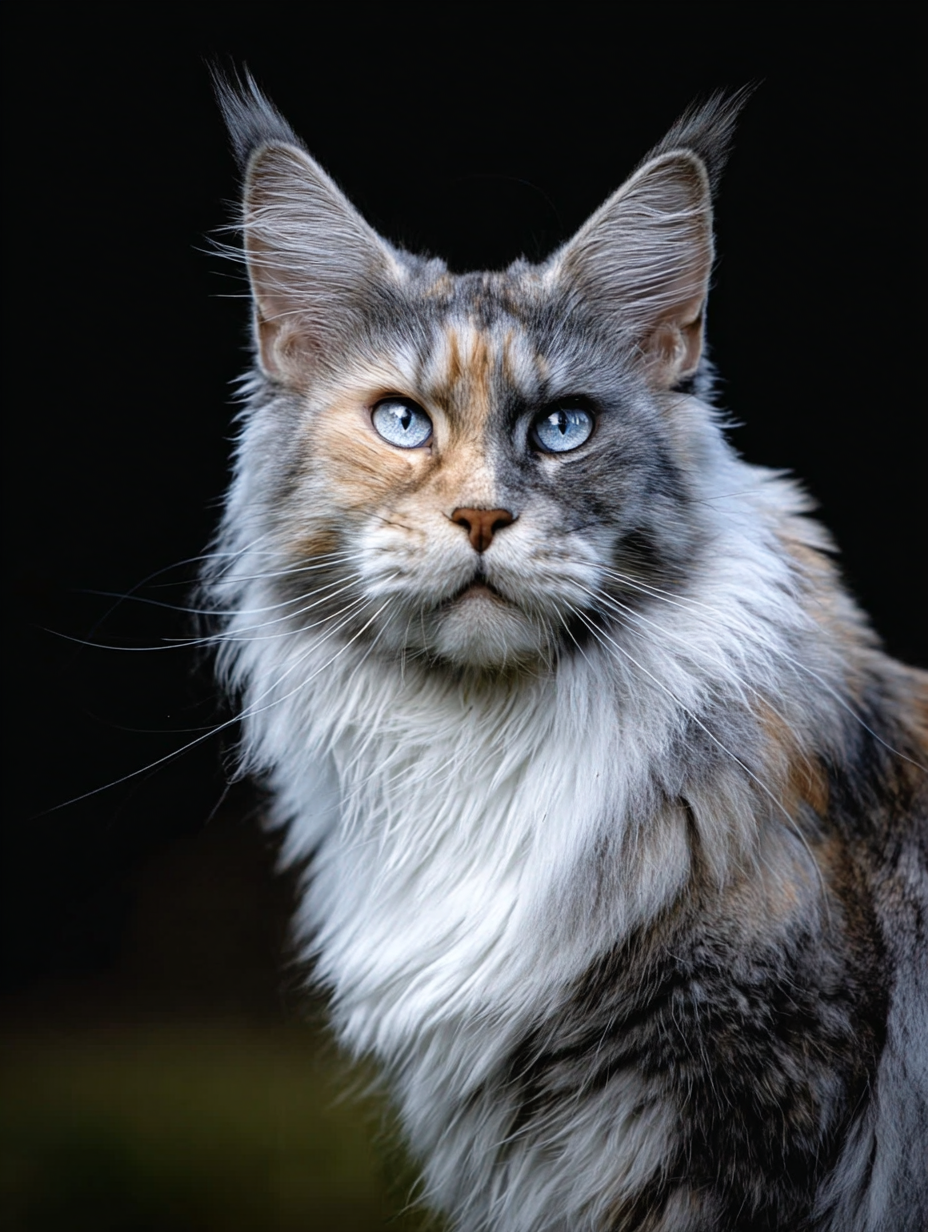
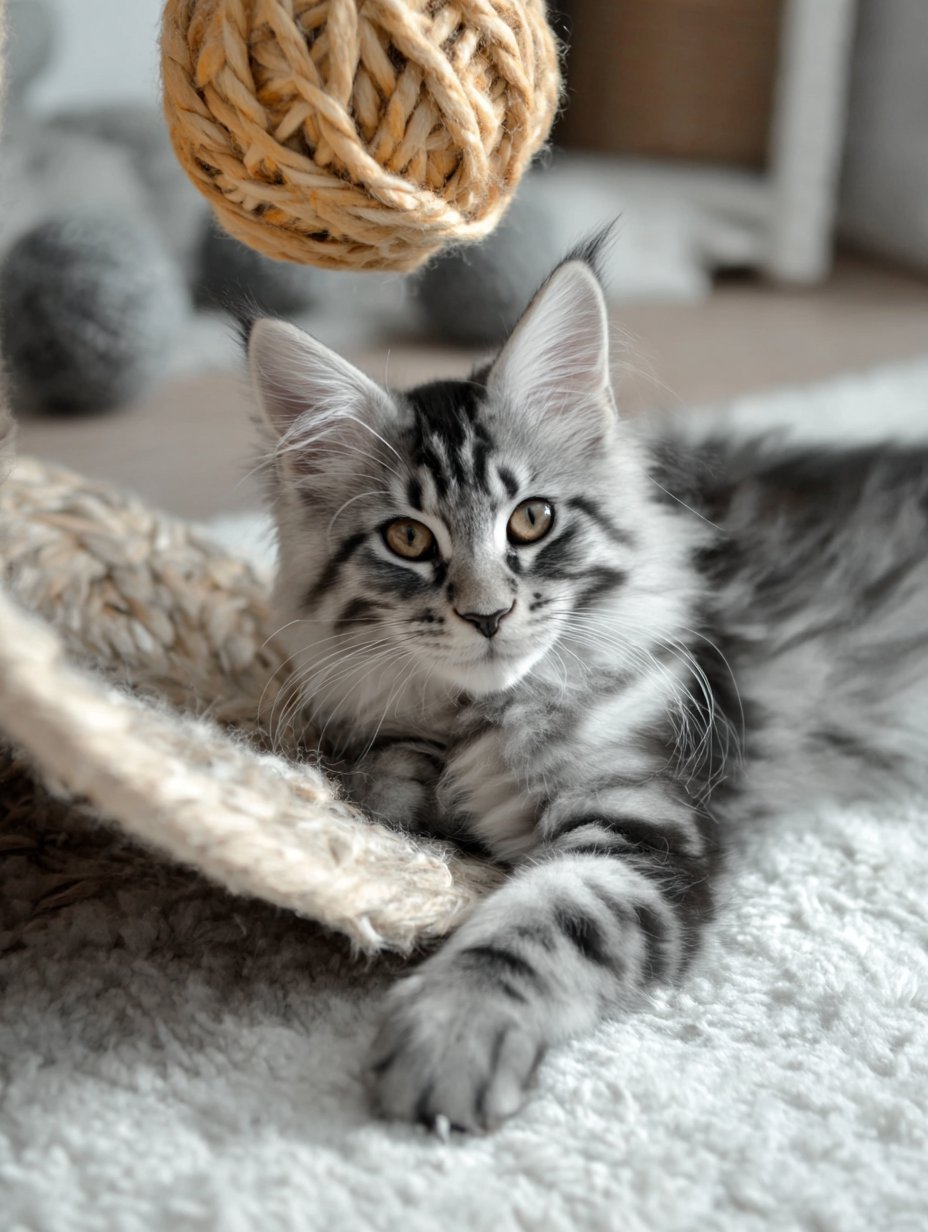
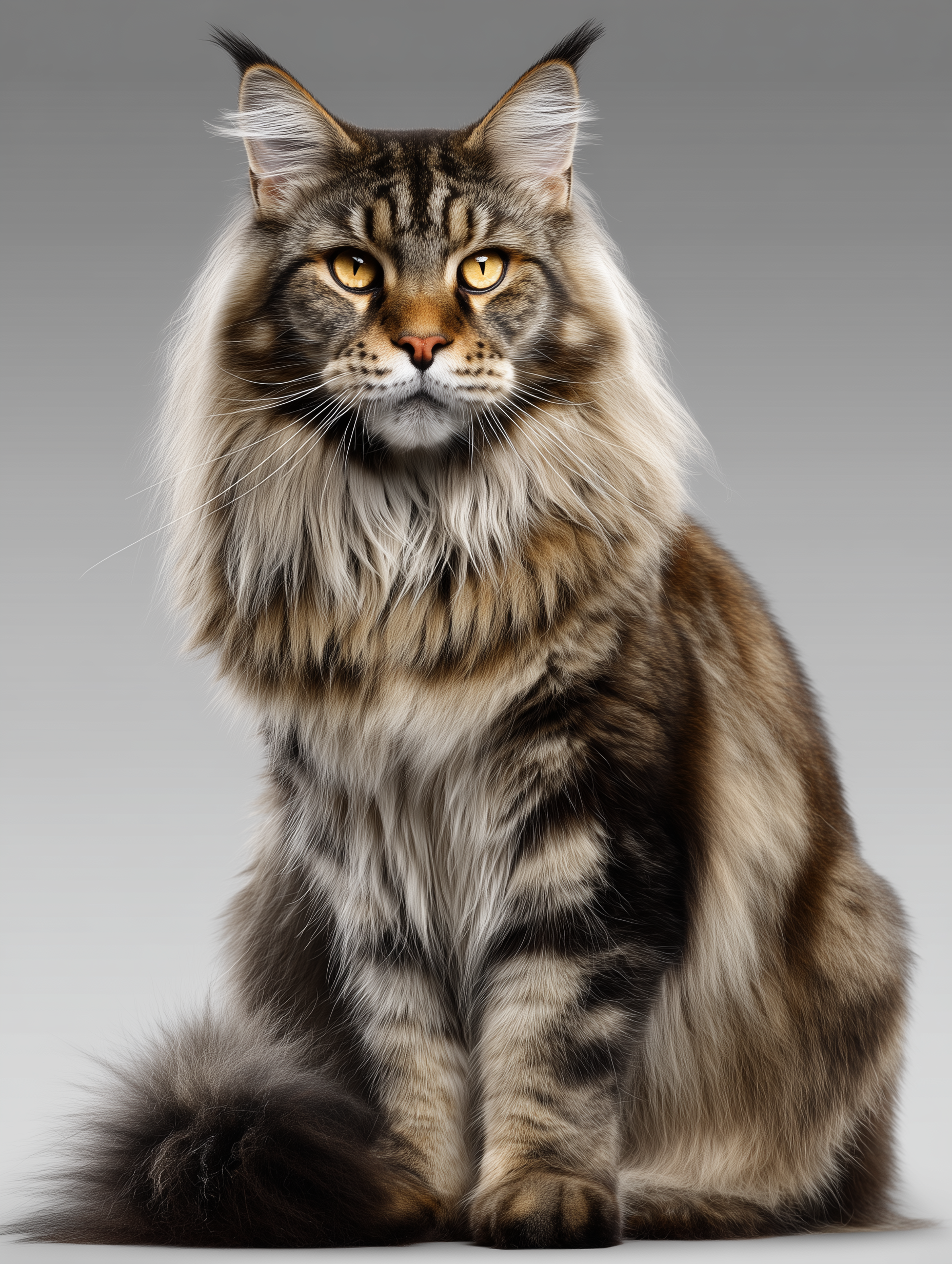
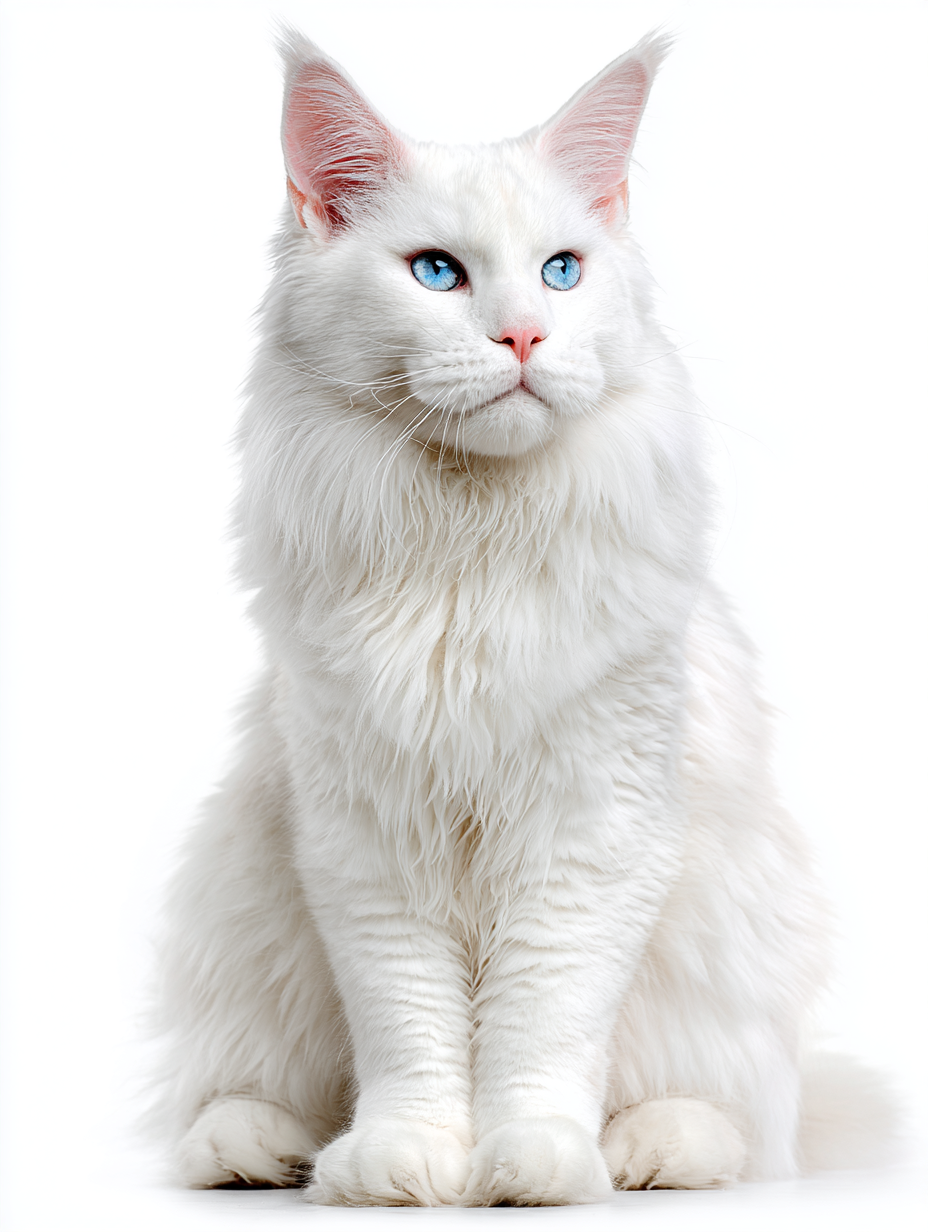
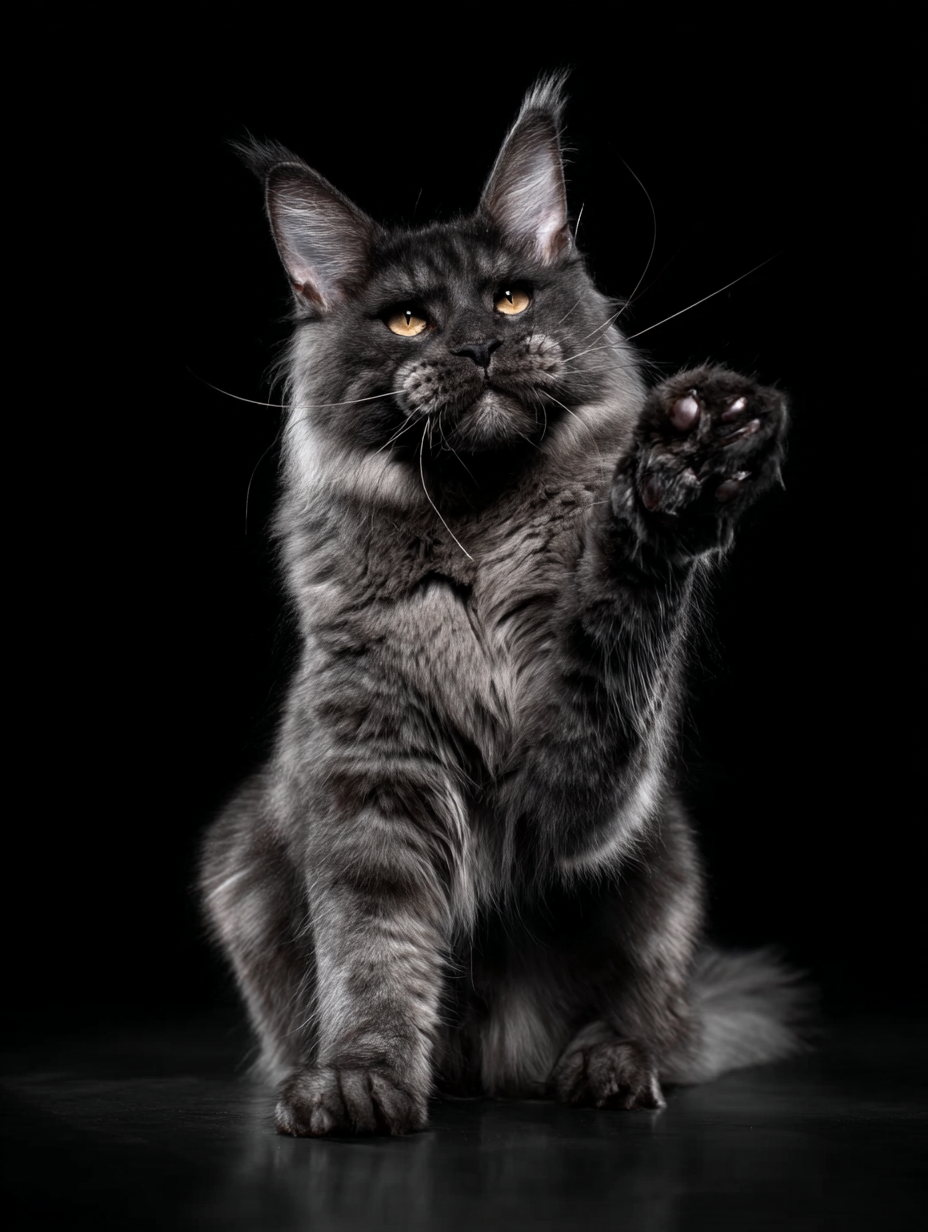




Read the Comments +