
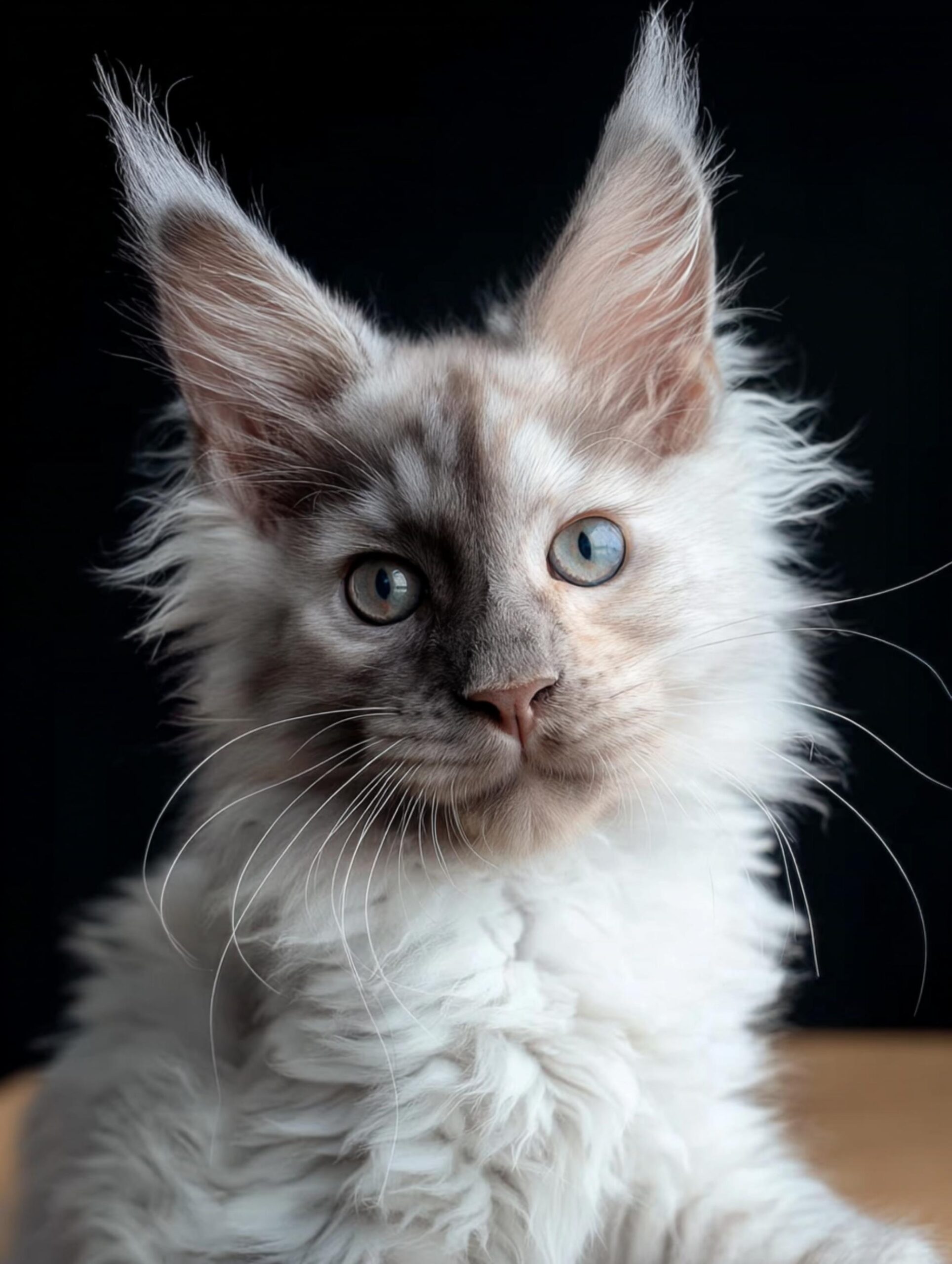
Shaded Maine Coon Colors Explained: Genetics, Price, and How to Choose a Luxury Kitten
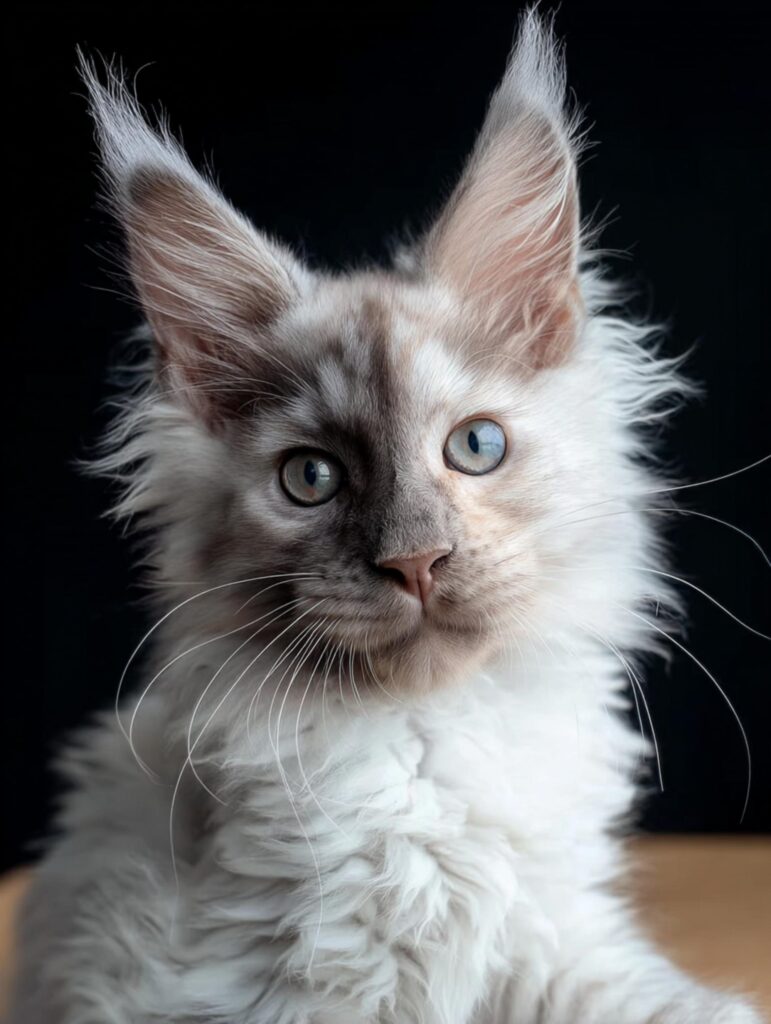
Shaded Maine Coon colors are among the most sought-after and luxury expressions in the breed. Valued for their luminous silver base, refined tipping, and understated depth, shaded Maine Coons offer a level of visual sophistication that sets them apart from more common patterns. Often confused with smoke, silver tabby, or chinchilla, a true shaded Maine Coon is defined by how pigment is distributed along each individual hair, creating a soft, layered gradient rather than bold contrast.
Snippet target:
A shaded Maine Coon has a light base coat with darker tipping covering roughly one-third of each hair, creating a luminous, gradient appearance distinct from silver, smoke, or chinchilla coats.
Shaded Maine Coon Colors: At-a-Glance Summary
| Topic | Key Takeaway |
|---|---|
| What “Shaded” Means | A shaded Maine Coon has a light silver base with darker tipping covering roughly one-third of each hair, creating a soft gradient rather than bold patterning. |
| Shaded vs Smoke | Smoke coats are solid colors with silver roots; shaded coats show visible tipping across the surface of the coat. |
| Shaded vs Silver Tabby | Silver tabbies have defined patterns; shaded coats soften or partially suppress pattern contrast. |
| Shaded vs Chinchilla | Chinchilla has very minimal tipping (about one-eighth of the hair); shaded has deeper, more visible tipping. |
| Kitten vs Adult Appearance | Shaded kittens rarely look shaded; true clarity usually appears between 12–24 months. |
| Coat Changes Over Time | Shaded coats evolve with maturity, coat length, density, and seasonal shedding cycles. |
| Lighting & Photos | Lighting, grooming, and photography can dramatically distort how shaded coats appear. |
| Grooming Needs | Shaded coats do not require more grooming, but proper maintenance helps preserve contrast and clarity. |
| Temperament | Coat color or pattern does not affect temperament; personality is shaped by genetics, socialization, and environment. |
| Price Expectations | Shaded Maine Coons often start around $8,000–$10,000 due to program investment, not because shading equals higher quality. |
| Ethical Breeder Language | Responsible breeders use cautious terms like “developing shading” and avoid guarantees. |
| Buyer Advice | Choose breeder transparency, review adult cats from the same lines, and prioritize health and temperament over labels. |
What Is a Shaded Maine Coon? (Clear Definition First)
A shaded Maine Coon is defined by how each individual hair is colored, not by a bold pattern or a solid coat. Instead of being one uniform color from root to tip, each hair has a pale, silvery base with darker color concentrated toward the end. That darker portion typically covers about one-third of the hair shaft, which is what creates the shaded effect.
This is the most important distinction:
Shaded is a tipping pattern, not a color by itself.
Plain-English Definition of the Shaded Pattern
In simple terms, shaded Maine Coons look like they’ve been lightly dusted with color. The coat appears bright and silvery underneath, with a soft veil of darker color on top. There are no bold stripes like a tabby and no sharp contrast like a smoke coat when the fur parts.
Instead, the color seems to float over the coat, creating depth without harsh lines.
How Tipping Works on Individual Hair Shafts
Each hair on a shaded Maine Coon follows this structure:
- Root (closest to the skin): Very light silver or pale base
- Mid-shaft: Gradual transition
- Tip: Darker pigment concentrated at the end
Because thousands of hairs are tipped this way, the eye reads the coat as:
- Light overall
- Softly darkened on the surface
- Shimmering or glowing when the cat moves
This tipping length is what separates:
- Shaded (≈⅓ of the hair is dark)
- Chinchilla (≈⅛ of the hair is dark)
- Smoke (almost the entire hair is dark, with only a silver root)
Why Shaded Coats Look “Misty,” “Haloed,” or Softly Darkened
Shaded Maine Coons are often described with words like:
- Misty
- Frosted
- Haloed
- Airbrushed
That’s because the light base reflects through the darker tips instead of being blocked by solid pigment. When the cat moves, the coat catches light differently across the body, giving a luminous, layered effect rather than flat color.
This is also why shaded cats can look dramatically different:
- In motion vs standing still
- In natural light vs indoor lighting
- In winter coat vs summer coat
Common Buyer Confusion Caused by Photos and Lighting
Shaded Maine Coons are one of the most misidentified coats online.
Common mistakes buyers make:
- Mistaking shaded kittens for smoke kittens
- Assuming silver tabbies with low contrast are shaded
- Believing chinchilla and shaded are interchangeable terms
- Trusting heavily edited or overexposed photos
Lighting plays a huge role:
- Bright light can wash out tipping, making a shaded cat look nearly white
- Low light can exaggerate tipping, making the cat appear smoke or solid
- Groomed coats photograph very differently than natural coats
This is why reputable breeders are careful with labels and often say things like “developing shaded” rather than making guarantees based on kitten photos.
See The Maine Coon Colors Overview for color definitions.
Shaded vs Smoke vs Silver vs Chinchilla
These terms describe different pigment distributions on individual hairs, not interchangeable coat styles. Understanding where the color sits on the hair shaft is the only reliable way to distinguish them.
Maine Coon Colors: Shaded vs Smoke
Smoke
- Genetically a solid color
- Hair shafts are dark along most of their length
- Only the base of each hair is silver or pale
- Silver is most visible when the coat is parted
- Overall appearance is darker at rest
Shaded
- Patterned coat influenced by silver genetics
- Hair shafts are light at the base with darker pigment concentrated at the tip
- Pigment transitions gradually rather than abruptly
- Gradient is visible across the coat without parting
- Overall appearance is lighter and luminous
Smoke kittens are frequently labeled as shaded during early development because immature coats lack full pigment contrast. As the coat matures, smoke develops into a darker topcoat with hidden silver roots, while shaded coats retain visible tipping.
Shaded vs Silver Tabby Maine Coons
Silver Tabby
- Defined tabby pattern remains visible
- High contrast between markings and background
- Pattern clarity persists into adulthood
- Silver gene lightens the background color
Shaded
- Pattern contrast is reduced
- Markings appear softened or partially suppressed
- Coat reads as a gradient rather than stripes
- Underlying tabby genetics may still be faintly visible
Shaded Maine Coons can show residual or “ghost” tabby markings, particularly during growth phases or seasonal coat changes. These do not change the coat’s shaded classification.
Shaded vs Chinchilla Maine Coon Colors
Chinchilla
- Dark pigment limited to approximately one-eighth of the hair tip
- Coat appears extremely pale with minimal visible color
- Tipping is subtle and refined
- Classification requires precise genetic expression
Shaded
- Dark pigment covers approximately one-third of the hair
- Visible depth and color presence remain
- Gradient effect is more pronounced
- More commonly seen than true chinchilla
Chinchilla Maine Coons are uncommon and subject to classification debate. Many cats marketed as chinchilla meet shaded criteria when evaluated by hair structure rather than appearance alone.
Shaded Maine Coon Kittens vs Adult Cats (How the Coat Actually Develops)
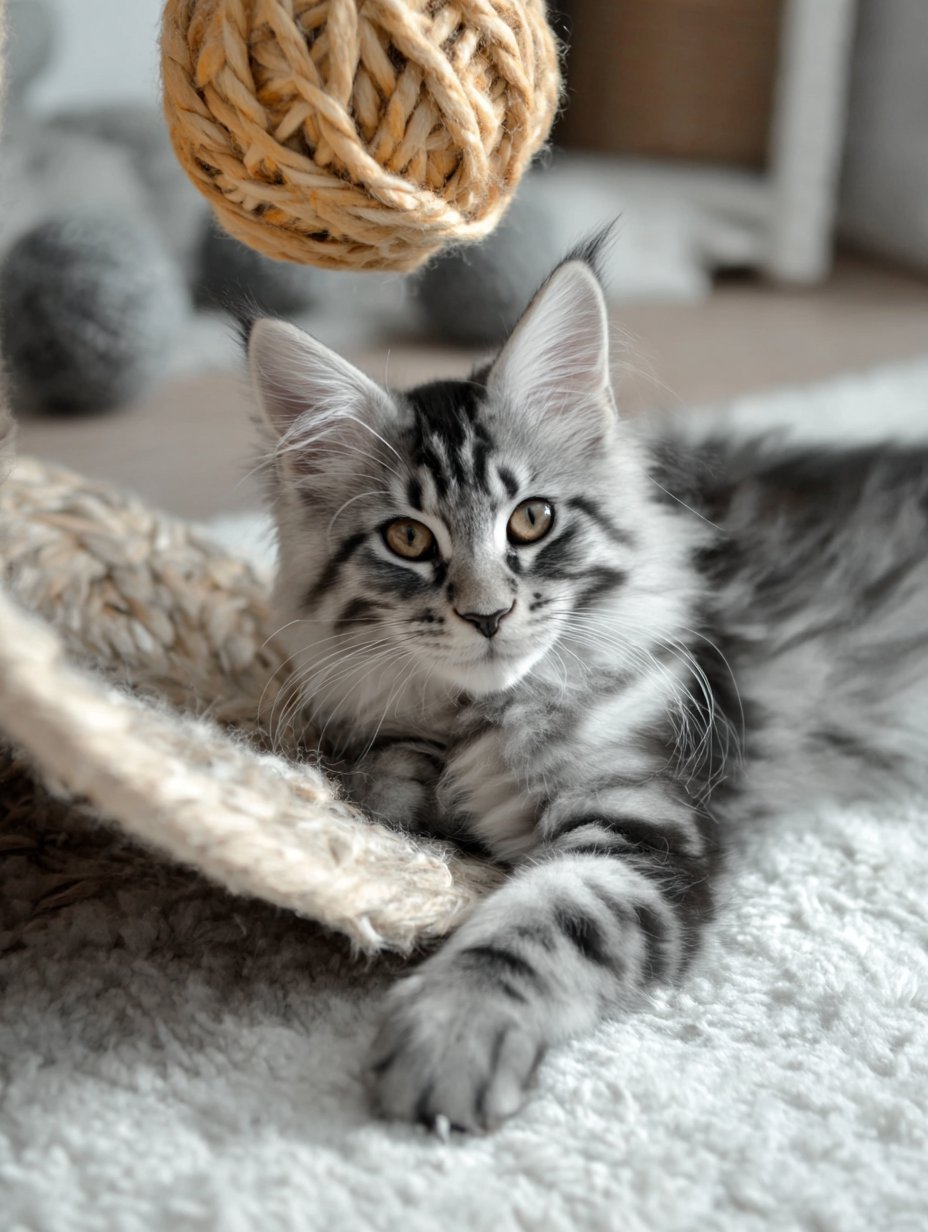
Shaded Maine Coons are rarely identifiable with confidence at a very young age. The shaded effect is the result of how pigment settles along each hair shaft over time, and that structure does not fully express itself in early kittenhood.
Kitten Coats: What You’re Actually Seeing
Most Maine Coon kittens are born with:
- Shorter, finer hair
- Incomplete pigment distribution
- Minimal contrast between root and tip
- Temporary warmth or muddiness in tone
In shaded kittens, the light silver base is often present, but the darker tipping has not yet reached its adult proportion. This creates several common visual outcomes:
- Kittens appear lighter overall than they will as adults
- The coat may look evenly pale rather than gradient
- Subtle tabby influence may be more visible than expected
- Tipping can appear inconsistent across the body
At this stage, shaded kittens are frequently confused with:
- Smoke kittens with delayed darkening
- Low-contrast silver tabbies
- Light silvers that will later gain definition
Because the hair itself is still growing and cycling, kitten coats are not a reliable indicator of final shading depth or clarity.
Transitional Phase: 6 to 12 Months
Between roughly six and twelve months, several changes occur:
- Guard hairs lengthen
- Undercoat density increases
- Pigment concentration at the hair tip becomes more stable
- Contrast begins to settle into a recognizable pattern
During this phase:
- The gradient effect becomes more noticeable
- Shaded cats start to show clearer light-to-dark transitions
- The coat may appear uneven as different body areas mature at different speeds
It is common for owners to think the coat is “changing colors” during this period. In reality, the coat is organizing itself, not transforming genetically.
Adult Coats: When Shading Is Fully Visible
True shaded expression is typically most accurate between:
- 12 and 24 months
- After at least one full seasonal coat cycle
Adult shaded Maine Coons show:
- Consistent light silver roots
- Defined but soft tipping across the coat
- A balanced gradient rather than patchy contrast
- A luminous or layered appearance, especially in motion
This is the stage where:
- Smoke and shaded coats become unmistakably different
- Silver tabby influence, if present, becomes clearly subdued
- Chinchilla-level tipping (if applicable) can be evaluated accurately
For this reason, reputable breeders rely on adult photos from the same lines, not kitten photos, when discussing shaded expectations.
How Shaded Maine Coon Coats Change Over Time
Shaded Maine Coon coats continue to evolve beyond kittenhood. These changes are normal and reflect coat growth, density shifts, and seasonal cycles rather than changes in genetics.
Darkening and Lightening Over Time
Shaded cats may appear:
- Lighter at some stages
- Deeper in contrast at others
- Slightly warmer or cooler depending on coat density
These shifts occur because:
- Longer hairs allow more visible gradient
- Thicker undercoat pushes tipping outward
- Seasonal shedding temporarily alters visual balance
A shaded cat becoming lighter or darker does not mean it has “lost” or “gained” shading. The underlying hair structure remains consistent.
Seasonal Coat Cycles
Like all Maine Coons, shaded cats experience seasonal coat changes:
- Winter coats are denser, fuller, and often show stronger visual depth
- Summer coats are shorter and lighter, sometimes making shading appear softer
During seasonal sheds:
- Tipping can look less pronounced
- The coat may briefly resemble a lighter silver
- Contrast often returns once the coat regrows
These changes are temporary and repeat annually.
Grooming and Coat Presentation Effects
The way a shaded Maine Coon looks on any given day is not determined by genetics alone. Coat presentation plays a significant role in how clearly shading is perceived, particularly in a breed with long guard hairs, dense undercoat, and strong seasonal changes.
Several practical factors influence how visible the shaded gradient appears:
- Brushing frequency
Regular brushing separates the hairs and prevents the undercoat from compacting at the skin. When the coat is allowed to separate naturally, the light silver base remains visible and the darker tipping sits cleanly on top. Infrequent brushing allows the undercoat to clump, which visually compresses the coat and dulls contrast. - Coat separation and airflow
Shaded coats rely on depth. When the coat has movement and space between hairs, light passes through the pale base and reflects off the darker tips. A coat that is packed down or overly compacted loses this layered effect and can appear flat or heavy. - Natural oils
Sebum distribution affects shine and color clarity. A healthy balance of natural oils helps the coat reflect light evenly, which enhances the soft gradient that defines shaded coats. Excess oil buildup, on the other hand, can cause hair shafts to stick together, muting contrast and making the coat look darker or dirtier than it truly is. - Overall coat condition
Nutrition, hydration, stress levels, and general health all influence hair quality. Brittle, dry, or damaged hair does not display tipping as cleanly as healthy hair with intact structure. Even genetically well-defined shading can appear muddied if the coat itself is compromised.
Well-maintained shaded Maine Coon coats tend to:
- Display clearer, more consistent gradients from root to tip
- Reflect light smoothly across the body rather than in patches
- Appear bright, luminous, and dimensional, especially when the cat moves
In contrast, coats that are poorly maintained often:
- Mat at the base, obscuring the silver roots that define shading
- Lose vertical lift, causing the darker tips to collapse into the lighter base
- Appear darker or more solid than their genetics would suggest
These changes affect visual interpretation only. Grooming does not change a cat’s genetic classification, but it strongly influences how easily the shaded pattern can be recognized by owners, photographers, and casual observers.
Long-Term Stability
By full maturity, most shaded Maine Coons settle into a consistent presentation:
- The same gradient pattern year after year
- Predictable seasonal variation
- Minimal surprise shifts after two years of age
Major changes after maturity are uncommon and usually linked to health, coat condition, or age-related thinning rather than color genetics.
Recognized Shaded Maine Coon Colors
Shaded Maine Coon colors are defined by the interaction between the silver gene and pigment expression, not by rarity or desirability. While the shaded pattern can occur across several base colors, each expression develops differently over time and presents its own identification challenges. Below are the shaded colors most commonly recognized in Maine Coons, with realistic expectations for how they appear from kittenhood through adulthood.
Black Shaded (Silver Shaded)
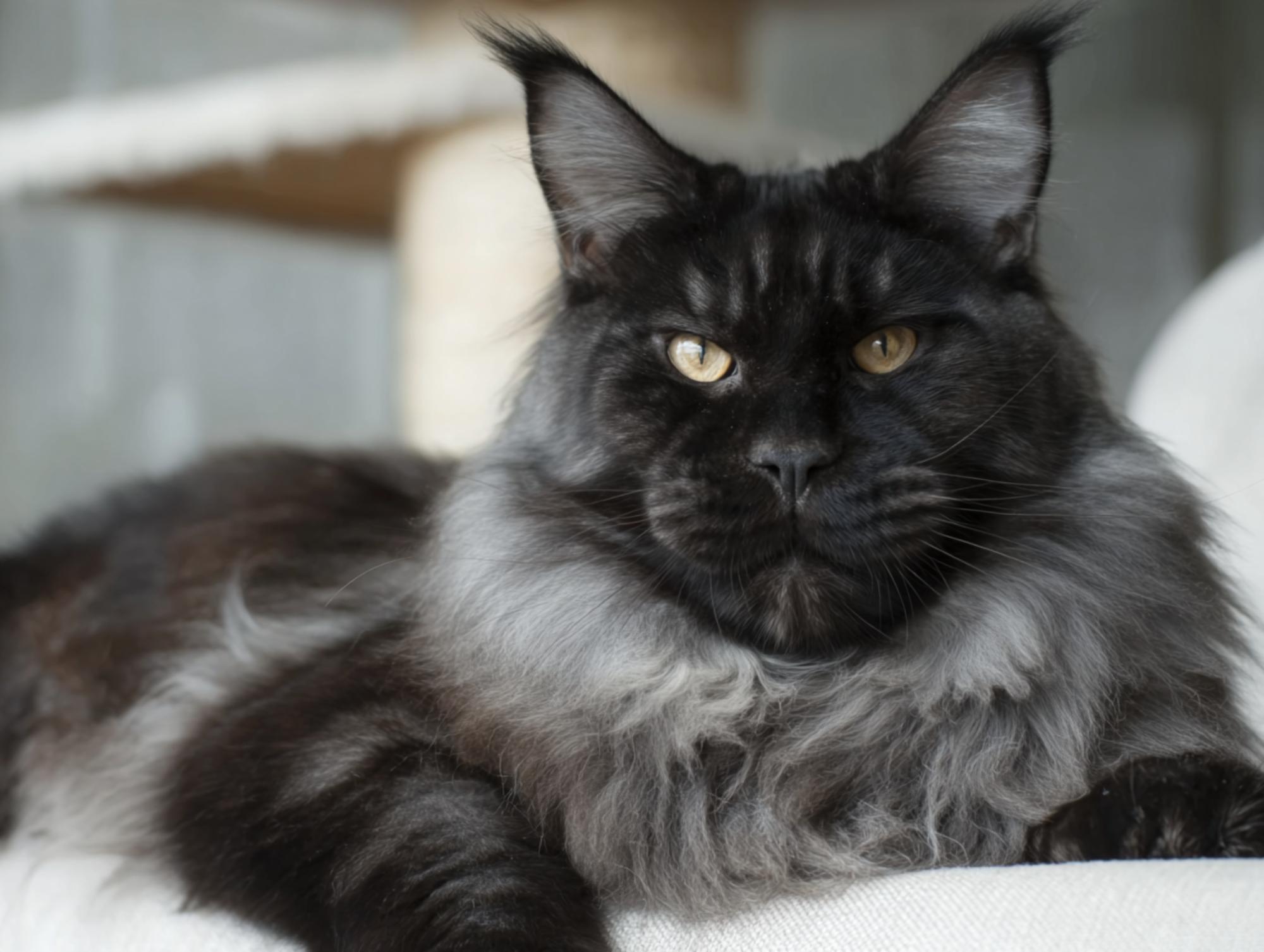
Black shaded, often referred to as silver shaded, is the most commonly seen shaded expression in Maine Coons. In this variation, the underlying coat is a bright silver or pale base, while black pigment is concentrated toward the tips of the hairs.
As kittens, black shaded Maine Coons are frequently mislabeled as smoke. Early coats often lack clear contrast, and the dark pigment may not yet be restricted to the tip of the hair shaft. This can cause the kitten to appear evenly pale or slightly darkened overall, depending on lighting and coat length.
With maturity, contrast becomes clearer. The silver base brightens and the black tipping settles into a more consistent gradient. Adult black shaded Maine Coons typically display a luminous, layered appearance rather than the dramatic reveal associated with true smoke coats.
Blue Shaded
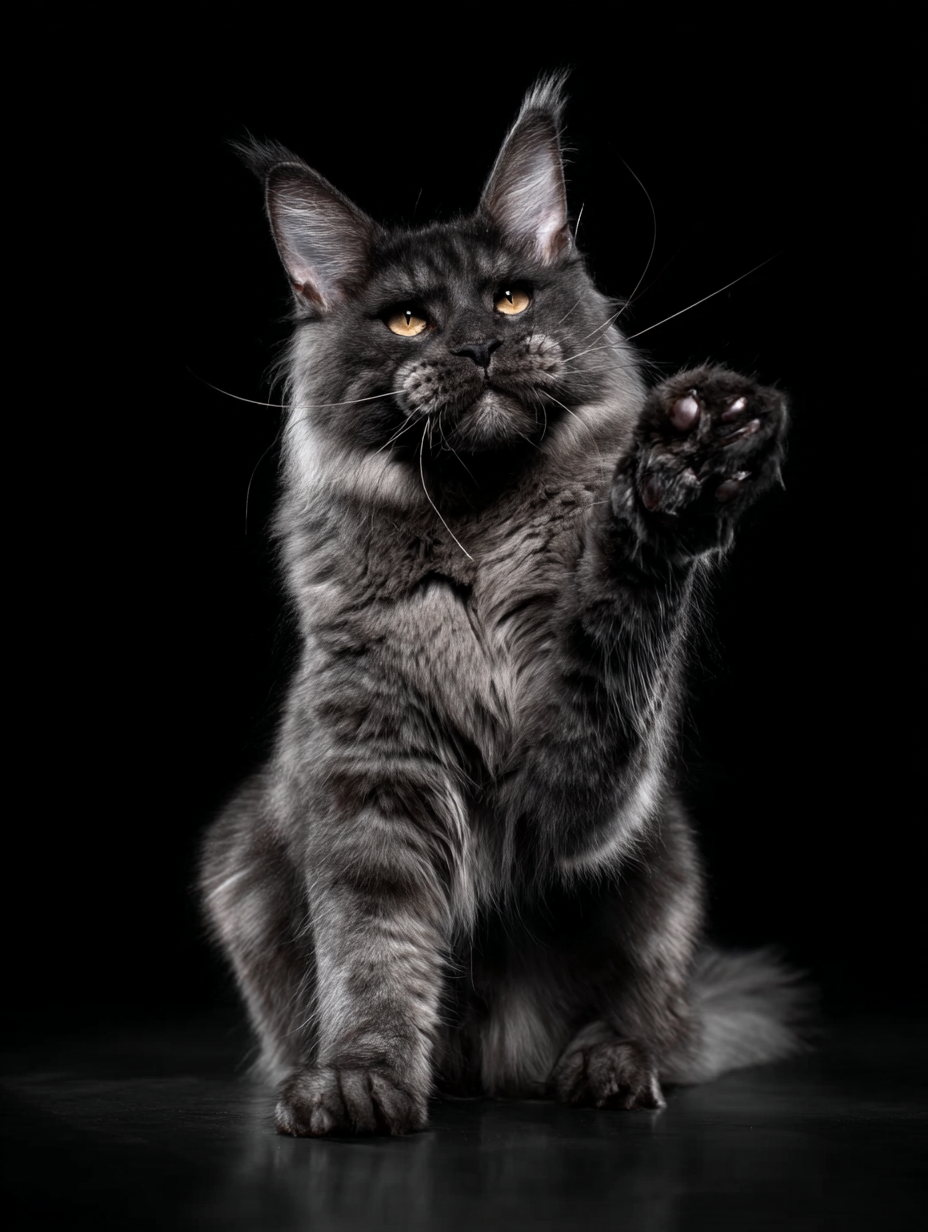
Blue shaded Maine Coons carry the diluted form of black pigment, which softens the overall appearance of the coat. The tipping in blue shaded cats appears slate, gray, or powdery rather than sharply dark, resulting in a pastel-like finish.
Because dilution reduces visual contrast, blue shaded coats can be more difficult to identify, especially in young cats. The gradient effect is often subtle, and the silver base may blend gently into the tipped areas rather than forming a clear transition.
Photographs frequently exaggerate the lightness of blue shaded Maine Coons. Bright lighting and reflective coats can make these cats appear nearly white in images, even though the tipping is more visible in person and in motion.
Red Shaded
The Red shaded Maine Coons are among the most complex shaded expressions due to the nature of red pigmentation. Red does not distribute evenly along the hair shaft, which makes controlled tipping difficult to maintain.
In red shaded cats, the silver base is often present but masked by warmth in the pigment. Tipping can appear uneven or patchy, and contrast may fluctuate across the body. This leads to frequent confusion between red shaded and cream shaded cats, particularly during kittenhood.
Over time, red shaded Maine Coons may experience noticeable shifts in warmth and depth. Seasonal coat changes and maturation can cause the coat to look richer at some stages and lighter or more muted at others, without altering the underlying shaded structure.
Cream Shaded
Cream shaded Maine Coons are the diluted version of red shaded, combining a silver base with very pale cream tipping. This creates one of the most subtle shaded expressions seen in the breed.
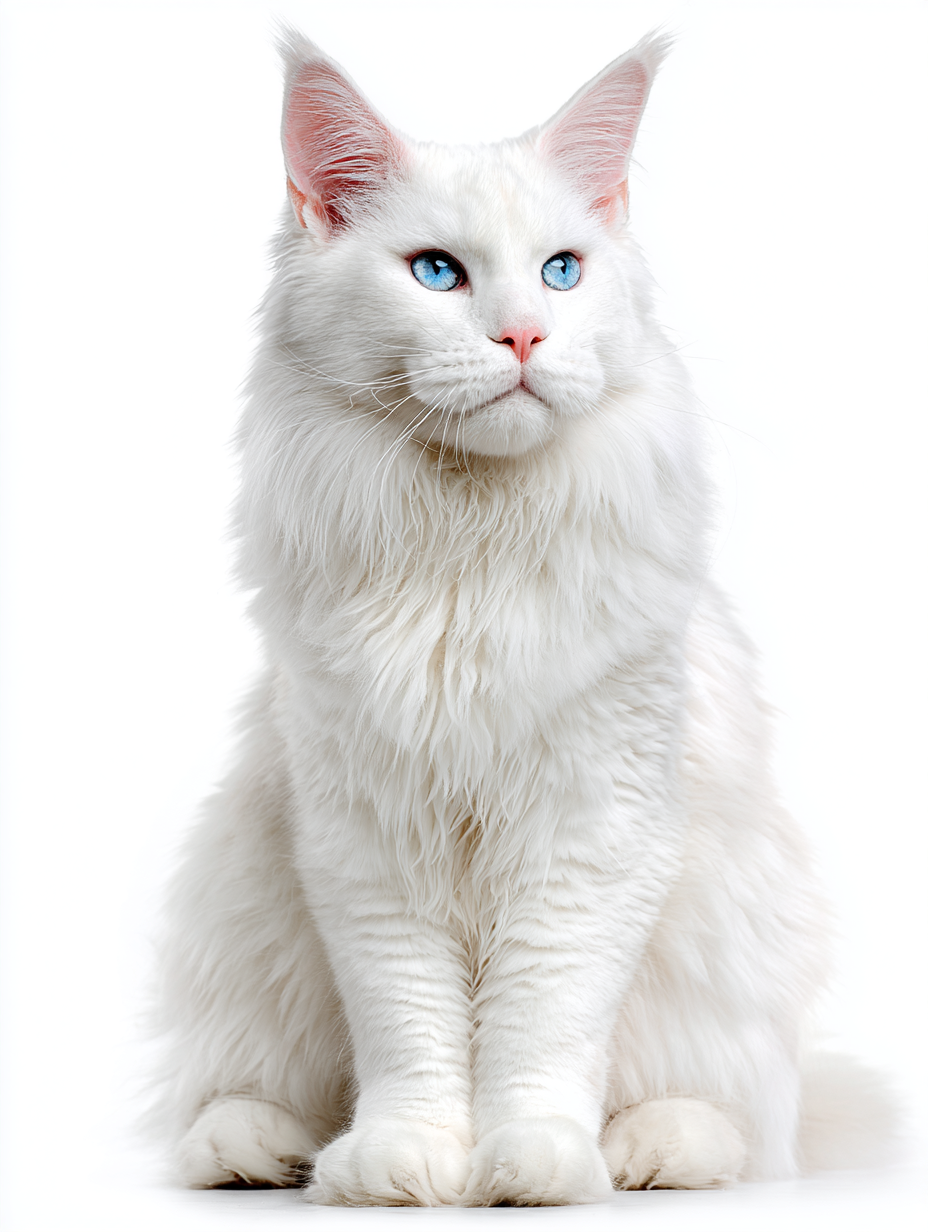
Tipping in cream shaded cats is often extremely light, sometimes visible only in certain lighting or when the coat is fully grown. Because contrast is minimal, many cream shaded kittens appear nearly white or lightly frosted and are difficult to classify early.
As adults, many cream shaded Maine Coons mature into cats that look almost white at a glance, with shading detectable primarily through coat movement, texture, or close inspection of individual hairs. This subtlety is normal and does not indicate loss of shading.
Tortie Shaded (and Why They’re Rare)
Tortie shaded Maine Coons combine multiple pigment colors with silver-based tipping, making them one of the rarest and most difficult shaded expressions to produce and identify accurately.
In order for a true shaded tortie to exist, each color present in the coat must independently express tipping rather than forming distinct patches or tabby patterning. This level of coordination across color layers is uncommon.
As a result, most cats marketed as tortie shaded are more accurately classified as silver torties, where silver influences the background but does not produce consistent tipping across all colors. True shaded torties exist, but they are uncommon and often subject to classification debate even among experienced breeders and judges.
Shaded Maine Coon Kittens vs Adults (Expectation Reset)
Shaded Maine Coons are one of the hardest coat types to judge early. The shaded pattern depends on how pigment settles along mature hair shafts, and that structure simply does not exist in full form during kittenhood. Understanding the difference between kitten coats and adult coats prevents unrealistic expectations and disappointment later on.
Why Kittens Rarely Look Shaded
Most shaded Maine Coon kittens do not visibly resemble their adult coats. This is normal and expected.
Baby coats mask tipping
Kittens are born with shorter, finer hair that has not yet developed the length needed to show a clear gradient. Even when the silver base is present genetically, the darker pigment has not fully concentrated at the tip of the hair shaft. The result is a coat that appears evenly light or softly colored rather than distinctly shaded.
Growth phases obscure contrast
As kittens grow, hair cycles occur unevenly across the body. Some areas may lengthen and show early tipping, while others remain short and pale. This inconsistency blurs contrast and makes the coat difficult to classify with confidence.
Why “shaded kitten photos” are unreliable
Photographs amplify these issues. Bright lighting washes out early tipping, while darker lighting exaggerates shadow and makes kittens appear smoke or solid. Without mature hair length and stable pigment distribution, images taken during kittenhood rarely reflect the final shaded presentation.
When Shading Emerges
Shading develops gradually and becomes easier to identify as the coat matures.
6–12 months: early tipping visibility
During this period, guard hairs begin to lengthen and pigment placement becomes more consistent. Early signs of shading may appear as soft darkening along the back, shoulders, or tail. Contrast is still developing and often uneven.
12–24 months: true adult clarity
Most shaded Maine Coons reach reliable coat clarity between one and two years of age. At this stage, the silver base brightens, tipping settles into its intended proportion, and the gradient becomes visible across the body. This is the point at which shaded, smoke, and silver tabby coats become clearly distinguishable.
Seasonal shedding effects
Seasonal coat cycles can temporarily alter the appearance of shading. Winter coats tend to enhance depth and layering, while summer coats may soften contrast. These changes are cyclical and do not reflect permanent shifts in color genetics.
Why Some “Shaded” Cats Lose Contrast
Some owners perceive a loss of shading as the cat matures. In most cases, this is a change in presentation rather than a change in genetic expression.
Coat length growth
As the coat grows longer, the darker tips may visually disperse across more hair length. This can soften contrast, especially in cats with very long or flowing coats.
Density changes
Increased undercoat density can push the lighter base upward, reducing the visible separation between base and tip. This can make the coat appear more uniformly light or muted.
Grooming and environmental light
Brushing habits, coat condition, and lighting significantly affect how shading is perceived. Well-separated coats show more depth, while compacted or oily coats flatten the gradient. Lighting conditions can further exaggerate or minimize contrast.
These changes do not mean the cat was misidentified. The shaded Maine coon coats are dynamic, and their appearance reflects coat structure, condition, and maturity rather than a fixed, static look.
Shaded Maine Coons in the Show World
Shaded Maine Coons are recognized in the show world, but they are also one of the most debated coat presentations due to how subtle tipping can be and how much coat condition affects classification. Show terminology is precise, technical, and often misunderstood by pet buyers.
How registries define shaded vs chinchilla
- Registries classify shaded and chinchilla coats based on how much of each hair shaft contains dark pigment, not overall color appearance.
- Shaded Maine Coons typically show darker pigment on approximately one-third of the hair, creating visible depth and gradient.
- Chinchilla Maine Coons are expected to show pigment on only the very tip of the hair, often around one-eighth or less.
- Judges assess tipping under controlled lighting and at close range, rather than relying on casual visual impressions.
Why classification disagreements happen
- Tipping exists on a spectrum, not a fixed boundary, which makes borderline coats difficult to place.
- Coat maturity affects classification; young adults may not yet display stable tipping.
- Seasonal coat cycles can temporarily alter visible contrast.
- Grooming level influences how clearly silver roots and dark tips are separated.
- Different judges may interpret subtle coats slightly differently depending on presentation.
Because of these variables, a shaded Maine Coon may be classified differently over time without any change to its genetics.
Why pet homes shouldn’t shop by show terminology alone
- Show labels are designed for competitive consistency, not long-term household appearance.
- Pet owners experience their cat in changing light, seasonal coats, and everyday conditions.
- Temperament, health, and structural soundness matter far more than precise show classification.
- Selecting a kitten based solely on “shaded” or “chinchilla” labels often leads to unrealistic expectations.
For pet homes, understanding the range of normal shaded expression is more useful than relying on show-ring terminology.
How Lighting, Grooming, and Photography Distort Shaded Coats
Shaded Maine Coon coats are frequently misinterpreted online because their defining features depend on light interaction and coat separation, not bold markings. This makes them particularly vulnerable to distortion in photos and casual observation.
Natural light vs indoor lighting
- Natural daylight reveals the silver base and darker tipping more accurately.
- Indoor lighting, especially warm or directional light, can flatten contrast.
- Overhead lighting creates shadow that can make shaded cats appear darker or more solid.
- Diffuse lighting can wash out tipping and make shaded coats appear nearly white.
The same shaded Maine Coon can look dramatically different depending on lighting alone.
Groomed vs ungroomed coats
- Brushed coats allow individual hairs to separate, making the gradient more visible.
- Ungroomed coats compress at the base, hiding silver roots.
- Oil buildup can cause hair shafts to clump, muting contrast.
- Coat condition directly affects how clearly shading reads to the eye.
Grooming does not change genetics, but it significantly alters visual presentation.
Seasonal shedding illusion
- During seasonal sheds, coats temporarily shorten and thin.
- Reduced coat length minimizes visible tipping.
- Shaded cats often appear lighter or less contrasted during this phase.
- Contrast typically returns as the coat regrows.
These cyclical changes are normal and repeat annually.
Why videos show shading better than still photos
- Movement allows light to pass through multiple layers of the coat.
- Video captures shifting gradients that static images cannot.
- Still photos freeze a single angle and lighting condition, often flattening depth.
- Shaded coats are designed to be perceived dynamically, not as a fixed image.
This is why shaded Maine Coons often appear more dimensional in person than in photographs.
Temperament Myths About Shaded Maine Coons (Debunked)
Shaded Maine Coons are often surrounded by temperament myths, largely driven by appearance-based assumptions rather than behavioral science or breeding reality. Coat color and pattern are aesthetic traits, not predictors of personality.
Color does not influence temperament
There is no genetic mechanism linking shaded, silver, smoke, or chinchilla coats to temperament traits such as calmness, affection, intelligence, or sociability. Shaded Maine Coons do not have inherently different personalities from tabby, solid, or smoke Maine Coons. Any behavioral differences people report are coincidental, not causal.
Why people associate silver coats with “calm” cats
The perception that shaded or silver Maine Coons are calmer comes from visual bias rather than behavior. Lighter, softer coats tend to photograph as serene and refined, which influences human interpretation. Cats with pale or luminous coats are often described as “gentle” or “quiet” based on appearance alone, even when their behavior is identical to darker-coated cats from the same lines.
This association is reinforced online, where:
- Calm-looking photos are mistaken for calm personalities
- Anecdotal experiences are repeated as facts
- Breed myths spread faster than corrections
These narratives persist despite lacking biological support.
What actually affects personality
Temperament in Maine Coons is shaped by a combination of genetics and environment, not coat color.
- Line
Temperament is strongly influenced by lineage. Breeding programs that prioritize stable, people-oriented cats produce consistent personalities regardless of color or pattern. - Socialization
Early handling, exposure to normal household activity, and positive human interaction during critical development periods play a major role in confidence, adaptability, and sociability. - Environment
Living conditions, routine, stress levels, and owner interaction shape behavior throughout the cat’s life. Even genetically stable cats can appear withdrawn or overstimulated depending on environment.
Choosing a shaded Maine Coon for temperament reasons alone often leads to misplaced expectations. Evaluating breeder practices and individual kitten behavior is far more reliable than choosing by color.
Grooming and Maintenance of Shaded Coats
Shaded Maine Coon coats are not inherently harder to care for, but their visual clarity depends heavily on coat condition. Proper grooming helps preserve the soft gradient that defines shading, while neglect can obscure it.
Do Shaded Coats Require More Grooming?
Shaded coats do not require more grooming because of color, but because Maine Coons have dense, layered coats.
Undercoat density vs color
Shaded Maine Coons often have a bright silver undercoat that is easily hidden if the coat becomes compacted. The grooming needs come from undercoat density and hair length, not from the shaded pattern itself.
Matting myths
Shaded coats are sometimes described as more prone to matting, but this is a misconception. Matting risk is determined by:
- Coat texture
- Undercoat thickness
- Grooming consistency
A shaded Maine Coon with a well-maintained coat mats no more than any other long-haired Maine Coon.
Coat Care Tips to Preserve Contrast
Proper coat care helps shaded Maine Coons maintain a clear, attractive gradient over time.
Brushing frequency
Regular brushing separates hairs and prevents the undercoat from compacting at the skin. This separation allows the silver base and darker tipping to remain visually distinct, preserving depth and brightness.
Bathing impact on tipping
Occasional bathing can improve coat clarity by removing excess oils and buildup. Clean coats reflect light more evenly, making shading easier to see. Overbathing, however, can dry the coat and reduce natural sheen, which may temporarily dull contrast.
Seasonal shedding expectations
Shaded Maine Coons experience seasonal shedding like all Maine Coons. During heavy sheds, the coat may appear lighter or less contrasted due to reduced length and density. Once the coat regrows, shading typically becomes more pronounced again.
Consistent, moderate grooming supports both coat health and appearance. While grooming does not change a cat’s genetics, it plays a major role in how clearly shaded coats are perceived in everyday life.
Shaded Maine Coon Price Myths
Shaded Maine Coons are often associated with high price tags, and unlike many online claims, this association is not fabricated. In many established programs, shaded kittens do start in the $8,000–$10,000 range and can exceed that. What matters is understanding what drives those prices and what does not.
Why shaded ≠ rare ≠ higher quality
Shaded is a pattern expression, not a measure of health, temperament, or structural quality. A shaded Maine Coon is not automatically better built, healthier, or more valuable than a smoke or tabby from the same breeding program. High prices attached to shaded cats reflect market demand and program investment, not intrinsic superiority.
At the same time, shaded Maine Coons are not produced evenly across all programs. Achieving consistent, visually refined shading requires:
- Long-term selection within specific lines
- Adult evaluation over multiple generations
- Holding back breeding cats to assess coat development
This narrows supply, which contributes to pricing without implying higher quality across the board.
Why ethical breeders don’t price by shade alone
Reputable breeders price kittens based on the total program investment, not solely on coat appearance. Factors commonly included in pricing decisions:
- Pedigree depth and consistency
- Structural quality and size
- Health testing and longevity data
- Temperament stability within the line
- Import costs and breeding rights
While shaded kittens may fall into higher price tiers, ethical breeders do not assign value purely based on the presence of shading. Within the same litter, pricing may vary minimally despite visible differences in coat expression.
When higher pricing might be justified
Higher prices for shaded Maine Coons are typically tied to broader breeding goals rather than the pattern itself. Justifiable reasons include:
- Imported foundation cats with documented lineage
- Programs specializing in silver and shaded refinement
- Limited production focused on long-term coat evaluation
- Cats held back longer before placement to assess adult shading
In these cases, price reflects time, opportunity cost, and genetic investment, not cosmetic hype.
How Ethical Breeders Describe Shaded Maine Coons
Because shaded expression develops slowly and exists on a spectrum, responsible breeders are careful with language. Precision and restraint signal experience, not uncertainty.
Why responsible breeders use cautious language
Ethical breeders understand that shaded coats cannot be finalized in early kittenhood. They rely on:
- Line history rather than individual kitten appearance
- Adult outcomes from previous generations
- Realistic timelines for coat clarity
Cautious descriptions protect buyers from disappointment and maintain credibility.
Common phrases you’ll hear from ethical breeders
- “Developing shading” — indicates early signs without certainty
- “Likely shaded” — reflects line-based expectation, not a promise
- “Silver with shaded tendency” — acknowledges silver genetics with potential tipping
These phrases communicate probability, not guarantees.
Red flags in shaded descriptions
- “Guaranteed shaded” — no breeder can guarantee final shading in a kitten
- “Ultra rare” — signals marketing language rather than technical accuracy
- “Chinchilla guaranteed at 8 weeks” — ignores normal coat development timelines
Overconfident claims often rely on early photos rather than mature evaluation. In shaded Maine Coons, accuracy comes from patience and genetic testing.
How to Choose a Shaded Maine Coon Without Regret
Choosing a shaded Maine Coon successfully requires shifting focus away from labels and toward process, transparency, and long-term outcomes. Because shaded coats develop over time and exist on a spectrum, informed decisions prevent disappointment and protect both buyer and breeder expectations.
Below is an actionable checklist designed specifically for buyers seeking shaded Maine Coons.
Choose Breeder Transparency Over Labels
Shaded is not a fixed or instantly verifiable trait in kittens. Ethical breeders prioritize clear explanations over confident marketing language.
Look for breeders who:
- Explain how shaded coats develop over time
- Acknowledge uncertainty in early kitten stages
- Describe kittens using probability-based language
- Provide education rather than hype
Avoid making decisions based on listings that rely heavily on buzzwords such as “guaranteed,” “ultra rare,” or “exclusive” without supporting context. Transparency signals experience and long-term commitment to the breed.
Ask for Adult Photos From the Same Lines
Kitten photos show potential, not outcomes. The most reliable predictor of shading is what adult cats from the same lineage actually look like.
Request:
- Adult photos of parents, grandparents, or prior offspring
- Images taken in normal household lighting
- Multiple seasonal photos when available
Consistent adult shading across generations indicates intentional selection, while a lack of adult reference material suggests uncertainty or early-stage programs.
Understand Coat Evolution Timelines
Shaded Maine Coons do not reach visual maturity quickly. Buyers should be comfortable with gradual development.
Key timelines to understand:
- Kittens rarely show clear shading
- Early contrast may appear between 6–12 months
- Reliable adult presentation usually emerges between 12–24 months
- Seasonal coat changes can temporarily alter appearance
Entering the process with accurate timelines reduces frustration and prevents misinterpretation of normal coat changes.
Prioritize Health, Structure, and Temperament
Coat pattern is cosmetic. Long-term satisfaction comes from health, physical soundness, and stable temperament.
Before committing, confirm:
- Comprehensive health testing appropriate for the breed
- Structural balance, size, and movement
- Temperament consistency within the breeding program
- Early socialization practices
A well-bred Maine Coon with excellent health and temperament will remain a rewarding companion regardless of how dramatic the shading becomes.
Shaded Maine Coon FAQ
This FAQ is written to answer the exact questions buyers ask in forums, Reddit threads, and search engines—without hype, shortcuts, or misleading guarantees.
Are shaded Maine Coons rare?
Shaded Maine Coons are uncommon, but not genetically rare in the way some marketing suggests. Producing consistent shaded expression requires long-term selection, adult evaluation, and holding cats back to maturity, which limits supply. That reduced availability contributes to higher pricing, but shaded itself is not a separate or exotic genetic mutation.
Why do shaded Maine Coons often cost $8,000–$10,000 or more?
Higher pricing is usually tied to:
- Imported or carefully developed silver lines
- Multi-generation evaluation of adult coats
- Limited production focused on refinement rather than volume
- Program investment in health testing, structure, and temperament
The price reflects breeding strategy and opportunity cost, not simply coat appearance.
Can a breeder guarantee a shaded Maine Coon kitten?
No. Shaded expression cannot be guaranteed in kittens because tipping develops with coat length, maturity, and seasonal cycles. Ethical breeders describe likelihood, not certainty, based on lineage and past outcomes.
What is the difference between shaded and smoke Maine Coons?
Smoke Maine Coons are genetically solid-colored cats with a silver undercoat. Shaded Maine Coons have light bases with darker pigment only at the tips of the hairs, creating a visible gradient. Smoke coats reveal silver primarily when parted, while shaded coats show depth across the surface.
Can a smoke kitten turn into a shaded adult?
No. Smoke and shaded are different coat structures. What happens instead is early mislabeling. Smoke kittens can look light before their dark topcoat develops, leading to confusion during kittenhood.
Do shaded Maine Coons change color as they age?
Shaded Maine Coons do not change genetically, but their appearance evolves. Contrast typically becomes clearer between 12 and 24 months, and seasonal shedding can temporarily soften or deepen shading throughout adulthood.
Why does my shaded Maine Coon look lighter in summer?
Seasonal coat cycles affect coat length and density. Summer coats are shorter and less dense, which can reduce visible contrast. Shading usually becomes more pronounced again as the winter coat grows in.
Are chinchilla Maine Coons the same as shaded?
No. Chinchilla Maine Coons have pigment restricted to a very small portion of the hair tip, usually around one-eighth or less. Shaded Maine Coons have longer tipping, closer to one-third of the hair. Many cats marketed as chinchilla meet shaded criteria when evaluated closely.
Why do shaded Maine Coons look different in photos than in person?
Shaded coats rely on light interaction and coat separation. Still photos freeze a single angle and lighting condition, often flattening depth or exaggerating contrast. Shaded Maine Coons are best evaluated in motion and in natural light.
Do shaded Maine Coons have different temperaments?
No. Coat color and pattern do not influence temperament. Personality is shaped by lineage, early socialization, and environment. Any association between shaded coats and calm behavior is perception-based, not genetic.
Do shaded Maine Coons require more grooming?
They do not require more grooming because of color, but grooming affects how clearly shading is visible. Dense undercoats and long hair require regular maintenance regardless of pattern. Poor grooming can obscure silver roots and reduce contrast.
Can grooming or bathing change shading?
Grooming and bathing do not change genetics, but they influence presentation. Clean, well-separated coats show clearer gradients. Overbathing or coat damage can temporarily dull contrast, while proper care enhances clarity.
How can I choose a shaded Maine Coon without being disappointed?
Focus on:
- Breeder transparency, not labels
- Adult photos from the same lines
- Realistic timelines for coat development
- Health, structure, and temperament over appearance
Buyers who understand shaded development are far more satisfied than those who expect a finished look in a kitten.
Final Summary: Understanding Shaded Maine Coon Colors Without the Hype
Shaded Maine Coons are defined by how color is distributed on each hair, not by bold markings or instant visual impact. Their signature look—a light silver base with darker tipping—develops slowly and reveals itself fully only with maturity, proper coat condition, and time.
Throughout this guide, the key themes remain consistent:
For buyers seeking a luxury shaded Maine Coon, the most reliable approach is choosing a breeder who consistently produces shaded Maine Coon Cats and understands the genetics behind them.
Related Maine Coon Posts
If you’re continuing your research, these guides expand on key topics mentioned above:
- Maine Coon Kitten Colors Explained
Learn how Maine Coon coat colors appear in kittens, why early color can be misleading, and how to set realistic expectations as coats mature. - Maine Coon Colors: Complete Genetics, Identification, and More
A detailed breakdown of Maine Coons Colors. - Maine Coon Pricing Explained: What Goes Into the Cost of a Well-Bred Kitten
Understand how breeding practices, health testing, and care standards influence pricing—separate from color myths. - The Lifetime Cost of Owning a Maine Coon
A realistic look at long-term expenses, veterinary care, and planning for a 12–15+ year commitment. - Is a Maine Coon A Good First Time Cat
A practical guide to lifestyle fit, grooming needs, and what daily life with a Maine Coon actually looks like. - Black Smoke Maine Coon Coats: Genetics, Identification, and Cost
A detailed breakdown of black smoke Maine Coons, explaining how smoke coats differ from silver tabby and shaded patterns, and why black smoke is so often misidentified.
Sources & References
- The International Cat Association (TICA). Maine Coon Breed Standard and Color Descriptions.
https://tica.org - Cat Fanciers’ Association (CFA). Maine Coon Breed Profile and Accepted Colors.
https://cfa.org - Robinson, R. (1991). Genetics for Cat Breeders. Butterworth-Heinemann.
(Foundational reference on silver inhibitor gene, tipping, and coat pattern expression.) - Vella, C. M., Shelton, L. M., McGonagle, J. J., & Stanglein, T. W. (1999). Robinson’s Genetics for Cat Breeders and Veterinarians. Elsevier.
(Detailed discussion of silver, shaded, and chinchilla coat inheritance.) - Lyons, L. A. (2010). Feline Genetics and Genomics.
University of Missouri College of Veterinary Medicine.
https://felinegenetics.missouri.edu - The Governing Council of the Cat Fancy (GCCF). Colour and Pattern Definitions.
https://www.gccfcats.org - Little, S. (2011). The Cat: Clinical Medicine and Management. Elsevier.
(Coat condition, grooming, and environmental effects on appearance.) - TICA Genetics Committee Publications. Silver, Smoke, Shaded, and Chinchilla Clarifications.
https://tica.org/resources/our-publications





Read the Comments +