
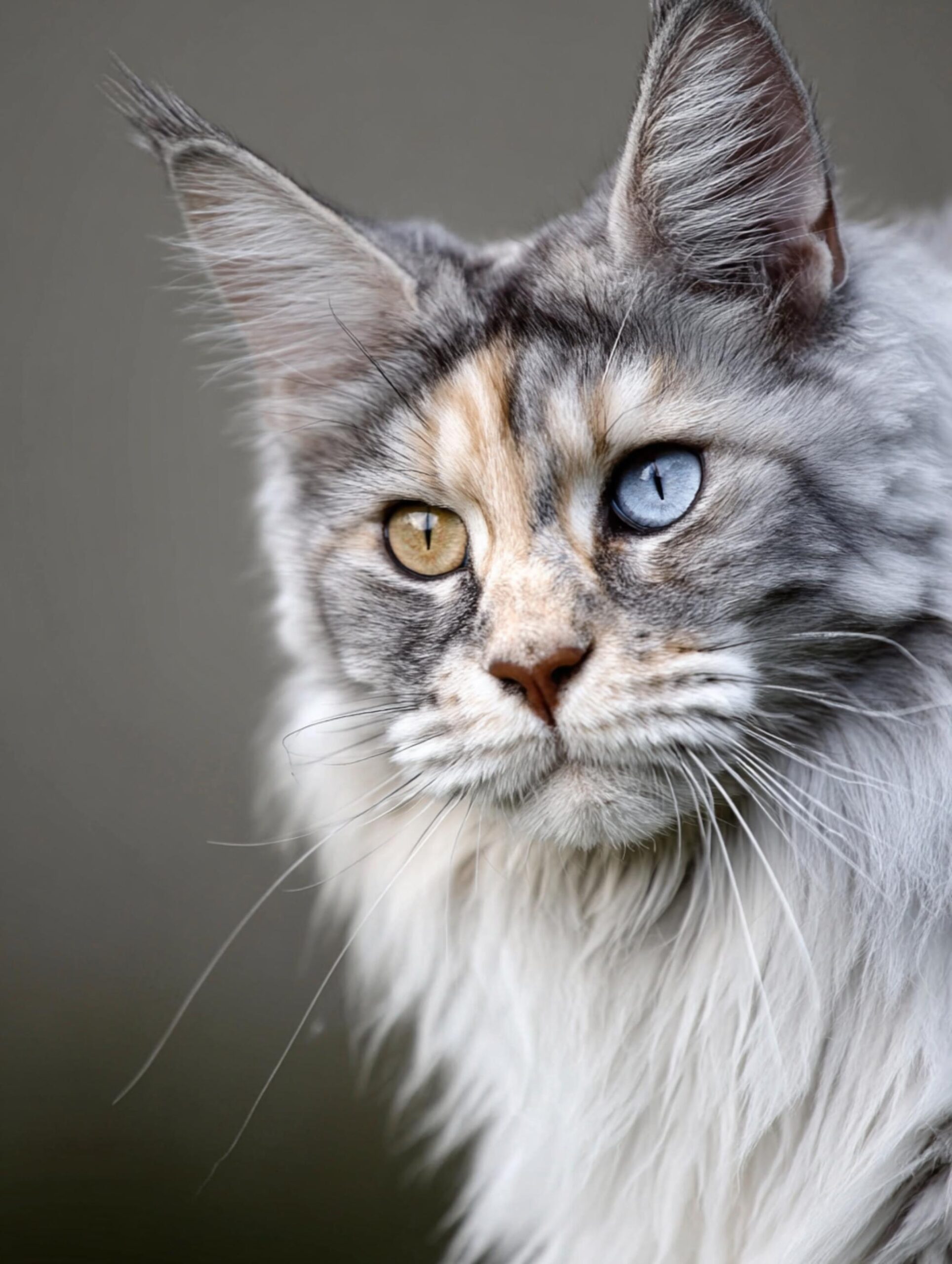
Maine Coon Senior Care
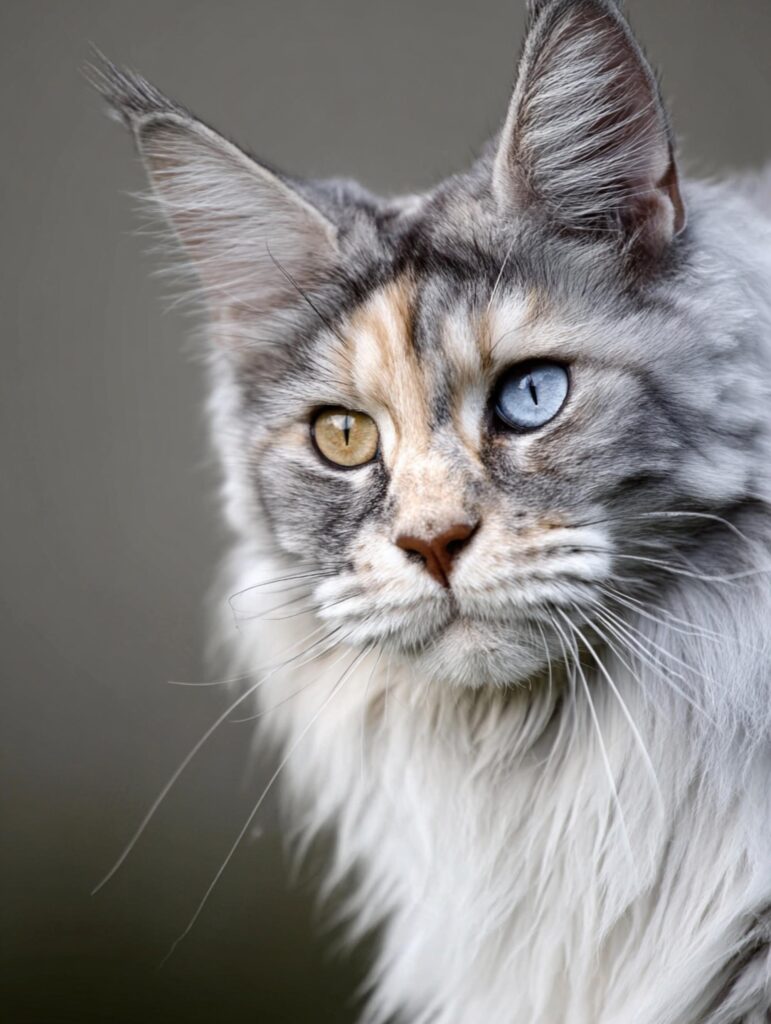
Maine Coon senior care. The word senior often sounds scarier than it needs to be. Many owners hear it and immediately think of decline, illness, or loss of personality. In reality, aging in Maine Coons is usually gradual, nuanced, and far less dramatic than people expect.
Introduction: Aging Isn’t a Problem — It’s a Phase
Maine Coons also age differently than many other breeds. As a large, slow-maturing cat, they tend to spend more time in a long adult phase before truly entering their senior years. What looks like “slowing down” is often just a shift in pacing rather than a loss of vitality or engagement.
The goal of senior care isn’t to fight aging or chase youth. It’s to support what changes naturally and preserve what still matters most:
- Comfort, so daily life stays easy and pain-free
- Stability, so routines feel familiar and safe
- Quality of life, so enjoyment replaces anxiety
This guide is about supporting aging, not expecting decline. Many changes happen slowly, predictably, and with plenty of opportunity to adapt. With the right expectations, senior care often feels less like managing problems and more like deepening a relationship.
Maine Coon Senior Care at a Glance
| Area of Care | What Changes With Age | What Helps Most |
|---|---|---|
| Energy & Activity | Slower pace, fewer bursts of intense play | Gentle play, self-directed movement, no forced restriction |
| Sleep & Routine | Longer sleep cycles, stronger routine preference | Predictable schedules, familiar spaces |
| Nutrition | Lower calorie needs, continued muscle support | Balanced calories, high-quality protein, wet food |
| Hydration | Increased importance of fluid intake | Wet food, multiple water stations |
| Mobility | Mild stiffness, hesitation with jumping | Ramps or steps, softer surfaces, home adjustments |
| Grooming | Reduced self-grooming, higher mat risk | Short, calm grooming sessions, comfort-first handling |
| Health Monitoring | Gradual, subtle changes | Regular vet visits, baseline tracking |
| Mental Well-Being | Normal slowing, increased selectivity | Gentle engagement, routine, low stress |
| Environment | Greater need for comfort and accessibility | Easy-access litter boxes, warmth, consistency |
| Quality of Life | Shift from activity to presence | Comfort, stability, calm companionship |
Maine Coon Senior care isn’t about doing more — it’s about doing what matters. This table summarizes what changes and how to support it well.
When Is a Maine Coon Considered a Senior?
Senior vs Adult vs Geriatric
Age labels can be misleading, especially in a breed that matures slowly.
Most Maine Coons are generally considered:
- Adult from maturity through midlife
- Senior somewhere around 7–10 years old
- Geriatric later in life, often well beyond that
Large breeds like Maine Coons tend to follow a slightly different timeline than smaller cats. Their bodies develop more slowly, and many remain physically and mentally robust well into what would be considered “senior” years for other breeds.
This means a Maine Coon entering the senior category often still behaves like a confident, engaged adult—just with more discernment about how and when they use their energy.
Why Age Matters Less Than Condition
Chronological age tells you how many birthdays a cat has had. Functional age tells you how they’re actually doing.
Some Maine Coons stay youthful longer because of:
- Genetics
- Consistent care and nutrition
- Low stress environments
- Stable routines
Two cats of the same age can look very different in terms of mobility, curiosity, and engagement. That’s why senior care decisions should be guided by condition and behavior, not just the number on the calendar.
Paying attention to how your cat moves, rests, eats, and interacts gives you far more useful information than age alone.
Normal Aging Changes in Senior Maine Coons
Aging doesn’t flip a switch. It reshapes how energy, rest, and behavior are expressed.
Energy and Activity Shifts
Senior Maine Coons usually don’t lose interest in life—they change how they participate in it.
You may notice:
- Less explosive play, with fewer sudden bursts
- More rest between activity, rather than nonstop engagement
- Continued curiosity and interest, just at a steadier pace
They still enjoy interaction, play, and stimulation. They simply prefer shorter, more intentional sessions instead of constant activity.
Sleep Patterns and Daily Rhythm
Sleep changes are one of the most noticeable shifts.
Senior Maine Coons often:
- Sleep longer and more deeply
- Nap more consistently throughout the day
- Show a strong preference for predictable routines
This isn’t lethargy—it’s efficiency. Older cats conserve energy and thrive on rhythm. Consistency in feeding times, interaction, and rest locations becomes increasingly important.
Subtle Behavioral Changes
Behavioral changes in senior Maine Coons tend to be quiet rather than disruptive.
Common patterns include:
- More selective interaction, choosing quality over quantity
- Stronger attachment to familiar spaces and people
- Increased appreciation for calm, predictable environments
Many owners describe senior Maine Coons as more thoughtful and emotionally grounded. The relationship often deepens, not because the cat needs more, but because communication becomes clearer and more mutual.
Understanding these changes as normal—not negative—helps owners support aging with confidence instead of worry.
Nutrition for Senior Maine Coons
Nutrition plays a quiet but powerful role in how comfortably a Maine Coon ages. The goal isn’t to overhaul the diet or chase trends. It’s to support the body’s changing needs without creating new problems.
Adjusting Calories Without Losing Muscle
As activity levels shift, calorie needs often decrease—but muscle maintenance remains essential.
Senior Maine Coons may move less, yet they still rely on lean muscle to support joints, balance, and overall strength. Overfeeding leads to weight gain that stresses joints and organs, while underfeeding risks muscle loss.
The balance comes from:
- Slight calorie adjustments rather than dramatic reductions
- Monitoring body condition instead of relying on feeding charts
- Preserving lean mass while avoiding unnecessary weight gain
Small, gradual changes make the biggest difference over time.
Protein Quality Over Quantity
Senior cats still need protein. The difference is quality and balance, not elimination.
High-quality, easily digestible protein supports:
- Muscle maintenance
- Immune function
- Tissue repair
What seniors don’t need is excessive calories layered on top of protein. A carefully balanced diet provides enough protein to maintain strength without overwhelming digestion or contributing to weight gain.
This is where individualized feeding matters more than blanket advice.
Hydration and Kidney Support
Hydration becomes increasingly important as cats age.
Many senior Maine Coons benefit from:
- Wet food as a primary or partial diet
- Multiple water stations throughout the home
- Fresh, clean water changed regularly
Wet food supports hydration naturally and reduces strain on the kidneys. Encouraging fluid intake doesn’t require force—availability, variety, and consistency usually do the work.
Joint, Mobility, and Comfort Support
Large breeds place more stress on joints over time, making mobility support an important part of senior care.
Common Mobility Changes in Maine Coons
Mobility changes often appear subtly at first.
You may notice:
- Mild stiffness, especially after rest
- Hesitation with jumping, particularly to higher surfaces
- Slower, more deliberate movements
These shifts don’t mean pain is inevitable. They indicate that the body is adapting and may need additional support.
Home Adjustments That Matter
Simple environmental changes often provide more relief than any supplement.
Effective adjustments include:
- Lower litter boxes for easier entry
- Steps or ramps to favorite spots
- Softer resting surfaces that cushion joints
These changes reduce strain without limiting independence, allowing senior Maine Coons to move confidently and comfortably.
Supplements and Vet-Guided Support
Supplements can be helpful—but only when used intentionally.
Some seniors benefit from joint-support supplements recommended by a veterinarian. Others don’t need them at all. Guessing or adding supplements without guidance can backfire by causing digestive upset or masking underlying issues.
Veterinary input ensures:
- Appropriate timing
- Correct dosing
- Realistic expectations
When it comes to mobility support, less guessing and more observation leads to better outcomes.
Supporting nutrition and mobility together helps senior Maine Coons stay comfortable, stable, and engaged well into their later years.
Grooming and Coat Care in Senior Years
Grooming often becomes more important in a Maine Coon’s senior years, not because something is wrong, but because the body changes how it manages itself. Understanding this shift prevents frustration and keeps grooming from becoming a source of stress.
Why Grooming Needs Often Increase
Senior Maine Coons may groom themselves less thoroughly than they did when they were younger.
This usually happens because of:
- Reduced self-grooming, often tied to flexibility or mild joint stiffness
- Thicker or less flexible coats, which can be harder to maintain without assistance
The coat itself doesn’t suddenly become problematic. Instead, the cat’s ability to reach certain areas changes. Mats often form in high-friction zones like the belly, hind legs, and behind the ears.
Recognizing this early allows owners to step in before grooming becomes uncomfortable or overwhelming.
Making Grooming Easier and Calmer
How grooming is done matters more than how often.
Senior Maine Coons benefit from:
- Shorter, more frequent sessions rather than long grooming marathons
- Comfort-first handling, with support under the body and gentle positioning
- A calm pace that respects tolerance and physical comfort
When grooming is framed as a shared routine rather than a correction, it often becomes a bonding experience. Many senior cats relax into grooming once they realize it’s predictable, gentle, and supportive.
Common Health Concerns in Senior Maine Coons
Health awareness in senior years isn’t about expecting problems. It’s about recognizing patterns early and responding thoughtfully.
Heart Health Monitoring
Maine Coons are known for specific heart considerations, which makes awareness—not anxiety—important.
Routine veterinary monitoring helps:
- Establish baselines
- Track subtle changes over time
- Catch concerns early, when management options are broader
Most senior cats with regular checkups continue to live comfortably. Monitoring is about preparation, not panic.
Kidney and Digestive Changes
Kidney and digestive shifts often develop slowly, which is why owners are usually the first to notice them.
Early signs may include:
- Increased thirst
- Changes in appetite
- Subtle weight loss
- Digestive sensitivity
Slow changes matter because they allow for early adjustments in diet, hydration, and care. Addressing these shifts early often improves comfort and stability significantly.
Dental Health in Older Cats
Dental health affects far more than the mouth.
Untreated dental issues can:
- Impact appetite
- Increase systemic inflammation
- Contribute to overall discomfort
Regular dental evaluations help identify when intervention improves quality of life. Many senior Maine Coons feel noticeably better once dental discomfort is addressed.
Calm monitoring, rather than constant worry, is the foundation of good senior care. When changes are noticed early, support becomes manageable and effective.
Read: How to Increase a Maine Coon’s Lifespan
Vet Care and Monitoring for Senior Cats
Veterinary care in the senior years shifts from occasional problem-solving to ongoing monitoring. The goal isn’t to search for issues, but to track subtle changes early, when support is simplest and most effective.
How Vet Visit Frequency Changes
Senior Maine Coons benefit from more regular veterinary checkups than younger adults.
As cats age, small changes can have a bigger impact. More frequent visits allow your vet to:
- Establish and track baselines
- Notice gradual trends instead of sudden crises
- Adjust care before discomfort escalates
This proactive approach helps many seniors maintain comfort and stability rather than reacting only when something feels wrong.
What Tests Are Common in Senior Care
Routine senior care often includes a few standard monitoring tools.
Common tests include:
- Bloodwork, to assess organ function and overall health
- Blood pressure checks, which can reveal changes before symptoms appear
- Urinalysis, to evaluate hydration and kidney function
These tests aren’t about expecting bad news. They provide context and clarity, helping vets and owners make informed decisions together.
Regular monitoring helps prevent costly emergencies and allows owners to plan realistically for care as cats age.
👉 Maine Coon Lifetime Cost Breakdown
Partnering With Your Vet Long-Term
Senior care works best as a partnership.
Proactive care focuses on:
- Monitoring trends over time
- Making gradual adjustments
- Supporting comfort and quality of life
Reactive care, by contrast, often means addressing problems only after they cause distress. Long-term collaboration with a trusted veterinarian allows care to stay calm, measured, and supportive rather than urgent.
Mental and Emotional Well-Being
Aging affects more than the body. Supporting mental and emotional health is just as important as physical care.
Cognitive Aging vs Normal Slowing
Some changes in behavior are normal with age.
Normal shifts include:
- Slower responses
- Longer rest periods
- Increased preference for familiar routines
Changes that warrant evaluation may include:
- Disorientation
- Sudden behavior changes
- Marked confusion or anxiety
Knowing the difference helps owners respond appropriately without unnecessary worry.
Maintaining Engagement Without Overstimulation
Senior Maine Coons still enjoy engagement—they just prefer it differently.
Effective approaches include:
- Gentle play that encourages movement without strain
- Predictable interaction, rather than high-intensity stimulation
Short, calm engagement sessions often provide more satisfaction than prolonged or overly energetic play.
Why Routine Becomes Even More Important
Routine provides security.
For senior cats, predictable schedules reduce stress by:
- Limiting surprises
- Reinforcing familiarity
- Supporting emotional stability
Consistency in feeding, interaction, and rest times helps seniors feel confident and settled.
Adjusting the Home for a Senior Maine Coon
Environmental adjustments often make the biggest difference in daily comfort.
Litter Box Accessibility
Ease of access matters more with age.
Helpful adjustments include:
- Lower-entry litter boxes
- Convenient placement close to resting areas
- Non-slip surfaces around the box
These changes support independence while reducing physical strain.
Temperature and Comfort
Senior Maine Coons often seek warmth.
Providing:
- Cozy, insulated resting spots
- Protection from drafts
helps regulate body temperature and increase comfort.
Safe, Familiar Spaces
Senior cats thrive on consistency.
They often prefer:
- Familiar sleeping locations
- Established pathways through the home
- Minimal environmental changes
Preserving safe, well-known spaces helps reduce anxiety and supports emotional well-being as they age.
What Not to Do With Senior Maine Coons
Senior care is as much about restraint as it is about support. Well-meaning owners sometimes do too much, too fast, or with the wrong assumptions. Knowing what not to do protects quality of life just as much as any proactive step.
Don’t Over-Restrict Activity
A slower pace does not mean inactivity is required.
Senior Maine Coons benefit from movement that keeps joints flexible, muscles engaged, and minds stimulated. Over-restricting activity out of fear can actually accelerate stiffness and reduce confidence.
The goal isn’t to eliminate movement—it’s to support safe, self-directed activity. Let your cat choose when to move, play, and explore, and adjust the environment to make those choices easier.
Don’t Chase “Anti-Aging” Fixes
There is no safe way to stop aging—and trying to do so often creates unnecessary stress.
Chasing miracle supplements, extreme diets, or aggressive interventions can:
- Disrupt digestion
- Increase anxiety
- Mask meaningful changes
Good senior care focuses on comfort, stability, and observation—not reversing time. Thoughtful support outperforms shortcuts every time.
Don’t Assume Change Means Suffering
Not all change signals distress.
Slower movement, longer naps, or quieter behavior are often normal adaptations, not signs of pain or unhappiness. Assuming suffering without evidence can lead to over-intervention and unnecessary worry.
Observation, not assumption, is the foundation of good care.
When to Be Concerned (Without Panicking)
The difference between healthy vigilance and anxiety lies in knowing what deserves attention—and what doesn’t.
Changes That Deserve a Vet Call
Some changes should be evaluated promptly, especially when they appear suddenly or progress quickly.
These include:
- Appetite loss or refusal to eat
- Sudden weight change, either gain or loss
- Marked mobility decline, such as difficulty standing or walking
Early evaluation often leads to simpler, more effective solutions.
Changes That Can Be Monitored
Other changes are common with aging and don’t require immediate intervention.
These include:
- A slower pace overall
- Longer rest periods between activities
Tracking these patterns over time helps distinguish normal aging from issues that need support.
Senior Maine Coons and Quality of Life
Quality of life in the senior years is built through intention, not perfection.
Comfort Over Perfection
Senior care isn’t about optimizing every variable. It’s about making daily life easy, familiar, and comfortable.
Small adjustments—better bedding, accessible spaces, predictable routines—often matter more than any complex intervention.
Why Many Owners Feel Closer to Seniors
Many owners report feeling more connected to their Maine Coons in the senior years.
That bond deepens because of:
- Calmer companionship, free from constant activity
- Clearer communication, built over years of shared routines
- A mutual understanding that values presence over performance
Senior Maine Coons often offer a quieter, more grounded relationship—one that many owners come to cherish deeply.
Maine Coon Senior Care — Frequently Asked Questions
When is a Maine Coon considered a senior?
Most Maine Coons are considered seniors between 7 and 10 years old, though many remain active and engaged well beyond that. Large breeds age more slowly, so condition and behavior matter more than age alone.
Do Maine Coons decline quickly once they become seniors?
No. Aging in Maine Coons is usually gradual, not sudden. Many changes involve pacing, sleep, and preference for routine rather than loss of personality or engagement.
Is it normal for a senior Maine Coon to sleep more?
Yes. Longer sleep cycles and more frequent naps are normal. Seniors conserve energy and often rest more deeply, especially when they feel secure in their environment.
Should I switch my Maine Coon to a senior-specific food?
Not automatically. Senior Maine Coons still need high-quality protein to maintain muscle. Diet changes should be based on body condition, digestion, and veterinary guidance rather than age labels alone.
Do senior Maine Coons need fewer calories?
Often, yes—but reductions should be gradual. The goal is to prevent weight gain without losing muscle, not to restrict food aggressively.
Is wet food better for senior Maine Coons?
Wet food can be very helpful for seniors because it supports hydration and kidney health. Many senior Maine Coons benefit from at least partial wet feeding.
How can I help a senior Maine Coon with stiff joints?
Simple home adjustments often help the most:
- Ramps or steps to favorite spots
- Softer bedding
- Avoiding forced activity
Supplements should only be added with veterinary guidance. See Hip Dysplasia in Maine Coons.
Is it normal for grooming needs to increase with age?
Yes. Senior Maine Coons may groom themselves less thoroughly due to flexibility changes. Short, gentle grooming sessions help prevent mats and keep the coat comfortable.
How often should senior Maine Coons see the vet?
Senior cats typically benefit from more regular monitoring than younger adults. Routine checkups help track changes early and support proactive care.
See Maine Coon Health for more info.
What health issues are most common in senior Maine Coons?
Common areas of monitoring include:
- Heart health
- Kidney function
- Dental health
Awareness matters more than worry. Regular vet care helps manage changes calmly.
How do I know what changes are normal versus concerning?
Normal aging changes include slower movement and longer rest periods. Changes that deserve a vet call include appetite loss, sudden weight change, or marked mobility decline.
Do senior Maine Coons become less affectionate?
Often the opposite. Many owners report deeper, calmer bonds as cats age. Seniors may be more selective with affection, but their presence is often more intentional.
Should I limit activity as my Maine Coon gets older?
No. Gentle, self-directed movement supports joint health and confidence. Over-restricting activity can actually reduce comfort and mobility.
Is aging painful for Maine Coons?
Aging itself is not painful. Discomfort comes from unmanaged issues, not age. With monitoring, adjustments, and support, many senior Maine Coons remain comfortable and content.
What matters most in senior Maine Coon care?
Comfort, stability, and quality of life. Senior care is about adapting thoughtfully—not stopping aging or chasing perfection.
Final Thoughts — Supporting Aging With Confidence
Senior care isn’t about bracing for decline. It’s about adapting thoughtfully as needs change.
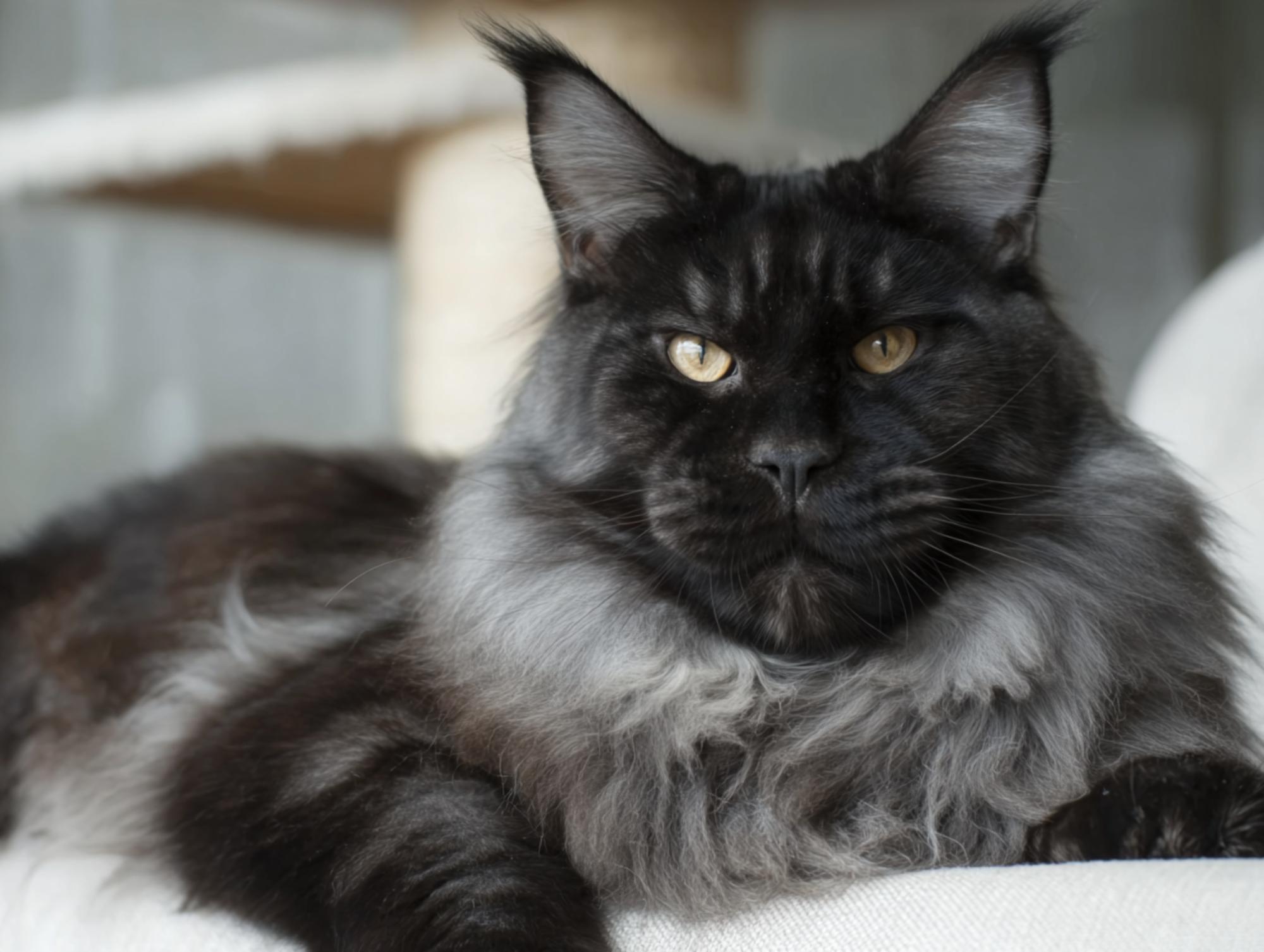
Maine Coons often age with remarkable dignity and presence. Their pace may slow, but their awareness, connection, and personality remain deeply intact. With steady routines, small environmental adjustments, and proactive care, most seniors continue to enjoy full, comfortable lives.
The goal of senior care is not to stop aging or chase youth. Aging is a natural phase, not a failure. The goal is to support it well—by prioritizing comfort, stability, and quality of life.
When aging is approached with confidence rather than fear, senior years often become one of the most meaningful stages of life you’ll share with your Maine Coon.
Related Articles From Almonte Cats
If you are researching Maine Coons carefully, the following guides may also be helpful. These posts explain our standards, expectations, and long-term approach in more depth.
- Maine Coon Size, Growth, and Weight: What’s Normal and What’s Not
A detailed breakdown of realistic size ranges, growth timelines, and how to tell healthy structure from excess weight. - How to find a Maine Coon Breeder You can Trust
A practical guide explaining common scam patterns, verification steps, and what ethical programs do differently. - Maine Coon Health Overview: What Responsible Owners Should Know
Covers genetic screening, lifespan expectations, preventive care, and early warning signs owners should never ignore. - Why Maine Coons are Not for Everyone
An honest look at temperament, grooming, space needs, and daily life with a Maine Coon. - Maine Coon Kitten Growth Stages: What to Expect From 8 Weeks to Adulthood
Explains normal development, awkward phases, and why slow growth is a feature of the breed. - Why Ethical Maine Coon Breeders Have Waitlists Waitlists help breeders plan limited litters with intentional placement
- What Tiktok Gets Wrong About Maine Coons Use it for inspiration, not research.
These resources reflect how we approach breeding, placement, and long-term support, and they are written to help families make informed decisions rather than rushed ones.
Sources & Further Reading
- International Cat Care (iCatCare) — feline behavior, social needs, routines, and life-stage development
https://icatcare.org - American Association of Feline Practitioners (AAFP) — feline behavior guidelines, human–cat interaction, and realistic owner expectations
https://catvets.com - Cornell University College of Veterinary Medicine — normal feline behavior, development, and environmental influence
https://www.vet.cornell.edu - VCA Animal Hospitals — cat behavior by age, training limits, enrichment, and daily routines
https://vcahospitals.com - The Cat Fanciers’ Association (CFA) — Maine Coon breed standard, size, temperament, and slow maturation
https://cfa.org - The International Cat Association (TICA) — Maine Coon breed profile and breed-specific traits
https://tica.org - American Veterinary Medical Association (AVMA) — companion animal behavior, owner expectations, and welfare considerations
https://www.avma.org





Read the Comments +