

Maine Coon Cats as Emotional Support Animals
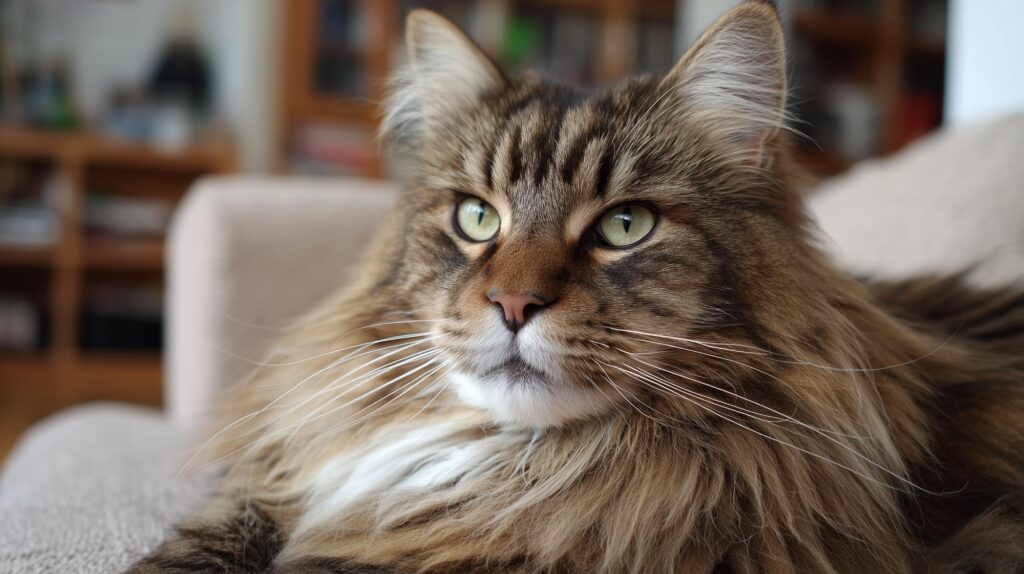
Are Maine Coons Good Emotional Support Cats? When people search for emotional support animals, they’re rarely looking for something abstract or symbolic. Most are looking for practical support in daily life—something that helps them function, not something that performs therapy on demand.
For many, emotional support means:
- Structure — a reason to get up, feed, groom, and maintain routine
- Connection — a living presence that responds to them
- Motivation to engage with daily life — even on low-energy or difficult days
Maine Coons come up repeatedly in these conversations because they often meet those needs in a very specific way.
They tend to be:
- Interactive, without being frantic
- Present, without demanding constant attention
- Companion-oriented, rather than passive or decorative
Unlike cats that fade into the background, Maine Coons often participate in daily life. They notice routines. Maine coons tend to follow movement through the home. They respond to voice, activity, and changes in energy. For many people, that level of engagement provides grounding and accountability similar to what a small dog offers—without requiring the same intensity of training or outdoor structure.
That combination is why people don’t just ask “Can any cat be an ESA?”
They ask specifically about Maine Coons.
This post exists to bring clarity where most information falls apart. It explains:
- Why Maine Coons often work well emotionally
- Where expectations commonly go wrong
- Who this type of emotional support actually fits—and who it doesn’t
Rather than legal jargon or anecdotal extremes, this guide focuses on lived reality—what emotional support from a Maine Coon actually looks like day to day.
Maine Coon Cats as Emotional Support Animals — At a Glance
| Emotional Support Need | How Maine Coons Help | When It Works Best |
|---|---|---|
| Structure & routine | Predictable feeding, grooming, and daily rhythms | People who benefit from external accountability |
| Motivation to engage | Care responsibilities create purpose | Those who struggle to get started on difficult days |
| Companionship | Room-to-room presence and proximity | People who want interaction, not a background pet |
| Emotional grounding | Large, calm physical presence | Those comforted by steady, non-intrusive companionship |
| Consistency | Established routines and awareness of household patterns | Individuals who need predictability to feel regulated |
| Responsiveness | Reacts to voice, movement, and withdrawal | People who feel supported when noticed |
| Emotional support style | Presence over performance | Those who don’t expect comfort on demand |
| ESA suitability | Depends on temperament and fit | Buyers willing to prioritize behavior over looks |
| Adult vs kitten | Adults offer predictability; kittens require patience | Adults suit immediate needs; kittens suit long-term plans |
| Responsibility level | High, ongoing commitment | People prepared for daily care and long-term costs |
What an Emotional Support Animal Actually Is (And Is Not)
Before talking about why Maine Coons can work well as emotional support animals, it’s important to be clear about what an ESA actually is—and just as importantly, what it isn’t.
Confusion in this area creates unrealistic expectations, legal misunderstandings, and disappointment that has nothing to do with the animal itself.
ESA vs Therapy vs Service Animals
These roles are often lumped together online, but they are not interchangeable.
- Emotional Support Animals (ESAs) provide emotional benefit through companionship and routine. They may qualify for certain housing protections, but they do not have public access rights and are not task-trained.
- Therapy animals are animals trained to visit other people in settings like hospitals, schools, or care facilities. They are not designated for one individual’s personal support.
- Service animals are trained to perform specific tasks related to a diagnosed disability and are legally protected for public access.
An ESA is not a service animal in training, and it does not need to perform tasks. Its value comes from how it integrates into a person’s daily life, not from formal obedience or certification.
Understanding this distinction removes a lot of pressure from both the person and the animal.
Why ESA Effectiveness Is About Behavior, Not Certification
There is no special training program that turns a cat into an emotional support animal. There is also no certificate that creates emotional support where behavior and fit don’t exist.
ESA effectiveness comes from:
- Interaction, not commands
- Routine, not performance
- Presence, not compliance
A cat that naturally engages with its person, responds to daily rhythms, and participates in household life can provide real emotional grounding. A cat that avoids interaction or remains largely independent may not.
Breed can influence likelihood, but it never guarantees outcome. Individual temperament, environment, and relationship matter more than paperwork ever will.
Why Maine Coons Often Excel as Emotional Support Cats
Maine Coons are not emotionally supportive because they are large or popular. They are supportive because of how they tend to interact with people.
When the fit is right, their behavior naturally aligns with what many people seek from an ESA.
They Are Interactive Without Being Overwhelming
Maine Coons tend to engage with household life rather than observe it from a distance.
Many will:
- Follow routines, appearing at consistent times for meals, grooming, or rest
- Respond to human activity, showing interest when their person moves through the home
- Engage without constant demand, offering presence without nonstop vocalizing or clinginess
This balance matters. Emotional support works best when interaction feels steady and responsive, not intrusive or exhausting.
Purpose Through Responsibility
For many people, emotional support doesn’t come from being comforted—it comes from being needed.
Caring for a Maine Coon often creates:
- A reason to get out of bed
- A reason to maintain a schedule
- A sense of responsibility and purpose that anchors the day
Feeding, grooming, and routine care provide structure. That structure can be stabilizing during periods of depression, anxiety, or emotional fatigue.
This is one of the most commonly reported benefits among Maine Coon owners seeking emotional support: the relationship creates forward motion, even on difficult days.
Supportive Presence Similar to a Small Dog
Maine Coons are often compared to small dogs—not because they obey commands, but because of how they share space.
Common behaviors include:
- Shadowing, where the cat follows from room to room
- Room-to-room companionship, choosing proximity over isolation
- Awareness of human mood and routine, responding to changes in energy or behavior
The key distinction is important: this is presence, not obedience.
Maine Coons don’t perform emotional labor on demand. They don’t “fix” distress. What they do offer is steady, responsive companionship that many people find grounding in the same way they would with a small, attentive dog.
For the right person, that combination—interaction, structure, and presence—can make a Maine Coon a genuinely effective emotional support animal.
How Maine Coons Provide Emotional Support in Real Life
Emotional support from a Maine Coon doesn’t come from dramatic moments or constant affection. It comes from how the cat integrates into daily life, especially during periods when motivation, energy, or emotional regulation are low.
Routine Anchoring
One of the most powerful forms of emotional support is structure.
Maine Coons tend to establish clear, predictable needs, expecting meals, grooming, and interaction at consistent times. They maintain daily rhythms whether a person feels ready or not, which quietly reinforces structure and continuity.
That predictability creates stability.
During emotional lows, daily care can feel like the only consistent thread holding the day together. Feeding, brushing, cleaning, and interacting provide continuity when everything else feels uncertain or overwhelming. The routine doesn’t require high emotional output—it simply needs to happen.
For many people, this anchoring effect becomes the quiet backbone of emotional support.
Physical Presence and Contact
Maine Coons offer a form of support that is physical but not intrusive.
Their size creates a grounding presence. They feel substantial when they sit nearby, stretch out on the bed, or lean against a leg or arm. That physicality can be calming without requiring constant touch or attention.
Many Maine Coons are comfortable with proximity. They often choose to be near their person rather than isolated, yet they don’t always demand handling or cuddling. Being in the same space is enough.
This type of presence works well for people who find comfort in companionship but become overwhelmed by constant physical contact or noise.
Emotional Feedback Loops
Maine Coons are often more responsive to human behavior than people expect.
Over time, many owners notice that their cats respond to:
- Voice changes, such as quieter tones or altered speech patterns
- Movement patterns, including pacing, restlessness, or withdrawal
- Absence or disengagement, showing increased proximity or attention
These responses aren’t trained behaviors. They’re relational ones that develop through shared routine and familiarity. The feedback loop becomes mutual: the cat responds to the human, and the human becomes more aware of their own state through the cat’s reactions.
That awareness can be grounding in subtle but meaningful ways.
See: What Owning a Maine Coon is Like After The First Year
Why This Works Better for Some People Than Others
Maine Coons can be deeply supportive—but only when their style of companionship aligns with what a person actually needs.
Maine Coons Are a Good ESA Fit If You Want
A Maine Coon is often a strong emotional support fit if you value:
- Engagement and interaction, rather than a background presence
- Gentle accountability, where another living being depends on routine
- A companion that notices you, responds to your presence, and participates in daily life
For people who benefit from structure, connection, and shared rhythm, this type of companionship can be stabilizing and motivating.
Maine Coons Are a Poor ESA Fit If You Want
A Maine Coon is usually not a good fit if you want:
- Minimal responsibility or low-effort care
- Passive companionship that requires little interaction
- Emotional support without daily care demands
Maine Coons don’t fade into the background. Their support comes through involvement, not absence. If responsibility feels burdensome rather than grounding, the dynamic may create stress instead of relief.
Understanding this distinction upfront protects both the person and the cat—and leads to healthier, more sustainable emotional support relationships.
Why Maine Coons Are Not For Everyone
Adult vs Kitten — Which Works Better for ESA Roles?
When people imagine an emotional support animal, they often picture starting from the beginning with a kitten. In practice, adults usually provide more reliable emotional support.
Why Adults Often Make Better Emotional Support Cats
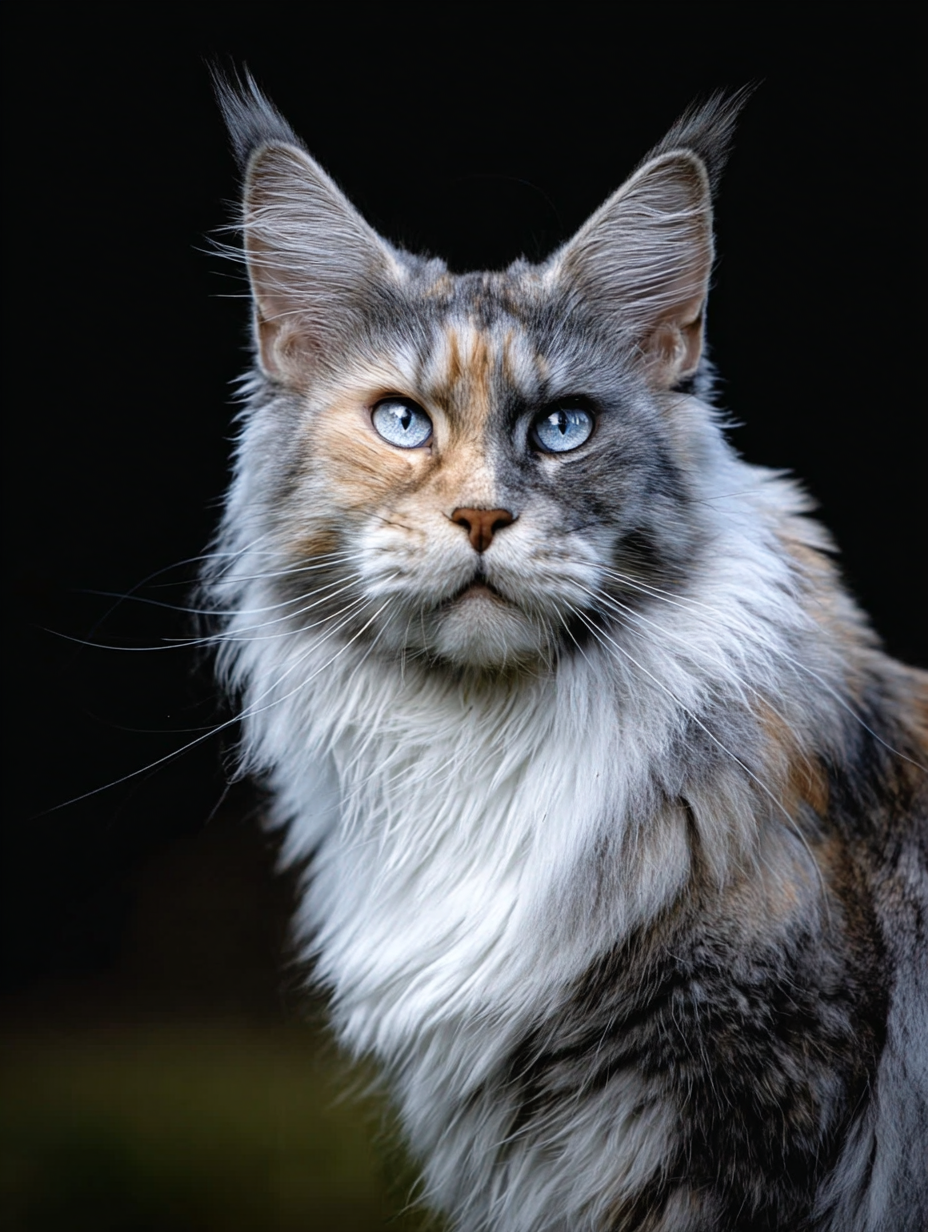
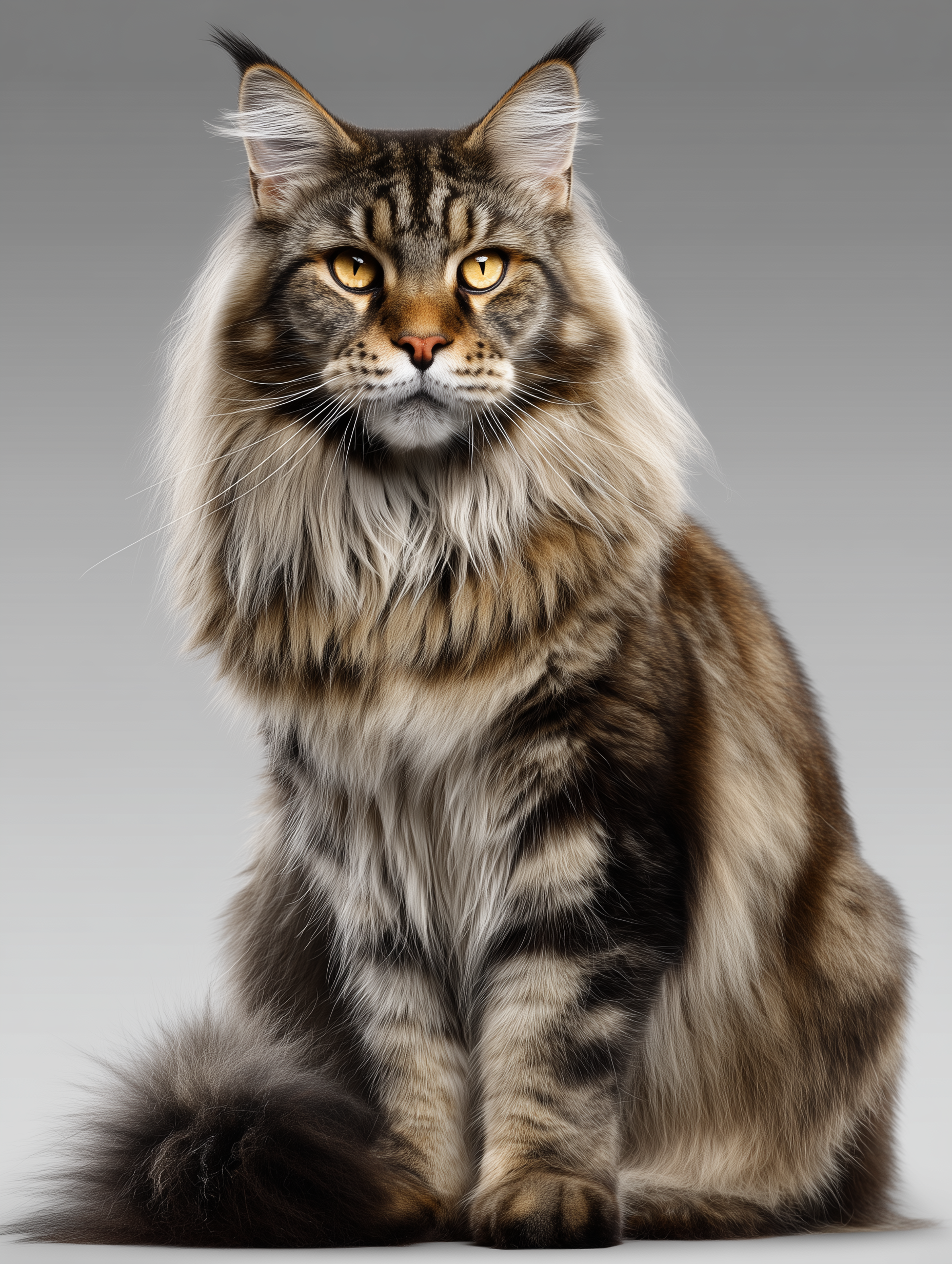
Adult Maine Coons bring clarity.
With adult cats, you aren’t guessing. Their temperament has settled, their preferences are visible, and their boundaries are clear, making the relationship easier and more emotionally predictable.
Adults also come with established routines. They already understand household rhythms, feeding schedules, and social expectations. That stability supports emotional regulation rather than adding uncertainty.
Just as importantly, adults show lower emotional volatility. They don’t swing between overstimulation and withdrawal the way kittens often do. Their steadier presence makes them easier to live with during emotionally demanding periods.
For many people seeking emotional support, that consistency matters more than novelty.
See Maine Coon Personality and Temperament
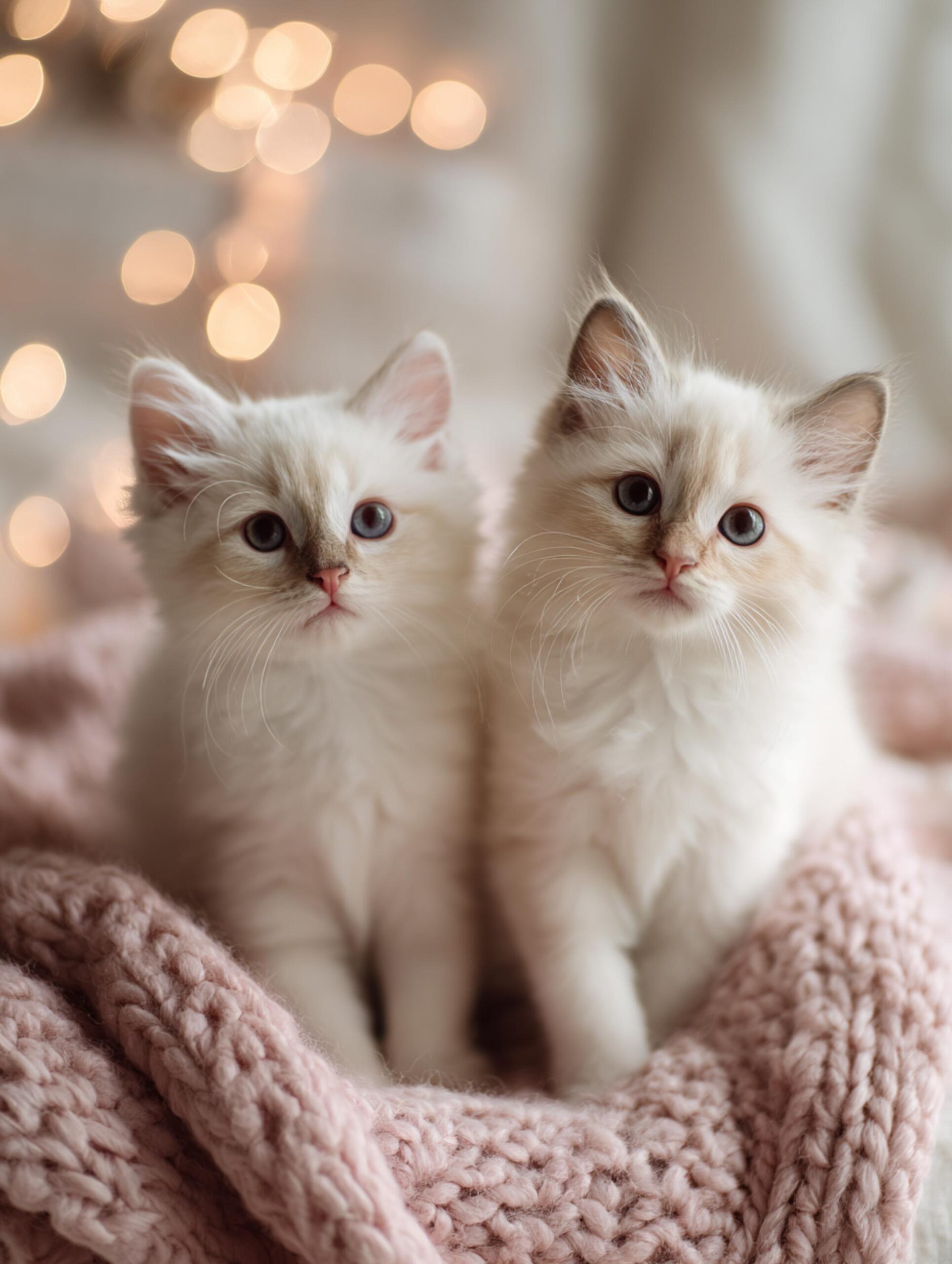
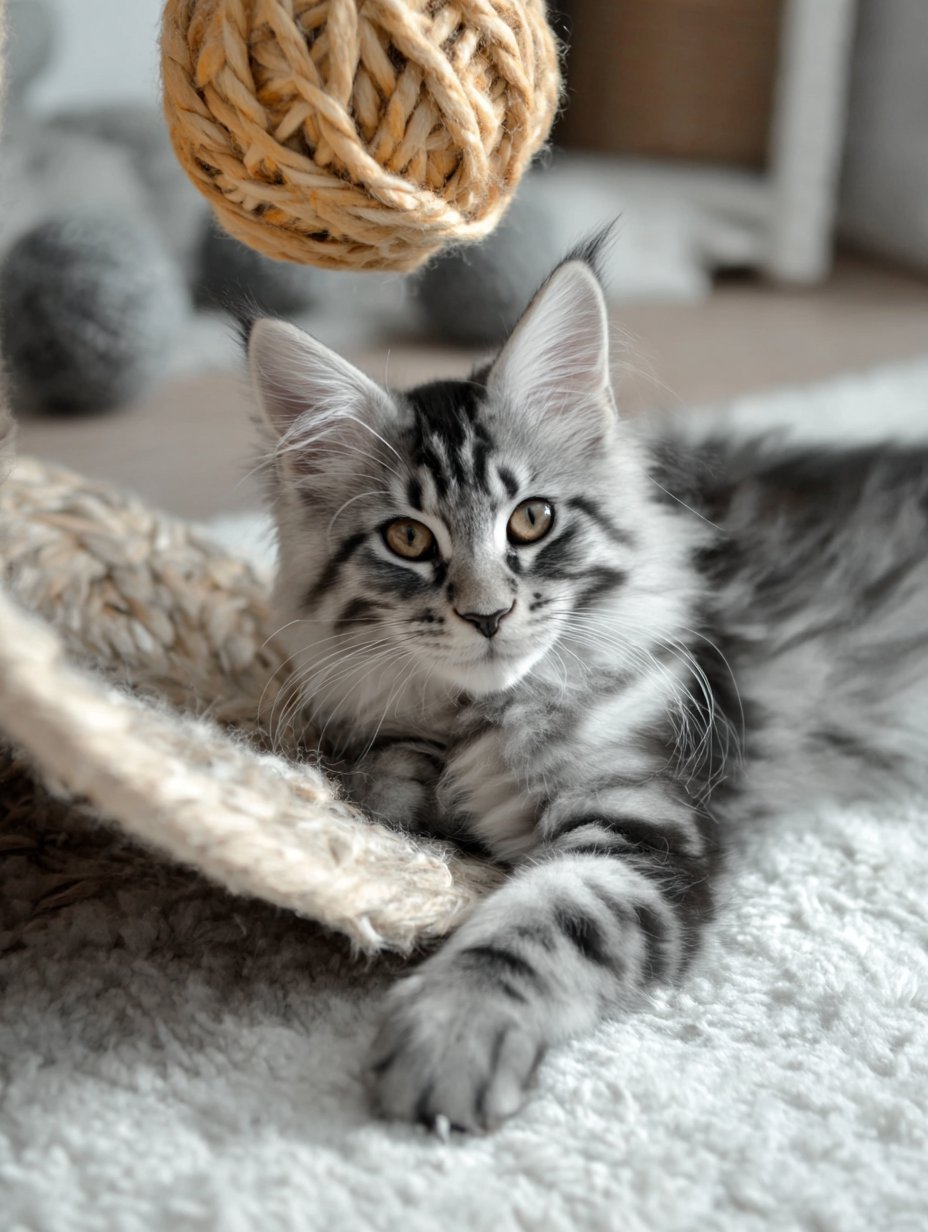
When Kittens Can Still Work
Kittens can still succeed as emotional support animals—but only in the right conditions.
They work best in:
- Structured homes with predictable routines
- Clear expectations about development and maturity
- A genuine willingness to wait for emotional reliability to emerge
Kittens require patience. They demand time. Their emotional support value grows over years, not weeks. For people who find meaning in nurturing development and can tolerate early chaos, that process can eventually feel rewarding.
For others, it becomes overwhelming rather than supportive.
How to Find a Breeder Who Can Help You Choose a Maine Coon With a Therapy-Friendly Temperament
Finding the right Maine Coon for emotional or therapeutic support is less about labels and more about working with a breeder who understands temperament, placement, and long-term fit. This is one area where the breeder’s experience matters as much as the cat itself.
Look for Breeders Who Prioritize Placement, Not Just Availability
A breeder who can help you select a therapy-friendly kitten will never treat the process as “first come, first served.”
Instead, they:
- Ask detailed questions about your lifestyle, routine, and emotional needs
- Want to understand how much interaction you enjoy
- Care about where the kitten fits long-term, not just when it goes home
If a breeder pushes you to pick quickly or frames choice purely around color or size, that’s a sign they aren’t thinking in terms of temperament matching.
Ask How Temperament Is Observed and Evaluated
Ethical breeders don’t guess at temperament—they observe it over time.
Good questions to ask include:
- How do you assess kitten personalities as they grow?
- Which kittens seek human interaction versus independence?
- Which kittens show calm engagement rather than constant stimulation?
Breeders who raise kittens in a home environment, handle them daily, and track behavior patterns are far better positioned to guide you toward a supportive match.
Prefer Breeders Who Match Kittens to Homes
The strongest indicator of a therapy-friendly placement is a breeder who chooses the kitten with you, not one who hands you a litter photo and asks you to decide alone.
Breeders experienced in temperament matching will:
- Recommend specific kittens based on behavior, not appearance
- Explain why a particular kitten fits your needs
- Sometimes advise against a kitten that looks appealing but isn’t the right emotional fit
This isn’t control—it’s expertise.
Understand That Adults Often Make Better Therapy Matches
Many breeders who work with emotional-support placements will suggest adult or older juvenile cats when possible.
Adults offer:
- Established temperament
- Predictable social patterns
- Less emotional volatility
A breeder who suggests an adult for therapy purposes is demonstrating realism and care, not lack of confidence in their kittens.
Avoid Breeders Who Promise Guarantees
No ethical breeder will guarantee that a kitten will function as a therapy or emotional support animal.
Be cautious of breeders who:
- Promise specific emotional outcomes
- Use “ESA” as a marketing tool
- Claim any kitten can be molded into a therapy role
Responsible breeders speak in terms of likelihood, suitability, and temperament tendencies, not guarantees.
Choose Communication Over Certification
Therapy-friendly temperament does not come from certificates, tests, or labels. It comes from communication and honesty.
The right breeder will:
- Be open about strengths and limitations
- Discuss what emotional support realistically looks like
- Help you assess whether a Maine Coon is truly a good match for your needs
That transparency protects both you and the cat.
The Bottom Line
A therapy-friendly Maine Coon doesn’t come from luck—it comes from thoughtful placement.
The best breeders:
- Know their cats deeply
- Value long-term outcomes
- Help you choose based on temperament, not fantasy
When breeder and owner work together, emotional support becomes a natural extension of the relationship—not a role forced onto the cat.
See Our Maine Coon Kitten Program
The Difference Between Emotional Support and Emotional Dependence
Healthy emotional support stabilizes life. Unhealthy dependence narrows it.
Support Should Stabilize, Not Replace Human Care
Emotional support animals provide grounding through presence and routine. They do not treat mental health conditions, replace therapy, or substitute for human relationships.
Maine Coons help by:
- Creating structure
- Encouraging engagement
- Offering steady companionship
They support the person’s life—they do not become the entire foundation of it.
Healthy ESA Relationships Are Mutual
Strong ESA relationships work because care flows both ways.
The person provides food, grooming, medical care, and structure. The cat responds with presence, routine, and engagement. Responsibility reinforces purpose rather than draining it.
When responsibility strengthens connection, emotional support becomes sustainable instead of fragile.
Common Misconceptions About Maine Coons as ESAs
Misunderstandings about ESAs create unrealistic expectations that no animal can meet.
“They Will Comfort Me on Demand”
Maine Coons don’t perform emotional labor on cue. They offer presence, not guaranteed responses.
Support shows up through proximity, routine, and awareness—not through scripted behavior.
“They Fix Mental Health”
Maine Coons can be effective emotional support animals for the right people. Their value comes from engagement, routine, and steady presence rather than trained tasks. While their temperament often increases suitability, individual personality and lifestyle fit matter far more than breed alone.
“Any Maine Coon Will Work”
Temperament matters more than breed labels.
Individual personality, socialization, environment, and maturity determine whether a Maine Coon functions well as an emotional support animal. Breed tendencies increase likelihood—but they never guarantee outcome.
Clear expectations protect both the person and the cat, and they turn emotional support into a healthy, lasting relationship rather than a source of disappointment.
Housing, Practicality, and Responsibility
Emotional support doesn’t exist in a vacuum. Housing realities, daily logistics, and long-term responsibility all shape whether an ESA relationship feels stabilizing or stressful.
ESA Housing Reality (No Hype)
Legal protections for emotional support animals do exist, but they are often misunderstood.
ESA status may offer housing accommodations, but it does not override every rule or guarantee approval in every situation. Documentation matters. Clear communication matters. Landlords still operate within legal frameworks that include reasonable processes and boundaries.
Most importantly, ESA status does not remove the responsibility of being a good tenant or a thoughtful owner. Noise, damage, cleanliness, and care still matter. An ESA can support emotional well-being, but it does not eliminate the need for realistic housing planning.
Approaching housing with clarity rather than entitlement prevents conflict and protects the relationship on all sides.
Cost and Long-Term Commitment
Emotional support does not reduce responsibility—it increases it.
Caring for a Maine Coon involves:
- Food, often in larger quantities due to size
- Grooming, which is ongoing and essential
- Veterinary care, including routine monitoring and long-term health planning
When a cat plays an emotional support role, consistency becomes even more important. That means showing up on difficult days, maintaining care during low periods, and planning for the full lifespan of the animal.
The emotional benefit comes from commitment, not convenience.
See: Maine Coon Lifetime Cost Breakdown
Maine Coon Cats as Emotional Support Animals — FAQ
Are Maine Coons good emotional support animals?
They can be, for the right people. Maine Coons often provide emotional support through engagement, routine, and steady presence, not through trained tasks. Their temperament and interaction style make them effective for some individuals, but they are not a universal solution.
Do Maine Coons qualify as ESAs automatically?
No. No breed automatically qualifies as an emotional support animal. ESA status depends on a person’s documented need and housing context—not on breed, training, or certification.
Do emotional support cats need special training?
No. Emotional support animals do not require task training. Their effectiveness comes from behavior, routine, and relationship, not obedience or commands.
Are Maine Coons better ESAs than other cats?
Not inherently. Maine Coons tend to be more interactive and present than many breeds, which increases suitability for some people. Individual temperament matters more than breed alone.
Is an adult Maine Coon better than a kitten for emotional support?
Often, yes. Adult Maine Coons usually offer predictable temperament, established routines, and lower emotional volatility, which makes emotional support more reliable. Kittens can work in structured homes, but they require patience and time to mature.
Can a Maine Coon replace therapy or mental health treatment?
No. Maine Coons can support daily functioning and emotional stability, but they do not replace professional care. Emotional support animals complement treatment—they do not substitute for it.
Will a Maine Coon comfort me when I’m upset?
Sometimes—but not on demand. Emotional support from a Maine Coon usually shows up as presence, proximity, and routine, not guaranteed cuddling or performance.
Are Maine Coons too needy to be emotional support animals?
They are engaged, not needy. Maine Coons often follow routines and stay near their people, but healthy emotional support comes from mutual structure, not constant attention.
Does ESA status guarantee housing approval?
No. Legal protections exist, but documentation matters, and not all housing issues disappear. ESA status does not remove responsibility for care, cleanliness, or tenant behavior.
Does having an ESA reduce responsibility?
No. Emotional support increases responsibility. Consistent feeding, grooming, veterinary care, and long-term planning are part of what makes emotional support effective—not optional extras.
How do I choose a Maine Coon with a therapy-friendly temperament?
Work with a breeder who prioritizes temperament matching, not appearance or speed. Ethical breeders observe behavior over time and help guide placement rather than making promises or guarantees.
Can any Maine Coon become an ESA?
No. Individual personality, environment, and maturity determine suitability. Breed tendencies increase likelihood, but they never guarantee outcome.
What kind of person benefits most from a Maine Coon ESA?
People who benefit from:
- Routine and structure
- Gentle accountability
- An engaged, responsive companion
People seeking minimal responsibility or passive companionship are usually better served by a different arrangement.
Final Perspective — Why Maine Coons Can Be Powerful Emotional Companions
Maine Coons often succeed as emotional support animals because of how they live alongside people.
They tend to:
- Engage with daily life rather than retreat from it
- Anchor routine through predictable needs and presence
- Offer steady companionship without constant demand
For many people, that combination creates motivation, connection, and a sense of purpose. Maine Coons help people feel needed. They encourage movement, structure, and participation in everyday life.
Cats can feel like magic and they can support their owners, by giving companionship. but they do not fix mental health. They do not perform emotional labor on command.
But in the right match, they are deeply meaningful.
When expectations stay grounded and responsibility is embraced, a Maine Coon can provide genuine emotional support—without illusion, pressure, or disappointment.
Related Maine Coon Posts
If you’re continuing your research, these posts expand on Maine coon topics mentioned above:
- Maine Coon Kitten Colors Explained
Learn how Maine Coon coat colors appear in kittens, why early color can be misleading, and how to set realistic expectations as coats mature. - Maine Coon Colors: Complete Genetics, Identification, and More
A detailed breakdown of Maine Coons Colors. - Maine Coon Pricing Explained: What Goes Into the Cost of a Well-Bred Kitten
Understand how breeding practices, health testing, and care standards influence pricing—separate from color myths. - The Lifetime Cost of Owning a Maine Coon
A realistic look at long-term expenses, veterinary care, and planning for a 12–15+ year commitment. - Is a Maine Coon A Good First Time Cat
A practical guide to lifestyle fit, grooming needs, and what daily life with a Maine Coon actually looks like.
Sources & Further Reading
- International Cat Care (iCatCare) — feline behavior, social bonding, routine, and human–cat interaction
https://icatcare.org - International Society of Feline Medicine (ISFM) — feline welfare, stress reduction, and emotional well-being
https://icatcare.org/isfm - American Association of Feline Practitioners (AAFP) — human–animal bond, feline behavior, and quality-of-life guidance
- https://catvets.com
- American Veterinary Medical Association (AVMA) — companion animal welfare, emotional support animals, and ethical considerations
- https://www.avma.org
- U.S. Department of Housing and Urban Development (HUD) — legal definition of emotional support animals and housing guidance
- https://www.hud.gov
- The International Cat Association (TICA) — Maine Coon breed profile, temperament tendencies, and breed characteristics
- https://tica.org
- The Cat Fanciers’ Association (CFA) — Maine Coon breed standards and behavioral traits
- https://cfa.org






Read the Comments +