
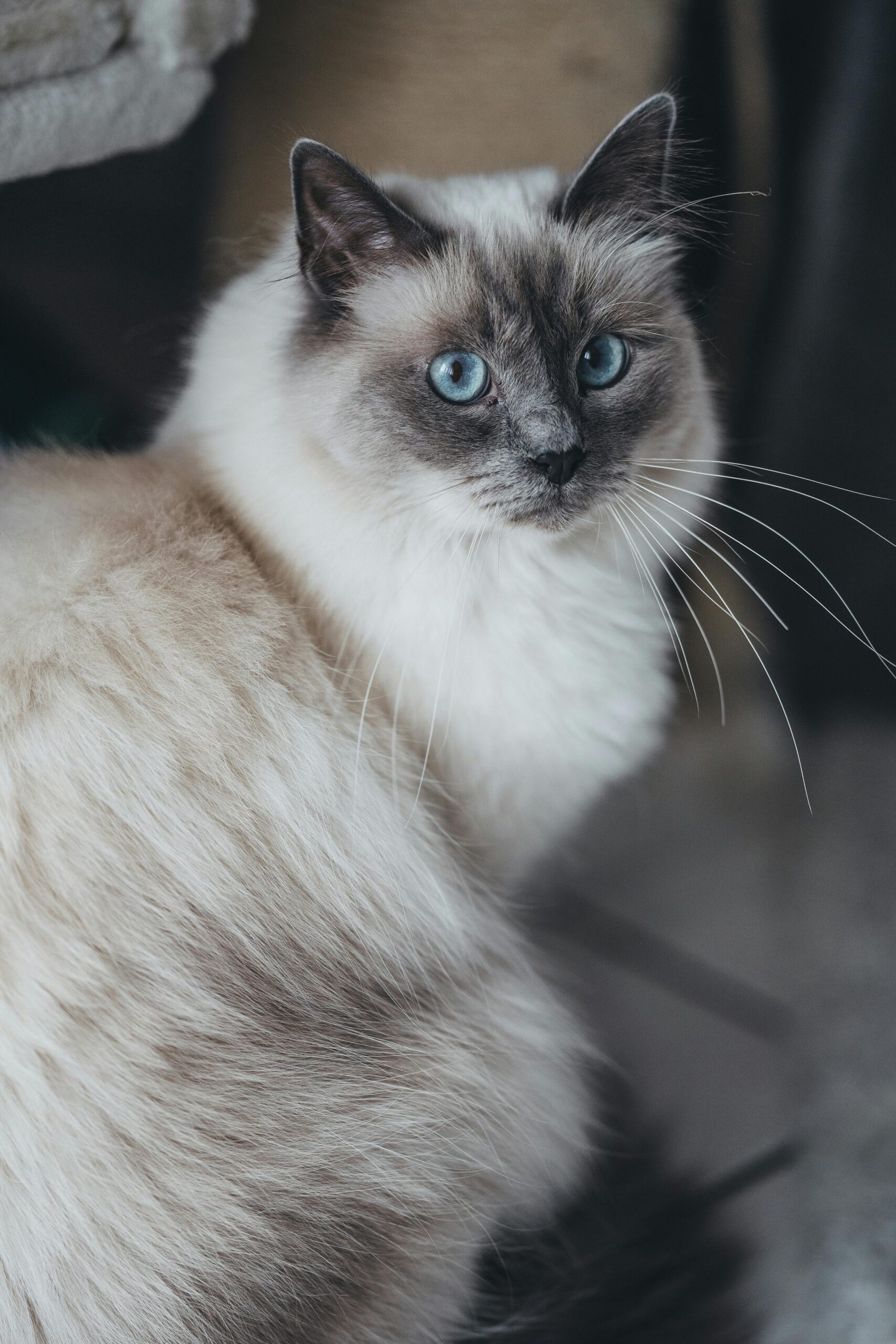
Ragdoll Cats Explained by a Breeder: Temperament, Care, and Ownership Reality
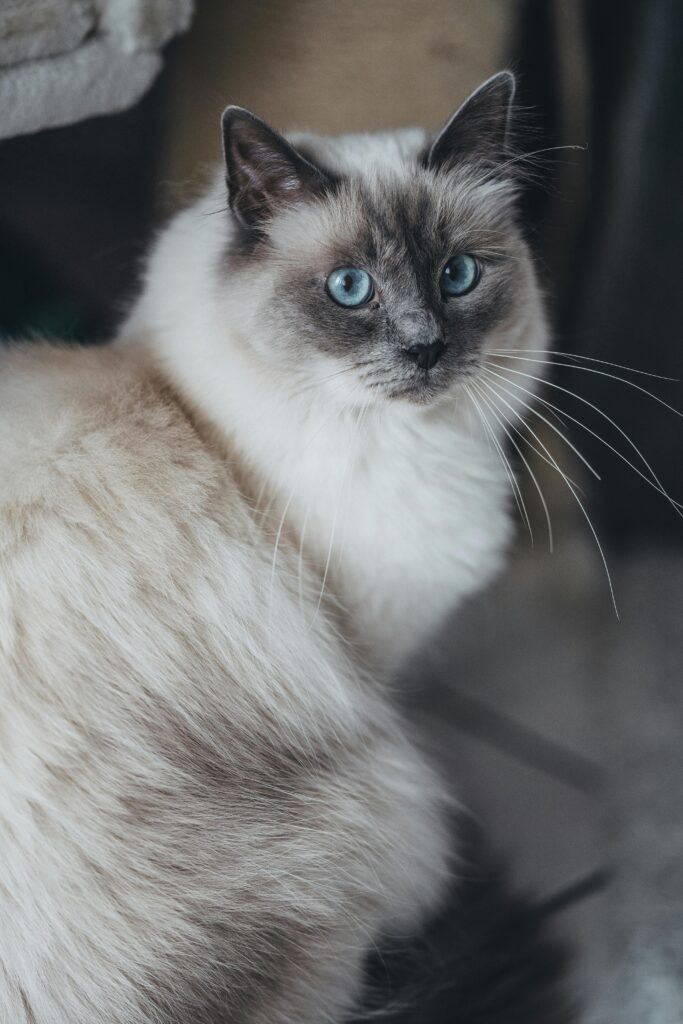
This article is written from a ragdoll cat breeder perspective, focusing on how ethical breeders evaluate temperament, health, and placement decisions behind the scenes. It is not a general breed overview and does not attempt to explain everything about Ragdoll cats.
Instead, this post addresses what breeders look for when selecting breeding cats, how temperament and structure are assessed over time, and why responsible placement matters as much as appearance. These insights are often missing from general breed guides but play a significant role in long-term success for both the cat and the owner.
This guide explains Ragdoll cats from a breeder perspective, covering temperament, care requirements, health realities, and who the breed is genuinely suited for before making a long-term commitment. If you are looking for a neutral, complete explanation of the breed, including history, care, cost, and ownership considerations, see the Complete Ragdoll Cat Guide.
Ragdoll Cats at a Glance — Breeder Summary
| Topic | What to Know |
|---|---|
| Temperament | Generally calm, socially engaged, and emotionally steady — affectionate without being universally clingy |
| Affection Style | Human-oriented rather than guaranteed lap cats; many prefer proximity over constant holding |
| Energy Level | Moderate; playful as kittens, more settled as adults, still needs daily interaction |
| Grooming Needs | Semi-longhair coat requires brushing 2–3 times per week; manageable but not maintenance-free |
| Shedding | Moderate year-round with heavier seasonal shedding; influenced by genetics, diet, and environment |
| Health Reality | Generally healthy breed with known considerations; ethical breeding focuses on risk reduction, not guarantees |
| Ease of Ownership | Feels “easy” when expectations match reality; struggles arise with hands-off ownership styles |
| Best Fit Homes | Households with stable routines, regular interaction, and desire for companionship |
| Poor Fit Situations | Long absences, minimal engagement, or choosing the breed based on trend alone |
| Long-Term Commitment | Slow-maturing breed that benefits from consistent care, enrichment, and relationship investment |
What Makes a Ragdoll a Ragdoll (From a Breeder Perspective)
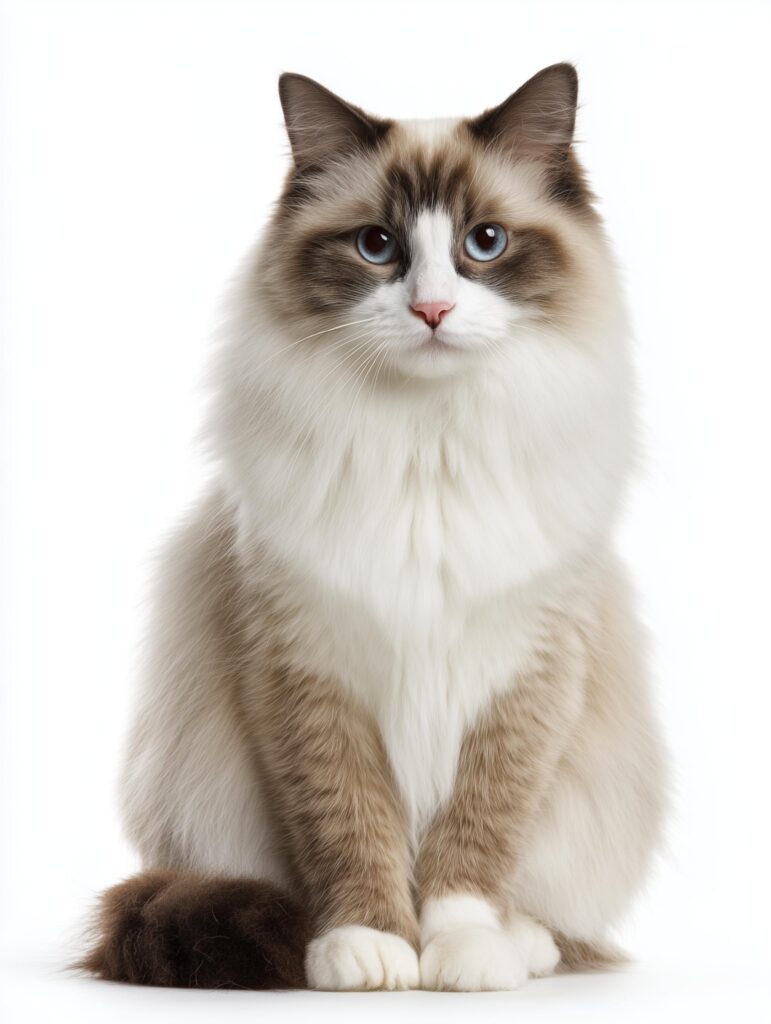
From a breeder perspective, Ragdolls are identified by pedigree first, and then evaluated by appearance and behavior. A cat is not a Ragdoll because it acts calm or looks large. It is a Ragdoll because it descends from documented Ragdoll lines and expresses the physical and behavioral traits those lines were selected to preserve.
Pedigree establishes breed legitimacy. Appearance confirms adherence to breed standards, including size, structure, coat type, and pattern. Behavior reflects whether temperament goals have been maintained through responsible selection and early development.
When breeders assess Ragdolls, they look for:
- documented lineage within established Ragdoll bloodlines
- physical traits consistent with the breed standard
- calm, socially stable behavior appropriate for a companion cat
Behavior is important, but it is evaluated alongside genetics and structure, not used as a substitute for them. Calm temperament without pedigree does not define the breed, and pedigree without correct structure or behavior signals poor breeding decisions.
Breed Origins and Purpose
The Ragdoll breed was developed with companion temperament as a deliberate goal, supported by controlled breeding and record keeping. Early breeding programs selected cats that combined predictable household behavior with a specific physical type and maintained those traits through lineage tracking.
Over time, as the breed expanded, variation naturally appeared in energy level, handling tolerance, and social intensity. Ethical breeders expect this range while still maintaining clear boundaries around type and temperament.
Responsible breeding does not aim for identical cats. It aims for consistent breed identity, supported by pedigree, recognizable appearance, and behavior that aligns with the Ragdoll’s intended role as a companion breed.
Ragdoll Cats Physical Traits That Affect Daily Life
Ragdolls are large, slow-maturing cats with substantial bone structure. Their size contributes to their calm presence, but it also affects daily care in practical ways.
Owners should expect:
- a longer growth period compared to many breeds
- higher nutritional needs during development
- gradual muscle and frame maturation
The coat is classified as semi-longhair, meaning it is plush and silky rather than dense or woolly. This texture tends to mat less than heavier coats, but it still requires consistent care.
In daily life, this translates to:
- regular brushing to maintain coat condition
- attention to friction areas (chest, underarms, tail base)
- grooming tolerance that benefits from early handling
Ragdolls also mature slowly, both physically and behaviorally. Full size and coat development often take three to four years, and temperament continues to settle as adulthood progresses. Kittens may remain playful longer than expected, while adult Ragdolls typically grow into the composed, steady companions the breed is known for.
Ragdoll Temperament Explained
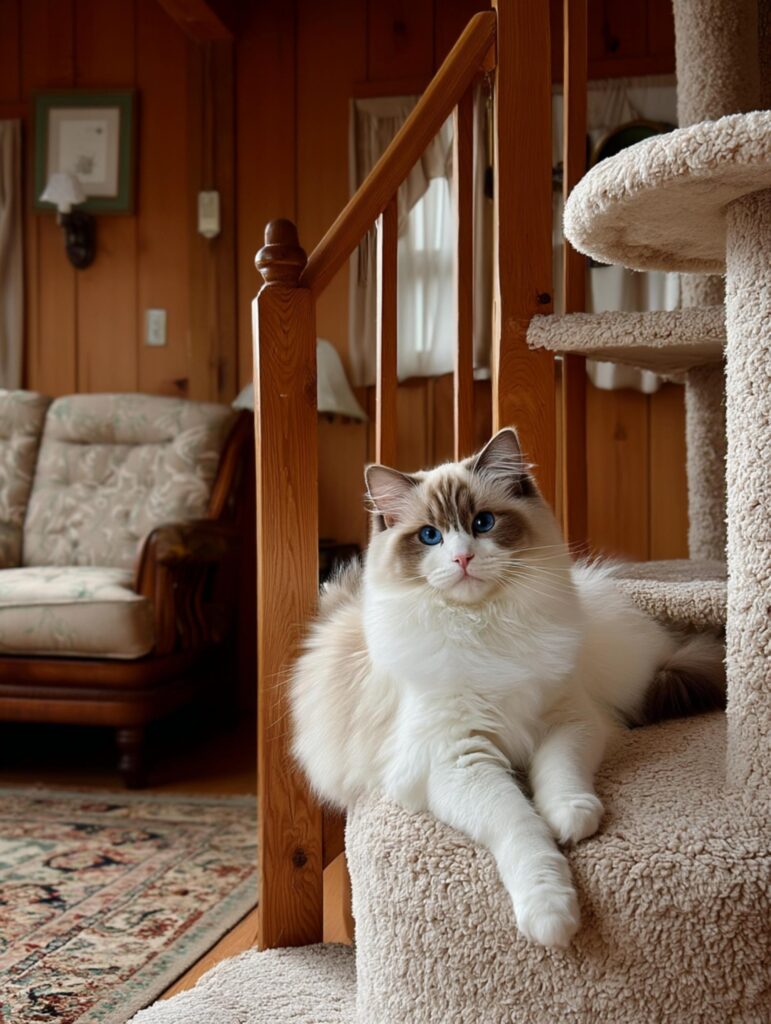
Ragdoll temperament is often described in extremes — either overly passive or endlessly affectionate. In reality, the breed tends to fall into a balanced middle ground, with individual expression shaped by genetics, early development, and environment.
Affection Without Clinginess (In Most Cases)
Most Ragdolls are socially engaged without being emotionally demanding. They enjoy proximity to their people but do not typically require constant physical contact to feel secure.
Common temperament patterns include:
- choosing to stay near rather than on top of their owners
- engaging during shared activities rather than demanding attention
- settling comfortably in the same room without constant interaction
Ragdolls are best described as human-oriented, not automatically lap-obsessed. Some individuals enjoy frequent cuddling, while others prefer side-by-side companionship. This variation is normal and expected within the breed.
The “Floppy Ragdoll Cat” Myth
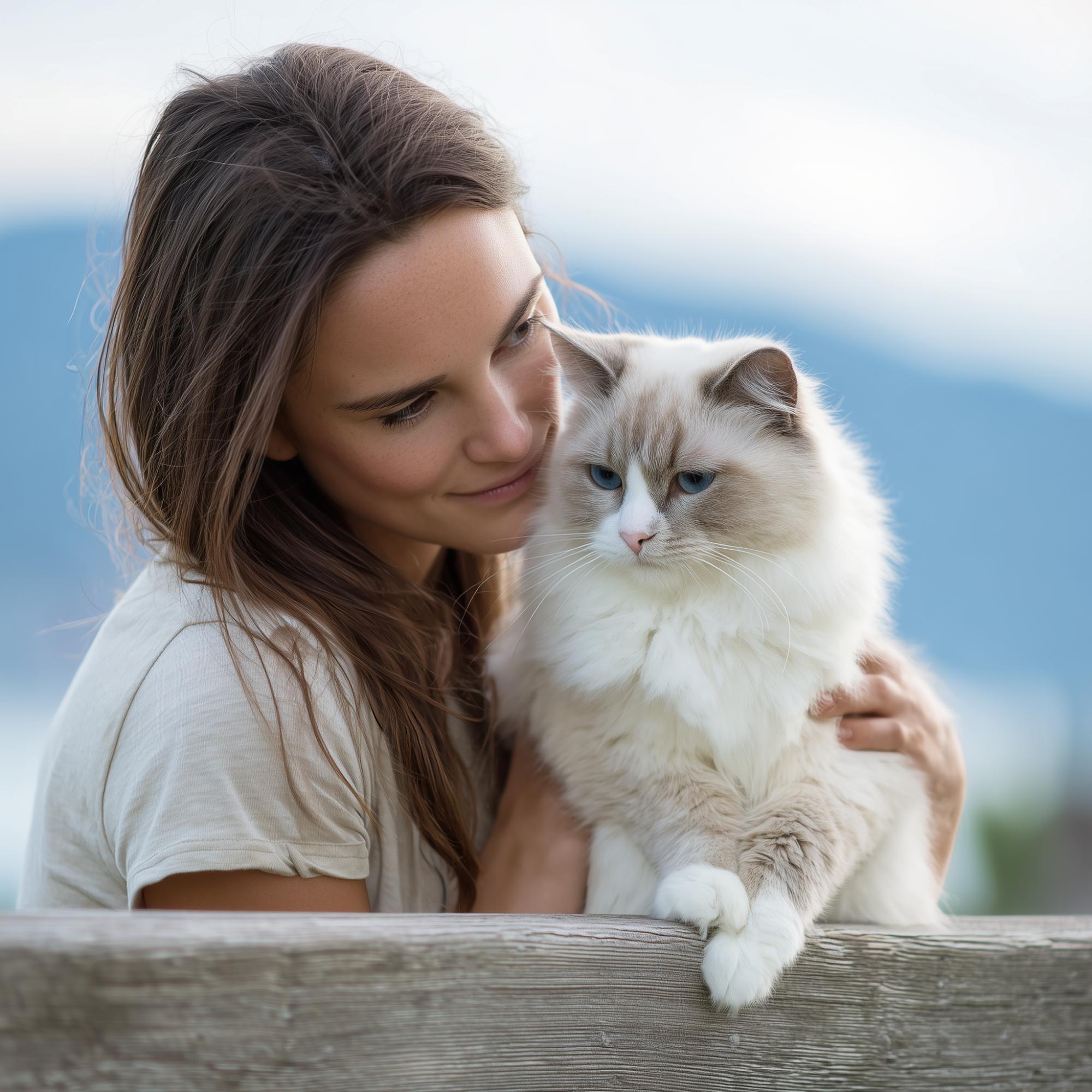
The idea that all Ragdoll cats go completely limp when picked up comes from early breeding selection for handling tolerance and physical relaxation. While many Ragdolls are comfortable being held, the behavior is often misunderstood.
In reality:
- not all Ragdoll cats physically relax when lifted
- some prefer to keep their body engaged rather than loose
- comfort with handling does not equal loss of muscle tone
Relaxed handling usually looks like:
- minimal resistance when picked up
- calm body language rather than stiffness
- trust in the handler rather than full collapse
A Ragdoll that doesn’t “flop” is not less well-bred or less affectionate. Comfort, not compliance, is the true indicator of temperament quality.
Energy Levels and Play Style
Ragdolls are often labeled as low-energy, but this description can be misleading. While they are generally calmer than many breeds, they still require regular stimulation.
Energy expression tends to follow a clear pattern:
- kittens are playful, curious, and active
- adolescents test boundaries and seek interaction
- adults typically settle into moderate, predictable routines
Most Ragdolls prefer interactive play over solo activity, including:
- wand toys
- games that involve people
- structured play sessions rather than constant movement
“Calm” does not mean inactive. Without appropriate outlets, even a relaxed Ragdoll can develop frustration or boredom-related behaviors.
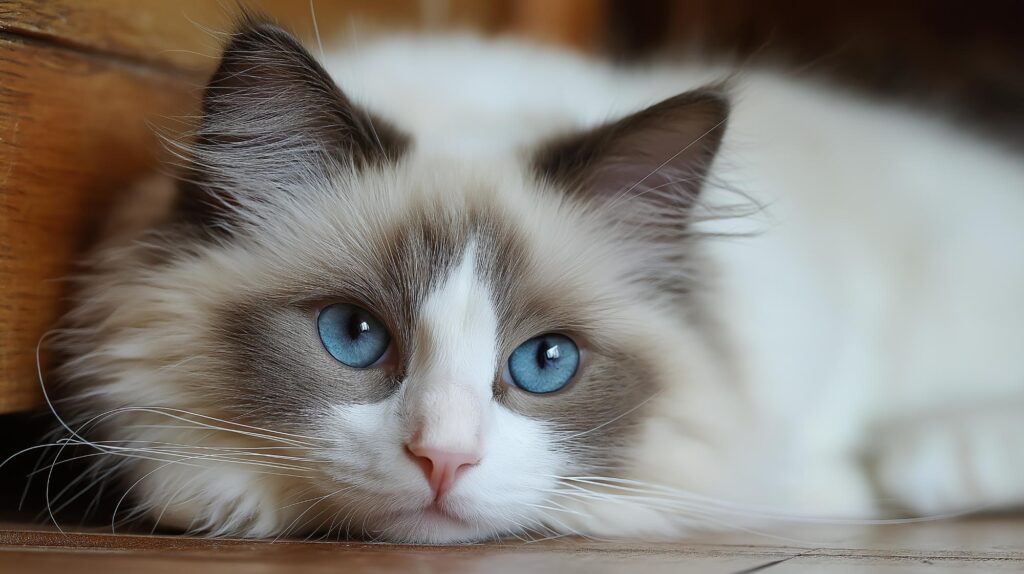
Living With a Ragdoll Day to Day
Day-to-day life with a Ragdoll is shaped less by dramatic behavior and more by consistency and routine. This is where many buyers either thrive — or feel unprepared.
Attention and Interaction Needs
Ragdolls form strong bonds with their people and expect regular engagement, even if they don’t demand it overtly.
Typical expectations include:
- daily interaction through play or shared space
- predictable routines and household presence
- emotional responsiveness rather than constant physical contact
When these needs aren’t met, boredom may present subtly at first:
- increased vocalization
- attention-seeking behaviors
- disengagement or mild destructiveness
These behaviors are not signs of a difficult cat, but signals that social needs are being overlooked.
Vocalization and Communication
Ragdolls are generally soft-voiced compared to more vocal breeds, but they are still communicative.
Owners commonly notice:
- gentle meows used intentionally
- vocalization tied to routine changes or anticipation
- quiet communication rather than constant chatter
When a Ragdoll becomes unusually vocal, it often signals:
- unmet social needs
- hunger or routine disruption
- stress or environmental change
Vocal behavior is typically purposeful, not random.
Independence vs Attachment
Ragdolls are often described as “velcro cats,” but this attachment usually expresses itself through presence rather than pressure.
Common behaviors include:
- following owners from room to room
- resting nearby during daily activities
- maintaining visual contact rather than physical contact
In working households, this means:
- Ragdolls adapt well to predictable schedules
- long absences without enrichment can be challenging
- companionship matters more than constant handling
They thrive best in homes where presence, not intensity, defines the relationship.
See the Post What Living with a Ragdoll Cat is Like.
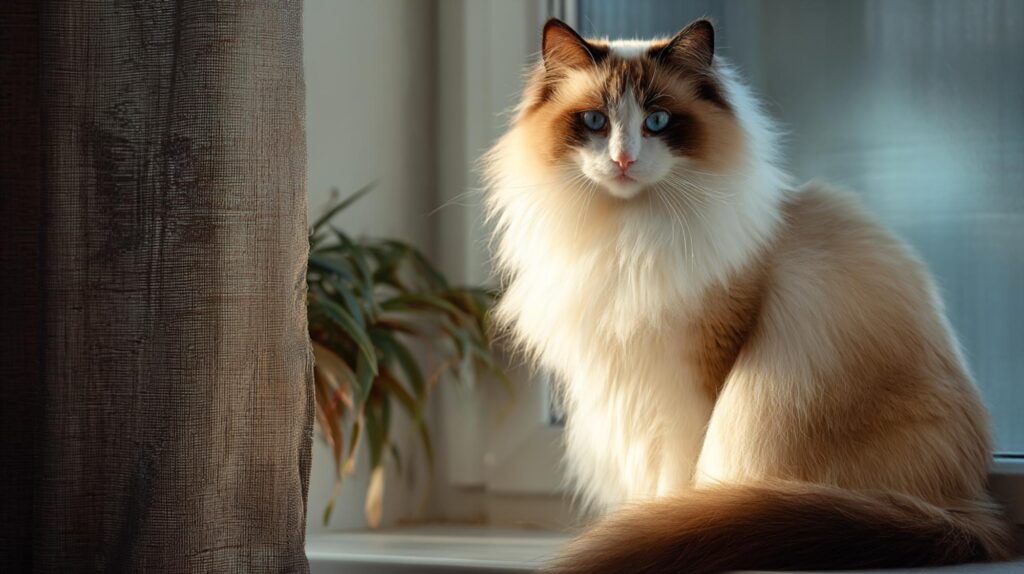
Grooming, Shedding, and Coat Care Reality
Ragdolls are often described as being easier to groom than other long-haired breeds, which is true in relative terms — but that description sometimes leads buyers to underestimate what routine coat care actually involves. Their coat is forgiving, not maintenance-free, and the difference matters over a cat’s lifetime.
Understanding how Ragdolls shed and how their coat behaves helps owners plan realistically instead of reacting to issues after they appear.
How Much Ragdoll Cats Actually Shed
Ragdolls do shed, and shedding is a normal, expected part of living with the breed. While their coat texture is typically silkier than wool-dense longhairs, loose hair is still part of daily life.
Most owners experience:
- steady, moderate shedding throughout the year
- noticeable increases during seasonal coat changes
- loose hair that accumulates on furniture and clothing rather than forming heavy mats
Shedding is influenced by multiple factors working together, not just coat length:
- seasonal changes, particularly spring and fall, trigger coat turnover
- coat density vs length, with denser coats shedding more visibly
- diet quality and hydration, which affect skin health and hair retention
- indoor environments, including heating, air conditioning, and lighting
- genetics, which determine coat texture and thickness
A well-fed, well-groomed Ragdoll may shed less dramatically, but shedding should always be expected and managed rather than avoided.
Grooming Requirements Most Owners Underestimate
Ragdoll coats are often described as “easy” because they mat less quickly than some long-haired breeds. That ease, however, depends on consistency rather than neglect.
Most adult Ragdolls require:
- brushing two to three times per week under normal conditions
- more frequent grooming during shedding seasons
- calm, routine sessions instead of infrequent, intensive grooming
Certain areas need extra attention because friction and movement cause tangles to form:
- behind the front legs
- the chest and neck area
- the base of the tail
Grooming tolerance is not automatic. Cats that are gently handled, brushed, and exposed to routine care as kittens are far more likely to accept grooming calmly as adults. When grooming is delayed or avoided early on, even a tolerant Ragdoll can become resistant, turning routine care into a source of stress.
See Ragdoll Cat Grooming for more info.
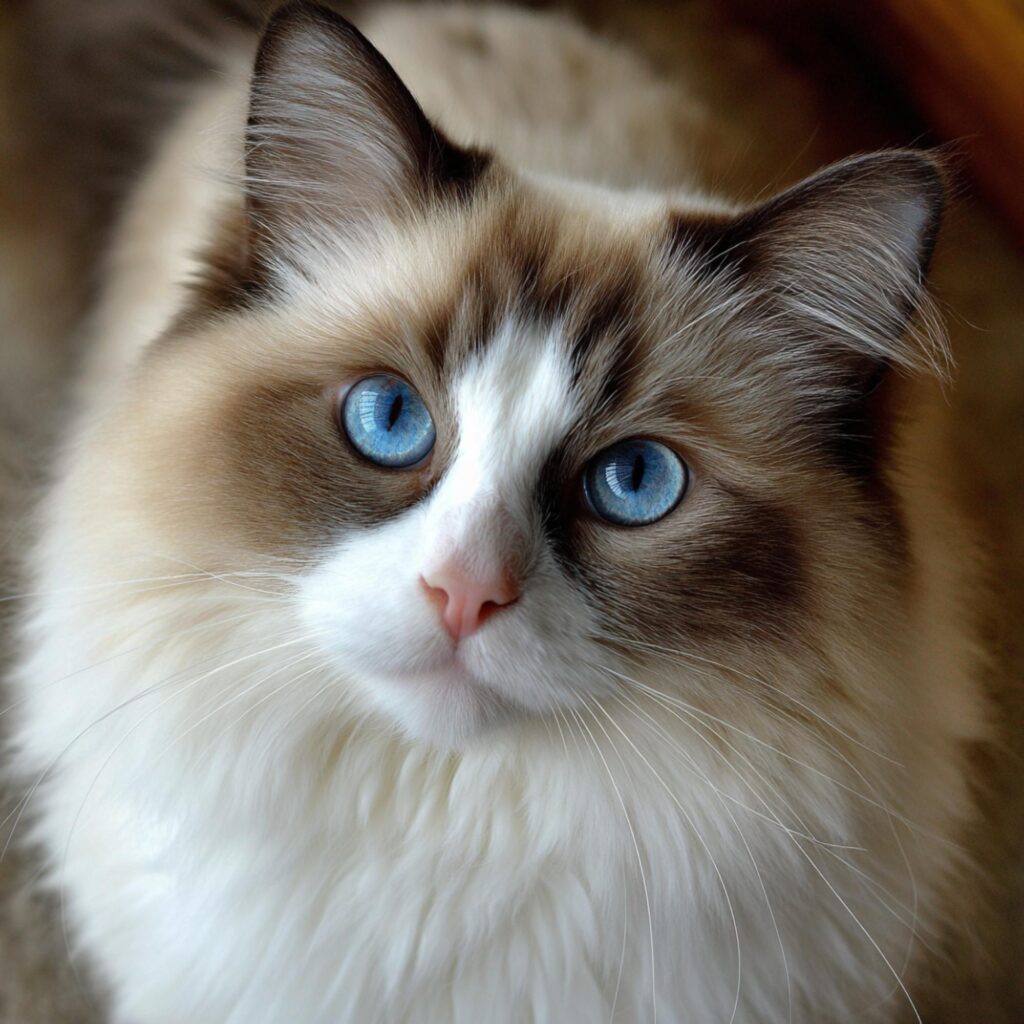
Ragdoll Cat Health Realities
Discussions about health should be honest, calm, and grounded in reality. Ragdolls, like all purebred cats, have known health considerations — but having risks associated with a breed does not mean those outcomes are inevitable.
Responsible breeders focus on reducing risk over generations, not promising outcomes that no one can ethically guarantee.
Common Health Considerations in the Breed
Certain conditions are monitored more closely in Ragdolls because of breed history and genetic patterns. These considerations guide ethical breeding decisions and inform long-term care, but they should not be interpreted as predictions for any individual cat.
Important context for buyers includes:
- breed-associated risks describe population trends, not individual destiny
- many Ragdolls live long, healthy lives with routine care
- early monitoring allows issues to be addressed before they become severe
Understanding health realistically allows buyers to stay informed without becoming anxious or reactive.
What Ethical Health Testing Can — and Can’t — Do
Health testing is a tool for risk reduction, not a promise of perfection. Ethical breeders use multiple forms of testing to guide breeding decisions and monitor the long-term health of their lines.
This typically includes:
- DNA testing, which identifies known inherited mutations
- screening tests, which evaluate a cat’s current physical health
Health testing can:
- reduce the likelihood of passing on inherited conditions
- improve outcomes across generations
- provide transparency and informed decision-making
Health testing cannot:
- guarantee lifelong health
- prevent every medical condition
- eliminate environmental or age-related issues
No breeder can ethically promise “perfect health.” What matters far more than guarantees is transparency, education, and a willingness to discuss both strengths and limitations openly.
👉 Ragdoll Health Testing Explained
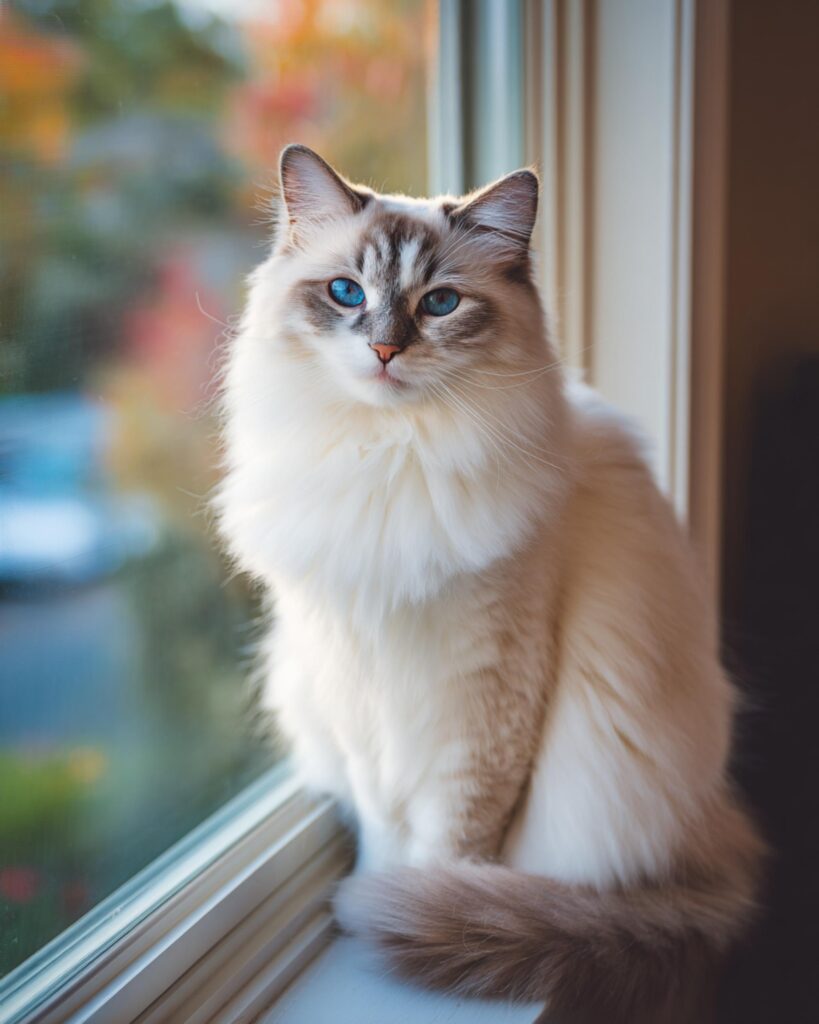
Ragdoll Kitten vs Adult — What Buyers Don’t Anticipate
One of the most common sources of confusion for Ragdoll buyers is assuming that a kitten is simply a smaller version of the adult cat. In reality, Ragdolls change significantly as they mature — physically, emotionally, and behaviorally — and understanding this timeline is essential for long-term satisfaction.
Energy Levels: Playful Beginnings vs Settled Adulthood
Ragdoll kittens are far more energetic than many buyers expect, especially given the breed’s calm reputation. During the first year, and often into the second, kittens are active, curious, and highly engaged with their environment.
As kittens, most Ragdolls show:
- frequent bursts of play and exploration
- strong curiosity and testing of boundaries
- a need for regular, interactive play sessions
As they mature, energy becomes more predictable rather than disappearing entirely:
- adults are calmer but still playful
- activity shifts from constant motion to intentional engagement
- play becomes more structured and routine-based
A calm adult Ragdoll is not inactive — they simply express energy differently.
Personality Development Over Time
Ragdoll personalities do not fully reveal themselves in kittenhood. While early temperament gives clues, emotional maturity takes time, and the breed is known for developing slowly.
Common changes buyers notice include:
- increased emotional steadiness with age
- stronger attachment patterns as trust deepens
- clearer preferences for routines and environments
Many Ragdolls become more affectionate and settled as adults, particularly once physical maturity is reached. Others grow more independent but remain socially present. Both outcomes are normal expressions of the breed.
Affection and Attachment: What Evolves — and What Doesn’t
Kittens often seek interaction constantly, sometimes out of curiosity rather than affection. As adults, Ragdolls tend to express attachment more intentionally.
Typical shifts include:
- less frantic attention-seeking
- more consistent companionship
- clearer communication of comfort and boundaries
Adult Ragdolls often choose proximity — staying near their people — rather than constant physical contact. This quieter form of attachment is frequently mistaken for reduced affection, when it is actually a sign of emotional security.
Physical and Coat Maturity
Ragdolls are a slow-maturing breed, and many buyers underestimate how long it takes for the adult cat to fully emerge.
Key developmental realities include:
- physical growth continuing until 3–4 years of age
- coat fullness and texture developing gradually
- adult size and muscle tone appearing well after the first year
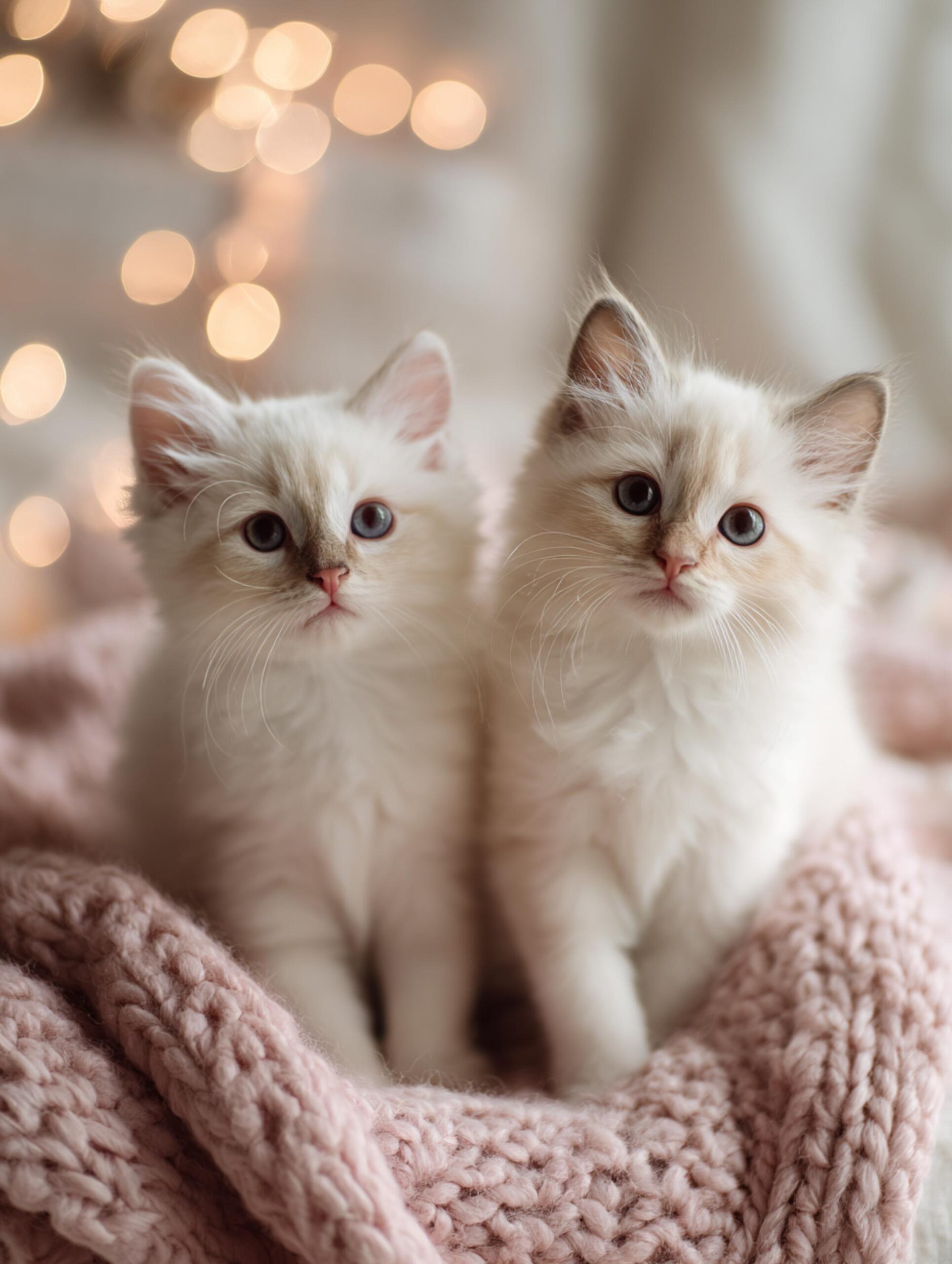
A young Ragdoll may look and behave very differently from the fully mature adult pictured in breed advertisements. Patience is part of owning the breed well.
Why This Matters for Buyers
Expectations that are mismatched to the breed’s developmental timeline often lead to unnecessary concern or disappointment. Understanding that Ragdolls grow into themselves slowly helps owners interpret normal behavior correctly.
Successful owners recognize that:
- kitten behavior is temporary
- adult temperament reflects long-term patterns
- consistency, not speed, defines Ragdoll development
When buyers choose the breed with this perspective, they are far more likely to enjoy both the kitten stage and the adult years that follow.
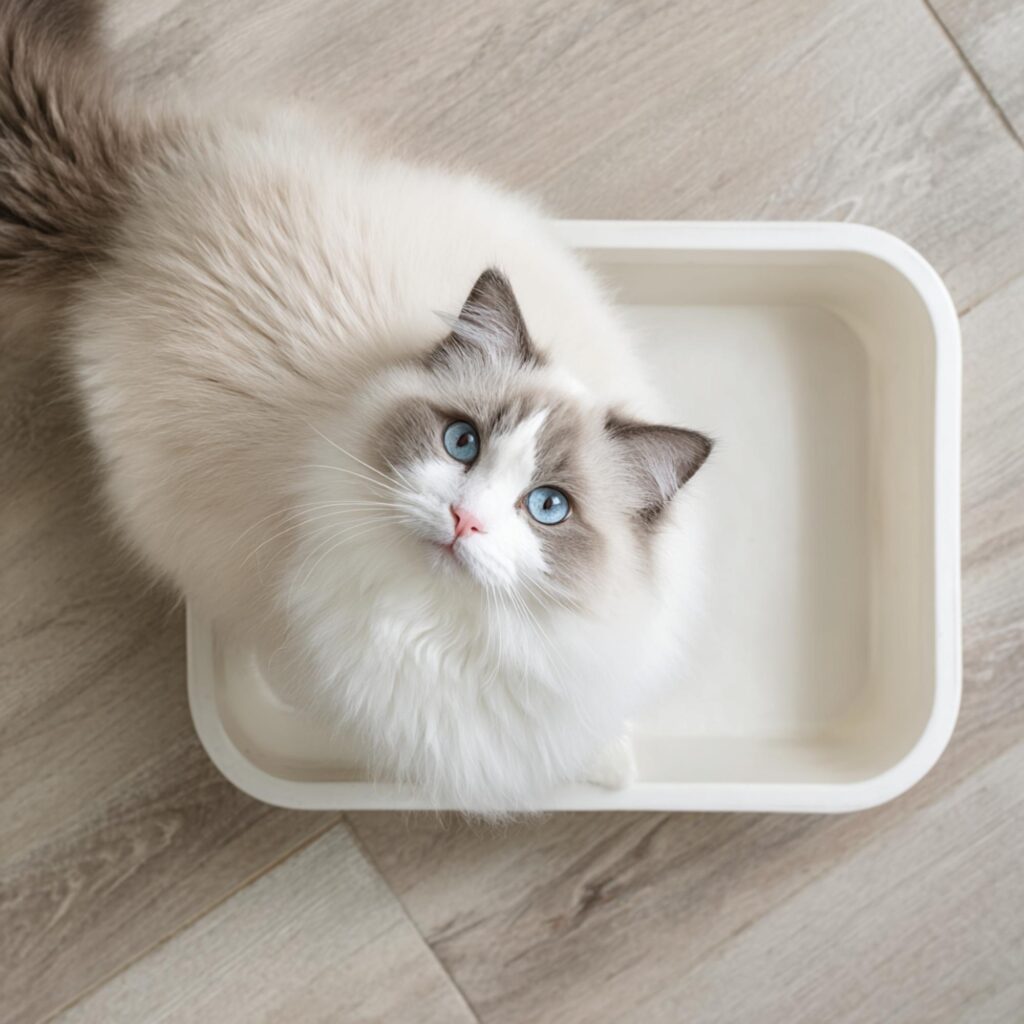
Are Ragdolls Easy Cats?
Ragdolls are often labeled as “easy,” but that ease comes from compatibility rather than low effort. For the right household, the breed feels intuitive and rewarding. For others, the same traits can feel misunderstood or underestimated.
What Makes Ragdolls Feel “Easy” for Some Owners
When expectations align with reality, Ragdolls often feel emotionally predictable and manageable.
Owners who thrive with the breed tend to appreciate:
- a steady, predictable temperament rather than dramatic behavior
- adaptability to consistent household routines
- social stability that reduces anxiety-driven habits
These traits make Ragdolls well suited to homes that value calm companionship and ongoing interaction.
Where Owners Struggle
Challenges usually arise when the breed’s needs are minimized rather than misunderstood. Ragdolls are tolerant cats, but tolerance should not be mistaken for a lack of needs.
Common struggle points include:
- maintaining regular grooming over the long term
- meeting emotional and social needs consistently
- sustaining engagement beyond the kitten phase
Ragdolls are not difficult cats, but they do require participation. Owners who view them as passive or decorative companions often feel surprised by how much presence, routine, and care the breed quietly expects.
See Ragdoll Cats Pros and Cons
Ragdoll Cat Myths That Lead to Buyer Regret
Ragdolls are one of the most myth-driven cat breeds. Their popularity, distinctive appearance, and reputation for calm behavior have created simplified narratives that don’t reflect real ownership over time. These myths don’t usually come from bad intentions — they come from oversimplification.
Understanding what Ragdolls aren’t is just as important as understanding what they are.
Myth 1: Ragdolls Are Lazy or Inactive
Ragdolls are calm, not lazy. This myth often forms because adult Ragdolls are emotionally steady and not constantly in motion.
In reality:
- kittens and young adults are playful and active
- adults enjoy structured play rather than constant activity
- calm behavior reflects confidence, not lack of energy
When Ragdolls appear inactive, it’s often because their stimulation needs aren’t being met — not because they don’t need engagement.
Myth 2: Ragdolls Don’t Need Regular Grooming
Ragdolls are often described as “easy to groom,” which gets misinterpreted as “no grooming required.”
The reality is:
- their coat mats less than some long-haired breeds, but not never
- brushing is still necessary several times per week
- grooming tolerance must be maintained, not assumed
Skipping grooming early almost always leads to resistance later.
Myth 3: All Ragdoll Cats Love Being Held
While many Ragdolls tolerate handling well, not all enjoy being picked up or carried. Comfort with handling does not equal enjoyment of restraint.
What matters more than the stereotype:
- relaxed body language
- trust in the handler
- voluntary interaction
A Ragdoll that prefers to stay beside you rather than on you is still expressing correct temperament.
Myth 4: Ragdoll cats Are Hypoallergenic
Ragdolls are not hypoallergenic. No cat breed is. Coat length has little to do with allergen production.
What matters instead:
- individual allergen levels
- personal sensitivity
- environmental management
Choosing a Ragdoll based on allergy hopes alone often leads to disappointment.
Myth 5: Ragdolls Cats Are Low-Effort Pets
Ragdolls are emotionally steady, not passive. They require:
- consistent interaction
- routine grooming
- mental engagement
Owners who assume the breed is low-effort often struggle once the novelty of kittenhood fades.
Myth 6: Temperament Is Guaranteed by the Breed
Breed tendencies increase predictability, but they do not override individuality.
Temperament is shaped by:
- genetics
- early raising and socialization
- environment and routine
Ethical breeders reduce risk; they do not promise uniform outcomes.
Why These Myths Matter
Most buyer regret does not come from the cat — it comes from expectations shaped by incomplete information. When Ragdolls are chosen with realistic understanding, they tend to be stable, affectionate companions that fit naturally into daily life.
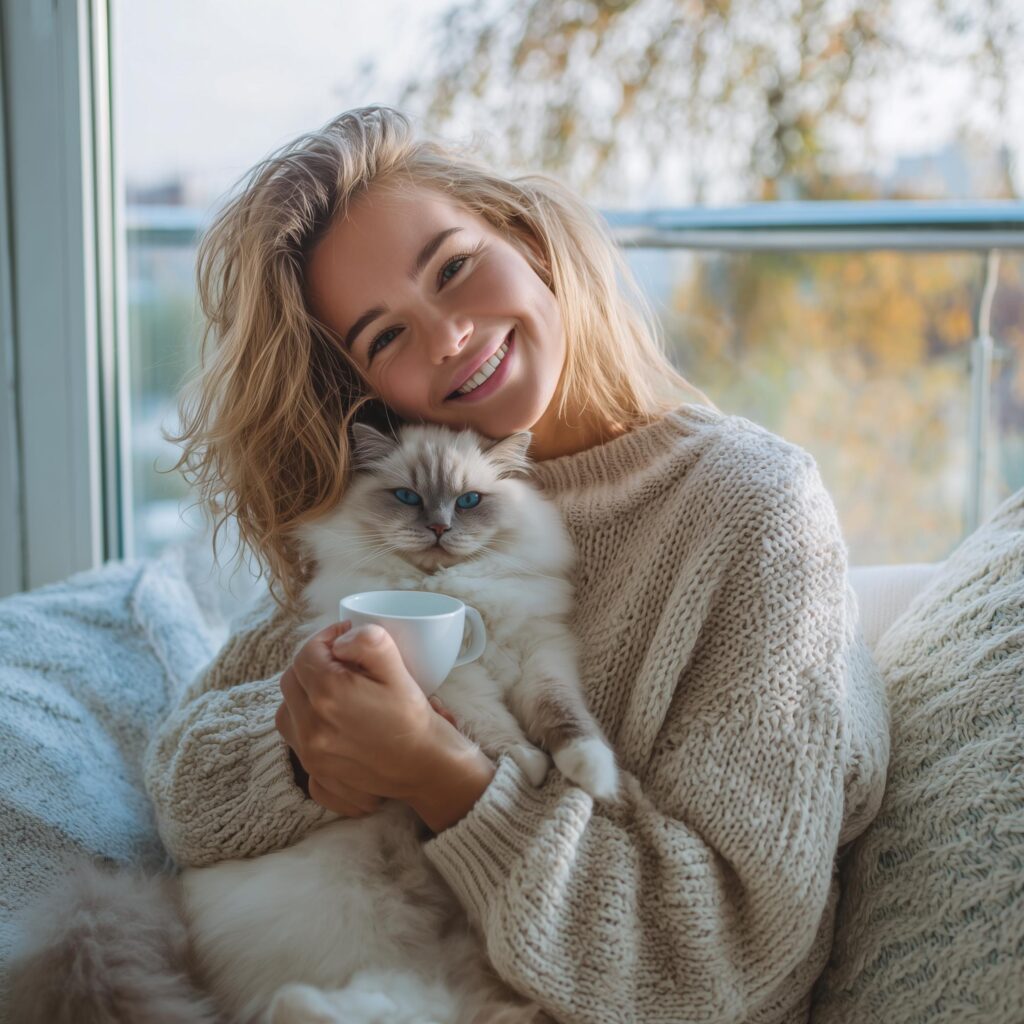
Who Ragdolls Are a Good Fit For
Ragdolls tend to do best in homes where companionship is intentional rather than incidental. Their temperament rewards consistency, presence, and engagement, and they thrive when they are treated as part of daily life rather than background pets.
Households That Tend to Thrive
Ragdolls are well suited to households that value connection and routine. Owners who have the best long-term experience with the breed typically share a few common traits.
Homes that thrive with Ragdolls often offer:
- time availability, allowing for daily interaction, play, and shared space
- a desire for interaction, even when it is quiet or low-key
- stable routines, which help Ragdolls feel secure and settled
These households don’t necessarily need to be home all day, but they do provide predictable patterns. Ragdolls respond well to regular schedules, familiar environments, and owners who notice subtle cues rather than waiting for problems to escalate.
Situations Where Ragdolls Are Often a Poor Fit
Ragdolls are tolerant cats, but tolerance should not be confused with indifference. Certain environments consistently lead to frustration or unmet needs over time.
Ragdolls may struggle in situations involving:
- hands-off expectations, where interaction is minimal or inconsistent
- frequent long absences without enrichment or companionship
- choosing the breed based on trend alone, without considering lifestyle compatibility
When Ragdolls are selected primarily for appearance or reputation rather than fit, owners are more likely to feel surprised by their emotional needs and ongoing engagement requirements.
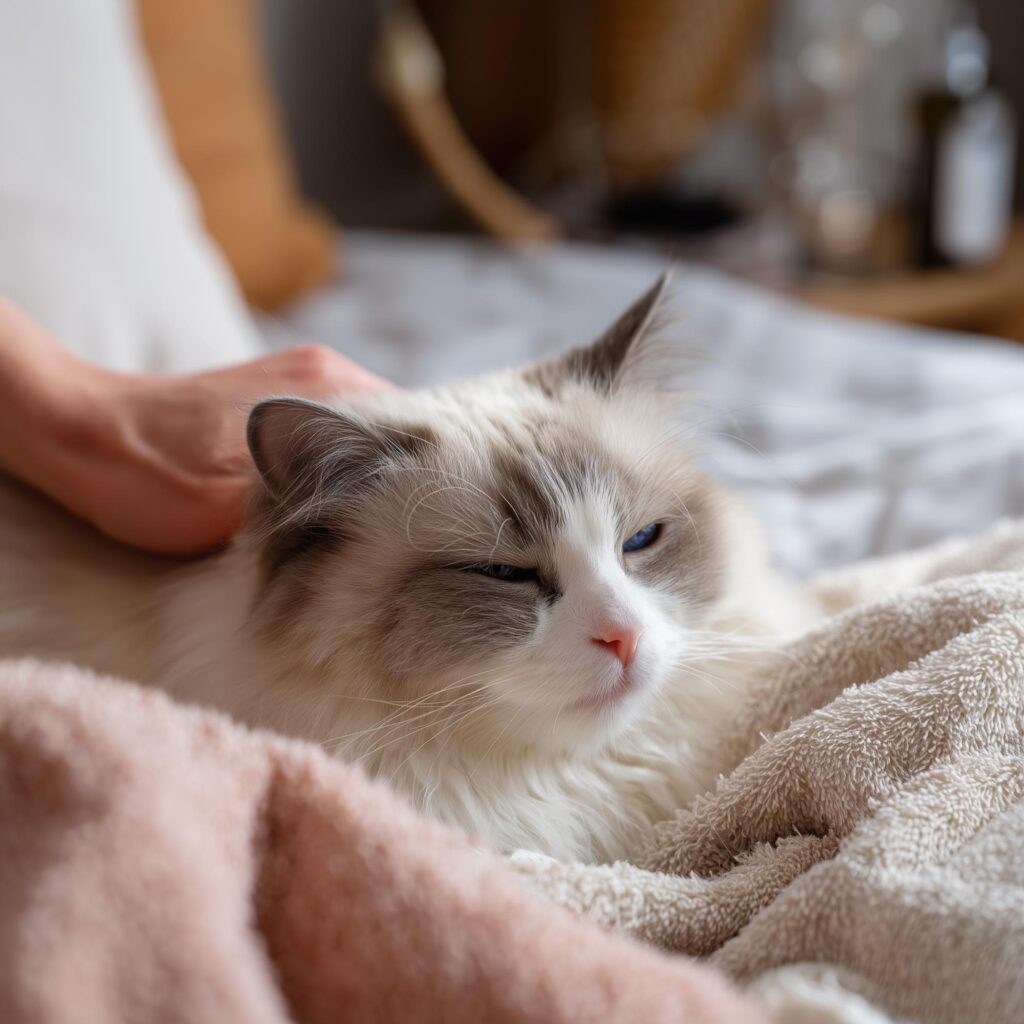
What Ethical Ragdoll Ownership Looks Like Long-Term
Ethical ownership begins with responsible breeding, but it continues through informed, thoughtful care over the cat’s lifetime. Owning a Ragdoll well means planning beyond the kitten stage and understanding that temperament stability depends on consistency.
Long-term ethical ownership includes:
- a commitment beyond kittenhood, recognizing that needs evolve as the cat matures
- routine care and enrichment, including grooming, play, and environmental stimulation
- choosing fit over impulse, especially when timing or trends create pressure
When buyers approach ownership with this mindset, Ragdolls tend to thrive emotionally and physically, and the human-cat relationship remains rewarding rather than demanding.
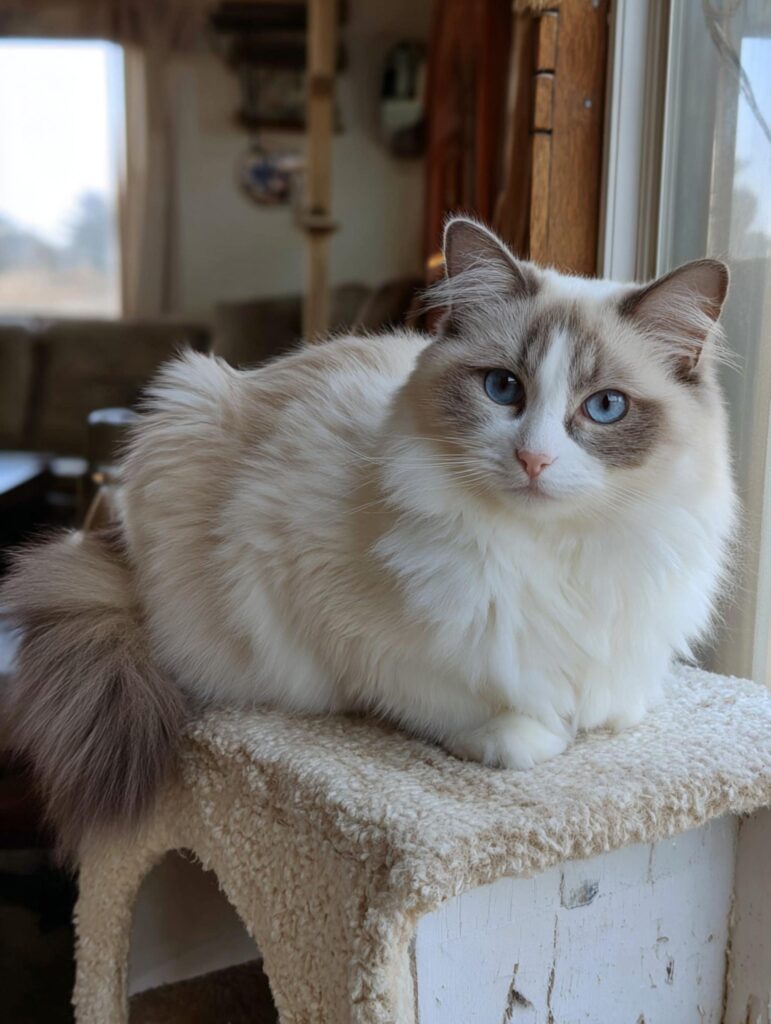
Ragdoll Cats FAQ
Are Ragdolls really calm cats?
Ragdolls are generally calm compared to many breeds, but calm does not mean inactive. Most Ragdolls enjoy play, interaction, and engagement, especially as kittens and young adults. Their calmness shows up more in emotional stability than in low energy.
Do all Ragdolls like to cuddle?
No. While many Ragdolls are affectionate and enjoy physical closeness, not all enjoy being held or sitting on laps. Some prefer proximity over contact, choosing to be nearby rather than on top of their owners.
Why is my Ragdoll affectionate one moment and distant the next?
This is normal. Ragdolls tend to balance social engagement with independence. Changes in routine, energy levels, or environment can temporarily shift how much interaction they seek.
Are male or female Ragdolls more affectionate?
There is no consistent rule. Personality varies more by individual genetics and upbringing than by sex. Both males and females can be equally affectionate, calm, or independent.
Do Ragdolls bond to one person or the whole family?
Most Ragdolls bond strongly to the household as a whole, though they may show a preference for one primary caregiver. Their social nature allows them to integrate well into multi-person homes.
The “Floppy Cat” Myth
Do all Ragdolls go limp when picked up?
No. The “floppy” reputation comes from early breeding for handling tolerance, not loss of muscle tone. Many Ragdolls relax when held, but some prefer to stay physically engaged.
Does a Ragdoll that doesn’t flop mean poor breeding?
Absolutely not. Comfort with handling is far more important than dramatic relaxation. A cat that stays relaxed, calm, and trusting is exhibiting correct temperament.
Should Ragdolls be carried like babies?
Only if the individual cat is comfortable with it. Ethical handling respects the cat’s body language rather than forcing positions based on breed stereotypes.
Energy, Play & Daily Life
Are Ragdoll cats playful or lazy?
They are playful, especially when young. Adult Ragdolls typically enjoy structured play sessions rather than constant activity. They often prefer interactive play with people over solo play.
How much daily interaction do Ragdolls need?
Most Ragdoll cats expect daily interaction, which can include play, grooming, or simply sharing space. They do not thrive as background pets with minimal engagement.
Do Ragdolls get bored easily?
They can. Without stimulation, boredom may show up as vocalization, clinginess, or disengagement. Environmental enrichment and routine interaction are important.
Are Ragdolls good for people who work full-time?
Yes, when routines are stable and enrichment is provided. Long, unpredictable absences without companionship can be challenging, especially for younger cats.
Grooming, Shedding & Coat Care
Do Ragdolls shed a lot?
Ragdoll cats shed moderately year-round and more heavily during seasonal changes. Their coat texture sheds loose hair rather than compact mats, but shedding should still be expected.
Are Ragdolls easier to groom than other long-haired cats?
Often yes, but only with regular care. Their semi-longhair coat mats less than denser coats, but consistent brushing is still required.
How often should a Ragdoll be brushed?
Most need brushing two to three times per week, with increased frequency during shedding seasons.
Do Ragdolls need professional grooming?
Not always, but some owners choose periodic professional grooming, especially for senior cats or heavy seasonal sheds.
Health & Longevity
Are Ragdoll cats a healthy breed?
Many Ragdoll cats live long, healthy lives. Like all purebred cats, they have known health considerations that ethical breeders actively monitor and manage.
Does health testing guarantee a healthy cat?
No. Health testing reduces risk but cannot eliminate all medical conditions. Genetics, environment, and age all influence long-term health.
What is the lifespan of a Ragdoll?
Many Ragdolls live from 12-17 years with proper care, nutrition, and routine veterinary monitoring. See Ragdoll Cat Lifespan.
Why can’t breeders guarantee perfect health?
Because no living being can be guaranteed lifelong health. Ethical breeders focus on transparency, risk reduction, and long-term improvement rather than promises.
Ownership Fit & Lifestyle
Are Ragdolls good for first-time cat owners?
They can be, especially for owners who value calm companionship and are willing to engage consistently. They are not ideal for hands-off ownership styles.
Are Ragdoll cats good with children and dogs?
Often yes, when introductions are respectful and gradual. Their tolerant nature makes them adaptable, but supervision and proper introductions matter. See Do Ragdoll Cats Get Along With Dogs?
Are Ragdolls indoor-only cats?
Yes. Their trusting nature and low territorial drive make them unsafe outdoors. Indoor enrichment is essential.
Do Ragdoll cats like being alone?
They tolerate alone time but do best with regular companionship. Long-term isolation without enrichment can negatively affect their emotional well-being.
Buying & Expectations
Why do Ragdoll kitten prices vary so much?
Price reflects breeder practices, health testing, raising standards, and long-term support — not just appearance.
Why do ethical Ragdoll breeders have waitlists?
Because responsible breeding prioritizes health, temperament, and placement over volume or speed.
Is choosing a Ragdoll based on looks alone a mistake?
Often, yes. Successful placements depend far more on lifestyle fit and temperament compatibility than color or markings.
What is the biggest mistake Ragdoll buyers make?
Assuming the breed is low-effort or passive. Ragdolls are emotionally present cats that require ongoing engagement and care.
Are Ragdolls “easy” cats?
They are emotionally steady and adaptable, but not maintenance-free. They feel easy when expectations align with reality.
Final Perspective — Understanding the Breed Before Choosing the Cat
Ragdoll Cats are known for their consistency, but they are not identical. Breed tendencies explain general patterns in temperament and care, not guaranteed behaviors in every individual cat.
What matters most is understanding that:
- Ragdolls share predictable traits, not uniform personalities
- temperament is influenced by genetics, early development, and environment
- successful placement depends on matching lifestyle to temperament
Closing thoughts
A Ragdoll can be an exceptional companion — when expectations match reality.
Related Ragdoll Posts
- Is a Ragdoll Cat Right for You?
A realistic look at lifestyle fit, expectations, and who thrives with the breed. - Ragdoll Kitten vs Adult: What Changes Over Time
How energy, affection, and behavior evolve as Ragdolls mature. - Ragdoll Temperament Explained
A deeper breakdown of affection, independence, and social behavior. - Are Ragdoll Cats Hypoallergenic?
What allergies actually involve, what the breed can’t promise, and how to decide responsibly. - Do Ragdoll Cats Shed? Grooming & Coat Care Reality
What shedding looks like in real homes and how to manage it long-term. - How Ethical Ragdoll Breeders Raise Kittens
What happens behind the scenes from birth through placement — and why it matters. - Ragdoll Health Testing Explained
What breeders test for, what results mean, and why testing reduces risk but never guarantees outcomes. - Why Ethical Ragdoll Breeders Have Waitlists
How waitlists protect kittens, buyers, and the breed itself. - Ragdoll Kitten Deposits, Contracts, and Pricing Explained
A clear explanation of how professional breeders structure placements and payments. - Ragdoll Kitten Shipping Options
Shipping Ragdoll kittens is very safe when done correctly.
Sources
- The International Cat Association (TICA). Ragdoll Breed Standard & Breeder Code of Ethics.
https://tica.org/breed/ragdoll/ - Cat Fanciers’ Association (CFA). Ragdoll Breed Profile.
https://cfa.org/ragdoll/ - American Association of Feline Practitioners (AAFP). Feline Life Stages, Behavior, and Environmental Needs.
https://catvets.com/guidelines/practice-guidelines/feline-life-stage-guidelines - Cornell University College of Veterinary Medicine. Feline Genetics & Breed-Associated Health Considerations.
https://www.vet.cornell.edu/departments-centers-and-institutes/cornell-feline-health-center - Merck Veterinary Manual. Feline Health, Genetics, and Preventive Care.
https://www.merckvetmanual.com/cat-owners - VCA Animal Hospitals. Long-Haired Cat Grooming, Shedding, and Coat Care.
https://vcahospitals.com/know-your-pet/grooming-your-cat - National Institutes of Health (NIH). Fel d 1 and Cat Allergies.
https://www.ncbi.nlm.nih.gov/pmc/articles/PMC3966021/ - Mayo Clinic. Pet Allergies: Causes and Management.
https://www.mayoclinic.org/diseases-conditions/pet-allergy/symptoms-causes/syc-20352192 - American Veterinary Medical Association (AVMA). Responsible Breeding and Animal Welfare.
https://www.avma.org/resources-tools/animal-health-and-welfare - Breeder experience and long-term observation of Ragdoll temperament, development, grooming tolerance, and ownership outcomes.





Read the Comments +