

What Living With a Ragdoll Is Really Like

Ragdolls are often described as “easy” cats, and that label is one of the main reasons they’re misunderstood. The breed’s calm temperament and social nature get simplified into promises that don’t reflect real daily life, especially during the first year.
Forum posts and Facebook groups tend to skew toward extremes. People usually post when they’re overwhelmed, frustrated, or seeking validation, not when things are going smoothly. That creates a distorted picture where normal adjustment behaviors look like problems and temporary phases get labeled as permanent flaws.
This guide explains what Reddit and Facebook don’t: what it actually feels like to live with a Ragdoll day to day. Not marketing traits. Not highlight reels. Real routines, normal challenges, and how the breed settles over time.
This article walks through daily life with a Ragdoll cat — including temperament, routines, common adjustment issues, and long-term ownership realities — so expectations align before commitment, not after.
What Living With a Ragdoll Is Really Like — At a Glance
| Topic | What Daily Life Actually Looks Like |
|---|---|
| Overall Temperament | Calm, emotionally steady, and socially aware rather than passive or disengaged |
| Affection Style | Shows affection through presence, proximity, and routine more than constant physical contact |
| Energy Levels | Playful as kittens, active during adolescence, and predictable with maturity |
| Daily Routines | Thrives on consistency; responds best to familiar patterns for feeding, play, and rest |
| Morning Behavior | Often follows quietly, observes routines, and anticipates changes without demanding attention |
| Daytime Alone Time | Rests, observes, and waits for routines; boredom shows subtly rather than destructively |
| Evening Interaction | Re-engages socially, prefers interactive play, then settles nearby for downtime |
| Grooming Reality | Semi-longhair coat needs regular brushing; manageable with consistency, not hands-off care |
| Shedding | Moderate year-round with seasonal increases; visible on furniture and clothing |
| Emotional Sensitivity | Highly responsive to mood, tone, and environmental stability |
| Handling Change | Adapts best with gradual transitions and predictable structure |
| Common Challenges | Missed routines, under-stimulation, or expectation gaps — not temperament flaws |
| Long-Term Experience | Becomes quieter, more predictable, and deeply bonded over time |
| Best-Fit Homes | Stable routines, emotional presence, and intentional engagement |
| Poor-Fit Situations | Chaotic schedules, hands-off ownership, or trend-driven decisions |
The First Weeks With a Ragdoll (Expectation vs Reality)
The first few weeks shape how owners interpret everything that follows. Most disappointment comes from assuming early behavior reflects the adult cat. It doesn’t.
What New Owners Expect
Many buyers bring home a Ragdoll expecting immediate calm and effortless bonding. The breed’s reputation creates a mental picture that feels reassuring — and incomplete.
Common expectations include:
- instant calm from day one
- constant cuddling and lap time
- a low-effort adjustment period
When these expectations aren’t met right away, owners often worry that something is wrong with the cat.
What Usually Happens Instead
What actually happens looks much more like normal kitten behavior layered onto a sensitive, social breed.
Most new owners experience:
- active, curious exploration
- bursts of play and energy
- mild adjustment stress as the kitten learns a new environment
Ragdolls need time to map their space, understand household rhythms, and feel secure. That process often includes temporary behaviors like vocalizing, following closely, or testing boundaries. These behaviors are normal and usually short-lived.
Why the First 30 Days Shape Long-Term Success
The first month isn’t about achieving perfection. It’s about setting patterns that support long-term stability.
During this period, Ragdolls begin to form:
- routine expectations, including feeding, play, and rest cycles
- bonding patterns, based on consistency and response
- handling and grooming tolerance, which influences care for years
Owners who focus on structure instead of immediate calm usually see smoother transitions. Ragdolls respond well to predictable environments and gentle guidance. When the first month is treated as an adjustment phase rather than a test, the breed’s steady temperament becomes much easier to appreciate.
Daily Life With a Ragdoll — A Realistic Look
Living with a Ragdoll feels less dramatic than people expect. The breed doesn’t dominate the household with noise or chaos, but it also doesn’t fade into the background. Most of the day-to-day experience centers around presence, routines, and quiet awareness.
Morning Routines
Ragdolls tend to start the day by checking in rather than demanding attention. Many follow their people from room to room in the morning, observing routines and anticipating what comes next.
Common morning behaviors include:
- following behavior without vocal pressure
- anticipation around feeding or activity changes
- quiet observation rather than constant demand
This behavior often gets mislabeled as clinginess. In reality, it reflects social awareness and attachment. Ragdolls want to be part of what’s happening, even if they aren’t physically involved.
Daytime Behavior (When You’re Home vs Away)
When owners are home, Ragdolls often settle nearby. They choose visibility over interaction and seem content to share space without requiring constant engagement.
When left alone, most Ragdolls:
- nap in familiar areas
- rotate between resting spots
- wait for predictable routines to resume
Boredom doesn’t usually show up as destruction. Instead, it looks more subtle:
- increased vocalization when routines change
- heightened attention-seeking when owners return
- restlessness without obvious misbehavior
Environmental support matters. Ragdolls do best with:
- window access
- climbing or perching options
- predictable enrichment rather than novelty overload
Evenings and Downtime
Evenings are when most Ragdolls re-engage socially. After a quiet day, they often seek interaction once the household slows down.
Typical evening patterns include:
- moving closer to people
- initiating play with toys or eye contact
- settling near, not necessarily on, their owners
Play preferences lean toward interactive activities. Ragdolls often enjoy short, intentional play sessions more than long periods of solo play. Afterward, they usually choose proximity over contact, resting within reach rather than demanding physical closeness.
Affection in Real Life (Not Internet Myths)
Ragdoll affection doesn’t always look like what people expect. It’s steady, quiet, and consistent — not performative. This is where many internet descriptions fall short.
How Ragdolls Actually Show Affection
Ragdolls express attachment through presence rather than persistence. They don’t always ask to be touched, but they rarely choose isolation.
Common signs of affection include:
- choosing to stay in the same room
- sustained eye contact and slow blinks
- adjusting their position to remain near their people
This kind of affection often goes unnoticed because it isn’t dramatic. Over time, owners learn to recognize it as intentional and meaningful.
Lap Cats vs Side-By-Side Cats
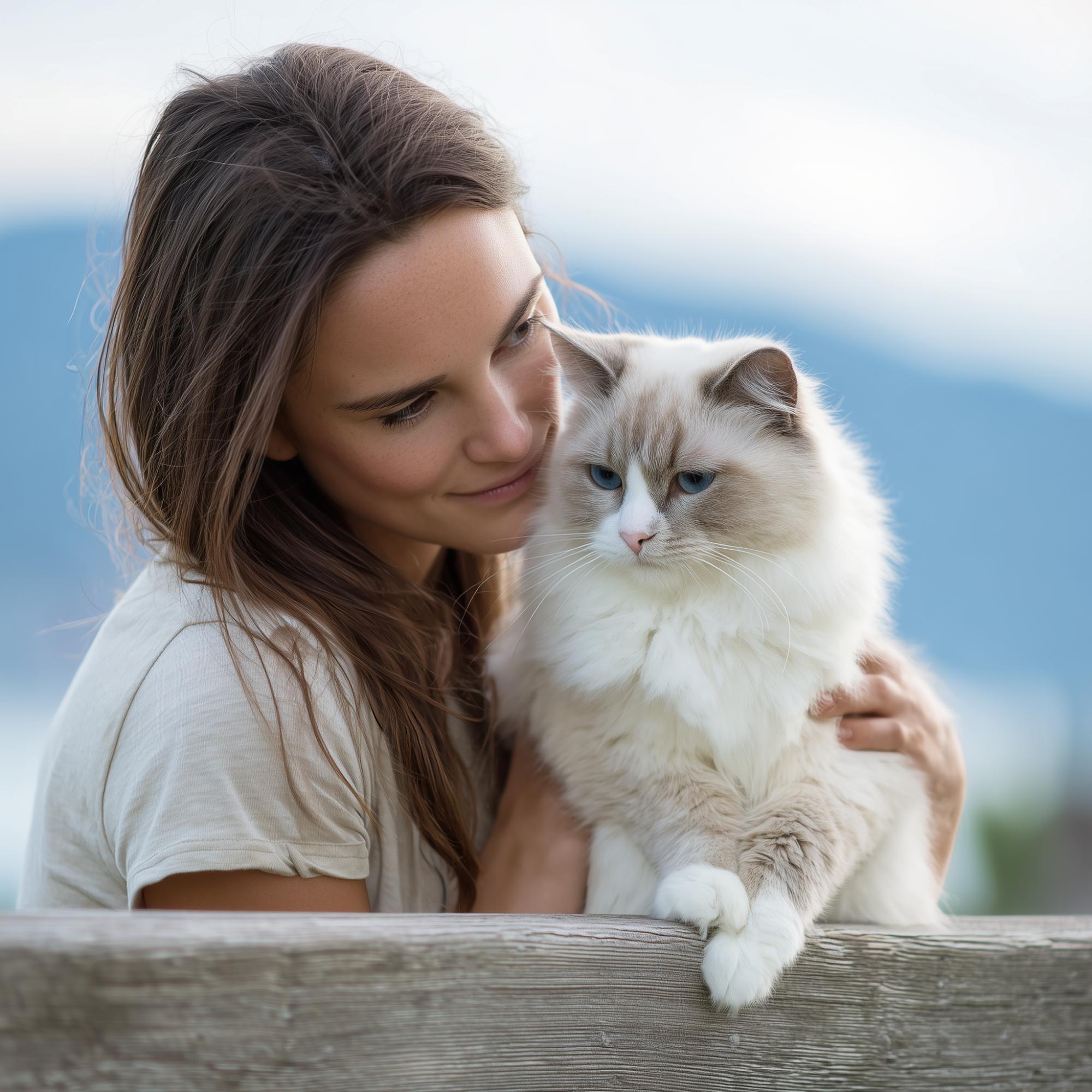
Some Ragdolls enjoy sitting on laps, but many prefer side-by-side companionship. They choose contact on their terms and disengage without anxiety.
This gets misinterpreted online because:
- lap-sitting is easier to describe than proximity
- people equate physical contact with affection
- calm presence doesn’t generate dramatic stories
A Ragdoll that chooses the couch next to you instead of your lap isn’t less affectionate. It’s simply expressing comfort and trust in a quieter way.
Why Affection Changes Over Time
Affection evolves as Ragdolls mature. Kittens often seek attention through activity, while adults express attachment through consistency.
Common changes include:
- less frantic attention-seeking
- more predictable bonding behaviors
- increased emotional stability
Owner responsiveness matters. Ragdolls bond deeply with people who respond consistently and calmly. Over time, the relationship becomes less about constant interaction and more about shared presence and mutual awareness.
Energy Levels You’ll Live With
Ragdoll energy doesn’t disappear just because the breed is known for calm behavior. It changes shape over time. Most frustration comes from expecting adult temperament in a kitten or misreading normal developmental phases as problems.
Kitten Energy (Often Underestimated)
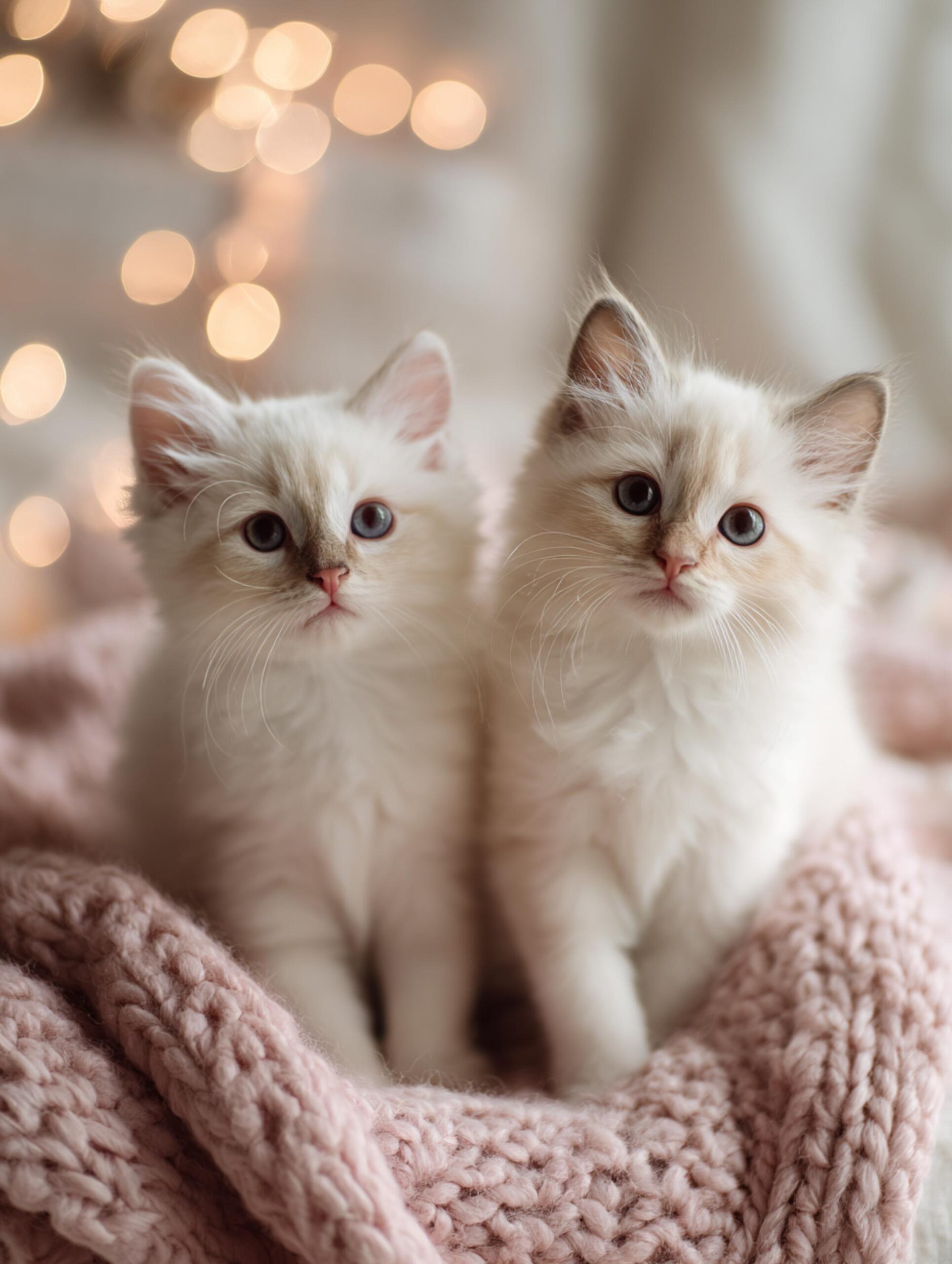
Ragdoll kittens are active, curious, and physically confident. They explore their environment thoroughly and test boundaries as part of normal development.
Most owners see:
- sudden bursts of speed and zoomies
- climbing, jumping, and environmental exploration
- boundary testing around routines and limits
This phase is temporary, but it requires engagement. Without appropriate outlets, that energy often turns into attention-seeking behavior rather than settling on its own.
Adolescent Phase (Most Complaints Come From Here)
The adolescent stage is where many forum complaints originate. By this point, the kitten feels confident in the environment but hasn’t fully developed emotional regulation.
Common adolescent behaviors include:
- increased confidence and independence
- stronger attention-seeking habits
- testing previously accepted boundaries
This is also when Reddit regret peaks. Owners expect the calm adult they were promised, but instead see a socially confident young cat pushing limits. In reality, this phase reflects normal development, not a temperament failure.
Adult Energy Patterns
As Ragdolls mature, energy becomes predictable rather than constant. Adult Ragdolls still enjoy play, but they express it with intention instead of chaos.
Most adult patterns include:
- defined play windows rather than all-day activity
- long, calm rest periods
- preference for engagement over unstructured movement
Calm doesn’t mean inactive. It means energy shows up in focused, manageable ways that fit naturally into daily routines.
Grooming and Coat Care in Real Homes
Ragdoll grooming is often described as “easy,” but ease comes from consistency, not neglect. The coat behaves well when owners stay ahead of it.
What “Manageable Coat” Actually Means
A manageable coat still requires attention. The difference is how forgiving it is when care stays regular.
Realistic grooming expectations include:
- moderate brushing sessions several times per week
- lower intensity when done consistently
- fewer emergencies compared to denser coats
Skipping routine care leads to longer, more stressful grooming sessions. Consistency matters more than effort.
Shedding in Daily Life
Ragdolls shed. The question isn’t if, but how noticeable it becomes.
In real homes, shedding looks like:
- seasonal increases during coat changes
- hair collecting on furniture and clothing
- loose hair rather than tight mats
Shedding often surprises owners who expected minimal maintenance. Planning for it early prevents frustration later.
Grooming as a Relationship Activity
Grooming affects more than coat condition. It influences trust and emotional stability.
When handled well, grooming:
- builds trust through calm physical contact
- reduces stress over time
- reinforces routine and predictability
Resistance usually develops when grooming feels sudden or forced. Cats that experience early, gentle grooming tend to accept it as part of daily life. Those introduced later often associate grooming with restraint rather than care.
Living With a Ragdoll Emotionally
Ragdolls don’t just share space with their people — they track emotional tone. This sensitivity is one of the breed’s strengths, but it also explains why they respond so clearly to changes in environment, routine, and household energy.
Sensitivity to Mood and Environment
Ragdolls are emotionally observant cats. They notice shifts in tone long before people realize they’ve changed anything.
In daily life, this often looks like:
- heightened awareness of human mood
- adjusting proximity based on emotional energy
- withdrawing slightly during tension or chaos
They don’t react with panic or aggression, but they do respond. Loud environments, unpredictable schedules, or emotional stress can make a Ragdoll quieter, more watchful, or more attached than usual. In stable homes, that same sensitivity shows up as calm companionship and emotional steadiness.
How Ragdolls Handle Change
Ragdolls adapt, but they don’t thrive on constant disruption. They handle change best when transitions are structured and predictable.
Most Ragdolls tolerate:
- short travel with preparation and routine
- gradual introductions to new pets
- occasional schedule changes
They struggle more when changes stack quickly or happen without warning. Sudden moves, frequent rearrangements, or repeated disruptions can temporarily affect behavior, appetite, or engagement. This isn’t fragility — it’s a breed that relies on environmental consistency to stay emotionally regulated.
Loneliness vs Independence
Ragdolls balance attachment and independence in a way that often gets misunderstood. They tolerate alone time, but they don’t prefer emotional isolation.
Most Ragdolls can handle:
- predictable workday absences
- quiet alone hours with enrichment
- independent rest periods
What they don’t handle well is:
- long, unpredictable absences
- extended emotional disengagement
- being treated as background pets
They don’t demand constant interaction, but they do notice when connection disappears.
Common Challenges Owners Don’t Expect
Many challenges attributed to “personality problems” are actually communication issues. Ragdolls tend to express unmet needs subtly, which makes it easy to misread what’s happening.
“My Ragdoll Is Clingy” (What’s Really Happening)
When owners describe a Ragdoll as clingy, it’s rarely about dependence. It’s usually about unmet engagement or broken routines.
This behavior often stems from:
- insufficient interactive play
- inconsistent daily structure
- reduced emotional responsiveness
Ragdolls seek proximity when something feels off. That closeness isn’t manipulation — it’s communication.
“My Ragdoll Is Boring”
This complaint almost always reflects misunderstood calm rather than a lack of personality.
In most cases, boredom shows up because of:
- limited enrichment
- predictable environments with no variation
- expecting entertainment instead of participation
Ragdolls don’t perform. They engage when invited. Without stimulation, they conserve energy rather than create chaos, which can look like disinterest when it’s actually restraint.
“My Ragdoll Changed”
Ragdolls don’t change overnight. What owners experience as sudden shifts usually reflect normal development or evolving expectations.
Common reasons this concern appears include:
- moving from kitten to adolescent or adult behavior
- reduced novelty once routines settle
- expecting kitten energy to last indefinitely
As Ragdolls mature, behavior stabilizes. The relationship deepens, but it becomes quieter. Owners who understand this transition tend to feel more connected over time, not less.
Why Reddit and Facebook Groups Feel So Confusing
Online forums create the impression that living with a Ragdoll is unpredictable or risky. In reality, the confusion comes from how information gets shared, not from the breed itself.
Why Extreme Stories Get Shared
People usually post when something feels urgent, emotional, or unresolved. Calm, stable ownership doesn’t create the same impulse to ask for help or validation.
Most extreme stories are driven by:
- emotional posting bias, where stress amplifies perception
- validation cycles, where similar experiences get reinforced
- situations posted at peak frustration rather than resolution
What’s missing is context. A temporary phase gets described as a permanent problem, and normal developmental behavior gets framed as failure.
Why Calm Success Stories Are Rare
When things are going well, owners don’t feel the need to post. Stable routines, predictable behavior, and quiet companionship don’t generate engagement.
This happens because:
- there’s no incentive to post when nothing feels wrong
- normal experiences don’t invite urgent responses
- calm success doesn’t go viral
As a result, forums skew toward dissatisfaction, even when the majority of owners are having uneventful, positive experiences.
How to Read Forum Advice Critically
Forums can still be useful when read with intention. The key is recognizing patterns rather than reacting to individual anecdotes.
Productive reading involves:
- pattern recognition, noticing repeated themes across many posts
- context filtering, separating temporary phases from long-term issues
- paying attention to timelines, routines, and owner expectations
Advice makes sense when it aligns with developmental stages and realistic ownership, not when it relies on emotional intensity alone.
Ragdoll vs Other Popular Breeds (Daily Life Comparison)
Many buyers cross-shop breeds without understanding how daily life actually differs. Comparing living experience — not just appearance or reputation — leads to better decisions.
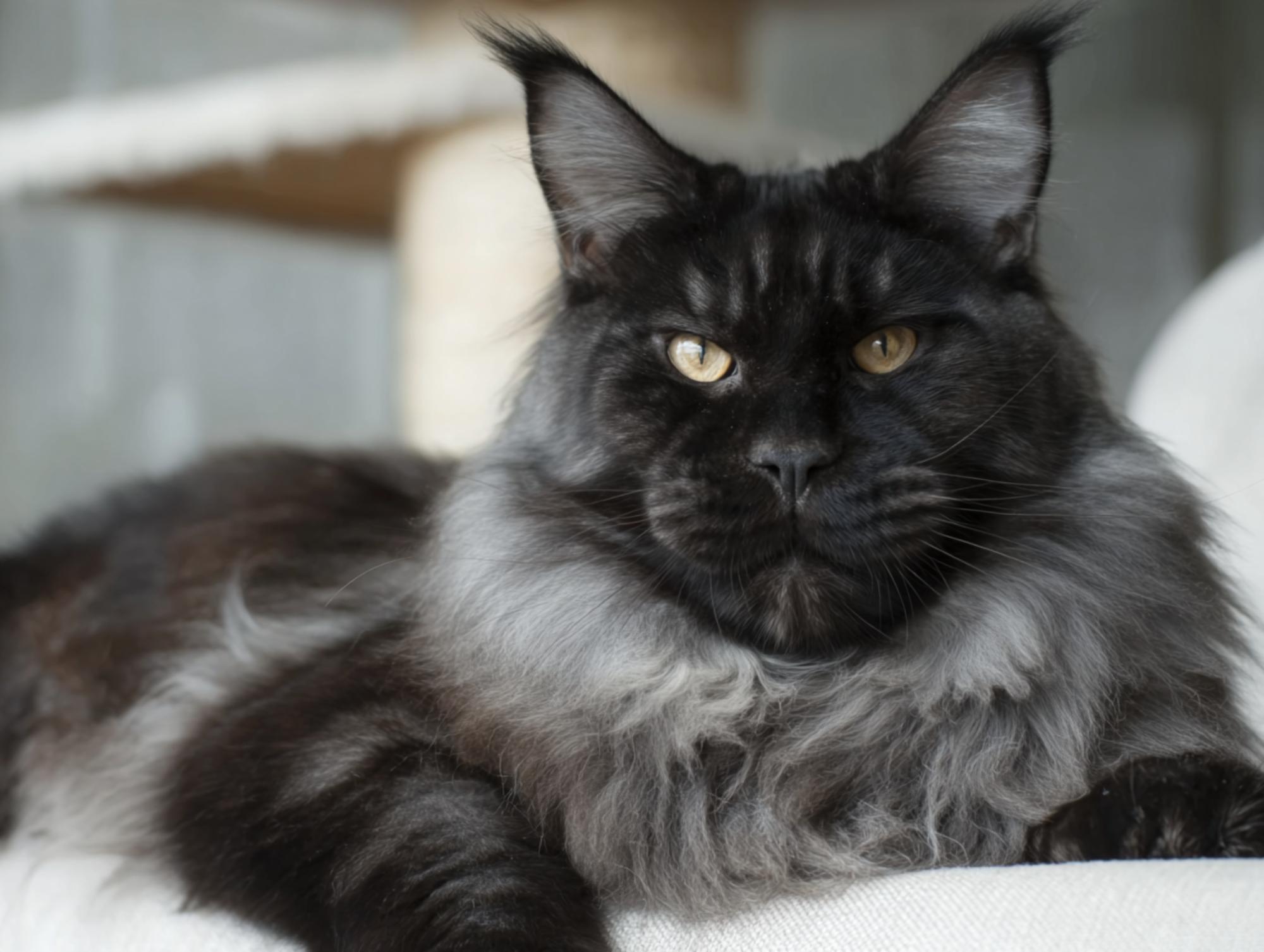
Ragdoll vs Maine Coon (Living Experience)
These two breeds are often compared because both are large, social cats, but they engage very differently.
In daily life:
- energy: Maine Coons stay more active longer; Ragdolls settle sooner
- independence: Maine Coons tolerate independence more easily
- engagement style: Ragdolls prefer proximity; Maine Coons seek interaction
Maine Coons often initiate activity. Ragdolls wait for invitation.
Ragdoll vs Siberian
Siberians attract buyers for allergy hopes and athleticism, which creates mismatched expectations.
Key differences include:
- activity: Siberians are more physically active and agile
- allergen myths: no breed is truly hypoallergenic
- social intensity: Ragdolls bond quietly; Siberians engage dynamically
Siberians demand participation. Ragdolls offer presence.
Ragdoll vs British Shorthair
These breeds share a calm reputation but express it differently.
In daily life:
- emotional presence: Ragdolls track people closely; British Shorthairs remain more self-contained
- maintenance: Ragdolls require more grooming
- interaction needs: Ragdolls expect engagement; British Shorthairs tolerate distance
British Shorthairs coexist comfortably. Ragdolls connect.
What a “Good Day” With a Ragdoll Looks Like
A good day with a Ragdoll doesn’t look impressive from the outside. It doesn’t involve constant interaction, dramatic affection, or nonstop entertainment. It feels quiet, predictable, and emotionally settled.
Most good days are defined by calm presence. The cat moves through the home without urgency, choosing familiar spots and staying within visual range of their people. There’s no need to constantly check in or demand attention. The connection exists without being announced.
Predictable routines anchor these days. Feeding happens at roughly the same times. Play fits into familiar windows. Rest follows activity without tension. Ragdolls relax into routines quickly, and when those rhythms stay intact, behavior stays stable.
Quiet companionship defines the relationship. A Ragdoll may sit nearby while you work, cook, or relax. They observe more than they interrupt. This kind of companionship often goes unnoticed because it doesn’t ask for anything. Over time, owners realize how grounding it feels to share space without pressure.
Mutual awareness ties it all together. The cat notices when you enter or leave a room. You notice subtle shifts in posture or mood. Neither party needs to initiate constant interaction because the connection already feels secure. This is what successful Ragdoll ownership looks like most of the time — uneventful, steady, and deeply comfortable.
What a “Hard Day” With a Ragdoll Looks Like
Hard days happen, even in well-matched homes. They don’t signal failure. They usually reflect temporary disruptions rather than permanent problems.
Most hard days begin with missed routines. Feeding runs late. Play gets skipped. Schedules shift without warning. Ragdolls notice these changes immediately, even if they don’t react dramatically. The result is often subtle restlessness rather than overt misbehavior.
Under-stimulation plays a major role. When mental or physical engagement drops for several days in a row, Ragdolls don’t create chaos — they create friction. That friction shows up as increased following, vocalization, or disengagement. These behaviors are easy to misinterpret as personality issues when they’re actually unmet needs.
Environmental stress compounds everything. Loud activity, emotional tension, or frequent changes in the home can make a Ragdoll quieter or more watchful. They don’t typically act out. Instead, they withdraw slightly or seek reassurance through proximity.
These days happen because Ragdolls are responsive, not fragile. They track patterns closely, and when those patterns break, they react in small, communicative ways. Hard days aren’t signs of a difficult cat — they’re signals to restore rhythm, not reasons to panic.
Long-Term Ownership (Years, Not Months)
Ragdolls reward patience. The relationship changes gradually over years, not weeks. Owners who focus only on the kitten stage often miss how much depth develops later.
How Life With a Ragdoll Changes Over Time
As Ragdolls settle into adulthood, behavior stabilizes. Energy becomes predictable. Emotional responses become measured. The bond shifts from novelty-driven interaction to something quieter and more durable.
Over time, owners often notice:
- fewer attention-seeking behaviors
- stronger, more consistent attachment
- increased trust and emotional awareness
The excitement of kittenhood fades, but it gets replaced with something more valuable — reliability. A Ragdoll that has grown with you understands routines, responds to subtle cues, and fits into daily life without effort.
Aging With a Ragdoll
As Ragdolls age, care evolves. Grooming may require more patience. Energy levels shift. Emotional needs remain steady, even as physical needs change.
Long-term ownership includes:
- adjusting grooming routines to match comfort and mobility
- maintaining emotional connection through presence rather than activity
- recognizing when support matters more than stimulation
Owner responsibility deepens with time. Aging Ragdolls rely on familiarity, gentleness, and consistency. The trust built over years becomes the foundation that carries both cat and owner through changes gracefully.
Who Thrives Living With a Ragdoll
Ragdolls don’t require perfect homes, but they do respond strongly to certain lifestyle patterns. When the environment matches the breed’s emotional rhythm, ownership feels natural rather than effortful.
Lifestyle Patterns That Work
Homes that thrive with Ragdolls tend to share a few consistent qualities. These aren’t rigid rules — they’re patterns that support emotional stability.
Predictability matters more than flexibility. Ragdolls relax when daily life follows a recognizable flow. Feeding, play, rest, and quiet time don’t need to be rigidly scheduled, but they do need to be consistent enough to feel reliable.
Engagement doesn’t mean constant interaction. It means intentional connection. Ragdolls respond best when their people notice them, invite interaction, and include them in daily life rather than expecting them to entertain themselves.
Presence is the foundation. Ragdolls do well in homes where people are emotionally available, even when they’re busy. Shared space, eye contact, and routine awareness matter more than physical contact alone.
Lifestyles That Often Struggle
Some environments consistently lead to frustration, not because the cat is difficult, but because expectations don’t align with the breed’s needs.
Chaos makes it hard for Ragdolls to settle. Loud, unpredictable households or constantly shifting schedules disrupt the sense of security the breed relies on.
Hands-off expectations create disconnect. Ragdolls tolerate independence, but they don’t thrive when interaction feels optional or inconsistent.
Trend-driven ownership causes the most regret. When the breed is chosen for reputation or appearance rather than lifestyle fit, owners often feel surprised by the emotional presence a Ragdoll quietly expects.
What Ethical Breeders Try to Prepare Buyers For
Ethical breeders don’t promise perfection. They prepare buyers for reality.
They emphasize realistic timelines, explaining that Ragdolls mature slowly and that adult temperament doesn’t fully emerge in the first year. They help buyers understand that development unfolds over time, not instantly.
They talk openly about ongoing needs. Grooming, interaction, and enrichment don’t disappear once the kitten phase ends. These needs evolve, but they remain part of daily life.
They also prepare buyers for emotional responsibility. Ragdolls are socially aware cats. They notice routines, moods, and presence. Owning one well means participating in the relationship, not just providing food and shelter.
Final Reality Check — Is This the Life You Want?
Living with a Ragdoll isn’t about whether the breed is “easy” or “hard.” Those labels miss the point.
Ragdolls are consistent, emotionally present, and deeply aware of their people. They fit best into lives where connection feels natural, not forced.
This breed requires participation. Not constant effort, not perfection — but attention, routine, and presence.
For the right home, that participation doesn’t feel like work. It feels like shared life.
Conclusion: The Truth About Living With a Ragdoll
Living with a Ragdoll doesn’t match the extremes you see online. The breed isn’t fragile, dramatic, or difficult — but it also isn’t passive décor. Ragdolls are calm, not passive. Their steadiness comes from emotional security, not from a lack of needs or awareness.
They are affectionate, not demanding. Ragdolls form strong bonds and stay emotionally connected, but they rarely push for constant attention. Their affection shows up through proximity, routine, and quiet companionship rather than nonstop physical contact.
They are predictable, not effortless. When routines stay consistent and engagement remains intentional, living with a Ragdoll feels natural and stable. When structure slips, they respond — not with chaos, but with communication.
Recap:
Living with a Ragdoll is about shared presence, routine, and emotional awareness — not internet myths.
If expectations match reality, the breed offers something rare: a calm, deeply connected companion that fits into daily life without noise, pressure, or performance.
What Living With a Ragdoll Is Really Like — Real Owner FAQ
“Are Ragdolls really as calm as people say?”
Ragdolls are emotionally calm, not behaviorally inactive. They tend to respond to situations with steadiness rather than reactivity, which is why they’re often described as calm. That said, they still play, explore, and engage — especially as kittens and adolescents.
Most owners who feel surprised expected a permanently sleepy cat. What they actually get is a socially aware cat that has energy in predictable, manageable windows.
“Why is my Ragdoll so active if they’re supposed to be chill?”
Because kittens and young cats are not finished products. Ragdolls mature slowly, and their adult temperament often doesn’t fully show until two to three years of age.
Early energy doesn’t contradict the breed — it reflects normal development layered onto a confident, curious cat.
“Do Ragdolls get clingy?”
Ragdolls seek proximity when something feels off, not because they’re needy by nature. Increased following or closeness usually signals missed routines, reduced interaction, or environmental changes.
When needs are met consistently, most Ragdolls settle into side-by-side companionship rather than constant physical contact.
“My Ragdoll follows me everywhere. Is that normal?”
Yes. Many Ragdolls track their people visually and spatially rather than demanding interaction. Following behavior reflects social awareness and attachment, not anxiety.
If the cat settles once near you and doesn’t vocalize excessively, this behavior is usually healthy and expected.
“Why doesn’t my Ragdoll like sitting on my lap?”
Lap-sitting is individual, not guaranteed by breed. Many Ragdolls prefer proximity — sitting next to you or nearby — rather than being restrained on a lap.
A Ragdoll that chooses closeness without contact is still expressing trust and affection.
“Do Ragdolls get lonely if I work full time?”
They tolerate predictable absences well, especially when routines stay consistent and enrichment is available. What they struggle with is unpredictability, long emotional disengagement, or frequent changes.
A full-time work schedule is usually fine; a chaotic or inconsistent one is harder.
“Is my Ragdoll bored or just lazy?”
Often neither. Ragdolls conserve energy rather than create chaos, so lack of stimulation looks like stillness instead of destruction.
When enrichment improves — interactive play, window access, routine engagement — interest usually returns.
“Why did my Ragdoll change after the first year?”
They didn’t change — they matured. Many owners mistake the shift from kitten behavior to adult behavior as a loss of personality.
In reality, affection becomes quieter, routines stabilize, and the relationship deepens instead of performing constantly.
“Are Ragdolls low maintenance?”
No. They are lower drama, not lower responsibility. Grooming, emotional engagement, and routine care remain part of ownership for life.
They feel easy when expectations match reality, not because they require nothing.
“Do Ragdolls shed a lot?”
They shed moderately year-round and more during seasonal changes. Their coat sheds loose hair rather than compact mats, but shedding is still noticeable in real homes.
Regular brushing keeps shedding manageable but doesn’t eliminate it.
“How often do I really need to groom my Ragdoll?”
Most need brushing two to three times per week, with increased frequency during heavy sheds. Skipping routine grooming usually leads to longer, more stressful sessions later.
Consistency matters far more than intensity.
“Why does my Ragdoll hate grooming?”
Resistance usually develops when grooming starts late, feels forced, or happens only when mats appear. Cats introduced gently and early tend to tolerate grooming much better.
Grooming works best as a calm, predictable routine — not a reaction to problems.
“Are Ragdolls sensitive cats?”
They are emotionally observant, not fragile. Ragdolls notice tone, tension, and routine changes and adjust their behavior accordingly.
In stable environments, this sensitivity shows up as calm companionship rather than stress.
“How do Ragdolls handle change?”
They adapt best when changes are gradual and structured. Moves, new pets, or travel are usually tolerated when routines remain familiar.
Stacked or sudden disruptions can temporarily affect behavior, but this usually resolves once stability returns.
“Is my Ragdoll depressed?”
True depression is rare. What owners often see is under-stimulation, routine disruption, or adjustment stress.
Before assuming emotional decline, it’s important to look at engagement, enrichment, and environmental changes.
“Why does everyone online say Ragdolls are perfect?”
Because calm success stories don’t get posted. Forums amplify frustration, confusion, and extremes — not stability.
Most Ragdoll ownership looks quiet, predictable, and uneventful, which doesn’t generate discussion.
“Why do so many Reddit posts say people regret getting a Ragdoll?”
Regret posts peak during adolescence, missed expectations, or major life changes. These posts often reflect timing and mismatch, not breed failure.
When expectations reset, many of those same owners report improvement — but they rarely update.
“Are Ragdolls good for first-time cat owners?”
They can be, especially for people who value routine, calm interaction, and emotional presence. They are less forgiving of hands-off ownership styles.
First-time owners who engage intentionally often do very well with the breed.
“Are Ragdolls good with kids or dogs?”
Often yes, when introductions are respectful and structured. Their tolerance and steadiness help, but supervision and boundaries still matter.
Compatibility depends more on household management than breed alone.
“Are Ragdolls indoor-only cats?”
Yes. Their trusting nature and low territorial drive make them unsafe outdoors.
Indoor enrichment is essential for emotional and physical health.
“Is a Ragdoll right for everyone?”
No — and that’s a good thing. Ragdolls thrive in homes that value presence, routine, and engagement.
They struggle most in chaotic, trend-driven, or emotionally disengaged environments.
Life With Ragdolls Recap
Most frustration around Ragdolls comes from expectation gaps, not from the breed itself. When owners understand how Ragdolls communicate, mature, and settle into daily life, ownership becomes calm, steady, and deeply rewarding.
Continued Ragdoll Reading
If you’re still deciding whether a Ragdoll fits your home, these guides expand on temperament, care, and long-term ownership realities:
- Ragdoll Cats Explained by a Breeder
A complete breakdown of temperament, care needs, health realities, and who the breed is truly suited for. - Ragdoll Kitten vs Adult: What Changes Over Time
How energy, affection, and behavior evolve as Ragdolls mature — and what buyers often misinterpret. - Are Ragdoll Cats Easy Pets?
What “easy” really means, where owners struggle, and how expectations shape the experience. - Ragdoll Temperament Explained (Beyond the Stereotypes)
A deeper look at affection, independence, emotional sensitivity, and social behavior. - Do Ragdoll Cats Shed? Grooming & Coat Care Reality
What shedding looks like in real homes and how to manage coat care long-term. - Are Ragdoll Cats Hypoallergenic?
A realistic explanation of allergies, Fel d 1, and why coat type doesn’t equal allergy safety. - How Ethical Ragdoll Breeders Raise Kittens
What happens behind the scenes from birth through placement — and why it matters for lifelong behavior. - Ragdoll Cat Lifespan: Lifespan and health tips.
- Ragdoll Health Testing Explained
What breeders test for, what results actually mean, and why testing reduces risk but never guarantees outcomes. - Is a Ragdoll Cat Right for You?
A fit-focused guide to lifestyle compatibility, common regret patterns, and thoughtful decision-making.
Sources
- The International Cat Association (TICA). Ragdoll Breed Overview & Breed Standard.
https://tica.org/breed/ragdoll/ - Cat Fanciers’ Association (CFA). Ragdoll Breed Profile.
https://cfa.org/ragdoll/ - American Association of Feline Practitioners (AAFP). Feline Life Stages & Behavioral Needs Guidelines.
https://catvets.com/guidelines/practice-guidelines/feline-life-stage-guidelines - Cornell University College of Veterinary Medicine – Cornell Feline Health Center. Feline Behavior, Development, and Environmental Health.
https://www.vet.cornell.edu/departments-centers-and-institutes/cornell-feline-health-center - Merck Veterinary Manual. Feline Behavior, Development, and Preventive Care.
https://www.merckvetmanual.com/cat-owners - VCA Animal Hospitals. Understanding Cat Behavior, Enrichment, and Stress Responses.
https://vcahospitals.com/know-your-pet/cat-behavior - ASPCA. Cat Behavior, Environmental Enrichment, and Stress Reduction.
https://www.aspca.org/pet-care/cat-care - American Veterinary Medical Association (AVMA). Animal Welfare, Responsible Ownership, and Human–Animal Bond.
https://www.avma.org/resources-tools/animal-health-and-welfare - Breeder experience and long-term observation of Ragdoll temperament, daily routines, developmental stages, emotional sensitivity, and ownership outcomes across multiple placements.






Read the Comments +