
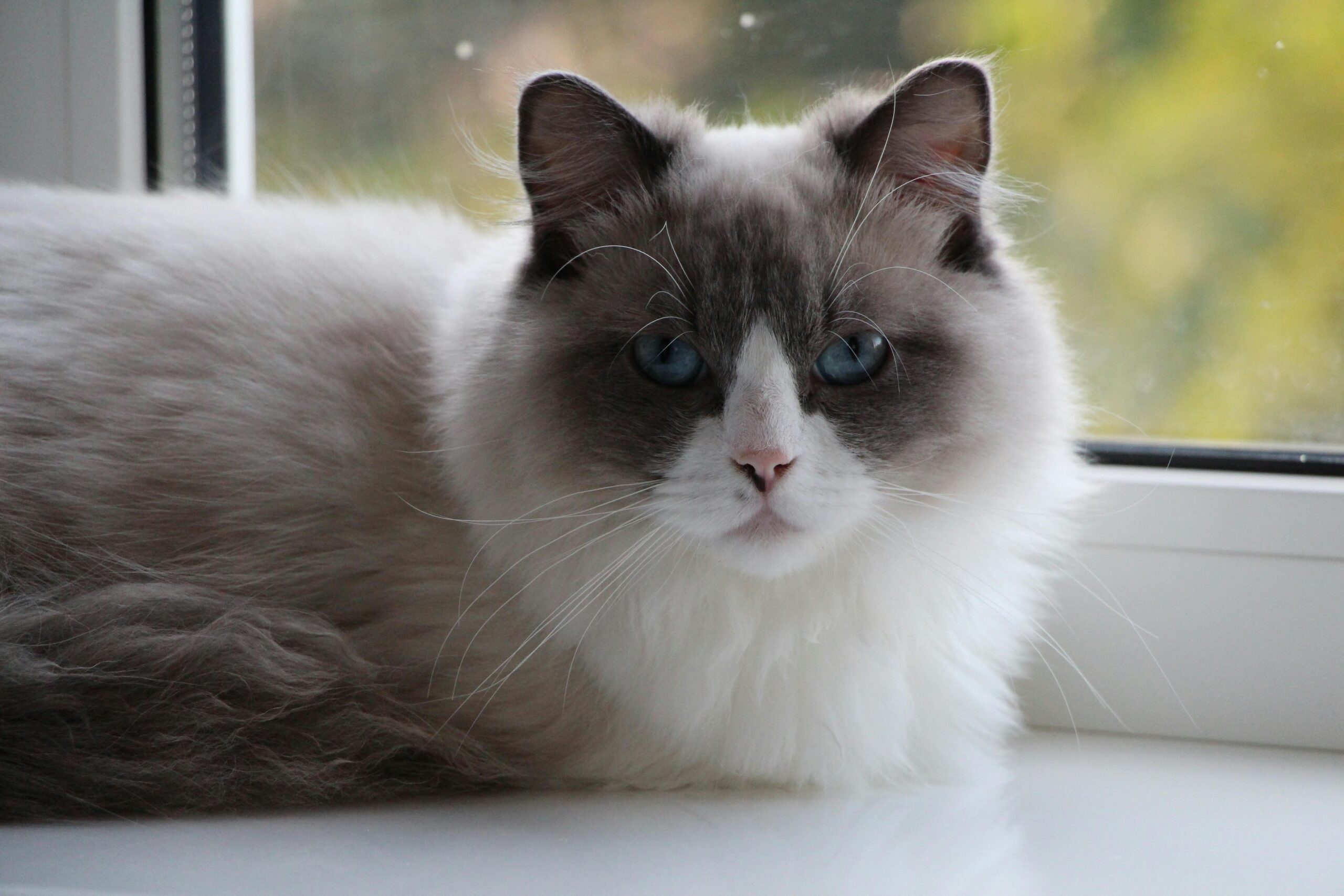
Ragdoll Health Testing Explained
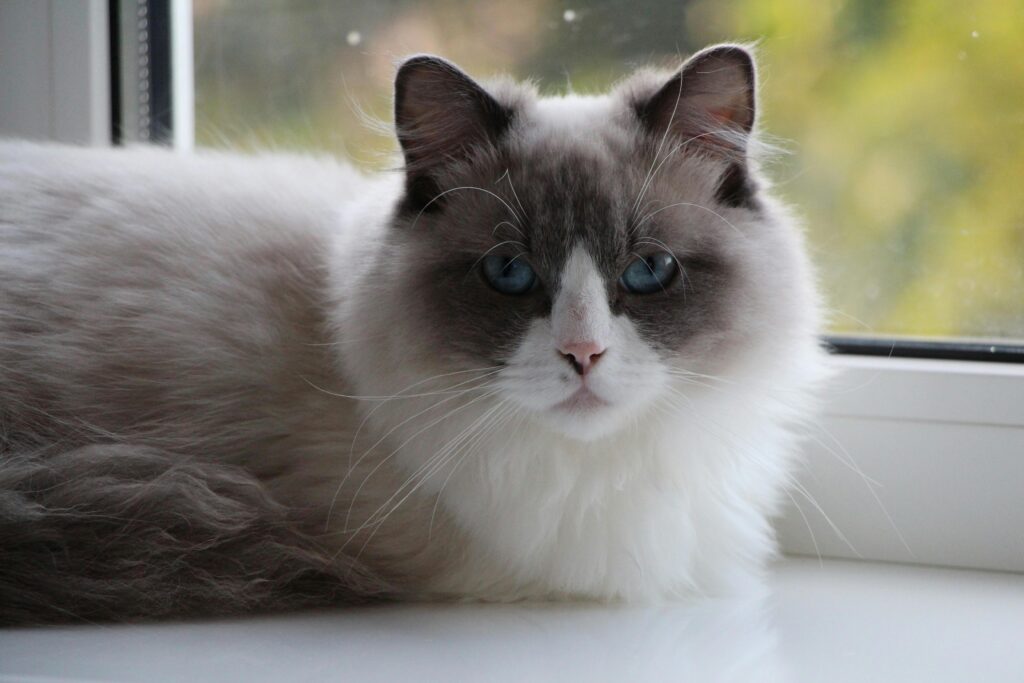
What Ethical Breeders Test, What Results Mean, and What Buyers Need to Understand
Ragdoll health testing reduces inherited risk, but it does not eliminate the possibility of disease. Ethical Ragdoll breeding focuses on risk management, long-term monitoring, and informed ownership—not guarantees or absolute promises of lifelong health.
Many buyers searching “Ragdoll health tested” assume testing can prove that a kitten will never develop medical problems. In reality, feline health testing does not work that way. Some conditions are genetic and testable, others are structural or age-related, and many develop quietly over time. Testing narrows risk; it does not erase biology.
Ragdolls require a different health testing conversation than more reactive or short-lived breeds. Their calm, tolerant temperament means they often appear well even when subtle changes are developing. At the same time, several Ragdoll-relevant conditions—particularly cardiac disease—are late-onset, meaning a cat can test normal early in life and still require monitoring as it matures.
The key concept to understand is this:
Calm temperament + late-onset disease = test results must be interpreted carefully and honestly.
This guide is designed to clarify what health testing can and cannot do, without fear-based messaging or unrealistic expectations. It will explain:
- the difference between genetic testing and screening tests
- which tests ethical Ragdoll breeders prioritize—and why
- which conditions cannot be ruled out by testing
- how owners influence long-term outcomes after purchase
- how to evaluate breeder health claims thoughtfully, without turning the process into an interrogation
The goal is not to overwhelm buyers with medical jargon, but to provide a clear, realistic framework for understanding Ragdoll health testing—so decisions are based on education rather than assumptions.
Ragdoll Health Testing Explained — Summary Table
| Topic | What It Means for Ragdolls | What Buyers Should Understand |
|---|---|---|
| Purpose of Health Testing | Reduces inherited risk and informs breeding decisions | Health testing manages risk; it does not guarantee lifelong health |
| Most Important Focus | Hypertrophic cardiomyopathy (HCM) monitoring | HCM can be silent and late-onset, even in cats that appear healthy |
| HCM DNA Testing | Identifies a known inherited mutation | A negative result lowers risk but does not eliminate all HCM risk |
| Echocardiograms (Heart Ultrasound) | Evaluates current heart structure and function | A normal echo reflects one point in time and may need repeating |
| PKD Testing | Confirms absence of polycystic kidney disease | PKD is rare in Ragdolls but easily eliminated through testing |
| Genetic Tests vs Screening Tests | Genetics assess mutation risk; screening assesses current health | These tools answer different questions and are not interchangeable |
| Why Kittens Aren’t Tested for Everything | Many conditions are late-onset or non-genetic | Over-testing kittens can create false confidence |
| Dental Health Monitoring | Tracked through long-term patterns, not DNA tests | Dental care depends heavily on owner management |
| Kidney & Urinary Health | Typically age-related rather than inherited | Lifelong monitoring matters more than early testing |
| Weight & Metabolism Trends | Observed across lines, not diagnosed by a test | Feeding routines and portion control shape outcomes |
| Immune Stability | Assessed through recovery and resilience, not a single test | Vaccine response and stress tolerance offer useful insight |
| Role of the Breeder | Population-level risk reduction and line management | Breeders guide trends; they do not diagnose individual cats |
| Role of the Veterinarian | Individual diagnosis and disease management | Vets test when symptoms or risks appear |
| Role of the Owner | Daily health management and observation | Owner decisions influence outcomes more than most tests |
| Common Misunderstanding | “Health tested” means guaranteed health | No test can promise zero risk |
| Best Outcomes Come From | Ethical breeding + informed buyers + lifelong care | Education and engagement matter more than paperwork |
What “Health Tested” Really Means in Ragdoll Cats
Why the phrase “health tested” is often misleading
Breeders and sellers frequently use the phrase “health tested” as a marketing shorthand, but in medical terms it has no fixed definition. In advertising, it often implies safety or certainty. In veterinary medicine, it simply describes that specific tests were performed at a specific point in time.
No test can certify a cat as “healthy for life.” Cats develop, age, and change. Some conditions emerge years after a normal result, especially in breeds like Ragdolls where several concerns are late-onset. Health testing reduces risk; it does not eliminate it.
This distinction matters.
Risk reduction means breeders use available tools to lower the chance of inherited disease.
Disease prevention would require eliminating all possible causes—which current feline medicine cannot do.
When buyers interpret “health tested” as a guarantee, disappointment and confusion follow.
Genetic testing vs screening tests — two different tools
Ethical Ragdoll breeders rely on two different categories of health tools, each with a different purpose.
Genetic tests identify whether a cat carries a known inherited mutation. They:
- assess genetic risk, not current health
- remain valid for life
- apply only to conditions with identified mutations
A negative genetic test means the cat does not carry that specific mutation. It does not mean the cat cannot develop unrelated disease later.
Screening tests evaluate a cat’s current physical condition. They:
- assess how the body looks and functions right now
- may appear normal early in disease progression
- often need to be repeated as the cat ages
Examples include echocardiograms, bloodwork, and imaging studies.
Buyers often feel frustrated when they expect one type of test to answer questions the other cannot. Understanding this difference prevents unrealistic expectations and misinterpretation of results.
Why a routine vet check is not health testing
A standard wellness exam plays an important role, but it does not equal health testing.
During a routine exam, a veterinarian typically:
- listens to heart and lung sounds
- checks eyes, ears, and mouth
- palpates the abdomen
- evaluates body condition and hydration
- assesses mobility and coat quality
These exams identify visible or audible abnormalities. They do not reliably detect silent or early-stage disease.
Many serious feline conditions—including heart disease, kidney decline, and metabolic changes—can exist without outward signs during early stages. That is why “vet checked” does not mean “health tested,” and why ethical breeders avoid presenting routine exams as proof of long-term health.
The real goals of ethical Ragdoll health testing
Ethical Ragdoll breeders use health testing to inform decisions, not to offer guarantees.
Their goals focus on:
- reducing inherited disease risk where testing is available
- tracking health outcomes across generations
- identifying patterns that influence future breeding choices
- helping owners understand what to monitor as their cat matures
Effective health testing works best when breeders, veterinarians, and owners all play a role. Testing sets the foundation, but long-term health depends on observation, management, and ongoing care.
Health testing is not a finish line—it is the starting point for informed, responsible ownership.
Hypertrophic Cardiomyopathy (HCM) in Ragdolls — The Core Health Focus
What HCM is (buyer-safe explanation)
Hypertrophic cardiomyopathy (HCM) is a heart condition in which the muscular walls of the heart—most often the left ventricle—thicken abnormally. As the muscle thickens, the heart has less room to fill with blood and becomes less efficient at pumping it through the body.
Cats with HCM often appear completely normal in the early and even intermediate stages of the disease. The heart can compensate for reduced efficiency for a long time, especially in calm, low-demand breeds like Ragdolls. Because of this compensation, outward signs may be minimal or absent.
In some cases, symptoms never appear until the disease is advanced. This is why HCM is taken seriously even when a cat looks healthy, eats well, and behaves normally.
Why Ragdolls are monitored for HCM
Ragdolls have a documented breed association with HCM, which makes cardiac awareness a priority in ethical breeding programs. This does not mean most Ragdolls will develop heart disease—but it does mean risk exists at a population level.
Ragdolls also present a unique challenge: their calm, tolerant temperament often hides early warning signs. They do not typically show dramatic changes in activity, vocalize discomfort, or resist handling as illness develops. A Ragdoll with early HCM may still cuddle, eat, and follow routines without protest.
Many cats with HCM live for years without noticeable symptoms, particularly when disease progression is slow. This long silent phase is why monitoring matters more than reacting to obvious illness.
HCM DNA testing in Ragdolls
HCM DNA testing looks for a known genetic mutation associated with inherited risk in some Ragdoll lines. This test answers a very specific question: Does this cat carry this particular mutation?
A negative result means the cat does not carry that known mutation. It does not mean the cat cannot develop HCM later in life. Not all cases of HCM are linked to the identified mutation, and not all heart disease is inherited.
This distinction is critical for buyers to understand.
Some ethical breeders prioritize DNA testing because it:
- permanently rules out that specific mutation
- helps guide breeding decisions
- reduces inherited risk within lines
Other breeders rely more heavily on echocardiographic screening, especially when mutation status alone does not explain outcomes in a lineage. Both approaches can be responsible when applied transparently and thoughtfully.
Echocardiograms (cardiac ultrasounds)
An echocardiogram is a specialized ultrasound that evaluates the structure and function of the heart. It allows a veterinary cardiologist to measure heart wall thickness, chamber size, and blood flow patterns in real time.
Echocardiograms assess current heart health, not genetic risk. A normal echo means the heart looks normal at that moment. It does not guarantee the heart will remain normal for life.
Timing matters. HCM often develops after sexual maturity, which means early-life echocardiograms may not detect changes that appear later. For this reason, repeated imaging may be recommended as cats age.
Not all breeders perform echocardiograms on every cat every year due to:
- cost and availability of board-certified cardiologists
- geographic limitations
- stress considerations for the cat
- diminishing returns when combined with other data
Ethical programs balance medical value with practical reality rather than chasing perfect paperwork.
How ethical breeders use multiple tools together
Responsible Ragdoll breeders do not rely on a single test to make decisions. Instead, they combine:
- DNA testing to reduce inherited mutation risk
- echocardiogram data to assess heart structure over time
- pedigree awareness to understand line-specific trends
- long-term outcome tracking of offspring and relatives
This layered approach acknowledges that no single tool tells the whole story.
Transparency matters more than perfection. Ethical breeders explain what they test, why they test it, and what the results can—and cannot—guarantee. This honesty allows buyers to make informed decisions and supports better long-term health outcomes for the breed as a whole.
Polycystic Kidney Disease (PKD) in Ragdolls
What PKD is
Polycystic kidney disease (PKD) is an inherited condition in which fluid-filled cysts develop in the kidneys, gradually reducing kidney function over time. The disease is autosomal dominant, meaning only one copy of the mutation is required for a cat to be affected.
PKD is best known in Persian-derived breeds and lines.
Why PKD is discussed in Ragdolls
Ragdolls are not considered a high-risk PKD breed, but the condition is still discussed because:
- Ragdolls share distant ancestry with Persian-type lines
- PKD has historically appeared in some longhaired populations
- DNA testing is widely available and definitive
As a result, many ethical Ragdoll breeders choose to test breeding cats to confirm PKD-negative status, even though prevalence in modern Ragdoll lines is low.
PKD DNA testing
PKD testing is performed using a simple DNA test that detects the known mutation responsible for the disease.
Important context for buyers:
- A negative result is meaningful and reliable
- PKD does not have late-onset ambiguity like HCM
- If a cat is negative, it will not develop PKD later in life
- Responsible programs have largely eliminated PKD through testing
Because PKD is dominant, ethical breeding programs do not breed PKD-positive cats.
Why PKD testing is not the same as kidney disease screening
PKD is often confused with general kidney disease, but they are not the same.
- PKD = inherited structural disease, present from birth
- Chronic kidney disease (CKD) = common age-related condition in cats
Testing negative for PKD does not mean a cat will never develop kidney disease later in life. It simply rules out this specific inherited cause.
This distinction is critical for buyer understanding.
Why some breeders test for PKD and others don’t emphasize it
Ethical Ragdoll breeders may approach PKD testing differently depending on:
- line history
- prior testing documentation
- generational data
Some breeders test every breeding cat. Others rely on long-established negative lines with documented ancestry. Both approaches can be responsible when transparent.
What matters is clarity, not checkbox collecting.
Health Areas Ethical Ragdoll Breeders Monitor Beyond HCM
Ethical Ragdoll breeders look beyond a single disease. They monitor patterns that affect comfort, longevity, and quality of life over many years—especially in areas where no single test can provide simple answers.
Dental health patterns
Dental disease occurs commonly in cats, but it often receives less attention than genetic conditions because it develops gradually and lacks a single defining test. In Ragdolls, calm temperament and pain tolerance allow dental discomfort to progress quietly.
Breeders do not rely on genetic tests for dental disease because none exist. Instead, they track patterns such as:
- the age at which dental issues first appear
- the severity of tartar buildup or gum inflammation
- how often cats require professional dental intervention
These trends help breeders identify lines that may need earlier or more proactive dental care.
Owners should expect to manage dental health throughout their cat’s life. Early brushing, routine oral checks, and timely veterinary cleanings play a far greater role in outcomes than genetics alone.
Kidney and urinary health awareness
Kidney disease most often develops as cats age. It does not typically appear in kittens, and no test can reliably predict adult-onset kidney disease during early life.
Because of this, breeders do not screen kittens for kidney disease. Instead, they track:
- longevity within lines
- age of onset for kidney-related changes
- overall lifespan and quality of life
This long-term data gives breeders meaningful insight into line resilience without creating false reassurance from early testing.
Owners support kidney and urinary health through early monitoring. Regular veterinary bloodwork and urinalysis as cats mature allow changes to be detected before symptoms become obvious.
Weight, metabolism, and body composition trends
Ragdolls show a clear tendency toward gradual weight gain. Their relaxed activity level, strong appetite, and plush coat make excess weight easy to miss.
No laboratory test can identify which cats are “easy keepers.” Breeders observe these tendencies instead by monitoring:
- appetite consistency and food motivation
- adult body structure and muscle tone
- sensitivity to diet changes and lifestyle
By tracking these traits across generations, breeders help owners anticipate weight management needs rather than react after problems develop.
Immune stability and general resilience
Immune health does not lend itself to a single diagnostic test in healthy cats. Instead of testing immunity directly, breeders watch how cats respond to routine challenges.
They pay close attention to:
- vaccine response
- recovery time after routine procedures
- resilience during normal stressors
Over time, these observations reveal patterns of general robustness and immune stability. While not measurable through a single test, this information helps breeders make informed decisions about which cats to breed forward and what owners should monitor.
Ethical Ragdoll breeders recognize that health extends beyond genetics alone. By tracking long-term trends and sharing this information honestly, they give owners realistic expectations and practical guidance for lifelong care.
What Ethical Ragdoll Breeders Do Not Test For — and Why
Ethical Ragdoll breeders test with intention. They avoid unnecessary testing that creates false reassurance, inflates paperwork, or distracts from what actually improves long-term outcomes.
Why over-testing kittens creates false confidence
Many serious feline conditions develop later in life, not during kittenhood. When breeders perform extensive testing on very young kittens, results often reflect normal development rather than meaningful health status.
Over-testing creates problems when:
- late-onset diseases appear years after normal early results
- minor or incidental findings get misinterpreted as significant
- buyers assume “everything tested” means “nothing can go wrong”
Perfect paperwork does not equal perfect health. Ethical breeders recognize that biology does not follow checklists, and they avoid presenting early test results as lifetime assurances.
Why some tests sound impressive but add little value
Some screening tests sound thorough but do not change breeding decisions or owner care. Ethical breeders avoid tests that:
- produce results without clear action steps
- require invasive procedures without medical indication
- detect variations that do not predict disease or outcome
Testing should guide decisions. When a result does not alter breeding choices, monitoring plans, or veterinary care, it adds complexity without benefit.
The difference between responsible testing and performative testing
Responsible testing prioritizes education and decision-making. Performative testing prioritizes appearance and reassurance.
Ethical breeders:
- explain what each test does and does not show
- discuss limitations openly
- focus on long-term health trends rather than test volume
In contrast, performative testing emphasizes quantity over clarity. Ethical breeders reject this approach because transparency builds trust more effectively than promises.
What Buyers Should Reasonably Expect From a Responsible Ragdoll Breeder
A responsible Ragdoll breeder approaches health testing as a shared responsibility between breeder, veterinarian, and owner.
What ethical breeders should provide
Ethical Ragdoll breeders should:
- clearly explain which tests they perform and why
- discuss known risks without minimizing or exaggerating them
- share line-specific health tendencies honestly
- remain available for guidance beyond pickup day
They view communication as part of ethical breeding, not an inconvenience.
What breeders cannot honestly promise
No ethical breeder can promise:
- lifetime freedom from disease
- zero-risk outcomes
- proof that does not exist in feline medicine
Breeders who guarantee perfection misunderstand biology or misrepresent reality. Ethical programs focus on risk reduction, transparency, and long-term support, not absolutes.
What Buyers Should Ask
Buyers play an important role in health outcomes—but the way questions are asked matters. Ethical breeders welcome thoughtful discussion, yet they also need room to explain nuance rather than defend checklists.
The most productive questions focus on process and decision-making, not proof demands.
Helpful questions include:
- How do you monitor heart health in your breeding cats?
This invites breeders to explain whether they use DNA testing, echocardiograms, pedigree tracking, or a combination—and how often they reassess. - What health trends have you seen as kittens from your program age?
This shifts the conversation from promises to real outcomes over time, which is far more meaningful. - What issues do you watch for most closely in your lines?
Ethical breeders know their lines well and can speak honestly about strengths, vulnerabilities, and what they monitor proactively. - How do you support owners if something develops later?
This reveals whether the breeder views placement as a transaction—or as a long-term responsibility. - How do you decide which cats to breed forward?
This opens a discussion about temperament, health trends, testing results, and long-term goals rather than individual test scores.
“How” questions work better than “prove it” questions because they encourage explanation instead of defensiveness. They reveal how a breeder thinks, not just what paperwork they hold.
How Veterinarians and Breeders Use Health Testing Differently
Breeders and veterinarians both rely on health testing, but they use it for different purposes. Understanding this difference prevents confusion and unnecessary conflict.
The breeder’s role
Breeders use health testing to make population-level decisions. Their focus stays on:
- reducing inherited risk over generations
- managing bloodlines responsibly
- tracking long-term outcomes in related cats
They evaluate trends, not individual diagnoses. A breeder’s goal is to improve future cats, not to treat current illness.
The veterinarian’s role
Veterinarians use health testing to care for individual cats. Their work centers on:
- diagnosing illness based on symptoms
- ordering targeted tests when concerns arise
- managing disease and supporting quality of life
Veterinary testing responds to what the cat shows clinically, not to breeding strategy.
Why conflict happens — and how to avoid it
Conflict often arises when owners expect breeders to practice clinical medicine or expect veterinarians to manage breeding programs.
These roles use different tools for different goals:
- breeders focus on prevention and risk reduction
- veterinarians focus on diagnosis and treatment
Owners benefit most when they respect both perspectives. Breeders provide context and history; veterinarians provide medical expertise. When these roles complement each other, cats receive the most informed and effective care.
Health Testing vs Health Management — Where Owners Matter Most
Health testing lays an important foundation, but it does not carry a cat through life. Daily care decisions shape long-term outcomes far more than most test results, especially in a calm, tolerant breed like the Ragdoll.
Testing cannot replace:
- Weight control
No genetic or screening test prevents obesity. Portion control, routine feeding, and regular activity determine whether a Ragdoll maintains healthy mobility and cardiac comfort. - Dental care
Testing does not stop tartar buildup or gum inflammation. Brushing, routine oral checks, and timely cleanings protect comfort and reduce systemic inflammation over time. - Hydration
No test ensures adequate hydration. Diet choice, water access, and wet food intake directly influence kidney and urinary health. - Observation
Health testing captures a moment in time. Ongoing observation catches gradual changes in appetite, movement, grooming, breathing, or behavior—often long before disease becomes advanced.
Owner decisions influence outcomes every day. Feeding routines, veterinary follow-up, grooming habits, and attentiveness shape quality of life far more consistently than paperwork created early in life.
Calm breeds like Ragdolls need engaged owners, not hands-off ones. Because they tolerate discomfort quietly, they rely on owners to notice subtle shifts and act early rather than wait for obvious illness.
Common Myths About Ragdoll Health Testing
“Health tested means no health problems”
Health testing reduces risk; it does not eliminate disease. A tested cat can still develop age-related, environmental, or non-inherited conditions later in life.
“If parents are clear, kittens are guaranteed”
Clear results in parents lower inherited risk but do not create guarantees. Some conditions are not genetic, and others develop without known mutations.
“More tests always equal better breeding”
More tests do not automatically improve outcomes. Ethical breeding focuses on meaningful, actionable testing, not test quantity.
“Good breeders test everything”
No breeder can test for every possible condition. Responsible breeders choose tests that reduce known risks and explain clearly what cannot be ruled out.
“Health testing replaces good ownership”
Health testing does not replace attentive care. Nutrition, dental hygiene, hydration, observation, and veterinary follow-up remain essential throughout a Ragdoll’s life.
Health testing works best when owners understand its limits and commit to lifelong health management. Informed ownership—not paperwork—creates the strongest foundation for long-term wellbeing.
Ragdoll Health Testing – Frequently Asked Questions
What does “health tested” actually mean in Ragdoll cats?
“Health tested” means a breeder has performed specific tests for specific risks—not that a cat is guaranteed to be disease-free for life. In Ragdolls, health testing focuses on reducing inherited risk and monitoring known concerns, not eliminating all possible illness. Testing provides information, not certainty.
Are Ragdoll cats considered a healthy breed?
Yes. Ragdolls are generally a healthy and stable breed when bred responsibly. Most health concerns seen in Ragdolls develop gradually and are manageable when owners practice routine monitoring, appropriate nutrition, and regular veterinary care.
What health tests should Ragdoll breeders perform?
Ethical Ragdoll breeders typically prioritize:
- HCM risk management (DNA testing, echocardiograms, pedigree tracking)
- PKD DNA testing (to confirm negative status)
Beyond genetics, they also monitor long-term trends such as dental health, weight tendencies, and longevity rather than relying on excessive kitten testing.
Is hypertrophic cardiomyopathy (HCM) the biggest health concern in Ragdolls?
HCM is the most significant inherited condition monitored in Ragdolls, but it does not affect all cats. Many Ragdolls never develop heart disease. The concern exists because HCM can be silent for years, making early awareness and monitoring more important than panic.
Does a negative HCM DNA test mean my Ragdoll will never get heart disease?
No. A negative HCM DNA test means the cat does not carry the known mutation, but not all HCM cases are linked to that mutation. A negative result lowers inherited risk but does not eliminate the possibility of heart disease later in life.
Why do some breeders rely on echocardiograms instead of DNA testing?
Echocardiograms evaluate current heart structure and function, while DNA tests evaluate genetic risk. Some breeders rely more on echoes because HCM can develop without the known mutation. Ethical programs often combine tools rather than rely on only one.
Should pet Ragdolls have routine echocardiograms?
Most pet Ragdolls do not need routine echocardiograms unless there is a murmur, family history, or concerning symptoms. Veterinarians typically recommend echoes based on individual risk rather than breed alone.
What is PKD and why is it mentioned in Ragdoll health testing?
Polycystic kidney disease (PKD) is a dominant inherited condition historically associated with Persian-derived lines. While PKD is rare in modern Ragdolls, many ethical breeders test to confirm negative status because the test is definitive and eliminates the risk entirely.
Does testing negative for PKD mean my Ragdoll will never have kidney disease?
No. PKD is only one cause of kidney disease. Cats can still develop age-related kidney disease later in life even if they test negative for PKD. Testing rules out one inherited condition, not all kidney issues.
Why don’t breeders test kittens for kidney disease?
Kidney disease almost always develops later in life, not during kittenhood. Early testing would not provide meaningful or reliable information. Ethical breeders track longevity and age of onset across generations instead of creating false reassurance through early screening.
Are there genetic tests for dental disease in Ragdolls?
No. Dental disease does not have a known genetic test. Breeders monitor patterns—such as age of onset and severity—rather than relying on DNA testing. Owners play the largest role in dental outcomes through routine care.
Why are Ragdolls prone to weight gain?
Ragdolls have a calm temperament, strong food motivation, and moderate activity levels. These traits make gradual weight gain easy if portions are not controlled. There is no test for metabolism—feeding and lifestyle management matter most.
Can health testing prevent obesity?
No. Health testing cannot prevent obesity. Weight control depends entirely on owner decisions, including portion size, feeding routine, diet quality, and daily movement.
Why do calm breeds like Ragdolls hide illness?
Ragdolls tolerate discomfort quietly and rarely vocalize pain. They often continue normal routines even when unwell. Because of this, behavioral and routine changes often appear before obvious symptoms.
What early warning signs should Ragdoll owners watch for?
Owners should monitor:
- appetite changes
- weight gain or loss
- reduced jumping or mobility
- breathing changes
- grooming differences
- litter box changes
These subtle signs often appear before advanced disease.
Why don’t ethical breeders test for everything?
Some conditions are late-onset, non-genetic, or lack meaningful screening tools. Over-testing kittens can create false confidence and does not improve outcomes. Ethical breeders focus on tests that inform real decisions, not impressive paperwork.
How can buyers tell if a breeder is ethical about health testing?
Ethical breeders:
- explain what they test and why
- discuss limitations honestly
- talk about line-specific trends
- offer support beyond pickup
They educate rather than reassure.
Why are “how” questions better than “prove it” questions?
“How” questions invite explanation and reveal breeder decision-making. “Prove it” questions often reduce complex health management to paperwork and create unnecessary defensiveness without improving understanding.
What role do owners play after buying a Ragdoll?
Owners influence outcomes more than most tests. Nutrition, dental care, hydration, observation, and veterinary follow-up shape long-term health far more consistently than early test results.
Can health testing guarantee a healthy Ragdoll?
No. Health testing reduces risk but cannot guarantee outcomes. Ethical breeding sets the foundation; informed ownership and lifelong care determine how that foundation performs over time.
What is the biggest mistake buyers make about health testing?
The most common mistake is believing that testing replaces responsibility. Health testing works best when paired with engaged ownership, not as a substitute for care.
What’s the key takeaway about Ragdoll health testing?
Health testing is a tool, not a promise. The best outcomes come from ethical breeding, educated buyers, and consistent lifetime care—not from chasing guarantees that medicine cannot provide.
Health Testing Is a Tool, Not a Promise
Health testing plays an important role in responsible Ragdoll breeding, but it does not offer certainty or perfection. Ethical breeding focuses on risk reduction, not the elimination of every possible health outcome. Biology does not provide guarantees, and honest breeders do not pretend otherwise.
The most trustworthy breeders explain what testing can and cannot show. They discuss limitations openly, share real-world context, and avoid offering reassurance that medicine cannot support. This transparency builds long-term trust and sets buyers up for realistic expectations rather than false security.
The healthiest outcomes consistently come from a combination of:
- ethical breeding, grounded in appropriate testing and long-term line monitoring
- informed buyers, who understand risk, responsibility, and ongoing care
- consistent lifetime care, including nutrition, dental hygiene, hydration, routine monitoring, and veterinary partnership
Education protects both cats and owners. Buyers who choose understanding over reassurance make better decisions, recognize early changes sooner, and support their cats more effectively over time.
Health testing is not a promise—it is a tool. When used honestly and paired with engaged ownership, it helps Ragdolls live longer, more comfortable, and more stable lives.
Continued Ragdoll Reading
If you’re still deciding whether a Ragdoll fits your home, these posts expand on temperament, care, and long-term ownership realities:
- Ragdoll Cats Explained by a Breeder
A complete breakdown of temperament, care needs, health realities, and who the breed is truly suited for. - Ragdoll Kitten vs Adult: What Changes Over Time
How energy, affection, and behavior evolve as Ragdolls mature — and what buyers often misinterpret. - Are Ragdoll Cats Easy Pets?
What “easy” really means, where owners struggle, and how expectations shape the experience. - Ragdoll Temperament Explained (Beyond the Stereotypes)
A deeper look at affection, independence, emotional sensitivity, and social behavior. - Do Ragdoll Cats Shed? Grooming & Coat Care Reality
What shedding looks like in real homes and how to manage coat care long-term. - How Ragdoll Kittens are Raised Our Ragdoll kittens are raised through a structured, stage-based process that supports confidence, handling tolerance, and adaptability.
- Are Ragdoll Cats Hypoallergenic?
A realistic explanation of allergies, Fel d 1, and why coat type doesn’t equal allergy safety. - What Living With A Ragdoll is Like
Living with a Ragdoll doesn’t match the extremes you see online. - Ragdoll Cat Lifespan: Lifespan and health tips.
- Ragdoll Cat Health
Complete overview of Ragdoll Health. - Is a Ragdoll Cat Right for You?
A fit-focused guide to lifestyle compatibility, common regret patterns, and thoughtful decision-making.
Sources & References
- Cornell University College of Veterinary Medicine – Cornell Feline Health Center
Hypertrophic cardiomyopathy (HCM) in cats; diagnosis, progression, and management
https://www.vet.cornell.edu/departments-centers-and-institutes/cornell-feline-health-center/health-information/hypertrophic-cardiomyopathy-cats - American College of Veterinary Internal Medicine (ACVIM)
Consensus statements on diagnosis and management of feline cardiomyopathies
https://www.acvim.org/resources/consensus-statements - University of California, Davis – Veterinary Genetics Laboratory (VGL)
Feline genetic disease testing, including HCM and PKD
https://vgl.ucdavis.edu - International Cat Care (iCatCare)
Evidence-based guidance on feline health, welfare, preventive care, and behavior
https://icatcare.org - International Society of Feline Medicine (ISFM)
Clinical guidance on feline medicine, stress reduction, and long-term care
https://icatcare.org/our-affiliations/international-society-of-feline-medicine/ - American Association of Feline Practitioners (AAFP)
Feline life stage guidelines and preventive care standards
https://catvets.com/guidelines - Merck Veterinary Manual (Cat Owner & Professional Editions)
Authoritative reference for feline diseases, diagnostics, and health management
https://www.merckvetmanual.com/cat-owners - World Small Animal Veterinary Association (WSAVA)
Global nutrition guidelines for companion animals
https://wsava.org/global-guidelines/global-nutrition-guidelines/ - Journal of Feline Medicine and Surgery (JFMS)
Peer-reviewed research on feline cardiology, genetics, renal disease, obesity, and aging
https://journals.sagepub.com/home/jfm - Tufts University Cummings School of Veterinary Medicine – Clinical Nutrition
Research-based guidance on feline nutrition, hydration, and obesity prevention
https://vetnutrition.tufts.edu






Read the Comments +