
Ragdoll Kitten vs Adult Cat: Which Is Right for Your Home?
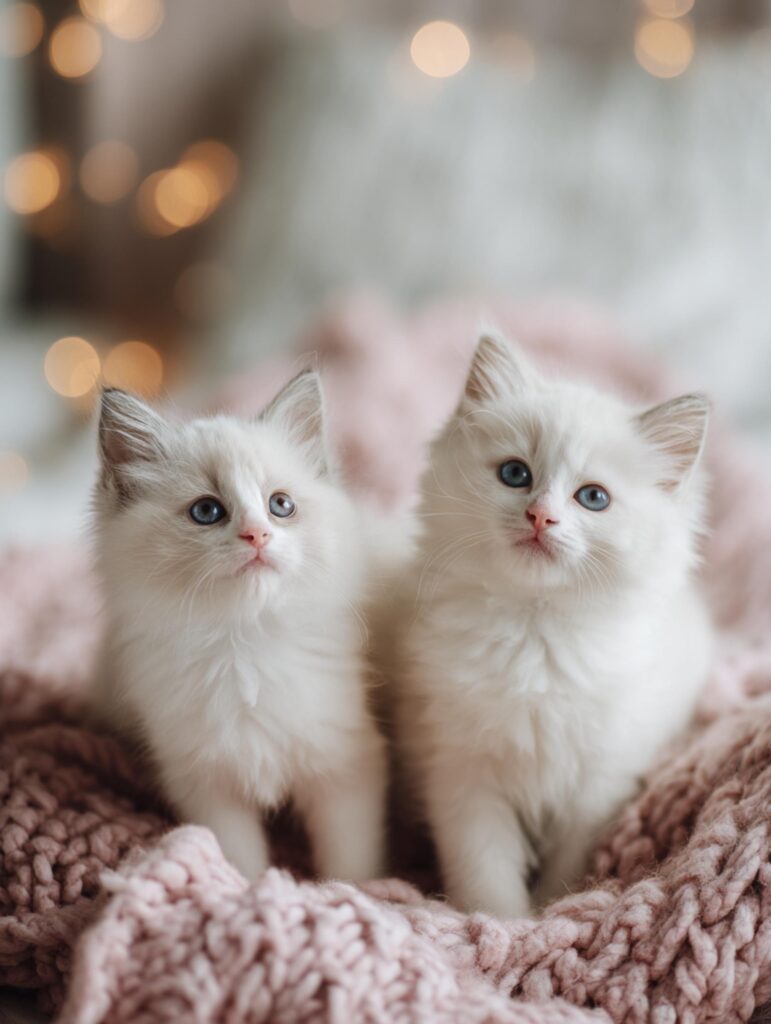
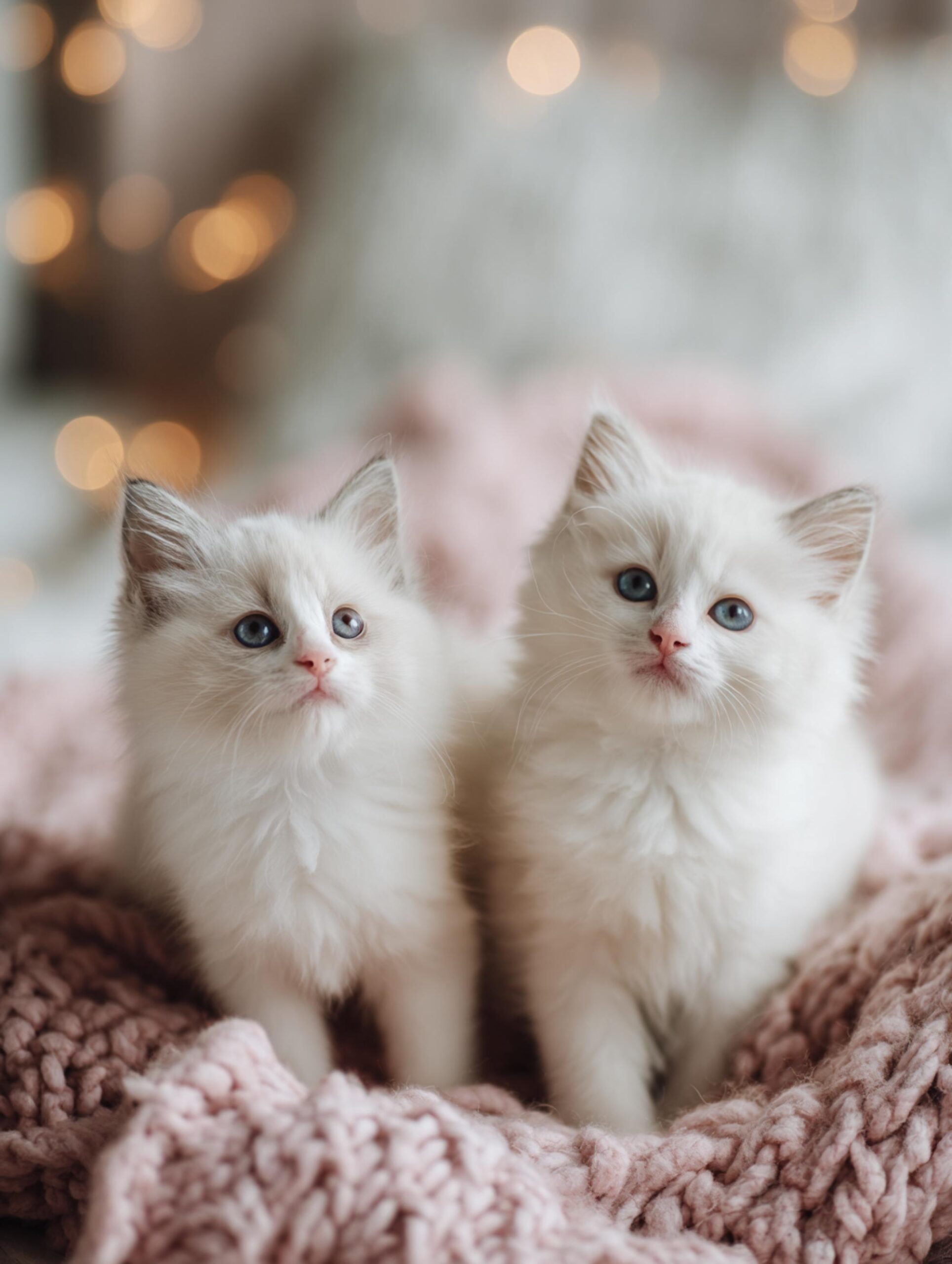
Ragdoll kittens vs adult Ragdolls differ significantly in energy, supervision needs, and care priorities, even though the breed’s hallmark calm temperament remains consistent. Understanding these differences prevents mismatched expectations and long-term frustration—especially for buyers who expect a “quiet” experience from day one.
Many people underestimate the kitten phase in a calm breed. Ragdoll kittens are still kittens: curious, busy, and boundary-testing. By contrast, adult Ragdolls more closely match what most people think they’re buying—steady, affectionate companions who fit smoothly into predictable routines.
This post compares:
- temperament and behavior
- energy and activity needs
- training and routines
- health and care priorities
- lifestyle fit
At a Glance — Ragdoll Kitten vs Adult Comparison
| Category | Ragdoll Kitten | Adult Ragdoll |
|---|---|---|
| Energy Level | Moderate to high in short bursts; frequent play–sleep cycles | Low to moderate; intentional movement and predictable rhythm |
| Supervision Needs | High; requires guidance, safe boundaries, and monitoring | Low; independent within routine, minimal supervision |
| Training Focus | Litter habits, scratching, gentle boundaries, handling, grooming tolerance | Consistency, reinforcement of established habits |
| Health Priorities | Vaccines, parasite prevention, growth tracking, baseline exams | Weight management, dental care, cardiac awareness, hydration |
| Grooming Demands | Introductory brushing; building positive tolerance | Regular maintenance; coat quality as a health indicator |
| Lifestyle Compatibility | Best for homes with time, patience, and structure | Best for calm homes seeking steady companionship |
Why this matters: This table offers fast clarity for buyers and supports featured snippets. The lived experience of a Ragdoll changes meaningfully with age—even though the breed’s core temperament stays recognizable.
Temperament — How Personality Expresses at Each Stage
Ragdoll kitten temperament
Ragdoll kittens express the breed’s social nature through curiosity, openness, and emotional availability, but they do so without the self-regulation that defines the adult cat. At this stage, exploration drives behavior. Kittens move toward novelty, people, and stimulation because their nervous system is still learning how to filter input.
Impulse control is still developing. Ragdoll kittens often act first and process later, especially during play or moments of excitement. This is normal developmental behavior, not a temperament flaw. The kitten brain prioritizes learning through interaction, which naturally results in frequent movement and boundary testing.
Affection is present early, but it is less regulated. Ragdoll kittens seek physical contact and interaction often, yet they can become overstimulated quickly. Extended handling, high-intensity play, or constant engagement can push them past their ability to self-soothe, resulting in restlessness rather than calm connection.
Ragdoll kittens also actively seek interaction. They follow people, insert themselves into activities, and initiate play repeatedly throughout the day. This social persistence reflects the breed’s people-oriented nature, not neediness or hyperactivity.
Common kitten-stage traits include:
- strong curiosity and exploratory behavior
- developing impulse control and attention span
- affectionate engagement paired with easy overstimulation
- frequent initiation of interaction and play
This stage benefits most from structure, not suppression. Predictable routines, clear boundaries, and intentional rest periods help kittens develop into emotionally stable adults.
Adult Ragdoll temperament
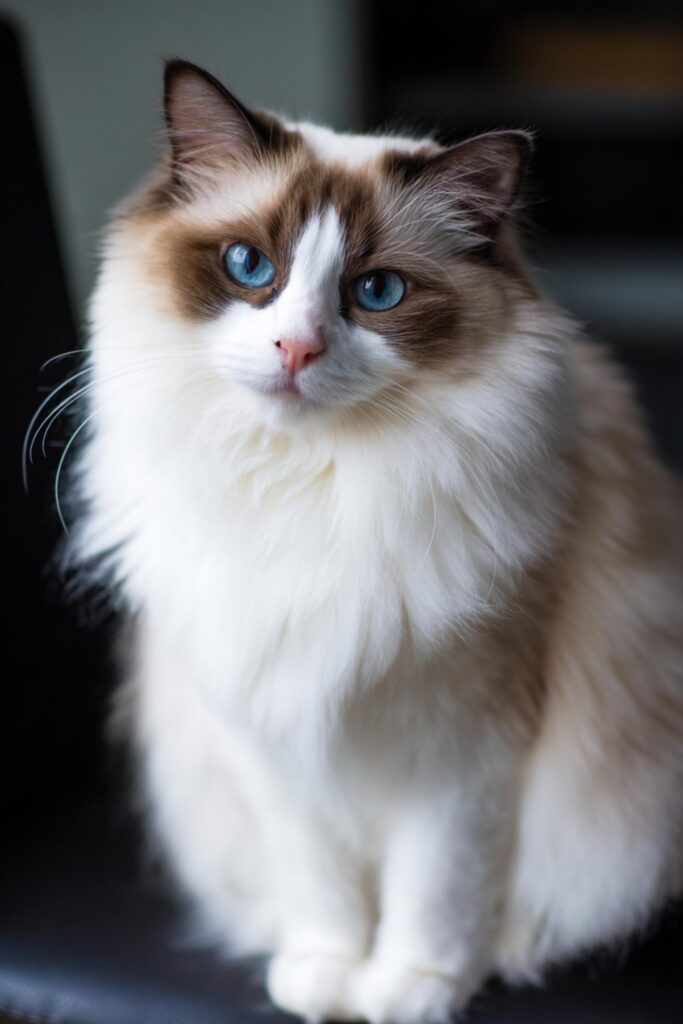
Adult Ragdolls express the same social orientation with emotional steadiness, restraint, and predictability. Maturity allows them to regulate impulses, respond calmly to stimulation, and integrate smoothly into household routines.
Affection remains a defining trait, but it becomes non-demanding. Adult Ragdolls enjoy closeness and physical contact without requiring constant interaction. They often choose proximity over engagement, remaining nearby without insisting on attention.
Adults grow comfortable with routine and quiet presence. Predictability supports their relaxed demeanor, and they rarely seek stimulation for its own sake. They participate in household life without needing to control it.
Adult Ragdolls also show reduced reactivity to environmental changes. New sounds, visitors, or minor disruptions typically register as information rather than stressors. This low reactivity contributes to the breed’s reputation for being easy to live with.
Typical adult traits include:
- emotionally steady and predictable responses
- affectionate behavior without constant demand
- comfort with routine, quiet, and shared space
- low reactivity to normal environmental changes
This stage aligns closely with what most people imagine when they picture a “calm Ragdoll.”
What stays consistent across both stages
While behavior matures significantly, core breed traits remain stable from kittenhood through adulthood.
Across both life stages, Ragdolls consistently show:
- a strong social orientation toward people
- high tolerance for handling and physical contact
- low aggression and low reactivity compared to many breeds
These consistencies define the breed. What changes is how those traits express, not whether they exist.
Energy Levels and Daily Rhythm
Energy patterns in Ragdoll kittens
Ragdoll kittens experience energy in short, intense bursts, not as constant motion. Their activity follows a play–sleep cycle that reflects neurological and physical development rather than excess energy.
Exploration drives movement. Kittens climb, jump, and investigate because their brains require physical engagement to map their environment. This exploration is purposeful, even when it looks chaotic.
Kittens move through frequent play → sleep cycles, often shifting rapidly from high engagement to deep rest. Without structure, this rhythm can feel unpredictable to owners.
Kittens require intentional outlets for energy. Scheduled play, consistent feeding times, and predictable rest periods help regulate stimulation and prevent behavioral spillover.
Common kitten energy patterns include:
- short bursts of high activity
- exploration-driven movement rather than aimless pacing
- frequent transitions between play and sleep
- a need for structured routines to support regulation
This phase feels busy because it is busy — and it is temporary.
Energy patterns in adult Ragdolls
Adult Ragdolls maintain a lower baseline activity level and move with intention rather than urgency. They conserve energy naturally and choose when to engage.
Instead of constant play, adults participate selectively. They enjoy interaction but do not require ongoing stimulation to remain content. Movement serves purpose rather than entertainment.
Their daily rhythm becomes predictable. Adult Ragdolls often align closely with household schedules, resting, eating, and interacting at consistent times.
Adults remain content with proximity rather than stimulation. Sitting nearby, observing quietly, or sleeping close to their people often satisfies their social needs fully.
Typical adult energy traits include:
- low to moderate baseline activity
- intentional movement rather than constant play
- predictable daily rhythms
- satisfaction with presence over stimulation
Common expectation mismatch
The most common misunderstanding is assuming that a calm breed produces calm kittens.
This mismatch occurs because:
- “calm” describes adult temperament, not developmental behavior
- kittens of all breeds explore, test boundaries, and seek interaction
- emotional regulation develops with maturity, not genetics alone
Adult Ragdolls feel fundamentally different to live with because they have completed emotional and neurological development. Their calmness is the result of maturity layered on top of a stable temperament.
One reason kittens feel less predictable is that Ragdoll cats mature very slowly. Size, body shape, and coat development continue for several years. This post on Ragdoll growth stages from kitten to adult explains what changes over time and when Ragdolls reach full maturity.
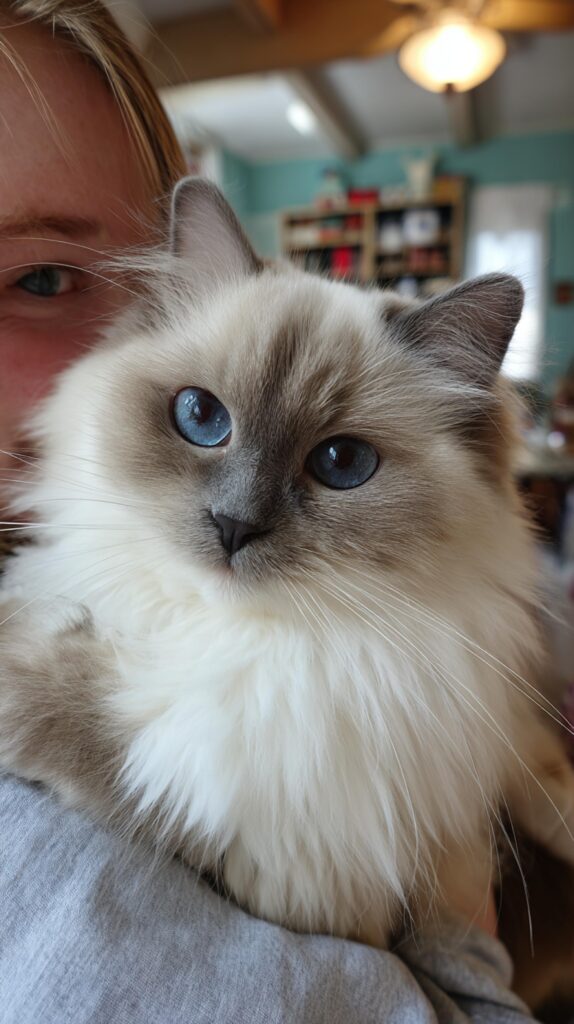
Training, Boundaries, and Routine
What Ragdoll kittens need
Ragdoll kittens thrive when owners establish structure early. Training at this stage is not about obedience—it is about teaching kittens how to live comfortably in a human household.
Early routine establishment gives kittens predictability. Consistent meal times, play sessions, rest periods, and bedtime routines help regulate energy and reduce overstimulation. Kittens learn faster when their days follow a recognizable pattern.
Gentle boundary setting matters more than correction. Ragdoll kittens respond best to redirection rather than punishment. Teaching where they can climb, scratch, and rest prevents confusion and builds trust.
Litter habits and scratching behavior require guidance. Kittens need:
- easy access to clean litter boxes
- consistent box placement
- appropriate scratching surfaces placed where they naturally scratch
Owners shape lifelong habits during this phase.
Grooming and handling acclimation should start early and stay positive. Short, calm sessions teach kittens to accept brushing, nail trims, and general handling without stress. This early exposure prevents resistance and fear later in life.
What adult Ragdolls need
Adult Ragdolls rely on consistency rather than repetition. Once habits are established, adults do not need constant retraining. They need reinforcement through predictability.
Reinforcing existing habits keeps behavior stable. Adults respond best when routines remain familiar rather than frequently changed. Inconsistent expectations confuse even the calmest cat.
Environmental stability supports emotional regulation. Adult Ragdolls prefer familiar spaces, predictable furniture placement, and minimal disruption. Stability reduces stress and prevents behavior changes.
Predictable schedules matter. Regular feeding times, interaction windows, and quiet periods support the adult Ragdoll’s natural rhythm and contribute to their calm demeanor.
Why early structure matters long-term
Kitten routines shape adult behavior directly. The patterns established during the first year influence how a Ragdoll:
- handles stimulation
- responds to change
- manages frustration
- engages with people
Permissiveness during kittenhood often creates problems later. Allowing behaviors that will not be acceptable in adulthood—such as uncontrolled scratching, rough play, or inconsistent litter habits—leads to confusion and frustration once the cat matures.
Structure builds confidence. When kittens understand expectations early, adults remain relaxed and adaptable without needing correction.
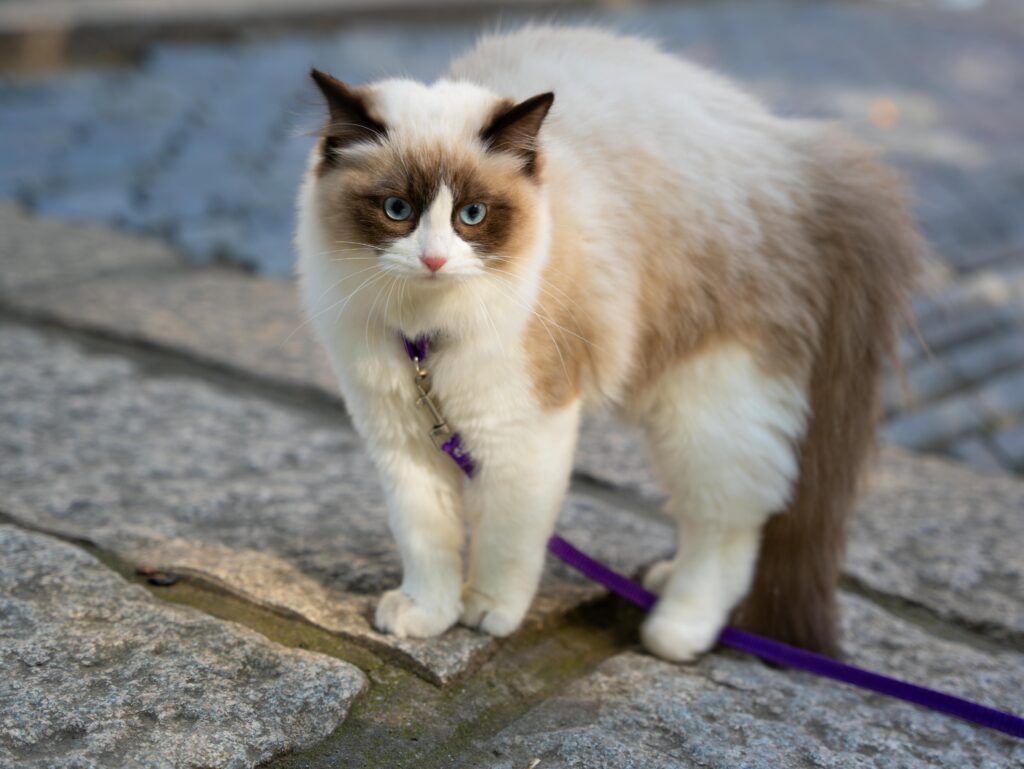
Health Priorities — Kitten vs Adult
Ragdoll kittens- Health Focus
Health care during kittenhood lays the foundation for long-term wellbeing. Ragdoll kittens require proactive preventive care, not reactive treatment.
Vaccination schedules protect kittens during a vulnerable developmental window. Timely, properly spaced vaccines matter more than brand or protocol variation.
Parasite prevention plays a critical role. Even indoor kittens face exposure through shoes, clothing, and visitors. Consistent, veterinarian-approved prevention protects growth and comfort.
Growth monitoring ensures steady development. Owners should track weight and body condition to confirm healthy progress without excessive gain.
Early cardiac awareness begins with baseline veterinary exams. Listening to heart sounds and documenting normal findings creates reference points for future monitoring.
Digestive tolerance often fluctuates in kittens. Diet changes, stress, and growth can affect stool quality. Gradual transitions and observation prevent unnecessary gastrointestinal upset.
Health focus in adult Ragdolls
Adult Ragdoll health care shifts toward maintenance and monitoring.
Weight management becomes a priority as activity levels decrease. Controlled portions and routine monitoring prevent gradual weight gain that affects joints, breathing, and cardiac workload.
Dental care requires consistent attention. Calm behavior often masks oral discomfort, making routine checks and cleanings essential.
Cardiac monitoring awareness continues throughout adulthood. Owners should remain alert to breathing changes, stamina shifts, or murmurs identified during exams.
Hydration and kidney support matter increasingly with age. Wet food, fresh water access, and regular veterinary screening support long-term renal health.
Annual wellness exams allow veterinarians to track trends over time. These visits detect gradual changes before they become advanced disease.
Why calm behavior can hide issues at both stages
Ragdolls rarely dramatize discomfort. Calm behavior often masks developing issues, especially during early stages of illness.
Subtle signs matter more than dramatic symptoms. Changes in appetite, activity, grooming, or routine often appear before visible illness.
Routine observation makes the difference. Owners who notice small shifts early can address concerns before they escalate, improving outcomes at both kitten and adult stages.
Calm cats need attentive owners, not hands-off ones.
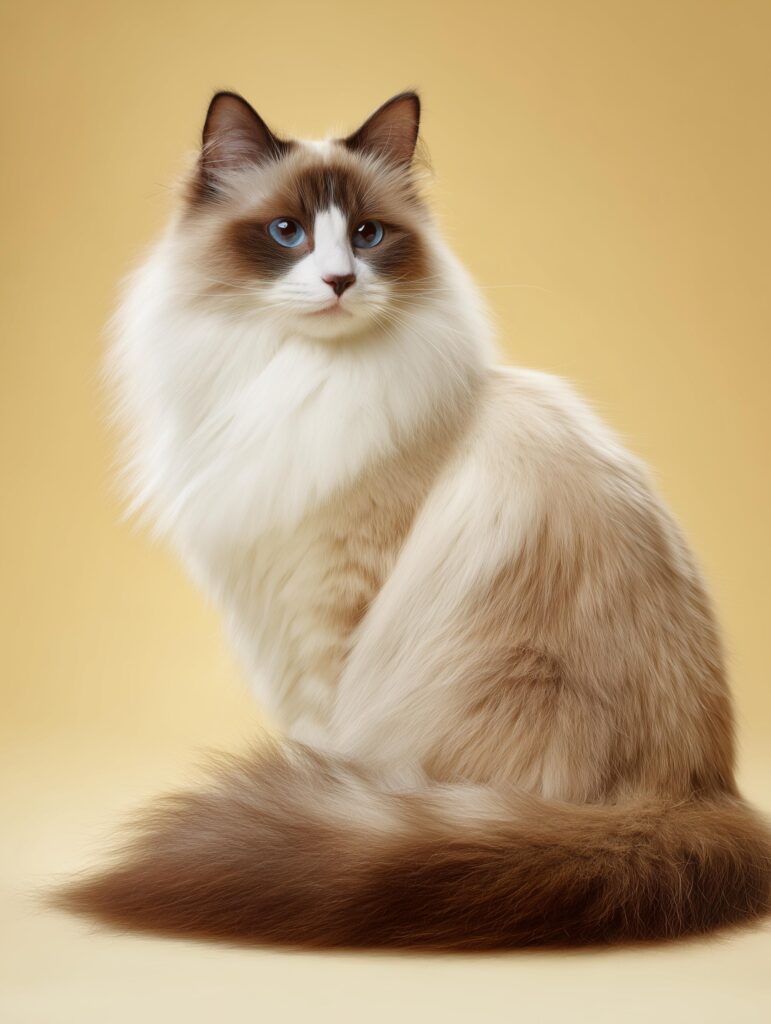
Grooming and Coat Care Differences
Grooming a Ragdoll kitten
Ragdoll kittens benefit most from early, positive exposure to grooming rather than intensive coat care. At this stage, the goal is to build comfort and cooperation, not to achieve a perfect coat.
Introducing brushing early helps kittens accept grooming as a normal part of daily life. Short, gentle sessions teach kittens that brushing is safe and predictable. Consistency matters more than duration.
Building tolerance without restraint is essential. Kittens learn best when owners:
- keep sessions brief
- stop before the kitten becomes restless
- pair grooming with calm praise or treats
Forcing stillness or pushing through resistance creates avoidance later.
Maintenance remains light during kittenhood. While the coat is developing, matting is less common. Focus stays on familiarity with tools, handling of sensitive areas, and calm behavior rather than coat perfection.
Grooming an adult Ragdoll
Adult Ragdolls require regular, intentional coat care to maintain comfort and prevent matting. Their dense, silky coat benefits from a predictable brushing schedule rather than occasional intensive sessions.
Most adults do best with:
- consistent brushing several times per week
- attention to areas prone to friction, such as the chest, armpits, belly, and behind the ears
- gentle detangling before mats form
Managing friction areas prevents discomfort and reduces the need for corrective grooming.
Coat quality also acts as a health indicator in adult Ragdolls. Changes such as dullness, excessive shedding, dandruff, or sudden matting may signal nutritional imbalance, stress, or underlying health issues and deserve evaluation.
What doesn’t change
Across all life stages, Ragdolls require human-assisted grooming. Their coat does not maintain itself, and regular help prevents discomfort and skin problems.
Routine matters more than intensity. Consistent, calm grooming sessions produce better long-term outcomes than infrequent, high-effort interventions. This approach supports both coat health and the cat’s emotional comfort.
Lifestyle Fit — Who Each Stage Is Best For
Homes that thrive with a Ragdoll kitten
Ragdoll kittens thrive in homes that can actively participate in their development.
The best kitten homes offer:
- adequate time for supervision and interaction
- willingness to engage in play and training
- interest in shaping habits and routines early
- patience with normal developmental phases
Kittens require flexibility, structure, and consistent guidance. Homes prepared for this stage tend to enjoy the process rather than feel overwhelmed by it.
Homes that thrive with an adult Ragdoll
Adult Ragdolls suit homes seeking calm, predictable companionship.
These homes often prefer:
- steady routines and schedules
- a quiet, low-chaos environment
- minimal need for supervision
- a cat with an established personality
Adults integrate smoothly into daily life and rarely disrupt household flow.
Why adult Ragdolls are often underestimated
Many people underestimate adult Ragdolls due to persistent myths about bonding. Some assume that adults will not form strong attachments or that kittens bond more deeply.
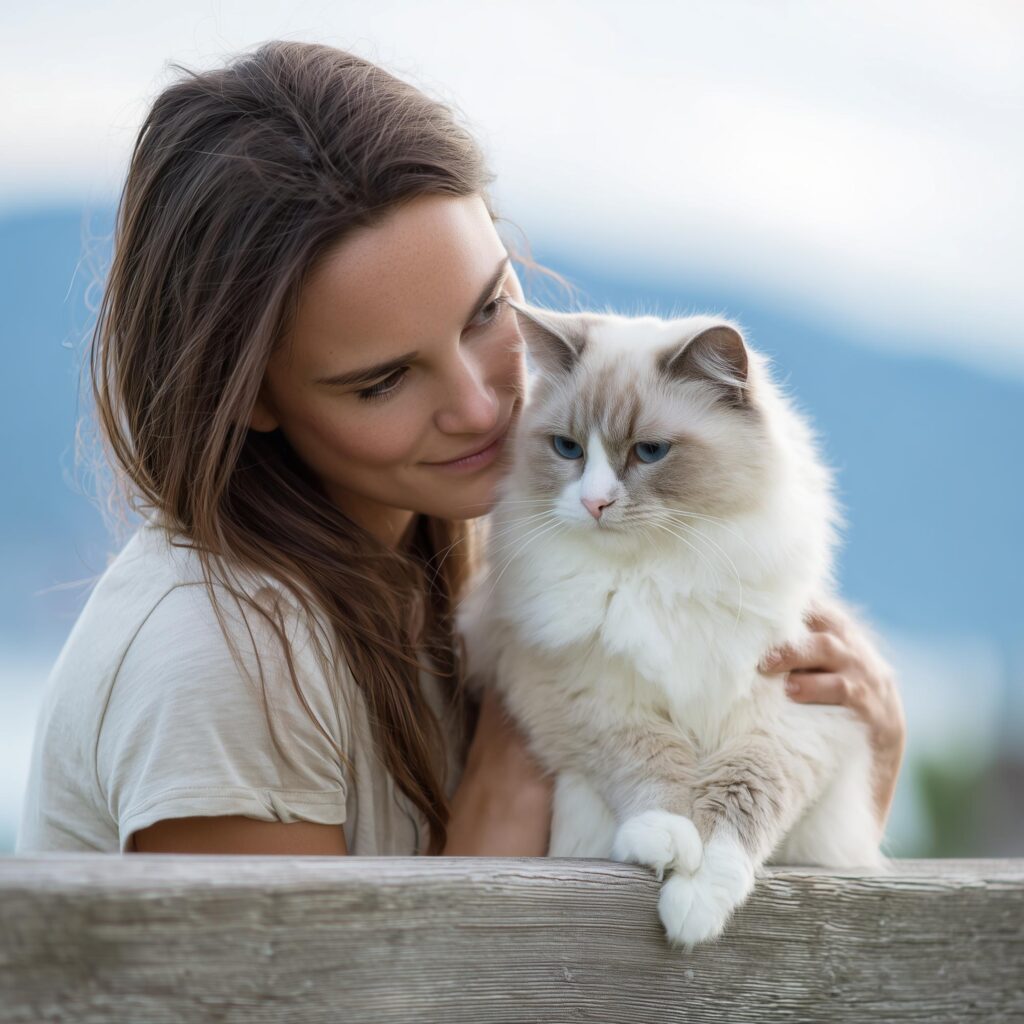
In reality, adult Ragdolls often form secure, stable attachments with new owners. Their emotional maturity allows them to connect without anxiety or constant demand.
Adults bring clarity. What you see is what you get—making them an excellent choice for households that value predictability and calm connection over developmental involvement.
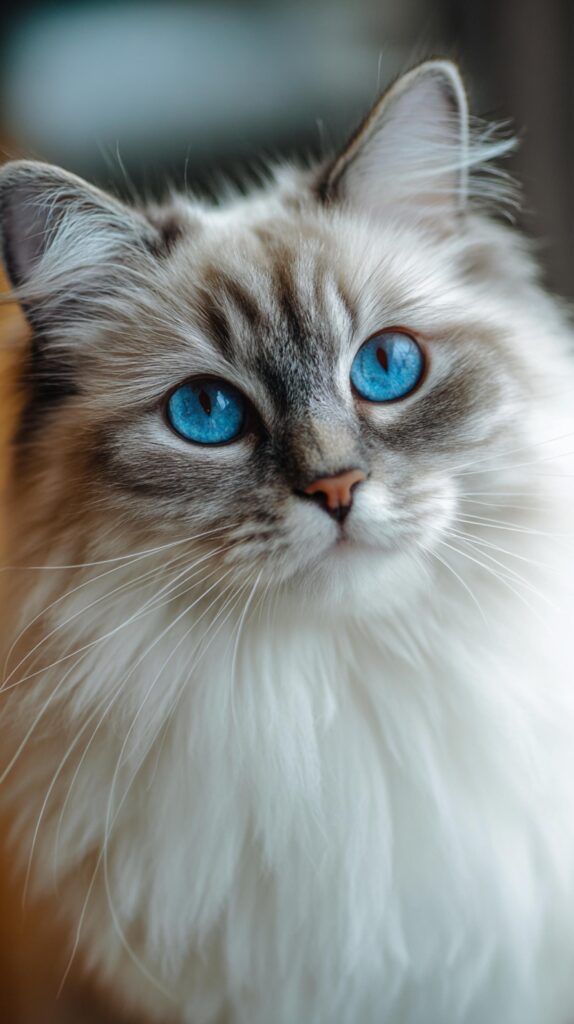
Common Myths About Ragdoll Kittens vs Adults
“Ragdoll kittens are calm from day one”
Ragdoll kittens do not arrive calm. While the breed is known for a gentle adult temperament, kittens still move through normal developmental stages that include curiosity, frequent play, and boundary testing. Calmness develops with emotional maturity, routine, and time—not at eight or twelve weeks of age.
“Adults don’t bond as strongly”
Adult Ragdolls will absolutely bond with new owners. The most cuddly Ragdoll I currently have came to me as an adult intact male. Emotional maturity allows adults to form secure, stable attachments without anxiety or constant attention-seeking. Bonding does not depend on age; it depends on consistent care, safety, and shared routine.
“Energy level is the same for life”
Ragdoll energy levels change significantly over time. Kittens display short bursts of high activity, while adults settle into predictable, low-demand rhythms. Expecting the same energy at every life stage leads to misunderstanding normal development.
“Training matters less because they’re gentle”
Gentle temperament does not replace training. Ragdolls still need clear boundaries, consistent routines, and guidance. Without early structure, even gentle cats develop confusing habits that frustrate owners later.
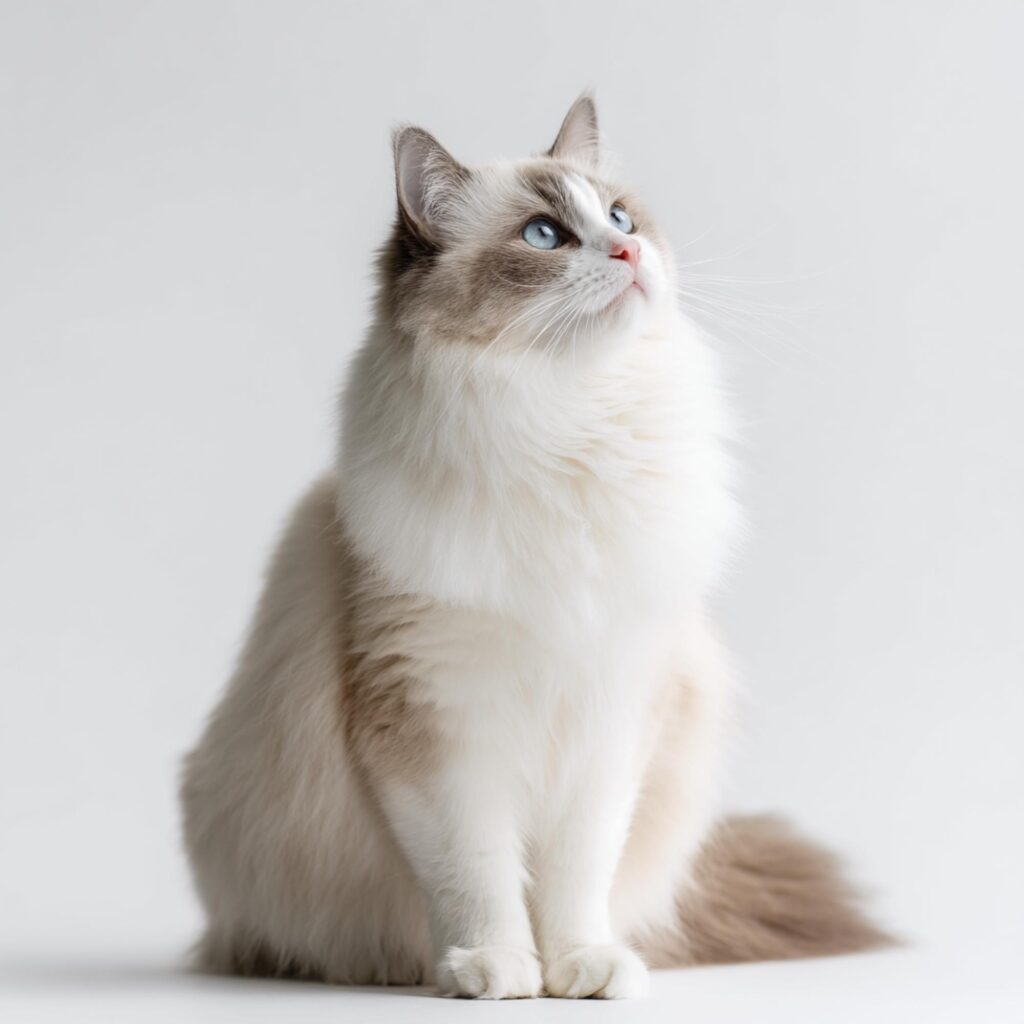
Which Is Right for You — Kitten or Adult?
Questions to ask yourself
Choosing between a Ragdoll kitten and an adult starts with honest self-assessment.
Consider:
- Time availability: Do you have daily time for supervision, play, and training, or do you prefer low-maintenance companionship?
- Noise and activity tolerance: Can you handle busy play cycles and exploration, or do you prefer a quieter household?
- Long-term expectations: Are you excited to shape behavior, or do you want an established personality?
- Desire for training vs companionship: Do you enjoy teaching routines, or do you prefer a settled presence?
Why neither option is “better”
Neither kittens nor adults are better in absolute terms. Fit matters more than age.
Matching the cat’s life stage to your lifestyle prevents frustration, unmet expectations, and rehoming. When expectations align, both kittens and adults thrive—and owners enjoy the relationship rather than managing it.
The right choice is the one that fits how you actually live, not how you hope things will feel later.
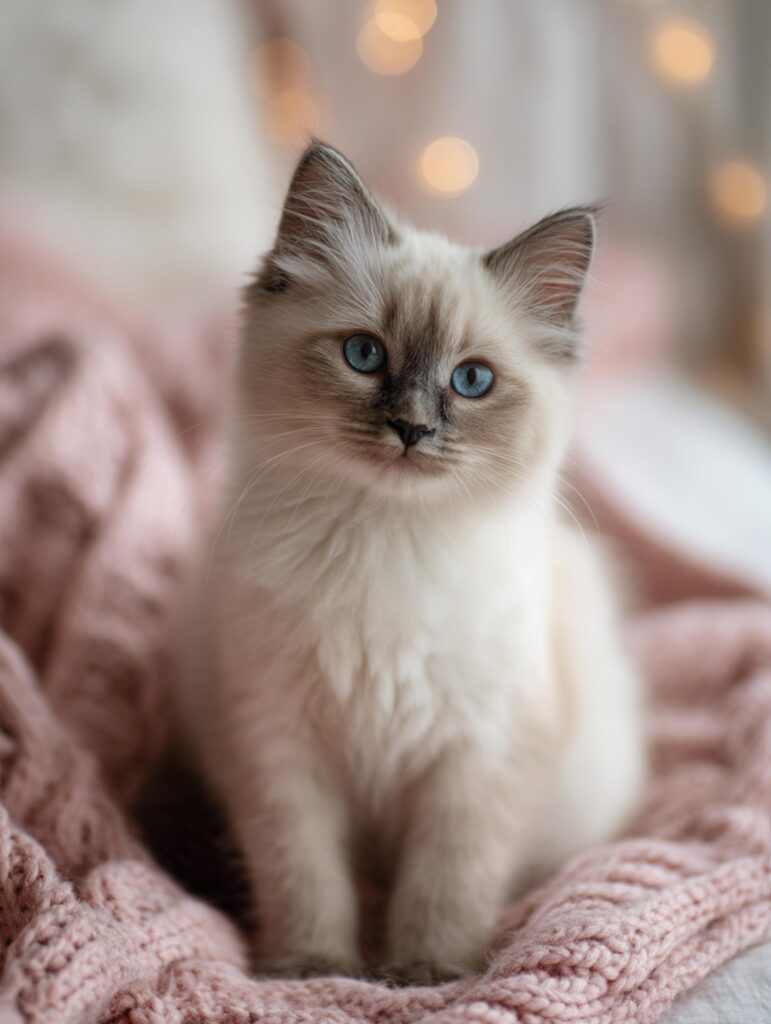
Ragdoll Kitten vs Adult — Frequently Asked Questions
Are Ragdoll kittens calmer than other kittens?
Ragdoll kittens may be slightly less reactive than some high-energy breeds, but they are still kittens. They explore, play intensely in short bursts, and seek frequent interaction. Calm temperament describes the adult Ragdoll, not the developmental stage. Expect curiosity and activity, not quiet lounging, during kittenhood.
How long does the “kitten phase” last in Ragdolls?
Most Ragdolls move out of the most intense kitten phase between 12 and 18 months, though emotional maturity continues developing beyond that. Energy levels gradually decrease, impulse control improves, and routines stabilize. Calm behavior emerges through maturity and structure, not overnight growth.
Do adult Ragdolls bond as strongly as kittens?
Yes. Adult Ragdolls form deep, secure bonds with new owners. In many cases, adults bond more smoothly because they regulate emotion better and do not rely on constant stimulation. Bonding depends on consistency and safety, not age at placement.
Is it easier to care for an adult Ragdoll than a kitten?
For most households, yes. Adult Ragdolls require less supervision, have established habits, and integrate quickly into routine. Kittens demand time, structure, and patience. “Easier” depends on lifestyle, but adults typically suit calm, predictable homes better.
Are adult Ragdolls less playful?
Adult Ragdolls still enjoy play, but they engage intentionally rather than constantly. They prefer short interactive sessions over long bursts of activity. Play becomes part of routine rather than a dominant daily need.
Does a calm breed mean less training is required?
No. Calm temperament does not eliminate the need for training. Ragdolls still need boundaries, routine, and guidance—especially as kittens. Training shapes habits; temperament only influences how easily cats accept guidance.
What happens if I don’t set boundaries during kittenhood?
Permissiveness during kittenhood often leads to confusion later. Behaviors that seem cute in a kitten—rough play, unrestricted scratching, inconsistent routines—become frustrating in adulthood. Early structure creates relaxed adults who understand expectations.
Are Ragdoll kittens overwhelming for first-time owners?
They can be, depending on expectations. First-time owners who expect a quiet experience may feel overwhelmed by normal kitten behavior. Owners who understand the developmental phase and enjoy interaction typically adapt well.
Are adult Ragdolls good for first-time owners?
Yes. Adult Ragdolls often make excellent first cats for people seeking calm companionship. Their predictable temperament, low reactivity, and established habits reduce the learning curve.
Will a Ragdoll kitten automatically become a calm adult?
Temperament sets potential, not outcome. A Ragdoll kitten becomes a calm adult through a combination of genetics, routine, boundaries, and care. Lack of structure can interfere with emotional regulation even in gentle breeds.
Is grooming easier with a kitten or an adult?
Kittens are easier to groom physically but harder emotionally. Adults require more coat maintenance, but early grooming exposure makes adult care much smoother. Grooming success depends more on routine than age.
Do adult Ragdolls adjust well to new homes?
Most adult Ragdolls adjust well, especially when routines remain predictable. Emotional maturity helps them process change without panic. Many adults settle faster than kittens because they regulate stress better.
Is there a difference in health concerns between kittens and adults?
Yes. Kittens focus on vaccines, growth, and parasite prevention. Adults shift toward weight management, dental care, hydration, and monitoring for age-related changes. Calm behavior at both stages can mask subtle health issues, making observation essential.
Are Ragdolls good for busy households?
Adult Ragdolls adapt better to predictable, moderately busy homes than kittens do. Kittens require time and engagement. Adults tolerate quiet independence more easily.
Which stage is better for families with children?
Both can work, but expectations matter. Kittens need supervision around children. Adult Ragdolls often tolerate handling better and communicate boundaries more clearly, making them easier in structured family environments.
Why do people underestimate adult Ragdolls?
Many assume bonding only happens in kittenhood. In reality, adult Ragdolls form stable, affectionate bonds without anxiety. Adults offer clarity—you know their personality, energy level, and preferences from day one.
What is the biggest mistake people make when choosing between a kitten and an adult?
Choosing based on image instead of lifestyle. People often choose kittens expecting adult behavior or avoid adults fearing lack of bonding. Matching reality to lifestyle prevents frustration and rehoming.
How do I decide which is right for me?
Ask yourself:
- How much time do I have daily?
- Do I enjoy shaping behavior or prefer settled routines?
- Can I handle normal developmental chaos?
- Do I want companionship or participation?
The honest answers matter more than preference.
Is one choice “better” than the other?
No. Neither kittens nor adults are better universally. Fit matters more than age. The right match creates a relaxed cat and a satisfied owner—regardless of stage.
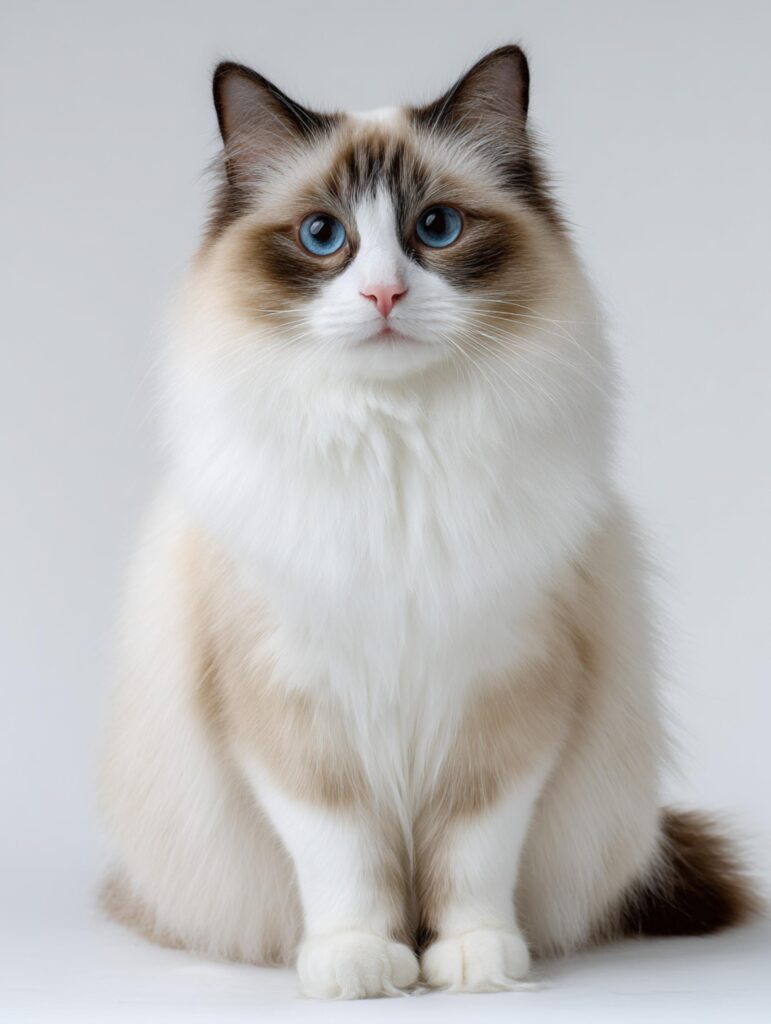
Ragdoll Kitten vs Adult: Same Breed, Different Experience
Ragdoll kittens and adult Ragdolls share the same genetic foundation, but they deliver very different day-to-day experiences. Kittenhood centers on development, exploration, and learning, while adulthood brings emotional steadiness, predictable routines, and calm companionship. Both stages are normal—and neither should be judged by expectations meant for the other.
Temperament consistency does not equal behavior consistency. The Ragdoll’s gentle, people-oriented nature remains present throughout life, but how that temperament expresses changes with maturity. Kittens act through curiosity and impulse; adults act through regulation and intention. Confusing these expressions often leads to unnecessary frustration.
The best outcomes in a Ragdoll kitten vs adult decision come from alignment, not idealization. Owners who enjoy the most satisfying relationships approach the choice with:
- realistic expectations about what each stage looks like day to day
- stage-appropriate care that supports development in kittens and stability in adults
- honest self-assessment about time, energy, and lifestyle
When expectations match reality, both kittens and adults thrive—and so do the people who live with them.
Continued Ragdoll Reading
If you’re still deciding whether a Ragdoll fits your home, these guides expand on temperament, care, and long-term ownership realities:
- Ragdoll Cats Explained by a Breeder
A complete breakdown of temperament, care needs, health realities, and who the breed is truly suited for. - Ragdoll Cat Health Complete Health review of Ragdoll cats.
- Are Ragdoll Cats Easy Pets?
What “easy” really means, where owners struggle, and how expectations shape the experience. - Ragdoll Temperament Explained (Beyond the Stereotypes)
A deeper look at affection, independence, emotional sensitivity, and social behavior. - Do Ragdoll Cats Shed? Grooming & Coat Care Reality
What shedding looks like in real homes and how to manage coat care long-term. - How Ragdoll Kittens are Raised Our Ragdoll kittens are raised through a structured, stage-based process that supports confidence, handling tolerance, and adaptability.
- Are Ragdoll Cats Hypoallergenic?
A realistic explanation of allergies, Fel d 1, and why coat type doesn’t equal allergy safety. - What Living With A Ragdoll is Like
Living with a Ragdoll doesn’t match the extremes you see online. - Ragdoll Cat Lifespan: Lifespan and health tips.
- Ragdoll Health Testing Explained
What breeders test for, what results actually mean, and why testing reduces risk but never guarantees outcomes. - Is a Ragdoll Cat Right for You?
A fit-focused guide to lifestyle compatibility, common regret patterns, and thoughtful decision-making.
Sources & References
- International Cat Care (iCatCare)
Life-stage behavior, kitten development, adult cat needs, stress and routine
https://icatcare.org - International Society of Feline Medicine (ISFM)
Feline behavior, welfare, and life-stage care guidelines
https://icatcare.org/our-affiliations/international-society-of-feline-medicine/ - American Association of Feline Practitioners (AAFP)
Feline life-stage guidelines, preventive care, and wellness standards
https://catvets.com/guidelines - Cornell University College of Veterinary Medicine – Feline Health Center
Cat behavior, development, health monitoring, and owner education
https://www.vet.cornell.edu/departments-centers-and-institutes/cornell-feline-health-center - Merck Veterinary Manual (Cat Owner & Professional Editions)
Feline growth stages, behavior, preventive care, and health management
https://www.merckvetmanual.com/cat-owners - Tufts University Cummings School of Veterinary Medicine – Companion Animal Behavior & Nutrition
Research-based guidance on kitten development, adult behavior, feeding, and routine
https://vetnutrition.tufts.edu
https://vet.tufts.edu/behavior - Journal of Feline Medicine and Surgery (JFMS)
Peer-reviewed research on feline behavior, development, stress, and aging
https://journals.sagepub.com/home/jfm





Read the Comments +