
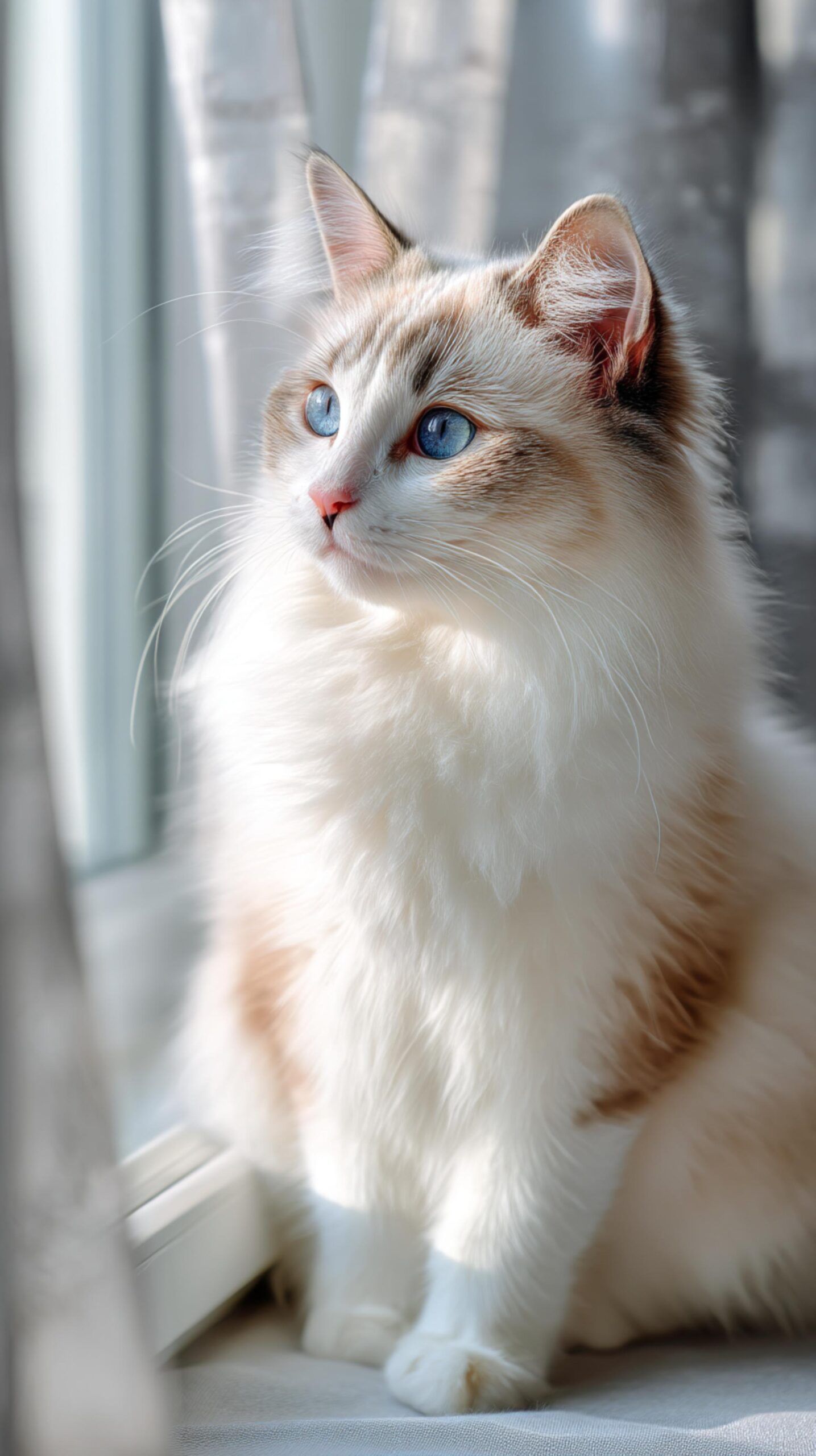
Ragdoll Cat Lifetime Cost: Weekly, Monthly & Costs Long Term

When people ask, “How much does a Ragdoll cat cost?”, they are usually asking the wrong question.
Most answers—especially on Reddit, forums, and quick-search blogs—focus almost entirely on the kitten purchase price. While that number matters, it represents only a small portion of the financial commitment involved in owning a Ragdoll over its full lifespan.
Ragdolls are slow-maturing, long-lived cats with specific care needs that unfold gradually over time. Their true cost is spread across years of food, veterinary care, grooming, preventive health support, emergencies, and senior care. Focusing only on the upfront price creates an incomplete picture and leaves many owners unprepared for what follows.
This is where online advice often falls short. Forum threads frequently rely on personal anecdotes, outdated cost assumptions, or unusually low-intervention scenarios that do not reflect current veterinary pricing or realistic long-term care. As a result, lifetime expenses are routinely underestimated.
This article reframes the conversation around total financial responsibility, not just entry cost.
In this article, we’ll cover:
- Annual and lifetime cost ranges for Ragdoll ownership
- Post-2020 veterinary realities, including rising routine and emergency care costs
- Emergency care and senior expenses many owners do not anticipate
- Why Ragdolls often cost more over time than average domestic cats
- How to assess whether Ragdoll ownership is financially sustainable for your household
The goal is not to persuade or discourage—but to replace guesswork with clarity. When expectations are grounded in reality, outcomes are better for both the cat and the owner.
Ragdoll Lifetime Cost at a Glance
| Category | What It Really Means |
|---|---|
| Kitten Cost (Starting Point) | ~$3,500–$5,500+ for an ethically bred Ragdoll kitten; reflects breeding practices, health testing, and early veterinary care—not lifetime ownership |
| Annual Cost (Conservative) | ~$1,500–$2,500 per year with routine care and no major medical events |
| Annual Cost (Realistic) | ~$2,500–$5,000+ per year when accounting for grooming, preventive care, and rising veterinary costs |
| Lifetime Cost (12–18+ years) | ~$25,000–$45,000+ over a typical lifespan; higher with emergencies or chronic care |
| Major Cost Drivers | Longevity, high-quality nutrition, veterinary care, grooming, and senior health monitoring |
| Biggest Surprise Expenses | Emergency veterinary care, diagnostics, specialty referrals, and senior-year monitoring |
| Where Most People Miscalculate | Focusing on the kitten price instead of recurring monthly and long-term costs |
| Conclusion | The kitten price is the entry point; long-term care is the real financial commitment |
This table reflects current care and veterinary realities, not best-case scenarios or outdated online advice.
Ragdoll Kitten Cost: The Starting Point, Not the Total Cost
Most people encounter the cost of Ragdoll ownership at the point of purchase. The kitten price is where payment begins, and it is often the number that shapes first impressions — but it represents only the entry point into a much longer financial commitment.
Ethically bred Ragdoll kittens typically cost $3,500–$5,500+, depending on lineage, health testing, veterinary investment, and breeding standards. This price reflects the cost of producing a healthy, well-raised kitten — not the cost of owning one over the next 12–18+ years.
This is where many online conversations go wrong. Forum threads and Reddit discussions often stop at the purchase price, treating it as the primary expense. In reality, the kitten price is simply the first payment in a series of ongoing responsibilities.
For a detailed explanation of what drives Ragdoll kitten pricing — including health testing, veterinary care, breeder investment, and long-term support — see our full breakdown here:
→ Ragdoll Pricing Explained: Why Ragdoll Kittens Cost What They Do
Understanding the kitten price in context makes the lifetime cost easier to evaluate realistically. It shifts the question from “Can I buy the kitten?” to “Can I support this cat consistently for the next decade or more?”
Average Lifespan of a Ragdoll (and Why Longevity Increases Cost)
Ragdolls are a long-lived breed, with a typical lifespan of 12 to 18 years, and many well-cared-for cats living beyond that range. While longevity is a positive trait, it significantly increases the total cost of ownership.
Why Longer Life Means Compounding Expenses
Every additional year of life adds another full cycle of:
- Food and litter
- Routine veterinary care
- Preventive health monitoring
- Grooming and coat maintenance
Unlike short-lived pets, Ragdolls do not concentrate costs into a brief window. Expenses accumulate gradually and persistently, and they often increase as the cat enters its senior years.
Ragdolls vs Average Domestic Cats
Compared to the average domestic cat, Ragdolls typically:
- Live longer, extending all recurring expenses
- Require consistent grooming due to coat type
- Incur higher veterinary costs over time due to longevity and senior monitoring
- Accumulate more lifetime care simply by duration, even with similar annual routines
Even when daily care is comparable, the length of ownership increases total cost.
Longevity Is a Financial Multiplier
Longevity does not just add years — it multiplies expenses.
A Ragdoll that lives 16–18 years does not simply cost “a little more” than a cat that lives 10 years. It adds:
- Additional senior-care monitoring
- A higher likelihood of at least one emergency event
- More years of inflation-adjusted veterinary pricing
This is why lifetime cost, not annual cost, is the most accurate way to evaluate financial readiness for Ragdoll ownership.
What Ragdoll Ownership Actually Costs Week to Week
Most people underestimate cost because they think in terms of one-time purchases instead of recurring care. When expenses are broken down weekly, the financial reality of Ragdoll ownership becomes clearer.
Weekly Cost Breakdown (Average Ragdoll)
| Expense Category | Estimated Weekly Cost | What It Covers |
|---|---|---|
| Food | $12–$25 | High-quality wet, raw, or hybrid diet appropriate for an adult Ragdoll |
| Litter & Sanitation | $7–$12 | Litter, liners, odor control, disposal |
| Routine Care (Averaged) | $8–$18 | Veterinary visits and diagnostics spread across the year |
| Grooming & Coat Care | $4–$8 | Brushes, combs, coat products, or averaged professional grooming |
| Insurance / Emergency Savings | $10–$25 | Insurance premiums or emergency fund contributions |
| Estimated Weekly Total | $41–$88+ | Every week, not just occasionally |
Key reality:
Most owners do not feel these costs because they arrive in small, frequent amounts—but over time, they accumulate quickly.
Monthly Cost Breakdown (What Actually Hits the Budget)
It is at the monthly level that many owners realize they have underestimated the cost of Ragdoll ownership.
Monthly Cost Breakdown (Realistic)
| Expense Category | Estimated Monthly Cost | Why It’s Easy to Overlook |
|---|---|---|
| Food | $60–$110 | Purchased incrementally rather than as a single bill |
| Litter & Sanitation | $30–$55 | Small, recurring purchases that add up |
| Routine Veterinary Care (Averaged) | $35–$90 | Visits feel infrequent, but costs recur |
| Grooming & Coat Care | $20–$60 | Seasonal increases obscure the true average |
| Insurance / Emergency Savings | $40–$100 | Often skipped until a problem occurs |
| Estimated Monthly Total | $185–$415+ | Before emergencies or specialty care |
Why Most People Underestimate These Costs
People often assume:
- “Food isn’t that expensive.”
- “Vet visits are once a year.”
- “Grooming is occasional.”
- “Emergencies probably won’t happen.”
In reality:
- Food is a weekly expense.
- Sanitation is constant.
- Veterinary costs are averaged, not optional.
- Grooming needs often increase with age.
- Emergencies are statistically likely over a 12–18+ year lifespan.
Short-term budgeting focuses on the purchase price. Sustainable Ragdoll ownership requires planning for ongoing weekly and monthly obligations.
How This Leads Into Annual Costs
When weekly and monthly expenses are annualized, the full financial commitment of Ragdoll ownership becomes clear. This is why annual and lifetime cost estimates often surprise people who felt confident based only on upfront expenses.
Small, recurring costs accumulate steadily. When viewed over a full year—and then over a decade or more—the difference between expectation and reality becomes obvious.
Annual Cost of Owning a Ragdoll Cat (Realistic Breakdown)
Annual expenses for a Ragdoll are higher than for the average domestic cat, not because the breed is fragile, but because of longevity, coat maintenance, veterinary care, and cumulative years of ownership. These costs recur every year and should be expected throughout the cat’s life.
Food Costs Over Time
Ragdolls are medium-to-large cats with steady nutritional needs that evolve over time.
Body size and calorie needs
Ragdolls are not as large as giant breeds, but they require consistent, high-quality nutrition to maintain body condition, coat health, and muscle tone throughout a long lifespan.
Wet vs raw vs hybrid feeding
Many Ragdoll owners choose wet food, raw diets, or hybrid approaches to support hydration and coat quality. These feeding styles typically cost more than dry-only diets but are commonly selected for long-term health.
Cost differences by quality level
Lower-quality foods may appear less expensive initially but can contribute to digestive issues, weight problems, or poor coat condition, increasing veterinary costs later.
How food costs change with age
Food expenses tend to be steady in adulthood and often increase in senior years as diets are adjusted for weight management, digestive sensitivity, or age-related health support.
Litter and Sanitation
Sanitation is a consistent and unavoidable expense.
Routine litter usage
Ragdolls use standard litter amounts but benefit from clean, spacious litter boxes. Regular full changes are part of responsible care.
Odor control and health monitoring
Clean litter boxes are essential for monitoring urinary health and identifying early changes in elimination habits. This requires consistent litter replacement, not minimal maintenance.
Single-cat vs multi-cat homes
In multi-cat households, litter costs scale quickly. More boxes and more frequent changes are required to maintain hygiene and reduce stress.
Routine Veterinary Care
Routine veterinary care represents one of the most predictable annual costs.
Annual exams and vaccinations
Wellness exams, core vaccinations, and preventive care are baseline annual expenses.
Diagnostic testing
Bloodwork, fecal testing, and urinalysis are increasingly standard as part of preventive care, particularly as Ragdolls age.
Long-term monitoring
Ragdolls often require increased monitoring in later years for weight, cardiac health, or general age-related changes.
Rising veterinary costs since 2020
Routine veterinary care costs have risen significantly in recent years, and those increases are now part of the standard cost landscape.
Grooming and Coat Maintenance
Grooming is an ongoing requirement for Ragdolls.
Home grooming tools and supplies
Combs, brushes, and coat-maintenance products are recurring expenses throughout the cat’s life.
Professional grooming frequency
Some owners use professional grooming periodically, particularly during seasonal shedding or if coat maintenance becomes difficult.
Shedding and coat upkeep
Ragdolls shed moderately year-round, with seasonal increases. Without consistent grooming, loose hair can accumulate and create coat issues that require intervention.
Why grooming is a long-term cost
As Ragdolls age and mobility decreases, grooming needs often increase, not decrease.
Insurance or Emergency Savings
Financial buffers are a critical component of responsible Ragdoll ownership.
Pet insurance vs self-funded emergency accounts
Some owners opt for monthly insurance premiums, while others maintain a dedicated emergency fund. Both approaches require consistent contributions.
Typical monthly and annual impact
Insurance premiums or savings contributions add a meaningful annual expense but reduce the risk of sudden financial strain.
Why Ragdoll Cats and Owners benefit from financial buffers
Emergency veterinary care is costly, and delays often worsen outcomes. Financial preparedness allows care decisions to be based on medical need rather than immediate affordability.
Annual Ragdoll ownership costs are predictable in structure but variable in amount. Planning for realistic, ongoing expenses—rather than best-case scenarios—creates long-term stability and reduces financial stress throughout the cat’s life.
Emergency Veterinary Costs Over a Lifetime
Emergency veterinary care is one of the most significant contributors to the lifetime cost of Ragdoll ownership—and one of the most commonly underestimated. Over a lifespan of 12–18+ years, emergency care should be expected as a normal part of ownership, not an unlikely event.
Common Emergencies Ragdoll Owners Encounter
Ragdolls are not inherently fragile, but their long lifespan, indoor curiosity, and relaxed temperament increase exposure to certain emergencies over time.
Common scenarios include:
Gastrointestinal blockages
Ingestion of hair, string, ribbon, toys, or foreign material can lead to obstructions requiring urgent diagnostics, hospitalization, or surgery.
Urinary emergencies
Urinary blockages—particularly in males—can develop quickly and become life-threatening without immediate intervention.
Injuries and accidents
Falls from furniture, accidental confinement, or interactions with other animals can result in fractures, internal injuries, or wounds requiring emergency treatment.
Acute illness flare-ups
Sudden infections, pancreatitis, cardiac events, or complications from underlying conditions often appear without warning and require urgent care.
None of these situations are rare over a long lifespan, and none are limited to negligent ownership. They are part of long-term feline care reality.
Realistic Emergency Cost Ranges
Emergency veterinary costs have increased substantially in recent years, especially as more care is provided through specialty and emergency-only hospitals.
Typical cost ranges include:
Minor emergencies
$1,500–$3,000 for diagnostics, stabilization, and short-term treatment
Surgery or ICU-level care
$5,000–$10,000+ for surgical intervention, extended hospitalization, or intensive monitoring
Repeat or complex emergencies over time
$10,000–$20,000+ across a lifetime is not unusual, particularly for cats requiring multiple interventions or management of chronic conditions
Payment is typically required immediately, often within hours of presentation.
Why Emergencies Are a “When,” Not an “If”
Over a 12–18+ year lifespan, the likelihood of encountering at least one emergency event is high. This is not pessimism—it is statistical reality.
Several factors contribute:
Longevity increases exposure
More years alive means more opportunities for illness, injury, or acute medical events.
Care complexity increases cost
Emergency diagnostics, anesthesia, imaging, and hospitalization are expensive regardless of breed, and costs compound quickly.
Delayed care worsens outcomes
Waiting due to financial uncertainty often leads to more severe illness, longer hospitalization, and significantly higher expenses than early intervention would have required.
Emergency preparedness—through insurance or dedicated savings—does not prevent emergencies, but it protects outcomes by allowing decisions to be made promptly rather than reactively.
Emergency veterinary care is not an anomaly in Ragdoll ownership. It is a foreseeable part of long-term care that should be planned for from the beginning.
Understanding this reality is essential to evaluating the true lifetime cost of owning a Ragdoll—and to ensuring care decisions are guided by medical need rather than financial crisis.
Why Veterinary Costs Have Changed Permanently Since 2020
Veterinary care has undergone structural, long-term changes since 2020 that are not temporary. These shifts affect every year of a Ragdoll’s life and significantly alter what long-term ownership costs look like today compared to even a decade ago.
Industry Shifts
Several overlapping changes have reshaped the veterinary landscape:
Staffing shortages
Veterinary clinics continue to face shortages of veterinarians, technicians, and support staff. Fewer professionals are managing higher caseloads, increasing labor costs and limiting appointment availability.
Corporate consolidation
Many independent practices have been acquired by large veterinary groups. While consolidation can improve access to advanced diagnostics and specialty care, it often results in standardized pricing, fewer discounts, and reduced flexibility for lower-cost options.
Increased equipment and medication costs
Diagnostic imaging, laboratory testing, surgical equipment, and medications have all risen sharply in cost. Clinics must pass these expenses on to clients to remain financially viable.
Emergency care shifting to specialty hospitals
After-hours and emergency services are increasingly handled by specialty or emergency-only hospitals rather than general practices. These facilities provide advanced care but at significantly higher cost.
Together, these changes have permanently raised the baseline cost of veterinary care, rather than creating a temporary price surge.
What This Means for Long-Term Ragdoll Owners
For Ragdoll owners, these industry changes have practical consequences that compound over time:
Higher baseline costs every year
Routine exams, diagnostics, and preventive care now cost more and continue to rise with inflation.
Fewer low-cost options
Budget clinics and discounted services are less available, even for routine care, particularly in urban and suburban areas.
Why budgeting based on old advice is risky
Much online guidance still reflects pre-2020 pricing. Planning based on outdated assumptions often leaves owners unprepared for real-world expenses.
Long-term ownership budgeting must reflect current and future realities, not historical averages.
Aging Costs Most Ragdoll Owners Don’t Anticipate
As Ragdolls age, costs do not simply stay flat—they change in type and frequency. Aging-related expenses are a normal part of long-term care and should be expected rather than treated as unexpected burdens.
Senior Care Expenses
As Ragdolls enter their senior years, veterinary involvement typically increases:
- More frequent veterinary visits for monitoring and early detection
- Routine bloodwork and diagnostic screening to track organ function
- Weight, mobility, and comfort support through diet adjustments or supplements
These expenses tend to increase gradually and recur consistently rather than appearing as one-time events.
Chronic Condition Management
Long-lived breeds like Ragdolls are more likely to develop chronic conditions that require ongoing management.
Common examples include:
- Cardiac monitoring and follow-up diagnostics
- Digestive or renal support involving specialized diets and medications
- Long-term medication use that may continue for months or years
Chronic care focuses on maintenance and quality of life, which brings predictable, recurring costs.
End-of-Life Care
End-of-life care is an inevitable part of ownership and benefits from preparation rather than avoidance.
This may include:
- Palliative care focused on comfort and symptom management
- Emergency decision-making when conditions change suddenly
- Quality-of-life assessments guided by veterinary input
Handled thoughtfully, end-of-life care prioritizes the cat’s wellbeing while allowing owners to make calm, informed decisions without financial panic.
Lifetime Cost Estimates for Ragdoll Ownership
Lifetime cost estimates are not about predicting the future with precision. They are about understanding reasonable financial ranges based on care patterns, veterinary realities, and the Ragdoll’s long lifespan.
Conservative vs Realistic Projections
Ragdoll ownership generally falls into one of three broad financial scenarios over a 12–18+ year lifespan.
Low-intervention scenario
This reflects a best-case outcome:
- Minimal emergency care
- Stable health through most of adulthood
- Routine veterinary care without specialty referrals
Even in this scenario, costs exceed those of the average domestic cat due to longevity and cumulative care. This outcome is possible, but it should not be assumed as the default.
Typical ownership scenario
This is the most common pattern:
- Consistent routine and preventive care
- At least one emergency event over the cat’s lifetime
- Increased veterinary involvement in senior years
For most owners, this scenario represents the most realistic lifetime cost.
High-intervention or complex-care scenario
This includes:
- Multiple emergency events
- Chronic condition management
- Specialty care or long-term medication
While not universal, this scenario is not rare over a long lifespan and should be financially anticipated, not dismissed as unlikely.
Taken together, these scenarios explain why lifetime cost estimates for Ragdolls span a range rather than a single fixed number.
Why Ragdolls Cost More Over Time Than Average Cats
Ragdolls do not cost more because they are fragile. They cost more because of structural factors that compound over time.
Longevity
Living 12–18+ years adds many additional years of recurring expenses compared to shorter-lived cats.
Veterinary involvement over time
Long-term monitoring, preventive diagnostics, and senior-year care increase veterinary costs as the cat ages.
Care consistency
Routine grooming, sanitation, and preventive care must be maintained for many years, not just during early life.
These factors combine to make Ragdoll ownership predictably more expensive over time, even when care standards are reasonable and consistent.
How Ethical Breeding Affects Lifetime Cost (Not Just Kitten Price)
Kitten price and lifetime cost are directly connected, even though they are often discussed separately.
Why Well-Bred Kittens Reduce Downstream Risk
Ethical breeding prioritizes:
- Comprehensive health testing of breeding cats
- Long-term tracking of genetic outcomes
- Temperaments suited for home life and handling
These investments reduce—but do not eliminate—the likelihood of inherited disease, behavioral instability, and early health crises that drive high downstream costs.
Health, Temperament, and Predictability
Predictability matters financially. Well-bred Ragdolls are more likely to:
- Tolerate veterinary handling and routine exams calmly
- Adapt to regular grooming and preventive care
- Develop within expected health and growth parameters
This stability lowers stress and reduces the likelihood of avoidable interventions.
The Hidden Lifetime Cost of Poorly Bred Cats
Poorly bred cats often appear less expensive upfront, but their lifetime cost can be significantly higher due to:
- Early or recurring medical issues
- Behavioral challenges requiring intervention
- Lack of breeder guidance or long-term support
These costs often emerge later, which is why they are frequently underestimated.
Why Upfront Investment Often Lowers Total Ownership Stress
Paying more upfront for a responsibly bred Ragdoll does not guarantee a problem-free life. It shifts risk earlier, where it can be evaluated and managed more effectively.
Over time, this often results in:
- Fewer unexpected medical crises
- Better financial preparedness
- More consistent care decisions
Lower stress and greater predictability are not just emotional benefits—they carry real financial impact over a Ragdoll’s lifetime.
The Financial Reality Check for Prospective Ragdoll Owners
Understanding lifetime cost is not about discouragement—it is about alignment. Ragdoll ownership works best when expectations, resources, and timing match the realities of long-term care.
Questions to Ask Yourself Honestly
Before committing, it is worth stepping back and asking a few practical questions:
Can you afford care without delay?
Veterinary decisions are often time-sensitive. Financial readiness means being able to act quickly rather than postponing care while costs are considered.
Can you absorb emergencies calmly?
Emergencies are inherently stressful. Having insurance or dedicated savings allows decisions to be guided by medical need rather than immediate affordability.
Can you maintain consistent care for 15–18+ years?
Ragdolls are long-lived cats. Responsible ownership requires sustaining quality care through changing life stages—not just during the early years.
These questions are not about perfection. They are about realistic planning over time.
Why Timing Matters
A Ragdoll’s lifespan spans many phases of an owner’s life. Careers change. Families grow. Priorities shift. Financial stability can strengthen—or tighten—over the years.
Choosing the right timing matters as much as choosing the right cat. For some households, waiting allows for:
- Greater financial flexibility
- More predictable routines
- Less stress during medical emergencies
Deciding to wait is not a setback. In many cases, it is the most responsible choice—one that supports better outcomes for both the owner and the cat.
Ragdoll Lifetime Cost — Detailed FAQ
How much does a Ragdoll cat cost over its lifetime?
The lifetime cost of owning a Ragdoll typically ranges from $25,000 to $45,000+, depending on lifespan, health events, veterinary pricing, and care choices. This estimate includes routine care, food, litter, grooming, preventive veterinary care, emergency treatment, and senior-year monitoring over 12–18+ years. Cats with chronic conditions or multiple emergencies can exceed this range.
Why is the kitten price only a small part of the total cost?
The kitten price is a one-time expense, while ownership costs are recurring and long-term. Food, litter, veterinary care, grooming, and emergency preparedness repeat every month for more than a decade. Over time, these ongoing costs far outweigh the initial purchase price.
Are Ragdolls more expensive than average domestic cats?
Yes, but not because they are fragile. Ragdolls tend to live longer than many average domestic cats, which extends all recurring costs. Longevity alone adds several additional years of food, veterinary care, and senior monitoring, making total lifetime cost higher even when annual care is similar.
How much should I budget annually for a Ragdoll?
A realistic annual budget for a Ragdoll ranges from $2,500 to $5,000+ per year, depending on veterinary needs, grooming habits, and emergency planning. Lower-cost years may occur, but over a long lifespan, expenses tend to average out within this range.
Do Ragdolls require expensive food?
Ragdolls do not require specialty diets by default, but most owners choose high-quality wet, raw, or hybrid diets to support hydration and coat health. These diets cost more than dry-only feeding but are commonly selected for long-term wellness. Food costs also tend to increase in senior years when dietary adjustments are needed.
How much does veterinary care really cost over time?
Routine veterinary care now costs significantly more than it did pre-2020. Annual exams, vaccinations, bloodwork, and diagnostics are recurring expenses, not occasional ones. As Ragdolls age, veterinary involvement typically increases, making long-term budgeting essential rather than optional.
Are emergency vet visits inevitable?
Over a 12–18+ year lifespan, encountering at least one emergency is statistically likely. This does not imply poor care or bad luck—it reflects the reality of long-lived pets. Emergency care should be expected and planned for, not treated as a rare exception.
How expensive are emergency veterinary visits?
Emergency care commonly ranges from $1,500–$3,000 for minor stabilization and diagnostics. Surgical or ICU-level care can reach $5,000–$10,000+. Over a lifetime, total emergency costs of $10,000 or more are not unusual.
Is pet insurance worth it for a Ragdoll?
Insurance can be valuable for owners who prefer predictable monthly costs over large, sudden expenses. It does not reduce total cost, but it can reduce financial shock during emergencies. Some owners prefer self-funded emergency savings instead; both approaches require consistency.
Do Ragdolls need professional grooming?
Professional grooming is optional, not mandatory. Many owners manage grooming at home, but some schedule professional services during heavy shedding periods or as cats age and grooming becomes more difficult. Grooming costs should be viewed as a recurring, long-term consideration.
Does ethical breeding reduce lifetime costs?
Ethical breeding does not eliminate health issues, but it reduces avoidable risk. Health testing, genetic tracking, and stable temperaments lower the likelihood of early-onset problems and behavioral challenges that can significantly increase lifetime cost.
Why do poorly bred cats often cost more long-term?
Poorly bred cats may appear less expensive upfront, but they often experience early or repeated medical issues, stress-related behaviors, or lack breeder support. These issues typically surface over time, driving higher veterinary and management costs.
How do senior years affect costs?
Senior care often increases gradually rather than suddenly. Costs may include more frequent vet visits, routine bloodwork, dietary adjustments, mobility support, and medications. These expenses are predictable and ongoing, not one-time events.
Is end-of-life care expensive?
End-of-life care varies widely depending on circumstances. Costs may include palliative care, emergency visits, diagnostics, or quality-of-life support. Planning financially in advance allows owners to make calm, compassionate decisions rather than rushed ones.
Can lifetime costs be reduced safely?
Costs can be managed through preventive care, early intervention, consistent grooming, proper nutrition, and financial planning. However, no approach eliminates cost entirely. The goal is stability and preparedness, not minimal spending.
Is it irresponsible to delay getting a Ragdoll for financial reasons?
No. Waiting until finances and life circumstances are aligned is often the most responsible decision. Timing plays a major role in long-term outcomes for both the owner and the cat.
What is the most common budgeting mistake new owners make?
The most common mistake is focusing on the kitten price while underestimating recurring monthly and annual expenses. Sustainable ownership requires planning for long-term consistency, not just initial affordability.
Who is Ragdoll ownership best suited for financially?
Ragdoll ownership is best suited for households that can support consistent care over 15–18+ years, absorb emergencies without crisis, and adapt financially as veterinary costs continue to rise.
What is the right question to ask before getting a Ragdoll?
The right question is not “Can I afford the kitten?” but “Can I responsibly support this cat for its entire life?”
Ragdoll Lifetime Costs Summary
Ragdoll ownership is not defined by a single purchase or a single year of care. It is defined by consistency over time. When lifetime costs are understood upfront—routine care, emergencies, aging support, and changing veterinary realities—decisions become calmer and more deliberate.
This clarity allows owners to plan rather than react, to provide care without delay, and to adapt as needs evolve. A realistic view of lifetime cost does not make ownership harder; it makes it more sustainable. When expectations, timing, and resources are aligned, both the cat and the owner benefit from stability, continuity, and informed care across the full span of the cat’s life.
Continued Ragdoll Reading
If you’re still deciding whether a Ragdoll fits your home, these guides expand on temperament, care, and long-term ownership realities:
- Ragdoll Cats Explained by a Breeder
A complete breakdown of temperament, care needs, health realities, and who the breed is truly suited for. - Ragdoll Cat Health Complete Health review of Ragdoll cats.
- Is A Ragdoll Right for You?
A Ragdoll is right for you if you want calm companionship, routine, and emotional presence - How Ragdoll Kittens are Raised Our Ragdoll kittens are raised through a structured, stage-based process that supports confidence, handling tolerance, and adaptability.
- Are Ragdoll Cats Hypoallergenic?
A realistic explanation of allergies, Fel d 1, and why coat type doesn’t equal allergy safety. - What Living With A Ragdoll is Like
Living with a Ragdoll doesn’t match the extremes you see online. - Ragdoll Cat Lifespan: Lifespan and health tips.
- Ragdoll Health Testing Explained
What breeders test for, what results actually mean, and why testing reduces risk but never guarantees outcomes. - Ragdoll Cat Shedding Ragdoll shedding is normal, consistent, and manageable when expectations match the reality of the breed.
Sources & References
- Cornell Feline Health Center — https://www.vet.cornell.edu/departments-centers-and-institutes/cornell-feline-health-center
- Merck Veterinary Manual (Cats: Health & Care Costs) — https://www.merckvetmanual.com/cat-owners
- American Veterinary Medical Association (Veterinary Economics & Care) — https://www.avma.org/resources-tools/pet-owners
- VCA Animal Hospitals (Veterinary Care & Emergency Costs) — https://vcahospitals.com/know-your-pet
- International Cat Care (iCatCare) — https://icatcare.org/advice/
- Tufts University Cummings School of Veterinary Medicine (Nutrition & Care) — https://vetnutrition.tufts.edu/
- Cat Fanciers’ Association (Ragdoll Breed Standard) — https://cfa.org/ragdoll/
- The International Cat Association (Ragdoll Breed Information) — https://tica.org/ragdoll/








Read the Comments +