
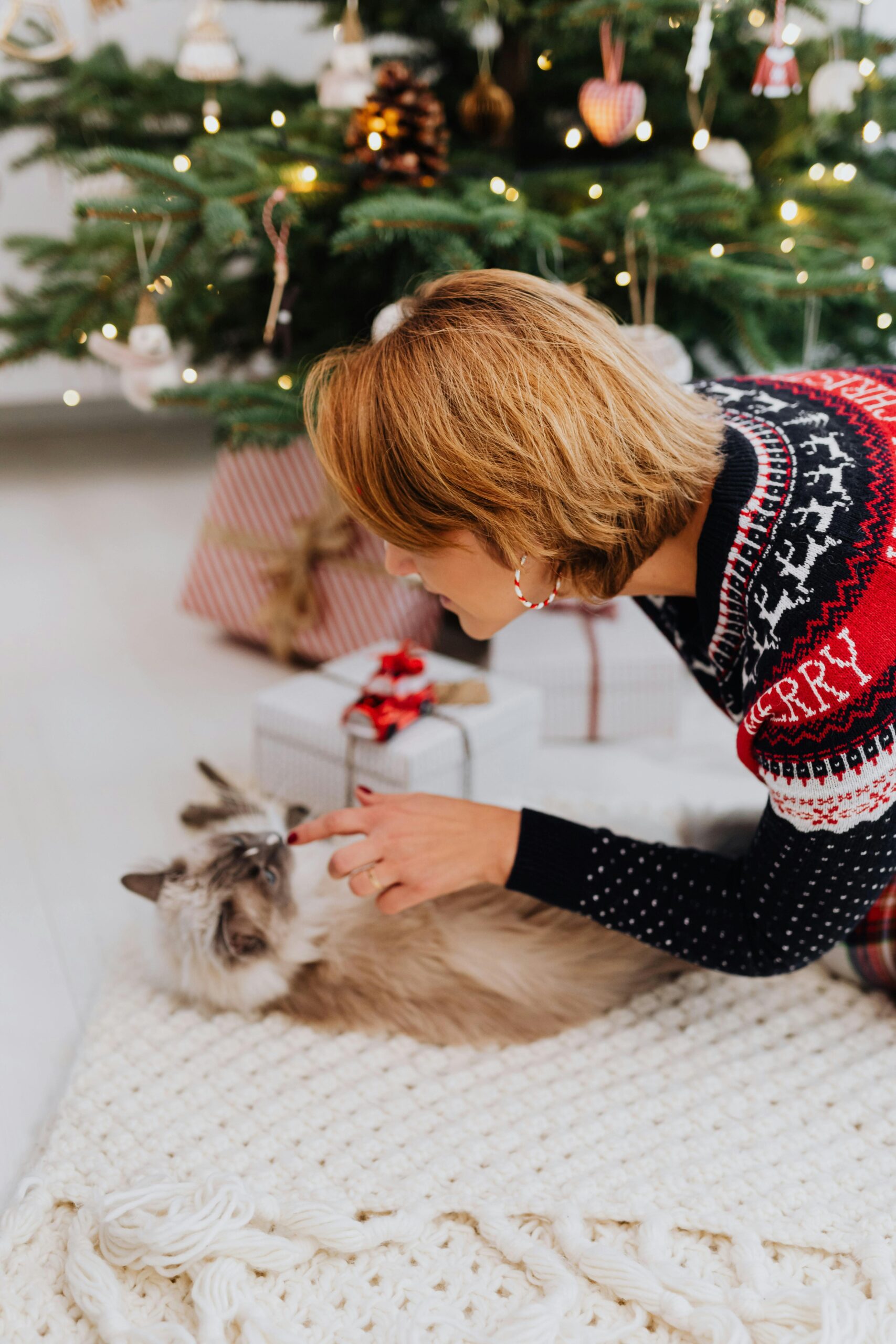
Are Ragdoll Cats Good for First-Time Owners?
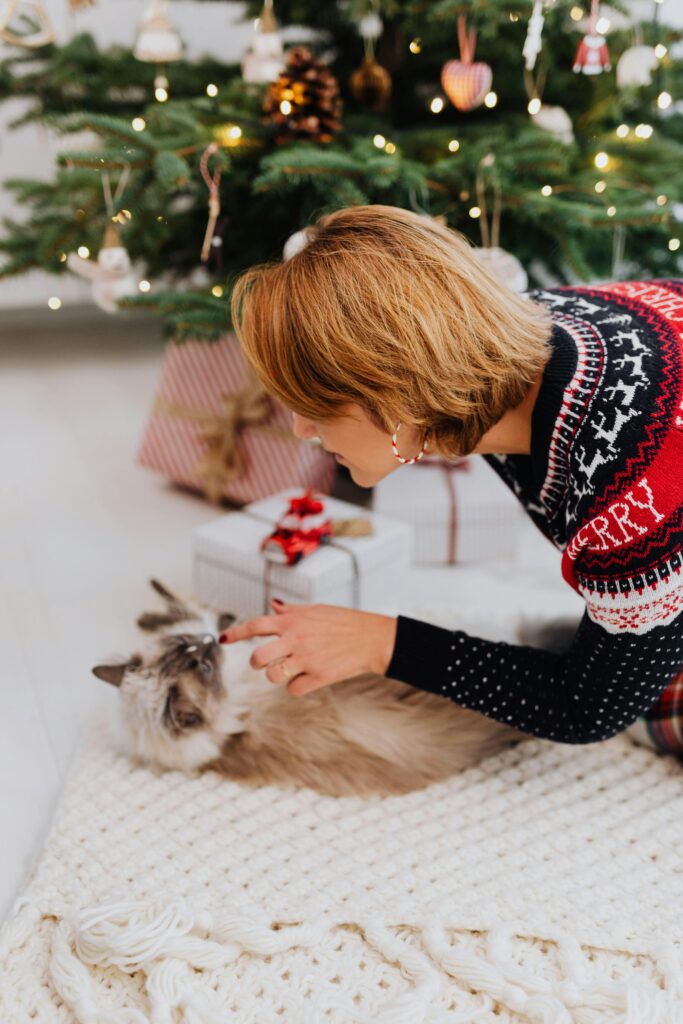
Introduction: Why This Question Comes Up So Often
Ragdoll cats are frequently recommended to first-time owners because they combine a calm temperament with strong people-orientation. They are widely described as affectionate, tolerant, and easy to live with, which makes them appealing to individuals who want a positive first experience with a cat.
Popularity, however, is not the same as suitability. A breed can be popular because it photographs well, trends well online, or has a strong reputation—none of which guarantee it is the right match for a beginner. First-time ownership succeeds when expectations align with daily reality, not with marketing or anecdotes.
This article evaluates whether Ragdolls are a good fit for first-time owners by looking at temperament, care requirements, cost, and lifestyle compatibility.
Are Ragdoll Cats Good for First-Time Owners? — Summary Table
| Topic | What First-Time Owners Should Know |
|---|---|
| Temperament | Calm, people-oriented, low aggression, tolerant of handling |
| Social Needs | Prefers presence and interaction; not emotionally independent |
| Energy Level | Moderate; predictable play periods with long rest cycles |
| Daily Time Commitment | Requires consistent daily interaction and engagement |
| Grooming Needs | Semi-long coat; brushing 2–3× per week is necessary |
| Shedding | Moderate year-round with seasonal increases |
| Training Ease | Generally easy to litter train and handle when routines are consistent |
| Health Profile | Stable when well bred; long lifespan increases cumulative care |
| Veterinary Responsibility | Routine care plus emergency preparedness required |
| Cost Level | Higher than average cats due to longevity and ongoing care |
| Apartment Suitability | Well suited if social and enrichment needs are met |
| Best Home Fit | Quiet to moderately active homes with predictable routines |
| Challenging Environments | Highly chaotic homes or very hands-off ownership styles |
| Beginner Friendliness | Good fit for prepared, engaged first-time owners |
| Who Should Reconsider | Owners seeking a low-effort or highly independent pet |
| Key Takeaway | Excellent first cats when chosen for lifestyle fit, not reputation |

What First-Time Cat Owners Typically Need
First-time cat owners tend to do best with breeds that offer predictability rather than surprises. Knowing how a cat is likely to behave, respond to handling, and adapt to routine reduces stress during the learning phase.
Manageable care routines matter. Owners new to cats benefit from clear, repeatable daily and weekly tasks—feeding, grooming, litter care, and basic health monitoring—without steep learning curves or constant troubleshooting.
Emotional and behavioral stability is also critical. Cats that tolerate handling, recover quickly from minor disruptions, and communicate needs clearly are easier for inexperienced owners to read and support.
Finally, first-time owners need accurate expectations about cost, time, and responsibility. Ownership works best when people understand the long-term commitment before they begin, not after challenges appear.
These criteria provide the framework for evaluating whether a Ragdoll is an appropriate first cat.
Ragdoll Temperament: What New Owners Experience in Real Life
Core Temperament Traits
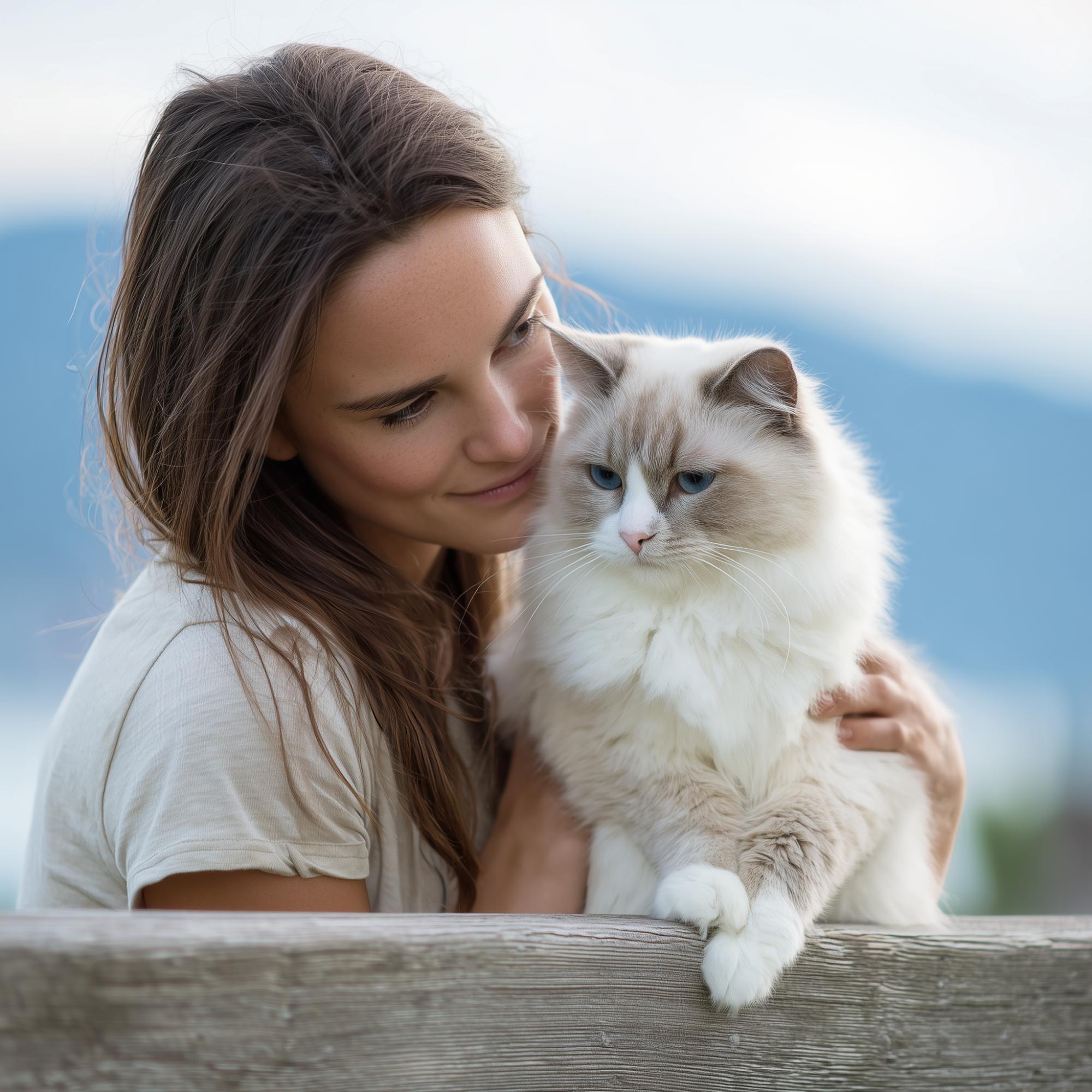
Ragdolls are known for their calm, people-oriented temperament. They typically seek human presence, follow their owners from room to room, and prefer being near activity rather than isolating themselves.
Aggression is uncommon in well-bred, well-socialized Ragdolls. They tend to tolerate handling, grooming, and routine veterinary care better than many other breeds, which is a meaningful advantage for first-time owners still learning proper technique.
Ragdolls favor proximity over independence. They enjoy being part of daily life and often choose to rest near their people rather than alone.
What Temperament Does Not Mean
Calm does not mean low-needs. Ragdolls still require daily interaction, play, and engagement to remain mentally and emotionally healthy.
Affectionate does not mean self-sufficient. Ragdolls rely on consistent presence and routine. Long periods of isolation can lead to stress or behavioral changes, especially in single-cat households.
Easygoing does not mean structure is optional. Predictable feeding schedules, regular grooming, and stable environments support the temperament Ragdolls are known for. Without structure, even a naturally calm cat can struggle.
Understanding these distinctions prevents common mismatches and sets first-time owners up for success rather than frustration.
Daily Life With a Ragdoll
A Typical Day With a Ragdoll
Interaction patterns
Ragdolls integrate themselves into daily life rather than demanding constant attention in bursts. They tend to follow their owners from room to room, settle nearby during work or downtime, and check in frequently without being disruptive. Many will greet their people at the door, sit close during meals or television time, and choose shared spaces over solitude.
They are observant cats. Instead of constant vocalization or hyperactivity, they rely on proximity and quiet engagement. This makes daily life feel steady rather than chaotic, which many first-time owners find reassuring.
Energy levels
Ragdolls have moderate energy. They are not high-drive cats that require constant stimulation, but they are also not inert. Most adults have predictable play windows—often morning and evening—followed by long rest periods. Kittens and adolescents are more active and require structured play, but even then, energy tends to be focused rather than frantic.
Their activity level fits well into households that want interaction without nonstop motion.
Social needs
Ragdolls are socially dependent compared to many cats. They bond strongly to their people and expect regular interaction. While they can tolerate being alone during the workday, they do not thrive with long-term emotional neglect. Owners who are present, work from home, or intentionally schedule interaction tend to see the best outcomes.
They are not “background pets.” Their social needs are part of daily life.
Time Commitment for New Owners
Daily interaction requirements
First-time owners should expect to spend intentional time with a Ragdoll every day. This includes talking to the cat, responding to social cues, and offering physical presence—not just passive coexistence. Ragdolls notice when engagement drops and may become withdrawn or overly clingy in response.
Play and enrichment expectations
Play is essential, especially during the first several years of life. Structured play sessions help regulate energy, maintain muscle tone, and prevent boredom-related behaviors. Puzzle feeders, wand toys, and short interactive sessions are usually sufficient, but they must be consistent.
Mental enrichment matters as much as physical play. Window access, predictable routines, and environmental variety help keep Ragdolls emotionally balanced.
What happens if those needs are ignored
When social and enrichment needs are not met, Ragdolls may show subtle stress signals: decreased play, excessive sleeping, overgrooming, or increased vocalization. These behaviors are often mistaken for personality changes when they are actually unmet needs. First-time owners who understand this connection are better equipped to respond early rather than escalate problems.
Grooming and Coat Care: Is It Beginner-Friendly?
Coat Type Explained Simply
Ragdolls have a semi-long, silky coat with minimal undercoat. This structure makes the coat softer and lighter than dense longhaired breeds and reduces severe matting when grooming is consistent.
Unlike high-maintenance longhairs, the Ragdoll coat does not pack tightly against the skin. Loose hair tends to remain in the coat until brushed out rather than forming thick mats overnight.
How it differs from high-maintenance longhairs
Ragdolls do not require daily grooming under normal conditions, and their coat is more forgiving of minor inconsistencies. This makes them more approachable for first-time owners compared to breeds with dense, woolly coats.
Grooming Reality for First-Time Owners
Brushing frequency
Most Ragdolls do well with brushing two to three times per week. During seasonal shedding, frequency may increase slightly. Short, calm sessions are more effective than infrequent, intensive grooming.
Tools required
Basic grooming tools are sufficient: a steel comb, a soft slicker or pin brush, and gentle detangling support if needed. Overly aggressive deshedding tools are unnecessary and can damage the coat.
Common beginner mistakes
New owners often brush too hard, groom only the surface, or wait until tangles form before acting. Another common mistake is stopping grooming entirely during “quiet” periods, which leads to buildup later. Consistency matters more than intensity.
When Grooming Becomes Harder
Seasonal shedding
Ragdolls shed moderately year-round with seasonal increases. During these periods, loose hair accumulates faster and requires more frequent brushing to prevent coat issues.
Aging cats
As Ragdolls age, flexibility decreases and self-grooming becomes less effective. Owners must take on more responsibility for coat maintenance, especially in hard-to-reach areas.
Owner inconsistency
Irregular grooming schedules create more work later. First-time owners who build grooming into routine early avoid most coat-related challenges long-term.
Health, Veterinary Care, and the Learning Curve
Overall Health Profile
Ragdolls are generally a stable breed when responsibly bred. They are not inherently fragile, but they are long-lived, which increases cumulative veterinary involvement over time.
What owners still need to monitor
Weight management, dental health, coat condition, and subtle behavior changes require attention. Long-term health depends more on observation and early intervention than on breed-specific fragility.
Veterinary Responsibilities New Owners Must Be Ready For
Routine exams and diagnostics
Annual wellness visits, vaccinations, and routine diagnostics are standard. As Ragdolls age, bloodwork and screening become more common and should be expected.
Emergency preparedness
First-time owners must plan for emergencies before they occur. This includes understanding where emergency clinics are located and how care will be financed. Emergencies are not rare over a long lifespan.
Long lifespan and cumulative care
Ragdolls often live 15–18+ years. Each year adds another layer of responsibility. Veterinary care does not plateau—it evolves. Owners who understand this from the beginning adapt more easily and provide steadier care.
Taken together, daily life with a Ragdoll is structured, social, and predictable—but not passive. For first-time owners willing to engage consistently, learn routine care, and plan long-term, the breed offers a stable and rewarding introduction to cat ownership.
Cost Reality for First-Time Owners
Upfront vs Ongoing Costs
For first-time owners, the most common financial misunderstanding is focusing on the kitten price instead of the full cost of ownership. The purchase price feels concrete and immediate, which makes it easy to treat it as the primary expense. In reality, it is only the entry point.
Ragdoll kittens from ethical breeders are priced to reflect health testing, early veterinary care, and responsible breeding practices. That price does not include the ongoing costs that repeat every month and compound over many years. Food, litter, grooming supplies, routine veterinary care, and emergency preparedness continue long after the initial purchase and quickly surpass the upfront cost.
Monthly and annual expenses are where ownership becomes real. Even in low-intervention years, routine costs accumulate steadily. Over a long lifespan, these recurring expenses define the financial commitment far more than the day the kitten comes home.
Financial Readiness Questions
Emergency care
First-time owners must assume that emergency care will occur at least once over the cat’s lifetime. Financial readiness means being able to authorize care immediately, not after days of deliberation. Delayed decisions often worsen outcomes and increase costs.
Insurance vs savings
Some owners prefer insurance for predictable monthly costs, while others build dedicated emergency savings. Both approaches work when they are consistent. What fails is having neither in place. Beginners benefit from choosing one strategy early and committing to it.
Long-term budgeting for beginners
Ragdolls often live 15–18+ years. Financial readiness is not about affording one year of care—it is about sustaining care through changing life circumstances. Beginners who plan long-term avoid crisis-driven decisions later.
Are Ragdolls Easy to Train for Beginners?
Litter Box Reliability
Most Ragdolls adapt quickly to litter box use. They tend to be clean, routine-oriented cats that respond well to consistent setup and placement. When the environment is stable and boxes are maintained properly, litter training is rarely a major hurdle.
Common causes of litter box issues are usually environmental rather than behavioral. Dirty boxes, inadequate box size, poor litter choice, or sudden household changes are far more common triggers than refusal or stubbornness. First-time owners who address these factors early prevent most problems.
Handling, Grooming, and Vet Visits
Ragdolls are generally tolerant of handling, which benefits inexperienced owners. They often accept being picked up, brushed, and examined without strong resistance when introduced gradually and handled calmly.
This tolerance reduces stress during grooming and veterinary visits, making routine care easier to maintain. For first-time owners still developing confidence, a cat that does not react defensively to touch creates a smoother learning experience and fewer negative associations.
Lifestyle Fit: Who Ragdolls Are (and Are Not) Good For
Households That Tend to Thrive
Ragdolls do best in quiet to moderately active homes where routines are predictable. They thrive with people who enjoy interaction and see their cat as a companion rather than a background presence.
Owners who work from home, have flexible schedules, or are intentionally present during evenings and weekends often form strong, stable bonds with their Ragdolls. Consistent presence supports the breed’s social nature and leads to calmer behavior overall.
Lifestyles That Often Struggle
Highly chaotic households can overwhelm Ragdolls. Constant noise, frequent schedule changes, and unpredictable activity levels create stress rather than stimulation.
Very hands-off owners often struggle as well. Ragdolls do not do well when treated as self-sufficient pets that require minimal interaction. Lack of engagement can lead to withdrawal or stress-related behaviors.
People expecting a “decoration cat” are usually disappointed. Ragdolls are visually striking, but they are not ornamental. They expect interaction, routine, and emotional presence. When those needs are met, they are deeply rewarding companions.
Common Reasons First-Time Owners Struggle With Ragdolls
Underestimating emotional needs
Ragdolls form strong attachments to their people. First-time owners sometimes expect a cat that is calm to also be emotionally independent. When consistent interaction drops, Ragdolls may withdraw, become overly clingy, or show subtle stress behaviors. The issue is not misbehavior—it is unmet social need.
Assuming calm equals low effort
Calm temperament reduces chaos, not responsibility. Ragdolls still need daily engagement, play, grooming, and routine. Owners who equate calm with “easy” often fall behind on enrichment and maintenance, which leads to avoidable problems over time.
Budgeting only for best-case scenarios
Many struggles begin when owners plan for routine care only and treat emergencies as unlikely exceptions. Over a long lifespan, veterinary surprises are normal. Financial stress quickly becomes emotional stress, and both affect care decisions.
Choosing based on image rather than fit
Ragdolls are visually striking and widely recommended online. When selection is driven by appearance or reputation instead of lifestyle fit, owners are more likely to feel overwhelmed. Successful ownership comes from alignment, not aesthetics.
Ragdolls Compared to Other “Beginner” Cats
Ragdoll vs Domestic Shorthair
Predictability vs variability
Ragdolls offer more predictable temperament and behavior when well bred. Domestic shorthairs vary widely in personality, energy level, and social tolerance, which can be challenging for inexperienced owners who do not yet know how to adapt to different temperaments.
Cost and commitment differences
Domestic shorthairs typically have lower upfront and lifetime costs. Ragdolls require a higher financial and time commitment due to longevity, grooming, and consistent care. Predictability comes with increased responsibility.
Ragdoll vs Other Popular Beginner Breeds
Grooming and social needs
Compared to short-coated breeds, Ragdolls require more grooming and more social interaction. Compared to high-maintenance longhairs, they are easier to manage but still require consistency. They sit in the middle—not low effort, not extreme.
Energy levels
Ragdolls have moderate energy. They are calmer than many active breeds but more socially engaged than independent types. This balance works well for owners who want interaction without constant stimulation.
Ownership complexity
Ragdolls are simpler behaviorally than many breeds but more demanding emotionally and financially than entry-level cats. Beginners who prepare for this complexity tend to do well.
How Ethical Breeding Affects the First-Time Owner Experience
Why Breeder Quality Matters More for Beginners
Temperament predictability
Ethical breeders select for stable, home-suited temperaments. This predictability is critical for first-time owners who are still learning how to read and respond to feline behavior.
Health stability
Health testing and responsible breeding reduce the risk of early-onset medical issues. Fewer surprises early in ownership allow beginners to build confidence instead of reacting to crises.
Early socialization
Well-raised kittens are accustomed to handling, grooming, and routine human interaction. This early foundation makes transitions smoother and reduces stress for both cat and owner.
Red Flags That Create Hard First Experiences
Poorly socialized kittens
Kittens that are fearful, reactive, or unaccustomed to handling create steep learning curves for inexperienced owners and often lead to frustration on both sides.
Inadequate health testing
Lack of health screening increases the likelihood of early medical problems, which can overwhelm new owners emotionally and financially.
Lack of breeder support
First-time owners benefit from guidance after placement. Breeders who disappear after sale leave owners without critical context or reassurance during the adjustment period.
For first-time owners, success with a Ragdoll depends less on the breed itself and more on preparation, fit, and source. When those elements align, the learning curve becomes manageable rather than stressful.
Questions First-Time Owners Should Ask Themselves
Do I want presence or independence?
Ragdolls prefer presence. They stay near their people, follow daily routines closely, and notice when interaction drops. If you want a cat that is content to exist independently with minimal engagement, this breed may feel demanding. If you want a companion that shares space and daily life, a Ragdoll aligns well.
Can I provide routine and predictability?
Ragdolls do best with structure. Consistent feeding times, regular grooming, predictable play, and stable environments support their calm temperament. If your schedule changes frequently or your household is highly unpredictable, maintaining that stability can be challenging.
Am I comfortable with grooming and ongoing care?
While Ragdolls are not extreme-maintenance cats, grooming is not optional. Brushing, coat monitoring, routine veterinary care, and environmental upkeep are part of ownership for the cat’s entire life. Comfort with hands-on care matters.
Am I prepared for 15–18+ years of responsibility?
Ragdolls are a long-term commitment. Ownership spans multiple life stages, changing schedules, and evolving financial realities. The question is not whether you can manage now, but whether you can plan for consistency over time. See Ragdoll Cats Lifetime Costs
Are Ragdoll Cats Good for First-Time Owners? — FAQ
Are Ragdoll cats actually good for first-time owners?
Ragdolls can be very good first cats when the owner wants an interactive, people-oriented companion and is prepared for routine care. Their calm temperament, tolerance for handling, and predictable behavior reduce many of the challenges new owners face. They are not difficult cats, but they are not low-involvement pets either. Success depends on lifestyle fit, not experience level alone.
What makes Ragdolls easier than some other breeds for beginners?
Ragdolls tend to be emotionally stable, slow to react aggressively, and comfortable with handling. They usually tolerate grooming, nail trims, and veterinary exams better than many breeds. This makes routine care and learning-by-doing less stressful for someone new to cats.
What makes Ragdolls harder than people expect?
Many first-time owners underestimate how socially dependent Ragdolls are. They want presence, interaction, and routine. Owners expecting a quiet, independent cat that entertains itself may feel overwhelmed. Calm does not mean low effort.
Do Ragdolls need a lot of attention every day?
They need consistent daily interaction, not constant stimulation. Short play sessions, shared space, and predictable routines meet most of their needs. Long-term emotional neglect—rather than missed play sessions—is what causes problems.
Are Ragdolls okay for people who work full time?
Yes, if the owner is emotionally present outside of work hours and maintains routine. Ragdolls do better when evenings and weekends include interaction. Very long workdays with little engagement at home are more challenging unless another compatible pet is present.
Do Ragdolls get lonely easily?
They can. Ragdolls form strong attachments and notice prolonged absence or emotional withdrawal. Loneliness usually shows up subtly—withdrawal, over-sleeping, overgrooming—not dramatic misbehavior. Owners who recognize these signs early can adjust successfully.
Are Ragdolls good for apartments?
Yes. Their moderate energy level and indoor-oriented nature suit apartment living well, as long as they receive interaction, play, and environmental enrichment.
How difficult is grooming for a first-time owner?
Grooming is manageable but mandatory. Ragdolls have a semi-long coat that resists severe matting, but brushing two to three times per week is necessary. Owners willing to learn basic grooming find it straightforward. Owners who avoid grooming entirely struggle later.
Do Ragdolls shed a lot?
They shed moderately year-round with seasonal increases. Shedding is manageable with routine brushing. It is not extreme, but it is not minimal either. See Ragdoll Cat Shedding for more details.
Are Ragdolls healthy cats?
When responsibly bred, Ragdolls are generally stable. They are long-lived, which means cumulative veterinary care is higher over time. Health issues are not inevitable, but preventive care and monitoring are essential.
Are Ragdolls expensive for first-time owners?
Yes, compared to many cats. The kitten price is only the beginning. Food, veterinary care, grooming, emergencies, and senior care add up over 15–18+ years. First-time owners must be financially prepared for recurring costs and unexpected events.
Is pet insurance important for first-time Ragdoll owners?
It can be very helpful. Insurance or a dedicated emergency fund reduces panic during emergencies. First-time owners often benefit from predictable monthly costs rather than sudden large bills.
Are Ragdolls easy to litter train?
Most Ragdolls adapt quickly to litter boxes. Issues usually stem from environmental factors—dirty boxes, poor placement, wrong litter—not defiance. Beginners who maintain proper setup rarely struggle.
Do Ragdolls tolerate children or handling better than other cats?
Many do, especially when well bred and properly socialized. They are generally patient and less reactive. Supervision and respectful handling are still required, particularly with young children.
Are Ragdolls a good choice if I want a “low-maintenance” pet?
No. They are moderate-maintenance. Calm does not equal low responsibility. They need grooming, social engagement, routine, and long-term planning.
Is it better for first-time owners to get a Ragdoll kitten or adult?
An adult Ragdoll can be easier for some beginners because temperament and energy level are already established. Kittens require more time, play, and patience. Both can work depending on lifestyle and availability.
Does breeder quality really matter that much for first-time owners?
Yes. Ethical breeding affects temperament, health predictability, and early socialization. First-time owners benefit greatly from cats that start life with stable foundations and breeder support.
What red flags should first-time owners avoid when choosing a Ragdoll?
Poor socialization, lack of health testing, pressure to buy quickly, and breeders who offer no guidance after placement. These situations often create steep learning curves and avoidable stress.
Who should not get a Ragdoll as their first cat?
People who want a hands-off pet, cannot commit to routine, dislike grooming, or are not ready for long-term financial responsibility should reconsider or wait.
What kind of first-time owner does best with a Ragdoll?
Someone who values companionship, can provide structure, is willing to learn routine care, and plans realistically for long-term responsibility. Experience matters less than consistency and preparedness.
Final Answer: Are Ragdoll Cats Good for First-Time Owners?
Ragdolls can be a good choice for first-time owners when expectations match reality. They offer predictable temperament, low aggression, and strong human connection, which many beginners find reassuring.
They are a good fit for people who want interaction, can maintain routine, and are prepared for long-term care—both emotionally and financially. Owners who value presence, calm companionship, and consistency tend to thrive with the breed.
First-time owners should reconsider or wait if they want a hands-off pet, cannot commit to regular grooming and engagement, or are not in a position to plan for long-term costs and responsibility.
Closing thoughts:
Ragdolls can be excellent first cats when chosen for lifestyle fit, and not just their floppy reputation.
Interested in a Ragdoll Kitten?
If a Ragdoll sounds like the right fit for your home and lifestyle, the next step is choosing a kitten raised with structure, socialization, and long-term stability in mind. Our kittens are placed thoughtfully, with guidance before and after go-home to support first-time and experienced owners alike.
Continued Ragdoll Reading
If you’re still deciding whether a Ragdoll fits your home, these guides expand on temperament, care, and long-term ownership realities:
- Ragdoll Cats Explained by a Breeder
A complete breakdown of temperament, care needs, health realities, and who the breed is truly suited for. - Ragdoll Cat Health Complete Health review of Ragdoll cats.
- Is A Ragdoll Right for You?
A Ragdoll is right for you if you want calm companionship, routine, and emotional presence - How Ragdoll Kittens are Raised Our Ragdoll kittens are raised through a structured, stage-based process that supports confidence, handling tolerance, and adaptability.
- Are Ragdoll Cats Hypoallergenic?
A realistic explanation of allergies, Fel d 1, and why coat type doesn’t equal allergy safety. - What Living With A Ragdoll is Like
Living with a Ragdoll doesn’t match the extremes you see online. - Ragdoll Cat Lifespan: Lifespan and health tips.
- Ragdoll Health Testing Explained
What breeders test for, what results actually mean, and why testing reduces risk but never guarantees outcomes. - Ragdoll Cat Shedding Ragdoll shedding is normal, consistent, and manageable when expectations match the reality of the breed.
- Ragdoll Cat Lifetime Costs Ragdoll cats are a long-term financial commitment that extends beyond the initial kitten price.
Sources & References
- Cat Fanciers’ Association (Ragdoll Breed Standard) — https://cfa.org/ragdoll/
- The International Cat Association (Ragdoll Breed Information) — https://tica.org/ragdoll/
- International Cat Care (iCatCare) — https://icatcare.org/advice/
- Cornell Feline Health Center — https://www.vet.cornell.edu/departments-centers-and-institutes/cornell-feline-health-center
- Merck Veterinary Manual (Cat Care & Behavior) — https://www.merckvetmanual.com/cat-owners
- American Veterinary Medical Association (Pet Ownership & Care) — https://www.avma.org/resources-tools/pet-owners
- VCA Animal Hospitals (Cat Behavior, Grooming, Veterinary Care) — https://vcahospitals.com/know-your-pet






Read the Comments +