
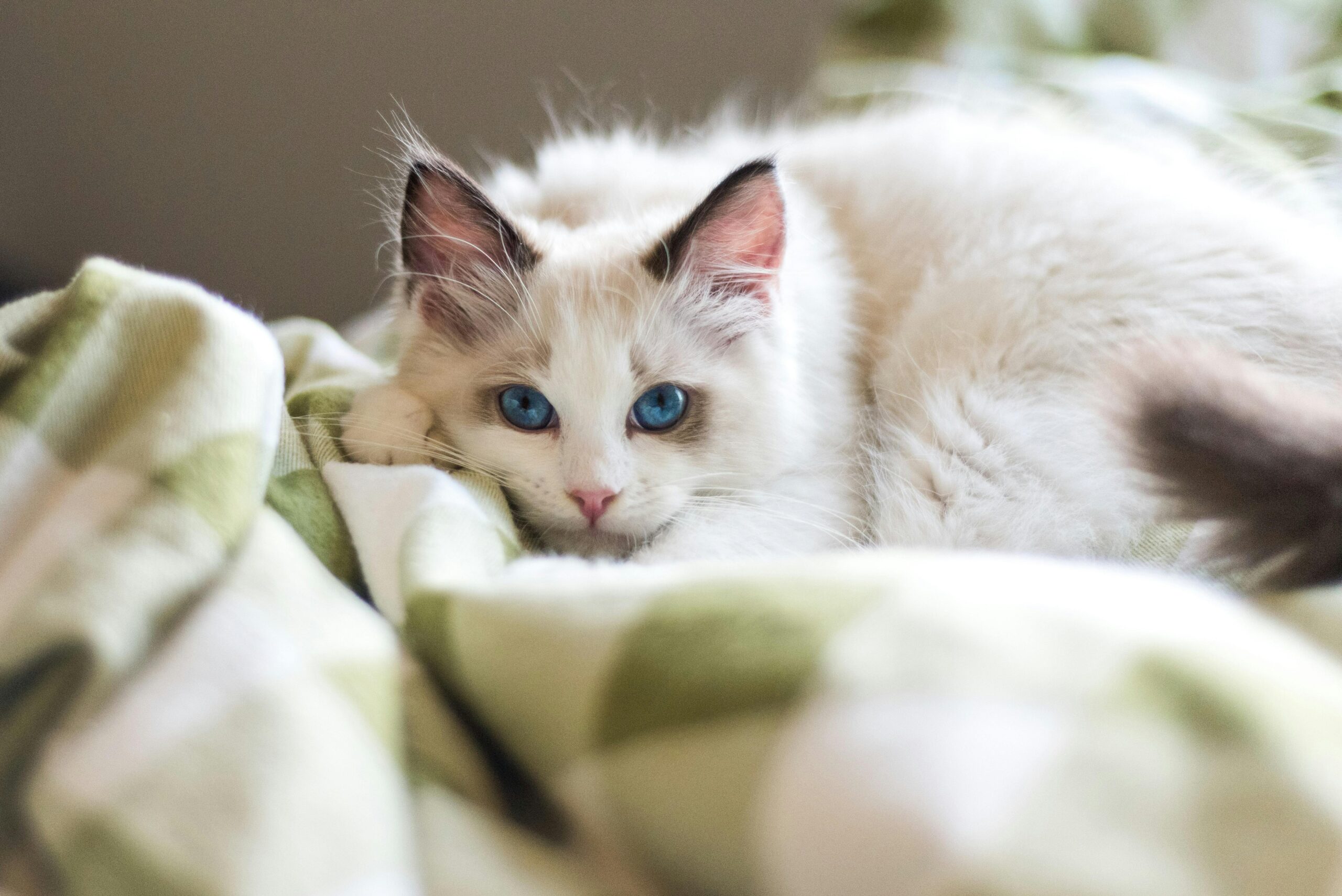
How Much Attention Do Ragdoll Cats Actually Need?
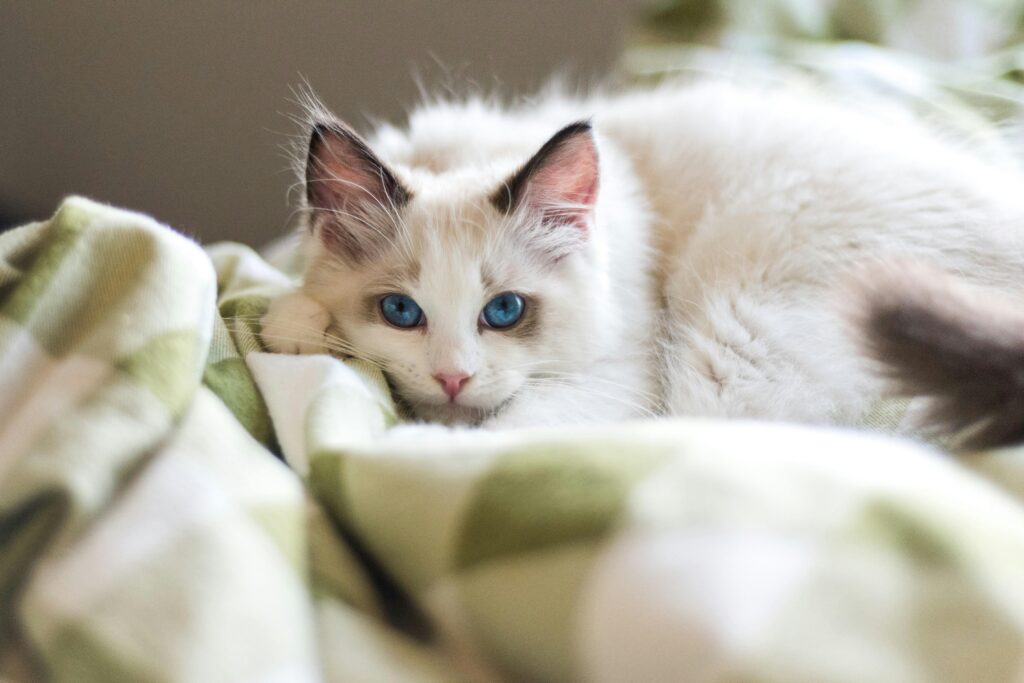
People often ask how much attention Ragdoll cats need before committing to the breed because Ragdolls have a strong reputation for being people-oriented. Prospective owners want to know whether that means constant involvement or simply a preference for companionship.
Online answers tend to swing to extremes. Reddit threads often describe Ragdolls as either “Velcro cats” that cannot be left alone or cats that are “totally fine all day” with minimal interaction. Neither description is accurate on its own. These extremes exist because people describe individual cats without context, then generalize those experiences to the entire breed.
Another source of confusion is how the word attention is used. Many people equate attention with nonstop cuddling, lap time, or active play. In reality, a cat’s attention needs are broader and more nuanced than that.
This article explains:
- how much daily attention Ragdolls realistically need
- the difference between emotional presence and physical interaction
- what happens when attention needs are consistently unmet
- how Ragdolls compare to other cats in terms of social needs
The goal is to replace vague reassurance and online anecdotes with clear, practical expectations.
How Much Attention Do Ragdoll Cats Actually Need? — Summary Table
| Topic | Key Takeaway |
|---|---|
| Overall Attention Level | Moderate, consistent attention rather than constant interaction |
| Type of Attention That Matters Most | Emotional presence and predictability, not nonstop play |
| Daily Interaction Pattern | Short, regular interactions spread throughout the day |
| Active Attention | Brief play sessions, grooming, calm handling |
| Passive Attention | Sharing space, resting nearby, following behavior |
| Energy Level | Low to moderate; not a high-energy or stimulation-driven breed |
| Reaction to Inconsistency | Stress builds quietly when routines are irregular |
| Signs Needs Are Met | Relaxed following, stable routines, balanced independence |
| Signs More Attention Is Needed | Excessive clinginess, withdrawal, unexplained behavior changes |
| Being Alone During Workdays | Usually fine with predictable schedules and evening interaction |
| Effect of Other Pets | Companionship can help but does not replace human attention |
| Best Fit Owners | People who value presence, routine, and shared space |
| Poor Fit Owners | Highly hands-off owners or frequent travelers without support |
| Biggest Myth | Calm cats need little attention |
| Final Takeaway | Ragdolls do not need nonstop interaction. They need predictable connection. |
What “Attention” Means for Cats (Not Humans)
Attention vs Entertainment vs Care
For cats, attention does not mean constant engagement. It also does not mean being entertained all day. Attention, entertainment, and care are related but separate needs.
Attention is about social connection and predictability. It includes being acknowledged, sharing space, and having regular interaction points throughout the day.
Entertainment refers to stimulation, such as play sessions, toys, and environmental enrichment.
Care covers feeding, grooming, litter maintenance, and health needs.
A cat can be well cared for and entertained but still lack sufficient attention if there is little social presence or consistency. This distinction matters especially for Ragdolls, which are more socially oriented than the average cat.
Why Attention Is Not Constant Interaction
Cats do not need someone actively engaging with them every moment they are awake. In fact, constant interaction can be overstimulating rather than comforting.
Ragdolls tend to do best with predictable, repeated interaction rather than continuous attention. Short play sessions, calm handling, shared downtime, and consistent routines meet their needs more effectively than nonstop activity.
This is why owners who work from home often notice that their Ragdoll is content simply being nearby rather than demanding interaction all day.
Emotional Presence vs Physical Contact
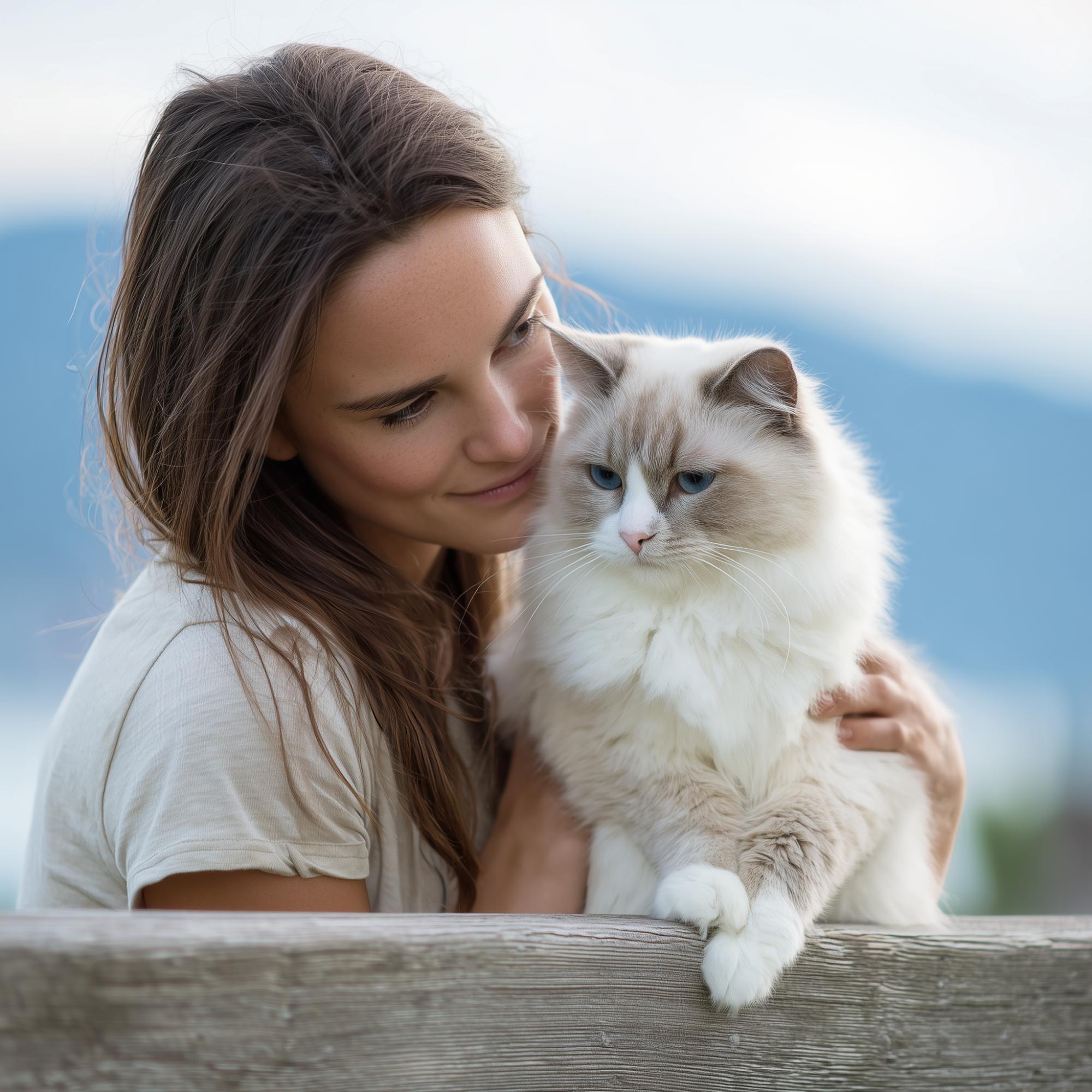
Ragdolls place high value on emotional presence. They are more likely to follow their people from room to room, rest nearby, or choose shared spaces over isolation. This behavior reflects connection, not neediness.
Physical contact is only one way Ragdolls express and receive attention. Many are content without extended lap time as long as they feel included in daily life.
Lap sitting, holding, and cuddling can be enjoyable for some Ragdolls, but they are not the only or primary measure of whether a cat’s attention needs are being met.
Understanding this distinction helps owners avoid mislabeling normal proximity-seeking behavior as clinginess and allows them to meet their cat’s needs in a way that feels sustainable long term.
Ragdoll Temperament and Social Needs
Ragdolls are often described as calm, but that calmness is rooted in how the breed was developed and what it was selected for. Understanding those origins helps explain why their social needs differ from those of many other cats.
Why Ragdolls Are More People-Oriented Than Average Cats
Ragdolls were selectively bred to be comfortable around people and to integrate easily into home environments. Over time, this produced cats that place a higher value on human presence than on territory or independence.
Several traits contribute to this:
- Breed selection for human focus
Ragdolls were bred to tolerate handling, remain relaxed in close proximity to people, and maintain steady temperaments indoors. - Reduced territorial drive
Compared to many cats, Ragdolls are less invested in defending space and more interested in staying near their people. - Preference for shared space
Rather than seeking isolation, many Ragdolls choose to rest where family members are active, even if no one is interacting with them directly.
This does not mean every Ragdoll behaves identically, but the overall pattern across the breed is a stronger orientation toward people than the average domestic cat.
Calm Does Not Mean Low-Need
A common misunderstanding is that a relaxed cat requires very little attention. In reality, calm cats often have quiet needs, not minimal ones.
Ragdolls still require interaction to remain emotionally stable. They simply express unmet needs in less obvious ways. Instead of destructive behavior or loud demands, they may become clingy, withdrawn, or subtly anxious.
Quiet breeds are often misunderstood because they do not protest loudly. Owners may assume everything is fine until behavior slowly changes over time.
How Much Daily Attention Ragdolls Actually Need
Ragdolls do not need constant engagement, but they do need daily, intentional connection. The key is consistency, not intensity.
Baseline Daily Needs
At a minimum, Ragdolls benefit from:
- short but regular interaction periods spread throughout the day
- predictable routines rather than random bursts of attention
- acknowledgment through presence, voice, and shared space
Ten minutes here and there, repeated daily, is often more meaningful than long, irregular sessions.
Active Interaction Time
Active interaction refers to moments when attention is focused directly on the cat.
This typically includes:
- Play sessions
Short play periods that mimic hunting behavior help regulate energy and reduce stress. - Grooming and handling
Brushing, light handling, or calm physical contact reinforce trust and routine. - Structured engagement
Interaction that happens at roughly the same times each day helps Ragdolls feel secure.
Active interaction does not need to be long, but it should be intentional.
Passive Attention Time
Passive attention is one of the most important forms of attention for Ragdolls.
This includes:
- being in the same room while you work or relax
- the cat choosing to follow you through the house
- resting nearby without being touched
For Ragdolls, proximity often equals connection. They may feel fully engaged simply by sharing space, even when no direct interaction is happening.
What Happens When Ragdolls Do Not Get Enough Attention
When attention needs are not met, changes usually happen gradually rather than suddenly.
Short-Term Effects
Early signs often include:
- increased following or mild vocalization
- subtle anxiety behaviors, such as restlessness or pacing
- changes in sleep patterns or daily routines
These behaviors are easy to overlook because they do not appear disruptive.
Long-Term Effects
When lack of attention persists, deeper changes can develop:
- withdrawal from interaction or, conversely, clinginess
- stress-related behavior changes such as overgrooming or avoidance
- reduced social confidence and less willingness to engage
These outcomes are frequently mislabeled as “behavior problems,” when they are often responses to unmet social needs.
Ragdolls tend to communicate discomfort quietly. Meeting their attention needs early and consistently helps prevent these long-term issues and supports a stable, well-adjusted temperament over time.
Ragdolls vs Other Cats: Attention Comparison
Not all cats relate to people in the same way. Comparing Ragdolls to other cats helps clarify why their attention needs are often misunderstood.
Ragdolls vs Domestic Shorthairs
Domestic shorthairs vary widely in temperament because they are not a single standardized breed. Some are highly social, while others are strongly independent.
Compared to the average domestic shorthair, Ragdolls tend to show:
- Greater predictability
Ragdolls are more likely to behave consistently from day to day, which makes their social needs easier to anticipate. - Less independence
Many domestic cats self-entertain comfortably and spend long stretches alone without issue. - More presence-seeking behavior
Ragdolls often choose shared space and follow family members rather than disengaging completely.
This does not mean domestic shorthairs are inferior companions. It means Ragdolls are less content being emotionally detached from household activity.
Ragdolls vs Other “Affectionate” Breeds
Ragdolls are sometimes grouped with other affectionate breeds, but the way they seek connection is different.
Many affectionate breeds are:
- highly energetic
- stimulation-driven
- focused on play or activity-based interaction
Ragdolls, by contrast, tend to be:
- emotionally dependent rather than stimulation dependent
They seek reassurance through presence, not constant action. - low to moderate energy
They do not require long or intense play sessions to feel satisfied. - high-connection without being high-energy
Their need is for steady companionship, not nonstop engagement.
This distinction explains why Ragdolls may struggle in homes that offer toys and enrichment but little human presence.
Can Ragdolls Be Left Alone During the Day?
Ragdolls can tolerate periods alone, but outcomes depend on routine, predictability, and overall interaction quality.
Typical Workday Absences
For many households, leaving a Ragdoll alone during a standard workday is reasonable when certain conditions are met:
- the cat receives attention before and after the absence
- daily routines remain consistent
- the environment includes enrichment and comfort
What changes outcomes is not just the number of hours, but how those hours fit into a predictable daily pattern.
Long Hours and Travel
Problems tend to emerge when absences become irregular or extended without support.
Long workdays, frequent travel, or unpredictable schedules can lead to:
- increased anxiety
- clinginess when owners return
- disrupted routines
Ragdolls cope better with consistent absences than with constantly changing schedules. Routine matters more than duration.
Single-Cat vs Multi-Pet Homes
Adding another pet can significantly improve a Ragdoll’s quality of life, but it does not replace human attention.
Important distinctions include:
- A second Ragdoll often helps a great deal
Ragdolls are highly social and commonly thrive in pairs. A compatible second Ragdoll can provide constant companionship, shared routines, and emotional reassurance, especially during the hours humans are away. - Another pet does not replace human attention
Even when bonded to another cat, Ragdolls remain people-oriented. They still seek human presence, routine interaction, and emotional connection with their owners. - Companionship reduces loneliness, not responsibility
A second cat can reduce boredom, separation stress, and excessive following behavior, but it does not eliminate the need for daily human engagement. - Match matters
Poorly matched pets can increase stress through competition, mismatched energy levels, or disrupted routines. Compatibility in temperament is critical, especially in this breed. - Dogs are not the same as cats
Calm, cat-savvy dogs can provide comfort, but they do not meet the same social needs as another Ragdoll or similarly social cat.
A second Ragdoll can be an excellent support for a people-oriented cat and often improves overall wellbeing. It should be viewed as a meaningful enhancement to the household, not a substitute for consistent human interaction.
Signs Your Ragdoll Is Getting Enough Attention
When a Ragdoll’s attention needs are being met, their behavior tends to look calm, steady, and emotionally balanced. These cats do not usually demand attention loudly when they feel secure.
Common signs include:
- Relaxed following behavior
Your Ragdoll may follow you from room to room, then settle nearby without insisting on interaction. This shows comfort and connection rather than anxiety. - Stable daily routines
Eating, sleeping, play, and rest occur at predictable times without sudden changes in behavior. - Balanced independence and engagement
The cat is comfortable resting alone but readily engages when you initiate interaction. There is no sense of desperation or avoidance.
These behaviors suggest that attention is consistent, predictable, and sufficient.
Signs Your Ragdoll Needs More Attention
When attention needs are not being met, changes are often subtle at first.
Common indicators include:
- Excessive clinginess
The cat may constantly follow, vocalize, or seek contact without settling. - Withdrawal
Some Ragdolls respond by disengaging, hiding more often, or avoiding interaction altogether. - Behavioral changes without an obvious cause
Changes in sleep patterns, grooming habits, or general demeanor may appear without a medical explanation.
Because Ragdolls tend to suppress dramatic reactions, these signs are sometimes mistaken for personality shifts rather than unmet social needs.
Common Myths About Ragdoll Attention Needs
“Ragdolls need constant cuddling”
Ragdolls value connection, not constant physical contact. Many prefer proximity over prolonged holding. Sitting nearby or resting in the same room often fulfills their social needs more effectively than continuous cuddling.
“They’re fine alone all day”
Ragdolls can tolerate time alone, but extended or unpredictable absences without consistent interaction often lead to stress over time. Being calm does not mean they are unaffected by long periods without human presence.
“Another pet replaces human attention”
While another cat or dog can provide companionship, it does not replace the emotional connection Ragdolls seek with people. Ragdolls are primarily human-focused and still require direct interaction with their owners.
“Calm cats don’t need much interaction”
Calm behavior often reflects emotional regulation, not lack of need. Ragdolls require steady interaction to maintain that calmness. Without it, stress builds quietly rather than erupting visibly.
Understanding these realities helps owners meet attention needs in ways that support long-term emotional health rather than relying on assumptions that can lead to problems later.
How Families and Busy Owners Can Meet Attention Needs
Ragdolls do not require constant interaction, but they do require intentional connection. For families and busy owners, meeting attention needs is less about having unlimited time and more about using time consistently and thoughtfully.
Structured Interaction Over Quantity
Ragdolls respond best to short, predictable routines rather than long, sporadic bursts of attention.
This works because:
- cats rely on patterns to feel secure
- predictable interaction lowers anxiety
- routine builds trust even when time is limited
A few minutes of play in the morning, calm interaction in the evening, and shared presence during downtime often meets a Ragdoll’s needs better than an occasional long session followed by hours of absence.
Consistency beats duration because it creates reliability. A cat that knows attention will return does not feel the need to demand it constantly.
Attention in Family Homes
In family households, attention can be distributed across multiple people, which often benefits Ragdolls when done correctly.
Healthy patterns include:
- several family members interacting gently throughout the day
- children participating in calm play or supervised handling
- adults maintaining structure and stepping in when boundaries are crossed
Teaching children appropriate engagement is critical. Children should learn when to interact, how to touch gently, and when to stop. This protects the cat’s emotional wellbeing and prevents overstimulation.
Families that treat attention as a shared responsibility rather than an afterthought tend to raise more confident, relaxed Ragdolls.
Who Ragdolls Are a Good Fit For (Attention Reality)
Ragdolls thrive in homes where emotional presence is part of daily life. They are not difficult cats, but they are not disengaged ones either.
Good Fit
Ragdolls are well suited for:
- people who are home regularly, even if interaction is brief
- owners who value presence and enjoy shared space
- families with routines, where daily life follows predictable patterns
In these homes, Ragdolls often remain calm, social, and emotionally stable.
Poor Fit
Ragdolls are often a poor match for:
- highly hands-off owners who prefer minimal interaction
- frequent travelers without consistent support
- people seeking a low-engagement or purely decorative pet
In these environments, Ragdolls may become withdrawn, clingy, or stressed, not because they are difficult, but because their social needs go unmet.
Understanding fit ahead of time helps prevent frustration for owners and supports long-term wellbeing for the cat.
Frequently Asked Questions: Ragdoll Attention Needs
Do Ragdoll cats need more attention than other cats?
Ragdolls generally need more emotional presence than the average cat, but not more constant interaction. They were bred to be people-oriented, which means they notice and care when their humans are absent or disengaged. This does not mean they need to be played with all day. It means they do best when human presence is predictable and consistent rather than sporadic.
Are Ragdolls clingy or needy?
Ragdolls are often described as clingy, but this is usually a misunderstanding. Most are proximity-seeking rather than demanding. They like to be near their people, follow them through the house, and rest in shared spaces. True clinginess often develops when attention is inconsistent or when routines change frequently.
How many hours a day should I interact with my Ragdoll?
There is no single number of hours that applies to every cat. Most Ragdolls do well with several short interaction periods spread throughout the day, such as brief play sessions, grooming, and calm handling. Quality and predictability matter far more than total minutes. A Ragdoll that knows attention will reliably return is usually more settled than one receiving occasional long sessions.
Is it okay to leave a Ragdoll alone while I work full-time?
Yes, many Ragdolls live successfully in homes where owners work full-time. What matters is what happens before and after the absence. Consistent routines, attention in the morning and evening, and a stable environment make a significant difference. Problems are more likely when schedules are irregular or when absences extend beyond the normal workday without support.
Can another cat or dog meet my Ragdoll’s attention needs?
Another pet can provide companionship, but it does not replace human attention for most Ragdolls. They are primarily bonded to people, not other animals. In some cases, a compatible pet reduces boredom, but in others it adds stress. Additional pets should be seen as a supplement, not a solution, to social needs.
What happens if a Ragdoll does not get enough attention?
Lack of attention usually shows up gradually. Some Ragdolls become overly attached and follow constantly, while others withdraw and interact less. Changes in sleep, grooming, or routine are common. Because Ragdolls tend to hide stress rather than act out, these signs are often missed until the cat is already struggling.
Do Ragdolls need constant play to stay happy?
No. Ragdolls are not a high-energy breed and usually do not require long or intense play sessions. Short, regular play that fits into a daily routine is enough for most. Overstimulation can actually be more stressful than beneficial for this breed.
Are kittens more demanding than adult Ragdolls?
Kittens usually require more direct interaction and supervision, both for development and safety. As Ragdolls mature, their attention needs become more about presence and routine than constant engagement. Adults are often easier for busy households because their expectations are more stable.
How do I know if my Ragdoll’s attention needs are being met?
A Ragdoll whose needs are met typically shows relaxed following behavior, stable routines, and a balance between independence and engagement. They are comfortable resting alone but respond positively when interaction is offered. Sudden changes in behavior without a medical cause often indicate unmet social needs.
Are Ragdolls a good choice for hands-off owners?
Ragdolls are usually not a good fit for owners who want a very low-engagement pet. While they are calm and low-drama, they are emotionally responsive to their environment. Owners who value shared space, routine, and presence tend to have the best long-term experience with the breed.
See Do Ragdolls like to be held?
Do Ragdolls get depressed if left alone too much?
Ragdolls can become emotionally stressed if left alone for long periods without predictable interaction. This may not look like obvious sadness, but rather subtle withdrawal or increased dependence when owners return. Consistency and routine help prevent this, even in busy households.
Final Answer: How Much Attention Do Ragdoll Cats Actually Need?
Ragdoll cats do not need constant attention, but they do need consistent, intentional connection. They are not a breed that thrives on being entertained all day, nor are they well suited to being emotionally ignored. Their needs fall squarely in the middle, with a strong emphasis on reliability rather than intensity.
Ragdolls do best when their people are predictably present. Short daily interactions, shared space, calm routines, and regular engagement meet their needs far more effectively than long, irregular bursts of attention. Emotional presence matters more to them than stimulation alone. Being nearby, acknowledged, and included in daily life is often more meaningful than toys, treats, or constant physical contact.
When attention is consistent, Ragdolls tend to remain relaxed, socially confident, and emotionally stable. When it is erratic or absent, stress builds quietly and shows up later as clinginess, withdrawal, or behavior changes that are often misunderstood.
Closing thoughts:
Ragdolls do not need nonstop interaction. They need predictable connection.
Continued Ragdoll Reading
If you’re still deciding whether a Ragdoll fits your home, these guides expand on temperament, care, and long-term ownership realities:
- Ragdoll Cats Explained by a Breeder
A complete breakdown of temperament, care needs, health realities, and who the breed is truly suited for. - Ragdoll Cat Health Complete Health review of Ragdoll cats.
- Is A Ragdoll Right for You?
A Ragdoll is right for you if you want calm companionship, routine, and emotional presence - How Ragdoll Kittens are Raised Our Ragdoll kittens are raised through a structured, stage-based process that supports confidence, handling tolerance, and adaptability.
- Are Ragdoll Cats Hypoallergenic?
A realistic explanation of allergies, Fel d 1, and why coat type doesn’t equal allergy safety. - What Living With A Ragdoll is Like
Living with a Ragdoll doesn’t match the extremes you see online. - Ragdoll Cat Lifespan: Lifespan and health tips.
- Ragdoll Health Testing Explained
What breeders test for, what results actually mean, and why testing reduces risk but never guarantees outcomes. - Ragdoll Cat Shedding Ragdoll shedding is normal, consistent, and manageable when expectations match the reality of the breed.
- Ragdoll Cat Lifetime Costs Ragdoll cats are a long-term financial commitment that extends beyond the initial kitten price.
- Is a Ragdoll Cat Good for First Time Cat Owners Ragdolls can be excellent first cats when chosen for lifestyle fit, and not just their floppy reputation.
Sources & References
- The International Cat Association (TICA) — Ragdoll breed standard, temperament traits, and breed purpose
https://tica.org/breeds/ragdoll/ - Cat Fanciers’ Association (CFA) — Ragdoll breed profile and general behavior characteristics
https://cfa.org/ragdoll/ - International Cat Care (iCatCare) — Human–cat interaction, emotional needs, stress, and social behavior
https://icatcare.org/advice/ - Cornell Feline Health Center — Feline behavior, stress responses, and environmental needs
https://www.vet.cornell.edu/departments-centers-and-institutes/cornell-feline-health-center - Merck Veterinary Manual (Cat Owners) — Feline behavior, enrichment, and welfare considerations
https://www.merckvetmanual.com/cat-owners - American Veterinary Medical Association (AVMA) — Pet behavior, welfare, and responsible ownership guidance
https://www.avma.org/resources-tools/pet-owners
These sources support the behavioral, emotional, and welfare principles discussed in this article and reflect current veterinary and breed-aligned understanding of Ragdoll social and attention needs.





Read the Comments +