
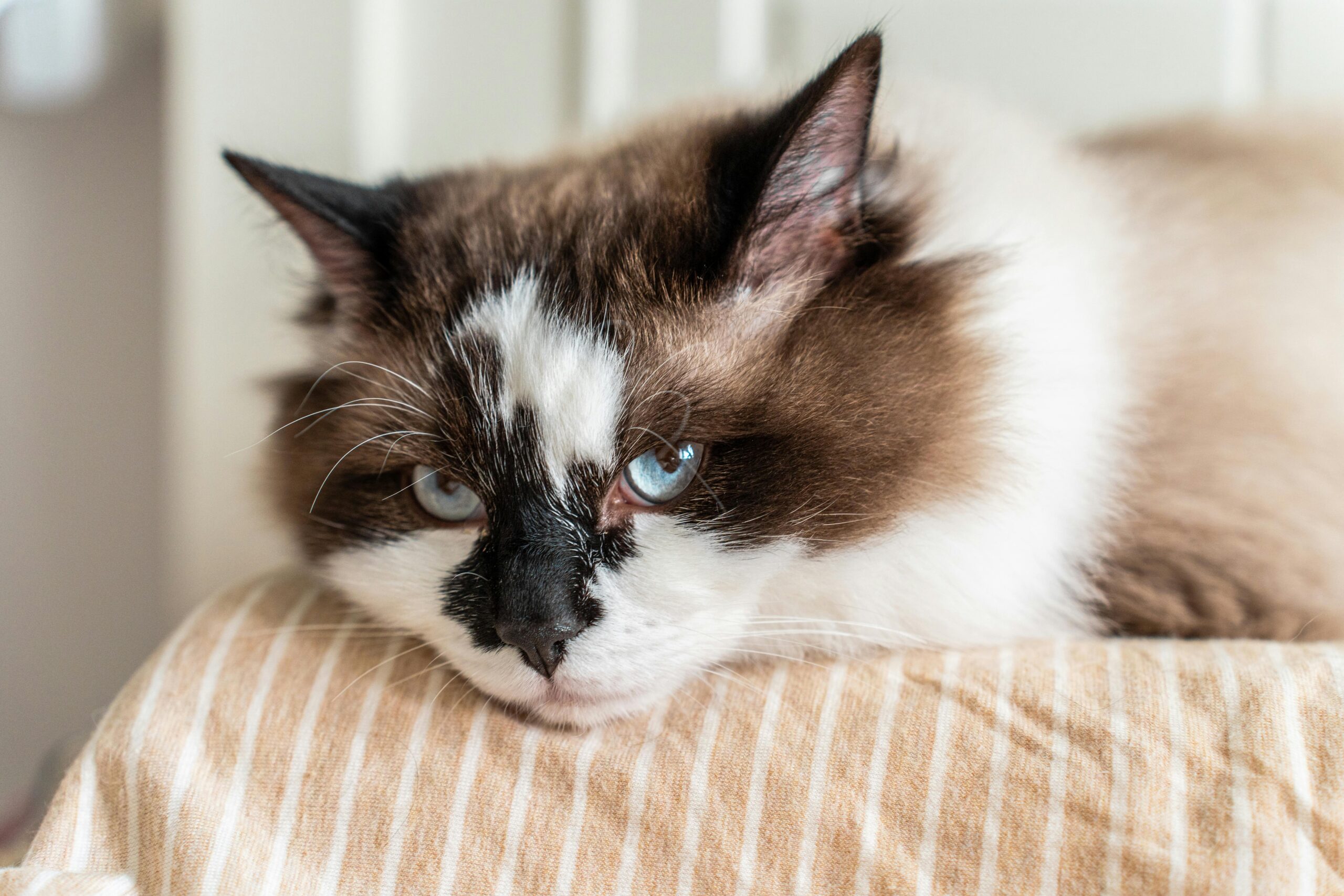
Ragdoll Senior Care for You: How to Support Your Cat as They Age
Ragdoll senior care focuses on comfort, routine, and early health support rather than drastic changes. As Ragdolls age, their calm temperament often deepens, but their physical and emotional needs shift in quiet, easy-to-miss ways. This guide explains how to recognize aging changes, support senior health proactively, and help your Ragdoll stay comfortable and confident in their later years.
Best Ways to Care for a Senior Ragdoll — Summary Table
| Care Focus | What to Do | Why It Matters |
|---|---|---|
| Routine & predictability | Keep feeding times, sleeping spots, and daily rhythms consistent | Reduces stress and supports emotional security |
| Comfort support | Provide soft bedding, ramps, and easy access to favorite areas | Prevents pain and reduces injury risk |
| Nutrition | Maintain adequate protein and moisture; adjust calories gradually | Preserves muscle mass and hydration |
| Grooming assistance | Brush gently and more frequently; trim nails regularly | Prevents matting, skin issues, and discomfort |
| Behavior monitoring | Watch for subtle changes in movement, grooming, or social habits | Early signs of discomfort appear quietly |
| Veterinary care | Schedule proactive exams and routine testing | Catches issues before they escalate |
| Emotional support | Offer affection on the cat’s terms; provide quiet retreat spaces | Supports confidence and reduces anxiety |
| End-of-life planning | Define quality-of-life priorities in advance | Enables compassionate, guilt-free decisions |
When Is a Ragdoll Considered a Senior?
Most Ragdolls enter their senior years later than many other breeds. While cats are often labeled “senior” around age 7, Ragdolls typically reach senior status closer to 9–11 years, depending on health, size, and individual aging patterns.
Ragdolls are large, slow-maturing cats. They grow longer, develop more gradually, and often age more subtly. This slower timeline means owners frequently miss early signs of aging because the cat still appears calm, affectionate, and outwardly content.
Senior stages are not one single phase. They usually break down into two periods:
- Early senior (approximately 9–12 years):
Subtle changes begin. Activity levels shift slightly, recovery after play takes longer, and grooming may become less thorough. These changes are easy to dismiss as “normal calmness.” - Advanced senior (12+ years):
Physical limitations become more noticeable. Mobility decreases, muscle mass declines, and chronic health conditions are more likely to appear. Environmental and routine support becomes increasingly important.
Aging often looks subtle in Ragdolls because calm behavior masks discomfort. Unlike high-energy cats that show clear declines, Ragdolls may simply rest more, jump less, or stay closer to familiar spaces. These changes do not signal laziness. They signal adaptation.
Understanding when your Ragdoll enters senior hood helps you respond early instead of reactively. Early awareness prevents missed warning signs, allows for gentler adjustments, and significantly improves long-term comfort and quality of life.
Common Physical Changes in Senior Ragdolls
As Ragdolls age, physical changes tend to appear gradually rather than abruptly. Because this breed is naturally calm and non-reactive, many early changes get overlooked or attributed to “normal aging” without further thought. Understanding what is typical and what deserves attention helps owners support comfort before problems escalate.
Mobility and Joint Changes
One of the earliest physical changes in senior Ragdolls involves mobility. Owners often notice their cat jumping less frequently, choosing lower surfaces, or hesitating before climbing. These changes usually develop slowly and are easy to miss in a breed that already prefers calm movement.
Stiffness after rest is another early sign. Senior Ragdolls may take longer to stand after sleeping or move more cautiously when first getting up. This stiffness often improves after a few steps, which leads many owners to dismiss it as minor.
Early arthritis signs are commonly missed because Ragdolls rarely vocalize pain. Instead of limping or crying, they adapt. They stop jumping, reposition more carefully, or rest longer. Subtle behavioral shifts such as avoiding stairs, grooming less on the lower back, or hesitating before play can all indicate joint discomfort.
Addressing mobility changes early allows for environmental adjustments and veterinary support that can significantly improve long-term comfort.
Muscle Tone and Weight Shifts
Senior Ragdolls often experience a change in body composition rather than dramatic weight gain or loss. Muscle mass tends to decrease with age, especially along the hindquarters and shoulders. At the same time, fat distribution may increase, particularly around the abdomen.
This combination can make seniors look “rounder” while actually becoming weaker. Owners may think their cat is simply gaining weight, when in reality muscle loss is occurring underneath.
Body condition scoring becomes especially important at this stage. Regularly assessing muscle tone, waist definition, and overall balance helps distinguish healthy aging from concerning decline. Weight alone is not a reliable indicator of senior health.
Maintaining muscle through appropriate nutrition, gentle activity, and routine monitoring helps seniors remain mobile and confident longer.
Coat and Grooming Changes
Coat changes are common in senior Ragdolls and often signal reduced grooming ability rather than coat quality issues. The fur may feel thinner, drier, or less plush as oil distribution changes with age.
Increased matting risk becomes noticeable, especially in friction areas such as the chest, armpits, belly, and behind the ears. Seniors groom less effectively due to reduced flexibility, joint discomfort, or dental pain, not neglect.
Owners may interpret mats as a grooming failure when they are actually a physical limitation. Increasing brushing frequency, using gentler tools, and addressing underlying discomfort can prevent painful matting and skin issues.
Health Concerns to Watch for in Senior Ragdolls
Senior Ragdoll health concerns tend to develop quietly. Regular monitoring and preventive care matter more than waiting for obvious symptoms.
Kidney and Urinary Health
Kidney function naturally declines with age, making senior cats more vulnerable to chronic kidney disease. Ragdolls are no exception, and early stages often show few outward signs.
Subtle early symptoms include:
- increased thirst
- more frequent urination
- mild weight loss
- decreased appetite
Because these signs can be mistaken for normal aging, routine bloodwork becomes essential. Annual or biannual blood and urine testing allows veterinarians to detect changes early, when dietary and medical support are most effective.
Early detection significantly improves quality of life and slows progression.
Heart Health in Aging Ragdolls
Heart health remains important throughout a Ragdoll’s life, but senior monitoring focuses on observation rather than panic. Many heart conditions progress slowly and remain manageable when identified early.
Symptoms often appear later in life and may include reduced stamina, subtle breathing changes, or increased resting time. Because Ragdolls are naturally calm, reduced activity is not always an obvious red flag.
Regular veterinary exams allow subtle changes to be tracked over time. Listening for murmurs, monitoring breathing patterns, and maintaining a consistent health record supports early intervention without unnecessary alarm.
Dental Health and Oral Pain
Dental disease is one of the most underestimated sources of discomfort in senior Ragdolls. Tooth resorption, gum disease, and oral inflammation are common and frequently missed.
Dental pain affects more than the mouth. Cats with oral discomfort may:
- eat less or more slowly
- drop food
- avoid crunchy textures
- become withdrawn or irritable
Because Ragdolls rarely vocalize pain, behavioral changes often provide the first clue. Routine dental checks and appropriate treatment improve appetite, mood, and overall well-being.
Recognizing these physical and health changes early allows owners to support their senior Ragdoll proactively. Small adjustments, informed monitoring, and routine veterinary care make the difference between simply aging and aging comfortably.
Nutrition and Feeding for Senior Ragdolls
Nutrition plays a central role in supporting comfort, mobility, and longevity in senior Ragdolls. Aging bodies process food differently, and small adjustments often have a bigger impact than dramatic diet changes.
When to Switch to Senior Food
Age alone should not determine when to switch to a senior diet. While many cats are labeled “senior” by age seven, Ragdolls often do not need dietary changes until later. Individual condition matters more than the number on the calendar.
Some seniors maintain excellent muscle tone, stable weight, and normal bloodwork well into their later years. These cats may do better staying on a high-quality adult formula rather than switching automatically to a senior food.
Not all senior formulas are appropriate. Some reduce protein too aggressively, which can accelerate muscle loss in older cats. The decision to switch should be guided by body condition, activity level, kidney function, and veterinary input rather than age alone.
Protein, Moisture, and Calories
Protein remains essential for senior Ragdolls. Adequate protein intake helps maintain muscle mass, supports immune function, and preserves strength. Reducing protein unnecessarily can lead to weakness and weight loss.
Moisture becomes increasingly important with age. Senior cats are more prone to dehydration, even when drinking appears normal. Wet food provides hydration support and reduces strain on the kidneys and urinary system.
Calories should be adjusted thoughtfully. Seniors often need fewer calories due to lower activity levels, but too steep a reduction leads to muscle loss. The goal is to maintain lean body mass without promoting fat gain.
Balanced nutrition focuses on:
- sufficient protein
- high moisture content
- controlled calories based on individual needs
Appetite Changes in Older Cats
Changes in appetite are common but should not be ignored. Some seniors eat less because they need fewer calories. Others eat differently due to dental discomfort, nausea, or changes in smell.
Eating less is not always concerning if weight remains stable and the cat stays engaged. Eating differently, such as favoring softer foods or eating more slowly, often signals oral discomfort or digestive sensitivity.
Appetite loss becomes a concern when it is sudden, sustained, or paired with weight loss, lethargy, or behavioral changes. Early veterinary evaluation prevents small issues from becoming serious problems.
Grooming and Coat Care for Senior Ragdolls
As Ragdolls age, grooming shifts from maintenance to support. Seniors often want to stay clean but struggle physically.
Adjusting brushing frequency helps compensate for reduced self-grooming. Short, gentle sessions several times a week work better than infrequent long sessions.
Managing mats safely becomes critical. Mats should never be pulled or cut close to the skin without proper tools. Preventive brushing in friction areas reduces discomfort and skin injury.
Nail care becomes more important as mobility declines. Seniors wear down nails less naturally and may struggle to retract them fully. Regular trimming prevents overgrowth and snagging.
Professional grooming can be helpful for seniors with limited mobility, heavy coats, or matting issues. Choosing a groomer experienced with cats ensures gentle handling and stress reduction.
Environmental Adjustments for Senior Comfort
Environmental changes allow senior Ragdolls to remain independent and confident without risking injury.
Litter Box Modifications
Lower entry litter boxes reduce strain on joints and prevent accidents. Seniors may avoid high-sided boxes even if they previously used them comfortably.
Location matters. Boxes should be placed on the main living level to reduce stair use. Multiple boxes in accessible areas help prevent stress-related avoidance.
Reducing stairs whenever possible minimizes joint strain and lowers fall risk. Accessibility matters more than habit.
Sleeping and Rest Areas
Senior Ragdolls benefit from warm, supportive sleeping surfaces. Orthopedic beds or padded areas reduce joint pressure and improve rest quality.
Predictable resting spots help seniors feel secure. Maintaining consistent locations reduces stress and confusion, especially as sensory changes occur.
Helping Seniors Access Favorite Spaces
Ramps and steps allow seniors to reach beds, sofas, and windowsills safely. These tools preserve independence while reducing risky jumps.
Reducing high or awkward jumps prevents injury. Encouraging gradual access rather than forcing change respects the cat’s preferences and comfort.
Supporting senior Ragdolls is about adapting the environment to the cat, not forcing the cat to adapt to aging. Thoughtful adjustments maintain quality of life and strengthen the bond through the senior years.
Emotional and Behavioral Changes in Senior Ragdolls
Emotional and behavioral changes in senior Ragdolls are often subtle and gradual. Because this breed is naturally calm and adaptable, shifts can be mistaken for personality quirks rather than signals of aging. Understanding these changes helps owners respond with reassurance instead of concern.
Increased Need for Routine
As Ragdolls age, predictability becomes a form of comfort. Seniors rely more heavily on familiar patterns to feel secure. Regular feeding times, consistent sleeping locations, and stable daily rhythms reduce stress and help them navigate physical or sensory changes.
Environmental changes that once felt manageable can become destabilizing. Rearranging furniture, moving litter boxes, changing feeding locations, or introducing new pets may cause withdrawal, confusion, or anxiety in senior cats. These reactions do not reflect stubbornness. They reflect a growing need for stability.
Maintaining routine does not mean avoiding all change. It means introducing adjustments gradually and anchoring them to familiar cues. Predictability allows senior Ragdolls to relax rather than constantly reassess their environment.
Changes in Social Behavior
Senior Ragdolls may change how they interact socially, and these changes vary by individual. Some become more affectionate and seek increased closeness, choosing to nap beside their owners more often or follow them quietly from room to room.
Others prefer more personal space. They may retreat to quieter areas, sleep longer, or limit handling. This shift does not indicate loss of bond. It often reflects reduced tolerance for stimulation, joint discomfort, or sensory fatigue.
Both increased closeness and increased distance can be normal. The key is consistency. Sudden, extreme changes or withdrawal paired with appetite loss or lethargy should prompt veterinary evaluation.
Cognitive Changes in Older Cats
Mild cognitive changes are a normal part of aging. Senior Ragdolls may show brief confusion, hesitation in familiar spaces, or slower responses to cues. These moments often come and go and do not significantly disrupt daily life.
More concerning signs include persistent disorientation, getting stuck in corners, forgetting litter box locations, or changes in sleep-wake cycles. Night vocalization is a common early sign of cognitive decline. Seniors may vocalize due to confusion, anxiety, or difficulty orienting themselves in the dark.
Distinguishing mild confusion from serious cognitive decline requires observation over time. Early support, environmental consistency, and veterinary guidance help slow progression and maintain quality of life.
Vet Care and Monitoring for Senior Ragdolls
Veterinary care shifts from reactive treatment to proactive monitoring in a senior Ragdoll’s life. Regular checkups detect changes before symptoms become severe.
How Often Seniors Should See the Vet
Annual exams may be sufficient for younger, stable seniors with no underlying conditions. As cats move into advanced senior years or develop chronic conditions, biannual exams provide better oversight.
Senior Ragdolls benefit from proactive care because many age-related issues progress silently. Early detection allows for gentler interventions and prevents unnecessary discomfort.
Tests Commonly Recommended for Seniors
Routine testing supports early diagnosis and informed decision-making. Common tests include bloodwork to assess kidney function, liver health, and metabolic changes. Urinalysis provides insight into hydration status and urinary health. Blood pressure monitoring detects hypertension, which often has no outward symptoms but can affect organs and vision.
These tests establish baselines and track trends over time. Changes matter more than isolated results.
Pain Management and Quality of Life
Recognizing pain in quiet cats requires careful observation. Senior Ragdolls may not cry or limp. Instead, pain shows up as reduced activity, avoidance of jumping, changes in grooming habits, or subtle shifts in temperament.
Modern pain management offers more options than ever. Joint supplements, prescription medications, dietary adjustments, and environmental modifications work together to improve comfort. The goal is not sedation or limitation. It is preserving mobility, confidence, and enjoyment of daily life.
Supporting quality of life means addressing discomfort early and adjusting care as needs change. With attentive monitoring and appropriate support, senior Ragdolls often remain emotionally present and deeply bonded well into old age.
End-of-Life Planning
End-of-life planning is not about giving up. It is about paying attention, honoring comfort, and making decisions rooted in compassion rather than fear. For senior Ragdolls, whose discomfort often presents quietly, thoughtful planning protects dignity and quality of life.
Quality of life indicators matter more than any single diagnosis. Look at patterns over time rather than isolated days. Signs that comfort is declining can include reduced interest in food, persistent hiding, difficulty moving even with support, labored breathing, confusion that does not resolve, or a clear loss of enjoyment in daily routines they once valued. Conversely, good days still count. A senior cat who eats willingly, seeks familiar company, and rests comfortably may be telling you they still feel okay—even with chronic conditions.
There comes a point when “doing more” is not better. Additional tests, medications, or procedures can add stress without meaningfully improving comfort. This is especially true for cats who find travel, handling, or frequent interventions distressing. The goal shifts from extending time at all costs to preserving the quality of the time that remains. Choosing comfort-focused care is not a lesser choice; it is often the kindest one.
Making decisions without guilt requires reframing responsibility. You are not deciding the outcome; you are responding to it. Aging and illness are not failures of care. Talk openly with your veterinarian about comfort goals, pain control, and what decline is likely to look like. Decide in advance what “enough” means for your cat and your family. Planning early reduces crisis decisions later and allows you to act from love rather than panic.
Common Mistakes Owners Make With Senior Ragdolls
Even attentive owners can stumble during the senior years, often because changes are subtle and the desire to help is strong.
Assuming calm equals healthy is the most common misstep. Ragdolls are naturally relaxed, which can mask pain, stiffness, or fatigue. A quieter demeanor may feel normal for the breed, but changes from their baseline deserve attention.
Ignoring subtle changes delays support. Small shifts—sleeping longer, grooming less effectively, hesitating before jumping, eating more slowly—often precede bigger problems. Tracking trends over weeks rather than days helps you spot when “normal aging” crosses into discomfort.
Overcorrecting diet too quickly can create new issues. Rapid switches to low-protein or restrictive diets may worsen muscle loss or reduce appetite. Dietary changes should be gradual and guided by individual condition and veterinary input, not age labels alone.
Delaying vet visits is understandable but costly. Seniors benefit from proactive monitoring because many conditions progress silently. Waiting for obvious symptoms often means fewer options and less comfort. Regular checkups enable gentler interventions and better outcomes.
Avoiding these mistakes does not require perfection—just attentiveness. With early support, measured adjustments, and compassionate decision-making, senior Ragdolls can age with comfort, confidence, and dignity.
Best Ways to Care for a Senior Ragdoll
Caring for a senior Ragdoll is less about doing more and more about doing the right things consistently. Small, thoughtful adjustments have a far greater impact than drastic changes. The goal is to preserve comfort, confidence, and emotional security as your cat ages.
Prioritize Routine Over Stimulation
Senior Ragdolls thrive on predictability. Consistent feeding times, familiar sleeping spots, and stable daily rhythms reduce stress and help seniors navigate physical or cognitive changes. Avoid unnecessary disruptions and introduce any changes slowly and intentionally.
Support Comfort Before Problems Escalate
Address stiffness, grooming difficulty, and mobility challenges early. Provide soft, supportive bedding, easy access to favorite areas, and lower-impact environments. Comfort-focused care prevents pain from becoming the defining feature of aging.
Feed for Strength, Not Just Age
Choose nutrition that maintains muscle mass and hydration rather than automatically switching to restrictive senior formulas. Wet food, adequate protein, and gradual dietary adjustments help seniors stay strong and resilient. Monitor appetite closely and respond early to changes.
Increase Gentle, Appropriate Grooming
Help your senior Ragdoll stay comfortable by brushing more frequently but gently. Focus on friction areas where mats form easily. Regular nail trims prevent snagging and discomfort as mobility declines. Grooming becomes a form of care and connection, not just maintenance.
Watch Behavior, Not Just Vitals
Senior Ragdolls communicate discomfort quietly. Pay attention to changes in movement, grooming habits, social behavior, and engagement. These subtle cues often appear before medical symptoms and are critical for early intervention.
Commit to Proactive Veterinary Care
Regular veterinary visits allow you to catch issues early, adjust care gradually, and avoid crisis decisions. Seniors benefit from trend monitoring over time rather than waiting for visible decline. Prevention preserves quality of life.
Respect Emotional Needs
Older Ragdolls may want more closeness or more space. Follow their lead. Offer affection without forcing interaction and provide quiet, safe zones where they can retreat undisturbed. Emotional comfort matters as much as physical support.
Plan Ahead With Compassion
Think about quality-of-life priorities before you need to make difficult decisions. Knowing what comfort means for your cat helps you act confidently and without guilt when the time comes.
In short:
The best care for a senior Ragdoll is calm, attentive, and proactive. When you support comfort, maintain routine, and respond early to subtle changes, aging becomes a gentle transition rather than a crisis.
Ragdoll Senior Care FAQ (Real Questions People Ask on Reddit)
At what age do Ragdolls usually become seniors?
Most Ragdolls are considered seniors between 9 and 11 years old, later than many other cats. Because Ragdolls are large and slow-maturing, their aging process is often more gradual. Many owners miss early senior signs because the cat still appears calm and affectionate.
My Ragdoll sleeps all day. Is this normal or a sign of illness?
Sleeping more is normal for senior Ragdolls. However, the pattern matters. Healthy seniors still wake easily, eat regularly, groom with assistance, and show interest in familiar routines. Concerning signs include extreme lethargy, difficulty standing, or withdrawal from food and social interaction.
How can I tell if my senior Ragdoll is in pain if they never cry or limp?
Ragdolls hide pain extremely well. Signs of discomfort are usually behavioral:
- jumping less or hesitating
- grooming less thoroughly
- stiffness after rest
- irritability or withdrawal
Pain in senior cats often looks like “slowing down,” not distress.
Is it normal for my senior Ragdoll to stop jumping on furniture?
Yes. Reduced jumping is one of the earliest signs of joint discomfort or muscle loss. Seniors often choose safer paths rather than risking pain. Adding ramps or steps supports independence and prevents injury.
Should I automatically switch my Ragdoll to senior cat food?
Not automatically. Age alone is not the deciding factor. Many senior formulas are too low in protein, which can worsen muscle loss. Diet changes should be based on:
- body condition
- muscle tone
- kidney values
- appetite
Always evaluate seen changes, not just age.
My senior Ragdoll eats less. Is that normal?
Sometimes. Seniors may need fewer calories, but eating less is different from eating differently. Red flags include:
- weight loss
- skipping meals
- favoring only soft food
- chewing on one side
These often point to dental pain or illness, not normal aging.
Why is my senior Ragdoll losing weight but still looks round?
This is common and confusing. Seniors often lose muscle while gaining or retaining fat, especially in the abdomen. This makes them look heavier while actually becoming weaker. Weight alone is misleading. Muscle tone matters more.
My Ragdoll’s coat is getting matted. Am I failing at grooming?
No. Seniors groom less effectively due to stiffness, dental pain, or fatigue. Increased matting is a physical limitation, not neglect. Gentle, frequent brushing and targeted mat prevention are part of senior care.
Is it normal for my senior Ragdoll to want more space or more attention?
Yes. Both are normal. Some seniors seek extra closeness for comfort, while others prefer quiet and rest. What matters is change. Sudden or extreme shifts paired with appetite or mobility changes should be evaluated.
Why does my senior Ragdoll cry at night?
Night vocalization can be caused by:
- mild cognitive changes
- disorientation in low light
- anxiety
- pain
Providing night lights, consistent routines, and veterinary evaluation helps determine the cause. Occasional confusion is common. Persistent distress is not.
Can cats get dementia? Does my Ragdoll have it?
Cats can experience cognitive dysfunction, similar to dementia. Mild signs include confusion and disrupted sleep cycles. Severe cases involve disorientation, forgetting litter boxes, or pacing. Early intervention can slow progression and improve comfort.
How often should a senior Ragdoll see the vet?
Most seniors benefit from annual exams, while advanced seniors or cats with chronic conditions do better with biannual visits. Aging issues often progress silently, so proactive care is key.
What tests should be done for senior Ragdolls?
Common senior screenings include:
- bloodwork (kidney, liver, thyroid)
- urinalysis
- blood pressure checks
These establish trends and catch problems early, often before symptoms appear.
My Ragdoll hates the vet. Is it okay to go less often?
Avoiding vet visits often leads to worse outcomes. Many clinics offer senior-friendly handling, shorter visits, or pre-visit anxiety support. The stress of untreated pain is far greater than the stress of a well-managed exam.
Is kidney disease inevitable in senior Ragdolls?
No, but risk increases with age. Early detection allows dietary and medical support that can significantly slow progression and preserve quality of life.
How do I know if it’s time to let go?
Quality of life matters more than time. Signs to evaluate include:
- persistent pain despite management
- loss of interest in food or comfort
- inability to move comfortably
- confusion that causes distress
Your vet can help assess patterns objectively. Planning early prevents crisis decisions.
Is choosing comfort care “giving up”?
No. Comfort-focused care prioritizes dignity and peace. When treatment no longer improves quality of life, choosing comfort is an act of love, not failure.
What mistakes do most owners make with senior Ragdolls?
The most common mistakes are:
- assuming calm means healthy
- ignoring small changes
- delaying vet care
- making drastic diet changes too fast
Senior care is about noticing trends, not reacting to crises.
Can senior Ragdolls still be happy?
Yes. Many senior Ragdolls become more affectionate, present, and emotionally connected. With the right support, their senior years are often the most meaningful stage of companionship.
What is the most important thing I can do for my senior Ragdoll?
Pay attention. Maintain routine. Address small changes early. Aging does not require perfection. It requires presence, patience, and informed care.
Final Perspective: Caring for a Senior Ragdoll With Confidence and Compassion
Senior Ragdoll care is not about fixing what is broken. It is about paying attention, adjusting thoughtfully, and responding early to changes that often appear quietly in this breed. Ragdolls age with grace, but that same calm temperament can hide discomfort if owners are not looking closely.
The most successful senior care comes from consistency. Predictable routines, proactive veterinary monitoring, supportive nutrition, and small environmental adjustments do far more than dramatic interventions. When owners focus on comfort instead of correction, senior Ragdolls remain emotionally present, secure, and deeply bonded.
Aging is not a failure of care. It is a stage of life that deserves the same intention as kittenhood. When supported properly, many Ragdolls become more affectionate, more connected, and more rewarding companions in their senior years than ever before.
Caring well for a senior Ragdoll means honoring who they are now, not who they used to be. With patience, awareness, and compassion, their later years can be calm, comfortable, and filled with quiet trust.
Continued Ragdoll Reading
If you’re still deciding whether a Ragdoll fits your home, these posts expand on temperament, care, and long-term ownership realities:
- Ragdoll Cats Explained by a Breeder
A complete breakdown of temperament, care needs, health realities, and who the breed is truly suited for. - Ragdoll Cat Health Complete Health review of Ragdoll cats.
- Ragdoll Cat Diet Ragdolls thrive on diets that prioritize high-quality animal protein, consistent hydration, and structured portion control.
- Is A Ragdoll Right for You?
A Ragdoll is right for you if you want calm companionship, routine, and emotional presence - How Ragdoll Kittens are Raised Our Ragdoll kittens are raised through a structured, stage-based process that supports confidence, handling tolerance, and adaptability.
- Are Ragdoll Cats Hypoallergenic?
A realistic explanation of allergies, Fel d 1, and why coat type doesn’t equal allergy safety. - What Living With A Ragdoll is Like
Living with a Ragdoll doesn’t match the extremes you see online. - Ragdoll Cat Lifespan: Lifespan and health tips.
- Ragdoll Health Testing Explained
What breeders test for, what results actually mean, and why testing reduces risk but never guarantees outcomes. - Ragdoll Cat Shedding Ragdoll shedding is normal, consistent, and manageable when expectations match the reality of the breed.
- Ragdoll Cat Lifetime Cost Current care and veterinary realities, not best-case scenarios or outdated online advice.
- Ragdoll Owner Regrets Ragdoll owner regret is rarely about the cat.
It is about unmet expectations, not unmet potential.
Sources & References
- International Cat Care (ISFM). Caring for the Older Cat
https://icatcare.org/advice/caring-for-the-older-cat/ - International Cat Care (ISFM). Recognising Pain in Cats
https://icatcare.org/advice/recognising-pain-in-cats/ - American Association of Feline Practitioners (AAFP). Senior Care Guidelines for Cats
https://catvets.com/guidelines/practice-guidelines/senior-care-guidelines - American Veterinary Medical Association (AVMA). Caring for Your Senior Cat
https://www.avma.org/resources-tools/pet-owners/petcare/senior-cat-care - Overall, K. (2013). Manual of Clinical Behavioral Medicine for Dogs and Cats. Elsevier
(Behavioral changes, pain recognition, quality-of-life assessment) - Sparkes, A. H. et al. (2016). ISFM Consensus Guidelines on the Diagnosis and Management of Feline Chronic Kidney Disease
Journal of Feline Medicine and Surgery
https://journals.sagepub.com/doi/10.1177/1098612X16631234 - Lascelles, B. D. X. et al. (2010). Feline Degenerative Joint Disease
Journal of Feline Medicine and Surgery
https://journals.sagepub.com/doi/10.1016/j.jfms.2010.08.001 - Gunn-Moore, D. A. et al. (2007). Feline Cognitive Dysfunction
Journal of Feline Medicine and Surgery
https://journals.sagepub.com/doi/10.1016/j.jfms.2007.02.002







Read the Comments +