
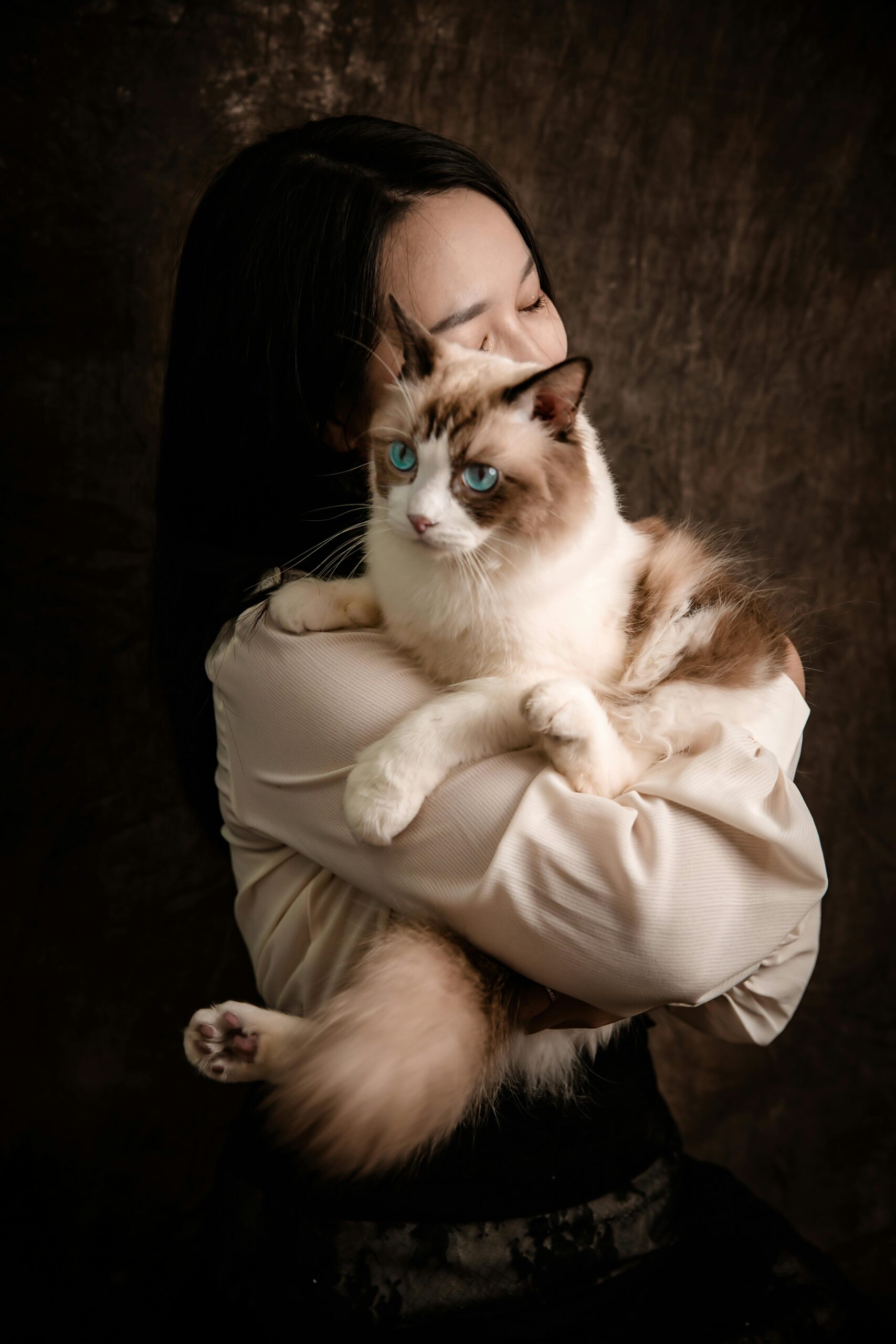
Ragdoll Cats as Emotional Support Animals (ESAs): What You Need to Know
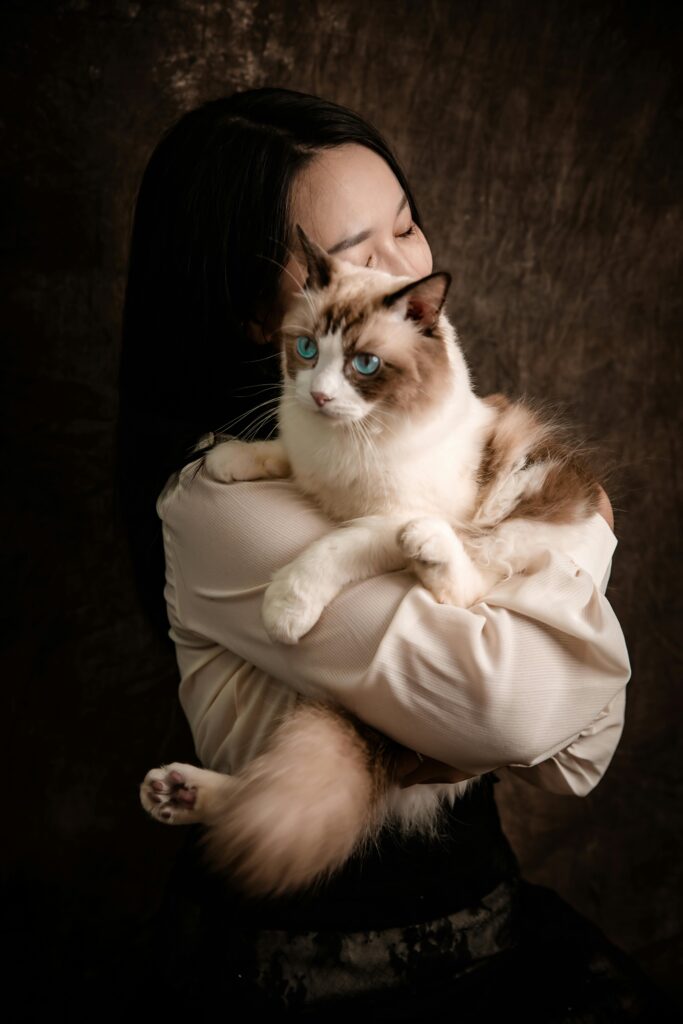
Do Ragdoll cats make good emotional support animals? Ragdoll cats are often described as calm, affectionate, and emotionally attuned, which leads many people to wonder if they make good emotional support animals. While no cat can replace professional mental health care, the right Ragdoll in the right home can provide meaningful emotional stability through quiet companionship and routine. This guide explains how Ragdolls function as ESAs, who benefits most, and what realistic emotional support actually looks like.
What an Emotional Support Animal Actually Is
An emotional support animal (ESA) is a companion animal that provides comfort and emotional stability to a person with a documented mental or emotional health need. ESAs are not trained to perform specific tasks. Their value comes from presence, predictability, and the emotional bond they provide.
It is important to distinguish ESAs from other types of support animals. Service animals are trained to perform specific tasks related to a disability and have broad public access rights. Therapy animals work with handlers in clinical or community settings to provide comfort to others and do not have individual housing protections. ESAs fall between these categories. They support one specific person and are primarily protected in housing situations, not public spaces.
Legally, ESAs may qualify for housing accommodations under the Fair Housing Act when proper documentation is provided. They do not have automatic access to public places, airplanes, restaurants, or workplaces unless additional permissions are granted. Understanding these limits prevents frustration, conflict, and misinformation.
For ESAs, temperament matters more than training. Because ESAs are not task-trained, their effectiveness depends on emotional regulation, predictability, and tolerance for human stress. A calm, stable animal that is comfortable with routine and proximity offers more genuine support than a highly trained but emotionally reactive one. This is why breed tendencies and individual personality play such an important role when considering a Ragdoll as an emotional support animal.
Clear legal understanding protects both the owner and the cat. It sets realistic expectations and ensures that emotional support is grounded in responsibility, not misunderstanding.
Why Ragdoll Cats Are Commonly Chosen as ESAs
Ragdoll cats are frequently chosen as emotional support animals because their temperament aligns naturally with what emotional support actually requires. ESAs are not meant to perform tasks or actively intervene. Their role is to provide emotional stability through presence, routine, and predictability.
Ragdolls are known for a calm, predictable temperament. They respond to their environment in measured ways and are less likely to startle, panic, or escalate during emotionally charged moments. This steadiness is critical for people who are already managing anxiety, stress, or emotional dysregulation.
They also show low reactivity to emotional environments. Loud noises, tears, or tense moods are less likely to trigger fear-based responses compared to more reactive or high-energy breeds. Instead of fleeing or vocalizing excessively, many Ragdolls remain nearby, maintaining a quiet sense of continuity.
Ragdolls tend to prefer proximity over stimulation. Rather than demanding constant play, attention, or novelty, they choose to be near their person. This can look like following calmly from room to room, settling nearby during rest, or quietly sharing space. For emotional support, this proximity is often more grounding than active interaction.
Most importantly, Ragdolls offer quiet companionship rather than high demand. They do not require constant engagement to feel secure, and they do not overwhelm emotionally sensitive owners with nonstop needs. This balance makes them especially appealing for people who benefit from presence without pressure.
Cats can function very well as ESAs because emotional support does not require obedience or task performance. It requires consistency, emotional neutrality, and tolerance for human emotion. Ragdolls are often recommended over more reactive breeds because they are less likely to amplify stress and more likely to coexist calmly within it.
Ragdoll Temperament and Emotional Support
Ragdoll temperament is often described in overly simplified terms. For emotional support, it is important to move past marketing language and understand how temperament functions in real life.
Calm Presence vs Emotional Dependence
Ragdolls soothe because they regulate their own energy well. Their calm presence does not come from passivity or weakness. It comes from an ability to remain settled without needing constant reassurance or stimulation.
This distinction matters. Comfort supports emotional stability. Reliance creates pressure. Ragdolls are most effective as ESAs when they offer comfort without becoming emotionally dependent themselves.
Emotional regulation matters more than affection level. A highly affectionate animal that becomes anxious, reactive, or distressed in response to human emotion can increase emotional strain rather than relieve it. Ragdolls, when well-matched, remain steady even when their owner is not.
Sensitivity to Human Emotion
Ragdolls are often sensitive to tone, routine, and emotional shifts. They notice changes in energy, voice, and daily patterns. This sensitivity allows them to respond in subtle ways, such as staying close during stressful moments or withdrawing when quiet is needed.
For some people, this sensitivity is deeply supportive. It creates a sense of being seen without being overwhelmed. The cat’s calm presence reinforces emotional grounding and routine.
For others, this same sensitivity can feel overwhelming. If an owner struggles with emotional regulation or unpredictability, the cat’s awareness may amplify guilt or pressure. This is not a flaw in the cat. It is a mismatch in emotional needs.
Emotional mirroring explains this dynamic. Ragdolls do not absorb emotions, but they often adjust behavior in response to them. They may become quieter, closer, or more reserved when stress increases. Understanding this prevents unrealistic expectations and helps owners build healthy emotional boundaries.
When approached honestly, Ragdoll temperament can support emotional well-being in meaningful ways. The key is recognizing that emotional support comes from stability and presence, not intensity or constant interaction.
How Ragdolls Provide Emotional Support in Daily Life
Ragdolls provide emotional support not through active intervention, but through steady, repeatable behaviors that create a sense of safety and continuity. Their support shows up in small, consistent ways that shape daily life.
They help reduce loneliness and isolation by maintaining quiet proximity. A Ragdoll may follow calmly from room to room, settle nearby during work or rest, or choose the same space repeatedly throughout the day. This presence reassures without interrupting and reduces the feeling of being alone without demanding interaction.
They provide routine and grounding through predictable patterns. Feeding times, shared resting periods, and familiar daily rhythms create structure. For many people, these routines anchor the day and offer gentle motivation to maintain self-care habits.
Ragdolls also encourage presence and regulation. Their calm behavior often slows the pace of a room. Sitting quietly together, sharing space without expectation, or pausing during a stressful moment to pet a familiar companion can help regulate emotional intensity.
Most importantly, they offer non-judgmental companionship. Ragdolls do not react to emotional expression with alarm or withdrawal. They do not require explanation or performance. Their acceptance allows owners to experience emotion without fear of rejection.
Concrete examples of this support include quiet following during difficult days, choosing to rest beside rather than on top of a person, and maintaining consistent routines even when human schedules feel unsettled. These behaviors build emotional stability over time rather than creating momentary relief.
Conditions and Situations Where Ragdolls May Help as ESAs
Ragdolls may provide meaningful support in certain emotional and life situations when expectations remain realistic and care is ongoing. They do not treat conditions, but they can support emotional well-being through presence and routine.
For anxiety and chronic stress, Ragdolls may help by offering calm companionship that does not escalate during emotional moments. Their low reactivity can reduce sensory overload and provide a stabilizing presence.
In cases of depression and low motivation, daily routines associated with care, feeding, and shared time can offer gentle structure. The presence of a calm companion may reduce isolation and encourage small, consistent engagement with daily life.
For individuals managing PTSD, Ragdolls can support through quiet companionship rather than active interruption. Their preference for shared space over stimulation allows them to coexist without triggering heightened responses.
During grief and major life transitions, the steady presence of a Ragdoll can provide continuity when other parts of life feel unstable. Familiar routines and quiet companionship often offer comfort without requiring emotional energy.
For neurodivergent individuals who prefer predictability, Ragdolls may be especially supportive. Their consistency, low noise levels, and tolerance for routine align well with environments that prioritize structure and calm.
It is important to avoid promises or guarantees. Emotional support varies by individual, environment, and the specific cat. Ragdolls can contribute to emotional stability, but they do not replace professional care or eliminate emotional challenges.
Situations Where a Ragdoll ESA May NOT Be a Good Fit
Ragdolls can provide meaningful emotional support, but they are not universally appropriate. Being clear about where the match fails is just as important as explaining where it works. This transparency protects both the person and the cat.
Ragdolls are often not a good fit for people needing constant reassurance. While they are affectionate, they do not actively check in, interrupt distress, or provide continuous validation. Owners who need frequent confirmation or intense interaction may feel disappointed or unsupported.
They also struggle in highly chaotic or loud households. Constant noise, unpredictable schedules, frequent guests, or emotional volatility can overwhelm a breed that relies on calm and routine. In these environments, a Ragdoll may withdraw rather than provide comfort.
For those wanting an emotionally neutral pet, a Ragdoll may feel too aware. They notice shifts in tone and routine and often adjust their behavior accordingly. Owners seeking a detached or background companion may experience this sensitivity as pressure.
Finally, Ragdolls are not suitable for owners expecting a “fix” rather than companionship. Emotional support animals do not resolve mental health challenges. When owners expect relief without responsibility or mutual adjustment, disappointment follows. Ragdolls offer presence, not solutions.
One vs Two Ragdoll Cats for Emotional Support
Choosing one or two Ragdoll cats significantly affects how emotional support functions in the home. Emotional load matters, especially when one animal is expected to absorb all companionship needs.
With a single Ragdoll ESA, the emotional load rests almost entirely on the cat. This can work well when the owner is emotionally regulated, present, and consistent. However, in households with long absences or fluctuating energy, the cat may experience pressure and increased dependency.
Two cats can reduce pressure by sharing social and emotional regulation. They provide companionship to each other, which lowers reliance on the owner and creates a more balanced emotional environment. This often results in calmer behavior and more sustainable support.
One ESA is appropriate when the owner prefers a focused bond, has a stable routine, and can meet the cat’s social needs consistently. Pairs often work better when owners have variable schedules, higher emotional intensity, or limited availability.
Many ESA households do better with pairs because emotional support becomes distributed rather than concentrated.
👉 One or Two Ragdoll Kittens for You
Kitten vs Adult Ragdoll as an Emotional Support Animal
Age matters significantly when selecting a Ragdoll for emotional support.
Ragdoll Kittens as ESAs
Kittens are in a constant state of development. Their behavior, energy levels, and emotional responses shift rapidly. This developmental instability makes them unreliable as emotional support early on.
Kittens bring high energy and unpredictability, which can conflict with the needs of someone seeking calm and grounding. Their needs often exceed what emotionally sensitive owners can comfortably provide.
Because kittens are still forming routines and emotional regulation, there is often an emotional support mismatch during the early months. The kitten needs support more than it provides it.
Adult Ragdolls as ESAs
Adult Ragdolls offer temperament predictability. Their energy levels, social preferences, and emotional responses are established, making alignment easier.
They allow for easier emotional alignment because routines are stable and behavior is consistent. Owners know what to expect, which reduces stress and uncertainty.
For this reason, many ESA placements work better with adults. Adults provide immediate, steady companionship without the volatility of developmental stages. This predictability is often what makes emotional support sustainable.
Choosing the right age is not about convenience. It is about ensuring that emotional support flows in a healthy, balanced direction for both the person and the cat.
Living With an ESA Ragdoll (Daily Reality Check)
Living with a Ragdoll as an emotional support animal is not passive or effortless. While the support they provide is gentle, the responsibility is consistent. Understanding the daily reality upfront prevents disappointment and regret later.
Routine requirements are non-negotiable. ESA Ragdolls rely on predictable feeding times, consistent sleeping locations, and stable daily rhythms. Irregular schedules, skipped meals, or frequent changes create stress that undermines the emotional stability the cat is meant to support. Routine is not just care. It is part of how emotional support works.
Grooming and maintenance are ongoing commitments. Ragdolls require regular brushing, coat checks, nail trims, and attention to hygiene. Grooming is not optional just because the cat is calm. For emotionally sensitive owners, grooming can feel draining if expectations are unrealistic. Planning manageable, short grooming sessions keeps care sustainable.
Emotional responsibility is often underestimated. An ESA does not exist only to receive comfort. The cat’s emotional state still matters. Ragdolls are sensitive to tone, stress, and routine disruption. Owners must remain aware of how their own emotional fluctuations affect the cat and be willing to provide calm structure even during difficult periods.
Long-term commitment is the most overlooked aspect. Emotional support relationships deepen over time. That means aging, illness, lifestyle changes, and evolving needs must all be considered. Choosing an ESA Ragdoll means committing to care not just when support feels mutual, but when the cat requires more than it gives.
This reality check matters because regret often comes from underestimating responsibility, not from the breed itself. When daily care is understood clearly, the emotional benefits feel sustainable rather than burdensome.
Emotional Boundaries and Healthy ESA Relationships
Healthy emotional support requires boundaries. Without them, both the person and the animal can become overwhelmed.
ESAs should not replace human support. A Ragdoll can provide comfort, grounding, and companionship, but it cannot process trauma, resolve anxiety, or substitute for therapy, relationships, or community. Expecting an animal to meet all emotional needs places unfair pressure on the cat and increases owner disappointment.
Preventing emotional over-attachment protects both sides. Over-attachment occurs when an owner relies exclusively on the cat for emotional regulation or avoids outside support. This can lead to guilt, anxiety during absences, or heightened stress for the animal. Emotional support works best when it complements, not replaces, broader support systems.
Encouraging independence on both sides creates balance. Allow the cat space to rest, retreat, and exist without constant emotional engagement. At the same time, maintain personal routines, social connections, and coping tools that do not depend solely on the animal. Independence strengthens the relationship rather than weakening it.
Healthy ESA relationships feel calm, steady, and mutual. They are built on presence and respect, not emotional urgency. When boundaries are clear, a Ragdoll can provide meaningful emotional support without becoming emotionally burdened themselves.
This balance is what distinguishes responsible emotional support from emotional dependency and is a key marker of ethical ESA ownership.
Legal and Housing Considerations for Ragdoll ESAs
Understanding the legal framework around emotional support animals helps prevent conflict, confusion, and disappointment. Clear expectations protect both the owner and the cat.
Under the Fair Housing Act (FHA), emotional support animals may qualify for reasonable accommodation in housing, even in buildings with pet restrictions. This protection applies to housing only. It does not grant public access rights to stores, restaurants, airplanes, or workplaces unless separate permissions are given.
Documentation expectations are often misunderstood. Housing providers may request a letter from a licensed mental health professional stating that the individual has a qualifying need for an emotional support animal. They are not entitled to a diagnosis, detailed medical history, or proof of training. Documentation should be current, legitimate, and specific to the individual.
Many conflicts arise from common landlord misunderstandings. Some landlords assume ESAs are service animals with full public access, while others believe they can deny all animals regardless of need. In reality, housing accommodations exist to balance tenant well-being with property management, not to eliminate rules entirely.
It is also important to understand why ESA “registries” are misleading. There is no official government registry for emotional support animals. Online certificates, badges, and IDs have no legal standing on their own and often create false confidence. Legitimate ESA status comes from a documented therapeutic relationship, not a purchased credential.
Approaching ESA housing with clarity and calm communication reduces tension. Responsible ESA ownership relies on accuracy, not exaggeration, and understanding the law helps maintain credibility and trust.
Common Myths About Ragdolls as Emotional Support Animals
Online discussions often oversimplify what emotional support looks like. These myths create unrealistic expectations and fuel regret.
“They fix anxiety.”
Ragdolls do not cure anxiety or replace professional care. They may support emotional regulation through routine and presence, but improvement depends on many factors beyond the cat.
“They are naturally therapy animals.”
Ragdolls are not therapy animals by default. Therapy work involves structured environments, training, and exposure. Ragdolls may be calm and affectionate, but that does not automatically translate into therapeutic suitability.
“Any Ragdoll will work.”
Individual temperament matters more than breed label. Not every Ragdoll enjoys close proximity, emotional environments, or routine changes. Matching personality to household needs is essential.
“More affection equals better support.”
Excessive affection does not equal effective emotional support. Stability, predictability, and emotional regulation matter more than constant attention. Highly affectionate but reactive animals can increase stress rather than reduce it.
Debunking these myths matters because emotional support succeeds when expectations are grounded. Ragdolls can be supportive companions, but only when their role is understood realistically and respectfully.
What Ethical Breeders and Professionals Emphasize
Ethical breeders and animal professionals approach emotional support placement with caution and long-term thinking. Their focus is not on trends or promises, but on suitability and welfare.
They consistently prioritize temperament over color or looks. Coat pattern, eye color, and appearance have no bearing on emotional stability. Calm regulation, tolerance for routine, and low reactivity are the traits that matter. Ethical breeders evaluate behavior across time and situations rather than assuming all Ragdolls behave the same.
They also emphasize matching the cat to the emotional environment. A household with frequent stress, unpredictable schedules, or high emotional intensity requires a cat that can remain regulated without becoming withdrawn or anxious. Not every Ragdoll is suited to this role, even within well-bred lines.
This is why professionals are clear that not all Ragdolls should be ESAs. Some individuals prefer independence, dislike emotional environments, or become stressed by close proximity. Placing these cats in ESA roles increases the risk of behavioral issues and emotional strain for both sides.
Long-term welfare considerations guide ethical recommendations. Emotional support relationships last years, not months. Aging, health changes, and lifestyle shifts must be anticipated. Ethical breeders think beyond placement and consider how the cat will cope as needs evolve.
This perspective builds credibility because it values sustainability over convenience. Responsible ESA placement protects the cat’s emotional well-being as much as the owner’s.
Who Thrives With a Ragdoll ESA
Ragdoll ESAs work best in environments that align with the breed’s strengths and limitations. Certain owner traits consistently predict success.
Calm, routine-oriented individuals provide the structure Ragdolls rely on. Predictable schedules, quiet living spaces, and steady daily rhythms allow the cat to remain regulated and supportive.
Emotionally self-aware owners tend to have healthier ESA relationships. They recognize when they need additional support beyond the cat and understand how their own emotions affect the animal.
People seeking presence, not performance thrive most. Ragdolls offer companionship through shared space and quiet closeness, not constant engagement or active intervention.
Finally, those willing to meet the cat’s needs consistently experience the most benefit. Emotional support flows best when care, grooming, veterinary attention, and environmental stability are provided without resentment or inconsistency.
When these factors align, a Ragdoll ESA relationship feels grounding rather than demanding and supportive rather than stressful.
FAQ: Ragdoll Cats as Emotional Support Animals (ESAs)
Can a Ragdoll cat legally be an emotional support animal?
Yes. A Ragdoll cat can be an emotional support animal if a licensed mental health professional determines that the animal provides emotional support related to a documented mental or emotional health need. ESAs are recognized under housing law, not public access law.
Are cats really effective emotional support animals, or is that just a loophole?
Cats can be effective ESAs when emotional support means calm presence, routine, and companionship, not active intervention. Emotional support does not require task performance. It requires emotional regulation and consistency, which many cats, especially Ragdolls, naturally provide.
What makes Ragdolls better ESAs than other cat breeds?
Ragdolls tend to be calmer, less reactive, and more tolerant of emotional environments than many breeds. They prefer proximity over stimulation and are less likely to escalate stress. This makes them easier to live with during emotionally difficult periods.
Do Ragdolls sense anxiety or emotional distress?
Ragdolls often notice changes in tone, routine, and energy. They do not diagnose or “absorb” emotions, but they may adjust behavior by staying closer, becoming quieter, or choosing shared space. This sensitivity can feel supportive for some people and overwhelming for others.
Will a Ragdoll ESA help with anxiety or depression?
A Ragdoll ESA may help support emotional regulation by providing routine, reducing isolation, and offering non-judgmental companionship. They do not treat or cure anxiety or depression and should not replace professional care.
Is it unethical to rely on a cat for emotional support?
It becomes unethical only when the cat is expected to replace human support or professional care. Ethical ESA relationships are mutual, bounded, and supportive without emotional burden placed on the animal.
Can a Ragdoll ESA go everywhere with me?
No. ESAs do not have public access rights. They are not allowed in restaurants, stores, airplanes, or workplaces unless separate permissions are granted. ESA protections primarily apply to housing.
Do I need to register my Ragdoll as an ESA?
No. There is no official ESA registry. Online certificates and ID cards have no legal standing by themselves. Legitimate ESA status comes from documentation from a licensed mental health professional.
Can landlords deny a Ragdoll ESA?
Landlords must consider reasonable accommodation requests under the Fair Housing Act. They may request documentation but cannot require training proof, charge pet fees, or demand registration. Exceptions exist if the animal poses a direct threat or causes undue hardship.
Is a Ragdoll kitten a good emotional support animal?
Usually not at first. Kittens are emotionally and behaviorally unstable, energetic, and unpredictable. They often need support more than they provide it. Many ESA placements work better with adult Ragdolls.
Is an adult Ragdoll better suited as an ESA?
Yes, in most cases. Adults have established temperament, predictable routines, and lower energy levels. This makes emotional alignment easier and support more immediate.
Should I get one or two Ragdolls for emotional support?
It depends. One Ragdoll can work well for emotionally regulated, home-based owners. Two Ragdolls often reduce emotional pressure on the cat and create a more balanced dynamic, especially for people who are away often or experience emotional intensity.
Will two Ragdolls bond with each other instead of me?
No. Bonds differ rather than weaken. Two cats often feel more secure and independent, which can actually improve their ability to provide calm companionship rather than anxious attachment.
Can a Ragdoll become too emotionally attached to me?
Yes, if boundaries are unclear. Over-attachment often develops when the cat becomes the owner’s sole emotional outlet. Encouraging independence and maintaining outside support prevents this.
What if I need constant reassurance? Will a Ragdoll ESA help?
Probably not. Ragdolls provide quiet companionship, not continuous reassurance or intervention. People needing frequent validation may feel unsupported or disappointed.
Do Ragdolls get overwhelmed by emotional environments?
Some do. While many tolerate calm emotional expression well, chaotic, loud, or highly volatile environments can cause withdrawal or stress. Individual temperament matters.
Are Ragdolls naturally therapy animals?
No. Therapy animals are trained to work in public or clinical settings. Ragdolls may be calm and affectionate, but that does not automatically make them therapy animals.
Can any Ragdoll be an ESA?
No. Breed tendencies matter, but individual personality matters more. Some Ragdolls are independent, sensitive, or easily stressed and are not good ESA candidates.
How do ethical breeders feel about Ragdolls as ESAs?
Ethical breeders emphasize temperament matching and long-term welfare. They do not recommend ESA placement for every cat and discourage choosing based on appearance alone.
What responsibilities come with having a Ragdoll ESA?
Consistent routine, grooming, veterinary care, emotional awareness, and long-term commitment. Emotional support does not remove the obligation to meet the cat’s needs fully.
Can a Ragdoll ESA help during grief or major life changes?
Many people find their steady presence comforting during transitions. The support comes from familiarity and routine, not from actively processing grief.
What are the biggest mistakes people make with ESA Ragdolls?
- Expecting emotional fixes
- Choosing based on looks
- Ignoring the cat’s emotional limits
- Replacing human support with the cat
These mistakes lead to stress for both sides.
How do I know if a Ragdoll ESA relationship is healthy?
A healthy relationship feels calm, sustainable, and balanced. The cat is relaxed, not anxious. The owner feels supported without feeling dependent. Boundaries exist on both sides.
Ragdoll Cat ESA Recap
Ragdoll cats can be meaningful emotional support animals when expectations are realistic and boundaries are clear.
They do not fix emotional struggles, but they can make daily life feel steadier, quieter, and less isolating when matched thoughtfully.
Summary Table: Ragdoll Cats as Emotional Support Animals
| Feature | How Ragdolls Support Emotionally | What They Do Not Do |
|---|---|---|
| Calm temperament | Provide steady, low-reactivity presence during emotional moments | Eliminate anxiety, panic, or distress |
| Proximity preference | Offer comfort by staying nearby and sharing space | Demand constant attention or interaction |
| Predictable behavior | Reinforce routine and emotional grounding | Adapt instantly to chaotic or unstable environments |
| Sensitivity to emotion | Adjust calmly to tone, mood, and daily rhythms | Actively intervene or “fix” emotional episodes |
| Quiet companionship | Reduce loneliness without overstimulation | Replace therapy, medication, or human support |
| Low stimulation needs | Support rest, focus, and regulation | Perform trained service or therapy tasks |
| Individual temperament | Can align well with emotionally aware owners | Work equally well for every person or household |
Final Perspective: Are Ragdoll Cats Good Emotional Support Animals?
Ragdoll cats do not cure emotional struggles.
They offer calm presence, routine, and quiet companionship.
When matched thoughtfully to the right person and environment, a Ragdoll can be a deeply supportive emotional partner—not a solution, but a steady anchor that helps make daily life feel more manageable and grounded.
Continued Ragdoll Reading
If you’re still deciding whether a Ragdoll fits your home, these posts expand on temperament, care, and long-term ownership realities:
- Ragdoll Cats Explained by a Breeder
A complete breakdown of temperament, care needs, health realities, and who the breed is truly suited for. - Ragdoll Cat Health Complete Health review of Ragdoll cats.
- Ragdoll Cat Diet Ragdolls thrive on diets that prioritize high-quality animal protein, consistent hydration, and structured portion control.
- Is A Ragdoll Right for You?
A Ragdoll is right for you if you want calm companionship, routine, and emotional presence - How Ragdoll Kittens are Raised Our Ragdoll kittens are raised through a structured, stage-based process that supports confidence, handling tolerance, and adaptability.
- Are Ragdoll Cats Hypoallergenic?
A realistic explanation of allergies, Fel d 1, and why coat type doesn’t equal allergy safety. - What Living With A Ragdoll is Like
Living with a Ragdoll doesn’t match the extremes you see online. - Ragdoll Cat Lifespan: Lifespan and health tips.
- Ragdoll Health Testing Explained
What breeders test for, what results actually mean, and why testing reduces risk but never guarantees outcomes. - Ragdoll Cat Shedding Ragdoll shedding is normal, consistent, and manageable when expectations match the reality of the breed.
- Ragdoll Cat Lifetime Cost Current care and veterinary realities, not best-case scenarios or outdated online advice.
Sources & References
Emotional Support Animals & Housing Law
- U.S. Department of Housing and Urban Development (HUD) – Assistance Animals Notice (FHEO-2020-01)
https://www.hud.gov/program_offices/fair_housing_equal_opp/assistance_animals - Fair Housing Act (FHA) – U.S. Department of Justice Overview
https://www.justice.gov/crt/fair-housing-act-2
Feline Behavior, Temperament & Welfare
- International Cat Care (ISFM) – Understanding Cat Behaviour
https://icatcare.org/advice/understanding-cat-behaviour/ - International Cat Care (ISFM) – Cats and Emotional Wellbeing
https://icatcare.org/advice/cats-and-emotional-wellbeing/ - Overall, K. (2013). Manual of Clinical Behavioral Medicine for Dogs and Cats. Elsevier
(Emotional regulation, human–animal bonding, welfare considerations)
Human–Animal Bond & Emotional Support
- American Veterinary Medical Association (AVMA) – The Human–Animal Bond
https://www.avma.org/resources-tools/avma-policies/human-animal-bond - Fine, A. H. (Ed.). (2019). Handbook on Animal-Assisted Therapy. Academic Press
(Distinctions between ESAs, therapy animals, and service animals)
Cats as Emotional Support Animals
- American Psychological Association (APA) – Understanding Emotional Support Animals
https://www.apa.org/monitor/2018/02/emotional-support - National Institute of Mental Health (NIMH) – Mental Health and Support Systems
https://www.nimh.nih.gov/health/topics
Ethical Ownership & Welfare Framing
- American Association of Feline Practitioners (AAFP) – Feline Environmental Needs Guidelines
https://catvets.com/guidelines/practice-guidelines/feline-environmental-needs - RSPCA – Choosing the Right Pet for Your Lifestyle
https://www.rspca.org.uk/adviceandwelfare/pets






Read the Comments +