
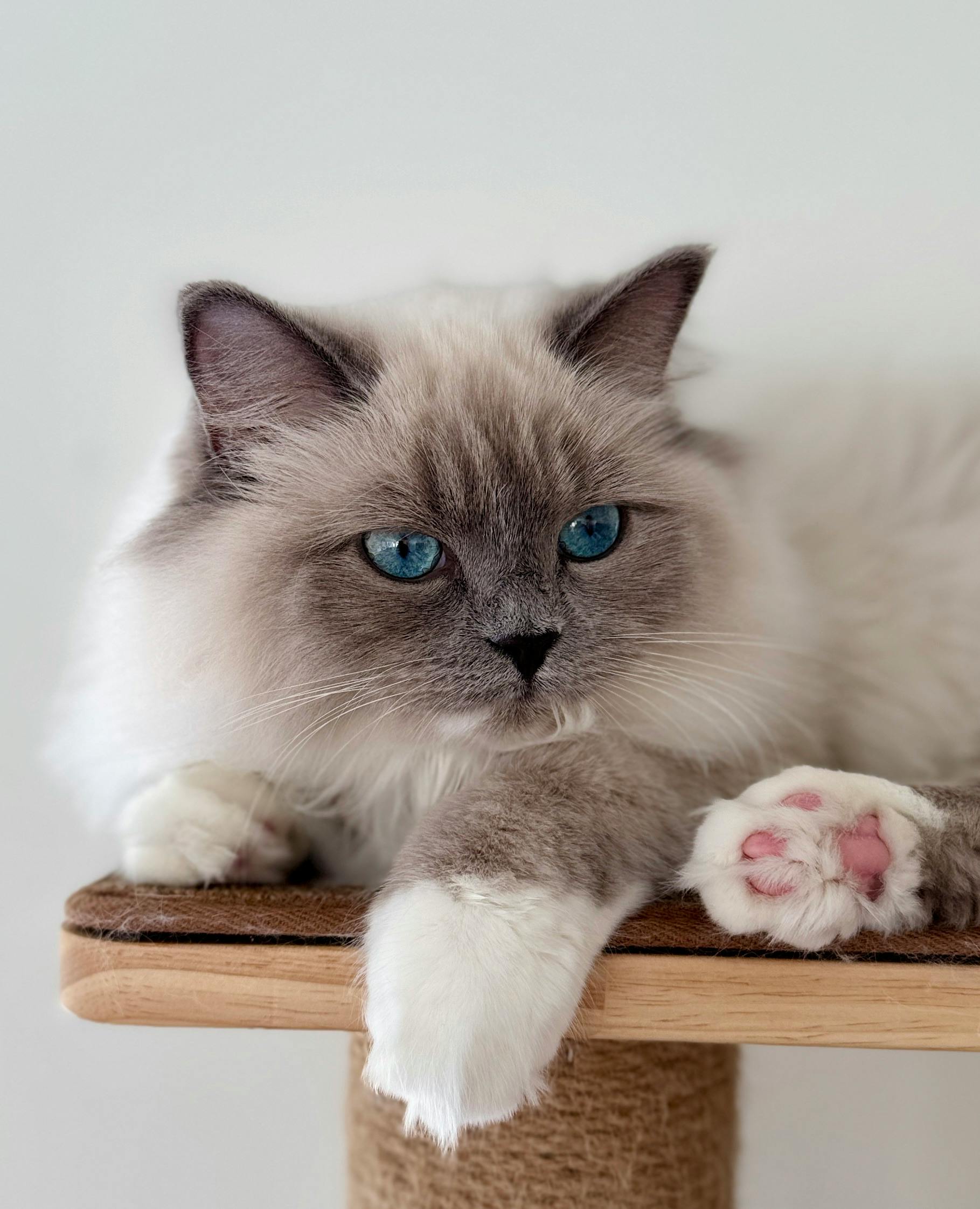
Are Ragdolls Easy Cats? A Reality-Based Answer
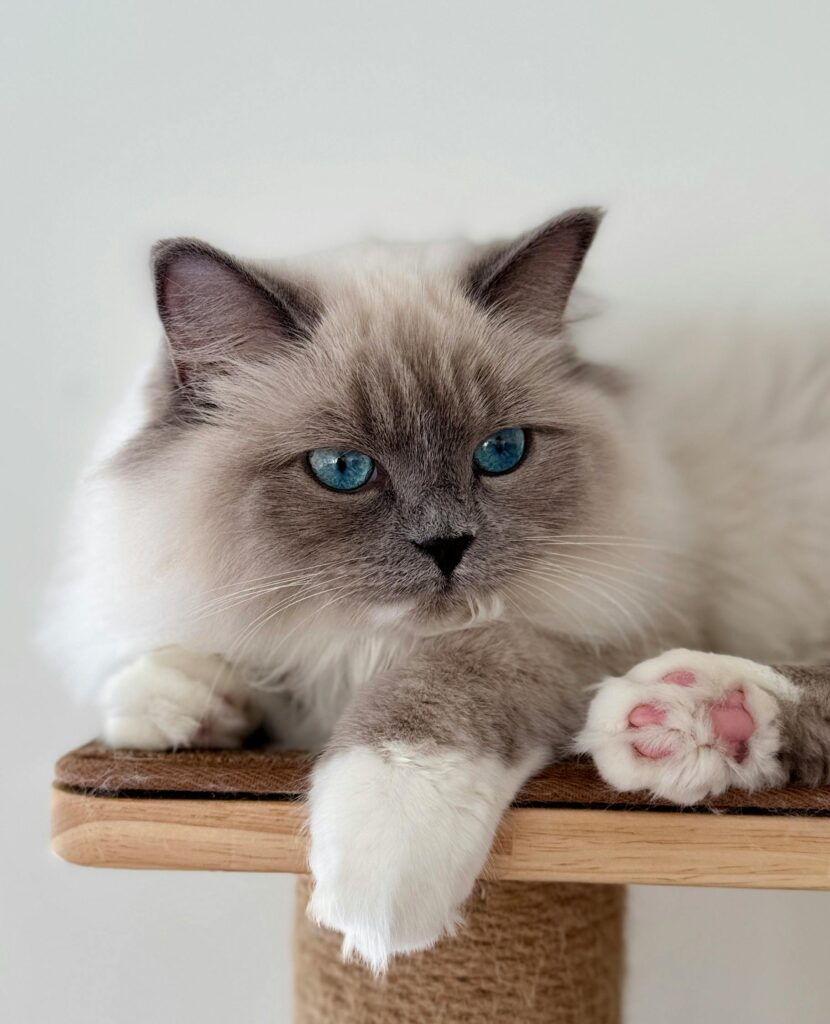
Ragdoll cats are often described as “easy,” but that word hides more than it explains. Easy for whom, in what environment, and under what expectations? This guide breaks down what makes Ragdolls feel easy, where they are not, and why fit matters more than reputation.
Are Ragdolls Easy Cats? — Summary Table
| Aspect | Why Ragdolls Feel Easy | Where Effort Is Still Required |
|---|---|---|
| Emotional temperament | Calm, predictable, low reactivity | Sensitive to tone, mood, and routine changes |
| Communication style | Quiet, subtle, non-demanding | Owners must notice non-vocal signals |
| Daily interaction | Enjoy shared space without constant attention | Need consistent presence, not hands-off care |
| Activity level | Moderate, settles easily | Still need play and engagement |
| Grooming | Tolerant of handling | Regular brushing required to prevent matting |
| Routine | Thrive on predictability | Struggle with frequent changes or chaos |
| Living space | Adapt well to apartments | Need quiet zones and vertical space |
| Kitten vs adult | Adults feel very easy | Kittens are energetic and demanding |
| One vs two cats | Two often feel easier long-term | One requires more owner availability |
| Overall ease | Emotionally grounding | Physically and logistically involved |
What People Mean When They Ask “Are Ragdolls Easy?”
When people ask whether Ragdolls are easy cats, they are rarely asking a single, clear question. “Easy” is a catch-all term that blends emotional expectations, care effort, and lifestyle fit into one word.
Most often, people mean “low-maintenance,” but those are not the same thing. Low-maintenance suggests minimal grooming, infrequent care, and little daily involvement. Ragdolls do not fit that definition. They require regular coat care, routine, and presence.
Others are asking about emotional ease versus physical care. Emotionally, Ragdolls are often easier than more reactive or vocal breeds. They tend to be calm, predictable, and tolerant of shared space. Physically, however, they still require grooming, feeding routines, and attention to health and environment.
Some people equate calm temperament with low effort, which creates confusion. A calm cat does not demand constant stimulation, but calm does not mean hands-off. Ragdolls rely on consistency and engagement in quieter ways that are easy to underestimate.
This question is vague but common because many buyers are trying to avoid regret. They want reassurance that the breed will fit their life without requiring more time, energy, or emotional capacity than they can offer. Clarifying what “easy” actually means is the first step to answering honestly.
In What Ways Ragdolls Do Feel Easy
Ragdolls often feel easy to live with because their temperament creates a calm, predictable household rhythm. For the right owner, this makes daily life feel smoother and less emotionally demanding.
Emotionally Calm and Predictable
Ragdolls are emotionally steady cats. They do not overreact to everyday life.
- Low reactivity:
Sudden noises, normal household movement, and minor disruptions rarely trigger panic or frantic behavior. Most Ragdolls pause, observe, and settle again. - Rare escalation:
When stressed, they are more likely to withdraw or slow down than to lash out, vocalize loudly, or become destructive. This reduces emotional intensity in the home. - Tolerance for routine:
Ragdolls thrive on consistent daily patterns. When routines stay stable, their behavior stays stable too. This predictability makes them feel easy for owners who value calm over constant entertainment.
For many people, this emotional steadiness is what makes Ragdolls feel effortless.
Quiet Communication Style
Ragdolls communicate without demanding attention.
- Minimal vocalization:
Compared to vocal breeds, Ragdolls rarely talk nonstop. They may chirp or meow softly, but they are not known for persistent noise. - Subtle signaling:
Needs are communicated through body language rather than sound. Sitting nearby, following quietly, or positioning themselves in shared spaces are common ways they communicate comfort or interest. - Why this feels peaceful:
A quiet cat creates a quieter home. For people sensitive to noise or overstimulation, this communication style feels grounding rather than draining.
People-Oriented Without Hyperactivity
Ragdolls enjoy people without demanding constant engagement.
- Proximity over demand:
They prefer being near you, not on you all the time. Sitting beside, resting at your feet, or sharing a room is more common than persistent attention-seeking. - Shared space behavior:
Ragdolls integrate into daily life instead of interrupting it. They adapt to your rhythm rather than trying to control it. - Reduced chaos compared to reactive breeds:
Because they are not constantly pacing, vocalizing, or seeking stimulation, Ragdolls often feel easier than high-energy or highly reactive cats.
This balance of affection and independence is where many owners feel the “easy” reputation is earned.
Where Ragdolls Are Not Easy (And Why That Matters)
Ragdolls are not effortless cats. Ignoring the areas where they require commitment is where frustration and regret usually start.
Grooming and Coat Care
Calm temperament does not reduce grooming needs.
- Regular brushing requirements:
Ragdolls have long, soft coats that require frequent brushing to stay comfortable and healthy. - Matting risk:
Mats form easily, especially in friction areas like the chest, armpits, and behind the legs. Without routine grooming, discomfort builds quietly. - Why calm does not mean low grooming:
Ragdolls may tolerate grooming better than some cats, but the work still needs to happen. Calm behavior makes grooming easier, not unnecessary.
Routine Sensitivity
Ragdolls rely heavily on predictability.
- Predictability needs:
Feeding times, rest periods, and household rhythms matter. When routines shift constantly, stress increases even if behavior remains subtle. - Stress from inconsistency:
Missed meals, irregular schedules, or frequent environmental changes can lead to withdrawal, clinginess, or behavioral confusion. - Why chaos creates problems:
In chaotic homes, Ragdolls may appear “needy” or “shut down.” These are stress responses, not personality flaws.
Emotional Awareness
Ragdolls notice more than many people expect.
- Sensitivity to tone and mood:
They pick up on tension, raised voices, and emotional shifts. This makes them responsive companions but also means they absorb household stress. - Why this helps some owners and overwhelms others:
Emotionally calm owners often find this sensitivity comforting. Highly stressed or emotionally volatile environments may find it amplifies pressure instead.
This emotional awareness is a strength, but only when the household can support it.
Cliff Notes:
Ragdolls feel easy when calm temperament meets stable routines.
They feel difficult when grooming, structure, or emotional consistency are underestimated.
Easy Compared to What? (Context Matters)
When people ask if Ragdolls are easy cats, they are almost always comparing them to another breed, even if they do not say it out loud. “Easy” only makes sense when you look at what kind of effort a cat requires and where that effort shows up. Comparing breeds helps clarify why Ragdolls feel easy to some people and not to others.
Ragdoll vs Siamese
The difference between Ragdolls and Siamese is often felt immediately.
Vocalization
Siamese cats are known for frequent, loud, and persistent vocalizing. They communicate constantly and expect responses. Ragdolls, by contrast, are quiet. They may chirp or meow softly, but they do not rely on sound to manage their relationship with humans. For people sensitive to noise, this alone can make Ragdolls feel much easier.
Emotional intensity
Siamese cats tend to experience emotions loudly and visibly. They bond deeply but often express frustration, boredom, or anxiety through vocalization and restlessness. Ragdolls experience emotion more quietly. They are still attached and aware, but they regulate their responses instead of amplifying them. This lower emotional intensity creates a calmer household dynamic.
Activity level
Siamese cats stay highly active well into adulthood and need frequent engagement. Ragdolls enjoy play, but they are content with shorter, calmer interactions. They do not require constant stimulation to stay settled. This difference makes Ragdolls feel easier for people who want companionship without nonstop activity.
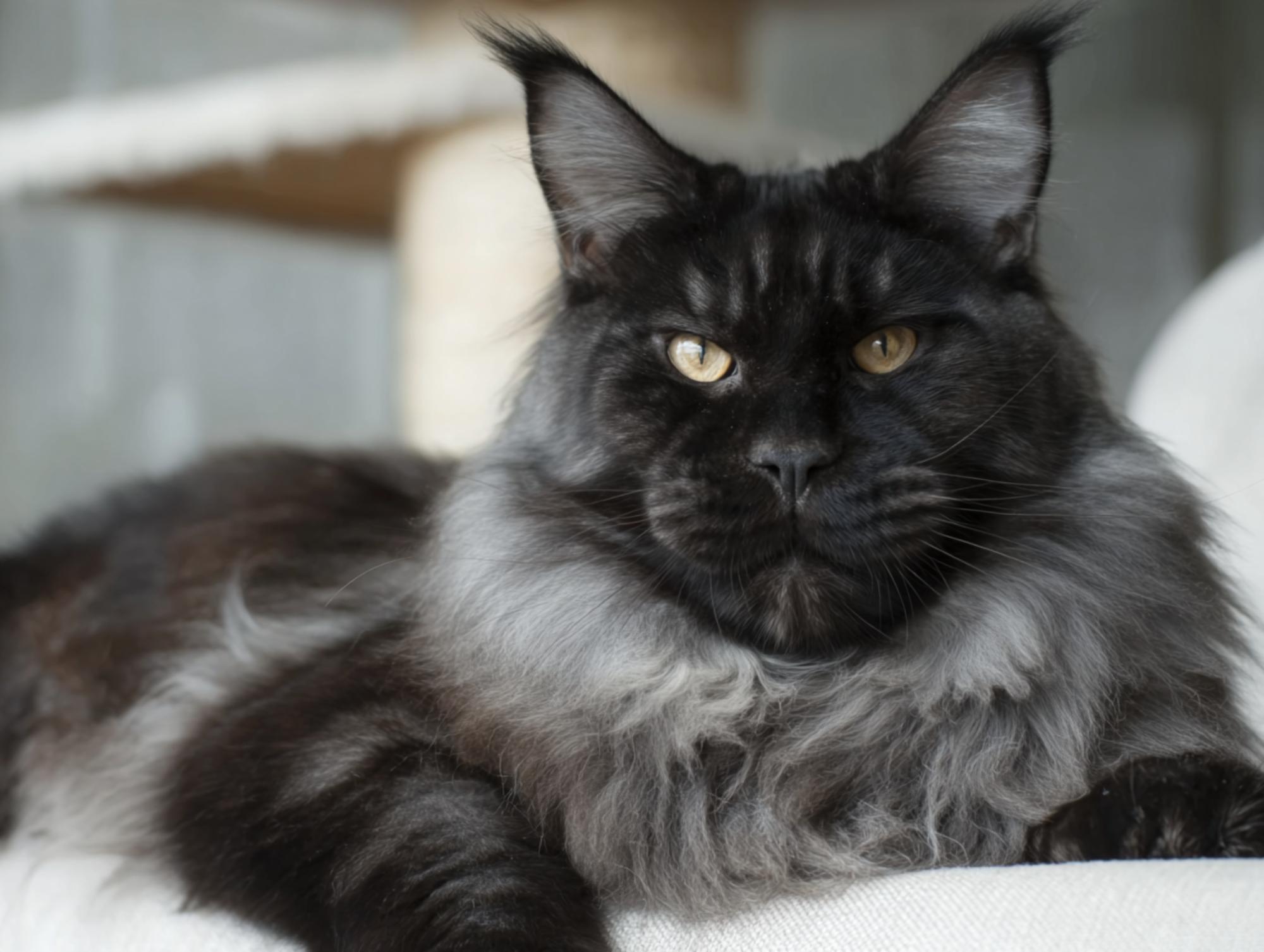
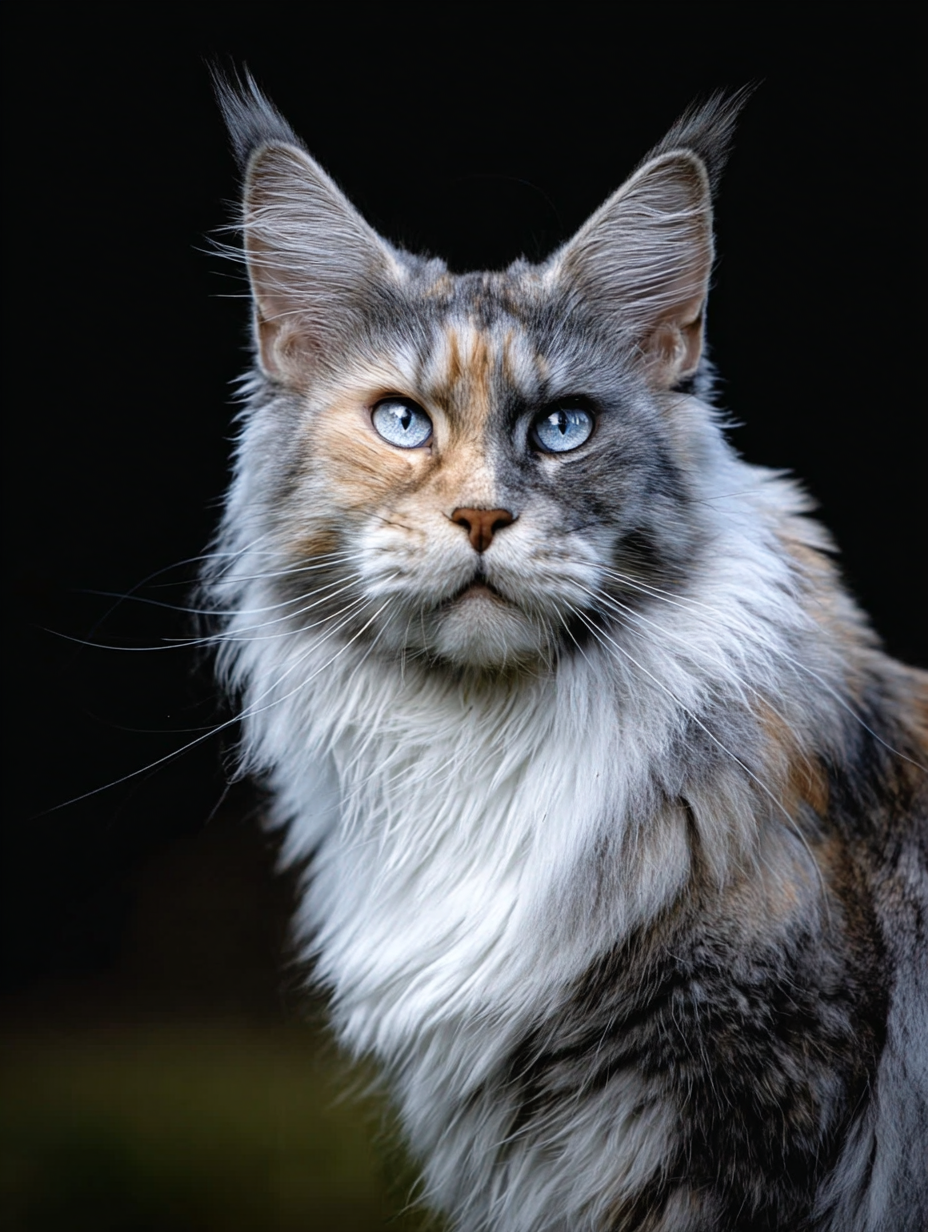
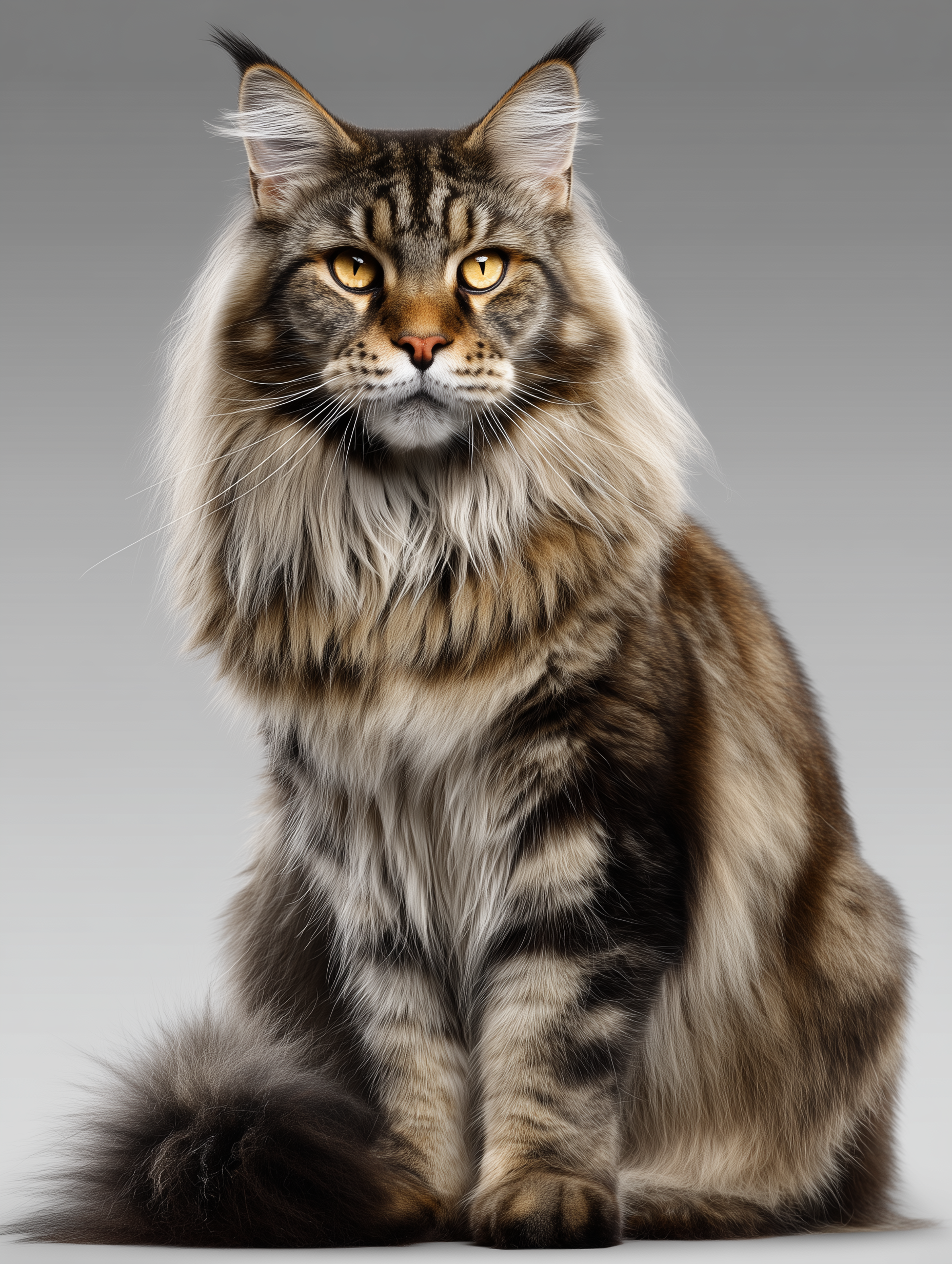
Ragdoll vs Maine Coon
Ragdolls and Maine Coons are both large, friendly cats, but they feel easy in different ways.
Energy output
Maine Coons are playful, curious, and often busy. They enjoy movement, exploration, and interactive play for long periods. Ragdolls have lower energy output. They play, then rest. This rhythm fits well in quieter homes and feels easier for owners who prefer a slower pace.
Independence
Maine Coons are often more independent in how they move through the home. They enjoy people but do not always need close proximity. Ragdolls prefer shared space. They are more likely to stay nearby, follow quietly, or rest in the same room. For some owners, this feels comforting and easy. For others, it feels more involved.
Physical maintenance
Both breeds require grooming, but the experience differs. Maine Coons have thicker, heavier coats that may need more intensive brushing. Ragdolls have softer coats that mat easily if neglected but are usually easier to manage with consistent care. Neither breed is low-maintenance, but the effort shows up differently.
These comparisons are not about deciding which breed is better. They show why Ragdolls feel easy to people who value calm, quiet companionship and predictable behavior. Ease depends on what kind of effort you find manageable, not on the breed label alone.
Are Ragdolls Easy for First-Time Cat Owners?
Ragdolls can be a good choice for first-time cat owners, but only when expectations are realistic and the owner’s mindset fits the breed.
When first-time owners thrive
Beginners who do well with Ragdolls usually enjoy routine and presence. They like having a cat nearby, notice small behavior cues, and are comfortable building simple daily habits like feeding on schedule and brushing regularly. For these owners, the Ragdoll’s calm temperament reduces anxiety and makes learning easier.
When first-time owners struggle
New owners often struggle when they expect a cat to be fully hands-off. Ragdolls are calm, but they still need structure, grooming, and predictable interaction. Beginners who underestimate coat care or emotional awareness may feel unprepared or overwhelmed.
Importance of a routine mindset
Ragdolls rely on consistency. First-time owners who approach cat care with a flexible but steady routine usually find the breed manageable and rewarding. Those who prefer spontaneity or irregular schedules may experience stress on both sides.
Why “calm” can mislead beginners
Calm behavior is often mistaken for low needs. This misunderstanding leads some first-time owners to miss early signals of stress or neglect care routines. Calm does not mean self-sufficient. It means emotionally regulated.
Are Ragdolls Easy in Apartments or Small Homes?
Ragdolls often adapt well to apartments and small homes when the environment supports their needs.
Space vs stimulation
Ragdolls do not require large spaces to roam. They prefer familiar areas and predictable layouts. What matters more than square footage is mental comfort and gentle stimulation.
Noise sensitivity
They are sensitive to constant noise. Apartments with steady, loud activity or unpredictable sound levels can cause withdrawal or stress. Quiet or moderately active environments tend to suit them best.
Environmental stability
Stable layouts, consistent routines, and quiet resting areas make small homes feel safe and manageable. Frequent rearranging or crowded conditions can increase stress even in larger spaces.
Vertical space needs
Providing vertical options like cat trees, shelves, or window perches allows Ragdolls to observe without overstimulation. Vertical space adds comfort without increasing chaos.
One vs Two Ragdolls — Does That Change Ease?
The number of cats in the home can change how easy Ragdolls feel to live with.
Emotional load on one cat
With one Ragdoll, all social interaction flows through the owner. This works well when the owner is home often and emotionally available. When availability is limited, the cat may seek more attention, which some owners find demanding.
Why two can feel easier long-term
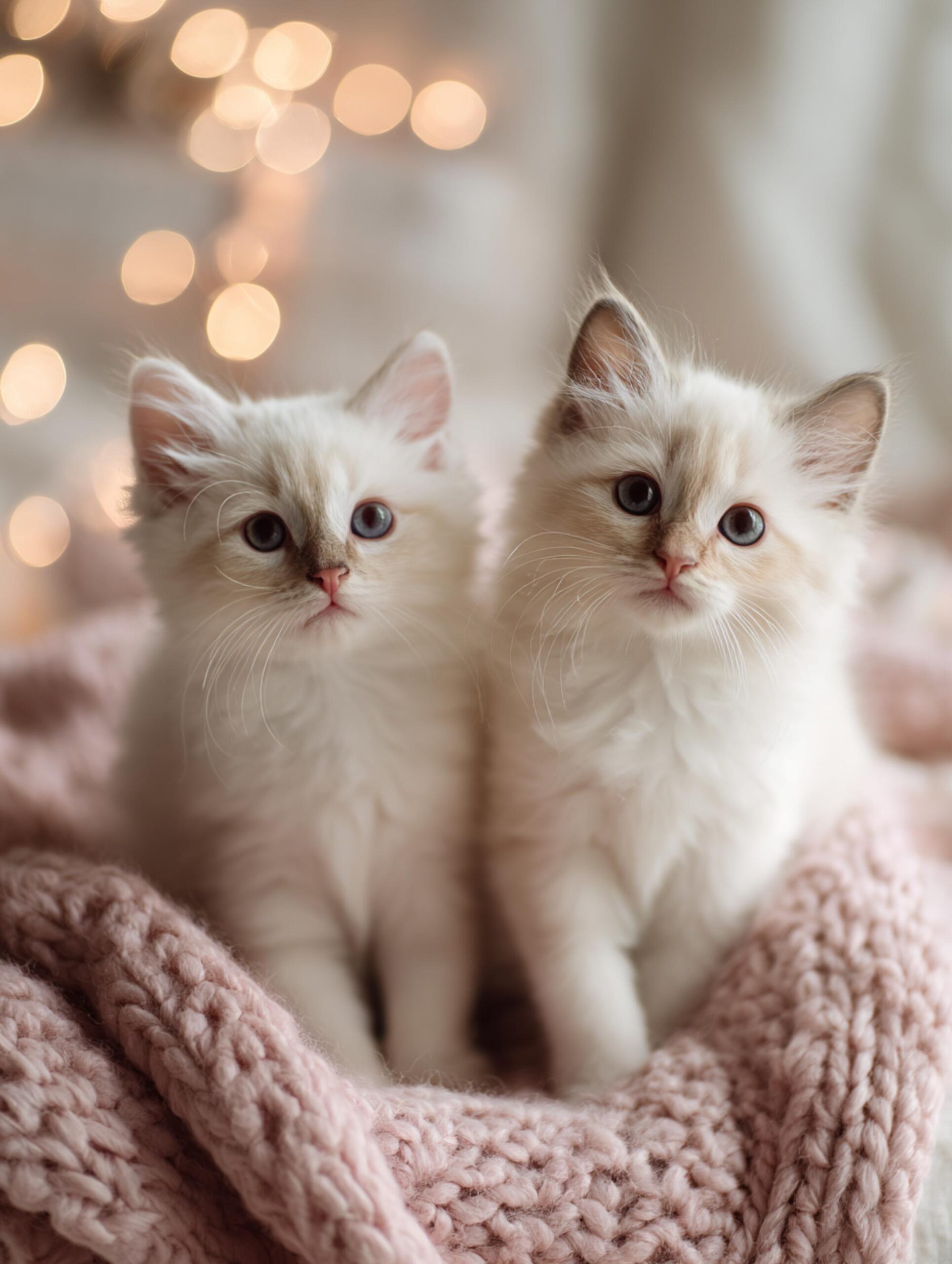
Two Ragdolls often share social and emotional needs. They play together, rest together, and regulate each other’s energy. This reduces pressure on the owner and can make daily life feel smoother.
When one is still appropriate
One Ragdoll is a good choice for owners who enjoy a close bond, have stable routines, and can meet social needs consistently. Ease comes from fit, not numbers.
👉 One or Two Ragdoll Kittens for You
Kitten vs Adult — Which Is Easier?
When people describe Ragdolls as easy cats, they are almost always thinking about adult Ragdolls, not kittens. Age makes a significant difference in how easy the breed feels day to day.
Ragdoll Kittens
Ragdoll kittens are not easy, even though they grow into calm adults.
Energy and unpredictability
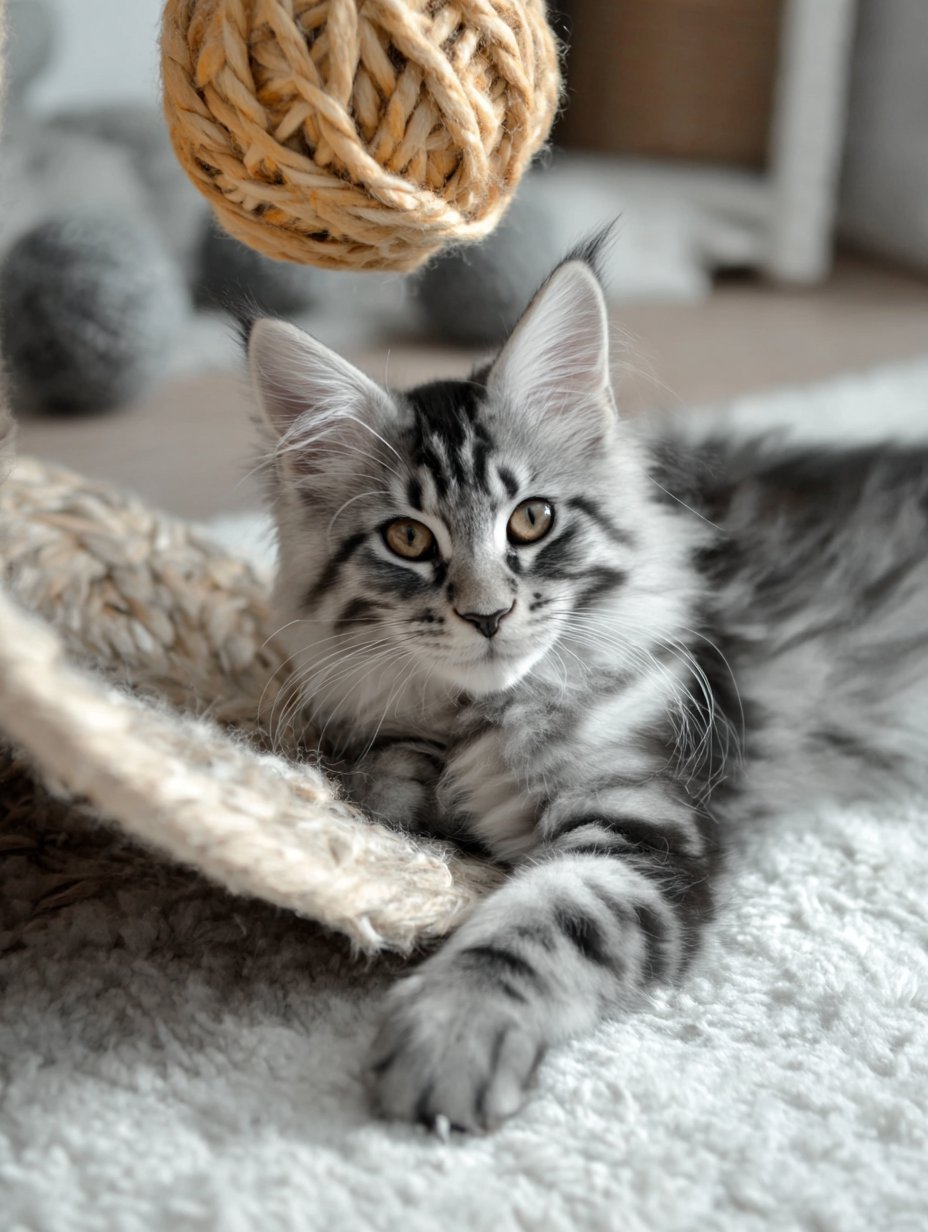
Kittens have bursts of energy, short attention spans, and changing behaviors. One moment they are calm, the next they are climbing, playing, or exploring without awareness of limits. This is normal development, not a temperament flaw.
Developmental needs
Kittens require frequent interaction, play, supervision, and training. They are learning how to regulate themselves, how to interact safely, and how to live within a household routine. During this stage, the kitten needs support more than it provides it.
Why “easy” doesn’t apply yet
Expecting ease during kittenhood leads to frustration. Even calm breeds go through active, demanding phases. Ragdoll kittens become easy later, not immediately.
Adult Ragdolls
Adult Ragdolls are where the “easy” reputation comes from.
Predictability
Adults have established routines, energy levels, and preferences. Owners know when the cat wants to rest, interact, or play. This predictability removes guesswork and reduces stress.
Emotional regulation
Adult Ragdolls manage stimulation and emotion calmly. They recover quickly from minor disruptions and rarely escalate behavior. This regulation creates a peaceful household dynamic.
Why adults often feel easier
Ease comes from knowing what to expect. Adult Ragdolls provide that consistency. For many people, adopting an adult is the simplest way to experience the breed’s temperament without the demands of development.
Common Reasons People Say Ragdolls Are “Hard”
Most claims that Ragdolls are hard to live with are not about the breed itself. They come from a small number of recurring issues.
Expectation mismatch
Owners expect low effort instead of calm interaction. When grooming, routine, and presence are required, they feel unprepared.
Underestimating grooming
Ragdolls have long coats that need regular care. When grooming is skipped, mats form quietly and discomfort builds, leading to frustration.
Emotional over-attachment
Some owners rely too heavily on their Ragdoll for emotional regulation. This can create clinginess, guilt, or stress on both sides.
Lack of routine
Inconsistent schedules and frequent changes destabilize a breed that thrives on predictability. The resulting behavior is often misinterpreted as difficulty.
These patterns show up repeatedly in online regret posts. When expectations and routines are adjusted, many of these “problems” resolve without major changes.
Who Finds Ragdolls Easy to Live With
Ragdolls feel easy when the household and the owner’s expectations align with the breed’s temperament. Certain environments consistently bring out the best in them.
Calm households
Homes with a steady pace, moderate noise, and predictable rhythms suit Ragdolls well. They settle quickly and maintain emotional balance when the environment is not constantly changing.
Routine-oriented owners
Owners who enjoy structure often find Ragdolls intuitive. Regular feeding times, consistent grooming habits, and predictable daily patterns help the cat stay relaxed and cooperative.
Presence-focused companionship seekers
People who value shared space over constant interaction thrive with Ragdolls. The breed excels at quiet companionship, offering closeness without demanding entertainment or attention.
Emotionally self-aware people
Ragdolls respond well to owners who understand their own emotional patterns. These owners notice subtle cues, respect boundaries, and provide calm leadership, which keeps the relationship balanced and low-stress.
Who Often Finds Ragdolls Difficult
Ragdolls can feel challenging when lifestyle and expectations clash with their needs.
Highly chaotic homes
Constant noise, frequent visitors, or unpredictable schedules create stress. In these environments, Ragdolls may withdraw or appear needy, which owners misinterpret as difficulty.
Hands-off owners
People wanting minimal involvement often struggle. Ragdolls need presence, grooming, and routine. They are calm, but they are not self-sufficient.
People wanting entertainment
Owners seeking an energetic or highly interactive cat may feel disappointed. Ragdolls enjoy play, but they do not exist to perform or entertain continuously.
Those expecting independence without structure
Ragdolls balance closeness and independence within a framework of consistency. Without structure, they may become unsettled, leading owners to believe the breed is harder than it truly is.
When expectations match reality, Ragdolls feel simple and rewarding. When they do not, frustration often replaces understanding.
FAQ: Are Ragdolls Easy Cats?
Are Ragdolls actually easy cats?
Ragdolls are emotionally easy, not effortless. They are calm, predictable, and low-reactivity, which makes them feel easier than many breeds. However, they still require grooming, routine, and presence. Ease depends on fit, not reputation.
Are Ragdolls low-maintenance cats?
No. Ragdolls are not low-maintenance. Their long coats require regular brushing, and they do best with consistent routines. People often confuse calm behavior with low maintenance, which leads to frustration later.
Are Ragdolls easier than other cat breeds?
Ragdolls are easier than highly vocal, reactive, or high-energy breeds, but harder than short-haired, emotionally neutral cats. They trade lower emotional intensity for higher grooming and routine needs.
Are Ragdolls good for first-time cat owners?
They can be, if the owner is routine-oriented and present. First-time owners who enjoy structure and quiet companionship often do well. Those expecting a hands-off pet may struggle.
Why do people say Ragdolls are easy if they need so much care?
Because “easy” usually refers to emotional ease, not physical care. Ragdolls rarely escalate behavior, cause chaos, or vocalize excessively. This makes daily life feel calmer, even though care is still required.
Are Ragdolls calm or just lazy?
Ragdolls are calm, not lazy. They conserve energy and self-regulate well. They still play, explore, and interact, especially when comfortable. Reduced activity usually reflects maturity or contentment, not lack of ability.
Do Ragdolls need a lot of attention?
They need presence, not constant attention. Ragdolls prefer being near you rather than being entertained nonstop. Owners who confuse presence with attention often mislabel the breed as needy.
Are Ragdolls clingy?
They can appear clingy in inconsistent or chaotic environments. In stable homes with predictable routines, most Ragdolls are quietly companionable rather than dependent.
Are Ragdolls easy in apartments or small homes?
Yes, if the environment is calm and predictable. Ragdolls do not need large spaces, but they are sensitive to constant noise and instability. Vertical space and quiet resting areas matter more than square footage.
Is one Ragdoll easier than two?
One Ragdoll can feel easy for owners who are home often and emotionally available. Two Ragdolls often feel easier long-term because they share social needs and reduce emotional pressure on the owner.
Are Ragdoll kittens easy?
No. Ragdoll kittens are energetic, unpredictable, and developmentally demanding. The breed’s “easy” reputation applies mainly to adults, not kittens.
Are adult Ragdolls easier than kittens?
Yes. Adult Ragdolls are significantly easier because their temperament, energy level, and routines are established. Predictability is what most people mean when they say a cat is easy.
Why do some people say Ragdolls are hard to live with?
Most complaints come from:
- underestimating grooming
- inconsistent routines
- emotional over-attachment
- expecting independence without structure
These are expectation issues, not breed flaws.
Are Ragdolls good for busy people?
They can be, if routines remain consistent and emotional needs are met. Very long absences or highly unpredictable schedules can make them feel harder to manage.
Do Ragdolls get stressed easily?
They are emotionally sensitive, not fragile. They tolerate calm environments well but may withdraw in chaotic or loud homes. Stress usually shows up quietly rather than dramatically.
Are Ragdolls good for families?
They can be, especially in calm households where routines are respected. Constant noise, rough handling, or lack of predictability can make them less comfortable.
What kind of owner finds Ragdolls easiest?
Owners who:
- value calm over entertainment
- enjoy routine
- like shared space companionship
- are emotionally self-aware
These homes experience Ragdolls as grounding and simple.
What kind of owner struggles most with Ragdolls?
Owners who:
- want a hands-off pet
- dislike grooming
- expect independence without structure
- live in chaotic environments
Mismatch creates difficulty, not the breed itself.
So, are Ragdolls easy or not?
Ragdolls are easy emotionally, not easy physically.
They are calm, not low-need.
When the home fits the cat, they feel simple and rewarding.
When it does not, they feel misunderstood rather than difficult.
Recap: Are Ragdolls Easy Cats?
Ragdolls are easy emotionally, not effortless physically.
They are calm, not low-need.
When their temperament is matched with the right home, routine, and expectations, Ragdolls feel simple and deeply rewarding to live with. When that match is missing, they are often misunderstood rather than truly difficult.
Continued Ragdoll Reading
If you’re still deciding whether a Ragdoll fits your home, these posts expand on temperament, care, and long-term ownership realities:
- Ragdoll Cats Explained by a Breeder
A complete breakdown of temperament, care needs, health realities, and who the breed is truly suited for. - Ragdoll Cat Health Complete Health review of Ragdoll cats.
- Ragdoll Cat Diet Ragdolls thrive on diets that prioritize high-quality animal protein, consistent hydration, and structured portion control.
- Is A Ragdoll Right for You?
A Ragdoll is right for you if you want calm companionship, routine, and emotional presence - How Ragdoll Kittens are Raised Our Ragdoll kittens are raised through a structured, stage-based process that supports confidence, handling tolerance, and adaptability.
- Are Ragdoll Cats Hypoallergenic?
A realistic explanation of allergies, Fel d 1, and why coat type doesn’t equal allergy safety. - What Living With A Ragdoll is Like
Living with a Ragdoll doesn’t match the extremes you see online. - Ragdoll Cat Lifespan: Lifespan and health tips.
- Ragdoll Health Testing Explained
What breeders test for, what results actually mean, and why testing reduces risk but never guarantees outcomes. - Ragdoll Cat Shedding Ragdoll shedding is normal, consistent, and manageable when expectations match the reality of the breed.
- Ragdoll Cat Lifetime Cost Current care and veterinary realities, not best-case scenarios or outdated online advice.
- Ragdoll Owner Regrets Ragdoll owner regret is rarely about the cat.
It is about unmet expectations, not unmet potential.
Sources & References
Feline Behavior & Temperament
- International Cat Care (ISFM) – Understanding Cat Behaviour
https://icatcare.org/advice/understanding-cat-behaviour/ - International Cat Care (ISFM) – The Importance of Routine for Cats
https://icatcare.org/advice/routine-and-stability-for-cats/ - Overall, K. (2013). Manual of Clinical Behavioral Medicine for Dogs and Cats. Elsevier
(Emotional regulation, temperament vs environment, stress responses)
Breed Characteristics & Care Reality
- American Association of Feline Practitioners (AAFP) – Feline Environmental Needs Guidelines
https://catvets.com/guidelines/practice-guidelines/feline-environmental-needs - Cornell University College of Veterinary Medicine – Normal Cat Behavior
https://www.vet.cornell.edu/departments-centers-and-institutes/cornell-feline-health-center/health-information/behavior
Grooming, Coat Care & Maintenance
- International Cat Care (ISFM) – Longhaired Cat Grooming
https://icatcare.org/advice/grooming-your-cat/ - RSPCA – Caring for Long-Haired Cats
https://www.rspca.org.uk/adviceandwelfare/pets/cats/health/grooming
Human–Animal Bond & Ownership Expectations
- American Veterinary Medical Association (AVMA) – The Human–Animal Bond
https://www.avma.org/resources-tools/avma-policies/human-animal-bond - RSPCA – Choosing the Right Cat for Your Lifestyle
https://www.rspca.org.uk/adviceandwelfare/pets/cats






Read the Comments +