
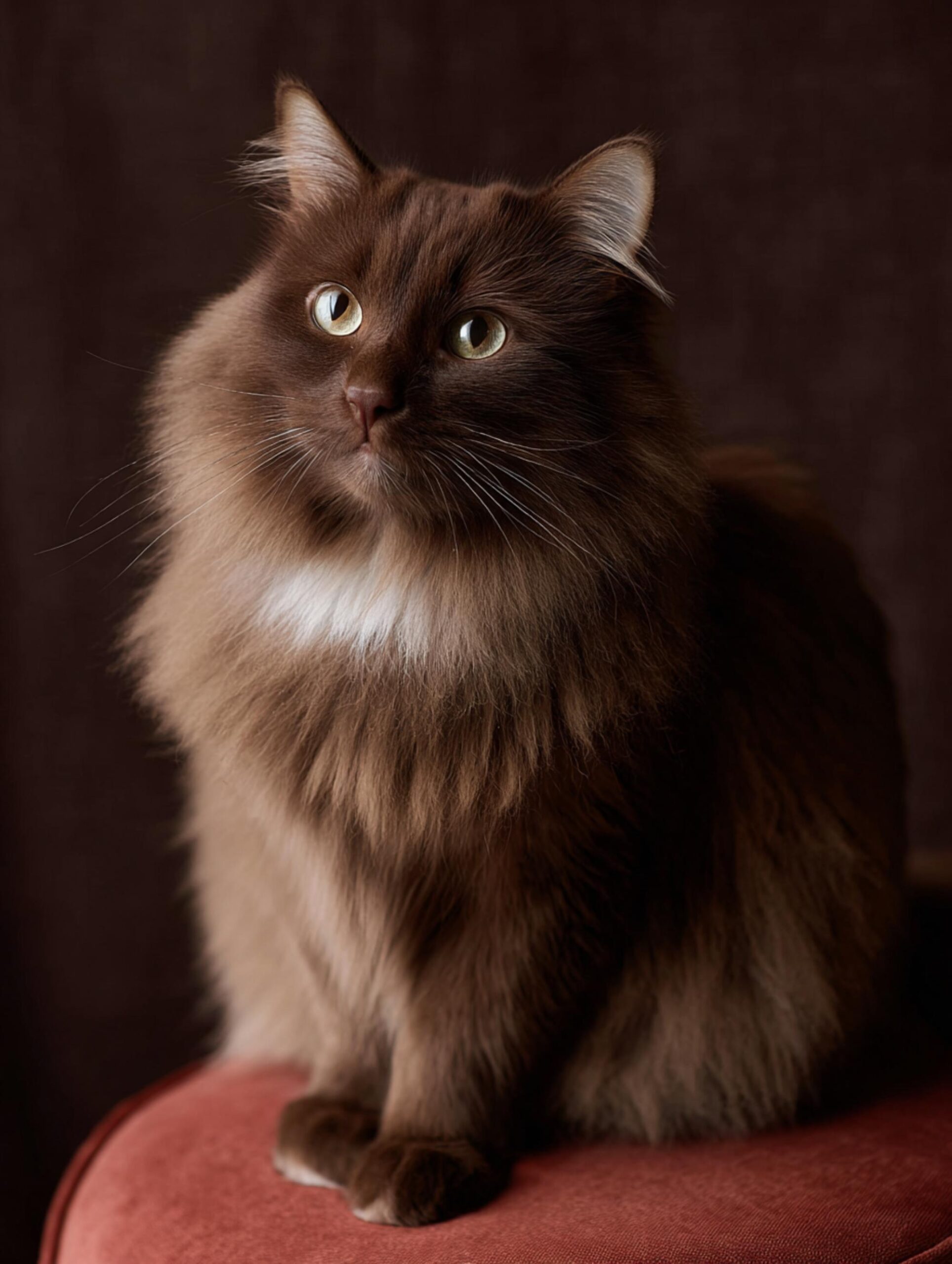
Solid Ragdoll Cats Explained (All Colors & Patterns)
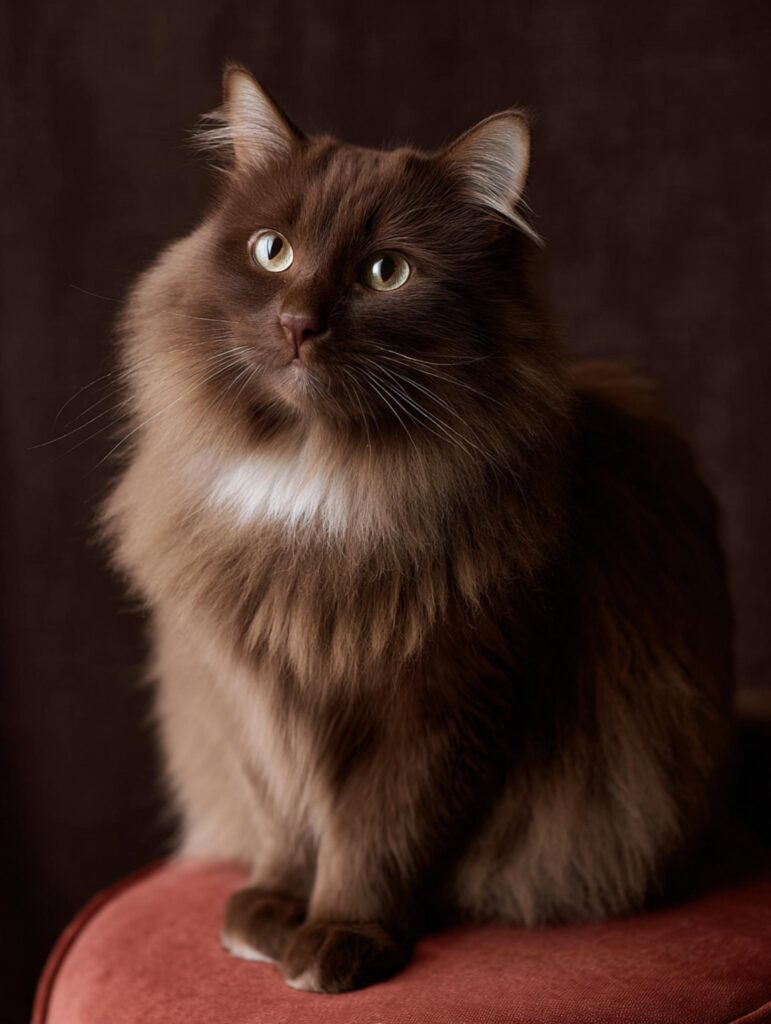
A solid Ragdoll cat is a cat from Ragdoll lines whose coat does not express point coloration. The word solid describes coat expression only. It does not describe lineage, quality, or legitimacy.
In Ragdoll terminology, solid means the coat shows one continuous base color rather than darker points on the face, ears, legs, and tail. The cat still carries Ragdoll traits in structure and temperament. Only the way the color displays is different.
Solid Ragdolls cause confusion online because most public-facing Ragdoll imagery focuses on pointed cats. When buyers encounter a solid-coated kitten from Ragdoll lines, they often assume something unusual or incorrect has occurred. That assumption is wrong.
To clarify upfront:
- Solid does not mean mixed. Solid Ragdolls come from Ragdoll lines and appear due to normal color expression.
- Solid does not mean lower quality. Coat color does not determine health, temperament, or value.
- Solid refers to coat expression, not breed origin. The genetics that shape color do not erase lineage.
Once coat expression is separated from breed identity, solid Ragdolls stop being confusing and start making sense within the breed’s genetic framework.
Solid Ragdoll Cats Summary
| Topic | Solid Ragdoll Cats |
|---|---|
| Breed | Ragdoll |
| Lineage | Ragdoll lines |
| What “solid” means | Even coat color without point contrast |
| Are solid Ragdolls real Ragdolls? | Yes |
| Mixed breed? | No |
| Temperament | Same calm, people-oriented Ragdoll temperament |
| Coat difference | Color expresses uniformly instead of as points |
| Common solid colors | Black, blue, chocolate, lilac, red, cream |
| Possible pattern overlays | White spotting, tortie, tabby, torbie |
| Why solids exist | Normal genetic expression within the breed |
| Registry classification | Classified separately when standards require points |
| Show eligibility | Showable in TICA under the Cherubim category |
| Companion suitability | Excellent |
| Price compared to pointed Ragdolls | Comparable, not automatically cheaper |
| What affects price most | Line quality, health testing, breeder intent |
Solid coats are one of several color expressions found in the breed. For a full breakdown of pointed, mink, sepia, and solid coats, see our complete Ragdoll Cat Colors Explained guide.
What Is a Solid Ragdoll Cat?
A solid Ragdoll cat expresses a single, uniform coat color without darker point markings. In coat genetics, solid means the color appears evenly across the body rather than concentrating on the cooler areas of the face, ears, legs, and tail.
Solid expression differs from other Ragdoll coat types in clear, predictable ways:
- Pointed
Pointed Ragdolls show darker coloration on the extremities with a lighter body due to temperature-sensitive color expression. - Mink
Mink coats display a softer contrast between body and points with richer overall color and aqua-toned eyes. - Sepia
Sepia coats appear darker overall with minimal contrast between body and points and deeper eye color.
Solid coats do not show point contrast at all. The color remains consistent across the body.
Solid Ragdolls still come from Ragdoll lines because coat expression does not determine breed origin. The same breeding lines can produce pointed, mink, sepia, or solid offspring depending on how color genes combine.
Registries classify solid cats differently because breed standards rely on visible traits. When a standard defines Ragdolls as pointed, registries must categorize cats that do not express points under a separate label. This classification keeps records clear and standards enforceable without altering the cat’s genetic background.
Are Solid Ragdoll Cats Real Ragdolls?
This question exists because people often confuse registry language with breed legitimacy. When a cat does not look like the commonly promoted image of a Ragdoll, buyers assume something must be wrong.
Lineage and registry labels are not the same thing.
- Lineage describes where a cat comes from.
- Registry labels describe how a cat fits a written standard.
Registries define Ragdolls based on visible criteria, not on private genetic history. When a cat from Ragdoll lines does not meet those visible requirements, the registry assigns a different category for clarity. That decision does not erase the cat’s origin.
Asking whether a solid Ragdoll is “real” uses the wrong framework. A better question is whether the cat comes from documented Ragdoll lines and whether it fits the needs of the buyer.
Why Solid Ragdolls Exist at All
Solid Ragdolls exist because they were present from the beginning and because genetics do not disappear to satisfy a visual preference.
Early Ragdoll development included non-pointed cats alongside pointed ones. The foundation population carried a range of color genes. Breeders selected heavily for the pointed look as the breed identity became formalized, but the underlying genetics did not vanish.
Recessive color expression explains why solids appear. A cat can carry genes for solid coloration without showing them. When two carriers pair, those genes can express fully in some offspring. This process does not indicate mixing, mistakes, or poor breeding decisions. It reflects basic inheritance.
Solid coats never “disappeared” genetically because no responsible breeding program can remove recessive traits entirely without severe genetic narrowing. Eliminating every carrier would reduce diversity and create other health risks.
Solid Ragdolls continue to appear even in well-managed programs for the same reason. Programs prioritize temperament, structure, health, and longevity. Color expression follows genetics, not intention. When the right combination appears, a solid kitten results.
How Solid Ragdolls Are Classified by Registries
Registries classify cats based on visible standards, not private genetic history. When a cat does not meet the visual definition of a breed standard, the registry assigns a different category to keep records consistent.
Most registries handle non-pointed cats in one of two ways.
Some registries preserve pointed-only standards. They maintain a narrow definition of the Ragdoll for show purposes and place non-pointed cats from Ragdoll lines into a separate category. This approach protects visual consistency and prevents gradual expansion of the standard.
Other registries expand categories. They allow multiple coat expressions under a single breed name and accept broader variation in the show ring. This approach emphasizes inclusion over strict visual uniformity.
Because of these differences, solid Ragdolls may carry different labels depending on the registry used. The cat does not change. Only the classification does.
What this means in practice:
- Registration
The registry label reflects coat expression and standard rules, not lineage quality. - Showing
Solid Ragdolls may show under an alternative category in some registries or may not show at all in others. - Companion placement
Registration differences rarely affect pet homes. Temperament, health, and suitability remain the deciding factors.
Registry systems organize paperwork. They do not redefine the cat.
Solid Ragdoll Colors Explained
Solid Ragdolls appear in the same core color families seen across many longhaired breeds. What changes is how those colors express without point contrast. Below is a clear breakdown of each solid color, what it actually looks like, and where confusion usually starts.
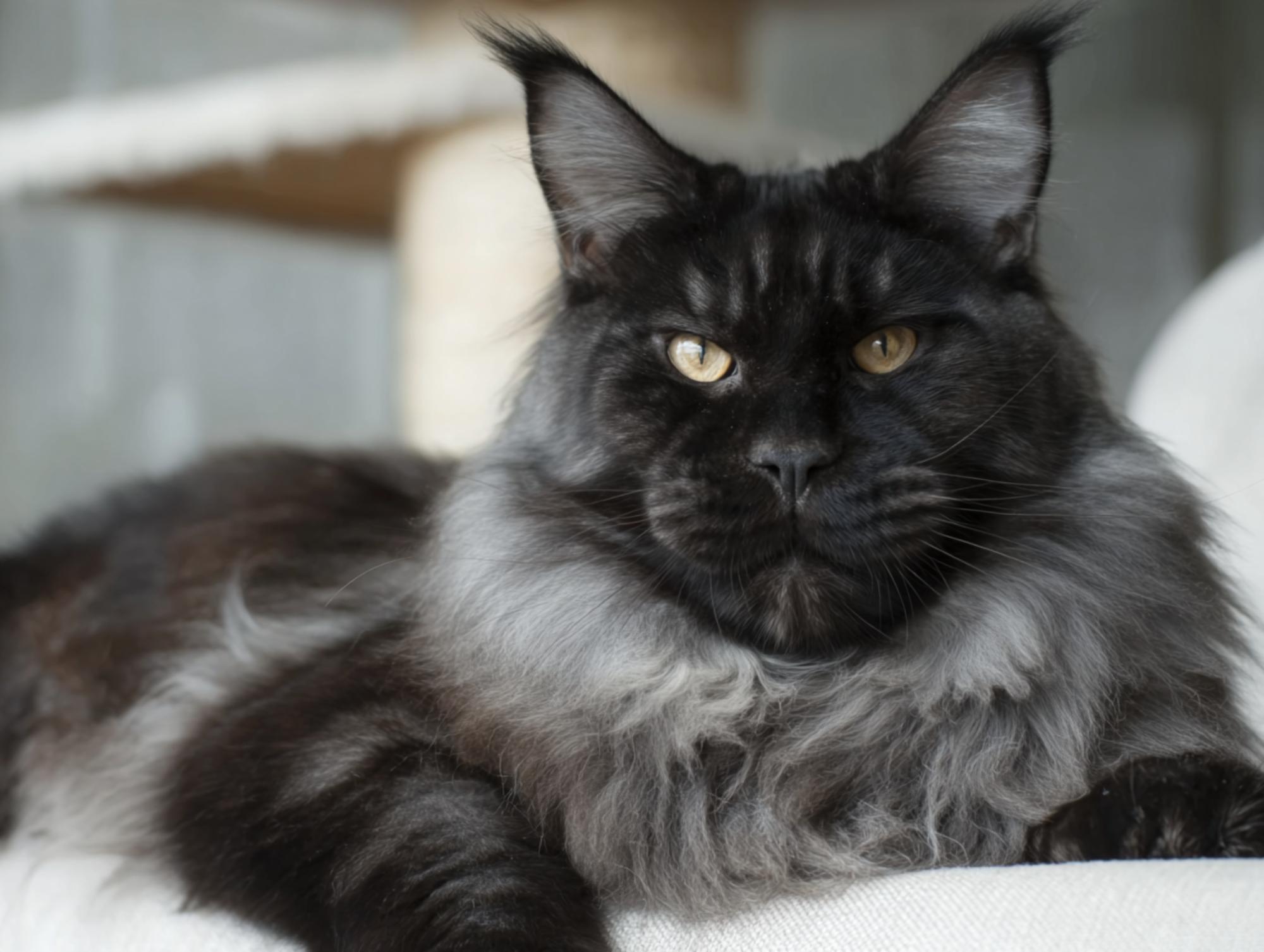
Black Solid Ragdoll Cats
A true black solid Ragdoll shows a uniform, inky coat across the body with no visible point shading. In good lighting, the coat reads deep charcoal to jet black, often with a soft sheen.
Confusion with dark seal happens frequently. Dark seal cats can appear almost black in photos, especially as adults, but seal remains a point-based color. Black solids do not show lighter body contrast or darker extremities.
Coat texture and color can change with maturity. Many black solids start lighter as kittens and deepen over time. Sun exposure and coat length can also create the illusion of brown or rusty tones, which does not change the underlying color.
Blue Solid Ragdoll Cats
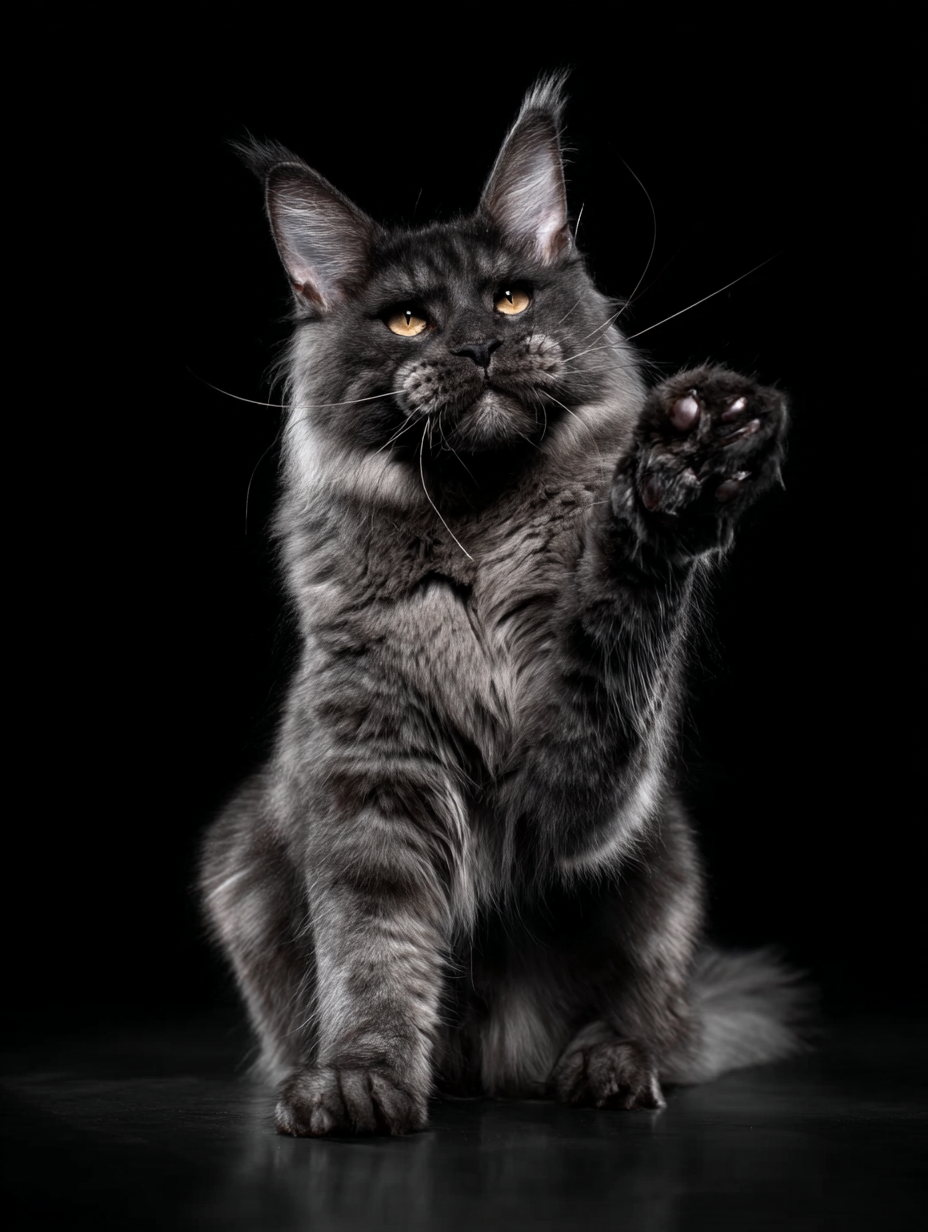
Blue solids often confuse buyers because people expect “blue” to look bright or cool-toned. In cats, blue refers to a diluted black. The coat appears soft gray with a silvery or slate undertone.
Lighting dramatically affects how blue solids photograph. Indoor light can push the coat toward warm gray, while natural light often reveals the blue cast more clearly.
Blue solids frequently get mislabeled as gray, silver, or even light black. These are descriptive terms, not genetic ones. Blue is a defined dilution, not a guess based on appearance.
Chocolate Solid Ragdoll Cats
Chocolate solid Ragdolls are uncommon because chocolate is a recessive color that requires specific genetic pairing. The coat appears warm brown rather than dark brown or black.
Chocolate differs clearly from seal-based coats. Seal carries a black base that darkens at the points. Chocolate produces a lighter, milk-chocolate tone across the entire body without point contrast.
Some programs price chocolate solids higher due to rarity and breeding complexity. The price reflects genetic planning, not superiority in temperament or quality.
Lilac Solid Ragdoll Cats
Lilac solids result from the dilution of chocolate. This produces a pale, warm gray with subtle pink or lavender undertones rather than a cool gray.
Lilac solids remain uncommon because they require both chocolate and dilution genes to align. Many breeders produce only a few over long periods.
Lilac coats often change noticeably with age. Kittens may appear nearly white or cream-toned at first, then deepen into their final shade as the coat matures.
Red (Flame) Solid Ragdoll Cats
True red solid Ragdolls are rare because red pigment often expresses with patterning, even when the base color is solid. Most cats labeled “red solid” show faint striping or shading.
Red relates directly to cream. Cream is the diluted version of red, and the two often get confused when coat depth changes with age.
Many cats called red solids are actually patterned at a subtle level. The presence of faint striping does not indicate poor breeding. It reflects how red pigment behaves genetically.
Cream Solid Ragdoll Cats
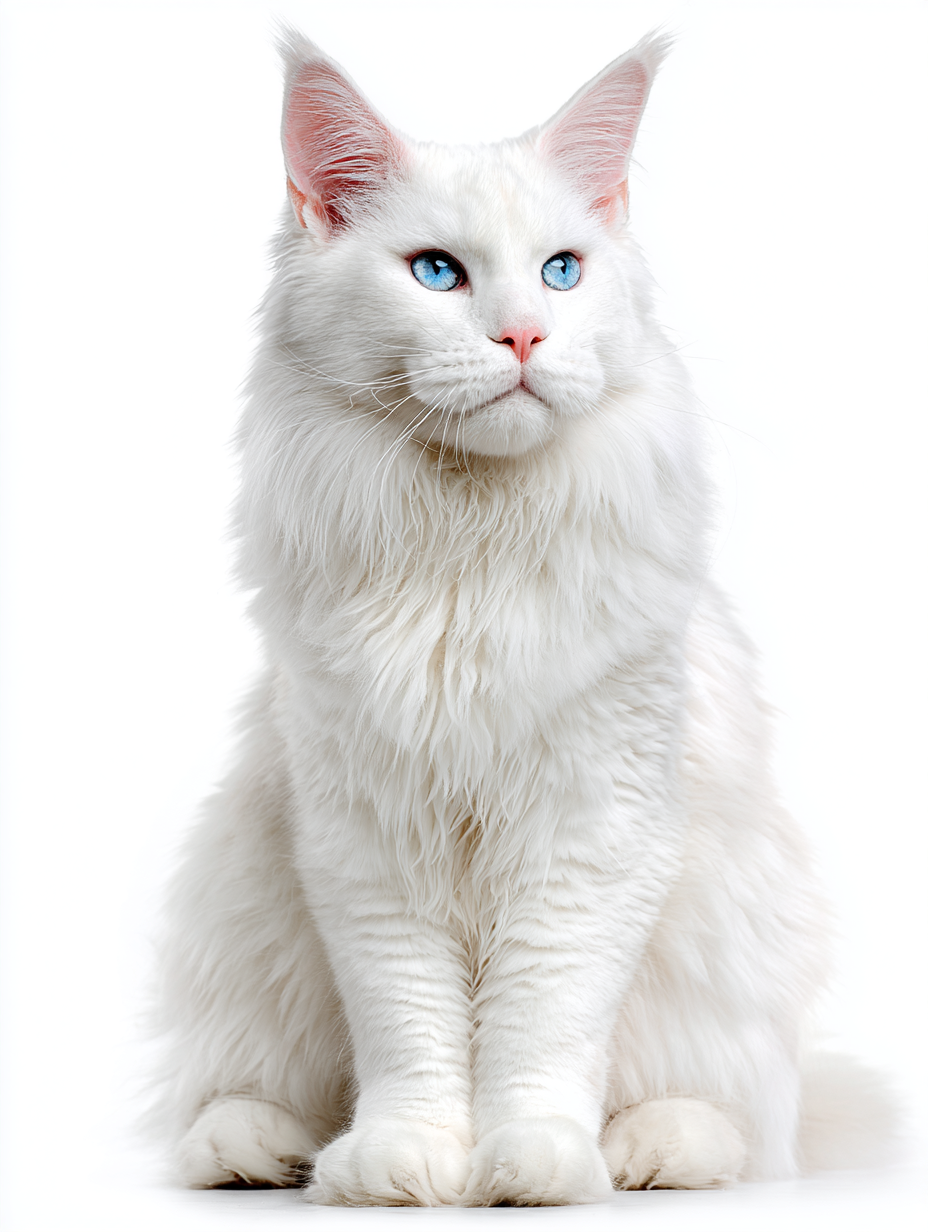
Cream solids express as a soft, pale buff or ivory tone rather than pure white. The color looks warm and even across the body.
Cream often gets mislabeled as white, champagne, or pale orange. These are descriptive shortcuts, not accurate color terms.
Cream coats frequently feel softer in texture. This is not a rule, but many breeders observe a plush, airy coat quality in cream solids, especially as adults.
Solid Ragdoll coat colors result from standard genetic expression within Ragdoll lines.
Solid Ragdoll Patterns
Color describes pigment. Pattern describes how that pigment distributes across the coat. Solid Ragdolls can still show pattern variation without ceasing to be solid in genetic terms. This distinction explains many of the labels buyers encounter.
Solid Ragdoll with White
A solid Ragdoll with white shows a primary solid color combined with defined white areas. This differs from a traditional bi-color, which follows specific placement rules tied to point coloration.
Solid-with-white cats carry white spotting genes. These genes affect pigment distribution but do not convert a solid coat into a pointed or patterned one. White markings appear because pigment does not deposit in certain areas, not because the cat lacks solid color genetics.
Some solid Ragdolls retain white on the chest, paws, or face while remaining genetically solid. Registries often separate solid-with-white from bi-color to keep pattern definitions consistent.
Solid Tortie Ragdoll Cats
A tortie solid combines two colors, typically black and red or their diluted forms, blended across the coat without point contrast. The base coat remains solid, even though multiple colors appear.
Tortie solids still show color variation because tortoiseshell expression involves patchwork distribution. The coat blends colors rather than displaying stripes or points. Variation does not negate the solid base.
Tortie expression occurs almost exclusively in females due to X-linked color genetics. Male torties exist but remain rare and usually involve atypical chromosomal combinations.
Solid Tabby Ragdoll Cats
Some solid Ragdolls carry tabby pattern genes that express faintly or partially over a solid base. These cats may show ghost striping, subtle barring, or visible tabby influence, especially as kittens or under certain lighting.
In these cases, the cat remains genetically solid, but the tabby pattern overlays the coat rather than defining it fully. The solid base color still dominates.
This expression creates confusion because people expect tabby to be an all-or-nothing pattern. In reality, tabby can influence a solid coat without converting it into a fully patterned cat.
Solid Torbie Ragdoll Cats
A torbie combines tortoiseshell coloring with tabby striping. In solid torbies, the base color remains solid, but subtle striping overlays portions of the coat.
This pattern confuses buyers because the presence of stripes suggests a tabby. In torbies, striping overlays color rather than defining the entire coat. The underlying pigment remains solid.
The difference between tortie and torbie comes down to striping. Torties blend color patches. Torbies blend color patches and striping. Both can exist over a solid base.
Solid Ragdoll Eye Colors Explained
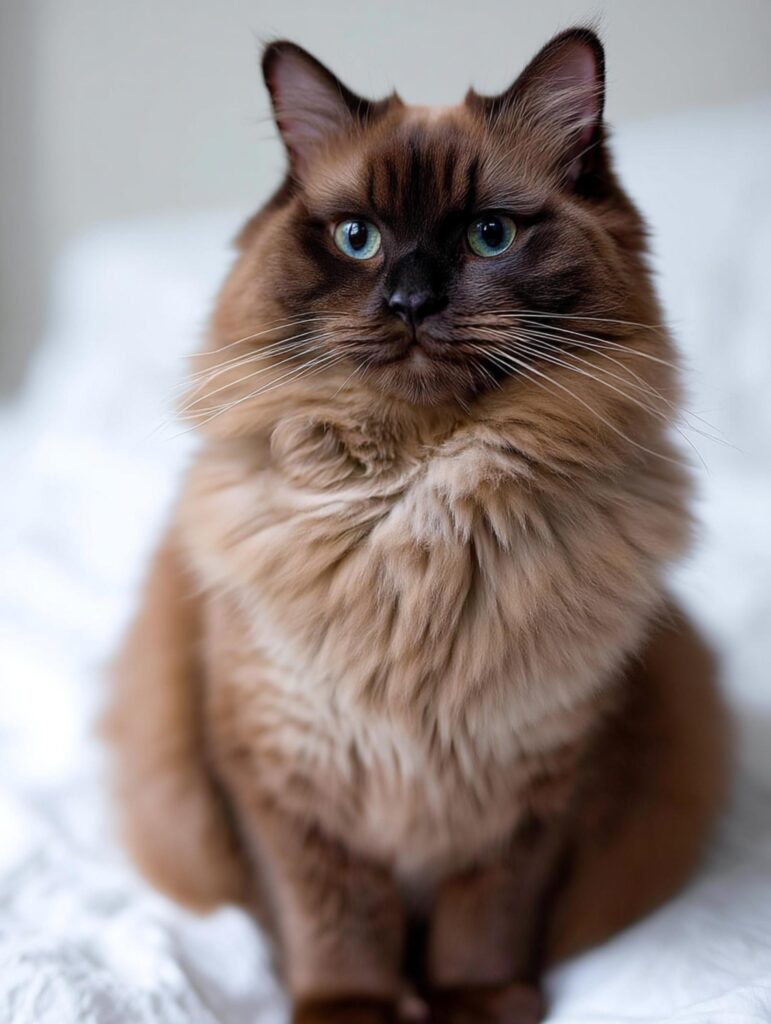
Eye color in solid Ragdolls depends on coat expression, genetic modifiers, and registry classification, not on whether the cat is “really” a Ragdoll. Solid coats allow for a wider range of eye colors than pointed Ragdolls, which is one of the main visual differences buyers notice.
Why Solid Ragdolls Do Not Always Have Blue Eyes
Blue eyes in Ragdolls come from the same temperature-sensitive gene that produces point coloration. When a cat does not express points, that gene does not activate in the same way. As a result, solid Ragdolls are not limited to blue eyes.
This is expected and genetically normal.
Common Eye Colors in Solid Ragdolls
Solid Ragdolls may have:
- Green
Common in black, blue, and chocolate solids. Can range from soft green to deeper olive tones. - Gold or amber
Seen in many solid coats, especially as cats mature. Color often deepens with age. - Hazel
A blend of green and gold tones that can shift depending on lighting and age. - Aqua or blue-green
Occasionally seen, especially in cats carrying mink influence, though less common in true solids.
True deep sapphire blue eyes are uncommon in solid Ragdolls because blue eyes correlate with point expression, not breed identity.
Eye Color Development Over Time
Eye color in solid Ragdolls often changes as the cat matures.
- Kittens frequently start with blue or gray-blue eyes
- Color typically begins to shift between 8–16 weeks
- Final eye color may not stabilize until 12–24 months
Subtle changes can continue into adulthood, particularly in gold and green tones.
Does Eye Color Affect Quality or Value?
No. Eye color does not predict:
- Temperament
- Health
- Breed legitimacy
- Companion suitability
Breeders do not select solid Ragdolls based on eye color alone. Eye color reflects genetic expression, not breeding quality.
Registry Expectations for Eye Color
Because solid Ragdolls fall outside the pointed Ragdoll standard, registries allow a broader range of eye colors for solid-classified cats, including those shown under alternative categories such as Cherubim.
This flexibility exists to align visible traits with genetic reality, not to lower standards.
Solid Ragdoll Eye Color Summary
| Coat Expression | Typical Eye Colors | Why |
|---|---|---|
| Pointed Ragdoll | Blue only | Blue eyes link to point coloration |
| Solid Ragdoll | Green, gold, amber, hazel | No point gene expression |
| Solid Ragdoll (mink influence possible) | Aqua or blue-green (less common) | Partial expression modifiers |
| Solid Ragdoll kittens | Blue or gray-blue initially | Eye color develops with age |
| Adult solid Ragdolls | Final color by 12–24 months | Gradual pigment maturation |
Key note:
Eye color reflects coat expression and genetics, not breed legitimacy or quality.
Do Solid Ragdolls Have the Same Temperament?
Coat color does not determine temperament. Solid Ragdolls behave like other Ragdolls because breeders select for temperament independently of color.
Breeders prioritize traits such as calm handling, social stability, and predictable behavior. These traits pass through careful selection and early socialization, not through pigment genes.
Solid Ragdolls show the same people-oriented, relaxed temperament associated with Ragdoll lines. Color expression changes appearance, not personality.
Are Solid Ragdolls Showable?
Solid Ragdolls usually cannot show as Ragdolls because most Ragdoll show standards define the breed as pointed only. Show standards rely on visible traits, and solid coats do not meet that specific requirement.
That does not mean solid Ragdolls are excluded from showing altogether.
Under The International Cat Association, solid cats from Ragdoll lines are now showable under the Cherubim category. This gives non-pointed cats a defined, legitimate place in the show ring without altering the pointed Ragdoll standard.
In practical terms:
- Solids cannot show as Ragdolls because they do not meet the pointed requirement
- Solids can show in TICA as Cherubims under their own standard
- This option exists specifically for owners interested in exhibition
This distinction matters only for show-focused buyers. If your goal includes titles, competition, or exhibition experience, registration category determines eligibility.
For companion homes, it does not matter. Show classification does not affect temperament, health, or how a cat lives in a household. Most pet buyers never interact with show rules at all.
Solid Ragdoll Cat Price
Solid Ragdoll cats typically fall within the same general price range as other non-pointed Ragdoll-type cats. Pricing often overlaps with pointed Ragdolls rather than sitting in a separate tier.
Solid does not automatically mean cheaper.
Price depends on several factors that matter far more than coat expression:
- Color genetics
Rare colors such as chocolate, lilac, or well-defined red and cream often require more intentional breeding and may command higher prices. - Line quality
Pedigree depth, health history, structure, and temperament consistency influence price more than color pattern. - Breeder intent
Programs focused on companionship, longevity, and stability price differently than programs focused on show placement or rarity marketing.
The idea that solid Ragdolls should cost less comes from misunderstanding, not reality. Solid refers to how the coat expresses. It does not indicate lower quality, reduced care, or diminished value.
For buyers evaluating price, the most useful comparison is not solid versus pointed. It is one breeder’s program versus another’s priorities.
Solid Ragdoll Cat Price Summary
| Factor | Solid Ragdoll Cats | Pointed Ragdoll Cats |
|---|---|---|
| Typical price range | Comparable to non-pointed Ragdoll types | Comparable to solid Ragdolls |
| Effect of coat color on price | Varies by rarity and genetics | Varies by color and pattern |
| Are solids automatically cheaper? | No | No |
| What most influences price | Line quality, health testing, breeder program | Line quality, health testing, breeder program |
| Show eligibility impact | Showable in TICA as Cherubim | Showable as Ragdoll |
| Companion placement value | High | High |
Important note:
Pricing reflects breeder priorities, genetic planning, and long-term health focus. Coat expression alone does not determine value.
Common Myths About Solid Ragdoll Cats
Solid Ragdolls attract persistent myths, largely because they do not match the most familiar images of pointed Ragdolls seen online. These assumptions repeat often in forums and comment threads, but they do not hold up under scrutiny.
Myth: “They’re mixed breeds.”
Solid Ragdolls come from Ragdoll lines. Solid coat expression results from genetics, not crossbreeding.
Myth: “They’re not real Ragdolls.”
Registry labels describe standard compliance, not lineage. A solid coat does not erase breed origin.
Myth: “They have worse temperaments.”
Temperament selection happens independently of coat color. Solid Ragdolls show the same people-oriented behavior as other Ragdolls.
Myth: “They’re breeder rejects.”
Breeders do not place solid Ragdolls as companions because of defects. Many breeders intentionally place solids in pet homes because they prioritize temperament and lifestyle fit over show eligibility.
Clear definitions remove most of the confusion surrounding these claims.
Who a Solid Ragdoll Is Right For
A solid Ragdoll suits buyers who focus on how a cat lives in the home rather than how it appears on paper.
Solid Ragdolls work well for:
- Buyers who care about temperament over labels
You value calm behavior, social stability, and compatibility more than registry categories. - Families and companion homes
Solid Ragdolls integrate easily into daily routines and thrive in household environments. - Buyers unconcerned with show eligibility
You want a well-bred companion rather than a show prospect.
For these homes, solid Ragdolls offer the same presence and personality associated with the breed, expressed through a different coat.
Who Should Not Choose a Solid Ragdoll
A solid Ragdoll is not the right choice for every buyer. Being clear about this upfront prevents frustration on both sides.
A solid Ragdoll may not suit you if:
- You want show titles specifically as a Ragdoll
Solid coats do not meet the pointed Ragdoll show standard. While solids can show under alternative categories in some registries, they will not compete as Ragdolls. - You focus heavily on strict breed labels
If registry terminology matters more to you than temperament or fit, a solid Ragdoll may feel like a compromise even when it is not. - You expect registry status to define value
Registration categories organize standards. They do not measure quality, worth, or suitability as a companion.
Buyers who value clarity in labeling, companionship in the home, and long-term fit tend to appreciate solid Ragdolls most.
FAQ: Solid Ragdoll Cats
Are Solid Ragdoll Cats Mixed Breeds?
No. Solid Ragdolls come from Ragdoll lines. A solid coat results from normal genetic expression, not crossbreeding.
Why Does My Solid Ragdoll Look Different From Most Ragdolls Online?
Most commonly shared Ragdoll photos feature pointed cats. Solid Ragdolls express color evenly across the body, so they do not show darker points on the face, ears, legs, or tail.
Are Solid Ragdolls Real Ragdolls?
They come from Ragdoll lineage. Registries classify cats by visible standards, not by ancestry alone. A different registration label does not change breed origin. See Are Cherubim Ragdolls Real?
Can Solid Ragdolls Be Shown?
Yes. Under The International Cat Association, solid cats from Ragdoll lines can show under the Cherubim category. They cannot show as Ragdolls because the Ragdoll standard is pointed only.
Do Solid Ragdolls Have the Same Temperament as Pointed Ragdolls?
Yes. Temperament does not follow coat color. Breeders select temperament independently of color, and solid Ragdolls display the same calm, people-oriented behavior associated with the breed.
Are Solid Ragdolls Cheaper Than Pointed Ragdolls?
Not automatically. Price depends on breeder program, line quality, health testing, and color genetics. Solid does not mean discounted.
What Colors Do Solid Ragdolls Come In?
Solid Ragdolls appear in black, blue, chocolate, lilac, red, cream, and combinations involving white, tortie, or tabby influence.
Why Do Some Solid Ragdolls Show Striping or Color Variation?
Tabby or tortie genes can overlay a solid base. Faint striping or blended color does not negate the solid coat classification.
Does Registry Labeling Matter for Pet Homes?
Usually no. Registry labels affect paperwork and show eligibility. They do not affect health, temperament, or daily life in the home.
Who Is a Solid Ragdoll Best Suited For?
Solid Ragdolls suit buyers who prioritize temperament, companionship, and fit over show titles or strict label preferences.
Final Perspective
Solid Ragdolls are Ragdolls.
They come from Ragdoll lines and express a solid coat because of genetics, not because of mixing, mistakes, or lower quality.
Registry labels exist to organize standards and show eligibility. They do not define the cat’s worth.
A solid Ragdoll offers the same temperament, presence, and companionship as any other Ragdoll, expressed through a different coat.
Solid Ragdoll cats are Ragdolls. They share the same lineage and temperament and differ only in how their coat expresses.
Related Ragdoll Color & Registry Guides
If you want to explore how solid Ragdolls fit into the wider Ragdoll color and registry landscape, these guides provide deeper context:
- TICA Cherubim Ragdolls Explained
- Cherubim Ragdoll Kittens Available and Upcoming Litters
- Complete Cherubim Breed Guide
- Ragdoll vs Cherubim: What’s the Difference?
- Mink Ragdoll Cats Explained
- Black Ragdoll Cats Explained
- Black Tuxedo Ragdoll Cats
- Ragdoll Cat Temperament
- Ragdoll Cat Health, Lifespan, and What Matters Most
- Complete Guide to Ragdoll Cats
Sources & References
- The International Cat Association (TICA) – Ragdoll Breed Standard
https://tica.org/wp-content/uploads/2025/04/Ragdoll.pdf - The International Cat Association (TICA) – Cherubim (CB) Classification and Standards
https://tica.org/breeds/ - The International Cat Association (TICA) – Registration Rules
https://tica.org/registration/ - The International Cat Association (TICA) – Show Rules and Competitive Categories
https://tica.org/competitive-rules/ - General feline coat color and pattern genetics reference
https://vgl.ucdavis.edu/resources/cat-coat-color-genetics






Read the Comments +