
Mink Ragdoll vs Traditional Ragdoll: What’s the Difference?
Mink Ragdolls and traditional Ragdolls come from the same Ragdoll breed lines, but they differ in coat expression, eye color, and how registries classify them. This distinction often creates confusion for buyers who are trying to understand whether these cats are truly different or simply labeled differently.
The purpose of this guide is to explain the real differences between mink Ragdolls and traditional Ragdolls in clear terms. We will cover appearance, basic genetics, registry treatment, and which type may be the best fit for different homes. This is not a debate about quality or legitimacy. It is a clarity guide designed to help buyers make informed decisions without relying on myths or social media opinions.
Mink Ragdoll vs Traditional Ragdoll: Quick Comparison
| Feature | Mink Ragdoll | Traditional Ragdoll |
|---|---|---|
| Breed Origin | Ragdoll lines | Ragdoll lines |
| Coat Expression | Mink (modified colorpoint) | Classic colorpoint |
| Body Color | Richer, more saturated throughout | Light body with darker points |
| Contrast | Blended, softer contrast | High contrast between body and points |
| Eye Color | Aqua, green-gold, teal | Blue only |
| Coat Texture | Thicker, plush, often described as rabbit-like | Lighter, silkier texture |
| Grooming Ease | Often easier due to reduced matting | May tangle more easily if grooming lapses |
| Temperament | Classic Ragdoll temperament | Classic Ragdoll temperament |
| Show Eligibility | Typically companion placement | Eligible under Ragdoll show standards |
| Typical Placement | Companion homes | Show or companion homes |
| Price Range | Often overlaps with traditional | Often overlaps with mink |
What Is a Traditional Ragdoll?
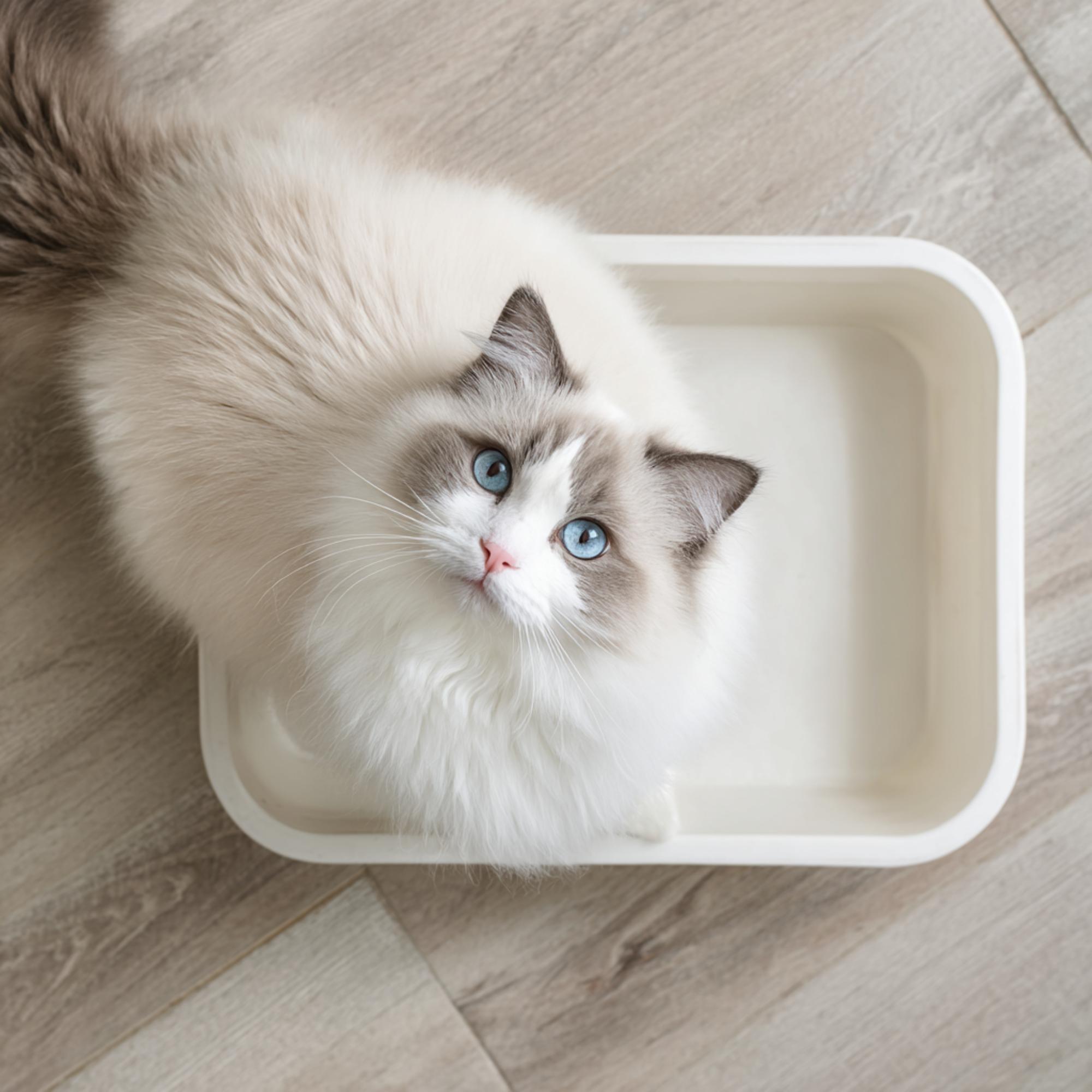
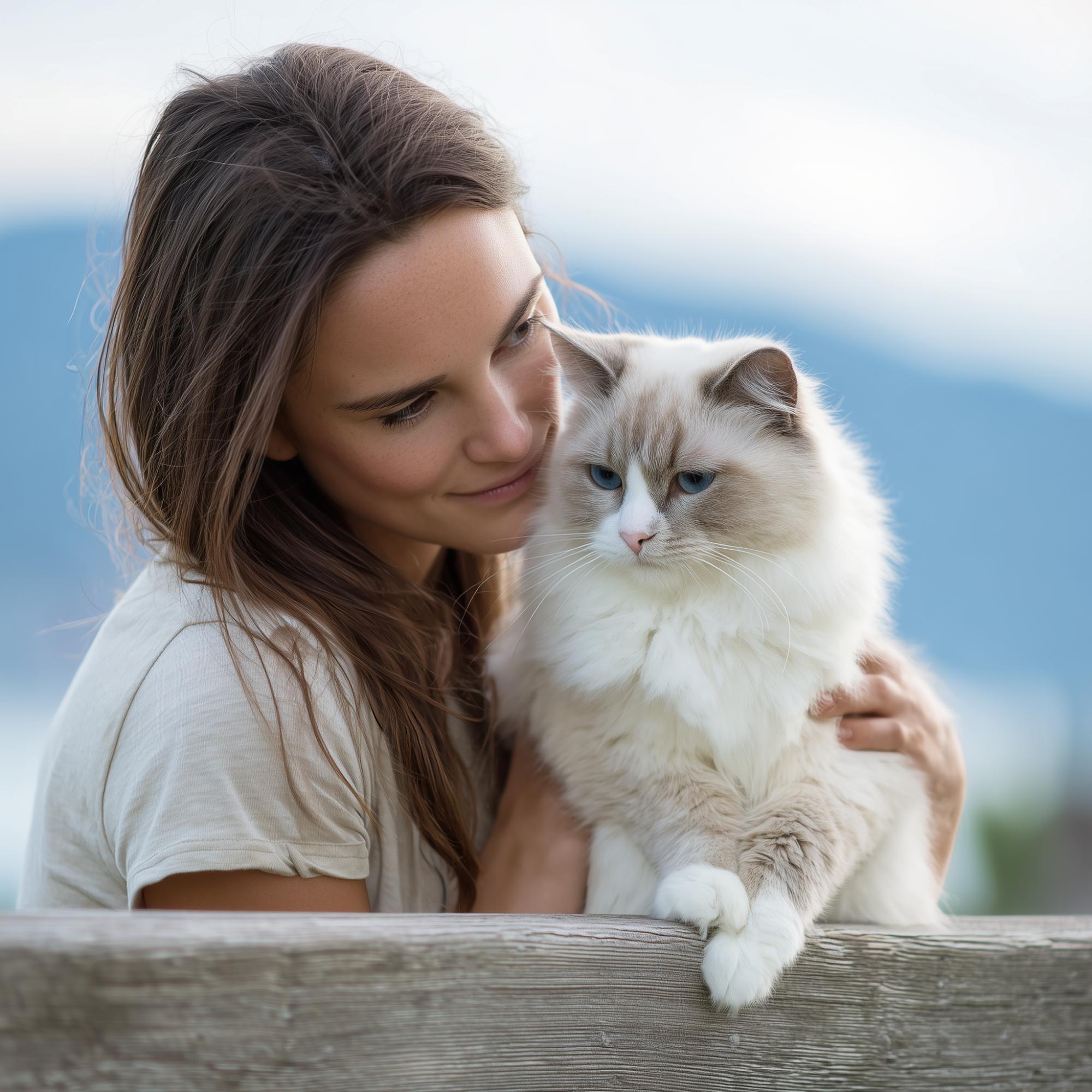
A traditional Ragdoll is the classic colorpoint version most people recognize when they think of the breed. These cats display a light-colored body with darker points on the face, ears, legs, and tail. The contrast between body and points develops gradually as the cat matures and remains one of the defining visual traits of the traditional Ragdoll.
Blue eyes are a required characteristic of the traditional Ragdoll standard. Eye color is directly tied to the colorpoint gene, which is why all traditional Ragdolls share this feature regardless of coat color or pattern.
Traditional Ragdolls are recognized under major cat registries as meeting the breed standard for show. This recognition is based on appearance and genetic expression, not on temperament or health. When breeders use the term “traditional,” they are describing how closely the cat aligns with the original colorpoint standard, not implying that the cat is higher quality than other Ragdolls.
In short, “traditional” refers to visual presentation and registry standards. It does not describe personality, bonding ability, or value as a companion.
What Is a Mink Ragdoll?
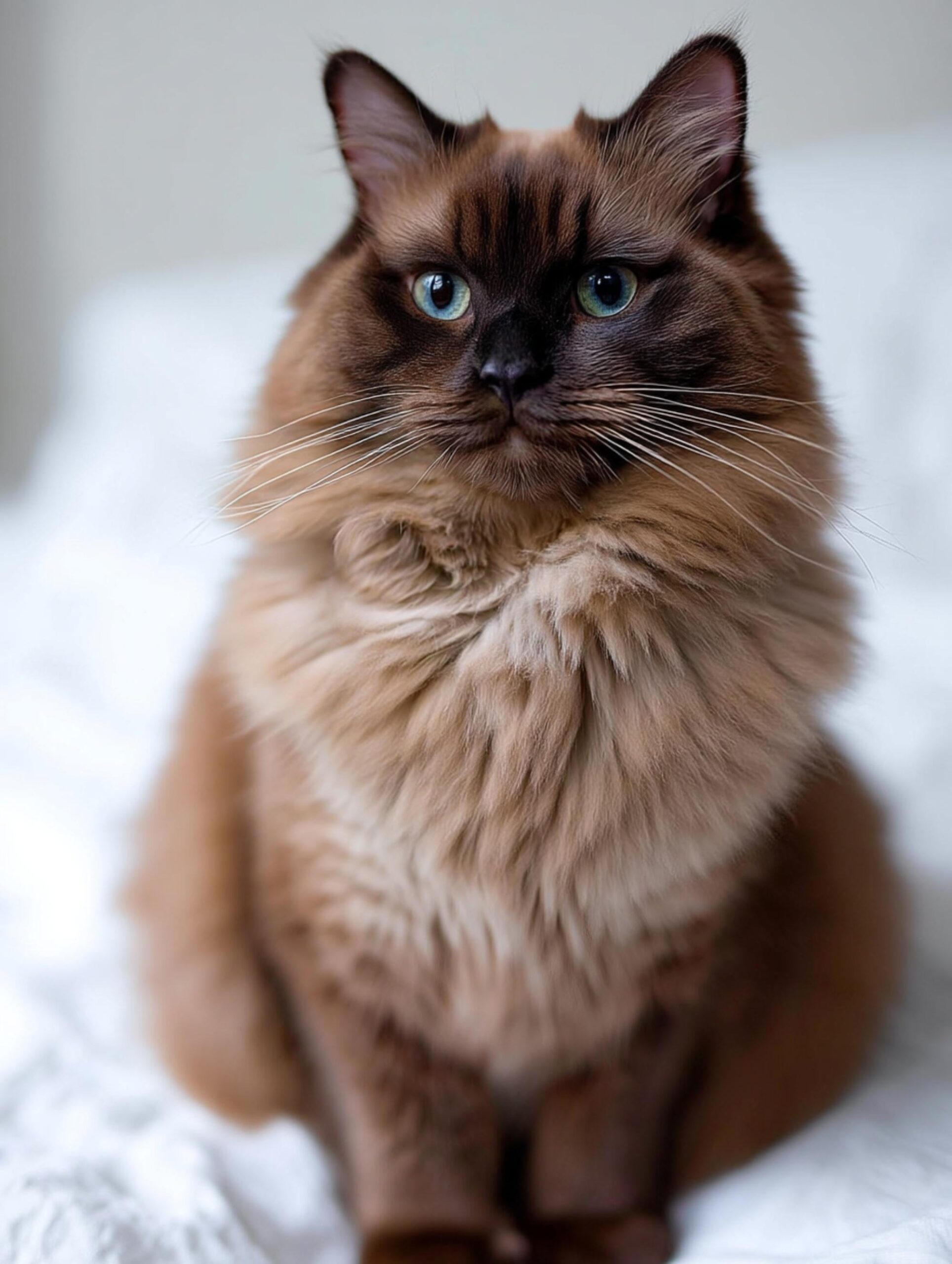
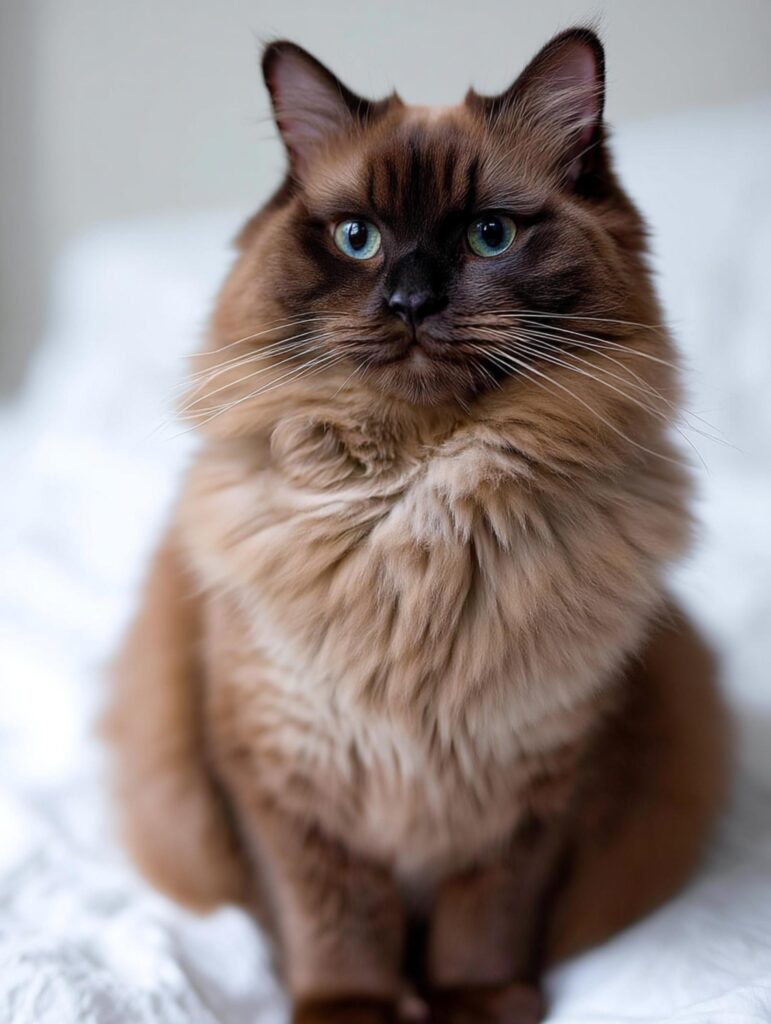
A mink Ragdoll is a Ragdoll cat that carries a different expression of the colorpoint gene, commonly referred to as the mink gene. This gene changes how pigment develops in the coat and eyes, resulting in a look that is richer and more evenly colored than the traditional colorpoint pattern.
Mink Ragdolls are born with noticeably more color than traditional Ragdolls and retain deeper pigmentation throughout their bodies as they mature. Instead of a pale body with sharply defined points, minks show blended contrast, where the face, legs, and tail are still darker, but the body carries visible color as well.
Eye color in mink Ragdolls varies and may include aqua, green-gold, or teal shades. This range is normal for mink expression and does not indicate mixed breeding or poor quality. The difference in eye color is a direct result of how the mink gene affects pigment, not a deviation in temperament or health.
Many owners also notice a difference in coat feel. Mink Ragdolls often have a denser, plusher coat with a softer, more velvety texture. This is a texture variation rather than a separate coat type, but it is one reason some people are drawn to minks.
Mink Ragdolls are typically placed as companion cats rather than show cats because their coat and eye color fall outside traditional show standards. This placement reflects registry rules, not the cat’s suitability as a pet. Ethical breeders are transparent about mink status and place these kittens intentionally with families seeking a Ragdoll companion rather than a show prospect.
Mink Ragdoll vs Traditional Ragdoll Appearance
The most noticeable differences between mink Ragdolls and traditional Ragdolls are visual. These differences affect how the cat looks at maturity, but not how the cat behaves or bonds with people.
Coat Color & Contrast
Traditional Ragdolls display a high-contrast colorpoint pattern. Their bodies remain light, often cream or ivory, while the points on the face, ears, legs, and tail deepen significantly with age. This sharp contrast is one of the defining features of the traditional Ragdoll look.
Mink Ragdolls, by contrast, have a deeper and more saturated body color. The points are still darker, but the transition between body and points is smoother and more blended. The overall appearance is richer and more evenly colored rather than starkly contrasted.
Eye Color Differences
Traditional Ragdolls have blue eyes only. This is a fixed requirement tied directly to the colorpoint gene and is consistent across all traditional colors and patterns.
Mink Ragdolls can have a wider range of eye colors, including aqua, green-gold, and teal tones. This variation is expected with mink expression and does not indicate a difference in personality, intelligence, or bonding ability. Eye color is a visual trait and has no impact on temperament.
Mink vs Ragdoll Coat Texture & Grooming
While both mink and traditional Ragdolls share the breed’s signature soft coat, many owners notice a consistent difference in texture and density between the two.
Mink Ragdolls often have a coat that feels thicker and more plush, with a texture commonly described as rabbit-like. The hair tends to be slightly denser and more resilient, giving the coat a fuller feel without becoming woolly. This density helps the coat resist matting and can make routine care feel easier for some owners.
Traditional Ragdolls typically have a lighter, silkier coat with a smoother drape. While still soft and low in undercoat compared to many longhaired breeds, this finer texture can be more prone to tangling in high-friction areas such as behind the legs or under the collar if grooming is inconsistent.
From a maintenance standpoint, both coat types require regular brushing, but many families find that mink coats stay neat with less effort. The thicker hair structure tends to hold its shape and separate more easily during brushing, while traditional coats may require more frequent attention to prevent small tangles from forming.
These differences are not a matter of quality. They reflect natural variation in coat texture tied to genetic expression. Some owners prefer the lighter, flowing feel of the traditional coat, while others appreciate the plush, easy-care nature of the mink coat.
Genetic Differences Explained Simply
The difference between a traditional Ragdoll and a mink Ragdoll comes down to how the colorpoint gene is expressed, not to the breed itself. Both cats come from Ragdoll lines and share the same foundational genetics. What changes is how pigment develops in the coat and eyes.
Traditional Ragdolls carry the classic colorpoint expression. This gene restricts pigment to the cooler parts of the body, which is why kittens are born very light and develop darker points slowly over time. The body remains pale, and the contrast becomes more pronounced as the cat matures.
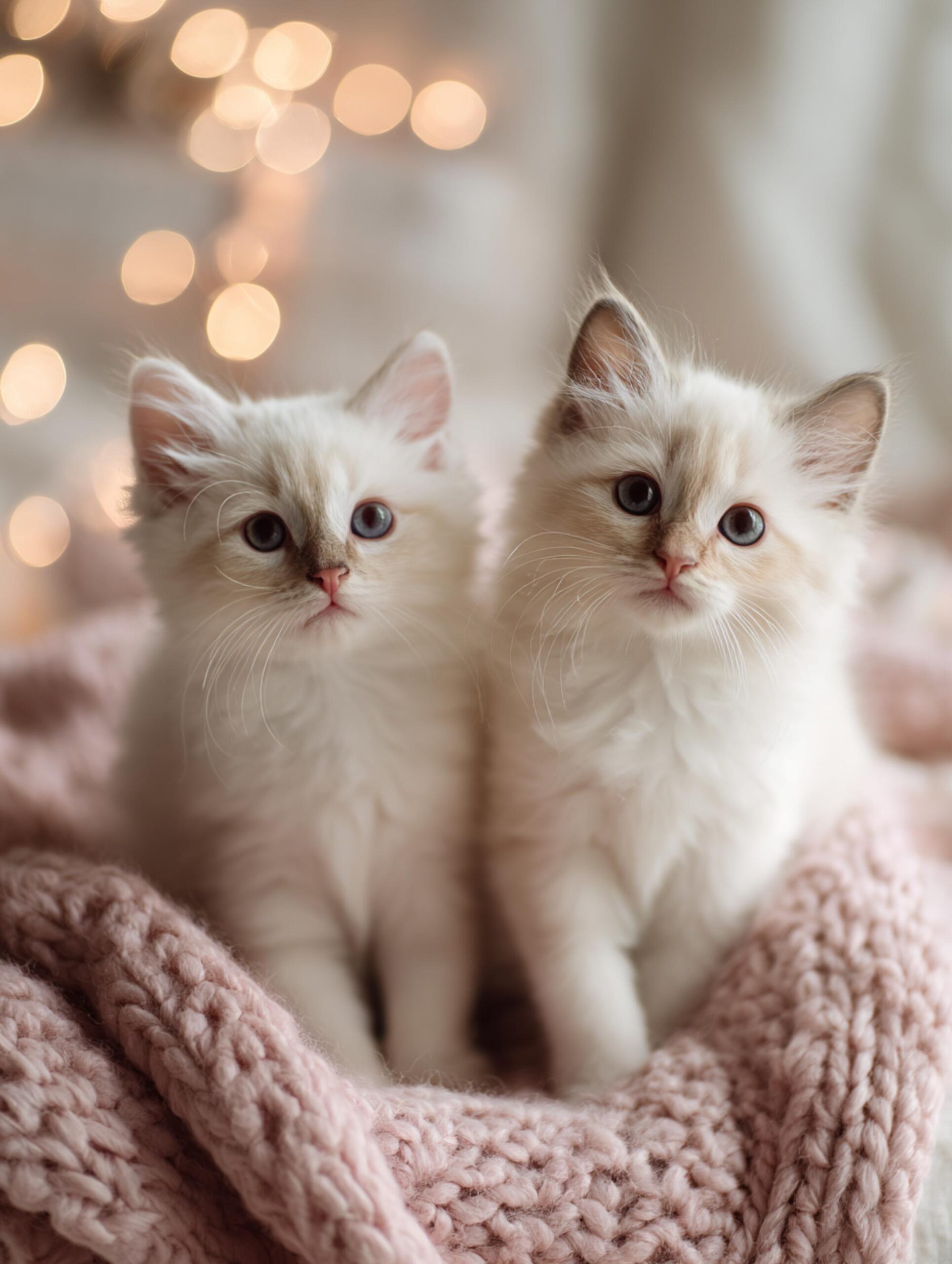
Mink Ragdolls carry a modified expression of this same colorpoint gene. Because pigment is less restricted, mink kittens are born noticeably darker and show color across the body from a much earlier age. This early saturation is often what leads people to believe something unusual is happening genetically, when in reality it is a normal, predictable expression within Ragdoll lines.
These genetic differences affect appearance only. They influence coat color, contrast, and eye color, but they do not affect behavior, intelligence, or emotional bonding. Genetics determine what a cat looks like, not how it behaves toward people.
Temperament Differences (Or Lack Thereof)
Mink Ragdolls and traditional Ragdolls share the same temperament foundation that defines the breed. Both are known for their calm nature, strong preference for human companionship, and handling tolerance when raised in stable environments.
There is no credible evidence that mink Ragdolls are more active, less affectionate, or behaviorally different from traditional Ragdolls simply because of coat expression. Claims that one type is “softer,” “clingier,” or more intense than the other are anecdotal and usually based on individual cats rather than genetics.
What shapes temperament far more than coat type is breeder handling and early environment. Socialization practices, household exposure, and consistent human interaction during early development play a significant role in how confident and adaptable a Ragdoll becomes. A well-raised mink Ragdoll and a well-raised traditional Ragdoll should feel remarkably similar in personality.
Registry Classification Differences
Registry classification is one of the most misunderstood aspects of the mink versus traditional Ragdoll discussion. Traditional Ragdolls are classified under major registries as meeting the established breed standard for show. This classification is based on appearance traits such as colorpoint pattern and blue eyes.
Mink Ragdolls may be registered differently or placed into alternative categories depending on the registry. In some cases, they may not be eligible for show under the Ragdoll standard due to eye color or coat expression. This difference reflects adherence to visual standards, not a judgment about the cat’s legitimacy or quality.
Registry status does not determine how good a pet a cat will be. Show standards exist to preserve a consistent appearance for competition, while companion placement focuses on health, temperament, and suitability for a home. Ethical breeders understand this distinction and place mink Ragdolls intentionally with families looking for companions rather than show prospects.
Understanding registry differences helps buyers separate paperwork from purpose. A cat can fall outside show standards and still be an exceptional, well-bred Ragdoll companion.
Are Mink Ragdolls “Real” Ragdolls?
Yes. Mink Ragdolls originate from Ragdoll lines. They are not a separate breed and they are not automatically mixed. The confusion comes from appearance and registry rules, not from how the cats are bred.
Mink is a genetic expression that can appear when certain Ragdoll pairings are made. Because mink kittens are born darker and may have non-blue eyes, people often assume crossbreeding has occurred. That assumption is incorrect. Coat color and eye color alone do not indicate whether a cat is purebred. In Ragdolls, these traits are controlled by how the colorpoint gene expresses, not by breed origin.
Misinformation persists online because simplified explanations spread faster than accurate ones. Many forum discussions and social media posts reduce complex genetics to visual guesses, and registry classifications are often misinterpreted as proof of legitimacy rather than show eligibility. When breeders fail to explain mink expression clearly, that gap gets filled with speculation.
This is why breeder transparency matters. Ethical breeders disclose whether a kitten is mink, explain how that expression occurs, and register the cat accurately. Clear communication allows buyers to understand what they are getting without relying on myths or assumptions.
See Solid Ragdoll Cats for more info.
Price Differences Between Mink and Traditional Ragdolls
Mink Ragdolls and traditional Ragdolls often fall within the same general price range. There is no universal rule that minks are cheaper or more expensive, and pricing varies widely between breeders.
Some mink Ragdolls are priced the same as traditional Ragdolls because the costs behind breeding remain the same. Health testing, quality lineage, proper care, and early socialization do not change based on coat expression. A well-bred mink kitten requires the same investment as a well-bred traditional kitten.
In some cases, pricing may differ. A breeder may price minks lower if they focus heavily on show-standard cats, or higher if mink kittens are in high demand among companion buyers. These differences reflect market preference and breeder goals rather than inherent value.
What actually drives price is not whether a kitten is mink or traditional. Price is shaped by health testing, pedigree quality, breeder experience, long-term support, and ethical practices. Buyers comparing prices should look beyond coat type and evaluate what the breeder is providing over the lifetime of the cat.
Pros and Cons of Mink vs Traditional Ragdolls
Both mink and traditional Ragdolls offer the same foundational breed traits, but each type comes with practical differences that may matter depending on your preferences and lifestyle.
Pros of Mink Ragdolls
- Richer coat color with blended contrast that stays saturated as the cat matures
- Plusher, thicker coat texture that many owners describe as rabbit-like
- Often easier coat maintenance due to reduced matting compared to finer coats
- Eye color variety for buyers who are not set on blue eyes
- Excellent companion fit for homes prioritizing temperament over show standards
Cons of Mink Ragdolls
- Not eligible for traditional Ragdoll show classes due to coat and eye color
- More misinformation online, which can complicate research for buyers
- May be harder to find from transparent breeders who clearly explain mink expression
Pros of Traditional Ragdolls
- Classic colorpoint appearance that defines the breed standard
- Blue eyes only, which many buyers specifically seek
- Recognized under major registries for show
- Highly consistent visual expectations at maturity
Cons of Traditional Ragdolls
- Lighter, finer coat texture that can tangle more easily without regular grooming
- Less color presence early in life, which may surprise first-time owners
- Visual contrast develops slowly, requiring patience during growth
Recap:
Neither mink nor traditional Ragdolls are objectively better. The right choice depends on what you value most: visual tradition and show eligibility, or coat texture, color richness, and companion-first placement. When bred ethically, both offer the same calm, affectionate Ragdoll temperament that draws families to the breed.
Which Is Right for You?
Choosing between a mink Ragdoll and a traditional Ragdoll is not about better or worse. It is about preference, priorities, and how you plan to live with your cat. Both types share the same Ragdoll foundation, but they appeal to different buyers for practical reasons.
A Mink Ragdoll May Be Right for You If:
- You prefer a richer, more saturated coat color with softer contrast across the body rather than stark points
- Eye color flexibility does not matter to you, and you are comfortable with aqua or green-gold tones instead of blue only
- You are looking for a companion cat rather than a show prospect
- You value personality, presence, and daily companionship over adherence to show standards
Mink Ragdolls are often chosen by owners who care more about how the cat fits into their home than how closely it matches a traditional visual standard.
A Traditional Ragdoll May Be Right for You If:
- You love the classic colorpoint look with a light body and clearly defined darker points
- Blue eyes are important to you and part of what draws you to the breed
- You value consistency with the established Ragdoll standard
- You may be interested in show eligibility or preserving traditional appearance
Traditional Ragdolls appeal to buyers who want the iconic look the breed is known for and who place importance on standard conformity.
Common Myths About Mink Ragdolls
Mink Ragdolls are surrounded by persistent myths that often discourage buyers unnecessarily. These misunderstandings are largely driven by online speculation rather than breeding reality.
Myth: Mink Ragdolls are mixed breeds
Reality: Mink Ragdolls come from Ragdoll lines. Coat expression alone does not indicate crossbreeding, and darker color or non-blue eyes are not proof of a mixed background.
Myth: Mink Ragdolls are lower quality
Reality: Quality is determined by health testing, structure, temperament, and ethical breeding practices. A mink Ragdoll can be just as well-bred as a traditional Ragdoll.
Myth: Mink Ragdolls have different temperaments
Reality: There is no evidence that mink expression changes personality. Temperament is shaped by genetics across the line and by early handling, not by coat type.
Myth: Mink Ragdolls are unpredictable
Reality: Mink expression is genetically consistent and well understood by responsible breeders. What appears unpredictable is usually the result of poor explanation, not unstable breeding.
Clearing these myths allows buyers to focus on what actually matters: choosing a healthy, well-raised Ragdoll that fits their home and expectations.
How Ethical Breeders Handle Mink vs Traditional Pairings
Ethical breeders make intentional decisions when pairing cats that may produce mink or traditional Ragdoll kittens. These pairings are planned with a clear understanding of genetics, long-term line goals, and how the resulting kittens will be placed. Mink expression is not an accident when breeding is done responsibly. It is a known outcome that ethical breeders account for in advance.
Clear disclosure to buyers is a core part of ethical practice. Reputable breeders explain whether a kitten is mink or traditional, what that means visually and genetically, and how the cat may be registered. This information is shared early, not after a deposit is placed, so buyers can make informed decisions without pressure or confusion.
Placement is based on goals, not labels. Traditional Ragdolls may be placed with show homes or with families who want the classic look, while mink Ragdolls are typically placed as companions with owners who prioritize temperament and daily companionship. Neither placement is better or worse. They simply reflect different priorities.
Surprises undermine trust. When buyers discover unexpected coat types, eye colors, or registration limitations after the fact, confidence in the breeder erodes quickly. Ethical breeders prevent this by communicating clearly, documenting accurately, and matching kittens to homes intentionally rather than defensively explaining differences later.
FAQ: Mink Ragdoll vs Traditional Ragdoll
Are Mink Ragdolls Real Ragdolls?
Yes. Mink Ragdolls originate from Ragdoll lines. The difference is coat and eye color expression, not breed origin. Mink refers to how pigment expresses, not to crossbreeding.
Are Mink Ragdolls Mixed Breeds?
No. A darker coat or non-blue eyes does not indicate a mixed breed. Mink Ragdolls result from specific genetic pairings within established Ragdoll lines.
Why Do Mink Ragdoll Kittens Look Darker Than Traditional Ragdolls?
Mink kittens are born with more visible pigment because the mink expression allows color to develop across the body earlier. Traditional Ragdolls are born very light and gain contrast gradually as they mature. See Ragdoll Cat Colors for a full explanation.
Do Mink Ragdolls Have Different Temperaments Than Traditional Ragdolls?
No. There is no evidence that coat type affects personality. Temperament is influenced by breeding lines, early handling, and environment, not by mink or traditional expression.
Do Mink Ragdolls Shed More Than Traditional Ragdolls?
Shedding levels are similar. Mink coats tend to feel thicker and more plush, while traditional coats are lighter and silkier. Both require routine brushing to manage shedding.
Are Mink Ragdolls Easier to Groom?
Many owners find mink coats easier to maintain because the hair is denser and less prone to fine tangles. Grooming needs are still moderate for both types.
Can Mink Ragdolls Have Blue Eyes?
Mink Ragdolls typically have aqua, green-gold, or teal eye tones. Blue eyes are a defining feature of traditional Ragdolls and are uncommon in minks.
Are Mink Ragdolls Allowed in Cat Shows?
Mink Ragdolls usually do not meet traditional Ragdoll show standards due to eye color and coat expression. This affects show eligibility only, not pet quality.
Are Mink Ragdolls Cheaper Than Traditional Ragdolls?
Not necessarily. Prices often overlap. Cost is driven by health testing, lineage, breeder practices, and support rather than coat type alone.
How Can I Tell If a Breeder Is Being Honest About Mink Ragdolls?
Ethical breeders disclose coat type clearly, explain mink expression upfront, and register kittens accurately. Transparency before deposits are placed is a strong indicator of responsible breeding.
Final Perspective Mink vs Traditional Ragdoll
Mink and traditional Ragdolls are not competitors within the breed. They represent different expressions that appeal to different preferences, not different levels of quality.
The right choice depends on what you value most, whether that is the classic colorpoint appearance, flexibility in eye color, or a companion-first focus. Labels matter far less than health, temperament, and how the cat is raised.
The best Ragdoll is defined by health, temperament, and ethical breeding — not by coat type alone.
Related Ragdoll Color & Registry Guides
If you want to explore how solid Ragdolls fit into the wider Ragdoll color and registry landscape, these guides provide deeper context:
- TICA Cherubim Ragdolls Explained
- Cherubim Ragdoll Kittens Available and Upcoming Litters
- Complete Cherubim Breed Guide
- Ragdoll vs Cherubim: What’s the Difference?
- Mink Ragdoll Cats Explained
- Black Ragdoll Cats Explained
- Black Tuxedo Ragdoll Cats
- Ragdoll Cat Temperament
- Ragdoll Cat Health, Lifespan, and What Matters Most
- Complete Guide to Ragdoll Cats
- Solid Ragdoll Cat Colors
Post References and Sources
- Ragdoll Breed Standard — The International Cat Association (TICA)
Ragdoll Breed Standard (TICA) — Official overview of coat, eye color, texture, and breed traits for traditional Ragdolls, including coat texture notes and classic colorpoint characteristics. - Ragdoll Breed Profile — Cat Fanciers’ Association (CFA)
Ragdoll Breed Info (CFA) — Breed origin, colorpoint gene explanation, and history of the Ragdoll under CFA classification. - Ragdoll Breed Standard (PDF) — CFA Official Document
Ragdoll Breed Standard PDF (CFA) — Official reference for color requirements and standard patterns in traditional Ragdolls. - Cat Coat Genetics — Wikipedia
Cat Coat Genetics Overview (Wikipedia) — Explains how colorpoint, mink, and other genetic expressions occur in cats and why these affect appearance but not behavior. - General Ragdoll Breed Info — Wikipedia
Ragdoll Cat Breed (Wikipedia) — Background on breed origin, temperament, coat type, and key Ragdoll characteristics. - Understanding Ragdoll Colors & Patterns
Ragdoll Colors & Patterns Guide





Read the Comments +