
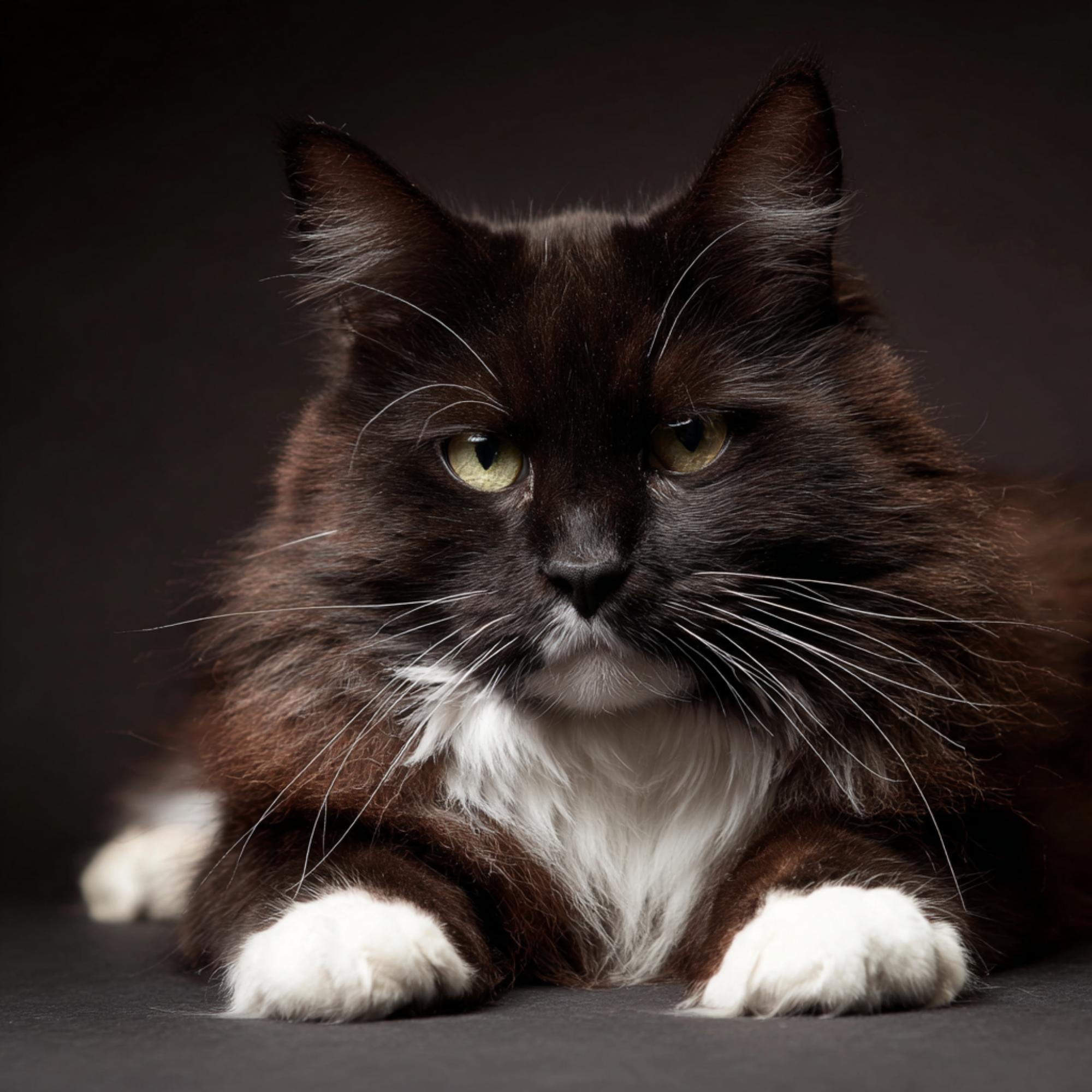
Cherubim Ragdoll Color Genetics: Why Cherubim Exist
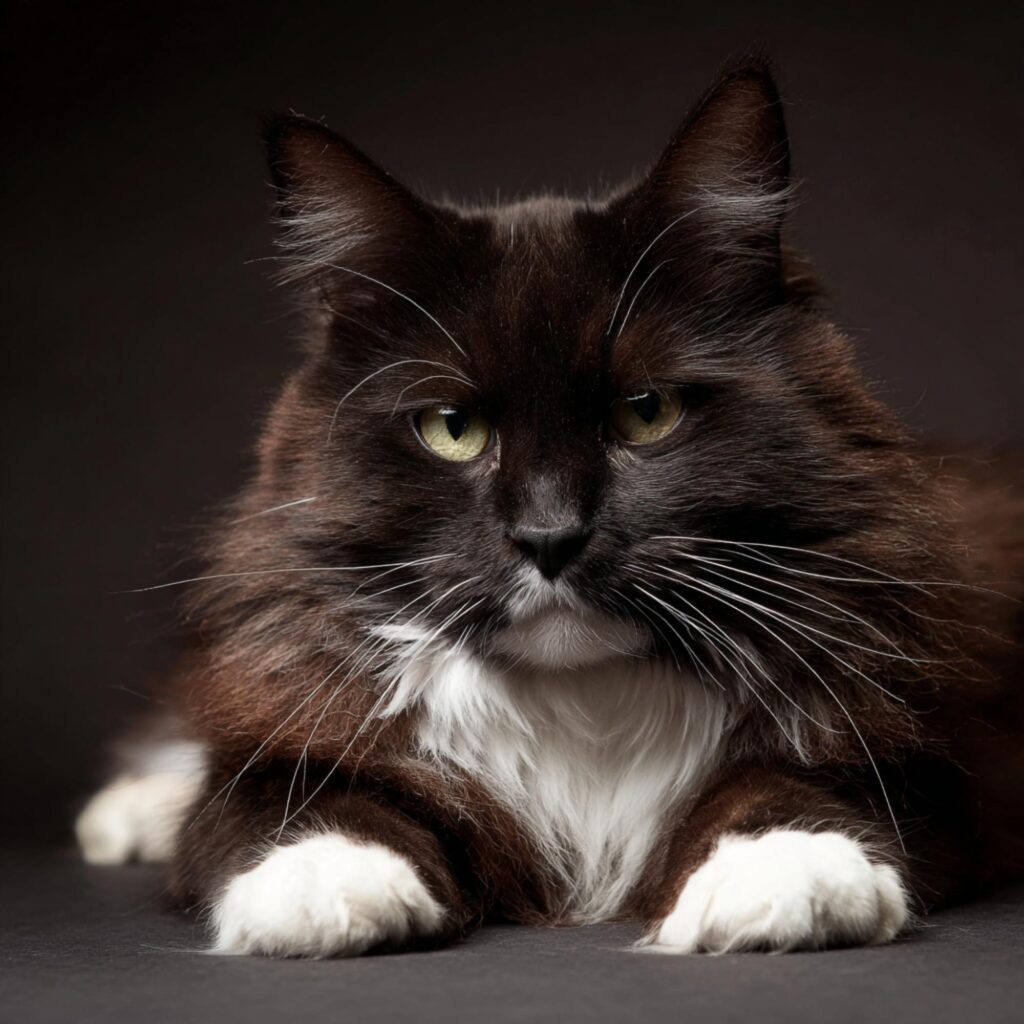
Cherubim exist because of Cherubim Ragdoll color genetics, not because of mixed breeding or deviations from the breed’s foundation. As Ragdolls were bred over generations, naturally occurring color expressions appeared that fell outside the original colorpoint-only definition, even though the cats themselves remained genetically Ragdolls.
Confusion around non-pointed Ragdolls is common. Many buyers encounter solid, mink, or sepia-coated cats labeled differently and assume something improper has occurred. In reality, this confusion stems from how registries manage visual standards, not from genetic inconsistency.
This post explains how Ragdoll color genetics work, why registries faced a classification challenge, and why the Cherubim designation was created. The goal is clarity, not controversy, and education rather than argument.
Cherubim Ragdoll Color Genetics: Summary Table
| Topic | Traditional Ragdoll | Cherubim |
|---|---|---|
| Breed Origin | Ragdoll lines | Ragdoll lines |
| Genetic Foundation | Same Ragdoll foundation | Same Ragdoll foundation |
| Original Breeding History | Includes colorpoint ancestry | Includes solid and non-pointed ancestry |
| Coat Pattern | Colorpoint only | Solid, mink, sepia, and other non-pointed expressions |
| Body Color | Light body with darker points | Fuller body color with blended or solid expression |
| Eye Color | Blue only | Aqua, green-gold, and other non-blue colors |
| Color Genetics | Restricted pigment expression | Less restricted pigment expression |
| Registry Classification | Ragdoll | Cherubim |
| Written Breed Standard | Colorpoint Ragdoll standard | Separate Cherubim standard |
| Show Eligibility | Showable under Ragdoll standard | Showable under Cherubim standard |
| Registration Code | Ragdoll | CB (effective May 1, 2025) |
| Registration Change Date | No change | May 1, 2025 |
| Pre-2025 Registrations | Not applicable | Grandfathered if registered prior |
| Temperament Potential | Classic Ragdoll temperament | Classic Ragdoll temperament |
| Health Potential | Depends on breeding practices | Depends on breeding practices |
| Typical Placement | Show or companion homes | Companion-focused homes |
| Quality Determined By | Health testing, structure, ethics | Health testing, structure, ethics |
The Original Ragdoll Colorpoint Requirement
Ragdolls were originally defined as colorpoint cats to establish a clear, recognizable breed identity. Early breeders and registries prioritized a consistent appearance that could be reliably identified and judged, especially as the breed gained popularity.
The colorpoint gene plays a central role in this definition. It restricts pigment to the cooler areas of the body, producing a light-colored torso with darker points on the face, ears, legs, and tail. This same gene also results in blue eyes, which became a defining trait of the traditional Ragdoll.
Because early breed standards focused heavily on visual consistency and recognizability, blue eyes were made mandatory. This requirement helped distinguish Ragdolls from other longhaired breeds and ensured uniformity in show settings. At the time, this approach made sense for establishing and protecting a new breed.
How Ragdoll Color Genetics Actually Work
Ragdoll color genetics are more flexible than early standards accounted for, and this flexibility has existed since the breed’s foundation. Ann Baker, the founder of the Ragdoll breed, worked with both colorpoint and solid cats in her original breeding program. This means non-pointed expression is not a modern invention or a later deviation. It has been present from the beginning.
The colorpoint gene can express in multiple ways depending on genetic combinations, and not all expressions result in the classic pointed pattern. When pigment is more restricted, the familiar pointed Ragdoll appears. When pigment restriction is reduced or modified, other expressions naturally occur.
Within established Ragdoll lines, non-pointed expressions can and do appear without any outcrossing. Solid, mink, sepia, and related coat types occur when pigment is expressed more fully across the body. These outcomes are genetically predictable and well understood by breeders who work with color genetics intentionally.
What changes is appearance, not breed origin. Coat color, pattern, and eye color are controlled by how genes express visually. They do not alter the underlying genetics that define a cat as a Ragdoll. Appearance and breed identity are connected, but they are not the same thing.
Why Non-Pointed Ragdolls Created a Problem for Registries
Cat registries rely on visual standards to classify breeds for show and recordkeeping. These standards are designed to preserve a consistent appearance, not to describe every possible genetic outcome.
As non-pointed Ragdolls began appearing, registries faced a structural conflict. Genetically, these cats were Ragdolls. Visually, they no longer fit the established colorpoint-only definition. This placed registries in a position where genetic reality and show standards no longer aligned.
Rather than rewriting the Ragdoll standard and erasing its original definition, registries needed a solution that preserved the integrity of the traditional Ragdoll while still allowing accurate, transparent registration of non-pointed cats. This distinction between genetic reality and show classification became unavoidable.
Why Cherubim Were Created
Cherubim were created as a formal classification to address non-pointed Ragdolls while preserving the traditional Ragdoll standard. This decision was not informal, reactionary, or driven by online debate. It followed a structured, member-led process within The International Cat Association (TICA).
In the fall of the previous year, a proposal was introduced and published in TICA Trend to announce a vote on whether nonstandard Ragdoll colors should be placed into a newly defined breed called Cherubim. Paid members of the Ragdoll breed group were sent a ballot by email and asked to vote on the proposal.
The majority of voting members approved the creation of the Cherubim breed. Following that vote, the proposal advanced to the TICA Board of Directors for final consideration at their Spring meeting. The Board voted unanimously in favor of the change.
As a result, the Cherubim breed went into effect on May 1, 2025. From that date forward:
- All newly registered nonstandard-color Ragdolls will be registered as Cherubim
- Pedigrees and registration paperwork will list Cherubim with the breed code CB
- Cherubim will have a written breed standard
- Cherubim will be eligible to show for championship within their own standard
- Traditional Ragdolls will remain unchanged: blue-eyed, pointed, same written standard, same pedigree structure, same show eligibility
This separation allows registries to acknowledge genetic reality while maintaining clarity and consistency in breed standards.
Why This Change Reduced Confusion Rather Than Creating It
Before the Cherubim classification, non-pointed Ragdolls existed in a gray area. Genetically, they were Ragdolls. Visually, they did not meet the written standard. This mismatch created ongoing confusion for breeders, judges, and owners.
The creation of Cherubim resolved several long-standing issues at once:
- It eliminated arguments over whether non-pointed cats were “real” Ragdolls
- It allowed accurate registration without forcing cats into a standard they did not meet
- It reduced harassment and stigma toward owners of mink, sepia, and solid-coated cats
- It created clarity around showing eligibility without questioning breed legitimacy
For owners who do not show, this change is largely administrative. For breeders and registries, it restores transparency and consistency.
What Happens to Cats Registered Before May 1, 2025?
Cats registered before May 1, 2025 will be grandfathered under their existing registrations. Owners are not required to update paperwork unless they choose to do so.
However, registration and show eligibility remain separate issues. A nonstandard-color cat registered as a Ragdoll prior to the change will still be disqualified from showing under the Ragdoll standard, since appearance requirements have not changed. For pet owners who do not participate in shows, no action is necessary.
This distinction matters primarily to breeders and exhibitors. For most families, the cat’s registration status does not affect ownership, care, or companionship.
Can a Single Litter Contain Both Ragdolls and Cherubim?
Yes. A single litter can contain both pointed Ragdolls and non-pointed Cherubim. This outcome reflects how color genetics work, not a breeding error.
Within TICA’s system:
- A Cherubim may be bred to a Ragdoll as an acceptable outcross
- Offspring may be registered as SBV Cherubim or SBV Ragdoll
- If there are no outcrossings for three generations, offspring become SBT (stud book traditional)
These distinctions are relevant for breeders who work across registries or participate in showing. For pet owners, the practical choice remains simple: blue-eyed pointed cats are registered as Ragdolls, and non-pointed cats are registered as Cherubim.
Why This Matters to Owners, Not Just Registries
For many owners, especially those who prefer mink or other non-traditional colors, the creation of Cherubim brought relief. It removed the need to defend their cat’s legitimacy and gave those cats a clear identity within the registry system.
The Cherubim designation does not change the cat. It changes the paperwork, the standard, and the conversation around it. Temperament, bonding, and companionship remain the same.
Are Cherubim Genetically Different From Ragdolls?
Cherubim are not genetically different from Ragdolls. They share the same foundation, lineage, and breed origin. The Cherubim designation exists to describe how certain Ragdoll color genetics express visually, not because the cats represent a separate genetic population.
What remains the same genetically includes overall breed type, body structure tendencies, temperament potential, and behavioral traits commonly associated with Ragdolls. Cherubim are born from Ragdoll lines and carry the same core genetic makeup that defines the breed.
What differs is appearance. Cherubim may display solid, mink, sepia, or other non-pointed coat expressions and may have eye colors outside the blue-only requirement of the traditional Ragdoll standard. These differences are visual outcomes of gene expression, not changes to breed identity.
Cherubim are not “lesser” or diluted Ragdolls. Quality is determined by health testing, thoughtful breeding, and early care, not by whether a cat meets a specific colorpoint standard. The Cherubim classification exists to create clarity, not hierarchy.
Cherubim vs Traditional Ragdolls: Key Differences at a Glance
The differences between Cherubim and traditional Ragdolls are primarily visual and administrative, rather than genetic or behavioral.
Cherubim may display a wide range of coat patterns, including solid, mink, sepia, or blended expressions, while traditional Ragdolls are defined by a classic colorpoint pattern with a light body and darker points.
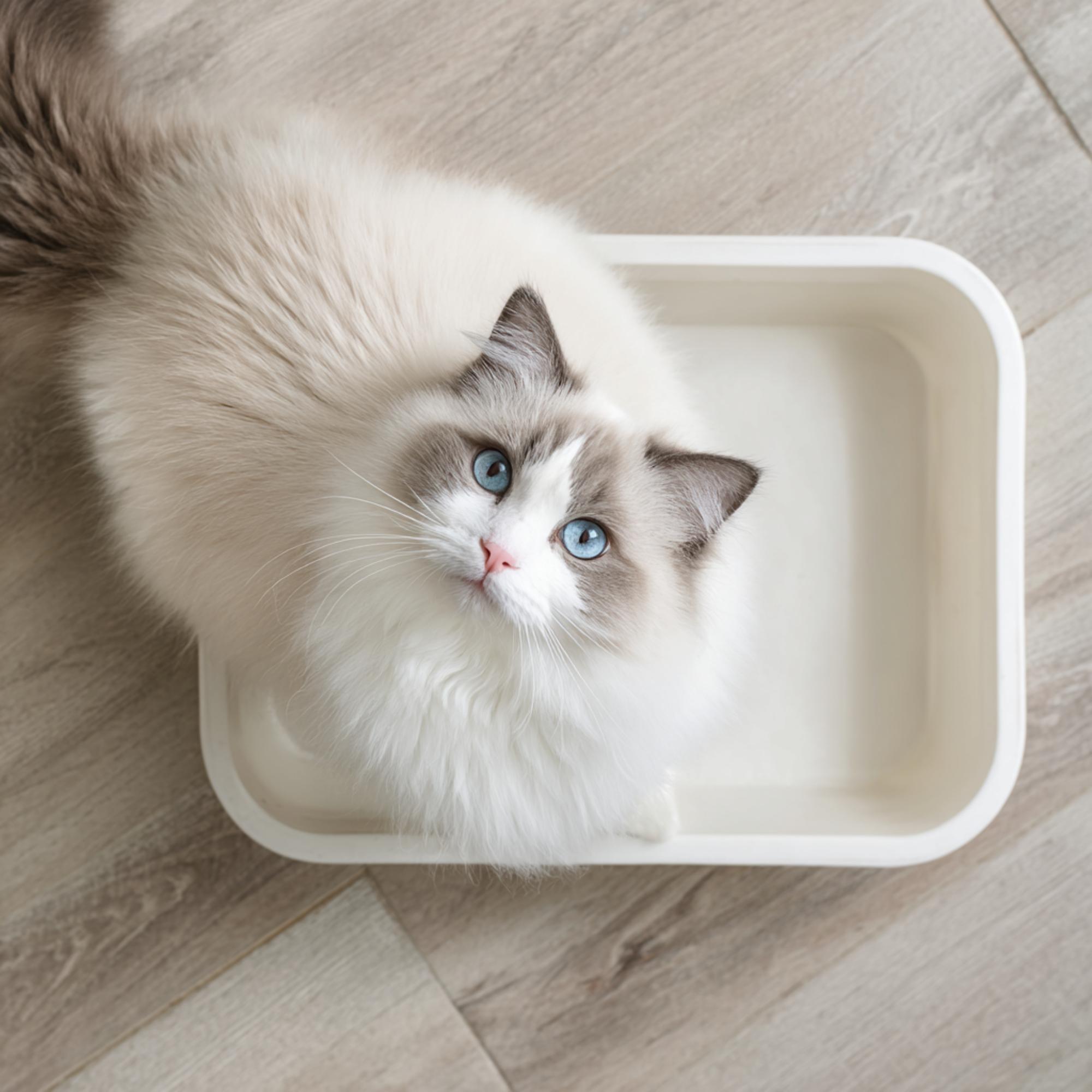
Eye color also differs. Traditional Ragdolls are limited to blue eyes due to the colorpoint requirement. Cherubim may have aqua, green-gold, or other eye colors depending on coat expression.
Registry classification reflects these visual differences. Traditional Ragdolls remain registered under the Ragdoll standard, while Cherubim are registered under their own designation with a separate written standard. This affects show eligibility, with traditional Ragdolls eligible under the Ragdoll standard and Cherubim showing within their own category.
What does not differ is temperament potential or suitability as a companion. Health outcomes are shaped by breeding practices and care, not by whether a cat is classified as Cherubim or traditional.
Common Myths About Cherubim and Color Genetics
Myth: Cherubim are mixed breeds
Cherubim originate from Ragdoll lines. Non-pointed coat expressions do not indicate crossbreeding and have been present in the breed since its foundation.
Myth: Non-pointed Ragdolls are mistakes
Non-pointed expressions are genetically predictable outcomes, not breeding errors. Early standards did not eliminate these outcomes; they simply prioritized a specific visual presentation.
Myth: Cherubim are lower quality
Quality is defined by health testing, structure, temperament, and ethical breeding practices. Coat expression does not determine the value or legitimacy of a cat.
Myth: Color genetics change temperament
There is no evidence that coat color or pattern alters personality. Temperament is influenced by genetics across the line and by early environment, not by visual traits.
These myths persist because visual standards are often confused with genetic identity. Understanding the distinction allows buyers to evaluate Cherubim based on meaningful factors rather than assumptions.
See Mink Ragdoll vs Traditional Ragdoll
How Ethical Breeders Use Color Genetics Responsibly
Ethical breeders work with color genetics intentionally, not reactively. Pairings are chosen with a clear understanding of how coat and eye color may express, and potential outcomes are anticipated before kittens are born. Non-pointed kittens are not surprises or accidents when breeding is done responsibly.
Transparency is central to ethical practice. Responsible breeders explain color genetics clearly, disclose when Cherubim may result, and register cats accurately. This information is shared upfront so buyers understand what they are purchasing without confusion or pressure.
Clear disclosure also protects trust. Ethical breeders do not obscure Cherubim status to fit buyer expectations or avoid difficult conversations. Instead, they explain how the classification exists and why it benefits both the breed and the buyer.
Placement decisions are made based on lifestyle and goals, not labels. Companion homes may be an excellent fit for Cherubim, while show-focused goals align with traditional Ragdolls. Ethical breeding matches cats to homes where they will thrive, regardless of classification.
Who a Cherubim Is Right For
Cherubim are well suited to buyers who value temperament and companionship over strict adherence to colorpoint standards. For these owners, personality, bonding, and daily interaction matter more than whether a cat meets a traditional show definition.
They are a strong fit for families who want the calm, people-oriented Ragdoll temperament without restriction to pointed coats or blue eyes. Companion-focused homes often appreciate the broader range of colors and coat expressions.
Cherubim also appeal to buyers who care more about the individual cat than the label on the registration paperwork. For these owners, clarity and honesty matter more than visual conformity.
FAQ: Ragdoll Color Genetics & Cherubim
Are Cherubim a Different Breed From Ragdolls?
No. Cherubim come from Ragdoll lines and share the same genetic foundation. The Cherubim designation exists to classify non-pointed Ragdolls under a separate standard, not because they are a genetically separate breed.
Why Were Cherubim Created Instead of Changing the Ragdoll Standard?
Registries rely on visual standards for consistency. Rather than rewriting the traditional Ragdoll definition, a separate classification allowed non-pointed cats to be registered transparently while preserving the original colorpoint standard.
Does Cherubim Mean a Cat Is Mixed?
No. Coat color and eye color expression do not indicate crossbreeding. Solid, mink, sepia, and other non-pointed expressions occur naturally within Ragdoll genetics.
Did the Original Ragdoll Breeding Program Include Solid Cats?
Yes. The breed’s founder worked with both colorpoint and solid cats. Non-pointed expression has been part of the breed’s genetic background since its foundation. See Ragdoll Solid Cats for more info.
When Did the Cherubim Classification Take Effect?
The Cherubim classification took effect on May 1, 2025. From that date onward, newly registered non-pointed cats will be registered as Cherubim under their own breed code and written standard.
What Happens to Cats Registered Before May 1, 2025?
Cats registered before May 1, 2025 are grandfathered under their existing registration. Owners are not required to update paperwork unless they choose to.
Can a Single Litter Contain Both Ragdolls and Cherubim?
Yes. Because coat expression varies, a single litter may include both pointed and non-pointed kittens. Registration depends on how each kitten expresses genetically.
Can Cherubim Be Shown?
Yes. Cherubim will have their own written standard and can show for championship within their classification. They do not show under the traditional Ragdoll standard.
Do Cherubim Have Different Temperaments Than Ragdolls?
No. There is no evidence that coat expression affects personality. Temperament is influenced by breeding lines, early handling, and environment.
Are Cherubim Lower Quality Than Traditional Ragdolls?
No. Quality is determined by health testing, structure, temperament, and ethical breeding practices, not by coat color or registry classification.
Recap: Cherubim Ragdolls Beginnings
Cherubim exist because Ragdoll genetics are broader than early visual standards allowed. Rather than denying that reality, registries adapted to it by creating clear, transparent classifications.
Color does not define quality or legitimacy. Health, temperament, and ethical breeding practices do.
Cherubim exist because Ragdolls do not stop being Ragdolls when color genetics express differently.
Related Ragdoll Color & Registry Guides
If you want to explore how solid Ragdolls fit into the wider Ragdoll color and registry landscape, these guides provide deeper context:
- TICA Cherubim Ragdolls Explained
- Cherubim Ragdoll Kittens Available and Upcoming Litters
- Complete Cherubim Breed Guide
- Ragdoll vs Cherubim: What’s the Difference?
- Mink Ragdoll Cats Explained
- Black Ragdoll Cats Explained
- Black Tuxedo Ragdoll Cats
- Ragdoll Cat Temperament
- Ragdoll Cat Health, Lifespan, and What Matters Most
- Complete Guide to Ragdoll Cats
Sources & References
- The International Cat Association (TICA)
Ragdoll Breed Group communications, TICA Trend announcements, and Board of Directors decisions regarding nonstandard Ragdoll colors and the creation of the Cherubim breed.
https://tica.org
https://tica.org/phocadownload/standards/ragdoll.pdf - The International Cat Association – Breed Registration & Policies
Information on breed codes, registration categories, stud book status, and championship eligibility.
https://tica.org/breeds/registration-information - Cat Fanciers’ Association (CFA)
Traditional Ragdoll breed standard and colorpoint requirements, used to explain why non-pointed expressions fall outside early visual standards.
https://cfa.org/ragdoll/
https://cfa.org/wp-content/uploads/2024/03/ragdoll-standard.pdf - University of California Davis – Veterinary Genetics Laboratory
Feline coat color genetics, including colorpoint expression and pigment restriction mechanisms.
https://vgl.ucdavis.edu/resources/cat-coat-color-genetics - International Cat Care
Breed temperament, coat characteristics, and care guidance supporting the separation of appearance from behavior.
https://icatcare.org/advice/cat-breeds/ragdoll/ - Historical breeder records and lineage documentation referencing early Ragdoll breeding programs, including the use of both colorpoint and solid foundation cats, used to contextualize long-standing genetic diversity within Ragdoll lines.






Read the Comments +