
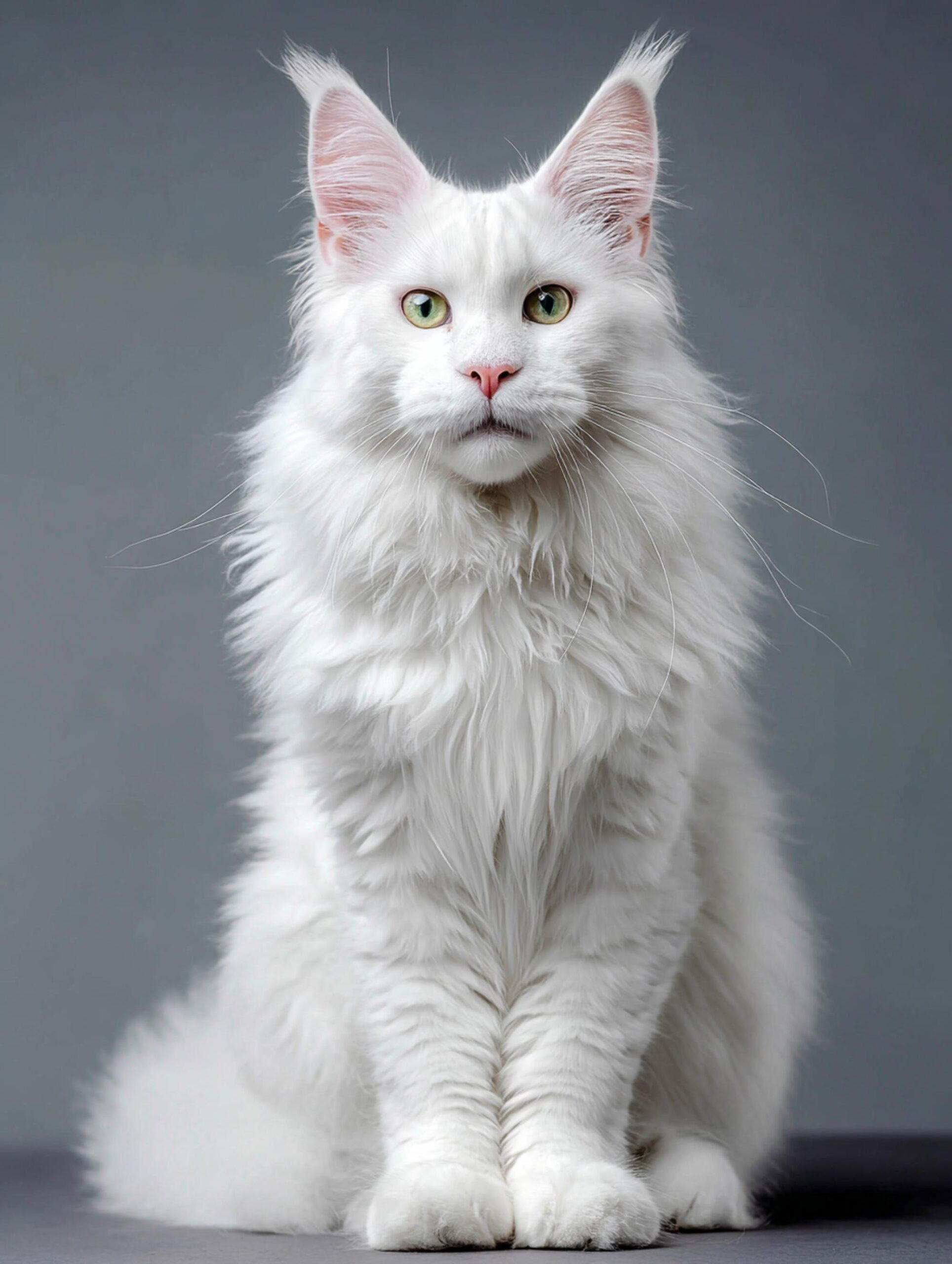
What Ethical Maine Coon Breeding Looks Like
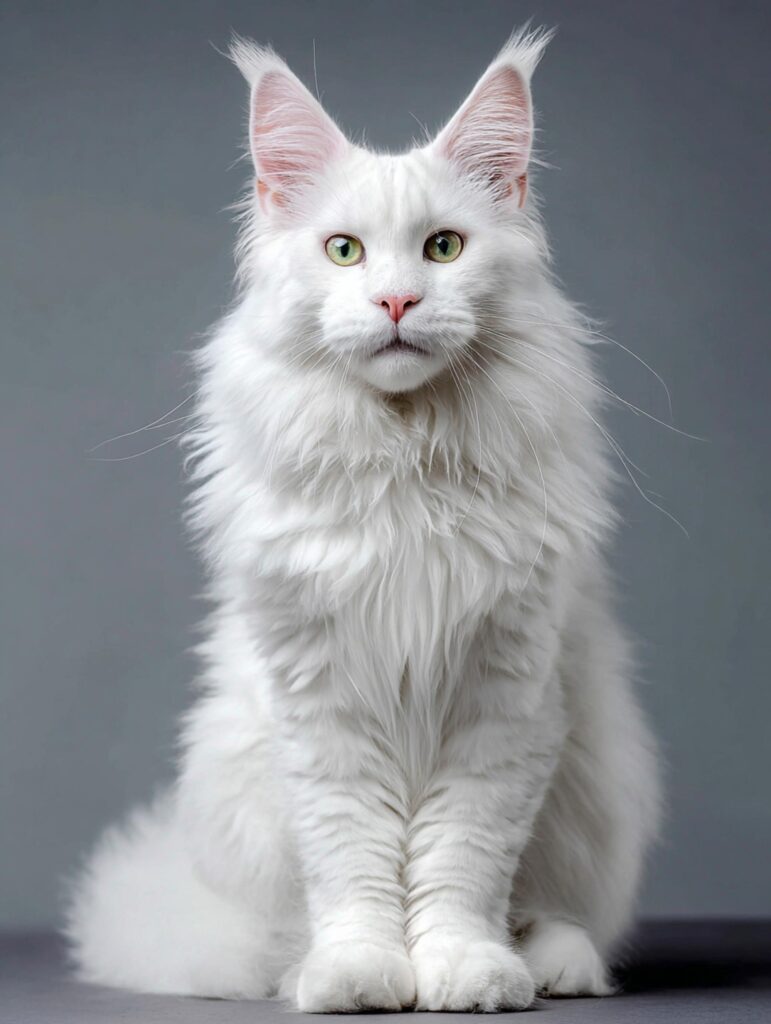
Ethical Maine Coon breeding describes a structured, responsibility-based approach to producing kittens, not a label or marketing claim. Ethics show up in how breeders plan their programs, make decisions, and remain accountable for the cats they produce over time.
These decisions begin long before a litter is born and continue well after kittens go home. Ethical breeders consider genetic health, temperament consistency, and placement suitability at every stage rather than focusing on appearance or demand alone. The goal is not perfection, but predictability—predictable health outcomes, predictable development, and predictable alignment between kittens and the homes they enter.
This definition does not rely on moral language or comparisons. It reflects how a breeding program operates in practice and how responsibility extends across generations of cats.
Ethical Maine Coon Breeding: Summary
| Aspect | What Ethical Breeding Looks Like |
|---|---|
| Core focus | Long-term responsibility rather than short-term availability |
| Program structure | Intentional breeding programs with clear goals |
| Planning approach | Long-term planning instead of opportunistic breeding |
| Breed knowledge | Deep, breed-specific understanding of Maine Coons |
| Volume | Limited by design to protect cats and kittens |
| Availability | Planned and intentional, not constant |
| Health approach | Breed-specific health testing and documented outcomes |
| Temperament | Selected intentionally, not assumed from appearance |
| Placement | Thoughtful matching of kittens to homes |
| Transparency | Clear explanations of practices and standards |
| Communication | Direct, consistent, and expectation-driven |
| Post-placement role | Ongoing breeder involvement and accountability |
| Misconceptions addressed | Ethical does not mean single-breed, cheapest, instant, or perfect |
| Buyer takeaway | Structure and responsibility matter more than claims |
Maine Coon Breeding Starts With Intentional Programs
Ethical Maine Coon breeding begins with long-term planning, not kitten production. Responsible breeders design their programs around clear goals for health, temperament, and structure rather than breeding simply because a cat is available or demand is high.
These programs rely on known bloodlines and documented outcomes over time. Breeders track how cats mature, how traits carry forward, and how previous pairings performed before making future decisions. This continuity allows breeders to make informed choices instead of reactive ones.
Ethical breeders do not breed opportunistically. Each litter serves a purpose within the larger program, whether that purpose involves maintaining health, improving temperament consistency, or preserving specific breed characteristics. Availability never drives breeding decisions on its own. Intentional planning does.
Breed-Specific Knowledge Matters
Maine Coons require breed-specific expertise. Their size, growth pattern, and temperament set them apart from most other cats. Ethical breeders understand these differences and build their programs around them.
Maine Coons mature slowly. They take years to fully develop physically and behaviorally. Ethical breeders plan for this timeline and adjust care, nutrition, and evaluation accordingly. Large-breed considerations influence everything from pairing decisions to when kittens go home.
Temperament selection also matters. Ethical breeders look beyond appearance and size. They select breeding cats for stability, social confidence, and adaptability. These traits shape how Maine Coons live in real homes, not just how they look in photos.
Breed-specific knowledge includes understanding inherited risks, which is why ethical breeders follow breed-specific health testing practices. For a detailed explanation of how that works in Maine Coons, see Maine Coon Health Testing Explained.
Ethical Breeders Limit Volume by Design
Ethical breeders limit the number of litters they produce on purpose. This approach protects breeding cats and allows kittens to receive consistent care, evaluation, and early socialization.
Lower volume improves outcomes. Breeders can monitor development closely, assess temperament accurately, and make thoughtful placement decisions. High volume reduces this oversight and turns kittens into inventory rather than individuals.
Constant availability conflicts with ethical breeding. When breeders always have kittens ready to go, they sacrifice planning and placement for speed. Ethical programs prioritize timing, recovery between litters, and long-term goals over meeting immediate demand.
Limiting volume supports intentional breeding. It allows breeders to focus on quality, accountability, and long-term responsibility instead of production.
Common Misunderstandings About Ethical Breeding
Confusion around ethical breeding is common. Online discussions often reduce complex breeding practices to simple rules that do not reflect how responsible programs actually operate. Clarifying these misunderstandings helps buyers focus on substance rather than assumptions.
Ethical Breeding Does Not Mean Single-Breed Only
Ethical breeding does not require working with only one breed. It requires managing each breed as its own intentional program. Many reputable breeders maintain separate, clearly defined programs for different breeds, each with its own goals, health protocols, and placement standards.
Problems arise when breeders treat multiple breeds interchangeably or apply the same practices across unrelated cats. Ethical breeders avoid this approach. They build breed-specific knowledge and structure programs around the unique needs of each breed rather than limiting themselves to a single label.
Ethical Breeding Does Not Mean the Cheapest Option
Ethical breeding does not aim to offer the lowest price. Responsible programs invest time, resources, and planning into each litter. These investments support health screening, proper care, and long-term accountability.
Lower pricing often reflects reduced oversight, skipped testing, or high-volume production. Ethical breeders focus on outcomes rather than undercutting the market. Cost alone does not define ethics, but unusually low pricing often signals compromises in breeding practices.
Ethical Breeding Does Not Mean Instant Availability
Ethical breeding does not produce kittens on demand. Responsible breeders plan litters around the health of breeding cats, recovery time, and long-term program goals. This planning naturally limits availability.
Instant or constant availability often indicates volume-driven breeding. Ethical programs accept waiting as part of responsible placement. They value preparation over speed and suitability over convenience.
Ethical Breeding Does Not Mean Perfection
Ethical breeding does not promise perfect outcomes. Living animals carry natural variation, and no breeding program eliminates all risk. Ethical breeders acknowledge this reality and communicate it clearly.
What separates ethical breeders from others is how they respond to challenges. They document outcomes, adjust programs, and remain accountable for the cats they produce. Ethics show up in transparency and responsibility, not in guarantees.
How Buyers Can Recognize Ethical Practices
Buyers can identify ethical breeding practices by paying attention to how breeders communicate and what they share openly. Ethical programs do not rely on persuasion. They rely on clarity.
Ethical Breeders Explain Their Programs Openly
Ethical breeders describe how their programs operate. They explain why they chose certain breeding cats, how they plan litters, and what standards guide their decisions. They publish or share this information without pressure.
When breeders explain their process clearly, buyers gain insight into how decisions are made. This openness signals confidence in structure rather than reliance on marketing.
Buyers Should Expect Clear, Thoughtful Communication
Ethical breeders communicate intentionally. They ask thoughtful questions, provide clear answers, and set expectations early in the process.
Buyers should expect transparency around timelines, placement decisions, and breeder involvement after placement. Ethical breeders do not rush conversations or avoid difficult topics. They view communication as part of responsible placement.
Clarity Matters More Than Charisma
Ethical breeding does not depend on charm or persuasive language. It depends on consistency and documentation. Clear explanations matter more than polished messaging.
Breeders who rely heavily on urgency, emotional appeal, or vague assurances often lack structure behind the scenes. Ethical breeders let their practices speak for themselves through clear standards and straightforward communication.
For guidance on evaluating breeders using these principles, see How to Find a Maine Coon Breeder You Can Trust.
Frequently Asked Questions
What does “ethical Maine Coon breeding” actually mean?
Ethical Maine Coon breeding describes how a program operates over time. It focuses on intentional planning, breed-specific knowledge, and responsibility for outcomes rather than labels or marketing claims. Ethical breeders make decisions before, during, and after breeding with long-term health and placement in mind.
Is ethical breeding the same as being a registered breeder?
No. Registration alone does not define ethical breeding. Ethical practices show up in how breeders plan litters, manage health risks, communicate with buyers, and remain accountable after placement. Registration may be part of a program, but it does not replace responsible decision-making.
Do ethical breeders work with only one breed?
Not necessarily. Ethical breeding depends on structure, not breed count. Many reputable breeders manage more than one breed while maintaining separate, intentional programs for each. Ethical breeders apply breed-specific standards rather than treating cats interchangeably.
Why don’t ethical breeders always have kittens available?
Ethical breeders limit volume by design. They plan litters carefully, allow recovery time between breedings, and place kittens intentionally. Constant availability often conflicts with responsible breeding because it prioritizes speed over care and evaluation.
Does ethical breeding guarantee a perfect kitten?
No. Ethical breeding does not promise perfection. Living animals carry natural variation and risk. What ethical breeders provide is transparency, preparation, and accountability if challenges arise.
Why do ethical breeders ask buyers so many questions?
Ethical breeders view placement as part of their responsibility. They ask questions to understand lifestyle, expectations, and household dynamics. This process helps match kittens to homes where they are most likely to thrive.
How does ethical breeding affect temperament?
Ethical breeders select for temperament intentionally. They evaluate breeding cats for stability, social confidence, and adaptability rather than appearance alone. This approach supports predictable behavior in real homes, not just show traits.
Why does structure matter more than claims?
Anyone can claim to breed ethically. Structure shows whether those claims hold up. Clear standards, documented practices, and consistent communication indicate responsibility more reliably than branding or charisma.
How can buyers tell if a breeder follows ethical practices?
Buyers should look for clarity. Ethical breeders explain their programs openly, answer questions directly, and set realistic expectations. They do not rely on urgency, pressure, or vague assurances.
Does ethical responsibility end when the kitten goes home?
No. Ethical breeders remain accountable after placement. They provide records, guidance, and ongoing support. This long-term involvement reflects responsibility for the cats they produce, not just the sale.
Final Perspective: Ethics as Long-Term Responsibility
Ethical Maine Coon breeding prioritizes long-term outcomes over speed or convenience. Responsible programs rely on structure, planning, and documented practices rather than labels or claims. These breeders make decisions with future generations in mind, not just the next litter.
Ethics extend beyond producing kittens. Breeders carry responsibility for how cats develop, how they live in their homes, and how traits carry forward over time. This long-term view shapes breeding choices, placement decisions, and ongoing involvement after kittens leave.
Ethical Maine Coon breeding focuses on long-term health, intentional placement, and accountability long after kittens go home.
Sources & References
- The International Cat Association (TICA)
Maine Coon breed standards, breeder ethics, and registration framework
https://tica.org/maine-coon/ - Cat Fanciers’ Association (CFA)
Maine Coon breed profile and general guidance on responsible breeding practices
https://cfa.org/maine-coon/ - UC Davis Veterinary Genetics Laboratory
Breed-specific genetic screening and long-term breeding considerations
https://vgl.ucdavis.edu/ - Cornell University College of Veterinary Medicine
Overview of inherited conditions in cats and the importance of responsible breeding decisions
https://www.vet.cornell.edu/departments/cornell-feline-health-center - American Veterinary Medical Association (AVMA)
Guidance on ethical breeding, responsible pet acquisition, and breeder accountability
https://www.avma.org/resources-tools/pet-owners/petcare/how-choose-responsible-breeder - Humane Society of the United States
Distinguishing responsible breeders from high-risk sellers and volume producers
https://www.humanesociety.org/resources/how-find-responsible-breeder - International Society of Feline Medicine (ISFM)
Welfare-focused breeding principles and long-term responsibility in cat breeding
https://icatcare.org/advice/breeding-cats-welfare-considerations/







Read the Comments +