
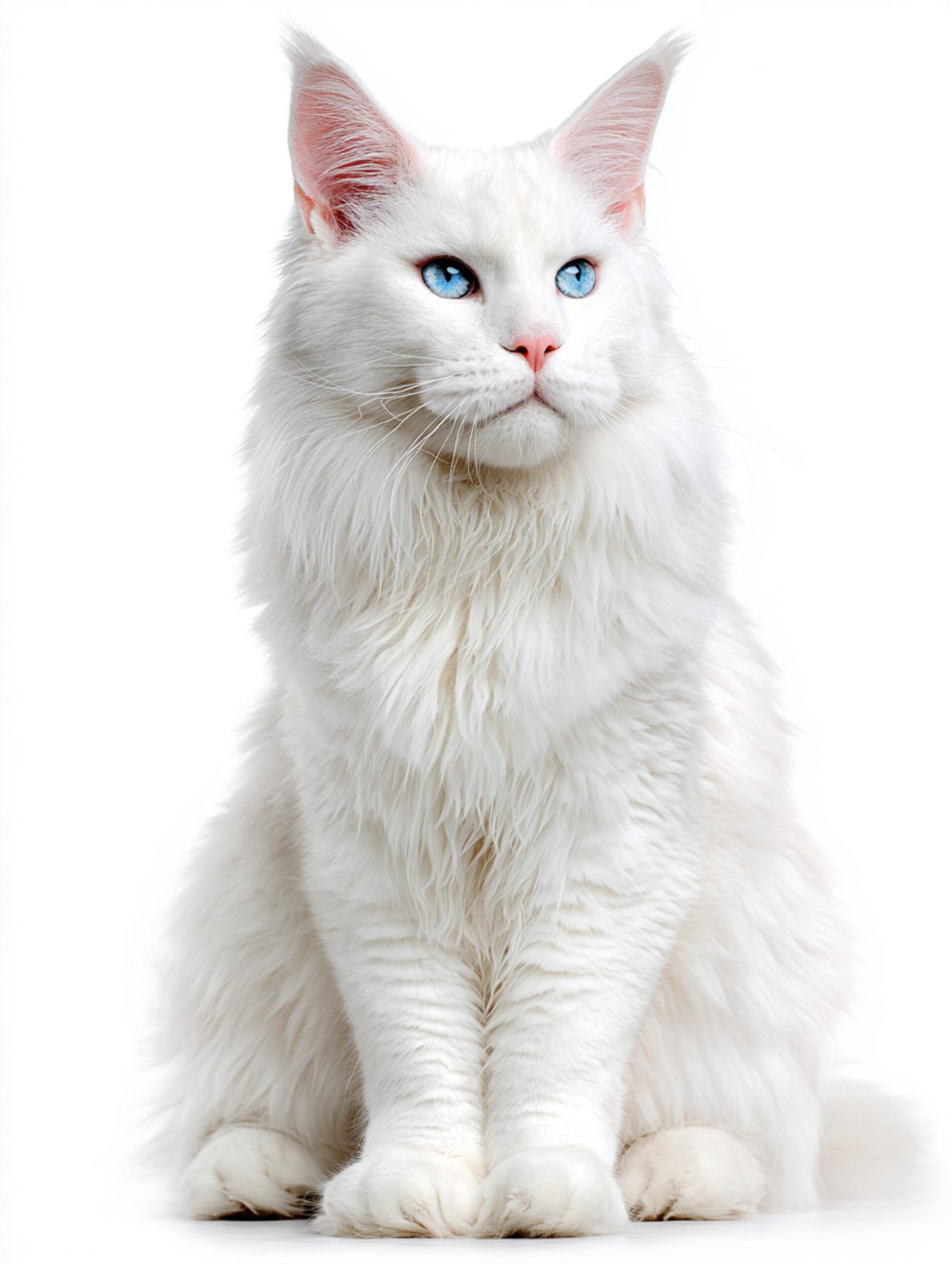
Why Some Cats Are Called Maine Coons but Aren’t
A Clear Explanation of Breed Identity, Mislabeling, and Honest Confusion
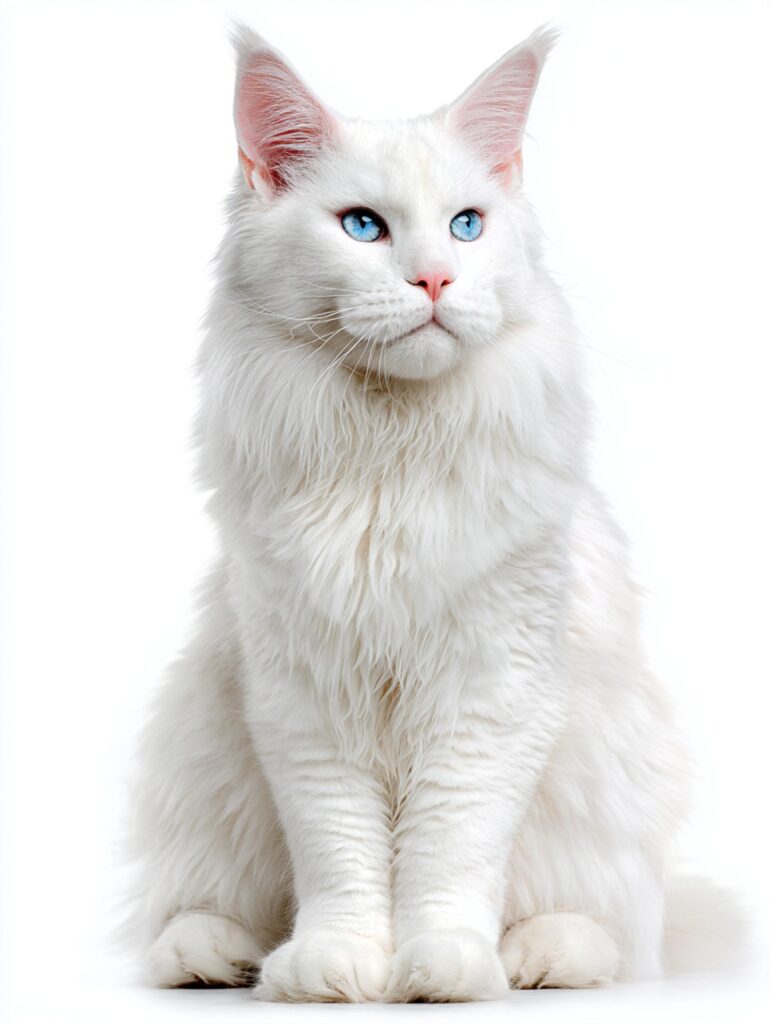
Intro: Why the Maine Coon Name Gets Misused So Often
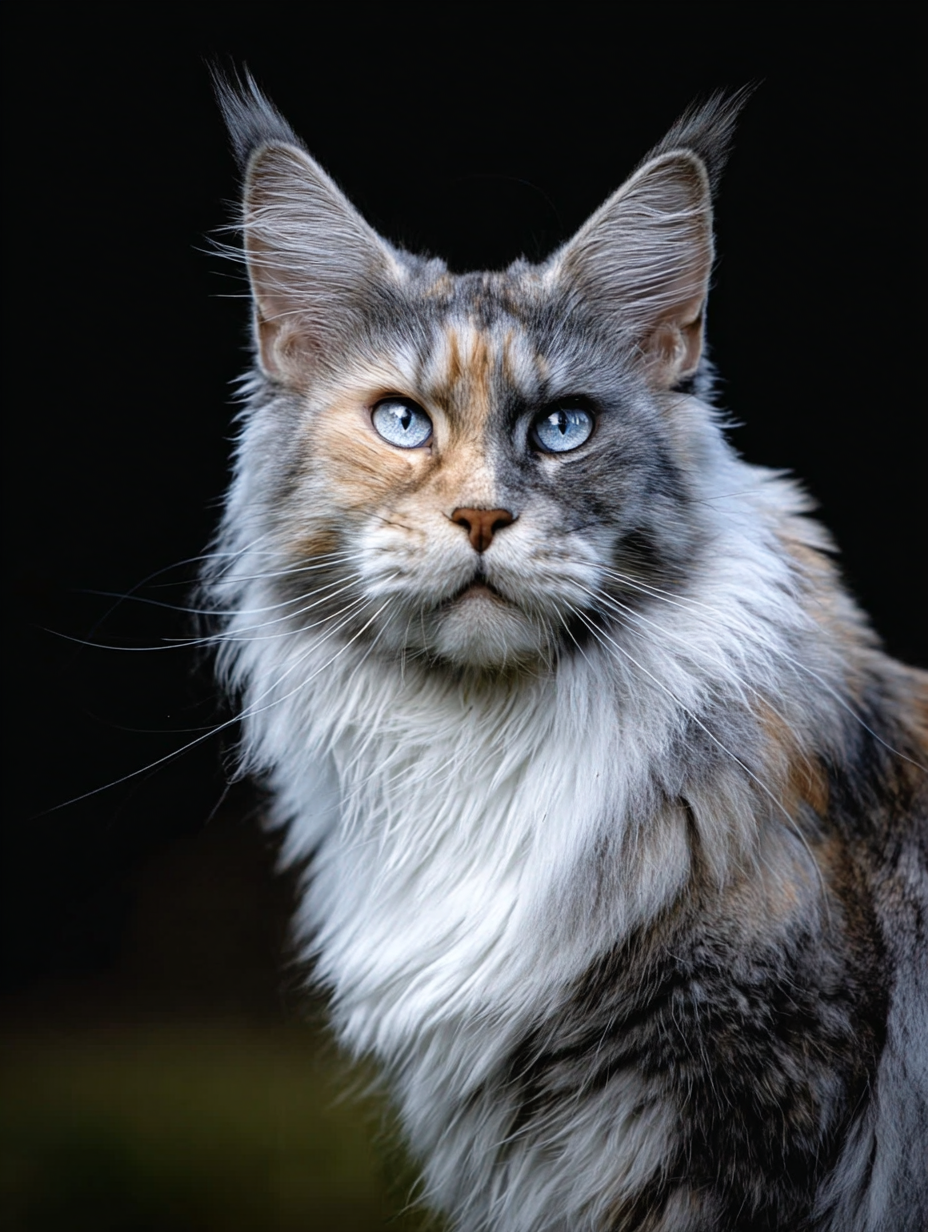
Maine Coons are one of the most commonly misidentified cat breeds in the world. Their size, coat, and distinctive features make them visually memorable, which leads many people to use the name as a shortcut for “big, fluffy cat.”
The phrase “looks like a Maine Coon” has become a marketing and conversational stand-in. Sellers, shelters, and even well-meaning owners use it to describe appearance, not ancestry. Over time, that shorthand blurs into a label.
Most mislabeling comes from confusion, not fraud. Many people genuinely believe a cat is a Maine Coon because it shares traits they associate with the breed. Others repeat what they were told without realizing the distinction between resemblance and breed identity.
This article explains what online arguments usually miss. Instead of debating who is “right,” it clarifies why the confusion exists, how breed identity actually works, and where assumptions replace facts.
This guide is for cat owners, prospective buyers, and anyone curious about why so many cats get called Maine Coons when they are not.
Why Some Cats Are Called Maine Coons but Aren’t — Summary Table
| Situation | Why the Label Gets Used | What It Actually Means |
|---|---|---|
| A large, fluffy cat | Size and coat resemble Maine Coons | Size and fur occur widely in domestic cats |
| Ear tufts or lynx tips | These traits are strongly associated with the breed | Ear and toe tufts are not breed-exclusive |
| Long shaggy coat | Coat texture looks similar | Many longhair cats develop shaggy coats |
| “Domestic Longhair” cat | Appearance feels breed-like | DLH describes coat length, not ancestry |
| “Maine Coon mix” label | Visual resemblance suggests mixed ancestry | True mixes are rare and usually undocumented |
| Shelter labeling | Helps adoption by describing appearance | Shelter labels are not pedigree claims |
| Seller uses “Maine Coon–type” | Name signals size or look | Language implies resemblance, not lineage |
| Higher price attached to name | Breed reputation increases perceived value | Name alone does not reflect breeding quality |
| DNA test suggests similarity | Genetic markers overlap | DNA tests cannot confirm breed identity |
| Vet or groomer comments | Professional opinion sounds authoritative | Visual assessment is not breed verification |
| No papers available | Owner assumes paperwork was lost | No documentation means ancestry is unknown |
| Owner learns later | New information clarifies identity | The cat’s value does not change |
| Online images influence belief | Photos flatten nuance | Appearance alone is misleading |
| Social media claims | Repetition creates confidence | Popular myths spread faster than facts |
| Owner wants certainty | Labels feel reassuring | It is okay not to know a cat’s breed |
| Breed label used casually | Language simplifies conversation | Casual use does not equal factual identity |
| Cat behaves “like a Maine Coon” | Temperament similarities exist | Personality varies widely across cats |
| Breeder emphasizes lineage | Buyer wants predictability | Lineage matters only if breed identity matters |
| Owner feels disappointed | Label shift feels like loss | Companionship is unchanged |
| Education replaces argument | Understanding reduces conflict | Clarity matters more than correction |
See the post How to Tell if Your Maine Coon Cat is a Mix for more details.
What Makes a Maine Coon a Maine Coon
A Maine Coon is defined by breed identity, not by appearance alone. Breed identity comes from documented lineage within an established breeding population.
Size and fur do not define a breed. Many domestic cats grow large. Many have long or shaggy coats. Those traits exist widely across the domestic cat population and developed naturally long before modern breeds were formalized.
Documented lineage matters in pedigreed cats because it traces ancestry, not because it assigns value. Registration connects a cat to generations of breeding decisions that shape predictable traits, temperament tendencies, and health considerations.
Breed standards exist to describe a breed, not to exclude cats that fall outside it. They provide a reference for what a Maine Coon is meant to look like when bred intentionally. They do not claim that cats without papers are inferior or less worthy.
Understanding this distinction helps separate identity from appearance without diminishing the cat itself.
The Visual Traits That Cause Confusion
(Why so many cats “look like” Maine Coons)
Large size appears naturally in domestic cats. Genetics, nutrition, and environment all influence growth, and some non-pedigreed cats reach impressive size without any breed ancestry.
Long hair and seasonal coats also contribute to confusion. Many cats develop thicker coats in colder months and shed dramatically in warmer seasons, creating a shaggy look associated with Maine Coons.
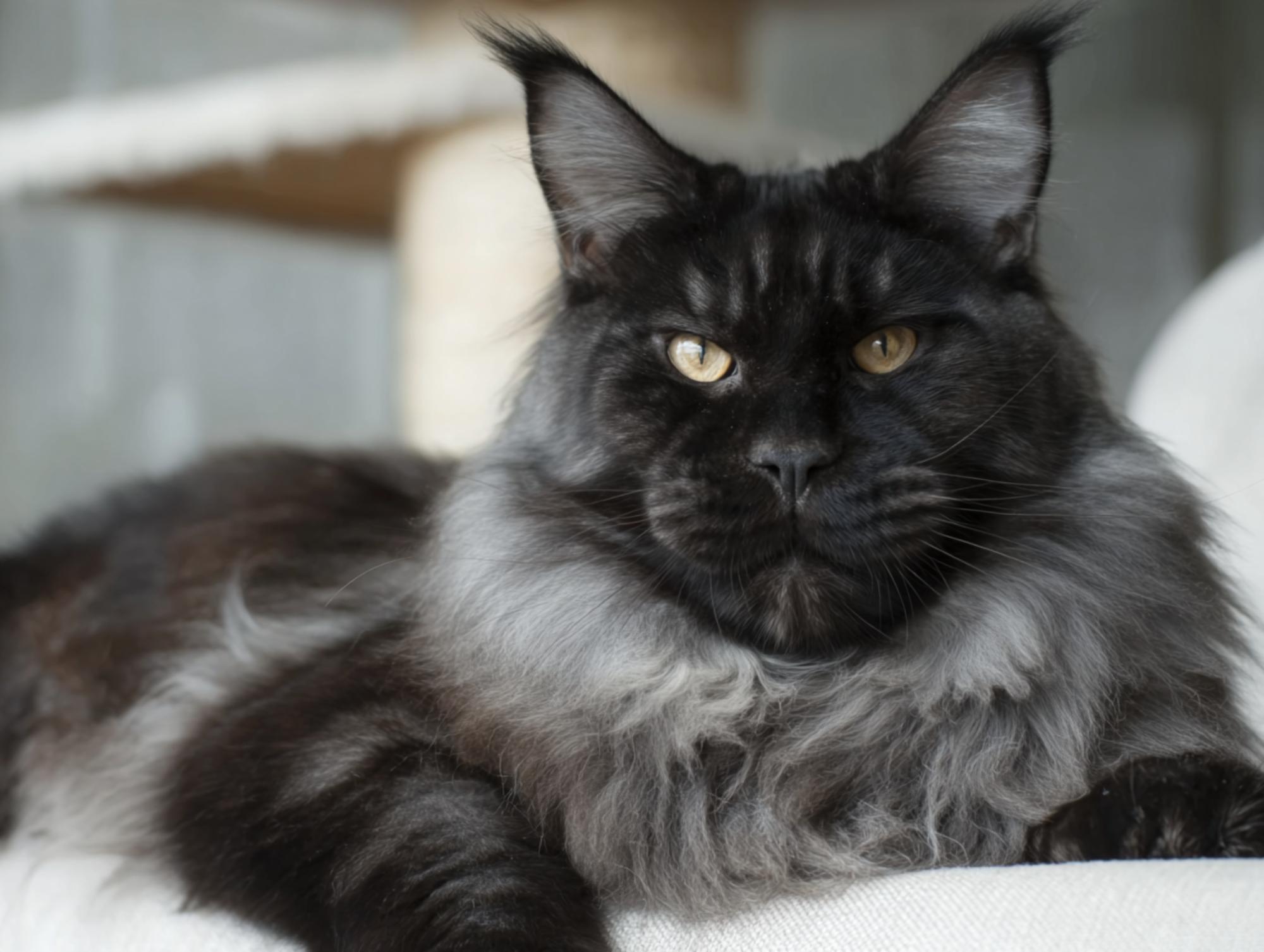
Ear tufts, toe tufts, and lynx tips occur across many cats. These features are not unique to Maine Coons and appear regularly in random-bred populations.
Bushy tails and uneven, shaggy outlines show up wherever long-haired cats exist. Coat texture varies widely outside of pedigreed breeding.
These traits exist widely because domestic cats share a broad genetic base. Visual resemblance alone cannot confirm breed identity, even when the similarities feel convincing.
See Maine Coon Hybrid Kittens here.
Domestic Longhair ≠ Maine Coon
“Domestic longhair” describes a cat’s coat length, not its breed. It is a catch-all term for cats with long hair whose ancestry is unknown or mixed over many generations. It does not imply anything about size, temperament, or lineage.
Domestic cats can be large and fluffy without belonging to any specific breed. Body size varies widely in the general cat population, influenced by genetics, diet, and environment. Long hair amplifies that size visually, which often leads people to associate these cats with Maine Coons.
Random-bred cats can develop features commonly associated with Maine Coons. Shaggy coats, ear tufts, bushy tails, and sturdy frames appear naturally when cats are not selectively bred toward a standard. These traits are not exclusive to the breed.
The label “DLH Maine Coon mix” is usually an assumption, not a fact. Without documented parentage, there is no reliable way to confirm a mix. Most cats described this way simply resemble Maine Coons rather than descend from them.
See the Maine Coon vs Domestic Longhair Comparison here.
The Myth of the “Maine Coon Mix”
True Maine Coon mixes are rare. For a genuine mix to exist, a registered Maine Coon would need to breed with a non-Maine Coon cat, and that pairing would need to be known and documented.
In reality, most Maine Coons are bred within controlled programs. They are not commonly roaming, breeding casually, or producing unrecorded offspring. That reality alone limits how often true mixes occur.
Shelters and sellers often use “mix” language to describe appearance rather than genetics. The term helps communicate what a cat looks like and sets expectations for size or coat, even when no breed ancestry is confirmed.
Visual resemblance is not genetic evidence. Many cats look like Maine Coons without sharing lineage. Appearance alone cannot confirm a mix any more than it can confirm a purebred.
This myth persists online because it feels intuitive. People see similarities, hear familiar language, and repeat it until it sounds factual. Over time, assumption replaces explanation.
Shelter Labels and Rescue Naming Practices
Shelters label cats as Maine Coons to help potential adopters understand appearance and temperament expectations quickly. These labels serve a practical purpose in a fast-moving adoption environment.
Adoption marketing focuses on helping cats find homes, not on verifying breed identity. Shelters do not claim pedigree when they use breed names descriptively.
Breed labels help cats get adopted. Recognizable names attract attention and can communicate size, coat type, or personality traits more effectively than generic descriptions.
Shelter naming is not a pedigree claim. It is a best guess based on appearance, meant to inform adopters rather than define ancestry.
Backyard Breeding and Casual Mislabeling
Some sellers use breed names to explain appearance rather than lineage. Saying a kitten is a Maine Coon because it looks like one feels easier than explaining uncertainty.
The phrase “the parents look like Maine Coons” reflects this logic. Visual similarity becomes the justification, even though it does not establish breed identity.
Lack of paperwork does not automatically mean dishonesty. Many people genuinely do not understand how breed identification works in cats and repeat labels they were given.
Misrepresentation becomes a problem when labels influence pricing, expectations, or health assumptions. When a breed name implies qualities that are not supported by ancestry, confusion turns into misinformation.
Understanding where this line exists helps buyers, owners, and adopters navigate labels without assigning blame or diminishing the cats themselves.
When the Label Becomes a Sales Tool
Maine Coon kittens often command higher prices because the breed is well known, slow to mature, and expensive to breed responsibly. That reputation gives the name weight in the marketplace.
The name also shapes buyer expectations. People associate Maine Coons with size, coat, temperament, and longevity. When a cat is described using the breed name, buyers may assume those traits will appear, even when no lineage supports the claim.
Sellers sometimes rely on implication rather than statement. Phrases like “Maine Coon type,” “Maine Coon–like,” “looks like a Maine Coon,” or “from Maine Coon lines” create an impression without making a direct claim. The language stays flexible while still benefiting from recognition.
Buyers benefit from separating value from labels. A cat’s worth does not increase because of a name. Health, care, compatibility, and temperament matter far more than terminology.
Registration, Papers, and What They Actually Mean
Registration documents lineage. It shows that a cat descends from known parents within a recognized breeding population. It does not measure quality, personality, or how loved a cat will be.
Papers are about ancestry, not worth. They do not make a cat better or more deserving. They simply confirm breed identity for those who care about it.
Many wonderful cats are unregistered. Some come from rescues. Others come from homes where ancestry was never tracked. Lack of papers does not diminish companionship or character.
Registration matters only if breed identity matters to you. For buyers who want predictable traits tied to a breed, papers provide clarity. For others, they may not matter at all.
Why Owning a “Non-Maine Coon” Doesn’t Reduce a Cat’s Value
Companionship does not depend on classification. A cat’s role in a home comes from personality, connection, and care, not from a label.
Temperament matters more than breed names. Many non-pedigreed cats share the affectionate, social qualities people love in Maine Coons without sharing ancestry.
Many owners discover the label issue later. They learn that a cat they were told was a Maine Coon likely isn’t, and nothing about their daily life together changes.
You do not need to redefine or correct a cat to love it. Understanding breed identity adds clarity, not hierarchy. A cat does not lose value when the label changes.
How to Tell Whether a Cat Is Actually a Maine Coon
The most reliable way to determine whether a cat is a Maine Coon is to look at how the cat was bred, not how the cat looks.
Questions to ask breeders or sellers
Ask where the cat comes from and how its parents are identified. Ethical breeders can explain their program, lineage, and placement process clearly. Sellers who rely only on appearance usually frame answers around looks rather than ancestry.
What documentation looks like
For a pedigreed Maine Coon, documentation ties the cat to registered parents through an established registry. Papers confirm lineage. They do not describe personality, quality, or value.
Why DNA tests don’t confirm breeds reliably
Commercial DNA tests for cats do not work the same way they do for dogs. They identify genetic markers and populations, not closed pedigreed breeds. A DNA test cannot reliably prove or disprove that a cat is a Maine Coon.
When it’s okay not to know
Many cats will never have a clear breed answer. That uncertainty is normal. If breed identity does not affect care, expectations, or placement decisions, it is reasonable to accept resemblance without certainty.
Can You Test Your Cat With DNA to See if It’s a Maine Coon?
DNA testing often comes up when people try to confirm whether a cat is a Maine Coon. While these tests can be interesting, they are frequently misunderstood.
What Cat DNA Tests Actually Analyze
Commercial cat DNA tests do not identify breeds the way pedigree records do. Instead, they analyze genetic markers and compare them to reference populations made up of many cats with shared traits.
These tests look for:
- Broad genetic similarities
- Population markers linked to coat type or region
- Health-related markers and traits
They do not trace documented ancestry or confirm breed lineage.
Why DNA Tests Can’t Reliably Confirm Maine Coon Identity
Maine Coons are a pedigreed breed defined by lineage, not by a single genetic signature. There is no unique “Maine Coon gene” that separates the breed cleanly from the general domestic cat population.
Because domestic cats share a wide and overlapping gene pool, DNA tests may show:
- “Similarity” to populations that include Maine Coons
- Mixed or regional markers
- Results that sound breed-like without proving ancestry
This can feel convincing, but it does not equal confirmation.
What DNA Tests Can Be Useful For
DNA testing can still provide value in other areas:
- Identifying certain inherited health risks
- Understanding coat genetics or color traits
- Learning about broad genetic diversity
Used this way, DNA tests support health and curiosity rather than breed classification.
How DNA Results Are Often Misinterpreted
Many owners read DNA results as proof of breed when the test language only indicates similarity or shared traits. Online discussions often amplify this confusion by treating DNA percentages as pedigree equivalents.
A DNA result does not replace registration, documented parents, or breeding records.
When DNA Testing Makes Sense—and When It Doesn’t
DNA testing makes sense when:
- You are curious about health markers
- You want general genetic insight
- Breed identity does not affect placement or expectations
DNA testing does not make sense when:
- You are trying to retroactively prove breed identity
- You want confirmation for labeling or resale
- You are replacing documentation with genetics
How This Fits Into the Bigger Picture
DNA testing can add information, but it cannot change a cat’s history. A cat without documented Maine Coon lineage does not become a Maine Coon because of a DNA result.
Breed identity comes from intentional breeding and recorded ancestry. DNA testing operates alongside that reality, not in place of it.
Understanding this distinction helps owners use DNA tests appropriately—without turning curiosity into confusion or labels into hierarchy.
Common Myths Fueled by Reddit and Social Media
“Big cat = Maine Coon”
Large size exists widely in domestic cats and does not indicate breed.
“Ear tufts mean Maine Coon”
Ear tufts and lynx tips appear across many long-haired cats and are not breed-exclusive.
“My vet said it’s a Maine Coon”
Veterinarians identify health and anatomy, not pedigree. Visual guesses are not breed confirmation.
“Shelter said Maine Coon mix”
Shelter labels describe appearance for adoption purposes and do not claim verified ancestry.
Why these claims persist
They feel intuitive, repeat easily, and circulate faster than nuanced explanations. Social platforms reward simple answers, not accurate ones.
Why This Confusion Keeps Happening
Popular breeds attract loose labeling because the names are familiar and meaningful to people. Maine Coons, in particular, have strong visual associations that invite comparison.
Internet images flatten nuance. A photo reduces a complex animal to a few visible traits, encouraging assumptions based on appearance alone.
Humans prefer tidy categories. Assigning a breed name feels more satisfying than accepting uncertainty, even when that certainty is unsupported.
Education matters more than correction. Understanding how breeds work reduces confusion without diminishing cats or the people who love them.
When Breed Identity Actually Matters
Breed identity matters most when it affects expectations, planning, or ethical decisions.
Health expectations can differ between pedigreed cats and the general population. Knowing a cat’s background helps owners understand which health conversations are relevant and which assumptions may not apply.
Size and growth timelines also depend on breed context. Maine Coons mature slowly and grow for several years. Without confirmed lineage, size projections become estimates rather than expectations.
Grooming and care planning benefit from clarity. Coat texture, shedding patterns, and maintenance needs vary widely. Understanding whether traits are breed-linked or individual helps owners prepare appropriately.
Ethical breeding and placement decisions rely on breed identity. When buyers seek a Maine Coon specifically, lineage matters because it reflects intentional breeding, predictability, and responsible placement—not superiority.
Frequently Asked Questions: Maine Coons, Look-Alikes, and Breed Confusion
Is my cat a Maine Coon if it looks like one?
Not necessarily. Many domestic cats share traits commonly associated with Maine Coons, such as large size, long hair, ear tufts, and bushy tails. Visual resemblance alone does not determine breed identity.
Can a cat be a Maine Coon without papers?
A cat without documentation may resemble a Maine Coon, but without recorded lineage, there is no way to confirm breed identity. Papers do not create value, but they do establish ancestry.
What does “domestic longhair” actually mean?
“Domestic longhair” describes coat length, not breed. It refers to cats with long hair whose ancestry is unknown or mixed over many generations. Read more here: Maine Coon vs Domestic Longhair Cat
Is a “Maine Coon mix” a real thing?
True Maine Coon mixes are rare. For a real mix to exist, a known Maine Coon would need to breed with a non–Maine Coon cat, and that pairing would need to be documented. Most cats labeled as mixes are identified based on appearance, not genetics.
Why do shelters label cats as Maine Coons or Maine Coon mixes?
Shelters use breed labels descriptively to help cats get adopted. These labels communicate appearance and size expectations, not verified ancestry. They are not pedigree claims.
My vet said my cat is a Maine Coon. Does that confirm it?
No. Veterinarians assess health and anatomy, not pedigree. A vet may comment on resemblance, but that is not breed verification.
Can DNA tests prove whether my cat is a Maine Coon?
No. Cat DNA tests analyze genetic markers and populations, not documented lineage. They cannot reliably confirm or deny pedigreed breed identity.
Why do DNA test results sometimes say “similar to Maine Coon”?
DNA tests compare genetic markers to reference populations. Similarity does not equal ancestry. There is no single genetic signature that defines a Maine Coon.
Does it matter if my cat isn’t actually a Maine Coon?
For companionship, no. For breed-specific expectations—such as size, growth rate, or breeding ethics—it can matter. The importance depends on why the label matters to you.
Are cats mislabeled as Maine Coons usually part of a scam?
Most mislabeling comes from misunderstanding, not fraud. Problems arise when the label is used to inflate prices or imply traits that are not supported by lineage.
Why do Maine Coon kittens cost more than other cats?
Ethically bred Maine Coons cost more due to health testing, selective breeding, slow maturation, and responsible placement practices. The price reflects the breeding process, not just appearance.
Why do sellers say “Maine Coon–type” or “Maine Coon–like”?
Those phrases imply resemblance without making a direct breed claim. They are descriptive, not confirmatory.
Does lack of registration mean a cat is lower quality?
No. Registration documents ancestry, not worth, health, or personality. Many wonderful cats are unregistered.
When does breed identity actually matter?
Breed identity matters when buyers want predictable traits, specific growth timelines, or are making ethical breeding and placement decisions. It matters less for companionship alone.
Why do so many people argue about Maine Coons online?
Popular breeds attract strong opinions. Visual similarity, social media images, and simplified explanations fuel confusion and debate.
Why is Maine Coon misidentification so common compared to other breeds?
Maine Coons have widely shared traits and a strong visual identity. Those factors make them an easy comparison point for large or fluffy cats.
Should I correct people if they call my cat a Maine Coon?
That choice is personal. Understanding breed identity is useful, but a cat does not lose value if others use the name casually.
Can a cat “become” a Maine Coon through DNA testing or labeling?
No. Breed identity comes from lineage and intentional breeding, not from testing or terminology applied later.
Is it wrong to love a cat that was mislabeled?
No. Labels do not affect the bond, care, or value of a cat. Many owners discover label inaccuracies long after forming a relationship.
What’s the most accurate way to describe a cat with unknown ancestry?
Describing the cat by coat type, size, and personality is often the most honest and useful approach.
What is the main takeaway from this post?
Understanding how breed identity works adds clarity, not hierarchy. Many cats resemble Maine Coons, but true Maine Coons are defined by documented lineage—and a cat’s worth never depends on its label.
Final Perspective: A Cat Doesn’t Need a Label to Be Special
Understanding breeds should inform decisions, not divide people or diminish animals. Clarity adds context. It does not assign worth.
Honesty matters more than terminology. Clear explanations help buyers, owners, and adopters set realistic expectations without turning labels into hierarchies.
Many cats are called Maine Coons because they share visual traits with the breed. That resemblance does not make them lesser, and it does not require correction to be meaningful.
Many cats are called Maine Coons because they share visual traits with the breed, but true Maine Coons are defined by documented lineage, not appearance—and a cat’s value never depends on the name attached to it.
Related Maine Coon Buyer Posts
- How to Find a Maine Coon Breeder You Can Trust
(Evaluating breeders, standards, and red flags before committing) - Maine Coon Health Overveiw: Health, Temperament, and Ethics
(What responsible breeding programs document and why it matters) - Why Reputable Maine Coon Breeders Have Waitlists
(How intentional breeding and placement works) - How Much Maine Coon Kittens Cost (Explained by a Breeder)
(What pricing reflects and what it does not) - How Maine Coon Kittens are Placed
(Common policies of ethical sellers and how this protects the buyer and kittens) - Questions to Ask a Maine Coon Breeder Before Buying
(What ethical breeders expect and how responsible programs communicate) - How to Tell if A Maine Coon Breeder is Legitimate
(Why location matters less than breeding standards) - Where to Buy a Maine Coon Kitten
- (What to look for and what to avoid)
- Maine Coon Cat Mix
(Appearance vs pedigree explained clearly) - Why Searching Maine Coon Kittens near me might be Risky
Sources & References
- The International Cat Association (TICA) – Maine Coon breed standards and registry framework
https://tica.org - Cat Fanciers’ Association (CFA) – Maine Coon breed information and pedigree definitions
https://cfa.org - International Cat Care – Understanding cat breeds, welfare, and responsible ownership
https://icatcare.org - Cornell Feline Health Center – Feline genetics and breed-related health context
https://www.vet.cornell.edu - UC Davis Veterinary Genetics Laboratory – Cat genetics and limitations of DNA testing
https://vgl.ucdavis.edu





Read the Comments +