
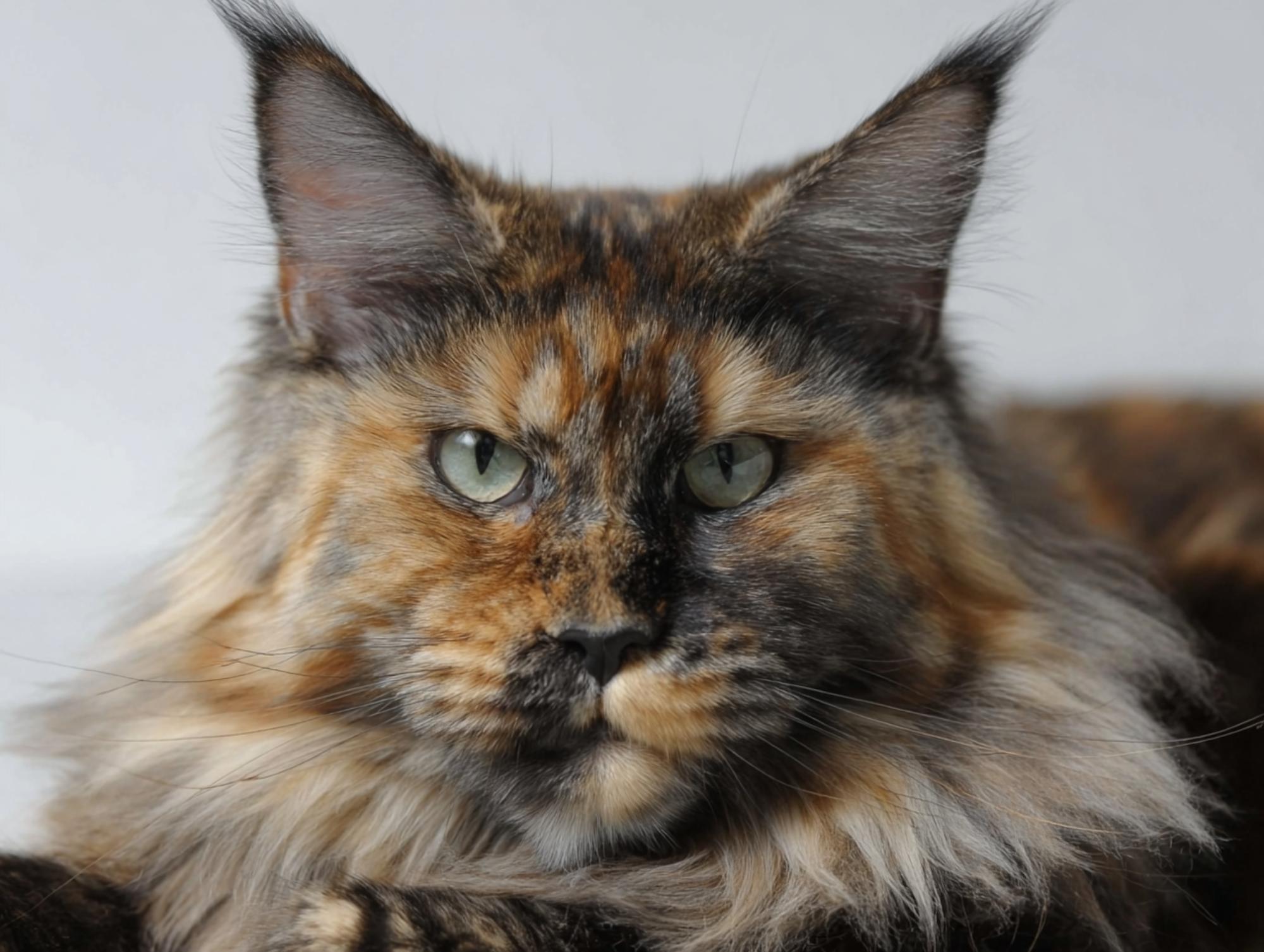
When to Spay a Maine Coon Cat: A Veterinary & Breed-Specific Timing Guide

Maine Coons mature more slowly than most domestic cat breeds, and that extended development affects spay timing decisions. Unlike smaller cats that complete most skeletal growth within a year, Maine Coon females may continue maturing for three to four years. Their growth plates close later, their hormonal cycles begin on a variable timeline, and estrogen plays a measurable role in bone development and mammary tissue stimulation.
Spaying is not only a reproductive decision. Timing influences mammary cancer risk, eliminates the possibility of pyometra, and prevents the behavioral stress associated with repeated heat cycles. Veterinary recommendations often suggest spaying between four and six months of age, but some owners question whether waiting longer benefits structural development.
There is no universally perfect age that applies to every Maine Coon female. The ideal timing balances cancer prevention, hormonal maturation, behavioral management, and practical household realities.
The best age to spay a Maine Coon cat depends on balancing cancer prevention, hormonal development, behavioral management, and veterinary evaluation rather than simply following a universal timeline.
Understanding Female Maine Coon Development
Maine Coon females follow a slower and more prolonged developmental pattern than many domestic cats. Appreciating this timeline is essential when discussing spay timing.
Growth Timeline in Large-Breed Females
Extended Skeletal Maturation (Up to 3–4 Years)
Although female Maine Coons are typically smaller than males, they are still classified as a large domestic breed. Structural development continues well beyond the first year of life. During this time:
- Bone density increases gradually
- Chest width and frame broaden
- Muscle mass continues to develop
- Overall body composition stabilizes slowly
While most rapid growth occurs during the first 8–12 months, true maturity often extends into the third or fourth year.
Growth Plate Closure Timing (12–18+ Months)
Growth plates (epiphyseal plates) are regions of cartilage at the ends of long bones that remain open during development. In average domestic cats:
- Most growth plates close around 8–10 months.
In Maine Coons:
- Closure may extend to 12–18 months or later.
- Full skeletal stabilization may not occur until after the first year.
Estrogen plays a role in signaling growth plate closure. Removing ovarian hormone production through spaying slightly alters the hormonal environment that regulates skeletal maturation.
Differences From Average Domestic Shorthairs
Compared to smaller domestic shorthair cats, Maine Coon females:
- Have larger overall body frames
- Mature more slowly
- Maintain growth phases for a longer duration
However, while hormonal exposure influences growth signaling, genetics and nutrition remain the dominant factors in determining adult structure.
When Do Maine Coon Females Go Into Heat?
Understanding when puberty begins is central to spay timing decisions.
Typical Range: 4–9 Months
Most female cats enter their first heat between four and nine months of age. Maine Coons may lean toward the later end of this range due to slower maturation, but variation exists.
Some females may cycle as early as four to five months, while others may not show signs until eight or nine months.
Breed Variation
Large-breed cats, including Maine Coons, may:
- Enter puberty slightly later than smaller breeds
- Display subtler early signs before a full estrus cycle
However, individual development varies based on genetics and environment.
Environmental Influences (Light Exposure and Season)
Cats are seasonally polyestrous, meaning:
- Increased daylight stimulates reproductive cycling.
- Indoor artificial lighting can disrupt seasonal patterns.
In homes with consistent artificial light exposure, heat cycles may occur year-round rather than strictly seasonal.
What a First Heat Looks Like
A first heat can be surprising for owners unfamiliar with intact female behavior. Unlike dogs, cats do not exhibit visible bleeding. Instead, behavioral changes are the primary indicator.
Vocalization
One of the most noticeable signs is persistent, loud vocalization. Females may:
- Yowl repeatedly
- Call out during the night
- Produce prolonged, rhythmic cries
This behavior is driven by hormonal signaling designed to attract males.
Rolling Behavior
Heat-cycle females often:
- Roll across the floor
- Rub against furniture
- Display exaggerated stretching movements
This is part of mating solicitation behavior.
Posturing
A female in heat may assume a mating posture characterized by:
- Lowered front legs
- Elevated hindquarters
- Tail deviation to one side
This reflex posture can occur when the lower back is gently touched.
Increased Affection or Agitation
Some Maine Coon females become:
- Extremely clingy
- Restless
- Irritable
- Easily stimulated
Behavioral changes may fluctuate throughout the cycle.
Escape Attempts
Intact females may attempt to:
- Slip through doors
- Push against windows
- Dart outside unexpectedly
This significantly increases the risk of accidental breeding or injury.
Understanding these developmental and behavioral factors clarifies why spay timing is not simply about surgery—it is about balancing skeletal growth, cancer prevention, and practical household management.
Traditional Veterinary Recommendation (4–6 Months)
For decades, veterinarians have recommended spaying female cats between four and six months of age. This guidance is rooted in cancer prevention data, reproductive safety, and population management rather than convenience alone. While Maine Coons mature more slowly than smaller breeds, the foundational medical reasoning behind early spaying still applies.
Spaying at 4–6 months typically occurs before the first heat cycle, which is medically significant for long-term health outcomes.
Why Early Spaying Is Widely Recommended
Mammary Cancer Prevention
One of the strongest medical arguments for early spaying is the dramatic reduction in mammary tumor risk. Mammary tumors in cats are:
- Common
- Often malignant (up to 80–90% in many studies)
- Aggressive in progression
Spaying before the first heat cycle provides the greatest protective effect against mammary cancer. The protective benefit decreases with each subsequent heat.
Because Maine Coons are a long-lived breed, cumulative cancer risk over time becomes an important consideration.
Pyometra Elimination
Pyometra is a life-threatening uterine infection that occurs in intact females. It develops due to hormonal changes that stimulate the uterine lining during repeated heat cycles.
Key facts about pyometra:
- It can occur at any age after sexual maturity.
- It often presents suddenly with systemic illness.
- Emergency surgery is typically required.
- Mortality risk increases if treatment is delayed.
Spaying completely eliminates the risk of pyometra because the uterus and ovaries are removed.
Population Control
While responsible Maine Coon owners rarely allow uncontrolled breeding, intact females can:
- Escape during heat
- Attract neighborhood males
- Become pregnant unexpectedly
Early spaying removes the possibility of accidental litters and protects breed integrity.
Avoiding First Heat
Heat cycles are not medically dangerous in themselves, but they can be:
- Stressful for the cat
- Disruptive to the household
- Physically exhausting if repeated
Some females experience intense vocalization and agitation. Preventing the first heat eliminates this stress and removes the escalating cancer risk associated with repeated hormonal stimulation.
Safety of Pediatric Spay Surgery
Spaying is a more invasive procedure than neutering because it is an abdominal surgery. However, pediatric spay surgery in healthy kittens has a strong safety profile when performed under modern veterinary standards.
Anesthesia Considerations
Young kittens metabolize anesthetic agents efficiently but require:
- Careful temperature regulation
- Blood glucose monitoring
- Appropriate dosing adjustments
With proper monitoring protocols, anesthesia risk in healthy juveniles is low. Most complications are related to pre-existing health conditions rather than age alone.
Surgical Complexity vs Neuter
Compared to neuter surgery:
- Spay requires abdominal entry.
- The uterus and ovaries are removed.
- Surgical time is typically longer.
However, in young kittens:
- Tissues are smaller and less vascular.
- Fat deposition is minimal.
- Surgical planes are often easier to visualize.
Many veterinarians report that pediatric spays can be technically straightforward in healthy patients.
Recovery Expectations
Most kittens spayed at 4–6 months:
- Resume eating within 12–24 hours.
- Return to normal behavior quickly.
- Heal within 10–14 days.
Young animals often recover more rapidly than mature adults due to efficient tissue healing and lower body mass.
Complication Rates
Published veterinary literature indicates:
- Low rates of post-operative complications in pediatric spays.
- Minimal long-term adverse effects when performed appropriately.
- Comparable or lower complication rates compared to adult spays.
When proper anesthesia, sterile technique, and post-operative care are followed, pediatric spay surgery is considered medically safe.
When 4–6 Months Is Medically Appropriate
Spaying at 4–6 months is particularly appropriate when:
- The kitten has not yet entered heat.
- The household cannot manage an intact female.
- Cancer risk reduction is a top priority.
- There is risk of escape or exposure to intact males.
- A breeder contract requires sterilization prior to or shortly after placement.
In most companion Maine Coon homes, early spaying provides the strongest combination of preventive health benefits and behavioral stability.
Mammary Cancer Risk and Timing
Mammary cancer prevention is the most significant medical factor influencing spay timing decisions.
Statistical Risk Reduction
Research consistently demonstrates that spaying before the first heat cycle provides the greatest protective effect.
Spay Before First Heat: Dramatic Risk Reduction
Spaying prior to the first estrus reduces mammary tumor risk dramatically compared to intact females. While exact percentages vary by study, risk reduction is substantial and clinically meaningful.
After One Heat: Risk Increases
If a female experiences one heat cycle before spaying:
- Mammary cancer risk increases compared to pre-heat spay.
- Protective benefit remains, but it is reduced.
Hormonal exposure begins stimulating mammary tissue changes during each cycle.
After Multiple Heats: Progressive Increase
With repeated heat cycles:
- Cumulative estrogen exposure increases.
- Mammary tissue undergoes repeated proliferation.
- Mutation risk rises over time.
Spaying later in life still eliminates pyometra risk but does not reverse prior mammary tissue stimulation.
Why Hormones Matter
Estrogen’s Role in Mammary Tissue Stimulation
Estrogen stimulates:
- Mammary gland development
- Cellular proliferation
- Ductal tissue expansion
Repeated hormonal cycling increases cellular turnover in mammary tissue.
Cellular Proliferation and Mutation Risk
Every time cells divide, there is potential for DNA replication error. Repeated cycles of hormonal stimulation:
- Increase total cell division events
- Increase mutation probability
- Elevate the likelihood of malignant transformation
This biological mechanism explains why earlier spaying offers stronger cancer protection.
Evidence Review and Study Summaries
Veterinary oncology literature consistently reports:
- High malignancy rates in feline mammary tumors.
- Significant protective effect of early spaying.
- Progressive risk increase with each heat cycle prior to surgery.
Key conclusions from the body of research:
- Spaying before the first heat provides maximum cancer prevention.
- Delaying spay reduces but does not eliminate protective benefit.
- Mammary tumors in cats are more aggressive than in dogs, making prevention especially important.
While Maine Coon–specific mammary cancer incidence data are limited, the hormonal mechanisms apply across feline breeds.
For this reason, many veterinarians prioritize cancer prevention when recommending spay timing, especially in companion animals not intended for breeding.
Pyometra — The Often Overlooked Risk
While mammary cancer often receives the most attention in spay discussions, pyometra is a serious and sometimes underappreciated reproductive risk in intact female cats. Although less common in cats than in dogs, pyometra is a genuine and potentially fatal condition.
What Is Pyometra?
Uterine Infection
Pyometra is a bacterial infection of the uterus that occurs when the uterine lining becomes thickened and susceptible to infection. The condition develops when bacteria ascend from the vaginal canal into a hormonally primed uterus.
The result is accumulation of:
- Pus
- Inflammatory fluid
- Bacterial toxins
The uterus may become severely enlarged and fragile.
Hormone-Driven Disease
Pyometra is not simply an infection. It is hormone-dependent.
After each heat cycle:
- Progesterone rises.
- The uterine lining thickens in preparation for pregnancy.
- Immune defenses within the uterus decrease.
If pregnancy does not occur, the hormonally altered uterus can become an ideal environment for bacterial growth. With repeated cycles, structural changes accumulate, increasing susceptibility.
Without ovarian hormones, pyometra does not develop. Spaying eliminates the condition entirely.
Life-Threatening Emergency
Pyometra can progress rapidly. There are two forms:
- Open pyometra, where discharge may be visible.
- Closed pyometra, where the cervix is sealed and infection accumulates internally.
Closed pyometra is particularly dangerous because:
- Toxins enter the bloodstream.
- Sepsis may develop.
- The uterus can rupture, leading to fatal peritonitis.
Emergency surgery is typically required. Delay in treatment increases mortality risk.
Risk Timeline
Usually Develops After Repeated Heat Cycles
Pyometra is uncommon in very young females. It most often develops after:
- Multiple estrous cycles
- Months or years of hormonal stimulation
Each heat cycle contributes to progressive uterine lining changes.
More Common in Intact Adult Females
The highest risk population includes:
- Intact adult cats
- Cats that have never been pregnant
- Cats with repeated exposure to progesterone
While Maine Coons are not uniquely predisposed compared to other breeds, their longer lifespan means cumulative risk becomes relevant over time.
Spaying before repeated heat cycles effectively eliminates this risk entirely.
Surgical and Medical Consequences
Treatment for pyometra typically involves:
- Emergency ovariohysterectomy
- Intravenous fluids
- Broad-spectrum antibiotics
- Intensive post-operative monitoring
Compared to routine elective spay surgery:
- Pyometra surgery is higher risk.
- Anesthesia risk increases due to systemic illness.
- Surgical time may be longer.
- Recovery can be more complicated.
Mortality rates are significantly higher in emergency cases compared to elective preventive spay procedures.
From a preventive medicine perspective, early spaying removes the possibility of this life-threatening scenario.
Growth Plate and Skeletal Considerations in Females
Because Maine Coons are a large-breed cat, some owners question whether delaying spay provides structural or orthopedic advantages. This concern centers on the role of estrogen in skeletal development.
Hormonal Influence on Bone Development
Estrogen and Growth Plate Closure
Estrogen plays a regulatory role in:
- Growth plate signaling
- Bone maturation
- Epiphyseal plate closure
In mammals, estrogen contributes to the timing of growth plate fusion. Removal of ovarian hormone production can slightly alter this timing.
Some studies in cats show:
- Mild delay in growth plate closure after early spay.
- Slightly increased limb length in some cases.
However, these differences are typically small and often clinically insignificant.
Large-Breed Maturation Patterns
Maine Coons mature more slowly than smaller breeds, regardless of spay status. Their skeletal framework develops over a prolonged period.
Important considerations:
- Rapid growth occurs during the first year.
- Structural filling continues for several years.
- Bone density and muscle mass depend heavily on nutrition and activity.
Hormonal influence is one factor in skeletal development, but not the dominant one.
Does Delaying Spay Improve Structure?
Evidence vs Assumption
The belief that delaying spay significantly improves bone structure is largely extrapolated from large-breed dog studies. Feline-specific evidence is far more limited.
Current data suggest:
- Slight variations in growth plate timing may occur.
- Major structural differences are not strongly supported.
There is no clear evidence demonstrating that delaying spay to 9–12 months produces substantially stronger hips, broader frames, or improved joint health in cats.
Minimal Measurable Skeletal Difference
Radiographic studies show:
- Small differences in long-bone length.
- No consistent increase in orthopedic disease from early spay.
The magnitude of structural difference typically falls within normal genetic variation.
Genetics vs Hormonal Exposure
Genetics exert the strongest influence on:
- Frame size
- Bone thickness
- Hip structure
- Overall adult mass
Selective breeding practices have a far greater impact on skeletal health than modest differences in hormone exposure duration.
Orthopedic Health in Maine Coons
Hip Dysplasia Genetics
Maine Coons have a documented genetic predisposition to hip dysplasia. However:
- Hip conformation is primarily inherited.
- Responsible breeding programs screen breeding cats radiographically.
There is no strong evidence linking early spay to increased hip dysplasia incidence in cats.
Weight Management Importance
Excess body weight places:
- Increased stress on hip joints
- Increased strain on stifles and elbows
- Greater risk of early degenerative joint disease
Post-spay obesity is a more significant orthopedic risk factor than neuter timing itself.
Maintaining a lean body condition is one of the most effective ways to protect long-term joint health in Maine Coons.
In summary, while hormonal exposure does influence growth signaling, available feline evidence does not strongly support delaying spay solely for structural improvement. Preventive health benefits—particularly cancer and pyometra prevention—often outweigh theoretical skeletal advantages in companion Maine Coon females.
Behavioral Considerations in Intact Females
Behavior is one of the most immediate and noticeable differences between intact and spayed female Maine Coons. While cancer prevention and surgical safety are medical drivers of spay timing, behavioral impact is often what owners experience first.
Heat Cycle Frequency
Seasonal Polyestrous Nature
Cats are classified as seasonally polyestrous, meaning they experience multiple heat cycles during the breeding season. In natural conditions:
- Increased daylight stimulates reproductive hormones.
- Cycling typically intensifies during spring and summer months.
- Periods of reduced daylight may suppress cycling.
Unlike dogs, cats do not experience long breaks between cycles once reproductive activity begins.
If pregnancy does not occur, a female may:
- Return to heat every 2–3 weeks.
- Cycle repeatedly for months.
This repeated hormonal stimulation contributes not only to behavioral changes but also to cumulative mammary tissue exposure.
Indoor Cycling Patterns
Indoor Maine Coons may not follow strict seasonal patterns. Artificial lighting and climate-controlled environments can disrupt natural reproductive rhythms.
Indoor females may:
- Cycle year-round.
- Experience shorter intervals between heats.
- Display prolonged or frequent estrus behavior.
This means that delaying spay in an indoor companion Maine Coon may expose her to repeated cycles in a relatively short period.
Behavioral Challenges
Heat behaviors can be intense and surprising, particularly for first-time intact female owners.
Persistent Vocalization
One of the hallmark signs of estrus is loud, repetitive vocalization. Maine Coons in heat may:
- Yowl for extended periods.
- Vocalize through the night.
- Produce rhythmic calling sounds designed to attract males.
These vocalizations can persist for days and recur every few weeks during cycling season.
Escape Attempts
Females in heat are biologically driven to seek mating opportunities. They may:
- Attempt to dart through open doors.
- Push against window screens.
- Slip through small openings.
This increases risk of:
- Accidental breeding
- Injury
- Getting lost
Even typically calm Maine Coons can become highly motivated to escape during estrus.
Household Stress
Heat cycles can disrupt household stability:
- Other pets may react to behavioral changes.
- Male cats in the home may become agitated.
- Owners may experience sleep disruption due to vocalization.
Repeated cycles can create cumulative stress for both cat and household.
Male Attraction
Intact females emit pheromones that attract intact males from surprising distances. Owners may notice:
- Male cats appearing near windows or doors.
- Increased marking behavior from neighborhood males.
This can create additional stress and territorial tension.
Can Heat Behaviors Be Managed Safely?
In controlled environments, it is possible to manage an intact female temporarily. However, safe management requires:
- Strict indoor confinement
- Secure doors and windows
- No exposure to intact males
- Preparedness for repeated cycles
Temporary management may be reasonable in:
- Short delays prior to scheduled spay
- Breeding programs with controlled timing
For most companion homes, repeated heat cycles create more behavioral disruption and risk than benefit.
Early vs Later Spay — Risk/Benefit Table
Spay timing in Maine Coon females involves weighing cancer prevention, hormonal exposure, and household management capacity.
| Age | Pros | Cons | Best For |
|---|---|---|---|
| 4–6 months | Prevents first heat; provides strongest mammary cancer protection; eliminates pyometra risk; avoids estrus behaviors | Shorter hormonal exposure during early skeletal development | Most pet homes prioritizing preventive health |
| 6–9 months | Allows partial hormonal exposure during early growth | Possible first heat occurrence; reduced cancer protection if heat occurs | Structured households capable of managing heat safely |
| After first heat | Extended hormonal exposure during development | Increased mammary cancer risk; continued pyometra risk; repeated behavioral stress | Rarely recommended unless medical reason or specific veterinary guidance |
Clinical Perspective
For the majority of companion Maine Coon homes:
- Spaying before the first heat offers the most comprehensive preventive benefit.
- Delaying beyond 6 months increases the likelihood of experiencing at least one estrus cycle.
- Waiting until after one or more heats meaningfully reduces mammary cancer protection.
While skeletal considerations are often discussed, available feline evidence suggests that cancer prevention and reproductive safety typically outweigh theoretical structural benefits in non-breeding females.
Does Waiting Until After First Heat Provide Benefits?
The question of whether a Maine Coon female should experience one heat cycle before being spayed is one of the most debated topics among breeders and owners. This discussion often centers on skeletal maturity and hormonal development. However, it is important to distinguish between historical belief and evidence-based veterinary data.
Historical Breeder Debate
In some breeding circles, it has long been suggested that allowing a female to go through one heat cycle:
- Supports fuller hormonal maturation
- Improves structural development
- Strengthens bone density
- Enhances long-term health
These ideas often originate from observations in other species, particularly large-breed dogs, where reproductive hormones influence skeletal growth patterns.
However, feline reproductive physiology differs significantly from canine physiology. Cats are induced ovulators, and their hormonal cycling patterns are not identical to dogs. Extrapolating canine research directly to cats introduces limitations.
While some breeders believe that a first heat allows “natural maturation,” this belief is largely theoretical in cats and not strongly supported by controlled feline studies.
Lack of Strong Feline Data Supporting Benefit
Current feline-specific research does not demonstrate a clear structural advantage to delaying spay until after the first heat.
Available evidence indicates:
- Growth plate closure may be influenced by estrogen levels, but measurable skeletal differences are typically small.
- No consistent data show improved orthopedic outcomes in cats spayed after first heat compared to those spayed before.
- Large differences in adult size or frame are primarily genetic rather than hormonal in origin.
Unlike in some large-breed dogs, there is no robust feline evidence linking early spay to increased orthopedic disease.
In Maine Coons specifically, there is a lack of breed-specific longitudinal studies demonstrating structural benefit from delaying spay beyond 4–6 months.
Mammary Cancer Trade-Off
The most significant trade-off in delaying spay past the first heat is mammary cancer risk.
Research consistently shows:
- Spaying before the first heat provides the greatest reduction in mammary tumor risk.
- Spaying after one heat reduces protective benefit.
- Risk increases progressively with each additional cycle.
Because feline mammary tumors are frequently malignant and aggressive, this trade-off is clinically important.
Delaying spay to allow one heat cycle may provide theoretical hormonal exposure benefits, but it also:
- Increases lifetime mammary cancer risk
- Allows uterine exposure to repeated hormonal stimulation
- Maintains risk for pyometra
The protective effect of early spay against mammary tumors is one of the strongest pieces of evidence influencing veterinary recommendations.
Risk Analysis
When evaluating whether to wait until after first heat, the decision becomes a comparison of:
Theoretical skeletal benefit
vs.
Documented cancer risk increase
From a medical standpoint:
- Cancer prevention is supported by strong evidence.
- Structural improvement from delayed spay is not strongly supported in feline literature.
In most companion Maine Coon females not intended for breeding, the preventive health benefits of early spay outweigh theoretical maturation arguments.
Obesity and Metabolic Changes After Spay
Spaying alters endocrine signaling in ways that influence appetite, metabolism, and body composition. In a large-breed cat such as the Maine Coon, these changes require careful management.
Hormonal Shift
Decreased Metabolic Rate
After spay surgery, estrogen production declines significantly. Estrogen influences metabolic regulation, and its removal can lead to:
- Reduced basal metabolic rate
- Lower overall caloric requirements
- Increased fat storage tendency
Studies suggest that neutered and spayed cats may require approximately 20–30% fewer calories than intact counterparts.
Without dietary adjustment, weight gain can occur rapidly within weeks of surgery.
Appetite Increase
Spayed females may experience:
- Increased hunger signaling
- Reduced satiety cues
- Greater food-seeking behavior
This hormonal shift creates a metabolic mismatch: lower energy expenditure combined with higher appetite.
In Maine Coons, whose large frame can conceal excess fat beneath thick coats, weight gain may go unnoticed until significant.
Maine Coon-Specific Weight Management
Lean Body Condition Targets
A healthy Maine Coon female should exhibit:
- Palpable ribs without excessive fat covering
- Visible waist when viewed from above
- Abdominal tuck when viewed from the side
Because Maine Coons are broad-chested and heavily coated, visual assessment alone may be misleading. Hands-on body condition scoring is essential.
Maintaining a lean body condition is critical for:
- Hip joint protection
- Reduced arthritis risk
- Cardiovascular health
- Longevity
Excess weight places disproportionate stress on joints in large-frame cats.
Protein Requirements
High-quality protein supports:
- Lean muscle maintenance
- Satiety
- Metabolic efficiency
Post-spay diets should prioritize:
- Adequate animal protein
- Controlled caloric density
- Balanced micronutrients
Excess carbohydrate intake may contribute to adiposity in indoor, sedentary cats.
Activity Support
Activity helps counter metabolic slowdown. Owners can support healthy weight through:
- Structured play sessions
- Climbing opportunities
- Food puzzle enrichment
- Avoiding free-feeding
In Maine Coons, maintaining muscle mass is as important as controlling fat accumulation.
Obesity risk after spay is real, but it is preventable through proactive management.
Cardiac Considerations in Maine Coons
Maine Coons are predisposed to certain inherited cardiac conditions, making heart health a central topic in any medical discussion.
Hypertrophic Cardiomyopathy (HCM)
Genetic Basis
Hypertrophic cardiomyopathy (HCM) is the most common inherited heart disease in Maine Coons. It is characterized by:
- Thickening of the heart muscle
- Reduced chamber volume
- Impaired cardiac efficiency
Certain genetic mutations have been identified in Maine Coons, though not all cases are linked to known variants.
HCM risk is primarily determined by:
- Genetics
- Breeding practices
- Lineage screening
Screening Importance
Responsible breeding programs screen breeding cats using:
- Echocardiography
- Genetic testing when applicable
For companion cats:
- Cardiac auscultation before anesthesia is standard.
- Any detected murmur warrants further evaluation.
Early detection improves management but does not eliminate inherited risk.
Does Spay Timing Influence Cardiac Risk?
Current research does not demonstrate a direct link between spay timing and development of HCM.
There is no strong evidence that:
- Early spay increases HCM risk.
- Delayed spay reduces cardiac disease likelihood.
HCM development is primarily genetic rather than hormone-dependent.
Anesthetic safety in Maine Coons should include:
- Thorough pre-operative examination
- Monitoring protocols appropriate for breed risk
Spay timing should not be altered solely based on cardiac risk unless an individual medical condition is identified.
In summary:
- Waiting until after first heat does not have strong feline evidence supporting structural benefit.
- Early spay provides meaningful mammary cancer and pyometra prevention.
- Obesity risk after spay requires proactive weight management.
- Cardiac risk in Maine Coons is genetic and not meaningfully influenced by spay timing.
Surgical Safety and Pre-Operative Planning
Spaying is an elective but significant abdominal procedure. While it is routinely performed in veterinary medicine, proper preparation improves safety and outcomes—especially in large-breed cats such as Maine Coons.
Minimum Safe Weight
There is no single “magic number” that determines surgical readiness. Most veterinarians evaluate:
- Overall health status
- Body condition score
- Age and developmental stage
- Absence of systemic illness
Many pediatric spays are safely performed once kittens reach approximately 2 pounds (0.9 kg), often around 8–10 weeks in shelters. However, in privately owned Maine Coons, surgery is more commonly scheduled between 4–6 months, when:
- Growth is well underway
- Body reserves are stronger
- Monitoring parameters are more stable
Weight alone is not the determining factor. A healthy 4–5 month-old Maine Coon of appropriate body condition is generally considered an excellent surgical candidate.
Pre-Anesthetic Bloodwork
Pre-anesthetic evaluation may include:
- Complete Blood Count (CBC)
- Serum chemistry panel
- Electrolyte screening
While young, healthy kittens may not always require extensive bloodwork, it is often recommended in:
- Large-breed cats
- Cats over 6 months of age
- Cats with unknown health history
- Cats with any abnormal physical exam findings
Baseline bloodwork helps identify:
- Liver or kidney abnormalities
- Electrolyte imbalances
- Undetected infection
This screening reduces anesthesia-related risk and supports informed perioperative planning.
Monitoring Protocols
Modern veterinary standards emphasize continuous monitoring during anesthesia.
Monitoring typically includes:
- Heart rate and rhythm
- Blood pressure
- Oxygen saturation
- Respiratory rate
- Body temperature
Because kittens can lose body heat quickly under anesthesia, active warming measures are important.
Intravenous catheter placement is common and allows:
- Fluid support
- Rapid emergency access if needed
In Maine Coons with known or suspected cardiac risk, additional caution and monitoring may be advised.
Post-Operative Pain Management
Pain control is an essential component of humane surgical care. Spay surgery involves abdominal entry and requires appropriate analgesia.
Post-operative pain management may include:
- Injectable pain medication administered during surgery
- Non-steroidal anti-inflammatory drugs (when appropriate)
- Oral analgesics sent home
Most young Maine Coons:
- Resume normal appetite within 24 hours
- Return to typical behavior quickly
- Require 10–14 days of incision protection
Owners should monitor for:
- Lethargy beyond expected recovery
- Swelling or discharge at the incision
- Reduced appetite
When performed under modern standards, elective spay surgery in healthy Maine Coons carries a low complication rate.
Special Circumstances
Spay timing decisions are sometimes influenced by household and contractual factors rather than medical considerations alone.
Multi-Cat Homes
In homes with multiple cats:
- Intact females may trigger tension among other cats.
- Males may become agitated by pheromones.
- Heat vocalization can stress other pets.
If intact males are present, accidental breeding risk is significant.
Early spaying in multi-cat environments often promotes:
- Social stability
- Reduced territorial stress
- Lower escape risk
Outdoor Access
If a Maine Coon has:
- Outdoor privileges
- Access to a catio with possible escape risk
- Door-dashing tendencies
Spaying before first heat is strongly recommended.
Intact females in heat may:
- Attempt to escape
- Attract neighborhood males
- Be at increased risk of injury or pregnancy
Outdoor exposure significantly raises reproductive risk.
Breeding Contracts
For pet placements, responsible breeders typically include:
- Mandatory spay clauses
- Defined age deadlines
- Proof-of-alteration requirements
Some breeders require spay:
- Before placement
- By 6 months
- Before first heat
Contract timing often reflects both cancer prevention priorities and protection of breeding lines.
Owners should adhere to breeder agreements unless medical circumstances require adjustment.
Show Cats
Registry rules vary, but many cat associations allow altered cats to compete in specific classes.
Owners planning to show may:
- Delay spay until early evaluations are complete
- Coordinate timing around show schedules
However, even in show situations, prolonged delay beyond first heat is rarely recommended unless breeding is planned.
What Responsible Maine Coon Breeders Typically Recommend
Responsible breeders approach spay timing with a focus on long-term health, breed integrity, and placement success.
Contract Timing Clauses
Most companion Maine Coon contracts include:
- Mandatory spay before a specific age
- Requirement before first heat when feasible
- Financial penalties or loss of registration for non-compliance
These clauses protect:
- Genetic programs
- Health tracking
- Responsible ownership standards
Why Many Require Spay Before First Heat
Breeders frequently require spay prior to first heat because:
- Mammary cancer prevention is strongest before estrus.
- Pyometra risk is eliminated early.
- Heat behaviors are avoided.
- Accidental breeding risk is removed.
From a preventive medicine standpoint, spaying before first heat provides the clearest long-term benefit.
Balancing Skeletal Maturity With Cancer Prevention
Some breeders acknowledge the theoretical role of estrogen in skeletal development and may allow spay closer to 6–8 months in controlled environments.
However, most prioritize:
- Cancer prevention
- Reproductive safety
- Household stability
Available feline data do not strongly support delaying spay beyond first heat for structural benefit. Genetics and nutrition have far greater influence on adult conformation than modest differences in hormonal exposure duration.
Responsible breeders therefore aim to balance developmental considerations with clear, evidence-supported preventive health measures.
Clinical Decision Framework for Owners
Spay timing should not be based solely on age charts or online opinions. For Maine Coon females, the decision should integrate growth stage, cancer prevention priorities, behavioral management capacity, and veterinary input. The following checklist helps structure that evaluation.
Decision Checklist
Has she shown signs of heat?
If your Maine Coon has already begun vocalizing, posturing, rolling, or displaying escape-driven behavior, she has likely entered estrus. Once a heat cycle occurs, mammary cancer risk protection decreases compared to pre-heat spay. If signs have begun, prompt scheduling is generally recommended to prevent repeated cycles.
Can you prevent mating?
Intact females in heat are highly motivated to seek males. If there is any realistic possibility of escape or exposure to intact males, earlier spay becomes strongly advisable. Even brief unsupervised access can result in pregnancy.
Is cancer risk reduction your priority?
Spaying before the first heat provides the strongest protection against mammary tumors. If long-term cancer prevention is a primary goal, early spay between 4–6 months is typically favored.
Can you safely manage a full heat cycle?
Managing an intact female through one or more heat cycles requires:
- Strict indoor confinement
- Secure windows and doors
- Tolerance for persistent vocalization
- Monitoring for male attraction
If this level of management is not realistic, delaying spay may introduce unnecessary risk and stress.
What does your veterinarian recommend based on exam findings?
Individual health factors matter. Body condition, developmental stage, cardiac evaluation, and overall health may influence optimal timing. Veterinary examination personalizes what generalized guidance cannot.
A thoughtful decision weighs theoretical structural considerations against documented cancer prevention and practical household stability.
Veterinary Consultation Guide
A pre-spay consultation provides an opportunity to individualize care. Rather than asking only about timing, consider discussing the following points.
Growth Assessment
- Is her skeletal development appropriate for age?
- Are growth patterns consistent with large-breed maturation?
- Is there any medical reason to delay surgery?
Weight Percentile
- Is she in ideal body condition?
- Should caloric intake be adjusted post-spay?
- What target weight range is appropriate for her frame?
Mammary Risk Discussion
- What is her current cancer prevention benefit window?
- Has she shown signs of heat that would affect risk level?
- How does risk increase after each estrus cycle?
HCM Screening
- Is there any detected cardiac murmur?
- Is further cardiac evaluation recommended prior to anesthesia?
- Does breed history suggest additional screening?
Anesthesia Protocol
- What anesthetic agents will be used?
- How will blood pressure and oxygen levels be monitored?
- Is intravenous access standard during surgery?
Pain Control Plan
- What intraoperative analgesia will be administered?
- Will oral pain medication be sent home?
- What post-operative signs require follow-up?
A structured discussion ensures that spay timing is not merely calendar-based but clinically informed.
Summary Table — Optimal Spay Timing for Maine Coons
| Goal | Recommended Age Range |
|---|---|
| Prevent first heat + cancer risk | 4–6 months |
| Allow limited hormonal exposure | 6–8 months |
| After first heat | Not typically recommended |
This table reflects general clinical trends rather than rigid rules. Individual health, environment, and veterinary assessment should guide final timing decisions.
Frequently Asked Questions About Spaying a Maine Coon Cat
At what age should a Maine Coon be spayed?
Most veterinarians recommend spaying between 4 and 6 months of age, ideally before the first heat cycle. Spaying before estrus provides the strongest protection against mammary cancer and eliminates the risk of pyometra. Some owners consider waiting until 6–8 months to allow limited hormonal exposure, but delaying beyond the first heat increases cancer risk. Final timing should be guided by veterinary evaluation and household management capacity.
Should I wait until after my Maine Coon’s first heat to spay her?
There is no strong feline evidence showing that allowing one heat cycle improves long-term skeletal health. However, waiting until after first heat reduces the protective effect against mammary tumors. Because feline mammary cancer is often aggressive, most veterinarians recommend spaying before the first heat unless there is a specific medical reason to delay.
When do Maine Coon females go into heat?
Maine Coon females typically enter their first heat between 4 and 9 months of age, though large-breed cats may trend slightly later. Indoor cats may cycle year-round due to artificial lighting. Once cycling begins, heat may recur every 2–3 weeks if pregnancy does not occur.
What are the signs of a Maine Coon in heat?
Common signs include:
- Loud, persistent vocalization
- Rolling or rubbing behavior
- Elevated hindquarters and tail deviation
- Increased restlessness
- Attempted escape
Unlike dogs, cats do not typically show visible bleeding during heat.
Does spaying stunt growth in Maine Coons?
Spaying may slightly influence growth plate closure timing, but available feline research does not demonstrate significant long-term structural disadvantage from early spay. Adult size is primarily determined by genetics and nutrition. Weight management plays a larger role in orthopedic health than small differences in hormonal exposure.
Does spaying increase obesity risk?
Spayed females often experience a reduced metabolic rate and increased appetite. Without dietary adjustment, weight gain can occur. However, obesity is preventable with portion control, high-quality protein intake, and regular activity. Spay timing itself is less important than post-operative nutrition management.
What is pyometra, and how does spaying prevent it?
Pyometra is a hormone-driven uterine infection that can become life-threatening. It develops after repeated heat cycles when hormonal changes alter the uterine lining. Spaying removes the uterus and ovaries, completely eliminating the risk of pyometra.
Is spay surgery safe for Maine Coon kittens?
When performed by a licensed veterinarian using modern anesthesia and monitoring protocols, spay surgery is considered safe in healthy kittens. Complication rates are low in properly screened patients. Pre-anesthetic evaluation further reduces risk.
Does spaying affect personality?
Spaying does not change core temperament. Maine Coons are known for their affectionate and social nature. Spaying may reduce hormone-driven behaviors associated with heat cycles but does not alter breed-specific personality traits.
Does spay timing affect hypertrophic cardiomyopathy (HCM)?
There is no strong evidence that spay timing influences HCM risk. HCM is primarily genetic. Pre-operative cardiac evaluation is important in Maine Coons due to breed predisposition, but timing of surgery does not prevent or cause the condition.
Can I show my Maine Coon after she is spayed?
Many cat registries allow altered females to compete in specific classes. Owners planning to show should verify registry rules. Spaying does not disqualify a cat from participation in most altered divisions.
What is the safest choice for most companion Maine Coon homes?
For most pet households, spaying between 4 and 6 months, before the first heat, offers the strongest combination of cancer prevention, reproductive safety, and behavioral stability.
Final Perspective — Cancer Prevention vs Hormonal Exposure
Spay timing in Maine Coon females is often framed as a debate between extended hormonal exposure and preventive health intervention. However, when evaluated through a medical lens, the discussion becomes clearer.
Maine Coons Mature Slowly, but Cancer Risk Rises With Each Heat
Maine Coons are a late-maturing breed, with skeletal development extending well beyond the first year of life. This slower maturation sometimes prompts consideration of delaying spay to allow continued hormonal influence on bone growth.
However, reproductive hormone exposure begins affecting mammary tissue as soon as estrus cycles start. Each heat introduces additional estrogen stimulation, increasing cumulative cellular proliferation within mammary glands. Over time, this repeated hormonal influence raises the risk of tumor development.
While skeletal maturation unfolds gradually over years, cancer risk increases much earlier, beginning with the first cycle.
Spaying Before First Heat Provides Maximum Mammary Cancer Protection
Among all factors influencing spay timing, mammary cancer prevention has the strongest supporting evidence.
Research consistently demonstrates:
- Spaying before the first heat offers the greatest reduction in mammary tumor risk.
- Protective benefit decreases after one heat cycle.
- Risk increases progressively with each subsequent cycle.
Because feline mammary tumors are frequently malignant and aggressive, early prevention is medically significant. In companion Maine Coon females not intended for breeding, spaying prior to first estrus offers the most substantial long-term protective benefit.
Skeletal Benefit From Delay Is Minimal and Largely Theoretical
Estrogen does influence growth plate signaling and closure timing. However, available feline studies show only modest differences in long-bone length following early spay.
Importantly:
- Adult frame size is primarily genetic.
- Bone thickness and joint conformation are inherited traits.
- Nutrition and body condition have greater orthopedic impact than short-term hormonal exposure differences.
There is no strong feline evidence demonstrating that delaying spay until after first heat produces meaningful structural advantage in Maine Coons.
The perceived skeletal benefit remains largely theoretical in cats.
Weight Management After Spay Is Critical
Post-spay metabolic changes are real and measurable.
After surgery:
- Basal metabolic rate decreases.
- Appetite may increase.
Without dietary adjustment, weight gain can occur rapidly. In a large-breed cat like the Maine Coon, excess body weight increases stress on hips and joints, potentially contributing to earlier degenerative changes.
Maintaining a lean body condition through portion control, adequate protein intake, and regular activity has a far greater influence on long-term orthopedic health than minor variations in spay timing.
Veterinary Evaluation Should Guide Final Timing
No two Maine Coons develop identically. Growth rate, body condition, cardiac evaluation, and household management capacity all influence appropriate timing.
A veterinary examination can assess:
- Physical development stage
- Cardiac status
- Overall surgical readiness
- Individual risk factors
Spay timing should be personalized rather than decided solely on tradition, anecdote, or generalized online advice.
Final Clinical Perspective
For most companion Maine Coon females, preventive health benefits outweigh theoretical structural considerations. Cancer prevention and reproductive safety carry stronger supporting evidence than extended hormonal exposure for skeletal development.
For Maine Coon females, spay timing should prioritize cancer prevention and reproductive safety while considering growth stage and veterinary guidance rather than relying solely on tradition or anecdotal breeder preference.
Here is a clean, copy-paste ready source block with live links appropriate for your Maine Coon spay article. These are authoritative veterinary and peer-reviewed references covering early spay, mammary cancer risk, pyometra, anesthesia safety, obesity, and HCM.
Sources & Veterinary References
- American Veterinary Medical Association (AVMA)
Early-Age (Pediatric) Spay/Neuter in Dogs and Cats
https://www.avma.org/resources-tools/pet-owners/petcare/early-age-spayneuter-dogs-and-cats - American Animal Hospital Association (AAHA)
Anesthesia and Monitoring Guidelines for Dogs and Cats
https://www.aaha.org/aaha-guidelines/anesthesia-and-monitoring/ - Root Kustritz, M.V. (2007).
Determining the optimal age for gonadectomy of dogs and cats. Journal of the American Veterinary Medical Association (JAVMA).
https://avmajournals.avma.org/view/journals/javma/231/11/javma.231.11.1665.xml - Howe, L.M. (1997–2000 series).
Short-term results and complications of prepubertal gonadectomy in cats. Journal of the American Veterinary Medical Association (JAVMA). - Spain, C.V., Scarlett, J.M., & Houpt, K.A. (2004).
Long-term risks and benefits of early-age gonadectomy in cats. Journal of the American Veterinary Medical Association.
https://avmajournals.avma.org/view/journals/javma/224/3/javma.2004.224.372.xml - Overley, B., et al. (2005).
Association between ovariohysterectomy and feline mammary carcinoma risk. Journal of Veterinary Internal Medicine. - Reichler, I.M. (2009).
Gonadectomy in cats and dogs: A review of risks and benefits. Reproduction in Domestic Animals.
https://onlinelibrary.wiley.com/doi/10.1111/j.1439-0531.2009.01437.x - American College of Veterinary Internal Medicine (ACVIM)
Consensus Statement on Hypertrophic Cardiomyopathy in Cats
https://onlinelibrary.wiley.com/doi/full/10.1111/jvim.15472 - Buffington, C.A.T. (2011).
Feline Lower Urinary Tract Disease (FLUTD): Risk factors and management. Journal of Feline Medicine and Surgery. - National Research Council (NRC)
Nutrient Requirements of Dogs and Cats. National Academies Press.
https://nap.nationalacademies.org/catalog/10668/nutrient-requirements-of-dogs-and-cats











Read the Comments +