

Urinary Issues in Maine Coon Cats: Symptoms, Causes, Blockage Risk & Prevention Guide
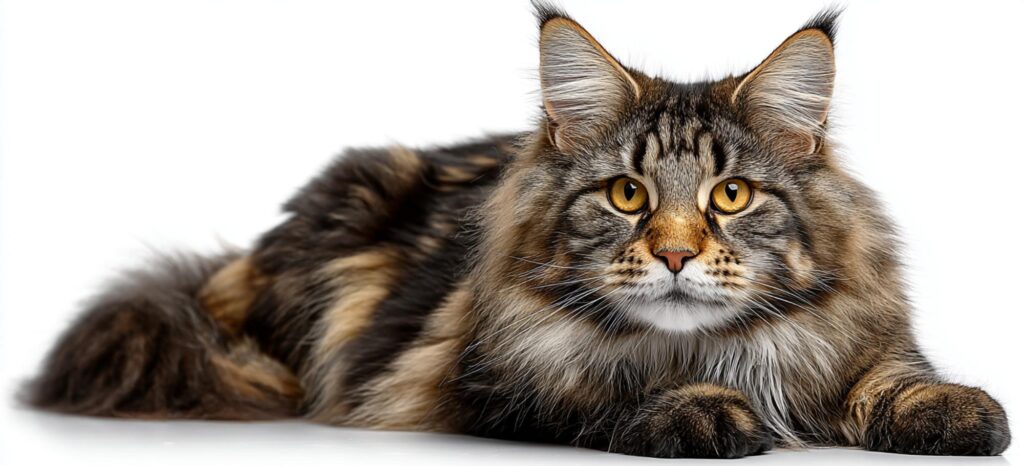
Urinary issues are among the most common feline medical emergencies, and they can escalate quickly—especially in male cats. Urethral obstruction, often referred to as a “blocked cat,” is a life-threatening condition that can develop within hours and requires immediate veterinary care. While Maine Coons are not uniquely predisposed to urinary disease compared to other breeds, their large body size, dietary habits, and weight management patterns can influence risk factors.
Urinary problems in Maine Coons range from mild bladder inflammation to complete urethral obstruction. Early signs may include straining in the litter box or frequent attempts to urinate. In severe cases, toxin buildup from urinary blockage can lead to cardiac complications and kidney failure.
The most important factor in protecting a Maine Coon from urinary emergencies is early recognition and proactive prevention through hydration, weight control, and environmental stability.
Urinary issues in Maine Coon cats require prompt recognition and preventive management, as obstruction risk is influenced more by sex, diet, stress, and weight than breed alone.
Why Urinary Health Matters in Maine Coons
Urinary health is a critical aspect of feline wellness. Because obstruction can become fatal within 24–72 hours, understanding breed-specific context helps owners respond appropriately without assuming exaggerated risk.
Are Maine Coons More Prone to Urinary Issues?
Myth vs Evidence
There is no strong scientific evidence indicating that Maine Coons have a higher inherent incidence of feline lower urinary tract disease (FLUTD) compared to the general cat population. Online forums often suggest that large-breed cats are more prone to urinary problems, but peer-reviewed veterinary literature does not consistently support a breed-specific predisposition.
FLUTD is a broad term that includes:
- Inflammation of the bladder (cystitis)
- Urethral plugs
- Crystals
- Bladder stones
- Urethral obstruction
These conditions occur across many breeds and mixed-breed cats.
Large Male Anatomy Considerations
While Maine Coons are not genetically predisposed as a breed, large male Maine Coons present anatomical considerations:
- They have a relatively long urethra.
- The urethral diameter narrows significantly near the penile tip.
- Obstruction risk increases when debris or inflammatory material accumulates.
Body size alone does not increase risk, but obesity—common in large indoor cats—can contribute to inflammation and reduced activity, indirectly increasing urinary risk.
No Proven Breed-Specific Predisposition to FLUTD
Current veterinary consensus indicates that risk factors for FLUTD include:
- Male sex
- Indoor lifestyle
- Obesity
- Stress
- Low water intake
Breed is not considered a primary risk factor.
In other words, Maine Coons are not uniquely prone to urinary disease simply because they are Maine Coons.
Obesity Correlation
Obesity is one of the most consistent risk factors associated with urinary problems.
Overweight cats are more likely to:
- Be sedentary
- Have reduced water consumption
- Experience chronic low-grade inflammation
Because Maine Coons are large-framed and heavily coated, excess weight may go unnoticed. Maintaining lean body condition is a more significant preventive strategy than breed-specific concern.
Why Male Maine Coons Are Higher Risk
While breed alone is not a primary risk factor, male cats—regardless of breed—are at higher risk for urethral obstruction.
Narrow Urethra Anatomy
The male feline urethra is:
- Longer
- Narrower
- More anatomically complex than the female urethra
The narrowest portion is located near the penile tip. This creates a natural bottleneck where:
- Crystals
- Mucus
- Inflammatory debris
- Urethral plugs
can lodge and obstruct urine flow.
This anatomical reality explains why urinary blockages are significantly more common in males.
Obstruction Mechanics
Obstruction typically occurs when:
- Bladder inflammation increases mucus production.
- Crystals or cellular debris accumulate.
- Urethral muscle spasms narrow the lumen further.
- A plug forms at the narrow distal urethra.
Once blocked:
- Urine cannot exit the bladder.
- Pressure builds within the urinary tract.
- Potassium levels rise in the bloodstream.
- Cardiac rhythm disturbances may occur.
Without intervention, this condition can become fatal.
Castrated Male Physiology
There is a persistent myth that neutering causes urinary blockage by reducing urethral diameter. However:
- Studies do not demonstrate a clinically significant reduction in urethral size in early-neutered males.
- Obesity and sedentary lifestyle play a larger role.
Neutered males may experience:
- Increased appetite
- Weight gain without calorie adjustment
This indirect effect—rather than urethral narrowing—is more relevant to urinary risk. See Best Age to Neuter a Maine Coon cat here.
In summary:
- Maine Coons are not inherently predisposed to urinary disease.
- Male anatomy is the primary structural risk factor.
- Weight, hydration, and stress are more influential than breed.
- Early recognition of symptoms is critical to survival in obstruction cases.
Types of Urinary Problems in Maine Coon Cats
Urinary disease in Maine Coons does not present as a single condition. Instead, it falls under several overlapping categories that vary in severity—from temporary inflammation to life-threatening obstruction. Understanding the distinctions helps owners recognize when symptoms are mild, when they are urgent, and when they are critical.
Feline Lower Urinary Tract Disease (FLUTD)
Definition
Feline Lower Urinary Tract Disease (FLUTD) is a broad umbrella term describing disorders that affect the bladder and urethra. It is not a single diagnosis but rather a collection of conditions that produce similar clinical signs, including straining, discomfort, and abnormal urination.
FLUTD includes:
- Idiopathic cystitis
- Urethral plugs
- Bladder stones
- Urinary tract infections
- Urethral obstruction
In many cases, especially in young to middle-aged cats, no bacterial infection is present.
Inflammation Without Infection
A large percentage of FLUTD cases are classified as feline idiopathic cystitis (FIC). In these cases:
- The bladder becomes inflamed.
- The lining of the bladder wall is irritated.
- Mucus and inflammatory debris may form.
Importantly, urine cultures are often sterile. There is no bacterial infection driving the inflammation.
This distinction matters because:
- Antibiotics are not effective for sterile inflammation.
- Treatment focuses on stress reduction, hydration, and pain control.
Inflammation alone can cause intense discomfort and straining, even without blockage.
Stress Component
Stress is a major contributing factor in many FLUTD cases.
Common stressors include:
- Household changes
- New pets
- Moving homes
- Litter box competition
- Environmental boredom
Stress activates neuroendocrine pathways that influence bladder wall integrity. In susceptible cats, this can trigger inflammation without infection.
Maine Coons, while often socially confident, are still sensitive to environmental instability. Chronic stress increases recurrence risk.
Urethral Obstruction (Blocked Cat Emergency)
Urethral obstruction is the most dangerous urinary condition in male cats.
What Causes a Blockage
A blockage occurs when urine cannot exit the bladder due to physical or functional obstruction of the urethra. This may result from:
- Mucus and inflammatory debris
- Crystals
- Bladder stone fragments
- Urethral swelling
- Muscle spasms
Once urine flow stops, toxins begin accumulating rapidly.
Crystals vs Plugs
Two primary mechanisms contribute to obstruction:
Crystals:
- Microscopic mineral formations in urine
- Common types include struvite and calcium oxalate
- May irritate the bladder and contribute to plug formation
Urethral Plugs:
- Combination of mucus, inflammatory cells, and crystals
- Often soft, gelatinous material
- Lodges at the narrow distal urethra
Not all cats with crystals become blocked. Obstruction typically involves multiple contributing factors.
Muscle Spasm Component
The urethra contains smooth muscle that can constrict during inflammation. Spasm narrows the urethral opening further, worsening obstruction risk.
This means blockage can be:
- Mechanical (physical debris)
- Functional (muscle spasm)
- Or a combination of both
Life-Threatening Timeline
When a cat becomes blocked:
- Urine accumulates in the bladder.
- Pressure builds toward the kidneys.
- Potassium levels rise in the bloodstream.
- Heart rhythm disturbances can develop.
Within 24–48 hours:
- Severe metabolic imbalance may occur.
- Kidney damage begins.
Without treatment, obstruction can become fatal within 2–3 days.
Urinary Tract Infection (UTI)
Less Common in Young Males
True bacterial urinary tract infections are relatively uncommon in young, otherwise healthy male cats. Many urinary symptoms in young males are due to sterile inflammation rather than infection.
Routine antibiotic use without confirmed infection is discouraged.
More Common in Older Cats
UTIs are more likely in:
- Older cats
- Cats with diabetes
- Cats with kidney disease
- Cats with weakened immune systems
Age-related changes increase susceptibility to bacterial colonization.
Underlying Disease Triggers
Predisposing factors for UTI include:
- Diabetes mellitus
- Chronic kidney disease
- Bladder stones
- Urinary catheterization history
Proper diagnosis requires urinalysis and, ideally, urine culture.
Bladder Stones (Urolithiasis)
Bladder stones form when minerals crystallize and aggregate into solid masses.
Struvite Stones
- Often associated with alkaline urine
- May be influenced by diet
- Sometimes dissolvable with prescription diets
Struvite crystals are common contributors to urethral plugs.
Calcium Oxalate Stones
- Typically form in more acidic urine
- Not dissolvable through diet
- Often require surgical removal
These stones are increasingly common in adult cats.
Dietary Influence
Diet affects:
- Urine concentration
- Urine pH
- Mineral saturation
Low water intake leads to concentrated urine, increasing crystal formation risk. Hydration is one of the most important preventive factors.
Signs of Urinary Problems in Maine Coons
Early recognition is critical. Symptoms may initially appear subtle.
Early Warning Signs
Urinary problems in Maine Coons often begin subtly. Early symptoms may appear mild, but they should never be ignored. Recognizing these signs quickly can prevent progression to a life-threatening emergency.
Frequent Litter Box Visits
If your Maine Coon is entering and exiting the litter box repeatedly but producing only small amounts of urine, this may indicate bladder irritation. Cats with early urinary inflammation often feel the urge to urinate frequently, even when the bladder is nearly empty.
Straining
Straining can look similar to constipation. Your cat may squat for an extended period, tense the abdominal muscles, or repeatedly assume a urination posture without producing much urine. Any visible straining should be taken seriously, especially in male cats.
Small Urine Output
Producing only drops or very small clumps in the litter box is abnormal. A healthy urination should create a noticeable clump in clumping litter. Consistently small amounts may indicate inflammation or partial obstruction.
Licking the Genitals
Excessive grooming or licking of the genital area often signals discomfort. Cats may attempt to relieve irritation through grooming, but this behavior can further inflame sensitive tissue.
Crying in the Litter Box
Vocalizing during urination is a sign of pain. If your Maine Coon cries, yowls, or seems distressed while in the litter box, veterinary evaluation is warranted.
Emergency Signs (Blocked Cat)
Certain symptoms indicate a potential urethral obstruction, which is a medical emergency in male cats.
No Urine Production
Repeated attempts to urinate with no urine output is the most critical warning sign. A blocked cat will often strain repeatedly but produce nothing at all.
Lethargy
As urine backs up and toxins accumulate in the bloodstream, your cat may become weak, withdrawn, or unusually quiet. This can happen quickly.
Vomiting
Elevated toxin levels and electrolyte imbalance may trigger nausea and vomiting. Vomiting in combination with straining is particularly concerning.
Abdominal Pain
The bladder may become distended and painful. Your cat may resist being picked up or react defensively when the abdomen is touched.
Collapse
In advanced cases, elevated potassium levels can disrupt heart rhythm, leading to collapse or sudden deterioration.
If your male Maine Coon is straining and producing no urine, this is a medical emergency requiring immediate veterinary care. Delay can become fatal within 24–48 hours.
Summary Table — Urinary Symptoms in Maine Coon Cats
| Symptom | What It May Indicate | Urgency Level |
|---|---|---|
| Frequent litter box visits | Bladder irritation or inflammation | Schedule vet visit soon |
| Straining with small output | Possible partial obstruction or cystitis | Urgent evaluation recommended |
| Small urine clumps | Reduced urine flow | Monitor closely, vet if persistent |
| Licking genitals | Discomfort or irritation | Schedule exam |
| Crying in litter box | Painful urination | Same-day appointment advised |
| Straining with no urine output | Possible urethral obstruction | Immediate emergency care |
| Lethargy + urinary signs | Toxin buildup | Emergency |
| Vomiting + straining | Electrolyte imbalance | Emergency |
| Firm painful abdomen | Distended bladder | Emergency |
| Collapse | Severe obstruction and cardiac risk | Immediate ER |
What Causes Urinary Issues?
Urinary disease in Maine Coon cats is rarely caused by a single factor. Instead, it usually develops from a combination of hydration status, diet composition, body condition, stress, and—sometimes—anatomical vulnerability in males. Understanding the root contributors allows owners to focus on prevention rather than reacting only after symptoms appear.
Diet and Hydration
Dry Food vs Moisture Intake
Cats are naturally low-thirst animals. In the wild, they obtain most of their hydration from prey. When fed exclusively dry kibble:
- Total water intake may decrease.
- Urine becomes more concentrated.
- Bladder irritation risk increases.
Dry food itself does not automatically cause urinary disease. However, when moisture intake is inadequate, urine concentration rises, increasing crystal formation risk.
Wet food, water fountains, and adding moisture sources can significantly dilute urine and reduce mineral saturation.
Concentrated Urine
Highly concentrated urine creates an environment where minerals are more likely to crystallize. When urine becomes supersaturated:
- Struvite crystals may form.
- Calcium oxalate crystals may develop.
- Bladder lining irritation increases.
Dilute urine is protective. Cats that drink more water typically produce larger, lighter urine clumps in the litter box, reducing crystal formation potential.
Mineral Content
Dietary mineral balance affects urinary health.
Key factors include:
- Magnesium levels
- Phosphorus levels
- Calcium levels
- Urine pH influence
Commercial diets formulated for urinary support carefully balance mineral content and encourage optimal urine pH. Excess supplementation or poorly balanced homemade diets may increase stone risk if not carefully formulated.
It is important to note that high-protein diets are not inherently harmful. The issue is mineral balance and hydration, not protein alone.
Obesity
Obesity is one of the strongest risk factors associated with feline urinary disease.
Reduced Activity
Overweight Maine Coons may:
- Move less frequently
- Visit the litter box less often
- Drink less water
Reduced movement may slow normal bladder emptying patterns.
Inflammation
Adipose tissue (body fat) is metabolically active and contributes to:
- Low-grade systemic inflammation
- Hormonal imbalance
- Increased stress response
Chronic inflammation can exacerbate bladder wall sensitivity, increasing susceptibility to cystitis.
Increased Risk
Studies consistently show that overweight male cats are at higher risk of urethral obstruction. In Maine Coons, whose large frames can mask excess weight, regular body condition scoring is essential.
Maintaining a lean body condition is one of the most effective long-term prevention strategies.
Stress and Environment
Stress is a major driver of feline idiopathic cystitis (FIC), a common form of FLUTD.
Litter Box Competition
Cats require adequate, accessible litter boxes. The general rule is:
- One box per cat plus one additional box.
Inadequate litter boxes can lead to:
- Urinary retention
- Bladder overdistension
- Stress-induced inflammation
Location, cleanliness, and substrate preference also influence usage.
Household Changes
Stress triggers may include:
- Moving homes
- New pets
- New babies
- Changes in routine
- Renovations
Cats may respond to environmental stress with bladder inflammation even in the absence of infection.
Multi-Cat Homes
In multi-cat households:
- Territorial tension may increase stress.
- Resource guarding can limit litter access.
- Subtle social stress may go unnoticed.
Maine Coons are generally social, but stress sensitivity varies individually.
Environmental enrichment and predictable routines help reduce recurrence risk.
Post-Neuter Hormonal Changes
Neutering is frequently blamed for urinary blockages, but the relationship is often misunderstood.
Urethral Diameter Myth
A persistent myth claims that early neutering causes a narrower urethra, increasing blockage risk.
However:
- Studies have not demonstrated clinically significant urethral narrowing in early-neutered males.
- Urethral diameter appears comparable between early- and traditionally-neutered cats.
Obstruction is typically due to inflammation and debris, not structural narrowing caused by neutering.
Appetite and Weight Gain Link
Neutered males often experience:
- Increased appetite
- Reduced metabolic rate
Without dietary adjustment, weight gain may follow. It is this weight gain—not neuter timing itself—that increases urinary risk.
Weight management after neuter is far more important than the age at which neutering occurs.
Does Early Neutering Cause Urinary Blockage?
This is one of the most common and emotionally charged questions among large-breed cat owners.
Addressing the Myth Directly
There is no strong evidence that early neutering directly causes urinary blockage in Maine Coons or other breeds.
While male cats are at higher risk of obstruction, that risk is related to anatomy, not neuter timing alone.
Review of the Evidence
Multiple veterinary studies examining early-age neutering have found:
- No consistent increase in urethral obstruction rates.
- No clinically meaningful reduction in urethral diameter.
- No strong causal link between pediatric neuter and urinary disease.
Most obstruction cases occur due to inflammatory plugs rather than structural narrowing.
Urethral Size Studies
Radiographic and anatomical studies show:
- Minimal differences in urethral diameter between early- and later-neutered males.
- Functional obstruction is often caused by debris and spasm rather than permanent narrowing.
The anatomical predisposition in males exists regardless of neuter timing.
What Research Actually Says
The most significant risk factors identified in feline urinary obstruction are:
- Male sex
- Obesity
- Indoor lifestyle
- Low water intake
- Stress
Neuter timing does not consistently appear as a primary risk factor in peer-reviewed literature.
Why Weight Matters More
Excess body weight:
- Increases inflammation
- Reduces activity
- Alters metabolism
- Correlates strongly with obstruction risk
In practice, weight control and hydration management have a far greater impact on urinary health than delaying neuter.
Owners concerned about urinary blockage should focus on:
- Maintaining lean body condition
- Increasing water intake
- Reducing environmental stress
- Monitoring early warning signs
These factors provide meaningful protection.
Emergency Blockage — What Happens Physiologically?
A urethral obstruction is not simply a painful inconvenience. It is a rapidly escalating medical crisis. Understanding what happens inside the body during a blockage explains why immediate treatment is critical.
When a male Maine Coon becomes blocked, urine can no longer exit the bladder. What follows is a chain reaction that affects the bladder, kidneys, bloodstream, and heart.
Urine Backflow and Toxin Buildup
Under normal conditions, urine flows from the kidneys to the bladder and exits through the urethra. When the urethra becomes obstructed:
- The bladder continues filling.
- Pressure builds inside the bladder.
- Urine cannot drain.
As pressure rises, it begins pushing backward toward the kidneys. This disrupts normal filtration and prevents the body from eliminating waste products.
Waste compounds that should be excreted—including urea and creatinine—start accumulating in the bloodstream. This condition is called post-renal azotemia.
Potassium Elevation
One of the most dangerous consequences of obstruction is elevated potassium levels (hyperkalemia).
As urine accumulates:
- Potassium is no longer excreted.
- Blood potassium levels rise.
- Cardiac electrical activity becomes unstable.
High potassium can cause:
- Slow heart rate
- Irregular heart rhythm
- Cardiac arrest in severe cases
This is why blocked cats may suddenly collapse if not treated promptly.
Kidney Stress
The kidneys rely on consistent pressure gradients to filter blood effectively. When back pressure increases:
- Kidney filtration decreases.
- Tubular cells become stressed.
- Acute kidney injury may develop.
If obstruction is relieved quickly, kidney function often recovers. If delayed, permanent damage can occur.
Timeline of Deterioration
The progression of a blockage is measured in hours, not days.
Within the first 12–24 hours:
- The bladder becomes distended and painful.
- The cat strains repeatedly.
- Urine output stops completely.
Within 24–48 hours:
- Toxin levels rise significantly.
- Potassium elevation begins affecting heart rhythm.
- Lethargy and vomiting may develop.
By 48–72 hours:
- Severe electrolyte imbalance may occur.
- Cardiac arrhythmias become life-threatening.
- Collapse is possible.
This 24–72 hour window represents the critical survival period. Prompt intervention dramatically improves outcome. Delay greatly increases risk.
Veterinary Treatment Overview
Treatment for urethral obstruction focuses on stabilizing the cat and restoring urine flow.
Catheterization
The primary emergency procedure involves:
- Sedation or anesthesia
- Passing a urinary catheter through the urethra
- Flushing debris from the bladder
This relieves obstruction and allows urine to drain.
In some cases:
- The catheter remains in place for 24–72 hours.
- Continuous monitoring is required.
IV Fluids
Intravenous fluids serve multiple purposes:
- Dilute toxins in the bloodstream
- Correct electrolyte imbalance
- Support kidney function
- Rehydrate the patient
Fluids are essential to reverse the metabolic consequences of obstruction.
Hospitalization
Most blocked cats require:
- 1–3 days of hospitalization
- Continuous monitoring
- Repeat bloodwork
- Pain management
Even after successful treatment, recurrence is possible. Long-term prevention planning is crucial.
Prevention Strategies for Maine Coon Owners
The good news is that many urinary issues are preventable. Prevention focuses on hydration, diet balance, weight control, and environmental management.
Hydration Optimization
Hydration is one of the most powerful protective factors against urinary disease.
Water Fountains
Many cats prefer running water. A fountain can:
- Encourage increased drinking
- Keep water oxygenated and fresh
- Stimulate curiosity and engagement
Placement matters. Water bowls should be:
- Away from litter boxes
- Separate from food dishes
- Cleaned daily
Wet Food
Canned or fresh food contains significantly higher moisture content than dry kibble.
Benefits include:
- Diluted urine
- Larger urine volume
- Reduced crystal formation risk
Even partial wet feeding can improve hydration status.
Broth Supplementation
Low-sodium bone broth or water added to meals can further increase moisture intake.
This is especially useful for:
- Cats that resist drinking
- Male cats with prior urinary history
- Indoor sedentary cats
Diet Selection
Diet plays a role in mineral balance and urine chemistry.
Urinary Support Diets
Veterinary urinary diets are formulated to:
- Maintain optimal urine pH
- Control magnesium and phosphorus levels
- Reduce crystal formation risk
These diets are particularly useful for cats with prior urinary episodes.
Balanced Mineral Levels
Excess mineral intake may increase crystal formation in susceptible cats. High-quality commercial diets are formulated to maintain appropriate mineral balance.
Homemade diets must be carefully formulated by veterinary nutrition professionals.
Protein Considerations
High protein alone does not cause urinary disease. The key factors are:
- Mineral balance
- Hydration
- Overall diet quality
Protein supports lean muscle mass and satiety, which may help with weight control.
Weight Management
Obesity is one of the strongest modifiable risk factors.
Lean Body Condition
A healthy Maine Coon should have:
- Palpable ribs
- Visible waist from above
- Minimal abdominal fat pad
Excess weight increases inflammation and obstruction risk.
Portion Control
Free-feeding often leads to overconsumption. Scheduled meals allow:
- Calorie monitoring
- Appetite regulation
- Easier weight tracking
Activity Enrichment
Encourage movement through:
- Interactive toys
- Climbing structures
- Puzzle feeders
- Regular play sessions
Increased activity supports bladder health and weight control.
Litter Box Management
Environmental management reduces stress and promotes normal urination.
Box Per Cat + One Rule
Provide:
- One litter box per cat, plus one additional box
This prevents competition and reduces urinary retention behavior.
Cleanliness
Dirty litter boxes may discourage use. Boxes should be:
- Scooped daily
- Fully cleaned regularly
- Placed in quiet, accessible locations
Substrate Preference
Some cats avoid certain litter textures. Sudden changes in substrate can increase stress.
Consistency supports comfort and normal elimination habits.
In Maine Coon cats, urinary emergencies are serious—but many risk factors are controllable. Hydration, weight management, stress reduction, and early symptom recognition form the foundation of prevention.
Recurring Urinary Issues
For some Maine Coon cats, urinary problems are not a one-time event. Recurrence can occur weeks, months, or even years after the first episode. Understanding why recurrence happens is essential for long-term management.
Chronic Idiopathic Cystitis
Stress-Mediated Inflammation
Chronic idiopathic cystitis (CIC), also called feline idiopathic cystitis (FIC), is one of the most common causes of recurring urinary symptoms in cats. “Idiopathic” means that no infection, stones, or structural abnormality can be identified.
In these cases:
- The bladder lining becomes inflamed.
- Nerve pathways in the bladder wall become hypersensitive.
- Stress hormones alter normal bladder barrier function.
Stress plays a central role. When a cat experiences environmental or emotional stress, the nervous system may trigger inflammatory responses in the bladder without bacteria being present.
Common stress triggers include:
- Changes in routine
- New animals in the home
- Moving houses
- Conflict in multi-cat households
- Lack of environmental enrichment
Maine Coons are generally confident and adaptable, but they are not immune to stress-related inflammation. Cats with chronic cystitis may experience flare-ups that resolve with supportive care, hydration, and environmental stabilization.
Management often includes:
- Increased water intake
- Stress reduction strategies
- Environmental enrichment
- Pain control during flare-ups
Antibiotics are not effective unless infection is confirmed.
Recurrent Blockage Risk
A male Maine Coon who has experienced one obstruction is at increased risk of recurrence.
Recurrence may occur due to:
- Ongoing bladder inflammation
- Incomplete resolution of underlying stress triggers
- Persistent crystal formation
- Obesity
- Environmental factors
Monitoring
After a blockage, careful monitoring is critical. Owners should:
- Track litter box habits daily
- Watch for reduced urine clump size
- Monitor water intake
- Maintain lean body condition
Veterinarians may recommend:
- Prescription urinary diets
- Periodic urinalysis
- Stress management interventions
Early recognition of subtle changes can prevent another emergency.
When Surgery (Perineal Urethrostomy, PU) Is Considered
If a male cat experiences repeated life-threatening obstructions, surgery may be discussed.
Perineal urethrostomy (PU) involves:
- Surgically widening the urethral opening
- Removing the narrowest portion of the penile urethra
This reduces the risk of future blockage by eliminating the anatomical bottleneck where plugs commonly lodge.
PU surgery does not cure underlying inflammation or crystal formation. It reduces the likelihood of complete obstruction.
Surgery is typically considered when:
- Multiple obstructions occur despite medical management
- The cat’s life is repeatedly endangered
- Quality of life is compromised
While many cats do well long-term after PU surgery, prevention and management remain important.
When to See a Veterinarian
Timely intervention determines outcome in urinary disease. Owners should understand which signs warrant prompt evaluation and which demand emergency care.
Same-Day Appointment Signs
Schedule a same-day veterinary appointment if your Maine Coon shows:
- Frequent litter box visits
- Straining with small amounts of urine
- Blood-tinged urine
- Crying while urinating
- Excessive genital licking
These signs may indicate bladder inflammation or partial obstruction. Early treatment reduces progression risk.
Immediate ER Signs
Seek emergency veterinary care immediately if your male Maine Coon:
- Strains repeatedly and produces no urine
- Becomes lethargic
- Vomits in combination with urinary signs
- Has a firm, painful abdomen
- Collapses
A blocked male cat can deteriorate rapidly. Delay can become fatal within 24–48 hours.
Veterinary Diagnostic Approach
Accurate diagnosis guides treatment. Urinary symptoms alone do not identify the exact cause.
Urinalysis
Urinalysis is the foundational diagnostic test. It evaluates:
- Urine concentration (specific gravity)
- Presence of crystals
- Blood
- Protein
- Inflammatory cells
Microscopic examination helps determine whether inflammation, crystals, or infection may be present.
Urine Culture
If infection is suspected, a sterile urine sample is collected—often via cystocentesis (needle into the bladder).
Urine culture:
- Identifies bacterial growth
- Determines antibiotic sensitivity
- Prevents unnecessary antibiotic use
In young male cats, infection is less common than sterile inflammation.
Radiographs
X-rays can detect:
- Bladder stones
- Urethral stones
- Bladder size and distension
Certain stones, such as calcium oxalate, are radiopaque and easily visible.
Ultrasound
Ultrasound provides more detailed imaging of:
- Bladder wall thickness
- Soft tissue structures
- Small stones not visible on radiographs
- Kidney structure
It is particularly useful in recurrent or complicated cases.
Proper diagnosis ensures that treatment targets the true cause—whether inflammation, infection, stones, or obstruction—rather than relying on assumptions.
Special Considerations in Maine Coon Lines
While Maine Coons are not uniquely predisposed to urinary disease as a breed, there are certain health considerations within the breed that influence how urinary emergencies are managed and prevented.
HCM and Fluid Therapy
Hypertrophic cardiomyopathy (HCM) is the most common inherited cardiac disease in Maine Coons. Because urinary obstruction treatment often requires aggressive intravenous (IV) fluid therapy, cardiac status becomes especially relevant.
During a blockage:
- IV fluids are administered to flush toxins and correct electrolyte imbalance.
- Fluid rates may initially be higher to stabilize potassium levels.
- Kidney perfusion must be restored.
In cats with undiagnosed or underlying HCM:
- Excessive fluid administration can increase cardiac workload.
- Pulmonary edema risk may rise if fluid balance is not carefully monitored.
- Close monitoring of respiratory rate and heart function is essential.
This does not mean Maine Coons cannot safely receive fluids. It means that veterinarians may adjust:
- Fluid rates
- Monitoring protocols
- Hospitalization intensity
For Maine Coons with known HCM, early detection and coordinated care improve safety during urinary emergencies.
Large Body Size and Hospitalization
Maine Coons are often significantly larger than average domestic cats. This has practical implications during hospitalization:
- Higher total fluid volumes may be required due to body weight.
- Catheter stabilization must accommodate stronger, larger patients.
- Stress management may require larger enclosures or environmental adjustments.
Larger body mass can also mask obesity, which increases recurrence risk. A 20-pound Maine Coon may be lean—or significantly overweight. Accurate body condition scoring matters more than scale number alone.
Additionally, larger cats may generate greater urine volume once obstruction is relieved, requiring attentive monitoring to prevent post-obstructive diuresis complications.
Breeding Line Screening
Responsible Maine Coon breeding programs prioritize:
- HCM screening via echocardiography
- Genetic testing where applicable
- Hip evaluation
While urinary disease is not strongly breed-linked, selecting breeding stock for overall metabolic stability and health may indirectly support urinary resilience.
Breeders and owners should maintain:
- Detailed health records
- Awareness of recurrent issues within lines
- Open communication regarding family health patterns
Although urinary blockage is not considered a primary inherited trait, overall line health influences stress tolerance and metabolic balance.
Clinical Decision Framework for Owners
Urinary issues often develop subtly. A structured monitoring approach helps owners intervene early.
Checklist
Is he urinating normally?
Observe litter box output daily. A healthy male Maine Coon should produce consistent, moderate-to-large clumps of urine.
Is output decreasing?
Smaller clumps, repeated visits, or longer time spent squatting may indicate early inflammation.
Has diet changed?
New foods, reduced moisture intake, or abrupt diet transitions can alter urine chemistry.
Has stress increased?
Recent environmental changes, new pets, or household disruptions may trigger cystitis flare-ups.
Is body weight rising?
Weight gain increases inflammation risk and correlates with urinary obstruction in males.
If any of these factors shift, proactive veterinary consultation may prevent escalation.
Summary Table — Urinary Issue Risk & Prevention
| Risk Factor | Impact Level | Prevention Strategy |
|---|---|---|
| Male sex | High | Early detection and close litter box monitoring |
| Obesity | High | Maintain lean body condition and portion control |
| Low water intake | Moderate–High | Increase dietary moisture and provide fresh water sources |
| Stress | Moderate | Environmental enrichment and stable routine |
| Early neuter | Low evidence | Focus on weight control rather than timing concerns |
Urinary health in Maine Coons is driven primarily by anatomy, hydration, weight, and environment—not breed alone. Vigilant monitoring and proactive management remain the most effective protection against life-threatening obstruction.
Frequently Asked Questions About Urinary Issues in Maine Coon Cats
Are Maine Coons more prone to urinary blockages?
No, Maine Coons are not uniquely predisposed to urinary blockages compared to other breeds. The primary risk factors are male sex, obesity, low water intake, indoor lifestyle, and stress. Large body size alone does not increase obstruction risk. Prevention strategies such as hydration and weight control are far more important than breed.
How can I tell if my Maine Coon is blocked?
A blocked male cat will typically:
- Strain repeatedly in the litter box
- Produce little to no urine
- Cry while attempting to urinate
- Become lethargic or vomit as the condition progresses
If your Maine Coon is straining and producing no urine, this is an emergency requiring immediate veterinary care.
How quickly can a urinary blockage become fatal?
Urethral obstruction can become life-threatening within 24–72 hours. Elevated potassium levels and toxin buildup can lead to cardiac arrhythmias and collapse. The earlier treatment begins, the better the prognosis.
Does dry food cause urinary crystals?
Dry food does not directly “cause” urinary crystals, but low moisture intake can lead to concentrated urine. Concentrated urine increases the risk of crystal formation. Ensuring adequate hydration—through wet food, water fountains, or added moisture—is a key preventive measure.
Does neutering increase the risk of urinary blockage?
Current veterinary research does not support the claim that early neutering directly causes urinary blockage. The more significant risk factor after neutering is weight gain. Obesity increases inflammation and obstruction risk, making weight management essential.
What are the first signs of urinary problems?
Early warning signs include:
- Frequent litter box visits
- Straining
- Small urine clumps
- Licking the genital area
- Crying while urinating
These signs warrant prompt veterinary evaluation before they progress.
Are urinary tract infections common in male Maine Coons?
True bacterial urinary tract infections are relatively uncommon in young male cats. Many urinary symptoms are caused by sterile inflammation rather than infection. Older cats or those with underlying disease are more prone to true UTIs.
Can stress really cause urinary problems?
Yes. Stress is a well-documented trigger for feline idiopathic cystitis (FIC). Changes in environment, routine, or social dynamics can cause bladder inflammation even without infection. Environmental enrichment and stability help reduce recurrence.
What is perineal urethrostomy (PU) surgery?
PU surgery is a procedure that widens the urethral opening in male cats who experience repeated life-threatening blockages. It reduces the risk of future obstruction but does not eliminate bladder inflammation or crystal formation. It is typically reserved for recurrent cases.
How can I prevent urinary issues in my Maine Coon?
Prevention focuses on:
- Maintaining lean body condition
- Increasing water intake
- Feeding balanced, high-quality diets
- Reducing environmental stress
- Monitoring litter box habits daily
Early recognition and proactive management are the most effective tools.
Final Perspective — Prevention Is More Powerful Than Panic
Urinary disease in Maine Coon cats can be frightening, especially when owners hear stories of sudden blockages and emergency surgeries. However, most urinary problems do not begin as catastrophic events. They begin quietly—with small changes in litter box habits, subtle shifts in behavior, or minor inflammation that can be managed if recognized early.
Most Urinary Issues Are Manageable If Caught Early
Bladder inflammation, crystal formation, and early FLUTD episodes often respond well to:
- Increased hydration
- Pain control
- Dietary adjustments
- Stress reduction
When addressed promptly, many cases resolve without progressing to obstruction. Early intervention reduces both medical risk and financial burden.
Obstruction Is an Emergency
While many urinary problems are manageable, urethral obstruction in male cats is not. Once urine flow stops:
- Toxins accumulate rapidly.
- Potassium levels rise.
- Cardiac rhythm becomes unstable.
Time matters. Recognizing straining with no urine output as a true emergency can save a cat’s life.
Hydration and Weight Management Are Critical
Among all risk factors, two are consistently influential:
Hydration:
Dilute urine reduces crystal formation and bladder irritation. Wet food, water fountains, and moisture supplementation significantly lower risk.
Weight control:
Obesity increases inflammation and correlates strongly with obstruction risk. Maintaining a lean body condition is one of the most powerful protective measures available.
These preventive strategies are far more impactful than focusing solely on breed or neuter timing.
Breed Alone Is Not the Primary Risk Factor
Maine Coons are not inherently predisposed to urinary disease. Male anatomy, indoor lifestyle, stress, hydration habits, and body condition play much larger roles.
Large size does not equal higher urinary risk. Excess weight, however, does.
Understanding this distinction prevents unnecessary fear while encouraging targeted prevention.
Owner Awareness Determines Outcome
Daily litter box observation is one of the most valuable health-monitoring tools available. Subtle changes often appear before a full emergency develops.
Owners who:
- Monitor urine output
- Respond quickly to straining
- Maintain hydration
- Control body weight
dramatically reduce the likelihood of life-threatening complications.
Prevention is not complicated, but it requires attention.
In Maine Coon cats, urinary health is determined more by hydration, weight control, and early symptom recognition than by breed alone, making prevention and vigilance the most effective protection.
Sources & Veterinary References
- American College of Veterinary Internal Medicine (ACVIM)
Consensus Guidelines for the Management of Feline Lower Urinary Tract Disease
https://onlinelibrary.wiley.com/doi/10.1111/jvim.16187 - Buffington, C.A.T. (2011).
Idiopathic Cystitis in Domestic Cats — Beyond the Bladder. Journal of Feline Medicine and Surgery.
https://journals.sagepub.com/doi/10.1016/j.jfms.2011.03.003 - Osborne, C.A., et al.
Feline Lower Urinary Tract Disorders: Definitions and Diagnosis. Veterinary Clinics of North America: Small Animal Practice.
https://www.sciencedirect.com/science/article/pii/S0195561699500304 - Lekcharoensuk, C., Osborne, C.A., & Lulich, J.P. (2001).
Epidemiologic Study of Risk Factors for Lower Urinary Tract Diseases in Cats. Journal of the American Veterinary Medical Association (JAVMA).
https://avmajournals.avma.org/view/journals/javma/218/9/javma.2001.218.1429.xml - Westropp, J.L., & Buffington, C.A.T. (2004).
Feline Idiopathic Cystitis: Current Understanding. Journal of Feline Medicine and Surgery.
https://journals.sagepub.com/doi/10.1016/j.jfms.2004.03.003 - Bartges, J.W. (2016).
Feline Lower Urinary Tract Disease: Etiology and Management. Veterinary Clinics of North America: Small Animal Practice.
https://www.sciencedirect.com/science/article/pii/S0195561616000028 - American Animal Hospital Association (AAHA)
Fluid Therapy Guidelines for Dogs and Cats
https://www.aaha.org/aaha-guidelines/fluid-therapy/ - National Research Council (NRC)
Nutrient Requirements of Dogs and Cats. National Academies Press.
https://nap.nationalacademies.org/catalog/10668/nutrient-requirements-of-dogs-and-cats - ISFM (International Society of Feline Medicine)
Guidelines on Feline Lower Urinary Tract Disease
https://icatcare.org/advice/feline-lower-urinary-tract-disease-flutd






Read the Comments +