

The True Cost of Heart Disease in Maine Coons (And How to Reduce Risk)
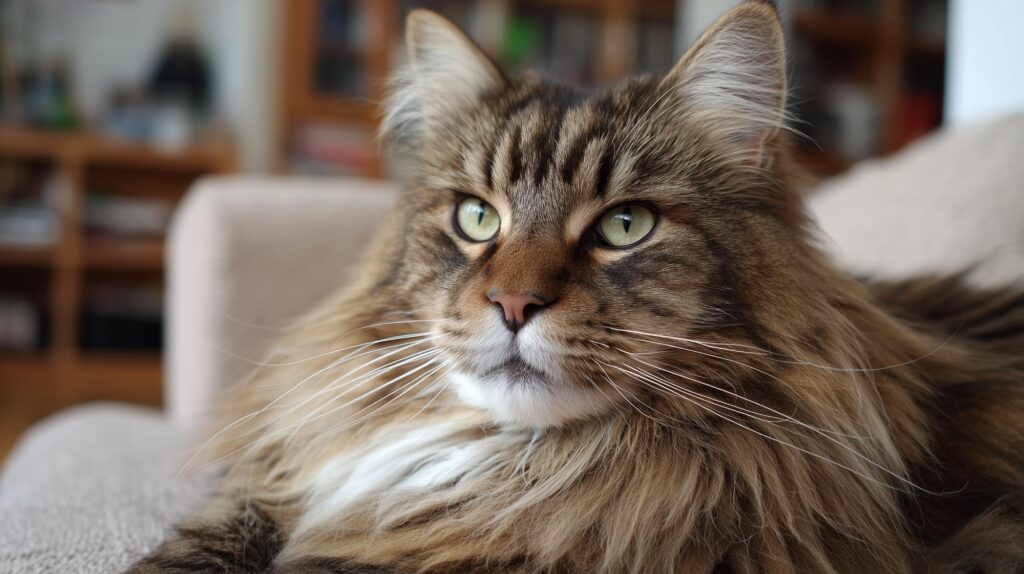
What is the true cost of Maine coon heart disease? Maine Coons are known for their size, steady temperament, and impressive longevity. Like many purebred breeds, they also have documented health considerations — including hypertrophic cardiomyopathy (HCM), the most commonly discussed form of Maine Coon heart disease.
HCM is a condition involving thickening of the heart muscle. It is important to note that many Maine Coons live long, healthy lives and never develop clinically significant heart disease. Awareness of HCM is not meant to create alarm. It is part of responsible breed education.
Understanding Maine Coon heart disease is about planning, not fear. Veterinary medicine has advanced significantly, and many cardiac conditions can be monitored and managed. However, diagnosis, ongoing evaluation, and potential treatment can involve meaningful cost over time. For families thinking in long-term financial terms, clarity matters.
Cost planning is part of responsible ownership. Just as families prepare for nutrition, grooming, and routine veterinary care, understanding the possible financial implications of hypertrophic cardiomyopathy in Maine Coons allows for informed preparation.
The core consideration is not whether heart disease exists — it does in many breeds — but how families choose to manage uncertainty. Informed breeder selection, documented Maine Coon cardiac screening practices, and early pet insurance activation can meaningfully reduce financial unpredictability over the lifespan of the cat.
Summary — Maine Coon Heart Disease: Cost & Risk Planning Overview
| Category | What to Know | Financial Planning Impact |
|---|---|---|
| Condition | Hypertrophic cardiomyopathy (HCM) is the most discussed form of Maine Coon heart disease | Awareness supports proactive monitoring |
| Diagnosis | Echocardiogram performed by a veterinarian or specialist | $500–$1,500+ depending on region |
| Monitoring | Follow-up scans and periodic rechecks if diagnosed | Ongoing costs over time |
| Medication | Cardiac medications may be prescribed in some cases | Recurring monthly expense |
| Emergency Care | Hospitalization, oxygen support, or clot treatment in severe cases | Potentially several thousand dollars |
| Genetic Testing | DNA panels identify certain known mutations | Screening tool, not guarantee |
| Breeder Screening | Cardiac screening of breeding adults provides baseline information | Improves transparency and planning |
| Insurance | Early enrollment preserves coverage eligibility | Reduces financial volatility |
| Long-Term Outlook | Many cats remain stable with monitoring | Planning reduces emotional and financial stress |
Hypertrophic cardiomyopathy (HCM) is a documented cardiac condition in Maine Coons. While many cats remain healthy, diagnosis and long-term monitoring can involve significant cost. Understanding screening practices and insurance options helps families reduce financial uncertainty.
What Is Hypertrophic Cardiomyopathy (HCM)?
Hypertrophic cardiomyopathy (HCM) is a condition in which the heart muscle, particularly the left ventricle, becomes thickened. This thickening can reduce the heart’s ability to fill properly with blood and, in more advanced cases, may affect overall cardiac function.
In its early stages, HCM may not cause noticeable symptoms. Some cats remain asymptomatic for years. Others may develop signs such as reduced activity tolerance, changes in breathing patterns, or, in more serious cases, complications related to heart function.
HCM is discussed in Maine Coons because the breed has documented genetic associations with certain forms of the condition. That does not mean all Maine Coons will develop heart disease. It means the breed has been studied, and awareness exists.
Education allows families to plan thoughtfully.
Genetic Considerations
Certain mutations associated with hypertrophic cardiomyopathy have been identified in Maine Coons. DNA testing can identify the presence or absence of specific known mutations.
However, genetic expression is complex. Some cats carrying a mutation may never develop clinically significant disease. This concept is known as incomplete penetrance. Conversely, a cat may develop HCM without carrying a currently known mutation.
DNA testing is therefore best understood as a screening tool. It provides useful information but does not function as an absolute guarantee of lifelong cardiac status.
Why Some Cats Show No Early Signs
One of the reasons Maine Coon heart disease receives attention is that HCM can progress silently. A cat may appear outwardly healthy while structural changes are occurring internally.
This is why veterinary evaluation and, when recommended, cardiac screening play an important role. Early detection allows for monitoring and medical management when appropriate.
Again, awareness is not alarmism. It is structured planning. Understanding how hypertrophic cardiomyopathy in Maine Coons can present — and what monitoring involves — allows families to make informed, financially prepared decisions over the life of their cat.
What Does Cardiac Screening Involve?
Cardiac screening for Maine Coon heart disease typically involves an echocardiogram. An echocardiogram is a specialized ultrasound that allows a veterinarian to evaluate the structure and function of the heart in real time. It measures wall thickness, chamber size, and blood flow patterns.
Unlike a routine stethoscope exam, an echocardiogram provides visual imaging of the heart muscle. This makes it the primary tool for identifying structural changes associated with hypertrophic cardiomyopathy (HCM).
A clear echocardiogram means that at the time of the examination, no structural abnormalities consistent with HCM were detected. That result provides documented reassurance and establishes a cardiac baseline.
Screening provides a snapshot of heart structure at a specific point in time. Having that documented baseline can be useful for long-term health tracking and informed decision-making.
One-Time Screening vs Ongoing Monitoring
A clear echocardiogram reflects heart structure at the time of the exam. It confirms that no detectable thickening was present during that evaluation.
Some breeding programs choose to repeat cardiac screening as breeding adults age. This approach recognizes that certain cardiac conditions can develop later in life. Other programs may follow different schedules based on veterinary guidance.
There is no need to frame one approach as superior to another. What matters for buyers is understanding the screening schedule a breeder follows and how results are documented. Clarity allows families to evaluate cardiac risk in a structured way.
The Financial Cost of Heart Disease in Maine Coons
When discussing HCM in Maine Coons, it is helpful to understand the potential financial implications. Many cats remain healthy, but for those diagnosed with heart disease, planning for possible costs reduces uncertainty.
Initial Diagnosis
If a veterinarian suspects hypertrophic cardiomyopathy, an echocardiogram is typically recommended. Costs vary by region, but a cardiac ultrasound performed by a specialist can range broadly from approximately $500 to $1,500.
A specialist consultation, often with a board-certified veterinary cardiologist, may add additional fees depending on location and complexity.
Monitoring and Medication
If HCM is diagnosed, ongoing monitoring may be advised. This can include:
- Follow-up echocardiograms at intervals determined by the veterinarian
- Blood pressure evaluation
- Periodic bloodwork
Medications may be prescribed to manage symptoms or reduce cardiac strain. Medication costs can vary, but over time may represent a recurring monthly expense.
Routine rechecks and monitoring appointments add to long-term cost planning.
Emergency Situations
In more advanced cases, heart disease can lead to emergency events such as congestive heart failure or thromboembolism (a clot affecting blood flow).
Emergency hospitalization, oxygen support, advanced imaging, and intensive care can involve higher costs. Depending on region and severity, emergency cardiac care may range from several thousand dollars upward.
These figures are broad estimates and vary by geography and clinic. The purpose of understanding them is not to create fear, but to support financial preparedness.
Planning for potential cardiac expenses — whether through savings, insurance, or both — allows families to make medical decisions based on veterinary guidance rather than immediate financial limitation.
Risk Reduction Checklist for Buyers
A structured approach to cardiac awareness supports long-term stability. The following checklist is practical and neutral, designed to help families make informed decisions without pressure:
- Ask about cardiac screening history for breeding adults.
- Review available documentation related to echocardiograms or genetic testing.
- Understand the scope and limitations of DNA testing for known mutations.
- Establish a relationship with a veterinarian early for baseline evaluation.
- Consider pet insurance enrollment soon after placement to preserve coverage eligibility.
These steps do not eliminate risk, but they create a clearer framework for responsible planning.
Common Questions About HCM
Is HCM always fatal?
No. Many cats diagnosed with hypertrophic cardiomyopathy live stable lives with monitoring and, when necessary, medical management. Severity varies, and some cases remain mild for years.
Can kittens be screened?
Kittens can undergo veterinary exams, but structural heart changes associated with HCM may not be detectable very early in life. Echocardiograms are more commonly used for breeding adults or when clinical concerns arise.
Does a clear test guarantee lifetime heart health?
A clear echocardiogram confirms normal heart structure at the time of examination. It does not guarantee that structural changes will never occur later, as some cardiac conditions can develop with age.
Is DNA testing enough?
DNA testing identifies certain known mutations associated with HCM in Maine Coons. However, not all cases are linked to currently known mutations. DNA results provide useful information but are best interpreted alongside veterinary evaluation and cardiac screening.
Frequently Asked Questions About Maine Coon Heart Disease
1. Are Maine Coons prone to heart disease?
Maine Coons have a documented association with hypertrophic cardiomyopathy (HCM), which is also the most common heart disease in cats generally. This does not mean all Maine Coons will develop heart disease, but it does mean awareness and appropriate screening are important.
2. What is hypertrophic cardiomyopathy (HCM) in Maine Coons?
HCM is a condition where the heart muscle becomes thickened, which can affect how efficiently the heart pumps blood. Some cats show symptoms, while others may remain asymptomatic for years.
3. How much does it cost to treat HCM in cats?
Costs vary by region and severity. An echocardiogram may range from several hundred to over a thousand dollars. Ongoing monitoring, medication, and potential emergency care can add to long-term expenses. Planning for possible cardiac care helps reduce financial stress if treatment becomes necessary.
4. Can Maine Coon kittens be tested for HCM?
Kittens can undergo general veterinary exams, but structural heart changes may not be detectable at very young ages. DNA testing can identify certain known mutations, but it does not guarantee lifetime heart health.
5. Does a clear echocardiogram mean my cat will never develop HCM?
A clear echocardiogram confirms that no structural abnormalities were detected at the time of the exam. It provides a baseline but does not guarantee that changes will not occur later in life.
6. Is DNA testing enough to prevent heart disease?
DNA testing can identify certain known mutations associated with HCM in Maine Coons. However, not all cases are linked to currently identified mutations. DNA testing is one tool among several used to assess risk.
7. Should I get pet insurance for a Maine Coon?
Many families choose pet insurance for purebred cats to help manage the potential cost of unexpected illness, including cardiac conditions. Early enrollment helps avoid pre-existing condition exclusions.
8. When should pet insurance be activated?
Ideally, insurance should be activated as soon as possible after placement and before any new medical conditions are documented. This preserves the widest range of coverage under most policies.
9. Is HCM always fatal in Maine Coons?
No. Some cats with HCM live stable lives for years with appropriate monitoring and care. Severity varies, and early detection allows for structured management.
10. How can I reduce the financial risk of heart disease?
You can reduce financial uncertainty by reviewing cardiac screening documentation, understanding breeder testing practices, establishing veterinary care early, and considering pet insurance enrollment as part of long-term planning.
Final Perspective — Informed Planning Creates Stability
Heart disease discussions are not about fear. They are about preparation.
Maine Coons are often long-lived, stable companions. Many will never experience significant cardiac issues. Understanding Maine Coon heart disease simply allows families to plan responsibly, ask informed questions, and prepare financially if needed.
Informed planning supports confidence. When health awareness, documentation, and insurance considerations are addressed early, families can focus on enjoying the companionship of their cat rather than reacting to uncertainty.
Understanding Maine Coon heart disease and the potential cost of HCM allows families to plan proactively through documented screening practices and early pet insurance enrollment, reducing long-term financial uncertainty.
Related Maine Coon Articles
If you’re researching Maine Coons, see more health articles here:
- Maine Coon Health Testing: What Owners Should Know
- Maine Coon Lifespan: How Long They Live and What Affects Longevity
- HCM in Maine Coons: Risks, Testing and Genetics
- Why Maine Coons are not for Everyone: An Honest Compatibility Breakdown
- Hip Dysplasia in Maine Coons: Screening, Genetics and Lifestyle
- Maine Coon Health Genetics: Testing, Carriers and More
- How to Increase a Maine Coons Lifespan
- Maine Coon Diarrhea: What is Normal and What is Not
- Maine Coon Size Health: Common Problems, Care & Prevention
- When to Neuter a Maine Coon
Sources & References
- American College of Veterinary Internal Medicine (ACVIM)
Clinical consensus statements and specialty guidelines on cardiology and hypertrophic cardiomyopathy in cats.
https://www.acvim.org- Cornell University College of Veterinary Medicine
Educational resources on feline hypertrophic cardiomyopathy (HCM) and diagnostic approaches.
https://www.vet.cornell.edu- UC Davis Veterinary Genetics Laboratory (VGL)
Genetic testing resources and mutation information relevant to Maine Coon HCM screening.
https://vgl.ucdavis.edu- Orthopedic Foundation for Animals (OFA)
Health databases and cardiac screening documentation resources for breeding animals.
https://ofa.org- American Veterinary Medical Association (AVMA)
Veterinary care cost trends and pet ownership financial guidance.
https://www.avma.org- North American Pet Health Insurance Association (NAPHIA)
Industry data and consumer guidance on pet insurance coverage and cost trends.
https://naphia.org













Read the Comments +