
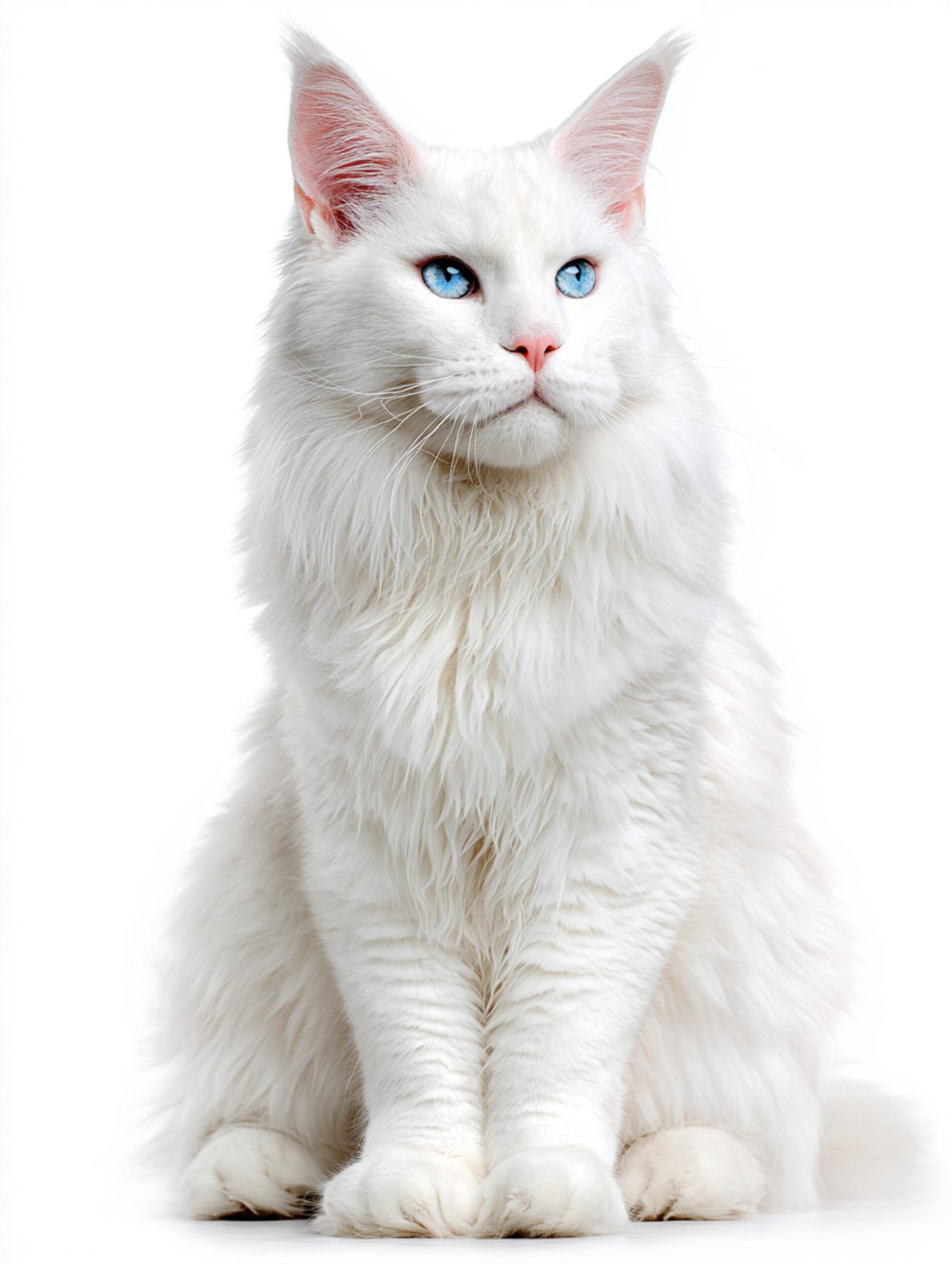
Maine Coon Ownership for Busy Professionals
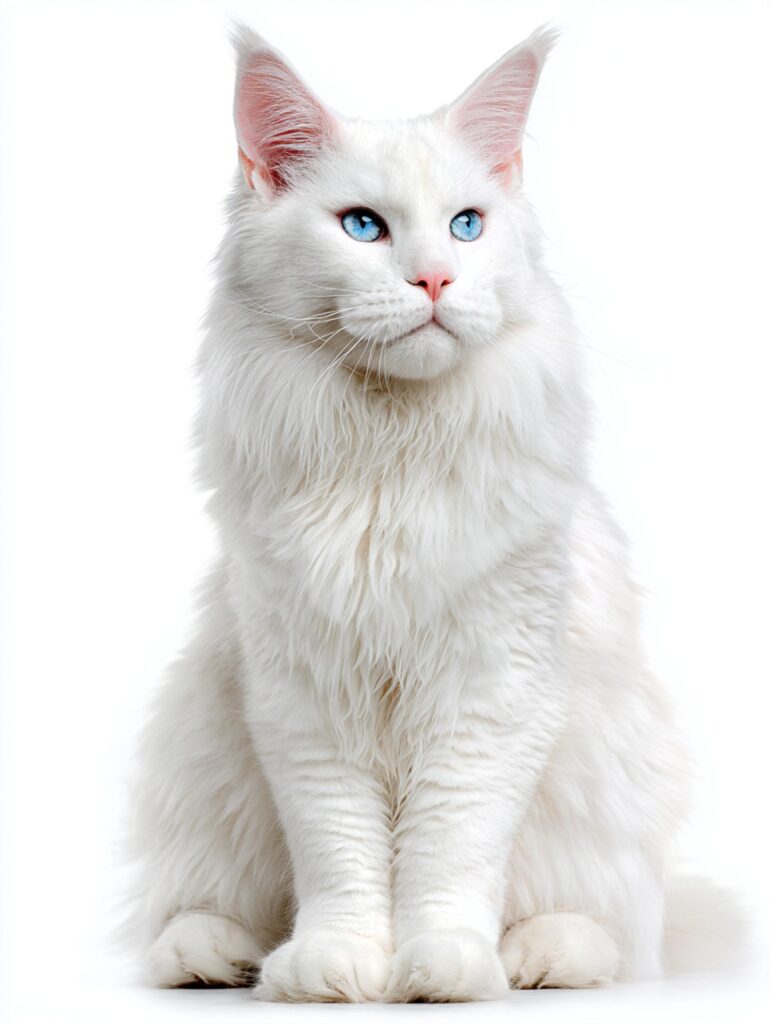
Busy professionals often assume they do not have time for a large, social breed like a Maine Coon. Demanding careers, travel schedules, long workdays, and high-responsibility roles can make pet ownership feel unrealistic — especially when considering a breed known for intelligence, size, and strong attachment to its people.
However, Maine Coon ownership is not about being home every hour. It is about structure.
Maine Coons are highly adaptable cats. They bond closely with their families, but they are also capable of developing stable routines when their environment is predictable. They are not fragile or chaotic by default. Like most intelligent animals, they respond well to consistency.
Structure matters more than total hours at home. A predictable feeding schedule, planned interaction time, proper enrichment, and organized grooming routines reduce behavioral stress significantly. When care systems are intentional, even a demanding professional schedule can coexist with responsible ownership.
Planning reduces stress — for both the cat and the household. Busy professionals already operate through calendars, systems, and logistics. Applying that same structure to Maine Coon care makes ownership sustainable rather than overwhelming.
Lifestyle compatibility depends on systems. Automated feeders, reliable pet sitters, early veterinary planning, and proactive grooming management transform what could feel demanding into something manageable.
Maine Coon ownership is compatible with demanding professional schedules when expectations, environment, and care systems are intentionally designed. The key variable is not busyness. It is preparation.
Summary
Maine Coons can thrive in professional households when routines are structured, enrichment is planned, grooming is managed proactively, and veterinary care is established early. Ownership success depends on preparation, not free time alone.
Are Maine Coons Suitable for Busy Professionals?
Maine Coons are often described as social, intelligent, and people-oriented. For busy professionals evaluating Maine Coon ownership, the key question is not whether the breed requires attention — but whether that attention can be structured.
Social temperament
Maine Coons typically enjoy being near their people. They often follow household movement and participate in daily activity without demanding constant handling. This makes them engaged companions rather than distant or aloof cats.
Moderate independence
While they form strong bonds, most Maine Coons are capable of occupying themselves during work hours if their environment is enriched. They are not typically anxious if alone during a standard workday, provided routine is stable.
Adaptability
Maine Coons adjust well to predictable schedules. Professionals who operate on structured routines often create environments where these cats feel secure.
Attachment tendencies
They are affectionate and loyal but not usually fragile. They benefit from interaction, yet they do not require continuous stimulation to remain emotionally stable.
Maine Coons are not low-engagement cats. They appreciate interaction and mental stimulation. However, they are not delicate or high-strung when their needs are consistently met. With planning, they fit well into disciplined households.
Daily Time Requirements — Realistic Expectations
Maine Coon ownership does not require constant availability, but it does require structured daily engagement. A realistic breakdown helps professionals plan effectively.
Interaction
Most Maine Coons benefit from approximately 20–40 minutes of focused engagement daily. This can include:
- Interactive play sessions
- Brief training or enrichment exercises
- Calm evening interaction
Structured play supports physical health and prevents boredom-related behavior.
Feeding & Routine
Scheduled feeding supports digestive stability and routine predictability. Professionals may choose:
- Timed feeding schedules
- Automated feeders when work hours vary
- Consistent mealtimes to reinforce structure
Predictability reduces stress more effectively than constant presence.
Litter & Hygiene
Operational consistency matters:
- Daily litter box maintenance
- Weekly full litter refresh and box cleaning
These routines require minimal time but significantly affect health and environment quality.
When broken into systems, daily care is manageable within demanding schedules.
Grooming Management for Long-Coated Cats
Long-coated breeds like the Maine Coon require consistent grooming, but this is best viewed as predictable maintenance rather than a burden.
A practical system includes:
- Brushing 2–4 times per week
- Monitoring high-friction areas such as underarms and belly
- Scheduling professional grooming as needed based on coat density
High-quality grooming tools reduce time spent and increase efficiency. Preventative brushing avoids mat formation, which is easier than reactive mat removal later.
For executives accustomed to maintenance schedules in other areas of life, grooming becomes another calendar-based routine rather than an unpredictable task. Structured grooming prevents escalation and supports long-term coat health.
Travel and Mobility Considerations
For many busy professionals, business travel is routine. Travel alone does not make Maine Coon ownership unrealistic. What matters is stability during absence.
Business travel
Short trips of one to three days can often be managed with in-home care. Longer trips require more structured planning. Predictability in care, feeding, and interaction is more important than physical presence alone.
Reliable pet sitters
Establishing a trusted sitter before frequent travel begins is essential. Ideally, this person becomes familiar with the cat’s routine, personality, and feeding schedule. Consistency in caregiver reduces stress.
In-home care vs boarding
In-home care is typically less disruptive, especially for cats accustomed to their environment. Boarding may be appropriate in some situations, but routine changes can be more noticeable in sensitive animals.
Automated enrichment tools
Timed feeders, water fountains, interactive toys, and scheduled lighting can maintain routine when travel overlaps with feeding times.
Remote monitoring
Home cameras allow owners to monitor activity and ensure normal behavior while away. This adds reassurance without over-intervention.
Travel does not disqualify ownership — instability does. With reliable backup systems and structured care, Maine Coons can adapt well to professional mobility.
Maine Coons in Apartments & Urban Living
Executives in cities often question whether Maine Coon ownership is compatible with apartment life. Size alone does not determine suitability.
Size myths
Maine Coons are large cats, but they are not hyperactive. They value comfortable resting spaces and structured play more than expansive square footage.
Vertical space
Cats use vertical territory efficiently. Tall cat trees, wall shelves, and elevated resting areas compensate for limited floor space.
Window perches
Access to natural light and outdoor visual stimulation provides enrichment without requiring outdoor access.
Noise tolerance
Many Maine Coons adapt well to consistent urban noise patterns when exposed gradually.
Elevator life
Elevators and shared building environments are manageable with proper carriers and calm transport routines.
Space quality matters more than square footage. An organized, enriched apartment often supports stable Maine Coon ownership more effectively than an unstructured large home.
Mental Enrichment for High-Performance Homes
Intelligent breeds benefit from structured stimulation. Busy professionals often excel at optimization, and enrichment can be systemized easily.
Puzzle feeders
Food-based enrichment encourages natural foraging behaviors and reduces boredom.
Rotational toys
Rotating toys weekly prevents overstimulation and maintains novelty without constant purchasing.
Window enrichment
Bird feeders placed safely outside windows or elevated observation areas provide passive engagement.
Companion animals (when appropriate)
In some households, a second compatible cat can provide social interaction during work hours. This decision should be evaluated carefully based on temperament and resources.
Structure prevents behavioral frustration. When enrichment is predictable and intentional, Maine Coons remain mentally engaged without requiring constant hands-on attention.
Veterinary Infrastructure Planning
Professionals operate best with systems in place before problems arise. Maine Coon ownership benefits from the same approach.
Establishing a primary vet
Select a veterinarian early and schedule a baseline wellness exam shortly after placement. Building a relationship before illness occurs improves continuity and communication.
Emergency clinic location
Identify the nearest 24-hour emergency facility and save contact information in advance. Knowing where to go reduces decision-making friction during stressful moments.
Insurance enrollment
If choosing pet insurance, enroll promptly after placement to preserve coverage eligibility. Review policy details carefully and understand reimbursement structure.
Annual wellness budgeting
Routine exams, preventive care, and dental maintenance should be budgeted annually rather than treated as unexpected expenses. Scheduled care stabilizes long-term health.
Planning reduces friction. When infrastructure is established early, unexpected events are handled with clarity rather than urgency.
The Financial Profile of Maine Coon Ownership
Maine Coon ownership carries a financial profile that is predictable when planned appropriately.
Purchase price
The initial acquisition cost reflects breeding infrastructure, health screening, and early-life care. This is a one-time investment.
Grooming
Long-coated breeds require consistent brushing and, in some households, periodic professional grooming. This becomes a recurring but manageable expense.
Nutrition
High-quality nutrition appropriate for a large breed supports long-term stability. Food costs scale with size and quality but remain consistent month to month.
Insurance
Monthly insurance premiums provide structured financial protection against major medical expenses.
Emergency buffer
Maintaining a modest reserve for deductibles or non-covered care prevents reactive financial decisions.
Framed correctly, these costs resemble predictable overhead rather than surprise expenses. When incorporated into planning, Maine Coon ownership aligns well with financially disciplined households.
Personality Compatibility with High-Achieving Households
Beyond logistics, personality alignment matters.
Intelligent interaction
Maine Coons are responsive, curious, and capable of learning routines. They engage with their environment rather than remaining passive observers.
Calm presence
Many Maine Coons bring a steady, grounded energy to a household. They tend to integrate into daily life without creating chaos.
Routine adaptation
They respond well to consistent schedules, making them compatible with structured professional environments.
Loyalty traits
Maine Coons often form strong bonds and prefer proximity to their people. They are interactive without being excessively demanding.
Affluent professionals frequently value emotional steadiness and predictability in their environments. When properly managed, Maine Coons complement disciplined, high-performance households with presence rather than disruption.
When Maine Coon Ownership May Not Be Ideal
Balanced evaluation builds trust. Maine Coon ownership works well within structured professional households, but there are situations where alignment may be more difficult.
70+ hour workweeks with no backup
If a household routinely operates at extreme hours without flexibility or external support, meeting enrichment and grooming needs can become inconsistent. Maine Coons do not require constant supervision, but they do benefit from predictable interaction. When schedules leave no margin for daily engagement or contingency planning, stress can build gradually.
Frequent extended travel without consistent care
Travel alone is not a disqualifier. Instability is. If travel is frequent and no reliable, recurring caregiver is available, transitions can become disruptive. Rotating sitters or last-minute boarding arrangements introduce inconsistency. Maine Coons tend to adapt well to stable systems, but repeated environmental shifts without structure can affect behavior over time.
No enrichment planning
Intelligent breeds require mental engagement. Without structured play, environmental stimulation, or interactive tools, boredom-related behaviors may develop. This is rarely a personality flaw; it is usually a systems issue. High-achieving households that neglect enrichment planning may unintentionally create frustration for the cat.
This section is not about discouragement. It is about alignment. Honest filtering increases trust. When expectations and systems are realistic, Maine Coon ownership becomes sustainable rather than aspirational.
Structured Ownership Checklist for Busy Professionals
A clear checklist transforms Maine Coon ownership from abstract responsibility into operational structure.
- Establish a predictable daily routine for feeding, interaction, and rest periods.
- Secure a reliable pet sitter or backup caregiver before travel is scheduled.
- Enroll in pet insurance early if desired and review coverage details carefully.
- Create a grooming calendar with brushing intervals and professional appointments as needed.
- Schedule a veterinary baseline exam shortly after placement and identify an emergency clinic in advance.
- Use automated feeding or timed devices when work hours fluctuate.
- Maintain a simple emergency fund for deductibles or unexpected care.
- Rotate enrichment tools weekly to maintain novelty without excess clutter.
- Track wellness visits annually in a calendar system alongside other household planning.
These steps are practical and achievable. When systems are established early, friction decreases significantly.
Frequently Asked Questions About Maine Coon Ownership for Busy Professionals
1. Are Maine Coons good for busy professionals?
Yes, Maine Coon ownership can work well for busy professionals when routines are structured. The breed thrives on consistency, enrichment, and predictable care systems rather than constant presence.
2. Can Maine Coons stay alone during work hours?
Most Maine Coons can tolerate a standard workday if they have enrichment, access to food and water, and a stable routine. They are social cats, but they are not typically distressed by predictable daily absences.
3. How much time does a Maine Coon need each day?
On average, 20–40 minutes of focused interaction daily is sufficient when combined with environmental enrichment. Structured play sessions and calm evening interaction help maintain behavioral stability.
4. Are Maine Coons high maintenance?
Maine Coons require predictable grooming, structured feeding, and routine veterinary care. While they are not low-maintenance cats, their needs are manageable when systemized.
5. Are Maine Coons suitable for apartment living?
Yes. Maine Coons adapt well to apartment living when vertical space, window enrichment, and interactive play are provided. Space quality matters more than square footage.
6. How do busy professionals manage travel with a Maine Coon?
Reliable in-home pet sitters, structured feeding systems, and early planning are key. Travel does not disqualify ownership, but unstable care arrangements can create stress.
7. Should busy professionals get pet insurance for a Maine Coon?
Many professionals choose pet insurance to stabilize financial risk, particularly for large purebred cats. Early enrollment preserves broader coverage options.
8. Do Maine Coons require constant attention?
No. They enjoy engagement but do not require continuous interaction. Predictable routines and enrichment tools allow them to remain content during structured absences.
9. What is the biggest mistake busy owners make?
Inconsistency. Irregular feeding schedules, inconsistent grooming, and lack of enrichment planning are more disruptive than long work hours.
10. Is Maine Coon ownership realistic with a demanding career?
Yes, when approached intentionally. Maine Coon ownership aligns well with disciplined, system-oriented households that value planning and stability.
Final Perspective — Discipline Creates Stability
Maine Coons do not require constant presence.
They require consistency.
In many ways, this aligns naturally with the mindset of busy professionals. High-performing individuals understand the value of structure, planning, and predictable systems. Maine Coons respond well to the same principles.
When routines are stable, enrichment is intentional, grooming is proactive, and veterinary care is organized, the breed integrates seamlessly into demanding lifestyles. Ownership does not depend on unlimited free time. It depends on disciplined implementation.
Busy professionals often excel at building structured environments. Maine Coons thrive in them.
Maine Coon ownership is fully compatible with demanding professional lifestyles when routines, enrichment, grooming, and veterinary planning are structured intentionally and consistently.
Sources & References
- American Association of Feline Practitioners (AAFP)
Guidelines on feline environmental needs, stress reduction, and preventive care standards.
https://catvets.com - American Veterinary Medical Association (AVMA)
Pet ownership planning, cost considerations, and preventive healthcare recommendations.
https://www.avma.org - International Cat Care
Behavioral and environmental enrichment resources for companion cats.
https://icatcare.org - The International Cat Association (TICA)
Breed standards and general breed information for Maine Coons.
https://tica.org - Cat Fanciers’ Association (CFA)
Maine Coon breed profile and general temperament overview.
https://cfa.org - North American Pet Health Insurance Association (NAPHIA)
Industry data regarding pet insurance trends and planning considerations.
https://naphia.org







Read the Comments +