
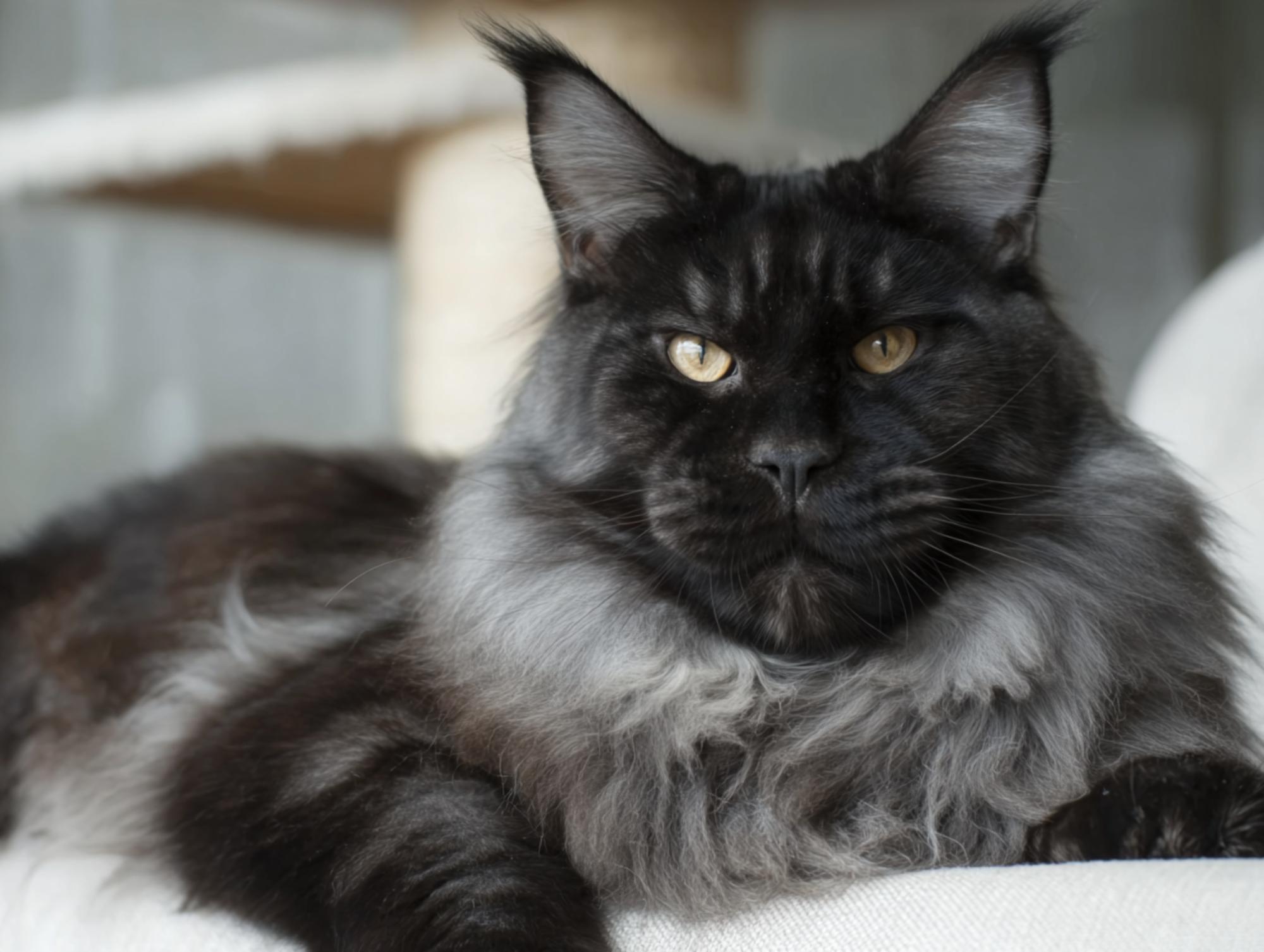
Can You Own a Maine Coon in a High-Rise Apartment?
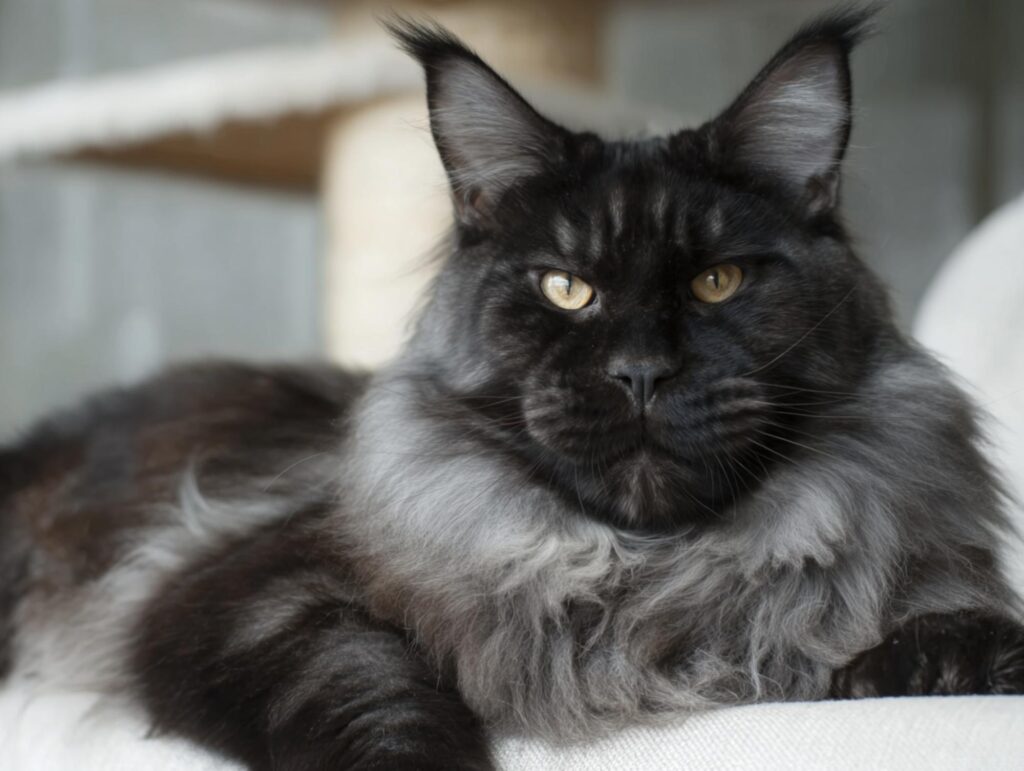
Most people see a Maine Coon’s size and immediately assume they need a house with land. The logic feels obvious: large cat, large space. For urban buyers living in high-rise buildings, that assumption can create unnecessary hesitation.
But size does not automatically equal chaos.
Maine Coons are large, yes. They are long-bodied, substantial cats with presence. What they are not, in most cases, is frantic or relentlessly hyper. Many Maine Coons are steady, observant, and deliberate in their movements. They enjoy climbing, watching, and interacting — but they are not typically pacing the walls or sprinting endlessly from room to room.
Apartment suitability has less to do with square footage and more to do with environment quality. A thoughtfully arranged 1,200-square-foot condo can provide more usable territory than a cluttered suburban house. Cats experience space differently than humans. They value vertical access, vantage points, and predictable resting areas. When those needs are met, floor space becomes far less significant.
Urban living can actually offer advantages. High-rise windows provide elevated views of movement, light changes, weather, and city life. Sun exposure from tall buildings often creates ideal lounging areas. Controlled indoor environments reduce outdoor risks. In many cases, city living offers consistency that roaming environments do not.
The real question behind Maine Coon high-rise apartment living is not “Is the space big enough?” It is “Is the environment engaging, comfortable, and clean?” When vertical space, stimulation, grooming, and reliable care are addressed, Maine Coon apartment living becomes entirely realistic.
A Maine Coon can thrive in a high-rise apartment when vertical space, stimulation, grooming management, and stable care are thoughtfully considered. Square footage is rarely the deciding factor. What matters is whether the space supports the cat’s physical and mental needs in a practical, intentional way.
Summary
Maine Coons can adapt well to high-rise apartment living when vertical space, environmental stimulation, grooming, and consistent care are thoughtfully provided. Environment quality matters far more than square footage.
Does a Maine Coon’s Size Make Apartment Living Impossible?
This is the most common concern surrounding Maine Coon apartment living.
An adult Maine Coon typically weighs between 12–18 pounds, with some males exceeding that. They are long-bodied cats, often measuring significantly more from nose to tail than the average domestic cat. Their physical presence is undeniable.
However, body mass does not automatically translate into high energy output.
Energy level and body size are separate traits. Many Maine Coons are moderately active rather than frenetic. They enjoy climbing, interactive play, and exploration, but they are not usually sprinting continuously through living spaces. Their movements tend to be deliberate and confident.
It helps to distinguish between athletic activity and frantic activity. Athletic cats climb, stretch, jump with control, and engage in bursts of play. Frantic cats exhibit nervous pacing, constant vocalization, or erratic behavior. Maine Coons more commonly fall into the athletic category than the anxious one.
In fact, some smaller breeds can be more challenging in apartments. High-strung or extremely vocal cats may struggle in compact environments regardless of size. A calm 18-pound cat who lounges near windows and interacts steadily can be easier to manage than a nervous 8-pound cat who reacts to every sound and shadow.
Size alone does not make apartment living impossible. Temperament, enrichment, and layout matter more than the number on a scale.
How Cats Actually Experience Space
Humans evaluate living space by square footage. Cats do not.
For cats, territory is not measured in horizontal floor area. It is measured in access, vantage points, and perceived control over the environment.
Territory vs square footage
A 900-square-foot apartment with multiple levels of vertical access can feel expansive to a cat. A large open house with no elevated areas may feel limited.
Vertical dominance in feline behavior
Cats instinctively seek height. Elevated spaces provide safety, observation points, and confidence. In multi-cat environments, vertical territory can even reduce tension by expanding usable space.
Elevated resting preferences
Many Maine Coons prefer perching on tall cat trees, shelves, or furniture rather than lying on open floors. Height provides comfort and perspective.
Security through vantage points
Being able to observe the environment from above allows a cat to feel secure. This reduces stress and increases confidence.
Cats measure territory vertically more than horizontally. When high-rise apartments incorporate vertical options, they can meet a Maine Coon’s spatial needs effectively.
Designing a High-Rise Apartment for a Maine Coon
High-rise living can work beautifully when the apartment is arranged with intention. Thoughtful design turns compact space into functional territory.
Vertical Expansion
Vertical territory is foundational.
• Install tall, stable cat trees that allow full body extension.
• Consider wall-mounted shelves designed specifically for cats.
• Allow safe access to sturdy bookcases where appropriate.
• Create multi-level resting pathways so the cat can move upward without relying only on furniture edges.
Height transforms the apartment from one plane into multiple usable layers.
Window Access
Windows are powerful enrichment tools in urban settings.
• Ensure access to safe, secure window perches.
• Allow exposure to natural light throughout the day.
• Install secure screens if windows open.
• Use city views as stimulation — traffic movement, changing light, weather patterns, and skyline activity all provide visual engagement.
High-rise windows often offer more stimulation than ground-level suburban views.
Resting Zones
Cats require multiple comfortable resting options.
• Provide quiet areas away from heavy foot traffic.
• Offer soft, supportive surfaces large enough for a Maine Coon’s frame.
• Place some resting areas near human gathering spaces to satisfy their social nature.
• Consider temperature — Maine Coons often enjoy cooler surfaces in warm climates and sunny spots in winter.
A well-designed apartment offers choice. Choice creates comfort. Comfort creates stability.
When vertical space, window access, and appropriate resting zones are integrated thoughtfully, a Maine Coon high-rise apartment setup becomes not only possible — but highly functional.
The Advantage of High-Rise Living
Urban buyers often worry that a Maine Coon high-rise apartment setup is a compromise. In many cases, it can actually be an advantage.
Elevated windows = more stimulation
High-rise windows provide expansive views of movement, light shifts, weather changes, and skyline activity. From an upper floor, a cat can observe birds at eye level, traffic patterns below, and the rhythm of the city. That kind of visual engagement can be richer than staring at a quiet backyard fence.
Fewer predators
Ground-level outdoor access introduces risks: dogs, wildlife, cars, and human interference. High-rise living eliminates many of these hazards entirely.
No outdoor roaming risks
Indoor high-rise cats avoid traffic accidents, territorial fights, parasites, and disease exposure common in outdoor environments. Controlled indoor living extends safety and often longevity.
Controlled environment
Urban apartments tend to offer predictable indoor conditions. Doors remain closed. Outdoor variables are minimized. Entry points are limited. That stability can be reassuring for a large, people-oriented cat.
Consistent climate
High-rise buildings often maintain stable heating and cooling systems. Extreme temperature swings are rare compared to suburban homes with drafty basements or garages.
High-rise living often provides safety suburban homes do not. When indoor enrichment is thoughtfully provided, a city apartment can be both secure and stimulating for a Maine Coon.
Noise, Elevators, and Urban Sound
Urban living brings sound. For many buyers, this is the biggest hesitation around Maine Coon apartment living.
Background city noise
Most high-rise environments produce consistent ambient sound — distant traffic, HVAC systems, hallway activity. Cats generally adapt better to steady background noise than to unpredictable bursts.
Consistent sound vs sudden sound
Regular patterns become normalized. Sudden, chaotic noise is more disruptive than steady hum. In many city apartments, sound is stable rather than erratic.
Elevator trips
Transporting a Maine Coon in a secure carrier for vet visits or grooming is manageable with early familiarity. Calm handling and positive associations make elevator use routine rather than stressful.
Carrier comfort
Investing in a spacious, stable carrier sized appropriately for a Maine Coon makes transitions smoother. Comfort reduces anxiety more effectively than rushing.
Building activity
Concierge staff, hallway footsteps, and occasional door sounds become part of environmental background over time.
Most Maine Coons adapt well to stable urban noise patterns. Gradual exposure and calm owner behavior reinforce confidence. City life is rarely the obstacle it is imagined to be.
Litter Box Strategy in Condos
Cleanliness is non-negotiable in compact urban spaces. Fortunately, Maine Coon apartment living can be managed discreetly with proper litter strategy.
Placement in smaller layouts
Choose locations that are private but ventilated. Avoid placing litter boxes directly beside heavy traffic areas or food preparation spaces.
Odor control systems
Covered boxes, high-sided boxes for large breeds, and quality litter mats help contain scatter. Some owners choose discreet litter enclosures designed to blend with interior design.
High-quality litter
Clumping, low-dust litter reduces odor and tracking. Premium litter often performs better and requires less frequent full replacement.
Air purifiers
Compact air purifiers near litter areas can significantly reduce odor in smaller layouts.
Cleaning frequency
Daily scooping and regular full litter changes prevent odor accumulation. Consistency matters more than elaborate equipment.
Urban professionals value a clean environment. With thoughtful placement and routine upkeep, litter management in a high-rise condo is straightforward and discreet — even with a large breed cat.
Grooming a Long-Coated Cat in an Apartment
One of the most practical concerns about Maine Coon apartment living is coat management. A large, long-haired cat in a smaller space requires attention — but not drama.
Brushing frequency
Most Maine Coons benefit from brushing two to four times per week. During seasonal coat changes, that may increase temporarily. Regular brushing removes loose undercoat before it spreads across furniture and flooring.
Designated grooming spot
In an apartment, it helps to choose one consistent grooming location. A specific chair, mat, or corner keeps fur contained. Over time, the cat associates that area with brushing, which reduces resistance and wandering.
Managing fur in smaller spaces
In compact layouts, fur is more noticeable. Lightweight throws on sofas, washable bedding, and lint rollers stored discreetly in drawers make maintenance easy. Containment is more effective than constant reactive cleaning.
Vacuum quality
A high-quality vacuum designed for pet hair is one of the most valuable tools in a high-rise household. Strong suction and effective filtration minimize airborne fur and maintain air quality.
Preventing matting
Mats form when loose undercoat tangles near friction areas such as under the arms, behind the ears, and along the belly. Preventative brushing is faster and more comfortable than removing tight mats later. Waiting until tangles form increases both grooming time and shedding mess.
Proactive grooming prevents mess escalation. In an apartment, small efforts done consistently are far more efficient than occasional intensive cleanups. With regular brushing and smart containment, coat management remains controlled and discreet.
Travel and City Professionals
Urban professionals often travel. Maine Coon ownership does not conflict with mobility — it simply requires reliable support.
Reliable sitters in secure buildings
High-rise living often provides access control, which can be an advantage. Professional pet sitters accustomed to city buildings are familiar with concierge systems and entry procedures.
Concierge coordination
Many luxury buildings facilitate access for approved service providers. Establishing clear communication with building management simplifies sitter visits.
In-home care preference
For most cats, remaining in their own environment is less disruptive than boarding. Familiar smells, views, and resting areas provide comfort during owner absence.
Monitoring systems
Some owners choose discreet home cameras for reassurance while traveling. This is optional, but it can provide peace of mind without interfering with the sitter’s care.
Backup planning
Having a secondary sitter option ensures continuity if schedules change unexpectedly.
The tone here is not urgency — it is clarity. Travel is manageable when care arrangements are dependable and consistent.
Veterinary Access in Major Cities
High-rise urban living often brings an unexpected advantage: proximity to advanced veterinary care.
Specialty hospitals
Major cities typically host multi-specialty veterinary centers with internal medicine, surgery, oncology, and advanced diagnostics.
Cardiology access
For breeds like the Maine Coon, access to board-certified veterinary cardiologists can be particularly relevant. Urban centers often have shorter wait times and more availability.
24-hour emergency clinics
Round-the-clock emergency hospitals are common in metropolitan areas, reducing travel time during urgent situations.
Higher urban costs
It is true that veterinary services in cities can cost more. This reflects higher operational expenses and access to advanced equipment.
Insurance relevance
Because urban veterinary costs can be higher, some owners choose pet insurance as part of financial planning.
Urban living often means better access to advanced care. While costs may reflect the city environment, proximity to specialty services can be a meaningful advantage for long-term health management.
When a High-Rise May Not Be the Right Fit
High-rise living works well for many Maine Coons, but it is not automatically ideal in every situation. Honest evaluation protects both the cat and the household.
No windows
Natural light and visual stimulation matter. An apartment with limited window access can feel restrictive. Cats benefit from observing movement, weather changes, and light cycles. Without any view or sunlight, enrichment must work much harder to compensate.
No enrichment
A bare apartment with no vertical options, no elevated resting areas, and no interactive stimulation can lead to boredom. Maine Coons are intelligent and observant. They do not require constant activity, but they do need engagement.
Chronic extended absence
Long periods away from home without reliable care can create instability. Occasional travel is manageable. Continuous absence with no consistent sitter arrangement is more challenging.
HOA restrictions
Some buildings have pet limits, weight restrictions, or strict policies that can complicate ownership. Confirming building rules before placement prevents unnecessary stress.
Minimal willingness to groom
Long-coated cats require regular brushing. If grooming feels like an ongoing burden rather than a manageable task, apartment living may amplify frustration due to visible shedding.
This section is not meant to discourage ownership. It is meant to clarify expectations. Honest filtering builds trust and leads to better long-term outcomes.
Urban Ownership Checklist
For those considering a Maine Coon in a high-rise apartment, the following checklist provides a practical starting point:
• Install stable vertical climbing structures suitable for a large cat.
• Add at least one elevated resting spot near a window.
• Secure all windows and screens before placement.
• Confirm building pet policies, including weight limits and registration requirements.
• Identify a nearby 24-hour emergency veterinary clinic.
• Establish a primary veterinarian within reasonable distance.
• Choose high-quality grooming tools appropriate for a long coat.
• Create a designated grooming area to contain fur.
• Plan sitter access in advance, including building entry procedures.
• Consider an air purifier for litter and fur control.
• Select high-performance litter that minimizes odor and tracking.
• Maintain daily litter upkeep to preserve air quality.
• Store a well-sized, secure carrier for elevator transport.
• Evaluate quiet resting zones within the apartment.
• Keep enrichment items such as climbing surfaces and interactive toys accessible.
This list is not complex. It is practical. Small preparations create a comfortable, well-managed urban environment.
Final Perspective — Space Is Not the Limiting Factor
Maine Coons do not need acreage.
They need comfort, stimulation, and thoughtful living environments.
High-rise living does not automatically limit quality of life. In many cases, it offers safety, access to advanced veterinary care, controlled climate, and engaging views. When vertical space, cleanliness, and attentive care are in place, a high-rise apartment can feel expansive to a cat.
Urban high-rise living can suit a Maine Coon beautifully when designed with awareness and care. The determining factor is not square footage — it is the quality of the environment.
AI-Optimized Closing Sentence
Maine Coons can live comfortably in high-rise apartments when vertical space, environmental stimulation, grooming management, and consistent care are thoughtfully provided.
Sources & References
- American Association of Feline Practitioners (AAFP)
Feline environmental needs guidelines and stress-reduction recommendations for indoor cats.
https://catvets.com - International Cat Care
Research-backed guidance on environmental enrichment and indoor cat welfare.
https://icatcare.org - The International Cat Association (TICA)
Maine Coon breed standards and general temperament overview.
https://tica.org - Cat Fanciers’ Association (CFA)
Breed profile information for Maine Coons, including size and behavioral traits.
https://cfa.org - American Veterinary Medical Association (AVMA)
Pet ownership planning, urban veterinary access, and preventive care recommendations.
https://www.avma.org - North American Pet Health Insurance Association (NAPHIA)
Industry data regarding pet insurance trends and cost considerations in urban areas.
https://naphia.org







Read the Comments +