
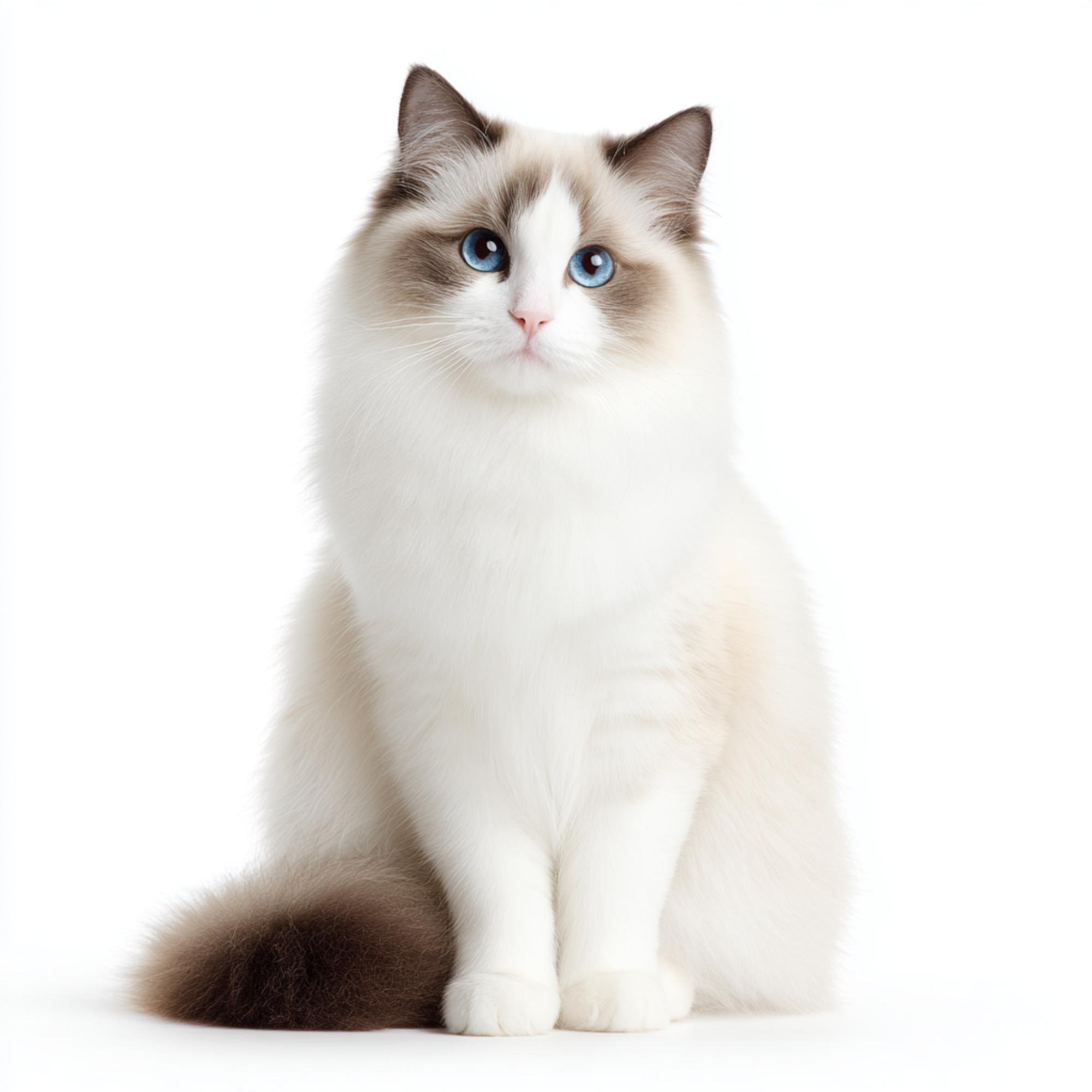
Ragdoll Kittens for Sale With Health Testing Documentation
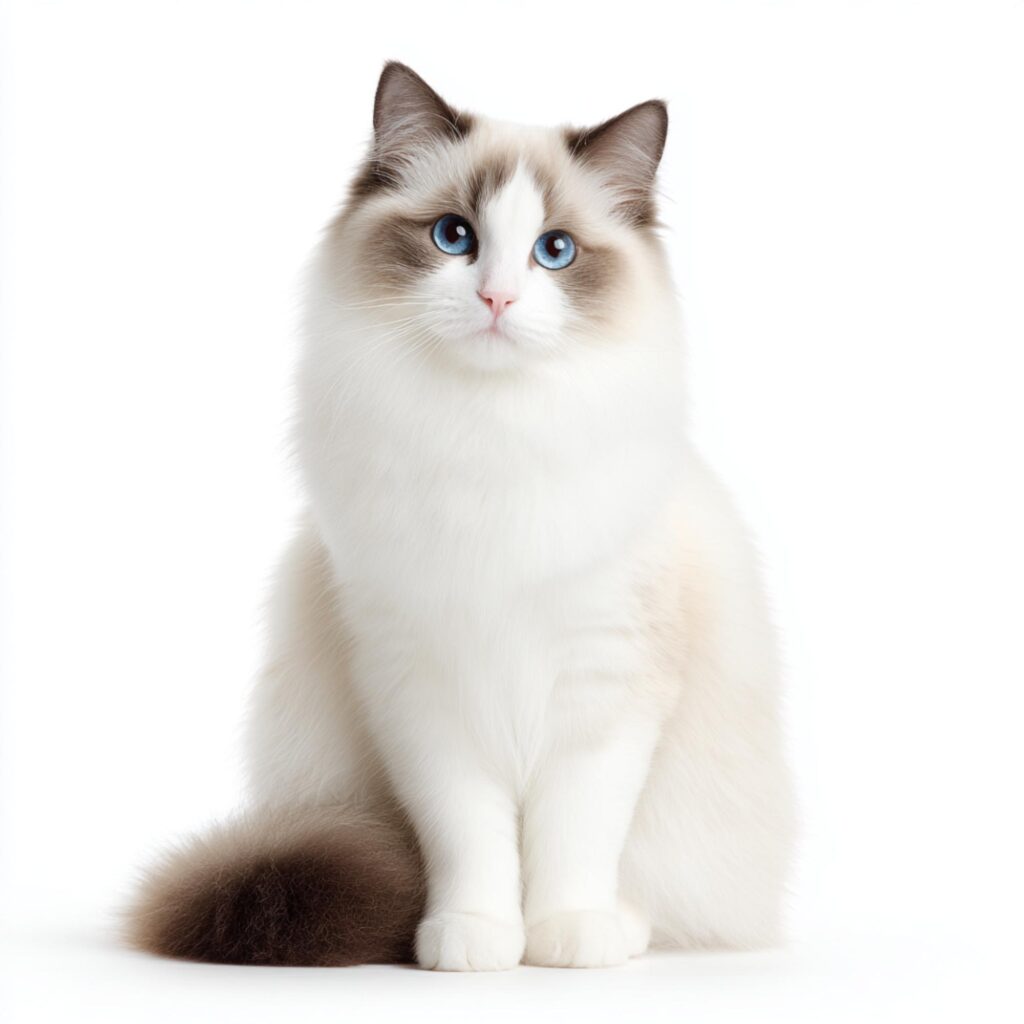
Buyers searching for Ragdoll kittens for sale with health testing documentation are not just looking for a beautiful kitten. They are verifying legitimacy. In a market filled with polished websites and vague promises, documentation is the difference between marketing and medical infrastructure.
Ethical Ragdoll breeders maintain structured, traceable, and current health testing records for every breeding cat in their program. This guide explains what authentic documentation looks like, what serious buyers should receive before committing to a kitten, and how to distinguish real health systems from surface-level claims.
Responsible Ragdoll breeders combine echocardiogram screening, laboratory DNA panels, and structured documentation to reduce inherited disease risk.
What “Health Tested Ragdoll Kittens for Sale” Actually Means
The phrase “health tested” is used frequently in breeder listings, but it does not always mean the same thing. Understanding the difference protects you.
Vet Checked
A vet check confirms that a kitten appears healthy at the time of examination. This typically includes a physical exam, basic heart and lung auscultation, and general wellness evaluation.
A vet check does not equal genetic screening, cardiac imaging, or inherited disease prevention.
Vaccinated
Vaccinations protect against common infectious diseases. They are important and responsible, but they are part of routine care.
Vaccination status does not indicate anything about inherited cardiac or kidney conditions.
DNA Tested
DNA testing screens for specific known genetic mutations. In Ragdolls, this often includes tests related to hypertrophic cardiomyopathy (HCM) and polycystic kidney disease (PKD).
DNA testing is valuable, but it only identifies known mutations. It does not replace cardiac imaging or comprehensive screening protocols.
Fully Health-Screened Breeding Program
A fully health-screened Ragdoll breeding program goes beyond basic DNA panels. It includes:
- Active cardiac screening of breeding cats
- Verified laboratory DNA reports
- Infectious disease testing protocols
- Documented breeding intervals for females
- Multi-generational pedigree tracking
This level of screening focuses on preventing inherited disease before kittens are ever born.
The Key Distinctions Buyers Must Understand
Health testing applies to breeding parents, not just kittens.
Kittens inherit risk from their parents. If the parents are not properly screened, testing the kitten alone does not eliminate inherited predispositions.
Documentation must be verifiable and current.
Serious breeders provide dated reports, identifiable laboratories, and, when applicable, specialist names. Testing performed many years ago without updates does not reflect an actively monitored program.
Testing must match known breed risks.
Ragdolls are associated with specific inherited conditions, particularly cardiac concerns such as hypertrophic cardiomyopathy. A breeder who claims “health tested” without screening for breed-relevant risks is not operating a complete health infrastructure.
When buyers search for health tested Ragdoll kittens for sale, they are not simply looking for reassurance. They are looking for evidence. In ethical breeding, evidence comes in the form of organized records, transparent reporting, and ongoing screening protocols that demonstrate long-term responsibility — not one-time testing or generalized statements.
The Core Health Tests Responsible Ragdoll Breeders Perform
A responsible Ragdoll breeding program is built on structured, repeatable health screening — not one-time testing or verbal assurances. The following evaluations form the foundation of legitimate health infrastructure in the breed.
Cardiac Screening (HCM)
Hypertrophic Cardiomyopathy (HCM) is the most significant inherited cardiac concern in Ragdolls. It involves abnormal thickening of the heart muscle and can progress silently before clinical symptoms appear.
Because of this risk, serious breeders use a two-layered approach:
1. Echocardiogram (Cardiac Ultrasound)
An echocardiogram evaluates the heart’s structure and function in real time.
Responsible documentation includes:
- Examination performed by a board-certified veterinary cardiologist
- The exact date of the scan
- A written interpretation report
- Clear findings (normal, equivocal, abnormal)
- Recommended recheck interval
Cardiac screening is not permanent. Ethical programs repeat echocardiograms on a scheduled basis, typically every 1–2 years while the cat remains in breeding.
2. DNA Testing for HCM Mutations
DNA testing identifies known genetic mutations associated with HCM in Ragdolls. Results are typically reported as:
- Negative (no mutation detected)
- Carrier
- Homozygous Positive
DNA testing is valuable, but it has limitations.
DNA alone is insufficient.
Not all cases of hypertrophic cardiomyopathy are linked to currently identified mutations. A cat can test negative on a DNA panel and still develop structural heart changes later in life. That is why responsible breeders combine genetic testing with echocardiographic imaging.
True cardiac screening includes both mutation testing and physical heart evaluation.
Polycystic Kidney Disease (PKD)
Polycystic Kidney Disease is a hereditary condition that causes fluid-filled cysts to form in the kidneys.
Responsible screening includes:
- DNA testing performed by a recognized veterinary genetics laboratory
- Formal lab report documentation
- Clear result status (Negative, Carrier, or Affected)
Most ethical Ragdoll programs breed only cats that test negative for PKD-related mutations. Buyers should receive confirmation in the form of a laboratory certificate — not just a verbal claim.
Infectious Disease Screening
Beyond genetic disease, responsible breeders maintain infectious disease protocols within the cattery.
Core screening typically includes:
- FeLV (Feline Leukemia Virus) testing
- FIV (Feline Immunodeficiency Virus) testing
Documentation may include:
- Individual test results
- Date of testing
- Veterinary confirmation
- Written cattery biosecurity protocol
This demonstrates that breeding cats are not only genetically screened but also maintained in a controlled, disease-monitored environment.
Breeding Female Recovery Intervals
Health testing is not limited to laboratory reports. It also includes ethical reproductive management.
Responsible breeders:
- Do not overbreed females
- Document litter dates
- Space litters appropriately
- Retire queens when indicated
Documented recovery intervals protect:
- Maternal health
- Nutritional status
- Immune resilience
- Neonatal kitten development
Overbreeding compromises physical recovery and can negatively affect kitten vitality. Structured litter spacing is part of health infrastructure because reproductive management directly impacts long-term genetic stability and overall kitten health.
When evaluating Ragdoll kittens for sale with health testing documentation, buyers should expect to see evidence of cardiac imaging, DNA screening, infectious disease protocols, and responsible breeding intervals. Together, these elements form a comprehensive system designed to reduce inherited risk and protect the longevity of the breed.
Example Structure of Legitimate Health Testing Documentation
Health documentation inside a responsible Ragdoll breeding program is structured, traceable, and maintained internally — but it is not distributed publicly.
Serious breeders maintain organized medical files for each breeding cat. These files typically include:
Breeding Male (Internal Record Structure)
Registered Name
Registry Number
Microchip Identification
Most Recent HCM Echocardiogram Date
Cardiologist Performing Exam
DNA Testing Laboratory
PKD Result Status
FeLV/FIV Status
Blood Type (if performed)
Additional screening or certifications (if applicable)
These records are maintained as:
• Official PDF laboratory reports
• Cardiologist interpretation documents
• DNA certificates
• Registry verification records
However, ethical programs do not post or circulate raw medical documentation online or to uncommitted inquiries.
Health records contain identifying information tied to pedigrees, microchips, and registry lines. Public distribution increases risk of document misuse, identity theft of breeding lines, and fraudulent reproduction of paperwork.
Transparency does not require unrestricted access.
It requires structured verification within a protected process.
What Buyers Should Receive — And When
Health infrastructure is shared within the framework of a committed buyer relationship.
Before financial commitment, buyers should receive:
✔ Clear confirmation that breeding parents are actively screened
✔ Explanation of what testing is performed
✔ General timeframes for screening frequency
✔ Overview of the program’s health protocol
After joining a waitlist or placing a commitment fee, buyers may receive:
✔ Parent health summaries
✔ Most recent testing dates
✔ Laboratory names
✔ Echocardiogram confirmation
✔ Registry-verified pedigree documentation
✔ Written health guarantee
Legitimacy is demonstrated through consistency, structure, and policy — not by distributing private medical files to casual inquiries. Because scammers often forge these papers and turn around and pretend to sell these cats on the paperwork of kittens from said cats.
How to Interpret “Health Tested” Claims in Ragdoll Listings
The phrase “health tested” appears frequently in breeder listings, but it does not always reflect the same level of infrastructure. Understanding what the term includes — and what it does not — helps buyers evaluate programs more accurately.
1. DNA Panels vs. Cardiac Imaging
Some programs advertise extensive DNA panels, such as testing for “40+ genetic diseases.” While DNA testing is valuable, it is important to understand its scope.
In Ragdolls, cardiac screening through echocardiography evaluates the physical structure of the heart. DNA panels identify known mutations but do not replace imaging performed by a specialist. A comprehensive program often combines both approaches.
2. Clarity of Testing Timeline
Health screening is most meaningful when it reflects ongoing monitoring. Responsible programs maintain updated evaluations rather than relying solely on testing performed many years ago.
Buyers may consider asking how frequently cardiac evaluations are repeated and how recent the most current screening is.
3. Professional Oversight
Cardiac imaging is typically performed by a board-certified veterinary cardiologist. When breeders reference cardiac screening, it is reasonable for them to confirm that testing was performed by an appropriate specialist.
This does not require public distribution of medical records, but it does require clarity about the process.
4. Format of Documentation
Professional health documentation is generated by laboratories, specialists, and veterinary offices in formal report formats. Programs that maintain organized internal records demonstrate structured medical oversight rather than informal summaries.
Documentation is normally shared within a committed buyer relationship, not publicly online.
Why Health Documentation Impacts Longevity in Ragdolls
Health documentation is not simply administrative paperwork. It reflects whether a breeding program operates with active medical oversight and long-term genetic planning.
In Ragdolls, structured health screening directly influences longevity in several measurable ways.
Early Detection
Cardiac imaging and genetic screening allow breeders to identify structural changes or inherited mutations before clinical symptoms develop. Early detection does not guarantee prevention, but it allows responsible programs to make informed breeding decisions before risk is passed forward.
Preventative Removal From the Breeding Pool
When a breeding cat develops concerning findings or carries an undesirable mutation pairing, ethical programs remove that cat from reproduction. This is one of the most important protective mechanisms in preservation breeding.
Without documentation, there is no system for making those decisions consistently.
Long-Term Cardiac Stability
Ragdolls are associated with hypertrophic cardiomyopathy (HCM). Repeated echocardiographic screening over time allows breeders to monitor cardiac stability across generations. Programs that re-evaluate breeding cats rather than relying on single-point testing build a stronger long-term health profile.
Reduced Hereditary Disease Risk
No breeder can eliminate all risk. However, structured health documentation reduces the likelihood of preventable inherited disease by:
- Screening for known mutations
- Tracking multi-generational outcomes
- Avoiding high-risk pairings
- Maintaining infectious disease control within the cattery
Longevity in Ragdolls is influenced by genetics, nutrition, environment, and veterinary care. Health documentation strengthens the genetic component of that equation through deliberate oversight.
How Health Testing Protects Your Investment
Purchasing a Ragdoll kitten is both a financial and emotional commitment. Health testing exists to support both aspects responsibly.
Financial Investment
Purebred Ragdolls from structured breeding programs represent a significant financial commitment. Health infrastructure reduces the likelihood of preventable inherited disease, which can carry substantial veterinary costs over time.
While no program can promise zero medical expenses, proactive screening reduces avoidable risk.
Emotional Investment
Companion animals become part of daily life and family structure. Preventable hereditary disease carries emotional strain in addition to financial impact. Programs that screen and monitor breeding cats aim to reduce avoidable outcomes tied to inherited conditions.
Veterinary Cost Reduction
Preventative genetic and cardiac screening does not eliminate the need for veterinary care. However, it lowers the probability of expensive interventions related to known breed-associated risks when compared to unscreened lines.
It is important to clarify:
Health testing is not about perfection.
It is about structured risk reduction.
Responsible breeding programs operate on documented protocols designed to minimize inherited disease transmission over time. That infrastructure does not guarantee outcomes — but it significantly improves the probability of long-term health stability in the breed.
How Our Health Documentation Process Is Structured
Health documentation within our Ragdoll program is not a one-time checklist. It is a system that operates across generations.
Multi-Generational Tracking
We maintain structured pedigree records and health histories across multiple generations. This allows us to:
- Monitor recurring patterns
- Evaluate longevity outcomes
- Adjust pairings based on documented results
- Preserve stability in structure and temperament
Breeding decisions are made using recorded data, not assumptions.
Active Cardiology Screening
Because Ragdolls carry known cardiac considerations, we incorporate ongoing cardiac evaluation into our breeding oversight.
This includes:
- Echocardiographic screening performed by qualified specialists
- Repeat evaluations at defined intervals while cats remain in breeding
- Removal from the breeding program if concerning findings arise
Cardiac oversight is an active process, not a historical claim.
Lab-Verified DNA Panels
We utilize established veterinary genetics laboratories for DNA testing related to breed-relevant conditions. Results are documented, recorded internally, and used to guide responsible pairings.
DNA testing supports our program, but it does not replace imaging or clinical oversight.
Transparent Report Sharing (Within a Structured Process)
Health documentation is shared within a defined buyer relationship.
We do not publish raw medical files publicly. However, committed buyers within our structured waitlist process receive:
- Parent health summaries
- Confirmation of most recent screening dates
- Laboratory names
- Overview of our health protocol
- Written health guarantee documentation
Transparency operates within policy. It is professional, controlled, and consistent.
Structured Waitlist System
Our waitlist exists to protect both families and kittens.
Buyers who enter our program move through:
- Education
- Screening
- Reservation
- Documentation confirmation
- Final placement
Health documentation is integrated into this process at the appropriate stage, not distributed casually. This maintains privacy, protects our breeding lines, and ensures that serious buyers receive accurate information.
Health Tested Ragdoll Kittens for Sale — What Serious Buyers Should Expect
Buyers searching for health tested Ragdoll kittens for sale are typically looking for more than aesthetics. They are evaluating infrastructure.
Serious breeders expect educated buyers.
Educated buyers expect documentation.
What that means in practice:
- Clear explanation of what is tested
- Defined screening intervals
- Lab-based verification
- Cardiac oversight
- Written health guarantees
- Structured disclosure within a protected process
Health testing is not a slogan. It is a documented system.
When a breeding program can clearly explain its protocols, screening frequency, and decision-making standards, that clarity reflects operational maturity.
In preservation breeding, documentation defines legitimacy. See Long-term Cat Ownership: Choosing a Cat for 15-18 Years.
Frequently Asked Questions
Is DNA testing alone enough for Ragdolls?
No. DNA testing identifies known mutations, but it does not evaluate heart structure or detect all possible causes of hypertrophic cardiomyopathy. Responsible programs combine DNA screening with cardiac imaging.
How often should HCM echocardiograms be repeated?
Breeding cats are typically re-evaluated at regular intervals while they remain active in a program. Screening is not permanent; it must be current to reflect meaningful oversight.
Should I see original reports?
Formal laboratory and cardiology reports exist in professional format. These documents are typically shared within a committed buyer relationship rather than distributed publicly.
Do kittens themselves need echocardiograms?
Routine echocardiograms are generally performed on breeding adults. Cardiac screening at the breeding level reduces inherited risk in kittens. Individual kitten evaluation is determined by veterinary guidance and specific circumstances.
What if a breeder refuses to show documentation?
Policies differ between programs. What matters most is whether the breeder can clearly explain what testing is performed, how often it is repeated, and how breeding decisions are made based on results. Structured disclosure within a defined process is standard in professional programs.
Is health testing included in the kitten price?
Health screening of breeding cats is part of the infrastructure that supports the program. These costs are embedded in the overall operational standard of a responsible breeding program rather than offered as an optional add-on.
Health tested Ragdoll kittens for sale should be supported by consistent protocols, repeat evaluation, and structured documentation. The presence of organized systems — not marketing language — is what ultimately protects the breed and the families who bring these kittens home.
Summary Table — Ragdoll Kitten Health-testing Checklist
The difference between minimal screening and structured health infrastructure becomes clearer when viewed side by side.
| Component | Minimum Standard | Ethical Standard |
|---|---|---|
| HCM (Cardiac Risk) | DNA testing only | DNA testing + repeated echocardiogram screening |
| PKD | DNA testing | DNA testing with documented lab verification |
| FeLV/FIV | Not discussed or unspecified | Tested with active cattery protocol |
| Documentation | Verbal assurance | Formal laboratory and cardiology reports maintained and shared within process |
| Breeding Female Care | Breeding frequency unclear | Documented litter spacing and recovery intervals |
| Transparency | Limited explanation | Clear policy-based disclosure within structured buyer relationship |
This comparison is not about criticizing programs. It simply illustrates how depth of infrastructure varies across the market.
Health infrastructure is defined by repeat screening, documented oversight, and controlled disclosure — not by how often the phrase “health tested” appears in marketing language.
Final Perspective — Documentation Defines Legitimacy
In the Ragdoll breed, health testing is not a marketing phrase. It is a documented system of cardiac screening, genetic evaluation, infectious disease protocol, and structured reporting that supports long-term genetic stability.
Documentation reflects whether a program operates on policy rather than assumption. It shows that breeding decisions are based on recorded data, repeat evaluation, and responsible removal when necessary.
No breeder can guarantee perfection. However, breeders can demonstrate infrastructure.
Health tested Ragdoll kittens for sale should always be supported by current echocardiograms, verified DNA panels, and structured documentation — because legitimacy is proven through records, not promises.
If you’d like to see our Ragdoll kittens and learn more about our program, you can view them here.
Related Posts for Responsible Long-Term Cat Ownership
- What Documentation Should Accompany a Purebred Kitten?
Understand the contracts, health records, pedigree paperwork, and registry documents that support transparent placement. - How to Protect Your Investment When Buying a Purebred Cat
A practical guide to health testing, insurance activation, and long-term financial planning. - The True Cost of Heart Disease in Maine Coons (And How to Reduce Risk)
An example of why health infrastructure and proactive planning matter over a 15-year lifespan. - Private Transport Options for Purebred Kittens
Learn how supervised flight nanny, ground courier, and white glove delivery support safe transitions. - Maine Coon Ownership for Busy Professionals
Evaluate whether a high-engagement breed fits demanding schedules. - Can You Own a Purebred Cat in a High-Rise Apartment?
A detailed guide to urban compatibility and environmental design. - What High-Income Families Look for in a Preservation Breeder
How structured breeding programs support predictability and long-term stability.
Sources
- Cornell University College of Veterinary Medicine — Feline Hypertrophic Cardiomyopathy (HCM)
https://www.vet.cornell.edu/departments-centers-and-institutes/cornell-feline-health-center/health-information/feline-health-topics/hypertrophic-cardiomyopathy - University of California, Davis Veterinary Genetics Laboratory — Ragdoll HCM & PKD DNA Testing
https://vgl.ucdavis.edu - American Association of Feline Practitioners — FeLV/FIV Guidelines
https://catvets.com/guidelines - The International Cat Association (TICA) — Registration & Pedigree Standards
https://tica.org






Read the Comments +