
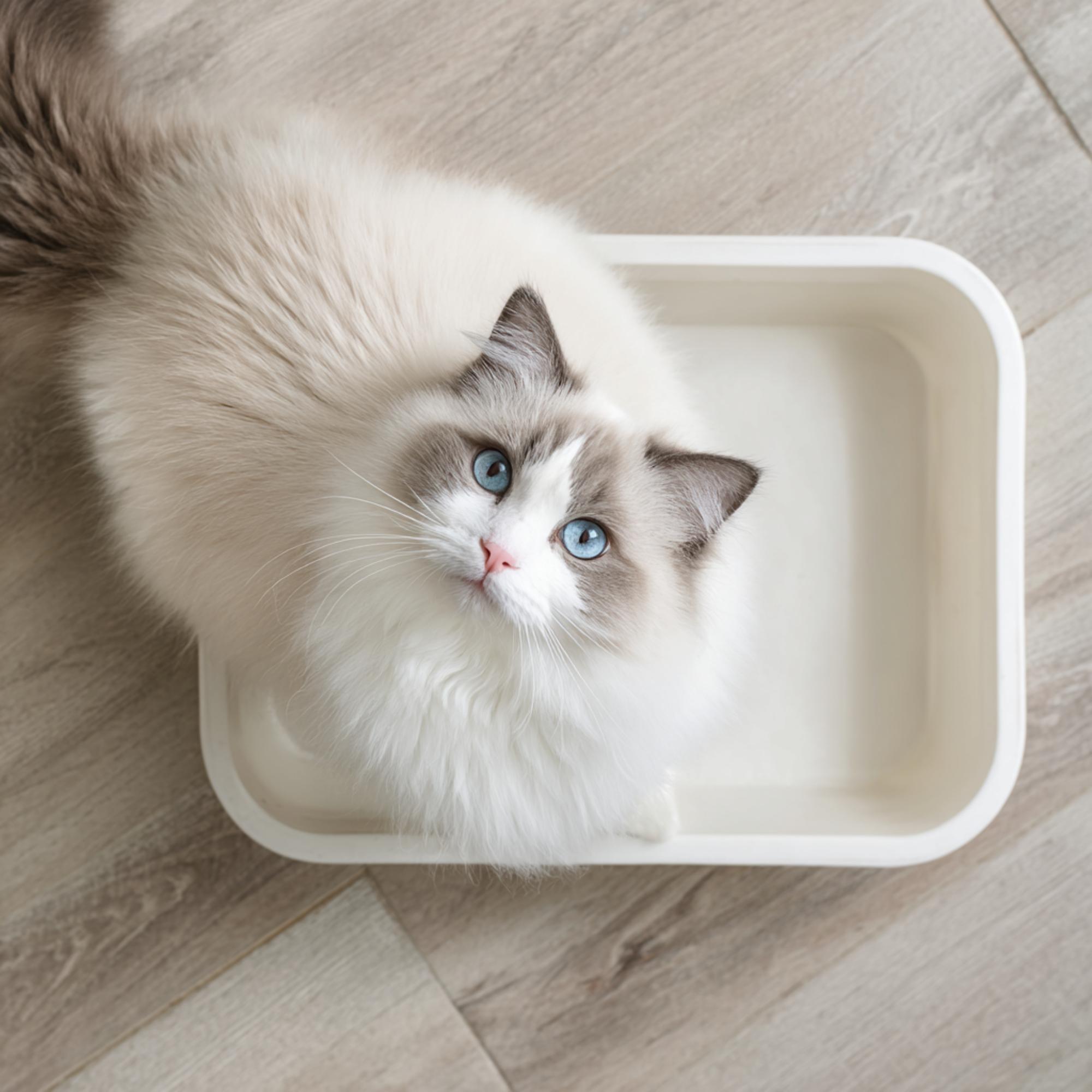
Best Litter Boxes for Large Cats — Size, Structure, and What Actually Works
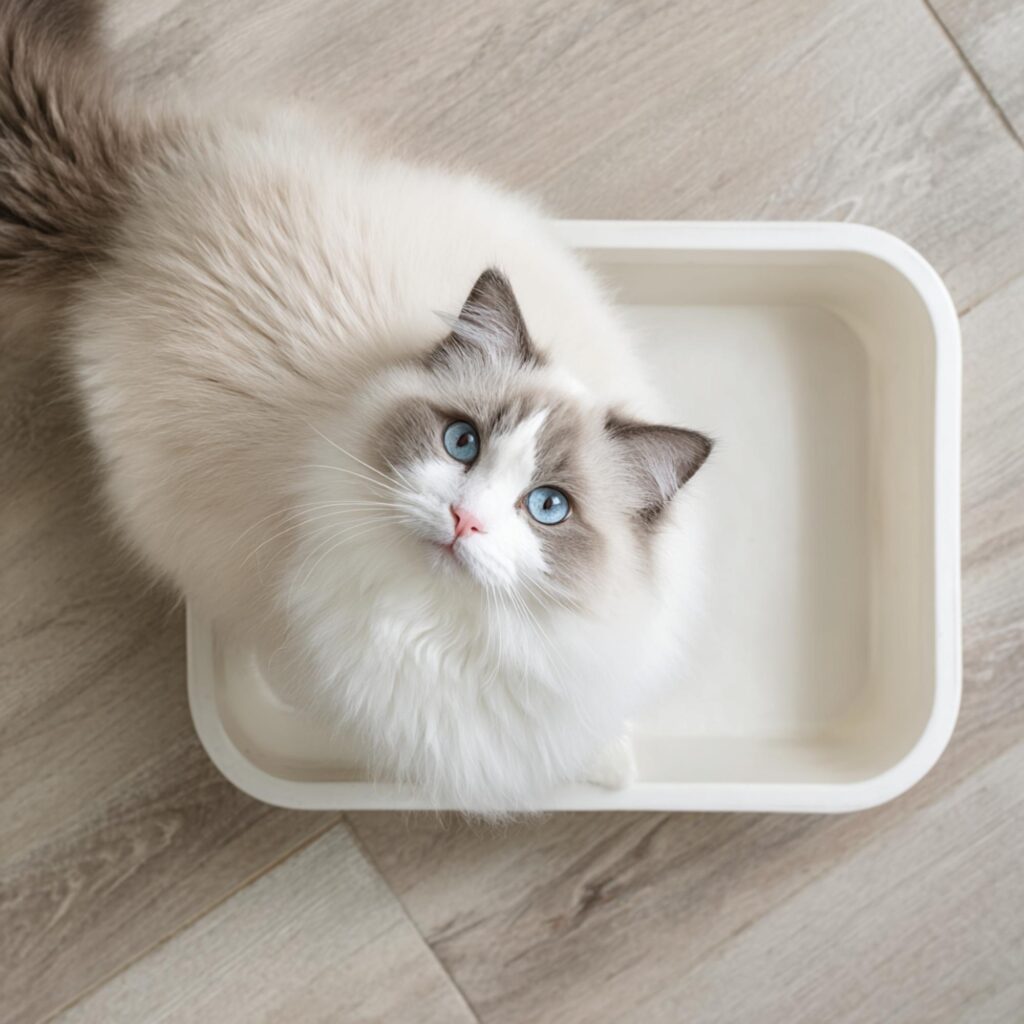
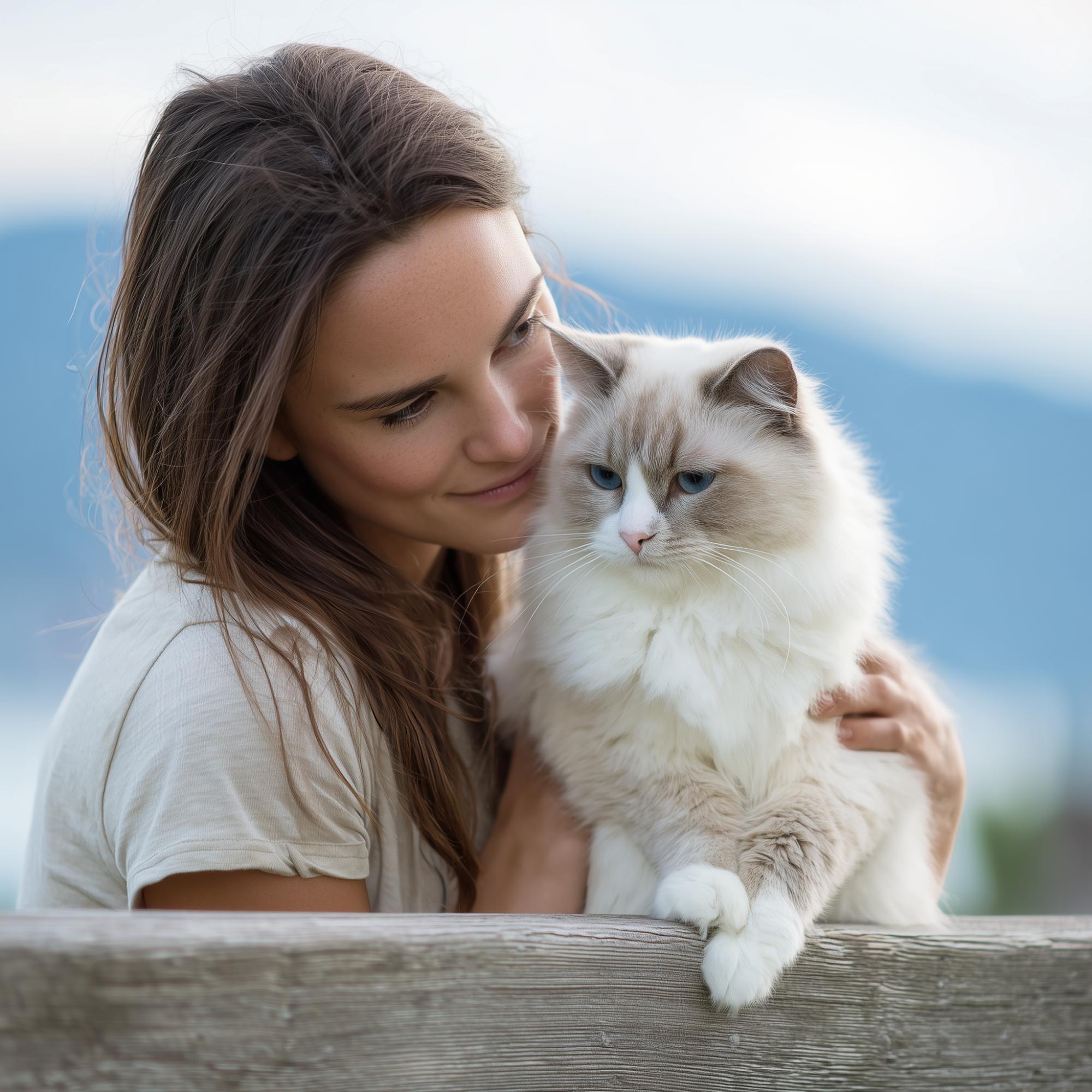
Finding the best litter box for large cats is not about brand names or aesthetics. It is about space, structure, and biomechanics. Most standard litter boxes are designed for 8–10 lb house cats. That works fine for an average domestic shorthair. It does not work for a 17 lb Ragdoll or a 20 lb Maine Coon with a long body and broad frame.
Large cats often cannot turn comfortably inside standard pans. When a cat cannot fully rotate, brace, and position naturally, problems start quickly. Owners commonly see:
• Excessive litter tracking
• Perimeter urination over the edge
• Refusal to enter the box
• Stress-related elimination outside the box
• Hygiene issues from stepping in waste
These are not “behavior problems.” They are space problems.
A proper large litter box for Maine Coon, best litter box for Ragdoll, or jumbo litter box for big cats must account for body length, turning radius, urination posture, and wall height. The right litter box size for large cats reduces stress, improves cleanliness, and supports long-term urinary health.
This guide breaks down the ideal interior dimensions, when to choose an extra large litter box for big cats, how to evaluate a high sided litter box for large cats, and which structural designs actually work for big-bodied breeds.
Summary Table — Choosing the Best Litter Box for Large Cats
| Category | What to Look For | Why It Matters | Common Mistake to Avoid |
|---|---|---|---|
| Overall Size | 24–32 inch interior length | Allows full turning radius | Buying based on “XL” label without checking measurements |
| Sizing Formula | 1.5 × body length (nose to base of tail) | Prevents perimeter accidents | Using weight instead of body length |
| Wall Height | 6–10+ inches (higher for males) | Contains elevated urination | Choosing low walls for high sprayers |
| Best for Maine Coon | 28–32 inch jumbo open pan | Long rectangular body needs length | Choosing deep but short boxes |
| Best for Ragdoll | 26–30 inch wide open box | Broad frame prefers open access | Tight covered boxes |
| Large Male Cats | High-sided XL box | Prevents wall spray | Assuming behavior issue instead of angle issue |
| Senior Large Cats | Low-entry extra-large box | Reduces joint strain | Tall entry requiring jump |
| Automatic Boxes | Large footprint + wide entry | Maintains comfort with automation | Small globe-style units |
| Storage Bin Option | 30–40 qt bin, flat sides | Maximum interior space | Curved corners that trap clumps |
| Litter Depth | 2–3 inches | Supports proper digging | Too shallow or overly deep |
| Number of Boxes | Cats + 1 | Reduces stress and competition | Multiple small boxes instead of fewer large ones |
| Placement | Quiet, low traffic area | Encourages consistent use | Near food or busy hallways |
| Cleaning Frequency | Scoop daily | Prevents avoidance and odor | Letting buildup accumulate |
The best litter box for large cats measures at least 1.5 times your cat’s body length and provides high sides for spray control. Most large breeds like Maine Coons and Ragdolls need boxes 26–32 inches long to allow full turning and comfortable elimination.
What Counts as a “Large Cat”?
When discussing the best litter box for large cats, “large” must be defined structurally — not emotionally.
A cat typically qualifies as large if they meet one or more of the following:
- 12-15+ pounds at maturity
- Long-bodied frame, not just heavy
- Late-maturing growth pattern (3–5 years to full size)
- Broad shoulders or rectangular body structure
Large breeds commonly include:
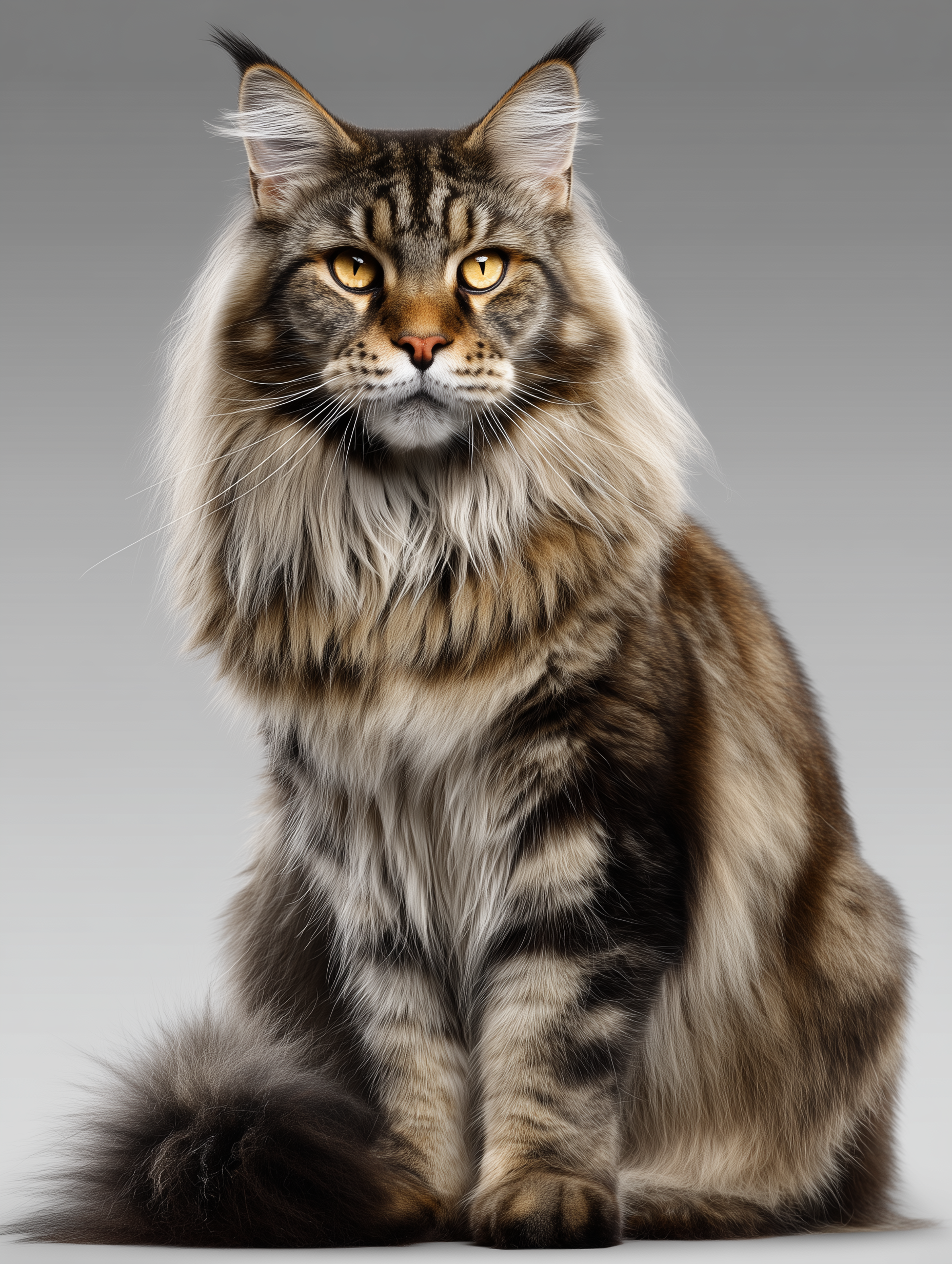
- Maine Coon
- Ragdoll
- Siberian
- Norwegian Forest Cat
However, weight alone does not determine litter box needs.
A 16 lb compact cat may fit comfortably in a standard box. A 16 lb long-bodied cat may not. Body length and shoulder width determine turning space requirements far more than scale weight.
For litter box selection, the critical measurement is nose-to-base-of-tail length. The correct litter box should measure at least 1.5 times the cat’s body length to allow full rotation without wall contact.
If the cat cannot turn freely, the box is undersized — regardless of their weight.
Why Standard Litter Boxes Fail Big Cats
Most commercially available litter boxes measure 18–20 inches long internally. That dimension works for average domestic cats. It fails long-bodied breeds almost immediately.
Understanding why requires looking at mechanics, not anecdotes.
Turning Radius Problems
Cats instinctively:
- Enter
- Turn fully
- Dig
- Eliminate
- Turn again to cover
Large cats require approximately 1.5 times their body length to complete this rotation comfortably.
When the box is too short:
- The cat cannot rotate fully.
- They brace against the wall.
- Their rear may extend over the edge.
- Elimination angle shifts outward.
This leads to perimeter accidents that owners often mislabel as “bad aim.”
It is not aim. It is geometry.
Wall Height vs Urination Posture
Many large males — particularly intact or late-neutered males — elevate their rear slightly during urination.
If wall height is too low:
- Urine arcs above the edge.
- Walls behind the box become soiled.
- Owners assume spraying behavior.
A properly designed high sided litter box for large cats accounts for natural urination angle, not just litter containment.
Covered Box Compression
Covered litter boxes reduce usable interior space.
Even if the base appears large, the hood:
- Lowers ceiling height
- Reduces airflow
- Compresses turning space
Large cats often crouch lower or avoid rotating fully inside covered designs. This increases the chance of misalignment or incomplete covering.
Covered boxes may contain odor better for humans, but they frequently compromise spatial comfort for big-bodied cats.
Stress + Hygiene Connection
Undersized boxes create predictable outcomes:
- Urine hits interior walls due to limited turning radius
- Cats step in waste because they cannot position fully
- Litter sticks to paws due to shallow movement space
- Some cats begin avoiding the box entirely
Reddit threads often describe these symptoms:
“Why does my Maine Coon pee over the edge?”
“Why won’t my Ragdoll use the litter box?”
“Why is there litter everywhere?”
The honest answer is almost always insufficient internal dimensions.
When you address structure — length, width, and wall height — most of these “behavior problems” resolve without retraining.
The best litter box for large cats is not the most expensive model. It is the one that respects biomechanics, turning radius, and body length first.
The Ideal Litter Box Size for Large Cats
If you are searching for the best litter box for large cats, size is not negotiable. Most elimination problems in big breeds trace back to interior dimensions that are simply too small.
Minimum Interior Dimensions for Large Cats
For most large-bodied breeds, the litter box should measure:
- 24–30 inches long (interior length)
- 18–20 inches wide
- 6–10 inch side walls (higher for males or high urinators)
These are minimum working dimensions. Very large males may benefit from boxes exceeding 30 inches in length.
The Correct Sizing Formula
The most reliable sizing rule is:
Box length = 1.5 × the cat’s body length (nose to base of tail)
For example:
- A 20-inch body length cat needs a 30-inch interior box.
- A 17-inch body length cat needs at least 25–26 inches of interior space.
This formula ensures full turning radius, proper digging behavior, and natural elimination posture.
Why Length Matters More Than Litter Depth
Many owners focus on litter depth. While 2–3 inches of litter is ideal, length matters more than depth for large breeds.
A deep but short box still restricts rotation.
A spacious box with moderate litter depth supports:
- Full body turning
- Proper stance
- Clean covering behavior
- Reduced perimeter accidents
For a true extra large litter box for big cats, prioritize interior footprint first. Depth is secondary.
Open vs Covered — What Works for Big Cats?
When choosing between open and covered designs, the decision should center on spatial mechanics — not odor control marketing.
Covered boxes reduce interior clearance and restrict airflow. Open boxes maximize usable space and minimize confinement stress.
Below is a structured comparison:
Summary Table: Open vs Covered for Large Cats
| Feature | Open Box | Covered Box |
|---|---|---|
| Interior Space | Maximum | Reduced |
| Air Circulation | High | Limited |
| Odor Containment | Lower | Higher |
| Stress Level | Lower | Can increase |
| Best For | Large males | Multi-cat homes (carefully sized) |
Structural Takeaway
Open litter boxes provide:
- Full turning radius
- Better visibility (important for large, alert breeds)
- Reduced ceiling compression
- Lower confinement stress
Covered boxes may be useful in carefully sized multi-cat homes, but only if the interior dimensions still meet the 1.5× body length rule.
For most large breeds — including the Maine Coon and Ragdoll — large open boxes with high sides outperform enclosed models long term.
Conclusion:
Most large cats prefer spacious, open litter boxes with sufficient wall height rather than enclosed designs that compromise interior space.
High-Sided vs Top Entry for Large Cats
When choosing the best litter box for large cats, many owners consider top-entry designs because they promise reduced tracking and a cleaner look. For true large breeds, however, top-entry boxes rarely solve the real problem: space.
Why Top Entry Rarely Works for Large Breeds
Top-entry boxes introduce three structural issues:
1. Jump Load Stress
Large cats carry more body mass. Repeated vertical jumping in and out of a top-entry box increases joint load — particularly in males weighing 18–25+ lbs. Over time, this can discourage consistent use.
2. Restricted Turning Radius
Top-entry boxes are often deep but narrow. The interior footprint typically remains too short for full rotation. Depth does not replace length.
3. Difficult for Senior Large Cats
As large breeds age, mobility changes. Arthritis and hip stiffness are more common in heavier cats. A vertical-entry design becomes inconvenient or even painful.
Large does not automatically mean agile. A 22 lb Maine Coon is powerful — but not built for repetitive vertical jumps in confined spaces.
Why High-Sided Boxes Work Better
High-sided open boxes address common large-cat problems more effectively:
- Better containment for perimeter urination
- More natural walk-in access
- Easier entry for seniors
- Full rotational clearance when properly sized
A properly sized high sided litter box for large cats protects walls from spray without restricting movement.
For most big breeds, high-sided open designs outperform top-entry systems long term. I use high litter boxes with all my cats that are not using the automatic litter boxes. This cuts down significantly on the mess tracked through the house.
Do You Actually Need a Tall Litter Box — Is Your Cat a High Sprayer?
When a cat urinates high on the wall of the litter box, most owners immediately assume they need a taller box.
Sometimes that’s true.
Often, it isn’t.
Before upgrading to a high-sided design, evaluate the pattern — not the incident.
High urination can stem from three different categories:
1. Spatial Restriction
If the box is too short, your cat cannot rotate fully. When turning is compromised, the rear end shifts toward the edge. What looks like “spraying” is often just a geometry problem. In large breeds especially, insufficient interior length is the most common cause.
2. Environmental Pressure
Multi-cat homes frequently create subtle positioning stress. When one cat avoids soiled areas or feels crowded, they may stand closer to the perimeter. That altered stance changes elimination angle. The result: urine over the edge.
3. Physical Discomfort
A cat that suddenly elevates their rear more than usual may be compensating. Joint stiffness, lower back discomfort, or urinary irritation can all shift posture. If the behavior appears abruptly, rule out medical causes first.
Only after evaluating these factors should you conclude that wall height alone is the solution.
For large-bodied males, especially long-framed breeds, a taller rear wall often is appropriate — not because they are misbehaving, but because their natural urination angle exceeds standard box design.
The key distinction is this:
If the issue is structural, change the structure.
If the issue is medical or environmental, changing the box alone won’t solve it.
A properly sized, high-sided litter box should support natural posture — not correct avoidable design mistakes.
Best Litter Box Types for Large Cats
The goal is not brand selection. It is structural selection. Below are the box types that consistently work for large-bodied cats.
1. Jumbo Open Pan
Best for:
- Maine Coon
- Ragdoll
- Multi-cat households
Why it works:
- Maximum turning radius
- No ceiling compression
- Easy access
- Reduced stress
A jumbo open pan with at least 28–30 inches of interior length provides the most reliable solution for large breeds.
2. High-Sided Large Box
Best for:
- Large males with elevated urination angle
- Cats that eliminate close to the perimeter
Why it works:
- Higher rear containment
- Full interior clearance when correctly sized
- Prevents wall soiling
This design balances containment and comfort.
3. Storage Bin Conversion (DIY Option)
Reddit frequently recommends storage bin conversions. The concept works — when done correctly — because of interior volume.
Typical setup:
- 30–40 quart clear storage bin
- Cut a wide side entry (not too high)
- Smooth edges for safety
Why it works biomechanically:
- Longer internal footprint than most commercial pans
- Higher walls for containment
- Flexible sizing options
- Stronger plastic base
The key is ensuring the bin meets the 1.5× body length rule. Many commercial boxes fail here; large storage bins often do not.
4. Extra-Large Commercial Boxes
When choosing commercial options, ignore marketing labels like “XL” unless you verify interior dimensions.
Look for:
- 30+ inches interior length
- Removable rim (for easier cleaning and flexibility)
- Reinforced base (large cats apply more downward pressure)
A true jumbo litter box for big cats must prioritize internal measurements over packaging claims.
Breed-Specific Considerations
This is where structure meets breed biomechanics.
Best Litter Box for Maine Coon
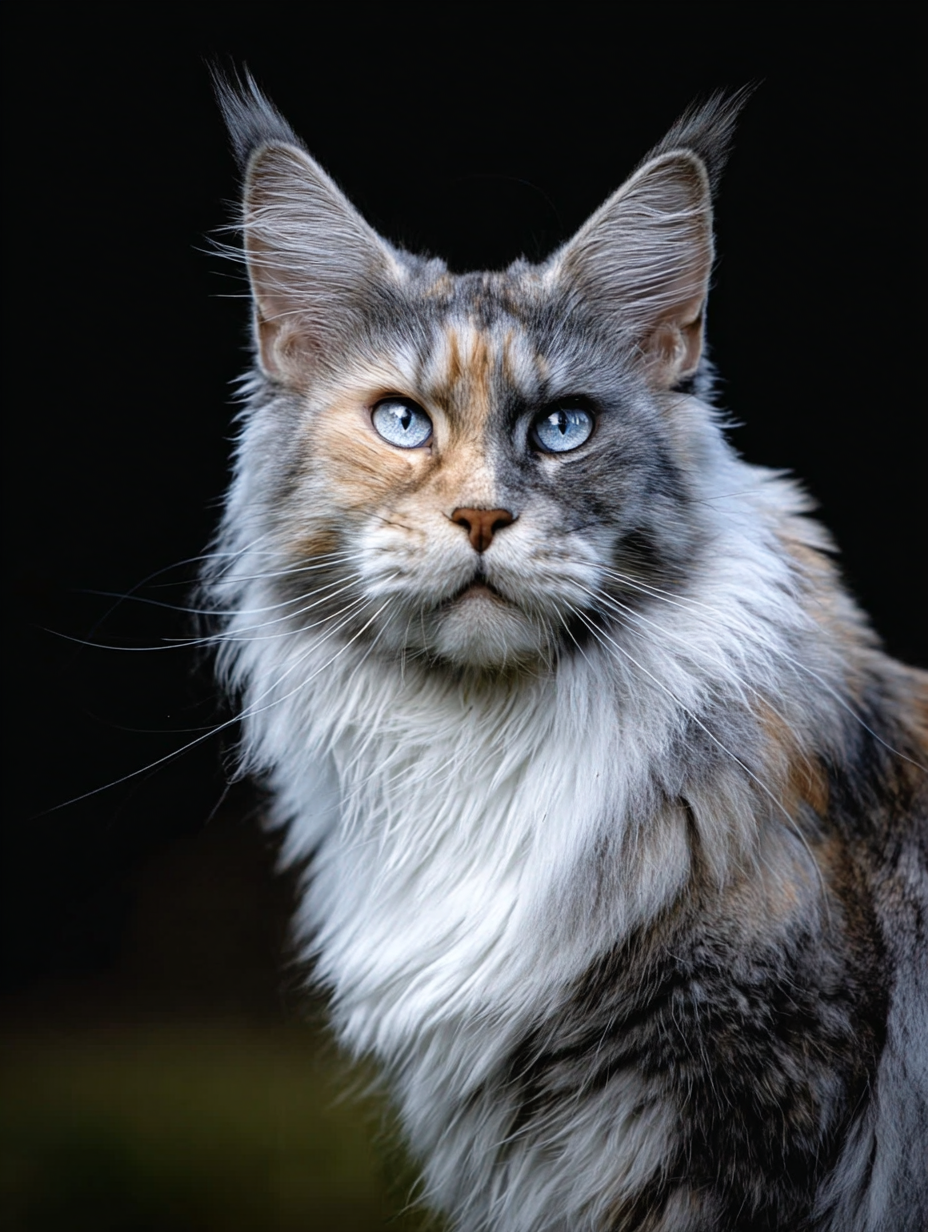
The Maine Coon is long, rectangular, and slow to mature (3–5 years). They require:
- The longest box available
- High rear walls
- Heavy-duty plastic that does not flex
Their body length — not just weight — drives box size needs.
Best Litter Box for Ragdoll
The Ragdoll is broad and substantial but typically less perimeter-oriented.
Ideal features:
- Spacious open design
- Low-stress environment (avoid tight covers)
- 2–3 inches of soft clumping litter for comfort
Ragdolls tend to prefer predictable, open access.
Best Litter Box for Senior Large Cats
As large cats age, structural needs shift.
Look for:
- Lower entry height
- Wide front opening
- Stable, non-flexing base
Senior large cats prioritize accessibility over containment height. Reducing jump or step strain improves consistency.
The best litter box for large cats is determined by biomechanics, not trends. When interior length, wall height, and breed structure align, elimination issues often resolve without retraining or behavior modification.
Best Automatic Litter Boxes for Large Cats
Automatic litter boxes can be a game-changer for busy pet parents, but not all self-cleaning designs are a good fit for large cats. Many robotic or sensor-activated boxes are built with small cats in mind and fail to offer enough interior space for big breeds to turn, dig, and eliminate comfortably.
For a large cat — especially long-bodied breeds like a Maine Coon or Ragdoll — the ideal automatic unit combines:
- Spacious interior dimensions that meet the 1.5× body length rule
- Low or wide entry point that does not force a vertical jump
- High clearance so taller cats do not crouch awkwardly
- Reliable self-cleaning mechanism that does not start while the cat is still inside
Below are the best automatic litter box types that actually work structurally for large cats:
1. Large Open-Top Automatic Boxes
Best for: Large and extra-large cats that need direct interior space and headroom
Why it works:
- Open access preserves full interior length and height
- Sensors trigger cleaning only after exit
- No overhead compression from a hood or top cover
This category combines self-cleaning convenience with the spatial freedom large cats require.
2. Wide Front-Entry Automatic Boxes
Best for: Cats who prefer some enclosure
Why it works:
- Front entry avoids jump-load stress of top-entry units
- Wider footprint allows full turning radius
- Self-cleaning plate or rake removes waste efficiently
These are a good compromise when containment or odor management matters, but interior space remains the priority.
3. Automatic High-Sided Boxes with Spacious Interior
Best for: Large males or cats with high urination angle
Why it works:
- High sides contain spray without reducing footprint
- Sensors trigger cleaning cycles after exit
- Extra room supports full exploratory movement
These designs are especially helpful for big male cats that tend to spray or aim toward the edges.
4. Heavy-Duty Commercial Automatic Units
Best for: Multi-cat homes with large cats
Why it works:
- Reinforced bases support heavier bodyweight
- Sensors and motors designed for frequent use
- Generally larger internal dimensions than typical consumer models
These units may cost more but last longer and hold up to consistent use by large breed cats.
What to Look for in Automatic Boxes for Large Cats
When selecting an automatic litter box specifically for a big breed, focus on interior mechanics first, automation features second:
Interior Footprint Over Features
A self-cleaning mechanism is only helpful if your cat has room to enter, turn, squat, and exit comfortably.
Wide or Low Entry
Cats that must jump vertically into the box are less likely to use it consistently, especially seniors.
Sensor Timing and Safety
The best automatic boxes will have delayed cleaning cycles with motion detection so the mechanism never activates while the cat is inside.
High Clearance
Tall cats should be able to stand naturally without crouching — this reduces stress and supports correct elimination posture.
Top Automatic Litter Box Picks for Large Cats
Meowant SC09 Extra‑Large Self‑Cleaning Litter Box – Excellent choice for big cats; extra-large interior space with reliable automatic scooping and safety sensors.
Pet Marvel C1 Open Top Smart Wi‑Fi Self‑Cleaning Cat Litter Box – Highly rated open-top self-cleaning box that combines roomy access with smart app control.
Osoeri 10L Open‑Top Automatic Self‑Cleaning Large Cat Litter Box – Great value with open access and simple self-cleaning operation — good for large breeds.
PetPivot Large Open‑Top Automatic Cat Litter Box – Spacious design and automatic cleaning, ideal if you want extra room without a hood.
Solid Contenders (Consider Size/Use Case)
Furmax Fully Enclosed Automatic Cat Litter Box – Fully enclosed model with strong reviews; check interior dimensions to ensure your large cat fits comfortably.
CatGenie Units Whoosh – Unique plumbing-connected automatic system with reusable granules — good if you want hands-off maintenance.
Purobot Crystal Duo Automatic Cat Litter Box with Camera – Adds activity monitoring features, though interior space may be less roomy than ultra-large models.
Petcove Self‑Cleaning Automatic Litter Box – A basic self-cleaning entry-level option if you’re looking for automation without premium pricing.
Notes Before You Buy
- Large cats need interior footprint first — self-cleaning features second.
- Open-top designs typically provide more usable space than enclosed globes.
- If your cat is a true giant (e.g., large Maine Coon), prioritize measured interior dimensions over brand labels.
Automatic Litter Box Takeaways for Large Cats
An automatic box can be a great upgrade for owners of larger cats, but size always wins over bells and whistles. Look for models that treat interior space first, intelligent cleaning second, and you’ll find a system that keeps both cats and owners happier.
Using a Storage Bin as a Litter Box (A Practical Solution for Large Cats)
If you have a large cat or a high-sprayer, one of the most effective and affordable solutions is using a plastic storage bin as a litter box.
This is not a “hack.” It works because most standard litter boxes are simply too small.
Storage bins solve three common problems at once:
- They are longer
- They are taller
- They have more usable interior space
For large breeds, space fixes more problems than training ever will.
Why Storage Bins Work Better Than Many XL Litter Boxes
Many commercial “extra-large” litter boxes are still only 18–20 inches long inside.
That is not enough for long-bodied cats.
Most 30–40 quart storage bins provide:
- 26–32 inches of interior length
- Taller walls for spray control
- A wider turning radius
- A stronger base
This allows your cat to:
- Enter comfortably
- Turn fully
- Dig properly
- Eliminate without hitting the wall
When a cat can move naturally, mess decreases immediately.
What Type of Storage Bin Should You Choose?
Not every bin works well. Look for these features.
1. Flat Interior Walls
This is extremely important.
Avoid bins with:
- Deep grooves
- Molded handles inside
- Rounded, indented corners
Rounded corners trap urine clumps and make cleaning frustrating.
Choose a bin with:
- Straight sides
- Squared interior corners
- Smooth plastic
It makes daily scooping much easier.
2. Proper Height (Think About the Litter Depth)
Remember your cat will be standing on 2–3 inches of litter.
If the bin is 15 inches tall:
- Subtract 3 inches
- Your usable wall height is about 12 inches
Make sure that remaining height is enough to contain urine for a cat that urinates at a higher angle.
Too short = urine over the edge
Too tall = difficult entry
Balance matters.
3. Length Is More Important Than Height
This cannot be overstated.
If you are choosing between:
- A taller but shorter bin
- Or a slightly shorter but longer bin
Choose longer.
Your cat must be able to turn in a full circle without hitting the wall.
If they cannot rotate fully, they will reposition awkwardly — and that causes accidents.
4. Clear or Translucent Plastic Is Often Better
Cats prefer visibility.
A clear or lightly tinted bin:
- Allows light in
- Feels less enclosed
- Reduces stress
Dark, solid bins can feel more boxed-in.
For large cats, open and visible is usually preferred.
5. Entry Access Matters
Most storage bins are taller than regular litter boxes.
For younger cats, stepping in is usually not a problem.
For seniors or large cats with stiffness:
- Cut a wide side entry
- Keep the entry low
- Smooth the edges carefully
Never leave sharp plastic after cutting.
If your cat has mobility issues, avoid forcing them to jump into a tall bin.
Important Considerations Before Switching
Floor Space
Large storage bins take up more room.
Make sure you have:
- Enough space for full footprint
- A quiet location
- No heavy traffic nearby
If you put a large box in a busy hallway, your cat may avoid it.
Privacy still matters.
Cleaning Is Slightly Different
A larger box means:
- More litter
- More surface area to scoop
Use a sturdy scoop with wide slots. It makes cleaning faster.
Daily scooping is critical — especially with large cats who produce larger waste.
Odor Control
Bigger boxes hold more litter.
That’s good for absorption — but only if you stay consistent with cleaning.
If odor is a concern:
- Scoop daily
- Fully replace litter regularly
- Ensure the area has airflow
Large boxes reduce mess. They do not eliminate the need for maintenance.
When a Storage Bin Is the Best Choice
A storage bin is often the best option if:
- Your cat pees over the edge
- Your cat looks cramped in their current box
- You have a large male
- You have a multi-cat home
- You cannot find a commercial box long enough
For many large cat owners, this ends up being the most practical long-term solution.
How Many Litter Boxes Do Large Cats Need?
The standard rule still applies:
Number of cats + 1
If you have:
- 1 cat → 2 litter boxes
- 2 cats → 3 litter boxes
- 3 cats → 4 litter boxes
However, when discussing the best litter box for large cats, size changes the equation.
Large cats require a larger footprint. In some homes, two properly sized jumbo boxes are better than three undersized ones. Multiple tiny pans do not compensate for insufficient turning space.
A 22 lb Maine Coon will not use a cramped box simply because there are more of them available. Comfort drives consistency.
Bigger Over More (When Space Is Limited)
If you must choose, prioritize:
- Fewer boxes that meet the 1.5× body length rule
- High-sided containment for large males
- Stable placement in predictable locations
Large cats value space more than quantity.
Proper Placement Matters
Even the correct size box will fail in the wrong location.
Follow these placement principles:
- Quiet location — away from sudden noise or startling activity
- Separate from food and water — cats prefer clear elimination zones
- No high-traffic hallways or doorways — privacy reduces stress
Large cats are often confident, but they still prefer low-stress elimination environments. Poor placement increases avoidance behaviors even when box size is appropriate.
Common Mistakes Owners Make
Many litter box problems stem from predictable purchasing decisions.
• Buying based on aesthetics
• Choosing covered boxes to reduce odor instead of increasing interior space
• Ignoring the breed’s growth timeline
• Keeping a kitten-sized box into adulthood
• Not upgrading at 12–18 months when the cat’s body length increases
Large breeds like the Ragdoll and Siberian mature slowly. What fits at 5 months will not fit at 18 months.
Waiting until elimination problems appear before upgrading the box often creates unnecessary stress.
Litter Depth and Type for Large Cats
The best litter box for large cats must also be paired with appropriate litter depth and substrate type.
Ideal Litter Depth
- 2–3 inches of litter is optimal
- Deep enough for digging
- Not so deep that footing becomes unstable
Large cats dig with force. Too little litter results in:
- Exposed plastic bottom
- Waste sticking to surfaces
- Increased odor
Litter Type
Unscented, clumping litter is generally preferred for large breeds because:
- It allows effective covering behavior
- It minimizes chemical irritation
- It supports easier daily scooping
Avoid shallow fill in oversized boxes. A large footprint requires proportional litter volume to maintain coverage.
Heavier Cats Compress Litter Faster
Large cats apply more downward pressure. This compresses litter quickly and reduces absorption efficiency.
As a result:
- Daily scooping is critical
- Full litter replacement should occur regularly
- Adequate depth helps maintain cleanliness
Hygiene and Urinary Health Connection
Improper litter setup can contribute to:
- Avoidance behaviors
- Holding urine
- Increased stress
Clean, spacious, properly filled litter boxes support normal elimination habits and reduce urinary strain.
For large cats, litter management is not cosmetic. It is preventative health infrastructure.
Summary Table — What Litterbox to Buy Based on Cat Type
Choosing the best litter box for large cats becomes easier when you match structure to body type. Below is a practical buying framework based on cat category and biomechanics.
| Cat Type | Recommended Box Type | Size Range (Interior Length) | Special Notes |
|---|---|---|---|
| Adult Maine Coon | Jumbo open pan | 28–32 inches | High sides, reinforced base |
| Adult Ragdoll | Extra-large open box | 26–30 inches | Wide footprint, open design |
| Large Male (any breed) | High-sided XL box | 28+ inches | Strong rear coverage for elevated urination angle |
| Senior Large Cat | Low-entry XL box | 26+ inches | Easy access, stable base |
| Multi-Cat Home (large breeds) | 2–3 XL boxes | 26+ inches each | Distributed placement, prioritize footprint over quantity |
This table simplifies decision-making while reinforcing the most important variable: interior length.
If the box does not meet the 1.5× body length rule, it is undersized — regardless of marketing labels.
Frequently Asked Questions — Best Litter Boxes for Large Cats
Below is a detailed FAQ section designed to answer high-intent search queries around the best litter box for large cats, including Maine Coons, Ragdolls, and other big breeds.
What size litter box does a large cat actually need?
A large cat needs a litter box with an interior length equal to 1.5× their body length (nose to base of tail).
For most large breeds, this means:
- 24–30 inches interior length minimum
- 18–20 inches width
- 6–10 inch side walls
Many “XL” boxes sold in stores measure only 18–20 inches inside — which is too small for long-bodied cats.
Always check interior dimensions, not exterior packaging claims.
What is the best litter box for a Maine Coon?
The Maine Coon requires one of the longest litter boxes available due to their rectangular frame and 3–5 year growth timeline.
Ideal features:
- 28–32 inch interior length
- High rear walls
- Reinforced plastic base
- Open-top design for maximum clearance
Because Maine Coons are long rather than just heavy, length matters more than depth.
What is the best litter box for a Ragdoll?
The Ragdoll is broad and substantial but typically prefers open, low-stress environments.
Best setup:
- 26–30 inch interior length
- Open design (avoid tight covers)
- 2–3 inches of soft clumping litter
- Stable, non-flexing base
Ragdolls often dislike cramped or hooded boxes that compress interior space.
Are covered litter boxes bad for large cats?
Covered boxes are not automatically bad — but they frequently reduce usable interior space.
Common problems with covered boxes for large cats:
- Reduced turning clearance
- Lower ceiling height
- Limited airflow
- Increased stress in confined designs
If you choose a covered box, ensure the interior still meets the 1.5× body length rule. Many do not.
Are automatic litter boxes safe for large cats?
Automatic litter boxes can work well for large cats if they meet key criteria:
- Sufficient interior footprint
- Wide or low entry
- Delayed sensor activation
- Stable construction
Avoid small globe-style units that restrict turning. Prioritize internal dimensions first, automation features second.
Why does my large cat pee over the edge of the litter box?
This is almost always a size issue.
Common mechanical causes:
- Insufficient turning radius
- Rear end extending past edge
- Elevated urination angle with low walls
Upgrading to a high-sided, longer litter box often resolves the problem immediately.
It is rarely a training issue.
How often should I upgrade my large cat’s litter box?
Large breeds grow slowly. Many owners forget to upgrade at key milestones.
Upgrade timeline:
- Around 6–8 months (growth acceleration)
- Again at 12–18 months
- Final evaluation at full maturity (2–4 years depending on breed)
If your cat looks cramped inside the box, it is time to upgrade — even if they are still using it.
Can I use a storage bin as a litter box for a large cat?
Yes — when sized properly.
Large 30–40 quart storage bins often provide more usable interior length than commercial boxes.
Important considerations:
- Cut a wide side entry
- Smooth edges
- Ensure interior meets 1.5× body length rule
This option works because it increases footprint and wall height without reducing turning space.
How deep should litter be for a large cat?
The ideal depth is 2–3 inches.
Too shallow:
- Exposes plastic bottom
- Increases odor
- Reduces digging satisfaction
Too deep:
- Creates unstable footing
- Wastes litter
Large cats compress litter faster due to body weight, so daily scooping is especially important.
Do large cats need more litter boxes than small cats?
The rule remains:
Number of cats + 1
However, for large cats:
- Bigger boxes are often more important than more boxes.
- Two properly sized jumbo boxes may outperform three small ones.
Quality and footprint matter more than quantity.
Why is my large cat avoiding the litter box?
Before assuming behavioral issues, check structure:
- Is the box long enough?
- Is it in a quiet location?
- Is litter clean?
- Is entry accessible?
- Has the cat outgrown it?
Undersized litter boxes are one of the most common environmental stressors in large breeds.
Correcting size often resolves avoidance without retraining.
What is the biggest mistake owners make with large cats?
The most common mistake is keeping a kitten-sized litter box into adulthood.
Other frequent errors:
- Choosing based on aesthetics
- Buying covered boxes for odor control instead of space
- Ignoring growth timeline
- Failing to upgrade at 12–18 months
Large cats require spatial planning. Most problems are architectural, not behavioral.
Does litter box size impact urinary health?
Indirectly, yes.
When cats feel cramped:
- They may hold urine
- They may avoid the box
- They may eliminate in inappropriate locations
A properly sized litter box supports consistent elimination, reduces stress, and promotes better hygiene.
For large breeds, space is preventative care.
Final Perspective — Bigger Is Better (But Structure Matters More)
Large cats are not simply “big regular cats.” Their skeletal frame, turning radius, and elimination posture require intentional spatial planning.
Most litter box issues in large breeds are not behavioral. They are architectural.
An undersized box creates:
- Incomplete turning
- Perimeter accidents
- Stress avoidance
- Hygiene problems
- Increased cleaning burden
When owners upgrade to appropriately sized, structurally supportive litter boxes, elimination problems often resolve without retraining.
The best litter box for large cats prioritizes interior length, turning space, wall height, and stress reduction over aesthetics, making size and structure the most important purchase factors.
Related Large Cat Care Guides
If you’re raising a large breed, these guides will help you create a stress-free, well-designed environment:
- Maine Coon Size Guide: How Big Do They Really Get?
(Supports litter box sizing and growth timeline.) - Ragdoll Growth Timeline: What to Expect From Kitten to Adult
(Explains why upgrading litter boxes at 12–18 months matters.) - Why Is My Cat Peeing Outside the Litter Box?
(Differentiates medical vs environmental causes.) - How Many Litter Boxes Do You Really Need?
(Breaks down the cats + 1 rule with placement strategy.) - Best Litter for Large Cats: Clumping, Dust, and Depth Explained
(Complements this post and increases time on site.) - High-Spraying Cats: Causes and Solutions for Male Cats
(Supports your tall box diagnostic section.) - Litter Box Placement Guide: Where to Put It (and Where Not To)
(Strengthens your environmental authority.) - Automatic Litter Boxes for Large Cats: What Actually Works
(Captures high-intent commercial traffic.)
Sources
- American Association of Feline Practitioners (AAFP). Feline Environmental Needs Guidelines.
https://catvets.com/guidelines/practice-guidelines/environmental-needs - International Society of Feline Medicine (ISFM). Understanding Feline Environmental Stressors.
https://icatcare.org/advice/feline-environmental-needs/ - Cornell University College of Veterinary Medicine. House Soiling in Cats.
https://www.vet.cornell.edu/departments-centers-and-institutes/cornell-feline-health-center - Ohio State University Indoor Pet Initiative. Litter Box Management and Environmental Design.
https://indoorpet.osu.edu/cats/basicneeds/litter-boxes - ASPCA. Litter Box Problems in Cats.
https://www.aspca.org/pet-care/cat-care/common-cat-behavior-issues/litter-box-problems





Read the Comments +