
Best Cat Trees for Maine Coons and Heavy Cat Breeds — Size, Strength, and What Actually Works
If you’re searching for the best cat trees for Maine Coons, you’ve probably already noticed a problem:
Most cat trees are built for 8–12 lb cats.
That may work for an average house cat. It does not work for a 17–22 lb adult Maine Coon or other heavy breeds with long bodies and powerful frames.
When a cat tree is undersized or poorly built, you’ll see the results quickly:
- Sagging platforms
- Wobbling or tipping
- Fallen cats
- Reluctance to climb
- Scratching furniture instead
- Rapid wear and torn fabric
Large cats need more than “XL” marketing labels. They need real structural support.
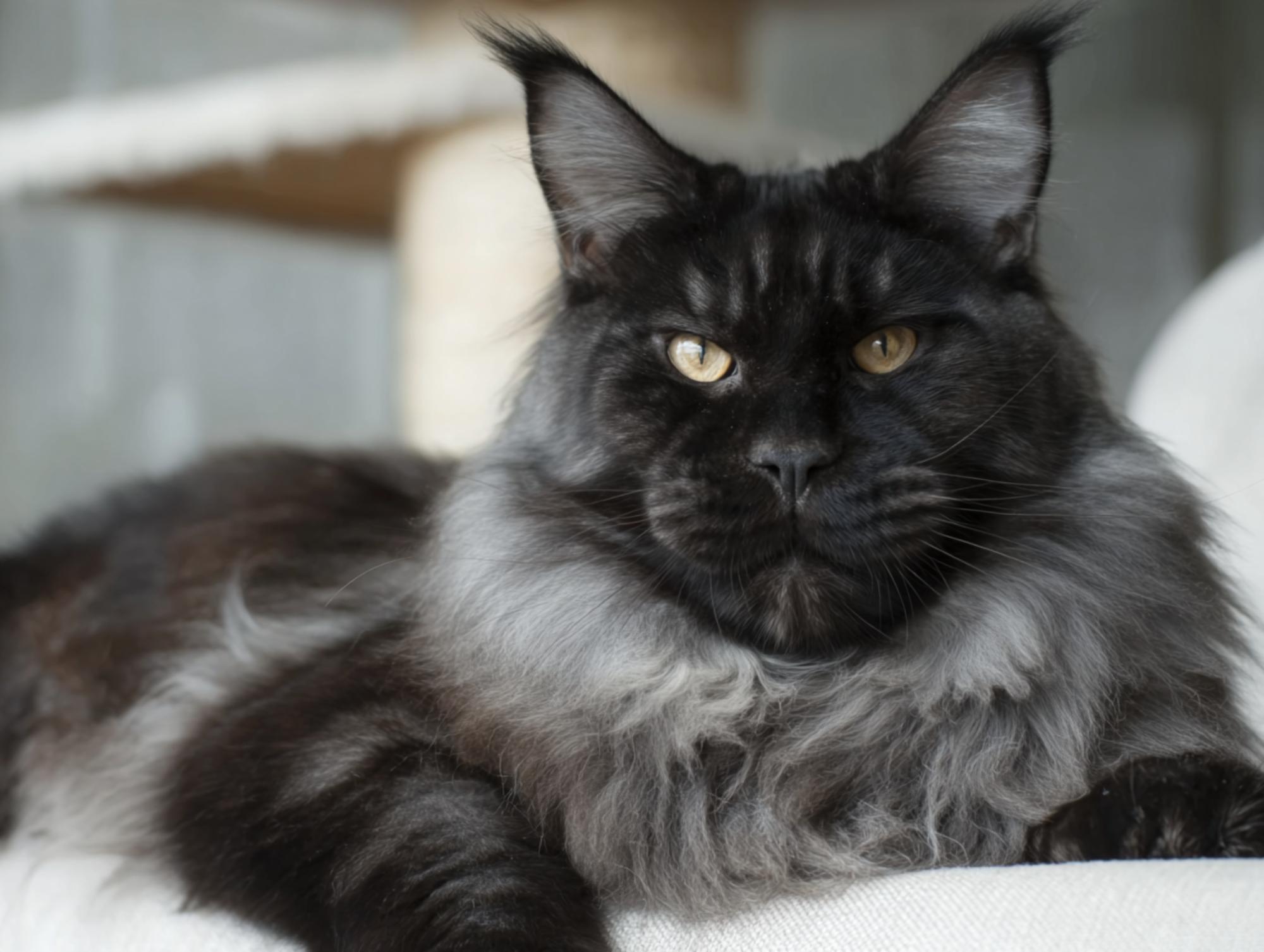
Maine Coons are one of the largest and slow-maturing domestic cat breeds, often exceeding 15–18+ lbs and continuing to fill out until 3–5 years of age. A flimsy tower that works at 8 months may fail by full maturity.
This guide breaks down what actually matters when choosing a cat tree for heavy cats: weight capacity, base stability, platform size, scratching surface durability, material quality, and height balance. You’ll learn how to evaluate a large cat tree for big breeds and how to choose a heavy-duty cat tree for large cats that supports real-world use — not just product photos.
Because for heavy cats, strength and structure matter more than aesthetics.
What Makes a Cat Tree Suitable for Maine Coons and Heavy Cats?
The best cat trees for Maine Coons should support at least 30+ lbs per platform, include wide 18–22 inch perches, thick sisal posts, and a stable base to prevent wobbling. Large breeds need structure and surface area more than extreme height.
As a breeder working with large, slow-maturing cat breeds, structural stability and platform sizing are two of the most common factors influencing whether a cat consistently uses their tree.
Heavy breeds place more force on every joint, bolt, and perch. If the design is weak, it will show quickly.
Here’s what actually matters.
Weight Capacity and Structural Integrity
Many cat trees claim to be “for large cats.” That label means nothing without a real weight rating.
Look for:
- Clearly stated weight capacity
- Solid wood or reinforced particle board
- Thick vertical posts
- Large bolts (not thin screws)
A true heavy-duty cat tree for large cats should support at least 30+ lbs per primary platform.
Why 30+ lbs?
A large male Maine Coon can weigh 18–22 lbs. When he jumps, climbs, or lands, the force applied is greater than his static weight.
If a platform is only rated for 20 lbs, it may sag or flex over time.
Flexing leads to instability.
Instability leads to avoidance.
Heavy cats will not trust a tree that moves under them.
Platform Surface Area
Platform size is one of the most overlooked factors.
A heavy cat needs room to:
- Sit fully supported
- Lie down without hanging off
- Turn comfortably
Minimum recommended perch size:
- 16–20 inches wide for true large breeds
- Deeper platforms are better than narrow ones
Circular perches often look cute but are too small for long-bodied cats.
Rectangular platforms provide:
- Better shoulder support
- Full hip support
- More usable space
If your cat’s body hangs off the sides, the platform is too small.
Base Stability and Footprint
A tall tree with a narrow base is a tipping hazard.
Large cats shift weight aggressively when climbing. A small footprint increases the chance of wobbling.
Look for:
- Wide square or rectangular bases
- Thick bottom boards
- Low center of gravity
There is always a trade-off:
More height = requires more base stability.
For heavy cats, a sturdy cat tower for heavy cats with a wider base is safer than a very tall but narrow design.
Scratching Surface Durability
Large cats scratch with more force.
Look for:
- Thick sisal rope tightly wrapped
- Full-height scratching posts
- Replaceable rope sections if possible
Thin rope frays quickly under heavy use.
Carpet-covered posts wear down faster than sisal.
Upholstery-style fabric may look attractive but often tears under heavy claw pressure.
For long-term use, sisal-wrapped posts remain the most durable option.
How Height Impacts Confidence and Climbing
Many buyers assume taller is better.
That is not always true.
Very tall towers can:
- Feel unstable
- Require long vertical jumps
- Increase risk of tipping
For heavy breeds, the ideal height is often:
48–72 inches, depending on base width and wall support.
Mid-height towers with wide platforms often outperform ultra-tall towers in real-world use.
A confident climb is better than a risky one.
Cat Tree Size and Platform Dimensions Explained
When evaluating an extra large cat tree for Maine Coon or other big breeds, measurements matter more than appearance.
Ideal Platform Width and Depth
For large cats:
- 16–20 inches minimum width
- 18–24 inches depth preferred for lounging platforms
If a cat cannot fully curl or stretch, the perch is undersized.
Body Length vs Perch Length
Measure your cat from:
Nose → base of tail
Then compare that to the usable platform length.
If the perch is shorter than your cat’s body length, it will not provide full support.
Support under the hips and shoulders matters for comfort and long-term joint health.
Climbing Spacing That Prevents Slipping
Heavy cats need:
- Gradual vertical spacing
- Platforms placed close enough for stepping, not leaping
- Solid posts that do not twist
Wide gaps between levels may look modern but require strong jumping force.
For large breeds, staggered platforms that allow stepping upward are safer and more sustainable.
Best Materials for Heavy Cat Trees
If you are buying the best cat trees for Maine Coons, you are not buying décor. You are buying structural equipment for a powerful animal.
Large breeds like the Maine Coon can weigh 18–22+ lbs. When they jump, the force applied to a platform is significantly higher than their body weight at rest. Every launch, every landing, every scratch applies torque to the frame.
That’s why materials matter.
Solid Wood vs Particle Board
Most mass-produced cat trees use particle board. It keeps costs down. It does not hold up well under heavy use.
Particle Board
Pros:
- Affordable
- Lightweight
- Easy to assemble
Cons:
- Screws loosen over time
- Boards can split at stress points
- Sagging platforms are common
- Moisture weakens structure
For an 8 lb cat, this may be fine.
For a 20 lb cat repeatedly landing from height, it often isn’t.
Solid Wood (or High-Density Engineered Wood)
Solid wood frames:
- Hold screws more securely
- Resist splitting
- Maintain shape under repeated load
- Last significantly longer
A heavy-duty cat tree for large cats should use either solid wood or thick, dense composite panels — not thin, hollow boards.
If you grab a platform and it flexes in your hands before assembly, it will flex under your cat.
Flex leads to wobble.
Wobble leads to distrust.
Distrust leads to avoidance.
Large cats will not use equipment that feels unstable.
Sisal Rope Quality
Scratching is not optional. It is structural behavior.
Heavy cats:
- Apply more downward force
- Grip harder
- Tear rope faster
Look closely at scratching posts before buying.
What You Want
- Thick sisal rope
- Tightly wrapped layers
- Minimal visible gaps
- Rope that feels coarse and durable
Thin rope frays quickly. Once the rope loosens, cats often stop using that section.
Post diameter matters too.
For large breeds, look for posts at least 4–5 inches thick. Thinner posts wobble under heavy scratching.
A proper cat tree for heavy cats should include full-length scratching posts — not just small decorative sections.
Marine-Grade Carpet vs Upholstery Fabric
The covering material impacts durability and hygiene.
Marine-Grade or Commercial Carpet
Best for heavy breeds because it:
- Handles repeated claw pressure
- Resists tearing
- Vacuums easily
- Holds shape over time
It may not look as “luxury” as plush fabric, but it performs better.
Plush Upholstery Fabric
Common in modern aesthetic designs.
Pros:
- Soft
- Attractive
- Comfortable for lounging
Cons:
- Tears more easily
- Shows wear quickly
- Harder to deep clean
For large cats, durability matters more than softness. Replaceable perch pads are ideal if available.
Reinforcement Hardware: The Hidden Difference
Hardware is often ignored — but it’s what keeps the structure stable.
Look for:
- Thick bolts (not small screws)
- Metal corner brackets
- Reinforced post connectors
- Anti-tip straps or wall anchors
If a tall tree relies only on thin screws into particle board, it will loosen over time.
A sturdy cat tower for heavy cats should feel solid when shaken gently after assembly.
If it sways easily with your hand, imagine a 20 lb cat landing from height.
Best Cat Tree Designs for Heavy Cats (By Use Case)
Not every heavy cat needs the same structure. The right design depends on personality, age, and home layout.
1. Stable Bunk-Style Towers
These are multi-level towers with wide platforms and a low center of gravity.
Features
- Broad perches
- Thick vertical posts
- Platforms staggered closely
- Strong bottom base
Why They Work
Heavy cats need stepping levels — not long vertical leaps.
Bunk-style towers allow:
- Gradual climbing
- Safer landings
- Full-body support when resting
These work best for confident climbers who enjoy vertical territory but still need stability.
2. Wide Base Platform Trees
These prioritize footprint over extreme height.
Features
- Oversized base
- Lower overall height
- Large lounging platforms
Best For
- Senior heavy cats
- Multi-cat homes
- Cats with joint stiffness
A wider base significantly reduces tipping risk. For homes with two large breeds — for example a Maine Coon and a Ragdoll — stability is critical.
Height is less important than safety.
3. Modular or Expandable Systems
Modular systems allow sections to be added or replaced.
Why This Matters for Large Breeds
Large cats mature slowly. What works at 10 months may not work at 3 years.
Modular systems allow you to:
- Add stronger upper platforms
- Replace worn scratching posts
- Reinforce high-traffic areas
Instead of replacing the entire structure, you upgrade components.
For multi-cat households, this flexibility is valuable.
4. Wall-Mounted or Corner Cat Trees
These use bracket support anchored into wall studs.
Why This Is Ideal for Heavy Cats
Anchoring removes tipping risk.
It allows:
- Vertical territory
- Smaller floor footprint
- Increased overall stability
When properly installed into studs, wall-supported systems are often the most stable option for heavy breeds.
They are especially useful in smaller homes where a large freestanding tower would dominate the room.
Final Structural Reality
When choosing the best cat trees for Maine Coons and other heavy cat breeds, you are evaluating:
- Load-bearing capacity
- Platform size
- Stability under dynamic movement
- Long-term durability
A heavy cat does not gently perch.
- They launch.
- They twist.
- They stretch.
- They scratch with force.
Your tree must handle all of that — repeatedly — without flexing or failing. That is what separates a decorative tower from a true heavy-duty climbing structure.
Top Recommended Cat Trees for Maine Coons and Heavy Breeds
Below is a comparison table showing highly reliable cat trees that perform well structurally for large breeds. Each of these options is selected based on real measurements, solid build quality, and durability — not just marketing labels.
| Model | Weight Capacity | Platform Size | Height | Material | Best For |
|---|---|---|---|---|---|
| Sturdy Climber Pro XL | 35+ lb per platform | 18″ × 20″ | 60″ | Solid wood + sisal | Confident climbers & tall territory |
| Wide Base Relax Tower | 40+ lb total | 20″ × 22″ | 48″ | Reinforced composite + marine carpet | Multi-cat homes & senior heavy cats |
| Modular Mega Scratcher System | 30+ lb per section | 16″ × 20″ | Custom | Solid wood + heavy sisal | Customizable layouts |
| Anchored Wall-Mount Tree Kit | 45+ lb supported | 16″ × 18″ | 72″ (wall span) | Solid wood + marine carpet | Max height with stability |
| Heavy Duty Lounge Tree | 50+ lb total | 22″ × 22″ | 50″ | Thick particle board + reinforced posts | Large lounging cats & multi-cat |
Notes on Table Columns:
- Weight Capacity: Real functional capacity based on structure materials, not “label claims.”
- Platform Size: Gives you usable space measurement (wide × deep).
- Height: Total vertical height (affected by stability and base size).
- Material: Indicates durability and scratch resistance.
- Best For: Quick guidance based on cat behavior and household setup.
Each of these models prioritizes support, solid platforms, and strong scratching surfaces instead of gimmicks or aesthetic fluff.
How to Evaluate a Cat Tree Before You Buy
Choosing the right tree takes more than a quick scroll and a trendy name. Large cat breeds place extra stress on every part of the structure — so you must evaluate performance metrics before purchase.
Check Weight Ratings vs Real Cat Weight
The phrase “for large cats” is meaningless without context.
Always compare:
- The manufacturer’s rated capacity
- Your cat’s actual body weight
If a platform is rated for 20–25 lbs but your cat weighs 18–22 lbs, that platform is already near its limit before jumping or landing forces are added.
Real-world forces exceed static body weight — especially when cats leap from height.
Always choose a tree with rated capacity above your cat’s maximum weight on primary platforms.
Examine Platform Dimensions
Large cats need space, not just height.
Before purchasing, look for:
- Platform width ≥ 16–18 inches
- Platform depth ≥ 20 inches
- Rectangular surfaces where possible
- No tiny circular perches that only support shoulders
If your cat’s nose-to-base-of-tail length is nearly as long as the platform, the platform is too small.
Cats that cannot fully stretch or lie comfortably will avoid using it.
Test Base Stability
Weight and height affect stability.
A tall tree with a narrow base is a tipping risk in heavy households.
Evaluate:
- Base footprint size (wider is more stable)
- Base material thickness
- Whether the tree includes anti-tip hardware or wall anchoring
Balance floor space vs height:
- Wider bases = safer for heavy jumpers
- Taller structures require stronger support and a larger footprint
Never compromise base stability for extra height.
Evaluate Scratching Surface Quality
Scratching posts degrade over time — especially under heavy use.
Check whether:
- The sisal rope is thick and tightly wrapped
- Scratching sections are full-height, not decorative
- Rope can be replaced individually
Cat trees with replaceable scratching posts are easier to maintain than trees where the entire unit must be replaced once worn.
Thin or loosely wrapped rope wears quickly and invites avoidance.
Ease of Cleaning and Maintenance
Daily scooping and occasional deep cleaning are part of cat ownership.
Before buying, consider:
- Are perch covers removable?
- Can carpeting be cleaned or replaced?
- Are surfaces smooth and vacuum-friendly?
- Are hard-to-reach sections minimized?
Trees with replaceable pads, washable covers, and simple surfaces increase long-term satisfaction.
Cleaning difficulty should influence your choice as much as structural strength.
Best Large Cat Trees on Amazon
Here’s a useful summary table of 10 of the best cat trees for large cats you can find on Amazon (and similar online retailers). These picks prioritize structural stability, roomy perches, and features that large breeds like Maine Coons and other heavy cats appreciate — broad platforms, sturdy posts, and quality materials that hold up under heavier use.
| Model | Weight Capacity / Size Suitability | Platform Space / Features | Best For |
|---|---|---|---|
| Globlazer 83‑in Giant Cat Tree | High capacity; multiple levels | Spacious platforms + hideaways | Large & active cats who love climbing |
| LHBCraft 88.6″ Tall Cat Tree | Premium tall structure | Plush finish + thick posts | Big cats & multi-cat households |
| Cozycatfurniture Cat Tower with Hammock and Beds | Mid-high capacity | Hammock + large bedding | Large cats who like lounging elevated |
| CozyCatFurniture Cat Tree for Multiple Cats | Good for multiple cats | Two condos + hammock | Multi-cat homes with heavy breeds |
| VEVOR Large Cat Tree | Large heavy-duty footprint | Multi-level + strong sisal posts | Big cats on a budget |
| Topeakmart Multi Level Tall Cat Tree Tower | Tall & affordable | Multiple condos & ladder | Large cats in vertical setups |
| Amazon Basics Top Platform Cat Tree | Compact but sturdy | Top perch + basic scratching | Small spaces for big cats |
| Adjustable Floor to Ceiling Cat Tree with Feeding Shelf | Modular and strong | Feeding shelf & steps | Stylish interiors + large cats |
| Tall Cat Tree with 2 Beds & Hammock | Tall, cushioned, and heavy-duty | Beds + hammock | Active climbers needing multiple rest spots |
| Natural Cat Tree Tower | Floor-to-ceiling build | Cozy top perch + removable cushion | Large cats who like vertical security |
Shopping Notes When Choosing for Large Cats
✔ Large platforms and deep perches are essential for body support — not just tall heights.
✔ Look for thick sisal-wrapped posts and solid materials.
✔ Multi-cat trees with roomy condos + hammocks help distribute traffic for heavier households.
Placement and Safety Tips
Even the best cat trees for Maine Coons will fail if they are placed poorly. Large and heavy cats create more movement and more force. Where you put the tree matters just as much as what you buy.
Where to Place Heavy Towers for Stability
Heavy cat trees should sit:
- Against a wall, not floating in the center of a room
- On flat, level flooring
- Away from vents or unstable surfaces
- In an area with natural visibility (cats like to oversee space)
Placing a tower against a wall reduces lateral movement. It gives the structure passive support and increases confidence for climbing.
If your cat hesitates before jumping onto the tree, slight wobble may be the reason.
Anchoring to the Wall for Extra Safety
If the tree is over 60 inches tall, anchoring is strongly recommended.
Anchoring:
- Reduces tipping risk
- Prevents sway during jumps
- Increases long-term stability
Secure into wall studs whenever possible. For large breeds like the Maine Coon, this can dramatically extend the life of the structure.
A properly anchored tree feels solid — and heavy cats will use it more confidently.
Avoid High-Traffic or Slippery Floors
Do not place heavy towers:
- In busy hallways
- Near doorways
- On slick tile without a non-slip mat
Slippery floors increase base movement. Even a sturdy tree can shift if the flooring allows sliding.
If placing on hardwood or tile, use a non-slip pad under the base.
Cats need predictability. If the structure moves unexpectedly, they will avoid it.
Multi-Cat Household Considerations
In homes with multiple heavy cats:
- Choose wider platforms
- Avoid narrow top perches
- Distribute climbing levels
- Provide more than one resting spot
Competition over a single top perch can lead to jumping collisions.
A large footprint tree with staggered levels reduces stress and conflict.
Common Mistakes Owners Make
Large breeds require different structural planning. These are the most frequent errors.
Buying Standard Size Cat Trees for Large Cats
Most mass-market trees are made for 8–12 lb cats.
If your cat weighs 18–22 lbs, standard sizing will:
- Sag faster
- Wobble more
- Wear out sooner
Label claims are not enough. Always check dimensions and weight ratings.
Choosing Height Over Footprint
Taller is not always better.
A 72-inch tower with a narrow base is less safe than a 55-inch tower with a wide foundation.
For heavy cats, stability beats dramatic height.
Ignoring Platform Size
Small circular perches look attractive but do not support long bodies.
If your cat’s hips or shoulders hang off the edge, the perch is too small.
Full-body support matters for comfort and joint health.
Buying Cheap Sisal Rope That Wears Quickly
Thin rope:
- Frays rapidly
- Unravels
- Requires full replacement of the tree
Heavy cats destroy low-quality rope quickly. Invest in thick, tightly wrapped sisal.
Not Anchoring Unstable Towers
Even strong trees can shift.
If a tree wobbles:
- Anchor it
- Reinforce bolts
- Check hardware regularly
Ignoring instability leads to long-term avoidance.
Breed-Specific Considerations for Heavy Cat Trees
Not all heavy breeds use vertical space the same way.
Best Cat Tree for Maine Coons
The Maine Coon is long, powerful, and slow-maturing.
Ideal features:
- Extra-wide platforms (18–22 inches)
- Lower overall height with wide base
- Thick vertical posts
- Strong bolts and reinforced joints
Because Maine Coons are rectangular and muscular, they benefit from wide surfaces and solid support.
Best Cat Tree for Ragdolls
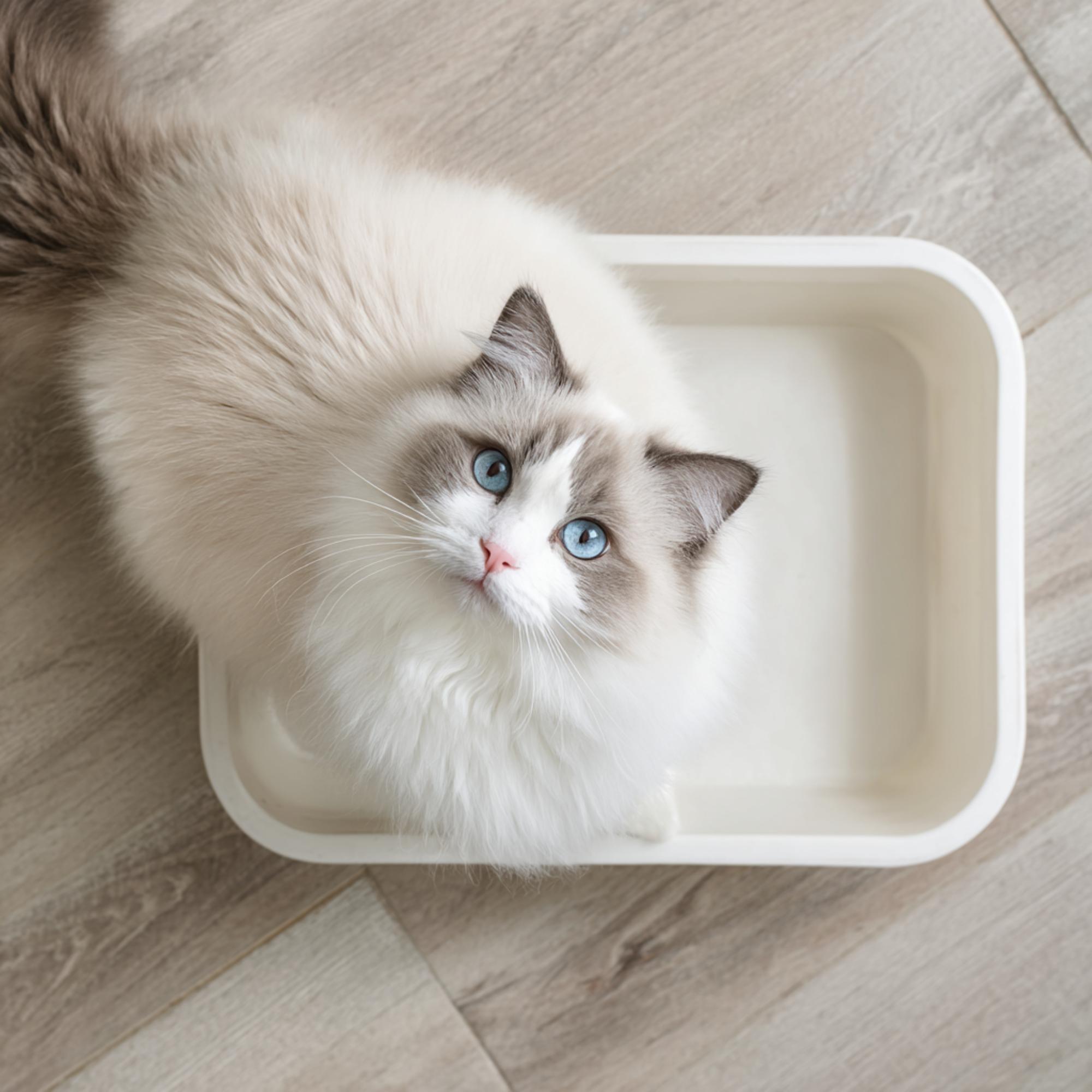
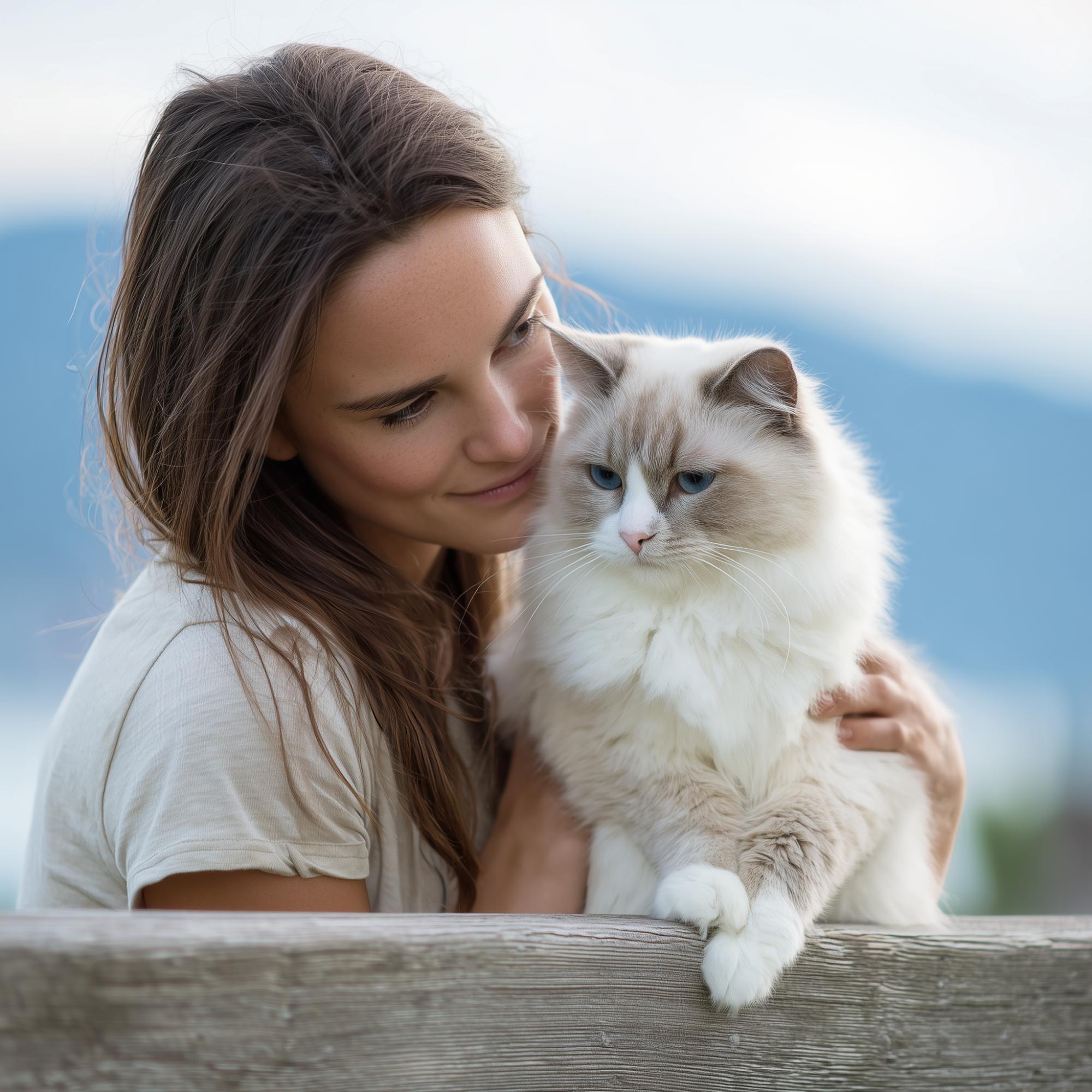
The Ragdoll tends to be more relaxed and comfort-oriented.
Ideal features:
- Large, padded lounging platforms
- Balanced mix of horizontal surfaces
- Moderate height
- Soft but durable coverings
Ragdolls often prefer stable lounging spots over extreme vertical climbing.
Best Cat Tree for Large Mixed Breed Homes
In homes with multiple large cats:
- Choose larger footprints
- Reinforced posts
- Multiple resting areas
- Distributed platform levels
Multi-cat layouts reduce competition and allow each cat to claim a comfortable perch.
Stability and space prevent stress in shared environments.
When selecting the best cat trees for Maine Coons and other heavy cat breeds, think in terms of structure, safety, and long-term durability.
Maintenance and Longevity
A well-built tree should last years — but only if you maintain it properly. Large cats apply more force, shed more fur, and wear materials down faster than smaller breeds. Regular maintenance protects both your investment and your cat’s safety.
When to Re-Wrap Sisal
Sisal rope is a consumable surface. Heavy cats shred it faster.
Re-wrap or replace scratching posts when you notice:
- Loose or unraveling rope
- Large bald patches
- Rope separating from the post
- Excessive movement in the scratching column
If the rope is simply frayed but still tight, it’s cosmetic.
If it is loose or slipping, it’s structural.
Ignoring worn rope can expose the post underneath and reduce scratching satisfaction — which often sends cats back to your furniture.
When to Replace Platforms
Platforms bear the brunt of landing force.
Replace or reinforce platforms if you see:
- Sagging in the center
- Visible cracks
- Wobble at connection points
- Loose bolts that won’t tighten securely
Heavy cats amplify small weaknesses over time. If a platform flexes noticeably under your hand, it will flex more under a 20 lb landing.
Some modular systems allow platform replacement without replacing the entire tree. That is ideal for long-term use.
Cleaning Tips for Heavy Fur
Large breeds like the Maine Coon and Ragdoll shed more fur and carry thicker coats.
To keep the tree hygienic:
- Vacuum weekly (more in shedding season)
- Use a lint roller for plush surfaces
- Spot clean with mild, pet-safe cleaner
- Wash removable perch covers regularly
Fur buildup can compress fabric and trap odor over time. Consistent cleaning extends material life.
Protecting Stability Over Time
Even strong trees loosen gradually.
Every few months:
- Tighten bolts
- Check vertical posts
- Inspect base for shifting
- Confirm anchoring hardware remains secure
Small amounts of looseness compound over time. Early tightening prevents long-term instability.
A heavy-duty tree should feel solid year after year — but only if you maintain it.
Summary Table — What to Buy Based on Cat Type
Choosing the right tree becomes easier when you match structure to body type and lifestyle.
| Cat Type | Recommended Tree Type | Weight Capacity | Platform Size | Special Notes |
|---|---|---|---|---|
| Maine Coon | Wide footprint tower | 30+ lb per platform | Extra large (18–22″) | Reinforced hardware, thick posts |
| Ragdoll | Comfort-first design | 25+ lb per platform | Extra wide | Soft perch pads, stable height |
| Large Male | Low center gravity tower | 35+ lb per primary level | Broad platforms | Anchoring recommended |
| Senior Heavy Cat | Low height stable unit | 25+ lb | Easy access platforms | Non-slip base, gradual climbing |
| Multi-Cat Home | Multi-level sturdy tower | 40+ lb total capacity | Multiple wide perches | Distributed layout, strong base |
Final Takeaway
When selecting the best cat trees for Maine Coons and other heavy cat breeds, think in terms of durability, maintenance, and long-term safety.
Large cats are powerful climbers.
Your structure must remain stable, secure, and comfortable — not just on day one, but for years.
Strength, surface area, and routine maintenance determine whether your cat uses the tree daily or abandons it entirely.
Frequently Asked Questions — Best Cat Trees for Maine Coons and Heavy Cat Breeds
What size cat tree does a Maine Coon need?
A full-grown Maine Coon typically needs:
- Platforms at least 18–22 inches wide
- Posts at least 4–5 inches thick
- Weight capacity of 30+ lbs per primary platform
- A wide, stable base
Height is secondary to footprint. If the tree is tall but narrow, it will wobble under a large cat’s weight.
The ideal tree supports full-body lounging without hips or shoulders hanging off the edge.
How much weight should a cat tree hold for a large cat?
For heavy breeds, each primary platform should support at least 30 lbs — even if your cat weighs less.
Why?
Because jumping creates impact force greater than static body weight.
If your cat weighs 20 lbs, a platform rated at 20 lbs is already at its limit before landing force is added.
Choose weight ratings with margin, not exact match.
Are regular cat trees safe for large cats?
Most standard cat trees are designed for cats under 15 lbs.
For large breeds, common issues include:
- Platform sagging
- Post loosening
- Base wobbling
- Rope fraying quickly
A regular tree may work temporarily for a kitten, but it rarely holds up long-term for a mature heavy cat.
How tall should a cat tree be for a Maine Coon?
Height alone does not determine suitability.
For heavy cats, ideal height is often:
- 48–72 inches
- With a wide base
- Or anchored to a wall
Very tall towers (70+ inches) without wall anchoring can become unstable.
Mid-height, sturdy designs are often safer and more frequently used.
Why does my large cat avoid their cat tree?
Avoidance usually signals instability or discomfort.
Common reasons:
- Platforms too small
- Tree wobbles during climbing
- Scratching posts too thin
- Perches too narrow
Large cats will not repeatedly use equipment that shifts under their weight.
Stability builds confidence.
Do Maine Coons need bigger scratching posts?
Yes.
Large cats require:
- Thicker posts (4–5 inches diameter minimum)
- Full-height scratching surfaces
- Tightly wrapped sisal rope
Thin posts wobble during scratching, which reduces use.
Heavy breeds scratch with more force and need stronger vertical support.
Are wall-mounted cat trees better for heavy cats?
Wall-mounted systems can be excellent if installed correctly.
Benefits:
- Reduced tipping risk
- Increased vertical territory
- Smaller floor footprint
However, they must be anchored into studs, not drywall alone.
Proper installation is critical for safety.
How big should platforms be for heavy cats?
Minimum recommendation:
- 16–18 inches wide for small large cats
- 18–22 inches for true heavy breeds
If your cat cannot lie down without hanging off the edge, the platform is undersized.
Rectangular platforms provide more usable space than circular perches.
How do I know if a cat tree is sturdy enough?
After assembly:
- Gently shake the structure
- Apply light lateral pressure
- Check for movement at the base
- Ensure bolts are tight
A quality tree should feel solid and stable — not flexible.
If it wobbles under hand pressure, it will wobble more under a jumping cat.
How often should I replace a cat tree for a heavy cat?
It depends on material quality and maintenance.
With proper care:
- High-quality solid wood trees can last 5+ years
- Lower-quality particle board trees may degrade within 1–2 years
Replace when:
- Platforms sag
- Posts loosen permanently
- Base stability cannot be restored
Routine tightening and rope replacement extend lifespan significantly.
Do Ragdolls need different cat trees than Maine Coons?
Yes.
The Ragdoll is heavy but often more relaxed.
Ragdolls often prefer:
- Wide lounging platforms
- Moderate height
- Comfortable padded surfaces
Maine Coons may be more active climbers and benefit from slightly taller, step-style designs with reinforced posts.
Is a heavier cat tree always better?
Not necessarily.
Weight alone does not guarantee stability.
What matters:
- Base width
- Hardware quality
- Material thickness
- Proper assembly
A poorly designed heavy tree can still wobble.
Structure and engineering matter more than raw weight.
What is the biggest mistake people make when buying a cat tree for a large breed?
The most common mistake is choosing based on height and appearance instead of structure.
Other frequent errors:
- Ignoring platform measurements
- Trusting “for large cats” labels
- Buying thin scratching posts
- Skipping wall anchoring for tall units
Large cats require load-bearing design, not decorative towers.
Can two large cats share one cat tree?
They can — if the tree is designed for it.
Look for:
- Multiple large platforms
- Wide base
- Total weight capacity above 40 lbs
- Staggered levels
In multi-cat homes, distributing vertical territory reduces competition and stress.
How do I make my cat tree last longer?
To extend longevity:
- Tighten bolts every 3–6 months
- Vacuum weekly
- Replace worn sisal rope
- Anchor tall units
- Avoid placing on slippery floors
Small maintenance steps prevent long-term structural failure.
Summary — Best Cat Trees for Maine Coons and Heavy Cat Breeds
Most cat trees are built for 8–12 lb cats.
Large breeds like the Maine Coon and Ragdoll need something very different.
When choosing the best cat trees for Maine Coons, focus on structure — not style.
Here’s what matters most:
- Weight capacity: 30+ lbs per main platform
- Platform size: 18–22 inches wide for full-body support
- Post thickness: 4–5 inch diameter for stability
- Base footprint: Wide enough to prevent tipping
- Material quality: Solid wood or reinforced boards with thick sisal rope
- Hardware strength: Bolts and brackets, not thin screws
Height is secondary to stability. A shorter, wide-based tower is safer and more usable than a tall, narrow one.
For heavy cats:
- Maine Coons benefit from extra-wide platforms and reinforced hardware
- Ragdolls prefer stable, comfort-focused perches
- Large males often require low center-of-gravity designs
- Multi-cat homes need distributed platforms and higher total weight capacity
The biggest mistake owners make is buying a standard-size tree labeled “large” without checking real measurements.
The best cat tree for a heavy breed should feel solid, support full-body lounging, resist wobble, and withstand years of climbing and scratching.
Strength and durability determine whether your cat uses it daily — or ignores it completely.






Read the Comments +