
Are Maine Coons Hypoallergenic? Info and tips for Cat Allergies
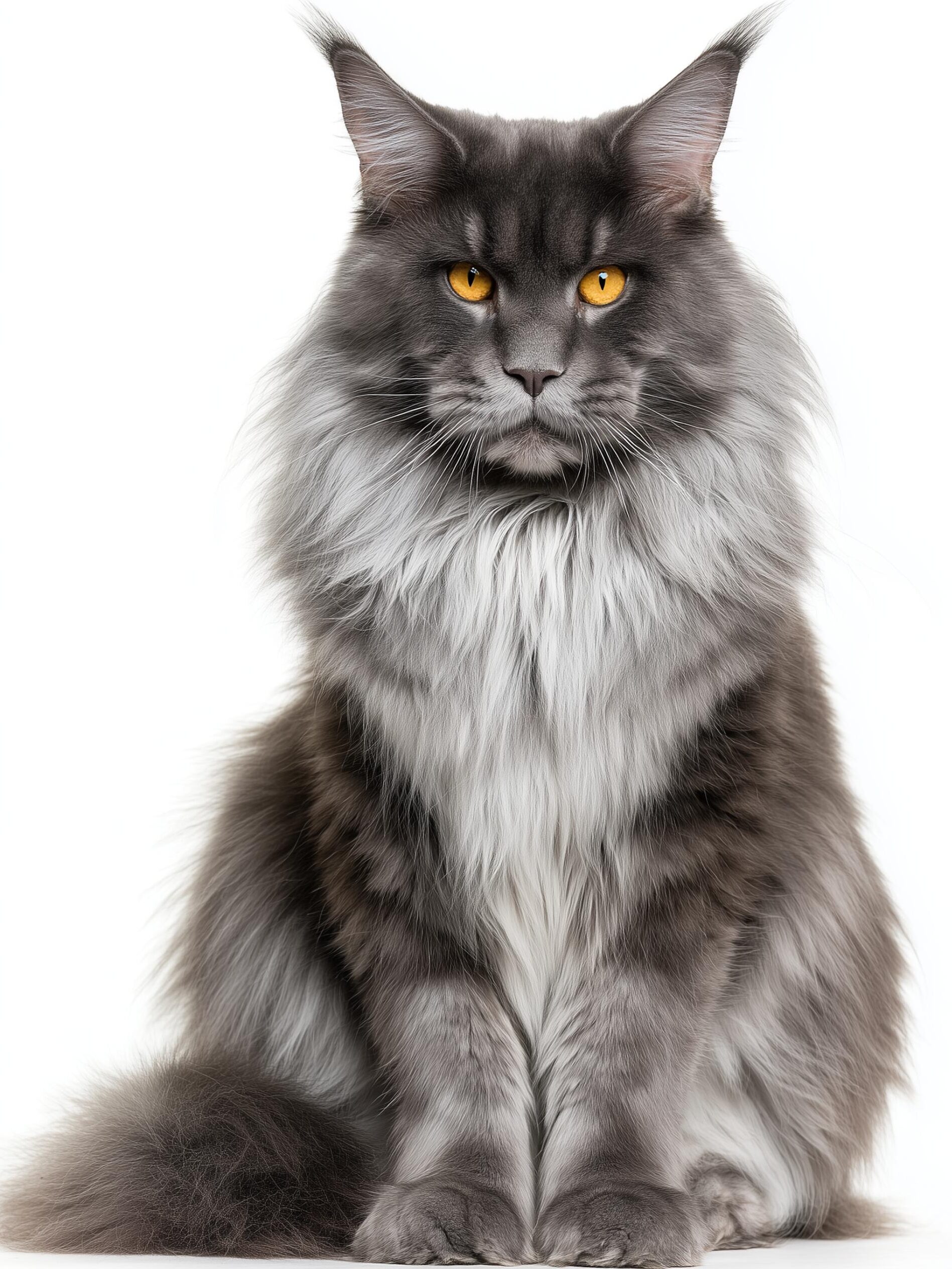
Are Maine Coons hypoallergenic? No, Maine Coon cats are not hypoallergenic because they produce the Fel d 1 protein that causes allergies in humans. However, many people with mild cat allergies find they can still live comfortably with this breed by managing symptoms through cleaning routines, grooming, and medical support. Known as gentle giants, Maine Coons remain one of the most sought-after cats, but understanding how allergies work is essential before bringing one home.
Are Maine Coons Hypoallergenic? — Quick Facts
| Question | Short, Clear Answer |
|---|---|
| Are Maine Coons hypoallergenic? | ❌ No. Maine Coons are not hypoallergenic. |
| Do Maine Coons produce Fel d 1? | Yes. They produce normal levels of Fel d 1, the primary cat allergen. |
| Are Maine Coons worse for allergies than other cats? | Often yes, due to large size, dense coat, and heavy shedding. |
| Are Maine Coon kittens hypoallergenic? | ❌ No. Kittens may seem easier at first, but allergen levels increase with age. |
| Are male Maine Coons more allergenic? | Yes. Males—especially intact males—produce more Fel d 1 than females. |
| Are female Maine Coons better for allergies? | Slightly. Spayed females are often better tolerated, but not allergy-safe. |
| Does neutering or spaying reduce allergies? | It may reduce Fel d 1 over time, but does not make them hypoallergenic. |
| Do grooming and cleaning help? | Yes. They reduce allergen buildup, but do not eliminate allergies. |
| Are any Maine Coons allergy-safe? | No. Tolerance varies by individual cat and person, not breed. |
| Better breeds to consider for allergies? | Siberian or Russian Blue are more often tolerated, but never guaranteed. |
If you’re still deciding whether this breed fits your lifestyle, see our full Maine Coon breed overview.

What Does Hypoallergenic Really Mean?
Many people assume hypoallergenic means “allergy-free,” but that isn’t how the term is used in medicine or animal breeding. Hypoallergenic simply means a reduced likelihood of triggering allergic reactions, not the absence of allergens and not a guarantee of tolerance.
This distinction matters, especially when evaluating cat breeds.
Why “Hypoallergenic” Is Often Misunderstood
There is no truly hypoallergenic cat breed. Every cat produces allergens to some degree. When a breed is described as hypoallergenic, it usually means that some individuals may produce lower average levels of certain allergens or that some people tolerate them better—not that the breed is safe for everyone with allergies.
Marketing language and casual internet advice often oversimplify this, leading buyers to believe coat type, fur length, or shedding level determines allergy risk. It does not.
What Actually Causes Cat Allergies
Cat allergies are most commonly triggered by proteins produced by the cat’s body, not by the hair itself. The primary allergen is Fel d 1, a protein found in:
- Saliva (spread onto the coat during grooming)
- Skin oils
- Dander (microscopic skin flakes)
- Urine (less commonly, but still relevant)
As cats groom themselves, saliva coats the fur. When dander and hair shed, Fel d 1 becomes airborne, settling into furniture, carpets, clothing, and ventilation systems. This is what causes symptoms such as sneezing, watery or itchy eyes, congestion, coughing, or skin irritation in sensitive individuals.
Fur does not create allergies—it acts as a delivery system.
Why Reduced Fel d 1 Is the Only Question That Matters
So when someone asks, “Are Maine Coons hypoallergenic?”, the real question is:
Do Maine Coons produce less Fel d 1 than other cats? (No. They do not.)
That is the only factor that meaningfully affects allergy risk at the breed level.
- Coat length does not reduce Fel d 1
- Shedding amount does not eliminate Fel d 1
- Grooming frequency can reduce allergen buildup but cannot stop production
Some breeds show lower average Fel d 1 levels in certain lines, but this varies by individual cat, sex, hormonal status, and genetics—not by appearance alone.
Understanding what hypoallergenic actually means helps set realistic expectations and prevents disappointment, especially for allergy-sensitive households considering a breed based on reputation rather than biology.
Why Maine Coons Are Not Hypoallergenic
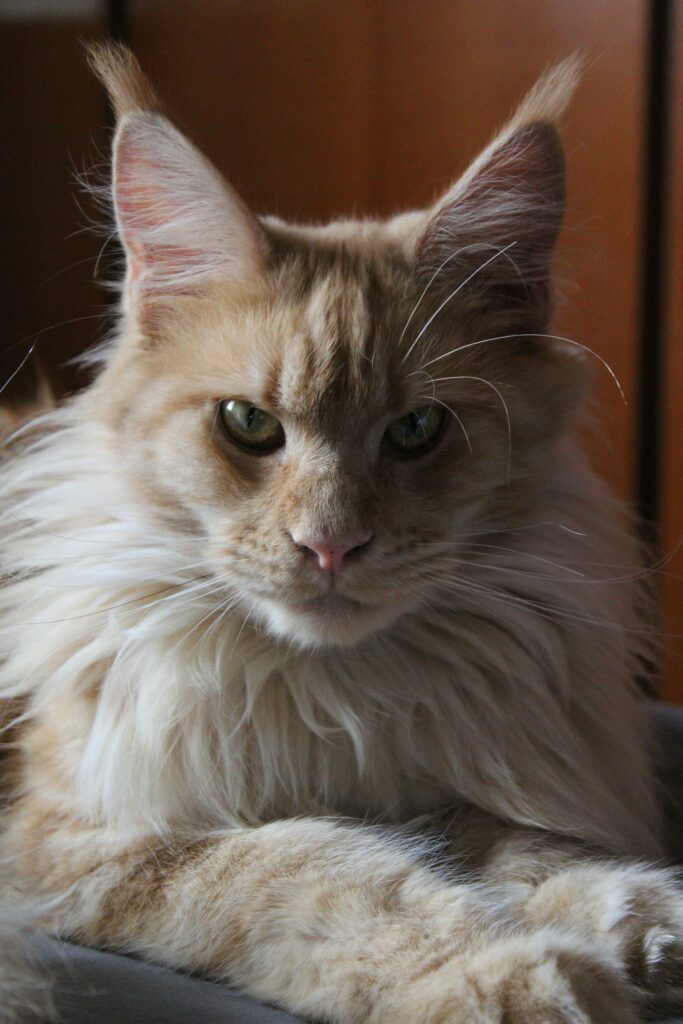
Maine Coons are often misunderstood when it comes to allergies. Their gentle temperament, popularity, and impressive coat lead some people to assume they may be easier to live with for allergy-sensitive households. In reality, Maine Coons are not hypoallergenic, and there are several concrete, biological reasons why.
They Produce Normal Levels of Fel d 1
The primary cause of cat allergies is Fel d 1, a protein produced in a cat’s saliva, skin oils, and dander. Maine Coons produce typical levels of Fel d 1, with no evidence that the breed trends lower overall. When Maine Coons groom themselves—as all cats do—they spread saliva across their coat, distributing allergens throughout their fur and environment.
Unlike some breeds that are sometimes better tolerated due to lower average Fel d 1 in certain lines, Maine Coons have no breed-level reduction in allergen production.
Their Large Size Increases Allergen Load
Maine Coons are one of the largest domestic cat breeds. More body mass means:
- More skin producing oils
- More surface area carrying allergens
- More fur distributing dander
This doesn’t make them “more allergenic” at a molecular level, but it increases the total allergen load in the home. For allergy sufferers, overall exposure matters just as much as allergen potency.
Their Dense, Long Coat Carries Allergens Efficiently
Maine Coons have a heavy, multi-layered coat designed for insulation. While beautiful, this coat:
- Holds onto saliva proteins and skin oils
- Traps dander close to the body
- Releases allergens steadily into the environment as the cat sheds
Long fur does not trap allergens safely—it transports them. The more coat a cat has, the more opportunity allergens have to spread to furniture, clothing, and air.
Seasonal Shedding Amplifies Exposure
Maine Coons shed year-round and experience significant seasonal coat blow, particularly in spring. During these periods:
- Loose hair increases rapidly
- Dander and allergens are redistributed more widely
- Allergy symptoms often worsen even in well-managed homes
Without increased grooming during shedding seasons, allergen levels can spike.
Grooming Frequency Works Against Allergy Reduction
Maine Coons groom themselves frequently, which increases the transfer of Fel d 1 from saliva to fur. While human grooming helps reduce loose hair, it cannot stop allergen production. Even with excellent grooming habits, Maine Coons continue to produce and spread allergens daily.
No Coat Type or Color Changes This Reality
Neither coat length, texture, nor color affects Fel d 1 production. A Maine Coon of any color or pattern presents the same allergy risk. Claims suggesting otherwise are based on myths, not biology.
Bottom line:
Maine Coons are not hypoallergenic because they produce normal levels of Fel d 1, have large bodies with substantial surface area, and possess dense coats that efficiently distribute allergens throughout the home. While some individuals may tolerate a specific Maine Coon better than another, this is due to individual variation, not breed suitability for allergy-sensitive households. Learn more about how much Maine Coons shed throughout the year.
Are Maine Coons Hypoallergenic Compared to Other Cats?
The short, clear answer is no—Maine Coons are not considered a hypoallergenic breed. They produce Fel d 1, the primary cat allergen, just like every other cat. Any tolerance an individual experiences is due to personal sensitivity and individual cat variation, not because Maine Coons are allergy-friendly as a breed.
That said, it helps to see how Maine Coons realistically compare to other popular breeds people often consider when allergies are part of the decision.
Maine Coon vs Siberian
Siberians are frequently discussed in allergy-related searches because some lines show lower average Fel d 1 production. This does not make them hypoallergenic, but it does explain why some allergy-sensitive people tolerate Siberians better.
Maine Coons do not share this reputation or research-backed trend. Between the two, Siberians are generally the better choice for allergy-aware households—though still not guaranteed.
Maine Coon vs Ragdoll
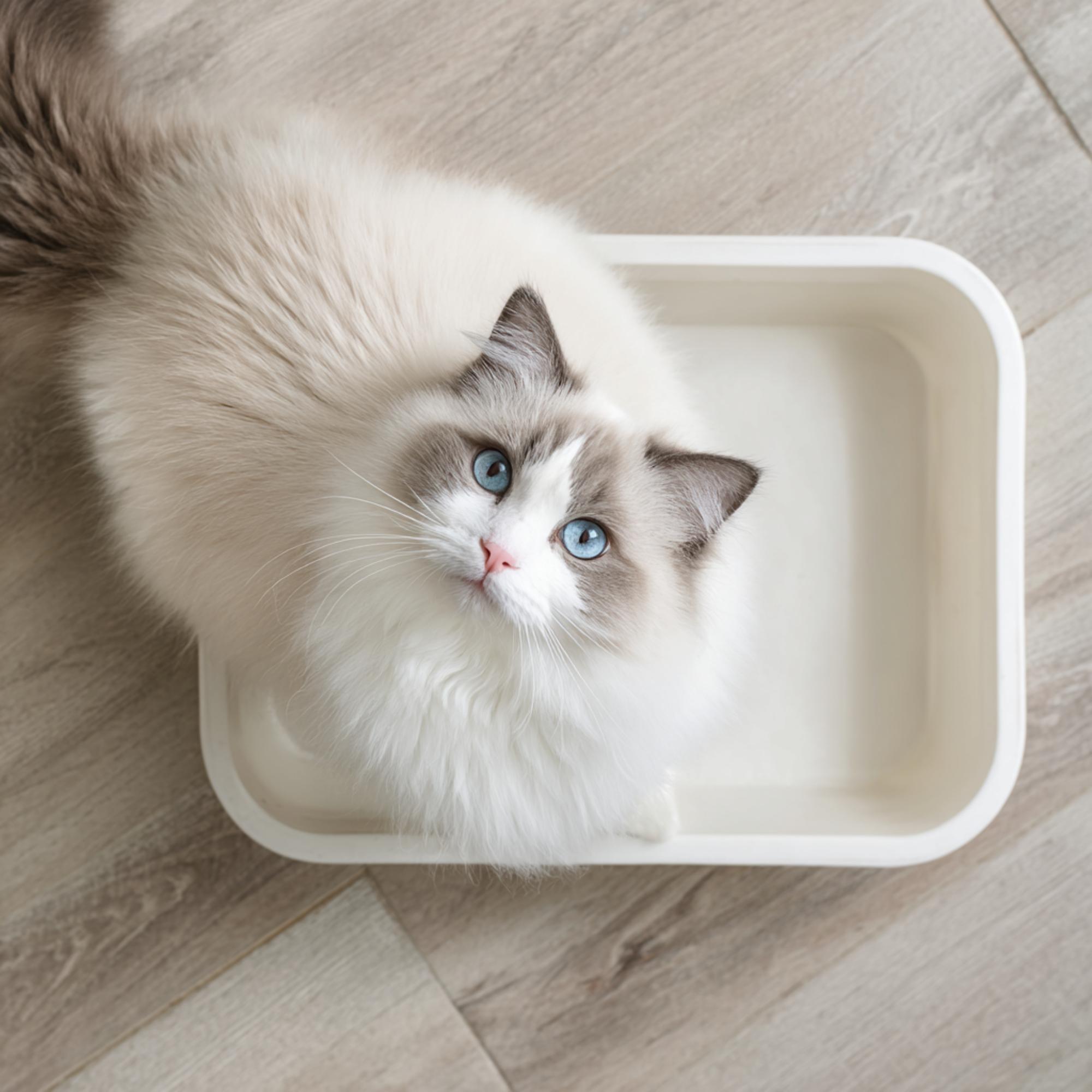
Ragdolls are often mistakenly labeled hypoallergenic due to their soft coats and calm temperament. In reality, Ragdolls produce Fel d 1 at typical levels, similar to Maine Coons.
Both breeds have long coats that carry allergens efficiently, and neither is considered allergy-friendly. Any tolerance comes down to the individual cat, not the breed.
If allergies are a concern, Ragdolls and Maine Coons pose similar levels of risk.
Maine Coon vs Bengal
Bengals are short-haired and shed less visibly, which leads some people to assume they are better for allergies. While Bengals may spread less loose hair, they still produce Fel d 1, and many allergy sufferers react strongly to them.
In practice, Bengals are not reliably better for allergies than Maine Coons, and their high activity level can actually increase allergen spread in the home.
Maine Coon vs British Shorthair
British Shorthairs have dense coats and shed consistently. Despite having shorter fur, they produce normal levels of Fel d 1 and are not hypoallergenic.
Some people tolerate them slightly better due to lower grooming saliva transfer, but overall, they are not a safer allergy choice than Maine Coons.
Maine Coon vs Russian Blue
Russian Blues are often mentioned as more allergy-friendly because some individuals produce lower Fel d 1 levels. Like Siberians, this varies widely by cat and line.
Compared to Maine Coons, Russian Blues are more likely to be tolerated, but there are still no guarantees.
Maine Coons are not hypoallergenic, and they are not among the more allergy-tolerable breeds overall. Their large size and heavy coat can increase allergen load in the home, making them a challenging choice for allergy-sensitive people.
If allergies are a serious concern, breeds like Siberians or Russian Blues are more commonly chosen, while Maine Coons and Ragdolls should be approached cautiously.
Hypoallergenic Comparison: Maine Coon vs Other Popular Cat Breeds
| Cat Breed | Considered Hypoallergenic? | Typical Fel d 1 Levels | Allergy Risk (General) | Notes for Allergy-Sensitive Homes |
|---|---|---|---|---|
| Maine Coon | ❌ No | Normal | High | Large size and heavy coat can increase allergen load in the home. Not allergy-friendly as a breed. |
| Siberian | ❌ No (but often better tolerated) | Sometimes lower (varies by line) | Moderate | Some individuals produce less Fel d 1, but no guarantees. Often explored by allergy-aware buyers. |
| Ragdoll | ❌ No | Normal | High | Long coat carries allergens efficiently; similar allergy risk to Maine Coons. |
| Bengal | ❌ No | Normal | Moderate–High | Short hair does not reduce Fel d 1; high activity can spread allergens. |
| British Shorthair | ❌ No | Normal | Moderate | Dense coat, steady shedding; not hypoallergenic despite shorter fur. |
| Russian Blue | ❌ No (sometimes better tolerated) | Sometimes lower (individual variation) | Lower–Moderate | Some people tolerate them better, but results vary widely by cat. |
Still researching cat allergies? You may also want to read Are Ragdoll Cats Hypoallergenic?.”
Are Maine Coon Kittens Hypoallergenic?
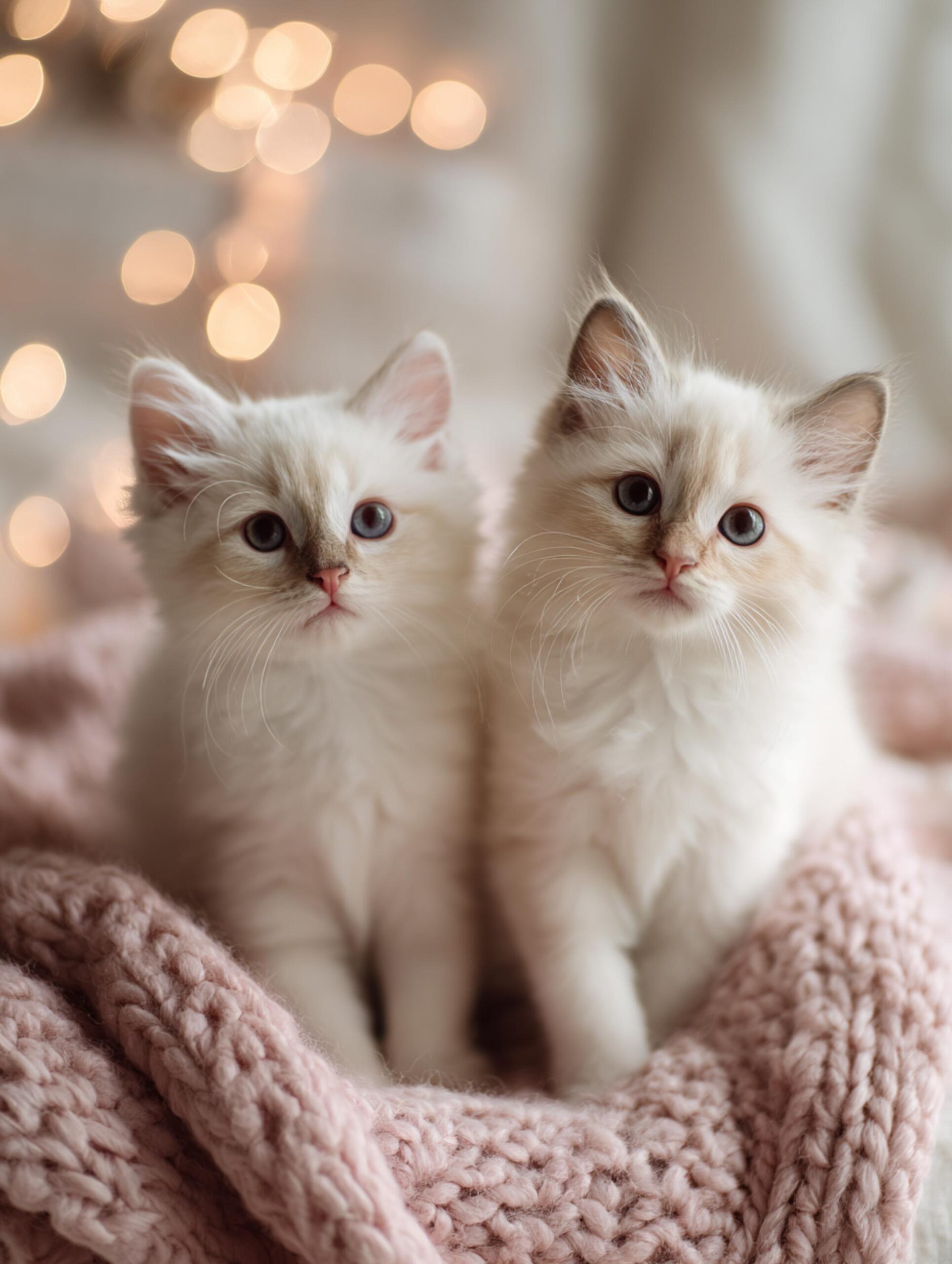
The clear answer is still no — Maine Coon kittens are not hypoallergenic. Every kitten will eventually mature into an adult cat that produces allergenic proteins, including Fel d 1. However, kittens can feel easier for some people in the short term, which is where confusion often begins.
Why Kittens Sometimes Seem Easier at First
Some allergy-sensitive people notice fewer symptoms when interacting with kittens, including Maine Coon kittens. This can happen for several reasons:
- Lower initial Fel d 1 production
Kittens generally produce less saliva, skin oil, and dander early in life. Since Fel d 1 is carried on these substances, overall allergen exposure may be temporarily lower. - Smaller body size
A kitten has less surface area, less fur, and sheds less initially, which can reduce allergen distribution in the environment. - Shorter exposure history
Early reactions may not fully show up until allergens accumulate in the home over time.
This early tolerance is not permanent and should not be mistaken for proof that the kitten is allergy-safe.
What Changes as Maine Coon Kittens Grow
As a Maine Coon kitten matures, several things happen that can increase allergen exposure:
- Fel d 1 production increases with age and hormonal development
- Coat density and shedding increase, especially during the first major coat changes
- Grooming behavior intensifies, spreading more saliva across the coat
Many families who felt fine during the first few months notice symptoms gradually emerging between 6–18 months, once the cat reaches sexual maturity and full coat development.
This delayed onset is one of the most common reasons allergy-related rehoming occurs.
The Real Advantage of Starting With a Kitten
While kittens are not hypoallergenic, starting with a Maine Coon kitten can offer practical advantages for allergy-aware households:
- Gradual exposure
Raising a kitten allows you to monitor your allergy response over time rather than being overwhelmed by sudden high allergen levels. - Early grooming habits
Kittens can be conditioned to tolerate brushing, wiping, and bathing far more easily than adults. Good grooming routines can meaningfully reduce allergen buildup, even though they do not eliminate it. - Environmental management from day one
Air purifiers, cleaning routines, and restricted sleeping areas can be implemented early, helping some families stay comfortable longer.
These advantages improve management, not biology.
Why a Kitten Is Not a Guarantee
It’s important to be very clear: starting with a kitten does not guarantee long-term tolerance. Some people who tolerate a Maine Coon kitten well still develop significant symptoms as the cat matures. Others find their tolerance improves. There is no reliable way to predict which outcome will occur.
This uncertainty is why responsible breeders are careful not to promise allergy compatibility, even with kittens.
Bottom Line on Maine Coon Kittens and Allergies
- Maine Coon kittens are not hypoallergenic
- Early tolerance does not predict adult tolerance
- Allergen production increases with age and coat maturity
- Starting with a kitten helps with testing and management, not prevention
If allergies are a serious concern, choosing a kitten should be viewed as a testing period, not a solution. Understanding this upfront helps families make informed, responsible decisions. Here’s what to expect when bringing home a Maine Coon kitten.”
Are Male Maine Coon Cats Hypoallergenic?
No. Male Maine Coon cats are not hypoallergenic, and in fact, they are often more challenging for allergy-sensitive households than females.
Male cats—especially intact males—tend to produce higher levels of Fel d 1, the primary cat allergen. This is driven largely by hormones, not coat type or personality.
What to Know About Male Maine Coons and Allergies
- Intact males produce the highest Fel d 1 levels
- Neutered males usually produce less, but still normal allergen levels
- Large body size means more skin, more fur, and more allergen distribution
- Dense coats hold and spread allergens efficiently
A neutered male Maine Coon may be manageable for someone with very mild allergies, but males are generally higher risk than females from an allergy perspective.
Are Female Maine Coon Cats Hypoallergenic?
No. Female Maine Coon cats are also not hypoallergenic. However, they are often better tolerated than males, especially when spayed.
Female cats typically produce slightly lower Fel d 1 levels than males due to hormonal differences. This does not make them allergy-safe, but it can reduce overall allergen load for some people.
What to Know About Female Maine Coons and Allergies
- Spayed females usually produce less Fel d 1 than males
- Smaller average size means slightly lower total allergen output
- Still shed, groom, and distribute allergens normally
- Individual variation remains significant
For allergy-aware households set on a Maine Coon, a spayed female is often the lowest-risk option within the breed—but still not a guarantee.
Does Neutering or Spaying Make Maine Coons Hypoallergenic?
No. Neutering or spaying does not make any Maine Coon hypoallergenic, but it can reduce allergen production over time.
- Hormone reduction may lower Fel d 1 levels gradually
- Effects vary by individual cat
- Changes are not immediate and not dramatic
This is best viewed as a risk-reduction step, not a solution.
Male vs Female Maine Coon Cats: Allergy Risk Comparison
| Factor | Male Maine Coon | Female Maine Coon |
|---|---|---|
| Hypoallergenic? | ❌ No | ❌ No |
| Typical Fel d 1 Levels | Higher | Lower than males |
| Effect of Neutering/Spaying | Reduces, but still normal | Reduces further |
| Allergy Risk | High | Moderate–High |
| Best Choice for Allergy-Aware Homes | ❌ Not ideal | ⚠️ Slightly better, not guaranteed |
Important Reality Check
Choosing a female over a male Maine Coon may reduce allergy severity, but it does not eliminate risk. Two female Maine Coons can produce very different allergen levels, and some people still react strongly even to spayed females.
If allergies are a serious concern, breed choice matters more than sex, and individual testing matters more than both. See Maine Coon temperament and personality here.
What Are Cat Allergies and How Do They Work?
To understand why Maine Coons might trigger allergies, let’s talk about what Cat allergies are and how they work:
- Production of allergens: Cats naturally produce Fel d 1 protein in their skin glands and saliva.
- Spread of allergens: When cats groom themselves, the protein transfers to their fur. As fur sheds, dander and proteins spread around the home.
- Human reaction: Sensitive individuals inhale or come into contact with the protein, which their immune systems mistake for a harmful substance.
- Symptoms: Sneezing, itchy throat, watery eyes, asthma flare-ups, or skin rashes may follow.
So the question “Are Maine Coons hypoallergenic?” comes down to how much of this cycle you can tolerate and control.
How to Check If You’re Allergic to Maine Coons
If allergies are even a minor concern, it’s important to test realistically before committing to a Maine Coon kitten. Because reactions vary widely from person to person—and even from cat to cat—assumptions based on breed alone often lead to regret.
Here are the most reliable ways to assess your sensitivity:
Spend extended time with Maine Coons
A quick visit is not enough. Allergy symptoms often build with exposure, so aim to spend at least one to two hours in close contact with Maine Coons in a real living environment. Visiting a breeder’s home or spending time with an adult cat is far more informative than meeting a kitten briefly.
Pay attention to delayed reactions
Cat allergy symptoms don’t always appear immediately. Congestion, itchy eyes, coughing, or skin irritation can develop several hours later or even the next day. Always monitor how you feel after leaving, not just during the visit.
Get formal allergy testing
An allergist can test specifically for cat dander and Fel d 1 sensitivity. While testing cannot predict your reaction to a specific cat, it helps clarify whether cats are a true trigger and how severe your sensitivity may be.
Ask about trial exposure options
Some breeders are willing to accommodate allergy-conscious families with extended visits or structured exposure opportunities. While full trial fostering is uncommon, any additional exposure time is valuable if allergies are a concern.
Why This Step Matters
The question “Are Maine Coons hypoallergenic?” cannot be answered safely without considering your individual immune response. Maine Coons are not an allergy-friendly breed, and relying on reputation, anecdotes, or hope often leads to difficult rehoming decisions later.
Testing upfront protects both you and the cat—and is one of the most responsible steps an allergy-aware buyer can take.
Practical Tips for Allergy Sufferers
If you fall in love with a Maine Coon but still react mildly, you don’t necessarily have to give up. Instead, use these strategies:
- Grooming routines
- Brush your Maine Coon daily to reduce loose hair and dander.
- Use grooming wipes between baths.
- Bathing
- Occasional baths with hypoallergenic shampoos may lower allergens.
- Always start early so kittens get used to water.
- Cleaning the home
- Invest in HEPA air purifiers for bedrooms and living areas.
- Vacuum with HEPA filters and wash bedding weekly.
- Personal adjustments
- Wash your hands after petting your cat.
- Keep cats out of the bedroom if symptoms are severe.
By combining these methods, many families find their answer to “Are Maine Coons hypoallergenic?” is: “Not completely—but manageable.” Here is a PDF from the Ohio State university that gives practical tips for managing pet allergies.
Allergy Management Strategies for Maine Coon Owners
Because Maine Coons are not hypoallergenic, allergy management relies on reducing environmental allergen load, not eliminating allergens entirely. Their large size, dense coat, and seasonal shedding make consistency especially important.
Below are the most effective, realistic strategies used by allergy-aware Maine Coon owners.
| Strategy | Frequency | Effectiveness |
|---|---|---|
| HEPA Air Purifiers | Daily (24/7 operation in main living areas and bedrooms) | High |
| Regular Brushing | 3–4× weekly (daily during seasonal coat blow) | High |
| HEPA Vacuuming | 3–5× weekly | High |
| Grooming Wipes | Several times weekly | Moderate–High |
| Washing Cat Bedding & Throws | Weekly | Moderate |
| Bathing (if tolerated) | Every 4–8 weeks | Moderate |
How These Strategies Work Together
- Air purifiers reduce airborne allergens that trigger respiratory symptoms.
- Frequent brushing removes loose fur and dander before allergens spread throughout the home.
- HEPA vacuuming prevents allergens from continuously recirculating from carpets and upholstery.
- Grooming wipes help reduce saliva residue (Fel d 1) on the coat between full grooming sessions.
- Regular laundering limits buildup in high-contact areas.
- Bathing, while not required for all cats, can temporarily reduce allergen load when the cat tolerates it well.
Important Reality Check
These strategies manage exposure—they do not make a Maine Coon hypoallergenic. Allergy-sensitive households must be prepared to maintain these routines long term, especially during shedding seasons, when allergen spread increases significantly.
For some families, these measures make living with a Maine Coon manageable. For others, symptoms persist despite best efforts. Understanding this difference upfront is essential for responsible ownership.
A consistent Maine Coon grooming routine can reduce allergen buildup.
Why Some Families Tolerate Maine Coons Better Than Expected
Even though Maine Coons are not hypoallergenic, some families report milder reactions than they anticipated. This does not mean the breed is allergy-friendly—it means that allergy response is highly individual, and several biological factors influence how strongly a person reacts to a specific cat.
Understanding these factors helps explain why experiences vary so widely.
Individual Cat Variation Matters More Than Breed
Fel d 1 production is not uniform. Two Maine Coons from the same litter can produce very different allergen levels. Some cats naturally produce slightly less Fel d 1 due to genetic variation, while others produce more—even within breeds known to be “better tolerated.”
This is why one person may tolerate a specific Maine Coon reasonably well while reacting strongly to another.
Sex and Hormones Play a Role
Hormones significantly influence Fel d 1 production:
- Male cats generally produce more Fel d 1 than females
- Intact males produce the highest levels
- Spayed or neutered cats typically produce less Fel d 1 over time
For allergy-aware households, a neutered adult cat—especially a female—often poses a lower risk than an intact male.
Age Can Affect Allergy Response
Kittens sometimes trigger fewer symptoms initially, which can give families a false sense of security. This happens because:
- Kittens produce less saliva and skin oil early on
- Fel d 1 levels increase as cats mature hormonally
As a Maine Coon grows, allergen production often increases, and reactions that were mild early on can become more noticeable months later.
Environment and Management Influence Exposure
Tolerance is also shaped by how allergens accumulate in the home. Factors such as:
- Regular grooming
- Frequent cleaning and vacuuming
- Use of air purifiers
- Limiting bedroom access
can reduce allergen load enough for some families to remain comfortable—even with a non-hypoallergenic breed.
What this means:
Some families tolerate Maine Coons better not because the breed is hypoallergenic, but because a specific cat, combined with individual human sensitivity and environmental management, creates a workable balance.
This variability is real—but unpredictable. It’s why no responsible breeder or veterinarian can guarantee allergy safety with a Maine Coon and why realistic testing and expectations are essential before committing.
In short: Maine Coons aren’t hypoallergenic, but individual outcomes can differ—sometimes significantly.
Common Myths About Maine Coons and Allergies
Myth 1: Maine Coons Are Hypoallergenic Because They Have Long Fur
Long fur does not reduce allergens. Maine Coons produce normal levels of Fel d 1, and their dense coat actually carries allergens efficiently throughout the home.
Myth 2: Maine Coons Shed Less Than Other Cats
Maine Coons shed year-round and experience heavy seasonal coat blow. During shedding periods, allergen spread often increases.
Myth 3: Maine Coon Kittens Are Hypoallergenic
Kittens may seem easier at first, but allergen production increases as they mature. Early tolerance does not predict long-term allergy compatibility.
Myth 4: Regular Grooming Makes Maine Coons Hypoallergenic
Grooming helps manage allergen buildup but does not stop allergen production. Even well-groomed Maine Coons continue to produce Fel d 1 daily.
Myth 5: Coat Color or Pattern Affects Allergies
Fel d 1 production is unrelated to coat color or pattern. A Maine Coon of any color presents the same allergy risk.
What to Do If You’re Allergic but Still Want a Maine Coon
This is where many buyers land emotionally. You understand that Maine Coons are not hypoallergenic, you’ve read the science, and yet the breed still feels like the right fit for your lifestyle or family. If that’s the case, the decision needs to shift from hope to risk management.
The question is no longer just “Are Maine Coons hypoallergenic?”
It becomes:
“Can I realistically manage my allergies long term while living with this specific cat?”
Here’s what that looks like in practice.
Test Your Allergies in Realistic Environments
Before committing, expose yourself to real Maine Coon environments, not just a quick visit.
- Spend extended time in breeder homes, not just kitten rooms
- Attend cat shows where Maine Coons are present for hours
- Visit homes with adult Maine Coons, not only kittens
Adult cats, lived-in homes, and enclosed indoor spaces provide a far more accurate picture of how your body reacts. Short, controlled visits often underestimate symptoms.
Pay attention not only to immediate reactions, but to how you feel later that day or the next morning.
Work With Medical Support Early
If you are committed to trying, allergy management should start before the cat comes home, not after symptoms escalate.
Options often used by allergy-aware owners include:
- Daily or as-needed antihistamines
- Nasal sprays to reduce inflammation
- Consultation with an allergist about immunotherapy (allergy shots) for long-term management
Medication doesn’t make a Maine Coon hypoallergenic, but it can lower symptom severity enough for some people to live comfortably.
Commit to a High-Standard Cleaning Routine
Living with a Maine Coon while allergic requires consistent environmental control.
This typically includes:
- Vacuuming with a HEPA-filter vacuum several times per week
- Frequent dusting of surfaces where allergens settle
- Washing cat bedding, blankets, and throws weekly
- Using washable furniture covers where possible
Cleaning is not occasional—it becomes part of your normal routine.
Make Clear Lifestyle Adjustments
Some adjustments are non-negotiable for allergy-sensitive households:
- No cats in the bedroom, especially not on pillows or bedding
- Multiple HEPA air purifiers, particularly in sleeping and living areas
- Hands washed after handling the cat
- Outdoor clothing stored separately from bedding
These boundaries protect sleep quality and prevent allergens from concentrating where your immune system is most vulnerable.
Grooming Becomes a Management Tool
Regular grooming helps reduce allergen buildup:
- Frequent brushing to remove loose fur and dander
- Wipe-downs with damp cloths or vet-approved wipes
- Occasional bathing if tolerated by the cat
Good grooming does not stop Fel d 1 production, but it can reduce how much accumulates in the environment.
Be Honest About Your Risk Tolerance
This is the hardest part—and the most important.
Ask yourself honestly:
- Can I handle symptoms if they worsen over time?
- Am I prepared for daily management, not just occasional effort?
- Do I have a backup plan if allergies become unmanageable?
Many allergy-related rehoming situations happen not because owners didn’t care—but because they overestimated their tolerance.
Consider Alternatives Without Guilt
For some people, the most responsible decision is choosing a breed more commonly tolerated, such as Siberians or Russian Blues, or adopting from a program that allows extended exposure testing.
Loving Maine Coons doesn’t obligate you to live uncomfortably or compromise your health.
Finding Maine Coon Kittens Responsibly
If you’ve decided to proceed, finding the right breeder or adoption path is crucial. Here’s what to look for:
- Registered breeders: Look for CFA, TICA, or regional cat associations.
- Health guarantees: Reputable breeders provide veterinary checks and contracts.
- Transparency: You should be able to meet kittens, see parents, and understand breeding practices.
- Avoid scams: Never send money without a signed agreement or verified references.
Your search for “Are Maine Coons hypoallergenic?” often leads here—because finding the right kitten source can make the experience smoother and safer. How much is a Maine Coon Kitten in 2025? Read the breakdown here.
Cat Allergies: When to Seek Medical Help
While many people can manage mild cat allergies with environmental controls and medication, there are clear situations where allergies should not be “pushed through.” If symptoms move beyond inconvenience and begin to affect breathing, sleep, or overall health, medical guidance is essential.
Allergies are not static. Repeated exposure can worsen symptoms over time, especially in people with underlying respiratory conditions.
Warning Signs That Require Medical Attention
You should consult a doctor or allergist before continuing to live with a cat if you experience any of the following:
- Wheezing or shortness of breath
This can indicate lower airway involvement and is especially concerning for anyone with asthma or exercise-induced breathing issues. - Asthma flare-ups or increased inhaler use
Cat allergens are a common trigger for asthma exacerbations. Frequent flare-ups increase long-term lung inflammation and risk. - Severe or persistent skin reactions
Hives, eczema flares, or intense itching that doesn’t resolve with basic treatment suggest a stronger immune response. - Chronic nasal congestion or sinus infections
Ongoing inflammation can lead to recurrent sinusitis, headaches, facial pain, and impaired sleep quality. - Nighttime symptoms or sleep disruption
Waking up congested, coughing, or struggling to breathe at night is a red flag that allergen load is too high.
These symptoms signal that allergen exposure is exceeding what your body can safely tolerate.
Why Ignoring Severe Symptoms Is Risky
Living with unmanaged cat allergies doesn’t just cause discomfort—it can lead to:
- Worsening asthma control
- Increased dependence on medication
- Chronic inflammation of the airways
- Reduced quality of life and sleep
In some cases, prolonged exposure can make allergies more severe and less reversible over time.
What a Medical Professional Can Help With
An allergist or physician can:
- Confirm whether symptoms are allergy-related
- Test sensitivity levels to cat allergens
- Adjust or prescribe appropriate medications
- Discuss whether immunotherapy (allergy shots) is an option
- Help assess whether continued exposure is medically reasonable
This guidance is especially important for households with children, individuals with asthma, or anyone with a history of severe allergic reactions.
A Responsible Decision, Not a Failure
Seeking medical advice—or deciding not to keep a cat due to health risks—is not a failure or lack of commitment. It is a responsible choice that protects both human health and animal welfare.
The goal is not to endure symptoms at all costs, but to ensure that living with a cat is safe, sustainable, and healthy for everyone involved.
If allergies remain severe despite best efforts, the most compassionate option may be reconsidering breed choice, exposure level, or timing—before long-term harm occurs.
FAQ on Maine Coon Cats & Allergies
Are Maine Coons hypoallergenic?
No, Maine Coons are not hypoallergenic. Like all cats, they produce the Fel d 1 protein in their saliva, skin, and dander, which causes allergic reactions in sensitive individuals.
What is Fel d 1 and why does it matter?
Fel d 1 is the primary allergen found in cats. It’s produced in saliva and sebaceous glands, then spread to fur and skin. When it becomes airborne, it triggers symptoms like sneezing, watery eyes, or asthma attacks.
Do Maine Coons produce less Fel d 1 than other cats?
There’s no scientific evidence that Maine Coons produce less Fel d 1 than other breeds. Some individuals may cause milder reactions, but the breed itself is not lower-allergen.
Are Maine Coon kittens hypoallergenic?
No, kittens may seem easier on allergies because they’re smaller and groom less, but as they mature, Fel d 1 production increases.
What symptoms do cat allergies cause?
Common reactions include sneezing, itchy or watery eyes, nasal congestion, coughing, skin rashes, and in severe cases, asthma flare-ups.
Can I build a tolerance to Maine Coon allergens?
Some people experience reduced symptoms over time through repeated exposure, but this isn’t guaranteed. Allergy shots (immunotherapy) are another option.
What helps reduce allergies if I own a Maine Coon?
- Frequent grooming and brushing
- HEPA filters in living areas
- Vacuuming carpets and furniture
- Keeping cats out of the bedroom
- Consulting your doctor for antihistamines or allergy treatment
Are there truly hypoallergenic cat breeds?
No cat is 100% hypoallergenic. Breeds like Siberian, Balinese, and Devon Rex are often marketed as “hypoallergenic” because they may produce less Fel d 1, but results vary.
Is bathing my Maine Coon helpful for allergies?
Bathing can help reduce allergens, but it must be done gently and not too often to avoid damaging their coat. Using cat-safe wipes between baths is often easier.
Should allergy sufferers adopt or buy Maine Coons?
It depends on your allergy severity. Mild sufferers can often manage with cleaning and medical support. If you have asthma or severe allergies, consult your doctor before committing.
Are Maine Coons Hypoallergenic Conclusion
When asked, “Are Maine Coons hypoallergenic?” the answer is: No. They are not. But many people with mild to moderate allergies can still enjoy them. By understanding what cat allergies are, testing your sensitivity, and putting strategies in place, you can make an informed decision.
If you’re ready to take the next step, begin by connecting with reputable breeders who can guide you in finding a Maine Coon kitten that fits your lifestyle.
For families seeking a luxury adoption experience, you can also explore available kittens at almontecats.com.
Still researching Maine Coon Cats? Start here:
- Popular Maine Coon Kitten Colors
- How to Spot Cat and Kitten Scams Online
- Maine Coon M on Forehead Genetics
- Black Maine Coon Cats
- Domestic Maine Coon Cat Info
- Do Maine Coon Cats Shed?
Each post is packed with facts, tips, and advice to help you choose the perfect kitten for your family.
More Maine Coon Articles from Almonte Cats
- Maine Coon Diet and Nutrition
- Maine Coon Kitten Prices Explained
- Maine Coon Cat Care
- Maine Coon Tassel Ears
- Polydactyl Maine Coon Care
- Maine Coon Kitten Growth Stages
- How to Reserve Your Almonte Kitten
- How to Prepare Your Home for a Maine Coon Kitten
Sources & References
- Mayo Clinic – Pet Allergy: Symptoms & Causes
https://www.mayoclinic.org/diseases-conditions/pet-allergy/symptoms-causes/syc-20352192 - Mayo Clinic Laboratories – Fel d 1 Allergen Overview
https://www.mayocliniclabs.com/test-catalog/Overview/616093 - American College of Allergy, Asthma & Immunology (ACAAI) – Pet Allergy
https://acaai.org/allergies/allergic-conditions/pet-allergies/ - National Institute of Allergy and Infectious Diseases (NIAID) – Allergy Overview
https://www.niaid.nih.gov/diseases-conditions/allergies - Verywell Health – Cat Allergies: Causes, Symptoms, and Treatment
https://www.verywellhealth.com/cat-allergy-information-symptoms-82639 - Purina Institute – Cat Allergens: Fact vs. Fiction
https://www.purinainstitute.com/science-of-nutrition/neutralizing-allergens/fact-vs-fiction - Wikipedia – Allergy to Cats
https://en.wikipedia.org/wiki/Allergy_to_cats - Wikipedia – Hypoallergenic
https://en.wikipedia.org/wiki/Hypoallergenic





Read the Comments +