
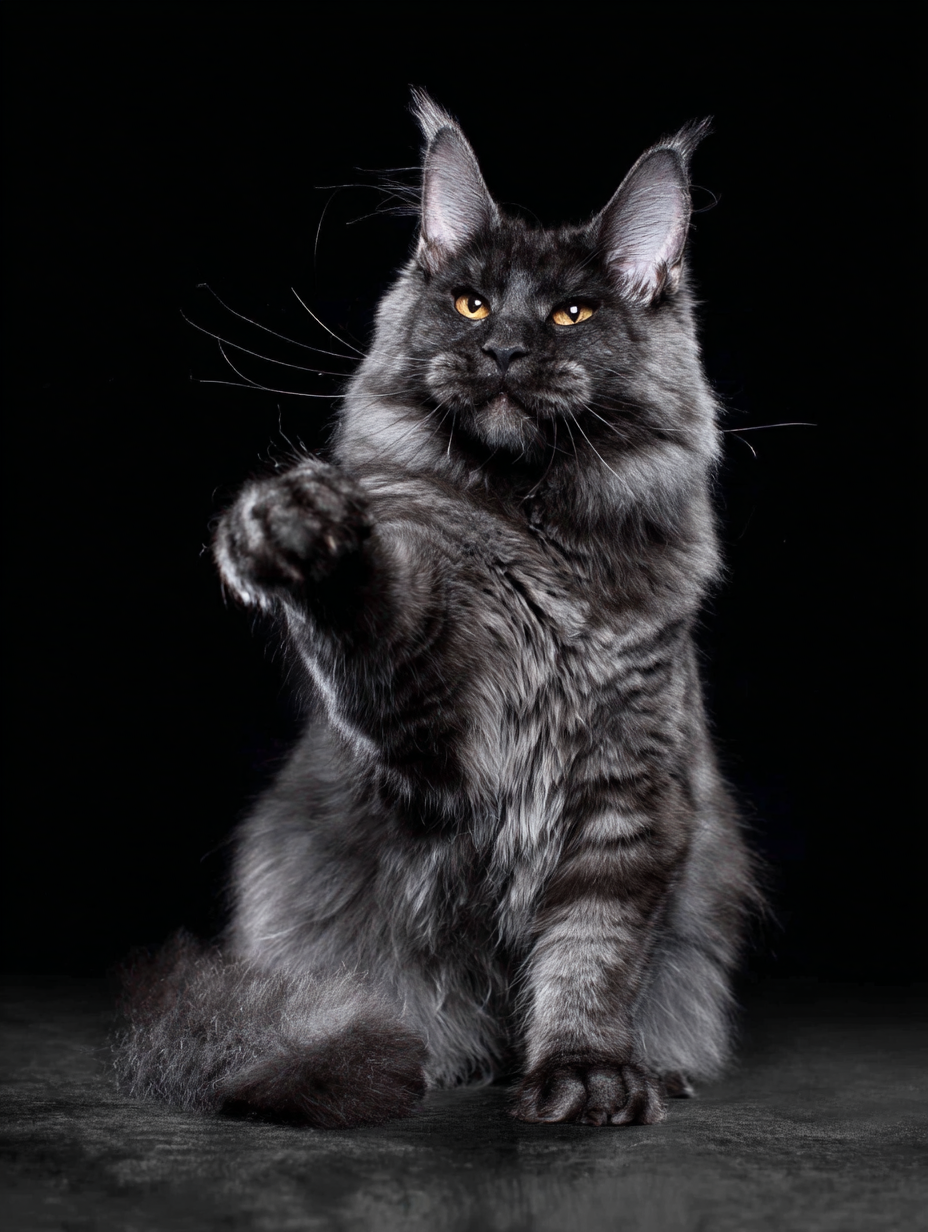
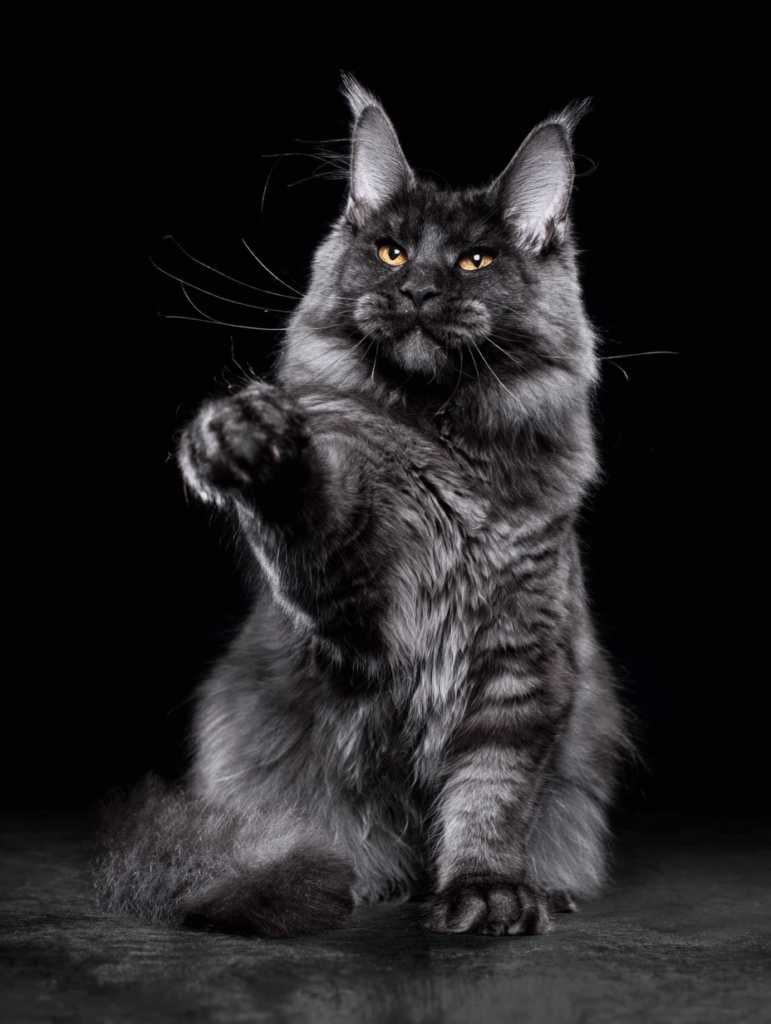
Polydactyl Maine Coon Kittens for Sale: Extra Toes and Extra Cute
Polydactyl Maine Coon kittens are becoming one of the most in-demand variations of the Maine Coon breed. Families who search for polydactyl Maine Coon kittens for sale are usually drawn to the oversized paws, the historical connection to old American ship cats, and the unique look that sets polys apart from standard-pawed Maine Coons. Although the trait is highly sought after, many people do not understand how the genetics work, whether polydactyl kittens are purebred, or what to look for when choosing a responsible breeder. This guide gives you everything you need to know about polydactyl Maine Coon kittens, what makes them special, and how to safely reserve one from a reputable program.
What Is a Polydactyl Maine Coon?
A polydactyl Maine Coon is a purebred Maine Coon kitten born with extra toes. Most cats have 18 toes, but a polydactyl Maine Coon can have 20, 22, or sometimes even more depending on how the gene expresses. The larger, wider paws look like natural snowshoes, which is one of the reasons early sailors valued polydactyl cats on ships. Their broader paws helped them balance on unstable surfaces and gave them improved grip during rough weather.
Polydactyl Maine Coons come in every color, pattern, and coat variation found within the breed. Polydactyly does not affect size, temperament, or structure. A poly Maine Coon is simply a Maine Coon with extra toes, and the trait appears naturally in some purebred lines that trace back to the earliest foundation cats in Maine and the Northeastern United States. Because the trait is visually striking and historically meaningful, many buyers look specifically for poly litters.
Are Polydactyl Maine Coons Purebred?
Yes. Polydactyl Maine Coons are fully purebred and accepted by TICA (The International Cat Association). Many of the original Maine Coons that lived on coastal farms and ships were polydactyl, so the trait is not new or rare within early breed history. The belief that polydactyl cats are mixed or low quality is incorrect. The trait became less common in some show lines only because certain registries preferred a uniform look, not because polydactyl cats were unhealthy or impure.
Today, many reputable breeders preserve the trait because it connects directly to foundation bloodlines and represents true historic Maine Coon type. A polydactyl kitten can be registered, health tested, and structurally correct just like any other Maine Coon. The only difference is their paws.
Polydactyl Maine Coon Genetics Explained
Polydactyl genetics are simple and predictable. The trait is controlled by a dominant gene. This means that if one parent carries the gene, approximately half of the kittens will inherit polydactyl paws. The gene does not skip generations and does not require two poly parents to express.
Key facts about the genetics:
• One parent carrying the poly gene can produce poly kittens
• The trait does not cause any limb deformity
• It is not connected to dwarfism or skeletal issues
• It does not affect hip structure, joint function, or mobility
• It is not linked to any health problems when bred responsibly
• It produces extra toes early in embryo development and remains stable for life
The gene can express differently from kitten to kitten. Some kittens may have extra toes only on the front paws, while others may have extra toes on all four feet. Toe count can also vary. Responsible breeders track paw structure carefully and avoid extreme expressions that would be uncomfortable or unstable. Ethical breeding keeps the trait healthy, functional, and historically accurate.
What Makes a Polydactyl Maine Coon Unique
Polydactyl Maine Coons are pedigreed Maine Coons born with extra toes, a historic and naturally occurring trait within the breed. While a typical cat has five digits on the front paws and four on the back, a polydactyl Maine Coon may have six or seven toes per paw, with eight being an extremely rare exception. The trait is harmless and was common among early foundation cats in the Northeastern United States. Expression varies widely, making each polydactyl kitten visually unique and highly sought after.
Understanding Polydactyl Genetics in Maine Coons
What Is Pre-Axial Polydactyly
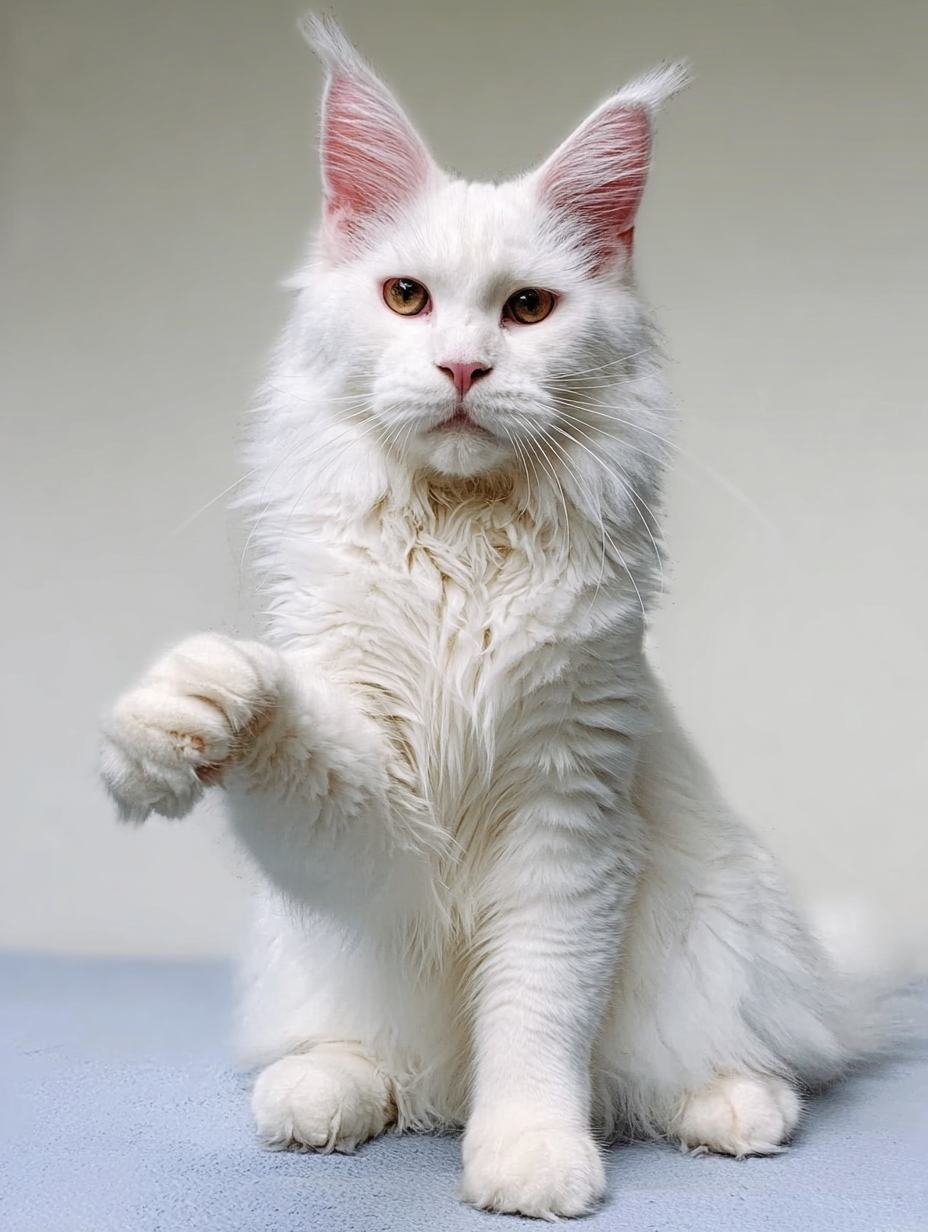
The form of polydactyly found in Maine Coons is known as pre-axial polydactyly. This means the extra digits form on the inner side of the paw, similar to a thumb. This specific variation is healthy, functional, and naturally tied to the cats that would eventually become the modern Maine Coon breed. Because the trait expresses randomly, a kitten may have extra toes on one paw, both front paws, or all four paws, often referred to as “four wheel drive.”
How Polydactyl Expression Varies
Each paw can show a different configuration of toes. Some kittens may carry extra digits only on the front, while others may have extras on every paw. The number of toes and the arrangement can vary greatly even within a single litter. These differences make polydactyl Maine Coons particularly interesting to breeders and families who appreciate unique features.
Evaluating Polydactyl Paws
When examining a polydactyl Maine Coon, it is important to look at the bottom of each foot rather than relying on a top-view photo. Breeders check the paw pads, toes, and nails to accurately determine whether a kitten has extra toes, thumbs, or dewclaws. Counting each pad and nail ensures accurate identification of the paw structure and helps determine the type of polydactyl expression present.
Types of Polydactyl Paw Formations
Mitten Paw Formation
The mitten paw formation is one of the two primary types seen in polydactyl Maine Coons. This configuration resembles a mitten with a functional thumb and often multiple dewclaws. It is caused by the “Hw” point mutation, a variant documented in Hemingway cats of Florida, Pixie Bob cats, and pedigreed Maine Coons. Mitten paws create an expressive look that many families find very appealing.
Patty or Snowshoe Paw Formation
The second type is the patty or snowshoe paw. This formation produces a wide, rounded row of toes without a distinct thumb. It was first identified in France in 2011, although the variant appears to originate from a Maine Coon foundation cat in Manitoba, Canada in 1992. While the exact mutation has not been isolated, it behaves similarly to the Hw variant. Patty paws usually express as six evenly spaced digits, though rare cases show mitten-like configurations.
Are Polydactyl Paws Healthy?
Both mitten and patty paw types are completely healthy and fully functional. Polydactyl paws do not cause pain, mobility issues, or structural problems when bred responsibly. The extra toes work naturally, and many owners feel their poly cats have exceptional balance and gripping ability. Choosing between mitten or patty paw formation comes down to personal preference.
How Paw Types Are Passed On
These paw formations typically pass consistently from generation to generation. Mitten-pawed parents usually produce mitten kittens, with the occasional patty expression. Patty-pawed parents tend to produce patty kittens. Some kittens may express a combination of both styles, adding even more variety to polydactyl litters.
Polydactyl Maine Coon Paw Formation Comparison Table
| Paw Type | Description | Genetic Notes | Appearance | Frequency |
|---|---|---|---|---|
| Mitten Paw | Resembles a mitten with a distinct thumb. | Caused by the Hw (Hemingway) variant. | Thumb-like digit with additional dewclaws. | Common in poly lines. |
| Patty Paw (Snowshoe Paw) | Rounded row of evenly spaced toes. | Unidentified variant first noted in Canada. | No thumb; wide, snowshoe-like paw. | Moderately common. |
| Mitten + Patty Combo | Combination of thumb and wide toe row. | Occasional mixed expression in poly litters. | Thumb plus broad toe spread. | Less common. |
| Front Paws Only | Extra digits only on front paws. | Standard pre-axial poly expression. | Wide front feet, normal back feet. | Very common. |
| Four-Wheel Drive | Extra digits on all four paws. | Strong expression of poly gene. | Extra toes front and back. | Less common but highly desirable. |
| Extreme Expression | High number of extra digits or fused digits. | Rare; avoided by responsible breeders. | Oversized, uneven, or unstable toes. | Very rare. Not recommended for breeding. |
Why Are Polydactyl Maine Coons So Popular?
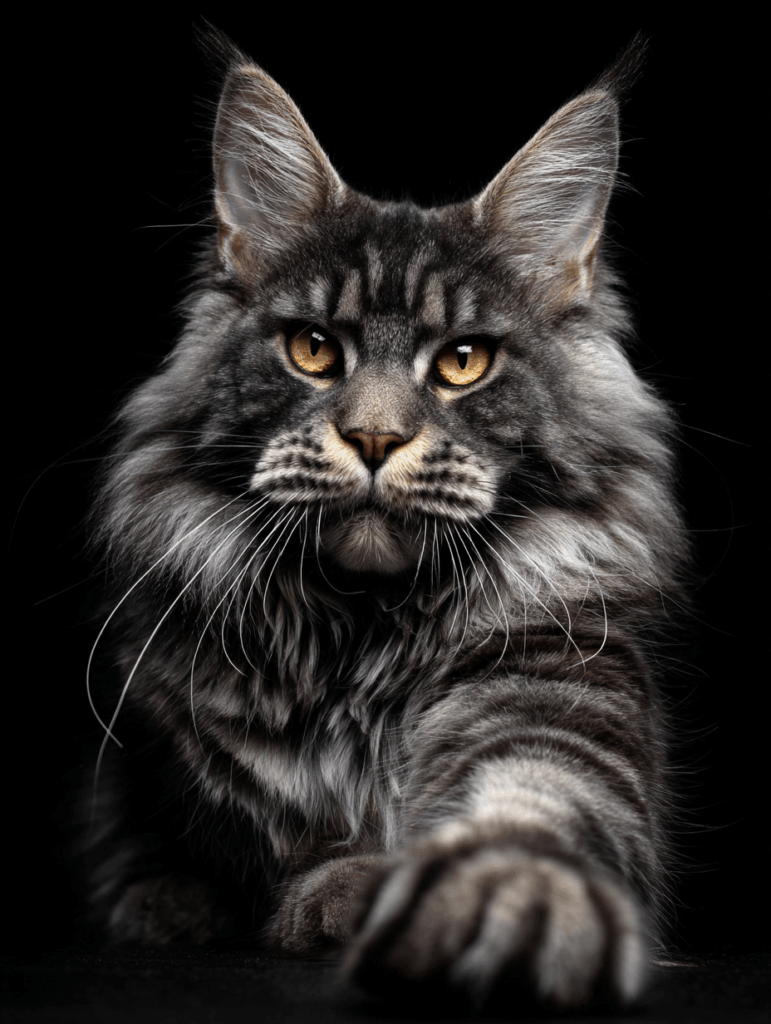
There are several reasons why polydactyl Maine Coons have gained enormous popularity. The most common reason is the appearance of their large, broad paws that many describe as natural snowshoes. The extra width gives them a charming, oversized look that pairs well with the already large and powerful structure of the Maine Coon breed.
Another reason is the connection to breed history. Early Maine Coons living in ports and coastal towns often had extra toes. Sailors believed polydactyl cats brought good luck and stability to ships during storms. This historical association makes poly kittens feel more traditional and closer to the foundation type of the breed.
Many families also love polydactyl Maine Coons because they stand out visually. The extra toes are noticeable in photos and give kittens a distinctive personality. Some owners say polys are better climbers and have more grip, although this is anecdotal and not officially documented. Either way, people appreciate the uniqueness. With fewer poly kittens born in each litter, the demand for polydactyl Maine Coon kittens for sale continues to increase every year.
Are polydactyl Maine Coons registered, and can I show them?
Yes. Polydactyl Maine Coons can be fully registered in TICA, and many reputable breeders produce TICA-registered poly kittens. They are considered purebred Maine Coons when they come from documented pedigrees. Showing depends on the registry. TICA allows polydactyl Maine Coons to compete in specific classes created for polys, and they are fully accepted within the breed. CFA does not allow polydactyl Maine Coons in the show ring, although they can still be CFA registered as pets in some circumstances. Their paws do not affect health, quality, or authenticity, only show eligibility depending on the registry.
Do Polydactyl Maine Coons Cost More?
Pricing varies by breeder, but the cost of a polydactyl Maine Coon kitten in the United States generally falls within standard Maine Coon pricing. Some breeders charge more because polydactyl kittens are in higher demand or because they preserve specific old-line pedigrees.
Typical price ranges:
• $3,500 to $6,000 for pet-quality poly Maine Coons
• Higher for exceptional lines, rare colors, or show-quality structure
Factors that affect price include:
• Pedigree
• Health testing
• Coat color and rarity
• Ear shape and lynx tip quality
• Body structure and muzzle definition
• Demand for the specific litter
• Reputation of the breeder
• Kitten temperament
• Toe count and paw shape
Polydactyl kittens that are extremely well-typed often sell quickly because breeders cannot predict how many poly kittens will appear in each litter.
Temperament of Polydactyl Maine Coons
The temperament of a polydactyl Maine Coon is the same as any purebred Maine Coon. The poly gene does not change behavior, personality, or social tendencies. Maine Coons are known for being friendly, easygoing, and stable-tempered. They bond well with families, love children, get along with dogs, and adapt to busy household environments.
Polydactyl kittens are often described as curious and playful, but all Maine Coons share that trait. Their paws may make them look more expressive when they play or reach out to tap their owner’s arm, but this is simply a visual effect of the extra toes. A poly kitten will grow into the same confident, affectionate adult Maine Coon that the breed is famous for.
Health and Care of Polydactyl Maine Coon Kittens
Polydactyl paws are healthy and functional. The extra toes do not create pain, structural deformity, or mobility issues when bred responsibly. Polydactyl Maine Coons run, climb, jump, and play exactly like standard-pawed cats.
Basic care considerations:
• Trim nails regularly, including nails on extra toes
• Check between toes for debris
• Make sure extra digits grow straight and are not hidden under the pad
• Keep the kitten at a healthy weight for proper paw development
In most cases, polydactyl Maine Coons require no special care beyond routine grooming and nail maintenance. They do not need special diets, supplements, or unique veterinary care. A healthy poly kitten should live a normal lifespan without any genetic complications related to the trait.
Polydactyl Maine Coon Kittens for Sale: What To Expect From a Litter
When you buy a polydactyl kitten, it is important to understand how poly litters work. Even if one parent is polydactyl, not all kittens in the litter will be. The gene typically expresses in about half the kittens. This means litters can include:
• Polydactyl kittens
• Standard-pawed kittens
• Boys and girls equally
• A variety of toe counts
• Any coat color or pattern
Some poly kittens may have extra toes only on the front paws, while others may be poly on all four. The exact expression is not something breeders can control. Because the trait is not guaranteed in every kitten, families searching specifically for polydactyl Maine Coon kittens for sale should join waitlists early.
How To Choose a Reputable Polydactyl Maine Coon Breeder
Choosing a responsible breeder is essential. Because polydactyl kittens are in high demand, many low-quality breeders use the trait as a marketing tool while cutting corners on health testing and care.
A reputable breeder will provide:
• TICA registration
• Pedigree documentation
• HCM, SMA, and PKDef testing for parents
• Hip and joint evaluations
• Weekly photo and video updates
• A clean, in-home raising environment
• A detailed health guarantee
• A transparent contract
Red flags to avoid:
• “Rare mutation” sales pitches
• No video calls or proof of kittens
• No testing on breeding cats
• Super low pricing compared to reputable breeders
• Only cash or wire payments
• Refusal to share photos of the home
A breeder’s priority should be health, structure, and temperament first, then coat color and traits like polydactyly.
How To Reserve a Polydactyl Maine Coon Kitten
Most breeders structure the reservation process the same way. Expect to:
• Fill out a kitten application
• Pay a non-refundable deposit
• Join a waitlist or choose from newborns
• Sign a purchase agreement
• Receive weekly updates until pickup
• Pick up the kitten in person or use a flight nanny
Because poly kittens are limited, they often sell before photos are publicly posted. Joining a reputable breeder’s waitlist early is the best way to secure a kitten.
How To Care for a Polydactyl Maine Coon
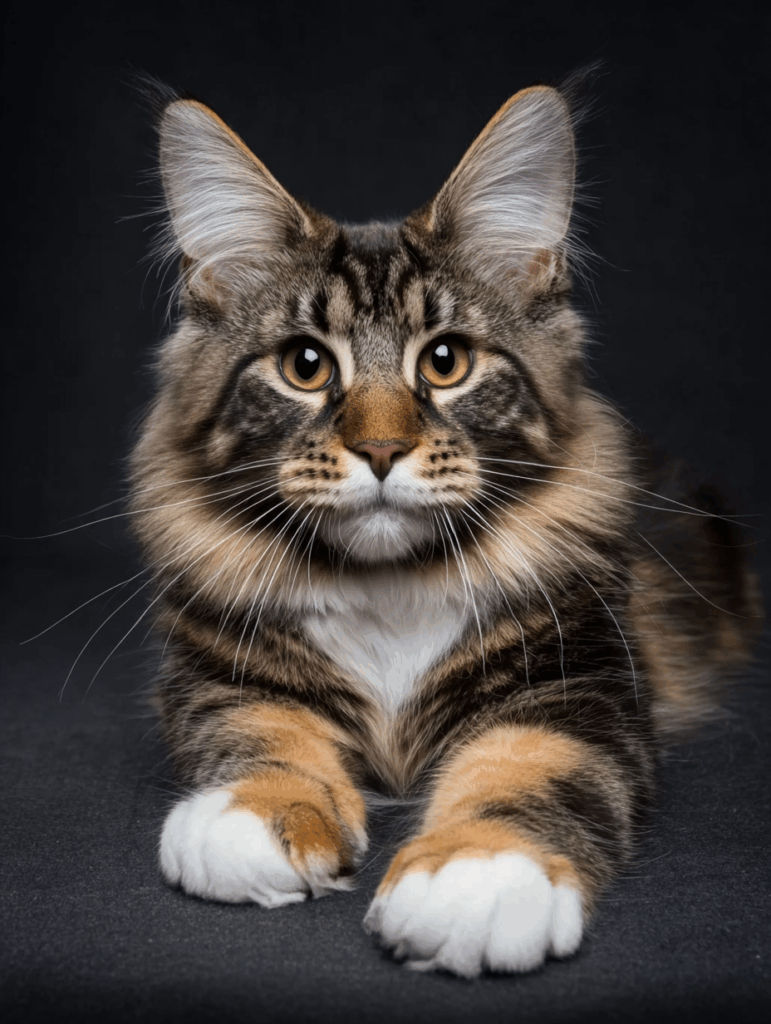
Caring for a polydactyl Maine Coon is very similar to caring for a standard-pawed Maine Coon. The extra toes are fully functional, healthy, and natural, but they do require a little more attention during grooming. Most polydactyl Maine Coons live normal, active lives without any special accommodations. With consistent care and regular check-ins, their paws stay comfortable, clean, and well maintained.
Nail Trimming for Polydactyl Cats
Polydactyl Maine Coons often have additional claws, so nail trimming is one of the most important parts of routine care. Owners should check every toe, including small dewclaws or tucked digits, to make sure no nail is curling inward or catching on bedding. Trimming nails every two to four weeks keeps the paws healthy and prevents overgrowth. If nails are not trimmed regularly, extra toes can trap debris or cause discomfort, especially in kittens.
Checking Between the Toes
Because poly cats have more digits, they also have more small spaces between each toe. Owners should inspect between the toes during grooming to remove lint, litter dust, or mats that may form between the extra pads. A quick weekly check keeps the paws clean and reduces the chance of irritation. Polydactyl kittens should be handled gently and frequently so they learn to enjoy paw handling as adults.
Monitoring Paw Structure During Growth
Maine Coons grow slowly, and this applies to their paws as well. As the kitten matures, the extra toes widen, strengthen, and become more defined. Regular touch and inspection help owners notice if a claw is growing awkwardly or if a pad is folding under another digit. Responsible breeders select for functional, healthy paw shapes, so most poly kittens develop straight, strong toes with no issues.
Normal Activity and Enrichment
Polydactyl Maine Coons do not require special activity restrictions. They climb, run, and jump with ease, and many seem exceptionally coordinated. Owners can safely offer scratching posts, cat trees, feather toys, and climbing structures. The broad paws often give poly cats impressive grip and stability, making them enthusiastic climbers and explorers.
Grooming and Hygiene
Aside from paw checks, grooming needs are the same as for any Maine Coon. Brush the coat regularly, trim nails, and wipe any dirt from the paws after outdoor walks or carrier trips. Keeping the litter box clean prevents debris from packing into the extra digits. Paw-safe wipes can be used for quick cleanups.
Veterinary Considerations for Polydactyl Maine Coons
There are no additional health risks associated with polydactyl paws. Routine vet visits for vaccinations, exams, and nail checks are sufficient. Most veterinarians are familiar with poly paws, but owners can point out any extra dewclaws to ensure all nails are trimmed during visits. Regular health care keeps the paws and joints functioning properly throughout the cat’s life.
20 FAQ About Polydactyl Maine Coon Kittens
1. What is special about polydactyl cats?
Polydactyl cats are born with extra toes, which gives them unusually wide, expressive paws. The trait is completely natural and appears through a dominant genetic variant. Many early sailors believed polydactyl cats brought stability and good luck because their larger paws helped them balance on ships. Today, the extra toes are seen as charming and unique, and the trait is especially admired in Maine Coons due to their large size and historical connection to the breed.
2. How much is a polydactyl Maine Coon?
The price of a polydactyl Maine Coon kitten is similar to the price of a standard Maine Coon from a reputable breeder. In the United States, most pet-quality kittens range from 3,500 to 6,000 dollars, with some show-quality or rare colors costing more. Prices depend on pedigree, health testing, conformation, and the reputation of the breeder. Because polydactyl kittens are often in higher demand, they may be reserved more quickly than standard-pawed kittens.
3. What is the difference between a Maine Coon and a polydactyl Maine Coon?
There is no difference in breed, temperament, structure, or size between a Maine Coon and a polydactyl Maine Coon. A polydactyl Maine Coon is simply a purebred Maine Coon born with extra toes due to a dominant gene. Both types can be TICA registered and fully health tested. The only difference is the shape of the paws.
4. Are polydactyl Maine Coons rare?
Polydactyl Maine Coons are less common than standard-pawed Maine Coons, but they are not extremely rare. The trait appears only when a parent carries the dominant poly gene, so not all litters contain poly kittens. Some breeders specialize in preserving polydactyl lines, while others do not breed for it. Demand often exceeds availability, making poly kittens feel rare to buyers.
5. Are polydactyl Maine Coons purebred?
Yes. Polydactyl Maine Coons are fully purebred and historically accurate to early Maine Coon lines. The trait appears in pedigreed bloodlines and is accepted by TICA. A polydactyl cat is not mixed or unhealthy; it simply expresses a natural dominant gene.
6. Are polydactyl Maine Coons healthy?
Polydactyl paws are healthy and fully functional. When bred responsibly, the trait does not cause pain, orthopedic problems, or mobility issues. Poly cats walk, play, and climb exactly like standard-pawed cats. The extra digits operate normally and do not affect lifespan.
7. Do polydactyl cats have better balance?
Many owners report that polydactyl cats seem to have excellent balance and grip because their paws are wider. While this is mostly anecdotal, sailors historically preferred poly cats on ships for this reason. The extra toes create a snowshoe-like effect that makes the paw feel larger. Although not scientifically proven, many poly cats appear naturally agile.
8. Can you test a polydactyl Maine Coon by DNA?
Yes. The most common polydactyl variant found in Maine Coons is the Hemingway-type mutation known as “Hw,” which can be detected through some genetic testing panels. Testing is optional because the trait is visible at birth. DNA tests confirm the gene but cannot predict how many toes a kitten will have.
9. How many toes can a polydactyl Maine Coon have?
A normal cat has 18 toes. A polydactyl Maine Coon may have 20, 22, or sometimes more depending on expression. Some have extra toes only on the front paws, while others have extras on all four paws, which is called “four wheel drive.” Toe count varies by kitten and cannot be predicted before birth.
10. Are polydactyl kittens more expensive?
Some breeders price polydactyl kittens slightly higher because demand is strong and poly lines are limited. Others price them the same as standard-pawed kittens. The value is influenced by quality, pedigree, breeder reputation, and rarity within the litter. Polydactyl kittens often sell out faster because buyers specifically request them.
11. Can polydactyl Maine Coons compete in cat shows?
In TICA, polydactyl Maine Coons can be registered and shown in specific categories. In CFA, polydactyl Maine Coons cannot compete in the main show ring. The trait is not considered a fault but simply does not meet CFA’s standard. Poly Maine Coons are still fully purebred regardless of show eligibility.
12. What does “four wheel drive” mean in polydactyl cats?
“Four wheel drive” refers to a polydactyl cat that has extra toes on all four paws. This is a stronger expression of the gene and is highly desired by some buyers. These kittens have larger front and back paws, creating an especially striking look. It does not affect health or mobility.
13. What is the mitten paw formation?
The mitten paw formation is a type of polydactyl expression where the paw looks like a mitten with a distinct thumb. These cats often have one or more dewclaws in addition to the thumb. The mitten type is linked to the Hw variant found in Hemingway cats and Pixie Bobs. Mitten paws are functional, expressive, and very popular.
14. What is the patty or snowshoe paw formation?
The patty paw is a rounded paw with evenly spaced digits and no defined thumb. It resembles a snowshoe and usually expresses as six toes per paw. This formation is associated with an unidentified genetic variant first identified in Canada. Patty-pawed Maine Coons are just as healthy and functional as mitten-pawed cats.
15. Do polydactyl Maine Coons have trouble walking?
No. When bred ethically, polydactyl Maine Coons have normal gait and full mobility. Extra toes are fully functional and do not interfere with walking, running, or climbing. In fact, many poly cats are exceptionally agile. Only extreme or poorly bred expressions can cause issues, which responsible breeders avoid.
16. Can two polydactyl parents be bred together?
Yes. Breeding two polys increases the chance of producing poly kittens, but breeders must watch for extreme expressions. Ethical breeders track toe counts across generations to maintain healthy, functional paws. Properly managed poly lines remain strong and sound.
17. Do polydactyl paws require special care?
Care is similar to standard paws, with a focus on nail trimming. Extra toes mean additional nails that should be monitored for proper growth. Owners should check for debris between toes and ensure dewclaws do not curl inward. Routine grooming prevents problems.
18. Are polydactyl Maine Coons more friendly or social?
Temperament is not connected to the polydactyl gene. Poly Maine Coons are friendly because Maine Coons in general are social, stable, and family-oriented. The extra toes do not impact personality. A polydactyl kitten behaves exactly like a standard-pawed sibling.
19. Do polydactyl kittens grow larger than normal kittens?
No. Paw type does not determine size, length, or overall structure. Maine Coon size is influenced by genetics unrelated to polydactyly. Both standard and polydactyl kittens can grow into very large adults. Toe count only affects the appearance of the paw, not the cat’s growth.
20. How can I tell if a kitten is polydactyl?
The easiest way is to examine the underside of the paw and count digits, pads, and nails. Extra toes appear at birth and are immediately obvious upon inspection. Photos can be misleading, so breeders verify by checking each foot individually. Toe arrangement reveals whether the kitten has mitten, patty, or a combination formation.
How can I reserve a Maine Coon kitten?
Begin by completing our adoption application on the AlmonteCats.com website. Once approved, families are matched with kittens based on personality fit, lifestyle, and color preference. Because our litters are raised in small numbers for quality and socialization, early reservations are highly recommended.
See our Available Maine Coon Kittens for Sale Here.
Related Colors and Patterns
- Tuxedo Kitten for Sale
- Giant Maine Coon Cats
- Baby Maine Coon Kittens
- Maine Coon Personality
- How Much is a Maine Coon
- Black Smoke Maine Coon Cats
About the Author
At Almonte Cats, we raise Soul Cats for families who value beauty, temperament, and trust. Every kitten carries our promise of health, love, and lifelong support.
Sources & References
- Sources & Further Reading
- The International Cat Association (TICA) – Maine Coon Breed Standard
Official breed description, conformation standards, and accepted color categories.- Cat Fanciers’ Association (CFA) – Maine Coon Breed
Detailed overview of Maine Coon history, temperament, and show requirements.- Winn Feline Foundation / EveryCat Health Foundation – Genetic Health Research
Research on HCM, SMA, and PKD testing — the core genetic conditions Maine Coon breeders screen for.- Cornell University College of Veterinary Medicine – Feline Growth & Nutrition
Veterinary guidance on kitten growth, development, and diet.- PawPeds Maine Coon Database – Pedigree and Health Registry
Comprehensive, open-access database of pedigrees and health test results for responsible breeders.- American Veterinary Medical Association (AVMA) – Kitten Health & Early Care Guidelines






Read the Comments +