
Meet the Lilac British Shorthair Cat
What Is a Lilac British Shorthair?
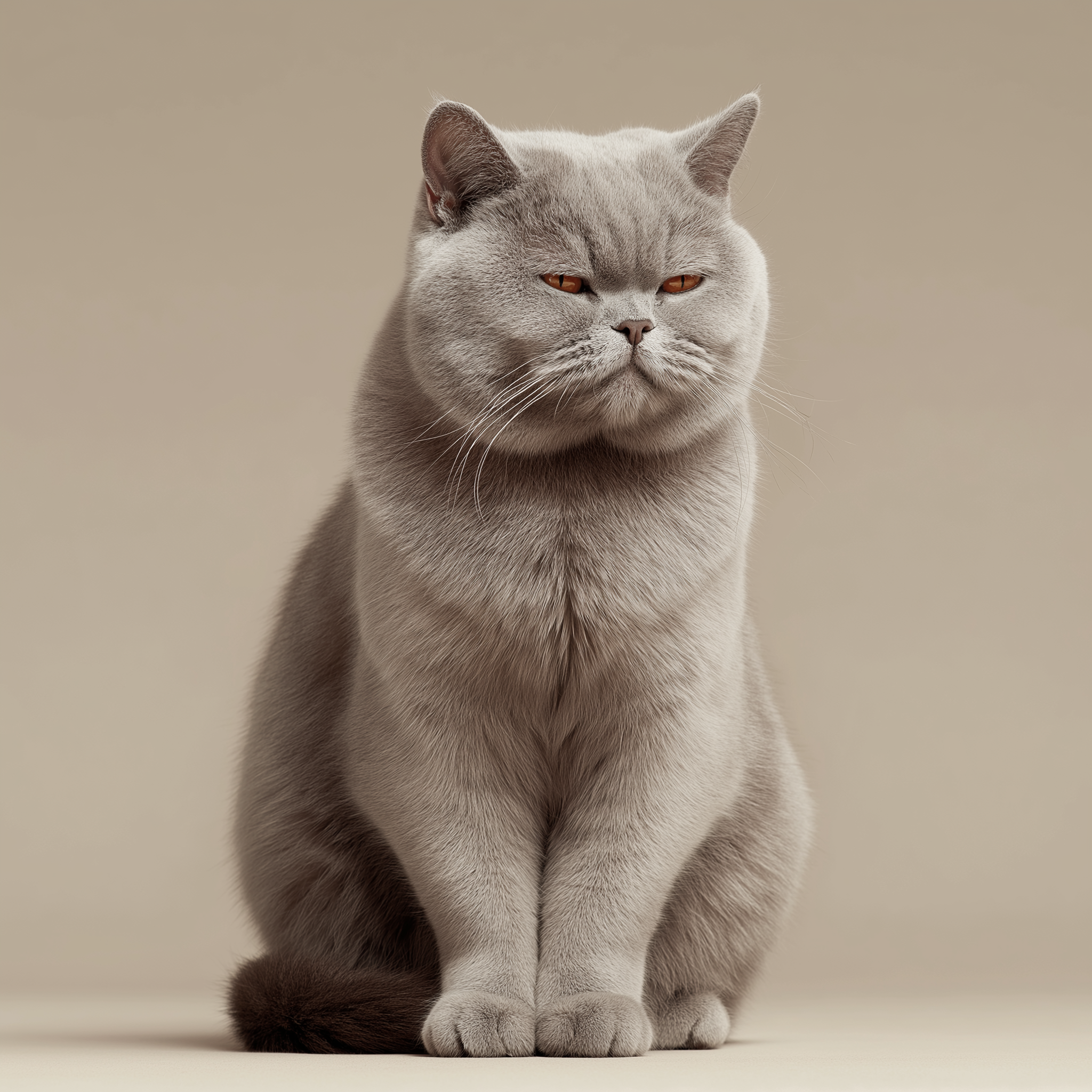
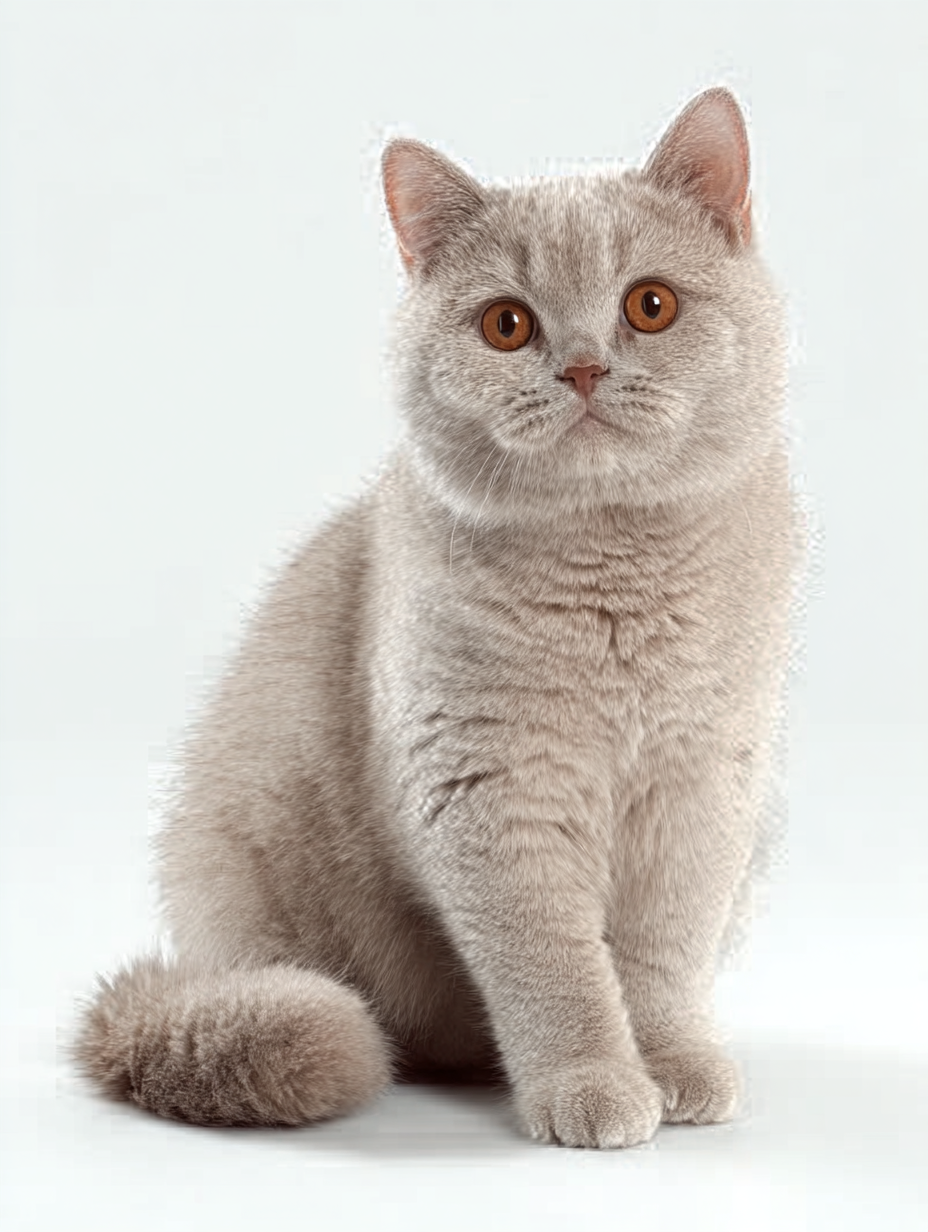
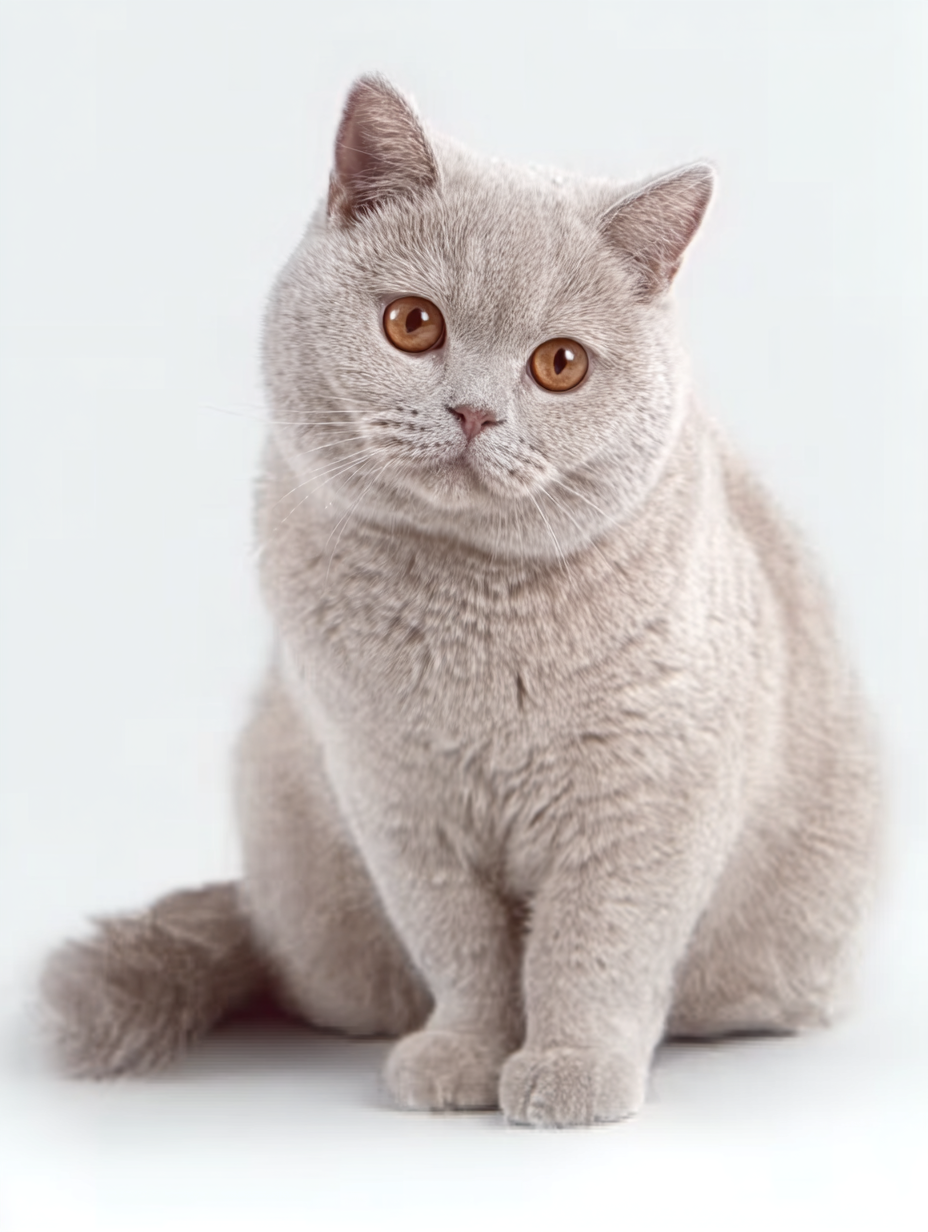
The Lilac British Shorthair is one of the softest, rarest, and most unique colors in the entire British Shorthair breed. Despite the name “lilac,” the coat does not appear purple — instead, it’s a delicate, frosted blend of warm lavender-gray and pink-beige, giving the cat a powdery pastel glow.
Lilac is genetically a diluted chocolate color. Both parents must carry the recessive dilute and chocolate genes in order to produce a true lilac kitten, which is why this color remains one of the rarest in the breed.
Unlike pointed breeds, the lilac coat on a British Shorthair is solid from head to tail — rich, creamy, and evenly distributed. The overall appearance is softer and warmer than the blue British Shorthair, with a velvety plush coat and signature British Shorthair roundness.
Lilac is fully recognized by TICA, CFA, and GCCF, and it is considered a traditional British Shorthair color with a long history in the breed.
Searching for your own British Shorthair Kitten?
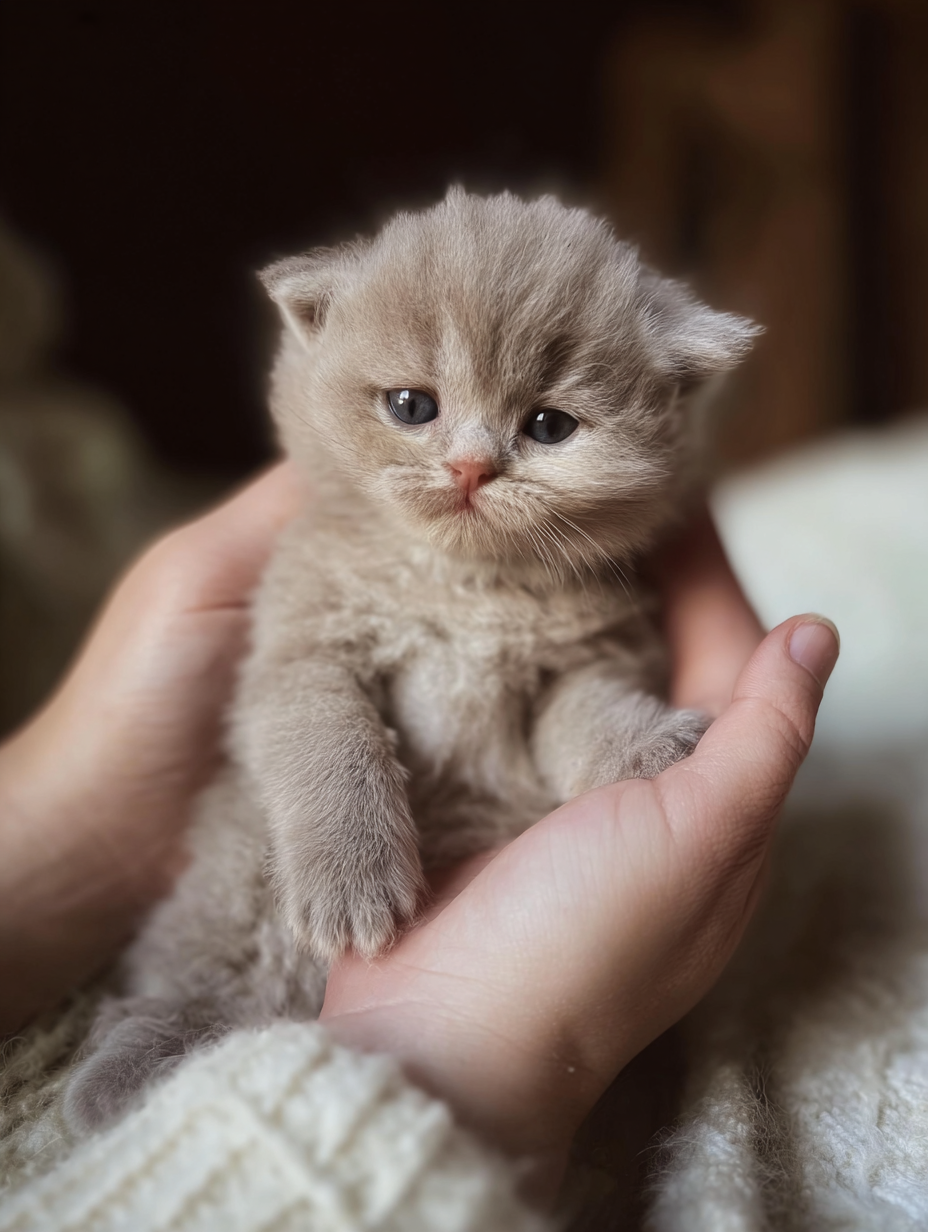
If you are here to find your very own British Shorthair baby, check out our Purebred British Shorthair Kittens for Sale.
At Almonte Cats, every kitten is:
- TICA / CFA registered from fully health-tested parents
- Raised in-home for confident, affectionate temperaments
- Vet-checked, vaccinated, and microchipped before going home
Reserve early — our litters are produced in limited numbers each year to preserve quality, true British Shorthair type, and excellent temperament. We currently specialize in golden British shorthairs in both short and long hair types.
Lilac British Shorthair Kittens for Sale
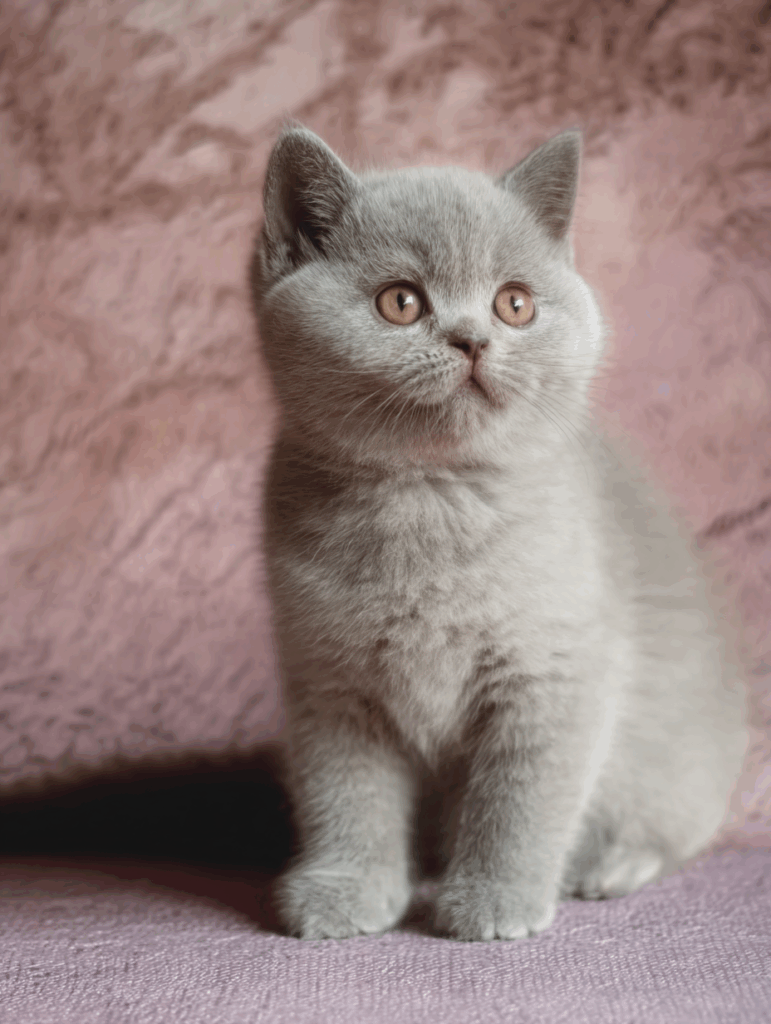
At Almonte Cats, we offer Lilac British Shorthair kittens for sale from fully health-tested, pedigree British Shorthair lines registered with TICA and CFA. Our lilac kittens are bred for correct British Shorthair type, strong bone, round faces, plush coats, and calm, affectionate temperaments.
Lilac is a rare and recessive British Shorthair color, produced only when both parents carry chocolate and dilute genetics. Because this combination is uncommon, Lilac British Shorthair kittens are available in very limited numbers each year and are often reserved long before they are born.
Our breeding program focuses on:
- Authentic British Shorthair structure
- Thick, plush double coats
- Calm, balanced, people-friendly temperaments
- DNA-verified color genetics (including chocolate and dilute)
- Responsible breeding with a focus on health and longevity
Every kitten is raised in-home, never in cages, and handled daily to ensure confident and social personalities.
How Our Lilac British Shorthair Kittens Are Raised
Lilac British Shorthairs develop their calm, easygoing nature through early socialization, structure, and exposure to everyday home life. Our kittens are raised with:
- Daily gentle handling
- Early neurological stimulation
- Introduction to grooming tools (combs, nail trimming, desensitization)
- Household sounds (vacuum, dishwasher, kids)
- Play sessions with age-appropriate toys
- Gradual, supervised exposure to children, other cats, and calm dogs
This approach ensures each Lilac British Shorthair kitten leaves with:
- Confidence
- People-orientation
- Calm temperament
- Easy adaptability to household routines
By the time kittens go home, they are well-socialized, litter trained, and comfortable with grooming and handling.
Health, Testing, and Registration
Every Lilac British Shorthair kitten from Almonte Cats is bred from health-tested parents that meet or exceed TICA and CFA standards.
Before going home, each kitten:
- Receives a full veterinary examination
- Is up-to-date on vaccinations for age
- Is microchipped and dewormed
- Comes with official TICA or CFA registration
- Includes a written genetic health guarantee
All breeding cats in our program are screened for:
- Hypertrophic Cardiomyopathy (HCM)
- Polycystic Kidney Disease (PKD)
- FIV/FeLV negative status
We test through UC Davis Veterinary Genetics Laboratory and other accredited labs to ensure clean, healthy bloodlines.
Lilac is a rare recessive color, but health, structure, and temperament remain our priority before color.
Why Families Love Lilac British Shorthair Kittens
The Lilac British Shorthair is often described as the softest and most elegant color in the breed. Their pastel lavender-beige coat, amber or copper eyes, and plush teddy-bear build create a gentle, dreamy, almost porcelain look. Compared to the iconic blue British Shorthair, lilacs appear warmer, lighter, and more delicate.
People choose our Lilac British Shorthair kittens because:
- They are rare and highly sought-after
- The color is genetically difficult to produce
- Lilacs have a soft, serene, timeless look
- British Shorthairs make excellent indoor family companions
- Our lines are fully registered, health tested, and raised in-home
- We offer transparent communication and lifetime breeder support
Lilac British Shorthairs appeal to families who want something unique, refined, and truly special within the breed.
Lilac British Shorthair Kitten Availability and Reservation
Because lilac is one of the rarest British Shorthair colors, our Lilac British Shorthair kittens are produced in very small numbers each year. Demand for this color is consistently high, and most kittens are reserved before they are born.
We accept a limited number of approved reservations each season.
Approved applicants may:
- Place a non-refundable reservation deposit to secure a future lilac kitten
- Join the Lilac British Shorthair Waitlist for upcoming litters
- Receive priority notification of available kittens
Before pickup, families are offered a virtual video call to meet their kitten, ask questions, and confirm their selection. This ensures a smooth and transparent adoption process.
Kittens go home with:
- Veterinary records
- Vaccination and deworming documentation
- Microchip information
- Registration paperwork
- A printed care guide
- A small blanket with familiar scents to ease the transition
Nationwide Delivery Options
We offer safe, reliable delivery for our Lilac British Shorthair kittens anywhere in the United States. Options include:
• USDA-Licensed Pet Transporters
Ground or air delivery compliant with USDA safety standards.
• In-Cabin Flight Nannies
A trained flight nanny personally escorts your kitten in-cabin and hand-delivers them at your nearest major airport.
• Local Pickup in Pennsylvania
Families are welcome to pick up their kitten directly from us for a more personal experience.
We have placed our kittens in many major cities including:
- New York
- Los Angeles
- Chicago
- Dallas
- Miami
- Atlanta
- Philadelphia
- Boston
Safety, comfort, and low stress are always prioritized during transport.
Lilac British Shorthair Appearance
The Lilac British Shorthair is one of the most visually striking cats in the breed. Its soft, powdery coat and warm undertones make it distinctly different from the colder-toned blues.
Coat Color
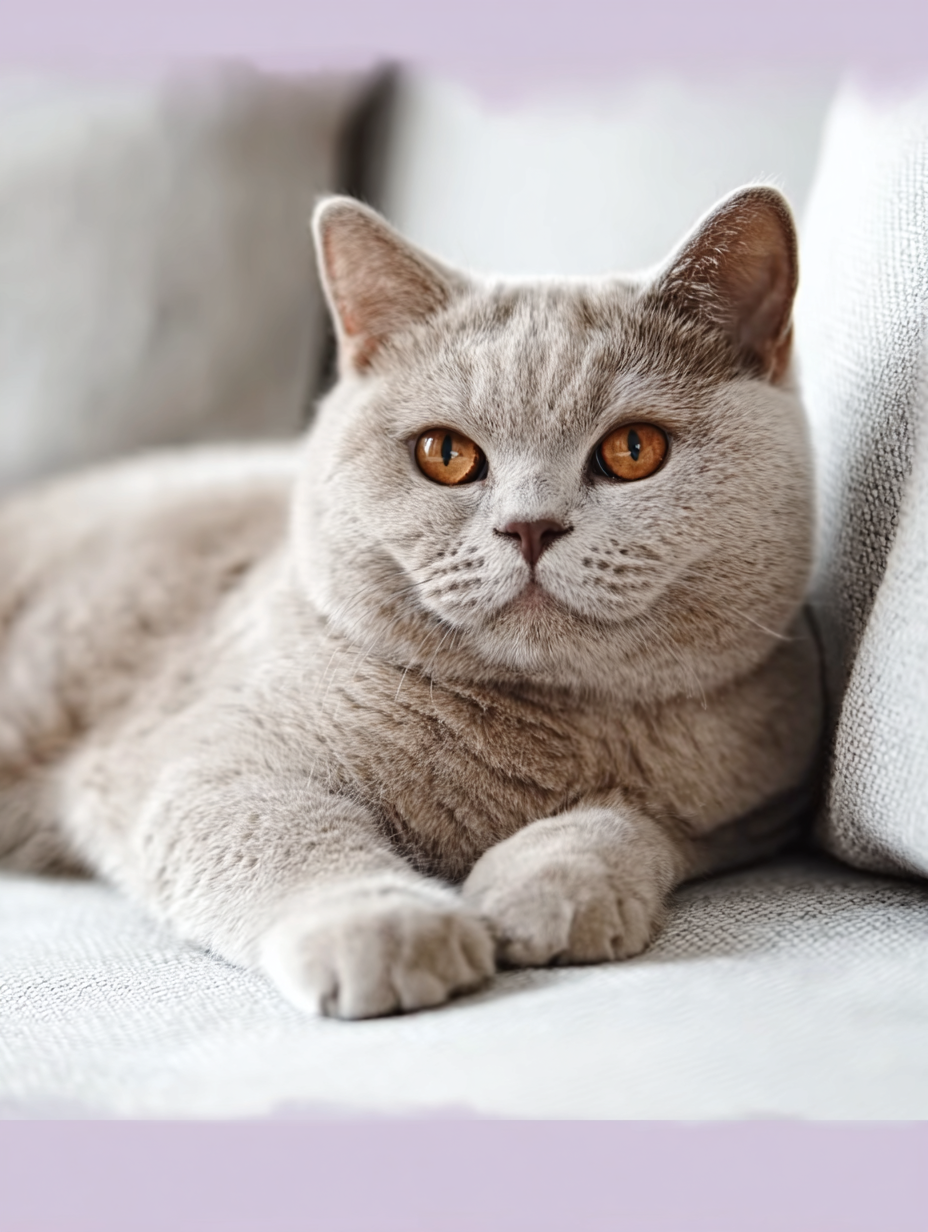
A true lilac appears as a warm lavender-gray with pinkish or beige undertones.
The color is even, smooth, and solid throughout the body — no shading or points.
Eye Color
Lilac British Shorthairs typically have:
- Copper
- Gold
- Deep amber
Eye color contrasts beautifully with the pale coat, creating a warm, luminous expression.
Nose & Paw Pads
Nose leather and paw pads are a dusty pink-lavender shade — a signature hallmark of the lilac color.
Coat Texture
The coat is:
- Plush
- Dense
- Crisp
- Velvety
This teddy-bear texture is a defining trait of the British Shorthair breed.
Overall Look
Lilac British Shorthairs are:
- Round-faced
- Thick-boned
- Compact and muscular
- Calm in expression
- Soft and pastel-toned
They look gentle and porcelain-like — a softer, warmer version of the British Blue.
Lilac British Shorthair vs. Other British Shorthair Colors
| Color | Base Tone | Coat Hue | Rarity |
|---|---|---|---|
| Blue | Black dilute | Cool blue-grey | Common |
| Lilac | Chocolate dilute | Warm lavender-grey | Rare |
| Chocolate | Brown | Cocoa brown | Uncommon |
| Cream | Red dilute | Pale warm cream | Common |
| Black | Full pigment | Deep jet-black | Moderate |
| Silver Shaded | Inhibitor gene | Silver-white undercoat | Rare |
The Lilac British Shorthair stands out from every other British Shorthair color because of its rare chocolate-dilute genetics and soft pastel appearance. Compared to the classic blue, which has a cool slate-grey tone, lilac is noticeably warmer and lighter with a lavender-beige hue. Against chocolate, lilac looks far more muted and creamy, since chocolate is a dense cocoa brown while lilac is its diluted, frosted counterpart.
Lilac vs Blue British Shorthair Comparison
| Feature | Lilac British Shorthair | Blue British Shorthair |
|---|---|---|
| Genetic Base | Chocolate dilute (bbdd) | Black dilute (B-dd) |
| Coat Color | Warm lavender-gray with pink-beige undertones | Cool blue-gray with slate or steel undertones |
| Overall Tone | Pastel, soft, creamy | Deep, smooth, classic blue-grey |
| Nose Leather | Lavender-pink | Blue-grey or cool slate |
| Paw Pads | Pink-lilac | Blue-grey |
| Eye Color | Copper, gold, amber | Copper, gold, amber |
| Rarity | Rare – requires two chocolate + two dilute genes | Common – the most iconic BSH color |
| Breed Recognition | Fully recognized by TICA, CFA, GCCF | Fully recognized by all major registries |
| Coat Texture | Plush, dense, crisp double coat | Plush, dense, crisp double coat |
| Temperament | Calm, affectionate, gentle | Calm, affectionate, gentle |
| Best Described As | Soft, warm, pastel teddy bear | Classic British Blue iconic look |
| Difficulty to Produce | High – recessive pairing needed | Low – dilute black widely available |
| Popularity Among Breeders | Exclusive, limited litters | Most widely bred color |
Lilac vs Blue British Shorthair
Although both are dilute British Shorthair colors, Lilac and Blue have very distinct appearances. Lilac British Shorthairs are chocolate dilutes, producing a warm lavender-grey coat with pinkish or beige undertones, giving the cat a soft, pastel, almost porcelain-like look. Blue British Shorthairs are black dilutes, creating the classic cool blue-grey tone that the breed is famous for. Lilac appears lighter, warmer, and creamier, while blue appears deeper, colder, and more slate-toned. Both colors have the same plush double coat, copper eyes, and calm temperament, but lilac is rarer due to requiring both chocolate and dilute genetics (bbdd).
Lilac vs Fawn British Shorthair Comparison
| Feature | Lilac British Shorthair | Fawn British Shorthair |
|---|---|---|
| Genetic Base | Chocolate dilute (bbdd) | Cinnamon dilute (b1b1dd) |
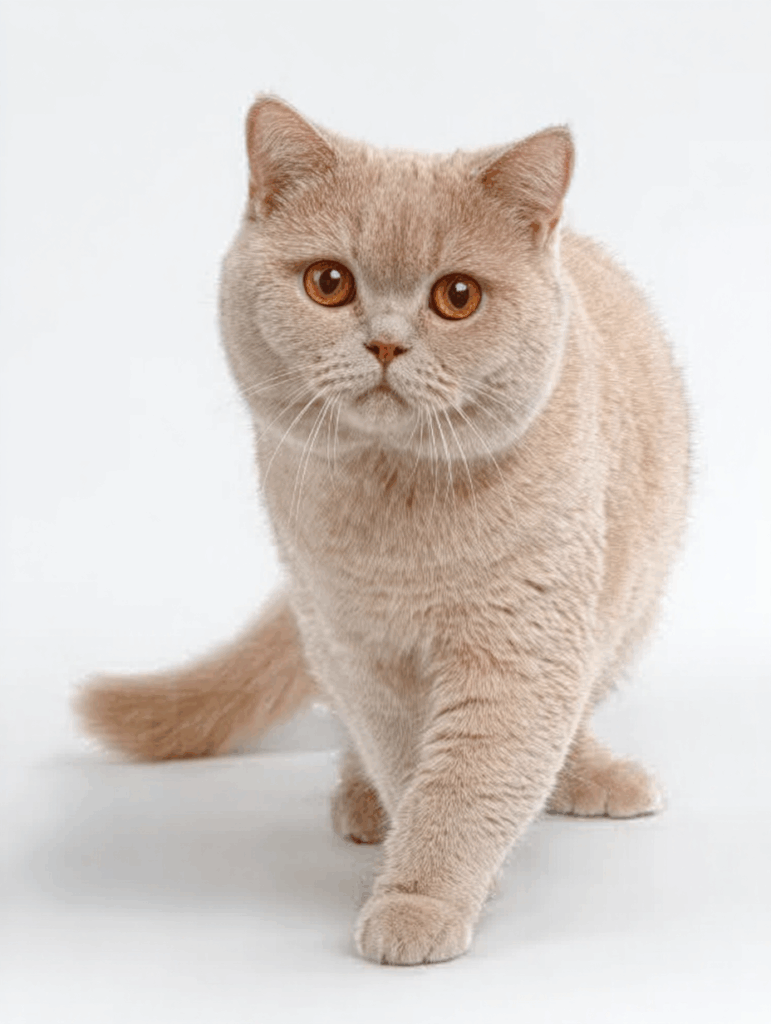
| Coat Color | Warm lavender-grey with pink-beige undertones | Soft warm beige with subtle rosy or mushroom undertones |
| Overall Tone | Pastel, cool-warm blend | Light, sandy, muted warm tone |
| Nose Leather | Lavender-pink | Pale rosy-pink or warm mushroom |
| Paw Pads | Pink-lilac | Pink-beige or light fawn |
| Eye Color | Copper, gold, amber | Copper, gold, amber |
| Rarity | Rare | Very rare (requires cinnamon + dilute genetics) |
| Genetic Difficulty | High — two chocolate + two dilute genes needed | Very high — two cinnamon + two dilute genes needed |
| Breed Recognition | Fully recognized by TICA, CFA, GCCF | Recognized as a dilute cinnamon; accepted in TICA/GCCF standards |
| Coat Texture | Plush, dense, crisp; pastel appearance | Plush, dense, crisp; warm and soft appearance |
| Color Category | Dilute chocolate | Dilute cinnamon |
| Typical Look | Soft lavender “dusty mauve” tone | Warm beige “mushroom” or champagne tone |
| Popularity Among Breeders | Rare specialty color | Extremely rare specialty color |
| Temperament | Calm, affectionate, classic British Shorthair | Calm, affectionate, classic British Shorthair |
| Best For Families Who Want | A pastel lavender-grey, elegant, refined look | A warm champagne-beige, ultra-rare collector color |
Lilac vs Fawn British Shorthair Comparison Details
The Lilac British Shorthair and the Fawn British Shorthair are two of the rarest pastel colors in the breed, but their genetics and appearance create completely different looks. Lilac is a chocolate dilute (bbdd), which gives the coat a cool lavender-grey tone with soft pink-beige warmth. Fawn, on the other hand, is a cinnamon dilute (b1b1dd), resulting in a warmer champagne-mushroom shade with subtle rosy undertones. Lilac reads like a powdery lavender-grey, while Fawn looks more like soft beige suede. Both have pink-toned nose leather and paw pads, copper to gold eyes, and the classic plush British Shorthair build, but fawn is significantly rarer due to the cinnamon gene being less common in breeding programs. Families who want a warm, creamy pastel often choose fawn, while those who prefer a cooler, elegant lavender tone fall in love with lilac.
Related British Shorthair Colors and Patterns
- Black British Shorthair
- Russian Blue vs British Shorthair
- Blue British Shorthair
- Orange British Shorthair
- British Shorthair Kitten Colors Near Me
- Intro to All British Shorthair Colors
- Golden British Shorthair Kittens
Lilac British Shorthair Genetics
The beautiful lilac British Shorthair color comes from a very specific combination of recessive genes. Although the shade looks soft and pastel on the outside, it begins with chocolate-based genetics deep at the DNA level.
Understanding the B Locus (Chocolate Genetics)
The starting point for the lilac color is the B locus, which determines how dark or light the base pigment will be.
- B (Black) – Dominant; produces deep colors like black or blue
- b (Brown/Chocolate) – Recessive; lightens pigment into warm chocolate tones
To produce a true lilac British Shorthair, a kitten must inherit:
bb — two chocolate genes
This means the kitten is chocolate-based genetically, even though the coat appears much lighter.
Both parents must carry the chocolate gene (b), even if they are not visibly chocolate cats.
The Dilute Gene (D Locus)
Lilac coloring becomes possible only when the chocolate base is diluted by the recessive dilute gene.
- D (Dense) – Dominant; color stays strong (chocolate remains chocolate)
- d (Dilute) – Recessive; softens the color into a pastel tone
For a chocolate-based coat to transform into lilac, the kitten must inherit:
dd — two dilute genes
When the genetics combine, we get:
bbdd — the signature lilac British Shorthair color
This transforms what would be a chocolate coat into a warm lavender-grey with pinkish undertones.
Why Lilac British Shorthairs Are Rare
Producing lilac kittens requires:
- Two chocolate genes
- Two dilute genes
- Carriers in both parents
- Precise pairing of compatible bloodlines
- Careful planning across multiple generations
Even with perfect pairings, litters can still produce:
- Blue kittens
- Chocolate kittens
- Cream kittens
- Black or lilac-carrier kittens
This is why Lilac British Shorthairs remain:
- Genetically rare
- Highly sought-after
- Limited in availability each year
Breeders dedicated to the lilac color typically maintain carefully documented pedigrees and perform DNA testing to preserve both coat accuracy and breed health.
Lilac British Shorthair Personality and Temperament
Like all British Shorthairs, lilacs have a calm, gentle, and affectionate temperament that makes them ideal for indoor family life.
Typical Lilac British Shorthair personality traits include:
✔ Calm, easygoing temperament
They enjoy being near their family but are not demanding or clingy.
✔ Affectionate but independent
Lilacs love companionship but are content relaxing quietly nearby.
✔ Excellent with children and pets
British Shorthairs are known for their patience and sturdy build.
✔ Quiet, soft-spoken nature
They rarely meow excessively; they communicate through soft chirps or purrs.
✔ Loyal and steady
They bond deeply with their people and thrive in peaceful, structured homes.
Lilac British Shorthairs combine the classic teddy-bear look of the breed with a sweet, mellow disposition that works well for families, couples, seniors, and first-time cat owners.
Grooming and Care for a Lilac British Shorthair
The lilac British Shorthair has a dense, plush double coat, but unlike longhaired breeds, it is very easy to maintain.
Grooming Needs
- Brush 2–3 times per week to remove loose hair and maintain coat texture
- Use a stainless-steel comb to support shedding cycles
- Avoid overbathing; it can reduce the coat’s natural crispness
- Keep nails trimmed every 1–2 weeks
- Gently clean eyes as needed (light coats show small tear stains more easily)
Because lilacs have lighter-colored coats, high-quality grooming helps preserve their soft, powdery appearance.
Diet
A high-protein, balanced diet with omega fatty acids helps maintain:
- Coat shine
- Skin health
- Muscle tone
- Weight control
British Shorthairs can gain weight easily, so portion control and interactive play are important.
Health and Longevity of Lilac British Shorthairs
Lilac British Shorthairs share the same health profile and life expectancy as all British Shorthairs.
Average lifespan:
12–16+ years
Health screening we perform:
- HCM (Hypertrophic Cardiomyopathy)
- PKD (Polycystic Kidney Disease)
- FIV/FeLV testing
- Routine veterinary examinations
- DNA color testing to ensure accurate lilac genetics
British Shorthairs are generally healthy but can be prone to:
- Mild weight gain if under-exercised
- Dental tartar buildup
- Rare hereditary conditions (reduced through testing)
With responsible breeding and regular vet care, Lilac British Shorthairs live long, healthy, affectionate lives.
Related British Shorthair Colors and Patterns
- Russian Blue vs British Shorthair
- British Shorthair vs Ragdoll
- Orange British Shorthair
- British Shorthair Kitten Colors Near Me
- Intro to All British Shorthair Colors
- Golden British Shorthair Kittens
Frequently Asked Questions About Lilac British Shorthair Cats
Are Lilac British Shorthair cats rare?
Yes. Lilac British Shorthairs are one of the rarest traditional colors in the breed. The lilac shade requires a double recessive genetic combination — chocolate base (bb) plus dilution (dd). Because both parents must carry both recessive traits, true lilac kittens are produced in very limited numbers each year. Serious breeders often plan generations ahead to create this color.
What does a Lilac British Shorthair look like?
A Lilac British Shorthair has a warm lavender-gray coat with soft pinkish or beige undertones. The color is solid and even from nose to tail. Their nose leather and paw pads are a dusty pink-lilac shade, and their eyes are typically copper, gold, or deep amber. The effect is pastel, velvety, and very soft compared to the cooler-toned blue British Shorthair.
Is lilac the same as lavender in British Shorthairs?
Yes — “lilac” and “lavender” are two names for the same genetic color. Some breeders use “lavender” because it better describes the pink-gray undertone, but lilac is the correct term used by TICA, CFA, and GCCF.
Are Lilac British Shorthair kittens born lilac?
Yes. Unlike pointed breeds (which develop color later), British Shorthair kittens are born with visible coat color. Lilac kittens appear light, creamy lavender-beige from birth, and their shade becomes richer and more even as they mature.
Do Lilac British Shorthairs change color over time?
Slightly. Their coat may deepen or warm a bit as they grow, but they remain the lightest chocolate-based dilute color in the breed. Good diet and proper grooming help maintain the clarity of the lilac tone.
What is the difference between Lilac and Blue British Shorthairs?
Both are dilute colors, but lilac is warmer and lighter.
Lilac:
- Lavender-gray with pink-beige undertones
- Chocolate-based genetics
- Pink-lilac nose leather and paw pads
Blue:
- Cool blue-grey tone
- Black-based genetics
- Slate or cool-toned nose leather
Lilac is rarer and genetically more difficult to produce.
Do Lilac British Shorthairs have pink noses?
Yes — but not bright pink. Their nose leather is a soft, lavender-pink, which is a key indicator of the lilac color.
What color eyes do Lilac British Shorthairs have?
Most Lilac British Shorthairs have:
- Copper
- Gold
- Amber
These warm eye tones pair beautifully with the pastel coat.
Are Lilac British Shorthairs purebred?
Yes. Lilac is an officially recognized color in major cat registries, including TICA, CFA, and GCCF. Purebred lilacs come from registered British Shorthair parents and meet the breed standard. If a seller advertises a “rare lilac mix” without paperwork, the cat may not be purebred.
How much does a Lilac British Shorthair cost?
Lilac British Shorthair kittens from registered, health-tested breeders typically range from:
$3,000–$5,000+
Prices depend on pedigree, eye color, structure, availability, and whether the kitten is sold as a pet or with breeding rights. Lilac is one of the rarest colors, so demand is consistently high.
Do Lilac British Shorthairs need special grooming?
No. Their plush short coat requires the same care as any British Shorthair — brush 2–3 times per week to maintain texture and reduce shedding. Because lilacs are lighter in color, regular grooming helps keep the coat clean and evenly toned.
Do Lilac British Shorthairs shed a lot?
Moderately. They shed seasonally and have a dense double coat. Weekly brushing during shedding seasons helps significantly.
What is the temperament of a Lilac British Shorthair?
Lilacs share the classic British Shorthair personality: calm, affectionate, quiet, and easygoing. They bond closely with their families, enjoy companionship, and are gentle with children and other pets. They are not clingy or demanding and prefer peaceful, structured homes.
Are Lilac British Shorthairs good with dogs and other pets?
Yes. British Shorthairs tolerate calm dogs and other cats well when introduced slowly. Their steady, patient nature makes them excellent companions in multi-pet homes.
Are Lilac British Shorthairs hypoallergenic?
No cat is fully hypoallergenic, but British Shorthairs may cause fewer issues for some allergy sufferers because their shedding pattern is more controlled than long-haired breeds. Grooming, HEPA filtration, and a clean home help reduce allergens.
How long do Lilac British Shorthairs live?
With proper care, Lilac British Shorthairs typically live 12–16 years or longer. Good genetics, quality diet, and regular vet care greatly influence longevity.
What health issues are common in Lilac British Shorthairs?
Like all British Shorthairs, lilacs should be screened for:
- HCM (Hypertrophic Cardiomyopathy)
- PKD (Polycystic Kidney Disease)
- FIV/FeLV (negative status)
Reputable breeders test for these conditions and only breed from healthy, DNA-cleared lines.
Are Lilac British Shorthairs vocal?
No. British Shorthairs are generally quiet cats. They communicate softly through gentle meows, trills, or purrs but rarely become noisy or demanding.
How big do Lilac British Shorthairs get?
Males generally reach 12–17 lbs, and females average 8–14 lbs. British Shorthairs mature slowly and may take up to 3–5 years to reach their full size and bulk.
What should Lilac British Shorthairs eat?
A high-quality, high-protein diet designed for indoor or medium-to-large breeds works best. Omega fatty acids support the coat’s shine and skin health. Avoid low-quality fillers that can dull the coat or cause weight gain.
Can Lilac British Shorthairs go outside?
They should remain indoor-only or enjoy outdoor time only in secure enclosures or on a harness. Their gentle temperament makes them unsuited for free-roaming, and their rare color makes them a target for theft.
Where can I buy a Lilac British Shorthair kitten?
Always choose a breeder who:
- Is registered with TICA or CFA
- DNA tests all breeding cats
- Raises kittens in-home
- Provides health guarantees
- Offers transparent communication
You can apply for a Lilac British Shorthair kitten or join the waitlist through Almonte Cats.
Resources and Related Posts
Learn More About British Shorthair Cats
- British Shorthair Lifespan
- British Shorthair Personality
- British Shorthair Kitten Growth Stages
- British Shorthair vs Ragdoll
External Resources
- CFA – Cat Fanciers’ Association (British Shorthair Breed Standard)
https://cfa.org/british-shorthair/
2. TICA – The International Cat Association (British Shorthair Breed Info)
https://tica.org/breeds/british-shorthair
3. GCCF – Governing Council of the Cat Fancy (UK Breed Standard)
https://www.gccfcats.org/breeds/british-shorthair/
4. FIFe – Fédération Internationale Féline (British Shorthair Profile)
https://www.fifeweb.org/wp/breeds/bsh/
5. ACFA – American Cat Fanciers Association (British Shorthair Overview)
https://www.acfacat.com/breeds/british-shorthair/
6. VCA Hospitals – Cat Coat Color Genetics Overview
https://vcahospitals.com/know-your-pet/genetics-basics-coat-color
7. Cornell University College of Veterinary Medicine – Cat Genetics & Health
https://www.vet.cornell.edu/departments-centers-and-institutes/cornell-feline-health-center
8. University of California Davis – Veterinary Genetics Laboratory (Color Testing Info)
https://vgl.ucdavis.edu/services/cat-coat-color
9. International Cat Care – British Shorthair Breed Profile & Care
https://icatcare.org/advice/breeds/british-shorthair/
10. ASPCA – General Cat Care Guidelines
https://www.aspca.org/pet-care/cat-care





Read the Comments +