
Ragdoll vs Siberian: How to Tell These Two Affectionate Breeds Apart
The Ragdoll and the Siberian are both large, beautiful, affectionate cats — but beyond their fluffy coats and sweet temperaments, they are very different breeds. One is calm, floppy, and famously cuddly. The other is bold, confident, and one of the most allergy-friendly cats in the world.
Whether you’re choosing between the two or want to understand the true differences, this guide breaks down every key trait — size, coat, personality, hypoallergenic factors, grooming, and ideal home fit.
Searching for a Ragdoll Kitten?
If you’re here to find your very own Ragdoll kitten, explore our available litters and upcoming pairings.
At Almonte Cats, every Ragdoll kitten is:
- TICA and CFA registered from fully health-tested parents
- Raised in-home for confident, affectionate temperaments
- Vet-checked, vaccinated, and microchipped before going home
Due to limited litters each year, early reservation is recommended.
Ragdoll vs Siberian: Quick Overview
| Trait | Ragdoll | Siberian |
|---|---|---|
| Origin | California, USA | Russia / Siberia |
| Coat | Silky, semi-long, plush | Triple-layered, thick, water-resistant |
| Eye Color | Always blue | Gold, green, blue (Neva Masquerade only) |
| Body Type | Large, soft, rounded | Large, muscular, powerful |
| Average Male Weight | 12–20 lbs | 12–20 lbs |
| Average Female Weight | 8–15 lbs | 8–15 lbs |
| Head Shape | Rounded, soft features | Rounded head, strong cheeks |
| Personality | Calm, floppy, affectionate | Bold, confident, dog-like |
| Allergy Friendly | Standard | Low-allergen (lower Fel d 1 protein) |
| Average Lifespan | 12–16+ years | 12–16+ years |
Origins and History
Ragdoll History
The Ragdoll is a modern breed developed in California in the 1960s from foundation cats known for their gentle temperament, striking blue eyes, and point coloration. The breed was selectively developed for its relaxed, floppy nature and affectionate personality. Today, the Ragdoll is one of the most popular companion cat breeds in the world.
Siberian History
The Siberian is an ancient Russian forest breed with roots stretching back over a thousand years. These cats evolved to survive freezing Siberian winters, developing their signature triple-layered coat and strong, athletic body. Siberians were common in Russian households and folklore long before they were officially exported in the 1990s.
Which breed is older?
The Siberian by centuries.
The Ragdoll is a modern, selectively developed companion breed, while the Siberian evolved naturally in harsh climates.
Coat and Texture Differences
The coats on these two breeds look similarly luxurious, but they function very differently.
Ragdoll Coat
The Ragdoll coat is:
- Silky
- Plush
- Semi-long
- Low-tangle
- Flowing
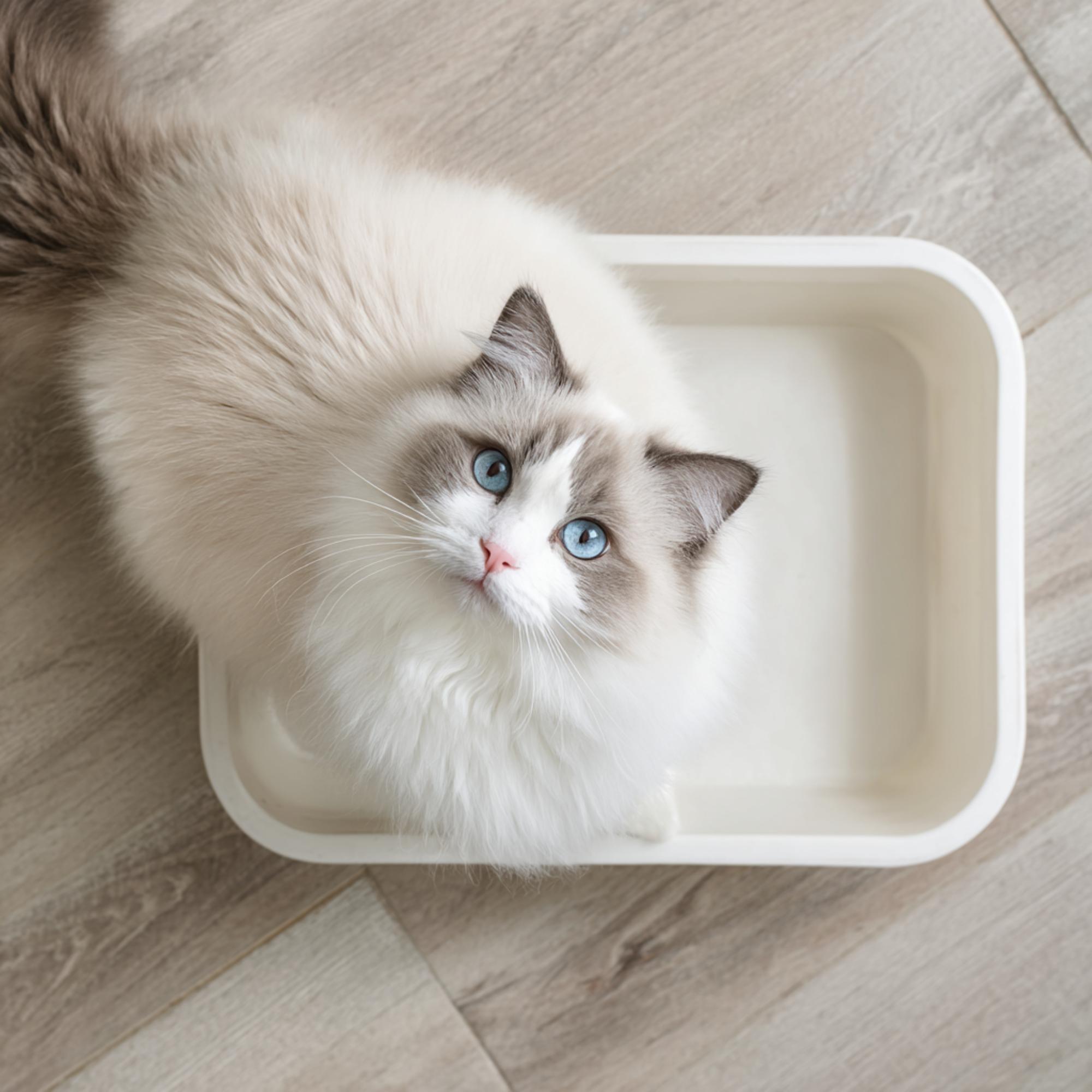
It’s soft like rabbit fur and lies smoothly along the body. Ragdolls do not have a dense woolly undercoat, which makes them easier to groom.
Siberian Coat
The Siberian coat is:
- Triple-layered
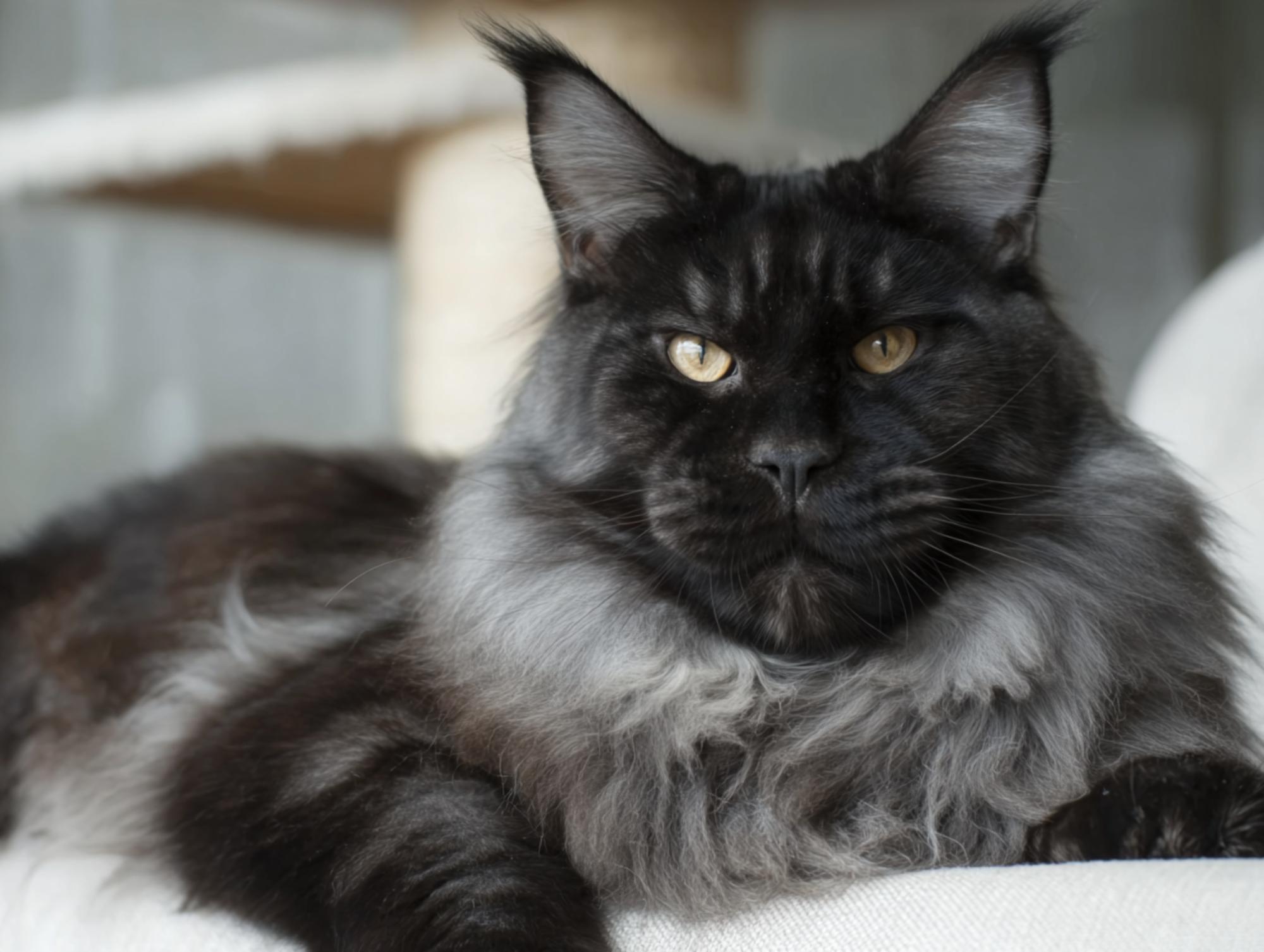
- Thick and dense
- Water-resistant
- Seasonal
- Extremely insulating
The coat includes a heavy undercoat, springy awn layer, and glossy guard hairs — a natural winter survival system.
Side-by-side appearance
- Ragdoll = silky, flowing, plush
- Siberian = thick, full, powerful, winter-adapted
Which Breed Has the Denser Coat?
The Siberian, by far.
Their triple coat is one of the thickest in the cat world, designed to withstand sub-zero climates. Ragdolls have long fur, but with a lighter, single-layered structure that gives a soft, fluffy look without the bulk.
If you want a cat with ultra-dense winter fluff → choose the Siberian.
If you want a soft, silky, low-matting coat → choose the Ragdoll.
Eye Color Differences
Ragdoll Eyes
Ragdolls always have blue eyes, ranging from light sky-blue to deep sapphire.
Blue eyes are a required trait in purebred, pointed Ragdolls.
Siberian Eyes
Siberians may have:
- Gold
- Green
- Hazel
- Blue (only in Neva Masquerade colorpoint Siberians)
Non-point Siberians will not have blue eyes.
Help for identification
- Blue eyes + point pattern = Ragdoll or Neva Masquerade Siberian
- Colorpoint with blue eyes but a thicker triple coat = Neva Masquerade
- Blue eyes and silky coat = Ragdoll
Body Type and Structure
Ragdoll Build
- Large and rounded
- Plush, padded body
- Soft contours
- Medium bone
- Relaxed muscles with “floppy” behavior
Ragdolls give a soft, cuddly, teddy bear impression.
Siberian Build
- Large and very muscular
- Broad chest
- Strong legs
- Barrel-like structure
- Powerful, athletic movement
Siberians feel like dense, compact athletes with surprising weight and strength.
Personality Comparison: Ragdoll vs Siberian
Ragdoll Personality
- Extremely affectionate
- Floppy and relaxed when held
- Gentle and people-focused
- Low energy, calm, indoor-oriented
- Follows owners like a shadow
Ragdolls want to be near you at all times and love physical affection.
Siberian Personality
- Confident, bold, outgoing
- Dog-like loyalty
- Social with visitors
- Playful and athletic
- Highly adaptable
Siberians strike a balance between affection and independence — loving but not overly needy.
Which Breed Makes the Best Pet?
Both the Ragdoll and the Siberian make exceptional family pets, but they thrive in different types of homes.
The Ragdoll is ideal for anyone wanting a calm, cuddly, easygoing companion who enjoys being held, loves close contact, and prefers staying indoors. They are famously gentle, patient, and affectionate without being destructive or demanding. Ragdolls thrive in homes where someone is around often — families, couples, seniors, work-from-home owners — and love quiet, steady environments.
The Siberian makes the best pet for people who want a confident, bold, interactive companion with a more athletic, playful style. Siberians are friendly with strangers, quick to adjust to new environments, and enjoy a balance of affection and independence. Their dog-like loyalty and natural curiosity make them perfect for busy households, larger homes, allergy-sensitive families, and owners who prefer a more robust, energetic cat.
If you want a calm, cuddle-focused lap cat → choose the Ragdoll.
If you want an active, social, adventurous companion → choose the Siberian.
Lifestyle Comparison: Ragdoll vs Siberian
| Category | Ragdoll | Siberian |
|---|---|---|
| Best for Families | Excellent — gentle, patient, affectionate | Excellent — confident, friendly, social |
| Coat Density | Silky, low-matting | Triple-layer, extremely dense |
| Shedding Level | Moderate | Moderate to high (seasonal blowouts) |
| Grooming Needs | Weekly brushing | Frequent brushing during seasonal shed |
| Energy Level | Low to moderate | Moderate to high |
| Affection Level | Extremely affectionate and cuddly | Very affectionate but balanced |
| Adaptability | High — loves routine | Very adaptable — fearless in new settings |
| Social Behavior | Attached to owners, gentle with visitors | Friendly with everyone, outgoing |
| Noise Level | Quiet, soft meows | Soft chirps and trills |
| Ideal Environment | Indoors, quiet homes, families | Active homes, families, allergy-sensitive homes |
| Allergy-Friendliness | Standard | Low-allergen (lower Fel d 1) |
| Dominant Traits | Calm, floppy, affectionate | Bold, confident, athletic |
Size and Weight Comparison
| Breed | Male Weight | Female Weight | Build |
|---|---|---|---|
| Ragdoll | 12–20 lbs | 8–15 lbs | Large, soft, rounded, plush |
| Siberian | 12–20 lbs | 8–15 lbs | Large, muscular, dense, powerful |
Both are large breeds, but their weight distribution differs:
Ragdoll Build
- Wide, soft build
- Plush body feel
- Relaxed muscles
- Rounded features
- Gentle presence
Siberian Build
- Compact muscle
- Powerful chest
- Strong legs
- Heavier bone
- Confident “forest cat” posture
Ragdolls feel soft and padded, while Siberians feel dense, solid, and athletic.
Coat Color Comparison
| Feature | Ragdoll | Siberian |
|---|---|---|
| Color Range | Pointed colors only (seal, blue, chocolate, lilac, flame, cream, tortie, lynx) | 200+ colors including solids, tabbies, smokes, silvers |
| Texture | Silky, low-tangle | Thick, triple-layered, water-resistant |
| Undercoat | Light or minimal | Heavy, woolly undercoat |
| Special Patterns | Always pointed; always blue-eyed | Neva Masquerade is colorpoint with blue eyes |
| Shine | Soft, plush shine | Glossy, protective waterproof sheen |
Key color difference
- Ragdolls ALWAYS have blue eyes and are ALWAYS pointed.
- Siberians can be pointed only in the Neva Masquerade variety.
If the cat is pointed and has a thick triple coat → it’s a Neva Masquerade Siberian.
If it is pointed, silky, and floppy → it’s a Ragdoll.
Ragdoll vs Siberian: Are They the Same?
No. Ragdolls and Siberians are completely separate breeds with different histories, coat types, genetics, personality styles, and eye color rules.
The Ragdoll is a modern American companion breed, developed for calmness, affection, and the trademark floppy behavior. Every Ragdoll should have blue eyes and a pointed coat.
The Siberian is an ancient Russian forest breed, naturally occurring and built for survival in harsh climates. Siberians come in nearly every color and can be low-allergen due to reduced Fel d 1 protein production.
They look similarly fluffy, but genetically and behaviorally, they are nothing alike.
Personality Summary: Ragdoll vs Siberian
| Trait | Ragdoll | Siberian |
|---|---|---|
| Energy Level | Low to moderate | Moderate to high |
| Sociability | Attached to one or two people | Social with whole family and visitors |
| Playfulness | Gentle, prefers interactive play | Athletic, loves climbing and exploring |
| Noise Level | Very quiet | Soft chirps and trills |
| Affection | Extremely cuddly, wants to be held | Affectionate but not floppy |
| Behavior With Dogs | Excellent | Excellent |
| Adaptability | High indoors, less outdoorsy | Very adaptable, confident, adventurous |
| Bonding Style | Shadow-cat loyalty | Pack-like loyalty to the whole family |
Ragdolls = calm, cuddly, sweet, relaxed.
Siberians = bold, friendly, confident, energetic.
Mixed-Breed Lookalikes & Misidentification
Because both are large, fluffy, and social, many people mistake domestic longhairs for Ragdolls or Siberians.
Common mix-ups
- Blue-eyed domestic longhair mistaken for Ragdoll
- Tabby kitten mistaken for “Siberian mix”
- Non-pointed “Ragdoll mixes” (not possible in true Ragdolls)
- Blue-eyed “Siberian” with thin coat (likely a mix)
Ragdoll clues
- Blue eyes only
- Pointed coat only
- Silky, low-density fur
- Relaxed, floppy behavior
Siberian clues
- Any color pattern
- Triple coat
- Broad head and thick neck
- Athletic build
Only CFA/TICA registration confirms purebred lineage.
Health and Lifespan of Ragdolls vs Siberians
Both breeds are sturdy, healthy, long-lived cats, but their genetic risks differ.
Ragdoll Health Overview
Ragdolls are generally healthy but have a few breed-associated conditions:
- Hypertrophic cardiomyopathy (HCM) — a known genetic mutation exists and should be DNA-tested
- Kidney issues — some lines may show early kidney sensitivities
- Bladder crystal formation — often related to diet and hydration
- Obesity — Ragdolls’ mellow nature makes weight gain possible
Because Ragdolls are calm and low-energy, owners must be proactive about controlled feeding and interactive play.
Siberian Health Overview
Siberians are exceptionally hardy due to centuries of natural selection in harsh climates. Still, breeders screen for:
- Hypertrophic cardiomyopathy (HCM) — less common, but present
- Periodontal disease — linked to heavy jaw and bone structure
- Obesity — due to dense body mass and strong appetite
- Gastrointestinal sensitivities in occasional lines
Overall, Siberians benefit from strong immune systems and excellent genetic diversity.
Average Lifespan
- Ragdoll: 12–16+ years
- Siberian: 12–16+ years
With proper care, both breeds frequently live into their late teens.
Price Comparison: Ragdoll vs Siberian
Pricing varies by location, breeder quality, color genetics, and demand.
| Breed | Average Kitten Price (USA) | Price Factors |
|---|---|---|
| Ragdoll | $2,000 – $4,500+ | Color rarity (lilac, chocolate), pattern quality, blue-eye depth, breeder program |
| Siberian | $2,000 – $5,000+ | Allergy-tested lines, Neva Masquerade colorpoint, coat density, European imports |
Why Ragdolls Can Cost More
- High demand due to popularity online
- Blue eyes + pointed coat = desirable, predictable traits
- Many breeders focus on premium pet quality and temperament
Why Siberians Can Cost More
- Hypoallergenic appeal increases demand
- Limited availability in the U.S.
- Neva Masquerade lines are highly sought after
- Thick coats require higher maintenance for queens and studs
Both breeds are premium, high-value cats with strong market demand.
How to Choose Between a Ragdoll and a Siberian
Your decision should reflect your home’s energy level, your lifestyle, and your preference for affection style.
Choose a Ragdoll if you want:
- A mellow, calm, peaceful companion
- A cuddly, floppy cat who loves being held
- A sweet cat who follows you around quietly
- A predictable, low-maintenance coat
- A breed perfect for apartment living or quiet homes
Ragdolls excel as indoor-only, cuddle-focused companions.
Choose a Siberian if you want:
- A bold, confident, athletic forest cat
- A cat with dog-like loyalty and bravery
- A playful, curious, interactive companion
- A good option for mild to moderate allergy sufferers
- A cat who thrives in busy households with movement
Siberians are perfect for active families or homes that want a sociable, balanced cat.
If both sound ideal
Many families enjoy owning both breeds. They complement each other beautifully — the Ragdoll brings calm and softness, while the Siberian brings vitality and confidence.
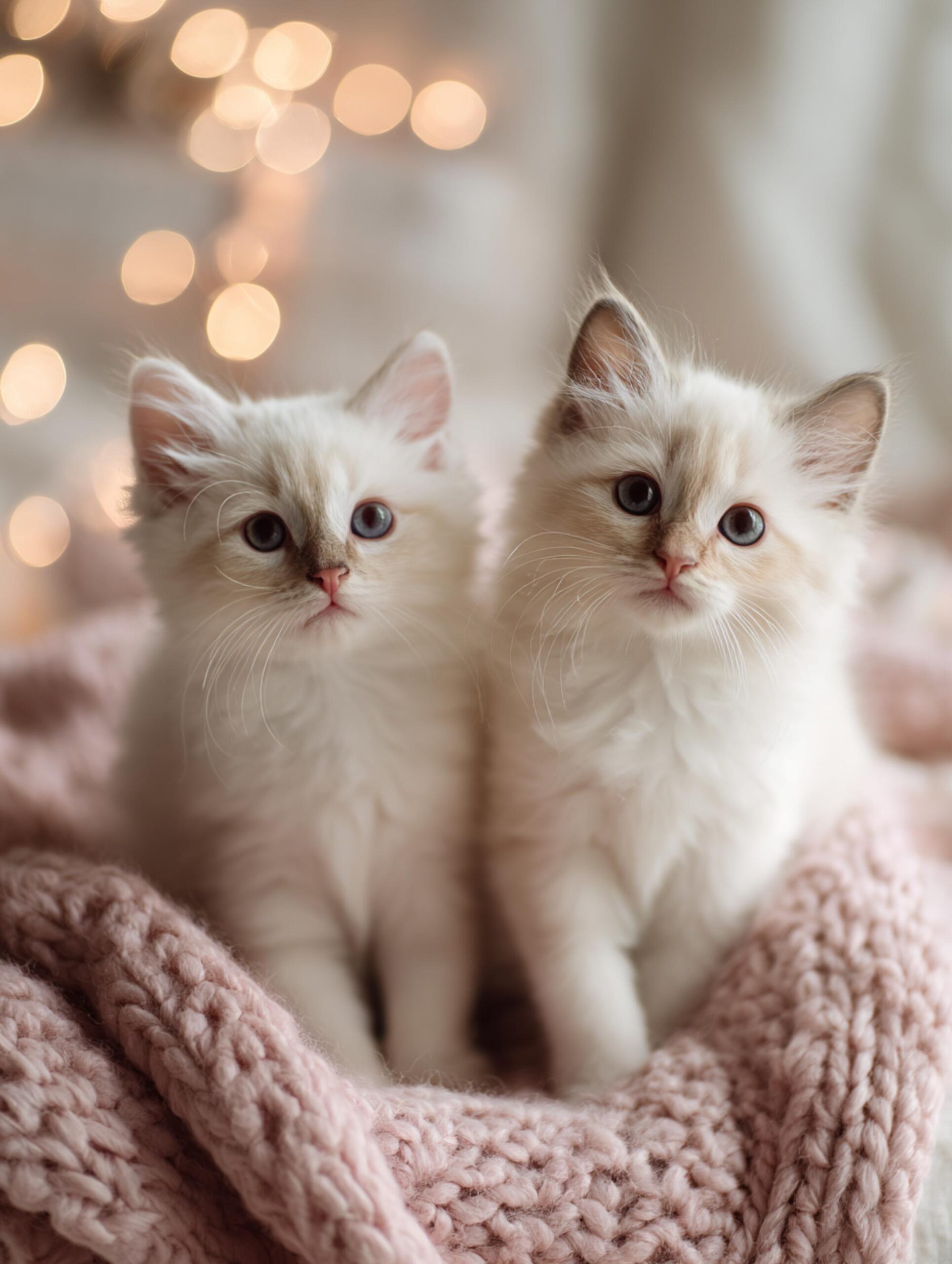
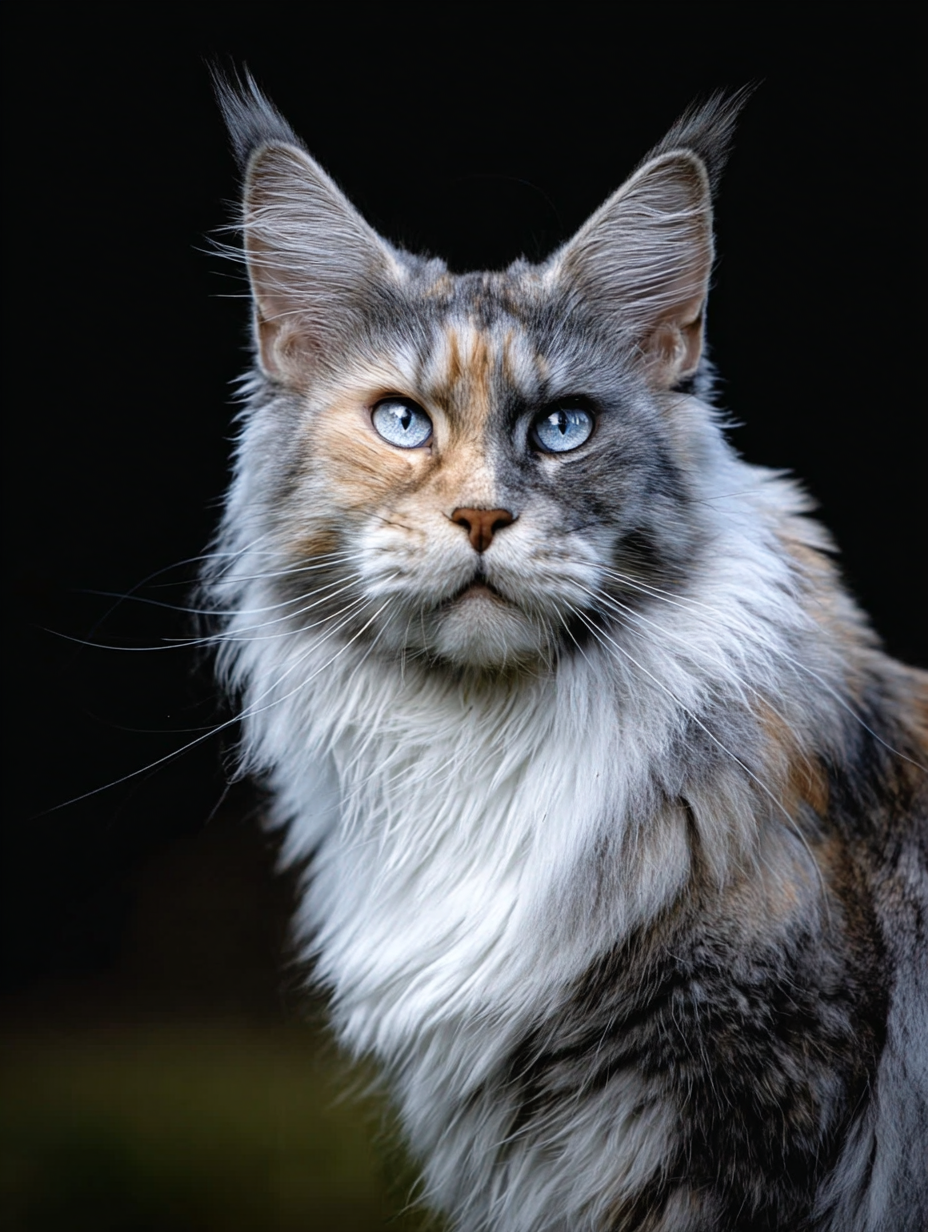
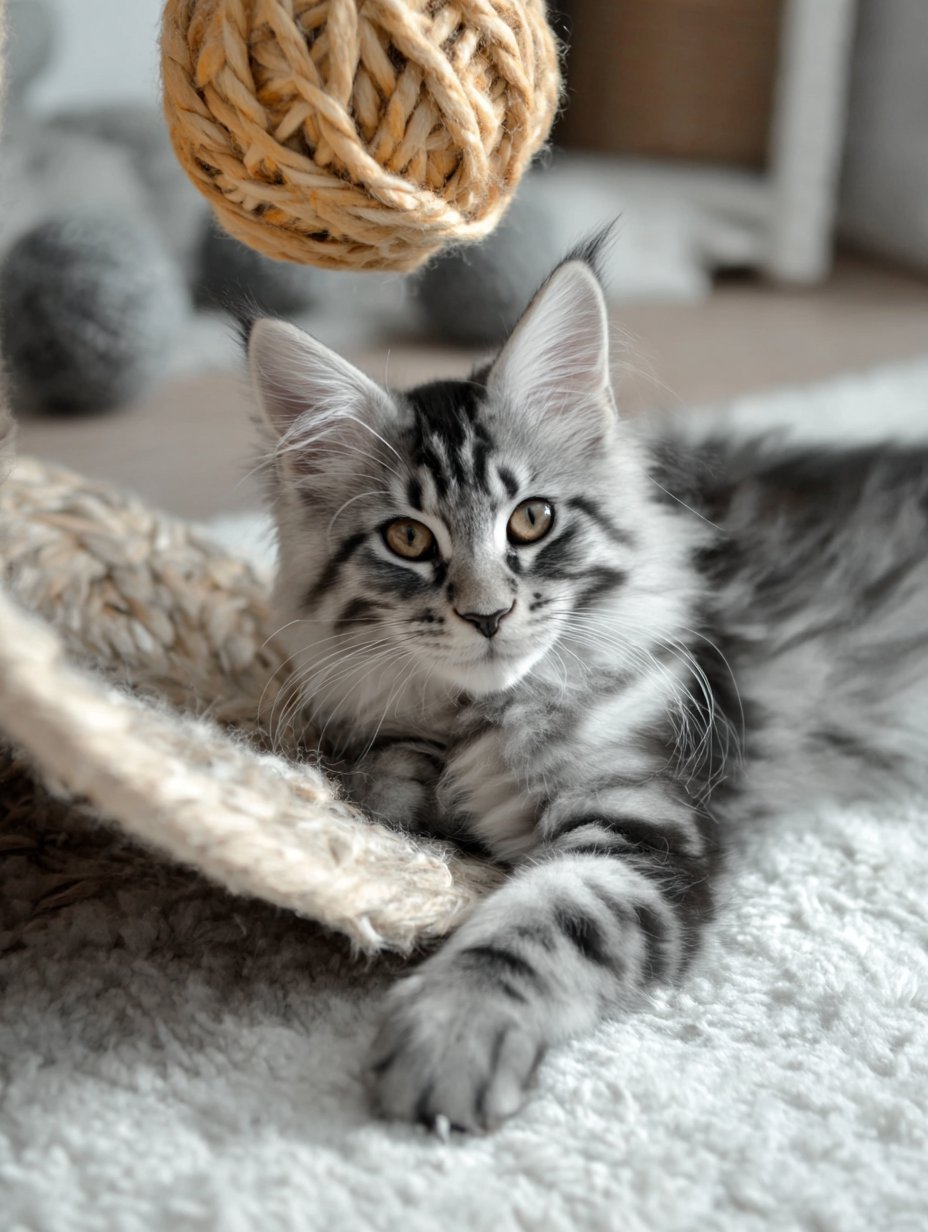
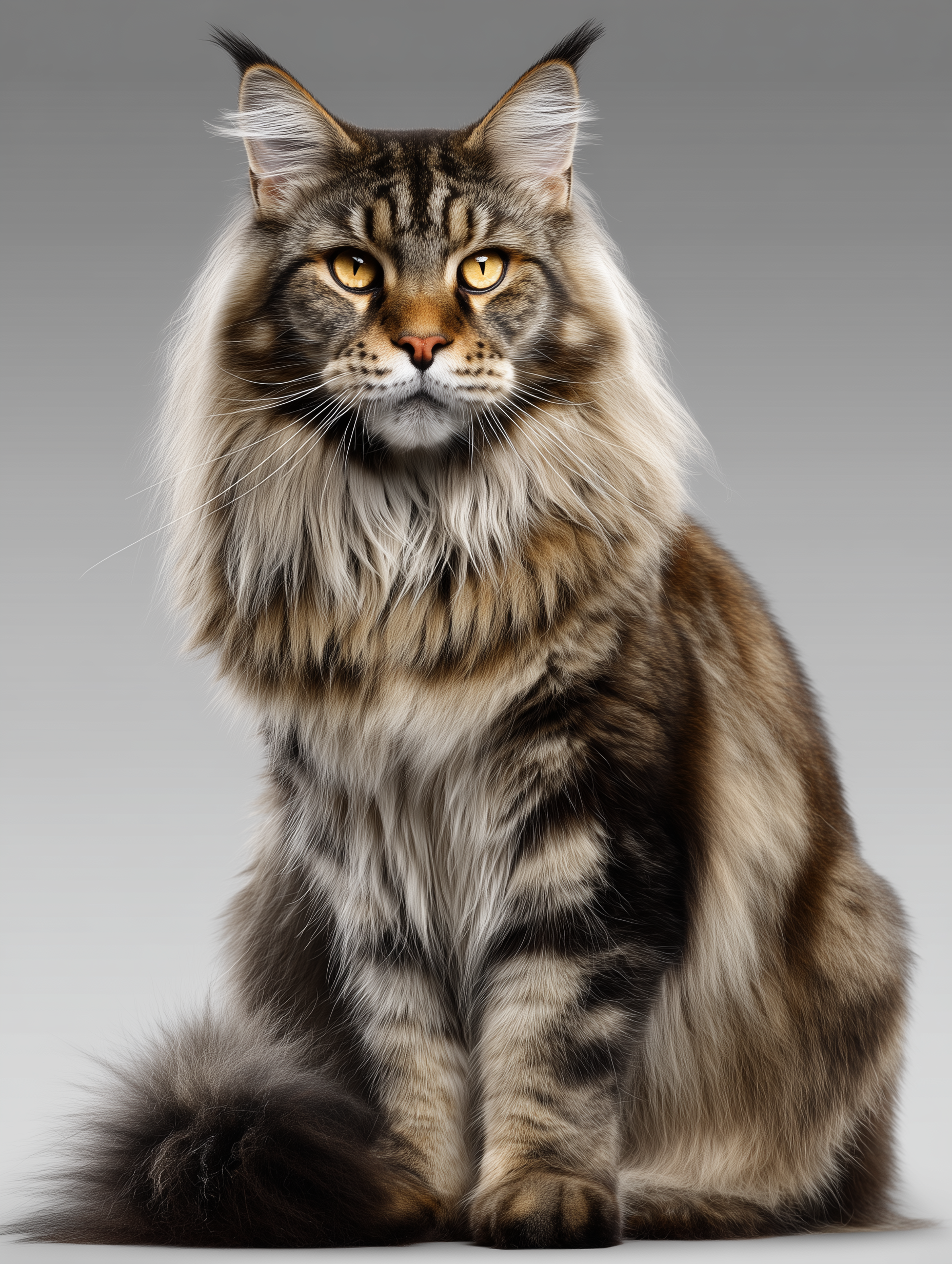
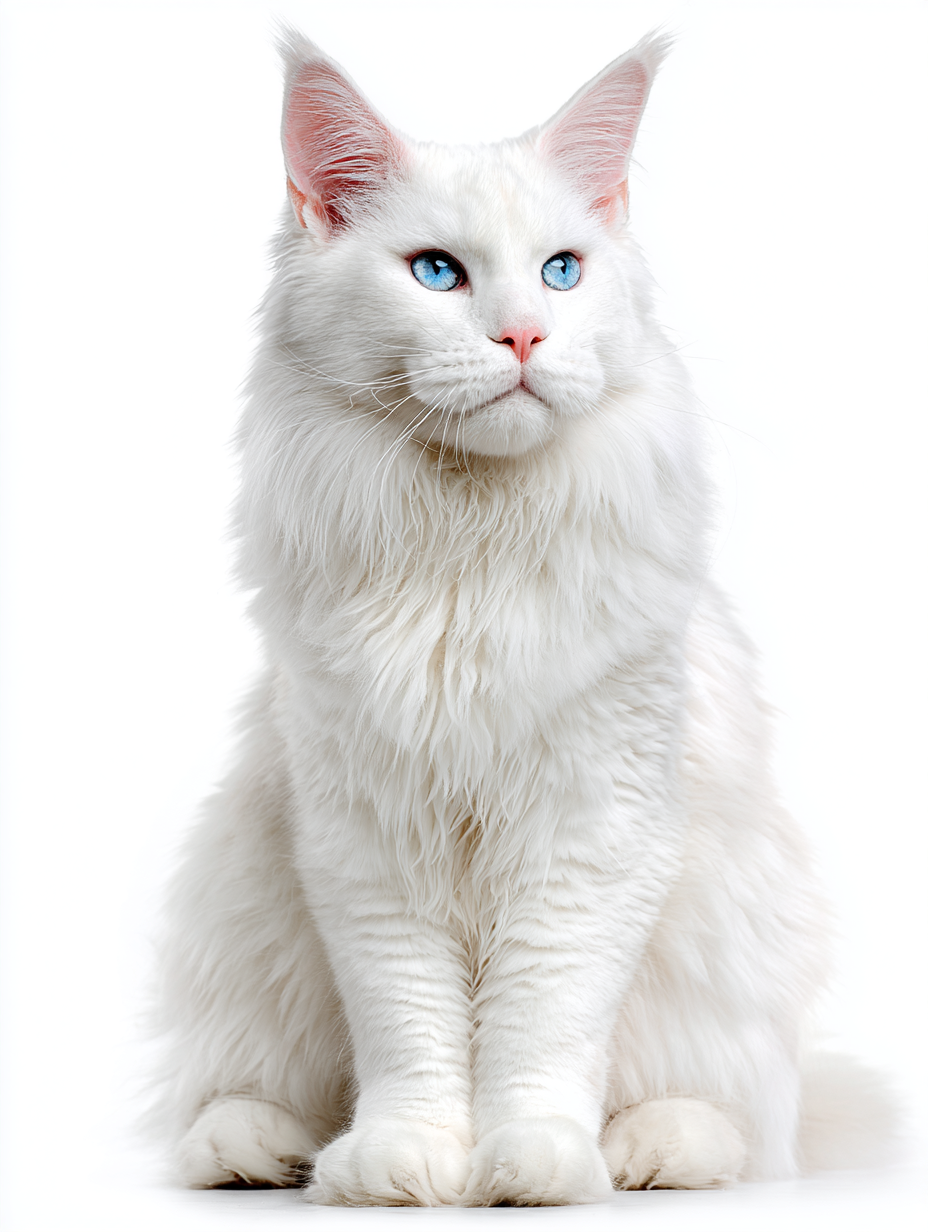
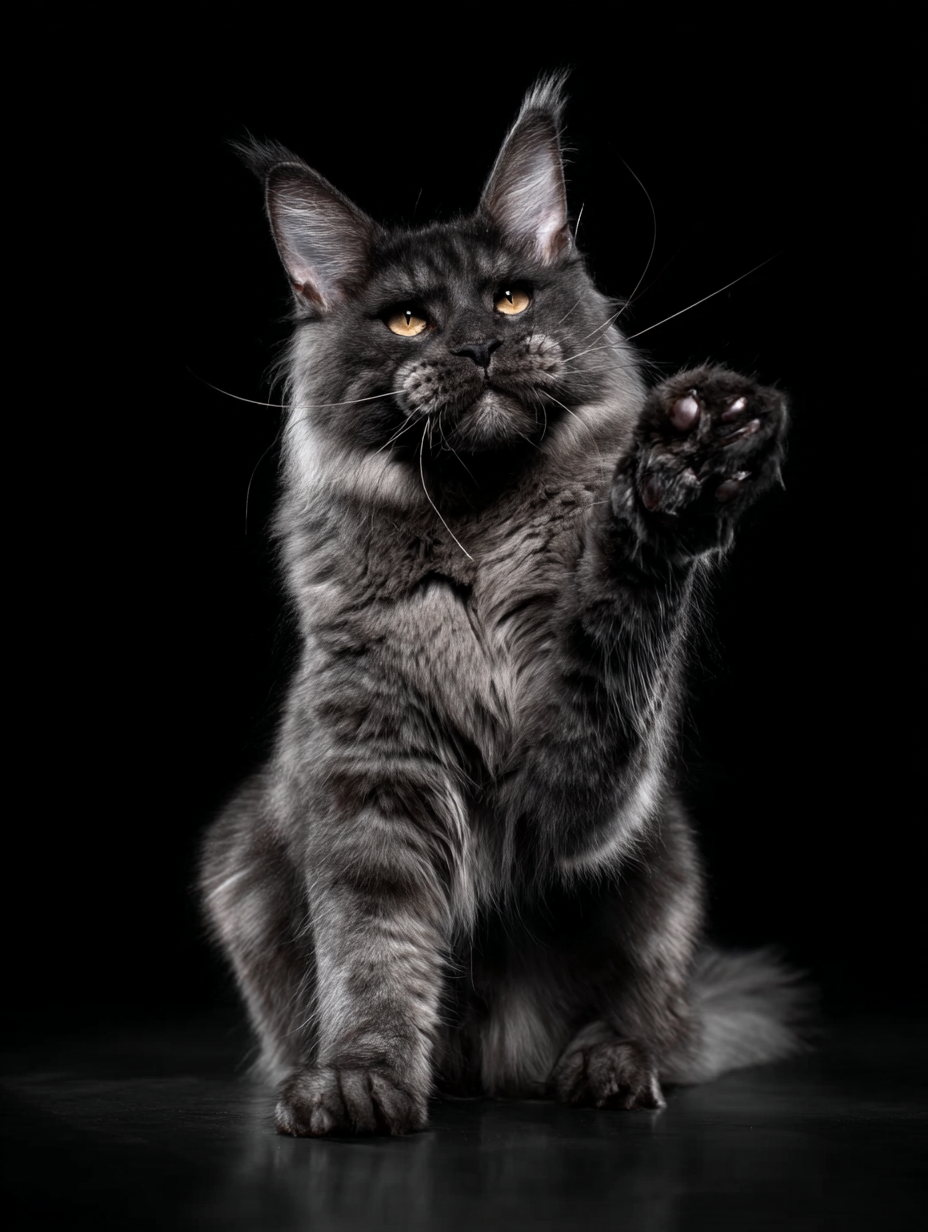
Photos and Visual Comparisons of Ragdoll vs Siberian
Buyer Guidance: Avoiding Mix-Ups & Misinformation
Many longhaired cats online are mislabeled as Ragdolls or Siberians. Here’s how to avoid mistakes:
Must-verify items before putting down a deposit
- CFA or TICA registration
- HCM genetic testing
- Proof of parentage
- Photos/videos of parent cats
- Pattern and eye color consistency with breed standard
- In-home socialization
Common red flags
- “Hypoallergenic Ragdolls” (not true)
- “Non-pointed Ragdoll” (not possible)
- “Blue-eyed Siberian in a solid color” (not purebred)
- Very cheap pricing
- No documentation or testing
- Breeders unwilling to share pedigrees
True Ragdolls and Siberians have predictable traits that ethical breeders preserve.
Frequently Asked Questions: Ragdoll vs Siberian
Are Ragdolls and Siberians the same breed?
No. Ragdolls and Siberians are completely different breeds with different origins, coat types, and temperaments. Ragdolls are a modern American breed known for their blue eyes and pointed coats, while Siberians are an ancient Russian forest breed with one of the thickest coats in the cat world. Their histories, behaviors, and grooming needs are not the same.
How can I tell a Ragdoll from a Siberian?
Look at the coat pattern, eye color, and coat density. Ragdolls always have blue eyes and a pointed pattern, and their coat is silky with little undercoat. Siberians can be any color, often have green or gold eyes, and have a thick, triple-layered coat built for cold climates. Ragdolls look soft and plush, while Siberians look powerful and dense.
Which cat is larger: Ragdoll or Siberian?
Both breeds can reach impressive sizes, and their weight ranges overlap. Ragdolls typically weigh 12–20 lbs, while Siberians weigh 12–20 lbs as well. The difference is in structure: Ragdolls are soft and rounded with relaxed muscles, while Siberians are compact, solid, and athletic. Siberians often feel heavier due to their dense muscle mass.
Which breed has the fluffier coat?
Siberians have the fluffier, denser coat due to their triple-layer undercoat designed for sub-zero Russian winters. Ragdolls have long fur, but with far less undercoat, giving their coats a silky, flowing feel instead of the bulky, high-volume density of a Siberian. Ragdolls are plush; Siberians are powerful and woolly.
Do both breeds shed a lot?
Yes, but in different ways. Ragdolls shed moderately throughout the year, especially during spring and fall. Siberians shed more intensely during seasonal blowouts because of their heavy undercoat. Regular brushing helps control shedding for both breeds, but Siberians may need heavier grooming during coat changes.
Are Siberians hypoallergenic?
Siberians are considered low-allergen, not hypoallergenic. They naturally produce less of the Fel d 1 protein, the primary allergen found in cat saliva and skin oils. Many allergy-sensitive families tolerate Siberians better compared to most breeds. However, individual reactions vary, and no cat is 100% hypoallergenic.
Are Ragdolls hypoallergenic?
No. Ragdolls produce normal levels of Fel d 1 and are not recommended for people with cat allergies. Their soft, silky coat sheds moderately, and while they mat less, they still release allergens naturally. If you need a breed for allergies, the Siberian is the better choice.
Which cat is more affectionate?
Both are affectionate, but their affection styles differ. Ragdolls are famously gentle, cuddly, and floppy—they enjoy being held and often follow their owners quietly throughout the home. Siberians are affectionate too, but with a more balanced personality; they enjoy cuddles and attention but also love exploring and playing. Ragdolls are more lap-focused; Siberians are more active companions.
Which breed is calmer?
The Ragdoll is noticeably calmer. This breed was developed specifically for its relaxed, peaceful temperament and gentle, floppy nature. Siberians are calm but more confident, alert, and athletic. If you want a serene, cuddly cat, choose a Ragdoll; if you want a playful forest cat with balanced energy, choose a Siberian.
Which cat is more playful?
The Siberian is more playful and athletic. They enjoy climbing, jumping, and exploring and often behave in a “dog-like” way. Ragdolls are playful but in a gentler, slower way—they prefer interactive toys and quiet games rather than high-speed chasing. Siberians make great companions for active families with lots of enrichment.
Are Ragdolls good for apartment living?
Yes. Ragdolls thrive in apartments because they are calm, quiet, indoor-oriented cats. They don’t require a lot of vertical space or intense exercise and prefer lounging near their owners. Siberians can adapt to apartments too, but they generally benefit from more space and climbing options.
Which breed adapts better to change?
Siberians adapt more quickly and confidently to new environments, visitors, and household changes. Their fearless, outgoing personality makes them quick to settle in unfamiliar spaces. Ragdolls adapt well too but tend to prefer predictable routines and quiet transitions. If your home has frequent changes, the Siberian may adjust more easily.
Do Ragdolls and Siberians get along with dogs?
Yes, both breeds generally do well with friendly, respectful dogs. Ragdolls are gentle and tolerant, while Siberians are confident enough to hold their ground. Early introductions and positive socialization help both breeds thrive in multi-pet households.
Do Ragdolls like to be held?
Yes—Ragdolls are famously floppy when picked up. Most Ragdolls love being held, carried, and cuddled, making them one of the best lap-cat breeds. Siberians enjoy affection too, but they are not typically floppy or relaxed in the same way.
Do Siberians like water?
Many Siberians do. Their dense, water-resistant coat and curious nature make them more tolerant of water than many breeds. Some enjoy pawing water bowls or joining their owners at the sink. Ragdolls may follow you to the bathroom out of affection, but they are generally less water-inclined.
Which breed lives longer?
Both breeds have similar lifespans, typically 12–16+ years. Siberians may have slightly more genetic hardiness due to being a natural breed, while Ragdolls benefit from decades of selective temperament-focused breeding. With good care, both breeds often live into their late teens.
Which breed is more expensive?
Both are premium breeds, but Siberians can cost more due to their low-allergen appeal and limited availability in the U.S. Ragdolls range from $4,000–$5,500+, while Siberians often cost $3,000–$5,000+, especially in Neva Masquerade lines. Both breeds require ethical breeders who perform genetic testing.
Can Ragdolls and Siberians interbreed?
They can physically, but ethical breeders don’t mix them. Ragdolls and Siberians have completely different coat types, eye color genetics, temperaments, and allergen levels. Mixing the breeds erases important traits and results in kittens that are no longer true to either breed standard.
Which breed is right for me?
Choose a Ragdoll if you want a relaxed, cuddly, indoor-oriented companion who enjoys being held and loves quiet environments.
Choose a Siberian if you want an athletic, dog-like, confident forest cat with a thick coat and low-allergen benefits.
Both are loving, beautiful breeds, but your lifestyle and activity level will determine the best fit.
Ready to Meet the Perfect Cat for You?
If you fell in love with the Ragdoll while reading this guide, you’re in the right place. At Almonte Cats, we raise exceptional, health-tested kittens with outstanding temperaments and beautiful breed type.
Final Thoughts: Which Breed Is Truly Better?
Neither breed is better — they simply offer different types of companionship.
The Ragdoll is the ultimate gentle, floppy, affectionate companion for quiet homes and people who want a cuddly, sweet lap cat with calm energy.
The Siberian is the bold, athletic, friendly forest cat for active families, allergy-sensitive owners, and people who want a more adventurous, interactive pet.
Both breeds are loyal, loving, and endlessly charming — the right choice depends on your lifestyle, home environment, and the energy level you prefer in a cat.
Learn More About Cat Breeds
- British Shorthair Lifespan
- Maine Coon vs Siberian
- Maine Coon vs Ragdoll Cat
- Russian Blue vs British Blue
- British Shorthair Kitten Growth Stages
- British Shorthair vs Ragdoll
Sources & References
Official Breed Registries
- Cat Fanciers’ Association (CFA). Ragdoll Breed Standard.
https://cfa.org/ragdoll/ - Cat Fanciers’ Association (CFA). Siberian Breed Standard.
https://cfa.org/siberian/ - The International Cat Association (TICA). Ragdoll Breed Profile.
https://tica.org/breeds/browse-all-breeds/36-ragdoll - The International Cat Association (TICA). Siberian Breed Profile.
https://tica.org/breeds/browse-all-breeds/40-siberian - GCCF (Governing Council of the Cat Fancy). Ragdoll Registration Policy.
https://www.gccfcats.org/ - GCCF. Siberian Registration Policy.
https://www.gccfcats.org/





Read the Comments +