
British Shorthair vs Scottish Fold: How to Tell These Two Famous Breeds Apart
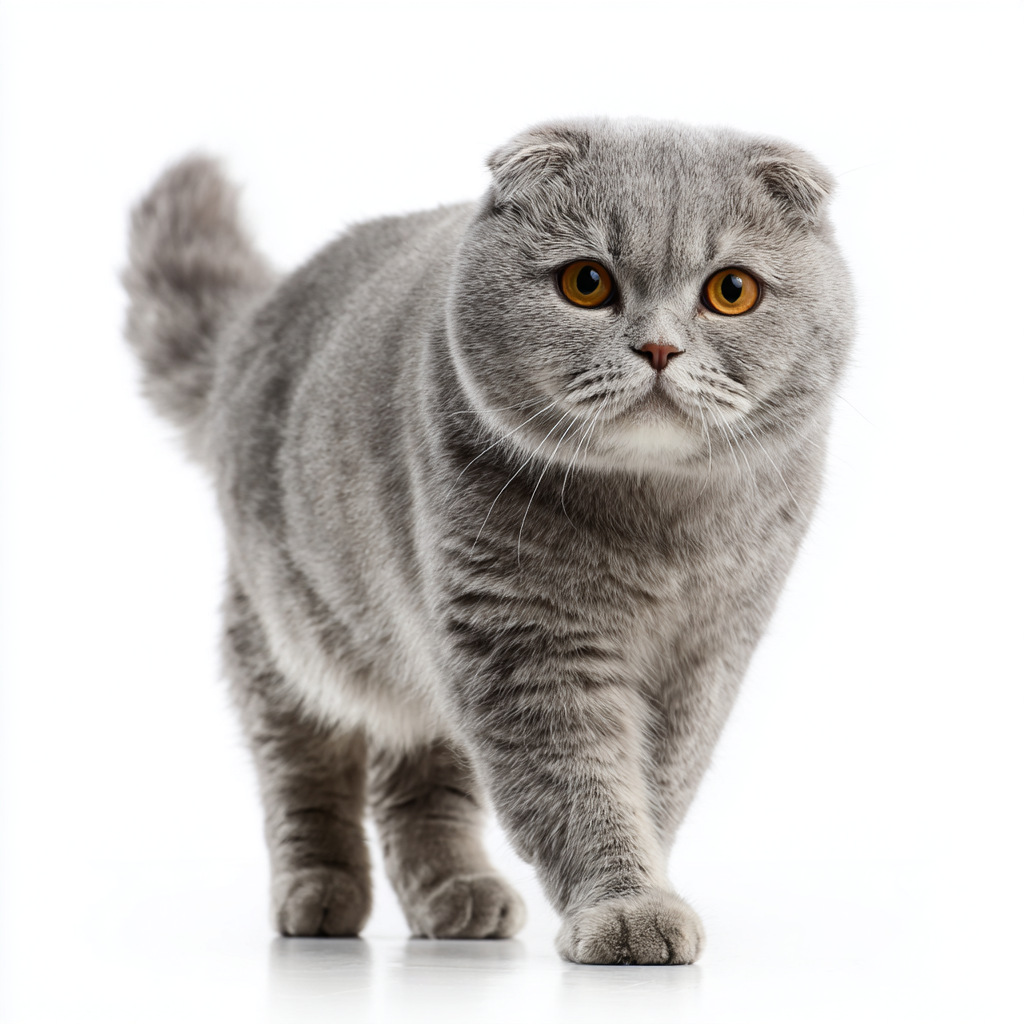
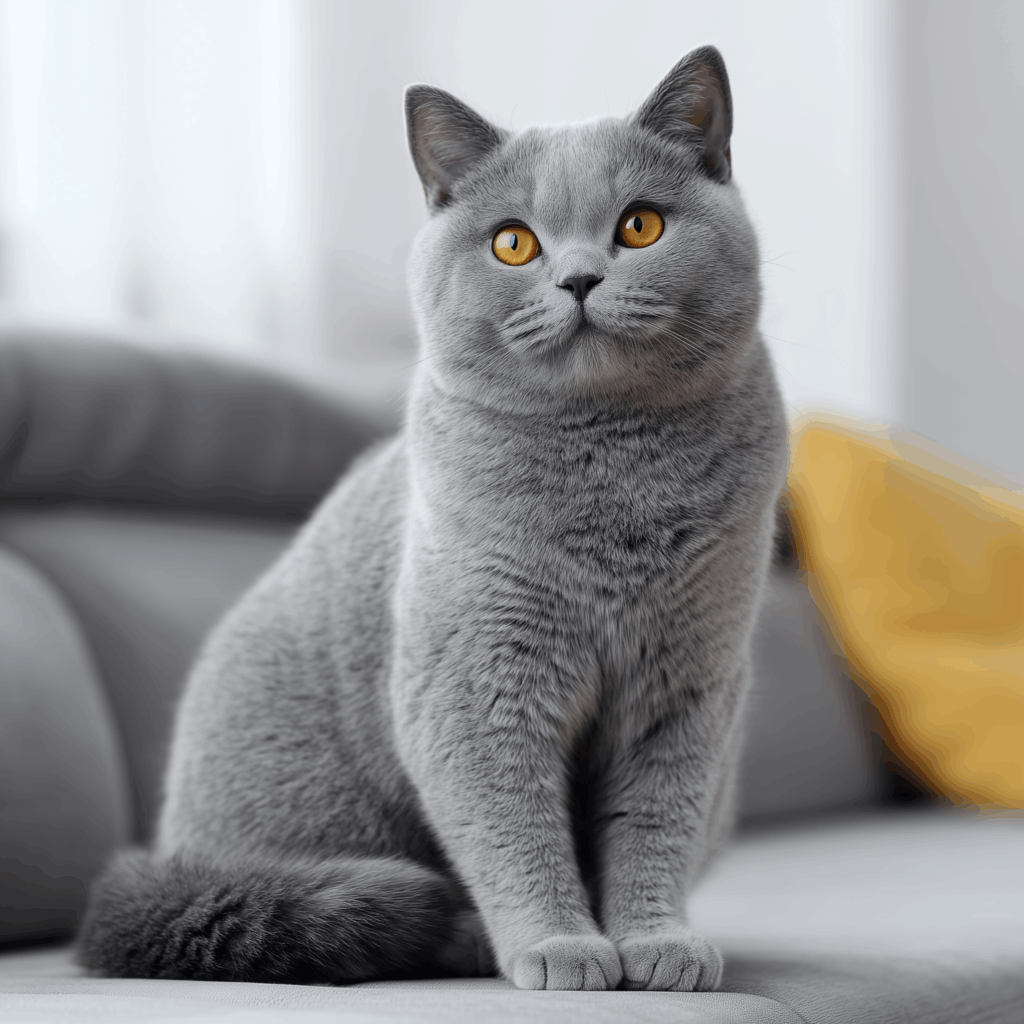
The British Shorthairs and Scottish Folds are two of the most recognizable, plush-coated cat breeds in the world. Both have thick, round faces, expressive eyes, and calm personalities that charm families everywhere. But despite their visual similarities, these breeds are extremely different in genetics, structure, health, temperament, and ideal home fit. One is a naturally sturdy, ancient breed; the other carries a unique ear fold mutation that requires very specific breeding practices.
If you’re comparing these two breeds before choosing your next kitten, this detailed guide breaks down every major difference — temperament, size, structure, coat, health, grooming, price, and which breed fits which lifestyle.
British Shorthair vs Scottish Fold: Quick Overview
| Trait | British Shorthair | Scottish Fold |
|---|---|---|
| Origin | Great Britain | Scotland |
| Coat | Short, dense, plush | Short or long, soft and thick |
| Ears | Upright, rounded tips | Folded forward (or straight in “Straights”) |
| Eye Color | Copper, gold, amber, blue (in whites), green in silvers/goldens | Copper in solids, green in tabbies/shadeds |
| Body Type | Cobby, round, muscular | Medium, round, more flexible |
| Male Weight | 12–17 lbs | 9–13 lbs |
| Female Weight | 8–14 lbs | 6–10 lbs |
| Temperament | Calm, gentle, independent | Sweet, affectionate, people-oriented |
| Health Notes | Low-risk but prone to obesity | Ear cartilage mutation can affect joints |
| Lifespan | 12–18+ years | 11–15+ years |
Breed Origins and History
British Shorthair History
The British Shorthair is one of the oldest recorded cat breeds, with ancestors brought to the British Isles by Roman soldiers nearly 2,000 years ago. These sturdy street and farm cats developed naturally into the thickly built, plush-coated breed admired today. The Victorian era formalized the breed, and the blue color became so iconic that “British Blue” became synonymous with the breed.
Scottish Fold History
The Scottish Fold originated in Scotland in the 1960s when a naturally occurring cartilage mutation caused a farm cat named Susie to have folded ears. All purebred Scottish Folds trace back to her. This ear fold gives the breed its signature look — but the same mutation also affects cartilage elsewhere in the body, making ethical breeding and careful selection extremely important.
Which breed has deeper historical roots?
The British Shorthair, by centuries. The Scottish Fold is a modern breed, while the British Shorthair is one of the world’s oldest.
Appearance and Structure Differences
Visually, these two plush breeds look similar from a distance — but side-by-side, their structure is very different.
British Shorthair Build
- Compact, thick, cobby body
- Strong bone density
- Broad chest and powerful shoulders
- Very round head with full cheeks
- Thick, plush double coat
- Short, sturdy legs
The British Shorthair looks like a living teddy bear: round, dense, and plush.
Scottish Fold Build
- Medium build — less dense than British Shorthairs
- Round head with big eyes
- Soft facial expression
- Ears that fold forward in 1–3 folds
- Slightly longer, softer body contours
- Straights (unfolded ears) share the same structure
Scottish Folds look softer and more delicate, with a sweeter, more expressive face.
Ear Shape Differences
The most obvious comparison point.
British Shorthair Ears
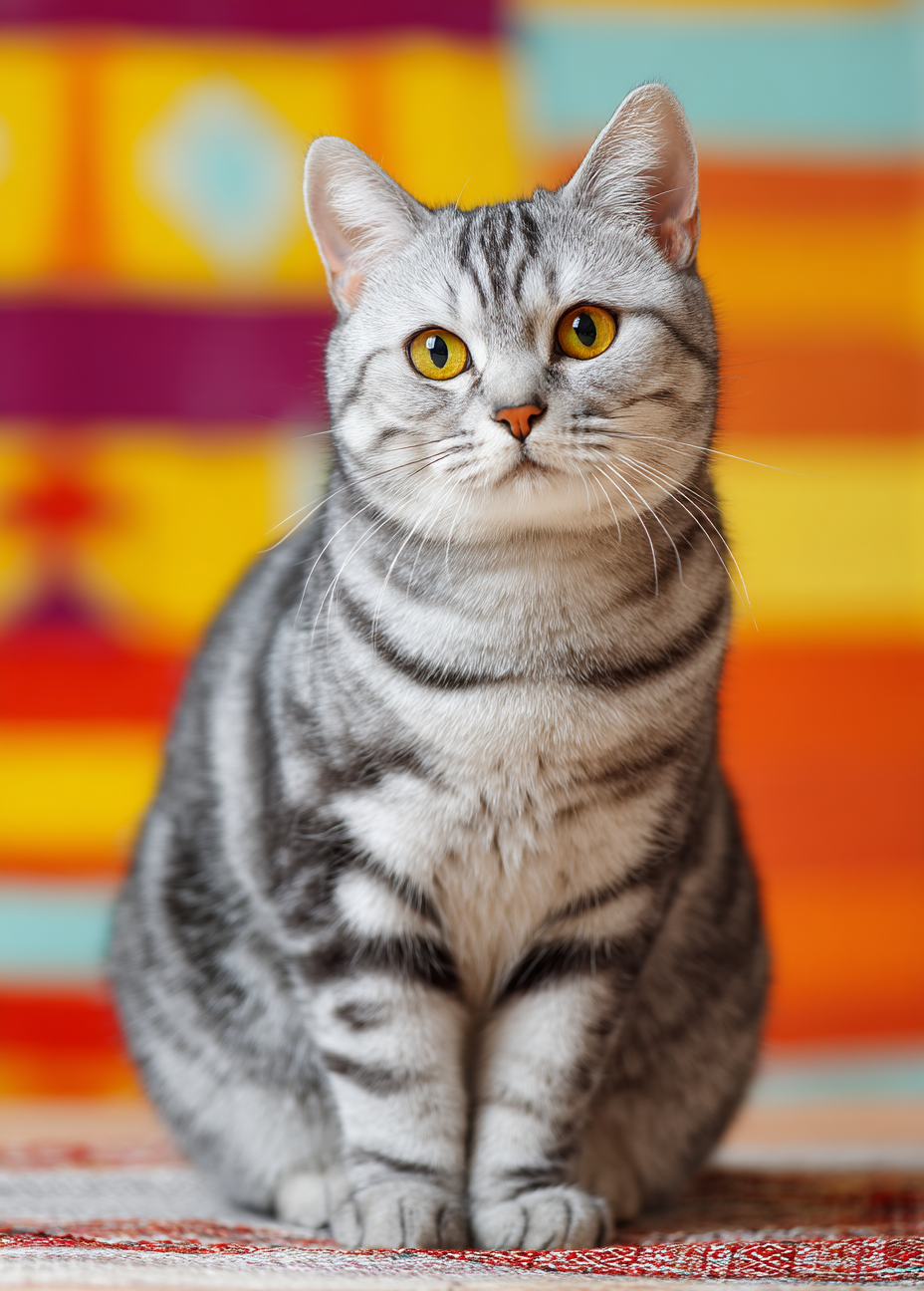
- Upright and rounded
- Set far apart
- Thick at the base
- Blend into the round head shape
Scottish Fold Ears
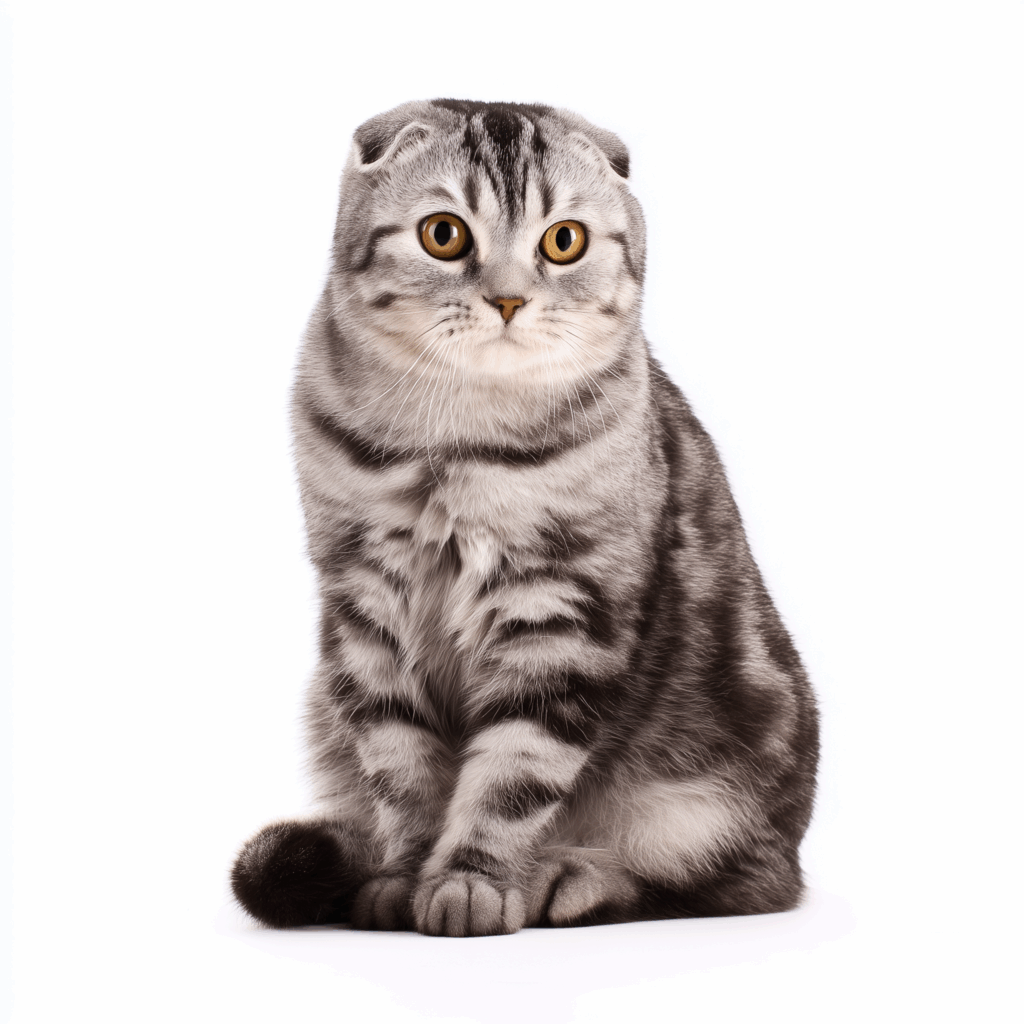
- Folded forward and downward
- Can be single, double, or triple folded
- Triple fold = tight cap over the head
- Not all kittens have folded ears — some are “Straights”
Important:
Only Scottish Fold × Scottish Straight breeding is ethical.
Fold × Fold can cause severe bone and cartilage issues.
Coat and Texture Differences
British Shorthair Coat
The British Shorthair coat is famous for being:
- Thick
- Crisp
- Plush
- Standing off the body
It is one of the densest short coats in the world.
Scottish Fold Coat
Scottish Folds can be:
- Shorthaired (soft and plush)
- Longhaired (“Highland Folds”) with silky semi-long fur
Their coat is soft and pettable, but not as crisp or dense as the British Shorthair.
Side-by-side
- British Shorthair = dense, woolly, structured
- Scottish Fold = soft, silky, pettable
Eye Color Differences
Both breeds have large, round eyes — a key part of their charm — but eye colors differ by coat type.
British Shorthair Eyes
- Copper, gold, or amber (most common)
- Blue in whites and some bi-colors
- Green in silver and golden lines
British Shorthair eyes are round and open, enhancing their teddy bear look.
Scottish Fold Eyes
- Copper in solids
- Green or hazel in tabbies
- Blue in white or pointed Folds
Scottish Folds have larger, rounder eyes that give them a permanently sweet expression.
Personality Comparison: British Shorthair vs Scottish Fold
Both breeds are sweet, gentle, and friendly — but their personalities differ in energy level, attachment style, and how they express affection.
British Shorthair Personality
British Shorthairs are famously calm, dignified, and independent. They enjoy being near their people but do not demand constant attention. Their affection is subtle — they sit close, follow you around quietly, and offer soft companionship. They are polite with children and adapt well to peaceful homes, apartments, and busy schedules. They are loyal without being clingy.
Scottish Fold Personality
Scottish Folds are affectionate, people-oriented, and often more playful than British Shorthairs. They bond deeply with their families and enjoy being involved in daily activities. Many Folds prefer laps, cuddles, and gentle physical touch. They maintain their kitten-like sweetness into adulthood and thrive in homes where they receive regular affection and social time.
Quick summary:
- British Shorthair: calm, steady, independent affection
- Scottish Fold: sweet, cuddly, people-focused affection
Lifestyle and Temperament Comparison
| Category | British Shorthair | Scottish Fold |
|---|---|---|
| Energy Level | Low to moderate | Moderate |
| Affection | Quiet companionship | More cuddly and people-oriented |
| Playfulness | Gentle, short sessions | Moderate; kitten-like playfulness |
| Noise Level | Very quiet | Quiet but may “chirp” more |
| Independence | High | Medium |
| Kid-Friendly | Excellent | Excellent |
| Dog-Friendly | Good with calm dogs | Great with most dogs |
| Ideal Home | Apartments, calm homes | Homes with attention and affection |
| Sensitivity to Change | Low | Medium |
| Social Needs | Low | Moderate |
Size and Weight Comparison
| Breed | Male Weight | Female Weight | Build |
|---|---|---|---|
| British Shorthair | 12–17 lbs | 8–14 lbs | Thick, cobby, muscular |
| Scottish Fold | 9–13 lbs | 6–10 lbs | Medium, round, flexible |
British Shorthairs are heavier and more solidly built.
Scottish Folds are lighter and more medium-bodied, with softer outlines.
Coat Color and Pattern Comparison
British Shorthair Colors
British Shorthairs have one of the largest color palettes in the cat world:
- Blue
- Lilac
- Chocolate
- Black
- White
- Silver shaded
- Golden shaded
- Tabbies in all colors
- Colorpoints
- Bi-colors and tri-colors
The breed is known for incredibly dense texture across all colors.
Scottish Fold Colors
Scottish Folds also come in a wide range:
- Solids
- Tabbies
- Silvers
- Goldens
- Bi-colors
- Calicos
- Colorpoints (rare but possible)
Longhaired Scottish Folds (“Highland Folds”) show dramatic, flowing coats with beautiful movement.
Texture difference:
- British Shorthair: crisp, plush, ultra-dense
- Scottish Fold: soft, silky, lighter texture
Health Differences: What You Need to Know
This section is essential because Scottish Folds have unique health considerations.
British Shorthair Health
British Shorthairs are generally healthy and sturdy. Common considerations include:
- Obesity due to calm nature
- Hypertrophic cardiomyopathy (HCM) (screened by good breeders)
- Polycystic kidney disease (PKD) (uncommon but tested)
- Dental buildup in certain lines
Their strong bone structure and low-stress temperament contribute to excellent longevity.
Scottish Fold Health
Scottish Folds require more careful attention due to the ear fold mutation, which affects all cartilage, not just ears. Responsible breeders never breed Fold × Fold because this doubles the cartilage mutation, increasing risk of:
- Osteochondrodysplasia (cartilage/bone pain)
- Joint stiffness or mobility issues
- Tail rigidity
- Early-onset arthritis
Ethical breeders do Fold × Straight only, which produces healthy, functional cats with the classic Fold look.
Understanding Scottish Fold Ear Genetics and Health Risks
The Scottish Fold’s iconic ear shape is caused by a specific dominant gene mutation that affects cartilage throughout the body, not just the ears. The mutation is in the TRPV4 gene, which is responsible for healthy cartilage development. When a kitten inherits one copy of the mutation (Fold × Straight pairing), the ears fold forward in 1–3 folds, creating the famous “owl” or “cap” look.
However, when a kitten inherits two copies of this gene (Fold × Fold pairing), it dramatically increases the risk of osteochondrodysplasia, a painful and progressive cartilage and bone disorder. This can cause stiff joints, shortened or malformed limbs, mobility issues, and severe arthritis at a young age. For this reason, ethical breeders never do Fold × Fold breeding and only pair Fold × Scottish Straight to reduce health risks.
Even with proper breeding, Fold kittens must be monitored for signs of discomfort as they age, especially stiffness in the tail, hind legs, or spine. Scottish Straights, which have upright ears, do not carry the fold mutation, making them healthier while still maintaining the round face and soft expression the breed is known for. Ethical breeding, joint-safe play, and good weight management are essential for lifelong comfort.
Lifespan Comparison of Scottish Fold vs British Shorthair
- British Shorthair: 12–18+ years
- Scottish Fold: 11–15+ years
Proper breeding practices make a dramatic difference in Folds’ longevity and comfort.
Grooming and Care Differences
British Shorthair Grooming
- Weekly brushing
- Coat does not mat easily
- Seasonal shedding in spring
- Regular nail trims, dental care
- Portion-controlled feeding due to low activity
Their coat care is simple and manageable.
Scottish Fold Grooming
- Weekly brushing for shorthairs
- 2–3x weekly for longhaired Highland Folds
- Monitor ears for cleanliness
- Joint-friendly enrichment (avoid excessive jumping)
- Maintain healthy weight to protect joints
Their grooming is moderate, but joint comfort is the priority.
Which Breed Makes the Best Pet?
Both breeds make wonderful family companions, but their ideal homes differ based on energy level, affection style, and maintenance expectations.
The British Shorthair is best for families who want a calm, quiet, low-maintenance cat that brings a gentle, steady presence to the home. They are affectionate but independent and tolerate children, other cats, and calm dogs with ease. Their plush coat, teddy-bear look, and easygoing personality make them ideal for apartments, senior homes, and anyone wanting a peaceful, dignified companion.
The Scottish Fold is best for families who want a cuddly, sweet, people-oriented cat with a soft, expressive personality. They tend to bond deeply with their humans, enjoy gentle affection, and thrive in homes where they receive regular attention. Their playful sweetness makes them ideal for families, couples, and individuals who appreciate an affectionate, constant companion.
How to Choose Between a British Shorthair and a Scottish Fold
Your lifestyle and preference for affection style should guide your decision.
Choose a British Shorthair if you want:
- A calm, low-energy, low-maintenance cat
- A plush “teddy bear” companion with quiet affection
- A breed that adapts well to apartments
- A cat who loves being near you but not on top of you
- A sturdy, healthy breed with a long lifespan
British Shorthairs offer serene, stable companionship without being demanding.
Choose a Scottish Fold if you want:
- A cuddly cat that seeks out affection
- A sweet, expressive, gentle companion
- A breed that stays playful and kitten-like into adulthood
- A cat that bonds closely and loves being part of the family
- A soft, round, iconic “owl-faced” look
Scottish Folds bring charm, sweetness, and a gentle, loving nature.
If you love both
Many families adopt both breeds because they complement each other:
- The British Shorthair brings peace and plush serenity.
- The Scottish Fold brings sweetness, expressiveness, and affection.
Together, they create a balanced, harmonious multi-cat home.
Photos of British Shorthair vs Scottish Folds
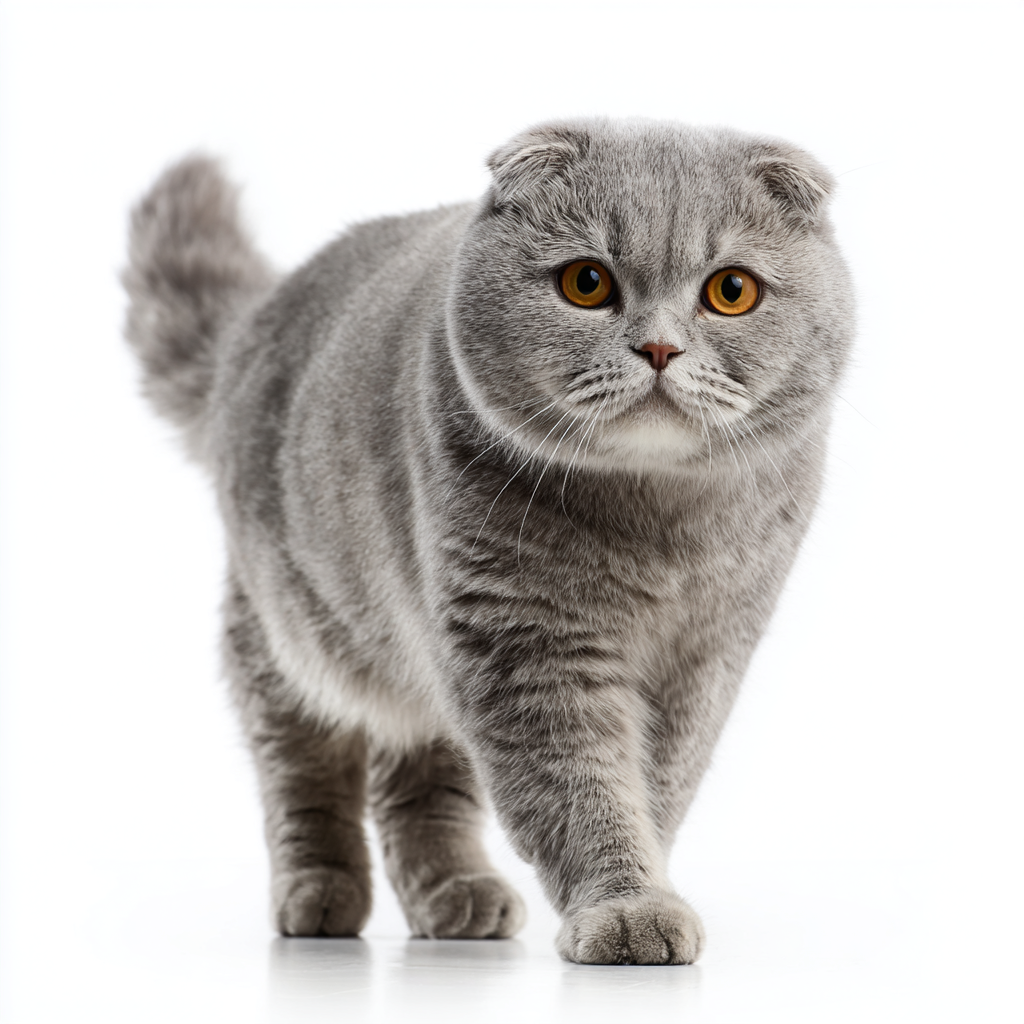
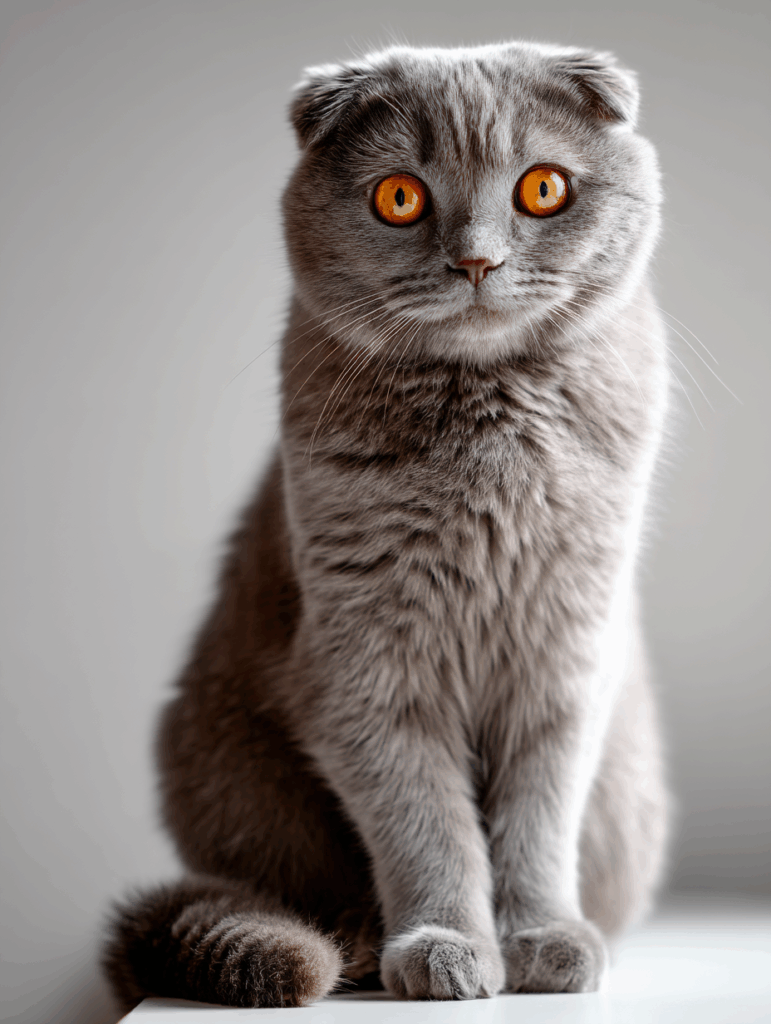
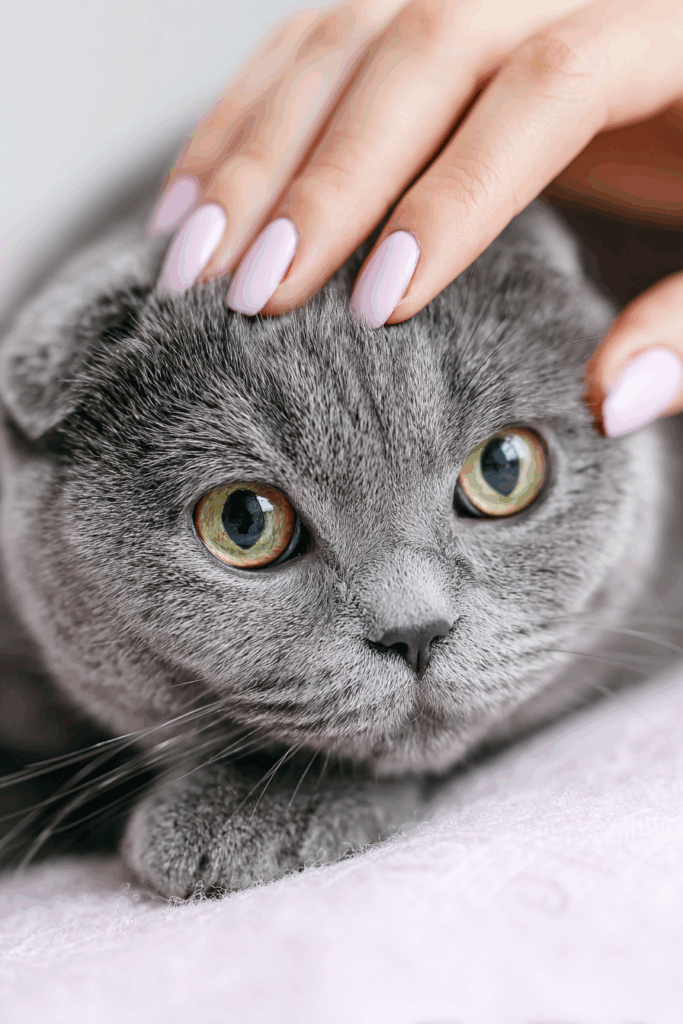
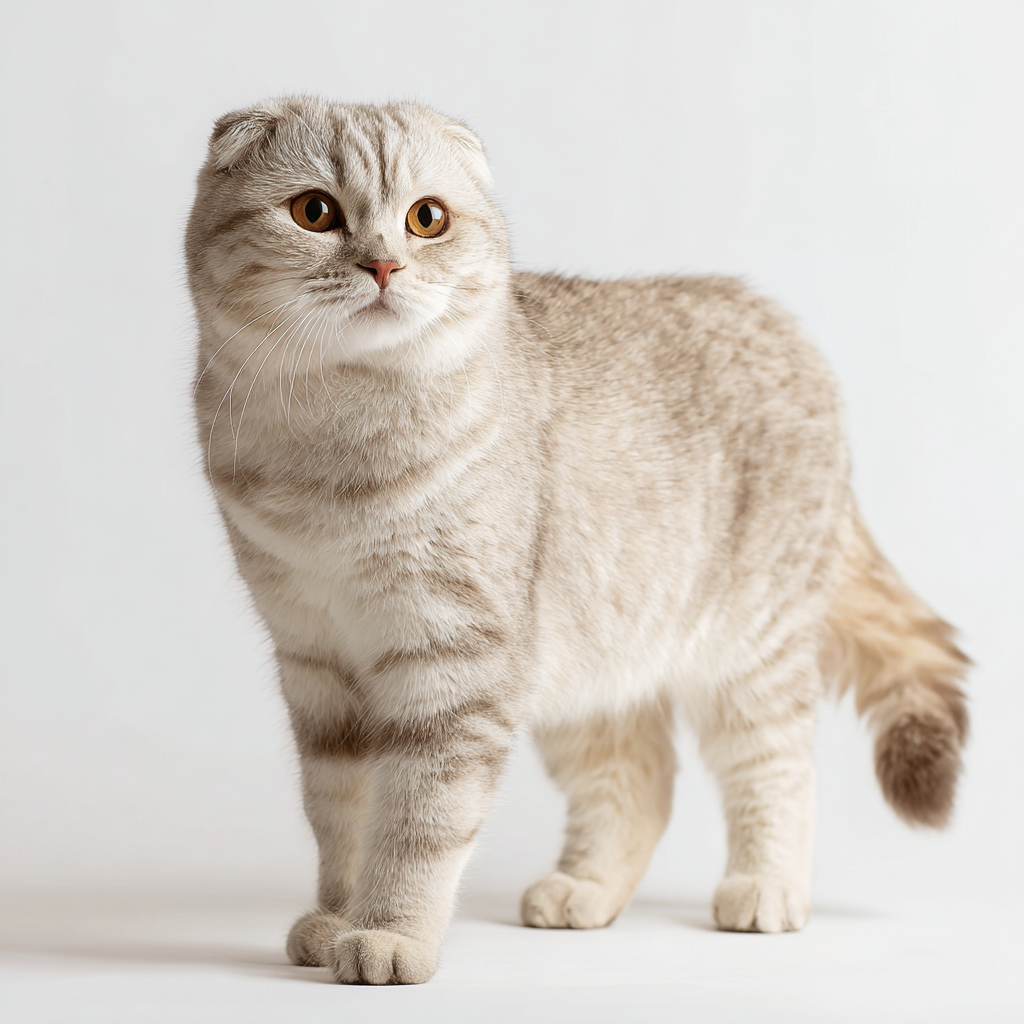
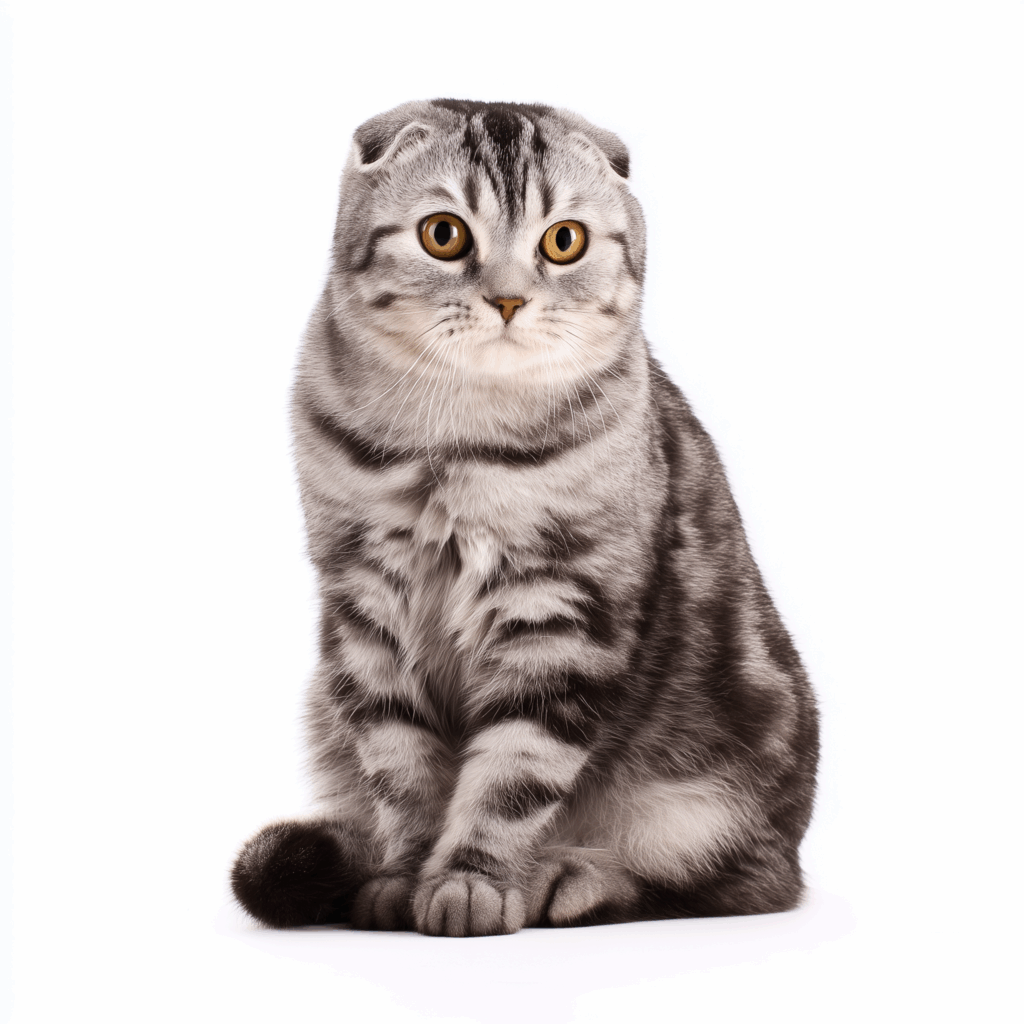
See differences between British shorthairs vs Scottish Folds.
Celebrities Who Own British Shorthairs vs Scottish Folds
Celebrity ownership adds a layer of recognition and popularity to both breeds, and many fans first learn about these cats through pop culture. See which famous people owns British Shorthair vs Scottish fold.
Celebrities Who Own Scottish Folds
Scottish Folds are extremely famous thanks to their round faces and expressive eyes. Some well-known owners include:
- Taylor Swift, who owns two Scottish Folds — Olivia Benson and Meredith Grey — both of which have millions of followers and appear in her videos, ads, and merch.
- Ed Sheeran, who has owned Scottish Folds and often features them on social media.
- Kim Kardashian, whose family has been photographed with Scottish Folds.
- Martha Stewart, known for her love of unique and rare cat breeds, has showcased Scottish Folds in the past.
Scottish Folds have high visibility thanks to social media, viral photos, and celebrity lifestyle branding, which has increased global demand for the breed.
Celebrities Who Own British Shorthairs
British Shorthairs attract owners who love calm, elegant, classic cats with plush coats. Famous British Shorthair owners include:
- Patrick Stewart, the actor known for his love of British cats, including British Shorthairs.
- Karl Lagerfeld reportedly adored plush-coated cats and frequently photographed them; British Shorthairs fit this aesthetic perfectly.
- Sophie Turner and Joe Jonas, known for showcasing cats with round-faced, plush looks (including BSH-type cats).
- Queen Victoria famously adored British Shorthair-type blue cats, helping establish the breed’s popularity in the Victorian era.
British Shorthairs appeal to people who want a calm, dignified, plush companion — making them a favorite in refined, elegant homes.
Buyer Guidance: Avoiding Mix-Ups & Ensuring Ethical Breeding
This section is crucial because the Scottish Fold has unique breeding requirements.
How British Shorthairs Are Misrepresented
- Domestic shorthair mixes sold as “British Blues”
- Cats with round faces but no plush density
- No CFA/TICA registration or lineage
- Incorrect eye colors for certain patterns
Always verify pedigree, health testing, and breeder reputation.
How Scottish Folds Are Misrepresented
- Fold × Fold breeders (unethical and dangerous)
- Domestic cats with slightly bent ears mislabeled as Folds
- Sellers not disclosing joint concerns or breeding practices
- No health guarantees or vet documents
IMPORTANT:
Ethical breeders should only breed Fold × Straight to minimize cartilage issues.
What Ethical Breeders Provide
- TICA or CFA registration
- Fold × Straight breeding only
- Documentation of parent health testing
- Transparency about ear type, joint mobility, and breeding ethics
- Photos/videos of parent cats
- Clear pricing, contracts, and health guarantees
These checks protect your kitten and ensure breed integrity.
Frequently Asked Questions: British Shorthair vs Scottish Fold
Are British Shorthairs and Scottish Folds the same breed?
No. British Shorthairs and Scottish Folds are completely different breeds with different genetics, histories, and body structures. The British Shorthair is an ancient English breed known for its plush coat and cobby build, while the Scottish Fold originated in the 1960s from a natural mutation that affects cartilage and causes the ears to fold. While they share round faces and big eyes, their health considerations and breeding practices are very different.
Why do Scottish Folds have folded ears?
Folded ears come from a dominant mutation in the TRPV4 gene, which affects cartilage throughout the body. This mutation alters the structure of the ear cartilage, causing the ears to bend forward in one, two, or three folds. The same mutation influences cartilage in the joints, spine, and tail, which is why proper breeding is essential. Only Fold × Straight pairings are ethical to reduce the severity of cartilage-related issues.
Are Scottish Folds unhealthy because of their ear gene?
Scottish Folds can live long, healthy lives when ethically bred, but the fold gene does carry risks. Since the mutation affects all cartilage—not just the ears—some Folds may develop joint stiffness, tail rigidity, or early arthritis. These issues are dramatically more severe in Fold × Fold breeding, which should never be done. When bred Fold × Straight, raised properly, and kept at a healthy weight, many Scottish Folds remain comfortable for life.
Do all Scottish Folds have folded ears?
No. Only kittens who inherit one copy of the fold gene have folded ears. Kittens who inherit no copies of the gene have upright ears and are called Scottish Straights. Straights are essential to ethical breeding programs because Fold × Fold should never occur. Straights often look similar to British Shorthairs but usually have a softer expression and lighter bone.
What are the main personality differences between the two breeds?
British Shorthairs are calm, quiet, and independent. They form strong bonds but prefer to show affection through companionship rather than physical contact. Scottish Folds are sweeter, more people-oriented, and often more cuddly. They seek attention more actively and often enjoy laps, cuddles, and constant interaction. If you want a peaceful companion, choose the British Shorthair; if you want a snuggly, social cat, choose the Scottish Fold.
Which breed is friendlier?
Scottish Folds are generally the more outwardly friendly breed. They bond deeply with their families and love being part of everyday activities. British Shorthairs are friendly too, but in a quiet, dignified, low-maintenance way. They prefer to sit close to their people rather than be on top of them. Both breeds are sweet and gentle with families and children.
Which breed is easier to care for?
The British Shorthair is easier to care for in terms of health, grooming, and lifestyle. Their plush coat requires weekly brushing, and their independent temperament suits busy households. Scottish Folds require slightly more care, especially with joint monitoring and gentle play to avoid strain. Longhaired Highland Folds also need more grooming.
Do British Shorthairs or Scottish Folds shed more?
Both breeds shed, but the British Shorthair has the denser coat. Their plush double coat sheds lightly all year and more in spring. Scottish Folds shed moderately, with shedding depending on whether they are shorthaired or longhaired. Weekly brushing helps keep shedding under control for both breeds.
Which cat lives longer?
British Shorthairs typically live 12–18+ years, making them one of the longest-lived pure breeds. Scottish Folds usually live 11–15+ years, depending on genetics, breeding ethics, and joint health. Weight management, joint-friendly exercise, and regular vet checkups are essential for Folds to stay comfortable into their senior years.
Is it ethical to buy a Scottish Fold?
Yes — when purchased from an ethical breeder who breeds Fold × Straight only. Ethical breeders avoid Fold × Fold pairings, monitor joint mobility, test parents, track pedigrees, and provide full transparency on health. The breed becomes problematic only in the hands of careless breeders who don’t understand its genetics. Buying from a reputable breeder ensures a healthy, comfortable Fold.
Are British Shorthairs good for apartments?
Absolutely. British Shorthairs are one of the best apartment breeds because they are calm, quiet, low-energy, and independent. They adapt well to smaller spaces and prefer a peaceful routine. Their plush coat and dignified temperament make them easy indoor companions for professionals, seniors, or families.
Do Scottish Folds have more grooming needs?
Shorthaired Scottish Folds need weekly brushing, similar to British Shorthairs. Longhaired Highland Folds need brushing several times weekly to prevent tangles. Folds also benefit from weekly ear checks and careful nail trimming to protect their joints. Overall, their grooming is moderate and manageable.
Which breed gets along better with dogs?
Both breeds adapt well to calm, respectful dogs. British Shorthairs coexist peacefully and maintain their personal space, while Scottish Folds often bond more actively and enjoy interacting with gentle dogs. Proper introductions and a calm home environment help both breeds thrive.
Can you breed a British Shorthair with a Scottish Fold?
They can physically reproduce, but responsible breeders do not mix these breeds. Their genetics, coat structures, health considerations, and breed standards are different. Mixing them blurs breed traits and increases the risk of cartilage issues due to the Fold mutation. Kittens from mixed pairings cannot be registered as either breed.
Which breed is better overall?
It depends on your lifestyle. Choose a British Shorthair for calm, quiet companionship and long-term health. Choose a Scottish Fold if you want a cuddly, expressive, people-oriented companion and are comfortable working with an ethical, genetics-savvy breeder. Both breeds are wonderful — they simply offer different types of affection and energy.
Final Thoughts: Which Breed Is Truly Better?
Neither breed is better — they simply offer different emotional experiences.
British Shorthair:
- Calm, dignified, quietly affectionate
- Plush, luxurious appearance
- Excellent for relaxed homes, apartments, and working owners
Scottish Fold:
- Sweet, cuddly, expressive
- Gentle and people-oriented
- Ideal for families seeking a loving, close companion
Both breeds are wonderful, iconic, and full of charm.
The best choice depends on your home’s energy level and the type of companionship you prefer.
Related Cat Comparison and Breed Posts
- British Shorthair Lifespan
- Maine Coon vs British Shorthair
- Ragdoll vs Siberian
- Maine Coon vs Siberian
- Maine Coon vs Ragdoll Cat
- Russian Blue vs British Blue
- British Shorthair Kitten Growth Stages
- British Shorthair vs Ragdoll
Veterinary & Genetic Research Sources
- University of Sydney, Faculty of Veterinary Science — Research on feline cartilage disorders and osteochondrodysplasia in Scottish Folds.
(Dr. Paul McGreevy’s publications on Fold genetics) - NCBI – National Center for Biotechnology Information.
“TRPV4-Associated Osteochondrodysplasia in Scottish Fold Cats.”
https://www.ncbi.nlm.nih.gov
A scientific study confirming the gene mutation responsible for the Fold’s ear and cartilage issues. - Cambridge University Veterinary School – Inherited Disorders Database.
Comprehensive breakdown of British Shorthair and Scottish Fold hereditary conditions. - Zoetis Petcare Scientific Articles.
Articles covering HCM, arthritis, coat structure, and genetic mutation expression across cat breeds.
Breed Organizations & Specialty Clubs
- British Shorthair Breeders’ Club (Europe).
Independent breeder health advice, grooming guidelines, and type standards beyond major registries. - Scottish Straight & Fold Alliance (EU).
Ethical breeding guidelines, Fold × Straight recommendations, and mobility assessment charts. - Felis Britannica (FIFe UK Member).
British Shorthair color groups, phenotype charts, and breed development information. - World Cat Federation (WCF).
Unique European breed standards and historical records for both British Shorthair and Scottish Fold.





Read the Comments +