
The Ragamuffin Cat: Everything You Want to Know

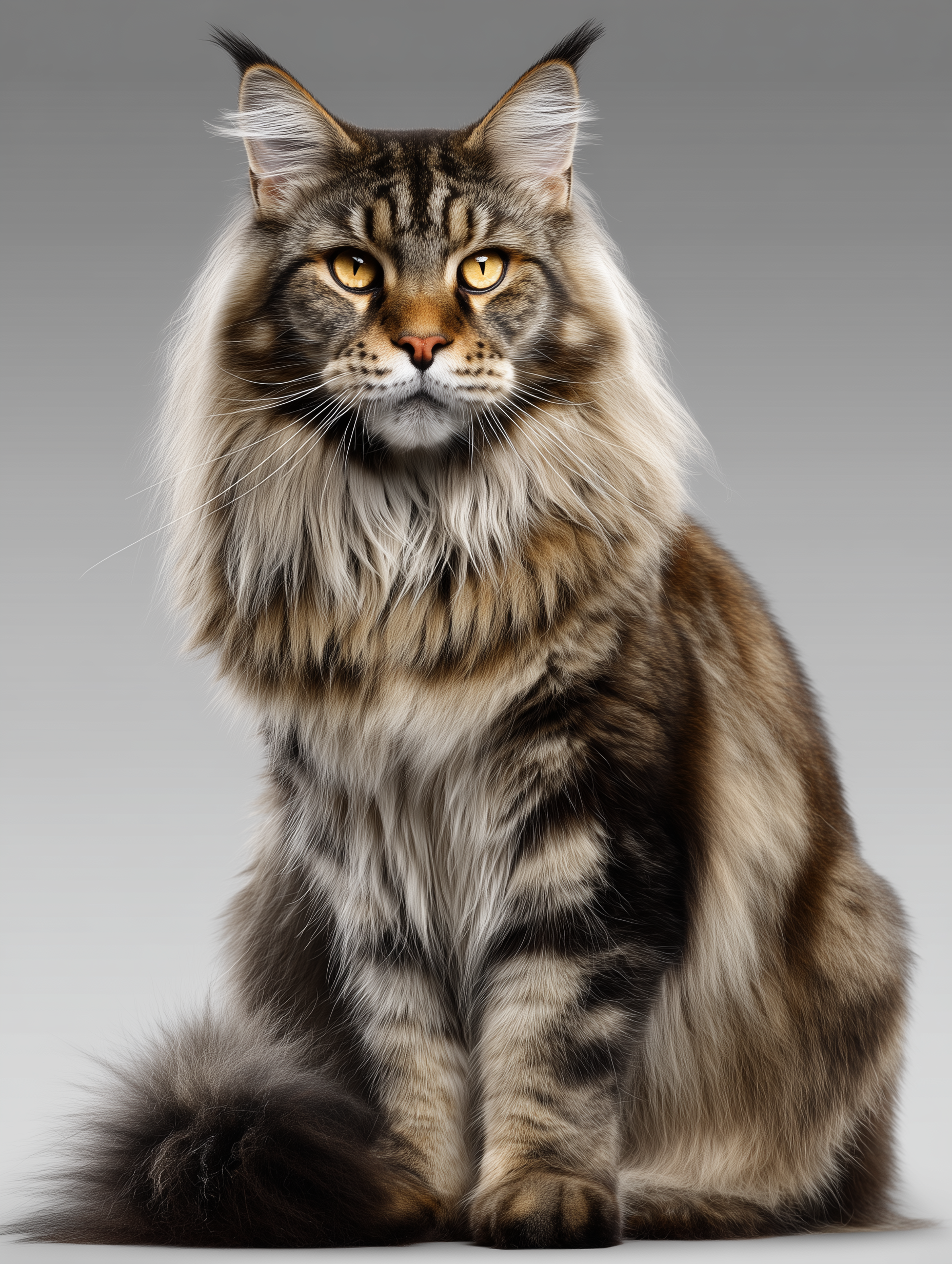
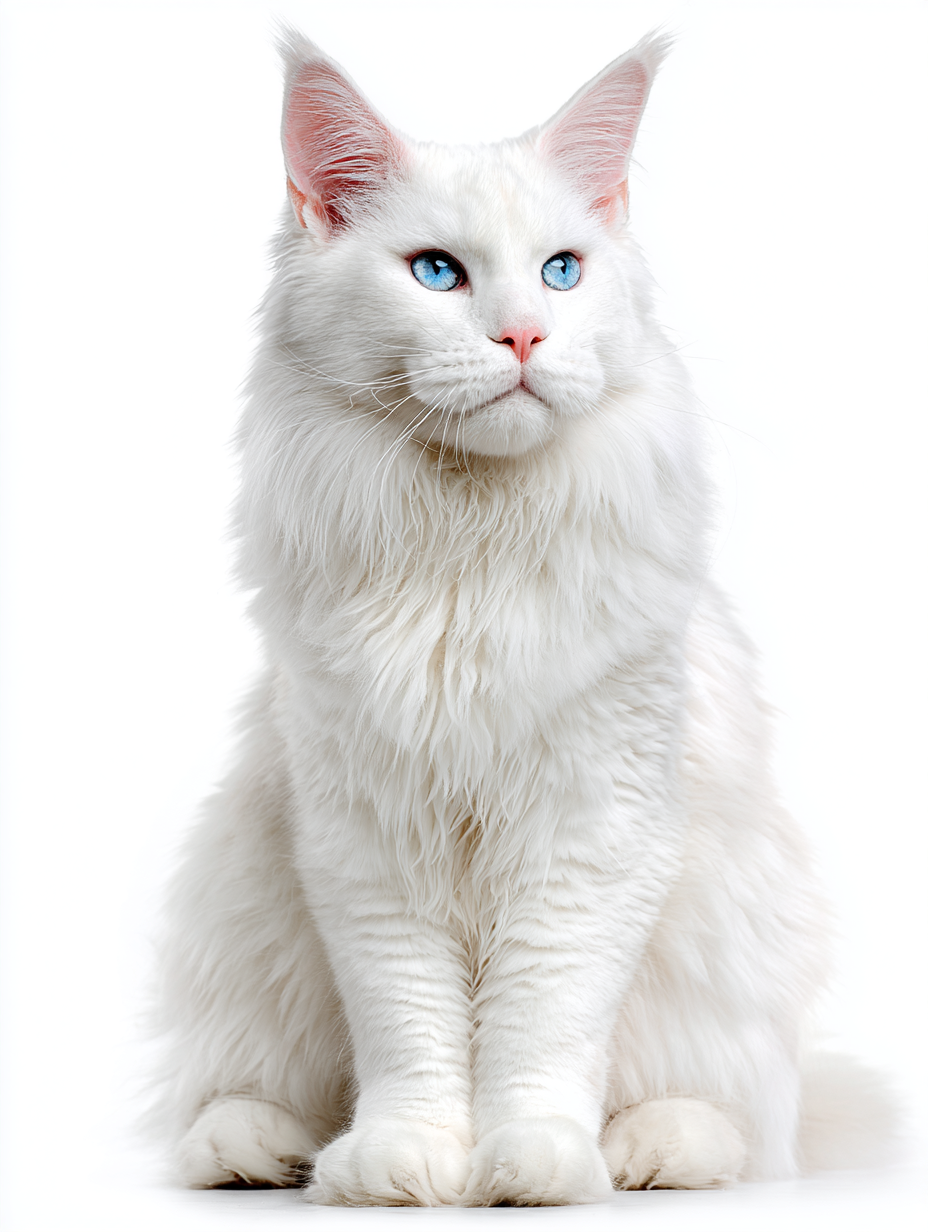
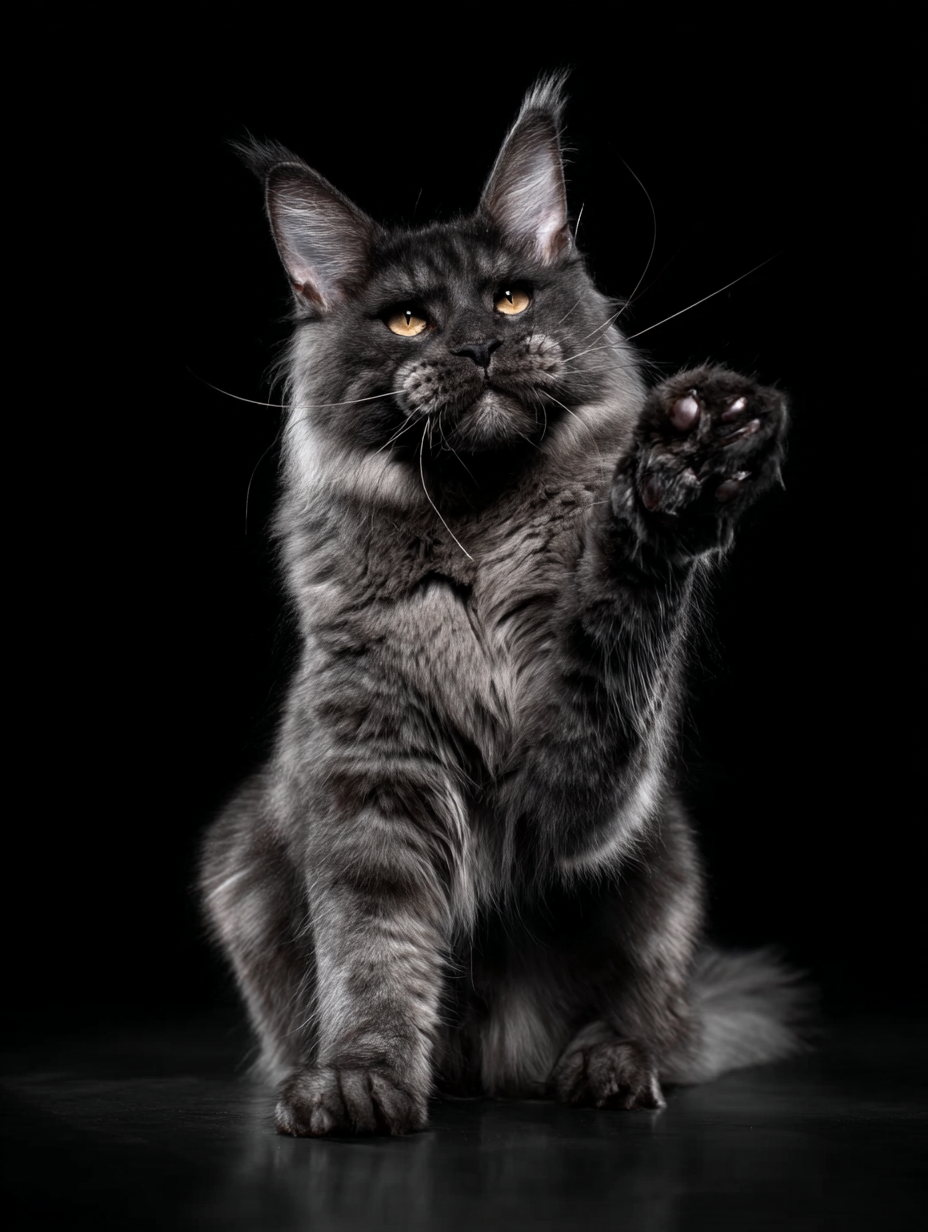
The Ragamuffin cat breed is known for its plush, luxurious coat, expressive walnut-shaped eyes, and affectionate, people-oriented temperament. While they share distant origins with Ragdolls, Ragamuffins have developed into a distinct purebred cat with their own look, structure, and breed identity. Families seeking a calm, gentle, reliably affectionate companion often consider Ragamuffins because of their predictable temperament, large size, and soft, welcoming appearance.
Despite their increasing popularity, many families still have questions: What exactly makes a Ragamuffin purebred? How do they differ from Ragdolls? What colors are accepted? How consistent is their temperament?
Ragamuffin Cat: Quick Overview
| Feature | Summary |
|---|---|
| Breed Status | CFA-recognized pure breed (championship class) |
| Not Recognized By | TICA (not a TICA championship breed) |
| Coat Type | Plush, semi-long, downy, mat-resistant |
| Temperament | Gentle, affectionate, relaxed, people-oriented |
| Size | Large: 10–20+ lbs (slow-maturing) |
| Color Range | Extremely broad — solids, tabbies, torties, calicos, bicolors, shaded, smoke |
| Eye Colors | Gold, green, aqua, blue, odd-eyed |
| Maturity | Full size and coat bloom at 3–4 years |
| Ideal Home | Families, quiet homes, multi-pet households |
| Shedding | Moderate; heavier seasonally |
| Recognition | CFA championship breed |
Searching for a Ragamuffin Kitten?
Ragamuffin kittens appeal to families seeking a large, gentle, affectionate companion with a predictable temperament and consistent structure. Because Ragamuffins are a recognized CFA breed, reputable breeders typically offer:
- CFA registration and verifiable pedigrees
- Fully health-tested parents
- Structured in-home socialization
- Written health guarantees and contracts
- Coat color and pattern documentation
- Predictable longhair structure and temperament
Ragamuffins are not as widely bred as some other purebred cats, so availability is often limited, and waitlists are common among responsible catteries.
Are Ragamuffin Cats Purebred?
Yes. Ragamuffin cats are a fully recognized CFA (Cat Fanciers’ Association) breed with established standards for structure, temperament, coat, and color. They are not a hybrid or experimental breed in CFA; they are a championship-eligible, standardized purebred cat.
❗ Clarifying Registry Recognition
- CFA: Fully recognizes Ragamuffins and allows them to compete for titles
- TICA: Does NOT recognize Ragamuffins as a championship breed (and has historically had a separate direction for the Ragdoll foundation lines)
- ACFA + Other Registries: Some additional registries offer limited or partial recognition
Ragamuffins therefore have clear breed standards in CFA and consistent structural expectations, even though they are not uniformly recognized in all associations.
How They Differ from Ragdolls
While they share distant ancestry, Ragamuffins have distinct differences:
- Rounder eyes
- More variety in eye colors
- Wider color and pattern range
- Fuller, more plush coat texture
- Slightly different muzzle shape
- More flexibility in foundation lines historically
Both breeds are large, affectionate, and gentle — but Ragamuffins offer more structural and color diversity.
Understanding Ragamuffin Cat Colors
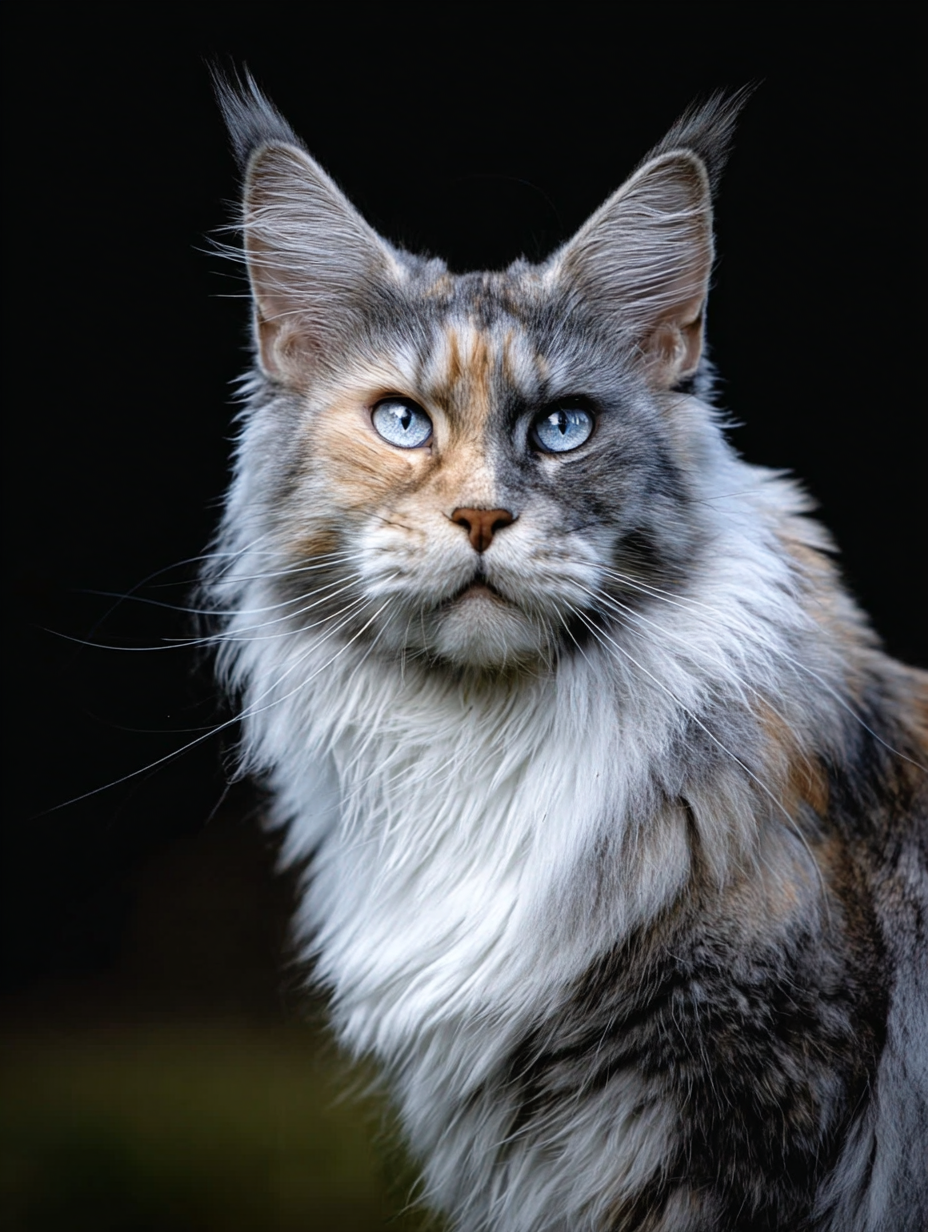
Ragamuffin cats have one of the widest color ranges of any longhaired breed recognized by CFA. Unlike Ragdolls, which are restricted to pointed patterns, Ragamuffins may appear in almost any color or pattern.
Accepted Solid Colors
- Black
- Blue
- Chocolate
- Lilac
- Red
- Cream
Accepted Patterns
- Mitted
- Bicolor
- Tortoiseshell
- Calico
- Tabby
- Smoke
- Shaded
- Mink (varies by registry; some lines trace earlier foundation)
- Sepia
- Traditional non-pointed solids and patterns
Eye Color Range
Ragamuffins allow wide eye color variation, including:
- gold
- green
- aqua
- blue
- odd-eyed possibilities in bicolors
This diversity is part of what differentiates them from Ragdolls and contributes to their popularity among families wanting more expressive visual variation.
Ragamuffin Cat vs Ragdoll vs Other Longhairs (Comparison Guide)
| Feature | Ragamuffin | Ragdoll | Other Longhairs |
|---|---|---|---|
| Recognition | CFA recognized championship breed | CFA & TICA recognized | Varies |
| Color Range | Extremely broad; pointed & non-pointed | Pointed only | Varies |
| Eye Color | Gold, green, aqua, blue | Blue only | Varies |
| Coat Texture | Plush, thick, semi-long, soft | Silky, semi-long | Varies |
| Personality | Gentle, relaxed, cuddly | Gentle, relaxed, cuddly | Varies |
| Size | Large (up to 20+ lbs) | Large | Varies |
| Origin | Divergence from Ragdoll lines | Ragdoll foundation lines | Varies |
See more about Ragdolls vs Ragamuffins here.
The Ragamuffin Coat: What Makes It Unique
Ragamuffins are defined by a semi-long coat that feels unusually plush, warm, and soft. Unlike some longhair breeds that mat easily or have oily texture, Ragamuffin coats:
- have a “downy,” rabbit-like softness
- resist matting more than expected
- grow fuller into adulthood
- vary between lines but remain consistently plush
- bloom dramatically with maturity
Coat Development Timeline
Ragamuffin kittens develop their full coat gradually:
- At birth: soft, silky, shorter kitten coat
- 3–6 months: coat thickens around the neck and chest
- 6–14 months: significant bloom, britches fill out
- 2 years: full adult coat with maximum plush density
This slow development mirrors their slow growth overall — Ragamuffins are not fully mature until age 3–4 years, similar to giant longhaired breeds.
Ragamuffin Temperament: Calm, Affectionate & Enjoys People
Ragamuffin cats are widely admired for their soft, steady temperaments and relaxed, people-focused personalities. Owners often describe them as one of the most affectionate longhaired breeds available today. While temperament varies by individual and lineage, Ragamuffins generally share these hallmarks:
Characteristic Temperament Traits
- exceptionally affectionate
- prefers to be near people
- gentle with children
- patient, tolerant, and even-tempered
- highly adaptable to home routines
- relaxed but social
- quick to bond with their families
Personality Profile
Ragamuffins are not loud, demanding cats. They communicate quietly, settle easily in busy or quiet homes, and often greet visitors with curiosity rather than fear. Their gentle nature makes them excellent companions for families, seniors, and calm multi-pet homes.
The “Floppy Cat” Reputation
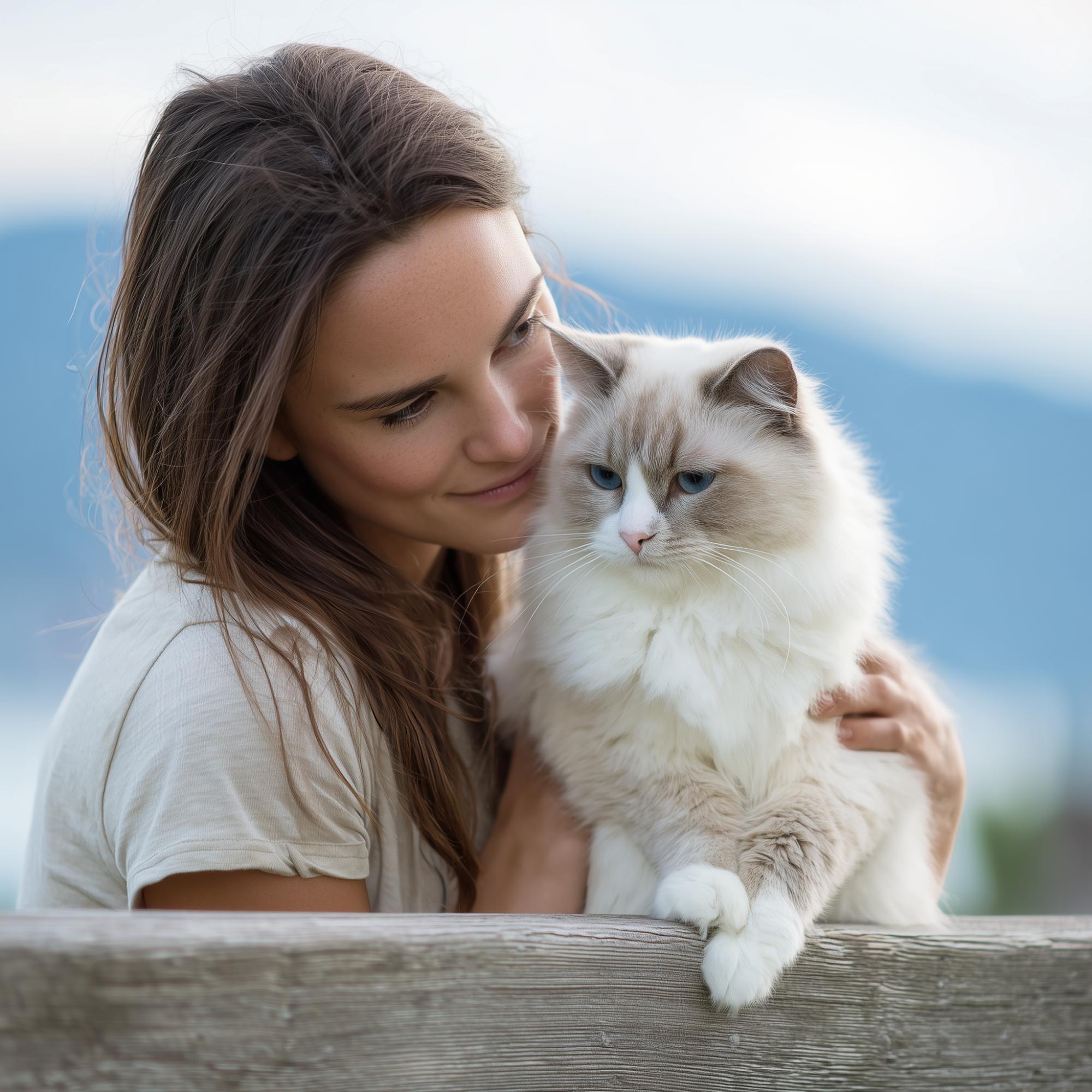
Like Ragdolls, Ragamuffin cats are known for relaxing into your arms when picked up, though the degree of floppiness varies by individual. Many enjoy being carried, cradled, or laid across laps.
Emotional Temperament
Ragamuffins tend to:
- follow their families from room to room
- enjoy routine
- form deep attachments to their humans
- prefer peaceful conflict-free environments
- show affectionate loyalty without being clingy
Their combination of softness, stability, and relaxed sociability is one reason many people consider the Ragamuffin one of the most successful companion breeds today.
Ragamuffin Size, Structure & Build
Ragamuffin cats are a large longhaired breed, often surprising new owners with their weight and bone density.
Adult Size Expectations
- Males: 15–20+ lbs
- Females: 10–15 lbs
They develop slowly, with full physical maturity taking 3–4 years — similar to Ragdolls and Maine Coons.
Structural Traits
CFA describes Ragamuffins as:
- substantial and muscular
- heavily boned
- broad-chested
- rectangular in body
- with a strong neck and robust hindquarters
Their heavy bone and soft, thick bodies create the plush “teddy bear” impression that the breed is known for.
Head & Facial Expression
Ragamuffins have:
- large, walnut-shaped eyes
- rounded muzzle and cheeks
- sweet, open facial expression
- medium-length nose without extreme breaks
Their gentle, approachable look is a defining feature.
Breed Recognition, History & Development
CFA Recognition
Ragamuffins are recognized by CFA as a full championship breed, with detailed standards for:
- head structure
- eyes
- coloration
- coat texture
- body structure
- temperament expectations
This makes Ragamuffins one of the few longhaired purebred cats with broad color freedom and a consistent, established type.
TICA Recognition Status
TICA does not recognize Ragamuffins as a championship breed.
This has created persistent confusion in the cat world, but the distinction is clear:
- CFA = Ragamuffin is a recognized pure breed
- TICA = does not recognize Ragamuffin championship
History & Origin Story
Ragamuffins trace their origin to early Ragdoll lines. In the 1990s, some breeders chose to expand genetics, diversify colors, and create a separate breed direction focusing on:
- greater coat variation
- wider eye color acceptance
- increased genetic diversity
- a slightly different body and head structure
Over time, this divergence established the Ragamuffin as its own purebred cat, culminating in CFA approval in 2011.
Today, Ragamuffins are considered a stable, established longhair breed with consistent type and temperament.
Coat Care & Grooming for Ragamuffins
Despite their thick, plush coats, Ragamuffins are more manageable than many longhair breeds. Their coats resist mats better than expected due to the unique soft texture.
Weekly Grooming Routine
- Brush 2–3 times per week
- Use a metal comb and soft slicker brush
- Focus on the ruff, breeches, and belly
- Check armpits, chest, and behind ears for tangles
Bathing
Baths are optional and depend on the individual coat:
- Some Ragamuffins maintain natural cleanliness with minimal bathing
- Others benefit from a bath every few months to refresh coat volume
A quality, coat-safe shampoo keeps the plush texture soft and airy.
Seasonal Shedding
Ragamuffins shed moderately year-round and more noticeably in spring and fall. Regular brushing helps maintain coat bloom and reduces seasonal matting risk.
Ragamuffin Color Genetics Explained
Ragamuffins allow a wide range of colors because their breeding foundation included a mixture of pointed and non-pointed lines. Over time, the breed has maintained:
- solid colors
- tabby variations
- tortoiseshell and calico combinations
- shaded and smoke patterns
- mink and sepia varieties in some lines
- bicolor and mitted patterns
Pointed vs Non-Pointed Ragamuffins
Pointed Ragamuffins do occur, especially in earlier or mink-influenced lines, but CFA standards emphasize and prefer non-pointed varieties.
Eye Color
Unlike Ragdolls, which require blue eyes, Ragamuffins display:
- gold
- green
- aqua
- blue
- odd-eyed combinations
Eye color does not determine purity — structural consistency and CFA registration do.
Ragamuffin vs Ragdoll: Long-Form Comparison
Origin Differences
- Ragdolls maintain tightly defined pointed lines
- Ragamuffins descends from early Ragdoll foundation cats but diverged into their own breed with broader genetic diversity
Appearance Differences
| Feature | Ragamuffin | Ragdoll |
|---|---|---|
| Eye Shape | Walnut-shaped | Oval |
| Eye Color | Many colors | Blue only |
| Coat | Plush, downy, thick | Silky, flowing |
| Body | Substantial, heavily boned | Long, muscular |
| Head | More rounded overall | More angular |
Temperament Differences
Both are gentle, affectionate, floppy cats.
Ragamuffins may be slightly more social with children and adaptable in busy households, while Ragdolls tend to be slightly quieter and more routine-based.
Color Range
Ragdolls = pointed only
Ragamuffins = nearly unlimited colors and patterns
Breed Recognition
- Ragdolls: CFA + TICA
- Ragamuffins: CFA only
Ragamuffin Kittens: What to Expect
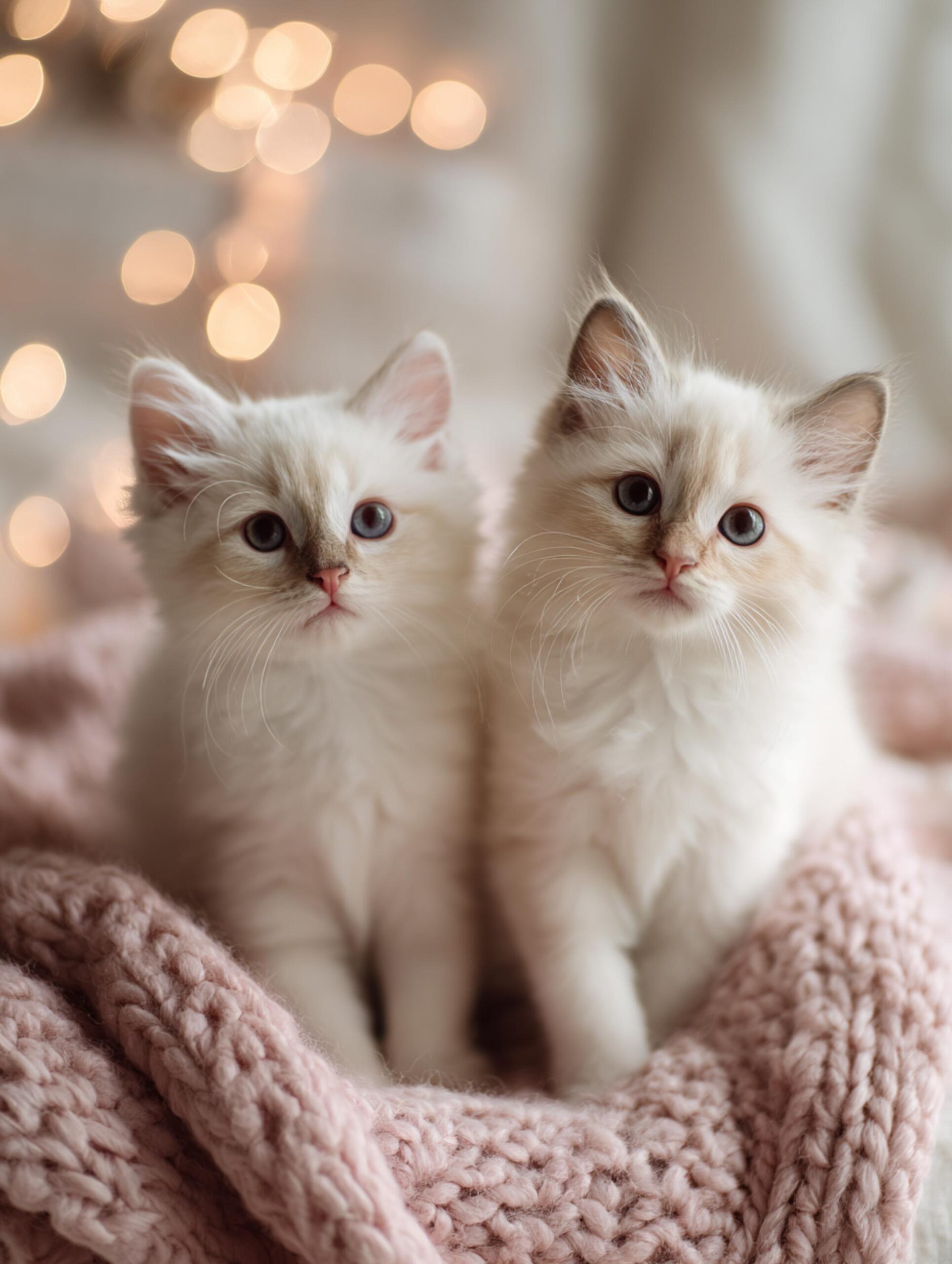
Ragamuffin kittens are born with soft, silky, shorter coats that gradually thicken as they mature. Their personalities are gentle from the start, and most kittens show relaxed, people-friendly behavior by the time they begin exploring the home.
Early Kitten Traits
Ragamuffin kittens typically show:
- rounder facial structure than other longhairs
- expressive walnut-shaped eyes
- calm but curious behavior
- easy adaptability to household noises and routines
Because Ragamuffins grow slowly, they often appear “kitten-like” well into their second year.
Kitten Development Timeline
- 0–8 weeks: learning balance, confidence, early socialization
- 8–12 weeks: coat begins to thicken, personality becomes clearer
- 12–16 weeks: kittens become more cuddly, people-oriented
- 4–12 months: dramatic increase in coat density
- 1–2 years: coat and bone structure fill out
- 3–4 years: full maturity, size, bone, and coat bloom
Their affectionate nature is consistent from kittenhood onward, making them one of the most stable choices for families.
Ragamuffin Size, Weight & Growth Timeline
Ragamuffins are a slow-maturing, large-boned breed. They often grow in long, gradual phases rather than fast spurts.
Weight by Age (Approximate)
- 3 months: 3–5 lbs
- 6 months: 6–9 lbs
- 12 months: 9–12 lbs (females) / 10–14 lbs (males)
- 2 years: 10–14 lbs (females) / 14–18 lbs (males)
- 3–4 years: full adult weight, sometimes 20+ lbs in large males
Body Development
Their structure evolves through:
- a long, adolescent lanky phase
- steady filling out of shoulders and hips
- thicker coat bloom starting around 6–12 months
- fully plush adult coat by 18–24 months
- deep, mature bone mass by 3–4 years
This slow growth is normal and desirable in the breed.
Ragamuffin Colors & Patterns: Full CFA Range
Ragamuffins offer tremendous variety in color expression. Because CFA allows an expansive color spectrum, nearly any non-restricted longhair color is possible.
Solids
- black
- blue
- chocolate
- lilac
- red
- cream
Patterns
- bicolor
- van
- calico
- tortoiseshell
- tabby (classic, mackerel, spotted)
- shaded
- smoke
- mink (varies by lines)
- sepia
- mitted
Eye Colors
- gold
- aqua
- green
- blue
- odd-eyed (especially in white or high-white patterns)
Ragamuffin Color Overview
| Category | Examples | Notes |
|---|---|---|
| Solids | black, blue, chocolate, lilac, cream | Classic CFA-approved solids |
| Patterns | bicolor, mitted, calico, tortie, smoke | Wide pattern acceptance |
| Non-Pointed | majority color options | Preferred in CFA |
| Pointed/Mink | possible in some lines | Depends on foundation history |
| Eye Colors | gold, green, aqua, blue | Not restricted to blue eyes |
What Questions Do Buyers Ask About Ragamuffins?
Because Ragamuffins are not as widely known as Ragdolls, buyers often have specific questions about their appearance, structure, and temperament.
Common Buyer Questions
- Are Ragamuffins purebred?
- How do Ragamuffins differ from Ragdolls?
- What colors are accepted?
- How big will my Ragamuffin get?
- Are Ragamuffins calm with children or pets?
- Do they shed?
- Are they recognized by CFA?
- Why are Ragamuffins less common than Ragdolls?
- How long does it take for their coat to grow in?
What Buyers Often Love Most
- the plush, thick coat
- the sweet, gentle eyes
- the “cuddly” temperament
- predictable companion traits
- the wide range of colors and patterns
- large size without high activity levels
Ragamuffin Price Guide & Availability
Ragamuffins are produced in much smaller numbers than Ragdolls and most longhair breeds. This limited availability, combined with demand for their calm temperament and plush coat, influences pricing.
Typical Ragamuffin Price Range
- Pet quality: $1,200–$2,000
- Show/breeder quality: $2,000–$3,500+
- Rare colors/patterns: may exceed $3,500
Factors Affecting Price
- CFA registration
- lineage and pedigree depth
- coat color and pattern
- breeder reputation
- genetic testing
- size and structure
- demand in the region
Because Ragamuffins reproduce in smaller numbers than many breeds, litters often fill before birth or shortly after early deposits.
Ragamuffin vs Mixes: How to Tell the Difference
Many online listings mislabel longhaired cats as Ragamuffins due to their general appearance, but true Ragamuffins have consistent CFA-recognized structural traits.
Pure Ragamuffin Traits
- substantial, heavily boned body
- plush, thick semi-long coat
- walnut-shaped eyes
- sweet, open facial expression
- rectangular body shape
- rounded muzzle and full cheeks
Signs a Cat May Be a Mix
- narrow head
- thin or fine-boned structure
- angular face shape
- inconsistent eye shape
- shorter or sparse coat
- lack of CFA registration or lineage documentation
While mixes can be wonderful pets, structure and registration are what distinguish Ragamuffins as a defined purebreed.
Ragamuffin Household Compatibility
Ragamuffins thrive in a wide range of homes because of their calm, affectionate, and people-focused nature. They adapt well to:
Family Homes
Their patience and gentleness make them well-suited for respectful children. Ragamuffins usually enjoy being held, brushed, and included in family routines.
Quiet Homes
Their peaceful, serene temperament suits retirees, singles, or low-activity households that want a soothing companion.
Multi-Pet Families
With proper introductions, Ragamuffins are often tolerant with:
- friendly dogs
- other cats
- calm companion animals
Indoor Living
Ragamuffins are ideal indoor-only companions. They bond strongly with their families and rarely show interest in roaming or independent outdoor exploration.
Ragamuffin Activity Level and Enrichment Needs
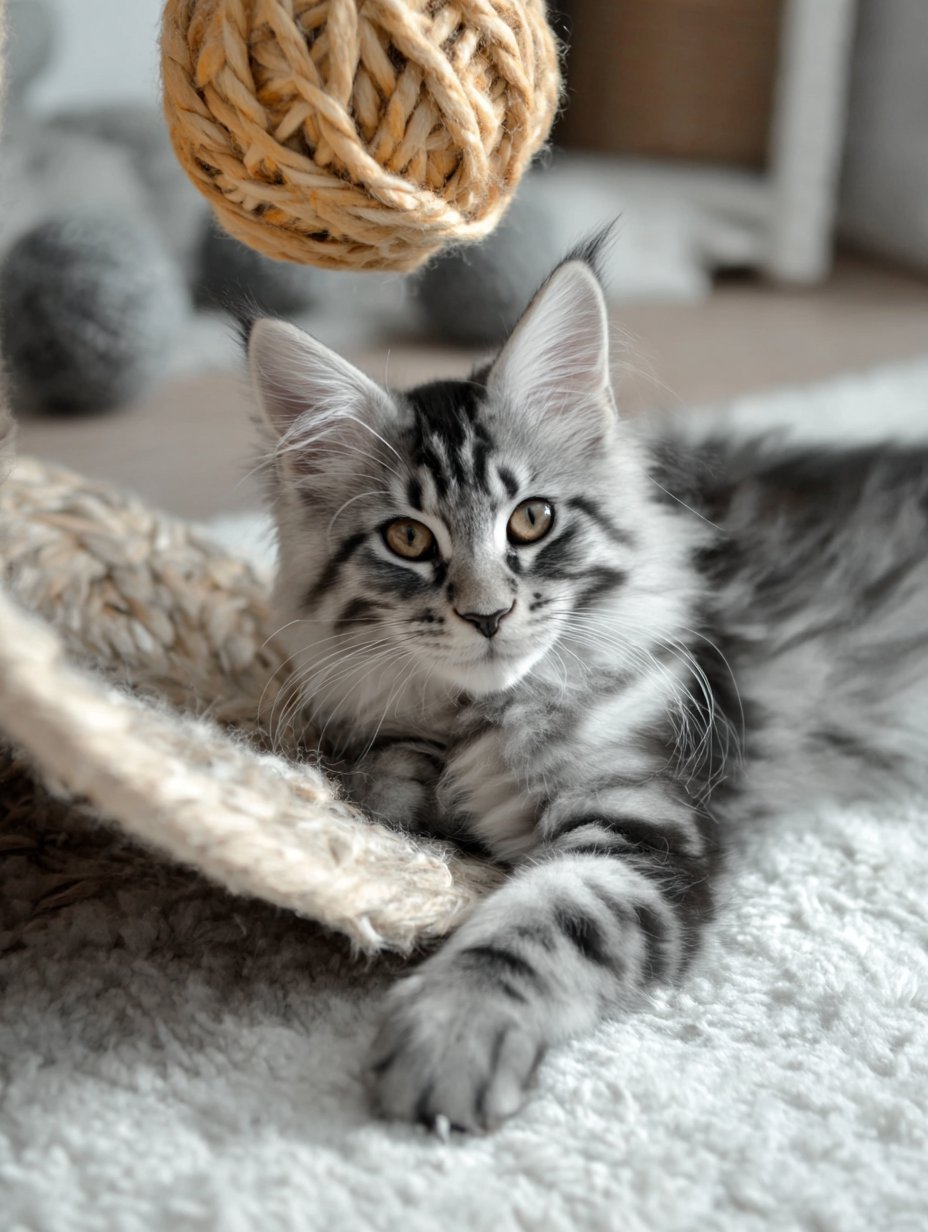
Ragamuffins are not high-energy cats, but they do enjoy structured play and gentle enrichment.
Typical Activity Pattern
- calm for most of the day
- bursts of playful curiosity
- follows people from room to room
- enjoys toy wands, feathers, tunnels, or soft play
- prefers interactive bonding over vigorous exercise
Jumping & Climbing
Though large and heavily boned, Ragamuffins can and do climb. However:
- climbing tends to be slow and careful
- they prefer platforms and carpeted perches
- they enjoy stability over height
Mental Enrichment
Ragamuffins are extremely people-motivated. They prefer:
- puzzle toys
- soft toys
- treat-based play
- sitting with their humans for attention
Overall, they require modest exercise and a great deal of companionship.
Grooming Tools & Maintenance Checklist
Though their coat resists matting better than many longhairs, Ragamuffins benefit from consistent grooming.
Recommended Tools
- metal comb with medium and fine teeth
- soft slicker brush
- grooming rake (for seasonal shed)
- detangling spray (light, non-oily formula)
- nail clippers
- stainless steel comb for breeches and belly
Weekly Checklist
- comb ruff and chest
- check behind ears for tangles
- brush breeches, belly, and armpits
- inspect paw tufts and nails
- wipe eyes gently if tear staining occurs
Seasonal Care
During spring and fall shedding, owners may brush more frequently to maintain coat volume and reduce shedding buildup.
How to Identify a Reputable Ragamuffin Breeder
Because Ragamuffins are CFA-recognized, reputable breeders follow consistent standards and transparent practices.
What to Look For
- CFA registration with a verifiable cattery prefix
- Full pedigree documentation
- Health testing (HCM screening, genetic health panels as applicable)
- In-home raising with structured socialization
- Written health guarantee
- Clear communication about lineage and temperament
What May Be a Red Flag
- no registration or unverifiable papers
- unusually low pricing
- refusal to show parents
- inconsistent or conflicting information
- mislabeling other longhairs as Ragamuffins
- lack of socialization or unclear kitten-raising methods
Understanding Ragamuffin Pedigrees: How to Tell If a Ragamuffin Is Genuine
Because the Ragamuffin breed has a complex history and inconsistent recognition across registries, many families are understandably confused about how to verify whether a Ragamuffin kitten is authentic. The simplest rule is this:
A true Ragamuffin must be eligible for registration with CFA, ACFA, GCCF, WCF, or CCA-AFC.
These registries require three generations of Ragamuffin ancestry, which helps maintain consistent structure, coat, and temperament.
Where confusion often arises is with TICA registration. TICA does not recognize Ragamuffins for championship status, and its foundation rules allow a much broader range of cats—including recent Ragdoll crosses or unverified longhairs—to be registered under the Ragamuffin name. This means a “TICA Ragamuffin” may or may not have established Ragamuffin lineage, depending on how the breeder used the system.
For buyers who want a predictable Ragamuffin in terms of structure, size, coat texture, and temperament, the safest approach is to choose kittens whose pedigrees can be fully traced through one of the registries that formally recognize the breed. If a kitten cannot also be registered with CFA or another championship-level registry, it is not considered a pedigreed Ragamuffin under established breed standards.
Why Authenticity Matters
Because Ragamuffins have such a distinct structure and coat, ensuring that kittens come from CFA-recognized lines helps families receive predictable temperament and appearance.
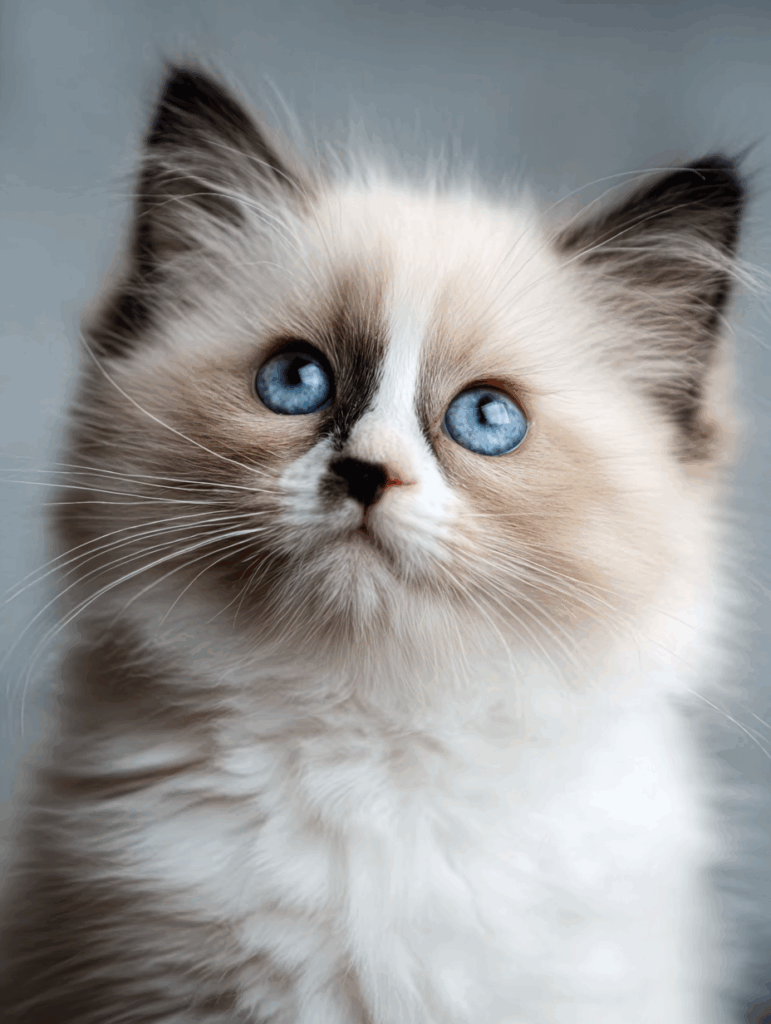
Looking for a Purebred, Registered Kitten?
If you’re here because you love expressive faces, round eyes, plush coats, and calm, affectionate temperaments, we encourage you to explore our purebred, registered British Shorthair and Ragdoll kittens — raised in-home, health tested, and bred for structure, temperament, and long-term companionship.
At Almonte Cats, every kitten is:
- TICA/CFA registered from fully health-tested parents
- Raised in-home for confident, people-loving temperaments
- Vet-checked, vaccinated, and microchipped
- Handled daily for social, gentle, adaptable personalities
- Offered in multiple colors, including golden, blue, chocolate, lilac, and more
If you prefer consistent type, predictable structure, and established breed standards, our kittens offer everything people love about round-faced, teddy-bear style cats — without the uncertainty of hybrid development.
See Ragdoll Kittens Available Here
See British Shorthair Kittens Available Here
Myths About Ragamuffin Cats
Myth 1: Ragamuffins are just long-haired mixed-breed cats.
False — Ragamuffins are a CFA-recognized pure breed with a formal standard, consistent structure, and documented pedigrees.
Myth 2: Ragamuffins and Ragdolls are the same breed.
No. They have shared ancestry, but Ragamuffins developed separately with a broader genetic base, more color options, different head structure, and distinct coat texture.
Myth 3: All Ragamuffins are pointed.
Not true. Ragamuffins allow non-pointed and pointed varieties, but CFA emphasizes non-pointed Ragamuffins in the show standard.
Myth 4: Ragamuffins do not get big.
Ragamuffins are a large breed, often reaching 15–20+ lbs in adulthood with heavy bone and significant mass.
Myth 5: All longhaired cats groom the same.
Ragamuffins have a naturally downy, plush, mat-resistant coat that is easier to maintain than many longhaired breeds.
Myth 6: You can identify a Ragamuffin by color alone.
No — color does not determine breed. Structure, eye shape, coat texture, pedigree, and registration are the real indicators.
Myth 7: Ragamuffins prefer solitude.
Ragamuffins are highly people-oriented and often form deep bonds with their families, preferring company over independence.
Ragamuffin FAQ
Are Ragamuffin cats purebred?
Yes. Ragamuffins are a CFA-recognized championship breed with a fully defined standard for body type, temperament, coat, and color. They are not an experimental or hybrid category in CFA. While they share distant roots with early Ragdoll lines, Ragamuffins have since developed into a genetically diverse, structurally consistent pure breed. They have their own pedigrees, their own breed code, and their own CFA evaluation system. Ragamuffins cannot be registered as Ragdolls, and Ragdolls cannot be registered as Ragamuffins.
Are Ragamuffins recognized by CFA or TICA?
Ragamuffins are recognized by CFA, where they compete in full championship classes.
They are not recognized by TICA as a championship breed. This causes confusion among new buyers, but CFA is the primary governing body for Ragamuffin breed standards. Some smaller registries have accepted Ragamuffins, but CFA remains the leading authority.
Why do Ragamuffins look similar to Ragdolls?
Ragamuffins descend from early Ragdoll foundation cats but diverged due to breeder disagreements, breeding goals, and a desire for greater genetic diversity. Over time, Ragamuffins developed:
- rounder eyes
- broader muzzles
- thicker, plush coats
- more coat color variety
- greater eye color variety
Modern Ragamuffins have their own look and expression, distinct from the more angular, consistently pointed Ragdoll.
How big do Ragamuffin cats get?
Ragamuffins are a large, heavily boned breed. Adult males often reach 15–20+ pounds, while females typically reach 10–15 pounds. They are slow to mature and may not reach full size and coat density until age 3–4 years. Their mass comes not just from weight, but also their substantial bone structure and broad chest.
Do Ragamuffin cats shed?
Yes, Ragamuffins shed moderately year-round and more heavily during seasonal transitions (spring and fall). Their coat is semi-long and plush, but the unique texture helps reduce matting compared to other longhair breeds. Regular brushing (2–3 times per week) manages shedding and keeps the coat full and manageable.
Do Ragamuffins mat easily?
No. One of the defining traits of the Ragamuffin coat is its downy, mat-resistant texture. While any longhaired cat can develop tangles, Ragamuffin coats tend to remain soft and smooth with routine brushing. Their coat is thick but not oily, allowing it to drape rather than knot.
What colors do Ragamuffin cats come in?
Ragamuffins offer a very broad color range, including:
- solids (black, blue, lilac, chocolate, red, cream)
- bicolors
- mitted
- tortoiseshell and calico
- tabbies (classic, mackerel, spotted)
- smoke
- shaded
- mink and sepia (depending on foundation lines)
- van patterns
- high-white patterns
CFA allows an enormous range of non-pointed and pointed colors.
Do Ragamuffins always have blue eyes?
No. Unlike Ragdolls, Ragamuffins may have:
- gold
- green
- aqua
- blue
- odd-eyed combinations
Eye color varies based on coat pattern and genetics. Blue eyes only occur in pointed, mink, or high-white combinations.
Are Ragamuffins good with children?
Yes. Ragamuffins are known for:
- remarkable patience
- gentle handling tolerance
- relaxed body language
- willingness to be held and carried
- stable, non-reactive temperament
They are often considered one of the best family-friendly longhair breeds because they remain calm in busy homes.
Are Ragamuffin cats good with dogs or other pets?
Generally, yes. Ragamuffins tend to be tolerant and adaptable when introduced slowly. Many thrive in multi-pet households with calm dogs or other cats. Their gentle nature makes integration smoother than with more territorial breeds.
Do Ragamuffins make good apartment cats?
Yes. Ragamuffins have a quiet, relaxed nature and do not require large amounts of space. They are indoor-only cats that appreciate routine, companionship, and moderate play. Their size does not translate to high activity; they are gentle giants.
Do Ragamuffins like to be held?
Most do. Ragamuffins often enjoy being cradled, carried, or held against the chest. Many exhibit partial “floppiness,” relaxing fully into their owner’s arms. While not all Ragamuffins behave identically, the breed is generally affectionate and cuddly.
Are Ragamuffins hypoallergenic?
No cat breed is truly hypoallergenic. Ragamuffins have long, plush coats that shed moderately. Allergic reactions depend on sensitivity to the Fel d 1 protein, not just fur length. Some individuals may tolerate Ragamuffins better than others, but the breed is not marketed as hypoallergenic.
Do Ragamuffins climb and jump?
Yes — but carefully. Ragamuffins are large and heavily boned, so they:
- climb slowly
- prefer stable perches
- jump lower than more athletic breeds
- prioritize balance over height
Cat trees with wide platforms and carpeted surfaces are ideal for their sturdy build.
How active are Ragamuffins?
Ragamuffins are moderately active. They enjoy:
- gentle play sessions
- wand toys
- puzzle feeders
- soft tunnels
- being involved in family routines
They are not high-energy or destructive. Their activity is steady, gentle, and people-oriented.
What is the Ragamuffin personality like?
Ragamuffins are:
- affectionate
- gentle
- calm
- highly social
- emotionally connected to their families
- adaptable
- soft-spoken and easygoing
Their temperament is one of their most consistent defining traits.
Why are Ragamuffins less common than Ragdolls?
The Ragamuffin breeding community is smaller, more specialized, and tightly regulated by CFA breeders. The breed developed later, has fewer active catteries, and prioritizes structure, temperament, and coat quality — resulting in fewer litters each year.
How do I know if a cat is a real Ragamuffin?
Authentic Ragamuffins show:
- CFA registration
- documented lineage
- walnut-shaped eyes
- substantial bone structure
- plush semi-long coat
- rectangular body shape
- rounded muzzle and cheeks
Longhaired mixes often resemble Ragamuffins superficially, but lack the breed’s signature structure and registration.
Why are Ragamuffin kittens so expensive?
Costs reflect:
- CFA registration and pedigree
- slow maturation and limited breeding
- high-quality nutrition during long growth periods
- health testing
- demand for calm, family-friendly longhairs
- small number of reputable breeders
Ragamuffins cannot be mass-produced without sacrificing structure or temperament.
Do Ragamuffins talk a lot?
No. They are soft-voiced cats with gentle vocalizations. Most communicate through:
- chirps
- soft meows
- coos
- purring
- body language
They are not typically loud or demanding.
Do Ragamuffins travel well?
Ragamuffins tend to tolerate travel better than many cats due to their relaxed personalities, but adaptation varies. Early crate training helps them remain calm during transport.
What is the lifespan of a Ragamuffin?
Ragamuffins typically live 12–16+ years, depending on genetics, health care, and lifestyle. Indoor-only living supports longevity.
Looking for a Purebred, Registered Kitten?
At Almonte Cats, every kitten is:
- CFA or TICA registered (depending on breed)
- raised in-home for confident, family-ready temperaments
- fully vet-checked, vaccinated, and microchipped
- offered in rare colors including golden, lilac, chocolate, blue, and more
- backed by professional support and guidance
If you love expressive eyes, plush coats, and calm, affectionate personalities, explore our purebred British Shorthair and Ragdoll kittens — raised in-home, registered, and health-tested for structure and temperament.
Summary: What Makes the Ragamuffin Cat Special
The Ragamuffin cat is a CFA-recognized pure breed valued for its plush, luxurious coat, sweet expression, calm temperament, and wide range of colors. Their gentle nature, large size, expressive eyes, and deep affection for their families make them a favorite among longhair enthusiasts. Ragamuffins develop slowly, maturing fully around age three to four, and offer one of the most stable, people-oriented temperaments of any companion cat. Their predictable structure, documented ancestry, and consistent coat quality set them apart from longhaired mixes or unregistered lines.
Resources and Related Posts
Learn More About Luxury Cats
- Scottish Fold Munchkin Cats
- Blue British Shorthair Cats
- Maine Coon Kittens for Sale
- Ragdoll vs Persian Cats
- Ragdoll vs Ragamuffin
- British Shorthair Kitten Growth Stages
- British Shorthair vs Ragdoll
External Resources
- CFA – Cat Fanciers’ Association (British Shorthair Breed Standard)
https://cfa.org/british-shorthair/
2. TICA – The International Cat Association (British Shorthair Breed Info)
https://tica.org/breeds/british-shorthair
3. GCCF – Governing Council of the Cat Fancy (UK Breed Standard)
https://www.gccfcats.org/breeds/british-shorthair/
4. FIFe – Fédération Internationale Féline (British Shorthair Profile)
https://www.fifeweb.org/wp/breeds/bsh/
5. ACFA – American Cat Fanciers Association (British Shorthair Overview)
https://www.acfacat.com/breeds/british-shorthair/
6. VCA Hospitals – Cat Coat Color Genetics Overview
https://vcahospitals.com/know-your-pet/genetics-basics-coat-color
7. Cornell University College of Veterinary Medicine – Cat Genetics & Health
https://www.vet.cornell.edu/departments-centers-and-institutes/cornell-feline-health-center
8. University of California Davis – Veterinary Genetics Laboratory (Color Testing Info)
https://vgl.ucdavis.edu/services/cat-coat-color
9. International Cat Care – British Shorthair Breed Profile & Care
https://icatcare.org/advice/breeds/british-shorthair/
10. ASPCA – General Cat Care Guidelines
https://www.aspca.org/pet-care/cat-care





Read the Comments +