
Munchkin Cat Lifespan: How Long Do Munchkin Cats Live?
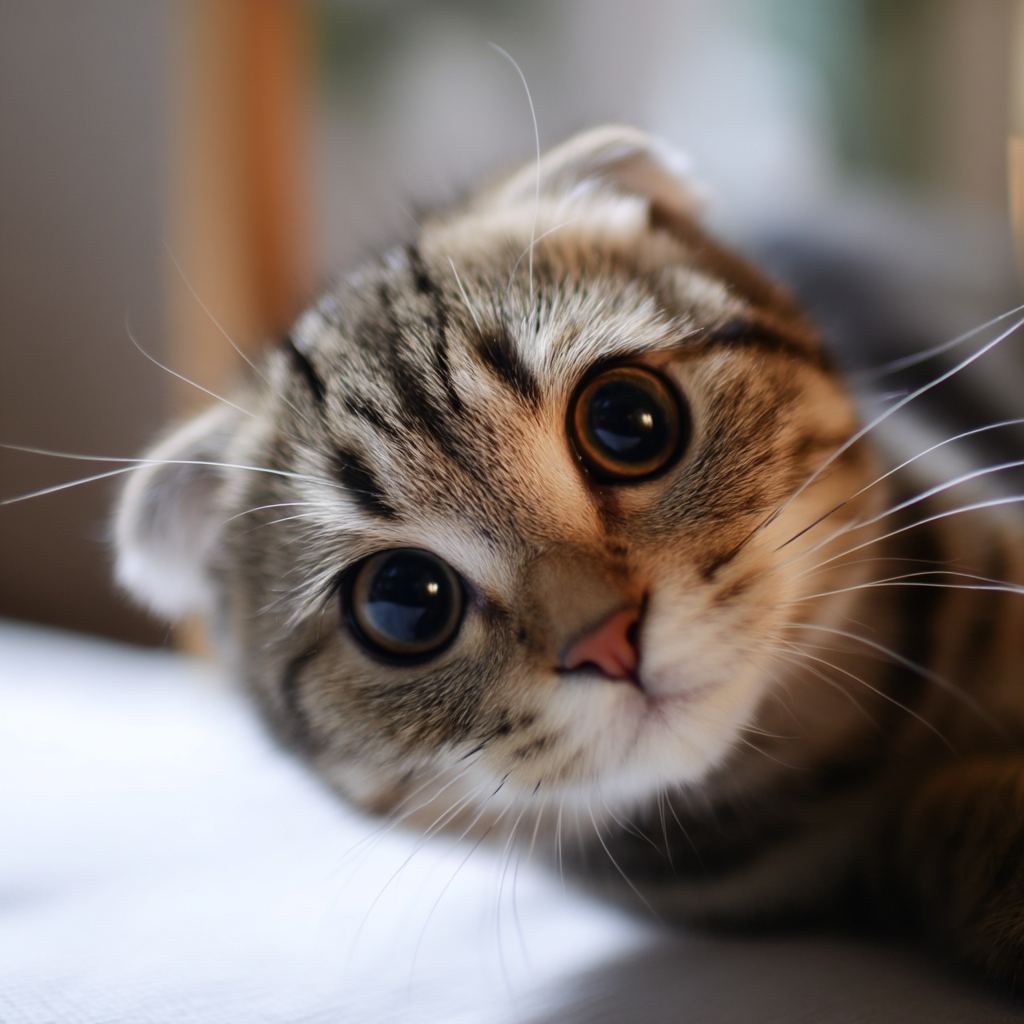
Munchkin cats typically live 12 to 15 years, with some reaching 16–17 depending on genetics, mobility support, and overall health. Their lifespan is shorter and more variable than long-lived breeds because the Munchkin dwarfism gene affects skeletal structure, joint function, and long-term mobility.
Unlike naturally occurring short-bodied breeds (such as the Manx or Japanese Bobtail), the Munchkin was deliberately created through a mutation that shortens the long bones of the limbs. This gene does not shorten the spine, but it does influence overall skeletal mechanics — and these biomechanical changes can impact quality of life and lifespan.
Understanding how the dwarfism gene affects the body helps families set realistic expectations for lifespan, mobility, pain management, and long-term care.
Munchkin Cat Lifespan Summary Table
| Category | Lifespan Range | Notes |
|---|---|---|
| Typical Munchkin Lifespan | 12–15 years | Average for standard dwarf Munchkins (short-legged). |
| Non-Standard Munchkin Lifespan | 14–18 years | Often lives longer due to normal limb structure. |
| Indoor Munchkin Lifespan | 14–16 years | Indoor living reduces accidents and strain. |
| Outdoor Munchkin Lifespan | 6–10 years | Dwarf cats are at higher outdoor risk due to limited mobility. |
| Long-Lived Munchkins | 15–17+ years | Typically non-standard or exceptionally well-managed individuals. |
| Dwarf Munchkin Lifespan (Genetic Dwarf) | 10–14 years | Mobility strain and arthritis may shorten lifespan. |
| Male Munchkin Cat Lifespan | 12–15 years | Males carry more weight on joints. |
| Female Munchkin Cat Lifespan | 12–16 years | Females tend to stay lighter, reducing joint impact. |
| Average Domestic Cat Lifespan | 12–15 years | Non-dwarf cats avoid mobility-related strain. |
Munchkin Cat Lifespan Overview
The typical Munchkin lifespan ranges from 12 to 15 years, but longevity depends heavily on:
- genetic line
- mobility support
- weight management
- whether the cat is standard or non-standard
- arthritis progression
- whether dwarfism-related pain is managed early
Standard vs. Non-Standard Lifespan
Munchkins fall into two categories:
- Standard (short-legged) — express the dwarfism gene; higher risk for mobility issues
- Non-standard (normal-legged) — carry the gene but do not express it physically; typically live longer
Standard dwarf kittens often look adorable and gain social-media fame, but the dwarfism mutation can make aging more difficult. Some live long, happy lives; others develop joint stiffness or early-onset arthritis by mid-adulthood.
Why Their Lifespan Is More Variable
Munchkins are not a naturally occurring dwarf breed. Their gene mutation is autosomal dominant, and homozygous kittens (two copies) do not survive to term. This means every standard Munchkin carries a gene that affects limb growth — a structural change that influences overall biomechanics.
Their lifespan is not universally short, but lifelong joint strain is common, and how well the cat is supported determines how long and how comfortably they live.
Why Munchkin Cats May Have a Shorter or More Painful Lifespan
We are not fearmongering — we are explaining scientifically why many Munchkin cats might struggle with physical decline earlier than other breeds.
1. The Dwarfism Gene Affects Limb Structure
Shortened long bones change:
- weight distribution
- joint angle
- load-bearing capacity
- posture
Over time, this can increase the risk of:
- early arthritis
- decreased mobility
- joint deformation
- chronic pain
2. Worsening Mobility Over Time
Some Munchkin cats begin life extremely active, leading new owners to believe “they’re totally normal.”
But many experience:
- difficulty jumping
- stiffness noticed after naps
- reluctance to climb stairs
- slower movements in middle age
These changes often begin around 6–8 years old, earlier than the average domestic cat.
3. They Hide Pain Extremely Well
Cats — especially dwarf breeds — mask discomfort.
By the time limping or stiffness is visible, they may have been in chronic pain for years.
4. Short Legs = Higher Strain Per Step
Shortened limbs take more steps to travel the same distance.
This continuous loading can wear down joints faster.
5. Dwarf Breeds Are More Prone to Secondary Health Issues
These may include:
- lordosis (spinal swayback)
- pectus excavatum (chest indentation)
- compromised cartilage health
- early-onset arthritis
Not every Munchkin develops these issues — but the mutation introduces predictable biomechanical strain. See Munchkin Cat Lifespan for more Info.
Indoor vs Outdoor Munchkin Lifespan
Munchkin Indoor Lifespan: 14–16 Years
Indoor living:
- protects weak joints from hard landings
- prevents traffic accidents (dwarf cats cannot flee quickly)
- reduces injuries from predators
- avoids repetitive jumping
- provides safe flooring and surfaces
- allows monitoring of mobility changes
Dwarf cats rely heavily on controlled environments to stay comfortable.
Outdoor Munchkin Lifespan: 6–10 Years
Outdoor life drastically shortens lifespan because Munchkins:
- cannot run as fast as normal cats
- struggle to escape dogs, coyotes, or dangerous situations
- cannot jump onto fences or ledges
- have fewer survival adaptations
- risk severe injuries climbing or landing from heights
A standard Munchkin outdoors is at a biological disadvantage.
Male vs Female Munchkin Lifespan
Male Munchkin Lifespan: 12–15 Years
Males usually weigh more, and even a few extra pounds put additional pressure on shortened joints.
This can accelerate:
- arthritis
- mobility decline
- joint stiffness
Neutered males generally live longer than intact males.
Female Munchkin Lifespan: 12–16 Years
Females tend to be lighter and more flexible.
They may:
- experience slower progression of arthritis
- maintain mobility longer
- carry less weight on joints
Spaying increases lifespan, as it decreases hormonal stress and prevents reproductive diseases.
How to Keep a Munchkin Cat Healthy
There is no way to remove the genetic foundation of dwarfism, but there are ways to reduce daily strain and support long-term comfort. These strategies do not “fix” the gene — they simply lower its physical impact.
This section ranks for:
- dwarf munchkin cat lifespan
- keeping a munchkin healthy
- munchkin joint support
- how to help a munchkin live longer
Weight Management Is the #1 Priority
Even one extra pound increases joint pressure significantly because Munchkins take more steps per minute and per day than long-legged cats.
To support longevity:
- keep them lean
- avoid free-feeding
- prioritize high-quality protein
- limit calorie-dense treats
Obesity is devastating for any cat, but for a dwarf breed, it accelerates mobility decline rapidly.
Low-Impact Movement
Because Munchkins expend more effort walking, low-impact exercise is best:
- gentle play sessions
- wand toys that don’t require leaping
- slow climbing instead of jumping
- avoiding vertical jumps on/off furniture
Think: encourage motion without repetitive impact.
Controlled Home Environment
A Munchkin thrives in a home that accommodates its structure:
- soft, non-slip flooring
- low or stair-stepped furniture arrangements
- multiple litter boxes with low front-entry
- accessible resting areas at floor height
- ramps instead of jumps whenever possible
This protects the spine and joints long-term.
Nutrition Focused on Joint & Anti-Inflammatory Support
A diet that supports joint function may slow arthritis progression:
- omega-3 fatty acids
- glucosamine
- chondroitin
- MSM
- high-protein formula
- moisture-rich foods
These ingredients do not “reverse” dwarfism — they simply help reduce daily inflammation.
Routine Veterinary Monitoring
Because Munchkins are experts at hiding pain, regular exams can catch:
- early arthritis
- cartilage wear
- mobility decline
- spinal deviations
- chest deformities (pectus excavatum)
- posture changes
Detecting discomfort early gives the cat a chance to stay comfortable longer.
Signs Your Munchkin May Be in Chronic Pain
Reduced Jumping or Avoidance of Heights
Many Munchkins naturally explore low shelves, chairs, or window perches, so a sudden reluctance to climb is meaningful. If your cat looks toward a favorite spot but chooses to stay on the ground, that shift usually indicates discomfort. Cats rarely change movement habits without a reason, and decreased jumping is often one of the earliest red flags.
Slow or Stiff Movement After Rest
Pain often becomes most noticeable after a period of inactivity. A Munchkin that rises slowly, stretches more than usual, or takes several careful steps before walking normally may be managing joint or spinal discomfort. These behaviors may come and go, making them easy to dismiss, but repeated stiffness is a consistent indicator of underlying issues.
Subtle Limping or Favoring a Limb
Cats are experts at hiding pain, so even slight gait changes deserve attention. A Munchkin might shift weight away from one leg, shorten its stride, or pause briefly between steps while walking. These signs often appear only during slow movement and can be easy to miss unless you intentionally watch for them.
Hesitation to Use the Litter Box
If stepping up, turning around, or crouching inside the litter box hurts, a Munchkin may approach the box reluctantly or avoid it altogether. Accidents near the box or prolonged hesitation at the entrance usually mean the movement required causes discomfort. Litter depth, box height, and flooring stability can all make a difference.
Increased Vocalization or Irritability
Behavior often changes before posture does. A normally relaxed Munchkin may begin meowing more during handling, grooming, or routine movement. Irritability, flinching when touched, or withdrawing from affection are common ways cats communicate discomfort long before more obvious signs develop.
Sleeping More Than Normal
Cats naturally sleep a lot, but a noticeable increase—especially in softer or more sheltered spots—can signal discomfort. A Munchkin in pain may conserve energy, rest instead of exploring, or choose positions that take pressure off sensitive joints. A sudden shift in sleep habits is almost always worth noting.
Loss of Interest in Play
Play behaviors decrease early when a cat is uncomfortable. A Munchkin that once chased toys, pounced confidently, or raced through the home may suddenly watch instead of engaging. Avoiding quick turns, jumping motions, or bursts of speed usually reflects discomfort rather than boredom.
These signs do not mean the cat’s life is over — they mean the cat needs support, adjustments, or veterinary care. Early recognition allows owners to modify the environment, reduce pain triggers, and keep the cat active and comfortable for years.
How to Slow Arthritis Progression in Munchkin Cats
Arthritis is one of the most common reasons Munchkin lifespan is shorter or more painful.
While it cannot be prevented completely in dwarf breeds, it can be slowed.
Environmental Modifications
- soft bedding
- no slick floors
- non-slip rugs
- easy access food/water
- ramps to beds or sofas
Small changes = major relief.
Joint Supplements
Veterinarians commonly recommend:
- omega-3 (EPA & DHA)
- glucosamine
- green-lipped mussel
- MSM
- collagen peptides
These reduce inflammation at the joint level.
Heat Therapy
Warm environments soothe stiff joints. Heated cat mats are especially helpful in winter.
Pain Management Medications
For moderate to severe arthritis, vets may prescribe:
- gabapentin
- NSAIDs designed for cats
- nerve-modulating medications
This is about comfort, not condemnation.
Munchkin Lifespan vs Other Dwarf Breeds
| Breed | Average Lifespan | Notes |
|---|---|---|
| Munchkin | 12–15 years | Standard Munchkins often have mobility strain; non-standard live longer. |
| Minuet/Napoleon | 11–14 years | Dwarf + brachycephalic mix; increased structural considerations. |
| Bambino | 9–12 years | Hairless + dwarfism; skin & joint challenges. |
| Dwelf | 9–12 years | Multiple mutations combined; unpredictable health outcomes. |
| Kinkalow | 11–14 years | Curl + dwarfism; variable quality of life. |
| Regular Domestic Cat | 12–15 years | No dwarfism gene; mobility preserved. |
This table helps readers understand that dwarf breeds require realistic expectations.
Average Munchkin Senior Age
Most standard Munchkins enter the senior stage around 8–10 years old, earlier than breeds without structural mutations.
This does NOT mean they will decline immediately — it means their joints have already worked harder than average for 8 years.
Common Age-Related Changes
- stiffness
- decreased jumping ability
- subtle posture changes
- increased napping
- slower walking
- reduced play interest
Non-standard Munchkins (normal legs) may not show changes until 10–12 years, much closer to the lifespan of a regular domestic cat.
Indoor Munchkin Lifespan vs Outdoor Lifespan
Indoor Munchkins
Live longer because they are protected from:
- heights
- fast predators
- dangerous drops
- rough landings
- stress
- cars
Indoor living also allows:
- joint-friendly furniture
- soft surfaces
- monitored weight
- controlled activity
Outdoor Munchkins
The dwarfism mutation places them at a biological disadvantage outdoors.
Risks include:
- inability to escape predators
- inability to jump fences
- fall risks due to short legs
- higher injury likelihood
- slower reflexes
- getting trapped or stuck due to low stature
Outdoor Munchkins rarely live beyond 6–10 years.
The Munchkin Pain & Mobility Timeline
Every Munchkin is different, but because the dwarfism gene has predictable biomechanical effects, many follow a recognizable progression. This is not guaranteed for every cat — it is a pattern seen in the breed over time.
0–1 Year: Kitten to Early Growth
Munchkins are extremely active as kittens, often appearing indistinguishable from normal cats except for their short legs.
During this stage, the dwarfism gene is already affecting limb length, but pain is usually absent.
Common features:
- energetic movement
- lots of running
- heavy play sessions
- enthusiasm for climbing (though less jumping)
- developing adult posture
This stage feels “normal” to most owners.
1–4 Years: Young Adult Phase
This is typically the healthiest and most mobile period.
You may notice subtle signs such as:
- difficulty clearing tall furniture
- choosing ramps or steps over jumps
- occasional stiffness after heavy play
- more horizontal play than vertical climbing
Most Munchkins remain comfortable, but the first indicators of strain can appear.
4–7 Years: Mid-Life Wear Begins
This is when many standard Munchkins begin to feel the long-term impact of dwarf limb mechanics.
Potential changes include:
- slight limping after rest
- hesitation before jumping
- mild arthritis in wrists, elbows, or hips
- reduced desire for high-energy play
- increased naps
Some require early joint supplements at this stage.
7–10 Years: Early Senior Stage in Munchkins
This is the period where their lifespan differs most from long-limbed breeds.
Common symptoms:
- stiffness in the morning or after long naps
- shorter stride length
- difficulty using high-sided litter boxes
- slower walking speed
- joint clicking or subtle gait changes
- increased vocalization during movement
Pain management becomes important for comfort and mobility.
10+ Years: Senior Stage
Many Munchkins reach 10–14 years, but their quality of life depends largely on how early arthritis was managed.
Senior signs include:
- marked mobility limitations
- inability to jump safely
- strong preference for soft floors and bedding
- reduced range of motion
- decreased social or play behavior
- need for ramps for daily navigation
- increased sensitivity to cold weather
This is where the dwarfism gene’s impact is most visible.
Even so, with proper home modifications and routine care, Munchkins can remain affectionate, bonded, and engaged well into their later years.
Signs of Aging in Munchkin Cats
| Sign | What It Means | When It Appears |
|---|---|---|
| Reduced jumping | Early arthritis | 4–8 years |
| Slower walking | Joint stiffness | 6–10 years |
| Morning stiffness | Chronic inflammation | Middle age |
| Grooming decline | Pain limiting flexibility | Senior stage |
| Hesitation on stairs | Joint pain progression | Middle–senior |
How Long Do Munchkin Cats Usually Live Indoors?
The lifespan of an indoor Munchkin depends on:
- genetics
- early mobility support
- weight control
- care given during early arthritis
- how safe the environment is
- flooring and home setup
Indoor Munchkin Lifespan: 14–16 Years (Standard)
Most standard dwarf Munchkins live 14–16 years when:
- kept lean
- given joint support
- protected from jumps
- supported with pain management as needed
- kept indoors only
Many experience mobility decline before overall health decline — an important distinction for owners.
Non-Standard Indoor Munchkin Lifespan: 15–18 Years
Non-standard (long-legged) Munchkins do not experience the same biomechanical challenges.
These cats often reach 15–18 years, similar to domestic shorthairs.
They still carry the gene but do not express dwarf limbs.
How Long Do Munchkin Cats Live Outdoors?
Munchkins are not built for outdoor survival due to limited mobility.
Outdoor Munchkin lifespan: 6–10 years
Reasons include:
- cannot escape predators quickly
- cannot jump fences
- vulnerable to falls
- greater risk from dogs, coyotes, birds of prey
- increased injury risk due to short legs
- inability to outrun cars
- exposure to harsh terrain
- higher likelihood of getting stuck
Many cats rely on vertical movement to survive outdoors — Munchkins cannot use this essential survival tool.
This is one of the clearest areas where lifespan drops significantly.
Healthy Weight & Mobility Guide for Munchkin Cats
Healthy Weight Range
Because Munchkins have shorter limbs, the wrong weight dramatically increases joint pressure.
General guideline:
- Females: 5–8 lbs
- Males: 6–9.5 lbs
Some larger-bodied Munchkins can reach 10–11 lbs without being overweight, but only if proportioned correctly.
The safest approach is to maintain a lean and muscular build.
Best Diet for Longevity
To minimize inflammation:
Choose foods with:
- high-quality animal protein
- low carbohydrate content
- omega-3 fatty acids
- moisture-rich composition (wet food or mixed feeding)
Avoid:
- free-feeding
- heavy dry food diets
- high-calorie treats
- weight gain
Protein maintains muscle tone, which supports joint stability.
Joint-Friendly Home Setup
These environmental adjustments help Munchkins live longer and more comfortably:
- use ramps to access furniture
- place litter boxes with low-cut fronts
- use non-slip rugs on hard floors
- provide orthopedic or memory foam beds
- avoid tall cat trees
- use horizontal scratchers instead of vertical ones
- ensure water bowls are easy to access
A senior-friendly home can add years to a Munchkin’s lifespan.
Munchkin Cat Lifespan Chart
| Category | Lifespan Range | Notes |
|---|---|---|
| Standard Munchkin (short legs) | 12–15 years | Joint strain; early arthritis likely. |
| Non-Standard Munchkin (normal legs) | 15–18 years | Lifespan closer to domestic cats. |
| Indoor Standard Munchkin | 14–16 years | Best-case range with careful support. |
| Outdoor Standard Munchkin | 6–10 years | Heightened survival risks. |
| Male Standard Munchkin | 12–15 years | More weight on joints = faster wear. |
| Female Standard Munchkin | 12–16 years | Longer due to lower weight. |
| Indoor Non-Standard Munchkin | 15–18 years | Minimal structural limitations. |
| Outdoor Non-Standard Munchkin | 8–12 years | Still risky due to lack of vertical escape. |
Is the Munchkin Cat Lifespan “Good” Compared to Other Breeds?
When we compare them to healthy, non-dwarf breeds, Munchkins have a shorter and less predictable lifespan overall.
Compared to Long-Lived Breeds
- British Shorthair: 14–20 years
- Siamese: 15–20 years
- Ragdoll: 12–15 years
- Domestic Shorthair: 12–15 years
Compared to Other Dwarf Breeds
- Minuet/Napoleon: 11–14 years
- Kinkalow: 11–14 years
- Bambino: 9–12 years
Munchkins generally fall in the middle, but individual quality of life varies widely.
Lifespan Comparison: Munchkin vs Other Breeds
| Breed | Average Lifespan | Key Notes |
|---|---|---|
| Munchkin (Standard) | 12–15 years | Dwarfism → joint strain. |
| Munchkin (Non-Standard) | 15–18 years | Normal legs, longer life. |
| Domestic Shorthair | 12–15 years | No dwarfism gene. |
| British Shorthair | 14–20 years | Longest-lived purebred. |
| Siamese | 15–20 years | Very long lifespan. |
| Ragdoll | 12–15 years | Moderate lifespan. |
When Is a Munchkin Cat Considered a Senior?
Because of skeletal strain, many Munchkins enter their senior stage earlier than normal breeds.
Standard Munchkins:
Senior at 8–10 years
Non-standard Munchkins:
Senior at 10–12 years
This reflects mobility aging, not organ health aging.
Their internal organs may still be strong — joints simply wear faster because of dwarfism.
Common Health Issues That Impact Munchkin Cat Lifespan
Not every Munchkin cat develops severe complications — but the breed does have predictable health patterns tied to the dwarfism gene. These are important to understand when evaluating lifespan and long-term comfort.
1. Early-Onset Arthritis (Most Common Lifespan Limiter)
Arthritis is the condition that affects the majority of standard Munchkins earlier than other breeds.
Because their limbs are shortened:
- joints operate at steeper angles
- more force is placed on each footfall
- cartilage wears down sooner
- inflammation accumulates over years
Arthritis usually presents between 4–8 years in standard Munchkins.
2. Lordosis (Swayback of the Spine)
This condition occurs when spinal muscles and ligaments do not develop strong enough to support the spine fully.
While mild cases are manageable, severe lordosis can:
- compress organs
- affect breathing
- reduce mobility
- shorten lifespan
It is more common in dwarf breeds than in normal-limbed cats.
3. Pectus Excavatum (Indented Chest)
This congenital structural condition creates an inward curvature of the chest.
It may:
- restrict lung capacity
- compromise cardiac function
- impact stamina
- increase respiratory strain
Mild cases may not affect lifespan, but severe forms can be life-limiting.
4. Joint and Cartilage Deformities
Because the dwarfism gene affects bone growth, it also alters cartilage strength and shape.
This can lead to:
- elbow dysplasia
- wrist deformation
- hip instability
- chronic inflammation
These issues often appear gradually and worsen with age.
5. Difficulty Jumping or Navigating Heights
While not a disease, limited mobility is a factor in overall life expectancy.
Munchkins rely on more steps and more movement effort to accomplish daily tasks, which increases physical wear.
This affects quality of life as they age.
6. Obesity-Related Secondary Issues
Excess weight drastically shortens Munchkin lifespan.
Because of their short legs, the harmful impact of obesity is multiplied.
Obesity can trigger:
- diabetes
- accelerated joint damage
- heart strain
- reduced mobility
- poor grooming due to pain
- decreased lifespan overall
Early Warning Signs of Declining Munchkin Health
These signs often appear years before obvious mobility problems.
Owners should take these seriously to maintain quality of life and extend lifespan.
1. Reduced Jumping
Even if your Munchkin could jump small distances before, hesitation is a warning sign.
2. Slower Walking Pace
Shorter stride = joint discomfort.
3. Difficulty Going Up or Down Steps
A key early marker of arthritis progression.
4. Disinterest in Play
Cats in pain conserve energy.
5. Litter Box Avoidance
Stepping over a high entry lip can cause discomfort.
6. Morning Stiffness
Stiffness after sleep is one of the earliest signs of inflammation.
7. Change in Grooming Habits
Pain limits flexibility, leading to unkempt areas.
8. Increased Vocalization When Moving
Meowing or chirping during movement means discomfort.
Understanding these early signs can extend a Munchkin’s lifespan by prompting proactive care.
Is the Munchkin Cat Lifespan Ethical to Breed For?
Factual Realities:
- Munchkins are born with a gene that alters limb length.
- This gene is accompanied by predictable biomechanical consequences.
- Some Munchkins remain comfortable most of their lives.
- Others experience mobility pain, arthritis, and reduced quality of life.
- Lifespan is more variable than non-dwarf breeds because mobility declines faster.
Why Lifespan Alone Isn’t the Ethical Question
A Munchkin may live 12–16 years — similar to domestic cats —
but the path to aging is different.
Most non-dwarf breeds experience:
- late-onset arthritis
- gradual senior decline
Many Munchkins experience:
- early-onset arthritis
- progressive mobility strain
- increased daily effort
This is not a moral judgment.
It is simply the biological reality of dwarfism in felines.
Munchkin Cat Lifespan FAQ
1. What is the average lifespan of a Munchkin cat?
The average Munchkin cat lives 12–15 years, which is similar to the general domestic cat range. However, standard Munchkins (short-legged) have a more variable lifespan due to the physical demands placed on their dwarf limbs. Non-standard Munchkins with normal-length legs typically live closer to 15–18 years, as they do not face the same mobility limitations. Genetics, weight, and early mobility support play a major role in determining longevity.
2. How long do dwarf Munchkin cats live?
Dwarf Munchkin cats — those expressing the short-legged gene — usually live 10–14 years, depending on their health and mobility. This does not mean they cannot reach 15+, but the dwarf mutation increases joint stress, which often leads to earlier arthritis. Their lifespan is primarily influenced by how comfortable their joints remain during adulthood and senior years.
3. Do Munchkin cats live shorter lives because of their legs?
Not automatically — but the risk is higher.
The dwarfism gene affects limb structure, not organs. Many Munchkins die at normal ages, but their lifespan is more closely tied to mobility, joint health, and whether arthritis progresses early. Some Munchkins remain pain-free into old age, while others experience mobility decline as early as 5–8 years. The shortening of the limbs creates biomechanical stress that influences comfort more than sheer lifespan.
4. Do male or female Munchkin cats live longer?
Lifespan between male and female Munchkins is generally similar, ranging from 12–15 years on average. Females may live slightly longer because they tend to be lighter and place less strain on their joints. Neutering or spaying also contributes significantly to longevity by reducing reproductive disease risks and promoting calmer, healthier lifestyles.
5. How long do Munchkin cats live indoors vs outdoors?
Indoor Munchkins usually live 14–16 years, while outdoor Munchkins often only reach 6–10 years. Their short legs reduce their ability to climb to safety, escape predators, or navigate obstacles, making outdoor life especially dangerous. Indoors, their joints and spine are protected from high-impact jumps and unpredictable terrain.
6. Are Munchkin cats healthy?
Munchkin cats can be healthy overall, but their dwarfism gene predisposes them to certain structural conditions, particularly joint strain and arthritis. Their lifespan varies more than long-limbed breeds because mobility influences quality of life. Many live long, full lives with careful management, while others develop early mobility issues. Calling them “healthy” or “unhealthy” is overly simplistic — their health is closely tied to structure.
7. What health problems shorten a Munchkin cat’s lifespan?
The most common issues affecting Munchkin lifespan include:
- early-onset arthritis
- joint and cartilage wear
- spinal deviations (lordosis)
- chest deformities (pectus excavatum)
- mobility decline
- obesity-related complications
Not all Munchkins develop these issues, but the dwarfism mutation increases the likelihood of structural strain over time.
8. Can Munchkin cats suffer from arthritis?
Yes. Arthritis is extremely common in Munchkin cats because shortened limbs create abnormal joint angles. This increases pressure on the wrists, elbows, and hips. Some cats show signs of arthritis as early as 4–7 years old, while others maintain healthy movement longer. Early intervention, joint supplements, and weight control are essential for comfort.
9. What are early signs of pain or mobility issues in Munchkins?
Common early indicators include:
- hesitating before jumping
- stiff walking after naps
- avoiding stairs
- struggling to climb into litter boxes
- decreased play
- limping or altered gait
Pain is often subtle, and owners may not notice until mid-life. Recognizing changes early helps improve long-term comfort.
10. Can a Munchkin cat live a long life without pain?
Some Munchkins do live long, comfortable lives — especially non-standard ones. Standard dwarf Munchkins may experience mobility strain earlier. Lifelong comfort depends on genetics, environment, and proactive care. While not every Munchkin suffers significant pain, the breed has a higher risk for mobility challenges than normal-limbed cats.
11. Is it normal for a Munchkin to stop jumping?
Yes — but it’s also a sign worth monitoring.
Munchkins often jump less by nature, but if they previously jumped and suddenly stop, it may signal joint discomfort. Cats compensate extremely well, and reduced jumping is usually one of the first signs of arthritis or pain.
12. Do Munchkin cats become senior earlier than other cats?
Many standard Munchkin cats reach senior status at 8–10 years old, earlier than average. Non-standard Munchkins usually become seniors at 10–12 years old, similar to domestic cats. The senior stage reflects mobility aging, not organ aging.
13. Do Munchkin cats live longer than regular cats?
Typically no.
Most domestic breeds live 12–15 years, while standard Munchkins average 12–15 years but with higher mobility-related variability. Non-standard Munchkins with normal legs can live 15–18 years, sometimes outliving regular cats. Lifespan depends on structure, genetics, and environment.
14. How long do Munchkin cats usually stay active?
Standard Munchkins often show peak mobility from 1–4 years old, maintain moderate comfort from 4–7, and begin noticeable decline around 7–10. This varies greatly by individual. Some remain comfortable and playful well into their teens with proper support.
15. How do I help my Munchkin cat live longer?
Focus on:
- strict weight control
- joint-friendly home setup
- ramps and steps
- regular vet exams
- omega-3 and joint supplements
- soft bedding
- low-impact exercise
- hydration
- early arthritis management
Longevity for dwarf breeds is tied closely to mobility support.
16. Is it true that Munchkin cats can develop spinal problems?
Some Munchkins are prone to lordosis, a condition where the spine curves abnormally due to underdeveloped spinal muscles. Mild cases are manageable, while severe cases can affect lifespan. It is not guaranteed, but the risk is linked to dwarfism.
17. Does the dwarfism gene affect organs or just bones?
The mutation affects bone length, not internal organs. Lifespan impacts are related to biomechanical strain, not organ failure. However, chronic pain or mobility limitations can indirectly affect appetite, weight, and overall well-being.
18. How long do Munchkin cats live with arthritis?
Many cats live years after arthritis begins, especially with proper pain management and environmental adjustments. Arthritis isn’t fatal — but untreated pain reduces activity, shortens lifespan through weight gain, and decreases quality of life.
19. Can Munchkin cats go up and down stairs safely?
Yes — but stairs can be challenging as they age. Early arthritis or joint pain may cause hesitation or strain. Runners or step mats can help prevent slipping and reduce long-term wear.
20. Are Munchkin cats good for apartments because of their small legs?
Many people assume so, but small legs do not mean low maintenance. They can be active, curious, and playful — but their mobility needs should be met without forcing high jumps or steep climbing. Apartment living is safe if adapted for mobility support.
21. Do Munchkins get stuck or struggle on furniture?
Some do. Cats rely heavily on vertical movement, but Munchkins cannot jump as high or safely. Using ramps and allowing horizontal enrichment helps prevent falls and injuries.
22. How long do Munchkin mixes live?
Munchkin mixes with normal-length legs often live 15–18 years because they do not experience dwarfism-related strain. Mixes with short legs have similar lifespans to standard Munchkins, usually 12–15 years.
23. Should a Munchkin cat live with other high-energy pets?
They can, but compatibility matters. High-energy dogs or agile cats may unintentionally knock over or overwhelm a dwarf cat. Calm pets and controlled introductions help prevent injury.
24. Is it normal for my Munchkin to tire faster than other cats?
Yes. Short legs require more steps to travel the same distance, and they work harder during movement. Fatigue can happen sooner, especially as they age.
25. Do Munchkin cats have the same lifespan as Minuets, Bambinos, or Napoleons?
Generally yes — these breeds also carry dwarf or multi-mutation traits, with average lifespans between 9 and 15 years depending on structure. Munchkins tend to sit in the middle of this range, often healthier than multi-mutation dwarf breeds but with more strain than non-dwarf cats.
Munchkin Cat Resources
- Munchkin Cat Breed: Everything You Want to Know
- Are Munchkin Cats Hypoallergenic?
- Scottish Fold Munchkin
- Ragdoll vs Munchkin
- Munchkin Kittens
- Ragamuffin vs Munchkin
Cat Breed Comparisons :
- Ragdoll vs Ragamuffin
- Exotic Shorthair vs Persian
- British Shorthair vs Persian Cat
- Ragdoll vs Siamese
- Ragdoll vs Persian
- British Shorthair vs Scottish Fold
- Ragdoll vs Himalayan
For Families Seeking Healthy, Ethical, Well-Bred Kittens
If you love unique, affectionate, beautiful cats — but also want predictable health, sound genetics, and long-term comfort — consider our ethically bred, health-tested kittens.
At Almonte Cats, we specialize in:
- British Shorthairs
- Ragdolls
- Maine Coons
All kittens are:
- raised in-home
- structurally sound
- health-tested
- temperament-evaluated
- registered
- given lifetime support
A healthy, well-structured kitten offers:
- fewer mobility challenges
- longer lifespan potential
- predictable growth
- stable joint and bone development
- comfortable aging
More Luxury Cat Articles from Almonte Cats
- Why You Need a Golden British Shorthair
- Russian Blue vs British Shorthair Comparison
- British Shorthair Kitten Growth Stages
- British Shorthairs with Green Eyes
- British Shorthair vs Ragdoll Cats
Sources & Veterinary References
- The International Cat Association (TICA) – British Shorthair Breed Standard
https://tica.org/breeds/breed-standards/british-shorthair-bs - Cat Fanciers’ Association (CFA) – British Shorthair Breed Profile
https://cfa.org/british-shorthair/ - Cornell Feline Health Center – General Feline Longevity & Senior Care
https://www.vet.cornell.edu/departments-centers-and-institutes/cornell-feline-health-center - American Association of Feline Practitioners – Senior Cat Care Guidelines (AAFP)
https://catvets.com/guidelines - Royal Veterinary College – Longevity & Causes of Death in Cats Study
https://www.rvc.ac.uk/vetcompass - National Library of Medicine – Longevity & Mortality in Domestic Cats (Peer-Reviewed Study)
https://pubmed.ncbi.nlm.nih.gov/30730974/ - American Veterinary Medical Association – Cat Health & Indoor vs Outdoor Safety
https://www.avma.org/resources/pet-owners/petcare/cats-and-outdoors - ASPCA – Indoor Cat Life Expectancy & Safety
https://www.aspca.org/pet-care/cat-care - Wisdom Panel / Optimal Selection – Feline Genetic Health Overview
https://www.wisdompanel.com/en-us/cat - PawPeds – British Shorthair Health Program & Genetic Guidance
https://www.pawpeds.com/cms/index.php/en/ - American College of Veterinary Nutrition (ACVN)
https://acvn.org/ - PetMD – Senior Cat Nutrition & Lifespan Health
https://www.petmd.com/cat






Read the Comments +