
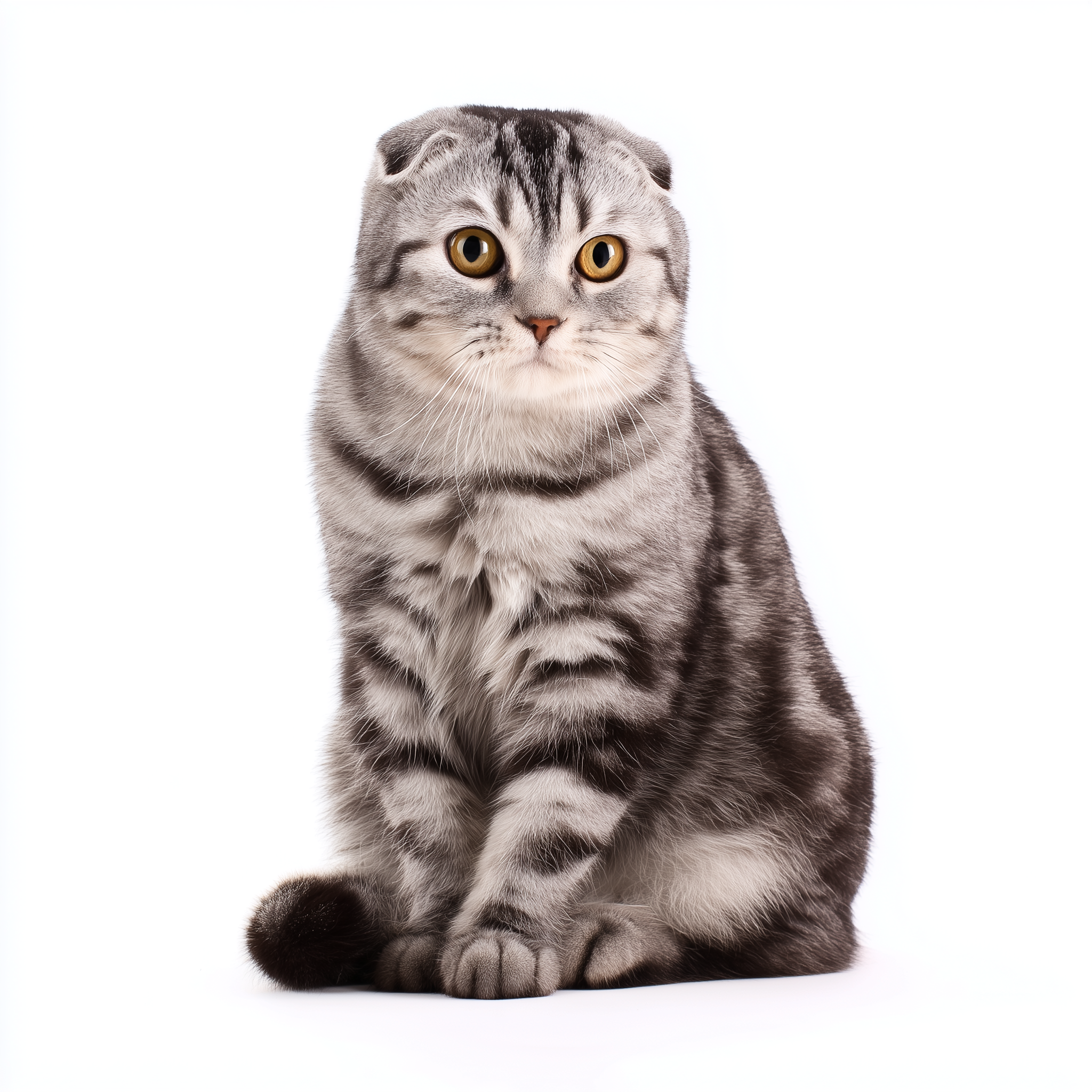
Scottish Fold Lifespan: How Long Do Scottish Fold Cats Live?
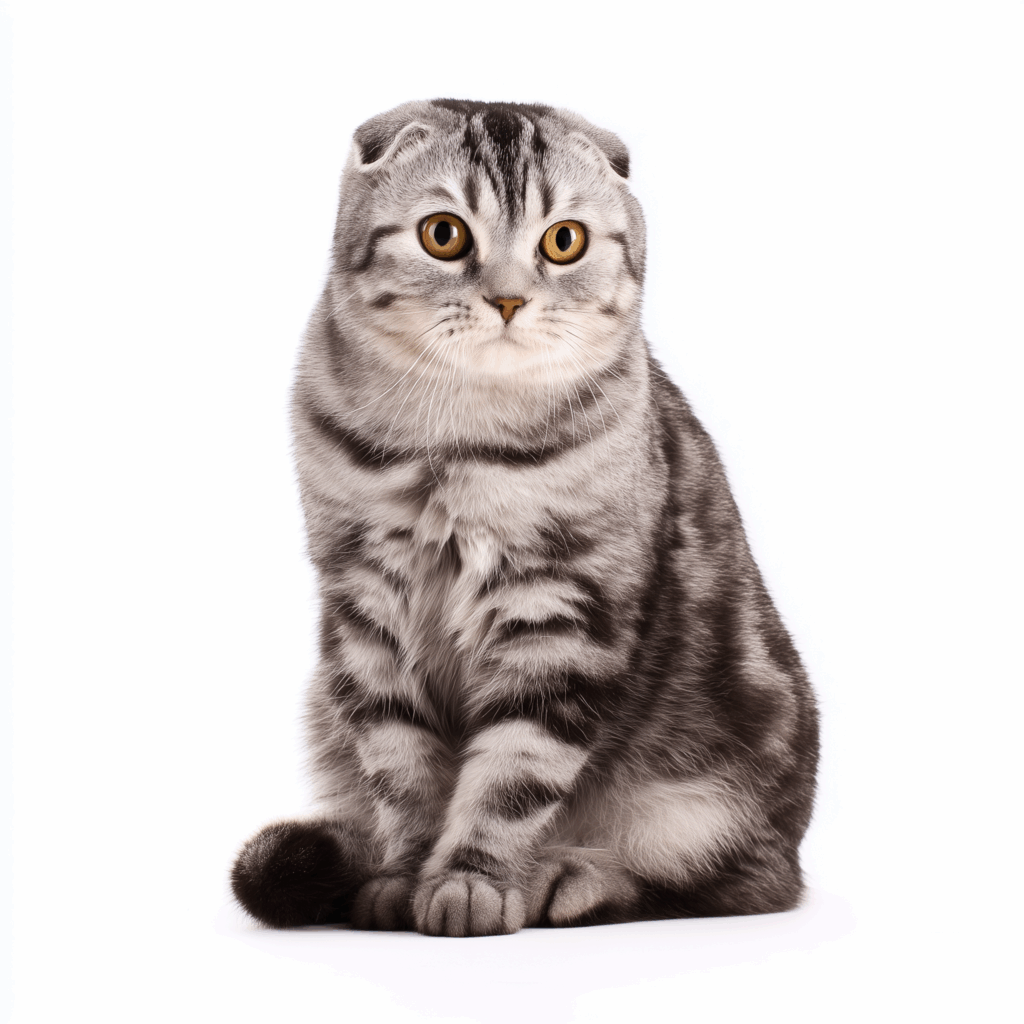
Scottish Fold cats typically live 11–15 years, with some individuals reaching 16–17 depending on genetics, mobility, and overall health management. Their lifespan is strongly influenced by a unique genetic mutation that affects cartilage throughout the body — not just in the ears. This mutation, called osteochondrodysplasia, is responsible for the folded ears that made the breed famous, but it is also the root cause of many orthopedic issues that can impact longevity and comfort.
Unlike many breeds that face predictable and manageable health conditions, Scottish Folds vary widely in how (or whether) this cartilage mutation affects them. Some live comfortable lives with mild stiffness in older age, while others develop arthritis early, with mobility changes appearing as young as 2–5 years old. Understanding the genetic foundation of the breed is essential for predicting lifespan and caring for a Fold responsibly.
This article explains the full Scottish Fold lifespan range, how the Fold gene impacts long-term health, indoor vs outdoor life expectancy, what influences longevity, and how owners can support comfort throughout the cat’s life.
Scottish Fold Lifespan Summary Table
| Category | Lifespan Range | Notes |
|---|---|---|
| Typical Scottish Fold Lifespan | 11–15 years | Breed average; depends heavily on cartilage health. |
| Healthy, Mild-Fold Lifespan | 13–16 years | Individuals with minimal joint involvement. |
| Severe Fold Gene Expression | 8–12 years | Higher risk of early arthritis and mobility decline. |
| Indoor Scottish Fold Lifespan | 13–16 years | Controlled environment protects joints and prevents injury. |
| Outdoor Scottish Fold Lifespan | 6–10 years | Risk increases due to limited mobility and slower reflexes. |
| Scottish Fold Mix Lifespan | 13–18 years | Longest-lived group when mixed with healthy cartilage genes. |
| Straight-Eared Scottish (non-Fold) | 14–18 years | Normal cartilage → lifespan similar to a domestic cat. |
| Senior Scottish Fold Age | 9–11 years | Enter senior stage earlier due to cartilage changes. |
Scottish Fold Lifespan Overview
The typical Scottish Fold lives 11–15 years, but longevity varies depending on the severity of osteochondrodysplasia, overall mobility, genetic line, and environment. Most Scottish Folds enter seniorhood earlier than other breeds because their joints and cartilage age faster, even if they seem perfectly healthy in kittenhood or early adulthood.
The reason lifespan varies so widely is that the Fold gene affects all cartilage in the body, not just the ears. Cartilage is the foundation of every joint, so when the cells that form it are compromised, the body shows signs of:
- reduced flexibility
- stiffness
- thickened or malformed joints
- chronic inflammation
- reduced range of motion
Some Folds remain comfortable with mild stiffness, while others develop progressive arthritis that directly impacts daily quality of life. Unlike respiratory or cardiac conditions, lifespan limitation in Scottish Folds is tied to mobility, comfort, and the cumulative effects of chronic pain.
Despite these challenges, many Scottish Folds are extremely affectionate, playful cats that bond deeply with their families. Their quiet nature, expressive eyes, and calm demeanor make them beloved companion animals. Understanding their unique health needs allows owners to support them into their mid-teens with good quality of life.
Why Scottish Folds Have a More Variable Lifespan
Lifespan variation in Scottish Folds is almost entirely due to the Fold gene mutation: Fd. This gene alters cartilage development, causing the iconic folded ears — and, unfortunately, creating risks for long-term joint health.
1. The Fold Gene Affects the Whole Body, Not Just Ears
The cartilage that creates the ear fold is the same cartilage found:
- in joints
- between vertebrae
- at growth plates
- in the tail
- in the limbs
When cartilage cells do not function correctly, the cat may experience gradual thickening, joint fusion, or pain.
2. Early-Onset Arthritis Is Common
Arthritis can appear as early as 2–5 years old, depending on the severity of gene expression.
This is the most significant lifespan influencer.
3. Fold-to-Fold Breeding Worsens Lifespan
When two Fold parents are bred together (Fd/Fd), kittens usually have:
- severe cartilage disease
- early lameness
- significant pain
- dramatically shorter lifespan (often 8–12 years)
Reputable breeders use Straight + Fold breeding (Fd/fd) only.
4. Severity Varies Cat to Cat
Some Scottish Folds have mild mobility changes only in later adulthood.
Others show stiffness and joint thickening early in life.
5. Indoor Lifestyle Plays a Huge Role
Cats with compromised cartilage do better when:
- not jumping from high places
- not running on slick floors
- not exposed to rough terrain
Living inside simplifies joint care and protects lifespan.
Indoor vs Outdoor Scottish Fold Lifespan
Indoor Scottish Fold Lifespan: 13–16 Years
An indoor cat’s lifespan is significantly longer because the cat is protected from:
- repetitive jumping
- slippery floors
- unpredictable terrain
- predators
- cars
- injuries caused by limited mobility
A controlled indoor environment reduces joint strain and prevents falls, which is especially important as arthritis develops.
Indoor lifestyle benefits include:
- fewer accidents
- safer surfaces
- controlled diet and weight
- consistent hydration
- ability to monitor mobility changes
- reduced inflammation triggers
Cats with joint sensitivities need fewer physical shocks, and indoor living helps extend their comfortable years.
Outdoor Scottish Fold Lifespan: 6–10 Years
Outdoor life dramatically shortens lifespan for Scottish Folds because:
- they cannot jump or climb as well as other cats
- predators and cars pose higher risk
- uneven ground strains joints
- pain-related slowness reduces reaction times
- cold weather worsens stiffness
- outdoor injuries accelerate arthritis progression
Scottish Folds are neither physically nor genetically suited for outdoor lifestyles.
Scottish Fold Average Lifespan
Healthy, Responsibly Bred Scottish Folds (Fd/fd)
Lifespan: 13–16 years
These cats usually experience:
- ear fold without major deformity
- slower progression of arthritis
- manageable stiffness in later years
- good comfort with low-impact lifestyle
Their lifespan aligns with domestic shorthair averages.
Improperly Bred Scottish Folds (Fold-to-Fold, Fd/Fd)
Lifespan: 8–12 years
These cats may develop:
- severe tail rigidity
- joint swelling
- difficulty walking
- fused vertebrae
- chronic pain
- early-onset arthritis (2–4 years)
These cases significantly lower lifespan because mobility is compromised early and pain escalates rapidly.
How the Scottish Fold Gene Impacts Lifespan (Understanding Osteochondrodysplasia)
Scottish Folds are the only breed in the cat world whose signature feature — the folded ear — is created by a genetic cartilage mutation called osteochondrodysplasia. This mutation affects the development, structure, and long-term health of cartilage throughout the entire body. While many families are aware of ear folding, fewer understand that the same mutation affects the joints, spine, and tail.
The Fold gene (Fd) causes cartilage cells to function abnormally. Cartilage is the cushioning material that allows joints to move smoothly and painlessly. When cartilage thickens, stiffens, or becomes malformed, movement becomes difficult. This is why the severity of osteochondrodysplasia directly influences long-term comfort and lifespan in Scottish Folds. The mutation is not a disease in itself, but it creates a lifelong vulnerability to mobility issues that may appear gradually or suddenly depending on the individual cat.
Some Scottish Folds experience mild stiffness only in late adulthood. Others show signs of lameness or abnormal gait as early as 2–4 years old. Because the gene affects cartilage everywhere, not just in the ear, owners and veterinarians must watch for changes in gait, posture, and flexibility. Lifespan is closely tied to the degree of cartilage involvement and how well the cat’s environment supports low-impact, joint-friendly movement.
Early Signs of Osteochondrodysplasia
Many Scottish Folds look completely normal during kittenhood and early adulthood, which often leads families to assume the cat is unaffected. However, the first signs of cartilage-related issues are almost always movement-based and can be subtle before becoming more visible with age.
1. Stiff or “Bunny-Hopping” Gait
A Fold may start moving with shortened strides or a light hopping motion when the joints stiffen. This is one of the earliest signs of abnormal cartilage growth in the limbs.
2. Tail Rigidity or Reduced Flexibility
A healthy cat’s tail is flexible and expressive. In Scottish Folds with cartilage thickening, the tail may become stiff at the base or along its length. This is a hallmark symptom of osteochondrodysplasia.
3. Difficulty Jumping or Landing
Because the joints cannot absorb impact properly, a cat may hesitate before jumping, avoid heights, or land stiffly. Cats mask pain extremely well, so any change in jumping ability warrants attention.
4. Reduced Play or Sudden Fatigue
Pain or stiffness causes cats to tire faster, rest more often, or avoid chasing toys. This drop in activity is often mistaken for a “calm personality,” but it may indicate discomfort.
5. Pawing or Stretching More Frequently
Cats attempt to self-correct stiffness by stretching their spine and limbs. Increased stretching can be an early red flag.
These signs do not necessarily mean the cat has severe disease — but they do signal that cartilage changes have begun. Early detection allows better management, improved comfort, and potentially longer lifespan.
Typical Aging Timeline in Scottish Folds (Kitten Through Senior Years)
Scottish Folds often move through life stages differently than non-mutated breeds because cartilage changes influence mobility long before metabolism or organ function shows signs of aging.
0–2 Years: Kitten and Young Adult (Peak Mobility)
Kittens typically display normal activity and high play drive, often indistinguishable from other breeds aside from their folded ears. During this phase:
- cartilage is flexible
- pain is minimal or absent
- play and climbing are high
- mobility appears normal
Owners often assume the breed’s reputation for stiffness is exaggerated — but this stage rarely reflects the long-term experience.
2–5 Years: Early Cartilage Changes Begin
This is when mild osteochondrodysplasia often becomes visible. Not all Folds show symptoms, but many begin experiencing:
- slower recovery after play
- mild stiffness in cold weather
- reduced jumping
- slightly altered gait
- tail thickening or reduced tail movement
Cats in this stage may appear healthy but are laying the groundwork for future mobility issues.
5–8 Years: Mid-Life Mobility Decline
For many Scottish Folds, this is when osteochondrodysplasia moves from mild to moderate. Symptoms may include:
- reluctance to climb stairs
- clear difficulty with furniture height
- stiffness after sleep
- changes in body posture
- intermittent limping
- discomfort when picked up
This stage is the most important for implementing joint support, low-impact exercise, and environmental adjustments that protect quality of life.
8–12 Years: Senior Stage (Earlier Than Most Breeds)
Most Scottish Folds enter seniorhood earlier than typical cats because joints wear down sooner. The average Fold becomes a senior at 9–11 years old.
Common senior signs include:
- noticeable arthritis
- limited range of motion
- sleeping significantly more
- pronounced tail stiffness
- discomfort in cold weather
- reduced grooming due to pain
Cats can remain happy and affectionate in this stage — they simply require more tailored support.
12+ Years: Geriatric Years
Scottish Folds entering their mid-teens often require ongoing veterinary management. Their organ function may still be strong, but mobility decline continues. Cats with mild mutations may reach 15–17 years with good quality of life, while cats with severe expression rarely reach this age.
Scottish Fold Lifespan vs Straight-Eared Scottish (Scottish Shorthair)
This comparison mirrors your other lifespan posts while highlighting the genetic reality:
Straight-Eared Scottish / Scottish Shorthair Lifespan: 14–18 Years
Straight-eared Scottish cats do not carry the Fold gene.
This means:
- no cartilage mutation
- no tail rigidity
- no early-onset arthritis due to gene expression
- joint structure similar to domestic shorthairs
- significantly higher average lifespan
Straight-eared Scottish cats (often registered as Scottish Shorthairs) typically have the same life expectancy as a healthy domestic cat.
Scottish Fold (Fold-Eared) Lifespan: 11–15 Years
Fold-eared cats carry one copy of the Fd gene. They may live long, comfortable lives with proper support, but they face structural challenges that straight-eared cats do not. Their lifespan is shorter and more variable due to cartilage abnormalities.
Fold-to-Fold Offspring: 8–12 Years
These cats inherit two copies of the gene and almost always suffer from severe osteochondrodysplasia.
Symptoms include:
- lameness in kittenhood
- severe tail and limb deformities
- early and painful arthritis
- difficulty walking
- limited mobility by age 2–4
These cats often live significantly shorter lives because mobility decline begins extremely early.
How to Increase Scottish Fold Lifespan
These strategies mirror your British Shorthair and Munchkin care sections but adapted specifically to cartilage-related issues.
1. Maintain a Lean, Muscular Body Condition
Extra weight dramatically worsens cartilage strain. Even one additional pound increases joint pressure. A lean Fold ages more comfortably and lives longer because weight management protects vulnerable joints.
2. Provide a Joint-Friendly Home Environment
Scottish Folds benefit from low-impact living:
- soft, padded landing areas
- ramps leading to beds or couches
- furniture arranged to avoid big jumps
- non-slip rugs on hardwood or tile
- low-entry litter boxes
- soft, warm sleeping spots to reduce cold-weather stiffness
These modifications significantly extend comfort.
3. Start Joint Supplements Early
Early support delays the onset of painful arthritis. Evidence-backed supplements include:
- glucosamine
- chondroitin
- MSM
- green-lipped mussel
- omega-3 fatty acids
Starting supplements around age 1–2 offers better long-term results than beginning them after pain begins.
4. Use Gentle, Consistent Activity
Scottish Folds need movement to maintain mobility — but not high-impact activities. Low-impact play:
- keeps joints flexible
- preserves muscle strength
- prevents stiffness
Examples include wand toys, slow chases, or puzzle feeders that encourage movement without jumping.
5. Annual to Semiannual Orthopedic Checkups
Because cartilage issues worsen gradually, veterinary exams should include:
- gait analysis
- spine/tail flexibility checks
- joint palpation
- X-rays if stiffness is noted
Early detection leads to better pain management and longer comfort.
6. Temperature Control for Joint Health
Cold weather increases stiffness. Warm beds, heated pads (cat-safe), and draft-free resting areas often make dramatic differences in comfort, especially for seniors.
Common Health Conditions That Influence Scottish Fold Lifespan
While Scottish Folds can be loving, social, and emotionally stable companions, their lifespan is highly dependent on the severity of their genetic cartilage mutation. Unlike many breeds where disease risk centers around organs (heart, kidneys, lungs), Scottish Fold health revolves around cartilage quality, joint durability, and the long-term impact of osteochondrodysplasia.
Not every Fold experiences severe symptoms, but the following health conditions are the primary factors that shape long-term comfort and longevity.
1. Osteochondrodysplasia (The Fold Gene Itself)
Osteochondrodysplasia is the defining feature of the breed and the most significant influence on lifespan.
It can cause:
- stiff or thickened cartilage
- limited tail movement
- joint deformation
- reduced flexibility in the spine
- progressive arthritis
- varying degrees of lameness
The mutation affects the full body, so symptom severity is unpredictable. Some cats experience mild stiffness only in later years, while others develop mobility changes during young adulthood.
2. Arthritis (Early to Mid-Life Onset)
Arthritis is extremely common in Scottish Folds due to compromised cartilage quality. Because cartilage cushions the joints, any defect increases the risk of:
- inflammation
- pain during movement
- difficulty jumping or climbing
- altered posture
- reduced activity
- compensatory gait (bunny hopping, shortened stride)
Arthritis may begin subtly between 2–5 years old with slow progression through adulthood. Early supplements, weight management, and lifestyle accommodations can delay and minimize severity.
3. Tail Rigidity (Classic Fold Signal)
A stiff tail is one of the most recognizable signs of cartilage thickening.
Instead of flexibility, the tail may:
- feel hard or inflexible
- bend only at certain points
- remain straight and difficult to move
A rigid tail does not just affect balance — it is a red flag that similar cartilage changes may exist in the spine or limbs.
4. Joint Thickening and Deformities
Thickened bone ends, enlarged joints, or swollen limbs are visual indicators that orthopedic changes are occurring. These can lead to:
- chronic pain
- joint fusion
- reduced range of motion
- difficulty grooming or walking
- uneven weight-bearing
Joint deformities often appear in severe Fold-to-Fold kittens but can develop slowly even in Fold-to-Straight pairings.
5. Spinal Mobility Limitations
Because cartilage is integral to spinal discs, some Scottish Folds experience:
- reduced spinal flexibility
- difficulty arching the back
- discomfort when being lifted
- sensitivity to stretching
These changes are progressive and may require careful handling as the cat ages.
6. Secondary Weight Gain
Many Scottish Folds become overweight due to reduced activity from discomfort.
Excess weight accelerates:
- arthritis
- inflammation
- spinal strain
- joint degeneration
Keeping a Fold lean is one of the most effective ways to extend lifespan and protect comfort.
The Mobility Decline Timeline in Scottish Folds
Every Fold ages differently, but mobility is the core predictor of quality of life and lifespan.
Early Adulthood (1–3 Years): Subtle or No Visible Issues
Most Scottish Folds appear completely normal during this time.
You may notice:
- frequent stretching
- slight hesitation with higher jumps
- mild tail stiffness during cold weather
These early clues often go unnoticed because the cat compensates well.
Mid-Life (4–7 Years): The First Noticeable Changes
This is when osteochondrodysplasia typically becomes visible, even in mild cases.
Common signs include:
- shorter jumps or refusing heights they once used
- stiffer tail movement
- occasional limping
- slow warm-up in the morning
- more cautious movement
- avoiding rough play
Mobility is not “gone,” but the cat uses its joints more carefully.
Mature Adult (7–10 Years): Arthritis Progression
During this stage, Scottish Folds commonly experience:
- declining flexibility
- reduced ability to jump on/off beds
- reluctance to use stairs
- weight gain due to inactivity
- compensatory muscle loss in back legs
- stiffness after long naps
This is the phase where joint supplements, pain management, and environmental support become essential.
Senior Years (10+ Years): Noticeable Decline
Most Folds become seniors earlier than other breeds because cartilage ages faster.
Common senior signs include:
- pronounced stiffness
- difficulty grooming
- strong preference for low resting places
- rigid tail
- needing ramps for daily movement
- occasional crying or meowing when moving
- dramatic weather-related pain flare-ups
With proper management, many still live happy, affectionate lives — but mobility is closely tied to comfort and overall lifespan.
Scottish Fold Lifespan vs Other Breeds
Lifespan Comparison Table
| Breed | Average Lifespan | Notes |
|---|---|---|
| Scottish Fold (Fold-Eared) | 11–15 years | Lifespan depends on cartilage health. |
| Scottish Shorthair (Straight-Eared) | 14–18 years | No cartilage mutation → longer lifespan. |
| British Shorthair | 14–20 years | One of the longest-lived purebreds. |
| Ragdoll | 12–15 years | Similar longevity to healthy Folds. |
| Domestic Shorthair | 12–15 years | Average baseline lifespan. |
| Munchkin (Standard) | 12–15 years | Structural issues also influence mobility. |
Scottish Folds do not necessarily have the shortest lifespan, but they are the only breed whose lifespan risk centers on cartilage deterioration, a foundational structural tissue.
Straight-eared Scottish cats offer the longest lifespan within the “Scottish” umbrella because they do not carry the Fold gene.
When Is a Scottish Fold Considered a Senior Cat?
Most Scottish Folds reach senior status earlier than other breeds due to the compounding effects of their cartilage mutation. While domestic cats often enter senior hood at 11–12 years, a Fold typically shifts into the senior stage at 9–11 years old.
Key senior indicators include:
- reduced jumping ability
- stiffened tail and limbs
- increased sleep
- shorter walking stride
- difficulty entering the litter box
- more vocalization (a sign of discomfort)
- reluctance to climb or run
This earlier senior transition does not mean they cannot live long lives — it simply reflects earlier onset of mobility limitations.
Senior Care Strategies for Scottish Folds
Supporting a senior Fold is one of the most effective ways to extend lifespan while preserving comfort. Senior Folds respond extremely well to environmental accommodations and thoughtful lifestyle adjustments.
1. Provide Orthopedic Bedding
Soft, supportive beds help cushion joints and reduce pressure points. Memory foam or self-warming beds improve sleep quality and reduce stiffness.
2. Make All Essential Areas Low or Accessible by Ramps
Food bowls, beds, and litter boxes should be accessible without climbing or jumping.
Ramps or stair steps allow older Folds to maintain independence without pain.
3. Control Temperature
Cartilage stiffness worsens in cold weather. Warm resting areas, heated pads (cat-safe), and draft-free rooms help reduce pain significantly.
4. Hydration + Moisture-Rich Diet
Hydrated joints function better, and wet food supports mobility by reducing systemic inflammation.
5. Senior Veterinary Exams Twice a Year
Because cartilage disease progresses slowly, semiannual exams allow veterinarians to evaluate:
- tail flexibility
- joint swelling
- gait changes
- posture shifts
- spine mobility
- emerging arthritis
Early detection significantly increases quality of life.
6. Gentle Exercise to Maintain Muscle Support
Senior Scottish Folds benefit from brief, low-impact activity to preserve muscle tone, which protects joints from further wear.
Examples:
- wand toys
- slow walking games
- food puzzles
- controlled movement sessions
How to Extend a Scottish Fold’s Lifespan (Realistic, Ethical, and Research-Based)
Extending a Scottish Fold’s lifespan is centered around protecting their joints, slowing down cartilage-related degeneration, preventing excessive inflammation, and creating a home environment that reduces physical strain. While genetics cannot be changed, the impact of those genetics can be significantly influenced by how the cat lives day to day.
Below are the most influential, evidence-based strategies for helping a Scottish Fold remain comfortable and active for as many years as possible.
1. Maintain a Lean, Athletic Body Condition
Excess weight is the number-one factor that accelerates cartilage deterioration. Every extra pound increases pressure on joints, worsens arthritis, and shortens lifespan. Scottish Folds should be kept:
- lean
- muscular
- on controlled portions
- monitored closely as activity decreases
A lean Fold ages more comfortably and experiences fewer mobility setbacks.
2. Provide Joint Supplements Early — Not Just in Old Age
Starting joint supplements at 1–2 years old is far more effective than waiting until arthritis appears. Cartilage responds best to early support.
Veterinary-backed choices include:
- glucosamine
- chondroitin
- omega-3 fatty acids (EPA/DHA)
- MSM
- green-lipped mussel
- collagen supplements
These ingredients do not reverse osteochondrodysplasia but help reduce inflammation and protect joint function.
3. Create a Low-Impact Home Layout
Because Scottish Folds cannot tolerate repeated high-impact movements, the home should be arranged to support safe, gentle mobility:
- provide ramps to beds and couches
- use non-slip mats on tile or hardwood
- eliminate tall jumps
- keep food/water bowls at accessible heights
- provide multiple low-entry litter boxes
- offer soft, padded landing spaces
These changes dramatically reduce daily joint load and can extend comfort into the senior years.
4. Use Warmth to Improve Comfort and Reduce Stiffness
Scottish Folds often stiffen in cold environments. Warmth improves circulation, relaxes muscles, and reduces inflammation.
Provide:
- heated cat beds
- self-warming pads
- draft-free resting areas
- warm blankets and bedding
This is especially important for senior Folds or those with visible tail rigidity.
5. Hydration + Moisture-Rich Diet to Reduce Systemic Inflammation
Joints function better in a well-hydrated body. Wet food, hydration additives, and broth toppers reduce inflammatory cytokines and help maintain cartilage health long-term.
Hydration also prevents secondary issues common in older cats, such as kidney or urinary strain.
6. Regular, Gentle Movement to Maintain Muscular Support
Scottish Folds should not be left sedentary.
Low-impact movement:
- keeps muscles strong
- improves circulation
- supports joint alignment
- slows stiffness
Use wand toys, short play sessions, and puzzle feeders to encourage controlled, joint-safe activity.
7. Senior Veterinary Exams (Twice a Year After Age 7–8)
Because osteochondrodysplasia is progressive and often painless in the early stages, veterinary monitoring is essential. Semiannual exams allow early intervention for:
- arthritis
- joint swelling
- tail rigidity
- spinal stiffness
- altered gait
- compensatory posture changes
Timely care significantly extends both comfort and lifespan.
Longevity Predictors in Scottish Folds
These are the true factors that determine how long and how comfortably a Scottish Fold will live.
1. Severity of the Fold Gene Expression
Cats with mild gene expression often live the longest. Severe expression—especially in Fold-to-Fold cats—predicts significantly shorter lifespan.
2. Weight Management
Fold cats carrying excess weight age much faster and experience more severe arthritis.
3. Indoor Environment
Low-impact living adds years by minimizing physical stress.
4. Early Access to Joint Supplements
Cats supplemented early experience slower cartilage degeneration.
5. Breeding Line Quality
Lines bred with strict Fold-to-Straight pairing produce healthier joints and longer-lived cats.
6. Owner Awareness & Mobility Support
Owners who modify the home to prevent jumping, slipping, or cold exposure dramatically improve lifespan and overall comfort.
For Families Seeking Healthy, Ethical, Structurally Sound Kittens
If you love expressive faces, calm personalities, and affectionate, easygoing cats — but prefer breeds without genetic cartilage risks — check out our ethically bred, health-tested kittens.
At Almonte Cats, we offer:
- British Shorthairs
- Ragdolls
- Maine Coons
Every kitten is:
- structurally sound
- health-tested
- raised in-home
- socialized for confidence
- fully vetted and microchipped
- supported with lifetime guidance
Families who want long-lived, low-maintenance, healthy cats often find British Shorthairs or Ragdolls to be the perfect fit — offering beauty, personality, and comfort without joint or cartilage-related limitations.
Scottish Fold Lifespan FAQ
1. What is the average lifespan of a Scottish Fold?
The average Scottish Fold lifespan is 11–15 years, though this depends heavily on the severity of the Fold gene. Cats with mild cartilage involvement often reach the mid-teens, while those with more pronounced osteochondrodysplasia may experience mobility challenges that shorten their comfortable years. With proper management, many Scottish Folds remain affectionate and active well into seniorhood.
2. What is the lifespan of a healthy Scottish Fold with mild gene expression?
Healthy Folds with mild cartilage changes can live 13–16 years, similar to many domestics. These cats usually develop stiffness later in life rather than during early adulthood. Their comfort and longevity depend on weight control, low-impact living, and early joint support.
3. Do Scottish Folds live shorter lives than normal cats?
Not necessarily — but they have higher variability in lifespan because the Fold gene affects cartilage throughout the body. While many live 12–15+ years, others develop early mobility issues that influence their quality of life. Straight-eared Scottish cats tend to live longer because they do not carry the Fold mutation.
4. How long do Fold-to-Fold Scottish Folds live?
Fold-to-Fold offspring usually have significantly shorter lifespans, often 8–12 years. This is because they inherit two copies of the mutation, leading to severe osteochondrodysplasia, early arthritis, and sometimes lameness in kittenhood. Responsible breeders avoid Fold-to-Fold pairings for this reason.
5. How long do straight-eared Scottish Shorthairs live?
Straight-eared Scottish Shorthairs (Scottish cats without the Fold gene) typically live 14–18 years. Their joints and cartilage develop normally, so they do not face the same risks as Fold cats. Their longevity is similar to domestic and British Shorthairs.
6. Does the Scottish Fold gene shorten lifespan?
On its own, the gene does not shorten lifespan — but the effects of the gene on cartilage and joints can influence comfort, activity levels, and overall aging. Cats with mild expression may live a full life, while those with moderate to severe expression may experience earlier mobility decline.
7. Why do some Scottish Folds develop stiffness early in life?
Because the Fold gene affects cartilage everywhere, not just in the ears. As cartilage thickens or grows abnormally, joints lose flexibility. This often begins in early adulthood, usually between 2–5 years. Flexibility in the tail is one of the first signs to change.
8. What are early signs of osteochondrodysplasia?
Early signs include stiff tail movement, shortened stride, slower jumping, “bunny-hopping” gait, hesitation when climbing, or mild limping after play. These signs may be subtle but indicate early cartilage changes.
9. Can a Scottish Fold live a pain-free life?
Yes — many do. Cats with mild gene expression often show stiffness only in older age. Others may require support earlier. The range is broad, and comfort depends on genetics, environment, and management. Owners who modify the home and begin early joint support can help their cat remain comfortable long-term.
10. Do Scottish Folds have a lot of health problems?
They do not necessarily have many problems, but they have one major genetic condition that influences long-term health: osteochondrodysplasia. Its severity varies widely. Some Folds experience few issues, while others develop early arthritis or stiffness.
11. At what age is a Scottish Fold considered a senior?
Most Scottish Folds reach senior status at 9–11 years old, which is earlier than many breeds. This is due to the cumulative effects of cartilage wear and reduced mobility. Straight-eared Scottish Shorthairs become seniors closer to 11–13 years old.
12. Do Scottish Folds live as long as British Shorthairs or Ragdolls?
British Shorthairs typically outlive Scottish Folds, often reaching 14–20 years.
Ragdolls have similar longevity to healthy Folds, averaging 12–15 years.
Scottish Shorthairs (straight-eared) are the longest-lived among the Scottish group.
13. Does indoor living help Scottish Folds live longer?
Absolutely. Indoor Scottish Folds typically live 13–16 years, while outdoor Folds may live only 6–10 years. Indoors, the cat avoids high-impact movement, falls, harsh terrain, predators, and environmental cold — all factors that worsen cartilage pain.
14. How can I tell if my Scottish Fold is in pain?
Signs of discomfort include:
- reluctance to jump
- stiffness after naps
- rigid tail
- limping
- slower walking speed
- reduced grooming
- vocalization during movement
- avoidance of stairs
Cats hide pain well, so subtle changes matter.
15. Do Scottish Folds suffer from arthritis?
Arthritis is extremely common because their cartilage mutation affects joint cushioning. Arthritis may appear earlier than in other breeds, often starting in mid-life, and gradually worsens without support. However, early management can dramatically improve comfort.
16. Why is my Scottish Fold’s tail stiff?
Tail rigidity occurs when cartilage thickens or calcifies. This is a hallmark sign of osteochondrodysplasia. A rigid tail often correlates with similar cartilage changes in the spine or limbs.
17. Can Scottish Folds jump?
Yes — many can jump normally when young. However, as cartilage thickens over time, their ability to jump safely may decline. They may land stiffly or hesitate before jumping onto furniture.
18. How much exercise does a Scottish Fold need?
Scottish Folds benefit from gentle, daily exercise rather than high-impact play. Wand toys, puzzle feeders, and slow chases are ideal. Low-impact movement maintains muscle tone, which supports joints and spine health.
19. Do Scottish Folds become less active as they age?
Most do. Decreased activity is a common symptom of stiffness, not just aging. As joints lose flexibility, the Fold may sleep more, move more slowly, or avoid climbing. These changes can begin earlier than in other breeds.
20. Does weight affect Scottish Fold lifespan?
Yes — significantly. Excess weight accelerates arthritis progression and increases joint strain. Scottish Folds kept lean and muscular live longer, more comfortable lives than overweight Folds.
21. What diet supports longevity in Scottish Folds?
A high-protein, moisture-rich diet supports muscle tone and reduces inflammation. Omega-3 fatty acids, joint supplements, and foods designed for joint health may help reduce pain and improve long-term mobility.
22. Are Scottish Folds prone to spinal problems?
Because cartilage plays a role in spinal discs, some Scottish Folds develop reduced spinal flexibility or stiffness. This may present as reluctance to arch the back, discomfort when lifted, or a rigid posture.
23. Do Scottish Folds have trouble with stairs?
Some do, especially as they age. Climbing stairs strains joints in the back legs and spine. Many Folds begin avoiding stairs during mid-life or use them more slowly when stiffness increases.
24. Can straight-eared Scottish cats also get osteochondrodysplasia?
No. Straight-eared Scottish cats do not carry the Fold gene and therefore do not have osteochondrodysplasia. They are genetically similar to domestic shorthairs in structure and often live significantly longer.
25. How long do Scottish Fold mixes live?
Scottish Fold mixes without the Fold gene can live 15–18 years, inheriting longevity from their other parent. Those with one Fold gene have lifespans similar to purebred Folds: typically 11–15 years, depending on mobility and joint health.
26. What are the biggest predictors of a long Scottish Fold lifespan?
The largest predictors include:
- mild Fold gene expression
- lean body condition
- joint-friendly environment
- early supplementation
- indoor lifestyle
- responsible breeding (Fold × Straight)
- attentive mobility monitoring
27. How do I support a senior Scottish Fold?
Senior Folds benefit from:
- orthopedic beds
- ramps to reduce jumping
- warm resting areas
- non-slip flooring
- low-entry litter boxes
- joint supplements
- semiannual veterinary exams
- pain management when needed
These adjustments help maintain independence and comfort.
28. Do Scottish Folds live long with proper care?
Many do. Scottish Folds with mild osteochondrodysplasia, controlled weight, and supportive care frequently live 13–16 years with good quality of life. The key is monitoring mobility early and making lifestyle adjustments before pain becomes severe.
29. Why do no major registries allow Fold-to-Fold breeding?
Because kittens who inherit two Fold genes experience severe skeletal abnormalities. These cats often have significant joint deformities, reduced mobility, and greatly shortened lifespans. Reputable breeders only pair Folds with straight-eared cats.
30. Should a Scottish Fold live with high-energy pets?
It depends on the individual cat, but many Folds do better with calm, gentle companions. High-energy dogs or cats can unintentionally overwhelm or injure a Fold with stiff joints. A slow introduction and supervised interactions protect vulnerable mobility.
More Luxury Cat Breed Articles from Almonte Cats
- Why You Need a Golden British Shorthair
- Russian Blue vs British Shorthair Comparison
- British Shorthair Kitten Growth Stages
- British Shorthairs with Green Eyes
- British Shorthair vs Ragdoll Cats
Sources & Veterinary References
- The International Cat Association (TICA) – British Shorthair Breed Standard
https://tica.org/breeds/breed-standards/british-shorthair-bs - Cat Fanciers’ Association (CFA) – British Shorthair Breed Profile
https://cfa.org/british-shorthair/ - Cornell Feline Health Center – General Feline Longevity & Senior Care
https://www.vet.cornell.edu/departments-centers-and-institutes/cornell-feline-health-center - American Association of Feline Practitioners – Senior Cat Care Guidelines (AAFP)
https://catvets.com/guidelines - Royal Veterinary College – Longevity & Causes of Death in Cats Study
https://www.rvc.ac.uk/vetcompass - National Library of Medicine – Longevity & Mortality in Domestic Cats (Peer-Reviewed Study)
https://pubmed.ncbi.nlm.nih.gov/30730974/ - American Veterinary Medical Association – Cat Health & Indoor vs Outdoor Safety
https://www.avma.org/resources/pet-owners/petcare/cats-and-outdoors - ASPCA – Indoor Cat Life Expectancy & Safety
https://www.aspca.org/pet-care/cat-care - Wisdom Panel / Optimal Selection – Feline Genetic Health Overview
https://www.wisdompanel.com/en-us/cat - PawPeds – British Shorthair Health Program & Genetic Guidance
https://www.pawpeds.com/cms/index.php/en/ - American College of Veterinary Nutrition (ACVN)
https://acvn.org/ - PetMD – Senior Cat Nutrition & Lifespan Health
https://www.petmd.com/cat






Read the Comments +