
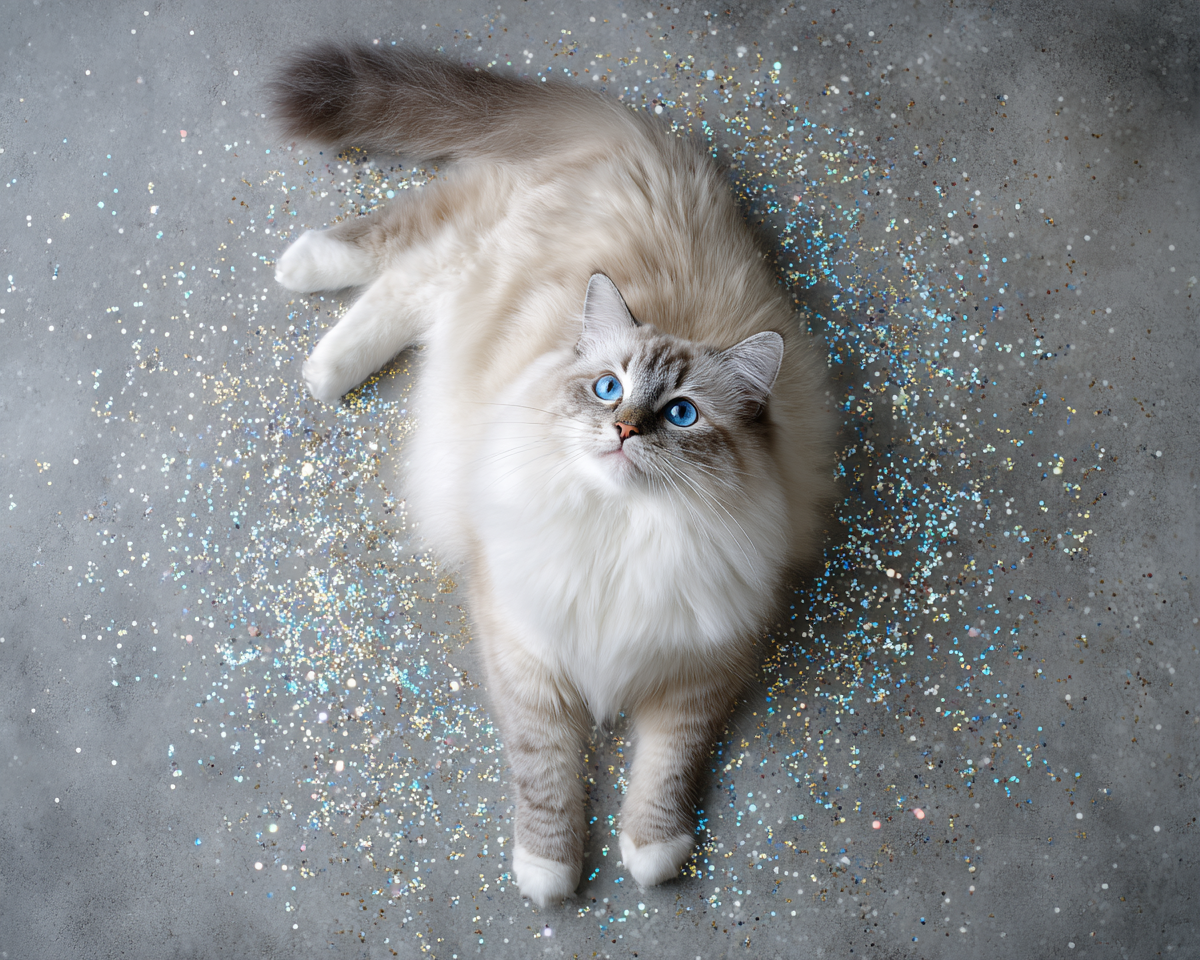
Ragdoll Cat Lifespan: How Long Do Ragdoll Cats Live?
Ragdoll cats typically live 12–17 years, with many healthy indoor Ragdolls reaching 16–18 and a smaller percentage living into the upper teens. Their calm temperament, affectionate nature, and low-stress personality contribute significantly to their longevity, but genetics, weight management, and preventive veterinary care play equally important roles.
Although Ragdolls are known for their gentle, relaxed demeanor, the breed does face certain inherited health concerns—particularly hypertrophic cardiomyopathy (HCM)—that can impact lifespan if not carefully monitored. Understanding these risks and providing proactive care helps your Ragdoll enjoy a long, healthy, and comfortable life.
Below is a full Ragdoll lifespan breakdown, including indoor vs outdoor life expectancy, longevity factors, gender differences, and senior care recommendations designed to extend your cat’s lifespan.
Ragdoll Lifespan Summary Table
| Category | Lifespan Range | Notes |
|---|---|---|
| Typical Ragdoll Lifespan | 12–17 years | Most healthy indoor Ragdolls reach mid-teens. |
| Indoor Ragdoll Lifespan | 14–17 years | Stable routine + reduced risks = longer life. |
| Outdoor Ragdoll Lifespan | 8–12 years | Greatly shortened due to safety risks. |
| Long-Lived Ragdolls | 17–20+ years | Seen in excellent genetics + preventive care. |
| Ragdoll Mix Lifespan | 13–18 years | Influenced by mixed-breed genetics. |
| Senior Ragdoll Age | 10–12 years | They age slowly and stay youthful into early teens. |
| Average Domestic Cat | 12–15 years | Ragdolls are similar but slightly longer with indoor living. |
Ragdoll Lifespan Overview
The average Ragdoll lifespan is 12–17 years, though indoor cats from health-tested lines routinely reach 16+. Their long life expectancy comes from their calm temperament, low stress levels, and easygoing nature—traits that help protect the immune system and support heart and kidney health over time.
Ragdolls develop slowly and age slowly, maintaining personality stability and emotional consistency well into their senior years. Their affectionate temperament also encourages strong human-cat bonds, which indirectly supports wellness and longevity.
Still, a few genetic concerns—like the well-documented HCM gene mutation—mean Ragdolls benefit greatly from careful health screening and responsible breeding practices. When paired with indoor living, proper nutrition, and low stress, many Ragdolls live comfortably into their later teens.
Indoor vs Outdoor Ragdoll Lifespan
Indoor Ragdoll Lifespan (14–17+ years)
Ragdolls indoors benefit from:
- clean, climate-controlled environment
- predictable routines
- reduced stress
- proper diet and hydration
- no risk of predators or traffic
- consistent veterinary care
Because Ragdolls are exceptionally trusting and lack survival instincts outdoors, indoor homes dramatically extend their lifespan.
Outdoor Ragdoll Lifespan (8–12 years)
Outdoor life brings severe risks:
- cars
- predators
- poisons (rodenticides, plants, chemicals)
- fights with other animals
- parasite exposure
- infectious diseases
- extreme temperatures
Even supervised outdoor access shortens lifespan for a breed as trusting and relaxed as the Ragdoll. Indoor-only living is strongly recommended.
Why Ragdolls Live as Long as They Do
Ragdolls have several longevity-supporting traits:
1. Calm, low-stress temperament
They handle life with a smooth emotional baseline, which supports their immune system and reduces disease risk.
2. Moderate activity levels
They are neither too lazy nor hyperactive, reducing joint strain and metabolic stress.
3. Proper structure (not brachycephalic)
Unlike flat-faced breeds, their airway, jaw, and sinuses support healthy breathing and oral health.
4. Slow maturation
They grow slowly and evenly, reducing stress on bones and joints.
5. Strong human bond
They thrive on affection and companionship, which reduces stress-related health issues.
These traits help Ragdolls age well—as long as health testing and proper care support the underlying genetics.
Ragdoll Genetic Health Issues That Affect Lifespan
While Ragdolls have good longevity overall, they are prone to one major inherited disease:
1. Hypertrophic Cardiomyopathy (HCM)
This is the most serious genetic threat to Ragdolls.
- HCM causes thickening of the heart muscle
- It can appear at any age, even in young cats
- Ragdolls have a breed-specific HCM mutation
- Only responsible breeders DNA-test for HCM and remove carriers
A Ragdoll from tested parents has significantly lower risk of HCM-related early death.
2. Kidney Aging (in late teens)
Not specific to the breed but common in long-lived cats.
Hydration management helps prevent complications.
3. Bladder Crystals (if fed poor diets)
Low hydration and excessive dry food can cause urinary issues.
4. Obesity
Ragdolls are large, but many owners confuse “large” with “overweight.”
Obesity shortens lifespan drastically by increasing:
- diabetes risk
- arthritis
- liver disease
- heart stress
Proper weight management directly extends Ragdoll lifespan by several years.
5. Dental Disease
Routine dental care prevents infections that can lead to kidney and heart complications later in life.
Ragdoll Senior Age: When Do They Slow Down?
Ragdolls generally enter their senior years around 10–12 years old, though they often remain:
- affectionate
- interactive
- socially engaged
- emotionally stable
Senior signs to watch for include:
- decreased jumping height
- slower movement
- increased sleep
- weight changes
- slight stiffness
- reduced appetite or grooming
Recognizing early senior signs allows for adjustments that meaningfully extend lifespan.
How to Care for a Senior Ragdoll Cat
Senior Ragdolls benefit from intentional, supportive care that addresses mobility, hydration, dental health, and emotional stability. Although Ragdolls age slowly, once they reach 10–12 years old, small adjustments have a huge impact on longevity and comfort. Their affectionate, gentle personalities mean they rely heavily on predictable routines and quiet, stable environments as they age.
Senior care isn’t about medical interventions alone — it is about making every part of daily life easier, softer, and more supportive. Ragdolls often remain deeply bonded to their families into their late teens, and proper senior care helps them enjoy those extra years with comfort and dignity.
Below are the most important senior-care modifications proven to extend lifespan.
1. Joint Support and Accessible Home Modifications
Ragdolls are a large, heavy-bodied breed, which means simple mobility adjustments can significantly improve their comfort as they age. Senior-friendly home setup includes:
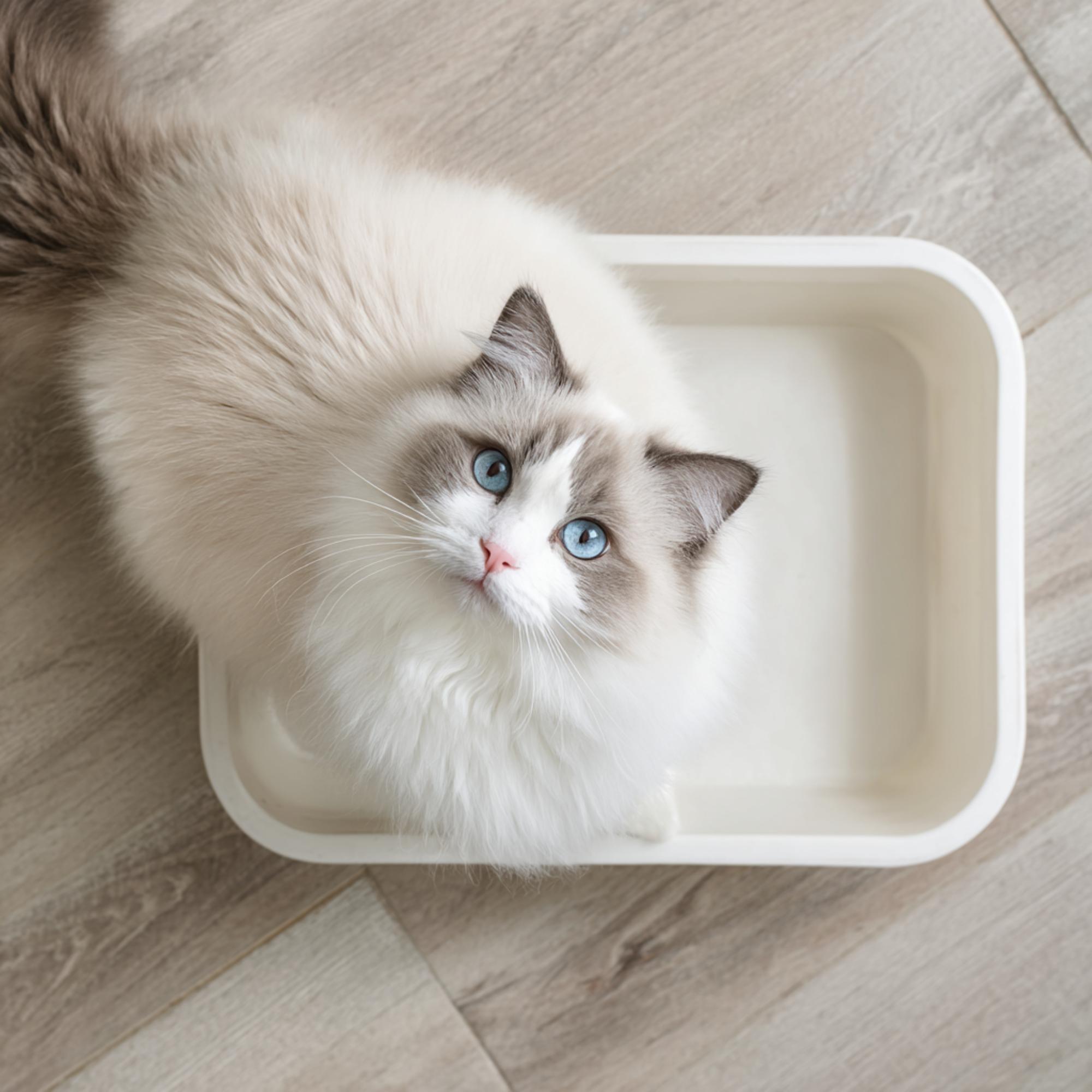
- low-entry litter boxes to ease joint stress
- soft orthopedic cat beds with memory foam
- heated pads for arthritis relief
- gentle ramps, stools, or ottomans to reach favorite sleeping spots
- stable flooring or rugs to prevent slipping
Weight management is especially important for senior Ragdolls because excess body weight compounds joint strain. Even minor adjustments—such as a lower bed height or a softer sleeping surface—can dramatically improve quality of life.
2. Hydration Support for Kidney and Bladder Health
Hydration is one of the most important lifespan factors for Ragdolls. As a long-lived breed, they’re prone to gradual kidney changes over time. Supporting hydration helps:
- reduce bladder crystals
- protect kidney function
- maintain electrolyte balance
- prevent dehydration-related organ stress
Improve hydration by:
- feeding wet food daily
- offering pet-safe water fountains
- placing multiple water stations around the home
- adding broth toppers to meals
- using moisture-rich treats
These simple changes can add 1–3 years to a Ragdoll’s lifespan.
3. Senior-Friendly Nutrition for Longevity
A high-quality senior diet is essential for managing weight, muscle tone, and organ health. As Ragdolls age, their nutritional needs shift slightly. A longevity-focused diet emphasizes:
- high protein for maintaining lean muscle
- controlled fat levels
- low carbohydrates to reduce inflammation
- moisture-rich textures for kidney support
- omega-3 fatty acids for heart and joint health
Avoid high-calorie, low-moisture diets. Excess weight is one of the most common and preventable causes of shortened lifespan in Ragdolls.
Target body condition:
Lean, defined waist; ribs padded but easily felt.
4. Twice-Yearly Veterinary Checkups for Seniors
Ragdolls benefit from two senior wellness exams per year, beginning around age 10. Early detection dramatically extends lifespan by catching health issues before they become advanced.
Senior exams often include:
- bloodwork (kidney, liver, thyroid)
- urinalysis
- dental exam
- heart auscultation
- mobility assessments
- weight evaluation
- blood pressure (important for older cats)
Because Ragdolls are prone to HCM, periodic heart ultrasounds (echocardiograms) may be recommended, especially for lines with limited health history.
Preventive care is the most powerful lifespan-extending tool beyond genetics and indoor living.
5. Mental Enrichment and Low-Impact Exercise
Ragdolls are gentle, affectionate, and interactive well into old age. Mental and physical enrichment slows cognitive decline, maintains joint mobility, and reduces anxiety.
Senior-friendly enrichment includes:
- soft wand toys
- puzzle feeders
- window perches
- gentle brushing routines
- supervised hallway “walks”
- calm interactions
Even a few minutes of light exercise each day helps preserve muscle tone and prevent weight gain — both of which strongly influence lifespan.
6. Stress Reduction and Emotional Stability
Ragdolls have extremely sensitive emotional profiles. Stability, routine, and predictable environments directly affect how well they age.
Older Ragdolls may struggle with:
- sudden household changes
- new pets
- inconsistent feeding schedules
- loud environments
- frequent visitors
Providing a quiet, structured, loving environment supports:
- lower stress hormones
- stable appetite
- healthy sleep cycles
- reduced inflammation
- improved immune resilience
Emotional security truly increases lifespan in Ragdolls.
Ragdoll Lifespan Compared to Other Cat Breeds
Ragdolls have a moderate-to-long lifespan compared to other pedigree cats. Their calm, low-stress temperament supports long-term health, but certain genetic risks—especially HCM—mean they do not live quite as long as the very longest-lived breeds. Still, when health-tested and raised indoors, Ragdolls consistently reach their mid-teens.
Here’s how Ragdoll lifespan compares to similar breeds:
| Breed | Average Lifespan | Notes |
|---|---|---|
| Ragdoll | 12–17 years | Calm and long-lived if kept indoors. |
| Ragamuffin | 14–18 years | Slightly longer-lived overall; diverse genetics. |
| British Shorthair | 14–20 years | One of the longest-lived purebreds. |
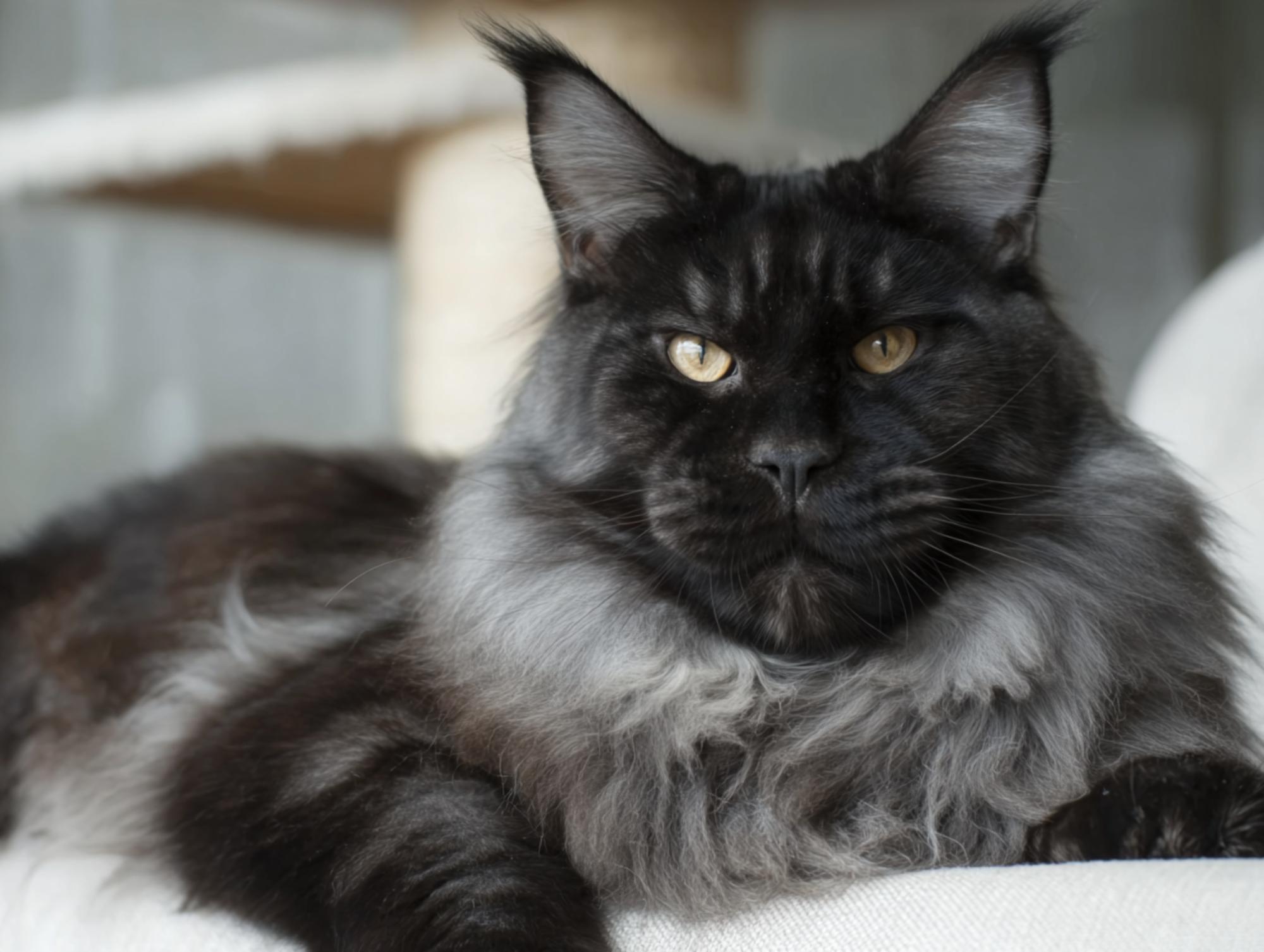
| Maine Coon | 13–15 years | Large breed → shorter lifespan. |
| Siberian | 12–16 years | Moderate longevity. |
| Persian | 12–15 years | Brachycephalic health limits lifespan. |
| Domestic Shorthair | 12–15 years | Similar to Ragdoll average. |
Summary:
A well-bred Ragdoll sits comfortably in the upper-middle range of feline longevity, with excellent potential when maintained at a lean weight and kept indoors.
Male vs Female Ragdoll Lifespan Differences
Unlike some species, male and female Ragdolls have no meaningful difference in lifespan. Both can reach 12–17+ years, and both genders benefit similarly from:
- neutering/spaying
- indoor living
- high-protein, moisture-rich diets
- stress-free environments
The one true lifespan difference is between fixed vs intact cats.
Spayed/neutered Ragdolls live significantly longer—often several years—because fixing:
- reduces stress
- prevents reproductive cancers
- eliminates hormone-driven roaming
- stabilizes metabolism
- lowers risk of fights or escapes
So while gender doesn’t matter, spaying or neutering absolutely does.
How Long Do Ragdoll Mixes Live?
Ragdoll mixes often live 13–18 years, sometimes exceeding purebreds due to hybrid vigor. Mixed ancestry dilutes breed-specific genetic risks and can improve heart, kidney, and immune health overall.
Factors affecting mix lifespan:
- genetics from the non-Ragdoll parent
- indoor vs outdoor lifestyle
- obesity prevention
- hydration levels
- routine veterinary care
- dental health
Common Ragdoll mix types include:
- Ragdoll x Domestic Longhair
- Ragdoll x Siberian
- Ragdoll x Maine Coon
- Ragdoll x Birman
Most mixes inherit the calm temperament and slow aging pattern of a Ragdoll, making them excellent long-lived companions.
Common Causes of Early Death in Ragdolls
Although Ragdolls can live long lives, early death does occur in some lines—usually due to preventable or hereditary causes.
Below are the main risks:
1. Hypertrophic Cardiomyopathy (HCM)
The #1 cause of early Ragdoll death.
Unscreened lines can have severe mutations.
Sudden cardiac episodes can occur in young adults.
DNA testing and echocardiograms dramatically reduce risk.
2. Obesity-Related Disease
Excess weight leads to:
- diabetes
- arthritis
- liver disease
- cardiac stress
- reduced mobility
Weight management adds years to lifespan.
3. Trauma from Outdoor Access
Outdoor dangers dramatically cut lifespan:
- cars
- predators
- falls
- poisoning
- territorial fights
Most “early deaths” reported by owners involve outdoor accidents.
4. Anesthesia Complications (rare)
Some Ragdolls are sensitive to anesthesia due to size and metabolism.
Experienced vets reduce risk significantly.
5. Kidney or Urinary Disease
Often linked to dehydration or dry-only diets.
Hydration support prevents most issues.
6. Dental Disease
Untreated dental infections can enter the bloodstream and affect organs, reducing lifespan by several years.
Behavioral Signs That a Ragdoll Is Aging
Ragdolls age gracefully, but subtle behavior changes signal shifts in health. Recognizing these early cues lets you intervene sooner, potentially extending lifespan.
Common early senior signs include:
- lower jump height (joint stiffness)
- more naps and deeper sleep cycles
- slower grooming
- mild weight loss or gain
- increased clinginess or quietness
- hesitation using stairs
- changes in litter box use
- reduced appetite
Late senior signs (14+ years) may include:
- muscle softness
- reduced play
- mild cognitive changes
- dehydration
- occasional confusion
- decreased interest in high perches
Ragdolls tend to hide discomfort, so subtle shifts should always be monitored.
Indoor vs Outdoor Risk Analysis for Ragdoll Lifespan
Outdoor Ragdolls face severe lifespan-reducing dangers due to their trusting temperament and lack of territorial instincts.
Indoor Ragdolls Live 14–17+ Years
Indoor conditions ensure:
- stable temperatures
- safe environment
- low stress
- clean air quality
- routine meals
- consistent hydration
- protection from predators and disease
Living indoors is the most important way to add 5–7 years to lifespan.
Outdoor Ragdolls Live 8–12 Years
Outdoor dangers include:
- vehicle strikes
- predators (dogs, coyotes, birds of prey)
- parasites
- poison exposure
- infectious disease
- fights with roaming cats
- trauma from falls or entrapment
Even “backyard-only” access drastically increases risks.
Best Options for Outdoor Enrichment:
- enclosed catios
- screened porches
- harness training
- enclosed strollers
- supervised deck time
Safe outdoor enrichment satisfies curiosity without jeopardizing longevity.
How to Increase a Ragdoll Cat’s Lifespan
Ragdolls are naturally long-lived when raised indoors with calm environments, stable routines, and attentive preventive care. While their average lifespan is 12–17 years, many can comfortably reach 18–20 with proper support. Extending lifespan isn’t about drastic interventions — it’s about consistently meeting their physical and emotional needs, reducing stress, and managing weight and hydration as they age.
Below are the most impactful ways to increase your Ragdoll’s lifespan, based on breed characteristics, health studies, and the unique emotional profile that defines this breed.
1. Keep Your Ragdoll Indoors
Indoor living is the single most powerful factor for longevity.
Indoor Ragdolls avoid:
- vehicle accidents
- predators and roaming dogs
- parasites and infectious disease
- fights with neighborhood cats
- toxic plants and chemicals
- temperature extremes
Because Ragdolls are trusting, laid-back, and lacking in survival instincts, they are not equipped for outdoor life. Indoor-only homes add 5–7 years to their expected lifespan. Indoor Ragdolls also stay calmer, cleaner, healthier, and safer across every stage of life.
For families who want outdoor enrichment, catios, harness walking, or stroller outings offer safe alternatives.
2. Maintain a Lean, Healthy Body Weight
Obesity is one of the leading, preventable lifespan killers in Ragdolls. Because they are a large breed, many owners mistake excess fat for “ideal Ragdoll size.”
Excess weight leads to:
- diabetes
- arthritis
- reduced mobility
- liver stress
- heart strain
- shortened lifespan
A lean Ragdoll lives 2–4 years longer on average.
How to maintain ideal weight:
- feed high-quality wet food
- avoid free-feeding dry kibble
- monitor body condition monthly
- use puzzle feeders for enrichment
- engage in at least 5–15 minutes of daily play
A Ragdoll should have:
- soft but defined waistline
- ribs easily felt under slight padding
- no sagging belly fat pouch (beyond normal primordial pouch)
3. Protect Heart Health Through Breeder Screening and Early Detection
Ragdolls are uniquely at risk for Hypertrophic Cardiomyopathy (HCM) due to a breed-specific mutation. Because HCM can affect cats at any age — and is a major cause of sudden early death in untested lines — preventive measures are essential.
To extend lifespan, ensure:
- both parents are DNA tested for known HCM mutations
- breeding cats receive regular cardiac ultrasounds (echocardiograms)
- your vet performs periodic heart auscultation
- any suspected murmurs are investigated early
A Ragdoll from health-tested breeding stock has a dramatically lower risk of HCM-related complications and typically lives many years longer.
4. Provide Daily Hydration Support
Hydration is one of the clearest longevity markers. Proper hydration improves:
- kidney and bladder health
- digestion
- energy levels
- toxin filtration
- urinary crystal prevention
- organ protection
Ways to support hydration:
- feed wet food as the primary diet
- add water or broth to meals
- use water fountains to encourage drinking
- offer multiple bowls in different locations
- avoid dry-only diets
Cats evolved to get moisture from prey — not bowls — so moisture-rich meals directly extend lifespan, especially in long-lived breeds like Ragdolls.
5. Support Dental Health to Prevent Secondary Disease
Dental disease is silent, common, and dramatically affects lifespan. Infections in the mouth can enter the bloodstream, damaging:
- kidneys
- liver
- heart valves
Routine dental care is essential:
- annual dental exams
- cleanings when needed
- daily brushing or oral gels
- dental treats and enzymatic chews
Healthy teeth correlate strongly with healthy senior cats. Ragdolls with maintained dental health frequently reach 16–20 years.
6. Prioritize Emotional Stability and Stress-Free Living
Ragdolls have gentle, open personalities and thrive in emotionally predictable environments. Stress has documented impacts on immune function, inflammation, cortisol production, and heart health.
To reduce stress:
- maintain consistent routines
- avoid loud or chaotic environments
- provide quiet sleeping spaces
- use positive reinforcement handling
- avoid frequent rehoming or disruptions
- introduce new pets slowly and calmly
Emotionally secure Ragdolls remain healthier long-term and age more gracefully.
Senior Ragdoll Care: A Complete Longevity Checklist
Senior Ragdolls thrive when their environment, diet, and routines are adjusted to meet their changing needs. Because the breed is naturally mellow and trusting, they often hide discomfort, making proactive care especially important. This senior checklist is designed to extend lifespan, support mobility, and keep older Ragdolls comfortable through their teens.
Senior Ragdoll Longevity Checklist
- Twice-yearly veterinary exams
- Annual full blood panel + urinalysis
- Dental cleaning every 1–2 years
- Daily hydration (wet food or added moisture)
- Low-entry litter boxes
- Elevated bowls for easier eating
- Soft, orthopedic bedding
- Stable routines to reduce stress
- Gentle daily play and stretching
- Warm resting areas (heating pads or blankets)
- Regular weight checks
- Joint supplements (with vet approval)
Small, consistent improvements add years to a Ragdoll’s lifespan, especially after age 10–12.
Senior Ragdoll Nutrition: Feeding for Longevity
Senior Ragdolls require diets tailored to preserve muscle mass, protect kidneys, and maintain stable energy levels. Because Ragdolls are a large, slow-metabolizing breed, what they eat—and how often—has a major impact on longevity.
Nutritional Priorities for Senior Ragdolls
- High-quality animal protein to prevent muscle wastage
- Moderate fat levels to maintain healthy weight without obesity
- Low-to-moderate carbohydrates to reduce inflammation
- Moisture-rich meals to protect kidneys and bladder
- Omega-3 fatty acids for joint, heart, and brain support
- Digestible fiber for gut health in older age
Wet food becomes increasingly important as Ragdolls age, compensating for reduced thirst response and preventing dehydration—one of the main senior health risks.
Feeding smaller, more frequent meals helps keep metabolism steady and reduces strain on the digestive system.
Ragdoll Lifespan: Genetics vs. Lifestyle Impact Breakdown
Longevity in Ragdolls is heavily influenced by both genetics and lifestyle. Understanding which factors you can control—and which you can’t—helps owners make informed decisions from kittenhood to senior years.
Genetic Factors Influencing Lifespan
- HCM mutation status
- lineage health history
- inherited kidney resilience
- immune system strength
- metabolic stability
Lifestyle Factors Influencing Lifespan
- indoor vs outdoor living
- diet quality and hydration
- weight management
- dental health
- stress level
- accessibility and mobility support
- preventive veterinary care
- consistent routines
Lifestyle has more influence than genetics once the cat is in your home.
Even a genetically average Ragdoll can live 17–20 years with proper care, while a poorly managed Ragdoll from excellent lines may live significantly less.
Ragdoll Lifespan: Early Warning Signs Owners Should Never Ignore
Because Ragdolls are affectionate, docile, and stoic, they often hide discomfort until symptoms become serious. Recognizing early warning signs helps prevent health decline and can significantly extend lifespan.
Potential Early Indicators of Health Decline
- sudden decrease in appetite
- new or unusual lethargy
- reduced jumping height
- sleeping in unusual places
- weight gain or loss
- changes in grooming habits
- withdrawal or hiding
- increased vocalization
- stiffness or slower movement
- changes in litter box use
- heavy breathing after mild activity
- increased thirst or urination
Any subtle shift in a Ragdoll’s behavior should be treated seriously, especially beyond age 10.
Ragdoll Lifespan: Environmental Factors That Add or Remove Years
Ragdolls are deeply influenced by their environment. A low-stress, well-structured home promotes long life, while chaotic or unpredictable environments may shorten it.
Environmental Factors That Extend Lifespan
- quiet, predictable household
- no exposure to outdoor dangers
- stable feeding schedule
- enrichment opportunities
- consistent sleep-wake cycles
- climbing structures with safe, easy access
- calm interactions with children or other pets
Environmental Factors That Reduce Lifespan
- chronic noise or stress
- overcrowded multi-cat homes
- conflict with other animals
- unsupervised outdoor access
- free-feeding high-carb diets
- long periods alone without enrichment
- unsafe furniture height (falls, injuries)
Ragdolls are peace-loving cats; emotional harmony matters as much as physical health.
Ragdoll Lifespan: The Role of Enrichment and Daily Routine
Enrichment is often overlooked, but it’s a major contributor to longevity. Mentally and emotionally stimulated Ragdolls maintain sharper cognition, healthier joints, and reduced stress, all of which support long-term health.
Essential Types of Enrichment for Longer Life
- Interactive play (feathers, string wands)
- Puzzle feeders for cognitive engagement
- Birdwatching stations (window perches)
- Soft climbing trees suitable for large breeds
- Routine-based social time
- Gentle grooming sessions to strengthen bonding
A Ragdoll with a consistent daily routine—feeding times, play times, grooming times—ages more gracefully and enjoys a happier, healthier life.
Ragdoll Lifespan Myths
Myth 1: Ragdolls only live 10–12 years.
False. Many Ragdolls reach 15–17+, and well-cared-for cats frequently reach their late teens.
Older sources reported shorter lifespans before modern HCM testing became common.
Myth 2: Ragdolls are fragile and unhealthy.
Incorrect. Ragdolls are robust, sturdy cats, but they do require health testing for HCM. With proper breeding practices, they are no less healthy than similar longhair breeds.
Myth 3: Ragdolls should be allowed outdoors for enrichment.
Outdoors drastically shortens lifespan for this trusting, non-territorial breed.
Safe alternatives include catios, supervised walks, and strollers.
Myth 4: Big cats naturally get overweight with age.
Ragdolls are large, but obesity is not inevitable. Lean body condition dramatically increases longevity.
Myth 5: HCM testing is optional.
Not true. DNA testing for the Ragdoll-specific HCM mutation is essential for ethical breeding and long-term heart health.
Myth 6: Ragdolls don’t need hydration support because they “look healthy.”
Hydration issues are silent and common in long-lived cats. Wet food and fountains are part of proper lifespan care.
Myth 7: Senior Ragdolls should stop playing.
Gentle play is crucial for maintaining muscle tone, mobility, and cognitive clarity in senior cats.
Ragdoll Lifespan: Owner Mistakes That Accidentally Shorten Life
Even loving, well-intentioned owners sometimes make choices that shorten lifespan. This section is SEO-friendly and highly educational.
1. Free-feeding dry kibble
Leads to obesity, diabetes, kidney strain, and dehydration.
2. Allowing outdoor access
The #1 preventable cause of early death.
3. Ignoring dental care
Untreated dental disease can lead to systemic infection.
4. Skipping senior vet exams
Once-yearly exams miss early symptoms of kidney, heart, or thyroid issues.
5. Using only high surfaces for enrichment
Senior Ragdolls can fall or strain joints.
6. Not adjusting diet with age
Senior cats need different caloric density, moisture, and protein balance.
7. Mistaking obesity for “large Ragdoll bone structure”
This is extremely common — and dangerous. A true large Ragdoll is not a fat cat.
Ragdoll Lifespan FAQ (30 Detailed Questions for SEO)
1. What is the average Ragdoll cat lifespan?
Most Ragdolls live 12–17 years, though many indoor, well-bred Ragdolls reach 16–18, and a smaller percentage reach 19–20 with excellent care and strong genetics.
2. Do Ragdolls live longer indoors or outdoors?
Indoor Ragdolls live 14–17+ years, while outdoor Ragdolls often live only 8–12 years due to predators, cars, toxins, and disease exposure. Because they are trusting and non-territorial, Ragdolls are not suited for outdoor life.
3. What is the longest a Ragdoll can live?
Some Ragdolls live to 20–21 years, though this is rare. Cats with strong genetics, hydration support, lean body condition, and consistent veterinary care have the highest chance of reaching the upper-lifespan range.
4. Do male or female Ragdolls live longer?
Males and females have similar lifespans, but spayed and neutered cats consistently live several years longer than intact cats due to reduced hormonal stress and cancer risk.
5. Are Ragdolls considered a long-lived breed?
Yes. They live longer than Persian, Maine Coon, and Ragdoll-type mixes, and slightly shorter than British Shorthairs and some Siamese lines. Their calm temperament supports longevity.
6. Why do Ragdolls live so long?
Ragdolls live long because they are:
- calm and low-stress
- slow to mature and slow to age
- affectionate and emotionally stable
- structurally sound (not brachycephalic)
These traits protect long-term immune, heart, and kidney health.
7. What shortens Ragdoll lifespan the most?
The biggest lifespan killers are:
- HCM (if from untested lines)
- obesity
- outdoor access
- dehydration from dry-only diets
- dental disease
- stressful environments
These are preventable with proper care.
8. Do Ragdolls hide pain or illness?
Yes — extremely well. Early signs include decreased grooming, reduced jumping, or subtle mood changes. Owners should watch carefully for mild behavioral shifts.
9. What health issues affect Ragdoll lifespan the most?
The most important breed-specific concern is Hypertrophic Cardiomyopathy (HCM). Other issues include kidney aging, bladder crystals, obesity, and dental disease.
10. How do I help my Ragdoll live longer?
Key steps include:
- keep indoors
- maintain a lean weight
- feed moisture-rich food
- use water fountains
- provide dental care
- conduct yearly blood panels
- manage stress levels
- choose HCM-tested breeders
These increase lifespan dramatically.
11. How long do Ragdoll mixes live?
Ragdoll mixes typically live 13–18 years, often matching or even extending purebred longevity due to hybrid vigor and diverse genetics.
12. How long do Ragdolls with HCM live?
If HCM is mild and monitored early, cats may still live long lives. Severe cases, especially those caused by inherited mutations, can shorten lifespan significantly. Responsible breeding prevents most HCM cases.
13. Do Ragdolls age slower than other cats?
Yes. They often show senior signs later, around 10–12 years, and maintain affectionate, interactive behavior well into their mid-teens.
14. What age is a Ragdoll considered senior?
Ragdolls become seniors around 10–12 years, though they often behave youthful until 13+.
15. Do Ragdolls get arthritis?
Yes, especially in later life, but proper weight management, joint supplements, and soft bedding reduce discomfort and extend mobility.
16. How can I tell if my Ragdoll is overweight?
You should feel ribs with light pressure, see a soft waistline, and avoid belly sag that is more than a primordial pouch. Obesity shortens lifespan by several years.
17. Can Ragdolls live in apartments and still be long-lived?
Absolutely. Apartment living reduces outdoor risks and aligns perfectly with their calm personalities.
18. Are Ragdolls prone to kidney disease?
Like many long-lived cats, some may experience kidney changes in old age. Hydration support and wet food diets help prevent decline.
19. Does hydration help extend lifespan?
Yes — dramatically. Proper moisture intake protects kidneys, bladder, and overall organ health. Ragdolls thrive on wet diets plus water fountains.
20. Do Ragdolls need dental care to live longer?
Yes. Dental infections travel through the bloodstream and shorten lifespan. Cleanings every 1–2 years improve longevity.
21. Does stress shorten lifespan in Ragdolls?
Yes. Stress impacts immunity, appetite, and heart health. Ragdolls need calm homes, predictable routines, and gentle interactions.
22. How long do indoor-only Ragdolls live compared to partially outdoor Ragdolls?
Indoor-only Ragdolls live 5–7 years longer on average. Even supervised outdoor time increases risk.
23. Do Ragdolls get cancer as they age?
All cats can develop cancer in old age, but Ragdolls have no unusually high rate. Early detection, hydration, and exams help catch issues promptly.
24. Do large Ragdolls die younger?
Size alone does not shorten lifespan; obesity, not “bigness,” is the issue. Large but lean Ragdolls live long lives.
25. How often should senior Ragdolls visit the vet?
Senior Ragdolls benefit from exams every 6 months, including bloodwork to detect early kidney, thyroid, and heart changes.
26. Do Ragdolls slow down quickly once they reach senior age?
Usually no. They slow gradually, often staying affectionate, social, and calm well into their late teens.
27. What feeding schedule helps Ragdolls live longer?
Multiple small meals of high-protein, wet food improve digestion, hydration, weight maintenance, and energy stability.
28. Are Ragdolls more prone to diabetes?
They can be if overweight or fed high-carb diets. Lean bodies = lower risk.
29. Can a Ragdoll live a long, healthy life without special care?
They require thoughtful care, but not necessarily complicated routines. Indoor living, hydration, and weight control alone significantly extend lifespan.
30. What is the biggest predictor of a long life in Ragdolls?
The combination of HCM-free genetics, indoor lifestyle, and hydration/weight management is the strongest longevity predictor.
Looking for a Ragdoll Kitten?
If you’re looking for a healthy, affectionate, long-lived companion, explore our ethically raised Ragdoll and British Shorthair kittens at Almonte Cats.
Our kittens are:
- raised in-home for confident, affectionate temperaments
- fully health tested (including HCM screening for Ragdolls)
- vet-checked, microchipped & vaccinated
- backed by responsible, transparent breeding ethics
Our focus is longevity, structure, personality, and lifelong support.
View Available Kittens & Apply Here.
More Ragdoll Articles from Almonte Cats
- Why You Need a Golden British Shorthair
- Russian Blue vs British Shorthair Comparison
- British Shorthair Kitten Growth Stages
- British Shorthairs with Green Eyes
- British Shorthair vs Ragdoll Cats
Sources & Veterinary References
- The International Cat Association (TICA) – British Shorthair Breed Standard
https://tica.org/breeds/breed-standards/british-shorthair-bs - Cat Fanciers’ Association (CFA) – British Shorthair Breed Profile
https://cfa.org/british-shorthair/ - Cornell Feline Health Center – General Feline Longevity & Senior Care
https://www.vet.cornell.edu/departments-centers-and-institutes/cornell-feline-health-center - American Association of Feline Practitioners – Senior Cat Care Guidelines (AAFP)
https://catvets.com/guidelines - Royal Veterinary College – Longevity & Causes of Death in Cats Study
https://www.rvc.ac.uk/vetcompass - National Library of Medicine – Longevity & Mortality in Domestic Cats (Peer-Reviewed Study)
https://pubmed.ncbi.nlm.nih.gov/30730974/ - American Veterinary Medical Association – Cat Health & Indoor vs Outdoor Safety
https://www.avma.org/resources/pet-owners/petcare/cats-and-outdoors - ASPCA – Indoor Cat Life Expectancy & Safety
https://www.aspca.org/pet-care/cat-care - Wisdom Panel / Optimal Selection – Feline Genetic Health Overview
https://www.wisdompanel.com/en-us/cat - PawPeds – British Shorthair Health Program & Genetic Guidance
https://www.pawpeds.com/cms/index.php/en/ - American College of Veterinary Nutrition (ACVN)
https://acvn.org/ - PetMD – Senior Cat Nutrition & Lifespan Health
https://www.petmd.com/cat







Read the Comments +