
Scottish Fold Kittens for Sale: What to Know Before You Buy
Introduction – The Truth About Scottish Fold Kittens for Sale
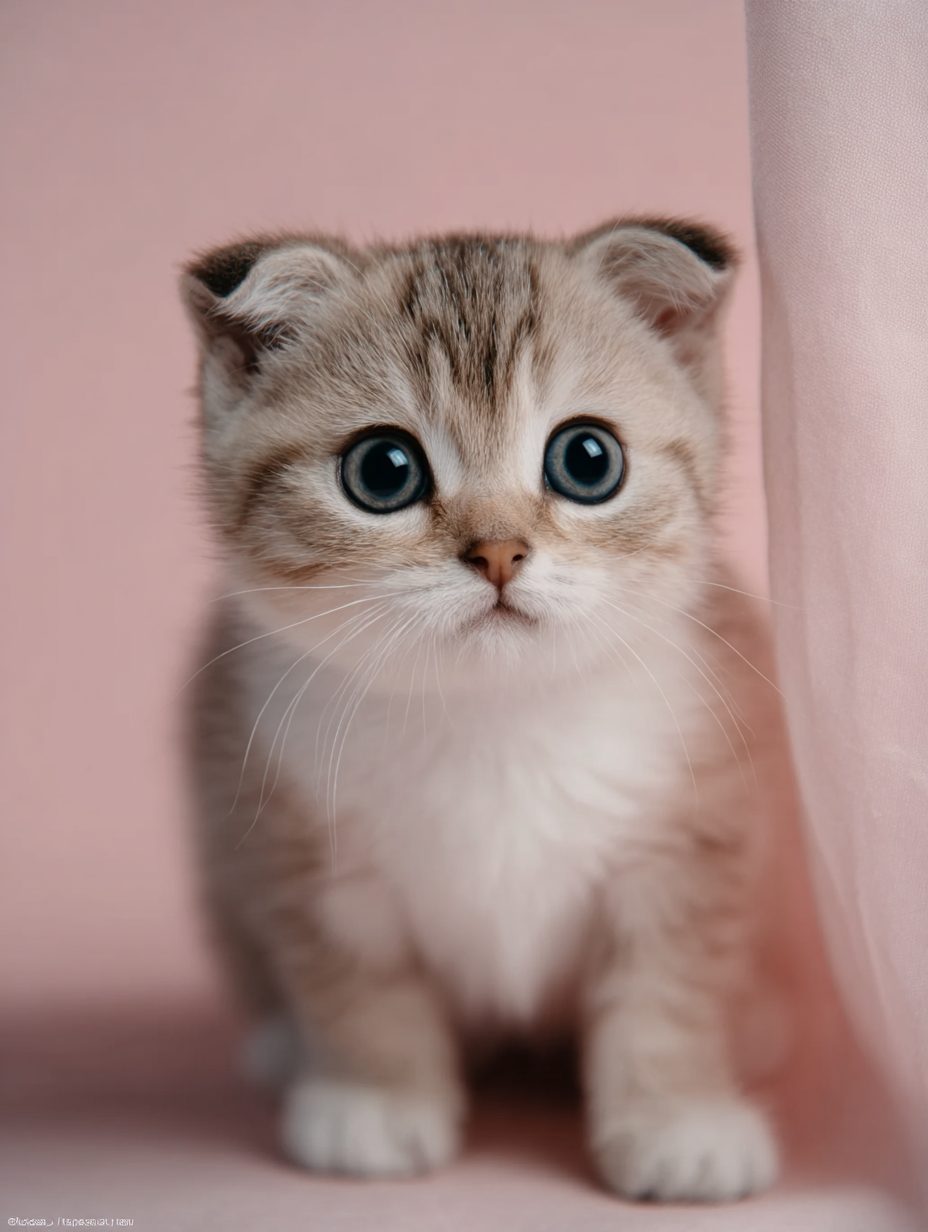
Scottish Fold kittens are one of the trendiest—and most misunderstood—cat breeds in the world. Their rounded faces, big eyes, and “folded” ears make them wildly popular on social media, but many families do not realize that the same genetic mutation that creates the folded ears can also cause lifelong pain, arthritis, and mobility issues.
Before you start searching for Scottish Fold kittens for sale or clicking on “Scottish Fold kittens near me,” it’s essential to understand what you’re buying, what ethical concerns exist, and what alternatives provide the same adorable, plush look without the health consequences.
This guide explains everything you need to know: price, temperament, what breeders should test for, red flags, common scams, and which breeds provide a safer choice for families wanting a healthy, long-lived kitten.
Scottish Fold Kittens Quick Summary Table
| Category | Folded-Ear Scottish Fold | Straight-Eared Scottish Fold (Scottish Shorthair) | Healthier Alternatives (British Shorthair, Exotic) |
|---|---|---|---|
| Genetics | FD mutation affecting cartilage in entire body | No FD mutation | No cartilage-related genetic defects |
| Health Risk Level | High — osteochondrodysplasia risk is universal | Low — same risk level as typical shorthair breeds | Very low |
| Mobility & Joint Health | Often reduced; stiffness may start early | Normal mobility | Normal mobility |
| Temperament | Sweet, calm, affectionate | Sweet, calm, affectionate | Calm, stable, family-friendly |
| Best Living Environment | Quiet, soft surfaces, ramps needed | Standard indoor home | Standard indoor home |
| Activity Level | Low to moderate | Moderate | Moderate |
| Grooming Needs | Low–medium | Low–medium | Low–medium |
| Ear Type | Folded—always mutated cartilage | Straight—normal structure | Upright ears |
| Lifespan | May be shortened due to skeletal issues | 13–17 years | 14–20 years |
| Pain Potential | Moderate–severe depending on expression | Minimal | Minimal |
| Vet Care Needs | High — orthopedic monitoring required | Standard care | Standard care |
| Breeding Ethics | Highly controversial; banned in many countries | Ethical | Ethical |
| Allowed Breeding Pair | Only Fold × Straight (never Fold × Fold) | Can be paired with Fold for healthy litters | Standard ethical breeding |
| Price Range | $1,500–$6,000+ | $800–$2,500 | Varies by breed, typically $2,000–$5,000 |
| Suitability for Kids | Only if mobility is stable | Good | Excellent |
| Suitability for Dogs | Low if mobility is affected | Good | Excellent |
| Shedding Level | Moderate | Moderate | Moderate |
| Hypoallergenic? | No | No | No |
| Registries Recognizing Folded Folds | CFA, TICA (not for championship), limited globally | CFA, TICA | Fully recognized |
| Countries Where Breeding is Restricted/Banned | UK, Scotland, Australia, parts of Europe | Not restricted | Not restricted |
| Red Flags When Buying | Fold × Fold litters, low prices, hides parents, denies gene risks | Hidden pedigrees | Low prices, no papers |
| Best For | Fully informed homes prepared for special needs | Families wanting the Fold temperament without the health risks | Families who want the “round, plush look” with minimal risk |
| Recommended Alternative | Straight-eared Fold or British Shorthair | — | British Shorthair, Exotic Shorthair, Ragamuffin |
What Makes a Purebred Scottish Fold Kitten Unique?
Folded Ears and the Mutation Behind Them
Scottish Folds have a distinctive ear fold caused by a dominant cartilage mutation called FD. This mutation affects all cartilage in the body, not just the ears. Even “single fold” kittens can have underlying skeletal changes.
Round Faces and Wide Eyes
The combination of round head, large round eyes, and soft expression gives Scottish Folds the “owl-like” or “teddy bear” look many families love.
Calm, Quiet Personalities
Most Scottish Folds are gentle, quiet, affectionate, and sweet-natured. They bond deeply to their people and enjoy sitting near their owners.
The Problem No One Talks About
Everything that makes the Scottish Fold cute—the ears, the structure, the posture—comes from a mutation that can compromise comfort and mobility. Families often do not discover this until the cat begins limping or refusing to jump.
This is why responsible breeders and veterinarians worldwide emphasize caution when buying Scottish Fold kittens.
How Much Do Scottish Fold Kittens Cost?
Average Price Range
Pet-quality Scottish Fold kittens typically cost:
$1,000–$3,500+
Show-quality or rare colors may range:
$3,500–$6,000+
Straight-eared Scottish Fold (Scottish Shorthair) kittens are usually less expensive.
Why the Price Varies
- ear fold type (single, double, triple)
- coat color and pattern
- breeder reputation
- registration (CFA / TICA)
- whether the kitten is straight-eared or folded
Why “Cheap Folds” Are a Major Red Flag
Folded-ear Scottish Folds should only come from:
- a folded parent
- bred to a non-fold partner (British Shorthair or Scottish Shorthair)
- with full orthopedic evaluation
When you see a $300 Scottish Fold kitten online, it is almost always:
- backyard-bred
- inbred
- improperly paired (Fold x Fold)
- at extremely high risk for severe skeletal disease
Scottish Fold Health Issues (Read Before Buying)
The FD Gene Causes a Full-Body Cartilage Disorder
The folded ear is not the only issue. The mutation affects:
- joints
- tail cartilage
- limbs
- spine
- overall mobility
Many Scottish Folds begin showing pain before age 2.
Osteochondrodysplasia (OCD)
This is the breed’s defining disorder. EVERY folded Scottish Fold carries the mutation, and the severity depends on breeding choices.
Symptoms include:
- stiff gait
- shortened, painful limbs
- reluctance to jump
- deformed tail
- early-onset arthritis
- joint fusion
- chronic pain requiring lifelong medication
Why Ethical Breeders Rarely Produce Folded Litters
Many responsible breeders will only produce straight-eared kittens or only breed Scottish Shorthairs because:
- Fold x Fold pairings are considered unethical worldwide
- Even Fold x Straight can still result in painful kittens
- Some countries have banned the breed entirely
- Many registries refuse championship status due to welfare concerns
A Helpful, Ethical Recommendation for Families
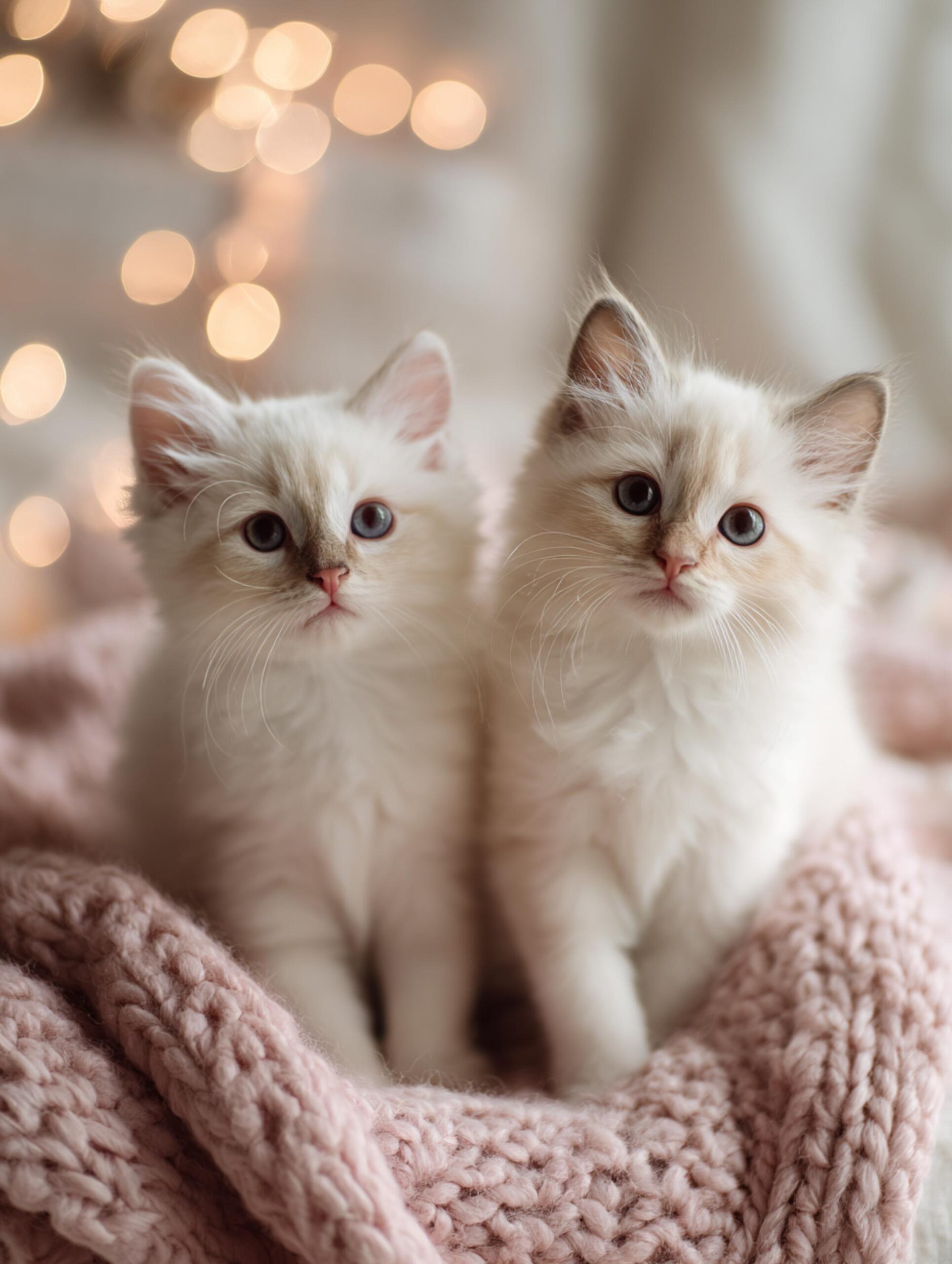
If you love the round face, gentle nature, and plush coat of Scottish Folds but don’t want to support painful genetic conditions, consider:
- British Shorthair
- Exotic Shorthair
- Ragamuffin
- Ragdoll
These breeds offer similar sweetness, cuddliness, and teddy-bear looks without a cartilage mutation.
At Almonte Cats, you can find healthy, ethically bred kittens with the same soft features and wonderful temperaments—but without the risk of lifelong skeletal disease.
Scottish Fold Kittens Near Me – What Buyers Should Know
Searching for “Scottish Fold kittens near me” or “Scottish Fold breeders near me” often brings up:
- backyard breeders
- unregistered breeders
- unethical litters
- kitten mills
- scam pages using stolen photos
Local Doesn’t Mean Ethical
Because the breed’s ear fold is “cute,” many inexperienced sellers breed Fold x Fold without understanding the consequences. These kittens often develop:
- crippling arthritis
- fused joints
- chronic pain
Families should prioritize ethics, not distance.
When It’s Worth Traveling
If you truly want a folded kitten:
- travel to a vetted, orthopedic-testing breeder
- expect transparent health information
- expect high-quality veterinary records
If you want a healthy alternative (British Shorthair, Ragdoll):
- Almonte Cats safely ships kittens across the U.S. through ethical, USDA-compliant transport options
How to Identify a Responsible Scottish Fold Breeder
Registration and Pedigree
A legitimate breeder should provide:
- TICA or CFA registration
- 3+ generation pedigrees
- written contracts
- clear genetic policies
Health Testing Is Non-Negotiable
For Scottish Folds, breeders should:
- NEVER breed Fold x Fold
- run orthopedic evaluations
- avoid any pairings that could worsen OCD severity
- prioritize straight-eared kittens
Raised in Home, Not in Cages
Scottish Fold kittens need careful handling, early socialization, and an environment that prevents stress or discomfort.
Red Flags to Avoid
- Fold x Fold breeding
- breeders who deny health risks
- no orthopedic or genetic explanation
- “rare triple fold” marketing
- very low prices
- cash-only payments
- no pedigree
- refusal to discuss parents’ health
A breeder who downplays health concerns is not trustworthy.
What Comes With a Well-Bred Scottish Fold Kitten?
Even though the Scottish Fold breed is controversial, a reputable breeder will still provide full transparency and essential protections if they choose to produce Fold kittens at all.
Health Documentation
A responsible breeder should provide:
- Full veterinary records
- Vaccination schedule
- Deworming timeline
- Microchip documentation
- Orthopedic evaluations on parents
If a breeder refuses to explain the genetic risks openly or claims that “all Folds are healthy,” that is a major warning sign.
Written Health Guarantee
All kittens—especially Folds—should come with:
- A written warranty
- A return clause
- Clear genetic disclosures
- Ethical breeding documentation
Because Fold kittens may develop skeletal issues over time, buyers should only work with breeders who guarantee support and transparency.
Pedigree & Registration
Legitimate breeders issue:
- CFA or TICA registration
- 3–5 generation pedigrees
- Verified parentage
A lack of paperwork is a sign of backyard or unregulated breeding.
Proper Socialization
Kittens should be raised:
- in-home, never in cages
- around normal household sounds
- using litter, scratching posts, and appropriate play outlets
Fold kittens especially benefit from gentle, supportive socialization that encourages mobility without overexertion.
Understanding Scottish Fold Kitten Development
Week-by-Week Development Basics
Fold and straight-eared Scottish Fold kittens develop at different rates from some other breeds.
Weeks 0–2:
Eyes and ears begin development. Ear folding is not visible yet.
Weeks 3–4:
Ears begin to show their fold (single, double, or triple fold). Breeders typically evaluate fold type here.
Weeks 5–8:
Socialization, litter training, and temperament shaping begin.
Weeks 8–12:
Kittens strengthen joints, mobility, and coordination. This is also the stage when early signs of cartilage sensitivity may appear.
When Are Scottish Fold Kittens Ready to Go Home?
Ethical breeders should not allow Fold kittens to leave before 12–14 weeks so mobility, posture, and joint health can be assessed more accurately.
Why Early Kitten Release Is Dangerous
Folds that appear healthy at 8 weeks may begin showing stiffness or discomfort by 10–12 weeks. Early release prevents families from seeing these early indicators.
Straight-Eared Scottish Folds vs Folded Folds – What Families Need to Know
Straight-Eared Scottish Folds (Scottish Shorthairs)
These kittens:
- carry no fold mutation
- have normal cartilage
- do not suffer from osteochondrodysplasia
- often look like British Shorthairs
- are the healthiest version of the “Scottish Fold family”
Straight-eared Folds are excellent choices for families who want the sweet temperament without genetic risk.
Folded-Ear Scottish Folds
These kittens:
- always carry the FD mutation
- have variable risk of cartilage degeneration
- require lifelong monitoring
- should never come from Fold x Fold
- must be bred carefully to minimize suffering
Families who insist on a Fold must choose a breeder who is transparent about these realities—not someone who hides or denies them.
Most Ethical Breeders Prefer Straight-Eared Litters
This is because straight-eared kittens provide:
- safety
- comfort
- longevity
- lower veterinary risk
- zero genetic pain concerns
Straight-eared kittens still deliver the sweet Scottish temperament with none of the ethical issues.
Safer Alternative Breeds With Similar Looks
Many families fall in love with the Scottish Fold look—round face, soft features, big eyes, plush coat—but do not want to support harmful breeding practices.
Here are healthier cats that match the Fold aesthetic:
British Shorthair (Your Program)
- Round cheeks
- Plush, dense coat
- Calm, affectionate temperament
- No cartilage mutation
- Long lifespan (14–20 years)
- Excellent for families
This is the closest alternative to a Scottish Fold and the most ethical choice.
Exotic Shorthair
- Round face, teddy-bear features
- Calm, quiet, affectionate
- Short plush coat similar to British Shorthairs
- No fold mutation
- Perfect for families who prefer a “pushed face” look
Ragdoll
- Sweet, floppy temperaments
- Calm and affectionate
- Medium-long coat
- No skeletal issues
Ragamuffin
- Plush coats, soft expression
- Extremely sweet and mellow
- No cartilage disease
Each of these breeds offers what most families love about Scottish Folds—sweetness, softness, cuddliness, and roundness—but without lifelong pain risks.
Choose a Healthy, Ethical Alternative
If you love the sweet, rounded look of the Scottish Fold but want a kitten without lifelong genetic risks, explore the healthy, ethically bred British Shorthair and Ragdoll available at Almonte Cats.
Our kittens are:
- TICA/CFA registered
- Fully health-tested
- Raised in-home for excellent temperament
- Free from cartilage disorders
- Carefully matched to loving families
Scottish Fold Kitten Scams: What Buyers Must Avoid
Scottish Folds are a top target for scams, especially on:
- Facebook Marketplace
- Craigslist
- TikTok
- Fake cattery websites
Common Scam Red Flags
- Prices under $500
- Sellers refusing video calls
- “Rare triple-fold kittens”
- Photos stolen from European breeders
- No pedigree papers
- Cash apps only (Zelle, CashApp, Venmo)
- Fake vaccination records
- Shipping-only sellers
- “Reserve now for $100” bait
- No mention of FD gene or health risks
How Scammers Exploit Scottish Fold Popularity
Social-media virality makes buyers emotional and impulsive, which scammers use to:
- pressure buyers
- guilt-trip families
- give time-sensitive deals
- refuse to discuss genetics
A Responsible Buyer Should Always Ask:
- Is the breeding pair Fold x Straight?
- Are orthopedic evaluations done on the parents?
- What is the health guarantee?
- May I see past kittens or adults?
- Does the breeder openly discuss OCD?
If the breeder becomes defensive—you have your answer.
Preparing Your Home for a Scottish Fold Kitten
Even if you choose a straight-eared Scottish Fold—or you ultimately decide on a healthier alternative like a British Shorthair—you should prepare your home correctly.
Essential Supplies
- Soft bed and resting spots
- Litter box (large and low-entry for Folds)
- High-quality kitten food
- Food/water bowls or fountains
- Scratching posts
- Cat tree (shorter height recommended for Fold kittens)
- Toys for mental stimulation
Safe Setup
Create a quiet, contained “kitten room” for the first 2–3 days:
- no big jumps
- easy access to litter
- minimal climbing demands
- stable flooring
- warm resting spots
Introducing Other Pets
Scottish Folds (and alternatives like British Shorthairs) do well with:
- calm dogs
- other cats
- multi-pet households
However, folded kittens with mobility issues may struggle if introduced too early to energetic pets.
Which Scottish Fold Kitten Is Right for You?
Choosing a Scottish Fold kitten requires more thought than with most breeds because the physical trait people find appealing—the folded ear—is directly tied to a harmful genetic mutation. Families must decide whether they are committed to managing a breed that may have lifelong orthopedic issues, or if they prefer a healthier alternative with a similar look.
Folded-Ear Kittens (Higher Risk)
Folded kittens have:
- a higher likelihood of cartilage disorders
- variable severity depending on breeding
- a potential need for long-term pain management
- a risk of early arthritis or mobility limitations
Folded kittens may look cute and photogenic, but they require more caution, more vet oversight, and more structural accommodations in the home.
Straight-Eared Kittens (Low Risk)
Straight-eared Scottish Fold kittens—often called Scottish Shorthairs—are the safest option within the breed. They:
- do not carry the FD mutation
- have normal joint and cartilage development
- are far more predictable in long-term health
If your heart is set on the Scottish Fold temperament, a straight-eared kitten offers a much more ethical and stable choice.
Healthy Breed Alternatives
Many families ultimately choose:
- British Shorthair (your program)
- Ragdoll
- Exotic Shorthair
- Ragamuffin
These cats offer the same rounded cheeks, big eyes, and teddy-bear charm—without inheriting pain.
Should You Buy a Folded Scottish Fold Kitten at All?
This is the question most families avoid asking themselves, but it matters.
Veterinary Organizations Worldwide Warn Against Fold Breeding
Countries including Scotland, the UK, parts of Europe, and even Australia have banned breeding the Scottish Fold because:
- the FD mutation is classified as a welfare concern
- the gene is associated with lifelong pain
- fold breeding accelerates skeletal deformities
- no medical treatment can reverse cartilage malformation
Even “Mild Folds” Still Carry the Mutation
There is no such thing as a “safe fold.”
Every folded-ear kitten carries FD, and no amount of selective breeding eliminates the underlying issue.
The Ethical Recommendation
If a family wants:
- a sweet, gentle, round-faced cat
- big eyes
- a quiet temperament
- a healthy, long life
The ethical choice is almost always:
A straight-eared Scottish Shorthair or a breed with similar appearance (British Shorthair, Exotic Shorthair).
A Breeders Note
You’re not “wrong” for loving the Scottish Fold look. Many people are drawn to them—it’s completely normal.
But part of ethical pet ownership is making decisions with full information, not emotional impulse.
Scottish Fold vs Healthier Alternatives: Comparison Guide
| Feature | Folded Scottish Fold | Straight-Eared Scottish Shorthair | British Shorthair (Recommended) |
|---|---|---|---|
| Genetics | FD mutation (cartilage disorder) | No mutation | No mutation |
| Lifelong Pain Risk | High | Low | Very low |
| Jumping/Climbing Comfort | Often limited | Normal | Normal |
| Vet Bills | High potential | Standard | Standard |
| Lifespan | Shortened when affected | Normal | Long (14–20 years) |
| Temperament | Sweet, calm | Sweet, calm | Sweet, calm |
| Appearance | Round, folded ears | Round, upright ears | Round, plush, iconic look |
| Ethical Rating | Low | Medium | High |
British Shorthairs provide the safest balance of appearance, temperament, and health—if you do not want to deal with the emotional tole of owning a Scottish fold cat.
Preparing Emotionally for What Scottish Fold Ownership May Involve
Even well-bred folded kittens may develop:
- joint stiffness
- reluctance to jump
- early arthritis
- chronic pain requiring NSAIDs
- tail thickening or fusion
- mobility decline with age
Families Must Be Prepared for:
- frequent veterinary monitoring
- potential orthopedic X-rays
- lifelong joint supplements
- modifying the home environment
- providing ramps or low entry litter boxes
- limiting high jumping or climbing
Not every Fold experiences severe disease, but every Fold is genetically predisposed.
This Is Why Ethical Education Matters
Some families still choose folded-ear kittens—with full awareness and preparation.
Others discover that they prefer a healthier breed once they understand the risks.
Frequently Asked Questions About Scottish Fold Kittens for Sale
Are Scottish Folds healthy cats?
Scottish Folds can be loving and gentle, but they are not a naturally healthy breed. The folded ear comes from a dominant cartilage mutation (FD) that affects the entire skeletal system—not just the ears. This mutation can lead to stiffness, joint thickening, early-onset arthritis, and mobility issues. Even kittens who seem fine during early months can develop discomfort as they age. Straight-eared Scottish Folds are significantly healthier because they do not carry the mutation responsible for osteochondrodysplasia.
Why do Scottish Folds have folded ears?
Their ear fold is caused by a genetic mutation that alters cartilage formation. This mutation impacts cartilage in every part of the body, including the tail, limbs, and joints. The “cute” folded ear is actually a sign of this cartilage defect. Folded kittens should always come from a Fold x Straight pairing, never Fold x Fold, because doubling the mutation drastically worsens the severity of health issues.
What is osteochondrodysplasia in Scottish Folds?
Osteochondrodysplasia (OCD) is the inherited disorder responsible for skeletal abnormalities in Scottish Folds. Signs include stiff gait, lameness, thickened limbs, shortened tail, decreased mobility, and chronic joint pain. The severity varies, but every folded-ear cat carries the mutation. Straight-eared Scottish Shorthairs do not develop this disease.
Are folded ears painful for the cat?
The ears themselves aren’t painful, but the mutation that creates them can cause pain throughout the body. Many Scottish Folds begin showing mobility issues as early as 4–12 months old. Some cats require lifelong pain management, joint supplements, low-impact home setups, and veterinary monitoring.
Are straight-eared Scottish Folds healthy?
Yes. Straight-eared Scottish Folds—often called Scottish Shorthairs—do not carry the FD mutation and are generally healthy, structurally sound cats. They have the same sweet temperament without the genetic risks.
Why are Scottish Folds banned in some countries?
Countries like Scotland, the UK, parts of Europe, and Australia have banned breeding Scottish Folds because the mutation is classified as a welfare issue. Regulatory bodies consider the folded ear a deformity tied to chronic pain risks. This is why championship recognition is also restricted in some registries.
Are Scottish Folds good for families with children?
Temperament-wise, yes—Scottish Folds are calm, gentle, and affectionate. The concern lies in their mobility. Folds with joint issues may struggle to jump, run, or tolerate rough play. Straight-eared kittens or alternative breeds like British Shorthairs are safer choices for homes with children.
Do Scottish Folds get along with dogs?
Most do, especially if raised with calm dogs. However, a folded kitten experiencing joint sensitivity may be less resilient to energetic or bouncy dogs. Straight-eared or alternative breeds handle multi-pet homes better.
Do Scottish Folds live long lives?
Healthy straight-eared Scottish Folds may live 14–18 years. Folded-ear Scottish Folds often have shorter lifespans due to degenerative joint issues, chronic discomfort, or complications from immobility. Proper care—ramps, soft bedding, controlled exercise—can help improve quality of life.
Are Scottish Folds indoor-only cats?
Yes. Because many have mobility limitations, indoor living protects them from jumping injuries, predators, uneven terrain, and cold weather that can aggravate joint pain. Even straight-eared cats benefit from indoor-only living, as they are calm, people-oriented cats.
Do Scottish Folds shed a lot?
Scottish Folds shed moderately, depending on coat length. Shorthairs shed less, while longhairs shed more seasonally. Regular brushing helps maintain coat health and reduce shedding.
Are Scottish Folds hypoallergenic?
No. No breed is truly hypoallergenic. People with cat allergies may react more strongly to long-haired Scottish Folds, but reactions vary from person to person.
How much do Scottish Fold kittens cost?
Folded-ear kittens typically cost $1,500–$6,000 depending on color, ear fold, and breeder reputation. Straight-eared kittens often cost less. Prices below $1,000 are a red flag, usually indicating unethical breeding or scams.
Why are some Scottish Folds so cheap online?
Cheap Scottish Folds are almost always:
- Fold x Fold litters
- inbred or unregistered
- from kitten mills
- from sellers who ignore or deny health risks
- scams using stolen photos
Reputable breeders spend more on orthopedic screening, vet care, and ethical breeding.
What is a “triple fold” Scottish Fold?
“Triple fold” refers to a tight, deep ear fold. While visually striking, tighter folds often correlate with more significant cartilage mutation expression. It does not indicate health and should not be marketed as a “premium” trait.
Should I buy a Fold x Fold kitten?
Never. Fold x Fold breeding is unethical and significantly increases the severity of skeletal disorders. No reputable breeder pairs Fold x Fold.
Why do some breeders refuse to produce folded kittens at all?
Many reputable breeders avoid folded litters entirely because:
- all folded kittens carry the FD mutation
- the severity cannot be predicted
- the breed is associated with chronic pain
- straight-eared or alternative breeds provide better welfare outcomes
Do Scottish Folds make good first-time pets?
Straight-eared, yes. Folded-ear kittens require more specialized care, monitoring, and home accommodations. First-time owners often underestimate the long-term medical and physical needs of a folded cat.
Do Scottish Folds need special equipment at home?
Folded-ear cats may need:
- low-entry litter boxes
- ramps instead of tall cat trees
- soft bedding
- food bowls elevated for comfort
Straight-eared Scottish Folds generally live normal, unrestricted lives.
Do Scottish Folds have trouble jumping?
Many folded cats do. Joint stiffness, cartilage abnormalities, and pain may limit vertical movement. This is why perch heights should be adjusted for safety.
Do Scottish Folds enjoy being held?
Most are affectionate and love human attention. However, if the cat has joint discomfort, certain positions may be painful. Always handle folded cats gently and observe their body language.
Can I get the “Scottish Fold look” without the health risks?
Yes. British Shorthairs, Exotic Shorthairs, and even some Ragamuffins offer:
- round faces
- plush coats
- big expressive eyes
- calm personalities
—without a genetic mutation that affects cartilage.
Are there healthy Scottish Folds?
Straight-eared Scottish Folds are healthy. Folded Folds vary widely in severity; some stay comfortable for years, others show pain early. There is no genetic test to predict outcome—only responsible pairing and honest evaluation.
Is it unethical to buy a Scottish Fold?
It depends. Buying a straight-eared Scottish Shorthair from a responsible cattery is ethical. Choosing a folded kitten is controversial due to welfare risks. Many families, when fully informed, choose healthier alternatives like British Shorthairs.
How do I avoid Scottish Fold scams?
Always avoid:
- breeders selling only folded kittens
- prices below $1,000
- no contract, no pedigree
- hidden or vague health information
- breeders denying the FD gene
- sellers refusing video verification
Work only with breeders who openly discuss health risks and who do not breed Fold x Fold.
Summary: Scottish Fold Kittens for Sale
| Category | Folded Scottish Fold | Straight-Eared Scottish Shorthair | Healthy Alternatives (British Shorthair, Exotic) |
|---|---|---|---|
| Health Risk | High | Low | Very Low |
| Pain Potential | Moderate–Severe | Minimal | Minimal |
| Lifespan | Shortened risk | Normal | Long |
| Ethics | Controversial | Ethical | Highly Ethical |
| Appearance | Folded ears | Upright ears | Plush, round features |
| Temperament | Sweet, calm | Sweet, calm | Sweet, steady |
| Vet Needs | High | Standard | Standard |
| Best For | Fully informed homes | General families | Everyone |
Why Many Reputable Breeders Choose NOT to Breed Folds
Ethics and Cat Welfare Come First
Many experienced breeders choose not to produce Folded litters at all because:
- the genetic risk is unavoidable
- no testing prevents mutation expression
- Fold cats often require medical management
- straight-eared kittens are safer
- alternative breeds meet demand without suffering
Almonte Cats Cattery’s Position
“At Almonte Cats, we prioritize health, structure, and long-term well-being.
Families who love the round, plush look of the Scottish Fold often choose our British Shorthair or Exotic lines because they provide the same aesthetic—with none of the genetic concerns.”
Related Cat Information Posts
- Scottish Fold Lifespan & Health Risks
- Scottish Fold Munchkin Cats
- Ragdoll vs Munchkin
- Scottish Fold vs British Shorthair: Which Is Healthier for Families?
- Munchkin Kittens for Sale
- Ragamuffin Cat Breed
Sources & Veterinary References
- International Cat Care – Scottish Fold Health & Welfare
https://icatcare.org/advice/scottish-fold-cats/ - Cornell University College of Veterinary Medicine – Congenital Musculoskeletal Disorders
https://www.vet.cornell.edu/departments-centers-and-institutes/cornell-feline-health-center - VCA Animal Hospitals – Osteochondrodysplasia Overview
https://vcahospitals.com/know-your-pet/osteochondrodysplasia-in-cats - British Veterinary Association – Statement on Scottish Fold Breeding
https://www.bva.co.uk/news-and-blog/news-article/bva-warns-against-breeding-scottish-fold-cats/ - Royal Veterinary College (RVC) – Genetic Disorders in Cats
https://www.rvc.ac.uk/research/research-centres-and-facilities/rvc-knowledge - Australian Veterinary Association – Welfare Position on Scottish Folds
https://www.ava.com.au/policy-advocacy/policies/cats/ - CFA (Cat Fanciers’ Association) – Scottish Fold Breed Standard
https://cfa.org/scottish-fold/ - TICA – Scottish Fold Breed Overview
https://tica.org/breeds/browse-all-breeds?view=article&id=860 - Journal of Feline Medicine and Surgery – Skeletal Abnormalities in Fold Cats (Published Study)
https://journals.sagepub.com/doi/10.1177/1098612X20946012 - Welfare Implications of the Scottish Fold Mutation – Scientific Review
https://www.sciencedirect.com/science/article/pii/S109002331830221X





Read the Comments +