
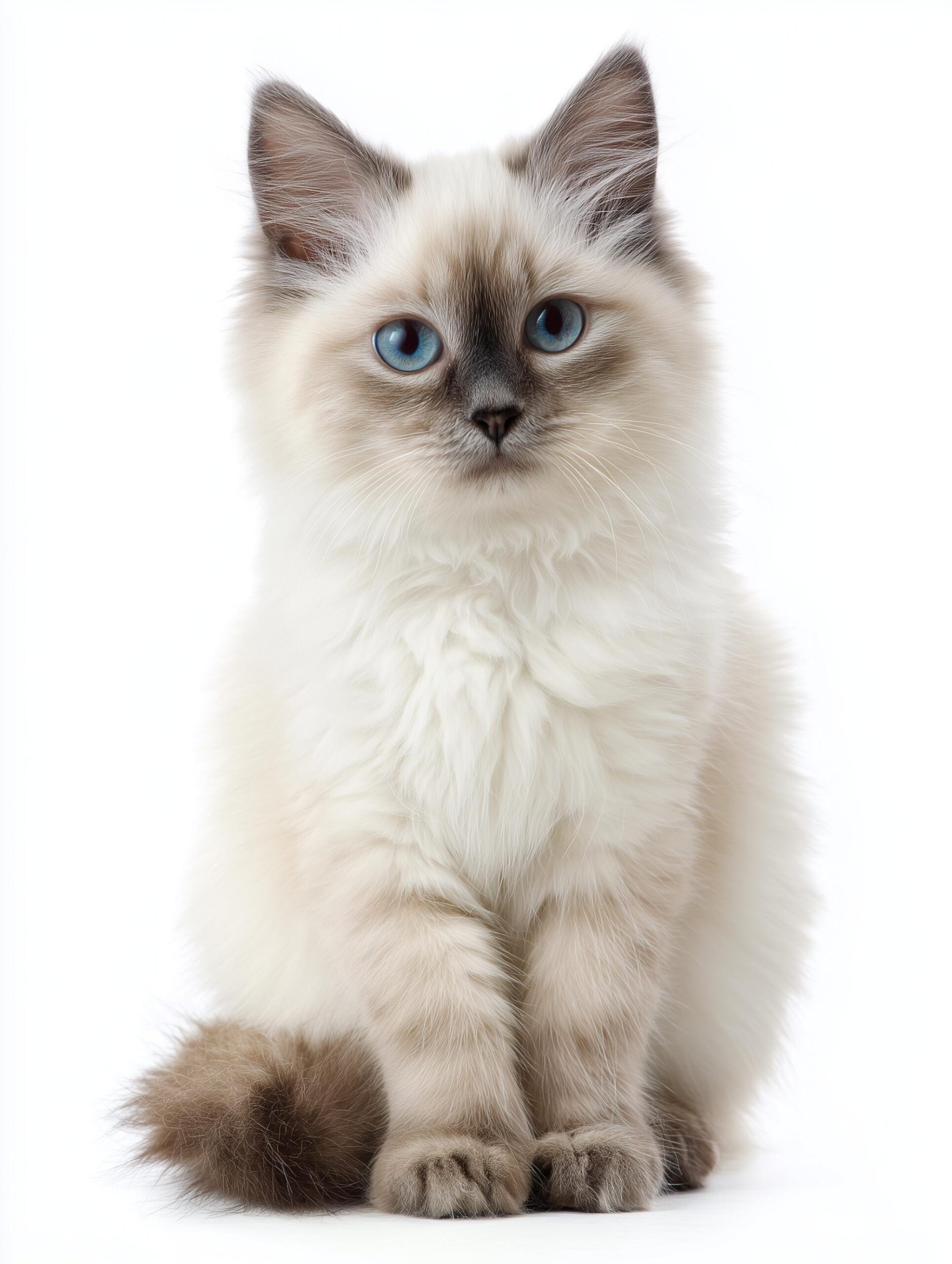
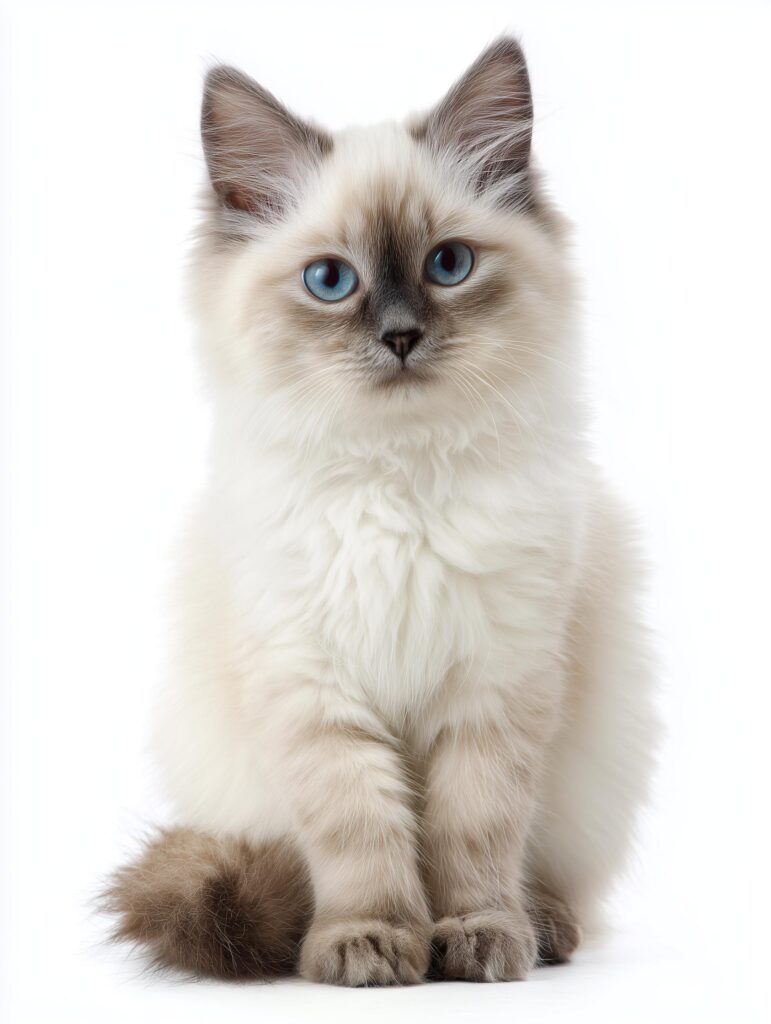
Ragdoll Cat Buying Guide: How to Buy a Ragdoll Cat Responsibly
Searching “ragdoll cat buy” usually starts late at night, after scrolling through photos, breeder sites, and forums that all promise the “perfect” kitten. But buying a Ragdoll cat is not about finding the first cute face online. It’s about understanding how ethical breeders place kittens, what a responsible buying process looks like, and how to choose a Ragdoll kitten that truly fits your home.
Ragdoll cats are often described as the puppies of the feline world. They are known for their affectionate temperament, large size, and calm presence. Because of that popularity, buying a Ragdoll kitten also comes with more confusion, misinformation, and risk than many buyers expect.
This post is designed for people who want to buy a Ragdoll cat the right way. It explains where to buy a Ragdoll kitten safely, what questions matter when choosing a breeder, how pricing and placement work, and how to avoid common mistakes that lead to disappointment. By the end, you should feel clear, confident, and prepared for the next step in the buying process.
Summary Table: Buying a Ragdoll Cat the Right Way
| Step | What Buyers Should Focus On | Why It Matters When Buying a Ragdoll Cat |
|---|---|---|
| Research the Breed | Temperament, size, grooming needs, companionship level | Confirms a Ragdoll fits your lifestyle before you buy |
| Choose the Right Source | Ethical breeder vs marketplaces or classifieds | Where you buy directly affects health, temperament, and long-term support |
| Evaluate the Breeder | Health testing, transparency, contracts, communication | Reputable breeders protect buyers from costly medical and behavioral issues |
| Understand the Buying Process | Applications, waitlists, deposits, kitten matching | Buying a Ragdoll cat is a structured process, not an impulse purchase |
| Prioritize Health & Temperament | Genetic testing, early socialization, breeder guidance | A well-bred kitten adjusts better and has fewer long-term issues |
| Prepare Before Bringing Kitten Home | Setup, food transition, vet plan, routine | Preparation reduces stress and helps your kitten settle quickly |
| Commit Long-Term | 12–17 year lifespan, ongoing care, companionship needs | Buying a Ragdoll cat is a long-term responsibility, not a short-term decision |
Buying a Ragdoll cat is a long-term commitment that involves understanding breeder practices, pricing, health testing, and temperament expectations. If you’re new to the breed, the Ragdoll cat guide provides a clear starting point.
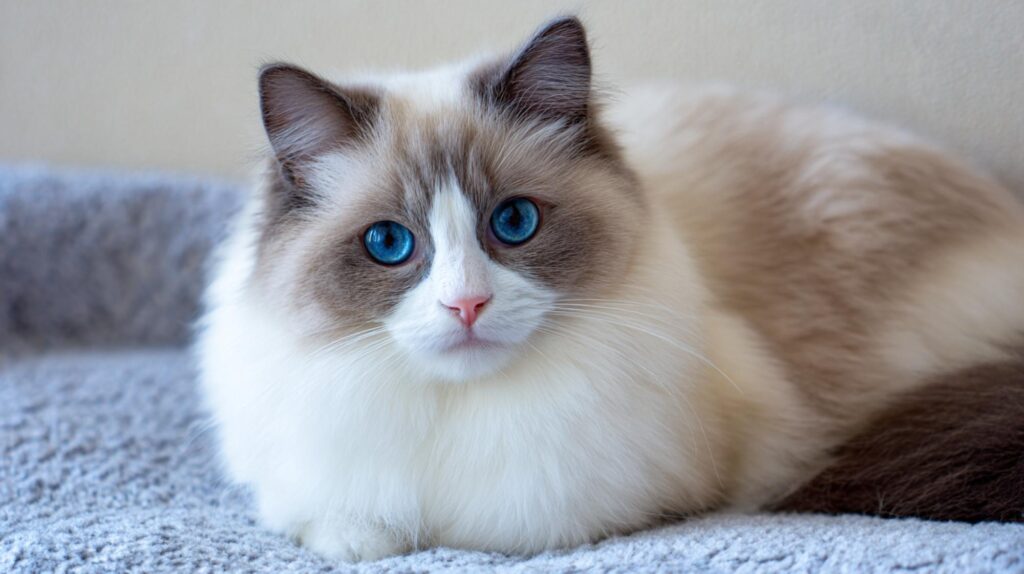
Where to Buy a Ragdoll Cat and What the Buying Process Looks Like
Buying a Ragdoll cat from a reputable source is not an instant transaction. Ethical breeders use a structured placement process designed to protect the kitten, the buyer, and the future of the breed.
Most reputable Ragdoll breeders place kittens through an application or inquiry process, rather than first-come sales. This allows the breeder to understand the buyer’s lifestyle, expectations, and experience with the breed before moving forward.
Many breeders also work with waitlists, especially for specific colors, patterns, or temperaments. This does not mean kittens are unavailable. It means placement is planned carefully rather than rushed.
Once a suitable match is identified, buyers typically place a reservation or deposit to hold their spot in the process. Kitten selection usually happens after a period of temperament observation, when the breeder can accurately assess personality, confidence, and household fit.
Go-home timing is based on developmental readiness, not buyer urgency. Ethical breeders prioritize proper socialization, health milestones, and emotional maturity so kittens transition smoothly into their new homes.
This section explains how to buy a Ragdoll cat responsibly. It is not intended to list or advertise individual kittens.
Buying a Ragdoll Cat: Comparing Your Options
| Source | How the Buying Process Works | Health & Transparency | Buyer Support | Risk Level |
|---|---|---|---|---|
| Ethical Ragdoll Breeder | Application or inquiry, waitlist, planned kitten matching | Health-tested parents, records shared, clear contracts | Ongoing breeder support and guidance | Low |
| Online Marketplaces | Direct listings, fast transactions, little screening | Limited or unverifiable health information | Minimal to none after sale | High |
| Classified Ads | Informal contact, cash-based exchanges | Health history often unknown | No post-purchase support | Very High |
| Rescue or Rehoming | Adoption application, variable background | Health and history may be incomplete | Rescue support varies by organization | Moderate |
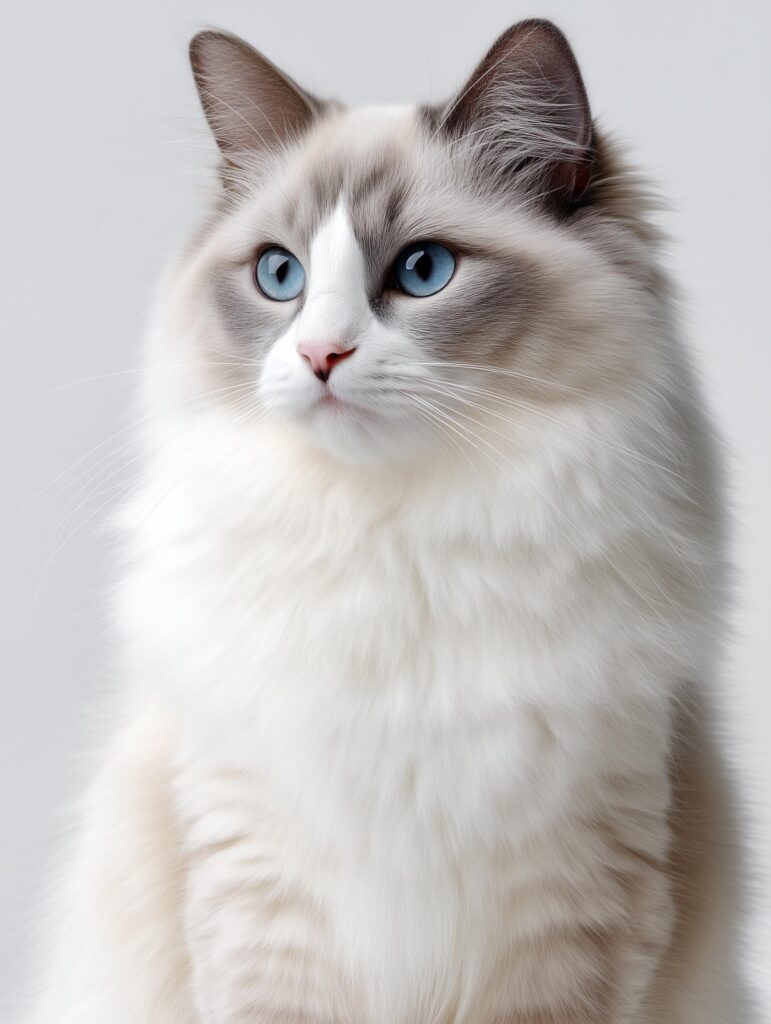
A Brief History of the Ragdoll Cat
Understanding the breed’s background can help you appreciate why Ragdolls are so unique, and help you understand the breed before you buy a ragdoll cat.
- Origin: The Ragdoll was developed in California in the 1960s by Ann Baker. She bred cats for their gentle, docile nature and large size.
- Name: They got their name from their tendency to relax and go limp when held—like a ragdoll.
- Recognition: Today, Ragdolls are recognized by major cat associations including CFA (Cat Fanciers’ Association) and TICA (The International Cat Association).
Knowing the breed’s history will help you see why reputable breeders guard the Ragdoll’s health, temperament, and type so closely.
Decide What You’re Looking For
Not every Ragdoll kitten is the same, and your needs will guide your choice.
- Companion vs. Show Quality
- Companion kittens are perfect for families, singles, or anyone looking for a pet with that classic Ragdoll personality.
- Show-quality kittens are evaluated against breed standards and may be priced higher due to markings and structure.
- Temperament
- Some kittens are bold and adventurous.
- Others are more reserved lap cats.
- Breeders often help match kittens to your lifestyle after temperament testing around 10–12 weeks.
- Household Fit
- Do you have young children? Dogs? A quiet home? These factors matter when selecting the right personality.
See Ragdoll Cat Temperament and Ragdoll Cat Energy Levels
How to Find a Reputable Ragdoll Breeder
This is where most buyers either make a great choice—or a costly mistake.
Signs of a good breeder:
- Performs genetic health testing (especially for HCM and PKD).
- Shares veterinary records openly.
- Raises kittens in the home, not in cages.
- Provides lifetime breeder support.
- Screens buyers carefully to ensure good homes.
Red flags to avoid:
- Kittens always available year-round.
- Refusal to let you see kittens (in person or via video).
- No contract or vague health guarantee.
- Poor communication or pressure sales tactics.
A reputable breeder is your best insurance for a healthy, well-adjusted kitten. See Ragdoll Cat Breeder Near Me
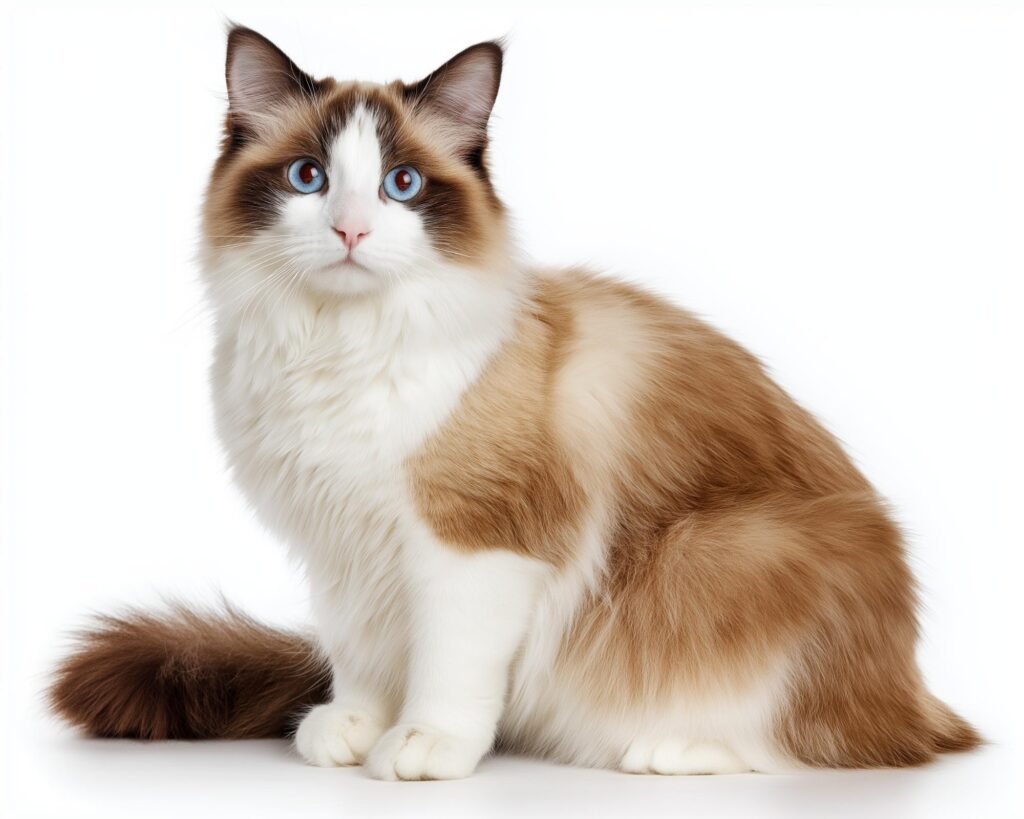
Ragdoll Colors and Patterns: Choosing With More Than Just Looks
Ragdoll cats are well known for their striking colors and distinctive patterns, and for many buyers, appearance is one of the first things that draws them to the breed. When planning to buy a Ragdoll cat, it helps to understand how color and pattern work without letting visual preference outweigh more important factors like health and temperament.
Common Ragdoll Colors
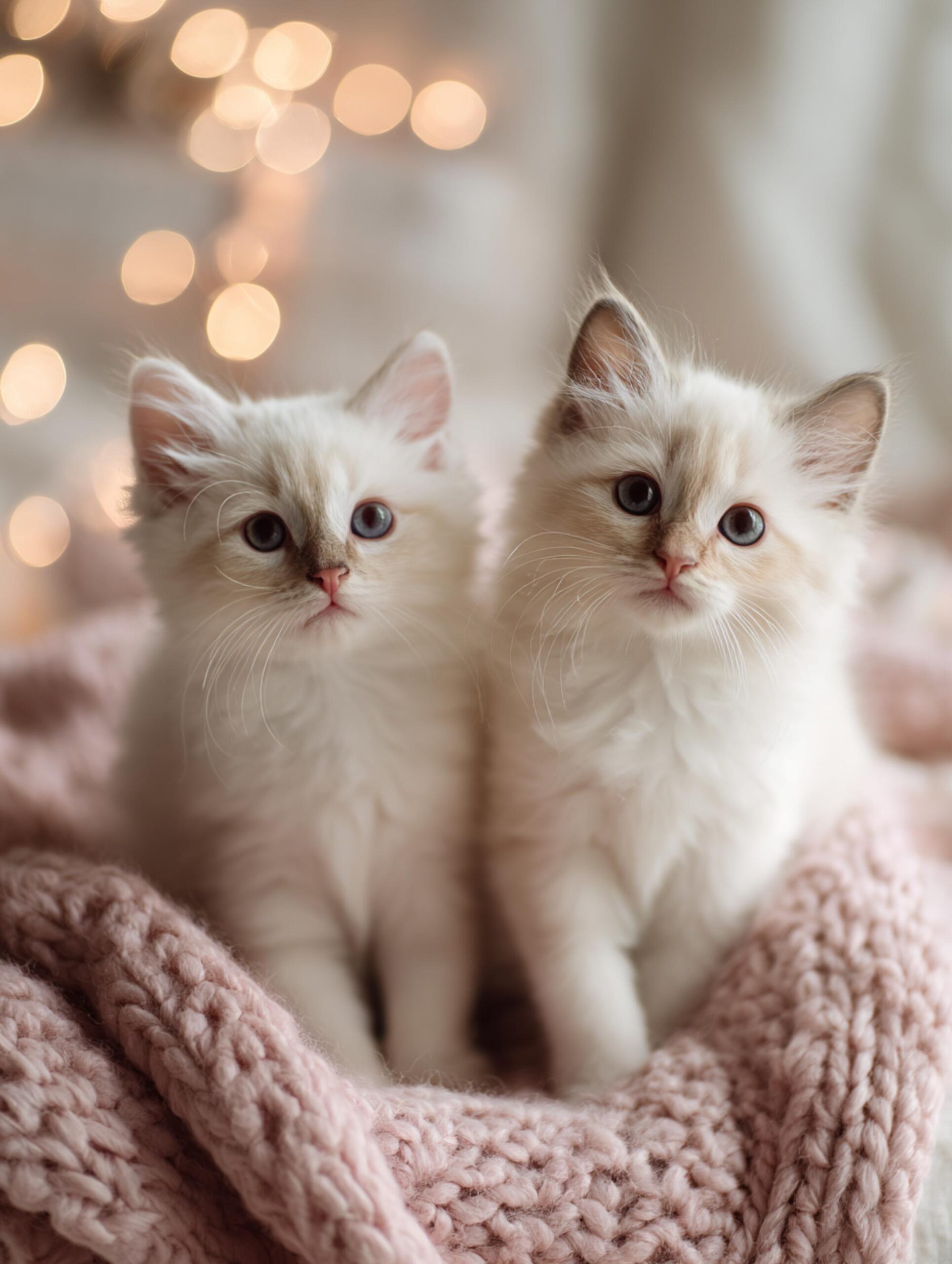
Ragdoll kittens are born light and gradually develop color as they mature. Standard Ragdoll colors include:
- Seal
- Blue
- Chocolate
- Lilac
- Cream
- Flame
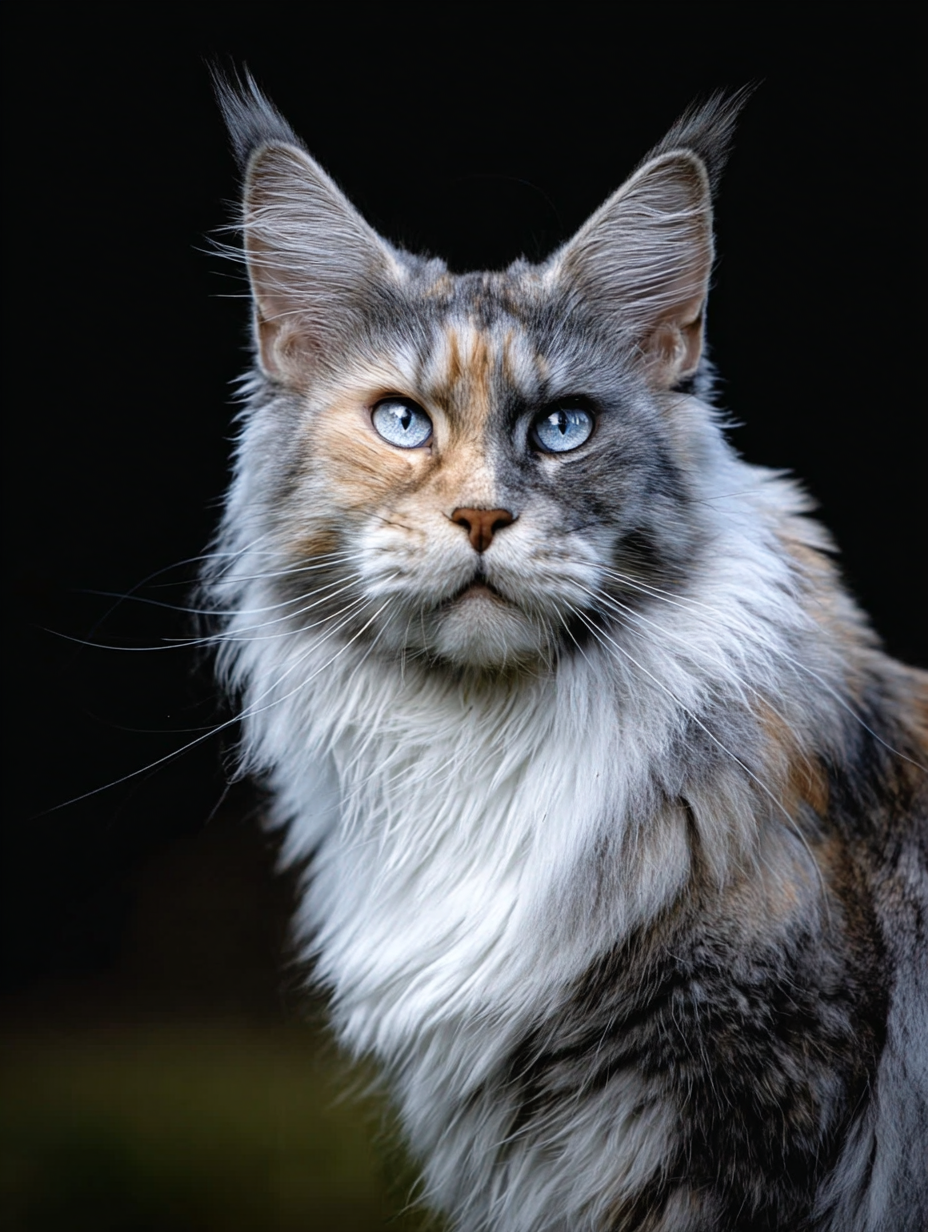
- Tortie (a mix of red and darker coloring, typically in females)
Color does not affect personality, but availability and genetics can influence placement timing and breeder planning.
Ragdoll Coat Patterns Explained
In addition to color, Ragdolls are defined by distinct pattern types:
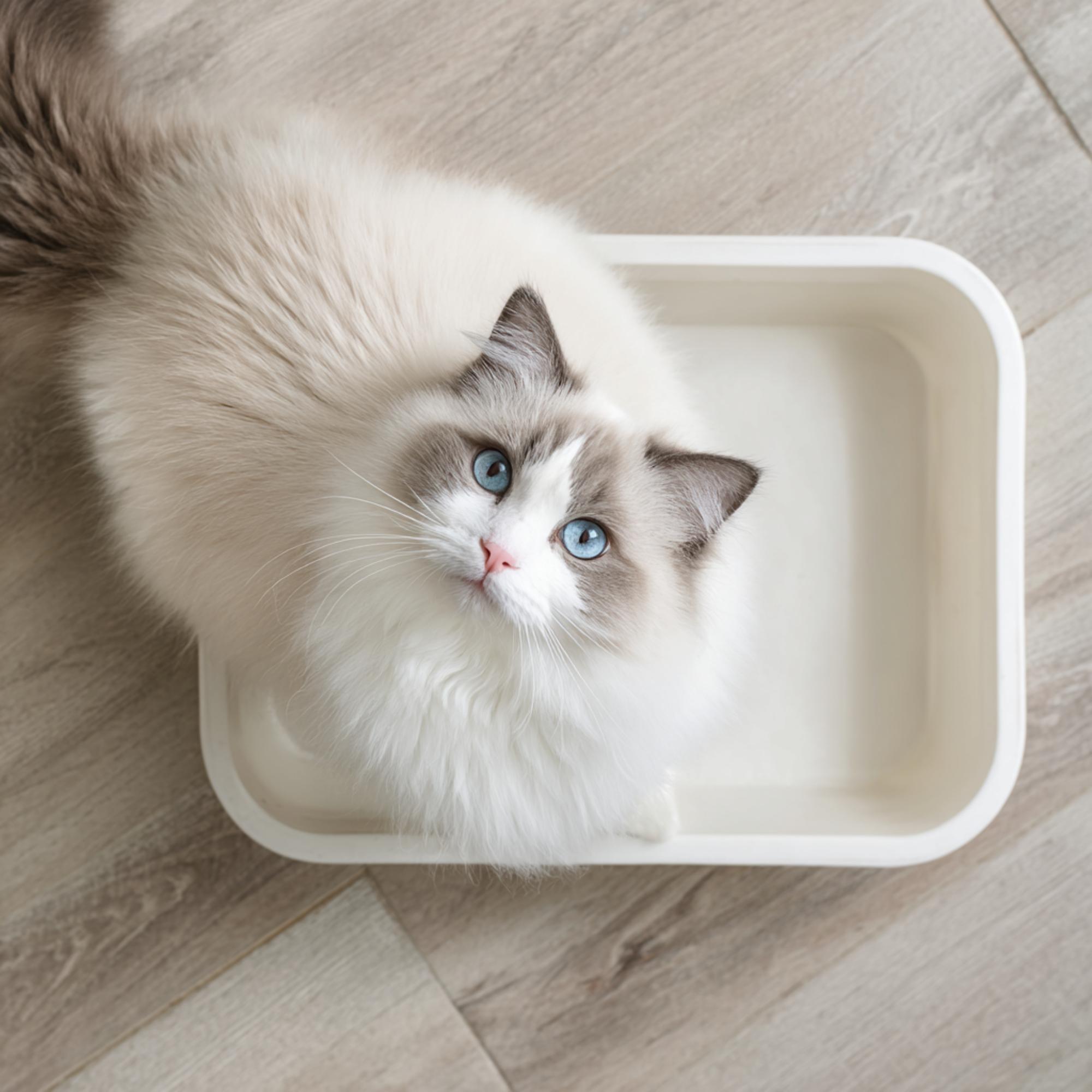
- Colorpoint – darker coloration on the face, ears, legs, and tail
- Mitted – white paws and often a white chin or blaze on the nose
- Bicolor – an inverted “V” on the face with more white on the body
- Lynx – tabby striping layered over any of the above patterns
Each pattern develops gradually and may continue to change during the first year of life.
For a full visual breakdown and deeper explanation of how colors and patterns develop, see the Complete Ragdoll Colors Guide, which walks through every variation in detail.
💡 Important buyer tip: When buying a Ragdoll kitten, color and markings should be a preference, not a priority. A perfectly marked kitten is not necessarily the healthiest or best personality match. Ethical breeders focus on placing kittens based on temperament and long-term fit first, with appearance as a secondary consideration.
The Cost of Buying a Ragdoll Kitten
Ragdolls are widely considered a luxury cat breed, and the cost to buy a Ragdoll cat reflects the level of care, health testing, and intentional breeding involved. Buyers searching “ragdoll cat buy” are often surprised by the price range, but understanding what goes into that cost helps set realistic expectations.
Typical Ragdoll Kitten Price Range
- Companion Ragdoll kittens typically range from $1,500 to $3,500
These kittens are placed as pets and represent the majority of ethical placements. They are bred for health and temperament rather than perfect show markings. - Show or breeding-quality Ragdoll kittens often range from $3,500 to $6,000+
These kittens are evaluated against breed standards and may be placed with experienced homes or programs. Pricing reflects rarity, structure, and breeding rights rather than personality alone.
Higher pricing does not guarantee a “better” pet. It usually reflects the breeder’s investment in health testing, lineage, and responsible placement practices.
See: Should I Buy One Ragdoll Kitten or Two
Ongoing Costs of Ragdoll Ownership
Buying a Ragdoll cat is only the first part of the financial commitment. Ongoing care should be planned for before bringing a kitten home.
- Food and litter: approximately $50–$100 per month, depending on diet quality and household size
- Veterinary care: typically $300–$600 per year for routine wellness, vaccinations, and preventive care
- Grooming tools, toys, and enrichment: an estimated $200–$500 per year
Ragdolls have semi-long coats and benefit from regular grooming and environmental enrichment to stay healthy and content.
How Ragdoll Pricing Compares to Other Breeds
When compared to other high-end cat breeds such as Persians or Maine Coons, Ragdolls fall within the same premium tier. Pricing is not based on trend alone. It reflects the breeder’s long-term investment in genetics, socialization, and lifetime support for buyers.
For people planning to buy a Ragdoll cat, the goal is not to find the lowest price, but to understand the value behind responsible breeding and long-term predictability. Paying more upfront often reduces the risk of unexpected health or behavioral issues later.
Questions to Ask Before Buying a Ragdoll Cat
Before committing to buy a Ragdoll cat, taking time to ask the right questions can protect you from avoidable health, temperament, and placement issues. Ethical breeders expect informed buyers and are transparent about their practices, while vague or defensive answers are often a red flag.
When speaking with a breeder, these are the most important questions to ask:
- What health testing is performed on the parent cats?
Responsible breeders screen for genetic conditions associated with the breed and are willing to explain testing results and protocols. - Can I review pedigrees and health records?
Documentation helps verify lineage, health history, and responsible breeding practices. - How are kittens socialized before they go home?
Early handling, household exposure, and routine experiences play a major role in a Ragdoll kitten’s confidence and adaptability. - What is included when buying a Ragdoll kitten?
Ask what veterinary care, vaccinations, microchipping, spay or neuter plans, and transition guidance are provided before go-home. - How do you match kittens to families?
Ethical breeders place kittens based on temperament, energy level, and household fit rather than appearance alone.
A breeder’s willingness to answer these questions clearly and consistently is one of the strongest indicators that you are buying a Ragdoll cat from a reputable, responsible source.
Ragdoll Buyers Regrets and How to Avoid Them
How to Avoid Scams and Backyard Breeders
Because Ragdoll cats are in high demand, buyers searching “ragdoll cat buy” are frequently targeted by scams and unethical sellers. Knowing the warning signs before you commit can prevent financial loss and long-term heartbreak.
Be cautious of sellers who show any of the following red flags:
- Requests for payment through untraceable apps such as CashApp or Venmo without a written contract or verified identity
- Prices that seem far below normal market ranges, often used to pressure buyers into quick decisions
- Websites or social media pages using stolen photos, which can often be detected through reverse image searches
- Refusal to video chat, show live kittens, or provide recent photos and updates
- Vague answers about health testing, lineage, or contracts, or avoidance of basic buyer questions
Reputable breeders expect informed buyers and welcome transparency. When possible, work with breeders who are registered with established organizations such as the Cat Fanciers’ Association (CFA) or The International Cat Association (TICA), as affiliation adds an extra layer of accountability.
When buying a Ragdoll cat, slow, documented, and transparent communication is a sign of legitimacy. Pressure, urgency, or secrecy is not.
Preparing for Your Ragdoll Kitten
Bringing your Ragdoll kitten home is the exciting milestone buyers look forward to most, but preparation plays a major role in how smoothly that transition goes. For families planning to buy a Ragdoll cat, having the home set up in advance reduces stress, supports confidence, and helps your kitten bond more quickly.
Start by creating a kitten-safe transition space. This should be a quiet room equipped with a litter box, fresh water, appropriate scratching surfaces, and soft bedding. Limiting space at first helps kittens feel secure while they learn their new environment.
Food transitions are another critical step. Ask your breeder what food your kitten is currently eating and transition slowly to avoid digestive upset. Sudden diet changes are one of the most common reasons new owners experience loose stool or appetite issues during the first week.
Ragdoll kittens also benefit from structured enrichment. Interactive toys, climbing opportunities, and sturdy cat trees allow them to observe their environment calmly while engaging both mentally and physically. Ragdolls tend to enjoy lounging as much as playing, so vertical space matters.
Plan your first veterinary visit within the first week after go-home for a wellness check and baseline exam. This visit helps establish care and gives you peace of mind as your kitten settles in.
Ragdolls are highly adaptable cats, but the first days home matter more than most buyers expect. For a detailed breakdown of normal adjustment behaviors, common stress responses, and what is expected after your kitten goes home, see What to Expect After a Kitten Goes Home. Understanding this phase ahead of time helps owners respond calmly and confidently during the transition.
Long-Term Commitment: Is a Ragdoll Cat the Right Fit for You?
Ragdoll cats typically live 12 to 17 years, making the decision to buy a Ragdoll cat a long-term commitment rather than a short-term purchase. Beyond the excitement of bringing a kitten home, it is important to consider how a Ragdoll fits into your life over many years.
Prospective owners should realistically evaluate the following:
- Long-term veterinary care: Routine wellness visits, preventive care, and the ability to handle unexpected medical needs are part of responsible ownership.
- Travel and lifestyle considerations: If you travel frequently, reliable in-home pet care or boarding arrangements are essential, as Ragdolls do best with consistent human interaction.
- Daily companionship needs: Ragdolls are known for their affectionate, people-oriented nature. They thrive in homes where they are treated as part of the family rather than left alone for long periods.
Ragdolls are not a decorative or low-involvement breed. When buying a Ragdoll cat, you are choosing a companion that seeks connection, routine, and presence in everyday life. For homes that can offer that level of engagement, the bond formed is often deeply rewarding.
See Are Ragdoll Cats Easy Cats?
Ragdoll Cat Buy: Choosing the Right Ragdoll Kitten
Buying a Ragdoll kitten is an investment in years of companionship, routine, and connection. The right kitten is not defined by perfect markings, but by sound health, stable temperament, and a placement that fits your home and expectations.
If you are still comparing options or refining what you are looking for, exploring how ethical breeders place kittens can help you decide when the timing is right. When you are ready, you can take the next step by viewing Ragdoll kittens available through our placement process, knowing exactly what to expect and what questions to ask.
Frequently Asked Questions About Buying a Ragdoll Cat
Is it better to buy a Ragdoll kitten or an adult cat?
Both can be excellent choices. Kittens allow you to raise the cat from an early age, while adults offer more predictability in personality and size. Ethical breeders can help buyers decide which option fits their lifestyle best when buying a Ragdoll cat.
Where is the safest place to buy a Ragdoll cat?
The safest place to buy a Ragdoll cat is from a reputable breeder who health tests parent cats, raises kittens in the home, and provides documentation and ongoing support. Marketplaces and classified listings carry significantly higher risk.
Why do ethical breeders have waitlists?
Waitlists allow breeders to plan responsible placements rather than rushing sales. When buying a Ragdoll cat, a waitlist usually means kittens are placed based on fit and development, not urgency or impulse.
How long does it usually take to buy a Ragdoll cat?
The timeline varies. Some buyers find a match quickly, while others wait for the right temperament or characteristics. Buying a Ragdoll cat responsibly often involves patience rather than instant availability.
Can I choose my Ragdoll kitten right away?
In most ethical programs, kitten selection happens after a period of temperament observation. This helps ensure the kitten’s personality matches the buyer’s home, which leads to better long-term outcomes.
What health testing should be done before buying a Ragdoll cat?
Reputable breeders typically screen for genetic conditions common to the breed and provide veterinary records. Health testing and early care are critical factors when buying a Ragdoll kitten.
Why don’t responsible breeders sell Ragdoll cats instantly?
Instant sales prioritize speed over suitability. Ethical breeders focus on proper development, socialization, and matching, which reduces behavioral and health issues after placement.
Are Ragdoll cats good for families with children or other pets?
Ragdolls are known for their calm, affectionate nature, but individual temperament matters. A responsible breeder will guide families toward a kitten whose personality suits their household dynamics.
What paperwork should come with buying a Ragdoll cat?
Buyers should expect a written contract, health records, vaccination history, and guidance for transition and care. Clear documentation is a key sign of a reputable breeder.
How can I avoid scams when trying to buy a Ragdoll cat?
Be cautious of sellers who refuse video calls, use stolen photos, or push fast payments without contracts. Buying a Ragdoll cat should involve transparency, communication, and verifiable information.
Is buying a Ragdoll cat a long-term commitment?
Yes. Ragdolls often live well into their teens and thrive on companionship. Buyers should be prepared for long-term care, routine grooming, and a cat that wants to be involved in daily life.
See Who Should Not Buy a Ragdoll Cat
What should I prepare before bringing a Ragdoll kitten home?
Preparation includes setting up a quiet space, planning food transitions, scheduling a vet visit, and establishing routines. Preparation supports a smoother adjustment after buying a Ragdoll kitten.
Other Ragdoll Cat posts to binge read:
- 1. When Do Ragdoll Cats Stop Growing? Wondering how big your fluffy kitten will get? Learn about Ragdoll growth stages, from tiny kitten to full-sized gentle giant.
- 2. Are Ragdoll Cats Hypoallergenic? If you love cats but worry about allergies, this post clears up the truth about Ragdolls and allergy-friendly living.
- 3. How Much Do Ragdoll Cats Cost? A complete cost breakdown that covers adoption fees, ongoing care, and what makes Ragdolls a luxury cat breed.
- 4. Our Step By Step Kitten Reservation Process Here is exactly how to reserve one of our kittens.
- 5. Ragdoll Cat Growth Stages: Kitten to Adult From feeding to grooming to enrichment, this guide gives you everything you need to raise a healthy, happy Ragdoll.
Sources & Further Reading: Buying a Ragdoll Cat Responsibly
- Cat Fanciers’ Association (CFA)
Ragdoll breed standard, registration practices, and breeder ethics
https://cfa.org/ragdoll/ - The International Cat Association (TICA)
Ragdoll breed information, accepted colors and patterns, and breeder guidelines
https://tica.org/breeds/browse-all-breeds?view=article&id=201:ragdoll&catid=48 - UC Davis Veterinary Genetics Laboratory
Genetic testing information relevant to Ragdoll cats, including inherited conditions
https://vgl.ucdavis.edu - Cornell University College of Veterinary Medicine
General feline health, preventive care, and wellness guidance
https://www.vet.cornell.edu/departments-centers-and-institutes/cornell-feline-health-center - American Veterinary Medical Association (AVMA)
Guidance on selecting pets responsibly and working with ethical breeders
https://www.avma.org/resources-tools/pet-owners - International Cat Care (iCatCare)
Evidence-based information on cat behavior, welfare, and adjustment
https://icatcare.org - ASPCA – Cat Care Resources
General feline care, transition guidance, and long-term ownership considerations
https://www.aspca.org/pet-care/cat-care





Read the Comments +