
Are British Longhair Cats Good for Families, Kids, and Multi-Pet Homes?
Quick Family Compatibility Summary
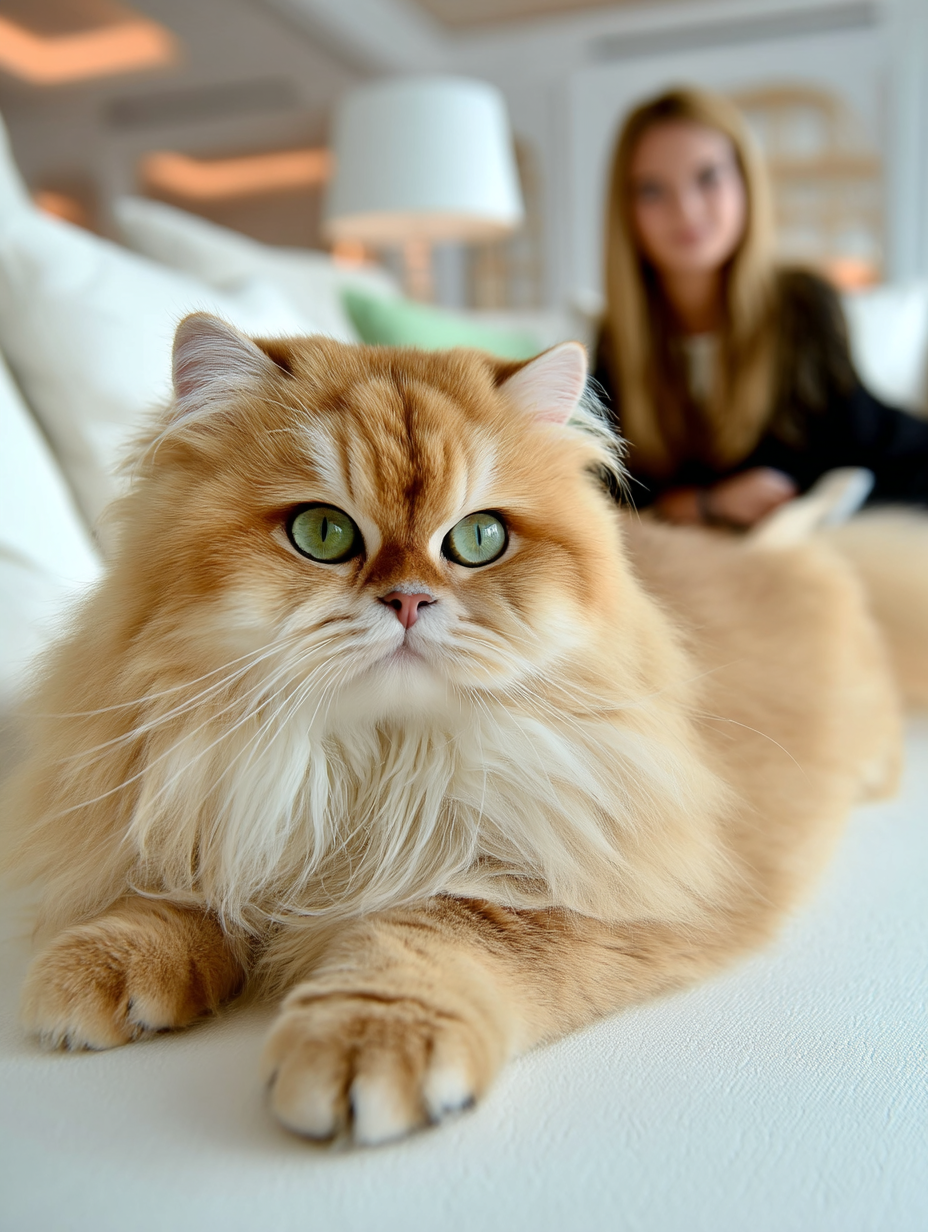
British Longhair cats are an excellent choice for families seeking a calm, stable, and gentle companion. Known for their even temperament and low reactivity, they adapt well to households with children, predictable dogs, and other cats when introductions are handled properly. British Longhairs are not overly demanding or chaotic, making them especially well suited for families who want a peaceful, affectionate presence rather than a constantly active cat.
Their tolerance for routine household noise, preference for respectful interaction, and emotionally steady nature make them reliable family pets. This guide explains how British Longhairs interact with children, dogs, and other pets, what families should expect during the adjustment period, and when this breed may—or may not—be the right fit.
Quick Summary Table: British Longhairs in Families, Kids, and Multi-Pet Homes
| Feature | Rating | Notes |
|---|---|---|
| Temperament With Kids | Very Good | Gentle, calm, patient with respectful children. |
| Compatibility With Dogs | Moderate–High | Best with calm, trained dogs; prefers low prey drive companions. |
| Energy Level | Low–Medium | Playful in short bursts; not hyper or disruptive. |
| Noise Level | Low | Quiet communicators; rarely vocal or startling. |
| Grooming Needs | Medium | Long coat requires routine brushing; not difficult with consistency. |
| Social Needs | Moderate | Enjoys companionship but tolerates alone time well. |
| Overall Family Fit | Excellent | Ideal for families seeking a calm, predictable, affectionate cat. |
Overview of the British Longhair’s Personality
Core Temperament Traits
British Longhairs are known for their composed, emotionally balanced nature. They are affectionate without being needy, observant without being anxious, and social without demanding constant attention. This breed values stability and tends to respond calmly to its environment rather than reacting impulsively.
Unlike highly energetic or clingy breeds, British Longhairs prefer steady routines, familiar people, and predictable interactions. They are confident but reserved, making them especially appealing to families who want a cat that blends into daily life rather than dominating it.
Why These Traits Matter for Families
Family homes are often busy, noisy, and full of movement. British Longhairs handle this well as long as interactions are respectful. Their low startle response and calm demeanor reduce stress-related behaviors such as hiding, aggression, or excessive vocalization.
Because they are emotionally steady and not easily overstimulated, British Longhairs are less likely to lash out when startled, making them a safer and more predictable choice for households with children.
Are British Longhairs Good With Children?
Positive Traits With Kids
British Longhairs can do very well with children, particularly when kids are taught gentle handling and respect. Families often appreciate that this breed offers:
- High tolerance for routine household noise
- Calm responses to normal child activity
- Gentle, non-aggressive play styles
- Strong but quiet bonding with family members
- Predictable behavior that reduces scratching or fear responses
Their sturdy, well-balanced build also helps. British Longhairs are not fragile cats, which makes them more comfortable around children who are still learning how to interact appropriately.
Challenges Families Should Prepare For
While British Longhairs are tolerant, they are not rough-and-tumble cats. Families should be mindful of:
- Overhandling by very young children
- Pulling fur, tails, or ears (long coats require respect)
- Expecting constant lap time—this breed prefers proximity over restraint
- Ignoring body language signals when the cat needs space
British Longhairs thrive when children are taught to let the cat walk away, respect resting periods, and interact calmly. With supervision and education, most challenges are easily avoided.
Are British Longhair Cats Good With Dogs?
Traits That Support Dog Compatibility
Calm Confidence
British Longhairs are naturally composed and emotionally steady. Rather than panicking or bolting when encountering a dog, they tend to pause, observe, and assess the situation. This calm confidence reduces chase responses in many dogs and helps early introductions feel less chaotic. Their quiet presence signals stability rather than prey behavior.
Low Reactivity & Controlled Prey Drive
British Longhairs generally have a low prey drive compared to more athletic or highly reactive breeds. They are less likely to dart suddenly, swipe impulsively, or flee in response to movement. This measured response makes coexistence with well-mannered dogs more achievable, especially in homes that prioritize calm interactions.
Slow, Predictable Body Language
One of the British Longhair’s greatest strengths is its clear, readable body language. Their slow movements, relaxed posture, and minimal tail flicking give dogs easy social cues. Dogs are less likely to misinterpret their signals, which reduces misunderstandings during early introductions.
Reserved but Observant Temperament
British Longhairs are not overly curious in the way some social breeds are, but they are quietly observant. They often prefer to watch dogs from a comfortable distance at first, gradually sharing space once trust is established. Many will eventually rest in the same room, follow familiar routines, or occupy nearby perches without direct interaction.
Situations That Require Management
High-Energy Dogs
Fast-moving, excitable dogs can overwhelm a British Longhair. Puppies and high-drive breeds should be introduced slowly, using leashes, calm redirection, and structured routines. Without this management, excessive movement may cause stress rather than curiosity.
Herding Breeds
Dogs with herding instincts may attempt to control the cat’s movement. British Longhairs are particularly sensitive to being pressured or followed. Training the dog to disengage and respect boundaries is essential for long-term harmony.
Prey-Driven Dogs
Terriers, sighthounds, and hunting breeds require strong impulse control. Commands such as “leave it,” “place,” and calm focus exercises are critical. Success is possible, but only when the dog’s behavior is consistently managed.
Food & Resource Guarding
Dogs that guard food, beds, or toys must be supervised carefully. British Longhairs are unlikely to challenge a guarding dog, which can place them at risk if boundaries are not enforced.
Are British Longhair Cats Good With Other Cats?
When They Integrate Easily
Low Territorial Behavior
British Longhairs are generally not highly territorial, especially when introductions are gradual and space is respected. They tend to accept new cats more easily if the other cat is calm, emotionally stable, and non-confrontational.
Quiet Social Tolerance
While not overly dependent on feline companionship, British Longhairs usually coexist peacefully in multi-cat households. They may not seek constant interaction, but they are comfortable sharing space, resources, and routines.
Gentle, Non-Dominant Play Style
This breed favors slow chases, light pawing, and parallel play rather than wrestling or dominance displays. Their cooperative play style helps reduce tension and conflict in multi-cat homes.
When Multi-Cat Homes May Be Challenging
Transitional Dominance in Adolescence
Some males may display mild dominance behaviors between 12–24 months. This typically resolves with consistent routines, adequate space, and supervised introductions.
Overstimulation Signals
When overwhelmed, British Longhairs communicate clearly by walking away, retreating to high ground, or disengaging. Respecting these signals prevents escalation.
Personality Mismatch
Pairing a calm British Longhair with a highly anxious or hyperactive cat may require extended adjustment periods and additional environmental management.
Activity Level & Play Style
Why Activity Level Matters for Families
British Longhairs are low-to-moderate energy cats. They enjoy play, but in short, calm sessions rather than constant activity. Their activity level influences:
- Indoor Environment: They benefit from vertical space, window perches, and quiet observation areas.
- Daily Enrichment: Short interactive play sessions, puzzle feeders, and gentle wand toys are ideal.
- Child Interaction: Their predictable, low-intensity play makes them well suited for supervised play with respectful children.
A properly stimulated British Longhair is calm, affectionate, and content to relax near the family.
Matching the Breed With Your Household Energy
For High-Energy Homes
British Longhairs can adapt, but only if quiet zones and calm routines are maintained. They are not ideal for nonstop activity or chaotic environments.
For Low-Energy Homes
This breed excels in quieter households. They are especially well suited for work-from-home families, mature households, and homes that value calm companionship.
For Busy Families
British Longhairs tolerate alone time better than many social breeds, but they still need daily interaction and enrichment. Another calm pet can be beneficial, provided introductions are thoughtful.
Grooming Requirements for Family Homes
Pros of the Breed’s Grooming Needs
British Longhairs have a plush, dense coat that looks more demanding than it actually is when cared for correctly. While the coat is full and luxurious, it is not as fine or fragile as some longhaired breeds, which helps reduce constant tangling when a routine is maintained. Many families find that two to three gentle brushing sessions per week are enough to keep the coat comfortable and tidy.
Shedding is moderate throughout the year, with heavier seasonal shedding in spring and fall. During these periods, brushing frequency may increase temporarily. British Longhairs tend to stay clean indoors and are not prone to collecting debris, making them well suited to family environments. Because they are generally tolerant of calm handling, grooming can become a relaxed, family-friendly routine rather than a stressful chore.
Grooming Challenges Families Should Know
Despite their manageable nature, British Longhairs still require consistent coat care. Their dense undercoat can mat if brushing is skipped for long periods, especially in friction areas such as behind the ears, under the arms, along the chest, and around the hindquarters.
Families should expect increased hair on furniture during seasonal shedding and plan accordingly. Children who enjoy petting or handling the cat frequently can unintentionally contribute to tangling if the coat is not maintained. Busy households benefit from setting a predictable grooming schedule to prevent mats and maintain comfort rather than addressing issues after they develop.
How Social Are British Longhair Cats?
Independence vs People-Orientation
British Longhairs are moderately social cats with a strong appreciation for calm companionship. They enjoy being present in family spaces—resting nearby, observing daily activity, and quietly participating in household routines—but they are not typically clingy or intrusive.
They tolerate alone time well and do not require constant engagement, making them suitable for families with work, school, and varying schedules. British Longhairs communicate subtly through body language and gentle cues rather than vocalization, which helps families learn their preferences quickly. Their emotionally steady nature allows them to adapt to household noise and interruptions without becoming overstimulated.
Ideal Family Routines for This Breed
British Longhairs thrive in homes with predictable, low-stress routines. Short, calm play sessions support physical health without overwhelming them. Scheduled meals promote emotional stability and help prevent food competition in multi-pet homes.
They benefit from quiet evening downtime, cozy resting areas, and vertical perches where they can observe without being disturbed. Enrichment such as puzzle feeders, window access, climbing towers, and brief interactive play keeps them mentally engaged. Regular grooming incorporated into the week—even in short sessions—supports coat health and reinforces trust between the cat and family members.
Common Family-Friendly Pros of the British Longhair Cat
British Longhairs are an excellent match for families seeking a calm, affectionate, and predictable companion. Their temperament and lifestyle needs align well with households that value stability over constant activity.
Affectionate, Emotionally Steady Temperament
British Longhairs are known for their composure and emotional balance. They form strong bonds with their families without demanding constant attention. Their calm presence helps maintain harmony in busy homes.
Bonds With the Whole Family
Rather than attaching to only one person, British Longhairs typically build quiet, reliable relationships with multiple family members. They are comfortable interacting with adults, children, and familiar pets in a measured, respectful way.
Predictable Behavior
This breed matures steadily and maintains a consistent personality profile. Families often appreciate:
- low aggression
- minimal reactivity to noise
- tolerance for gentle handling
- clear communication when space is needed
This predictability supports safe, respectful interactions with children.
Fits Well in Multi-Pet Homes
British Longhairs have a low reactivity level and do best with calm, well-introduced pets. With proper introductions, they often coexist peacefully with:
- gentle dogs
- other emotionally stable cats
- established household routines
They are less likely to escalate or compete, preferring quiet coexistence.
Calm Presence in Busy Households
Although playful in short bursts, British Longhairs maintain a steady emotional tone. They do not thrive on chaos, but they adapt well to active family schedules when given quiet spaces to retreat and recharge.
Common Cons to Consider Before Choosing a British Longhair Cat
Even calm, family-friendly breeds come with real responsibilities. British Longhairs thrive when their temperament and care needs are understood before bringing one home.
Grooming Requirements
British Longhairs have a dense, plush coat that requires consistent maintenance. Families should expect:
- brushing 2–3 times per week
- mat prevention behind the ears, under the arms, chest, and hindquarters
- heavier seasonal shedding in spring and fall
Skipping grooming can lead to compacted undercoat and discomfort. While not extreme, coat care is non-negotiable for this breed. See more British Longhair Grooming info here.
Sensitivity to Overstimulation
British Longhairs are emotionally steady but not tolerant of rough or chaotic handling. They prefer calm interaction and clear boundaries. Households with very young children must be prepared to supervise and teach respectful handling.
Health Considerations
British Longhairs are generally healthy, but responsible families should be aware of breed-related considerations, including:
- HCM (hypertrophic cardiomyopathy)
- PKD risk through Persian ancestry in some lines
- weight management due to a stocky build
Choosing a health-tested kitten from a reputable breeder is essential.
Price & Availability
Purebred British Longhairs are significantly more expensive than domestic cats. Well-bred kittens with health testing, proper socialization, and ethical breeding practices often come with:
- higher price points
- breeder screening processes
- waitlists rather than immediate availability
Emotional & Environmental Needs
While more independent than highly social breeds, British Longhairs still need daily interaction. Families who are gone for long hours should plan for:
- predictable routines
- enrichment (perches, puzzle feeders, play)
- a calm companion pet if appropriate
Isolation without stimulation can lead to withdrawal or boredom.
Activity Mismatch
British Longhairs are low-to-moderate energy. Families wanting a constantly playful, interactive cat may find them too reserved. Conversely, very loud or high-energy households may overwhelm them without designated quiet spaces.
Are British Longhair Cats Good for First-Time Owners?
Why They Can Be a Good Fit
British Longhairs are often suitable for first-time owners who want a predictable, calm companion. They offer:
- emotionally steady, low-reactivity temperament
- consistent behavior patterns with few surprises
- easy adaptation to routines, litter habits, and household rules
They tend to be forgiving of beginner mistakes as long as care is consistent and respectful.
What First-Time Owners Must Prepare For
Despite their easygoing nature, new owners must be ready for:
- routine grooming and coat care
- structured feeding schedules to prevent weight gain
- financial commitment to preventive veterinary care
- mental enrichment through environment rather than constant play
When these needs are met, British Longhairs become deeply rewarding companions.
Best Home Environments for the British Longhair Cat
Where British Longhairs Thrive
Homes with respectful children
British Longhairs do best with children who understand gentle handling. They are patient and tolerant, but not playful in a rough way. Calm, predictable households suit them best.
Multi-pet households
They generally coexist well with other calm cats and well-trained dogs. Their low territorial drive and non-confrontational nature support peaceful multi-pet living when introductions are gradual.
Apartments or houses
British Longhairs adapt well to both small and large homes. Vertical space, window views, scratching posts, and predictable routines are more important than square footage.
Homes That May Not Be Ideal
Highly unpredictable schedules
British Longhairs value routine. Constant changes, long absences, or chaotic environments may cause stress or withdrawal.
Very low-interaction families
Families seeking a completely hands-off cat may find the British Longhair too socially aware. They enjoy quiet companionship and presence, even if not constant handling.
Homes wanting zero grooming
This is not a wash-and-go breed. Families unwilling to commit to regular brushing and coat maintenance may be better suited to a shorthaired cat.
British Longhair Compatibility FAQ
1. Are British Longhair cats good family pets?
Yes. British Longhairs are excellent family pets for households that value calm, predictable companionship. They integrate well into family routines, tolerate normal household noise, and bond quietly with multiple family members rather than demanding constant attention.
2. Are British Longhairs good with children?
They do best with respectful children. British Longhairs are patient and tolerant but do not enjoy rough handling. Families with school-age children or younger kids who are supervised tend to have the best experience.
3. Are British Longhair cats safe around toddlers?
They can live safely with toddlers when interactions are supervised. British Longhairs prefer gentle touch and will usually walk away rather than react defensively, but toddlers must be taught boundaries to prevent stress.
4. Do British Longhairs like being held or carried?
Some tolerate brief holding, but most prefer sitting beside people rather than being restrained. They show affection through proximity, slow blinks, and quiet companionship rather than constant lap time.
5. Are British Longhairs good with dogs?
Yes, with calm, well-trained dogs. British Longhairs coexist best with dogs that have low prey drive, good impulse control, and respectful behavior. Slow, structured introductions are essential.
6. Can British Longhair cats live with puppies?
They can, but puppies require careful management. High-energy or mouthy puppy behavior can overwhelm a British Longhair. Leash control, calm redirection, and separate rest spaces are important during early stages.
7. Are British Longhairs good with other cats?
Generally, yes. They are low-territorial and prefer peaceful coexistence. They do best with emotionally stable cats that respect space rather than hyperactive or dominant personalities.
8. Do British Longhairs need a companion pet?
Not necessarily. They tolerate alone time well and do not require another pet. However, a calm companion animal can be beneficial in homes where people are away for long hours.
9. Are British Longhairs affectionate or independent?
They are affectionate but independent. British Longhairs enjoy being near their people without demanding attention. This balance makes them ideal for families with structured but busy schedules.
10. Do British Longhairs handle busy households well?
Yes, if the household is predictable rather than chaotic. They tolerate daily noise and activity but need quiet spaces to retreat and recharge.
11. Are British Longhairs good for first-time cat owners?
Yes. Their calm temperament, predictable behavior, and tolerance for routine make them suitable for first-time owners who are prepared for grooming and structured care.
12. Do British Longhairs adapt well to new environments?
They adapt steadily rather than instantly. Expect a calm observation period during transitions. Once routines are established, they settle in confidently.
13. Are British Longhairs vocal?
No. They are one of the quieter longhaired breeds. They communicate through body language and subtle sounds rather than loud meowing.
14. Do British Longhairs tolerate being alone during workdays?
Yes, within reason. They handle normal work schedules well if provided with enrichment, routine feeding times, and evening interaction.
15. Are British Longhairs playful?
They are playful in short, calm bursts. They enjoy interactive play but are not hyperactive or destructive when their needs are met.
16. Do British Longhairs require a lot of attention?
No. They prefer consistent, low-intensity interaction rather than constant engagement. This makes them well suited for families who want companionship without clinginess.
17. Are British Longhairs good apartment cats?
Yes. They adapt very well to apartments as long as they have vertical space, window access, scratching posts, and predictable routines.
18. Are British Longhairs sensitive to stress?
They are emotionally steady but sensitive to prolonged chaos or rough handling. Maintaining routine, calm interaction, and quiet rest areas is important.
19. Do British Longhairs enjoy travel or frequent visitors?
They tolerate visitors well once familiar but are not enthusiastic travelers. They prefer stability over constant change.
20. Who is a British Longhair not a good match for?
They may not be ideal for:
- families seeking a high-energy or constantly playful cat
- homes with uncontrolled dogs or chaotic environments
- owners unwilling to commit to regular grooming
- households expecting a lap cat that enjoys constant handling
Choosing a British Longhair Kitten Starts With the Right Foundation
Our British Longhair kittens are raised with:
- early grooming exposure and handling
- attention to coat structure and density
- health-first breeding practices
- honest guidance on grooming, care, and long-term coat management
If you’re looking for a British Longhair kitten raised with grooming socialization from the very start, you can learn more about our current and upcoming kittens below.
See Our British Longhair Kittens
Related British Longhair Posts
If you’re still learning about the breed, these in-depth guides explore different aspects of British Longhair ownership:
- Is a British Longhair Right for Me? -lifestyle fit, emotional expectations, time commitment etc
- Is a British Longhair Hypoallergenic? -hypoallergenic expectations and what to expect.
- British Longhair Personality & Temperament – what living with the breed is actually like day to day
- British Longhair Health & Lifespan – genetic considerations, screenings, and long-term wellbeing
- British Longhair Cost & Ownership Expenses – realistic pricing, lifetime costs, and what influences kitten price
- British Longhair Breed Overview – Everything to know about the breed.
- British Longhair vs British Shorthair – choosing between the longhaired and shorthaired British types
- British Longhair vs Ragdoll – temperament, care needs, and lifestyle fit compared side by side
- Preparing Your Home for a British Longhair Kitten – environment setup, routines, and transition tips
These resources are designed to help you make a thoughtful, informed decision before choosing a breed or applying for a kitten.
Sources & References
- The International Cat Association (TICA). British Shorthair & British Longhair Breed Overview and Temperament Standards.
https://tica.org/breeds/browse-all-breeds?view=article&id=865 - Cat Fanciers’ Association (CFA). British Shorthair Breed Profile (temperament, family suitability, care).
https://cfa.org/breed/british-shorthair/ - GCCF (Governing Council of the Cat Fancy – UK). British Shorthair & Longhair Breed Standards and Behavior Traits.
https://www.gccfcats.org/getting-a-cat/choosing/cat-breeds/british-shorthair/ - VCA Animal Hospitals. Choosing the Right Cat for Your Family.
https://vcahospitals.com/know-your-pet/choosing-the-right-cat-for-your-family - Cornell University College of Veterinary Medicine. Feline Behavior and Social Compatibility.
https://www.vet.cornell.edu/departments-centers-and-institutes/cornell-feline-health-center/health-information/feline-behavior - International Society of Feline Medicine (ISFM). Multi-Cat Household Dynamics & Stress Reduction.
https://icatcare.org/advice/multi-cat-households/ - American Association of Feline Practitioners (AAFP). Environmental Needs & Stress in Cats.
https://catfriendly.com/cat-care-at-home/environmental-needs/ - ASPCA. Introducing Cats to Other Cats and Dogs.
https://www.aspca.org/pet-care/cat-care/introducing-cats-other-pets - Jackson Galaxy. Cat Social Structure, Stress Signals, and Compatibility.
https://www.jacksongalaxy.com/blogs/news - International Cat Care (formerly iCatCare). Understanding Calm vs Reactive Cat Temperaments.
https://icatcare.org/advice/understanding-your-cats-behaviour/







Read the Comments +