
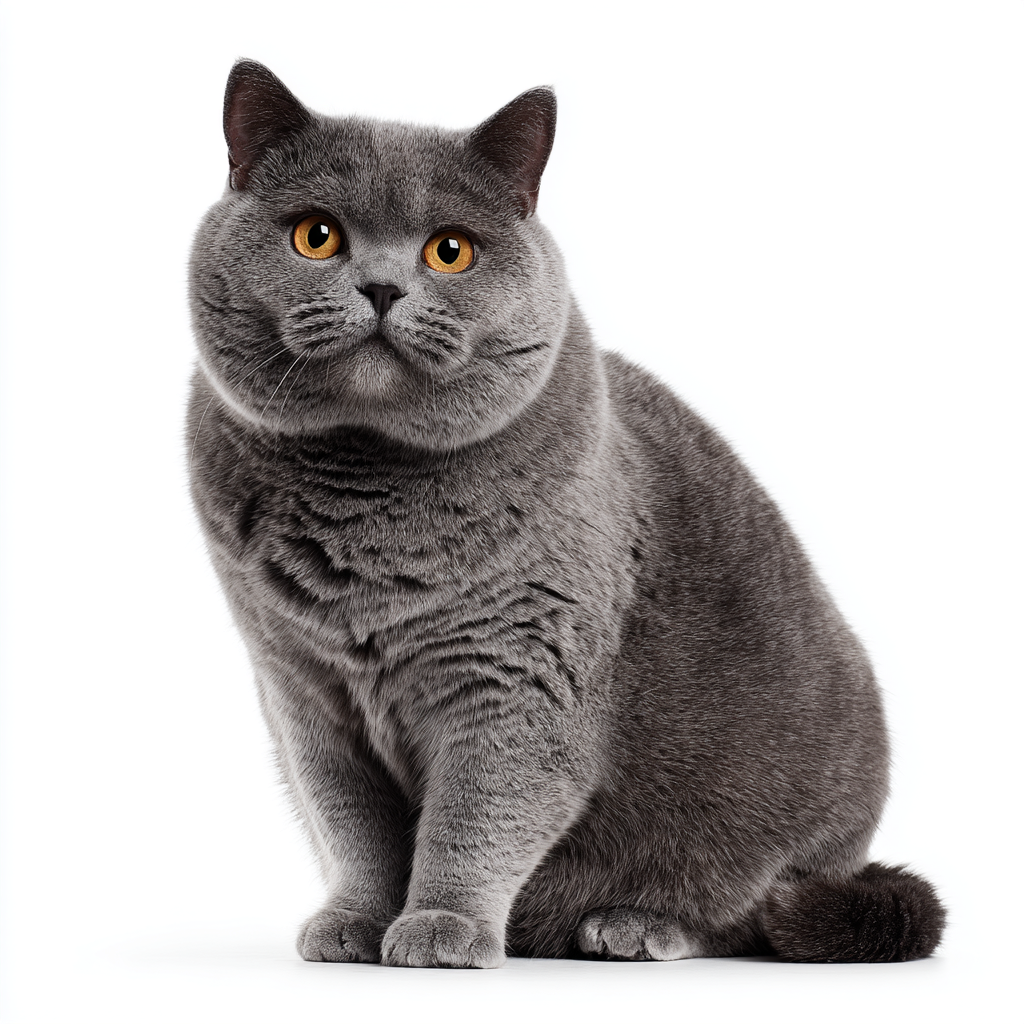
Are British Shorthair Cats Hypoallergenic? Allergies, Shedding & Care
Are British Shorthair Cats Good for Allergic People?
British Shorthair cats are considered moderately suitable for allergy sufferers because of their unique coat texture and predictable shedding cycle. Their plush double coat tends to hold loose hairs and dander instead of releasing them constantly into the air, which can make them easier to tolerate for some people compared to high-shedding or oily-coated breeds. However, they still produce Fel d 1, the primary cat allergen found in saliva and skin oils, so they are not allergy-free.
For mild allergy sufferers, a British Shorthair may cause fewer symptoms than active shedders or cats with high grooming instincts. People with moderate to severe allergies may still react—especially during seasonal shedding or if the home environment is not managed well.
British Shorthair Hypoallergenic Summary
| Category | Rating | Explanation |
|---|---|---|
| Hypoallergenic Level | Not hypoallergenic | British Shorthairs produce normal Fel d 1 levels like all cats. |
| Allergy Risk | Moderate | Dense coat traps some dander, reducing airborne allergens. |
| Shedding Pattern | Seasonal | Heavy shedding in spring/fall, manageable the rest of the year. |
| Best For | Mild allergy sufferers | Most compatible with people who have light dander sensitivity. |
| Worst For | Severe allergy sufferers | Fel d 1 exposure still too high for medically sensitive people. |
Are British Shorthair Cats Actually Hypoallergenic?
No. British Shorthair cats are not considered hypoallergenic. No breed is fully hypoallergenic, but British Shorthairs fall into a middle category where their coat density and low oil production may reduce exposure for allergy-prone families. They produce typical levels of Fel d 1, the main allergen responsible for most cat-related reactions. This protein spreads when cats groom themselves, shed, or leave dried saliva on their coat.
Although they are not a hypoallergenic breed, many owners with mild pet allergies report they tolerate British Shorthairs better than more active, high-grooming breeds that distribute allergens continuously. Structured grooming routines, air filtration, and consistent cleaning can significantly reduce symptoms.
QUICK ANSWER: Are British Shorthair Cats Hypoallergenic?
| Question | Short Answer | Details |
|---|---|---|
| Are British Shorthair cats hypoallergenic? | No | They produce normal Fel d 1 allergen levels like all cats. |
| Are they good for allergy sufferers? | Sometimes | Their dense coat traps dander, making them easier for mild allergy sufferers. |
| Allergy Level | Moderate | Not low-allergen, but more manageable than many longhaired breeds. |
| Who They Work For | Mild allergies | Owners with light dander sensitivity can often tolerate them with grooming and HEPA filters. |
| Who They Don’t Work For | Severe allergies | People with strong reactions to saliva or airborne dander will still react. |
| How to Reduce Allergens | Grooming + air purifiers | Weekly brushing, HEPA filtration, clean bedding, and good nutrition lower allergen load. |
Can a British Shorthair Be Hypoallergenic With Proper Care?
A British Shorthair cannot become fully hypoallergenic, but they can behave like a low-allergen breed when their environment and grooming routine are carefully managed. Because their coat is dense and plush, regular maintenance helps trap and remove dander before it spreads. Weekly or twice-weekly brushing, diet rich in omega-3s, and managing humidity levels can lower allergen production on the skin.
Bathing is rarely needed, but periodic professional grooming can help reduce loose fur during peak shedding seasons. HEPA air filtration, allergen-resistant bedding, and limiting bedroom access can drop allergen load dramatically. Many families with mild allergies live comfortably with British Shorthairs when these systems are in place.
Supports: “can British Shorthair cats be hypoallergenic,” “British Shorthair for allergy sufferers,” “British Shorthair allergies.”
British Shorthair Allergy Level Explained
British Shorthairs typically fall into the moderate allergy-level range. They shed seasonally, not continuously, and their coat structure tends to release allergens in predictable bursts instead of year-round. This makes them easier to manage for people who understand how to prepare for shedding cycles.
British Shorthair allergy characteristics:
- Moderate Fel d 1 levels
- Dense, structured coat that traps rather than disperses dander
- Seasonal—not constant—shedding
- Grooming habits that impact allergen production
- Lower oil production compared to some breeds, which may reduce sebum-based allergens
Allergy sufferers who react mildly to cats may tolerate this breed better than others, but severe allergy sufferers should test their reaction before adopting.
Supports: “British Shorthair allergy level,” “British Shorthair allergies.”
Common Allergy Triggers in British Shorthair Cats
Even though the British Shorthair’s coat can hold onto dander, several triggers still cause reactions:
Fel d 1 in Saliva
British Shorthairs groom themselves frequently, spreading saliva onto the coat where it dries and becomes airborne.
Dander Buildup in the Undercoat
Their thick double coat can trap old skin cells. Without routine brushing, buildup increases allergen load.
Seasonal Shedding
Spring and fall shedding release large amounts of FEL d 1–coated hairs.
Skin Oils (Sebum)
Although they are not oily cats, every breed produces some sebum, and dried skin oils carry allergens.
Environmental Allergens
House dust, fabrics, and carpets can trap allergens produced by the cat.
This section supports the keyword: “British Shorthair allergies.”
How the British Shorthair Compares to Hypoallergenic Cat Breeds
British Shorthairs are not hypoallergenic, but they often cause fewer issues than longhaired or high-oil breeds. When compared to established “low allergy” breeds, their allergen profile is moderate.
Compared to Siberians
Siberians may naturally produce lower Fel d 1, making them a stronger option for severe allergy sufferers.
Compared to Balinese
Balinese cats shed less and have a single coat, reducing dander spread.
Compared to Devon Rex or Cornish Rex
Rex breeds have unique coat types that shed minimally, making them more allergy-friendly—but they require more skin care.
Compared to Sphynx
Sphynx cats do not shed but still produce dander and require frequent baths to reduce skin allergens.
The British Shorthair sits in the middle: not hypoallergenic, but not high-allergen either, making them a realistic compromise for people with mild sensitivities. This supports: “what type of cat is best for allergies.”
British Shorthair vs Hypoallergenic Breeds
| Breed | Hypoallergenic Level | Fel d 1 Production | Shedding | Allergy-Friendly? |
|---|---|---|---|---|
| British Shorthair | Moderate | Normal | Seasonal | Sometimes |
| Siberian | High | Lower-than-average | Moderate | Often |
| Balinese | High | Lower | Low | Often |
| Devon Rex | Moderate–High | Normal | Minimal | Often |
| Sphynx | Moderate | Normal | None (but high skin oils) | Variable |
What Type of Cat Is Best for Allergies?
For people struggling with cat allergies, the best breed is typically one that sheds less, produces lower Fel d 1 levels, or distributes fewer airborne allergens. True hypoallergenic cats do not exist, but certain breeds cause fewer symptoms for many individuals. Siberians and Balinese sometimes produce less Fel d 1, making them stronger choices for moderate to severe allergy sufferers. Devon Rex, Cornish Rex, and Sphynx cats shed differently, which may reduce dander spread but requires dedicated grooming.
British Shorthairs fall into a middle category. They are not low-allergen cats, but their sturdy coat structure and seasonal shedding cycle make them more tolerable for some allergy-prone owners than highly active or continuously shedding breeds. If someone has mild allergies or reacts more to airborne dander than direct contact, a British Shorthair may be a workable choice—especially when paired with proven allergen-management strategies.
This section reinforces the keyword: “what type of cat is best for allergies.”
Are Female Cats More Hypoallergenic?
Female cats may be slightly better for allergy sufferers because they generally produce less Fel d 1 than males. This difference is not dramatic, but it can be meaningful for individuals with mild to moderate allergies. Intact females and females in heat may produce more allergenic proteins, so spayed females are usually the lowest-allergen option in this group.
When applying this specifically to British Shorthairs, many breeders and owners report that spayed females shed consistently but do not release as much sebum or saliva-driven protein as intact males. This is not a guaranteed hypoallergenic solution, but for families who react less intensely, a female may be a more comfortable choice.
Are Male Cats More Hypoallergenic?
Intact male cats generally produce the highest Fel d 1 levels due to the influence of testosterone. This is why male cats often trigger stronger allergy symptoms than females or neutered males. However, once a male is neutered, allergen production typically decreases over time, making him more manageable for many allergy sufferers.
British Shorthair males are known for their dense coats and heavier body structure, which can trap dander if grooming is not consistent. While neutered males can be perfectly acceptable for mild allergy sufferers, anyone with moderate or unpredictable reactions may be better off choosing a spayed female or testing their sensitivity to individual kittens through hands-on visits.
Are British Longhair Cats Hypoallergenic?
British Longhair cats are not considered hypoallergenic, and they typically present higher allergen exposure than British Shorthairs. Their coat contains the same genetics as a British Shorthair but expressed in a longhaired form, which means they shed in greater volume and may spread more dander into the environment. Longhaired undercoats tend to trap allergens longer, and without weekly maintenance, loose hair can circulate through the home.
For allergy sufferers, the British Shorthair is often the better option because the shorter coat drops less hair overall. However, if well-groomed and maintained with consistent brushing, air filtration, and seasonal coat management, some individuals with mild allergies can still tolerate a British Longhair. This varies significantly from person to person.
British Shorthair Hypoallergenic Price: What to Expect
Prices for British Shorthair kittens marketed toward allergy-conscious families can vary based on grooming practices, bloodlines, breeder experience, and the level of socialization offered. While there is no such thing as a true “hypoallergenic” British Shorthair, kittens raised in low-allergen environments, professionally groomed before going home, or descended from parents with lower personal shedding tendencies may command a higher price.
Typical British Shorthair kitten prices in the United States range from $2,500 to $4,500, with show-quality or rare color lines going higher. Owners with allergies often benefit from purchasing from reputable breeders who emphasize coat health, nutrition, and early grooming. These practices reduce loose fur and help kittens transition more smoothly into allergy-sensitive homes.
How to Reduce Allergies If You Own a British Shorthair
Living comfortably with a British Shorthair while managing allergies is absolutely possible with the right adjustments. The goal is to limit the amount of allergen buildup in your home environment and on the cat’s coat.
Proven allergen-reducing strategies include:
- Weekly brushing with a quality metal comb and slicker brush
- Using a HEPA air purifier in high-traffic rooms
- Washing bedding (yours and the cat’s) regularly
- Using allergen-reducing sprays and fabric cleaners
- Feeding a diet rich in omega-3s for skin and coat health
- Vacuuming carpets, rugs, and upholstery at least twice a week
- Keeping the bedroom a cat-free zone if symptoms occur at night
- Running a humidifier to reduce dry-air shedding
These practices do not eliminate allergens, but they can drastically reduce the overall load in your home, allowing many allergy sufferers to enjoy companionship with a British Shorthair while maintaining good comfort and air quality.
Who Should Consider a British Shorthair if They Have Allergies?
British Shorthairs are a surprisingly workable choice for people with mild to moderate allergies who react more to airborne dander than to direct contact with saliva. Their steady temperament, moderate grooming needs, and double coat that traps loose hair instead of dispersing it make them a strong option for families seeking a calmer, lower-maintenance companion. Allergy sufferers who keep a clean home, use air filters, and maintain a brushing routine often find they can enjoy life with a British Shorthair comfortably.
They are also ideal for people who prefer a quieter, independent cat instead of a constantly-climbing, constantly-grooming breed that spreads allergens more easily. If someone’s allergies flare mostly during high-shedding seasons, a British Shorthair remains a better fit than many longhaired or oily-coated varieties. Households with children or multiple pets also tend to do well, since the breed’s stable temperament minimizes stress-driven grooming, which reduces allergen production.
Who Should Not Get a British Shorthair if Sensitive to Cats?
People with severe cat allergies, chronic respiratory conditions, or a history of reacting strongly to multiple cat breeds may struggle even with a well-groomed British Shorthair. This breed is not hypoallergenic, and anyone who reacts intensely to saliva-based proteins will likely experience symptoms because British Shorthairs groom themselves thoroughly. Individuals allergic to both dander and saliva should be especially cautious.
Homes with heavy carpeting, multiple upholstered surfaces, or limited ventilation may also amplify allergen buildup. If a person needs a cat with unusually low Fel d 1 production—such as a Balinese, Siberian, or Rex breed—they may find the British Shorthair too difficult to tolerate long-term. Severe sufferers should schedule multi-hour hands-on visits before committing.
How British Shorthairs Compare to Other Popular Breeds for Allergy Sufferers
Comparing a British Shorthair to other breeds helps allergy sufferers understand where this breed fits on the hypoallergenic spectrum. British Shorthairs sit in the moderate zone: not low-allergen but more manageable than heavy shedders or high-oil breeds.
vs Siberian
Siberians are often marketed as hypoallergenic because they may produce lower Fel d 1 levels. Many severe-allergy families tolerate them better than most cats. British Shorthairs do not share this genetic advantage.
vs Balinese
Balinese cats have a single coat that sheds less and releases fewer allergens. They are often considered a good choice for people who cannot tolerate double-coated breeds.
vs Devon Rex / Cornish Rex
Rex cats shed differently and can be easier for allergy sufferers, but they require more frequent bathing to remove oil buildup.
vs Ragdoll
Ragdolls shed heavily in cycles and often cause worse reactions than British Shorthairs due to their large volume of loose coat.
vs Sphynx
Sphynx do not shed but must be bathed to remove allergens from their skin. For some, this is easier; for others, direct skin exposure makes allergies worse.
For many households, the British Shorthair is a balanced middle ground: less shedding than Ragdolls and Persians, more predictable coat maintenance than Rex breeds, but not hypoallergenic like a Balinese or (potentially) Siberian.
Environmental Strategies to Lower Allergen Exposure With a British Shorthair
Environmental control is one of the most powerful ways to make life with a British Shorthair comfortable for allergy sufferers. The goal is to reduce airborne dander, limit allergen buildup on fabrics, and maintain excellent air quality.
Core strategies include:
- HEPA Air Purifiers: Especially in bedrooms, living rooms, and areas where the cat sleeps.
- Allergen-Resistant Bedding: Use washable covers on couches, pillows, and cat beds.
- Humidity Management: Keeping humidity between 40–50 percent reduces static shedding.
- Daily Lint Rolling: Clothing, curtains, and upholstery collect allergens quickly.
- Vacuuming With a HEPA Vacuum: Helps remove hair and skin particles deeply embedded in fibers.
- Regular Grooming Sessions: Brush the cat weekly to remove trapped dander.
Combining these strategies significantly decreases symptoms for owners who have mild to moderate allergies and want to live comfortably with a British Shorthair.
How to Reduce Allergens With a British Shorthair
| Strategy | Impact Level | Why It Helps |
|---|---|---|
| Weekly brushing | High | Removes trapped undercoat and reduces airborne dander. |
| HEPA air purifiers | High | Filters allergens, saliva particles, shed hair. |
| Washing bedding weekly | Medium | Removes accumulated allergens from fabrics. |
| Omega-3 diet support | Medium | Reduces dry skin and flakiness (less dander). |
| Keeping cat out of bedroom | High | Cuts nighttime allergen exposure by 60–70 percent. |
| Vacuuming with HEPA vacuum | High | Removes allergens embedded in carpet and furniture. |
Diet, Skin Health, and Allergen Production in British Shorthairs
Skin health directly influences allergen levels because Fel d 1 attaches to dried skin oils and dander. British Shorthairs benefit from a balanced diet rich in omega-3 and omega-6 fatty acids, which help reduce flakiness, maintain coat hydration, and lower skin oil production. Quality proteins and minimal fillers also support better skin and coat integrity.
Feeding a high-quality diet reduces inflammation, which in turn may decrease excessive grooming and shedding—two behaviors that release allergens into the home. Some owners also choose foods formulated for skin health or supplemented with fish oil to support coat quality. When nutrition supports a healthier coat, many allergy sufferers experience fewer flare-ups.
Do British Shorthair Kittens Trigger Fewer Allergies Than Adults?
Many people believe kittens are less allergenic than adult cats. The truth is that kittens often cause fewer symptoms early on simply because they are smaller, groom less frequently, and have lower overall allergen output. However, once a British Shorthair kitten reaches maturity and begins producing adult-level Fel d 1 proteins, allergy levels increase.
Kittens may be easier for allergy sufferers to adjust to, but families should expect allergen exposure to rise by the time the cat is 8–12 months old. This does not mean that allergic owners cannot live with a British Shorthair, only that long-term allergen management becomes more important as the cat matures.
FAQ: British Shorthair Hypoallergenic Questions
Are British Shorthair cats hypoallergenic?
No, British Shorthair cats are not hypoallergenic. They produce the same Fel d 1 protein found in all cats, which is the main cause of allergic reactions. Their dense coat may help trap dander, which can reduce airborne allergens, but they still shed seasonally. Allergy sufferers should expect mild to moderate reactions depending on personal sensitivity.
Are British Shorthair cats good for allergic people?
British Shorthairs can be a workable option for people with mild allergies because their coat releases less constant dander than high-shedding or high-oil breeds. Many owners with light sensitivities find them easier to tolerate with routine grooming and a clean home environment. However, people with moderate to severe allergies may still react noticeably. Always meet the cat in person before adopting.
Can British Shorthair cats be hypoallergenic with proper care?
British Shorthairs cannot become fully hypoallergenic, but allergen levels can be significantly reduced. Regular brushing, HEPA air filters, and clean fabrics make a dramatic difference. Some families experience very few symptoms when combining grooming with environmental strategies. The breed’s calm coat behavior makes these efforts more effective than with active, high-shedding breeds.
What is the British Shorthair allergy level?
British Shorthairs fall into the moderate allergy category. They shed in seasonal bursts rather than constantly, which helps allergy sufferers prepare for peak shedding times. Their double coat also traps allergens instead of releasing them into the air all day. While this does not eliminate allergies, it can make them more tolerable for some households.
Do British Shorthair kittens cause fewer allergies than adults?
Yes, British Shorthair kittens usually produce fewer allergens early in life because their bodies create less Fel d 1 protein. They also groom less frequently and shed less overall. Symptoms often increase after 8–12 months as the kitten matures. Families should be prepared for a gradual rise in allergens as the cat grows.
Are British Longhair cats hypoallergenic?
No, British Longhair cats are less suitable for allergy sufferers than British Shorthairs. Their thicker, longer coat sheds more often and releases more hair into the home. While good grooming can help reduce the load, longhair breeds generally carry and distribute more allergens. Mild allergy sufferers may still tolerate them, but most will find the shorthair variety easier.
Are male or female cats more hypoallergenic for allergy sufferers?
Female cats typically produce less Fel d 1 than males, making them slightly easier for sensitive owners. Neutered males produce far fewer allergens than intact males, whose hormone-driven Fel d 1 levels are the highest of all. For most allergy-prone families, a spayed female or neutered male is the best choice. Intact males are often the worst option for people with allergies.
Are male British Shorthairs more allergenic than females?
Yes, intact male British Shorthairs generally produce the highest levels of Fel d 1. Once neutered, their allergen production usually decreases over time, making them more manageable. Coat maintenance plays a major role, especially for heavy-bodied males with dense undercoats. If allergies are a concern, many families choose females or neutered males.
Are female British Shorthairs more hypoallergenic?
Female British Shorthairs often cause fewer allergic reactions simply because their Fel d 1 output tends to be lower. Spaying further stabilizes hormone levels and may improve tolerability. This advantage is not guaranteed but can make a meaningful difference for people with mild allergies. Always test your sensitivity to the individual cat.
What type of cat is best for people with allergies?
Cats that shed less or produce lower Fel d 1 levels are generally best for allergy sufferers. Siberians and Balinese may naturally produce less allergenic protein. Devon Rex and Cornish Rex cats shed minimally, while Sphynx produce allergens but require bathing to manage them. British Shorthairs fall in a moderate zone—better than heavy shedders but not low-allergen like the breeds above.
Do British Shorthairs shed a lot?
British Shorthairs shed seasonally rather than constantly. During spring and fall, they lose significant undercoat and may trigger stronger allergy symptoms. Outside of those periods, shedding is moderate and predictable. Routine brushing reduces shedding dramatically and improves tolerability for sensitive owners.
Are British Shorthairs high-maintenance for people with allergies?
No, British Shorthairs are generally low-maintenance compared to other double-coated breeds. Their calm temperament makes grooming easy, and they do not require constant bathing or specialized coat care. Most allergen management comes from environmental cleaning instead of complicated grooming routines. As long as the home is well-maintained, they are manageable for many families.
What causes British Shorthair allergies?
The main cause is Fel d 1, a protein found in saliva, dander, and sebaceous glands. When the cat grooms itself, allergens bind to shedding hair and spread into the environment. Dust, carpets, and upholstery trap these particles. Seasonal shedding can amplify symptoms due to large amounts of loose undercoat.
Can grooming reduce British Shorthair allergens?
Yes, consistent grooming significantly decreases allergen buildup. Weekly brushing removes loose or trapped hair, reducing airborne dander and improving overall coat health. Professional grooming during shedding seasons can help owners with moderate allergies manage symptoms. Cleanliness is key with this breed’s dense coat structure.
Can diet help reduce allergies caused by a British Shorthair?
A high-quality diet improves skin hydration and reduces flakiness, which may lower allergen levels on the coat. Omega-3 supplements can help minimize dry skin and shedding. Cats with allergies, dandruff, or poor skin health often release more dander—so proper nutrition matters. Many owners notice fewer reactions after switching to a premium diet.
Do British Shorthairs produce less Fel d 1 than other breeds?
British Shorthairs do not naturally produce lower Fel d 1 levels. Their allergen advantage comes from coat structure, not protein reduction. The dense double coat slows the spread of dander into the air, making symptoms milder for some people. Still, this varies significantly from person to person.
Can you be allergic to only some British Shorthairs?
Yes, allergies can vary by individual cat because Fel d 1 levels differ naturally between cats. Some British Shorthairs groom less, shed less, or have skin that produces fewer oils, making them easier to tolerate. Meeting the specific cat in person is the best way to determine compatibility. A multi-visit approach is recommended for allergy-prone adopters.
Do HEPA air purifiers help with British Shorthair allergies?
HEPA air purifiers are one of the most effective tools for reducing symptoms. They capture airborne dander, dried saliva, and loose hair before it settles on furniture or circulates through the home. Running purifiers in bedrooms and living areas can drastically improve air quality. Many allergy sufferers consider them essential when owning double-coated breeds.
Can British Shorthairs live with someone who has moderate allergies?
Many people with moderate allergies successfully live with a British Shorthair, provided they maintain strict environmental management. Grooming, HEPA filtration, and fabric cleaning all play a major role. The cat’s calm coat behavior and seasonal shedding cycles make symptoms more manageable than high-grooming breeds. Hands-on testing is still recommended before adoption.
Is a British Shorthair a good choice for families worried about pet allergies?
Yes, they might be. British Shorthairs can be a good option for mild allergy households thanks to their predictable shedding and low-oil coat. They also have an easygoing personality that leads to less stress grooming, which means fewer allergens spread during anxious behavior. Families willing to maintain a clean environment tend to do well with them. But they are not the right choice for someone who is allergic to cats. Those with severe allergies should consider lower-Fel d 1 breeds.
Looking for a British Shorthair Kitten of Your Own?
Learn More About British Shorthair Cats
- British Shorthair Lifespan
- British Shorthair Personality
- British Shorthair Kitten Growth Stages
- British Shorthair vs Ragdoll
SOURCES
Scientific & Veterinary Sources:
- Journal of Allergy and Clinical Immunology – “Allergen levels of Fel d 1 and their distribution in households.”
https://www.jacionline.org - Indoor Air Journal – “The role of pet allergens in indoor environments.”
https://onlinelibrary.wiley.com/journal/16000668 - VCA Animal Hospitals – “Cat Allergies: Symptoms, Fel d 1, and Management.”
https://vcahospitals.com - Cornell University College of Veterinary Medicine – “Understanding Cat Allergies.”
https://www.vet.cornell.edu - American College of Allergy, Asthma & Immunology (ACAAI) – “Pet Allergy Overview.”
https://acaai.org - American Academy of Allergy, Asthma & Immunology (AAAAI) – “Fel d 1 Allergen Information.”
https://www.aaaai.org - Journal of Feline Medicine and Surgery – “Effect of diet and grooming on allergen levels in domestic cats.”
https://journals.sagepub.com/home/jfm - Allergy, Asthma & Immunology Research – “Impact of animal dander in allergic disease.”
https://e-aair.org





Read the Comments +