

Are Maine Coons Good for Families, Kids and Multi-Pet Homes?
Quick Family Compatibility Summary
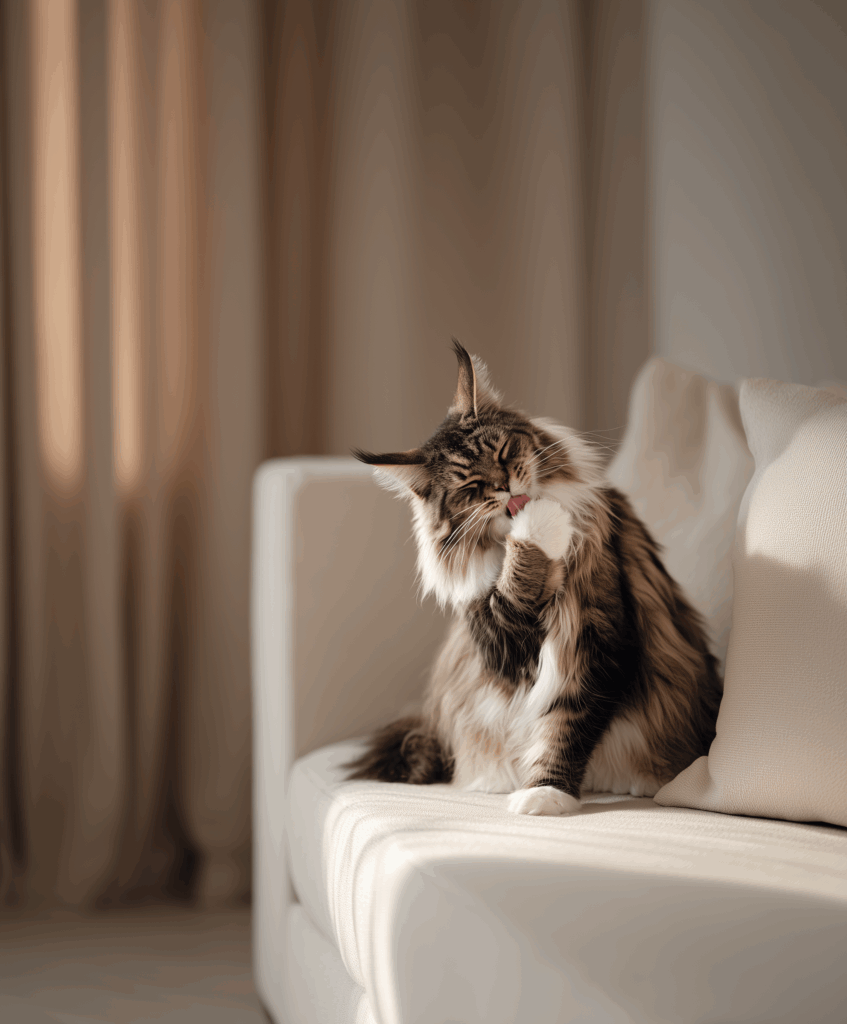
Maine Coons are one of the most reliable cat breeds for families, children, and multi-pet homes. Their steady temperament, patient nature, and willingness to engage make them a strong match for households with varying activity levels. They are confident around kids, adaptable with respectful dogs, and tolerant of routine household noise, which reduces conflict and helps them adjust quickly. Because Maine Coons combine predictable behavior with social cat tendencies, many families find them easy to integrate into daily life. This guide explains how Maine Coons interact with children, dogs, and other cats, what families should expect during the adjustment period, and when they may or may not be the right fit.
Quick Summary Table: Maine Coons in Families, Kids, and Multi-Pet Homes
| Feature | Rating | Notes |
|---|---|---|
| Temperament With Kids | Excellent | Gentle, tolerant, patient; great for respectful children. |
| Compatibility With Dogs | High | Confident, low prey drive; adapts well to calm, trained dogs. |
| Energy Level | Medium | Playful but not chaotic; matches well with active families. |
| Noise Level | Moderate | Communicates with chirps and trills; rarely loud or disruptive. |
| Grooming Needs | Medium–High | Long coat requires regular brushing; manageable with routine. |
| Social Needs | High | Bonds strongly; prefers company over long hours alone. |
| Overall Family Fit | Excellent | One of the most reliable breeds for families, kids, and multi-pet homes. |
Overview of the Maine Coon Cat’s Personality
Core Temperament Traits
Maine Coons are known for their steady, predictable temperament. They are confident without being demanding, affectionate without being clingy, and social without overwhelming the household. Their balanced personality makes them one of the most dependable breeds for family life. They handle change better than many cats and often approach new environments or people with quiet curiosity.
Why These Traits Matter for Families
Families need a cat that is stable, patient, and adaptable. Maine Coons tend to tolerate sudden noises, quick movements, and the unpredictable nature of children. Their size and confidence reduce fear-based reactions, and their gentle demeanor supports safe interactions. The breed’s social orientation also means they integrate well into active homes.
Are Maine Coons Good With Children?
Positive Traits With Kids
Maine Coons are one of the best cat breeds for households with children because they display:
- High tolerance for noise and movement
- Patient responses to beginner-level handling
- Gentle play styles that match well with older toddlers and school-age kids
- Strong bonding tendencies with family members
- Predictable behavior, reducing risk of defensive scratching
Their natural size also helps—they are sturdy enough not to feel fragile, which benefits families with children who are still learning proper cat handling.
Challenges Families Should Prepare For
Even with a tolerant breed, families should be mindful of:
- Overstimulation during very energetic play
- Supervision with very young children who may grab fur or ears
- Teaching children boundaries, such as letting the cat walk away
- Avoiding rough handling, since even gentle breeds need space
Most issues resolve with routine, supervision, and consistent interactions.
Are Maine Coon Cats Good With Dogs?
Traits That Support Dog Compatibility
Confidence
Maine Coons are one of the most confident cat breeds. Their large size, steady movement, and calm presence prevent them from triggering prey-chase behavior in many dogs. They rarely panic or bolt, which helps early introductions go smoothly.
Low Prey Drive
Compared to many domestic cats, Maine Coons have a gentler, lower prey drive. This makes them less reactive to movement and less likely to swipe or flee. Their slow, thoughtful approach to new animals supports peaceful coexistence.
Slow, Steady Body Language
Their relaxed walk, soft tail movements, and predictable posture give dogs clear social signals. Dogs read Maine Coons as stable and safe, which reduces miscommunication during early interactions.
Social & Curious Temperament
Most Maine Coons are people-oriented and naturally inquisitive. This curiosity helps them warm up to dogs with proper introductions. Many eventually follow dogs around the home, join shared resting areas, or observe canine routines from a comfortable perch.
Situations That Require Management
High-Energy Dogs
A high-drive puppy or herding breed may overwhelm a Maine Coon with rapid movements or excessive enthusiasm. Structured introductions and leashed greetings prevent chasing or crowding.
Herding Dogs
Breeds like Border Collies or Australian Shepherds may instinctively “herd” the cat. This behavior needs redirection and training so the cat does not feel pressured.
Prey-Driven Dogs
Terriers, sighthounds, and hunting breeds can still succeed, but they require strong impulse-control cues (“leave it,” “stay,” calm focus exercises).
Food & Resource Guarding
Dogs who guard food bowls, beds, or toys must be carefully supervised to prevent intimidation or defensive behavior toward the cat.
See the “Can Maine Coons Live With Dogs?” post here.
Are Maine Coon Cats Good With Other Cats?
When They Integrate Easily
Low Territoriality
Most Maine Coons accept new cats better than average, especially when the other cat is calm, mature, or similarly social.
Strong Social Drive
They enjoy companionship and often coexist peacefully in multi-cat homes. Many share lounging areas or participate in cooperative play.
Cooperative Play Style
Unlike more assertive breeds, Maine Coons favor gentle batting, slow chases, or object play rather than dominance-driven interactions.
When Multi-Cat Homes May Be Challenging
Dominance Tendencies
Some larger males may display mild dominance behaviors during puberty (12–24 months). This typically resolves with clear routines and supervised introductions.
Overstimulation
A Maine Coon that becomes overwhelmed may swish its tail, walk away, or retreat to high ground. Respecting these signals prevents conflict.
Mismatched Personalities
Pairing a calm, slow-moving Maine Coon with a hyperactive or anxious cat may require longer adjustment periods.
Activity Level & Play Style
Why Activity Level Matters for Families
Maine Coons are moderate-energy cats. They enjoy play but are not frantic or destructive when needs are met. Their activity level influences:
- Indoor Environment: They need room to climb, perch, and stretch their long bodies.
- Daily Enrichment Needs: Wand toys, puzzle feeders, and interactive sessions help prevent boredom.
- Child Involvement in Play: Their gentle, predictable play makes them excellent partners for supervised play with older children.
A well-exercised Maine Coon is calm, affectionate, and content to lounge with the family.
Matching the Breed With Your Household Energy
For High-Energy Homes
Maine Coons thrive with active families who enjoy daily play and structured enrichment. They match well with children who like interactive games and predictable routines.
For Low-Energy Homes
They adapt beautifully to quieter households if provided mental stimulation, vertical climbing spaces, and companionship. Their affectionate nature makes them ideal for seniors or work-from-home families.
For Busy Families
Maine Coons tolerate moderate alone time but should not be left without enrichment or social contact for long hours. A second compatible cat or dog can be helpful.
Grooming Requirements for Family Homes
Pros of the Breed’s Grooming Needs
Maine Coons have a coat that is far easier to manage than many people expect. Their fur is long, but the texture is silky rather than cottony, which helps prevent constant matting. Many families appreciate that a once- or twice-weekly brushing routine is enough to keep most Maine Coons tidy. Shedding is moderate across the year, and daily brushing is only needed during spring and fall. Their coat naturally repels debris, so they tend to stay cleaner than some longhaired breeds. Because Maine Coons usually enjoy gentle handling, grooming often becomes a family-friendly bonding activity.
Grooming Challenges Families Should Know
Even though their coat is manageable, Maine Coons still require consistent care. Mats can develop behind the ears, under the arms, and along the trousers if brushing is skipped for long periods. Seasonal shedding increases the household cleaning load, and families should expect more hair on furniture during peak shedding months. Their longer ruff and breeches may need combing more frequently, especially in active homes where the cat plays outdoors in an enclosed area or interacts with kids who handle them often. Busy families should plan for regular maintenance to avoid tangles and ensure comfort.
How Social Are Maine Coon Cats?
Independence vs People-Orientation
Maine Coons are known for being highly people-oriented while still maintaining a healthy degree of independence. They enjoy being part of the family’s daily rhythm — following people from room to room, observing activities, and engaging in play — but they are not typically clingy. They tolerate alone time better than breeds that require constant interaction, though long stretches without enrichment can lead to boredom. Because they communicate through chirps and body language, families quickly understand their needs. Their balanced social temperament makes them adaptable to busy households without becoming stressed by interruptions or daily noise.
Ideal Family Routines for This Breed
Maine Coons thrive when families keep predictable routines. Short daily play sessions help them burn energy and maintain a healthy weight. Scheduled meals support emotional stability and reduce food-related conflict with other pets. Quiet time in the evenings gives them space to relax and stay regulated. Enrichment such as puzzle feeders, window perches, climbing towers, and supervised adventures in a secure outdoor enclosure helps keep them mentally engaged. Regular grooming woven into the week — even five minutes at a time — supports comfort and strengthens family bonding.
Common Family-Friendly Pros of the Maine Coon Cat
Maine Coons are widely considered one of the best cat breeds for family life. Their temperament, size, and social nature make them a strong match for households with children, dogs, or multiple pets. Below are the core advantages families appreciate when living with a Maine Coon.
Affectionate, Stable Temperament
Maine Coons are known for emotional steadiness. They bond deeply with their families without becoming demanding or clingy. Their calm demeanor makes them predictable during everyday family activity.
Bonds to All Family Members
Many breeds choose one person. Maine Coons tend to divide their affection evenly, forming reliable relationships with adults, kids, and even other pets.
Predictable Behavior
Because the breed matures slowly and has a consistent personality profile, families can expect:
- low aggression
- mild reactions to noise
- increased tolerance for being handled
This predictability supports safe interactions with children.
Fits Well in Multi-Pet Homes
Maine Coons are confident cats with low prey drive compared to many breeds. When introduced properly, they adapt well to:
- gentle dogs
- other cats
- existing family routines
Their size and confidence help prevent fear-based reactions.
Calm Presence in Busy Households
Although playful, Maine Coons keep a steady emotional tone. They rarely escalate during excitement, making them suitable for homes with active family schedules.
Common Cons to Consider Before Choosing a Maine Coon Cat
Even the most family-friendly breeds have realistic drawbacks. Maine Coons thrive when their needs are understood in advance.
Grooming Requirements
Their long, uneven coat needs routine maintenance. Families must expect:
- weekly brushing
- mat prevention around the armpits and belly
- heavier seasonal shedding
Skipping grooming can lead to tangles and discomfort.
Vocalization Style
Maine Coons are not loud, but they are communicative. They use chirps, trills, and soft meows. Families who prefer a silent breed may find this surprising.
Health Considerations
As a large breed, Maine Coons have increased risk for:
- HCM (hypertrophic cardiomyopathy)
- hip dysplasia
- joint strain in heavy-bodied adults
Choosing a health-tested kitten is essential.
Price & Availability
Purebred Maine Coons are more expensive than domestic cats. High-quality, health-tested kittens usually come from breeders with waitlists.
Emotional or Social Needs
Maine Coons do not enjoy being isolated for long periods. Families working long hours may need:
- a second pet
- structured enrichment
- predictable routines
Activity Mismatch
If a family wants a low-energy lap cat, the Maine Coon may be too playful. Conversely, very high-energy families may not give them the calm periods they enjoy.
Are Maine Coon Cats Good for First-Time Owners?
Why They May Be a Great Fit
Maine Coons are often recommended for beginners because they offer:
- easygoing nature — low reactivity, high tolerance
- predictable personality — very few “surprises” in behavior
- intuitive training — quickly learn household rules, feeding routines, scratcher use, and interactive play
They are forgiving of beginner mistakes and adjust well to simple, consistent care.
What First-Time Owners Must Prepare For
Even as a beginner-friendly breed, Maine Coons require owners who can commit to:
- regular grooming
- structured routines for feeding and enrichment
- financial expenses, including vet care for a large-bodied cat
- mental stimulation through play and environmental setup
With these considerations met, Maine Coons become one of the most rewarding family companions.
Best Home Environments for the Maine Coon Cat
Where Maine Coons Thrive
Homes with children
Maine Coons are one of the most child-compatible cat breeds. Their patient nature, sturdy build, and playful but gentle personality make them well suited for homes with respectful kids. They rarely react aggressively and can tolerate typical household noise.
Multi-pet households
Maine Coons generally integrate well with other cats and many calm, well-mannered dogs. Their social, confident temperament helps them adjust to other animals, especially when introductions are done gradually. They enjoy companionship and are less territorial than many breeds.
Apartments or houses
Maine Coons thrive in both large homes and apartments, as long as they have enrichment. Vertical space, scratching posts, regular play, and predictable routines support their wellbeing. Their calm indoor behavior makes them easy to manage even in smaller homes.
Homes That May Not Be Ideal
Unpredictable schedules
While independent in some ways, Maine Coons do best when someone is home consistently. Long stretches without interaction can lead to boredom, overgrooming, or attention-seeking behaviors.
Low-interaction families
Families who prefer a hands-off cat may find the Maine Coon too engaged. They enjoy participating in daily life, following people room to room, and receiving regular affection and play.
Homes wanting zero grooming
Maine Coons require weekly brushing, seasonal coat care, and routine nail and hygiene maintenance. Families that want a truly low-maintenance, shorthaired cat may find these needs burdensome.
Maine Coon Family Compatibility FAQ
Are Maine Coon cats good family pets?
Yes. Maine Coons are widely considered one of the best family cat breeds because of their stable temperament, patience with children, and ability to adapt to busy households. They enjoy being part of family activities, tolerate noise better than many breeds, and rarely show territorial aggression when properly socialized.
Are Maine Coons good with kids?
Most Maine Coons do extremely well with respectful children. Their large size, gentle play style, and steady temperament help prevent accidental scratches or fear-based reactions. They typically enjoy interactive play, follow children from room to room, and form strong bonds with school-aged kids.
Are Maine Coons good with toddlers?
Yes—with supervision. Maine Coons are tolerant but still need protection from rough or unpredictable handling. Families should teach toddlers how to pet gently, avoid grabbing fur, and give the cat space when resting. Maine Coons usually adapt quickly because they are confident and even-tempered.
Are Maine Coons good with dogs?
Yes, Maine Coons are one of the most dog-friendly cat breeds. Their size, confidence, and calm demeanor help them interact safely with well-mannered dogs. They are less likely to run, which minimizes a dog’s instinct to chase. Introductions should still be gradual.
(Link to your cat-and-dog compatibility guide.)
Do Maine Coons get along with other cats?
Most Maine Coons integrate smoothly into multi-cat homes because they have low territoriality and enjoy social companionship. They play cooperatively and typically avoid dominance displays. Slow introductions are still recommended to reduce stress.
Are Maine Coons high-maintenance for families?
Moderate. They require weekly brushing, regular nail trims, and attention to seasonal shedding. Compared to Persians or longhaired exotics, their grooming needs are much simpler. Families should expect a small amount of coat care each week.
Are Maine Coons good indoor cats for families?
Yes. Maine Coons thrive as indoor pets when provided with enrichment—tall cat trees, interactive play, window perches, and scheduled routines. Indoor-only living also protects them from injuries and disease, especially given their high value and social nature.
Do Maine Coons like to cuddle?
Many do, but it is on their terms. Maine Coons bond deeply and enjoy contact—lying next to family members, sitting on laps for short periods, or sleeping nearby. They are affectionate without being clingy, which works well for families with varying schedules.
Do Maine Coons need a large home?
Not necessarily. Despite their size, Maine Coons do well in apartments as long as they have vertical space, scratching posts, and daily enrichment. Houses offer more roaming space, but the breed adapts well to either environment.
Are Maine Coons safe around small pets?
Generally yes, because their prey drive is lower than many breeds. That said, families with hamsters, birds, or pocket pets should still supervise interactions and secure enclosures.
Do Maine Coons shed a lot?
Seasonally, yes. They shed more heavily in spring and fall. Families should be prepared for extra brushing during those times. Weekly care keeps shedding manageable in most homes.
Are Maine Coons noisy or quiet?
They are moderately vocal. Maine Coons communicate through chirps, trills, and soft meows instead of loud yowling. Families often find their vocal style pleasant and expressive rather than disruptive.
Do Maine Coons require a lot of attention?
They are social cats who appreciate daily interaction. Families who are gone long hours may need to provide enrichment or consider a second pet for companionship. They do not thrive in isolated environments.
Are Maine Coons good for first-time cat owners?
Yes. Their predictable temperament, intelligence, and adaptability make them one of the easiest breeds for beginners. First-time owners should be prepared for grooming, high-quality nutrition, and the financial responsibilities of a large purebred cat.
Are Maine Coons hypoallergenic for families with allergies?
No. No breed is truly hypoallergenic. However, some allergy sufferers tolerate Maine Coons better due to their coat type and grooming habits. Families with allergies should test exposure before bringing home a kitten.
Do Maine Coons scratch furniture?
They may, like any cat, if not provided with multiple appropriate scratching posts. Maine Coons prefer tall, sturdy posts and horizontal scratchers. Early training prevents most furniture issues.
Do Maine Coons adapt well to busy or loud households?
Yes. They are naturally calm, confident, and resilient. Their social nature makes them comfortable in homes with children, guests, and moderate activity levels.
Can Maine Coons be left alone during the workday?
Yes, if they have enrichment, toys, climbing spaces, and predictable routines. Families gone for extended hours may want to provide a second cat for companionship.
Are Maine Coons difficult to train?
Not at all. They are one of the most trainable cat breeds. Many learn commands, routines, leash walking, and puzzle toys quickly. Their intelligence and food-motivation make training enjoyable for families.
Final Verdict — Is the Maine Coon a Good Family Pet?
For most households, yes — the Maine Coon is one of the best family cat breeds available. Their temperament is steady, affectionate, and predictable. They interact well with children, adapt to many types of dogs, and handle multi-pet homes with confidence. Maine Coons are playful without being chaotic and social without being clingy, which creates a balanced, family-friendly presence.
However, families should be prepared for the breed’s grooming needs, larger food requirements, long growth period, and potential health screenings for conditions such as HCM and hip dysplasia. They also need daily play and reliable routines to remain emotionally stable.
If your family wants a loving, social, dog-friendly, kid-friendly, interactive cat, the Maine Coon is an excellent choice. If you prefer a low-maintenance, independent, or budget-friendly cat, another breed may be a better match.
Searching for a Maine Coon Kitten?
Our kittens are raised in-home, come from fully health-tested parents, and receive structured socialization that supports confident temperaments and smooth transitions into their new families.
More Maine Coon Articles from Almonte Cats
- Maine Coon Diet and Nutrition
- Maine Coon Kitten Prices Explained
- Maine Coon Cat Care
- Maine Coon Tassel Ears
- Polydactyl Maine Coon Care
- Domestic Maine Coon Cat Info
- Maine Coon Kitten Growth Stages
- Maine Coon M on Forehead Genetics
- How to Prepare Your Home for a Maine Coon Kitten
Sources
- Cat Fanciers’ Association (CFA) – Maine Coon Breed Profile
https://cfa.org/maine-coon/ - The International Cat Association (TICA) – Maine Coon Breed Information
https://tica.org/breeds/browse-all-breeds/258-maine-coon - Cornell University College of Veterinary Medicine – Feline Behavior & Socialization
https://www.vet.cornell.edu/departments/center-animal-resources-and-education/care-health/behavior-facts - VCA Animal Hospitals – General Feline Care & Behavior Guidelines
https://vcahospitals.com/know-your-pet/cat-behavior-and-training - American Association of Feline Practitioners (AAFP) – Environmental Needs Guidelines
https://catfriendly.com/feline-care/





Read the Comments +