
Are Maine Coons High Maintenance?
Maine Coons are not high maintenance in the sense of being fragile, demanding, or hard to care for. They do require regular grooming, appropriate space, and engagement, but their needs are structured and predictable rather than overwhelming. Much of the “high maintenance” reputation comes from misunderstanding their coat type, size, and social nature.
This article breaks down what Maine Coon maintenance actually looks like in real homes so you can decide if the breed fits your lifestyle without relying on Reddit myths or exaggeration.
Maine Coon Maintenance — At-a-Glance
| Area of Care | What’s Actually Required | Why It’s Often Misunderstood |
|---|---|---|
| Grooming | Weekly brushing for most of the year; more during seasonal sheds | Long coat gets mistaken for daily, difficult grooming |
| Shedding | Predictable seasonal shedding | Large size and long hair make shedding more visible |
| Time Commitment | Short daily interaction + weekly grooming | Social behavior gets labeled as neediness |
| Emotional Needs | Social and engaged, not clingy | People confuse presence with dependency |
| Feeding | Slightly higher portions, not double the food | Size myths exaggerate cost and effort |
| Litter & Space | Large litter box and vertical space | People assume massive homes are required |
| Health Care | Same routine vet care as other cats | Size gets confused with fragility |
| Overall Maintenance Level | Moderate and routine-based | Online forums exaggerate difficulty |
| Best Fit For | Owners who like routine and engagement | Not ideal for hands-off pet expectations |
Snippet target:
Maine Coons are not high maintenance in the way many people assume, but they do require consistent grooming, space, and interaction. Their care needs are predictable, not difficult, when owners understand the breed.
Quick Answer — Are Maine Coons High Maintenance?
Maine Coons are not high maintenance in the sense of being fragile, demanding, or difficult to care for. They do, however, require consistent grooming, adequate space, and regular interaction, which some people interpret as “high maintenance.” The key difference is effort versus intensity.
Maine Coon care involves steady, routine effort rather than constant attention or complex care. When owners understand what the breed actually needs, Maine Coons are predictable, manageable, and rewarding companions rather than overwhelming ones.
What People Mean When They Ask “High Maintenance”
When people ask whether Maine Coons are high maintenance, they are often reacting to appearance and reputation, not lived experience. Online discussions frequently lump all long-haired cats together or equate sociability with neediness. This section reframes the question using practical realities instead of assumptions.
Grooming vs Difficulty
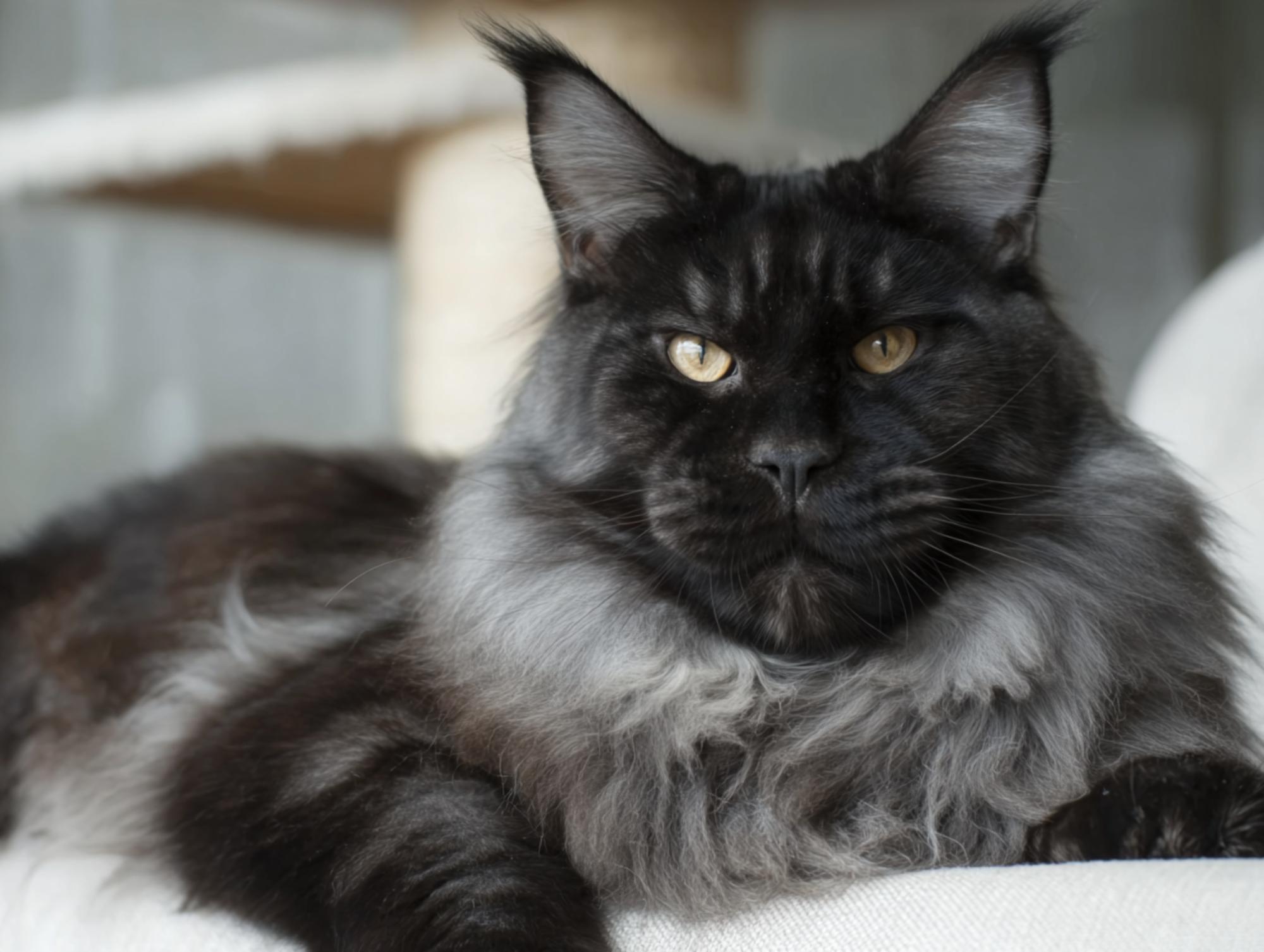
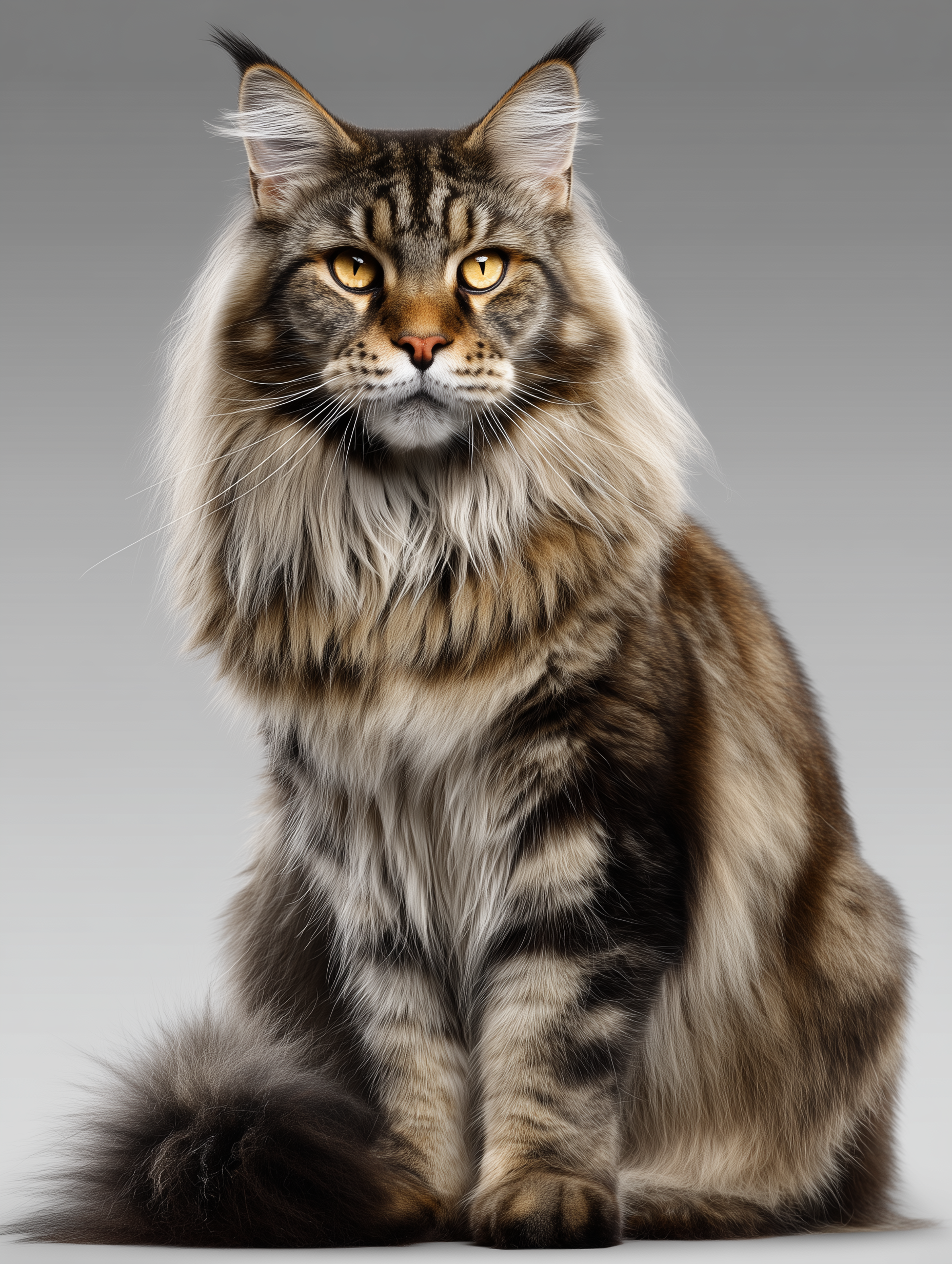
A long coat does not automatically mean a difficult coat. Maine Coons have a semi-long, water-resistant coat that behaves very differently from dense, cottony coats seen in Persian-type breeds.
Maine Coon fur:
- Resists matting when brushed regularly
- Has guard hairs that shed debris naturally
- Lies flatter along the body instead of clumping
Persian-type coats mat quickly, require daily grooming, and often need professional care. Maine Coon coats, by contrast, respond well to weekly maintenance for most households, with increased grooming during seasonal sheds.
What makes grooming feel “high maintenance” is inconsistency. Skipping brushing for weeks creates mats and frustration. Maintaining a simple routine prevents most problems before they start.
👉 Maine Coon Grooming Explained
Time Commitment vs Emotional Demands
Another common misconception is that Maine Coons are emotionally high maintenance. This confusion usually comes from mixing up social behavior with emotional dependence.
Maine Coons are:
- Social and people-oriented
- Curious about daily activities
- Comfortable being nearby rather than constantly on you
They do not require nonstop attention, but they do expect engagement. A Maine Coon will happily follow routines, join you in shared spaces, and participate in household life without demanding constant reassurance or stimulation.
People who expect a completely hands-off pet may feel overwhelmed. People who enjoy interaction often find Maine Coons easier than aloof breeds because communication is clear and predictable.
👉 Maine Coon Temperament and Personality
Maine Coons are not difficult cats. They like routines like all cats do. When owners meet their grooming and social needs consistently, care feels straightforward rather than demanding.
Grooming Needs — The Biggest Maintenance Factor
Grooming is the area where Maine Coons earn their “high maintenance” reputation, and it’s also where online advice often goes wrong. Maine Coons do not require extreme grooming, daily coat work, or constant professional care. They do require consistent, informed grooming that matches their coat type and seasonal cycles. When owners understand how the coat behaves, grooming becomes routine rather than burdensome.
Coat Type and Matting Reality
Maine Coons have a semi-long, water-resistant coat designed to protect them from harsh climates. This coat structure behaves very differently from dense, cottony coats found in Persian-type breeds.
The Maine Coon coat:
- Has longer guard hairs that repel dirt and debris
- Contains a lighter, less compact undercoat
- Sheds tangles before they tighten when brushed regularly
Mats do not form because the coat is long. Mats form when friction, moisture, and neglect combine. Common matting triggers include skipped brushing, collars rubbing behind the ears, moisture trapped near the chest or belly, and seasonal coat changes.
Most mats are preventable. Owners who brush consistently and address small tangles early rarely deal with severe matting. When matting becomes a frequent problem, it usually reflects a mismatch between grooming habits and coat needs rather than an inherently difficult coat.
👉 Do Maine Coons Mat Easily? How It Happens and How to Prevent It
How Often Maine Coons Actually Need Grooming
Most Maine Coons thrive with weekly brushing as a baseline. This level of grooming keeps the coat separated, removes loose undercoat, and prevents tangles from tightening.
Grooming frequency changes with the season:
- During spring and fall sheds, brushing may increase to two or three times per week
- During low-shed periods, weekly maintenance often suffices
Regular grooming sessions do not need to be long. Ten to fifteen minutes of focused brushing accomplishes more than infrequent, lengthy sessions that try to “catch up.”
Owners who establish grooming as a normal routine often find it easier than expected. Maine Coons generally tolerate and even enjoy grooming when it starts early and stays consistent.
👉 How To Care for a Maine Coon Cat
Professional Grooming — Optional, Not Required
Getting a Maine Coon Professional grooming can help in specific situations, but it is not a requirement for most Maine Coons.
Professional grooming helps when:
- An owner falls behind and needs a reset
- A cat experiences temporary matting due to illness or mobility issues
- Seasonal shedding becomes overwhelming
Professional grooming is unnecessary when:
- Owners maintain regular brushing
- Coats remain mat-free and healthy
- The cat tolerates routine home care
Maine Coons do not need routine shaving, frequent baths, or scheduled salon visits to stay comfortable. Home grooming handles the majority of maintenance when done consistently. See Do Maine Coons Need Professional Grooming?
Shedding, Hair, and Home Maintenance
Maine Coons do shed, and their size and coat length make shedding more visible. What often surprises new owners is not how much they shed, but how predictable that shedding is.
Maine Coons shed seasonally rather than constantly. Large sheds typically occur in spring and fall, when the coat adjusts to temperature changes. Outside of these periods, shedding remains manageable with routine grooming.
Hair management in the home comes down to expectations and preparation:
- Regular vacuuming, not constant cleaning
- Furniture covers or throws in favorite lounging areas
- Brushing before shedding peaks instead of reacting after
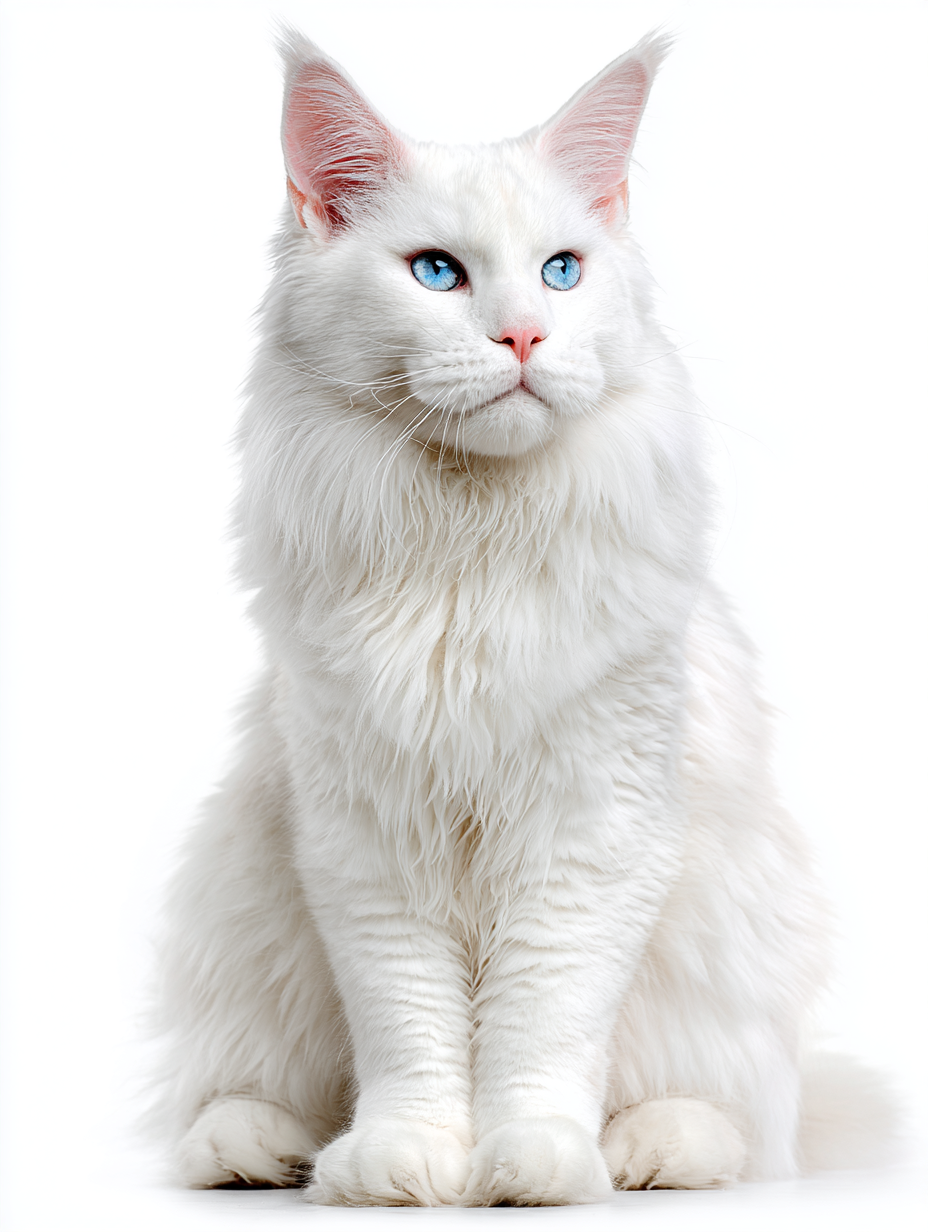
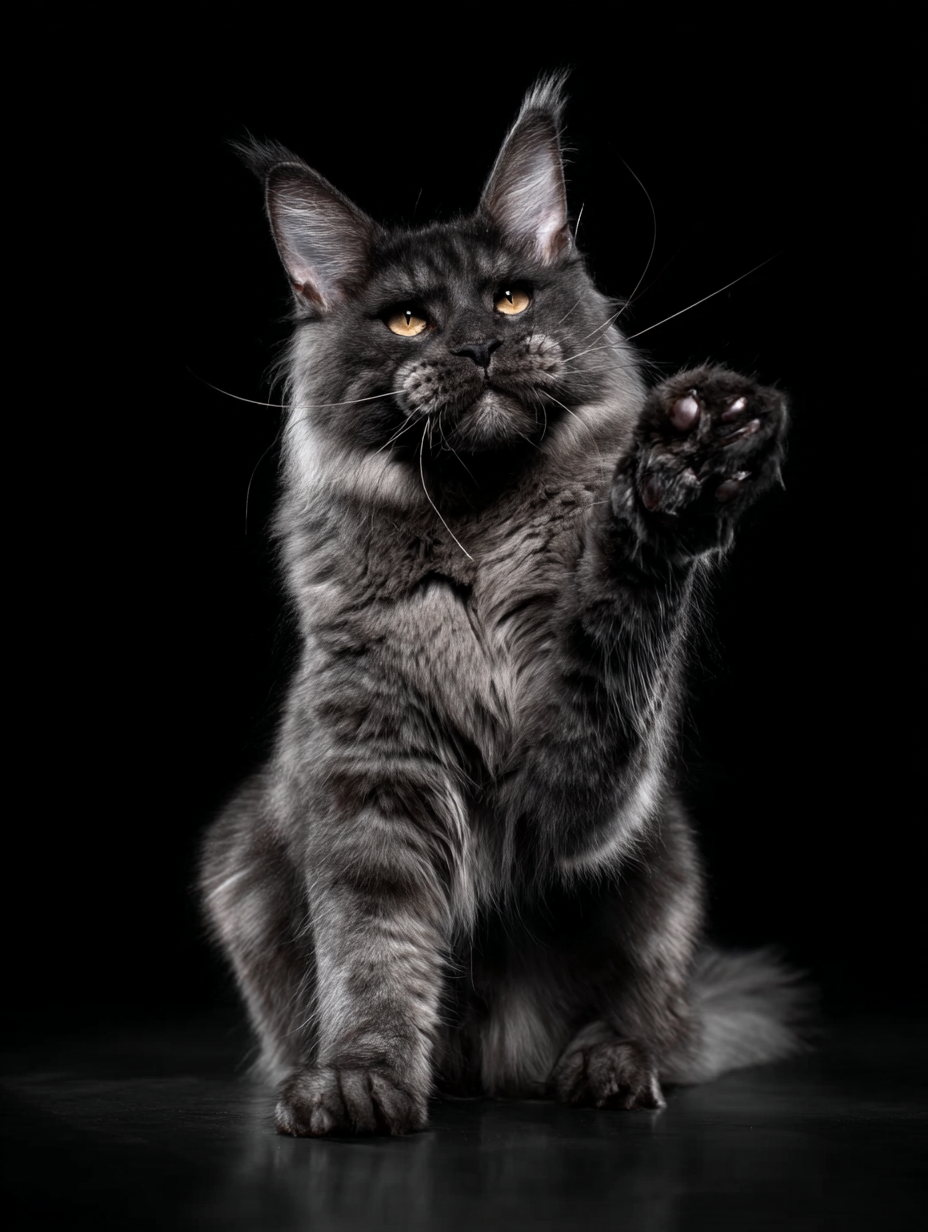
Coat color affects how visible hair appears, but not how much the cat sheds. Light hair shows on dark surfaces. Dark hair shows on light surfaces. The amount of shedding stays the same.
For most households, shedding feels noticeable but manageable. Owners who accept hair as part of living with a long-coated cat adjust easily, especially when grooming stays consistent.
Do Maine Coons Shed More Than Other Cats?
Maine Coons do shed, but they do not shed constantly or unpredictably. Their shedding follows clear seasonal cycles, which is why it often looks dramatic to new owners.
Most Maine Coons experience heavier shedding in:
- Spring, when they drop their winter coat
- Fall, when the coat transitions again
Outside of these periods, shedding remains steady and manageable. The reason shedding looks extreme is scale. Maine Coons have more surface area and longer hair, so the shed fur is simply more visible.
What matters most is predictability. Because shedding follows a pattern, owners who brush more frequently before and during seasonal sheds reduce loose hair significantly. When grooming stays consistent, shedding rarely feels overwhelming.
👉 Internal link:
Do Maine Coons Shed a Lot?
Managing Fur in Real Homes
Living with a Maine Coon means accepting some fur as part of daily life, but it does not mean constant cleaning or frustration.
In real households:
- Vacuuming once or twice a week handles most situations
- High-traffic areas benefit from quick touch-ups during shedding seasons
- Furniture covers or throws simplify cleanup without sacrificing comfort
Coat color influences visibility, not quantity. Light coats show on dark furniture. Dark coats show on light floors. The amount of hair remains the same regardless of color.
Owners who plan for fur rather than fight it adapt quickly and often report that hair management becomes routine rather than disruptive.
👉 Are Maine Coons Hypoallergenic
Daily Care and Lifestyle Needs
Daily care for a Maine Coon does not require complex routines. What it does require is appropriate setup that matches the breed’s size, intelligence, and activity level.
This section addresses time concerns directly and realistically.
Feeding and Nutrition
One of the most common myths is that Maine Coons eat dramatically more than other cats. Size alone does not double food requirements.
Maine Coons:
- Eat more than small cats, but not “twice as much”
- Require balanced nutrition rather than excessive calories
- Benefit from portion control to prevent joint strain
Overfeeding creates more problems than underfeeding. Maintaining a lean body condition supports long-term mobility and overall health. Owners who focus on quality and appropriate portions manage feeding easily without turning meals into a constant concern.
👉 Maine Coon Diet and Feeding Schedules
Litter Box, Space, and Environment
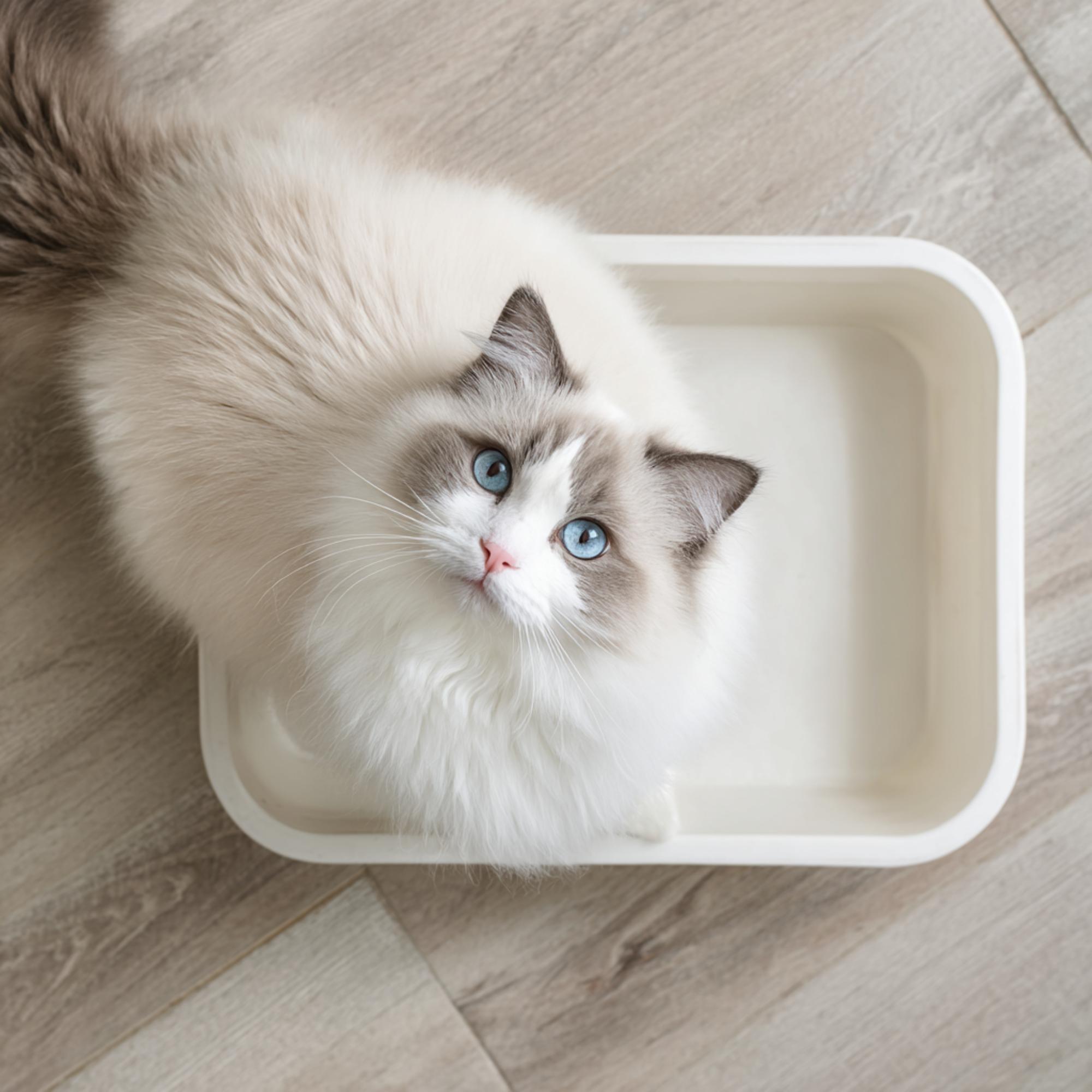
For Maine Coons, box size matters more than box count. Many litter box issues come from using boxes designed for average-sized cats.
Key considerations include:
- Large or extra-large litter boxes
- High-sided designs to accommodate posture
- Placement that allows easy access
Space needs follow a similar principle. Maine Coons benefit more from vertical space than from large floor plans. Cat trees, shelves, and window perches provide exercise and enrichment even in smaller homes.
Maine Coons adapt well to apartments when owners meet these environmental needs thoughtfully.
👉 Can a Maine Coon Live in an Apartmenthttps://almontecats.com/can-a-maine-coon-live-in-an-apartment/
Maine Coon Maintenance Schedule (What Care Actually Looks Like)
This schedule reflects realistic, sustainable care for a healthy Maine Coon living as an indoor companion. It shows clearly why Maine Coon maintenance is about routine, not intensity.
Daily Maine Coon Maintenance
Daily care focuses on observation and interaction rather than labor.
What to do daily:
- Refresh food and water
- Scoop the litter box
- Spend a few minutes interacting or playing
- Observe coat, eyes, and general behavior
Time required:
5–15 minutes total
Why it matters:
Daily routines help you notice small changes early and prevent problems from developing. This level of care is similar to most cats.
Weekly Maine Coon Maintenance
Weekly tasks prevent nearly all grooming and behavior issues people associate with “high maintenance.”
What to do weekly:
- Brush the coat thoroughly once
- Check behind ears, armpits, and chest for tangles
- Wipe eyes if needed
- Trim nails if they grow quickly
Time required:
10–20 minutes
Why it matters:
Weekly brushing prevents matting and dramatically reduces shedding. Skipping this step is the main reason Maine Coons get labeled as difficult.
Seasonal (Monthly or As Needed) Maintenance
Seasonal care aligns with shedding cycles and growth changes.
What to do seasonally:
- Increase brushing to 2–3 times per week during heavy sheds
- Check coat density and skin condition
- Adjust calorie intake if activity changes
Time required:
A few extra minutes per week during shedding seasons
Why it matters:
Maine Coons shed predictably. Adjusting grooming during these periods keeps maintenance easy instead of reactive.
Monthly to Quarterly Maintenance
These tasks support long-term health and comfort.
What to do every 1–3 months:
- Deep coat check for hidden mats
- Replace litter box liners or refresh boxes
- Rotate toys and enrichment items
- Weigh your cat or assess body condition
Time required:
15–30 minutes
Why it matters:
These check-ins prevent gradual issues like weight gain, boredom, or coat neglect from going unnoticed.
Annual Maine Coon Maintenance
Annual care mirrors what most cats require, with no breed-specific burden.
What to do yearly:
- Veterinary wellness exam
- Vaccinations as recommended
- Dental evaluation
- Review diet and lifestyle changes
Time required:
One vet visit
Why it matters:
Preventive care reduces long-term costs and supports joint, heart, and dental health.
At-a-Glance Maine Coon Maintenance Table
| Frequency | Tasks | Time Commitment |
|---|---|---|
| Daily | Feeding, litter scooping, interaction | 5–15 minutes |
| Weekly | Brushing, nail check, eye wipe | 10–20 minutes |
| Seasonal | Increased brushing during sheds | +5–10 minutes |
| Monthly | Coat checks, toy rotation | 15–30 minutes |
| Yearly | Vet exam, preventive care | 1 appointment |
What This Schedule Shows Clearly
- Maine Coon maintenance is routine-based, not constant
- Most care fits easily into normal household schedules
- Grooming prevents problems instead of creating work
- Time commitment stays modest when care is consistent
This is why experienced owners describe Maine Coons as average, not high maintenance.
Mental and Social Maintenance
Online discussions often exaggerate the emotional demands of Maine Coons, framing them as needy or demanding. In reality, Maine Coons have clear, manageable social needs that fit well into most households once owners understand the difference between engagement and dependence.
Are Maine Coons Emotionally High Maintenance?
Maine Coons are social cats, but they are not clingy or emotionally fragile. They enjoy being near their people, participating in household routines, and observing activity without requiring constant attention.
Problems arise when people mistake sociability for neediness. A Maine Coon that vocalizes, follows family members, or seeks interaction is not demanding reassurance. That behavior reflects curiosity and intelligence.
Most behavior issues linked to “neediness” actually stem from boredom, not emotional dependence. When Maine Coons lack mental stimulation or environmental variety, they invent their own entertainment. This often gets mislabeled as being high maintenance.
Owners who provide predictable interaction, enrichment, and routine usually find Maine Coons emotionally easy to live with.
👉 Is a Maine Coon a Good First Time Cat
Play, Enrichment, and Interaction
Maine Coons do not require constant engagement, but they do benefit from short, intentional daily interaction.
Effective enrichment includes:
- Brief daily play sessions
- Interactive toys that stimulate problem-solving
- Opportunities to climb, observe, and explore
Ten to fifteen minutes of focused play often meets a Maine Coon’s needs better than hours of passive stimulation. Intelligent cats need outlets for curiosity and movement, but those outlets do not need to dominate the owner’s day.
When owners build enrichment into daily routines, mental maintenance becomes simple and predictable rather than demanding.
👉 Best Toys and Enrichment for Maine Coons
Health Maintenance — Not Breed-Specific Difficulty
Health care for Maine Coons does not require specialized daily intervention or complex routines. Most health maintenance follows the same principles as any other cat, with a few size-related considerations.
Routine Vet Care
Maine Coons follow the same veterinary care schedule as other cats. They need routine wellness exams, vaccinations as appropriate, and monitoring for common feline health concerns.
Size does not make Maine Coons fragile. Despite their large appearance, they are robust cats when bred responsibly and maintained at a healthy weight. Regular vet visits focus on prevention and early detection, not constant treatment.
👉 Maine Coon Health Testing Explained
Preventive Care That Matters
Preventive care has a greater impact on long-term health than reactive treatment. For Maine Coons, a few areas deserve consistent attention.
- Weight management supports joints and mobility over time
- Dental awareness helps prevent systemic issues
- Joint longevity benefits from controlled growth, appropriate nutrition, and activity
Owners who prioritize these areas reduce health risks significantly. Preventive care does not increase daily workload. It simplifies care by avoiding larger issues later.
👉 How to Increase a Maine Coons Lifespan
Maine Coons Compared to Other Breeds
Comparisons help buyers understand whether Maine Coons are truly high maintenance or simply different from what they expect.
Maine Coons vs Shorthaired Cats
Compared to shorthaired cats, Maine Coons require more grooming. That difference accounts for most of the perceived maintenance gap.
In other areas, care remains similar:
- Feeding schedules stay consistent
- Vet care follows the same rhythm
- Daily routines remain manageable
The added grooming does not make care complex. It simply adds a predictable step.
Maine Coons vs Persian-Type Longhairs
Compared to Persian-type longhaired cats, Maine Coons require less intensive grooming and experience fewer coat-related challenges.
Maine Coons:
- Mat less frequently
- Require fewer daily interventions
- Experience less coat-related stress
Owners who compare longhaired breeds often find Maine Coons easier to manage than expected.
👉 Maine Coon vs Domestic Longhair
Who Will Find Maine Coons High Maintenance
Maine Coons are not difficult cats, but they are not a match for every lifestyle. Being honest about fit protects both the cat and the owner, and it builds trust with buyers who want realistic guidance.
Maine Coons often feel high maintenance to:
- People who dislike brushing
Maine Coons require regular grooming. Owners who avoid brushing or expect a coat to manage itself will struggle over time. The grooming itself is simple, but it must happen consistently. - People who want invisible pets
Maine Coons like to be present. They follow household activity, observe routines, and participate in daily life. Anyone hoping for a cat that stays out of sight may find this presence overwhelming. - People who expect low interaction
Maine Coons are social and curious. They do not demand constant attention, but they do expect engagement. Homes that offer little interaction often experience frustration on both sides.
For these households, the breed’s needs can feel demanding rather than rewarding.
👉 Why Maine Coons are Not for Everyone
Who Thrives With Maine Coons
Maine Coons excel in homes that appreciate structure, interaction, and companionship without chaos.
They thrive with:
- Owners who like routine
People who already maintain daily or weekly routines find Maine Coon care easy to integrate. Grooming, feeding, and play fit naturally into predictable schedules. - Families who want engagement
Maine Coons enjoy being part of family life. They interact with multiple people, adapt well to respectful children, and engage without becoming overstimulated. - People who enjoy presence, not chaos
Maine Coons offer companionship without constant disruption. They stay nearby, observe, and participate calmly rather than demanding nonstop activity.
In these environments, Maine Coons feel easy, stable, and deeply rewarding.
Maine Coon Maintenance Myths (Debunked)
Maine Coons attract a lot of commentary online, and much of it exaggerates their care needs. These myths persist because people confuse visibility with difficulty, size with fragility, and sociability with neediness. Here’s what actually holds up under real-world ownership.
Myth #1: “Maine Coons Are Extremely High Maintenance”
This myth comes from lumping all long-haired cats together. Maine Coons do require regular grooming, but they do not require constant care, daily baths, or professional grooming schedules.
Reality:
Maine Coon maintenance is routine-based, not intensive. Weekly grooming, seasonal adjustments, and basic preventive care keep most Maine Coons comfortable and healthy.
Myth #2: “Their Coat Is Harder to Manage Than Other Longhairs”
People often assume long fur equals difficult fur. That assumption ignores coat structure.
Reality:
Maine Coons have a semi-long, water-resistant coat that mats less than dense Persian-type coats. With consistent brushing, the coat manages itself well. Problems arise from skipped grooming, not from coat design.
Myth #3: “Maine Coons Need Daily, Lengthy Grooming Sessions”
This myth usually comes from owners trying to fix weeks of neglect in one sitting.
Reality:
Most Maine Coons do well with weekly brushing, increasing frequency only during seasonal sheds. Short, regular sessions work far better than infrequent, exhausting ones.
Myth #4: “They Shed Constantly and Ruin Homes”
Maine Coons shed, but they do not shed randomly or endlessly.
Reality:
Shedding follows predictable seasonal cycles. Their size and coat length make shed hair more visible, which creates the impression of excess. Regular grooming dramatically reduces loose hair in the home.
Myth #5: “Maine Coons Are Emotionally Needy”
This myth confuses sociability with dependence.
Reality:
Maine Coons are social and people-oriented, but they are not clingy. They enjoy being near their owners and participating in routines. Most behavior issues labeled as “neediness” actually come from boredom or lack of enrichment.
Myth #6: “They Require Constant Entertainment”
Because Maine Coons are intelligent, people assume they need nonstop stimulation.
Reality:
Maine Coons benefit from short, intentional daily play, not constant engagement. Ten to fifteen minutes of focused interaction meets their mental needs better than hours of passive stimulation.
Myth #7: “Their Size Makes Them Fragile or High Risk”
Large size often gets mistaken for delicacy.
Reality:
Maine Coons are robust cats when bred responsibly and maintained at a healthy weight. They follow the same veterinary care schedules as other cats and do not require special handling simply because of size.
Myth #8: “They Eat an Enormous Amount of Food”
This myth scares people who worry about ongoing costs.
Reality:
Maine Coons eat more than small cats, but not dramatically more. Portion control matters more than quantity. Overfeeding causes more issues than underfeeding in this breed.
Myth #9: “Maine Coons Don’t Do Well in Apartments”
This myth ties maintenance to space.
Reality:
Maine Coons adapt well to apartments when owners provide vertical space and enrichment. Floor square footage matters less than environmental setup.
Myth #10: “Only Experienced Cat Owners Can Handle Maine Coons”
This belief discourages first-time owners unnecessarily.
Reality:
Prepared owners do better than experienced but unprepared ones. Maine Coons thrive with people who understand routine, grooming, and interaction expectations, regardless of prior cat experience.
Final Answer: Are Maine Coons High Maintenance?
Maine Coons are not high maintenance in the way many people fear. They do not require constant attention, complex care, or intensive management. They require predictable routines, regular grooming, and thoughtful engagement.
The difference is preparation, not experience. Owners who understand the breed’s needs ahead of time find Maine Coons manageable, structured, and enjoyable. When expectations match reality, Maine Coons feel less like work and more like well-integrated companions.
Related Maine Coon Posts
If you’re continuing your research, these guides expand on key topics mentioned above:
- Maine Coon Kitten Colors Explained
Learn how Maine Coon coat colors appear in kittens, why early color can be misleading, and how to set realistic expectations as coats mature. - Maine Coon Colors: Complete Genetics, Identification, and More
A detailed breakdown of Maine Coons Colors. - Maine Coon Pricing Explained: What Goes Into the Cost of a Well-Bred Kitten
Understand how breeding practices, health testing, and care standards influence pricing—separate from color myths. - The Lifetime Cost of Owning a Maine Coon
A realistic look at long-term expenses, veterinary care, and planning for a 12–15+ year commitment. - Is a Maine Coon A Good First Time Cat
A practical guide to lifestyle fit, grooming needs, and what daily life with a Maine Coon actually looks like.
Sources & References
- Lyons, L. A. (2015). Feline Genetics and Genomics.
University of Missouri College of Veterinary Medicine.
https://felinegenetics.missouri.edu
(Reference for coat type, shedding patterns, and breed-level traits.) - The International Cat Association (TICA). Maine Coon Breed Description and Standards.
https://tica.org
(Official breed characteristics including coat structure, temperament, and care expectations.) - Cat Fanciers’ Association (CFA). Maine Coon Cat Breed Profile.
https://cfa.org
(Breed temperament, grooming overview, and general care guidance.) - American Association of Feline Practitioners (AAFP). Feline Preventive Healthcare Guidelines.
https://catvets.com
(Supports routine care schedules and preventive health framing.) - Overall, K. L. (2013). Manual of Clinical Behavioral Medicine for Dogs and Cats. Elsevier.
(Used to support discussion of social behavior vs neediness and enrichment needs.) - Buffington, C. A. T. (2011). Environmental Enrichment for Indoor Cats.
Journal of Feline Medicine and Surgery.
(Supports mental stimulation and enrichment sections.) - ASPCA. Cat Grooming and Coat Care Guidelines.
https://aspca.org
(General grooming frequency, coat care, and shedding cycles.)





Read the Comments +