
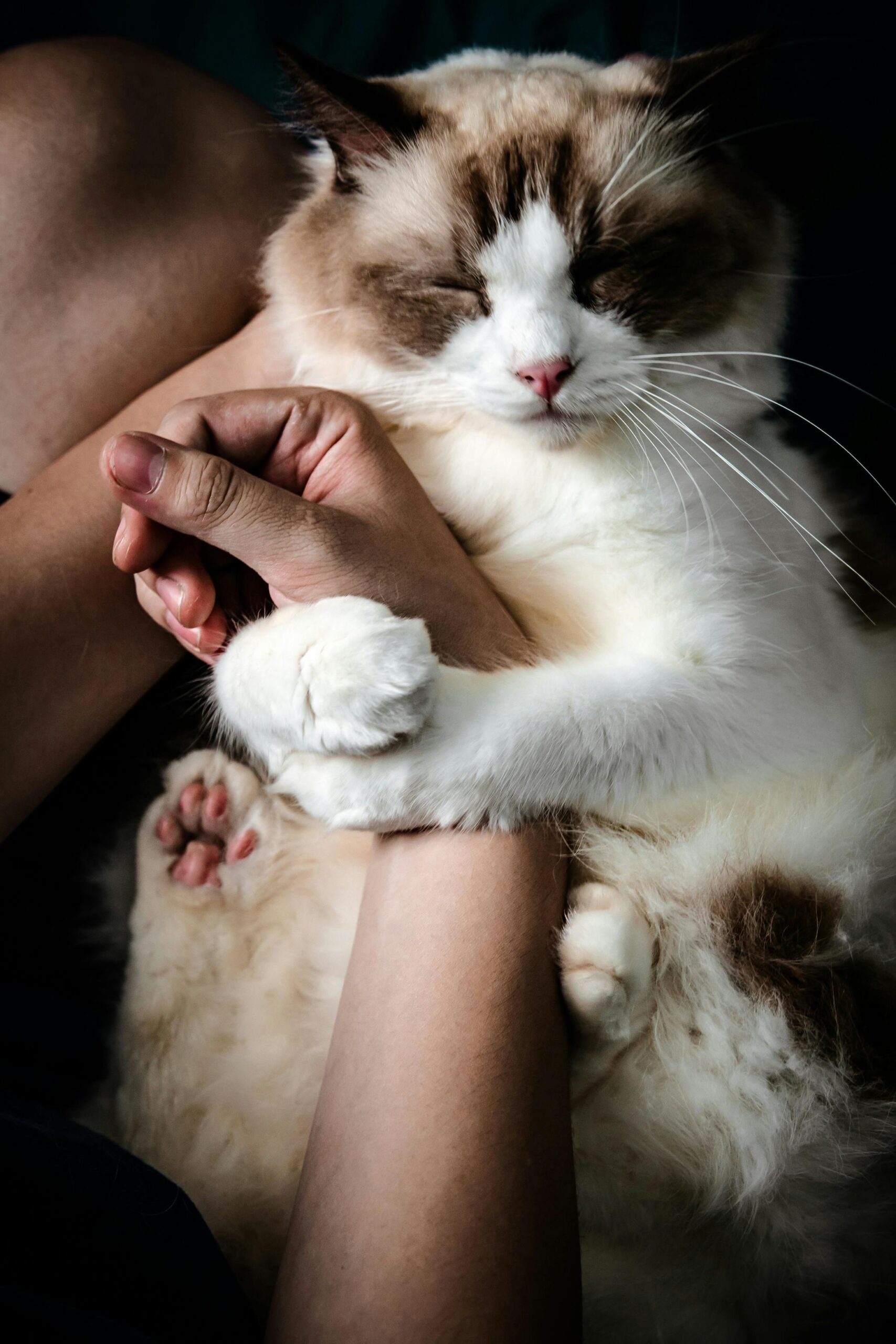
Are Ragdolls Good With Children and Families?
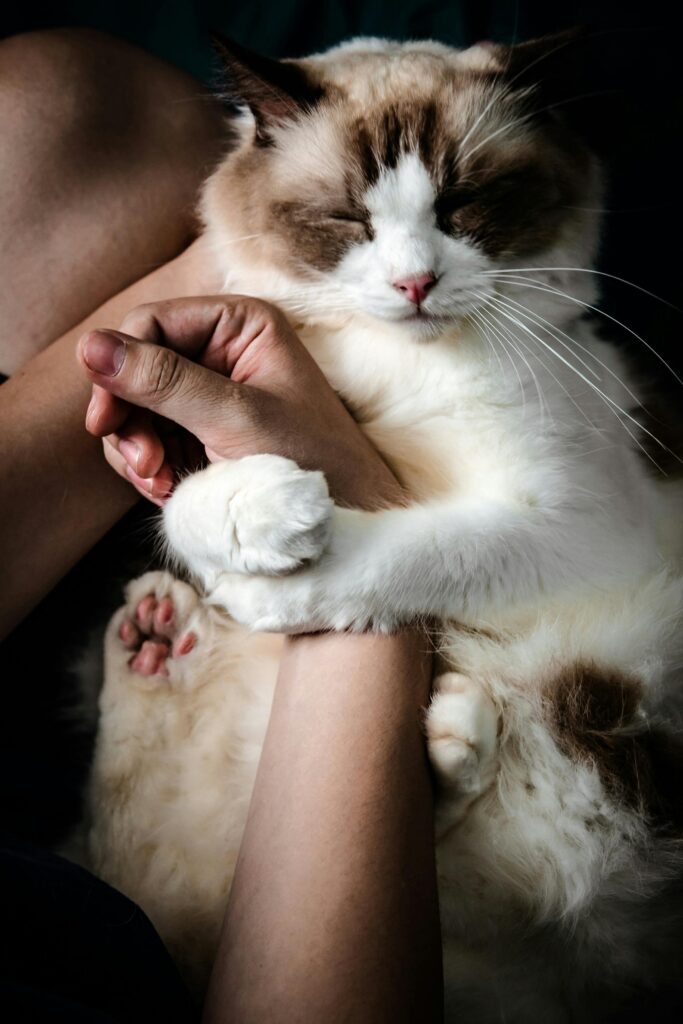
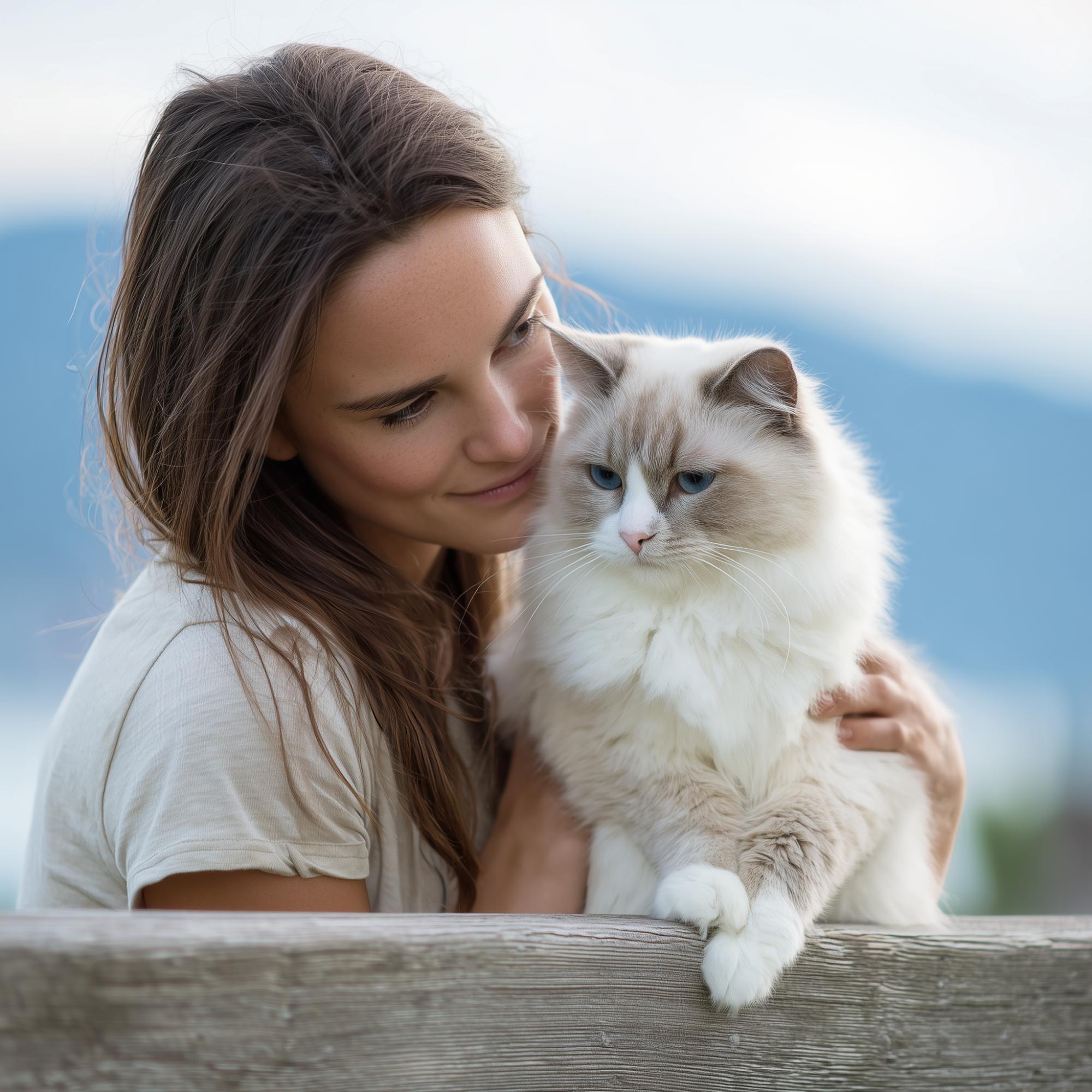
Ragdoll cats are often recommended for families with children, but that recommendation is usually given without enough context. While the breed does have traits that make it more family-friendly than many cats, success depends on how children interact with the cat, how the cat was raised, and what the household environment looks like day to day.
This article explains when Ragdolls are an excellent fit for families, when they struggle, and what parents need to understand before bringing one home.
Are Ragdolls Good With Children and Families? — Summary Table
| Topic | Key Takeaway |
|---|---|
| Overall Family Suitability | Ragdolls can be excellent family cats when expectations and supervision are realistic |
| Temperament With Children | Calm, tolerant, and people-oriented, but not limitless in patience |
| Reaction to Noise & Activity | Handles normal household noise well; struggles with constant chaos or chasing |
| Handling Tolerance | Often tolerant when well bred and well raised, but still needs correct handling |
| Stress Signals | Ragdolls tend to hide stress rather than react aggressively |
| Toddlers vs Older Children | Best with school-age children; toddlers require constant supervision |
| Role of Early Socialization | Early handling and exposure are critical for family success |
| Importance of Breeder Choice | Temperament-focused breeders produce cats better suited to families |
| Need for Structure | Predictable routines and downtime are essential |
| Safe Retreat Spaces | Vertical space and quiet areas are required, not optional |
| Common Family Mistakes | Assuming tolerance means no boundaries; unsupervised handling |
| Indoor-Only Living | Strongly recommended for safety and emotional stability |
| When Ragdolls Thrive | Structured homes with calm interaction and guided children |
| When Families Should Reconsider | Highly chaotic homes or hands-off parenting styles |
Why Ragdolls Are Commonly Recommended for Families
Ragdolls are often recommended for families because their temperament aligns well with the realities of family life. This reputation is not based on a single trait, but on a combination of behavioral characteristics that consistently appear in well-bred, well-raised cats.
Unlike more reactive or independent breeds, Ragdolls tend to remain emotionally regulated in environments that include noise, movement, and multiple people. This makes them more adaptable to households where activity levels fluctuate throughout the day.
Temperament That Favors Family Life
Ragdolls are selectively bred for a calm, people-focused temperament. In practical terms, this means they are more likely to pause and assess a situation rather than react immediately.
Key traits include:
- Calm, even temperaments
Ragdolls typically maintain steady behavior rather than swinging between high energy and withdrawal. This emotional steadiness helps them cope with changing household dynamics. - Low aggression and low reactivity
Ragdolls are less likely to respond to surprise or frustration with scratching or biting. Instead, they tend to disengage quietly or move away. - Strong tolerance for routine handling
When raised with early handling, many Ragdolls accept being touched, groomed, and picked up more easily than the average cat, which matters in homes with children. - People-oriented rather than territorial behavior
Ragdolls are more focused on their people than on defending space. This reduces stress in busy households where personal territory is constantly shared.
Together, these traits lower the risk of fear-based reactions in everyday family situations. See Are Ragdoll Cats Indoor.
Predictable Behavior Patterns
Families tend to do best with cats whose behavior is consistent and easy to interpret. Ragdolls are generally predictable in how they respond to stress, interaction, and daily routines.
They are typically:
- Slow to escalate stress
Ragdolls often show early, subtle signs of discomfort rather than jumping straight to defensive behavior. This gives caregivers time to intervene before problems occur. - Clear in their body language
While calm, Ragdolls still communicate through posture, movement, and positioning. Their signals are usually gradual rather than abrupt, making them easier for adults and children to learn. - Consistent in daily behavior
Many Ragdolls follow routines closely. They eat, rest, and interact at similar times each day, which helps children learn when and how to engage appropriately.
This predictability is especially valuable in homes where children are still developing the ability to read animal cues accurately.
Ragdoll Temperament Around Children in Real Life
What Ragdolls Usually Handle Well
In family environments that provide structure and supervision, Ragdolls typically cope well with everyday activity.
They often tolerate:
- Normal household noise such as talking, television, and routine play
- Children moving around them without reacting defensively
- Gentle petting and physical proximity when the interaction is calm
- Repeated interaction throughout the day without becoming overwhelmed
Many Ragdolls choose to remain in shared family spaces rather than retreating, which reflects their people-oriented nature rather than indifference.
What Ragdolls Do Not Automatically Tolerate
While Ragdolls are tolerant, they are not immune to stress. Their calm demeanor can sometimes be mistaken for unlimited patience.
They do not automatically enjoy:
- being chased or cornered
- sudden grabbing or unpredictable contact
- rough or prolonged handling
- being lifted or carried without proper support
Because Ragdolls are less likely to react aggressively, they may endure uncomfortable situations longer than other cats. Without supervision, this can lead to accumulated stress rather than immediate correction.
This is why adult guidance and child education matter. A Ragdoll’s gentleness is a strength, but it requires protection through responsible interaction rather than being taken for granted.
Age Matters: Ragdolls With Toddlers vs Older Children
Ragdolls and Toddlers
Homes with toddlers require extra care. Toddlers:
- move unpredictably
- grab without understanding force
- lack impulse control
Ragdolls may tolerate this longer than other cats, but tolerance is not the same as comfort. Without close supervision, stress can build quietly.
Best practices:
- never allow unsupervised interaction
- provide escape routes and elevated spaces
- teach “look, don’t grab” early
Ragdolls and School-Age Children
Ragdolls do very well with children who:
- can follow basic instructions
- understand gentle touch
- respect when a cat walks away
At this stage, the relationship often becomes mutually rewarding. Many Ragdolls enjoy predictable, calm interaction and will seek out children who handle them appropriately.
Why Families Should Seek Out Breeders Who Specialize in Tolerant Temperaments
Not all Ragdolls are bred for family life, even when they meet the written breed standard. This is one of the most misunderstood issues families run into, and it explains why some people bring home a Ragdoll that looks perfect on paper but struggles in a busy household.
Temperament is not accidental. It is the result of selection priorities over generations.
Show Success Does Not Equal Family Suitability
Some breeders focus heavily on show traits such as coat texture, eye color, head shape, or pattern contrast. Those cats may excel in quiet show environments where handling is brief, controlled, and performed by experienced adults. That does not mean they enjoy or tolerate the realities of family life.
You can have a beautiful, titled cat that:
- dislikes frequent interaction
- becomes stressed by noise or unpredictability
- tolerates handling in the ring but shuts down at home
- struggles with children, guests, or daily disruption
These cats are not “bad” cats. They are simply bred for a different purpose.
Families often assume that a show-winning pedigree guarantees an easy family pet. In practice, the opposite can be true if temperament was not prioritized alongside appearance.
Temperament-Focused Breeding Looks Different
Breeders who specialize in tolerant, family-suited temperaments make different choices.
They consistently select breeding cats that:
- recover quickly from stress
- remain relaxed during extended handling
- show curiosity instead of avoidance
- tolerate noise, movement, and routine disruption
They also pay attention to how cats behave outside controlled environments. A cat that holds itself together for a judge but avoids interaction at home is not an ideal family foundation animal.
Over time, these selection choices matter. Kittens inherit not just physical traits, but nervous system tendencies, stress thresholds, and social orientation.
Why This Matters More for Families Than Singles
Adult-only homes can adapt around a sensitive cat. Families cannot. Children move unpredictably, routines shift, and quiet recovery time is not always possible.
Cats bred for tolerance are better equipped to:
- handle repeated daily interaction
- cope with noise without escalating stress
- disengage calmly instead of reacting defensively
- remain socially present rather than withdrawing
When families skip this step and choose solely on looks or titles, the cat often pays the price through chronic stress, and the family ends up confused about why the “right breed” feels like the wrong fit.
What Families Should Ask Breeders Directly
Families should feel comfortable asking:
- How do your cats do in busy homes?
- Are your kittens raised around children or normal household noise?
- Do you place kittens specifically with families?
- What temperaments do you avoid breeding, even if the cat is beautiful?
Breeders who truly prioritize family temperament can answer these questions clearly and without defensiveness.
The Long-Term Difference It Makes
When families work with breeders who specialize in tolerant temperaments, outcomes change. Cats settle faster. Children learn appropriate interaction without constant correction. Stress-related behavior issues are far less common.
Choosing the right breeder is not about prestige or titles. It is about matching the cat’s inherited temperament to the reality of the home. For families, that difference is often the line between a cat that merely tolerates family life and one that fits right in.
Looking for a Family Companion Ragdoll?
We focus on raising Ragdoll kittens from tolerant, people-oriented lines and exposing them early to the kind of handling and household activity they will experience in family homes.
You can learn more about our current and upcoming Ragdoll kittens, how they are raised, and whether one may be a good fit for your household here:
View Available Ragdoll Kittens
Why Early Socialization Matters So Much in Family Homes
Ragdolls that do well with children are almost always the result of both genetics and early environment. Family-friendly behavior does not appear by accident. It is built during the first weeks of life.
Ragdolls that transition smoothly into homes with children are typically:
- raised with regular, gentle handling from an early age
- exposed to normal household sounds such as voices, movement, and everyday noise
- accustomed to being touched calmly and correctly rather than grabbed or restrained
This early exposure teaches kittens that human interaction is predictable and safe. It also helps them develop tolerance for the kind of contact they will experience in a family setting.
Kittens raised in very quiet, adult-only environments can still adapt, but they often need a slower transition. Without early exposure, sudden noise or clumsy handling can feel overwhelming at first, even for a naturally calm breed.
This is why breeder practices matter so much for families. A well-raised Ragdoll kitten enters a home with children already confident, resilient, and better equipped to handle day-to-day interaction.
For families with children who want a cat that is comfortable with being picked up and handled appropriately, understanding how holding tolerance develops is important. You can read more about this in Do Ragdolls Like to Be Held?, which explains how early handling shapes adult comfort with physical contact.
Teaching Children How to Interact With a Ragdoll
A Ragdoll’s success in a family depends just as much on how children are taught to interact as on the cat’s temperament. Even the gentlest cat needs clear boundaries to feel safe.
What Children Should Be Taught
Children should learn:
- to pet gently instead of grabbing
- to support the cat’s body properly if holding is allowed
- to stop interacting when the cat moves away
- to respect resting, hiding, and sleeping spaces
These rules are simple, but they make a significant difference in how secure the cat feels over time.
Why This Protects the Cat and the Child
Ragdolls are slow to react and unlikely to lash out without warning. While this is one of the breed’s strengths, it can also lead children to miss early signs of discomfort if they are not taught what to look for.
Teaching boundaries helps prevent:
- accidental scratches caused by overstimulation
- stress-based avoidance or hiding
- long-term behavioral issues that develop when a cat’s signals are repeatedly ignored
When children learn how to interact calmly and respectfully, Ragdolls are more likely to remain relaxed, social, and engaged in family life.
Are Ragdolls Patient Enough for Busy Family Homes?
Ragdolls are often described as patient cats, but patience does not mean unlimited tolerance. In family homes, success depends on the type of activity, not just the amount of it.
Noise and Activity
Ragdolls generally handle everyday household noise well when it follows predictable patterns. They are typically comfortable with:
- television and background audio
- normal play sounds from children
- multiple people moving through shared spaces
This level of activity does not usually overwhelm them, especially when it is part of a daily routine.
Where Ragdolls tend to struggle is with unstructured or constant stimulation. They are less suited to:
- nonstop chaos without predictable quiet periods
- screaming, chasing, or high-energy games directed at them
- environments where noise spikes suddenly and repeatedly
- homes where there is no clear separation between play time and rest time
Because Ragdolls are slow to react, they may remain present during overstimulation instead of fleeing. That calm appearance can mask rising stress, which is why structure matters more than volume alone.
The Need for Downtime
Even the most tolerant cat needs regular opportunities to disengage. Ragdolls do best in homes that intentionally build rest into the environment.
They benefit from:
- vertical space such as cat trees or shelving that allows observation without interaction
- quiet rooms where the cat can retreat without being followed
- predictable routines that include regular feeding, play, and rest periods
Downtime allows Ragdolls to reset emotionally. Without it, stress accumulates slowly and may show up later as withdrawal, avoidance, or sudden irritability.
Families that respect rest periods typically see:
- more social cats
- better tolerance during interaction
- fewer stress-related behavior changes over time
Common Reasons Ragdolls Struggle in Families
When Ragdolls struggle in family environments, the cause is usually environmental, not genetic.
Ragdolls most often have difficulty when:
- children are allowed to handle them without adult supervision
- adults assume a “gentle breed” does not need clear boundaries
- the household is constantly loud with no structured quiet time
- the cat has no safe place where interaction is optional
Because Ragdolls are unlikely to lash out quickly, problems may go unnoticed until stress has already built up. By the time avoidance or behavior changes appear, the cat has often been coping quietly for some time.
These situations are not failures of the breed. They are mismatches between the cat’s needs and the household structure. When families adjust expectations, provide space, and supervise interaction, Ragdolls are far more likely to remain relaxed, social, and well-adjusted members of the household.
Ragdolls vs Other Cats for Families
When families compare cat breeds, they often lump all “calm cats” together. In reality, different cats handle family life in very different ways, and those differences matter more in homes with children.
Compared to the average domestic cat, Ragdolls are generally:
- More tolerant of handling
Many Ragdolls accept being touched, groomed, and briefly held with less resistance, especially when raised with early handling. - Less reactive to noise and movement
Ragdolls tend to pause and assess rather than bolt when the environment gets busy, which lowers the risk of fear-based reactions in family homes. - More people-oriented
They are more likely to stay near family activity and seek proximity instead of isolating themselves when the house is active.
At the same time, these same traits come with trade-offs that families need to understand.
Ragdolls are also:
- More sensitive to emotional environment
While they tolerate noise, they are affected by tension, chaos, and unpredictability. A stressed household often produces a stressed Ragdoll. - Less inclined to defend themselves
Ragdolls are slow to escalate and unlikely to scratch or bite early. This makes them gentle companions, but it also means they rely on adults to step in before stress builds. - More dependent on human presence
Ragdolls tend to bond deeply with their people and do best in homes where interaction is intentional rather than incidental.
This combination explains why Ragdolls can be exceptional family cats in structured homes, yet struggle in households that expect a cat to simply adapt without guidance or supervision.
Family Fit Comparison Summary
| Trait | Ragdoll Cats | Average Domestic Cats |
|---|---|---|
| Handling tolerance | High when well raised | Variable |
| Reaction to noise | Low reactivity | Often reactive |
| People orientation | Strong | Varies widely |
| Emotional sensitivity | High | Moderate to low |
| Self-defense tendency | Low | Moderate |
| Need for structure | High | Lower |
| Best family fit | Supervised, structured homes | Flexible, low-demand homes |
Recap:
Ragdolls are not “easier cats.” They are more tolerant, more social, and more emotionally responsive. For families willing to provide structure, supervision, and respect for boundaries, that makes them wonderful companions. For homes that expect a cat to cope independently with chaos, a more self-sufficient cat may be the better choice.
Common Ways Families Can Fail a Ragdoll
Most problems families experience with Ragdolls are not caused by the cat. They are caused by mismatched expectations, poor supervision, or assuming temperament replaces responsibility. Understanding these failure points helps families avoid preventable stress and long-term behavioral issues.
Treating a Gentle Temperament as Unlimited Tolerance
Ragdolls are slow to react and unlikely to scratch early. Families sometimes mistake this for endless patience. When discomfort is ignored because the cat stays quiet, stress accumulates instead of resolving. Over time, the cat may withdraw, hide, or become less social rather than correcting the situation immediately.
Allowing Children to Handle Without Supervision
Unsupervised interaction is one of the most common ways families fail a Ragdoll. Children often grab, carry incorrectly, or continue touching after the cat has disengaged. Even tolerant cats need adults to step in before stress escalates.
Choosing a Breeder Based on Appearance Instead of Temperament
Families sometimes prioritize color, pattern, or show titles over temperament. Cats bred primarily for the show ring may struggle in busy households. When temperament is not selected intentionally, the cat may lack the emotional resilience needed for family life.
Expecting the Cat to Adapt to Chaos
Ragdolls cope best with structure. Homes that are constantly loud, unpredictable, or overstimulating without recovery time place the burden of adaptation entirely on the cat. This often leads to long-term stress rather than gradual adjustment.
Ignoring Early Warning Signs
Because Ragdolls communicate quietly, early signs of discomfort are easy to miss. Subtle body language, avoidance, or reduced interaction are often dismissed until the cat is already overwhelmed. Early intervention is far more effective than reacting to advanced stress.
Failing to Provide Safe Retreats
Every family cat needs space where interaction is optional. When a Ragdoll has no elevated or quiet area free from children and activity, stress has nowhere to go. Safe retreats are not a luxury. They are a requirement.
Assuming Time Alone Is Not a Problem
Ragdolls are people-oriented cats. Families that are gone for long hours with little interaction may unintentionally neglect the cat’s emotional needs. Lack of engagement can lead to withdrawal or clinginess rather than independence.
Why This Matters
Ragdolls do not usually fail families loudly. They fail quietly. Stress often shows up as reduced engagement rather than aggression, which makes problems easier to ignore and harder to correct later.
When families understand these risks and adjust their environment and expectations, Ragdolls are far more likely to remain social, stable, and well-adjusted over time.
When a Ragdoll Is a Good Choice for a Family
Ragdolls tend to thrive in families that understand what the breed offers and what it requires in return. When expectations and environment align, they integrate smoothly into family life.
Ragdolls are a strong fit for families that:
- want calm companionship rather than a highly independent or high-energy cat
Ragdolls prefer steady interaction and shared space. They enjoy being near their people and participating quietly in daily life. - are willing to teach children how to interact appropriately
Families that take time to show children how to pet gently, when to stop, and how to respect space see better outcomes long term. - value routine and predictability
Regular schedules for feeding, play, rest, and interaction help Ragdolls feel secure, even in busy homes. - can provide indoor-only living with enrichment
Ragdolls do best indoors, where risks are controlled and enrichment can be provided through play, climbing space, and human interaction.
In these environments, Ragdolls often become deeply bonded family members who remain social, relaxed, and emotionally present.
When a Family Should Reconsider
While Ragdolls are tolerant cats, they are not a good fit for every household. Some family dynamics place demands on a cat that even a gentle breed should not be expected to manage.
A Ragdoll may not be the best choice if:
- children are very rough and interactions are unsupervised
Ragdolls may endure discomfort quietly, which increases stress over time rather than resolving it. - adults expect the cat to tolerate anything because of the breed’s reputation
Assuming a Ragdoll will accept chasing, grabbing, or constant handling often leads to long-term stress and behavioral withdrawal. - the home is extremely chaotic without structure or recovery time
Constant noise and activity without predictable quiet periods can overwhelm even tolerant cats. - no one has time to manage interaction boundaries
Successful family placement requires adults to actively guide both the cat and the children, especially in the early months.
Choosing to wait, prepare further, or select a different breed is not a failure. In many cases, it is the most responsible decision for both the family and the cat.
Frequently Asked Questions: Ragdolls, Children, and Family Life
Are Ragdoll cats actually good with children, or is that just marketing?
Ragdolls are commonly recommended for families because many are bred for calm, tolerant temperaments and low reactivity. That reputation did not come from marketing alone, but it is often oversimplified online. A Ragdoll can be an excellent family cat when temperament, early socialization, and household structure align. Problems usually arise when families assume the breed alone guarantees success and do not actively manage interaction, supervision, and environment.
Are Ragdoll cats safe with toddlers?
Ragdolls can live safely in homes with toddlers, but they should never be treated as a hands-off pet in that age group. Toddlers move unpredictably, grab impulsively, and cannot read feline body language. Ragdolls may tolerate this longer than other cats, which can mask discomfort rather than resolve it. Close supervision, physical separation when needed, and teaching toddlers “look, don’t grab” are essential for safety and long-term wellbeing.
Will a Ragdoll scratch or bite a child?
Ragdolls are less likely to scratch or bite compared to many cats, but no cat is incapable of defensive behavior. Scratches usually occur when a cat is startled, restrained incorrectly, or unable to escape an interaction. Because Ragdolls tend to suppress early warning responses, adults must intervene before stress escalates. Proper supervision and education dramatically reduce the risk.
Do Ragdolls tolerate noise and active households?
Ragdolls generally handle normal household noise such as television, conversation, and routine play sounds well. They tend to struggle more with constant chaos, screaming directed at them, or chasing games. Predictability matters more than volume. Homes that balance activity with quiet periods tend to see better long-term behavior than homes that are loud without structure.
Can children pick up and carry a Ragdoll?
Only when children are old enough to follow instructions and support the cat’s body correctly. Improper lifting is one of the most common causes of discomfort and resistance. Even tolerant Ragdolls may become stressed if carried incorrectly or for too long. Adults should control when holding is allowed and demonstrate proper technique. See Do Ragdoll Cats Like to be Held?
What age is best for children to have a Ragdoll?
School-age children generally do best with Ragdolls because they can understand rules, respect boundaries, and follow guidance. Younger children can coexist with a Ragdoll, but the responsibility falls entirely on adults. The younger the child, the more supervision and environmental management is required.
Do Ragdolls hide stress around children?
Yes. Ragdolls are known for being slow to escalate and unlikely to react aggressively. This can cause families to miss early stress signals such as withdrawal, stiffness, or avoidance. Stress in Ragdolls often shows up quietly rather than dramatically. Paying attention to subtle changes in behavior is critical in family homes.
Are Ragdolls better family cats than domestic shorthairs?
Ragdolls tend to be more predictable, more tolerant of handling, and more people-oriented than the average domestic cat. However, domestic shorthairs vary widely and some may be more independent or resilient in chaotic environments. Ragdolls excel in families that value structure and involvement, while more self-sufficient cats may cope better in hands-off homes.
Does breeder choice really matter for families?
Yes, breeder focus matters enormously. Cats bred primarily for appearance or show success may not have the temperament needed for busy family environments. Breeders who prioritize tolerant, people-oriented temperaments and raise kittens with early handling produce cats that adapt more smoothly to children. Families should ask breeders directly about temperament goals and family placements.
Can a Ragdoll grow to dislike children over time?
Yes, if boundaries are not respected. Repeated overstimulation, rough handling, or lack of safe retreat can cause a Ragdoll to withdraw or avoid interaction. This is not a sudden change in personality, but a gradual stress response. When families adjust interaction and environment early, this outcome is usually preventable.
Is it better for families to choose a kitten or an adult Ragdoll?
Both can work, but the considerations differ. Kittens are more adaptable but require more supervision and training of both the cat and the children. Adult Ragdolls often have established temperaments, which can be helpful for families wanting predictability. In either case, matching the individual cat to the household matters more than age alone.
What are the biggest mistakes families make with Ragdolls?
The most common mistakes include assuming the cat will tolerate anything, allowing unsupervised handling, ignoring early signs of stress, and failing to provide quiet retreat spaces. These are environment and management issues, not breed flaws. Families who approach Ragdolls as companions with needs, not as passive pets, tend to have the best outcomes.
Are Ragdolls good family cats?
Ragdolls can be excellent family cats when families are prepared to supervise interaction, teach children appropriate behavior, and provide structure and downtime. They are not self-managing pets and should not be expected to adapt to chaos without support. When expectations match reality, Ragdolls often become deeply bonded, gentle, and stable members of family life.
Final Answer: Are Ragdolls Good With Children and Families?
Yes, Ragdolls can be excellent family cats. Their calm temperament, low aggression, and tolerance for handling make them one of the better choices for homes with children.
That said, success depends on supervision, education, and respect. Ragdolls do best when families treat them as companions, not playthings, and when children are taught how to interact gently and appropriately.
When expectations are realistic and the environment is supportive, Ragdolls integrate beautifully into family life and often form strong bonds with both children and adults.
Continued Ragdoll Reading
If you’re still deciding whether a Ragdoll fits your home, these guides expand on temperament, care, and long-term ownership realities:
- Ragdoll Cats Explained by a Breeder
A complete breakdown of temperament, care needs, health realities, and who the breed is truly suited for. - Ragdoll Cat Health Complete Health review of Ragdoll cats.
- Is A Ragdoll Right for You?
A Ragdoll is right for you if you want calm companionship, routine, and emotional presence - How Ragdoll Kittens are Raised Our Ragdoll kittens are raised through a structured, stage-based process that supports confidence, handling tolerance, and adaptability.
- Are Ragdoll Cats Hypoallergenic?
A realistic explanation of allergies, Fel d 1, and why coat type doesn’t equal allergy safety. - What Living With A Ragdoll is Like
Living with a Ragdoll doesn’t match the extremes you see online. - Ragdoll Cat Lifespan: Lifespan and health tips.
- Ragdoll Health Testing Explained
What breeders test for, what results actually mean, and why testing reduces risk but never guarantees outcomes. - Ragdoll Cat Shedding Ragdoll shedding is normal, consistent, and manageable when expectations match the reality of the breed.
- Ragdoll Cat Lifetime Costs Ragdoll cats are a long-term financial commitment that extends beyond the initial kitten price.
- Is a Ragdoll Cat Good for First Time Cat Owners Ragdolls can be excellent first cats when chosen for lifestyle fit, and not just their floppy reputation.
Sources & References
- The International Cat Association (TICA) — Ragdoll breed standard, temperament, and breed history
https://tica.org/breeds/ragdoll/ - Cat Fanciers’ Association (CFA) — Ragdoll breed profile and temperament overview
https://cfa.org/ragdoll/ - International Cat Care (iCatCare) — Guidance on cats, children, stress, and household management
https://icatcare.org/advice/ - Cornell Feline Health Center — Feline behavior, stress responses, and human–cat interaction
https://www.vet.cornell.edu/departments-centers-and-institutes/cornell-feline-health-center - Merck Veterinary Manual (Cat Owners) — Feline behavior, handling, and environmental stress
https://www.merckvetmanual.com/cat-owners - American Veterinary Medical Association (AVMA) — Pet safety, animal welfare, and children–pet interactions
https://www.avma.org/resources-tools/pet-owners






Read the Comments +