
Are Siberian Cats Cuddly? Are Neva Masquerade Cats Cuddly?
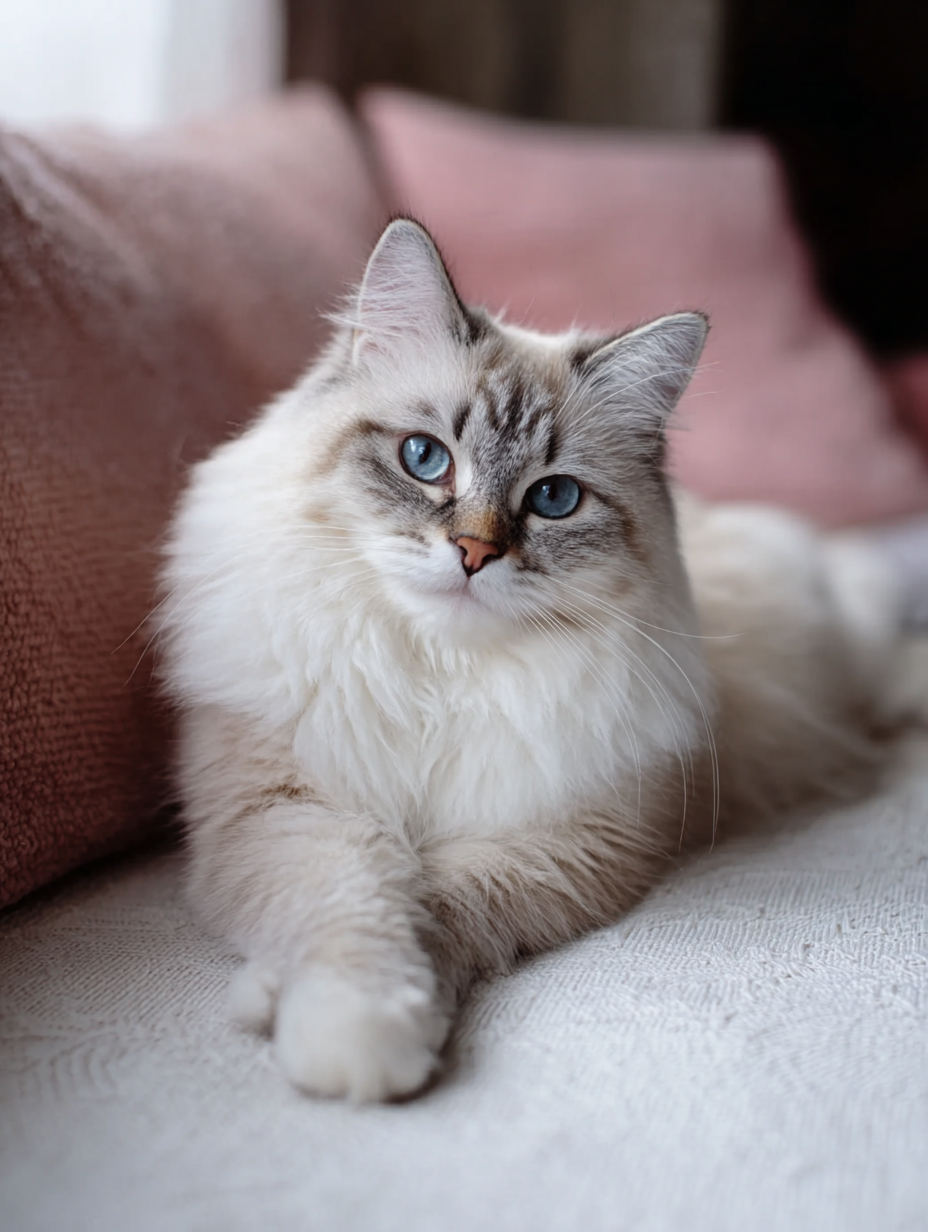
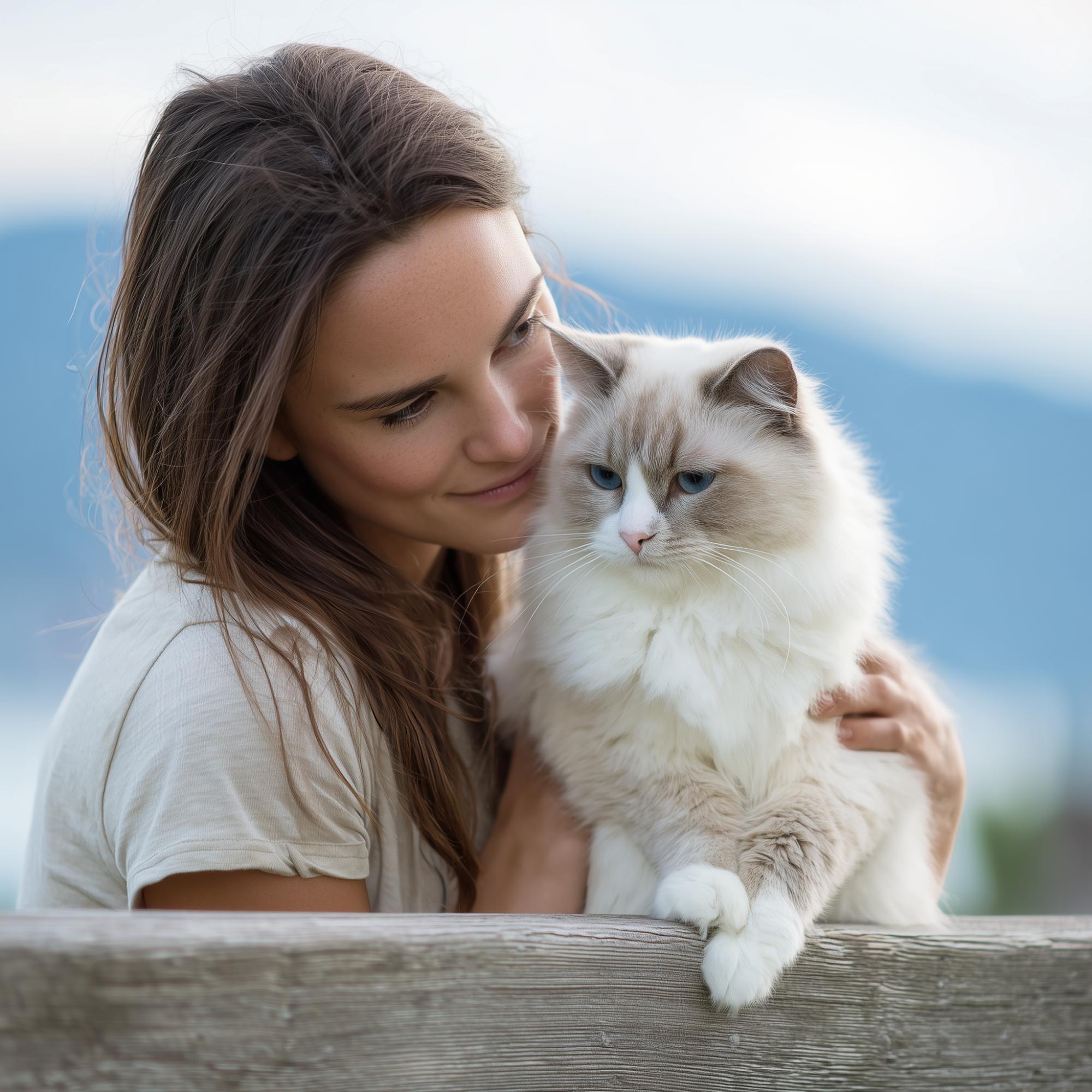
Yes. Siberian cats are cuddly, affectionate companions who enjoy physical closeness without being overly demanding. Neva Masquerade cats, the colorpoint variety of the Siberian, share the same temperament and are often just as — or sometimes more — openly affectionate.
Both Siberians and Neva Masquerades show love through calm snuggling, proximity, and gentle contact rather than constant attention-seeking. They are emotionally present cats that enjoy being near their people without needing nonstop handling.
Siberian cats are affectionate but not clingy.
Neva Masquerade cats are affectionate but not demanding.
They prefer meaningful, voluntary closeness over being carried, restrained, or smothered. If you want a cat that feels deeply connected while still respecting personal space, both breeds fit that role exceptionally well.
Siberian & Neva Masquerade Cuddly Summary Table
| Category | Siberian Cats | Neva Masquerade Cats |
|---|---|---|
| Overall Affection Level | High | High |
| Cuddliness | Very cuddly and snuggly | Very cuddly and often more demonstrative |
| Lap Cat | Sometimes | Sometimes to often |
| Preference for Physical Contact | Strong (leaning, pressing, snuggling) | Strong (snuggling, sleeping close, following) |
| Clinginess | Low | Low–moderate |
| Independence Level | Moderate | Moderate |
| Enjoys Being Held | Tolerates; prefers cuddling over carrying | Tolerates; prefers settling beside you |
| Bonds With | Whole household | Whole household, may favor one person |
| Good for Families | Yes | Yes |
| Good With Children | Yes, with respectful handling | Yes, with supervision |
| Good With Other Pets | Often, if environment is calm | Often, especially with structured introductions |
| Energy Level | Moderate | Moderate |
| Best Affection Style | Calm, voluntary closeness | Calm closeness with stronger eye contact |
| Age & Cuddliness | Often increases with age | Often increases with age |
| Apartment Friendly | Yes | Yes |
| Ideal Owner | Wants affection without constant demand | Wants a bonded but respectful companion |
Siberian cats and Neva Masquerade cats are among the most cuddly natural breeds, offering warmth and emotional presence without becoming needy.
Looking for a Siberian Kitten?
Our Siberian kittens are bred with longevity, temperament, and health screening as top priorities.
View current and upcoming availability.
What “Cuddly” Means for Siberian & Neva Masquerade Cats
Cuddliness in Siberians and Neva Masquerades looks different than it does in highly dependent or ultra-social breeds. These cats express affection through steady companionship rather than nonstop physical contact.
Here’s how cuddly behavior typically shows up:
Lap sitting vs. nearby companionship
Some Siberians and Nevas enjoy laps, especially during quiet moments, but many prefer sitting beside you, touching paws or leaning gently.
Following owners room to room
They often follow at a calm distance, choosing to stay involved without crowding.
Physical contact tolerance
They enjoy petting, brushing, and relaxed snuggling. Forced holding or prolonged restraint usually reduces affection rather than builds it.
Independence vs. clinginess
Both breeds are emotionally bonded but self-assured. They handle alone time well and don’t demand attention on a schedule.
Preferred interaction style
Soft voices, predictable routines, and respectful handling are rewarded with increased affection. Overstimulation leads to quiet withdrawal, not behavioral issues.
This distinction matters: Siberians and Neva Masquerades are affectionate companions, not Velcro cats.
Temperament Traits That Affect Cuddliness
Social Orientation
Siberian cats are people-oriented, not people-dependent.
They enjoy being part of daily life without needing constant engagement
They usually bond with the household as a whole
They thrive in homes where interaction is calm and predictable
Neva Masquerade cats often show slightly stronger emotional signaling, such as prolonged eye contact or choosing to sleep very close.
Sensitivity & Emotional Awareness
Both Siberians and Nevas are emotionally perceptive cats.
Sensitive to tone, stress, and household energy
Prefer consistency and routine
More likely to seek closeness during calm, quiet moments
When they feel secure, these cats become noticeably more cuddly. Stress, chaos, or rough handling tends to reduce affection rather than increase it.
Activity Level & Energy
Siberians and Neva Masquerades are moderate-energy cats, which directly shapes their cuddling behavior.
Not hyper or restless
Prefer interactive play followed by rest
Most affectionate after activity, not before
Because they are physically substantial and mentally balanced, they’re inclined to settle near their people for extended periods — as long as the interaction remains low-pressure.
Bottom line:
If you’re asking “are Siberian cats cuddly?” or “are Neva Masquerade cats cuddly?” — the answer is yes. They offer deep affection, calm companionship, and genuine closeness without clinginess, making them ideal for people who value a strong bond without constant physical demand.
How Siberian & Neva Masquerade Cats Show Affection (Real-Life Examples)
Siberian cats express affection through steady proximity, physical closeness, and calm, intentional contact. Neva Masquerade cats, the colorpoint variation of the Siberian, share the same affectionate nature and often display slightly more overt bonding behaviors.
Compared to more reserved breeds, Siberians are more willing to close physical distance and remain in contact during rest periods without becoming intrusive or demanding.
Common real-life signs of affection include:
Sleeping nearby or on you
Siberian and Neva Masquerade cats frequently choose to sleep pressed against legs, hips, or along the side of their person. Many prefer partial lap contact, leaning or curling against you rather than settling completely across the lap.
Slow blinking and relaxed eye contact
Prolonged slow blinks paired with soft posture are common indicators of trust. Neva Masquerades, in particular, often maintain longer eye contact before blinking, signaling emotional connection.
Gentle head butts and cheek rubbing
Affectionate greeting behaviors are frequent and may occur multiple times per day. These scent-marking gestures are a primary bonding method in both Siberians and Nevas.
Grooming behaviors
Light licking of hands, arms, or nearby skin can appear in strongly bonded cats. This behavior is usually brief, calm, and unhurried, signaling comfort rather than neediness.
Vocal interaction or intentional quiet presence
Siberians are communicative without being loud. Affection may show up as soft trills or chirps — or simply through choosing to stay close in comfortable silence.
Strong proximity preference
Both Siberian and Neva Masquerade cats consistently choose shared space and gentle physical contact. They prefer touching or leaning against their people rather than observing from a distance, which is one of the clearest signs of their affectionate temperament.
Are Siberian & Neva Masquerade Cats Lap Cats?
Sometimes — but not constantly.
Siberian cats and Neva Masquerade cats are situational lap cats. They enjoy lap time when conditions are calm and the interaction is self-directed rather than imposed.
When They Are Most Likely to Be Lap Cats
During quiet evenings or rest periods
When the cat initiates the interaction
In cooler temperatures
With relaxed owners who remain still
After play, meals, or grooming sessions
When They Prefer Contact Without Restraint
Sitting pressed against your leg or hip
Curling beside you rather than directly on top
Leaning their body weight into you
Sleeping against your torso or arm
Common Misconceptions About Cuddly Siberian & Neva Masquerade Cats
That a cat must sit fully on a lap to be affectionate
That declining lap time means weak bonding
That cuddly cats enjoy being held or restrained
Siberian and Neva Masquerade cats prefer chosen closeness, not enforced contact. Their affection is steady, emotionally grounded, and deeply bonded — expressed through presence and proximity rather than constant physical control.
Bottom line: These breeds are genuinely cuddly, but on their own terms — offering warmth, connection, and loyalty without clinginess.
Do Siberian & Neva Masquerade Cats Like Being Picked Up or Held?
Most Siberian cats and Neva Masquerade cats tolerate being held, but true enjoyment is less common than calm acceptance.
These breeds are affectionate and people-oriented, but they generally prefer grounded contact — sitting beside, leaning into, or sleeping against their people — rather than being lifted or restrained.
Tolerance vs. Enjoyment
Tolerance
- Calm but firm body posture
- Accepts brief holding without resistance
- Minimal movement, waiting to be put down
Enjoyment
- Fully relaxed body
- Soft limbs and loose posture
- Purring or slow blinking
- No attempt to escape
Most Siberians and Neva Masquerades fall into the tolerant category, with genuine enjoyment usually limited to short, gentle holds under calm conditions.
Age Differences: Kittens vs. Adults
Kittens
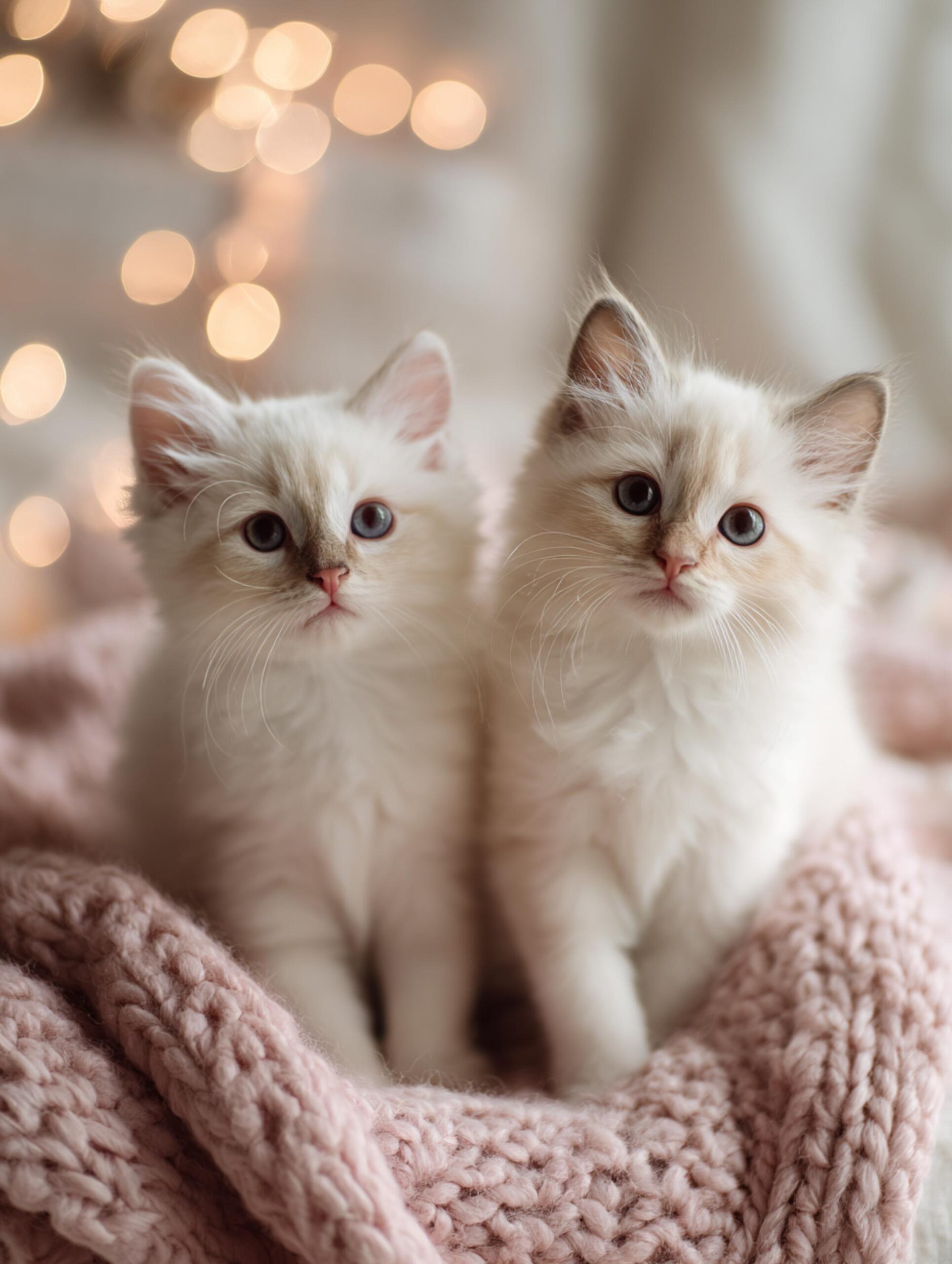
Siberian and Neva Masquerade kittens are typically more accepting of handling due to early socialization, curiosity, and flexibility.
However, they overstimulate quickly. Excessive holding or forced cuddling during kittenhood can reduce trust rather than build it. Short, positive handling sessions are more effective than prolonged restraint.
Adults
Adult Siberians and Neva Masquerades prefer control over interaction.
They become more affectionate when they are allowed to approach, engage, and disengage freely. Respecting autonomy results in stronger bonds and more consistent cuddling over time.
Proper Handling Tips for Siberian & Neva Masquerade Cats
- Always support both chest and hindquarters
- Keep holds brief and relaxed
- Avoid tight hugging or restraint
- Hold close to your body rather than away from it
- Place the cat down before they struggle
Handling should feel optional, not imposed. Ending contact on a positive note preserves trust and long-term affection.
Warning Signs of Overstimulation
- Tail flicking or sharp tail movements
- Body stiffening
- Ears rotating sideways or flattening slightly
- Sudden stillness followed by escape attempts
Responding early to these signals prevents stress and helps maintain a positive relationship with physical contact.
How Age Affects Cuddliness in Siberian & Neva Masquerade Cats
Siberian cats and Neva Masquerade cats often become more physically affectionate with age, especially as their confidence and routines stabilize.
Siberian & Neva Kittens
- Early socialization shapes long-term comfort with touch
- High curiosity with limited tolerance for still cuddling
- Affection expressed more through play than rest
- Gentle, brief handling builds trust without overstimulation
Siberian & Neva Adults
- Personality stabilizes between 2–4 years
- Affection becomes routine-based and predictable
- Stronger preference for physical closeness during rest periods
This is typically when their cuddly reputation becomes more noticeable.
Siberian & Neva Seniors
- Increased desire for warmth and physical comfort
- More frequent proximity-seeking behavior
- Longer rest periods spent touching or leaning against owners
Senior Siberian and Neva Masquerade cats are often the most consistently snuggly, seeking calm companionship, shared space, and gentle physical reassurance.
Are Male or Female Siberian & Neva Masquerade Cats More Cuddly?
Both male and female Siberian cats are naturally affectionate and cuddly, and there is no consistent, reliable difference in cuddliness based on gender alone. This is also true for Neva Masquerade cats, which share the same temperament as Siberians.
In this breed group, individual personality, early handling, and household environment have far more influence on affection than sex.
That said, some subtle patterns are commonly observed:
Male Siberian & Neva Masquerade cats
Males often show affection through relaxed physical closeness. Many enjoy extended snuggling once settled and are more likely to seek shared resting spaces, such as sleeping against legs or leaning into their person for long periods.
Female Siberian & Neva Masquerade cats
Females are equally affectionate but may be more selective about when and how cuddling occurs. Their affection is often intentional and consistent rather than constant, showing up through proximity, eye contact, and quiet companionship.
These are tendencies, not rules. Exceptionally cuddly females and more reserved males are both common.
Impact of Spay / Neuter on Cuddliness
Spaying and neutering have a strong positive effect on cuddliness in Siberian and Neva Masquerade cats.
- Reduces hormone-driven restlessness
- Increases emotional stability
- Supports predictable, routine-based bonding
- Encourages relaxed physical closeness
A fixed Siberian or Neva Masquerade cat is typically calmer, more settled, and more people-oriented than an intact cat, especially as adulthood progresses.
Individual Personality Disclaimer
While Siberian and Neva Masquerade cats are broadly considered cuddly breeds, individual personality always matters.
Some cats will be intensely snuggly, actively seeking contact, while others prefer steady closeness without constant touch. Environment, early socialization, trust, and respect for boundaries influence affection far more than gender or color variety.
Are Siberian & Neva Masquerade Cats Good for Cuddly Families?
Yes. Siberian cats and Neva Masquerade cats are an excellent choice for families who want a cuddly, emotionally present companion — provided their boundaries are respected.
With Children
Siberians and Nevas are generally patient and tolerant, making them well suited to family life when interactions are guided appropriately.
- Comfortable with calm, gentle petting
- Tolerant of proximity and shared space
- Less reactive than high-energy or highly sensitive breeds
Supervision is essential, especially with younger children. These cats thrive when children are taught to let the cat approach first and to avoid lifting, chasing, or restraining.
With Couples
Siberian and Neva Masquerade cats do especially well in couple households.
- Often divide affection between both partners
- Enjoy shared routines such as quiet evenings or slow mornings
- May show slightly different cuddle styles with each person
They are not typically one-person cats, though they may develop a stronger bond with the individual who provides the most consistent routine and calm interaction.
With Other Pets
Cuddliness in Siberians and Neva Masquerades can shift depending on household dynamics.
- In calm multi-pet homes, many remain very affectionate with people
- Excessive noise, competition, or stress may reduce physical closeness
- Slow, respectful introductions help preserve affectionate behavior
When they feel secure, these cats often maintain strong cuddly tendencies even in multi-pet households.
Best Home for a Siberian or Neva Masquerade — Summary Table
| Category | Best Fit |
|---|---|
| Home Environment | Calm, predictable, low-chaos |
| Living Space | Apartment or quiet house |
| Activity Level | Moderate |
| Indoor / Outdoor | Indoor-only preferred |
| Affection Style | Cuddly, snuggly, steady physical closeness |
| Clinginess | Low |
| Ideal Owners | People who value bonded but independent companionship |
| Work Schedule | Works well with routines or work-from-home |
| Families | Yes, with respectful handling |
| Children | Yes, with supervision |
| Other Pets | Often yes, with calm introductions |
| Noise Tolerance | Moderate |
| Handling Preference | Gentle cuddling, not frequent carrying |
| Best Comfort Setup | Soft beds, warm spots, nearby human presence |
| Emotional Needs | Stability, routine, calm bonding |
| Not Ideal For | Chaotic homes, rough handling, constant restraint |
Siberian cats and Neva Masquerade cats thrive in homes that value routine, emotional connection, and quiet companionship. When their boundaries are respected, they offer deep affection, steady cuddling, and long-term loyalty without clinginess.
What Reduces Cuddliness in Siberian & Neva Masquerade Cats
Even naturally affectionate Siberian cats and Neva Masquerade cats will reduce physical closeness when their emotional or physical needs aren’t being met.
Common factors that decrease cuddliness include:
Stress
Loud households, frequent conflict, sudden changes, or unpredictable environments reduce trust and willingness to seek closeness.
Lack of routine
Irregular feeding, play, or rest schedules disrupt emotional security and often lead to withdrawal rather than affection.
Improper handling
Forced cuddling, frequent lifting, or restraining teaches the cat to avoid physical contact instead of enjoying it.
Poor early socialization
Limited positive handling during kittenhood can reduce comfort with touch later in life, even in otherwise affectionate cats.
Medical discomfort
Pain, dental disease, digestive upset, or joint stiffness often appear as reduced cuddling or avoidance of contact.
Overstimulation
Too much interaction without adequate rest can cause even social cats to pull away and seek space.
When these factors are identified and corrected, cuddly behavior often returns naturally.
How to Encourage Cuddliness (Without Forcing It)
Siberian and Neva Masquerade cats become more affectionate when they feel secure, respected, and emotionally settled. Encouraging cuddles is about invitation, not control.
Effective ways to support cuddly behavior include:
Predictable routines
Consistent feeding, play, and rest times create a sense of safety and emotional balance.
Respecting boundaries
Allow the cat to initiate contact and disengage freely without pressure.
Gentle grooming
Soft brushing sessions often become trusted bonding rituals, especially for long-coated Siberians.
Quiet bonding moments
Sitting together without expectations encourages voluntary closeness and relaxed contact.
Positive reinforcement
Calm praise, slow blinking, or gentle touch when the cat chooses proximity builds trust.
Avoiding restraint
Siberians and Neva Masquerades cuddle more readily when they are never forced to do so.
When given autonomy and consistency, these cats often choose closeness repeatedly and willingly.
Are Siberian & Neva Masquerade Cats Right for People Who Want a Cuddly Cat?
Yes — Siberian cats and Neva Masquerade cats are an excellent choice for people who want a cuddly companion, as long as they value calm, voluntary affection rather than constant physical demand.
Who Will Love These Breeds
Siberians and Neva Masquerades are ideal for people who want:
- A cat that enjoys close physical presence and snuggling
- Affection that feels warm, steady, and intentional
- A cat that chooses to sit pressed against you or partially on you
- Emotional closeness without hyperactivity or clinginess
- Predictable routines and quiet bonding moments
They are especially well suited to adults, couples, respectful families, and households that value calm companionship.
Who May Be Disappointed
These breeds may not be the best fit for people who want:
- Constant lap time on demand
- A cat that enjoys frequent carrying or restraint
- High-energy affection or nonstop attention
- Tolerance for rough handling or intrusive interaction
Siberian and Neva Masquerade cats are cuddly — but only when affection is invited rather than imposed.
Lifestyle Fit Assessment
Siberian cats and Neva Masquerade cats thrive in homes that offer:
- Stable daily routines
- Quiet to moderately active environments
- Predictable interaction patterns
- Respect for feline boundaries
In these settings, they often become exceptionally snuggly companions, choosing closeness regularly and on their own terms.
Siberian & Neva Masquerade Cuddly FAQ
Are Siberian cats cuddly?
Yes. Siberian cats are naturally affectionate and cuddly, but their cuddling style is calm and voluntary. They enjoy sitting close, leaning against their people, and sharing space rather than demanding constant lap time.
Are Neva Masquerade cats cuddly?
Yes. Neva Masquerade cats are cuddly and affectionate, sharing the same temperament as Siberian cats. Many Nevas show slightly more overt bonding behaviors, such as prolonged eye contact or choosing to sleep very close to their owners.
Are Siberian cats lap cats?
Sometimes. Siberian cats are situational lap cats. They may sit on laps during quiet moments, cooler weather, or when they initiate contact, but they often prefer cuddling beside you rather than directly on top of you.
Do Neva Masquerade cats like to cuddle more than Siberians?
Not necessarily. Neva Masquerade cats are Siberians with colorpoint coats, so temperament is largely the same. Individual personality, early socialization, and environment matter more than coat type.
Do Siberian cats like to be held?
Most Siberian cats tolerate being held but do not strongly prefer it. They generally enjoy grounded contact, such as leaning, sitting beside you, or sleeping against you, more than being lifted or restrained.
Why does my Siberian cat cuddle sometimes but not always?
Cuddliness in Siberian cats depends on mood, environment, routine, and stimulation level. They are more affectionate when calm, relaxed, and allowed to initiate contact on their own terms.
Are Siberian cats clingy?
No. Siberian cats are affectionate without being clingy. They enjoy companionship and closeness but are comfortable spending time independently.
Are Neva Masquerade cats more affectionate than other cats?
Compared to many breeds, Neva Masquerade cats are considered very affectionate. However, their affection is steady and emotionally grounded rather than hyper-social or demanding.
Do Siberian cats bond to one person or the whole family?
Most Siberian cats bond with the entire household. They may favor the person who provides the most consistent routine, but they are not typically one-person cats.
Are male or female Siberian cats more cuddly?
There is no reliable difference in cuddliness based on sex. Both male and female Siberian cats can be very affectionate. Personality and environment matter more than gender.
Does spaying or neutering affect cuddliness in Siberian cats?
Yes. Spaying or neutering often increases cuddliness by reducing hormone-driven restlessness and supporting calmer, more routine-based bonding.
Do Siberian cats become more cuddly with age?
Yes. Many Siberian cats become more cuddly as adults and seniors. As their energy levels stabilize, they often seek more physical closeness during rest periods.
Why did my Siberian cat stop cuddling?
Common reasons include stress, changes in routine, overstimulation, improper handling, or medical discomfort. Addressing the underlying cause often restores affectionate behavior.
Are Siberian cats good for families who want a cuddly cat?
Yes. Siberian cats are well suited for families seeking a cuddly, emotionally present cat, provided children are taught gentle handling and allowed to let the cat initiate contact.
Are Neva Masquerade cats good with children?
Yes. Neva Masquerade cats are typically patient and tolerant with children when interactions are calm and supervised.
Do Siberian cats cuddle more at night?
Many Siberian cats prefer cuddling in the evening or at night, especially when the household is quiet and predictable.
How can I encourage my Siberian cat to cuddle more?
Focus on predictable routines, gentle grooming, quiet bonding time, and respecting boundaries. Avoid forcing contact or restraint.
Is a Siberian cat right for someone who wants a very cuddly cat?
Yes — if you want a cat that chooses closeness willingly rather than demanding constant physical contact. Siberians offer deep affection without clinginess.
Are Siberian cats affectionate even if they don’t sit on laps?
Yes. Siberian cats often show affection through proximity, leaning, slow blinking, and shared space rather than constant lap sitting.
Do Neva Masquerade cats like sleeping with their owners?
Many do. Neva Masquerade cats frequently choose to sleep near or against their owners, especially in calm, secure environments.
What kind of home makes Siberian cats the most cuddly?
Calm homes with predictable routines, low chaos, respectful handling, and quiet bonding opportunities encourage the most affectionate behavior.
Summary: Are Siberian & Neva Masquerade Cats Cuddly?
Siberian cats are genuinely cuddly, affectionate companions — but their cuddling style is calm, voluntary, and emotionally grounded rather than demanding. Neva Masquerade cats, the colorpoint variety of the Siberian, share the same temperament and are often just as affectionate, sometimes showing slightly more overt bonding behaviors.
Both breeds enjoy close physical proximity, leaning, shared resting space, and quiet snuggling. They are not typically clingy or constant lap cats, and most prefer to initiate contact on their own terms. As Siberians and Neva Masquerades mature, many become even more cuddly, especially during calm moments and predictable routines.
For people who want a deeply bonded, emotionally present cat without hyperactivity or constant physical demand, Siberian and Neva Masquerade cats are an excellent fit.
See More About Siberian Cats
If you’re continuing your research, these related posts cover Siberian cat care, development, and ownership considerations:
- Are Siberian Cats Hypoallergenic?
- Siberian Cat Grooming
- Siberian Cat Lifespan
- Male vs Female Siberian Cats and Allergies
- Siberian Cat Size, Growth, and Maturity Timeline
- Siberian Kitten Growth: What to Expect Month by Month
- Living With a Siberian Cat When You Have Allergies
- Siberian Cat Diet and Nutrition
- Siberian Cat Fel d 1 Explained
- Do Siberian Kittens Trigger Allergies More then Adults?
- Siberian Cat Complete Overview
- Siberian Cats vs Other Hypoallergenic Breeds
Sources
- The International Cat Association (TICA)
Siberian Breed Standard & Temperament Overview
Confirms Siberian cats are affectionate, people-oriented, and well suited to family environments.
https://tica.org/breeds/browse-all-breeds?view=article&id=872:siberian-breed - Cat Fanciers’ Association (CFA)
Siberian Cat Breed Profile
Describes Siberians as affectionate, social, and bonded to people without being overly demanding.
https://cfa.org/siberian/ - GCCF (Governing Council of the Cat Fancy)
Siberian / Neva Masquerade Breed Information
Recognizes Neva Masquerade as a colorpoint Siberian and notes identical temperament and behavior.
https://www.gccfcats.org/getting-a-cat/choosing/cat-breeds/siberian/ - International Society of Feline Medicine (ISFM)
Cat Behavior and Human–Cat Interaction
Supports claims about voluntary affection, stress reduction, and handling tolerance in cats.
https://icatcare.org/advice/ - Cornell University College of Veterinary Medicine
Feline Behavior, Stress, and Social Bonding
Explains how stress, routine disruption, and medical discomfort affect affectionate behavior.
https://www.vet.cornell.edu/departments-centers-and-institutes/cornell-feline-health-center - American Association of Feline Practitioners (AAFP)
Feline-Friendly Handling & Behavior Guidelines
Supports guidance on respecting boundaries, avoiding forced restraint, and recognizing overstimulation.
https://catfriendly.com/ - Bradshaw, J. (2013). Cat Sense: How the New Feline Science Can Make You a Better Friend to Your Pet
Academic-backed discussion on cat bonding styles, proximity behavior, and affection signals. - Overall, K. (2013). Manual of Clinical Behavioral Medicine for Dogs and Cats
Veterinary behavioral reference supporting tolerance vs enjoyment in handling and age-related affection changes.





Read the Comments +