
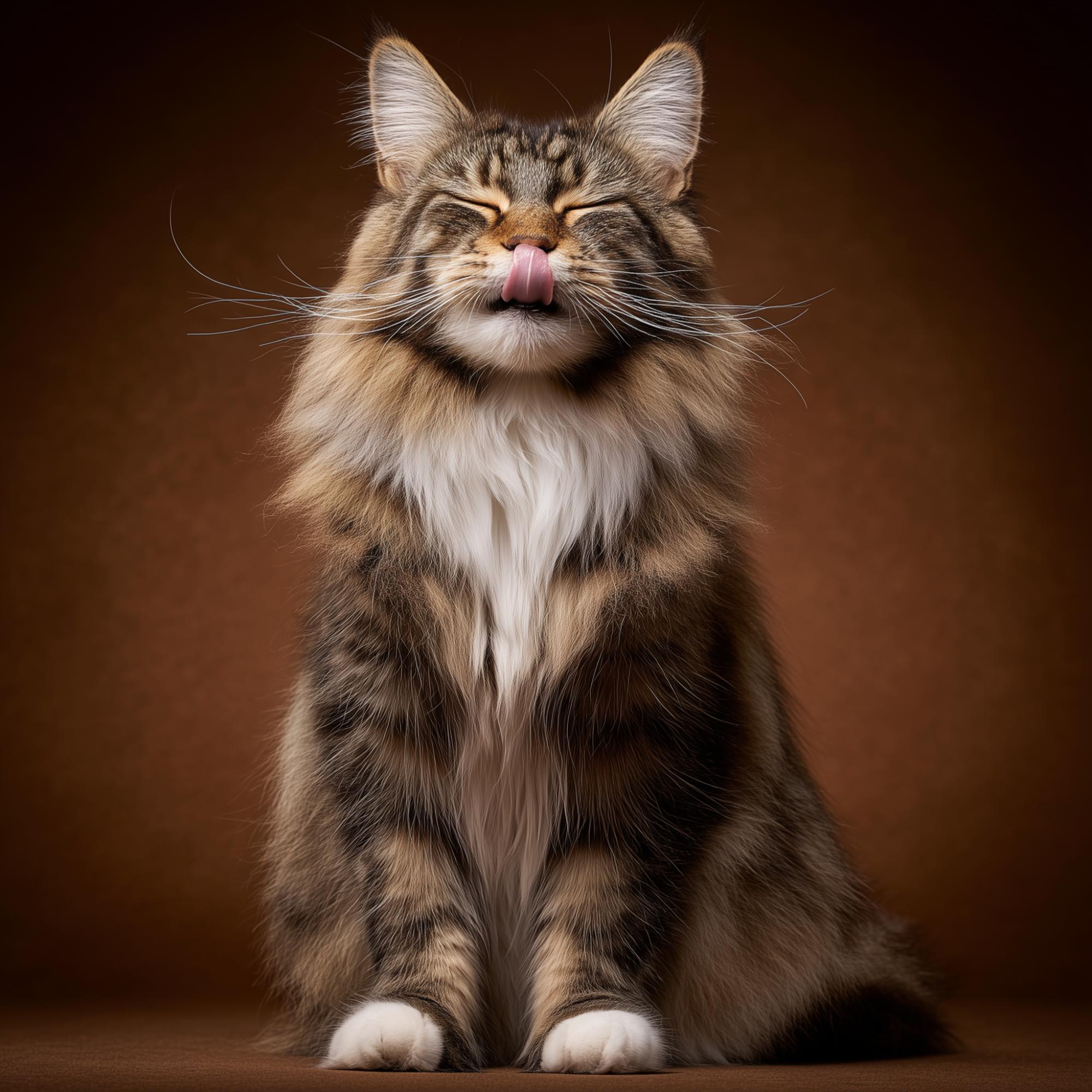
Are Siberian Cats High Maintenance — and Are They Good for First-Time Owners?

Are Siberian Cats high maintenance? Siberian cats often attract first-time cat owners because of their reputation for being affectionate, intelligent, and sometimes easier to live with for people concerned about allergies. But before committing to a breed that can live 15–20 years, it’s reasonable to ask an honest question: are Siberians high maintenance, and are they actually a good choice if you’ve never owned a cat before?
The answer is not a simple yes or no. Siberians sit in a middle ground—more involved than the average short-haired cat, but far less demanding than many people expect from a long-haired breed.
This article breaks down what “high maintenance” really means in daily life and whether a Siberian realistically fits a first-time owner’s lifestyle.
Siberian Cats: Maintenance & First-Time Owner Quick Guide
| Topic | What to Expect with a Siberian Cat |
|---|---|
| Overall Maintenance Level | Moderate – more involved than most shorthairs, less demanding than many longhair breeds |
| Shedding | Yes – noticeable seasonal shedding, manageable with regular brushing |
| Grooming Needs | Weekly brushing most of the year; more frequent during spring coat blow |
| Time & Attention | Social and people-oriented; benefits from daily interaction and play |
| Independence | Can be left alone for workdays; still prefers routine and engagement |
| Energy Level | Medium to high, especially as kittens and young adults |
| Apartment Friendly | Yes, with enrichment (cat trees, playtime, vertical space) |
| Hypoallergenic? | No – some people tolerate them better, but no guarantees |
| Common Downsides | Shedding, need for attention, higher cost, not fully allergy-safe |
| Health & Special Care | Generally robust; no extreme grooming or medical needs when well bred |
| Good for First-Time Owners? | Yes, if expectations about hair, attention, and independence are realistic |
| Good for Busy Schedules? | Yes, with enrichment; not ideal for long-term neglect |
| Training Expectations | Intelligent but independent; not dog-like obedience |
| Best Fit For | People who want an engaged, affectionate companion |
| Not Ideal For | Those wanting a very low-interaction or no-shed pet |
What Is Special About Siberian Cats?
Siberian cats stand out because they combine natural robustness, strong human connection, and practical adaptability in a way few breeds do. They are not a novelty breed created for looks alone; they are a naturally developed cat shaped by environment, function, and temperament over centuries.
Here’s what truly makes Siberian cats special—and why so many people specifically search for this question.
They Are a Naturally Developed Breed, Not an Engineered One
Unlike many modern breeds, Siberians were not created by exaggerating physical traits. They developed naturally in harsh climates, which resulted in:
- Strong immune systems
- Solid bone structure
- Balanced proportions
- Fewer extreme health issues
This natural foundation is one reason Siberians are often considered more resilient than many highly stylized breeds.
They Have a Rare Balance of Independence and Affection
Siberians are social without being needy. They enjoy being near their people, follow routines, and often greet owners at the door—but they don’t demand constant attention.
This balance makes them special for people who want:
- Companionship without clinginess
- Interaction without constant supervision
- A cat that feels present, not decorative
They tend to form strong bonds while still behaving like cats—not dogs in cat bodies.
Their Intelligence Shows in Everyday Life
Siberians are highly intelligent and observant. Owners often notice that they:
- Learn routines quickly
- Problem-solve (sometimes too well)
- Understand cause and effect
- Respond to household patterns
This intelligence is part of what makes them engaging, but it also means they need mental stimulation to stay content.
Their Coat Is Functional, Not Just Beautiful
The Siberian’s famous triple-layer coat isn’t just for looks. It evolved for insulation and protection, which is why it:
- Resists matting better than many longhair coats
- Handles seasonal shedding predictably
- Offers durability rather than fragility
While grooming is required, the coat is often easier to manage than softer, cottony longhair breeds.
They Tend to Be More People-Tolerant Than Average Cats
Many Siberians are known for being:
- Patient with respectful children
- Adaptable in multi-pet homes
- Comfortable with household activity
This doesn’t mean every Siberian loves chaos—but as a breed, they often tolerate change better than more sensitive cats.
They Mature Slowly and Age Gracefully
Siberians take longer to reach physical and emotional maturity. This slow development results in:
- Extended kitten-like playfulness
- Gradual settling into adulthood
- Long-term companionship that feels stable rather than fleeting
Owners often describe Siberians as cats that get better with age.
They Are Often Better Tolerated by Some Allergy-Sensitive People
While not hypoallergenic, some Siberians produce lower average levels of Fel d 1, which is why they are frequently explored by allergy-sensitive households. This trait varies by individual cat, but it contributes to the breed’s unique appeal.
They Feel Like a “Whole” Cat
What many owners struggle to articulate—but consistently feel—is that Siberians tend to feel complete: physically sturdy, emotionally present, mentally engaged, and adaptable to real life.
They aren’t low-effort pets, but they are deeply rewarding ones.
Why People Choose Siberians Over Other Breeds
People are often drawn to Siberians because they want:
- A cat that interacts, not just exists
- A breed with fewer extreme health issues
- A long-term companion that adapts as life changes
- A cat that feels like part of the household rhythm
In short: Siberian cats are special because they combine natural health, intelligence, social connection, and adaptability in a way that fits modern life without sacrificing what makes a cat a cat.
Are Siberian Cats High Maintenance?
When people search “are Siberian cats high maintenance?”, they are usually trying to understand what daily life with the breed actually looks like—not whether the cats are difficult or problematic.
In practical terms, Siberian cats are moderate maintenance, not high maintenance in the extreme sense. They do require more involvement than a typical short-haired, low-interaction cat, but they are far from fragile, medically demanding, or hard to care for.
Most concerns about maintenance fall into four areas:
Grooming and shedding
Siberians have a thick, triple-layer coat and do shed seasonally. Regular brushing is required, especially during coat blow, but grooming is predictable and manageable. Their coat is functional rather than delicate and does not require daily professional care.
Time and attention requirements
Siberians are social and people-oriented. They enjoy interaction, playtime, and being part of daily routines. This does not mean constant attention, but it does mean they are not a “set it and forget it” breed.
Health and special care needs
Siberians are a naturally developed breed and are generally robust when responsibly bred. They do not require specialized daily care, medical interventions, or breed-specific maintenance beyond routine veterinary care.
Long-term lifestyle impact
Like any cat, Siberians are a long-term commitment. They adapt well to apartment living, work-from-home schedules, and changing routines, but they do best in homes that value companionship rather than minimal interaction.
So, are Siberian cats high maintenance?
Not in a difficult or overwhelming way—but they are a cat breed that enjoys regular human engagement, routine grooming, and realistic expectations.
Grooming and Shedding: Yes, There Is Hair (But It’s Manageable)
Siberians have a triple-layer coat, which means they do shed. Anyone considering the breed needs to be comfortable with the reality that cat hair will exist in your home, just as it does with most cats, including short-haired ones.
What makes Siberians different is how that shedding happens.
What to Expect
- Heavy seasonal shedding, usually in spring
- Moderate shedding the rest of the year
- Weekly brushing most of the time
- More frequent brushing during coat blow
Unlike some long-haired breeds, Siberian coats tend to tangle less and mat less easily when they have proper texture. Many owners find them easier to maintain than softer, cotton-coated longhairs.
If the idea of occasionally lint-rolling clothes or brushing once a week feels overwhelming, any cat may be a poor fit—not just a Siberian.
Attention and Social Needs: More Like a Companion Than a Decoration
Siberians are not aloof cats. They are known for being:
- Social
- People-oriented
- Curious
- Emotionally aware
Many owners describe their Siberians as cats who want to be near you, not necessarily on you at all times, but present and involved.
This means:
- They benefit from daily playtime
- They notice your routines
- They may wait for you or vocalize when schedules change
For someone who works from home or spends significant time indoors, this is often a positive, not a downside. Siberians tend to thrive when they have regular interaction, but they are still cats—they can handle you being gone for several hours without distress.
They do not require constant supervision the way a dog does.
Health and Special Care: Lower Maintenance Than Many Purebred Cats
One area where Siberians are less demanding than expected is health care.
Siberians are a naturally developed breed, not one created through extreme physical traits. This means:
- No flat faces or breathing issues
- No daily eye cleaning requirements
- No specialized grooming beyond brushing
- Generally robust health when well bred
Compared to breeds like Persians or other extreme longhairs, Siberians are often easier to care for on a medical and grooming level.
Feeding and Daily Care: Thoughtful, Not Complicated
Siberians do well on a high-quality, protein-focused diet, which is recommended for all cats, not just this breed.
Most owners feed:
- High-quality wet food
- Some dry food as a supplement
- Consistent meal routines
There is debate about raw vs commercial diets, but this is not a Siberian-specific issue. Feeding responsibly is part of owning any cat long term.
Are Siberians Hypoallergenic?
Siberians are not fully hypoallergenic, and no reputable breeder will promise that.
Some people with cat allergies tolerate Siberians better due to lower average Fel d 1 production in some lines, but this varies by individual cat—not by color or by guarantee.
If allergy concerns are part of your decision, direct exposure testing is always more reliable than breed reputation alone.
Are Siberians Good for First-Time Cat Owners?
For the right first-time cat owner, yes—Siberians can be an excellent choice, and in many cases an easier one than people expect. What matters is not prior cat experience, but whether expectations align with how this breed actually lives and interacts.
Siberians are often described as a “gateway breed” for people who love animals but are unsure about cat ownership, because they are communicative, present, and emotionally readable compared to more aloof cats.
Why Siberians Often Work Well for First-Time Owners
First-time owners tend to succeed with Siberians for several reasons:
They are interactive and responsive
Siberians actively engage with their people. They follow routines, respond to voices, and often make their needs clear through body language and vocalization. For someone new to cats, this feedback loop makes learning feline behavior easier and less confusing.
They enjoy companionship without constant supervision
Siberians like being near their people, but they don’t require round-the-clock attention. They are comfortable sleeping, playing, or observing independently while still enjoying shared space. This balance works especially well for people who work from home or spend significant time indoors.
They adapt well to indoor lifestyles
Many first-time owners live in apartments or urban settings. Siberians adapt well to indoor life as long as they have enrichment, vertical space, and regular play. They do not require outdoor access to be content.
They are emotionally steady when well bred
Well-socialized Siberians tend to be confident rather than skittish. They handle normal household noise, visitors, and routine changes better than more sensitive breeds, which can be reassuring for new owners still learning how to manage a pet.
They are not fragile or medically intensive
Unlike some breeds that require daily eye cleaning, specialized grooming, or constant health monitoring, Siberians are generally robust when responsibly bred. This lowers the stress curve for first-time owners.
What First-Time Owners Need to Be Comfortable With
Siberians are a good fit only if certain realities are accepted upfront:
Routine grooming is part of ownership
Weekly brushing is normal, and seasonal shedding requires extra attention. While the grooming is manageable, it is not optional.
Cats are independent thinkers
Siberians are intelligent, but they are still cats. They do not seek approval the way dogs do, and training has limits. Counter surfing, selective listening, and curiosity are part of the package.
Shedding is unavoidable
Siberians shed. Lint rollers, vacuums, and brushing become routine. If fur causes frustration or resentment, the breed is not a good match.
When Siberians May Not Be Ideal for First-Time Owners
Siberians may be a poor fit for people who:
- Want a pet that requires minimal interaction
- Expect dog-like obedience or constant compliance
- Are uncomfortable with fur in their environment
- Want a pet that can be largely ignored
In these cases, frustration tends to build—not because the cat is difficult, but because expectations were unrealistic.
Why Communication Matters for New Owners
One reason Siberians work so well for beginners is that they tend to communicate clearly. They show engagement, curiosity, and affection in ways that are easy to recognize. This helps first-time owners feel connected rather than uncertain about whether they are “doing it right.”
Siberians are not the easiest cats in terms of grooming or involvement—but they are often among the most rewarding for first-time owners who want a relationship, not just a pet that exists in the background.
Real Owner Experiences: Are Siberians High Maintenance?
One of the most helpful ways to understand what living with a Siberian is really like is to hear directly from owners who have already gone through the learning curve. Below are summarized, anonymized experiences from Siberian owners with different lifestyles, households, and levels of prior cat experience.
“They’re smart — and they need stimulation”
“My Siberian is incredibly intelligent and curious. Because of that, he needs more play and mental stimulation than any cat I’ve had before. Puzzle toys helped a lot. Grooming does matter too—if you ignore it, matting can become an issue.”
Takeaway: Siberians aren’t difficult, but they are mentally active. Boredom shows quickly if enrichment is lacking.
“Day to day, he’s actually very easy”
“I’d never had a cat before—only dogs. Our Siberian adjusted beautifully, even in a home with other animals. He’s playful, fearless, and affectionate, but day to day it’s simple: feed him, scoop the box, brush him a few times a week, and give him attention when he asks for it.”
Takeaway: Many owners find Siberians easier than expected once routines are established.
“Two kittens made life much easier”
“We decided to get two Siberian kittens together, and it made a huge difference. They play with each other for hours, especially at night, so we’re not constantly entertaining them. Yes, it’s more expensive upfront, but it reduced the workload dramatically.”
Takeaway: Siberians are social. In high-energy kittens, a second cat often reduces maintenance rather than increasing it.
“Not high maintenance compared to other longhair breeds”
“I’ve owned Persians and outdoor cats before. Compared to those, Siberians feel moderate. Their hair doesn’t tangle as badly, they don’t need daily eye care, and grooming is straightforward. They do want attention, though—especially cuddles.”
Takeaway: Perspective matters. Compared to extreme longhair breeds, Siberians are often easier to live with.
“Very high energy as kittens”
“Our kitten was extremely energetic and wanted to play for long stretches throughout the day. We needed a variety of toys and lots of interaction. Grooming and even occasional baths were needed because of his fluffy hindquarters. I’d call the kitten stage high maintenance.”
Takeaway: The kitten phase is the most demanding period. Most owners report this eases with age.
“Moderate maintenance — not low, not extreme”
“Our breeder warned us that brushing would increase around the one-year mark, and that turned out to be true. We do hygienic trims and brush weekly, sometimes more. They’re not low maintenance like a short hair, but they’re not overwhelming either.”
Takeaway: Siberians sit squarely in the moderate maintenance category for most households.
Patterns That Show Up Again and Again
Across owner experiences, a few consistent themes emerge:
- Kittens are the most demanding stage
- Mental engagement matters as much as grooming
- Shedding and grooming are real but manageable
- They enjoy interaction but adapt to routines
- Maintenance feels lower when expectations are realistic
The Honest Owner Consensus
Most Siberian owners don’t describe the breed as high maintenance in a negative sense. Instead, they describe them as highly involved, intelligent, and socially present cats. When those traits align with an owner’s lifestyle, the breed feels rewarding rather than overwhelming.
For people expecting a hands-off, low-interaction pet, Siberians can feel like too much. For people who want a companion that participates in daily life, the extra effort often feels more like a feature than a drawback.
Long-Term Commitment: The Most Important Question
Any cat is a long-term responsibility. Travel, housing choices, allergies in family members, and lifestyle changes all matter.
The difference with Siberians is that many owners find the emotional return—the companionship, intelligence, and presence—worth the added brushing and interaction.
They are not high maintenance in the sense of being fragile or difficult, but they are high involvement compared to more aloof cats.
Siberian Cat FAQ: Maintenance, Downsides & First-Time Owner Questions
Are Siberian cats high maintenance?
Siberians are moderate-maintenance, not low-maintenance. They require more interaction and grooming than a typical short-haired cat, but far less specialized care than many long-haired breeds. Most of the “maintenance” comes from grooming and social needs, not medical complexity.
What are the biggest downsides of owning a Siberian cat?
The most common downsides reported by owners include:
- Shedding, especially during seasonal coat blows
- Higher need for attention and play compared to more independent cats
- Cost, as responsibly bred Siberians are expensive
- Not truly hypoallergenic, despite common myths
None of these are deal-breakers for the right household, but they are real considerations.
Do Siberian cats shed a lot?
Yes—they shed, especially in spring. Siberians have a triple coat, so seasonal shedding is noticeable. Weekly brushing most of the year and more frequent brushing during coat blow keeps it manageable. They do not shed more than other long-haired cats, but more than short-haired ones.
Will I regret getting a Siberian because of the hair?
Most owners who regret the hair issue underestimated how visible cat fur can be in daily life. Lint rollers, vacuuming, and brushing become part of routine. If fur strongly bothers you, a Siberian—or any cat—may not be the best fit.
Are Siberian cats clingy?
Siberians are social and people-oriented, but not typically clingy in a needy way. They like being near their people, following routines, and participating in daily life. They usually tolerate alone time well but do best in homes where they receive regular interaction.
Can Siberian cats be left alone while I work or study?
Yes. Siberians are still cats. They can be left alone for a workday and will sleep, eat, and entertain themselves. That said, they are happiest when they receive daily play and attention. Long periods of isolation without enrichment can lead to boredom.
Are Siberians good for people who work from home?
Yes—often very good. Siberians tend to enjoy presence and routine, making them ideal companions for people who spend time at home. They are typically content to nap nearby while you work.
Are Siberians good apartment cats?
Yes, as long as their needs are met. Siberians adapt well to apartment living if they have:
- Vertical space (cat trees, shelves)
- Regular playtime
- Mental enrichment
They do not require outdoor access to thrive.
Are Siberians destructive if bored?
They can be. A bored Siberian may:
- Get into cabinets or counters
- Knock things over
- Become overly vocal
This is not aggression—it’s intelligence plus unused energy. Daily play and stimulation prevent most issues.
Do Siberians need another cat?
Not always, but many do well with a companion—especially high-energy kittens. Some Siberians are perfectly content as single cats if they receive enough interaction from humans.
Are Siberians hard to train?
They are intelligent but independent. They do not seek approval the way dogs do. Positive reinforcement works, but Siberians will still behave like cats. Counter-surfing and selective listening are common and normal.
Are Siberians really hypoallergenic?
No. Siberians are not hypoallergenic, and no breeder can guarantee allergy safety. Some people tolerate Siberians better due to lower average Fel d 1 levels in some lines, but this varies by individual cat.
Will a Siberian trigger allergies in guests or family?
Possibly. Even people without known allergies can react. Proper grooming, air filtration, and cleaning reduce allergen load, but color and coat length do not eliminate allergens.
Are Siberians expensive to own?
Yes. Costs include:
- Higher purchase price
- Quality food
- Grooming tools
- Routine veterinary care
They are not a budget breed.
How much time do Siberians need daily?
Most Siberians do well with:
- 15–30 minutes of active play
- Regular interaction throughout the day
- Routine grooming
They do not need constant attention, but they do notice neglect.
Are Siberians good for first-time cat owners?
Yes—for first-time owners who:
- Want interaction and companionship
- Understand grooming needs
- Are comfortable with shedding
- Accept long-term responsibility
They may not be ideal for people who want a very hands-off pet.
Do Siberians calm down with age?
Yes. Siberians are playful as kittens and young adults, then settle into calmer, more predictable behavior as they mature. They often retain playfulness without becoming destructive.
Will I regret the long-term commitment?
Any pet can bring regret if expectations are unrealistic. Most Siberian regret stories come from:
- Underestimating grooming
- Expecting a hypoallergenic guarantee
- Wanting a low-interaction cat
When expectations are realistic, owner satisfaction is high.
Siberian Cat Summary
Siberian cats are moderate-maintenance companions with strong personalities, significant affection, and manageable grooming needs. They are often a very good fit for first-time owners who want a cat that feels like part of daily life rather than background decor.
If you value connection, don’t mind some fur, and are comfortable with long-term responsibility, a Siberian can be an incredibly rewarding first cat.
Considering a Siberian Kitten
If you are looking for a confident, intelligent, and people-aware companion and are prepared for grooming, enrichment, and long-term commitment, a Siberian can be an exceptionally rewarding choice. Understanding both the strengths and the realities of the breed helps ensure a successful match and long-term satisfaction.
See Siberian Kittens Available Here
See More About Siberian Cats
If you’re continuing your research, these related posts cover Siberian cat care, development, and ownership considerations:
- Are Siberian Cats Hypoallergenic?
- Siberian Cat Grooming
- Siberian Cat Lifespan
- Male vs Female Siberian Cats and Allergies
- Siberian Cat Size, Growth, and Maturity Timeline
- Siberian Kitten Growth: What to Expect Month by Month
- Living With a Siberian Cat When You Have Allergies
- Siberian Cat Diet and Nutrition
- Siberian Cat Fel d 1 Explained
- Do Siberian Kittens Trigger Allergies More then Adults?
- Siberian Cat Complete Overview
- Siberian Cat Colors and Genetics
- Siberian Cats vs Other Hypoallergenic Breeds
- Indoor vs Outdoor Siberian Cats
Sources
- The International Cat Association (TICA)
Siberian breed standard, temperament overview, coat type
https://tica.org/breeds/browse-all-breeds?view=article&id=830:siberian-breed&catid=48 - Fédération Internationale Féline (FIFe)
Siberian breed standard and coat description
https://www1.fifeweb.org/dnld/std/SIB.pdf - Cornell University College of Veterinary Medicine
General feline behavior, social needs, and indoor cat care
https://www.vet.cornell.edu/departments-centers-and-institutes/cornell-feline-health-center - Veterinary Partner (VIN)
Grooming, shedding cycles, and coat maintenance in cats
https://veterinarypartner.vin.com/default.aspx?pid=19239&id=4951966 - National Institute of Environmental Health Sciences (NIEHS)
Cat allergens, Fel d 1, and allergy mechanisms
https://www.niehs.nih.gov/health/topics/agents/allergens/cats - Journal of Allergy and Clinical Immunology
Research on Fel d 1 production and individual variation in cats
https://www.jacionline.org/article/S0091-6749(98)70245-9/fulltext - American Association of Feline Practitioners (AAFP)
Guidelines on feline care, enrichment, and long-term ownership
https://catfriendly.com/





Read the Comments +