
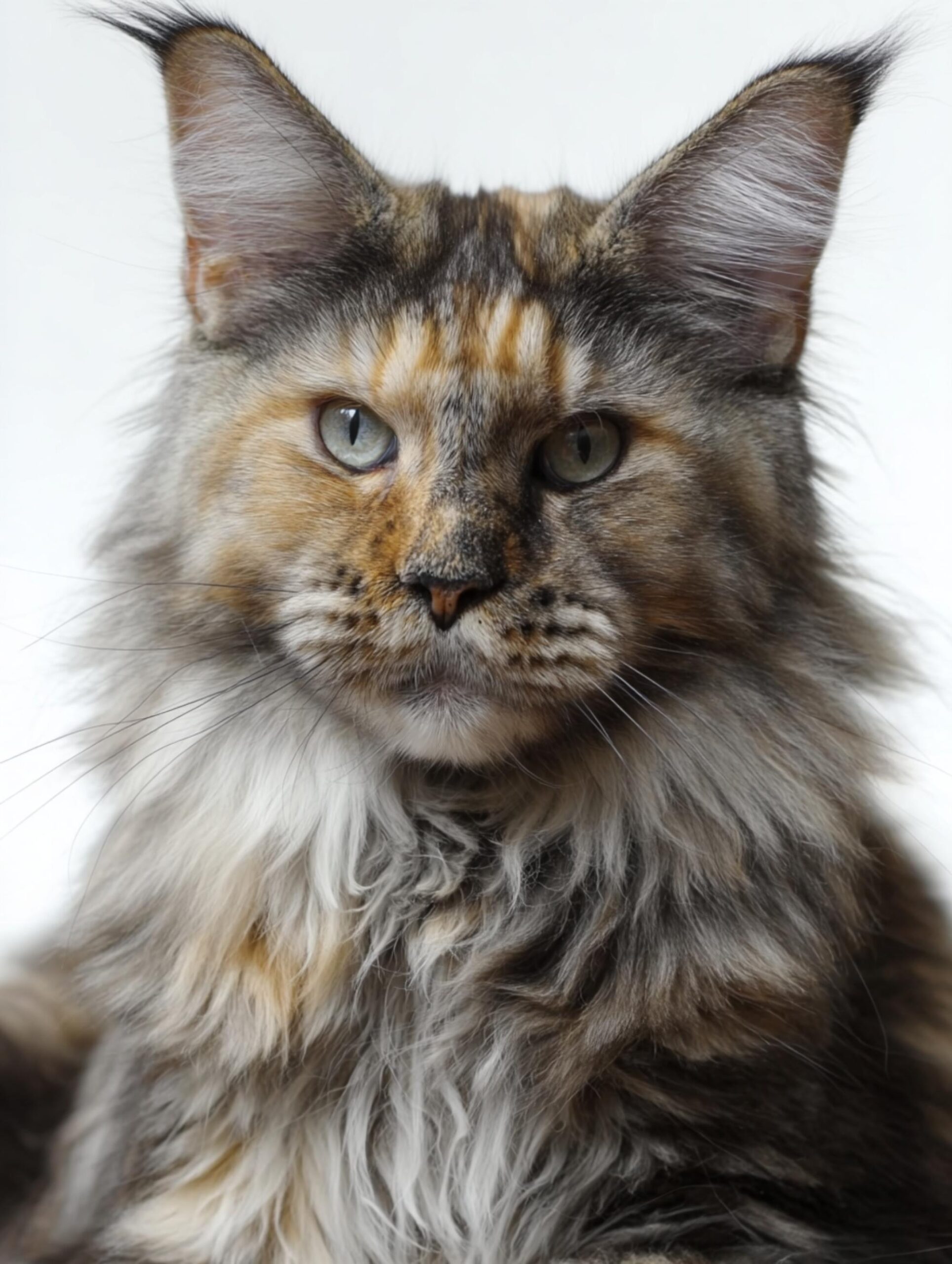
How to Avoid Maine Coon Kitten Scams
A Buyer Protection Guide Written by a Maine Coon Breeder
Intro: Why Maine Coon Kittens Are the #1 Target for Online Pet Scams
Maine Coon kittens are one of the most commonly scammed cat breeds online, and it comes down to three things: price, appearance, and buyer emotion.
They are expensive. They are visually striking. And many buyers spend months imagining life with one before they ever contact a breeder. That combination makes people easier to rush and harder to slow down.
Scammers do not need buyers to be careless. They only need buyers to be emotionally invested. A single convincing photo can do that. Once attachment forms, logic often follows instead of leading.
First-time Maine Coon buyers are especially vulnerable because they lack reference points. Most do not know how long ethical waitlists last, how placement decisions work, or what real breeder communication looks like. They are not naive. They are simply new.
Online research used to offer protection. It no longer does. Scam websites now look professional. Social media accounts look active. Reviews look real. Many scammers copy language directly from legitimate breeders or use AI to generate believable content.
This guide exists because surface-level advice is outdated. Avoiding Maine Coon scams now requires understanding how scams are structured, not just how they look.
Maine Coon Kitten Scam Prevention — Summary Table
| Topic | What Buyers Often Assume | What Actually Protects You |
|---|---|---|
| Scam Risk | Scams are rare or obvious | Maine Coons are one of the most commonly targeted breeds |
| Photos & Videos | Cute images or videos prove legitimacy | Images and videos are easily stolen, reused, or staged |
| Social Media | Active social media = real breeder | Many ethical breeders avoid or leave social media entirely |
| Websites | Professional design means trustworthy | Structure, consistency, and history matter more than polish |
| Availability | Immediate availability is normal | Ethical breeders often place kittens deliberately and slowly |
| Pricing | Lower prices mean a good deal | Unrealistic pricing often signals misrepresentation or scams |
| Rare Colors | Rare colors equal higher quality | Color never overrides health, ethics, or placement standards |
| Health Claims | “Parents tested” means safe | Ethical breeders explain how and why they test |
| Health Guarantees | “Guaranteed healthy” is reassuring | No breeder can guarantee lifelong health |
| Registration | Kittens are registered at birth | Registration happens after birth and processing |
| Papers Withheld | Withholding papers is suspicious | Normal for pet kittens until proof of spay/neuter |
| Deposits | Fast deposits secure the best kitten | Ethical breeders explain deposits and allow review time |
| Payment Methods | One method = scam or not scam | Context, pressure, and documentation matter more |
| Facebook Groups | Group approval equals vetting | Many groups do not verify breeders at all |
| Testimonials | Positive comments prove trust | Fake profiles and stolen photos are common |
| Buyer Role | Buyers must investigate aggressively | Buyers should evaluate structure, not interrogate |
| Ethical Breeders | Ethical breeders sell fast | Ethical breeders prioritize fit over speed |
| Placement | First-come, first-served is fair | Responsible placement matches kitten to home |
| After Sale Support | Sale ends at pickup | Ethical breeders remain accountable long-term |
| Best Protection | Spotting red flags | Understanding how real breeders operate |
Understanding the Modern Maine Coon Scam Landscape
Most buyers underestimate how sophisticated modern pet scams have become. Many still imagine scams as poorly written ads or obvious pressure tactics. That picture no longer matches reality.
Today’s Maine Coon scams are designed to blend in. They operate on the same platforms as real breeders and use the same vocabulary. Some even mimic ethical breeder behavior closely enough to pass a casual review.
Presentation no longer separates real breeders from fake ones. Clean websites, active social media, and prompt replies are easy to manufacture. Scammers invest in polish because polish converts.
To protect yourself, you have to evaluate patterns, not impressions. How a seller structures their operation matters more than how they present it.
How Maine Coon Scams Have Changed Since 2020
Before 2020, many scams lived on classified sites. Today, they live on Instagram, Facebook, TikTok, and Google search results. Buyers encounter them while doing exactly what they would do to find a real breeder.
Social media replaced verification with visibility. Follower counts, comments, and videos create trust quickly, even when they prove nothing. Engagement feels like legitimacy, and scammers know it.
Technology also removed many old warning signs. AI-generated photos make reverse image searches unreliable. AI-written text eliminates obvious grammar issues. Fake reviews and testimonials now look convincing at a glance.
Because of these changes, much of the advice still circulating online does not work anymore. Looking for sloppy writing or broken websites misses most modern scams. Many are calm, patient, and well-produced.
The Three Ways Maine Coon Scams Usually Appear
Most Maine Coon scams fall into one of three categories.
Some sellers have no cats at all. They sell kittens that do not exist, collect deposits or fees, and disappear. These cases move fast and end abruptly.
Others do have cats, but they misrepresent what they are selling. Breed claims, registration status, health testing, size expectations, and lineage may all be exaggerated or false. Buyers receive a kitten, but not the one they were promised.
The third category causes the most confusion. These sellers produce real kittens and may even appear established, but they prioritize volume over welfare. They use ethical language without ethical structure. Problems surface later, often after the sale is complete.
Understanding which category you are dealing with matters. Each one carries different risks and requires different questions. Treating all scams as identical is how buyers miss serious warning signs.
Fake Maine Coon Breeders (No Cats Exist at All)
Some Maine Coon scam operations do not involve cats at all. No breeding program exists. No kittens exist. The entire setup exists to collect deposits and fees before vanishing.
These scams succeed because they look just legitimate enough to pass a quick review.
Hallmarks of a Fully Fake Breeder Website
Fake breeder websites are often newly created. The domain registration is recent, even though the site claims years of experience. Scammers rarely invest in long-term domains because they cycle sites frequently once reports appear.
Kitten photos usually come from stock sources or real breeders’ galleries. The same images often appear across multiple unrelated websites with different breeder names. Coat colors, ages, and even background details may not match the story being told.
Text is frequently copied directly from legitimate breeder sites. You may recognize phrasing if you have browsed multiple Maine Coon breeders. Scammers lift education pages, guarantees, and “about us” sections without understanding the content.
Location information stays vague. Addresses may lead to empty lots, unrelated businesses, or residential areas with no visible breeding operation. Some sites list only a state or country to avoid verification.
Broken pages are common and dismissed casually. Links may not work, health pages may be empty, or contact forms may fail. Scammers excuse this by claiming kittens sell too quickly for the site to matter.
A real breeder relies on structure. A fake one relies on urgency.
Social Media–Only Maine Coon Scams
Many fake breeders operate exclusively on social media, most often Instagram. They avoid websites because websites leave trails. Social media accounts can be deleted and recreated quickly.
These accounts often show high engagement that does not match reality. Comments repeat generic phrases. Profiles interacting with posts look empty or newly created. Engagement exists to create confidence, not conversation.
Pricing discussions move immediately to private messages. “DM for price” avoids public scrutiny and allows scammers to adjust their story based on buyer reactions.
Legitimate breeders do not operate this way. They maintain a traceable presence, provide consistent information publicly, and do not rely on private messages to explain basic details.
A breeder who exists only inside an app can disappear just as easily.
The Fake Delivery & Shipping Scam
Shipping scams often appear after a deposit is paid. A buyer is told the kitten is ready, but transport requires additional coordination.
Fake flight nanny invoices appear professional but cannot be verified. Names, phone numbers, and airline references change frequently. Documents look official but do not connect to real services.
Airline embargo excuses follow. Weather, seasonal restrictions, or breed bans suddenly delay transport. Each delay introduces a new “small fee” to resolve the issue.
These fees continue until the buyer stops paying.
Legitimate breeders structure transport clearly from the start. Costs are discussed upfront. Changes are documented. No ethical breeder introduces surprise charges after placement is confirmed.
Maine Coon Kitten Photo & Video Scams
Photos and videos are the most powerful tools scammers use. They create instant attachment and short-circuit skepticism.
Buyers often trust images more than documentation. Scammers know this.
How Scammers Steal Photos from Real Breeders
Scammers regularly screenshot photos from breeder websites and social media accounts. Instagram stories and reels are common targets because they disappear quickly.
Watermarks are cropped or blurred. Backgrounds are adjusted. Images may be flipped or resized to confuse reverse image searches.
Some scammers use slightly altered versions of the same image across platforms. This tactic avoids exact matches while keeping the same visual appeal.
If a photo feels familiar, it probably is.
How to Run Proper Reverse Image Checks
A single reverse image search is not enough. Different tools index different parts of the internet.
Google Images works well for mainstream sites. Yandex often catches images Google misses. TinEye helps track older or modified versions.
Run multiple searches using different crops of the same photo. Check faces, markings, and backgrounds separately.
If images appear linked to multiple breeders, regions, or names, walk away.
Video Call Scams Explained
Video does not guarantee legitimacy. Scammers use pre-recorded videos and present them as live. Some reuse breeder reels and play them during calls.
Excuses for cameras not working are common. Poor signal, broken webcams, or time zone issues delay real-time interaction.
Even live video only proves a kitten exists somewhere. It does not prove ownership, breeding rights, or ethical placement.
Video supports verification. It does not replace it.
Deposit, Payment, and Contract Red Flags
Money is where most Maine Coon scams succeed or fail. Not because buyers are careless, but because scammers understand urgency and exploit unfamiliarity with how ethical breeders actually handle payments and paperwork.
The red flags are rarely about which payment method is used. They are about how and when money is requested, and what accompanies it.
Unsafe Payment Methods That Signal a Scam
No payment method is automatically a scam on its own. Context determines risk.
Zelle is commonly used by legitimate breeders in the United States, especially established programs with consistent banking relationships. Its use alone does not indicate fraud.
Problems arise when Zelle is combined with other warning signs: no contract, no verifiable identity, no paper trail, and escalating payment requests.
Cash App, crypto, and gift cards raise stronger concerns because they are difficult or impossible to dispute. Scammers favor them for that reason. Requests to use these methods without a clear business presence or written agreement deserve scrutiny.
“Friends and Family” PayPal requests are another common tactic. They remove buyer protections while giving the seller immediate access to funds. Ethical breeders using PayPal typically disclose fees transparently and provide documentation alongside payment requests.
The red flag is not convenience. The red flag is irreversibility paired with urgency.
How Ethical Breeders Structure Deposits
Ethical breeders use deposits to confirm intent, not to rush decisions. A deposit holds a place in a program or a specific kitten once selection criteria are met.
Deposits secure consideration, not instant ownership. They reflect mutual commitment and are explained clearly before any money changes hands.
Pressure tactics undermine legitimacy. Statements like “several people are waiting right now,” “prices go up tonight,” or “send the deposit or the kitten goes to someone else” are not standard breeder behavior.
Responsible breeders expect buyers to ask questions. They allow time for review. They do not escalate emotionally around money.
Contracts That Protect the Breeder — and the Buyer
A real contract protects both sides. It outlines expectations, responsibilities, and long-term accountability.
Ethical breeder contracts typically include health guarantees, clearly defined spay or neuter terms, and return policies that prioritize the cat’s welfare over convenience.
Scammers avoid contracts entirely or provide vague, one-sided documents. They do not include enforceable health language and discuss returns. They do not commit to post-placement responsibility.
If paperwork protects only the seller, it is not breeder paperwork.
Registry Lies & Fake Paperwork
Registry claims are one of the most abused areas in Maine Coon scams because many buyers do not understand how registration actually works.
Scammers rely on that confusion.
How Scammers Abuse the Names of TICA and CFA
Scammers frequently claim kittens are “registered” without providing proof. They may reference a registry name to sound legitimate, knowing most buyers will not verify details.
Some use registry logos illegally on websites or documents. Logo presence does not equal membership.
Fake registration numbers also appear. These numbers do not correspond to real cats, real breeders, or real databases. Buyers often do not realize verification is possible.
Naming a registry is easy. Participating correctly is not.
What Real Registration Proof Looks Like
Registration begins with the parents. Ethical breeders can show parent registration documents upon request.
Kittens are not registered at birth. Registration occurs after birth information is submitted and processed by the registry. This takes time.
Real paperwork includes breeder names, registration numbers tied to verifiable records, and clear timelines for when kitten papers will be issued.
Anything vague, delayed without explanation, or unverifiable should raise questions.
Why “Registration Pending” Is Often Misused
“Registration pending” can be legitimate. It may mean paperwork has been submitted and processing is underway.
Scammers misuse the phrase to delay accountability. They apply it broadly without timelines, documentation, or follow-through.
The difference is clarity. Legitimate breeders explain what is pending, why, and when it will be resolved. Scammers use the phrase to avoid specifics.
If “pending” never resolves, it was never real.
Why Ethical Breeders Often Withhold Registration Papers Until Proof of Spay or Neuter
It is normal and widely accepted for ethical Maine Coon breeders to withhold kitten registration papers until proof of spay or neuter is provided. This practice protects the breed, the breeder’s program, and the buyer.
Registration papers are not a birth certificate. They are a breeding document. When a kitten is sold as a companion, breeders restrict breeding rights intentionally.
Most ethical breeders sell pet kittens on a non-breeding agreement. Withholding papers until spay or neuter confirmation ensures that kittens are not bred irresponsibly, sold onward with breeding rights, or used in backyard programs without health testing or oversight.
Registries such as TICA and CFA allow breeders to control how and when registration papers are released. This is a standard tool, not a red flag.
In legitimate programs, breeders explain this policy clearly before any deposit is placed. They specify:
- whether the kitten is sold with or without breeding rights
- when papers will be released
- what proof is required
- and how the process works after surgery
Once proof of spay or neuter is provided, papers are released as agreed.
Scammers avoid this level of clarity. They either promise immediate papers they cannot produce, or they claim papers exist without explaining timelines, restrictions, or conditions.
Withholding papers with explanation and structure is normal.
Withholding papers without clarity or follow-through is not.
That distinction matters.
Health Testing Scams Specific to Maine Coons
Health is one of the most misunderstood parts of buying a Maine Coon. That confusion creates space for dishonest sellers to hide behind reassuring language without doing meaningful screening.
Most scams in this area rely on vagueness, not outright lies.
Common Health Claims That Are Frequently Faked
“Parents tested” is often used without explanation. Tested for what, how often, and using what method all matter. Without context, the phrase is meaningless.
“Vet checked” sounds responsible but usually refers to a routine wellness exam. Every kitten should see a veterinarian. That alone does not address inherited risk.
“Guaranteed healthy” is marketing language. No ethical breeder guarantees lifelong health. What they guarantee is responsible selection, screening, and transparency about known risks.
If a claim cannot be explained clearly, it is not doing any real work.
Required Health Tests for Ethical Maine Coon Breeding
Ethical Maine Coon breeders screen for conditions known to affect the breed. The most important is HCM, typically monitored through echocardiograms performed over time.
Many breeders also use genetic screening to reduce known inherited risks. These results guide breeding decisions rather than serving as sales material.
Structure and soundness matter as well. Maine Coons are large, slow-maturing cats, and responsible breeders pay attention to movement, development, and lineage even when formal scoring systems are limited.
When sellers rely only on broad phrases instead of explaining their approach, assume testing is minimal or nonexistent.
How Ethical Breeders Talk About Health Without Oversharing
Ethical breeders do not publish veterinary records online or hand out private documentation to strangers. That is normal.
Transparency means being able to explain what a breeder prioritizes, how they make decisions, and what they monitor over time. It does not mean proving anything to casual inquiries.
Scammers avoid explanation. Responsible breeders explain their process calmly and consistently.
See What Ethical Maine Coon Breeding looks like for more info.
The “Too Good to Be True” Maine Coon Kitten
Many buyers sense something is off but move forward anyway because the opportunity feels rare. That reaction is common and predictable.
Scammers design listings to trigger exactly that response.
Unrealistic Pricing Explained
Ethical Maine Coon breeding is expensive. Health screening, veterinary care, quality nutrition, limited litters, and long-term support all factor into price.
When pricing undercuts those realities, sellers usually explain it emotionally instead of structurally. Phrases like “I just want good homes” or “I’m not in it for the money” often replace real justification.
Some sellers also manipulate regional expectations, claiming prices are lower because of location, season, or oversupply. Ethical breeders do not discount kittens to move inventory.
If the price does not match the structure of the program, pause.
Rare Color Scams
Certain traits attract disproportionate attention. Polydactyl Maine Coons are frequently marketed as rarer or more valuable than they are, often without accurate understanding.
Silver, smoke, and shaded coats are also commonly misrepresented. Lighting, age, and coat development affect appearance, and dishonest sellers exploit that confusion.
Color does not compensate for poor breeding practices. A visually striking kitten from an irresponsible program still carries long-term risk.
Backyard Breeders Masquerading as Ethical Programs
Not every harmful seller is a fake breeder. Some deliver real kittens exactly as promised. The issues appear later.
When the Kittens Are Real — but the Claims Aren’t
Volume-focused breeders often overproduce litters while using ethical language. Queens are bred frequently, availability stays constant, and waitlists do not exist.
Consistent availability across many colors and patterns usually signals output-driven breeding rather than careful placement.
The kittens exist. The structure does not.
Why These Sellers Still Harm Buyers
Health problems may not appear until months or years later, leaving buyers with unexpected veterinary costs and difficult decisions.
Behavioral issues are also common when kittens are raised in crowded or understimulating environments.
Support after sale is minimal. Once the transaction ends, so does responsibility.
Ethical breeding includes accountability beyond pickup day.
Facebook Groups, Marketplaces, and “Breeder Lists”
Facebook has become one of the most common entry points for Maine Coon scams, not because buyers are careless, but because the platform creates a false sense of community and trust.
Groups, comments, and shared posts feel personal. Scammers exploit that familiarity.
Why Facebook Is a Primary Scam Vector
Many scam operations hide behind Facebook groups that appear moderated and reputable. Admin endorsements are often meaningless. In some groups, admins do not verify breeders at all. In others, endorsements are exchanged for payment.
Pay-to-post breeder lists are common. Sellers appear “approved” simply because they paid a fee, not because anyone evaluated their practices. Buyers often assume these lists reflect quality. They usually do not.
Comment hijacking is another tactic. Scammers watch legitimate posts and insert replies offering kittens, directing buyers to private messages. This creates the illusion of referral or availability tied to a trusted source.
Facebook rewards visibility, not accountability. That imbalance favors scammers.
How Scammers Manipulate Buyer Testimonials
Fake buyer profiles are easy to create and difficult to distinguish at a glance. Many testimonials come from accounts with little history, limited interaction, or copied photos.
Stolen images are frequently reused. A happy kitten photo from a real breeder may appear attached to a fake name praising a scam seller.
Praise often follows a script. Short, enthusiastic comments repeat across posts with slight wording changes. They offer emotion, not detail.
Testimonials without traceable context should never replace independent evaluation.
How Ethical Maine Coon Breeders Actually Operate
Understanding how real breeders function makes scams easier to spot. The differences are structural, not cosmetic.
What Real Breeder Transparency Looks Like
Ethical breeders are clear about where they are located. They do not hide behind vague regions or constantly shifting locations.
Their history is traceable. Programs evolve over time, and that evolution leaves a trail: older content, consistent messaging, and a recognizable approach to the breed.
Most importantly, real breeders educate publicly. They share information about the breed, temperament, care, and expectations without treating every interaction as a sales pitch.
Transparency shows up in consistency, not oversharing.
Communication Patterns of Legitimate Breeders
Ethical breeders screen buyers. They ask questions because placement matters to them. This slows the process and filters out poor matches.
They say no when a situation does not fit. That refusal protects the kitten and the buyer, even if it costs a sale.
Placement happens deliberately. Timelines are explained. Decisions are not rushed. Urgency is replaced with planning.
Real breeders are not chasing transactions. They are managing outcomes.
Step-by-Step Scam Avoidance Checklist
(Bookmarkable and practical)
Use this checklist as a pacing tool. Scams succeed when buyers move faster than the process deserves.
Before You Contact a Breeder
Start by evaluating the program, not the kittens.
Look for evidence of a real operation: a clear breeding focus, consistent messaging over time, and a defined placement process. Do not treat social media presence or absence as a credibility signal. Many ethical breeders have left social platforms entirely.
Read how the breeder explains the breed and their goals. Education usually appears before availability in legitimate programs.
Confirm that the breeder communicates a real location and works within a specific region. Vague geography creates avoidable risk.
During First Contact
Notice the direction of the conversation.
Ethical breeders ask questions. They want to understand your household, experience, and expectations before discussing specific kittens.
Pay attention to pacing. Legitimate breeders explain timelines and next steps calmly. They do not rush you toward a deposit or frame interest as competition.
Clarity matters more than friendliness. A breeder who explains their process clearly is more reliable than one who focuses on reassurance.
Before Sending Any Money
Slow the transaction on purpose.
Understand what the deposit secures and what it does not. Ethical breeders explain this without pressure.
Review the contract before payment. Look for defined terms around health, placement conditions, and returns. If paperwork appears after payment, stop.
Avoid sending money when details remain unresolved. Legitimate breeders do not require blind trust.
Before Pickup or Transport
Confirm expectations early and in writing.
Clarify timing, pickup or transport plans, and what documentation accompanies the kitten. Ethical breeders outline this well before go-home day.
Be cautious of last-minute changes involving fees, third parties, or logistics that were not discussed earlier. Sudden complications often signal a problem.
If the process keeps shifting, pause instead of adapting.
What to Do If You’ve Been Scammed
Being scammed feels personal. It is not. These situations are designed to exploit normal emotional responses.
Responding quickly and calmly helps limit damage.
Immediate Steps
Act as soon as you realize something is wrong.
Contact your payment provider and initiate a dispute if the option exists. Timing matters.
Report the seller on the platform where the interaction occurred. This helps reduce their reach.
Save all communication, receipts, and profiles while they are still accessible.
Long-Term Steps
Protect other buyers when appropriate.
Share factual information without speculation or exaggeration. Stick to what happened.
Give yourself space to process the experience. Financial loss and broken trust feel heavy, especially when a pet is involved.
Do not rush into another purchase to “fix” the situation.
How to Find a Maine Coon Breeder You Can Trust
Avoiding scams prevents loss. Choosing quality builds a good outcome.
Shift your focus from listings to learning. Breeders who invest time in educating buyers usually invest the same care in their cats.
Understand how ethical placement works. Responsible breeders match kittens intentionally. They prioritize fit over speed and do not operate on first-come urgency.
Trust grows through consistency, boundaries, and clear expectations. A breeder who slows the process, explains their reasoning, and occasionally says no is doing their job.
Choosing well matters more than choosing quickly.
See the How to find a Maine Coon Breeder Post for more info.
Frequently Asked Questions About Maine Coon Kitten Scams
Are Maine Coon kitten scams really that common?
Yes. Maine Coons are one of the most frequently targeted cat breeds for online scams. Their high price, strong demand, and visual appeal make them profitable targets. Many buyers never report scams, so public numbers underestimate how often they happen.
Why do scammers focus on Maine Coons instead of other breeds?
Maine Coons sell easily through photos alone. Buyers often expect long wait times and high prices, which scammers manipulate by offering “available now” kittens or prices that feel like a lucky break. Emotional investment forms quickly, especially for first-time buyers.
Can a scammer still sell me a real kitten?
Yes. Not all scams involve fake kittens. Some sellers misrepresent breed, health testing, registration, or lineage. Buyers receive a kitten, but not the one they were promised. These cases often cause more long-term damage than outright fraud.
Is it normal for ethical breeders to have waitlists?
Yes. Many ethical breeders use waitlists or structured placement systems. They do this to match kittens intentionally and avoid rushed decisions. Constant availability often signals volume-driven breeding, not careful placement.
Is it a red flag if a breeder has no social media?
No. Many ethical breeders have left social media entirely. Some do so to avoid harassment, photo theft, or scams copying their cats. Social media presence or absence does not indicate legitimacy.
Is it a red flag if a breeder does have social media?
Also no. Social media alone proves nothing. Some ethical breeders use it responsibly. Some scammers rely on it heavily. Evaluate structure, communication, and consistency instead of platforms.
How can I tell if a breeder website is fake?
Look for patterns, not design. Newly registered domains claiming years of experience, copied text, reused kitten photos, vague locations, and broken pages dismissed casually all raise concern. A real breeder’s site usually reflects a real, evolving program.
Why do scammers reuse photos from real breeders?
Photos trigger emotional attachment faster than text. Scammers steal images because they work. Many buyers commit mentally before verifying anything else.
Do reverse image searches always catch stolen photos?
No. Scammers crop, resize, flip, or slightly alter images to avoid detection. Reverse image search helps, but it does not guarantee safety.
Is video proof that a kitten is real?
Video only proves a kitten exists somewhere. It does not prove ownership, breeding rights, or ethical practices. Pre-recorded videos and reused breeder content are common in scams.
Is it normal for breeders to ask questions about me?
Yes. Ethical breeders screen buyers. They ask about your household, expectations, and experience because placement matters to them. A breeder who never asks questions treats kittens like inventory.
Why do ethical breeders sometimes say no?
Because not every home fits every kitten. Saying no protects the cat and the buyer. A breeder who never declines placements is prioritizing sales over outcomes.
Is Zelle always a scam?
No. Zelle is commonly used by legitimate breeders in the United States. The risk comes from context: urgency, lack of contracts, vague details, and irreversible payments combined together.
What payment situations should make me pause?
Pressure to pay quickly, requests for payment before details are clear, surprise fees after a deposit, or insistence on non-refundable methods without documentation all deserve caution.
Why do ethical breeders use deposits?
Deposits confirm intent and secure a place in a program or for a specific kitten once selection criteria are met. Ethical breeders explain what deposits do and do not secure before taking money.
Is it normal for breeders to withhold registration papers?
Yes. Ethical breeders often withhold papers until proof of spay or neuter for companion kittens. This protects the breed and prevents unauthorized breeding. They explain this policy clearly upfront.
Are kittens registered at birth?
No. Registration happens after birth information is submitted and processed. Ethical breeders explain timelines. Scammers often misuse “registered” or “pending” language without details.
What health claims should I be skeptical of?
Vague phrases like “parents tested,” “vet checked,” or “guaranteed healthy” without explanation. Ethical breeders explain what they test for and how it informs breeding decisions.
Should breeders share vet records or lab reports with me?
No. Ethical breeders protect their privacy and their veterinarians’ privacy. Transparency means explanation and consistency, not document dumps for strangers.
How do ethical breeders talk about health responsibly?
They explain what conditions they screen for, how they monitor health over time, and what would disqualify a cat from breeding. They do not oversell certainty.
Why are some Maine Coon kittens priced much lower than others?
Lower pricing often reflects reduced investment in health testing, care, or placement structure. Scammers also use low pricing to trigger urgency. Ethical breeders do not discount kittens to clear inventory.
Are rare colors a sign of quality?
No. Color does not override breeding ethics. Polydactyl, silver, smoke, and shaded coats are commonly misrepresented. A visually striking kitten can still come from a poor program.
Can backyard breeders still cause harm if kittens are real?
Yes. Overbreeding, poor early socialization, and lack of long-term support often lead to health and behavioral issues that surface later. Buyers pay the cost over time.
What should I do if something feels off but I cannot pinpoint why?
Slow down. Scams rely on urgency. Ethical breeders respect pacing. Pausing protects you more than trying to rationalize discomfort.
What should I do if I’ve already been scammed?
Act quickly. Contact your payment provider, report the seller on the platform used, and save all communication. Then take time before attempting another purchase.
Should I warn other buyers?
If you do, stick to facts. Share what happened without speculation or exaggeration. Clear, factual warnings help others without escalating conflict.
How do I shift from avoiding scams to choosing a good breeder?
Focus on education, placement philosophy, and communication patterns. Ethical breeders prioritize fit, clarity, and accountability over speed and availability.
What ultimately makes a Maine Coon breeder trustworthy?
Consistency. Clear explanations. Boundaries. A willingness to slow the process and protect outcomes instead of rushing a sale.
Final Perspective: Scam Avoidance Is About More Than Money
Maine Coon kitten scams do more than take money. They harm animals by supporting irresponsible breeding and careless placement. They damage buyers by eroding trust and turning what should be a thoughtful process into a stressful one. Over time, they weaken the breed itself by rewarding volume, misrepresentation, and shortcuts.
Ethical breeders work in the opposite direction.
- They slow the process down.
- They screen homes, make deliberate matches, and accept that the right placement matters more than a fast one.
- They protect outcomes, not transactions.
The safest Maine Coon kitten is not the first one available or the one with the most convincing photos. It is the kitten placed with intention, transparency, and accountability.
Avoiding Maine Coon kitten scams requires more than spotting red flags — it requires knowing how ethical breeders operate, verifying claims independently, and resisting urgency in favor of long-term fit.
Related Maine Coon Buyer Posts
- How to Find a Maine Coon Breeder You Can Trust
(Evaluating breeders, standards, and red flags before committing) - Maine Coon Breeding Standards: Health, Temperament, and Ethics
(What responsible breeding programs document and why it matters) - Why Reputable Maine Coon Breeders Have Waitlists
(How intentional breeding and placement works) - How Much Maine Coon Kittens Cost (Explained by a Breeder)
(What pricing reflects and what it does not) - How Maine Coon Kittens are Placed
(Common policies of ethical sellers and how this protects the buyer and kittens) - Questions to Ask a Maine Coon Breeder Before Buying
(What ethical breeders expect and how responsible programs communicate) - Why “Maine Coon Kittens Near Me” Is Often Misleading
(Why location matters less than breeding standards) - Where to Buy a Maine Coon Kitten
- (What to look for and what to avoid)
- Why Some Cats Are Called Maine Coons but Aren’t
(Appearance vs pedigree explained clearly)
Sources & References
Breed & Registry Standards
- The International Cat Association (TICA)
Maine Coon breed standard, registration policies, breeder practices
https://tica.org - Cat Fanciers’ Association (CFA)
Maine Coon breed information, registration and breeder guidelines
https://cfa.org
Veterinary & Breed Health Information
- American Veterinary Medical Association
Guidance on pet fraud, ethical breeding, and consumer protection
https://www.avma.org - VCA Animal Hospitals
Maine Coon health concerns, HCM overview, breed-specific risks
https://vcahospitals.com - Cornell Feline Health Center
Hypertrophic cardiomyopathy (HCM) in cats, screening and monitoring
https://www.vet.cornell.edu
Consumer Protection & Scam Awareness
- Federal Trade Commission
Online pet scams, payment fraud, and reporting guidance
https://reportfraud.ftc.gov - Better Business Bureau
Pet scam patterns, online marketplace fraud trends
https://www.bbb.org
Ethical Breeding & Placement Context
- International Cat Care
Responsible breeding, kitten development, and placement ethics
https://icatcare.org
Image & Identity Misuse Awareness
- Google Images
Reverse image search methodology
https://images.google.com - TinEye
Image reuse and modification detection
https://tineye.com
Authoritative Breeder Perspective
- Ethical Maine Coon breeding practices based on established breeder norms, registry rules, and long-term placement standards commonly followed by reputable U.S. and international programs.





Read the Comments +