
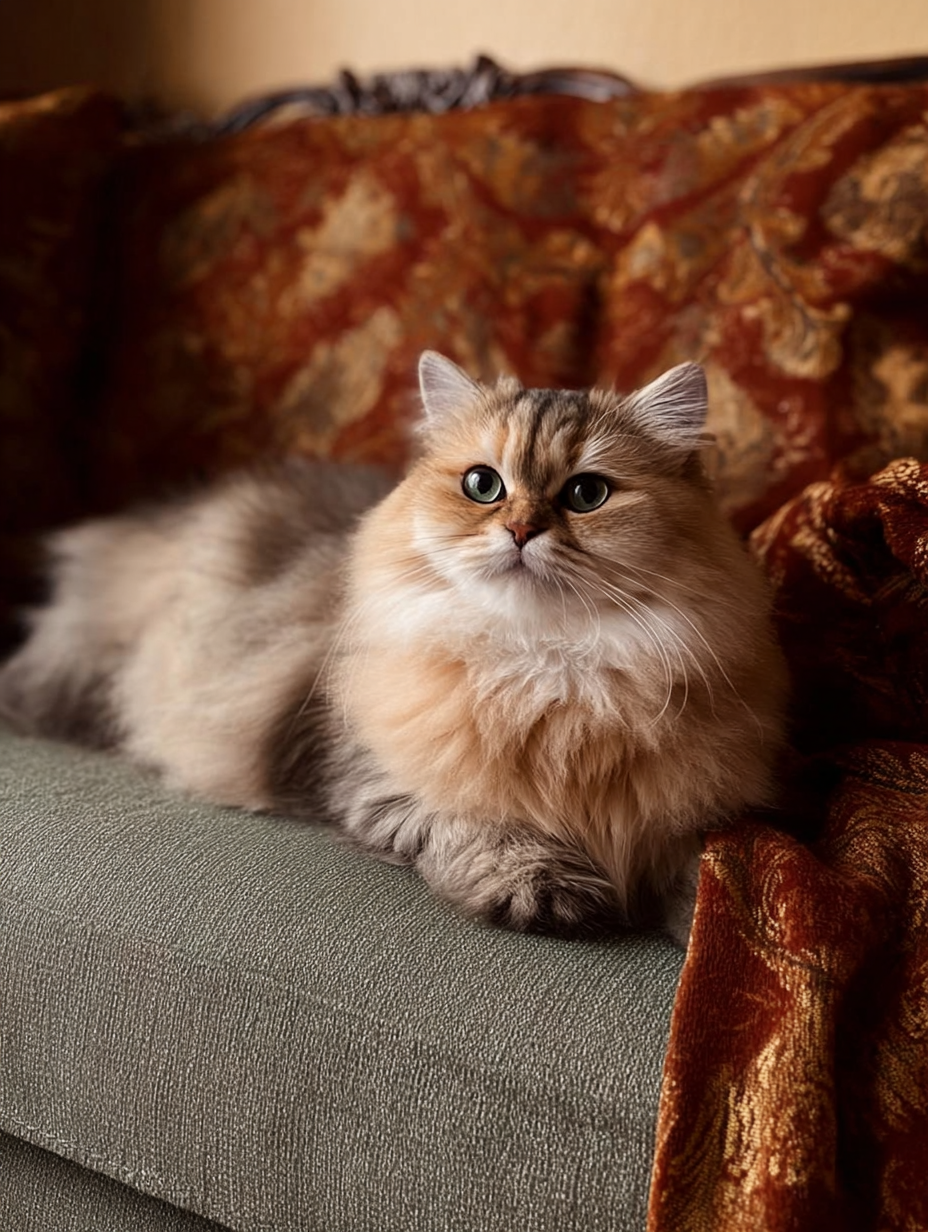
Best Home Setup for British Shorthairs: Creating a Calm, Confident, Long-Lived Cat
British Shorthairs are known for their steady, affectionate personalities and easygoing nature, but the way you set up your home directly supports their health, confidence, and behavior. A well-structured environment helps them feel safe, reduces stress, and encourages healthy routines that keep them thriving for 15–20+ years. Whether you’re preparing for a new kitten or improving the setup for an adult British Shorthair, these sections show you exactly how to build the perfect home environment for this beloved breed.
A Safe and Calming Starter Room
Every British Shorthair kitten should begin their new life in a quiet, enclosed “starter room.” This space helps them build confidence and prevents overwhelm during their first days. A small, predictable area lets them learn the home’s scents and sounds without the stress of too much space too soon. Furnish the room with a cozy bed or blanket, a litter box placed far from the food and water, soft lighting, and a few gentle toys. This creates a comforting, secure zone where your kitten can explore at their own pace. Once they are confidently eating, using the litter box, and showing relaxed behavior, you can gradually open the home to them room by room.
The Ideal Litter Box Setup
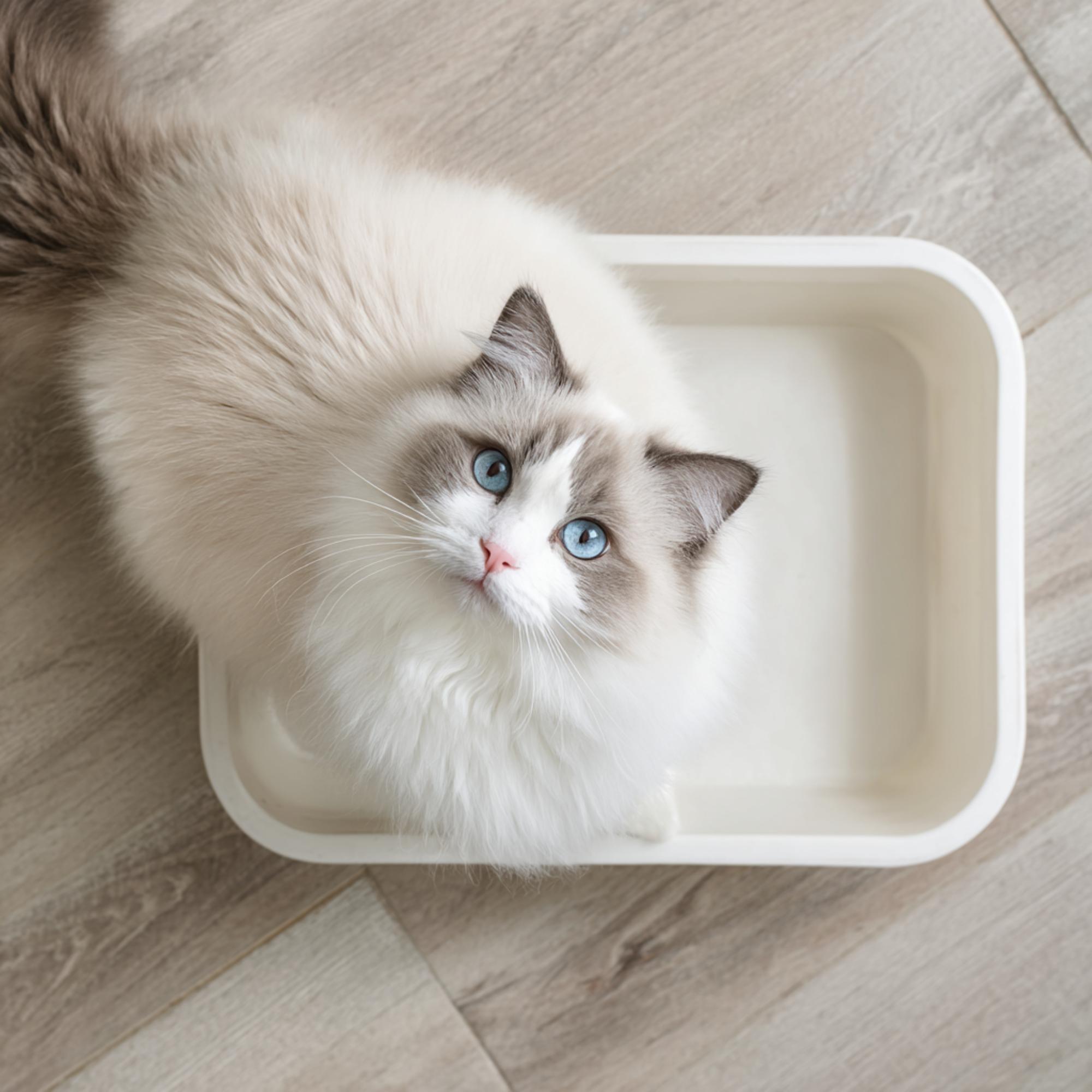
British Shorthairs are naturally clean and appreciate a quiet, tidy litter box environment. An open, spacious litter box is more comfortable for their sturdy build and allows them to move freely without feeling enclosed. Place litter boxes in calm, low-traffic areas where they won’t be startled by sudden noise. Fine-grain, unscented clumping litter offers the best texture and reduces irritation for their sensitive noses. A consistent cleaning routine—scooping daily and washing weekly—keeps your British Shorthair happy and prevents behavioral issues tied to stress or unclean conditions. A well-planned litter area gives them a sense of order and security they value deeply.
Thoughtful Feeding Area Placement
British Shorthairs do best when their meals are served in a quiet, organized area away from commotion. Select a peaceful corner of the kitchen or dining area where they can eat without interruption. Use heavy ceramic or stainless-steel bowls that won’t slide as they eat. Many owners find that slightly elevated feeding stations reduce strain on the neck and encourage more relaxed mealtimes. Offering wet food daily helps with hydration, while measured dry food prevents unnecessary weight gain—a key factor in British Shorthair longevity. A predictable feeding space and routine promote emotional stability, especially for this calm, routine-oriented breed.
Comfortable Vertical and Observation Spaces
British Shorthairs are not extreme jumpers, but they do enjoy elevated perches that allow them to observe the home quietly. A sturdy cat tree with wide platforms, window perches, or mid-height wall shelves give them a comfortable vantage point to watch household activity without being in the center of it. These spaces help them feel included but not overwhelmed, perfectly matching their independent-yet-present personality. Elevated resting spots also support confidence and offer important environmental enrichment that prevents boredom in indoor-only cats.
Soft, Cozy Sleeping and Resting Zones
British Shorthairs love comfort. They spend a significant portion of their day sleeping, so providing multiple cozy rest areas supports both their emotional wellbeing and their physical health. Place soft beds, plush blankets, or warm mats in quiet corners of main rooms so they can rest near you without being disturbed. Senior British Shorthairs especially appreciate warm, supportive bedding that is easy on their joints. By offering several resting choices around the home, you give them the freedom to choose the spot that best fits their mood, helping them feel secure and content throughout the day.
Gentle Play and Enrichment Opportunities
British Shorthairs are moderately playful and enjoy calm, thoughtful enrichment rather than intense activity. They respond well to soft wand toys, plush kickers, crinkle tunnels, and puzzle feeders that encourage problem-solving. Regular but gentle play sessions—especially in the morning and evening—support healthy weight management and keep their minds active. Creating a small toy basket, rotating toys weekly, and offering window views of birds or squirrels all help prevent boredom. For owners who work long hours, puzzle feeders and interactive toys also keep British Shorthairs mentally stimulated when left alone.
Scratching Options for a Calm Home
Scratching is a natural behavior that helps British Shorthairs stretch, strengthen their muscles, and relieve stress. Provide a mix of vertical scratching posts and horizontal scratch pads to match their different stretching preferences. Sisal and natural-fiber surfaces tend to be the most appealing. Place scratchers in areas where your cat naturally transitions between rooms, since scratching is often part of their routine as they move through their space. A good scratching setup supports physical health and reduces the chance of unwanted scratching on furniture.
Comfortable Temperature and Environmental Calm
British Shorthairs thrive in homes that feel warm, soft, and steady. They prefer moderate temperatures and do best in environments free from drafts, loud noises, or constant disruptions. Placing resting areas near sunny windows, heated beds in winter, and fleece blankets in favorite spots helps them stay comfortable year-round. Maintaining a stable household rhythm also matters; British Shorthairs are sensitive to sudden changes and flourish when their environment feels calm and predictable.
Supporting a Multi-Cat Household
British Shorthairs coexist well with other pets when given their own dedicated spaces. In multi-cat homes, make sure each cat has access to separate resting zones, feeding stations, and scratching posts so no one feels challenged or crowded. Provide multiple litter boxes in different areas of the home to avoid territorial tension. Slow introductions, scent swapping, and shared play sessions help foster harmony. British Shorthairs appreciate peace and gentle social interaction, making them excellent companions in well-managed multi-pet households.
A Safe, Indoor-Only Environment
An indoor lifestyle significantly increases the lifespan of a British Shorthair, protecting them from cars, predators, toxins, and unpredictable outdoor hazards. Inside the home, ensure that all spaces are cat-safe by securing windows with screens, keeping toxic plants out of reach, organizing cords, and safely storing cleaning chemicals. British Shorthairs are curious but not reckless, yet a safe indoor environment gives them everything they need to thrive for 15–20+ years without unnecessary risk.
A Consistent, Gentle Daily Routine
British Shorthairs flourish when their days follow a smooth, predictable rhythm. Morning meals, a short play session, quiet midday rest, and evening interaction help them feel anchored and secure. They don’t crave constant attention, but they do value presence and consistency. A calm routine strengthens the bond between cat and owner and supports emotional wellbeing. When your home feels stable, your British Shorthair will reflect that stability in their temperament—calm, affectionate, confident.
Frequently Asked Questions about Best Home Setup for a British Shorthair
How should I prepare my home before bringing a British Shorthair kitten home?
Start by creating one quiet starter room where your kitten can settle in safely. This room should include a cozy bed, a litter box placed far from food and water, a scratching post, and a few soft toys. Keeping your kitten in a smaller, controlled space helps prevent overwhelm, supports litter box confidence, and builds a sense of security. Once they’re comfortable, you can slowly expand access to the rest of your home.
Where should I place the litter box for a British Shorthair?
Place the litter box in a calm, low-traffic area free from loud noises or sudden activity. Avoid laundry rooms, basements, or near appliances that may startle your cat. British Shorthairs prefer open, roomy litter boxes and unscented clumping litter. Scoop daily and wash weekly to maintain the clean environment they naturally prefer.
What should the feeding area look like for a British Shorthair?
Choose a quiet, stable location where your cat can eat without distractions. Use heavy ceramic or stainless-steel bowls, and consider a slightly elevated feeding station to support relaxed eating. Keep the feeding area far from the litter box. A routine schedule—wet food for hydration and measured dry food for weight control—helps keep your British Shorthair healthy and comfortable.
Do British Shorthairs need climbing spaces?
Yes, but not extreme vertical setups. British Shorthairs enjoy stable, moderate-height perches rather than tall, narrow cat towers. Window seats, sturdy cat trees with wide platforms, and middle-height wall shelves give them comfortable observation spots without requiring athletic jumps. These elevated resting areas help reduce boredom and support confidence.
What kind of beds and resting spots do British Shorthairs prefer?
Soft, cozy beds placed in quiet corners are ideal. British Shorthairs love plush fabrics, fleece, memory foam mats, and window seats warmed by the sun. Place multiple resting options throughout your home—especially in rooms where you spend time—so your cat can relax near you while still having space. Senior cats especially appreciate warm, supportive bedding that is easy on their joints.
What toys and enrichment activities are best for British Shorthairs?
British Shorthairs prefer slow, thoughtful play rather than high-energy activity. Wand toys, feather teasers, soft kickers, crinkle tunnels, and puzzle toys are perfect. Rotate toys weekly to keep their interest, and offer short play sessions morning and evening. For owners who work long hours, puzzle feeders and window views help keep your cat stimulated when alone.
How many scratching posts should I have, and where should they go?
Provide at least one tall vertical post and one horizontal scratcher. British Shorthairs enjoy stretching fully or scratching low surfaces depending on their mood. Place scratchers near resting spots, entryways, and high-traffic transitions, since cats naturally scratch when moving between spaces. This setup protects furniture and supports healthy muscle stretching.
What temperature and lighting do British Shorthairs prefer?
British Shorthairs thrive in moderate temperatures and calm, softly lit environments. They enjoy sun-warmed windows, cozy blankets, and warm resting areas. Avoid drafty hallways and loud, bright rooms. A stable indoor temperature between 68–75°F keeps them comfortable year-round—especially important for senior cats.
How do I set up my home if I have multiple cats?
In multi-cat homes, create multiple feeding stations, resting zones, scratching posts, and litter boxes to reduce competition. Ensure each cat has an area that feels like “theirs.” British Shorthairs integrate well with other cats when introductions are slow and when everyone has enough space and resources to feel secure.
Should British Shorthairs be indoor-only cats?
Yes. Indoor living significantly increases their lifespan—often to 15–20+ years—while outdoor cats face risks from cars, predators, disease, and weather. Keep your home cat-safe by securing windows with sturdy screens, keeping toxic plants out of reach, storing chemicals safely, and managing electrical cords. British Shorthairs are naturally content indoors and thrive in a secure, enriched home.
Do British Shorthairs need a strict routine?
They don’t need rigidity, but they thrive on predictable rhythms. Consistent feeding times, morning enrichment, quiet afternoons, and evening interaction help them feel grounded. British Shorthairs bond deeply to their environment, and a steady routine supports their calm personality and emotional stability.
Find your perfect British Shorthair Kitten. Submit Application here.
Resources and Related Posts
Learn More About Maine Coon Care and Lifestyle
- British Shorthair Lifespan
- British Shorthair Personality
- British Shorthair Kitten Growth Stages
- British Shorthair vs Ragdoll








Read the Comments +